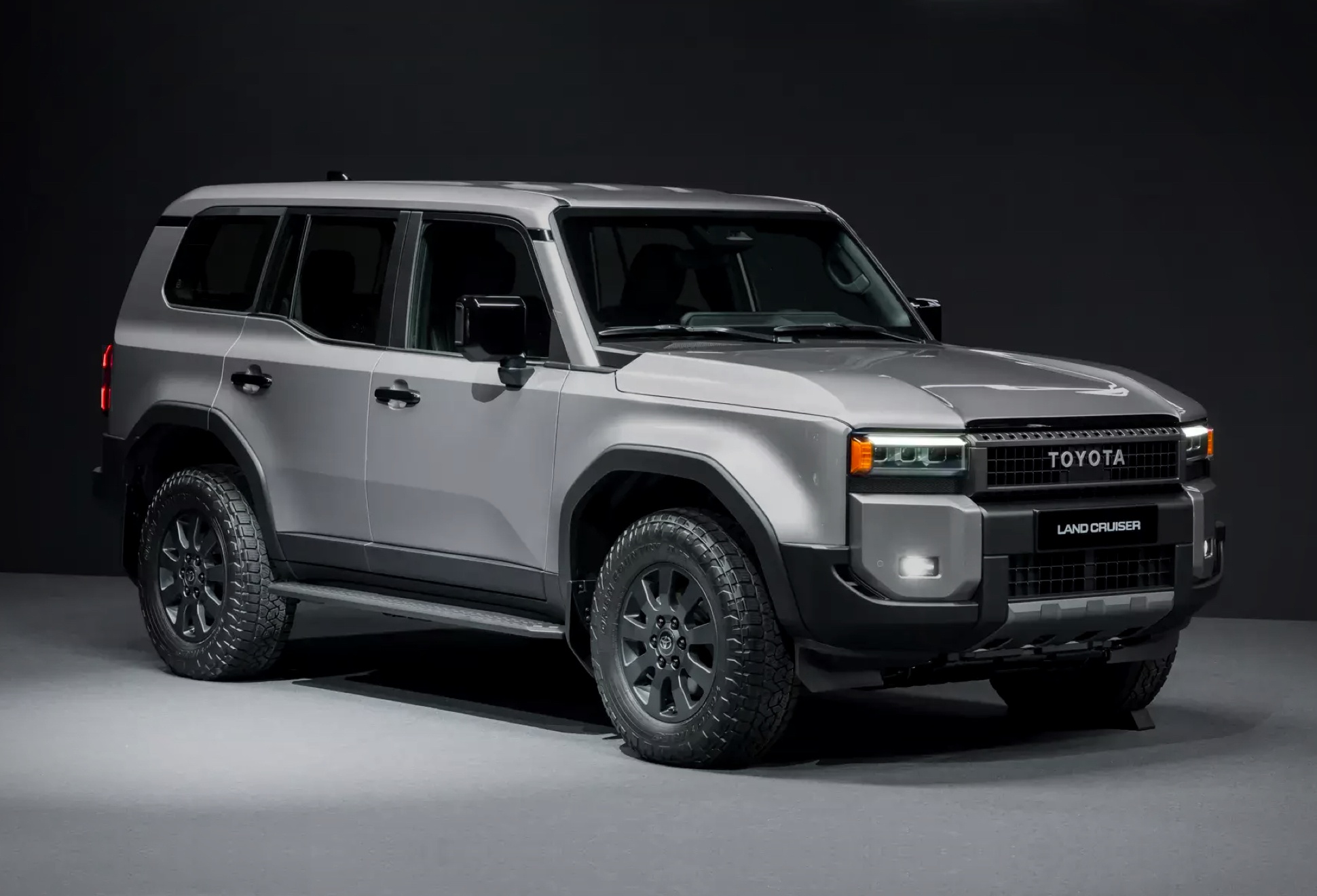
Not all vehicles respond the same to rough roads. Some cars absorb bumps with ease, while others deliver harsh crashes and thuds with every pothole. The difference comes down to suspension design, tire profile, ride height, and engineering priorities. SUVs like the Jeep Wrangler and Toyota Land Cruiser, with their full-frame construction and off-road-tuned suspensions, handle uneven surfaces with confidence.
The Honda Ridgeline, Mercedes-Benz G-Class, and Ford Bronco provide a balance of off-road capability and comfort that allows occupants to travel with minimal jarring. In contrast, performance-oriented cars such as the Mini Cooper Convertible, Tesla Model 3, Audi TT, Nissan 370Z, and Toyota Prius emphasize handling, efficiency, or sporty driving.
Their low-profile tires, stiff suspensions, and low ground clearance make potholes feel more severe and increase the risk of costly damage. Understanding how these design choices affect ride quality is essential for drivers in areas with rough or uneven streets.
5 cars that Handle Potholes Calmly
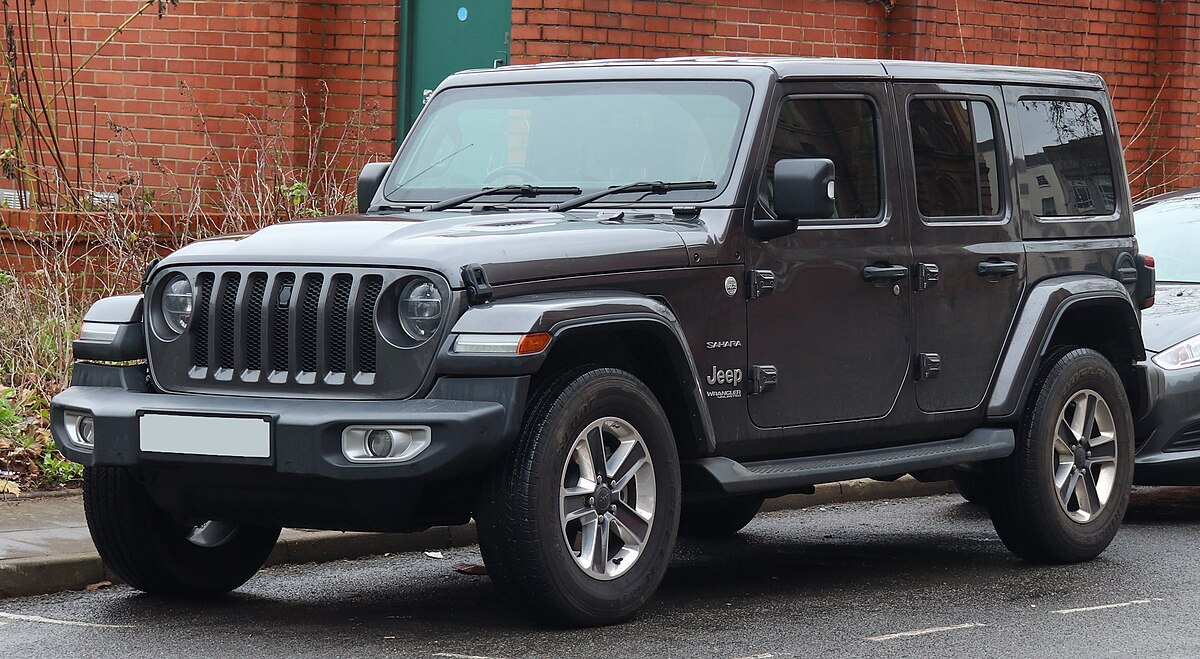
1. Jeep Wrangler: Rugged Capability with Noticeable Everyday Trade-Offs
The Jeep Wrangler stands out as an icon thanks to its military roots, full-frame construction, and exceptional off-road skill. With tall-sidewall tires and suspension tuning suited for rough terrain, it easily absorbs potholes and ruts.
Trims like the Rubicon and packages such as the Xtreme off-road kit take capability even further with features like 37-inch tires and added ground clearance. On trails, the Wrangler excels, whether climbing rocks or traversing sand.
Daily driving tells a different story. While the ride quality is reasonably compliant, the steering feels vague and requires frequent corrections at highway speeds. Acceleration from the V6 engine is mild, and braking distances are longer than many rivals. Driver assistance features work well, although Jeep limits them to optional packages on most trims.
Interior comfort is not the Wrangler’s strength. The front seats are firm with limited support, wind and tire noise are pronounced, and the tall step-in height can challenge shorter drivers. The narrow cabin and upright windshield create a cozy, sometimes cramped feel compared with roomier competitors. Child seats fit in the four-door Unlimited version, but larger seats may require readjusting the front row.
Technology is more impressive. The touchscreen is clear and responsive, wireless Apple CarPlay and Android Auto come standard, and off-road apps enhance trail use. Cargo capacity benefits from the SUV’s boxy shape, though the Bronco provides more space. Small-item storage is limited, with shallow nets substituting for proper door pockets. Towing capability reaches 5,000 pounds when equipped correctly.
Value depends on configuration, as the Wrangler spans a wide price range and offers distinct, rugged switchgear along with attractive interior materials. Fuel economy varies by trim but aligns with other off-road-focused SUVs. The Wrangler’s enduring charm, heritage, and enthusiastic community help it stand apart, even if comfort and on-road behavior lag behind more modern competitors.
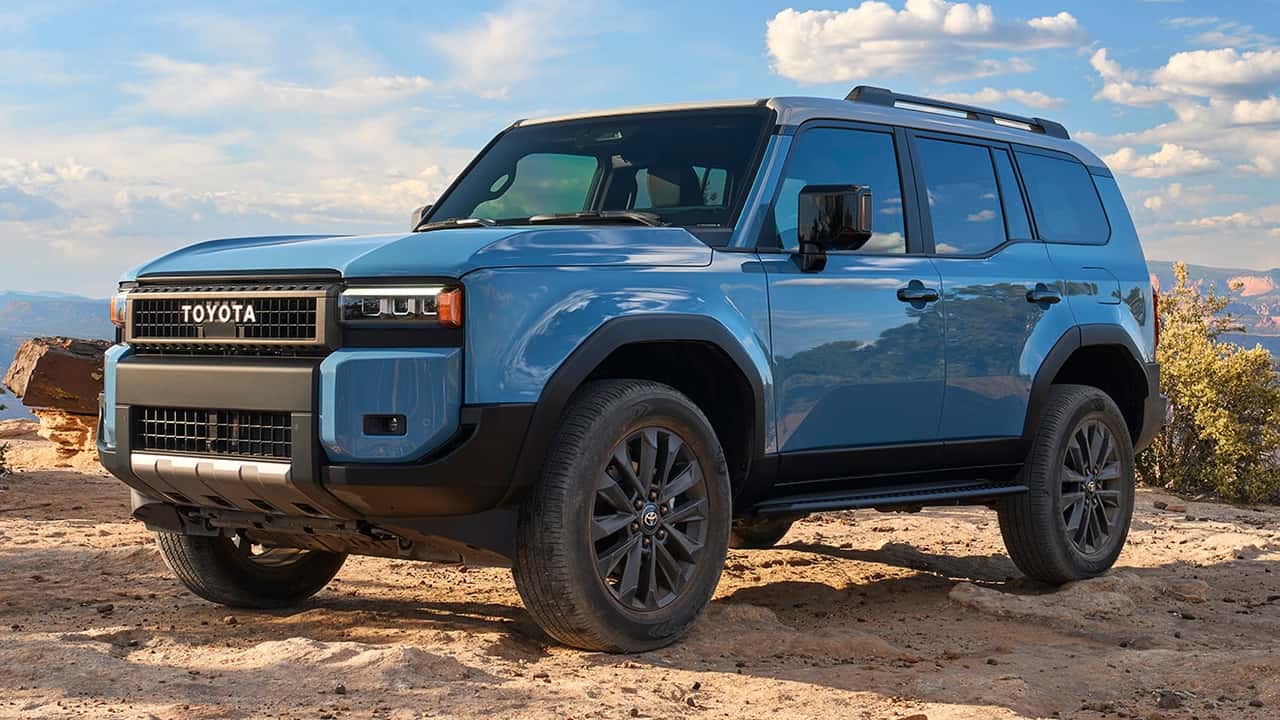
2. Toyota Land Cruiser: Capable, Comfortable, and Built for Longevity
The Toyota Land Cruiser maintains its reputation for durability and long service life, with many examples surpassing 300,000 miles. Its body-on-frame construction and strong suspension allow it to handle rough roads and harsh conditions with confidence, making it a dependable choice for drivers who want both everyday comfort and true off-road ability.
On pavement, the Land Cruiser offers smooth and predictable performance from its hybrid powertrain, although acceleration is modest, reaching 60 mph in 8.2 seconds. Steering feels heavy and lacks road feedback, while strong braking can cause noticeable nosediving. Still, the vehicle remains more composed than hardcore off-road rivals and provides a stable ride over uneven surfaces.
Off-road, capability is solid but would benefit from greater ground clearance and more aggressive tires for demanding trails. Safety technology is generous, though systems like Proactive Driving Assist can intervene more than some drivers prefer.
Seat comfort is one of the Land Cruiser’s strengths, with supportive front and second-row seats and excellent headroom. Rear legroom is surprisingly limited for a vehicle of this size, and the seat cushion sits low, affecting long-trip comfort.
The cabin layout is logical, with easy-to-reach controls and strong insulation from wind and tire noise. Car seat installation is straightforward thanks to accessible anchors, though limited legroom may require repositioning the front seats.
The touchscreen system is simple to use, with wireless Apple CarPlay and Android Auto included. Numerous USB ports and a household outlet increase practicality. Cargo capacity is useful at 37.5 cubic feet, but a raised load floor caused by the hybrid battery makes loading heavier items more demanding.
Small-item storage is limited, and the optional cool box reduces center console space. Towing capacity is 6,000 pounds, suitable for light trailers.
Value is mixed due to a high starting price and some interior shortcomings, especially in the base model. The hybrid powertrain delivers respectable efficiency at 23 mpg combined, though it requires premium fuel. The Land Cruiser stands out with nostalgic styling, thoughtful design details, and a balanced personality that shines brightest once it leaves paved roads.
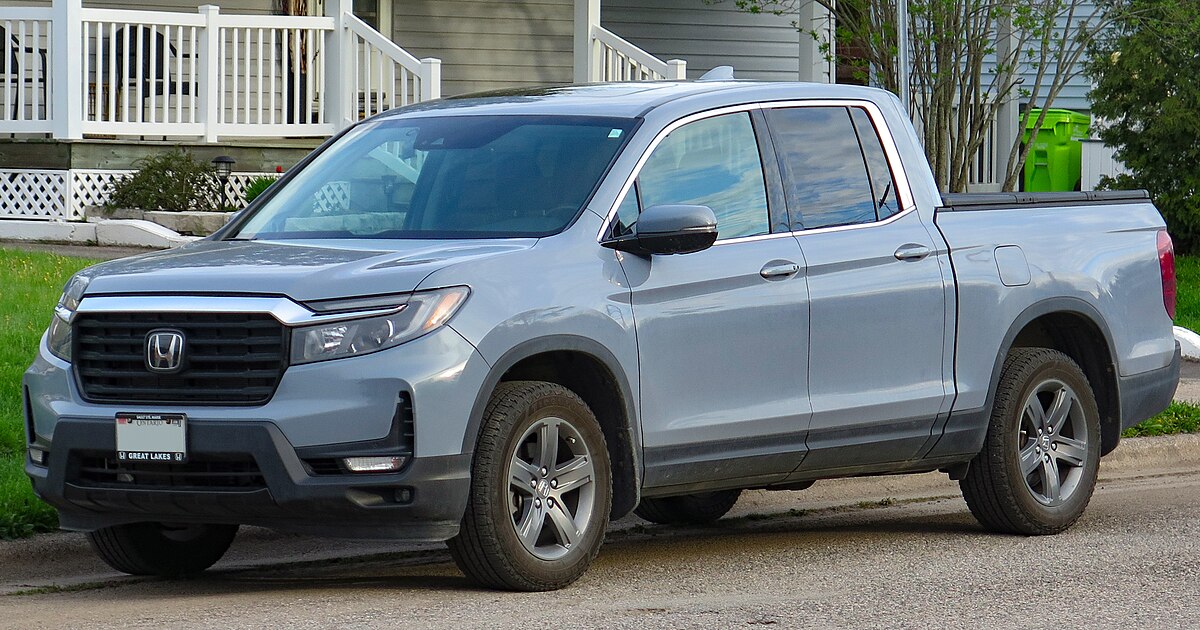
3. Honda Ridgeline: Smooth-Riding Utility with Everyday Practicality
The 2023 Honda Ridgeline stands out among midsize pickups due to its car-like driving feel, thanks to its unibody construction and independent suspension. This design allows it to glide over potholes and uneven pavement with a level of composure traditional trucks rarely achieve.
Steering feels precise, body control is solid, and the ride quality remains impressively smooth. The TrailSport trim adds underbody protection, all-terrain tires, and revised suspension tuning, though it still lacks the low-range gearing and wheel articulation needed for serious off-road challenges.
Visibility is strong because of large windows and minimal blind spots, but the absence of a surround-view camera limits assistance during tight parking maneuvers.
Comfort is another strong point. The front seats offer supportive padding suitable for long trips, and the cabin remains quiet except under heavy throttle when the V6 engine delivers a satisfying growl.
Controls use simple physical buttons and knobs that are easy to operate without distraction. The tri-zone climate control system is standard and performs efficiently. Rear seat space is generous, making child seat installation straightforward.
Technology is functional and user-friendly. The 9-inch touchscreen is smaller than competitors’, yet it provides smooth operation along with wireless Apple CarPlay and Android Auto. Two USB ports in each row and an available wireless charging pad add useful convenience, while the HondaLink app supports basic remote functions.
Practicality is one of the Ridgeline’s strongest attributes. The cabin includes abundant small-item storage, a massive center console, and folding rear seats that reveal a large flat space.
Its trademark features include a lockable in-bed trunk and a dual-action tailgate that swings open sideways or downward. Payload capacity reaches 1,583 pounds, and towing tops out at 5,000 pounds, sufficient for small trailers, boats, or motorcycles.
Value remains competitive thanks to generous standard equipment and solid build quality. Fuel economy sits at 20 to 21 mpg combined, depending on trim, slightly behind some rivals but acceptable for the class. While the interior design feels dated compared to newer trucks, the Ridgeline continues to appeal to drivers who prioritize comfort, civility, and thoughtful utility over rugged off-road performance.
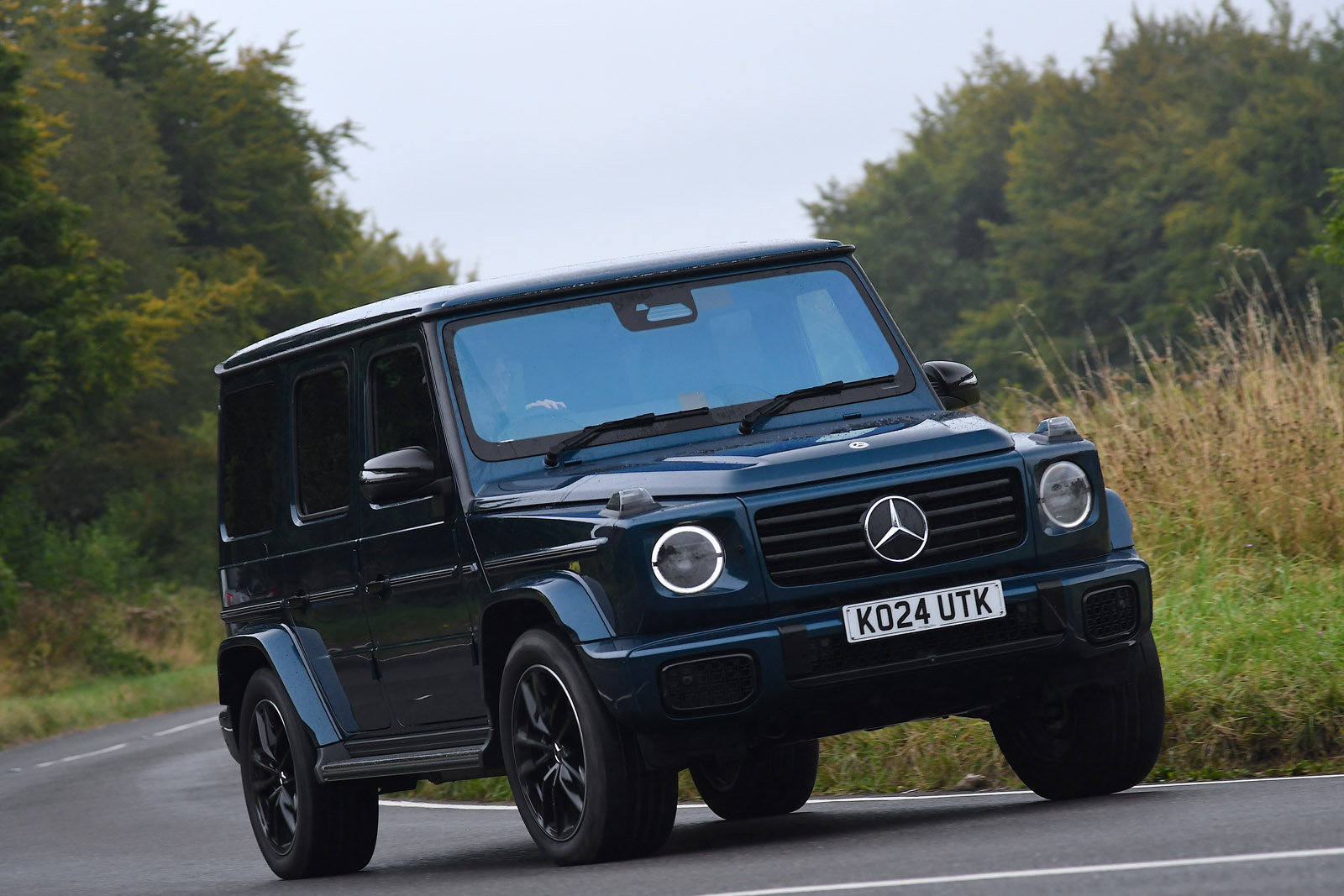
4. Mercedes-Benz G-Class: Iconic Luxury SUV With Serious Trade-Offs
The Mercedes-Benz G-Class remains one of the most recognizable SUVs on the road, offering rugged durability, a ladder-frame chassis, and three locking differentials rooted in its military origins. Its boxy silhouette and off-road capability give it a unique presence, yet daily usability comes with significant compromises.
Tested with the inline-six engine, the G 550 accelerates to 60 mph in 5.1 seconds, outperforming the previous V8 version in straight-line speed. Braking performance has also improved, requiring only 108 feet to stop from 60 mph.
Despite these strengths, handling is limited by heavy body roll and modest tire grip. While the ride absorbs bumps well enough, it still feels truck-like. Wind noise remains a persistent issue at highway speeds, a result of the upright design.
The cabin offers cushioned and supportive seats, though they are surprisingly narrow for an SUV of this size. Road and traffic noise are muted, but wind noise grows noticeable at higher speeds. Interior ergonomics are restricted by the vehicle’s shape.
High step-in height, short door openings, and elevated seats can make entry awkward. Rear-seat space is tight, and optional rear entertainment screens reduce it further. Visibility is a mixed bag: drivers enjoy a commanding view forward, but thick pillars and a rear-mounted spare tire hinder sightlines.
The updated infotainment system adds modern convenience with a touchscreen and smartphone integration. Driver assist features are helpful, though lane keeping assistance can be too forceful. A surround-view camera is especially useful given the SUV’s visibility limitations.
Practicality is not the G-Class’ strong suit. The side-hinged cargo door needs extra room to open, the load floor is high, and the second-row seats do not fold flat. Interior storage is limited despite the vehicle’s size.
The G-Class is far from efficient at 18 mpg combined, and its value depends largely on whether buyers prioritize heritage, prestige, and off-road prowess over practicality and price.
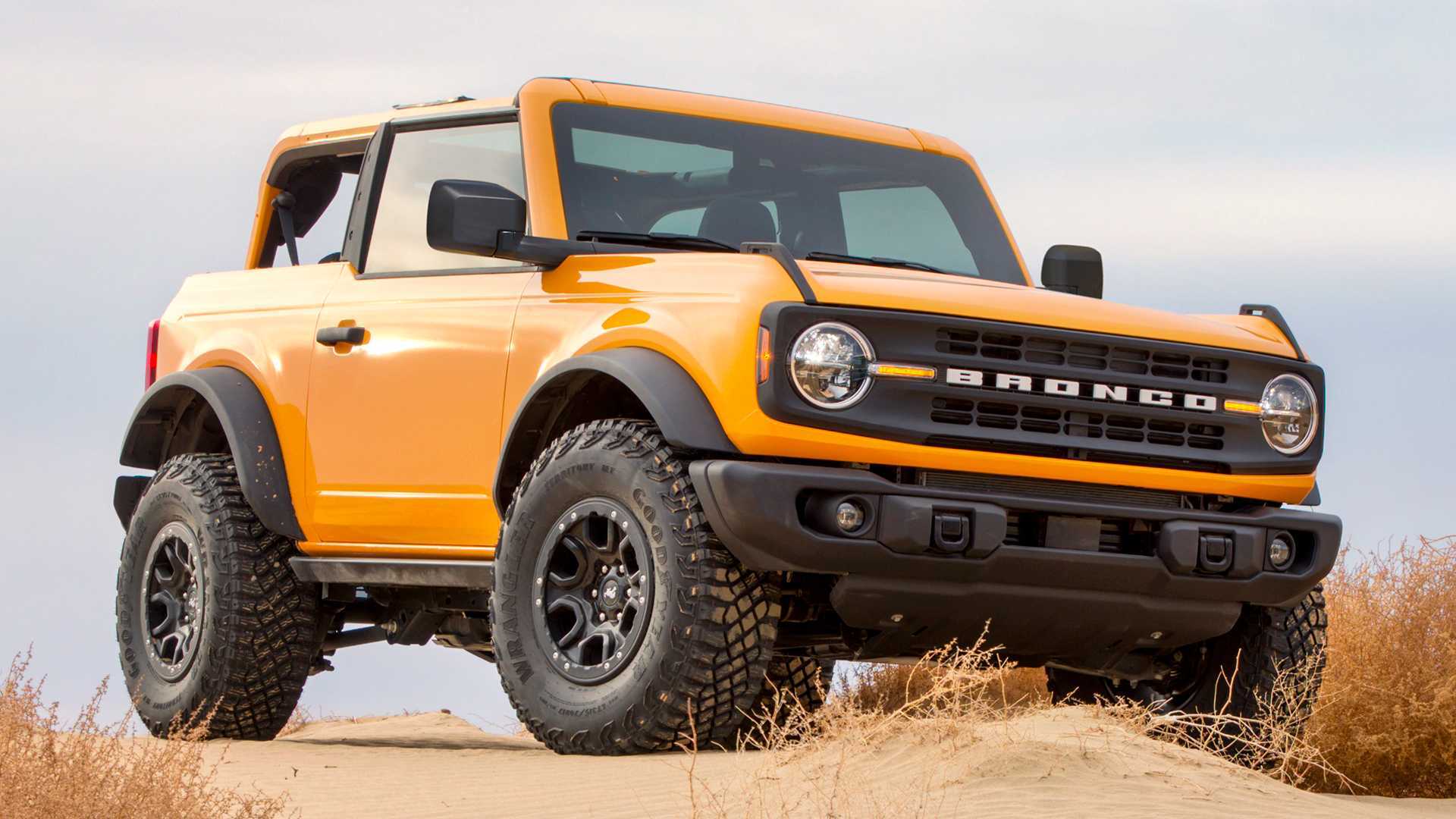
5. Ford Bronco: Capable Off-Roader with Roomy Cabin but Noticeable Road Noise
The modern Ford Bronco revives a nameplate long associated with exploration and rugged travel. Its body-on-frame construction and advanced off-road suspension with Bilstein position-sensitive dampers give it impressive control on uneven terrain. Removable doors and a removable roof add to its outdoor appeal.
Both available engines, the turbocharged four-cylinder and the turbocharged V6, deliver smooth and usable power for everyday driving. Independent testing recorded 0 to 60 mph times from 8.4 seconds to 7 seconds, depending on configuration. The 10-speed automatic shifts quickly and keeps the Bronco responsive.
Emergency braking distances are long. A panic stop from 60 mph took 146 feet, influenced partly by the aggressive all-terrain tires. Steering is a highlight because the independent front suspension provides confidence at freeway speeds.
Ride quality has a firmer and slightly bouncy feel due to the truck-based design, yet it remains comfortable enough for regular use. Visibility is strong, and the large, high-resolution rearview camera display is exceptionally helpful.
The Bronco offers better on-road comfort than its closest rival, the Jeep Wrangler. Seats provide supportive cushioning and sufficient adjustments to reduce fatigue on long trips. The cabin feels spacious in both rows, and the second row accommodates rear-facing child seats without compromising front passenger space.
The climate system is easy to adjust, and the heated seats work quickly. However, the removable hardtop lets in considerable wind noise at nearly all speeds. During off-road testing, some rattles suggested imperfect panel fitment.
The Sync 4 infotainment system loads slowly and shows occasional lag, yet the menu layout is simple to use. It includes wireless Apple CarPlay, wireless Android Auto, six USB ports, and trail mapping features through a companion smartphone app. Built-in navigation is straightforward, and the option to include 4×4 routes is a thoughtful touch.
The Bronco offers more cargo room than the Wrangler. The rear swing gate opens to the passenger side, with the rear glass lifting easily on hardtop models. Interior storage is acceptable, and most trims tow up to 3,500 pounds. Some interior plastics feel inexpensive, but many buyers may appreciate their durability when exposed to dirt, water, or weather.
Also Read: 5 Cars With The Most Complicated Fuel Doors vs 5 Alternatives
5 That Crash And Thud
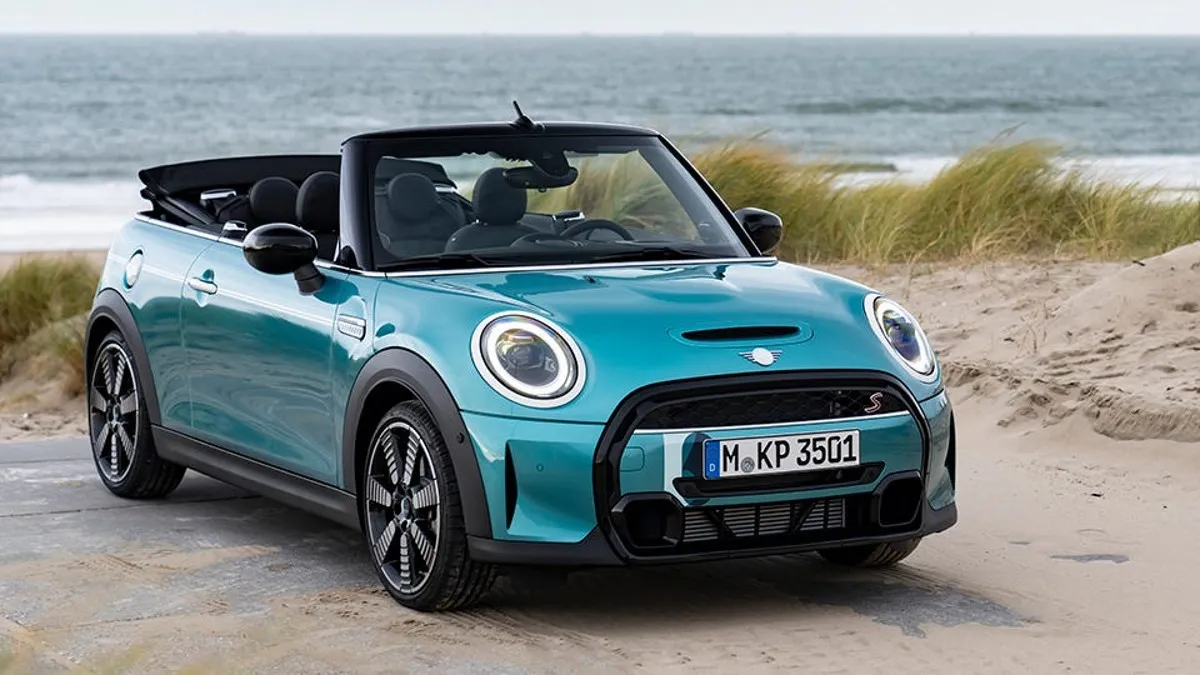
1. Mini Cooper Convertible: Fun on Smooth Roads but Pothole Sensitive
The Mini Cooper Convertible offers a lively, agile driving experience, but its design makes it particularly vulnerable on rough roads. The sport-tuned suspension, while excellent for sharp handling and road feel, transmits pothole impacts directly to the chassis and occupants, resulting in a harsher ride.
Low-profile tires, common on performance-oriented models like the Cooper S, exacerbate this issue. Their shorter sidewalls provide minimal cushioning, increasing the risk of tire or wheel damage when encountering potholes or expansion joints.
As a convertible, the Mini’s chassis includes structural reinforcements to reduce flex and maintain rigidity. While these adjustments prevent excessive body shake, they also make the car less forgiving, meaning drivers feel more of the impact from uneven surfaces. Older models, particularly first-generation Minis (2002–2006), are especially prone to issues, with strut towers sometimes deforming under repeated pothole stress.
In short, the very features that make the Mini Cooper Convertible fun and responsive on smooth roads, stiff suspension, low-profile tires, and reinforced chassis also make it challenging on rough or uneven streets. Drivers looking for a spirited ride must accept that comfort and resilience over potholes are compromised.
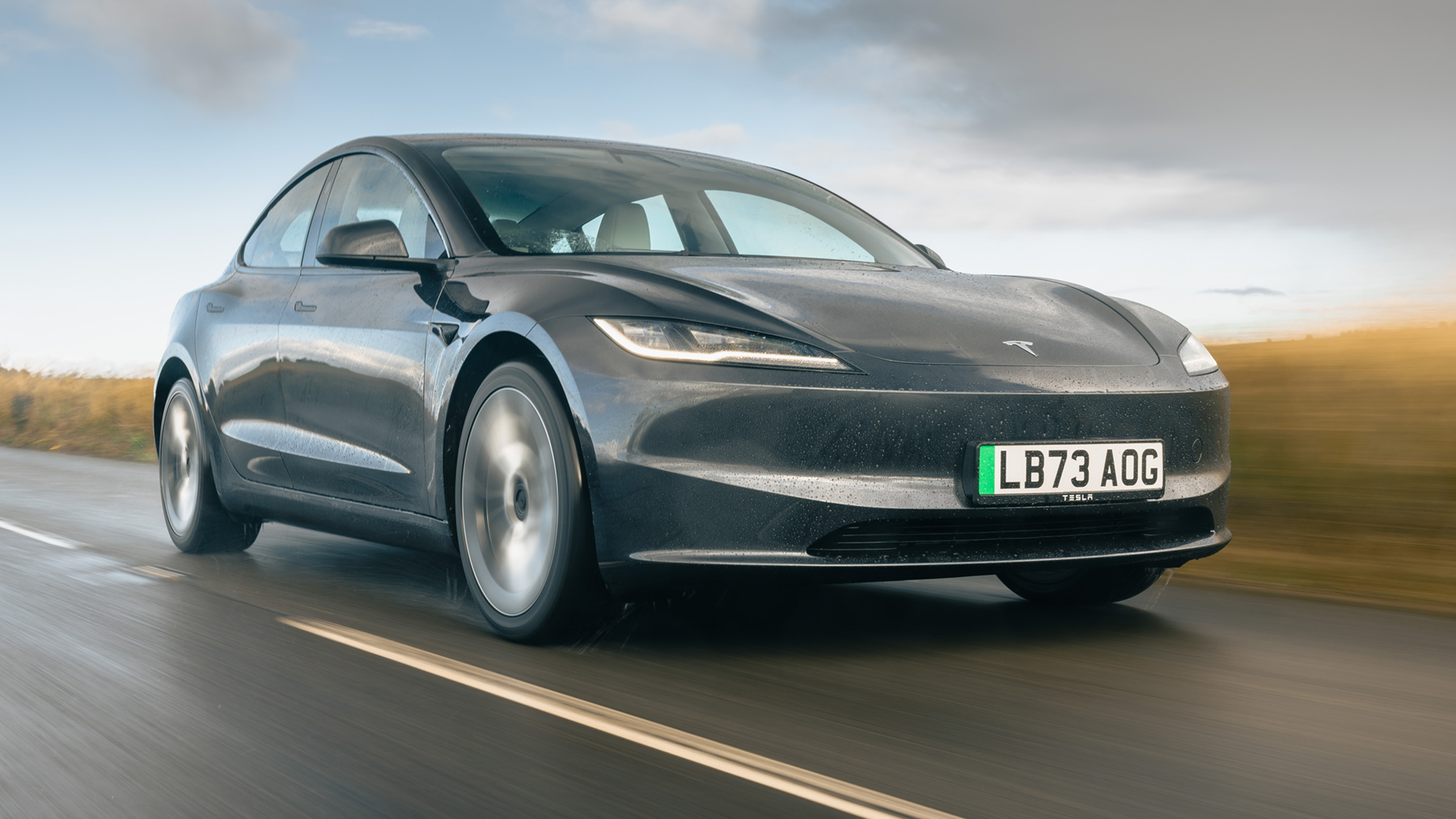
2. Tesla Model 3: Efficient but Sensitive to Potholes
The Tesla Model 3, one of the best-selling electric cars of 2020, struggles on pothole-ridden roads due to its stiff suspension and low-profile tires. Performance-oriented models with larger wheels are particularly vulnerable, as the short sidewalls transmit impacts directly to the suspension and rims, often resulting in costly repairs. Wheel and tire replacements can reach up to $2,600.
A major contributing factor is the vehicle’s limited pothole-avoidance capability. Even with Full Self-Driving (FSD) features, the system does not reliably detect or steer around potholes, leaving the tires and suspension to absorb the full impact. Repeated encounters with rough roads can accelerate wear on suspension components, including bushings, and may cause alignment issues over time.
Key factors affecting the Model 3’s pothole performance include stiff suspension, large wheels with minimal sidewall, software limitations in avoiding road hazards, and increased susceptibility of tires and rims to damage.
To reduce these risks, drivers can adopt several strategies. Cautious driving and actively avoiding potholes remain the most effective measures. Choosing a smaller wheel diameter with higher-profile tires can improve impact absorption and ride comfort.
Additionally, Tesla’s Wheel and Tire Protection Plan can offer financial relief by covering repairs or replacements caused by pothole damage. Owners should also remain aware of the limitations of the car’s autonomous features, as relying on software alone to detect hazards can lead to costly surprises.
While the Model 3 excels in efficiency, range, and performance, its sensitivity to potholes is an important consideration for drivers in areas with rough or uneven roads.
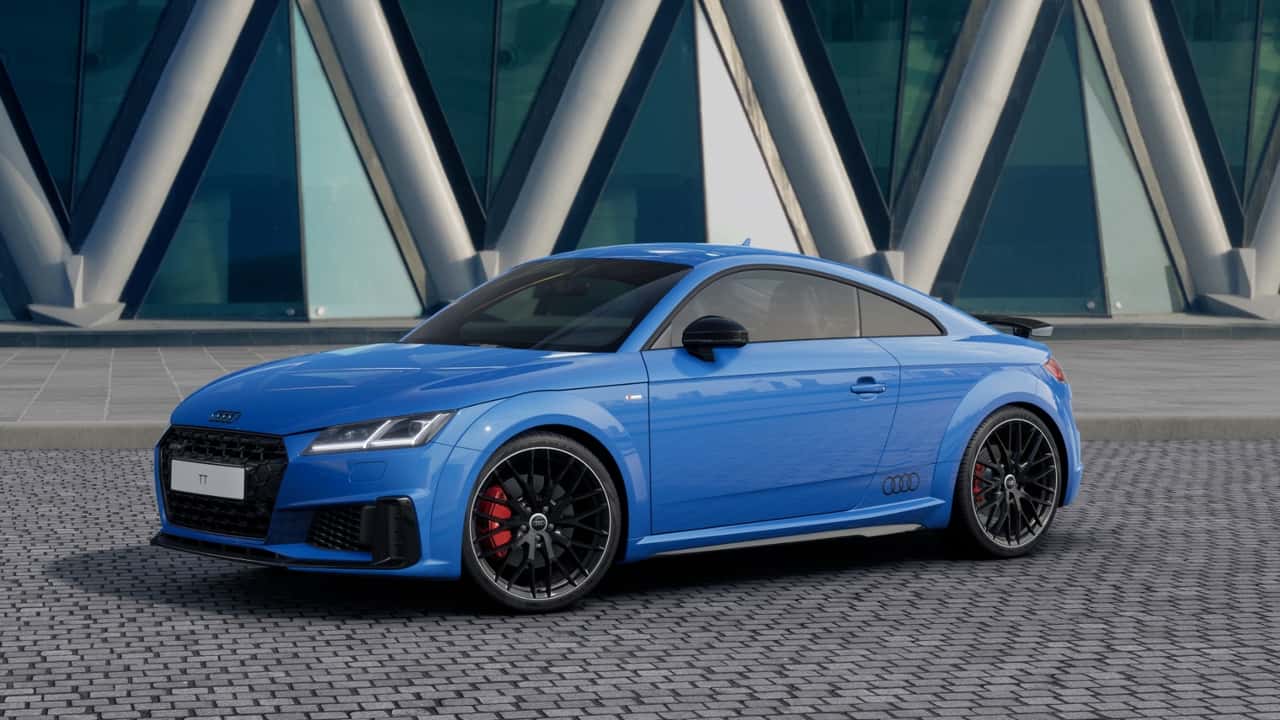
3. Audi TT: Sporty Handling but Vulnerable to Potholes
The Audi TT delivers precise handling and agility thanks to its firm sports suspension and quattro all-wheel-drive system. Its iconic design, inspired by Bauhaus principles and Auto Union racing heritage, makes it visually striking, but its low stance and performance-oriented setup leave it vulnerable to potholes and rough roads.
The TT’s low-profile tires and stiff suspension are the primary reasons for its limited pothole resilience. Tires with short sidewalls provide minimal cushioning, so impacts are transferred directly to the wheels, suspension, and steering components. This can result in bent or cracked alloy wheels, tire sidewall damage, or complete flats.
The firm suspension, tuned for road feedback and cornering precision, cannot absorb shocks effectively, increasing the risk of component wear or failure. Ball joints, control arm bushings, sway bar links, and steering components are particularly susceptible to damage from repeated impacts.
Drivers should be aware that even a single pothole encounter can lead to costly repairs on wheels, tires, or suspension parts. While the TT excels as a performance-oriented sports car, its design choices prioritize driving dynamics over comfort and durability on rough roads.
Those who frequently encounter poor road conditions may face repeated maintenance challenges and should consider cautious driving or alternative tire setups to reduce potential damage.
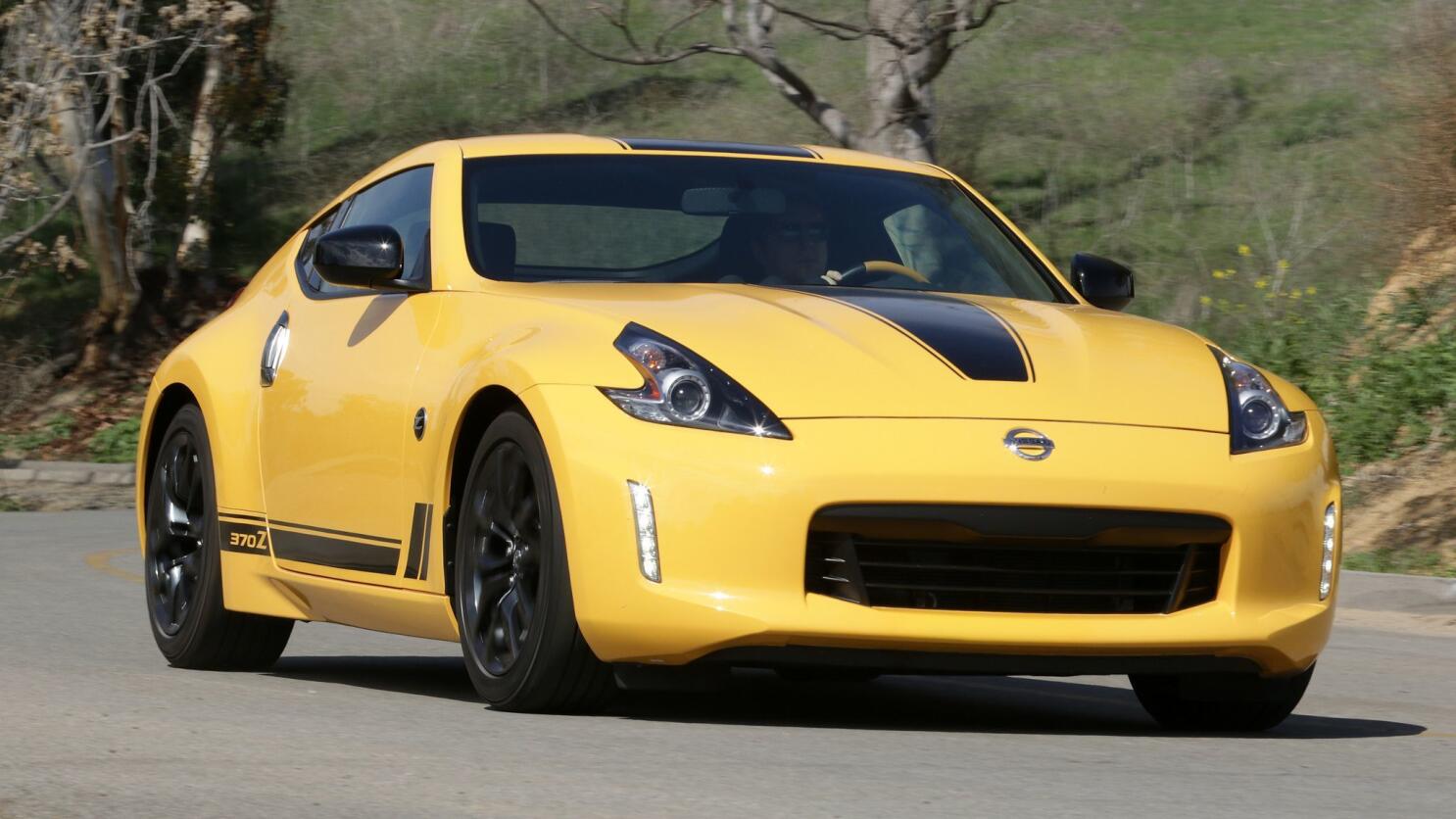
4. Nissan 370Z: Performance Comes at the Cost of Pothole Resilience
The Nissan 370Z is a sports car designed for sharp handling and performance, but its low-profile tires, stiff suspension, and low ground clearance make it highly susceptible to pothole damage. The thin sidewalls of its tires offer minimal cushioning, increasing the likelihood of bent or cracked rims and tire sidewall damage.
The suspension, tuned for precision and road feedback rather than comfort, transmits shocks from rough roads directly to the wheels, chassis, and undercarriage, amplifying the risk of damage.
The car’s low ride height further exposes the undercarriage and front bumper to scrapes and impacts, particularly on uneven surfaces. Unlike vehicles built for general use, the 370Z sacrifices durability against road imperfections to maintain its sporty performance characteristics.
Drivers should exercise caution on rough roads and inspect the vehicle after encountering potholes. Visual checks for tire bulges or cuts, listening for unusual noises, and monitoring for uneven tire wear can help detect damage early.
Professional inspections are recommended to ensure suspension components and undercarriage elements have not been compromised. While the 370Z delivers an exhilarating driving experience, its design choices make it less forgiving on imperfect roads, requiring extra care to avoid costly repairs.
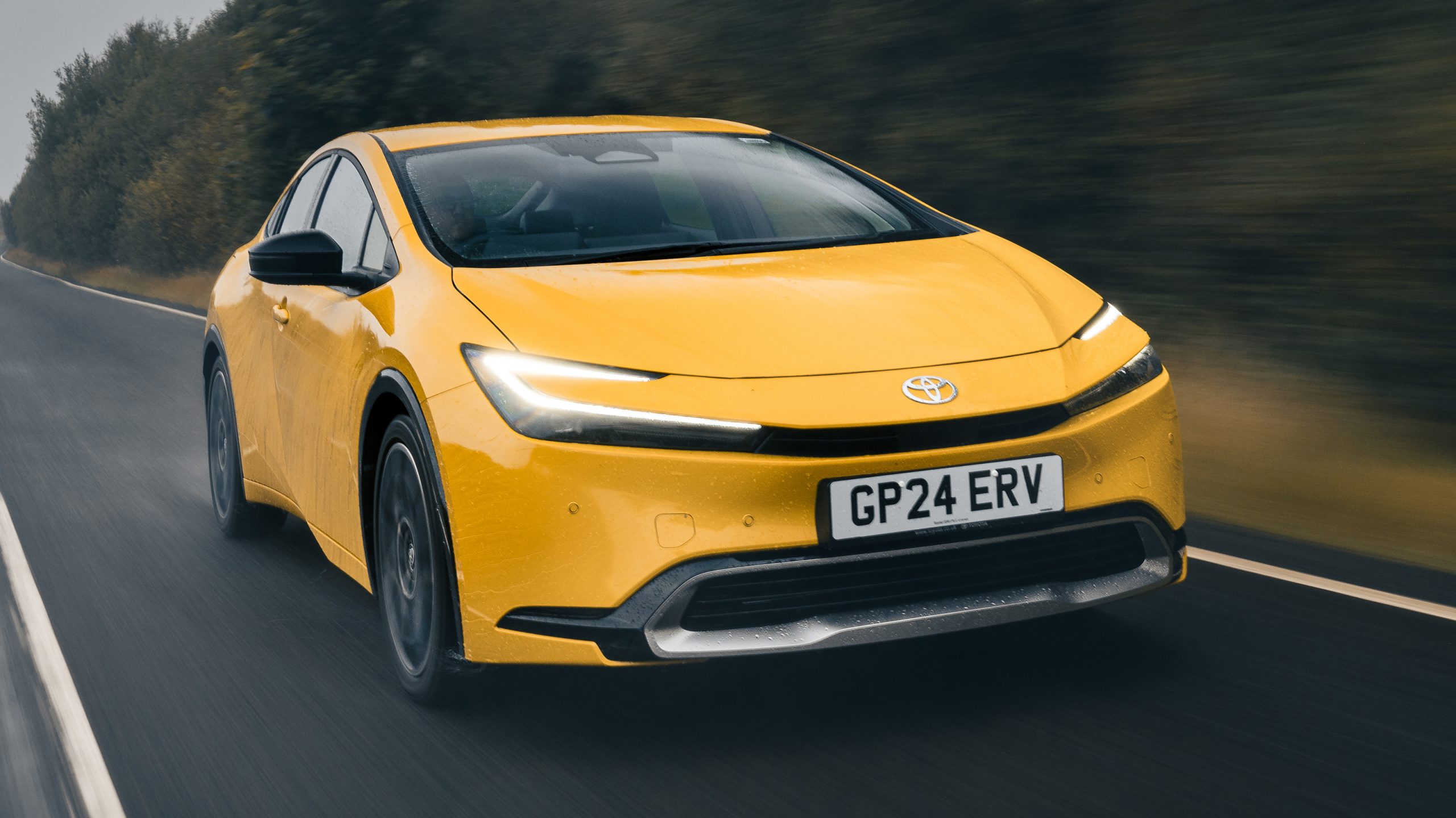
5. Toyota Prius: Efficiency Vulnerable to Road Imperfections
The Toyota Prius, a pioneer in hybrid vehicles since 1997, faces challenges when dealing with potholes. Its low ride height and low-profile tires make it particularly susceptible to damage from uneven road surfaces.
The thin sidewalls of the tires provide minimal cushioning, increasing the risk of punctures, bent rims, or cracked wheels. The unique tire sizes can also create difficulties in finding replacements quickly, potentially raising repair costs.
The Prius’ low stance exposes undercarriage components, such as the exhaust system, to scraping and impact damage. Strong jolts from potholes can stress suspension elements, including shocks, struts, control arms, and tie rods. This may cause alignment issues and reduce ride comfort, while repeated impacts accelerate wear on these components.
Wheel alignment can be knocked off by potholes, causing the car to pull to one side and leading to uneven tire wear. Brake components like pads and rotors can also be affected by repeated shocks, requiring immediate inspection and maintenance. Deep potholes can further inflict cosmetic damage on bumpers and body panels, adding to repair expenses.
While the Prius is celebrated for fuel efficiency and hybrid innovation, its design trade-offs make it less forgiving on rough roads. Drivers must exercise caution to protect the tires, suspension, and undercarriage to preserve performance and avoid costly repairs.
Knowing which vehicles manage potholes effectively can protect both your comfort and your wallet. Off-road-focused SUVs and trucks cushion impacts and maintain stability thanks to suspension tuning, higher ride height, and robust tires.
Cars built for speed, precision, or fuel efficiency transmit every bump directly to the wheels, suspension, and cabin, causing wear and discomfort. Vehicles such as the Wrangler, Land Cruiser, Ridgeline, G-Class, and Bronco are designed for resilience on rough roads, while models like the Mini Cooper Convertible, Model 3, TT, 370Z, and Prius require caution to avoid damage.
Choosing the right vehicle depends on your driving conditions and priorities, with the trade-off between smooth, confident handling and sporty, performance-focused design guiding the decision.
Also Read: 10 Cars With DIY-Friendly Oil Filters and Drain Plugs