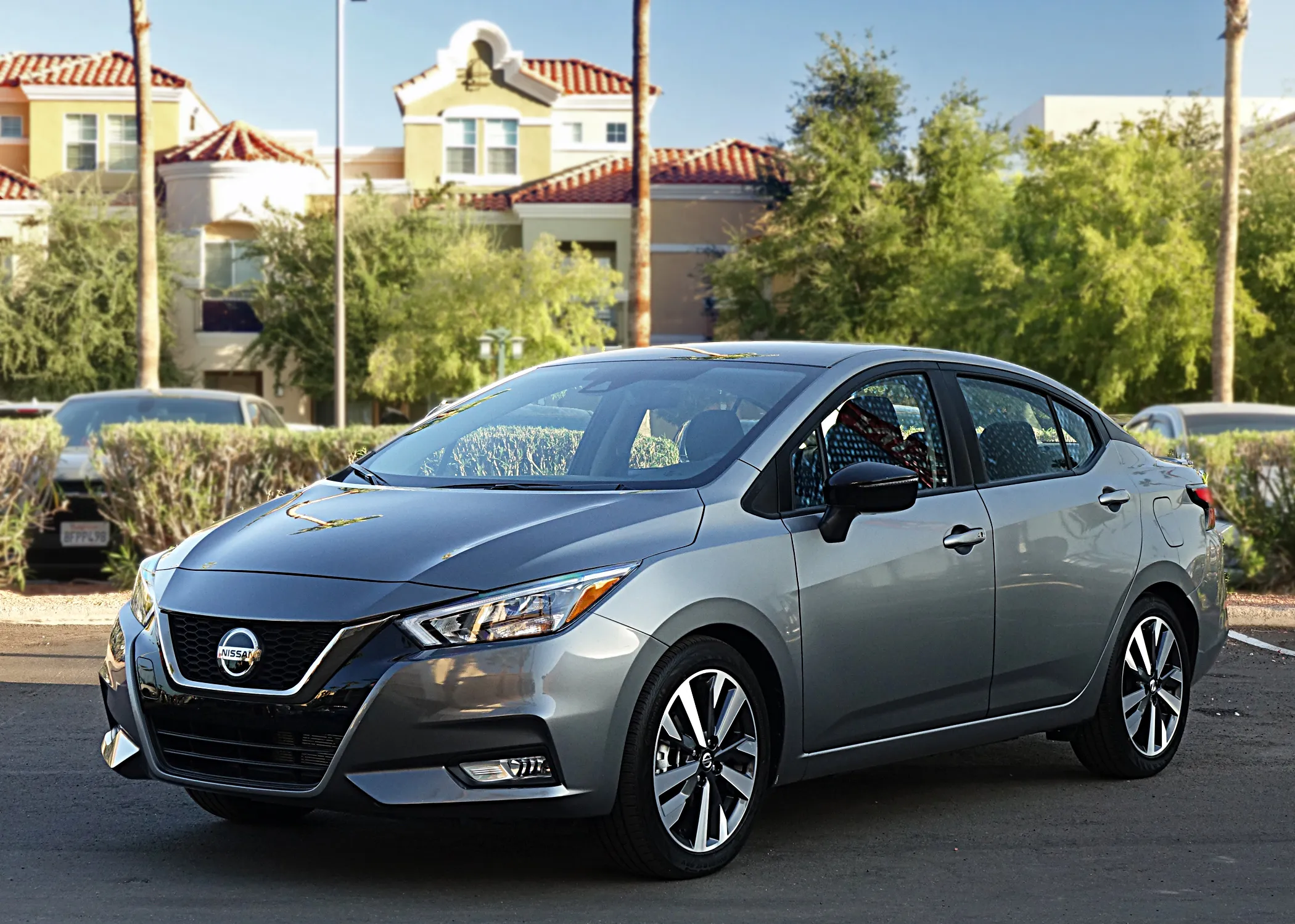
The choice of materials in car interiors plays a significant role in shaping the driving experience, impacting both comfort and perception of quality. Among the most noticeable features in this regard are door arm pads, which vary widely between models and trims.
Soft arm pads, typically made from padded leather, leatherette, or foam-covered fabric, are designed to enhance comfort for both driver and passengers.
These surfaces allow a more pleasant resting place for the arm, reducing fatigue on longer journeys and contributing to a feeling of luxury. Soft arm pads also often come with stitching or contouring that adds a refined aesthetic touch to the interior, signaling attention to detail in design.
In contrast, hard plastic door panels are more utilitarian and common in budget-friendly or older vehicles. These materials are durable, easy to clean, and resistant to scratches and stains, making them ideal for cars that prioritize practicality over tactile comfort.
While hard plastic does not provide the cushioned feel of padded armrests, it serves its functional purpose well and can still be molded into attractive shapes with interesting textures. Some drivers may not notice the difference in daily use, but the tactile contrast is unmistakable when comparing it to softer alternatives.
The difference between soft and hard arm pads is also tied to consumer expectations and vehicle segment. Luxury and mid-range vehicles tend to favor padded armrests as part of a broader strategy to create a more premium cabin environment, whereas entry-level cars often use hard plastics to keep production costs low.
This material choice can also influence other design decisions, such as the type of door panel trim, the inclusion of soundproofing, or integration of storage spaces. Essentially, soft arm pads often signal comfort and sophistication, while hard plastic suggests resilience and functionality.
Cars with Soft Door Arm Pads
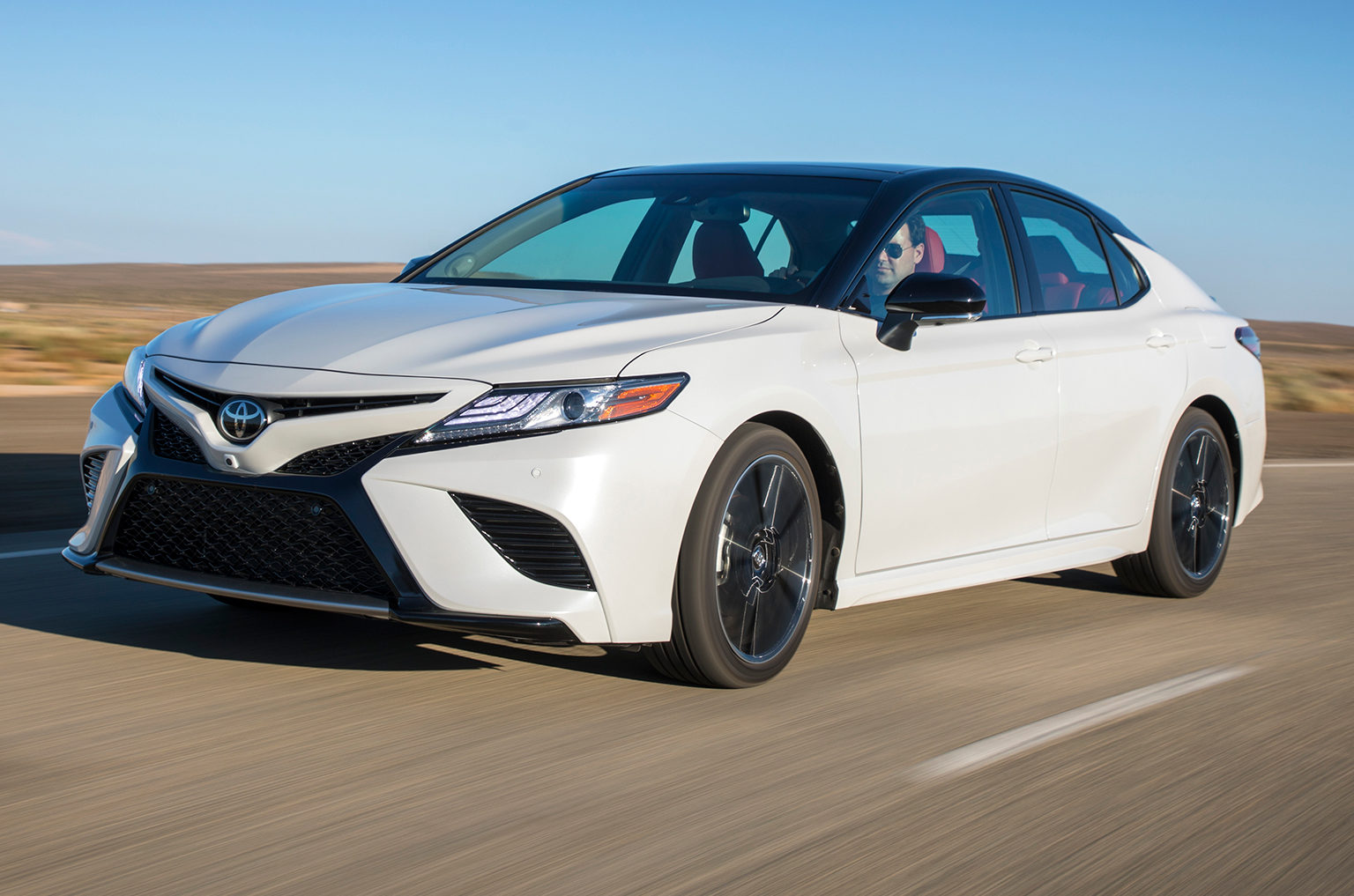
1. Toyota Camry
The Toyota Camry has long been recognized for its balanced approach to comfort, reliability, and affordability, making it one of the most popular mid-size sedans worldwide. In its higher trims, the door arm pads are crafted with soft-touch materials such as padded leather, synthetic leather, or high-quality foam-covered fabric.
These surfaces provide a genuinely pleasant resting place for both driver and passengers, creating an enhanced sense of comfort during commutes or long road trips. Unlike hard plastic, these arm pads give a tactile softness that reduces strain on the forearm, which is particularly appreciated on extended drives where constant pressure against rigid surfaces can lead to fatigue.
Additionally, the soft arm pads often feature subtle stitching or patterning, adding a sense of sophistication and attention to detail that elevates the interior design beyond mere utility.
Beyond tactile comfort, the Camry’s soft arm pads are strategically positioned to provide optimal support for the forearm. This ergonomic consideration allows for a more natural resting position that promotes better posture while driving.
The padding also contributes to noise reduction by dampening vibrations and minimizing contact sounds that may occur when the arm interacts with the door during motion. These features create a quieter, more serene cabin environment that enhances the perception of quality and care in the interior design.
Maintenance of soft arm pads in the Camry is relatively straightforward, despite their plush nature. Materials such as leather or synthetic leather can be cleaned with a damp cloth or mild cleaning solutions, while foam-backed fabrics resist minor wear and scuffs.
Conditioning leather or leatherette surfaces periodically helps maintain suppleness and prevents cracking or sagging over time, ensuring that the comfort and appearance of the arm pads remain consistent even after years of use. This balance of comfort, durability, and ease of care has contributed significantly to the Camry’s reputation as a family-friendly yet refined sedan.
Finally, soft door arm pads in the Camry complement the cabin philosophy, which blends practicality with subtle luxury. By incorporating padded surfaces in touchpoints, Toyota has created a vehicle interior that feels more premium than its price might suggest.
These design choices enhance passenger satisfaction, making even short daily commutes feel more comfortable and enjoyable. The inclusion of soft arm pads also aligns with Toyota’s commitment to providing a more refined driving experience, showing that attention to small details such as armrest material can substantially influence perceptions of quality.
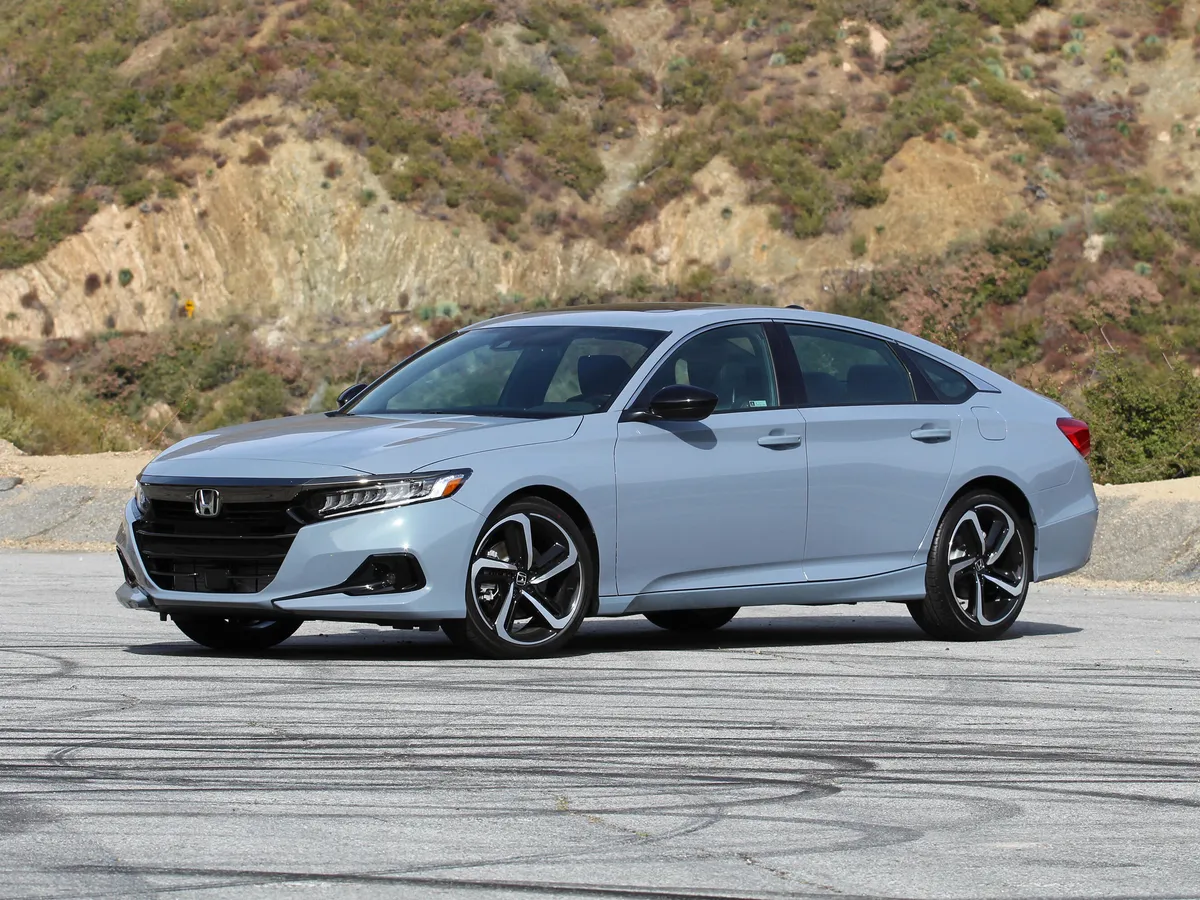
2. Honda Accord
The Honda Accord is well-known for striking a balance between performance, practicality, and interior refinement. One of the features that contributes to this refined feel is the use of soft door arm pads, which are standard in most trims.
These armrests are typically made from foam-backed materials with a textured surface, providing a cushioned resting place that is both supportive and comfortable. The tactile softness improves driver satisfaction and contributes to an sense of calm and luxury within the cabin. When combined with leather or leatherette seating, the soft arm pads create a cohesive interior that feels thoughtfully designed for daily use.
Ergonomics play a major role in the design of the Accord’s arm pads. They are positioned to support the elbow naturally, helping to reduce strain on the forearm and shoulder during longer journeys. This thoughtful placement contributes to a comfortable driving posture, which is particularly beneficial for those who spend significant time behind the wheel.
In addition to improving comfort, these armrests are integrated with functional elements, including door handles, window switches, and small storage compartments, allowing them to serve multiple purposes without sacrificing tactile quality.
Maintenance of the Accord’s soft arm pads is manageable, with most materials being resistant to minor wear, scuffs, and stains. Leather or synthetic surfaces benefit from routine cleaning and conditioning to preserve softness and longevity.
The combination of tactile comfort and durability ensures that the interior maintains a premium feel even under regular use, which reinforces the Accord’s position as a mid-size sedan that provides a near-luxury experience without significantly higher costs.
Soft arm pads signal attention to detail and consideration for driver and passenger experience, reinforcing Honda’s reputation for producing vehicles that balance everyday usability with subtle elegance.
In a crowded segment, this focus on touchpoints such as armrests can help the Accord stand out, making it not just a functional vehicle but also one that provides a more engaging and enjoyable interior environment.

3. Lexus ES
Lexus, as a luxury brand, is widely recognized for emphasizing comfort, sophistication, and meticulous attention to interior details. The ES model exemplifies this philosophy through its use of soft, padded door arm pads made from high-quality leather or synthetic materials.
These armrests are noticeably plush, offering a premium tactile experience that immediately conveys luxury upon contact. Soft arm pads in the ES are not just functional; they are integral to creating a refined cabin atmosphere where every touchpoint feels thoughtfully designed. The plushness of these surfaces also contributes to a quieter ride, as padding dampens vibrations and absorbs minor impacts from everyday use.
This combination of comfort, style, and functional ergonomics ensures that passengers feel both relaxed and visually pleased, reinforcing the sense that every detail has been carefully considered.
Maintaining the soft arm pads in the ES is relatively simple, though it requires some attention due to the luxury nature of the materials. Leather surfaces benefit from regular cleaning and conditioning, which preserves suppleness and prevents wear. High-quality synthetic materials also resist minor scratches and spills while retaining a soft touch.
This balance of durability and comfort ensures that the arm pads maintain both their visual appeal and tactile satisfaction over time, aligning with the vehicle’s reputation for long-lasting refinement.
Finally, the soft door arm pads in the Lexus ES play a critical role in enhancing the perception of luxury and comfort. They provide a consistently pleasurable touchpoint that reinforces the premium nature of the cabin.
Passengers quickly notice the difference between these cushioned surfaces and hard plastic alternatives, which adds to the vehicle’s sense of sophistication. In a competitive luxury sedan market, the tactile and visual quality of components like armrests can significantly influence consumer perception, making these soft pads an essential aspect of the ES’s interior identity.

4. BMW 3 Series
The BMW 3 Series is celebrated for delivering a sporty driving experience without compromising interior comfort and refinement. In this context, the use of soft door arm pads in most trims enhances the cabin’s tactile appeal while supporting the driver during dynamic driving.
These arm pads are constructed from high-quality, padded materials that provide noticeable cushioning. The soft surfaces not only offer comfort but also give the interior a sense of quality that aligns with BMW’s premium branding. The tactile experience encourages a connection between driver and vehicle, adding to the enjoyment of driving the 3 Series.
Ergonomics are carefully considered in the design of the 3 Series arm pads. They are positioned to support the elbow naturally, which reduces strain on longer journeys and allows drivers to maintain precise control of the steering wheel.
Even during spirited driving, the firm yet cushioned feel of these pads offers stability while keeping comfort a priority. This careful balance between supportive firmness and plush softness underscores BMW’s commitment to producing interiors that are both driver-focused and luxurious.
Maintenance of these arm pads is straightforward, especially with leather or leatherette surfaces that are resilient against normal wear and spills. Routine cleaning and care preserve the softness and prevent deterioration over time.
The durability of materials used ensures that tactile comfort and visual appeal remain consistent throughout the vehicle’s life. This combination of longevity, comfort, and aesthetic appeal is an important factor in the 3 Series’ ability to compete with other premium sedans in its class.
Finally, soft door arm pads in the BMW 3 Series contribute to the perception of the cabin as both refined and driver-oriented. Every touchpoint, from steering wheel to armrest, reinforces a sense of quality and attention to detail.
The soft arm pads complement other interior elements such as leather seating, precise stitching, and high-quality trim, creating a cohesive tactile environment. This attention to touchpoints enhances both driver comfort and the impression of the vehicle, solidifying its reputation as a sedan that merges performance with refined interior design.

5. Mercedes-Benz C-Class
The Mercedes-Benz C-Class is widely regarded as a benchmark for interior comfort and luxury in the compact executive car segment. Its door arm pads are soft, padded, and covered in premium leather or high-quality synthetic materials, providing an exceptionally comfortable surface for driver and passengers.
The softness of these armrests is immediately noticeable, offering a plush resting place that enhances the experience of the cabin. Beyond comfort, the arm pads serve as a design statement, showcasing Mercedes-Benz’s dedication to meticulous craftsmanship and attention to interior detail.
The arm pads in the C-Class are ergonomically designed to support the elbow in a natural position, reducing tension in the forearm and shoulder, especially during longer trips. The padding is firm enough to provide stability yet soft enough to offer a sense of luxury.
This careful design enhances comfort without compromising the sleek aesthetic of the interior, which often features complementary stitching, contouring, and integrated trim elements. The combination of comfort and style demonstrates Mercedes-Benz’s holistic approach to interior design, where form and function are seamlessly blended.
Maintenance of soft arm pads in the C-Class is manageable with periodic cleaning and conditioning for leather surfaces, which helps preserve suppleness and prevent cracking over time. High-quality synthetic options are also durable and easy to maintain, ensuring that the tactile quality remains consistent over years of use.
The result is a lasting combination of comfort, appearance, and luxury, supporting the vehicle’s reputation as a high-end sedan that pays attention to even the smallest details.
Finally, the soft door arm pads in the Mercedes C-Class reinforce the brand’s commitment to a premium driving experience. They provide a consistently luxurious touchpoint that elevates the interior feel and makes daily commutes or long drives more comfortable and enjoyable.
By integrating soft materials throughout the cabin, Mercedes-Benz ensures that every interaction with the vehicle, from opening doors to resting an arm, contributes to an sense of sophistication and refinement. The tactile quality of the arm pads is therefore more than just a comfort feature, it is an essential element of the C-Class’s identity as a luxury sedan.
Cars with Hard Plastic Door Arm Pads

1. Toyota Corolla
The Toyota Corolla, particularly in its base trims, often relies on hard plastic for door arm pads as a cost-effective and practical solution. These surfaces prioritize durability over tactile softness, which makes them highly resistant to scratches, stains, and everyday wear.
For families, commuters, and drivers who frequently transport items such as bags or groceries, hard plastic arm pads provide a reliable surface that maintains its appearance over time. While they lack the plush comfort of padded alternatives, their functional resilience ensures that the interior remains presentable and low-maintenance even after prolonged use.
Hard plastic arm pads in the Corolla are often ergonomically contoured to provide basic support for the arm. Designers shape the surfaces to follow the natural resting position of the elbow, mitigating some discomfort despite the lack of cushioning.
The rigidity of the material ensures stability during driving, allowing passengers to rest their arms securely without the slight give or bounce that softer surfaces may provide. Though not luxurious, this functional design demonstrates a thoughtful compromise between comfort and cost efficiency.
Maintenance of hard plastic is one of its strongest advantages. Unlike soft materials, it does not require conditioning, and cleaning is straightforward. Wiping with a damp cloth removes dirt, spills, and fingerprints easily, which is especially useful for drivers who use their car in urban or outdoor environments.
The material’s resistance to staining and abrasion makes it ideal for vehicles that are intended to be practical, reliable, and enduring without demanding significant upkeep.
Finally, the use of hard plastic arm pads aligns with the Corolla’s philosophy of producing a dependable, affordable, and low-maintenance vehicle. While these surfaces do not contribute significantly to perceived luxury, they support the vehicle’s reputation as a practical and user-friendly sedan.
Through careful design and ergonomics, even hard plastic arm pads can provide a sense of purpose and functionality, showing that durability and everyday usability can outweigh tactile comfort in economy-focused cars.

2. Honda Fit
The Honda Fit is a compact car designed with versatility, fuel efficiency, and affordability in mind. Its base trims typically feature hard plastic door arm pads, which emphasize practicality and long-term durability.
These surfaces can withstand frequent use, rough handling, and minor impacts without showing visible signs of wear, making them ideal for urban commuters or families who place durability above plush comfort. Hard plastic allows the Fit to maintain a clean and uniform appearance for years, even under demanding usage.
While hard plastic lacks cushioning, it is often ergonomically shaped to provide basic arm support. Slight contours and smooth edges make resting the arm more comfortable than a completely flat surface would, though it cannot replicate the soft feel of padded alternatives.
Designers often ensure that the armrests are at a convenient height, enabling passengers to place their forearms naturally without excessive strain. This attention to ergonomic positioning demonstrates that comfort can still be partially addressed, even with rigid materials.
The low-maintenance nature of hard plastic is a significant advantage. These surfaces are simple to clean with a damp cloth or mild cleaning solution and do not require regular conditioning or special treatments.
This is particularly beneficial for city drivers, pet owners, or families with young children who might accidentally spill beverages or leave fingerprints. The material’s resistance to staining and scratching ensures that the interior remains neat and functional for extended periods.
The materials are durable, functional, and visually consistent, demonstrating that thoughtful design can maximize usability even when comfort is secondary. In essence, the Fit uses hard plastic armrests to maintain a balance between functionality, affordability, and a clean aesthetic, which suits its role as a versatile subcompact vehicle.

3. Nissan Versa
The Nissan Versa is an economy sedan that emphasizes affordability, practicality, and low cost of ownership. In most trims, the door arm pads are made from hard plastic, which offers durability and resilience in everyday use.
These surfaces withstand scratches, minor impacts, and repeated contact without significant deterioration, making them ideal for drivers seeking a budget-friendly vehicle with minimal maintenance needs. While hard plastic lacks cushioning and softness, it provides a stable and long-lasting surface for daily use, aligning with the car’s functional design.
Ergonomic considerations are still applied despite the use of rigid material. The arm pads are designed to accommodate the natural resting position of the forearm, with slight angles or contours that prevent awkward arm placement.
While these armrests may feel harder and less forgiving during long trips, they serve the basic purpose of providing support and stability during routine driving. This approach demonstrates that practical design can meet functional requirements even when comfort is limited.
Cleaning and upkeep of hard plastic is simple and convenient. Wiping down the surfaces with a damp cloth removes dirt, dust, and spills quickly, requiring minimal effort from the owner.
Unlike padded or fabric surfaces, hard plastic does not absorb stains or moisture, which is especially useful for a vehicle that may be driven in urban environments or used for tasks that expose the interior to frequent dirt and handling. This ease of maintenance is one of the key reasons manufacturers choose hard plastic for entry-level models.
Finally, hard plastic door arm pads in the Nissan Versa reinforce the car’s identity as a practical and economical sedan. While lacking the softness and perceived luxury of padded alternatives, they deliver consistent durability, ease of care, and functional support. These qualities are particularly valuable for drivers who prioritize reliability and low upkeep, making hard plastic a logical and sensible choice for vehicles like the Versa, where practicality outweighs tactile comfort in daily use.

4. Ford Fiesta
The Ford Fiesta, especially in its base or entry-level trims, uses hard plastic for door arm pads to achieve a balance of durability, cost-efficiency, and functional design. These rigid surfaces are resistant to scratches, scuffs, and everyday wear, making them suitable for a compact car frequently used in urban traffic or tight parking conditions.
Hard plastic arm pads allow the Fiesta to maintain a durable and uniform interior appearance over time without requiring specialized maintenance, which is appealing to cost-conscious drivers.
While the material is firm, designers incorporate subtle contours and curves to improve ergonomics and make resting the arm more comfortable than a flat surface would allow. The armrests are positioned at a height that ensures a natural forearm angle, which reduces discomfort on short trips, though long-distance comfort is still limited compared to padded alternatives.
Even with a harder surface, thoughtful shaping demonstrates that functionality and basic comfort can coexist with durability.
Maintenance of hard plastic arm pads in the Fiesta is simple and low-effort. These surfaces are easy to clean with a damp cloth, resist stains, and are impervious to most spills. Unlike soft arm pads that may require conditioning, padding repair, or protection from wear, hard plastic maintains its functional appearance with minimal attention. This characteristic is particularly important for younger drivers or urban commuters who prioritize practicality over luxurious tactile experiences.
Finally, the use of hard plastic arm pads in the Ford Fiesta aligns with its positioning as a reliable and budget-friendly compact car.
The material allows designers to maximize interior functionality, including space for door storage and easy integration of window and lock switches, without significantly increasing production costs. While these armrests do not offer plush comfort, they fulfill their purpose efficiently, demonstrating that hard plastic can serve as a practical and durable choice for economy-focused vehicles.

5. Chevrolet Spark
The Chevrolet Spark, a subcompact city car, uses hard plastic for most interior surfaces, including door arm pads. This choice reflects the car’s emphasis on affordability, low maintenance, and resilience in urban environments.
Hard plastic surfaces are highly resistant to scratches, minor impacts, and dirt, which ensures the interior remains functional and visually clean even under heavy daily use. While these arm pads do not provide cushioning or softness, their practicality and durability make them well-suited for a car designed primarily for city commuting and budget-conscious drivers.
Ergonomic design is still considered, with arm pads slightly contoured to provide a basic resting surface for the forearm. The armrests are strategically positioned to allow a comfortable angle for shorter trips, even if they cannot match the plushness or long-distance comfort of padded alternatives.
This approach demonstrates that rigid materials can still be integrated thoughtfully into an interior to provide a minimal level of support without compromising durability or cost-effectiveness.
Maintenance is effortless with hard plastic arm pads. They can be quickly cleaned using a damp cloth, do not absorb spills, and are largely resistant to stains or fading. This feature is particularly advantageous for drivers who use the vehicle for errands, city driving, or as a first car, where interior wear and tear is expected. The ease of cleaning ensures the cabin remains presentable without the need for special care or attention.
Finally, the Chevrolet Spark’s use of hard plastic arm pads underscores the car’s focus on practicality and low-cost ownership. While the tactile experience is utilitarian rather than luxurious, the material choice provides reliable durability, functional ergonomics, and visual simplicity.
These qualities are perfectly aligned with the Spark’s mission as an economical, city-oriented vehicle, demonstrating that hard plastic, when designed thoughtfully, can offer both functionality and longevity, even if it sacrifices some comfort compared to soft-padded alternatives.