Finding a reliable, feature-packed SUV under $22,000 can feel like searching for a needle in a haystack, but 2025 offers some excellent options for savvy buyers. From subcompact city-friendly models to three-row family haulers, the used SUV market delivers a variety of vehicles that combine practicality, comfort, and modern technology without breaking the bank.
Affordability does not mean compromising on quality; many models provide advanced safety features, smartphone integration, and surprising performance for their price. Whether you’re looking for efficient electric options like the Chevrolet Bolt EUV, rugged off-road-ready rides like the Subaru Crosstrek, or sporty, stylish crossovers such as the Hyundai Kona or Kia Soul, there’s an SUV tailored to almost every lifestyle.
With fuel economy, cargo versatility, and driver-assistance technology improving year over year, these vehicles are perfect for commuting, road trips, or family adventures.
This guide highlights the 10 best used SUVs under $22,000 for 2025, showcasing a balance of value, reliability, and modern features to help buyers make informed choices in the competitive SUV segment.
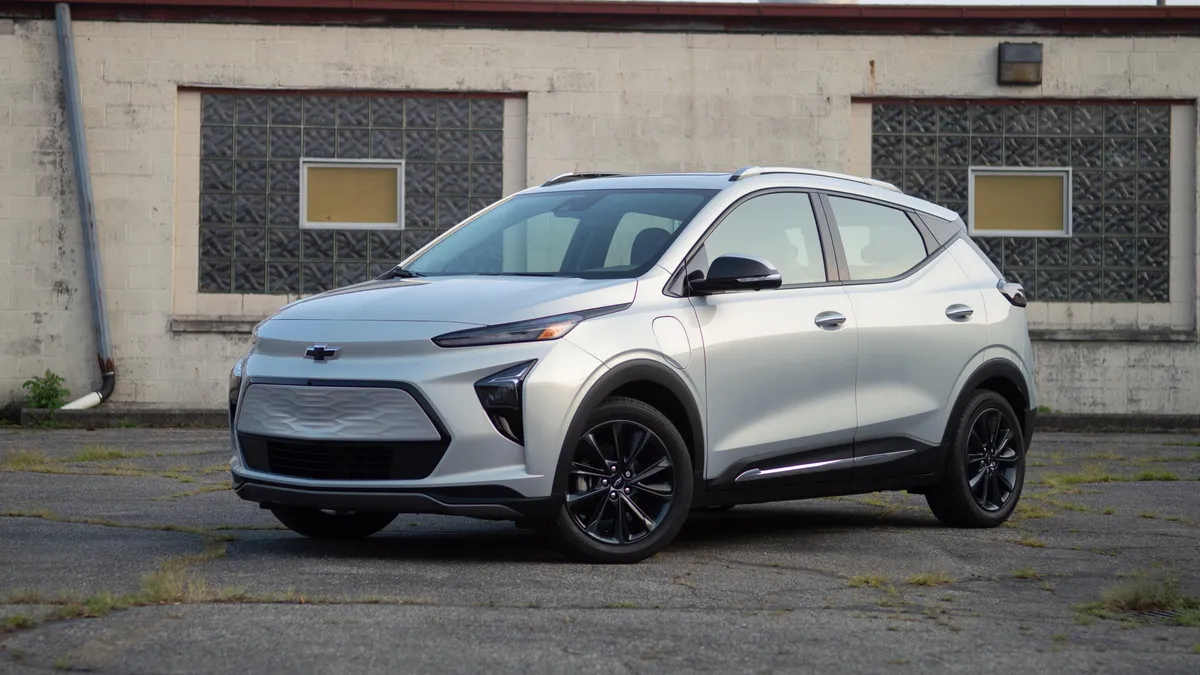
1. 2022–2023 Chevrolet Bolt EUV
The 2022–2023 Chevrolet Bolt EUV is one of the most affordable electric SUVs available, combining strong range, generous features, and impressive value. Although labeled as a subcompact SUV, the Bolt EUV behaves more like a larger hatchback since it lacks all-wheel drive and offers modest ground clearance.
Standard features such as wireless Apple CarPlay and Android Auto add convenience, and the availability of GM’s Super Cruise hands-free driving system enhances its appeal.
Chevrolet’s substantial price cut makes the Bolt EUV even more attractive. The base LT trim includes automatic emergency braking, lane-keeping assistance, automatic climate control, push-button start, and wireless phone charging.
The Premier trim upgrades the experience with leather upholstery, ventilated seats, adaptive cruise control, and options like a panoramic sunroof, heated rear seats, and the Super Cruise system. Even with these features, pricing stays comfortably under forty thousand dollars.
The Bolt EUV delivers an EPA-rated 247 miles of driving range and excellent efficiency at 125/104 MPGe city and highway. Its 200-horsepower electric motor provides smooth, energetic acceleration with a 0 to 60 mph time of about 6.7 seconds. Charging is reasonable at home with a Level 2 charger, but public fast charging is limited since peak speed is capped at 55 kW.
Inside, the Bolt EUV focuses on practicality with easy-to-use buttons, a large 10.2-inch touchscreen, and an 8-inch digital gauge cluster. While interior materials feel basic, the layout is clear and intuitive.
Passenger space is a strong point, especially in the back seat, where the EUV gains three extra inches of legroom compared to the Bolt EV. Cargo space is useful but not exceptional at 16.3 cubic feet behind the rear seats and 56.9 cubic feet with the seats folded.
Driving dynamics favor comfort. The EUV rides softer than the Bolt EV but sacrifices some agility. Super Cruise availability adds value for long trips by handling acceleration, braking, and steering on compatible highways.
When compared with the Hyundai Kona Electric and Kia Niro EV, the Bolt EUV stands out for its pricing advantage. These rivals offer nicer interiors and slightly more range, but they cannot match the Bolt EUV’s combination of affordability, range, and features.
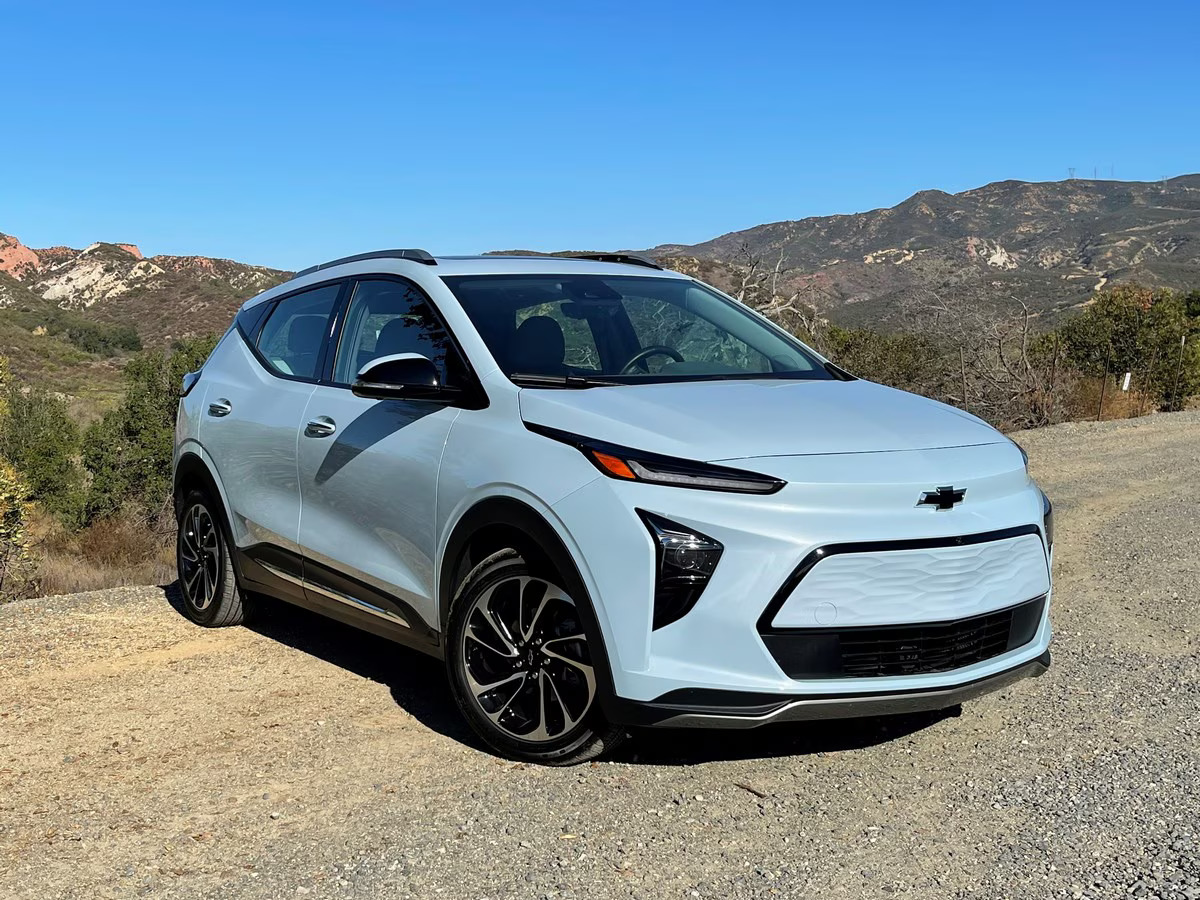
2. 2021–2022 Subaru Crosstrek
The 2021–2022 Subaru Crosstrek is a versatile subcompact SUV that combines off-road capability, competent on-road dynamics, and strong safety scores. Its rugged nature, practical interior, and standard tech features make it an attractive choice for buyers seeking a small but capable SUV. Apple CarPlay and Android Auto come standard on all trims, ensuring seamless smartphone integration.
The Crosstrek is available with two engines: a 2.0-liter base engine and an upgraded 2.5-liter option. The base engine can feel slow, especially during freeway acceleration, while the 2.5-liter engine produces 182 horsepower and reduces 0–60 mph times to approximately 8.4 seconds.
Handling is competent but not sporty; the high ride height and hard tires can lead to body roll in tight turns, making it less agile than some rivals. Steering is communicative, and off-road traction remains a strong suit.
Comfort is a highlight. The Crosstrek provides a smooth, relatively quiet ride, especially with the 2.5-liter engine. Front and rear seats are firm but supportive enough for long trips, though the front seats could use more bolstering for aggressive cornering.
The climate control system is straightforward with large dials, although some vent placements are inconvenient. High seating and a tilt-and-telescoping steering wheel offer excellent visibility and driving ergonomics.
The cabin is functional and spacious. Rear-seat legroom is generous for the class, and the lifted ride height improves ingress and egress. Cargo capacity is 20.8 cubic feet behind the rear seats and 55 cubic feet with seats folded. Small-item storage is limited, but child seats fit easily thanks to large door openings.
Technology in the Crosstrek is solid for its class. The infotainment system features a crisp center screen, intuitive menus, and voice controls. Limited trims add an eight-speaker Harman Kardon stereo, while safety tech includes lane-keeping assist and driver aids that balance intervention without being intrusive.
Fuel economy with the 2.5-liter CVT engine is rated at 27–34 mpg combined, giving the Crosstrek a long driving range thanks to its 16-gallon tank. Real-world highway testing returned approximately 27.5 mpg.
Subaru offers good value with the Crosstrek. Build quality is strong, interior materials are high-quality at upper trims, and the standard features are generous. The three-year/36,000-mile warranty covers uncommon items like wiper blades and brake pads, enhancing ownership confidence. The Crosstrek delivers a capable, practical, and safe subcompact SUV experience at a competitive price.
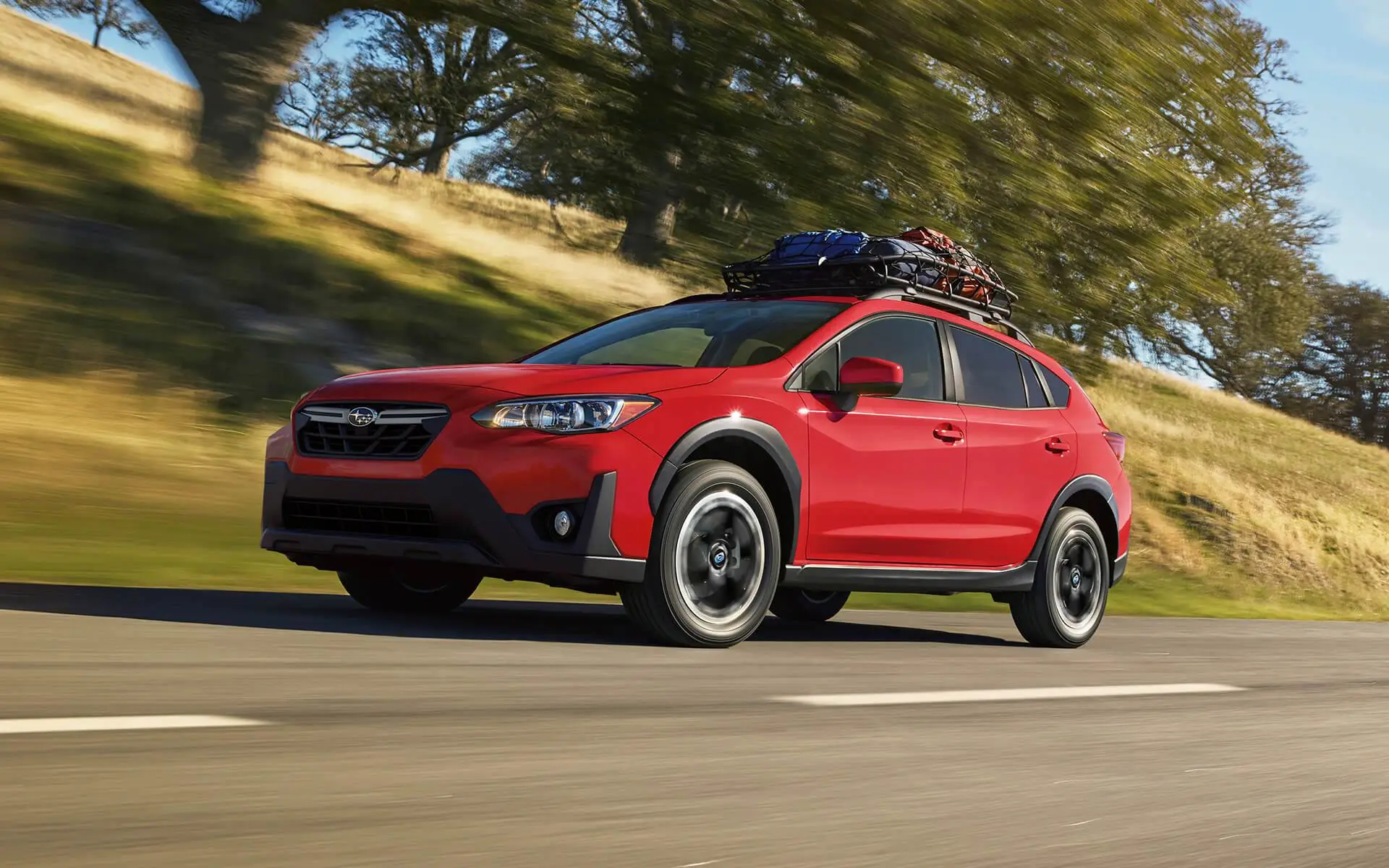
3. 2021–2023 Hyundai Kona
The 2021–2023 Hyundai Kona is a distinctive subcompact SUV that stands out for its bold styling, agile handling, and well-equipped interior. Its sporty driving dynamics make it enjoyable to drive, while standard Apple CarPlay and Android Auto, along with other tech features, ensure modern connectivity. The 2022 facelift refined the exterior and interior slightly, enhancing the Kona’s appeal.
The Kona offers two main powertrains. SE and SEL trims come with a 147-hp four-cylinder engine paired with a six-speed automatic, which can feel underpowered, particularly in all-wheel-drive models that take over nine seconds to reach 60 mph.
Limited and N-Line trims feature a 195-hp turbocharged four-cylinder with a seven-speed dual-clutch automatic transmission, achieving 0–60 mph in around 7.3 seconds.
This engine provides lively acceleration, although the dual-clutch gearbox can feel hesitant at low speeds in tight traffic. Suspension tuning balances ride comfort with handling, smoothing bumps while maintaining a composed cabin. Steering, however, lacks feedback and can require constant adjustments on highways.
Fuel economy is competitive for the class. The base front-wheel-drive model is rated at 30 mpg city and 35 mpg highway, while the turbocharged all-wheel-drive variant achieves 27 mpg city and 32 mpg highway. Real-world testing confirms these numbers, with highway fuel economy around 32–33 mpg depending on configuration. The Kona’s 13.2-gallon tank provides a driving range of 356–422 miles.
Interior comfort and functionality are strengths despite some lower-grade plastics in entry-level trims. Ergonomics are solid, and front seats are supportive with well-placed controls. Cargo space is adequate for a subcompact SUV, accommodating 14 carry-on suitcases in testing, though rear-seat space is tight for taller passengers.
The infotainment system is intuitive, with an 8-inch touchscreen standard and an optional 10.3-inch display. Wireless Apple CarPlay and Android Auto are available, and an optional head-up display adds convenience.
The Kona excels in safety, receiving five-star NHTSA ratings and a 2021 IIHS Top Safety Pick designation. Standard driver-assistance features include automated emergency braking, lane-keeping assist, and a driver-attention monitor, with options such as adaptive cruise control. Hyundai’s 10-year/100,000-mile powertrain warranty enhances value and peace of mind.
The Hyundai Kona blends fun driving dynamics, distinctive style, modern tech, and solid safety, making it a strong choice for buyers seeking a small SUV with personality and practicality.
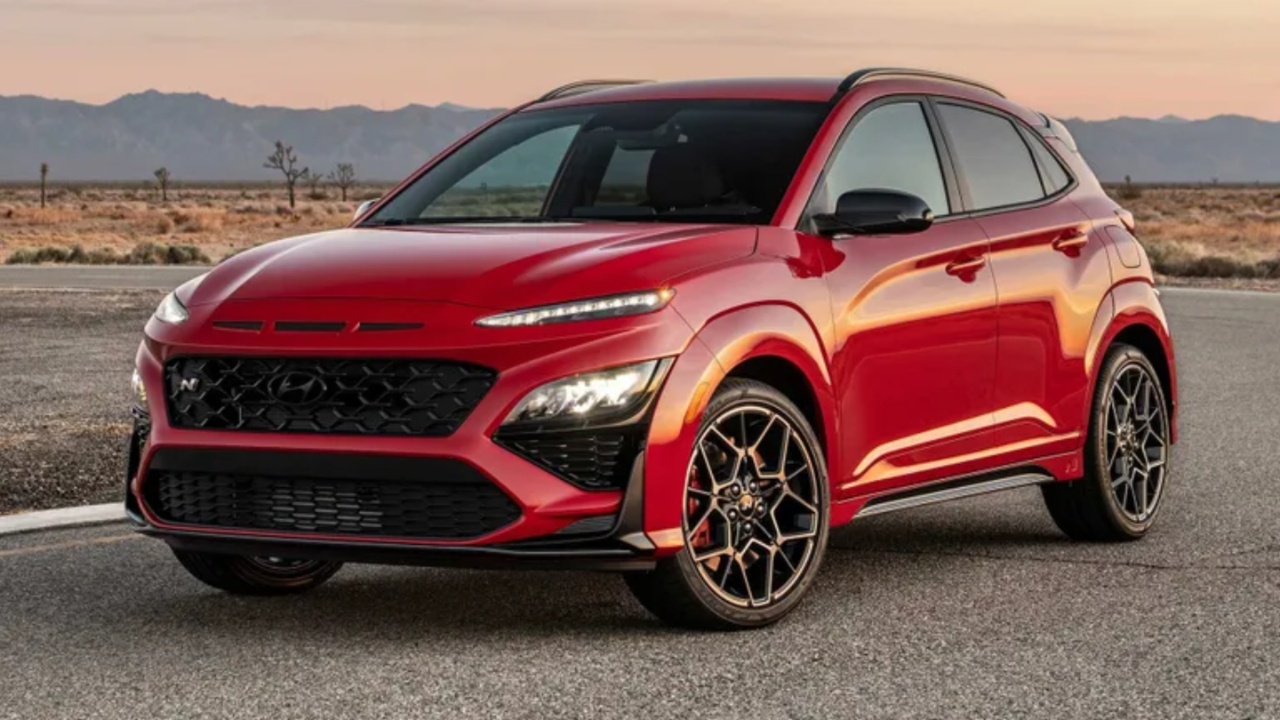
4. 2021–2023 Kia Soul
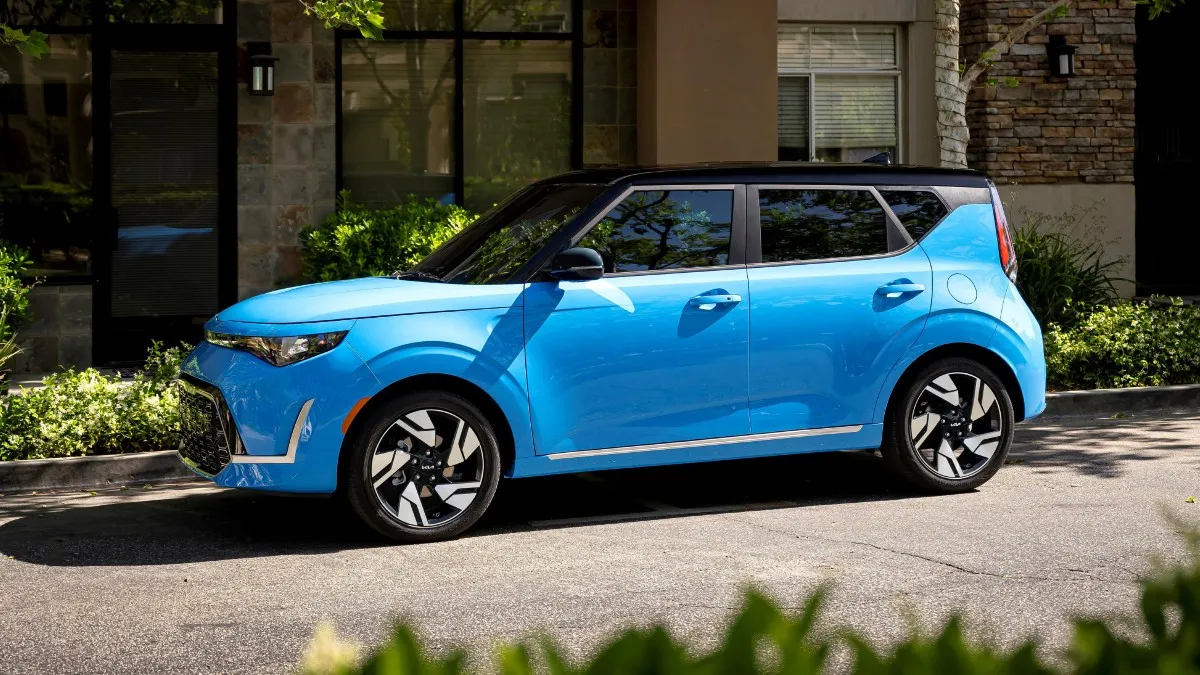
The 2021–2023 Kia Soul is a standout in the subcompact SUV segment, offering spirited handling, a smooth ride, and a surprisingly spacious interior for both passengers and cargo.
Its quirky styling is matched by user-friendly technology, including standard Apple CarPlay and Android Auto across all trims. The Soul’s practicality, combined with its engaging on-road performance, makes it a strong choice for buyers seeking a versatile small SUV.
Powertrains include a standard 2.0-liter four-cylinder engine and an optional turbocharged engine in higher trims. The base engine delivers adequate city and highway performance with 0–60 mph times around 8.5 seconds.
The turbocharged version is more energetic but pairs with a dual-clutch automatic that can feel clunky at low speeds. Steering is light and responsive, with better-than-expected cornering for a small SUV, though brakes are touchy at low speeds. The Soul lacks all-wheel drive, which limits its off-road capability and appeal to buyers in snowy or rugged conditions.
Comfort is a key strength. The front seats remain supportive on long drives, while the rear seats offer sufficient room for adults, despite a fixed backrest angle. The ride is firm but controlled, absorbing bumps without harshness.
Wind and road noise are noticeable at highway speeds but not disruptive. A tall roofline and wide door openings make entering and exiting the cabin easy, and driver ergonomics are well thought out with adjustable seating and steering.
Interior technology is intuitive and capable. A standard 10.2-inch touchscreen dominates the dashboard, with physical buttons for essential functions. Optional features include a premium Harman Kardon audio system and wireless charging. Advanced driver-assistance systems such as adaptive cruise control and lane-keeping assist perform reliably.
Cargo space is competitive at 24.2 cubic feet behind the rear seats, expanding when folded, although a rear seat hump limits utility for larger items. Interior storage is adequate for personal items, but installing child seats can be challenging due to recessed anchors and limited rear headrest adjustability.
Fuel economy is rated at 30–31 mpg combined, roughly matching competitors, though real-world numbers may vary. The Soul provides excellent value with a long list of standard equipment, reasonable interior quality, and a compelling price point. Kia’s warranty coverage further enhances ownership confidence, offering five years/60,000 miles bumper-to-bumper and 10 years/100,000 miles powertrain protection.
The Kia Soul blends engaging driving dynamics, roomy and practical interior space, intuitive technology, and strong warranty coverage, making it a top contender in the subcompact SUV class.
5. 2021–2023 Nissan Rogue
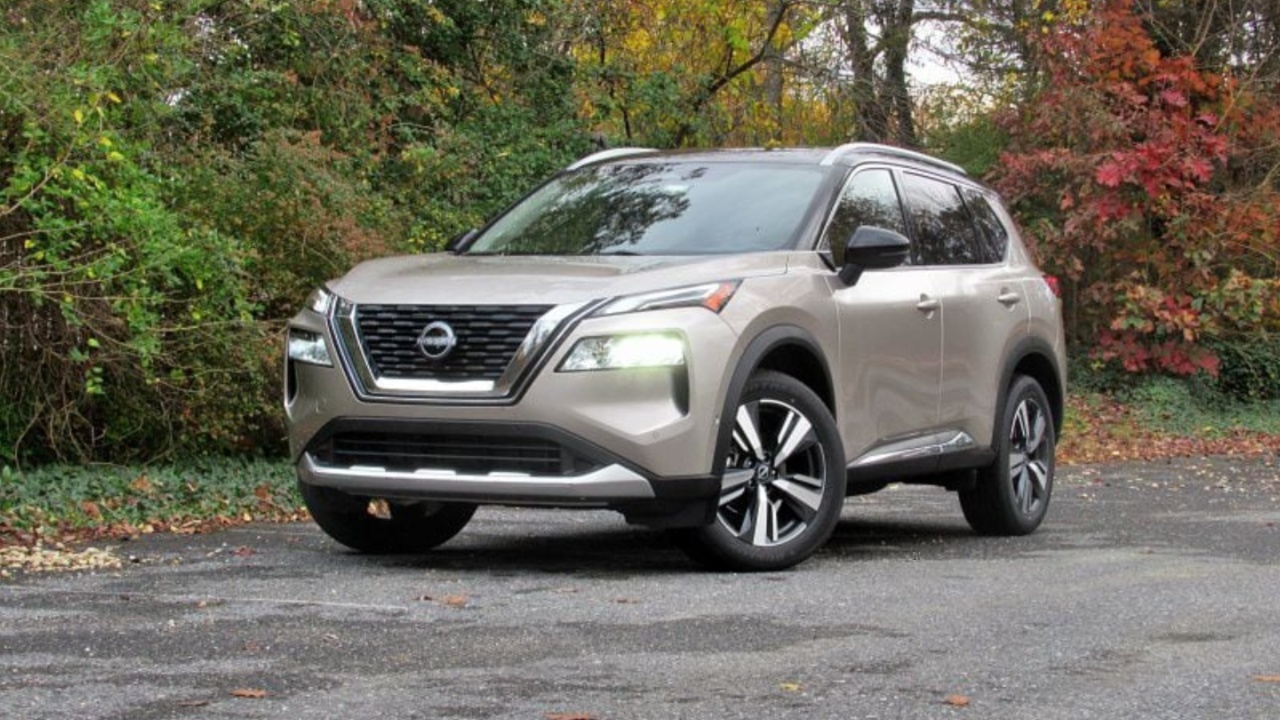
The 2021–2023 Nissan Rogue is a compact SUV that gained much-needed refinement in its third generation, making it a stronger competitor in a crowded segment. The interior is roomy, well-built, and practical, offering comfort for families and commuters alike.
Standard Apple CarPlay and Android Auto pair with either an 8.0-inch or optional 9.0-inch touchscreen for modern infotainment convenience. The cabin features thoughtful storage, a bi-level dashboard, and upscale materials in higher trims, including semi-aniline leather on the Platinum model. Three-zone automatic climate control, heated front seats, and a heated steering wheel are available on higher trims.
Power comes from a 1.5-liter turbocharged three-cylinder engine producing 201 horsepower, mated to a continuously variable automatic transmission (CVT). Front-wheel drive is standard, and all-wheel drive is optional.
While the turbocharged engine feels slightly more energetic than the 2.5-liter four-cylinder carried over from 2021, acceleration remains modest, with 0–60 mph achieved in about 7.8 seconds.
On-road handling prioritizes comfort over sporty performance, offering a compliant ride suitable for commuting and road trips, though cornering lacks enthusiasm. Engine and highway noise are noticeable, especially under heavy acceleration.
Fuel economy is competitive for the class, with the turbo engine rated at up to 30 mpg city and 37 mpg highway in front-wheel-drive configuration. All-wheel drive reduces these numbers slightly. Real-world testing of an all-wheel-drive Platinum trim returned approximately 31 mpg on a highway route, slightly below EPA estimates.
The Rogue’s interior blends functionality and style. Midrange SV models offer faux-leather upholstery, while SL and Platinum trims provide leather seats with quilted stitching. The optional 12.3-inch digital gauge cluster, 10.8-inch head-up display, and Bose audio system enhance the experience on top trims. Storage is practical, though cargo capacity is similar to that of other compact SUVs.
Safety is a strong point, with standard automated emergency braking, pedestrian detection, blind-spot monitoring, and rear cross-traffic alert. Nissan ProPilot Assist semi-autonomous driving is available on SL trims and standard on Platinum.
Warranty coverage is average, with three years/36,000 miles bumper-to-bumper and five years/60,000 miles powertrain protection, but no complimentary scheduled maintenance.
The Nissan Rogue combines a comfortable, upscale interior with practical tech and safety features, modest performance, and competitive fuel efficiency, making it a solid choice in the compact SUV category for buyers prioritizing comfort and usability over sporty driving dynamics.
Also Read: 5 Cars That Keep Cabin Smells Out vs. 5 Cars That Are Exhaust Whiffs
6. 2021–2023 Mazda CX-5
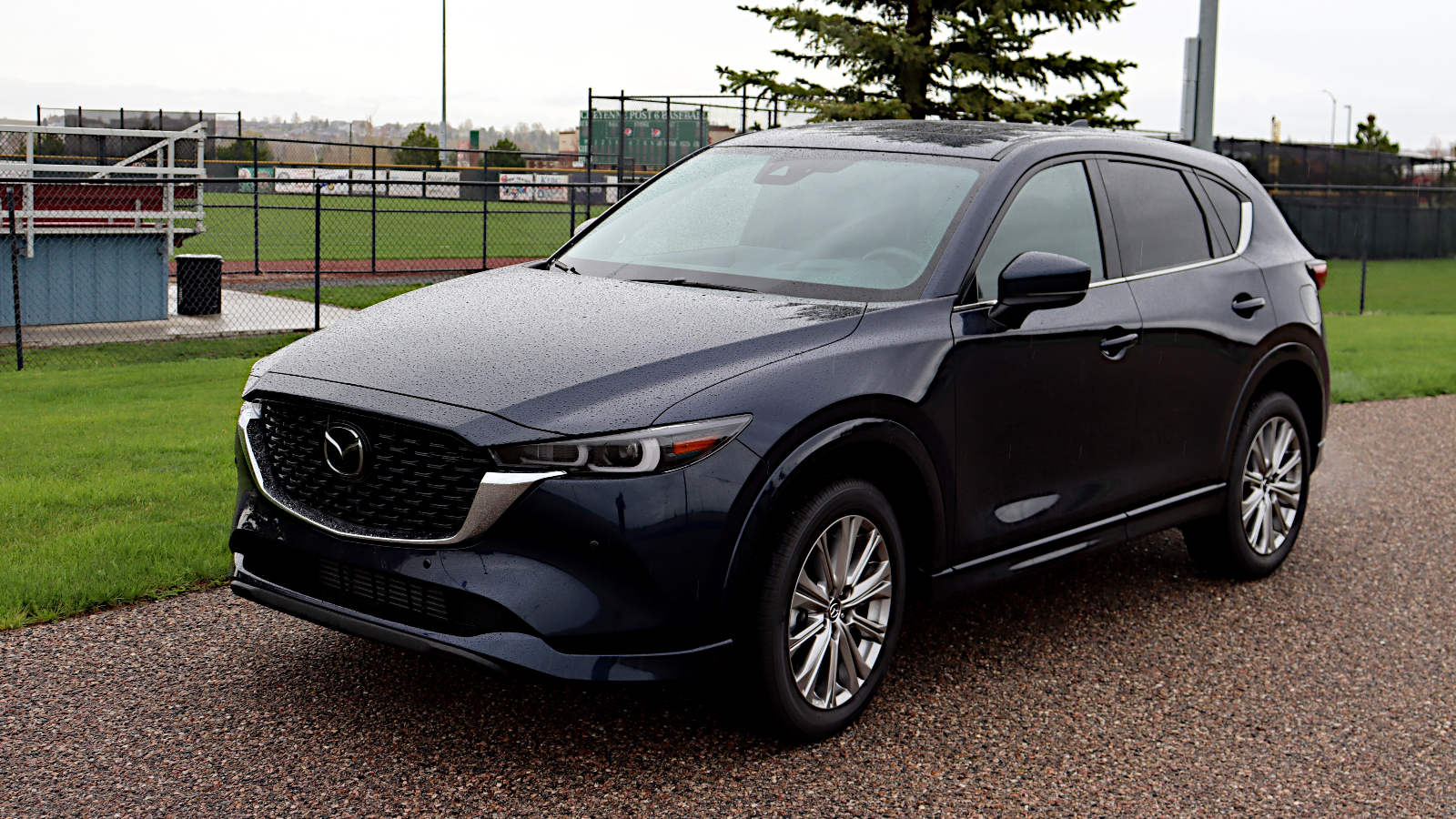
The 2021–2023 Mazda CX-5 is a compact SUV that stands out for its sporty driving dynamics, upscale interior, and strong safety ratings. It is one of the most engaging vehicles in its class, with precise steering, composed cornering, and a smooth ride that balances comfort and agility. Apple CarPlay and Android Auto are standard on all trims, ensuring modern connectivity for drivers and passengers.
The CX-5 offers two engines: a 187-hp four-cylinder and a 250-hp turbocharged four-cylinder. Both are paired with a six-speed automatic transmission and are available in front- or all-wheel drive.
The standard engine provides brisk city acceleration but feels less powerful on highways, while the turbocharged option delivers significantly quicker acceleration. Steering is electrically assisted, offering satisfying feedback, and braking feels precise without being overly sensitive. The suspension isolates road imperfections effectively, providing a ride quality typically found in more expensive crossovers.
Fuel economy is average for the class, with front-wheel-drive, non-turbo models rated at 25 mpg city and 31 mpg highway. In testing, the CX-5 often exceeded these estimates, with all-wheel-drive nonturbo models reaching up to 32 mpg and turbo models averaging 30 mpg on a highway route. The vehicle’s fuel efficiency makes it a practical choice for daily commuting and long trips.
The interior is refined and thoughtfully designed. Top trims feature high-quality materials that evoke premium European crossovers, with well-placed controls, comfortable seating, and ample front- and rear-seat space. Cargo capacity is limited compared to some rivals, holding nine carry-on suitcases behind the rear seats, but the load floor is flat, and small storage compartments are plentiful for personal items.
Infotainment is managed through a 10.3-inch display operated via a rotary controller, steering-wheel buttons, and voice commands. Mazda Connected Services adds remote vehicle functions and subscription-based Wi-Fi access.
Safety ratings are strong, with a five-star NHTSA rating and IIHS Top Safety Pick+. Standard driver-assistance features include automated emergency braking with pedestrian detection, lane-departure warning, lane-keeping assist, and adaptive cruise control.
Warranty coverage includes three years/36,000 miles bumper-to-bumper and five years/60,000 miles powertrain protection, though no complimentary scheduled maintenance is offered.
The Mazda CX-5 combines fun-to-drive dynamics, an upscale and ergonomic cabin, solid fuel economy, and comprehensive safety features, making it a compelling choice for buyers seeking a stylish and practical compact SUV.
7. 2021–2023 Hyundai Santa Fe
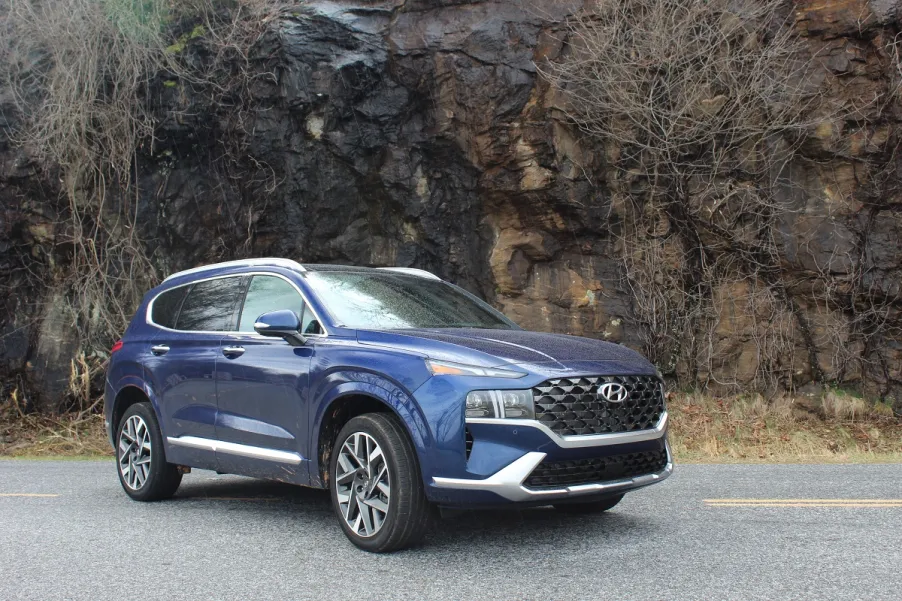
The 2021–2023 Hyundai Santa Fe is a midsize SUV that combines near-luxury comfort with practical features, making it a compelling choice for used SUV buyers seeking value under $20,000. While the exterior styling may feel busy to some, the interior offers a quiet, tech-filled cabin ideal for commuting and long road trips. Standard wireless Apple CarPlay and Android Auto ensure connectivity across all trims.
Power comes from a 277-horsepower turbocharged engine paired with an eight-speed automatic transmission, delivering 0–60 mph in about 6.6 seconds. The engine is potent, but power delivery can feel inconsistent, particularly in everyday driving, due to transmission tuning aimed at quickly reaching higher gears.
The Santa Fe leans in corners, prioritizing highway comfort over sporty handling, though steering is precise and low-speed maneuverability is easy. Ride quality is soft and absorbs bumps well, but the SUV can feel wallowy in sharp turns.
Comfort is a strong point for the Santa Fe. Front seats are highly adjustable and offer heating and ventilation, while rear seats recline for added comfort. Cabin insulation is excellent, keeping wind and road noise to a minimum.
Climate controls are straightforward and effective, maintaining a pleasant interior environment. Legroom is generous in both rows, and large door openings facilitate easy entry and exit. Visibility is good, aided by door-mounted side mirrors and available surround-view cameras.
The Santa Fe features a tech-rich interior with an optional 10.25-inch touchscreen, a premium audio system, and multiple USB and power ports. While the touchscreen can respond slowly at times, Apple CarPlay and Android Auto provide smooth smartphone integration.
Wireless charging is included, though the spring-loaded slot may catch small objects. Advanced driver-assistance features, including adaptive cruise control, lane-keeping assist, blind-spot monitoring, and forward collision mitigation, function well and reduce driving stress in traffic.
Cargo capacity is solid at 36.4 cubic feet behind the rear seats, with smart underfloor bins and remote second-row seat releases. Towing capacity reaches 3,500 pounds, higher than many small SUVs. Fuel economy with the turbo engine and all-wheel drive is rated at 24 mpg combined, with real-world testing achieving 27.3 mpg.
The Santa Fe offers strong value with high-quality materials, feature-rich trims, and Hyundai’s industry-leading warranties of five years/60,000 miles basic and 10 years/100,000 miles powertrain coverage, plus three years of free scheduled maintenance. Its combination of comfort, technology, and performance makes it an attractive midsize SUV for buyers prioritizing both luxury and practicality.
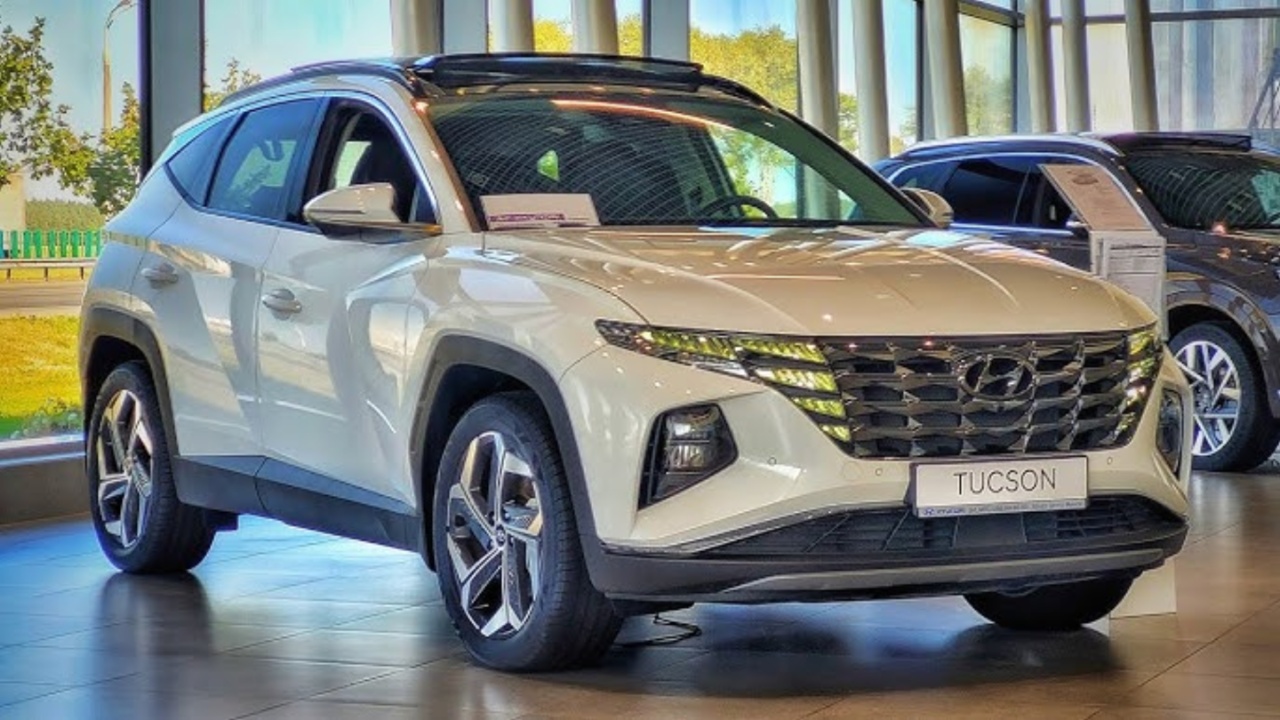
8. 2021–2023 Hyundai Tucson
The 2021–2023 Hyundai Tucson is a compact SUV that offers a compelling mix of comfort, technology, and practicality, especially after its 2022 redesign.
While older 2021 models feature limited standard driver-assistance features and inefficient powertrains, the 2022 and 2023 versions stand out for spacious interiors, high-tech equipment, and wireless Apple CarPlay and Android Auto. Despite some faults with a firm ride and uneven power delivery, the Tucson remains a strong contender in the compact SUV segment.
Power comes from a modest engine that struggles with acceleration. In testing, the Tucson reached 0–60 mph in 10.2 seconds, making it one of the slower crossovers. Steering is direct, and the SUV remains composed around corners, though downshifts can feel abrupt. The ride quality, however, is excellent.
A supple suspension soaks up bumps and cracks, producing a quiet, comfortable experience even at highway speeds. Front seats offer supportive cushions, power lumbar adjustments, and lateral support, while rear seats are spacious and accommodating. Visibility is aided by a large windshield, thin pillars, and thoughtful cabin design.
The interior blends ergonomics with space. Nearly all controls operate via touchscreen or flat buttons, which can be awkward to reach. Still, the cabin feels roomy, and front and rear passengers can travel comfortably. Storage capacity is generous, with 38.7 cubic feet behind the rear seats and 74.8 cubic feet when folded.
The low liftover and flat cargo floor make loading easy, and the cabin has ample small-item storage and cupholders that fit large bottles. Child seat installation is straightforward, and rear space can accommodate bulky rear-facing seats.
Technology is a highlight. The available 10.25-inch touchscreen supports Apple CarPlay and Android Auto, and Hyundai’s native navigation system is easy to follow. Voice commands are responsive, while standard driver-assistance features include adaptive cruise control, blind-spot warnings, and parking sensors.
Fuel economy for the all-wheel-drive 2022 Tucson is rated at 26 mpg combined (24 city/29 highway), with real-world tests confirming these figures.
Hyundai’s warranty strengthens the Tucson’s value proposition, offering five years/60,000 miles basic coverage and 10 years/100,000 miles for the powertrain. Competitive pricing, a well-equipped cabin, and high-quality materials make the Tucson an excellent choice for buyers seeking a compact SUV that balances comfort, technology, and practicality.
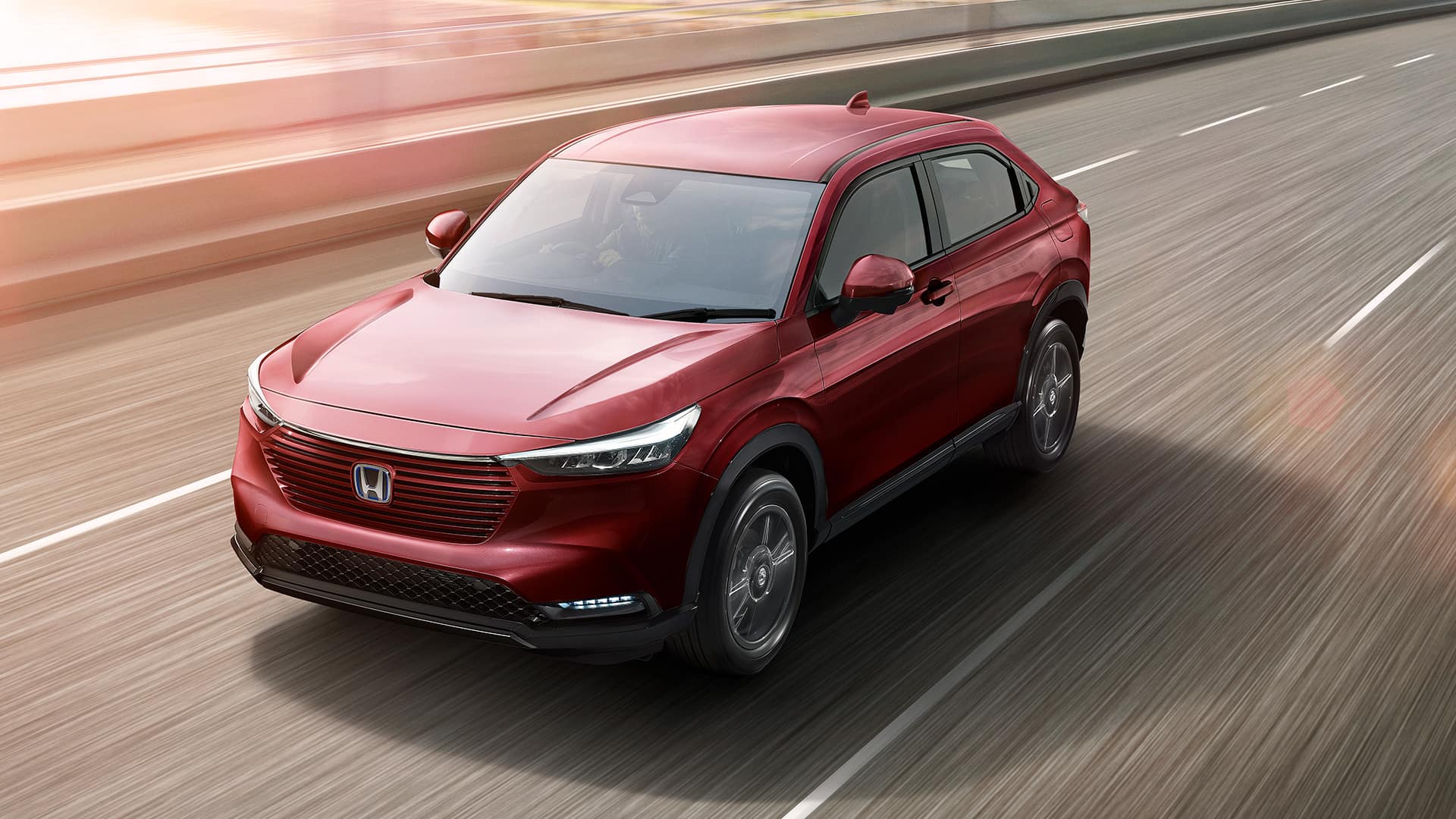
9. 2021–2022 Honda HR-V
The 2021–2022 Honda HR-V is a subcompact SUV that focuses on practicality, handling, and interior space, making it a strong contender for small SUV buyers. Key highlights include clever rear-seat configurations, excellent fuel economy, and agile handling on curvy roads.
While the HR-V is slow and the engine becomes loud under heavy acceleration, it delivers a comfortable ride and a surprisingly roomy cabin for its segment. Apple CarPlay and Android Auto are available on higher trims, enhancing connectivity and convenience.
Driving the HR-V is a mixed experience. The 1.8-liter engine is sufficient for city driving but feels underpowered during highway merges or steep inclines. Acceleration is modest, taking over 10 seconds to reach 60 mph in testing. Steering and suspension are well-tuned, keeping body roll low and providing balance on corners.
Ride quality is smooth over most road surfaces, making the HR-V enjoyable on twisty roads once at speed. Engine noise and vibration, however, are noticeable when pushing hard.
The interior emphasizes space and functionality. Front and rear seats offer generous legroom and adjustability, and visibility is excellent thanks to slim pillars and a large windshield. Rear passengers benefit from flexible folding seats that can accommodate tall or long cargo. Materials in base trims feel basic, with some cheap plastics, but the cabin is well-built and functional for its class.
Tech features include a touchscreen infotainment system, Apple CarPlay, and Android Auto on Sport trims and above. The Honda Sensing suite is standard on EX and higher trims, providing adaptive cruise control, lane-keeping assist, forward collision mitigation, and lane-departure warning. These systems perform reliably, though adaptive cruise control maintains a longer-than-average following distance.
Cargo capacity is strong, with 23.2 cubic feet behind the rear seats and 55.9 cubic feet when folded, exceeding many competitors. Small-item storage is limited, and cupholders are average, but utility remains a strength.
Fuel economy is above average for the subcompact SUV class, with AWD models rated at 29 mpg combined. Warranty coverage and ownership costs are competitive, though some rivals offer longer protections or complimentary maintenance. The HR-V combines practicality, spaciousness, and engaging handling, making it a compelling choice for buyers prioritizing efficiency and versatility over speed.
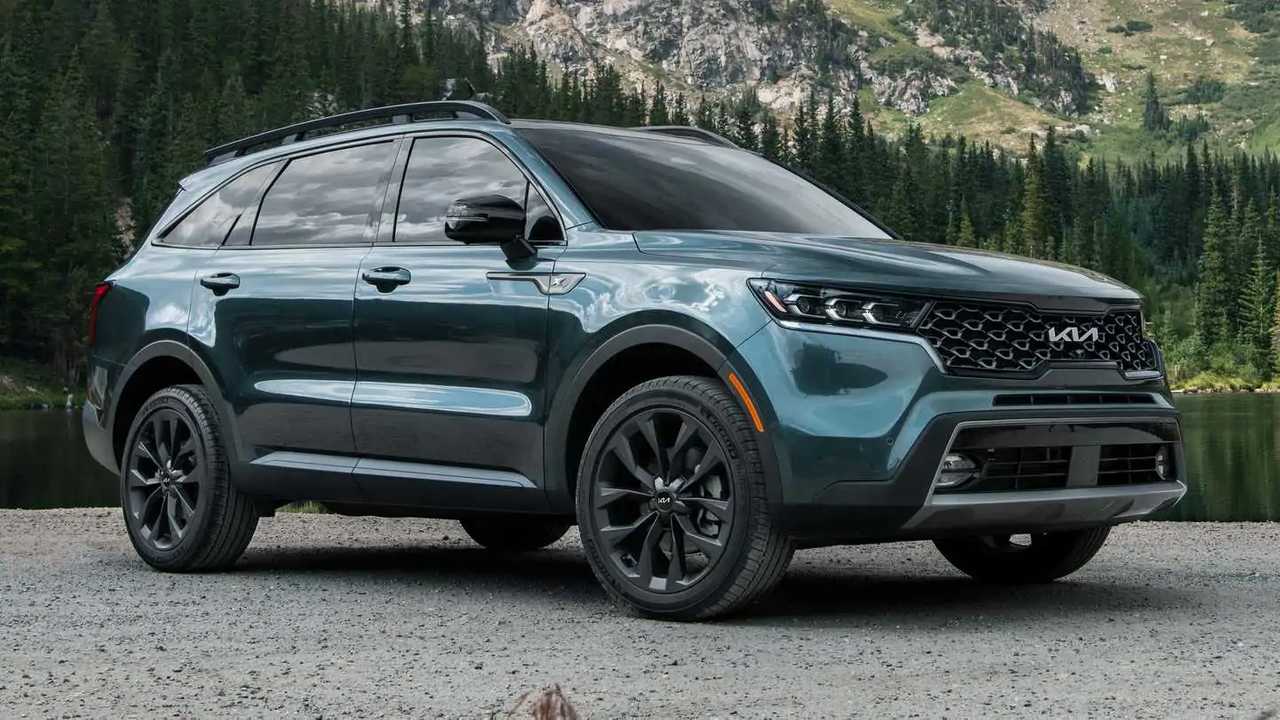
10. 2021–2023 Kia Sorento
The 2021–2023 Kia Sorento is a midsize SUV that delivers a near-luxury experience with three rows of seating while remaining more maneuverable than larger SUVs. It is well-equipped with standard tech such as Android Auto and Apple CarPlay, and models with the turbocharged engine provide impressive acceleration, making highway merging and passing effortless.
However, the dual-clutch transmission in turbo models can feel unrefined, cargo space is less than that of some competitors, and the third row is best suited for children.
Driving the Sorento with the turbo engine is engaging, achieving 0–60 mph in about 6.7 seconds. Acceleration remains strong at higher speeds, and the eight-speed dual-clutch automatic provides smooth shifts when handled carefully.
Braking is confident, with a well-balanced pedal and minimal nosedive, while handling inspires confidence, although steering could be slightly more precise. Ride comfort is decent, though low-profile tires on larger wheels transmit some road vibrations and increase highway noise.
The interior offers generous space for adults in all three rows, with second-row legroom exceeding some two-row competitors like the Toyota RAV4 and Honda CR-V. Front seats feature heating, ventilation, and ample adjustment, while second-row captain’s chairs or bench seating are firm but supportive.
The third row is smaller and lower to the floor, but still usable. Climate controls are efficient, even if touch-sensitive buttons lack tactile feedback. Visibility is strong, and an optional surround-view camera helps in tight spaces.
Tech features include a 10.25-inch touchscreen, navigation, a 12.3-inch digital instrument panel, and a Bose audio system. Apple CarPlay and Android Auto are standard, though wireless connectivity is limited with the larger screen. Multiple USB ports and a wireless charger help keep devices powered. Advanced driver aids perform well with minimal false alerts.
Cargo capacity is 12.6 cubic feet with all rows up, expanding to 38.5–45 cubic feet with the third row folded and 75.5 cubic feet with all rear seats down. Interior storage is ample, though not as clever as some competitors. Towing capacity reaches 3,500 pounds with turbo models and 2,000 pounds without.
Fuel economy for all-wheel-drive turbo models averages around 24 mpg combined, with real-world testing slightly above EPA ratings. Kia’s five-year/60,000-mile bumper-to-bumper and 10-year/100,000-mile powertrain warranties remain industry-leading. The Sorento balances performance, comfort, and technology, making it a compelling midsize SUV choice.
Choosing a used SUV under $22,000 doesn’t mean settling for less. The 2025 market offers a compelling mix of compact, subcompact, and midsize SUVs that deliver comfort, technology, and practicality at an attainable price.
Vehicles like the Chevrolet Bolt EUV provide an electric alternative with strong range and innovative features, while options such as the Hyundai Tucson or Honda HR-V offer versatile cabins, efficient performance, and solid reliability. For those needing more space, the Kia Sorento or Hyundai Santa Fe offer three-row seating and tech-rich interiors without exceeding budget constraints.
By weighing performance, interior comfort, fuel efficiency, and standard features, buyers can find a used SUV that meets both lifestyle and financial goals. These 10 SUVs demonstrate that affordability, convenience, and modern driving enjoyment can coexist, making them some of the smartest choices in today’s used SUV market.
Also Read: 10 Cars With DIY-Friendly Oil Filters and Drain Plugs