Carpooling may be a budget-friendly and environmentally conscious transportation choice, but anyone who has ever shared rides with neighbors knows that the car itself can make or break the experience.
Whether it’s the comfort of the seats, the ease of climbing in and out, the ride quality, the in-car noise level, or even the vibe it gives off while parked in the driveway, some vehicles naturally attract cooperative neighbors while others earn subtle excuses like “I’ll drive today” or “I’m actually heading out earlier.”
In the U.S., where suburban lifestyles, long commutes, and a strong emphasis on personal space shape daily routines, the car you use for neighborhood carpooling genuinely matters.
Below, we break down six cars neighbors are happy to share rides in, followed by six they’d rather politely avoid.
Cars Neighbors Are Happy To Carpool In
Carpooling only works when everyone actually wants to ride together, and the right car can make all the difference. Some vehicles naturally put people at ease with their spacious cabins, smooth rides, smart tech, and low running costs, turning everyday trips into something genuinely enjoyable.
Whether it’s a quick school run, a shared commute, or a weekend errand run with the neighbors, these models offer the comfort, practicality, and friendliness that make people happy to hop in. In this article, we highlight the cars that effortlessly win over passengers and keep neighborhood carpools running smoothly.
1. Toyota Highlander
The Highlander has long been a staple in suburban America because it delivers exactly what neighbors expect in a family-friendly, carpool-ready vehicle: cushy seats, good legroom, quiet cruising, and a predictable, drama-free ride.
Most people can climb into a Highlander without needing to duck like they’re entering a bunker, and once inside, the cabin feels spacious without overwhelming.
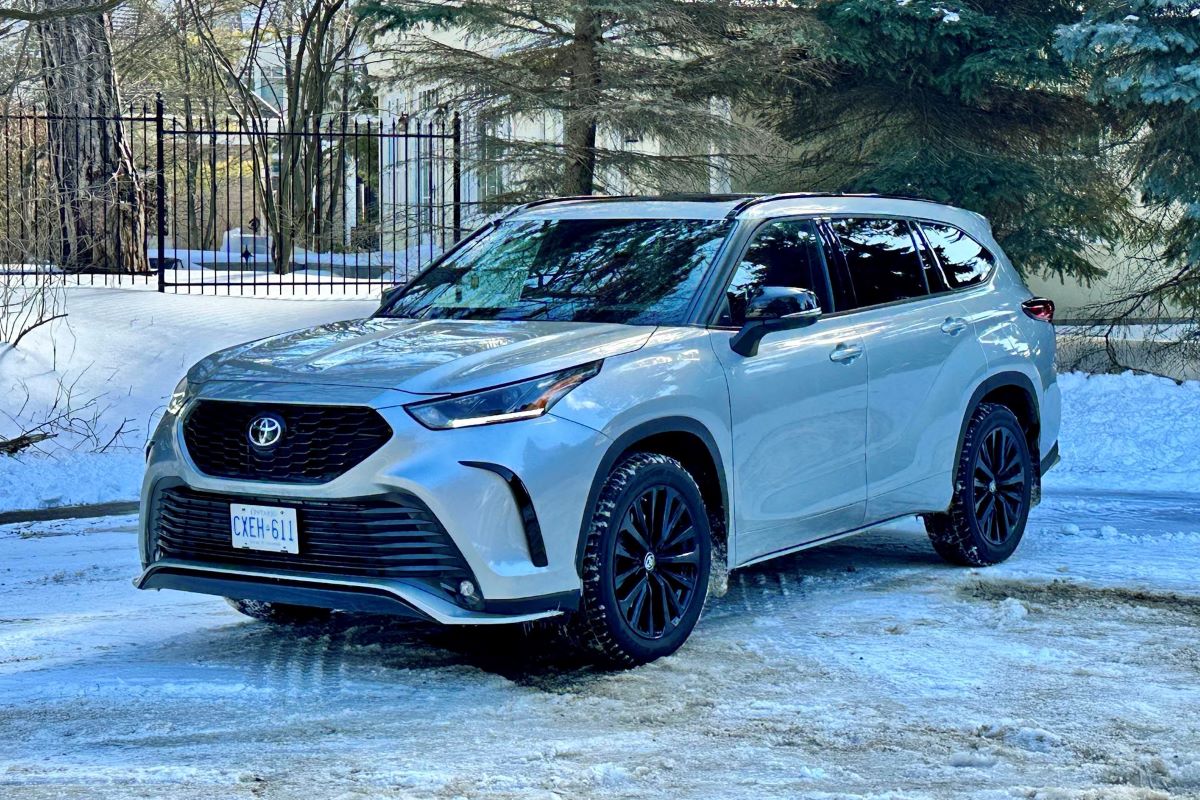
The optional hybrid model also earns appreciation from eco-conscious neighbors who like the idea of splitting rides in something fuel-efficient.
Most importantly, its ride comfort smooths out potholes and residential road imperfections, which keeps conversations relaxed rather than jostled.
Also Read: 5 Hybrids That Keep Battery Health Strong vs 5 With Pricey Pack Issues
2. Honda Pilot
Many Americans want minivan-level practicality without the minivan aesthetic, especially when carpooling with neighbors rather than family.
The Honda Pilot hits that sweet spot perfectly. Its doors open wide, the seats are supportive for adults of all sizes, and the third row while not Suburban-level huge is accessible and usable for short trips.
Pilots have one of the friendliest reputations on residential roads because they’re simply easy to ride in.
The flat floor, handy cupholders, soft-touch interior surfaces, and refined suspension all add up to an experience that says, “I thought about everyone’s comfort.”
With its elevated seating position, kid-friendly interior, and expansive cargo capacity, the Honda Pilot offers plenty to attract suburban families. The V-6 engine delivers smooth, potent, and reasonably efficient performance, while towing capability meets the needs of most buyers.
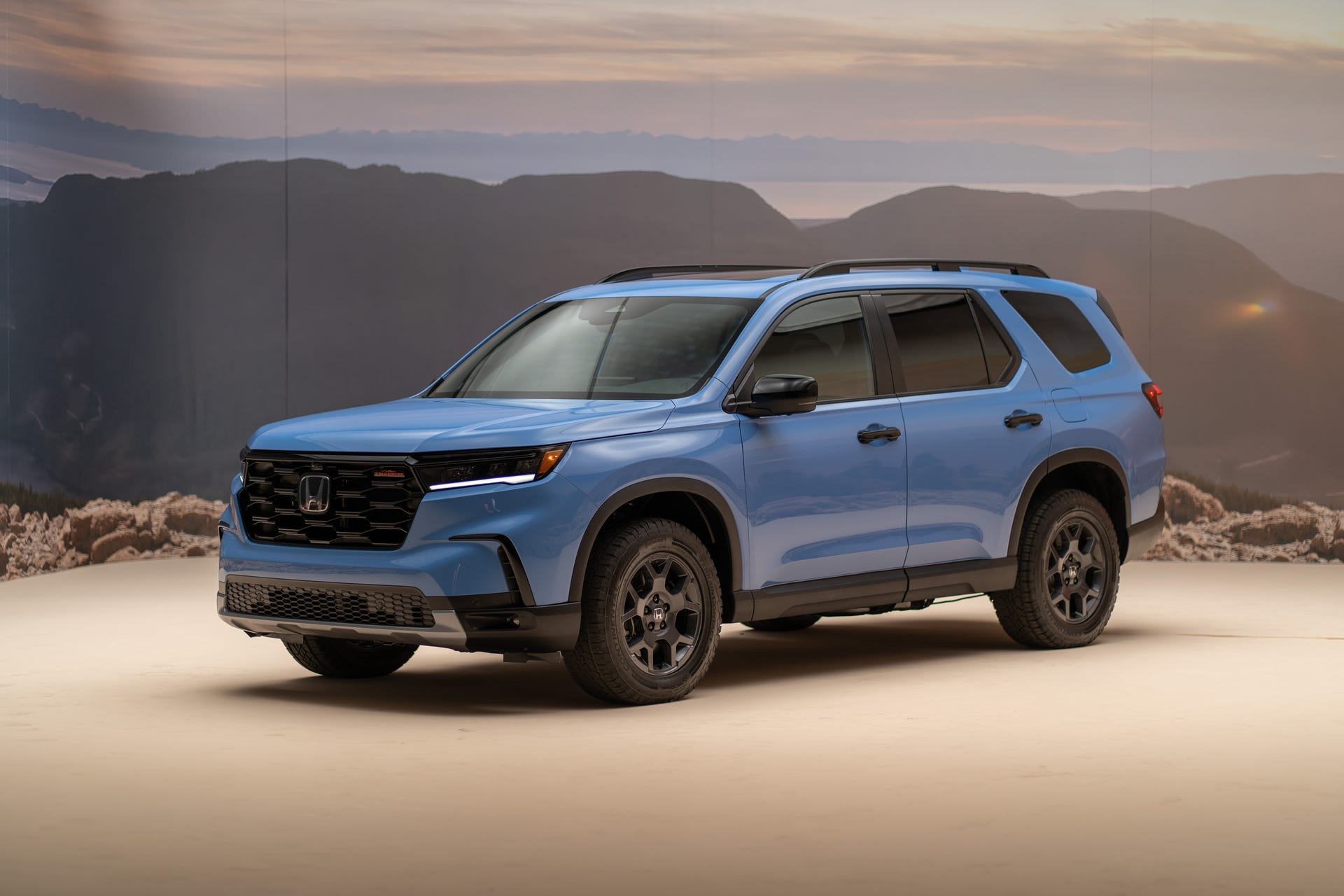
The cabin provides generous space, and the reconfigurable layout allows for multiple hauling options. Driver-assistance features are now standard across the lineup, but the Pilot’s main drawback remains its infotainment system, which, even after updates, still feels somewhat outdated.
The V-6 engine provides a sporty tone and ample power, and the updated nine-speed automatic on Touring and Elite trims shifts more smoothly than before.
The LX, ES, and EX-L trims use a six-speed automatic, which performs well but can be hesitant to downshift at speed when extra power is needed. However, the push-button gear selector standard on the nine-speed transmission feels unintuitive, while six-speed models retain a more traditional, user-friendly shifter.
Although the Pilot is not overly cumbersome for a three-row crossover, its size can feel heavy in corners. The ride over sharp impacts is overly firm, particularly with the larger 20-inch wheels on upper trims, though a fully loaded cabin helps smooth out the ride.
Standard 18-inch wheels are recommended for a more comfortable experience. Light steering aids maneuverability in tight spaces but contributes to a disconnected feel at highway speeds, as the vehicle lacks significant body control despite its otherwise smooth handling.
3. Subaru Ascent
The Ascent’s popularity in the U.S. stems from two things neighbors appreciate: Subaru’s safety culture and the vehicle’s plush, supportive seating.
This is the carpool favorite in neighborhoods where outdoor enthusiasts, dog owners, and eco-focused families congregate.
The large windows give the cabin a bright and airy feel, which makes group rides feel less cramped especially important for adults who dislike feeling boxed in.
The Ascent’s smooth ride and upright seating position ease nerves on busy commutes, and its quietness at highway speeds means passengers can actually carry on conversations rather than shouting over wind noise.
Introduced for the 2019 model year, the Subaru Ascent is the largest vehicle the brand has ever produced. This three-row SUV offers generous cargo space, seating for seven to eight passengers depending on the configuration, and an impressive 19 cupholders.
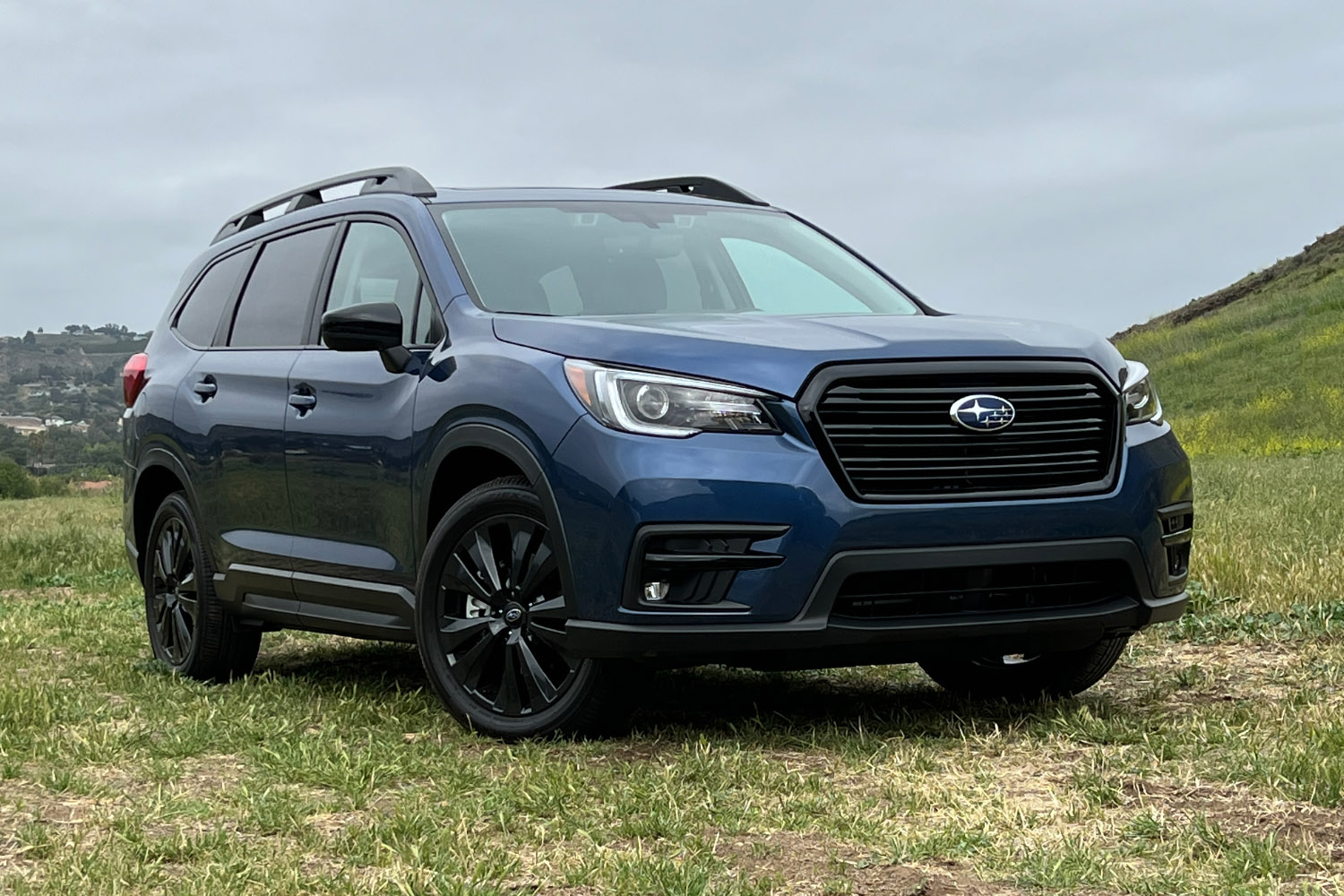
Competing strongly in its segment, the Ascent keeps established rivals like the Honda Pilot, Ford Explorer, and Toyota Highlander on their toes. For 2022, Subaru adds an Onyx Edition to the Ascent lineup, bringing extra style and features to the SUV.
The Ascent stands out with its powerful engine and smooth ride, and its all-wheel-drive system keeps body roll to a minimum. On an off-road course, it successfully handled ponds, a steep hill, boulder fields, and other challenging obstacles, demonstrating that it’s capable both on and off the beaten path.
Inside, the Ascent provides a spacious and versatile cabin. Legroom in the third row is tight for adults, which is common in this class, but the second-row seats slide easily forward and back, allowing passengers to configure the interior to suit their needs. Convenient storage cubbies throughout the cabin add to the SUV’s practicality.
Safety is a strong point for the Ascent, with excellent crash-test scores and a robust suite of standard driver-assistance features enhancing its appeal. That said, a few reliability issues were observed in our year-long test, though these experiences may not reflect the typical ownership experience.
For 2022, the Subaru Ascent continues to use a 2.4-liter turbocharged boxer-four engine that delivers 260 horsepower and 277 lb-ft of torque. Power is sent to all four wheels through a continuously variable transmission. During testing, the Ascent accelerated from 0-60 mph in a respectable 6.9 seconds.
Fuel economy for the 2022 Ascent is rated at 21 mpg in the city and 27 mpg on the highway, with Limited and Touring models slightly lower at 20/26 mpg.
Also Read: Top 5 Compact SUVs With Quiet Cabins vs. 5 That Sound Harsh
4. Chrysler Pacifica Hybrid
A minivan only makes the “happy to carpool in” list if it feels like a modern living room on wheels, and the Pacifica Hybrid absolutely does.
Even neighbors who previously swore “I’d never ride in a minivan” suddenly relax and stretch out in the Pacifica’s plush seats and massive sliding-door openings.
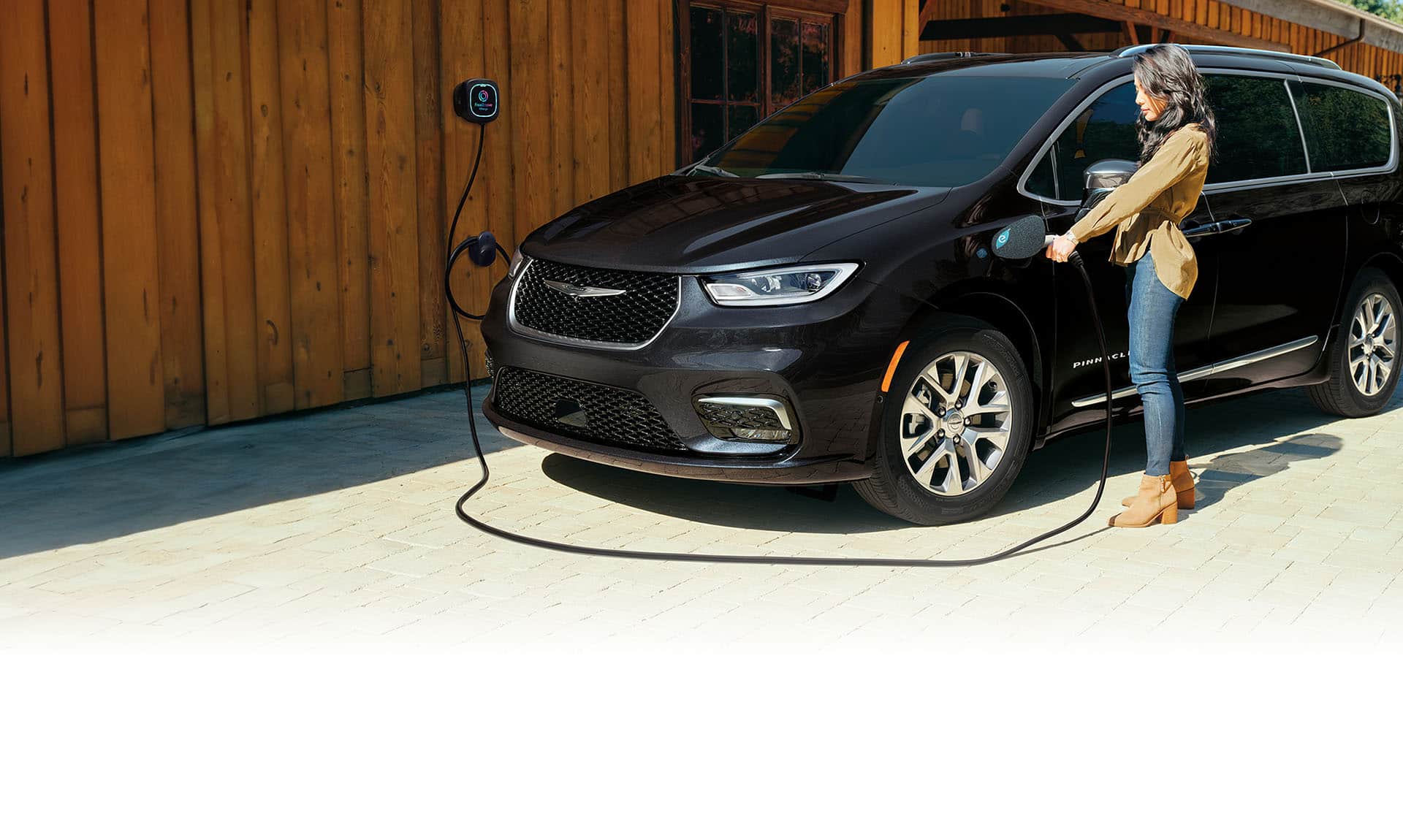
Adults can easily walk into the cabin rather than contort their bodies, and the hybrid model’s near-silent EV mode when creeping through neighborhoods feels premium and calming.
Its abundant storage cubbies, child-friendly layout, and configurable seats make it the most carpool-friendly vehicle when flexibility matters.
5. Hyundai Tucson
You wouldn’t automatically think “compact SUV” for neighbor carpooling, but the Tucson stands out because it doesn’t feel cramped.
Rear-seat legroom is class-leading, the seats recline slightly (a huge bonus for adults), and the interior design looks far more upscale than most neighbors expect.
The smooth, controlled ride is one of the best in the compact class, giving it an unexpectedly refined feel.
Neighbors often compliment the Tucson’s quiet cabin and generous door openings, and the hybrid version adds an effortless, almost luxury-car level of smoothness that makes it ideal for short carpool hops.
Hyundai’s compact Tucson SUV combines handsome styling with impressive value, even if it sometimes gets overshadowed by the brand’s larger Palisade and smaller Kona SUVs. Inside, the cabin is thoughtfully laid out and offers a wide array of convenience and luxury features, particularly in the higher-end trims such as the Limited and Ultimate models.
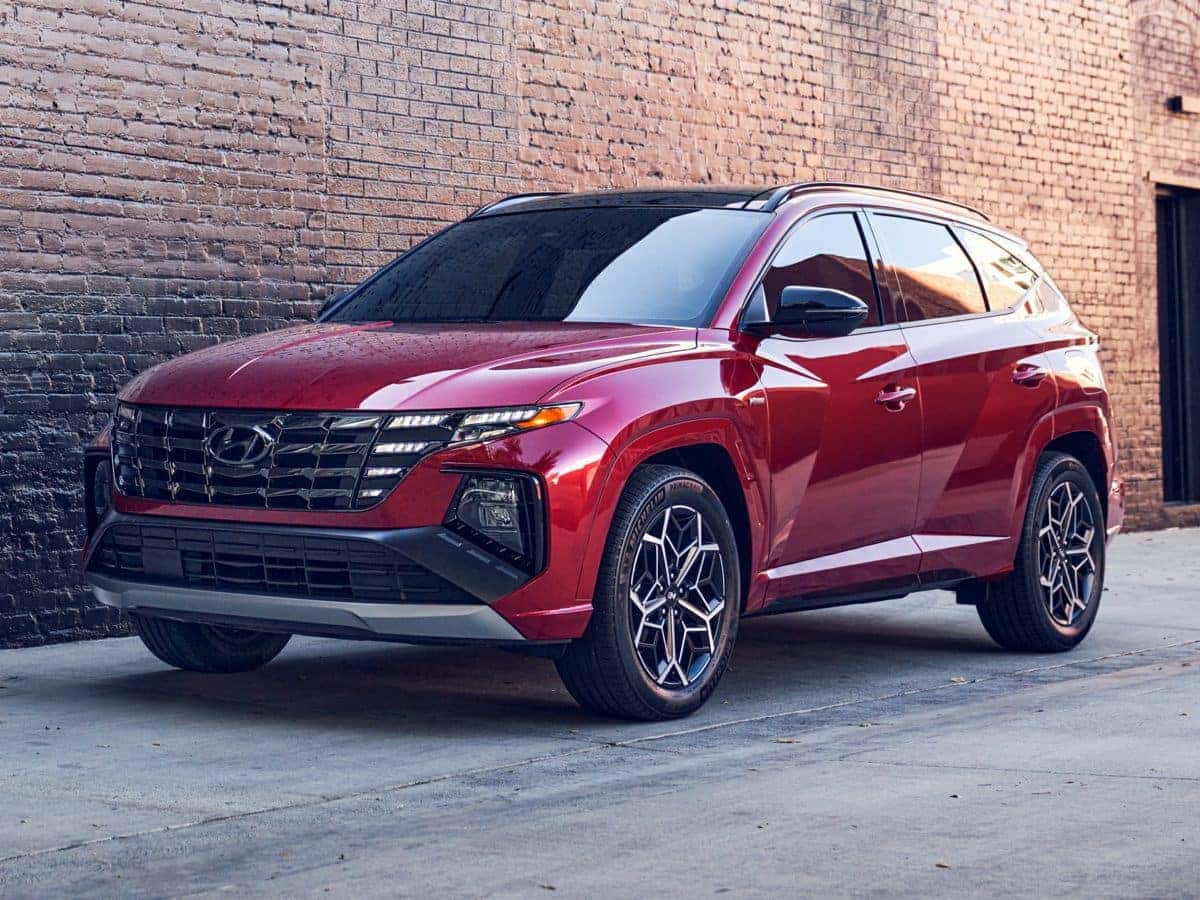
Buyers can choose between a 164-hp 2.0-liter or a 181-hp 2.4-liter four-cylinder engine, paired with either front-wheel or all-wheel drive. While fuel efficiency and cargo capacity aren’t class-leading, they are competitive enough, and Tucson’s other strengths help make up the difference.
On the road, the Tucson delivers a smooth ride with agreeable handling, complemented by a comprehensive suite of standard driver-assistance technologies.
The Tucson comes with two four-cylinder engine options: a 164-hp 2.0-liter or a 181-hp 2.4-liter, both mated to a six-speed automatic transmission. In testing, the base 2.0-liter engine felt underpowered in all performance metrics. While the upgraded 2.4-liter engine has not been tested, it is expected to provide slightly better acceleration.
Handling is competent but not sporty. The Tucson manages body roll well, features well-weighted steering, and changes direction with confidence.
Its ride quality is smooth and refined, with the suspension absorbing most road imperfections. The balance between comfort and composure makes the Tucson an appealing choice for buyers seeking a reliable, all-around compact SUV.
6. Chevrolet Traverse
The Traverse succeeds in carpool situations because it maximizes space without feeling truck-like. Adults love the second-row captain’s chairs, which are the closest thing to riding in a lounge seat in this price bracket.
The third row is legitimately adult-friendly, making it one of the few SUVs where no one fights to avoid the back.
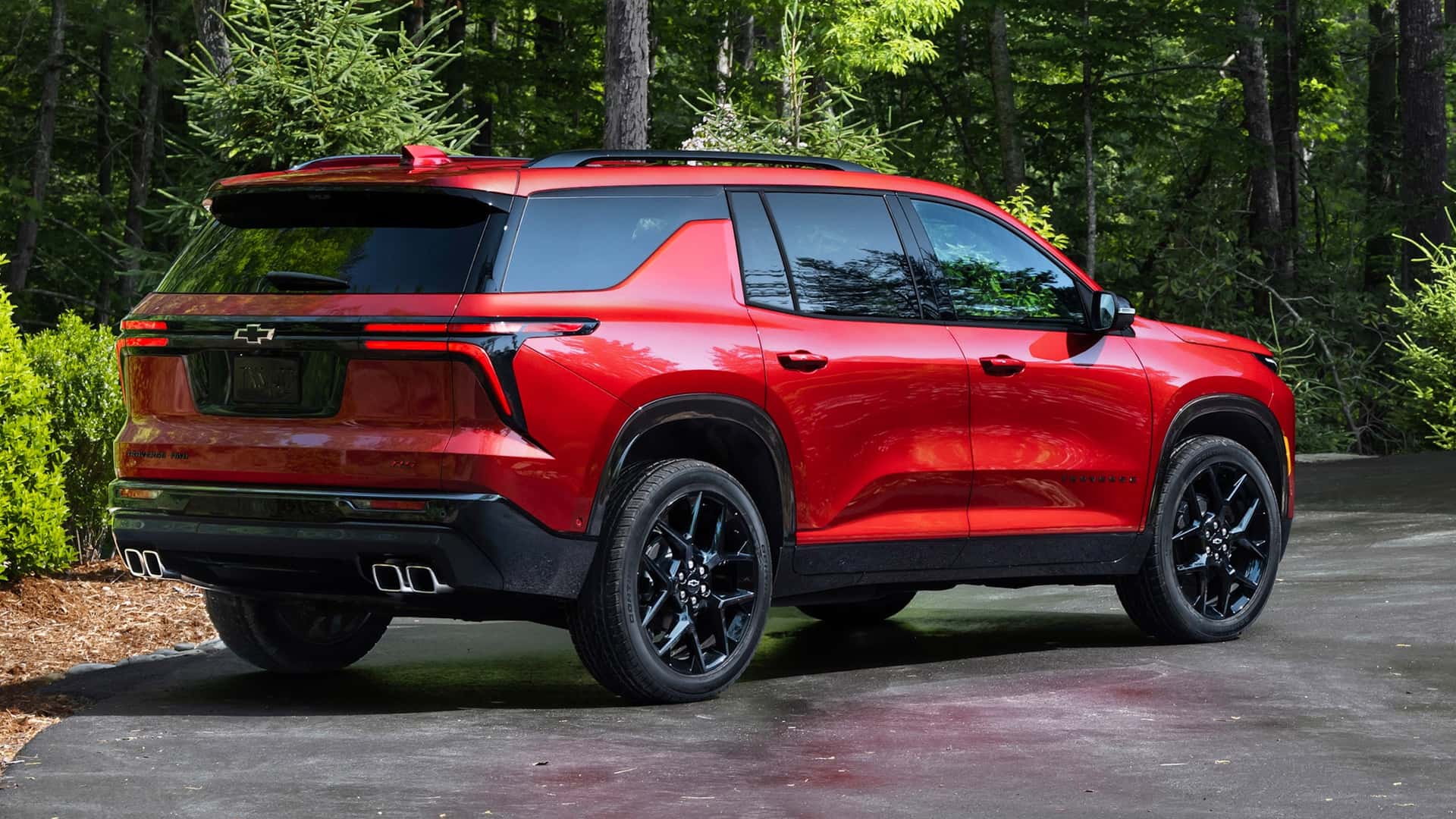
The ride is smooth, the cabin is quiet, and the wide doors mean everyone can enter and exit gracefully no awkward climbing or ducking.
For neighborhoods with large families or friend groups who frequently share rides, the Traverse ranks as one of the most appreciated choices.
Cars Neighbors Prefer to Avoid for Carpooling
Not every car is a crowd-pleaser, especially when it comes to carpooling. Some vehicles look fine from the outside but quickly earn a reputation in the neighborhood for cramped seating, rough rides, confusing tech, or impractical layouts that make even short trips feel like a chore.
Whether it’s tight rear legroom, awkward access, loud cabins, or simply an uncomfortable atmosphere, these models tend to be the ones neighbors politely decline when carpool options come up. In this article, we take a closer look at the cars people often prefer to avoid for shared rides and why they miss the mark.
1. Ford Mustang
Most people love the idea of a Mustang, but few want to actually climb into the back of one before work. The tiny rear seats, low roofline, and tight doors make entry and exit a physical challenge.
For neighbors wearing work attire skirts, suits, or business casual outfits squeezing into the back of a pony car is embarrassing at best.
Even the front seats can feel confining for taller adults, and the stiff sporty suspension means every pothole or speed bump is felt sharply. It’s the kind of car people admire in the driveway but politely decline to ride in.
Ford resurrected a racing legend with the 2019 Mustang Shelby GT500, transforming the sixth-generation Mustang into a street-legal powerhouse inspired by Carroll Shelby’s original 1965 GT350 and its track-focused legacy.
More than 50 years after Shelby turned the Mustang into a corner-carving icon, Ford Performance recaptured that spirit with the GT500. This model didn’t just add more power to a standard Mustang GT; it became a completely different beast, delivering supercar-level performance while honoring Shelby’s original vision: uncompromising speed with unmistakable style.
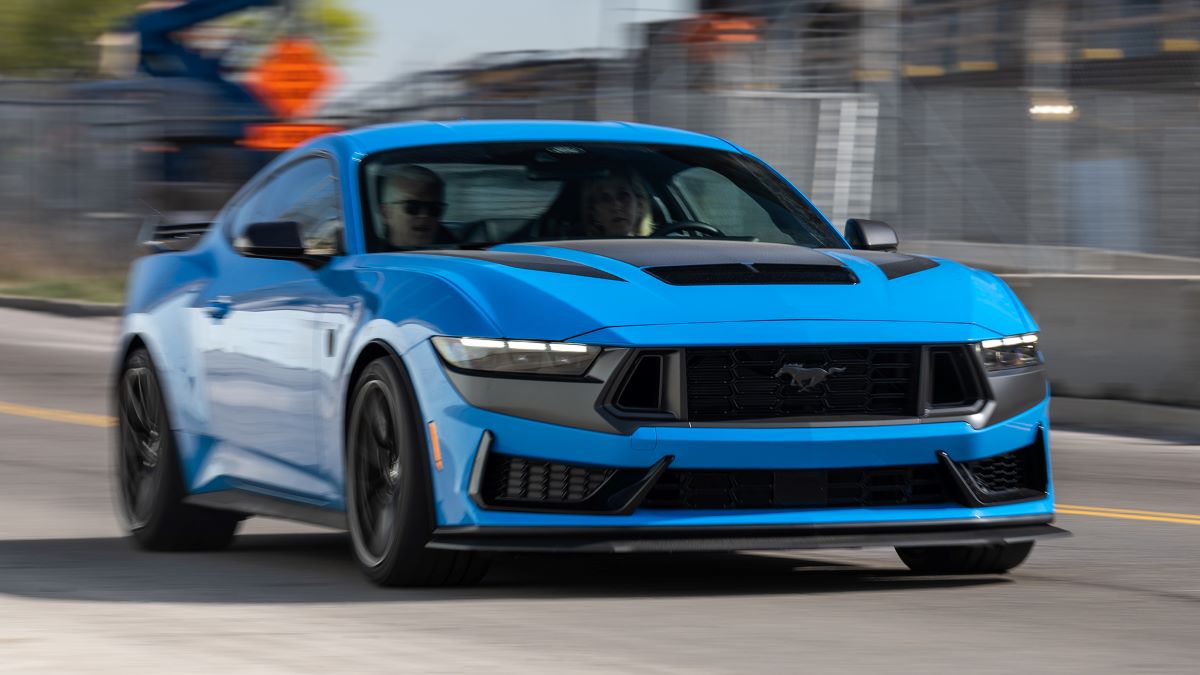
At the front, the 2019 GT500 announced its presence with a double-opening grille that channels 50 percent more cooling air than the GT350. A large, louvered hood vent releases hot air and adds downforce at high speeds.
Beneath the vented hood lies a hand-built, supercharged 5.2-liter aluminum V8 generating over 700 horsepower. The inverted 2.65-liter roots-type supercharger is mounted low in the engine valley to optimize weight distribution and cooling.
Power flows through a TREMEC seven-speed dual-clutch automatic transmission capable of sub-100-millisecond shifts, sending torque to the rear wheels via a carbon-fiber driveshaft. Drivers can select from Normal, Sport, Track, Drag, or Weather modes to adjust performance characteristics.
Ford Performance upgraded nearly every mechanical component to match the car’s firepower. The suspension is reworked for precision handling, and 16.5-inch two-piece Brembo rotors with six-piston calipers provide stopping power, marking the largest disc brakes ever fitted to an American sports coupe at the time.
2. Jeep Wrangler
Wranglers look cool, but neighbors usually avoid carpooling in them due to noise, stiffness, and awkward access.
The upright, bouncy ride that off-road fans love is the same ride that causes spilled coffees, jostled laptops, and strained conversations.
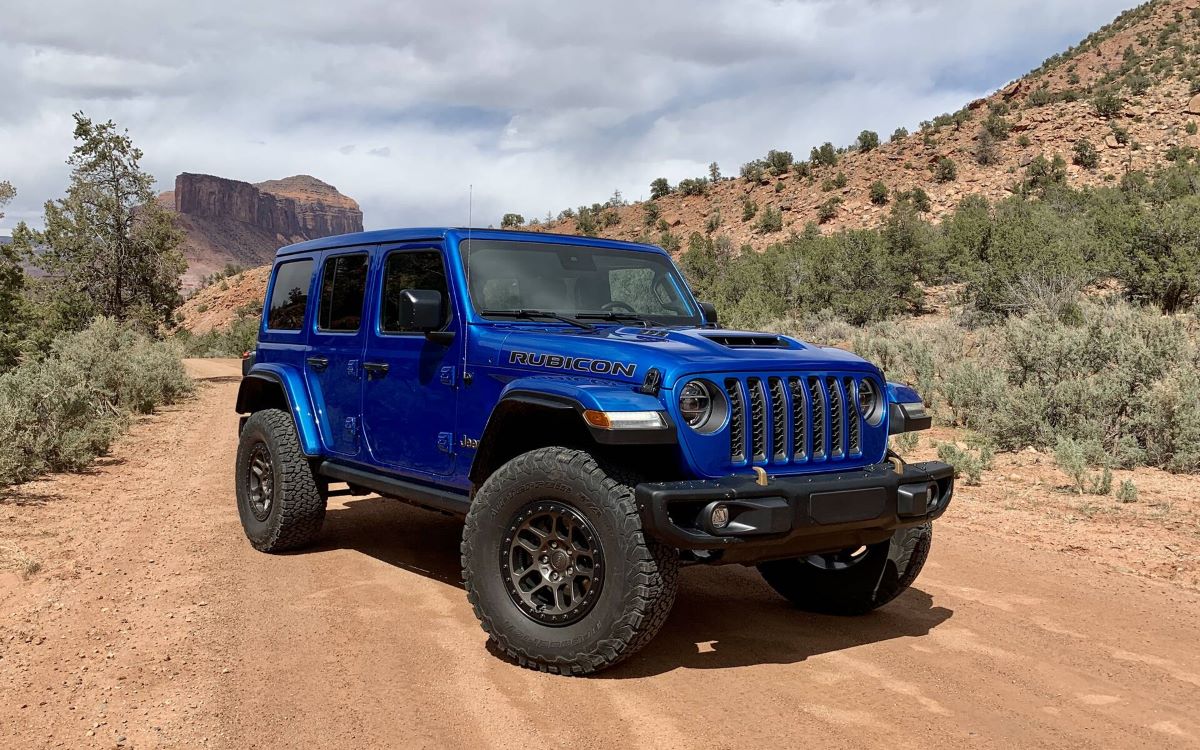
Climbing into a Wrangler especially a two-door version requires agility not everyone has at 7 a.m.
Wind noise at highway speeds is loud, and the rear seats are upright and flat. For anything longer than a quick grocery run, neighbors prefer to take almost any other SUV.
3. Tesla Model 3
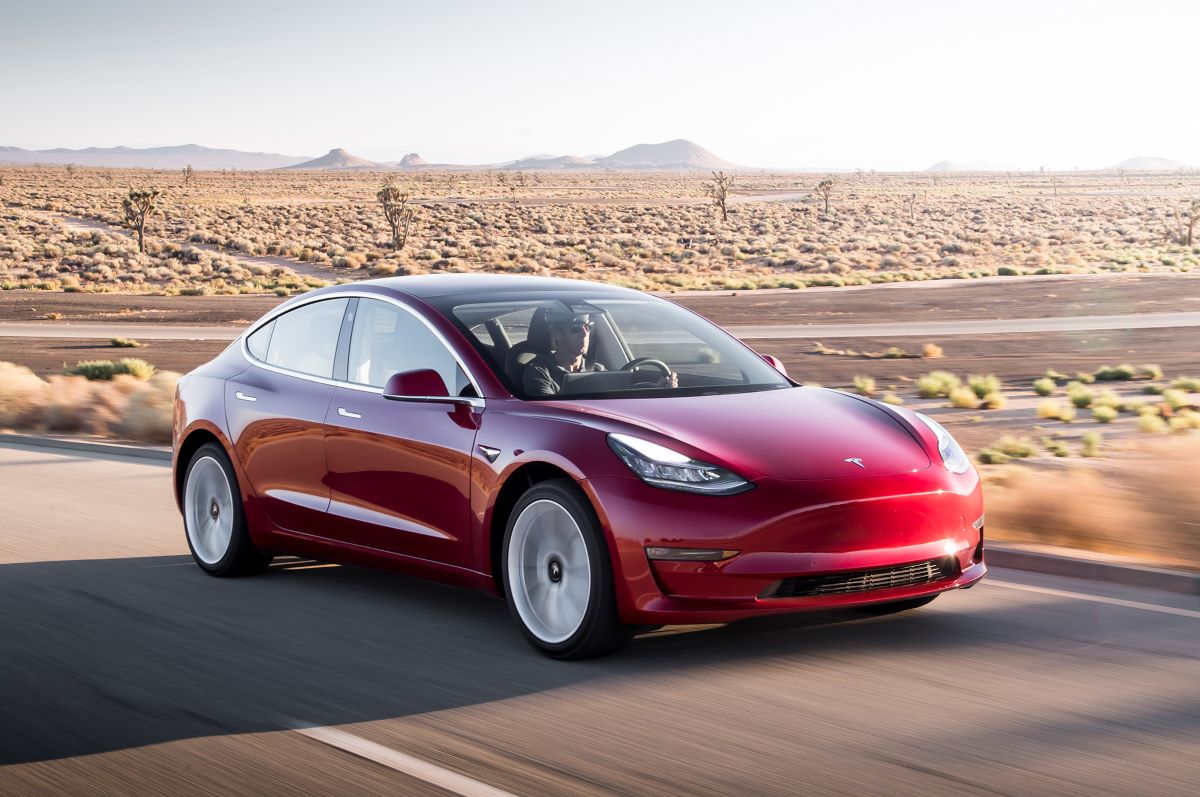
The Model 3 is popular for solo commuting, but when it comes to carpooling, many neighbors find the rear seat too low and the roofline too sloped.
The seating position forces some adults to tuck their knees higher than they’d like, and the small rear door openings make entry awkward.
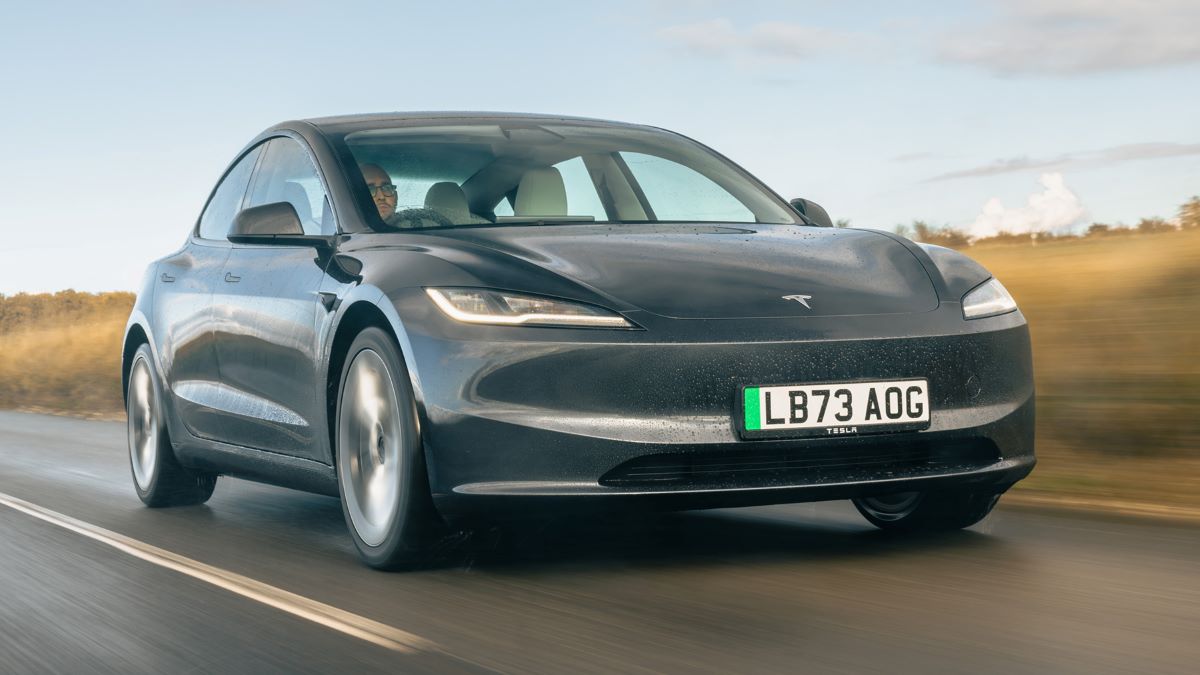
Add in firm seats and a suspension that often feels brittle on imperfect American roads, and the Model 3 becomes a car neighbors subtly avoid volunteering to ride in. Its tech-forward cabin is impressive but comfort, not tech, is what makes carpooling enjoyable.
4. Toyota C-HR
The C-HR was designed with style first, practicality second. Rear passengers face small, high-mounted windows that make the back seat feel cave-like. Adults often complain about feeling boxed in or claustrophobic.
The coupe-like roofline compromises headroom, and the rear seats don’t offer the supportive feel of Toyota’s larger models.
Even short neighborhood trips can feel cramped. While it’s a fun, youthful daily driver for one person, it’s far from ideal for shuttling neighbors especially those who like natural light and easy access.
After a four-year absence, the Toyota C-HR returns with a fresh design and a fully electric powertrain. Positioned as a subcompact alternative to the redesigned Toyota bZ, which shares its platform, the new C-HR features two electric motors, one at the front and one at the rear, delivering standard all-wheel drive and a combined output of 338 horsepower.
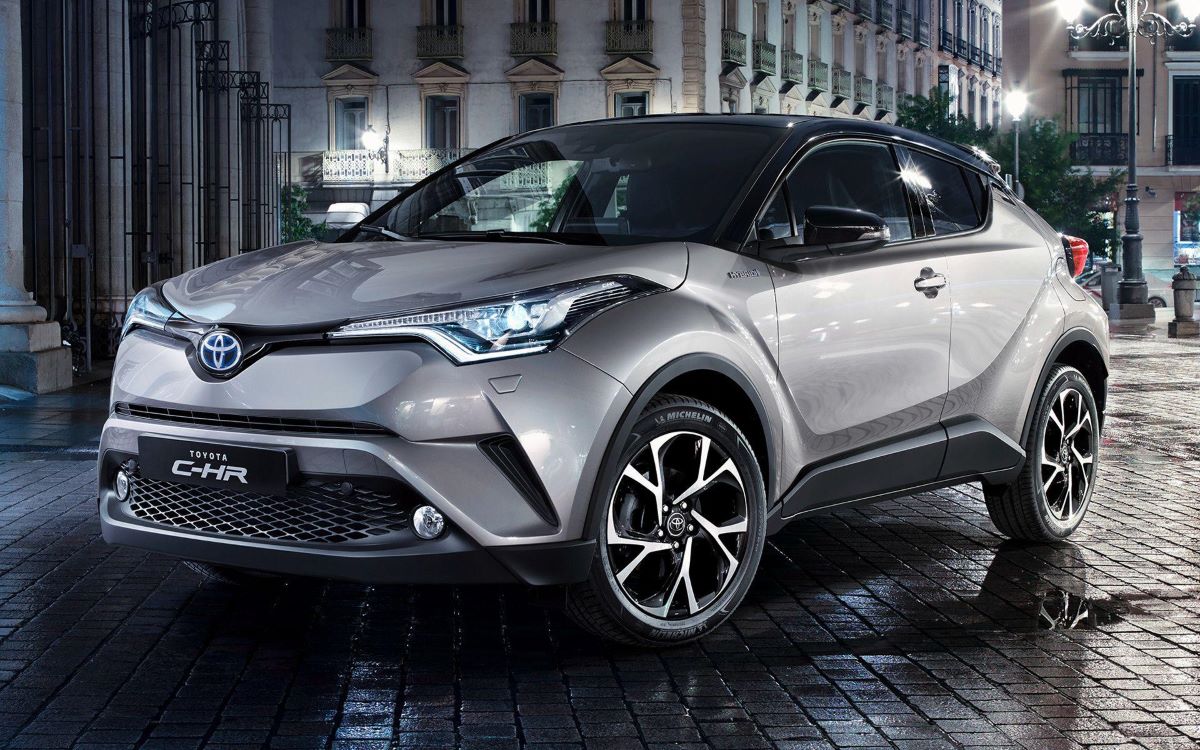
Power comes from a sizable 74.7-kWh battery pack, giving Toyota’s latest subcompact EV an estimated range of 290 miles per charge. The C-HR uses an NACS charging port, making it compatible with Tesla Superchargers. If these figures hold up in real-world conditions, the C-HR could emerge as a leader in both performance and range in the segment.
The C-HR isn’t new to the U.S. market. A gasoline-powered version was sold from 2018 to 2022, but the 2026 model marks a new generation with an electric powertrain. Built on the same e-TNGA platform as the updated Toyota bZ compact crossover, the C-HR acts as a smaller, sportier counterpart to its larger sibling.
The dual-motor setup grants all-wheel drive and a combined output of 338 horsepower, a notable 137 hp more than the highest-output trims of competitors like the Hyundai Kona Electric and Kia Niro EV.
This setup promises a brisk, responsive driving experience for such a small subcompact crossover. Toyota has yet to provide real-world driving data, but early estimates suggest the C-HR could deliver both impressive acceleration and confident handling.
5. Chevrolet Camaro
If the Mustang is inconvenient, the Camaro is outright punishing for passengers. Visibility is famously poor, which makes some neighbors anxious during commutes.
The extremely low roofline forces even average-height adults to hunch, and the rear seats might as well be decorative.
Getting into the back requires gymnastic effort, and the ride quality is stiff enough to turn speed bumps into mini-events. Neighbors admire it at BBQs but conveniently schedule “other plans” when offered a seat.
In 2018, Chevrolet gave the sixth-generation Camaro a significant facelift, incorporating styling cues inspired by earlier pony car models.
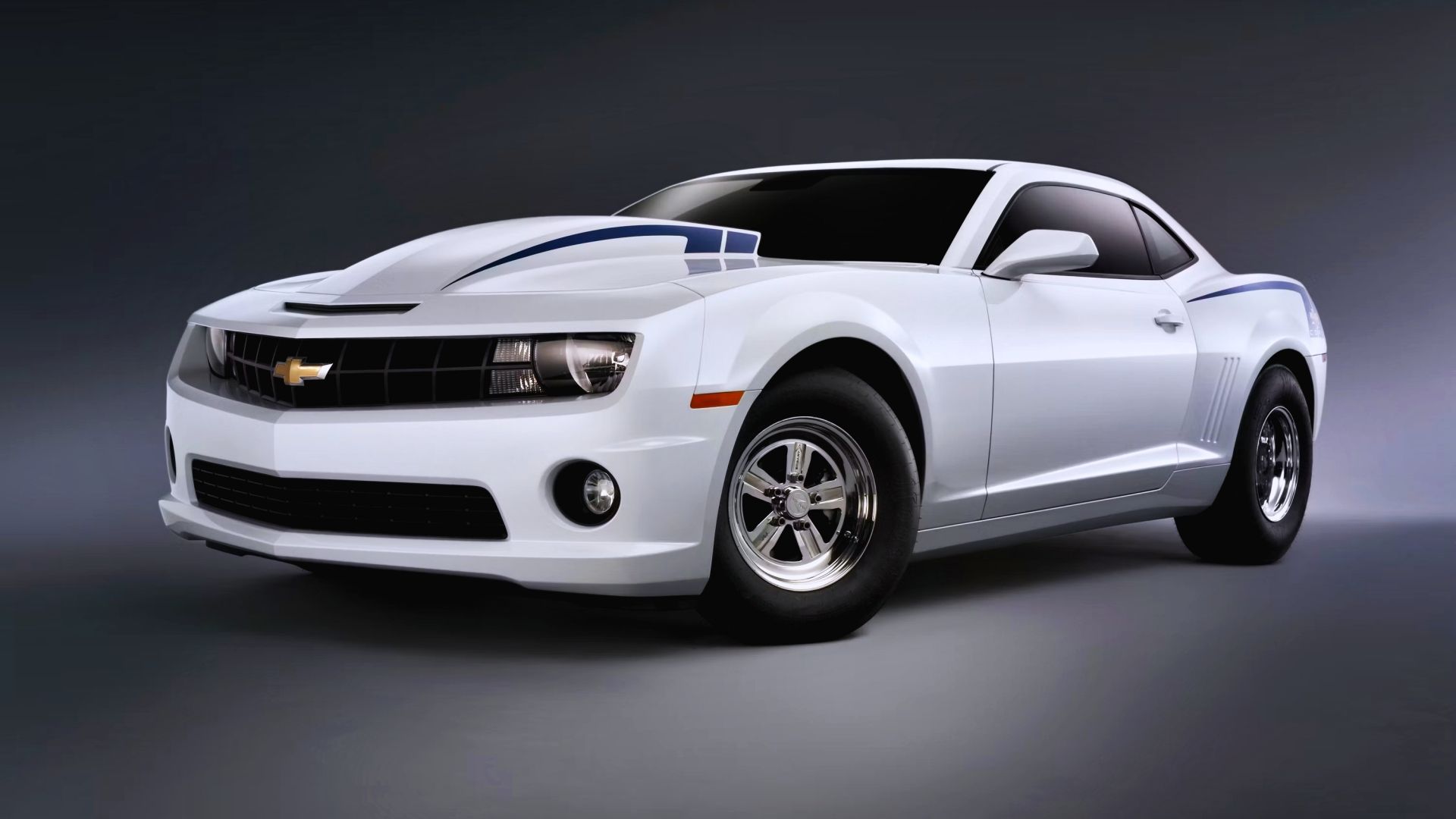
The Camaro first debuted in 1966 for the 1967 model year and quickly became a defining icon of the pony car segment alongside the Ford Mustang and Dodge Challenger. With the right engine, it could double as a legitimate muscle car, holding its own on drag strips.
The sixth generation arrived in 2015 for the 2016 model year and enjoyed strong sales initially. However, as buyers increasingly shifted toward EVs and more fuel-efficient vehicles, Camaro sales began to decline. To address this, Chevrolet introduced the 2019 Camaro with updated styling and notable interior upgrades.
Inside, the 2019 Camaro offered a more modern and user-friendly cabin. Standard on the LS, 1LT, and 2LT trims was a seven-inch touchscreen infotainment system with Apple CarPlay and Android Auto. From the 3LT trim upward, an eight-inch touch-sensitive display replaced the smaller screen.
ront bucket seats came in two cloth options with bolstered support, while the rear bench was configured for two passengers. Leather upholstery was available across five configurations for higher trims, with the ZL1 standing out with its standard Recaro high-bolstered bucket seats.
Under the hood, the Camaro retained the same engine options: a two-liter inline-four, a V6, and a V8. All engines were paired with a standard six-speed manual transmission. For those seeking less engagement, an eight-speed automatic was available on the inline-four and V6 models, while the 1SS, 2SS, and ZL1 could be equipped with a ten-speed automatic.
With these updates, the 2019 Chevrolet Camaro combined classic pony car styling with modern technology and performance upgrades, keeping the muscle car spirit alive for a new generation of drivers.
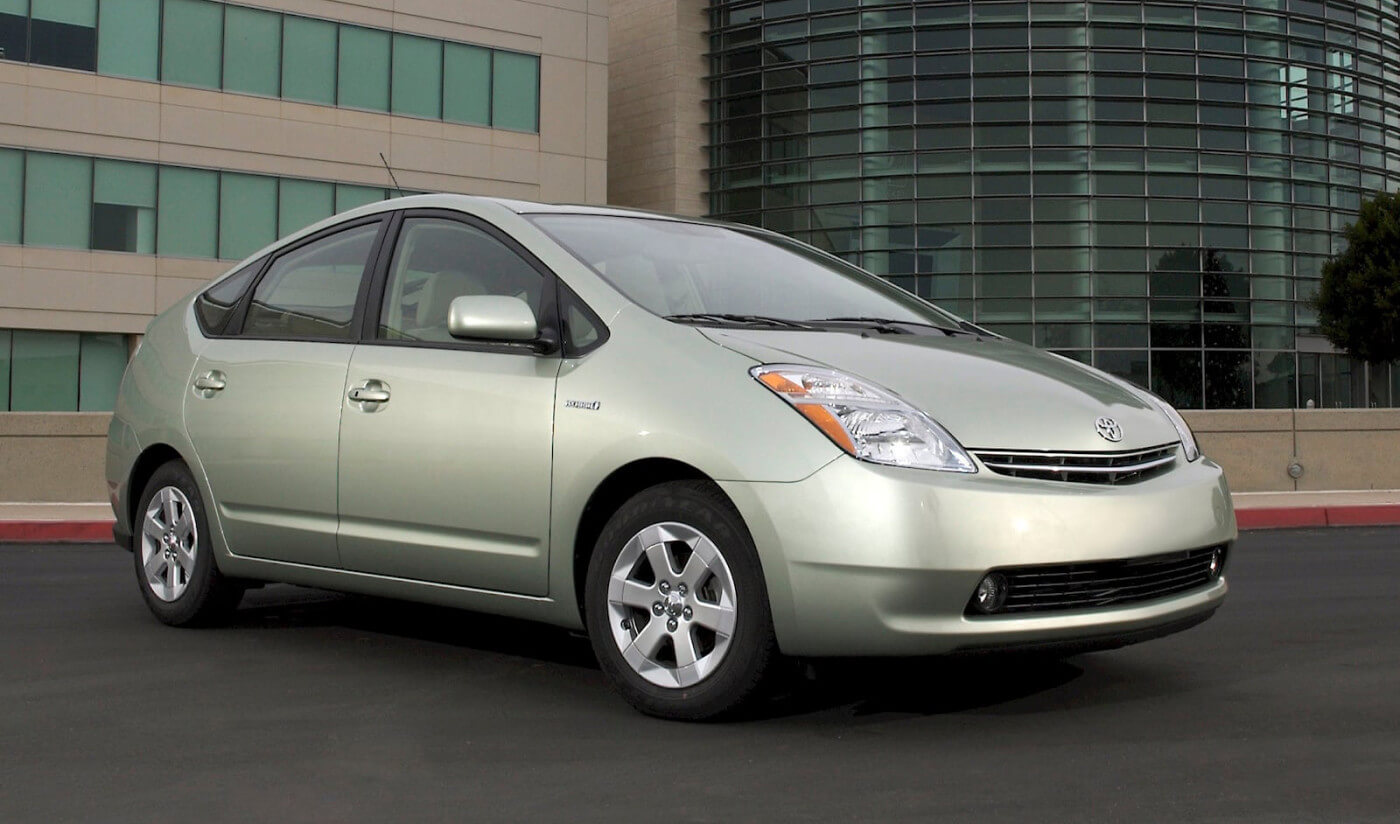
6. Toyota Prius (Older Generations)
The Prius is environmentally friendly and fuel-efficient, but the older generations common in carpools feature seats that many adults find flat and unsupportive.
The rear seat legroom is limited, especially for taller neighbors, and the low roofline makes it difficult to get in and out gracefully.
While the newest models have dramatically improved interior comfort and design, older Prius models still dominate suburban carpool duty, and many riders quietly hope someone else offers to drive. The eco-credentials are great; the ride comfort, not so much.
Carpooling is all about shared experience and the car you offer shapes that experience more than people admit out loud.
In American suburbs where commutes are long, workdays are demanding, and comfort matters, vehicles with roomy cabins, soft suspensions, accessible seating, and quiet rides tend to win the most carpool goodwill.
Meanwhile, stylish coupes, stiff off-roaders, and cramped subcompacts may look cool parked in the driveway, but they rarely earn enthusiastic “sure, I’ll ride!” responses.