In today’s automotive industry, choosing the right car involves a complex mix of considerations. For many people, fuel efficiency ranks high among those priorities, not only because of environmental concerns but also due to the financial burden of regular refueling.
On the other end of the spectrum, some buyers are willing to spend more for power, prestige, and performance, accepting that their dream car will cost significantly more to run.
This article presents a contrast between two very different categories of vehicles: sedans that “sip” fuel, offering economical transport without skimping on comfort or usability, and high-performance or luxury models that may feel like a drain on your wallet due to high running costs.
By comparing these two camps, potential buyers can better understand the trade-offs involved and make a well-informed decision based on their own priorities.
The first part of this discussion highlights five sedans that are especially efficient in terms of fuel consumption. These models typically feature small but capable engines, hybrid or mild-hybrid powertrains, or strong engineering to maximize miles per gallon (or litres per 100 km).
They represent practical choices for daily commuting, road trips, or urban driving where efficiency matters. We will examine their design, technology, and real-world performance, and show why they are great for people looking to minimize fuel costs.
In contrast, the second part of the article focuses on five cars that, though potentially exhilarating to drive, are likely to “drain your wallet.” These vehicles may offer luxury features, powerful engines, premium brand status, or exceptional performance.
However, these benefits come with trade-offs: high fuel consumption, expensive maintenance, costly insurance, and rapid depreciation or high upfront costs. By looking at these models critically, I will illustrate how much more expensive ownership can become, beyond just the purchase price.
By comparing these two distinct sets of vehicles side by side, this article aims to help readers weigh their priorities: whether saving at the pump or indulging in performance is more important to them. Let’s start with five efficient sedans before moving on to the extravagant or powerful cars that command a different kind of financial commitment.
Five Fuel‑Efficient Sedans (“Sip Fuel”)
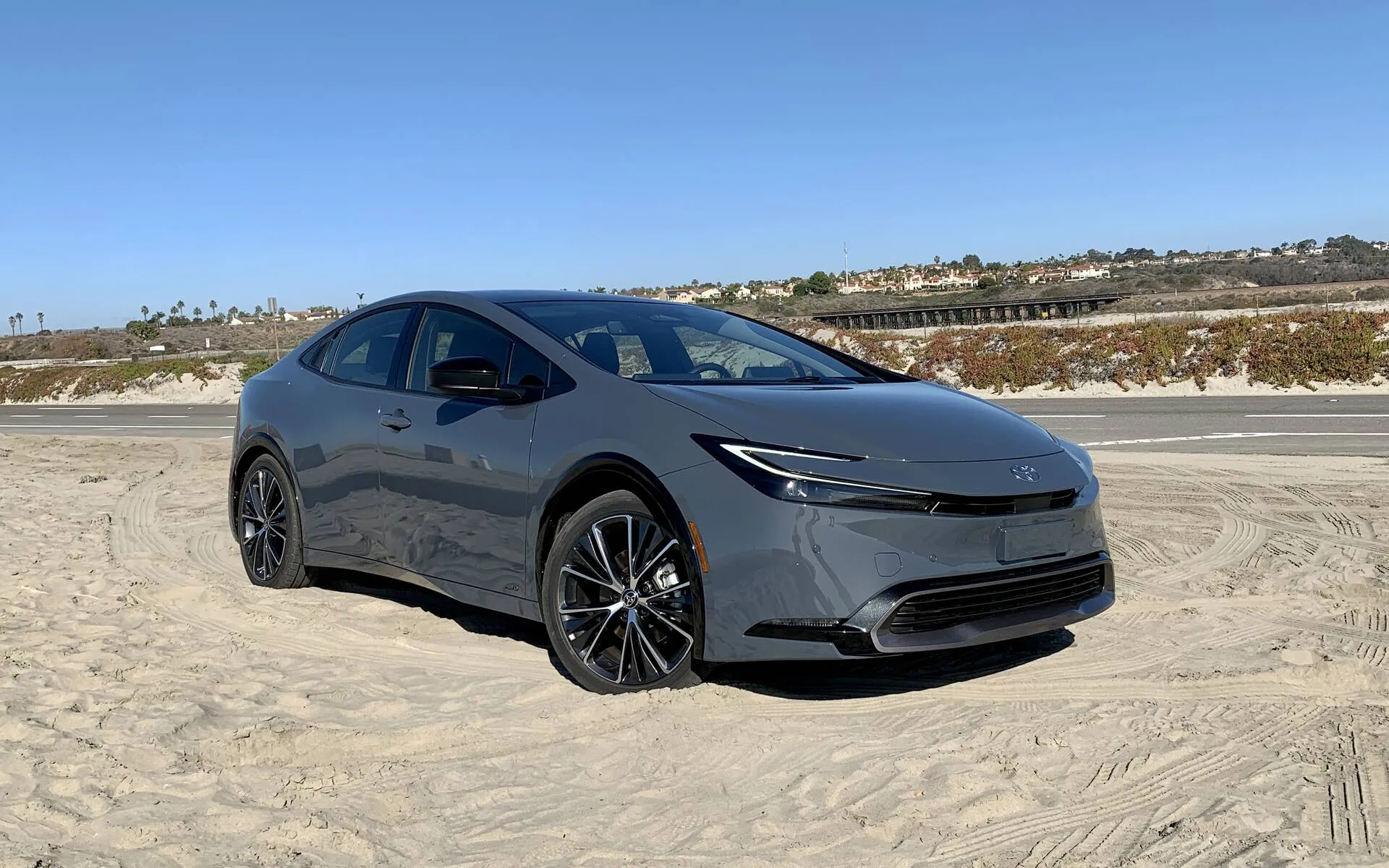
1. Toyota Prius
The Toyota Prius has become almost a benchmark in hybrid technology, widely recognized as one of the most fuel-efficient sedans in the market. Its hybrid powertrain combines a small petrol engine with electric motors and a battery pack, allowing it to run solely on electricity at low speeds or during stop-and-go traffic.
The system intelligently switches between petrol, electric, or a combination of both depending on driving conditions, which significantly reduces fuel use. Regenerative braking captures energy usually lost during deceleration and stores it in the battery, further contributing to efficiency.
Beyond the technical sophistication, the Prius is also known for its consistent performance, delivering a smooth ride whether commuting in city traffic or cruising on highways.
Drivers often note the predictability of the hybrid system and the way it encourages a more relaxed driving style. Its reputation for reliability also makes it appealing, as owners can generally expect fewer engine or drivetrain issues over the long term compared to traditional sedans.
Aerodynamics plays a key role in the Prius’s efficiency, and Toyota engineers have invested heavily in minimizing drag. The car’s sharply sloped roofline, underbody covers, and narrow wheel arches work together to reduce wind resistance at higher speeds.
Even subtle design elements, such as the curvature of the side mirrors and the rear spoiler, are optimized to keep air flowing smoothly around the vehicle. Low-rolling-resistance tires reduce energy lost to friction without sacrificing safety or handling, and the lightweight construction of the chassis ensures that the car can operate efficiently even with a full load.
These details are critical because on highways, where fuel consumption is often higher, the Prius consistently delivers impressive mileage.
The combination of hybrid technology and aerodynamic design makes it one of the few sedans capable of maintaining low fuel usage without compromising driver comfort or road performance. Many drivers who regularly travel long distances find this especially valuable, as it reduces frequent stops for refueling.
Inside, the Prius’s cabin balances functionality, comfort, and technology in a way that appeals to both city commuters and small families. The seats are supportive enough for long trips, and the ergonomic design ensures that drivers can easily access controls and information.
Infotainment systems in newer models provide navigation, smartphone integration, and driver assistance features without feeling overwhelming or cluttered. Rear passengers enjoy reasonable legroom, and the hatchback-style rear offers flexible cargo options, including folding rear seats to expand space for luggage or larger items.
Even though the Prius is designed with economy in mind, it does not feel sparse or cheap; the cabin materials are durable, and many elements are crafted to minimize noise and vibration. Drivers also often praise the quiet operation of the hybrid system, which contributes to a more relaxing driving experience, particularly in stop-and-go traffic or residential areas.
Another advantage of the Prius is its adaptability to different driving conditions and lifestyles. It handles city traffic, highway cruising, and even occasional long trips with equal poise.
The hybrid system automatically adjusts to the driver’s behavior, providing seamless transitions between electric and petrol modes, which can be particularly useful for those new to hybrid driving. Safety is also a strong focus, with multiple airbags, advanced braking systems, and optional driver-assistance technologies such as adaptive cruise control and lane-keeping assistance.
The Prius represents a combination of smart engineering, low operational cost, and long-term reliability that few competitors can match. For anyone looking for a practical, economical, and comfortable sedan, the Prius remains a compelling choice that consistently delivers on its promise to sip fuel rather than guzzle it.
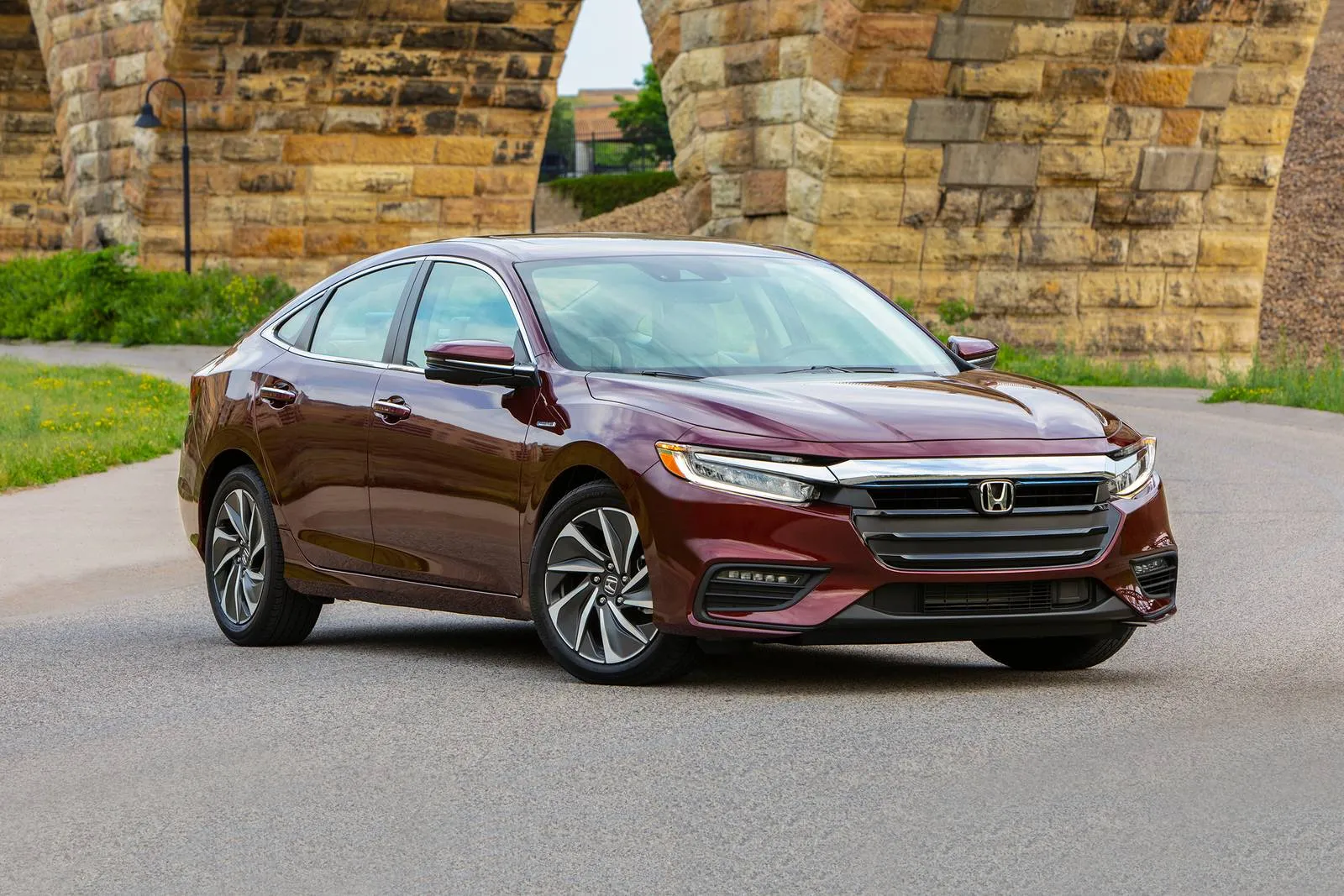
2. Honda Insight
The Honda Insight is another hybrid sedan that excels in fuel efficiency while offering a slightly more traditional sedan experience compared to the Prius. Its intelligent hybrid system pairs a small petrol engine with electric motors, allowing for smooth transitions between electric-only and hybrid operation.
The electric motor provides power assist during acceleration and low-speed driving, significantly reducing fuel consumption in urban traffic. The system also captures energy during braking to recharge the battery, which makes city stop-and-go driving much more economical.
While compact, the Insight’s engine is efficient enough to provide a surprisingly responsive driving experience, with power delivery that feels natural rather than abrupt.
Honda has engineered the drivetrain to prioritize fuel economy without sacrificing refinement, giving drivers a car that is both efficient and enjoyable to drive. Its reliability record is also strong, making it a sensible long-term investment for cost-conscious buyers.
Aerodynamics and design are carefully optimized in the Insight to complement its hybrid technology. The car’s low, sleek profile reduces air resistance, while narrow side mirrors, flush-mounted door handles, and an aerodynamic rear end help keep fuel usage low.
Low-rolling-resistance tires further enhance efficiency, and the car’s lightweight chassis ensures that the hybrid system does not have to work harder than necessary to move the vehicle. Every detail, from the shape of the hood to the angle of the windshield, is tuned to minimize drag and maximize energy efficiency.
These refinements make a real difference on highways, where fuel consumption can rise sharply in less aerodynamic vehicles. Drivers often note that the Insight feels balanced and stable, even at higher speeds, providing confidence while maintaining economy.
Inside, the Insight’s cabin offers a comfortable, modern environment with thoughtful ergonomics. Front seats are supportive for both short trips and longer journeys, while rear-seat passengers have enough legroom to ride comfortably.
The dashboard layout is intuitive, featuring a digital instrument cluster that highlights hybrid performance and fuel efficiency metrics. Infotainment systems support smartphone integration, navigation, and connectivity without overwhelming the driver, and the design emphasizes simplicity and ease of use.
Materials are of high quality for a compact sedan, and sound insulation helps reduce road noise, creating a quiet and pleasant cabin experience. The Insight also includes practical storage solutions, making it easy to handle groceries, luggage, or everyday essentials without compromising passenger comfort.
The Insight also demonstrates versatility across different driving scenarios. It performs well in urban commuting, suburban errands, and longer highway trips, thanks to the hybrid system’s ability to adapt to driving conditions. The transitions between electric and petrol power are smooth, which reduces driver fatigue and contributes to lower fuel consumption.
Safety features are comprehensive, including multiple airbags, electronic stability control, and available driver-assistance technologies such as adaptive cruise control and collision mitigation.
The combination of efficiency, comfort, and safety makes the Insight an appealing option for families, commuters, and anyone looking for a practical, cost-effective sedan. It offers peace of mind for drivers concerned with both operating costs and reliability.
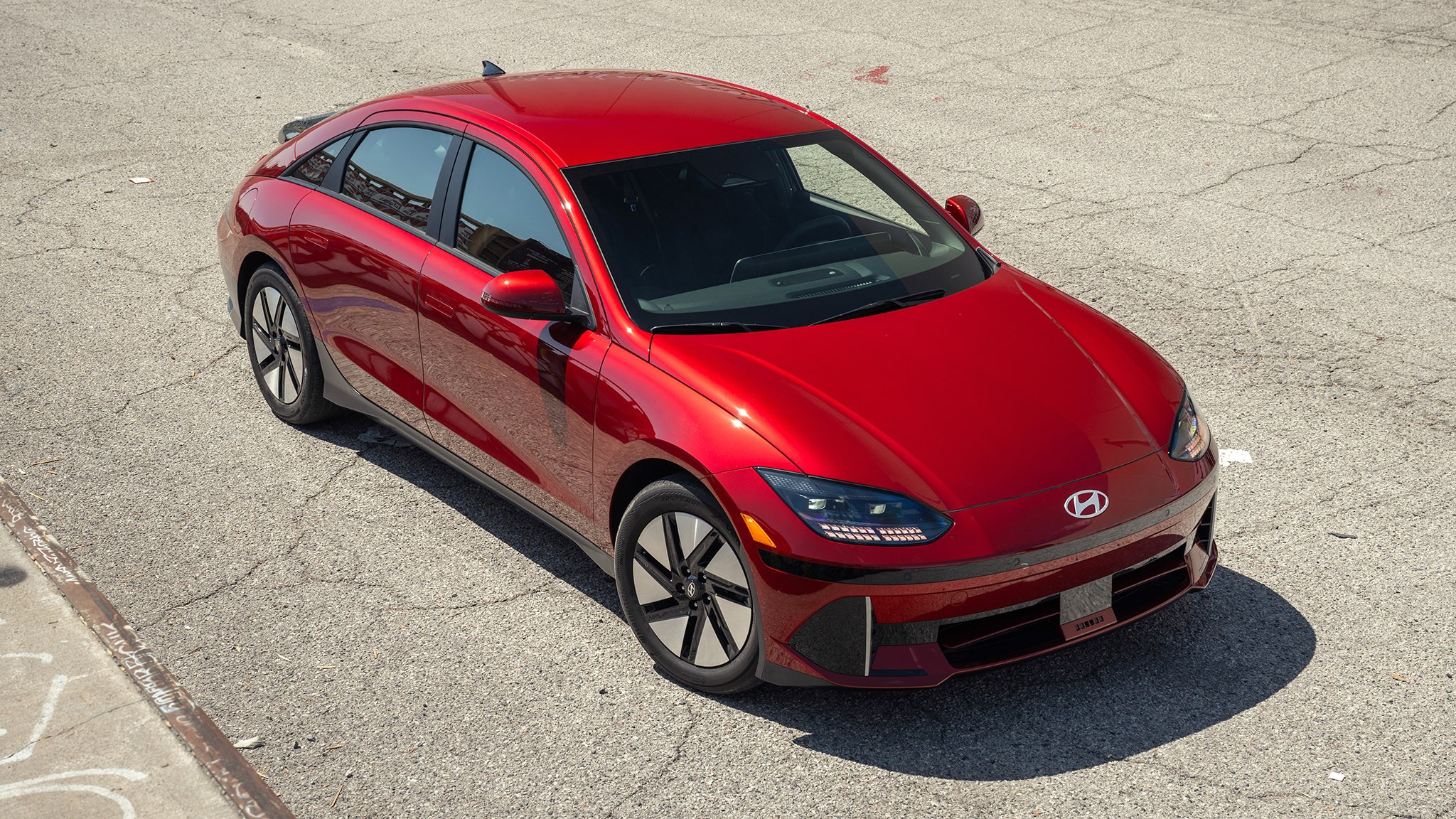
3. Hyundai Ioniq
The Hyundai Ioniq is a standout example of fuel-efficient sedan engineering, available in hybrid, plug-in hybrid, and fully electric variants, with the hybrid version particularly praised for its low fuel consumption. Its powertrain combines a petrol engine with an electric motor and battery system, delivering seamless operation while maximizing efficiency.
At lower speeds or during stop-and-go traffic, the electric motor can handle most propulsion needs, saving fuel for longer stretches. The battery is cleverly integrated and lightweight, so it does not overly affect vehicle dynamics or cargo space.
On highways, the petrol engine operates efficiently at optimal RPMs, while regenerative braking captures energy whenever deceleration occurs. The result is a sedan that can travel long distances while using significantly less fuel than conventional vehicles in the same class.
The Ioniq’s versatility makes it suitable for a wide range of drivers. It handles city streets, suburban roads, and highways with confidence, while the hybrid system ensures that fuel consumption remains low in varied conditions. Driving transitions are smooth, contributing to an effortless experience and reducing the cognitive load for drivers new to hybrid vehicles.
Safety features are comprehensive, including stability control, multiple airbags, and optional driver-assistance packages that provide lane keeping, adaptive cruise control, and collision warnings.
The Ioniq demonstrates how modern hybrid engineering can create a sedan that is practical, economical, and enjoyable to drive, making it an excellent choice for cost-conscious drivers who still want modern features and comfort.
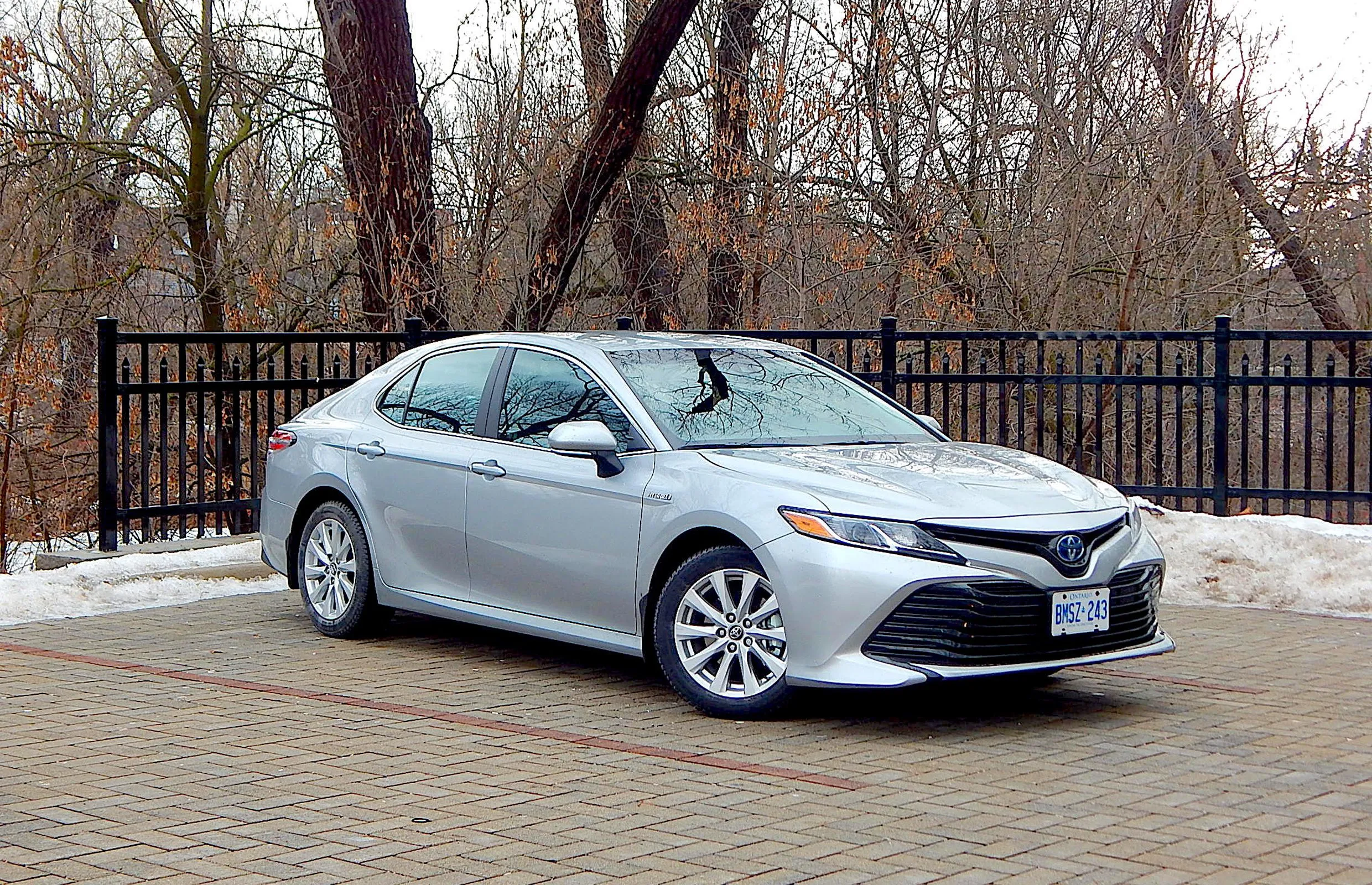
4. Toyota Camry Hybrid
The Toyota Camry Hybrid brings fuel efficiency into a more spacious, comfortable midsize sedan, blending hybrid technology with the usability of a full-sized family car. Its hybrid powertrain pairs a petrol engine with an electric motor, allowing the vehicle to operate in electric-only mode during low-speed driving or light acceleration.
On highways or during sustained speeds, the petrol engine takes the lead but operates efficiently, optimizing fuel consumption. The hybrid system intelligently balances power distribution to reduce unnecessary fuel use, while regenerative braking captures energy otherwise lost during deceleration.
Despite its focus on efficiency, the Camry Hybrid delivers smooth acceleration and a responsive driving experience, making it suitable for both city traffic and highway cruising.
Drivers often note that the hybrid system feels unobtrusive, seamlessly transitioning between electric and petrol modes without abrupt changes in performance. Reliability is another strong point, as Toyota’s engineering ensures the hybrid components last for many years with minimal issues.
From a financial perspective, the Camry Hybrid is highly practical. Fuel savings are significant over time, especially for drivers covering long commutes or frequent trips. Maintenance costs are relatively low, with predictable servicing schedules and proven hybrid reliability reducing the likelihood of unexpected expenses.
Insurance rates for the Camry Hybrid are moderate compared to larger luxury or performance sedans, and resale values remain competitive thanks to Toyota’s reputation for reliability.
The combination of low running costs, comfort, and interior space makes the Camry Hybrid a compelling choice for those who want a practical sedan with both efficiency and usability. It is particularly appealing for families or daily commuters who wish to enjoy hybrid technology without sacrificing comfort or style.
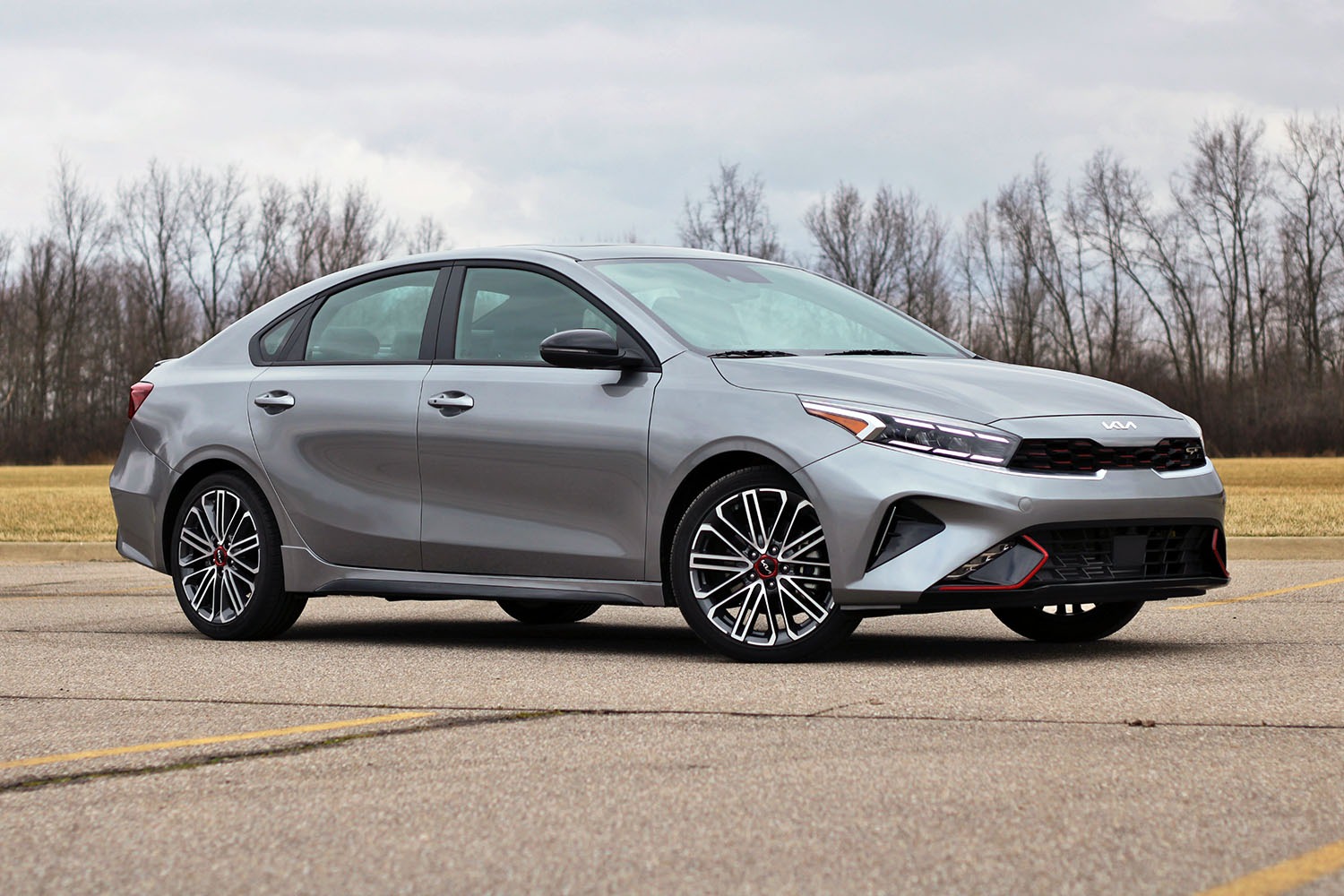
5. Kia Forte (efficient petrol / mild hybrid variants)
The Kia Forte, known in some markets as the Cerato, is a compact sedan that provides excellent fuel economy even in standard petrol versions, with mild-hybrid variants offering additional efficiency gains.
Its efficient petrol engine is lightweight yet capable, providing sufficient power for city driving and highway cruising while maintaining low fuel consumption.
In mild-hybrid versions, a small electric motor assists the petrol engine, especially during acceleration, and captures energy through regenerative braking. This system allows the Forte to achieve mileage figures that rival more expensive hybrid sedans, making it an appealing option for those prioritizing efficiency on a budget.
Despite its economical focus, the Forte delivers a comfortable and responsive driving experience, with steering and suspension tuned for everyday usability rather than sporty aggression. Reliability is strong for both standard and mild-hybrid versions, giving owners peace of mind that the car will not require frequent, costly repairs.
From a cost-of-ownership perspective, the Forte is highly economical. Fuel savings are apparent in urban, suburban, and highway driving, and routine maintenance is inexpensive compared to hybrid or luxury sedans. Insurance premiums are generally affordable, reflecting the vehicle’s size and moderate risk profile.
Depreciation is reasonable, and resale values remain competitive for compact sedans, particularly those with mild-hybrid technology. The Kia Forte demonstrates that practicality and fuel efficiency can be achieved without a high price tag or complex hybrid systems.
For drivers who want a reliable, comfortable, and efficient sedan, the Forte stands out as a smart choice that combines economy, usability, and modern features, making it a practical option for cost-conscious individuals or families alike.
Five Cars That Drain Your Wallet
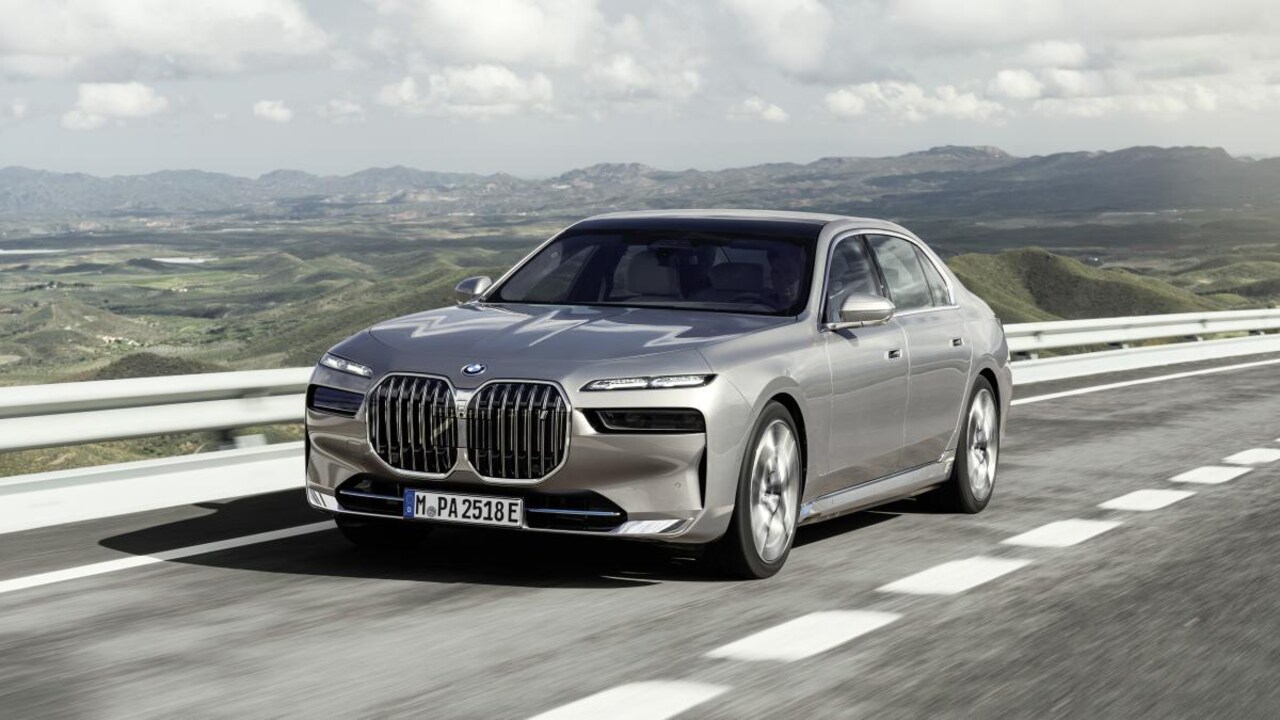
1. BMW 7 Series
The BMW 7 Series is the flagship sedan in BMW’s lineup, boasting cutting-edge technology, powerful engines, and a luxurious cabin. However, all this comes at a significant cost. Engine options range from turbocharged six-cylinders to V8s and even V12s, each offering exhilarating performance but notoriously high fuel consumption.
Even the base models consume far more fuel than an average midsize sedan, often exceeding 20 miles per gallon in mixed driving conditions. Beyond fuel costs, the 7 Series is packed with complex electronic systems, advanced driver-assistance features, and luxury amenities that can be expensive to repair when things inevitably go wrong.
Owners should anticipate high maintenance costs, especially after the vehicle’s warranty period expires. Parts, labor, and specialized servicing all contribute to a continuous financial drain, making the ownership experience far more costly than a conventional sedan.
Despite these financial considerations, many buyers are drawn to the BMW 7 Series for its combination of prestige, performance, and advanced features. The car delivers a smooth, powerful ride and cutting-edge technology that is unmatched in many mainstream vehicles.
However, potential buyers need to be fully aware of the long-term costs, as the initial allure of luxury can quickly be overshadowed by ongoing expenses. Fuel, maintenance, insurance, and depreciation collectively make ownership an expensive proposition, and this is before considering optional packages that can add tens of thousands of dollars to the initial purchase.
Owning a 7 Series is a lifestyle choice that requires both financial readiness and a willingness to accept ongoing costs for comfort, performance, and status.
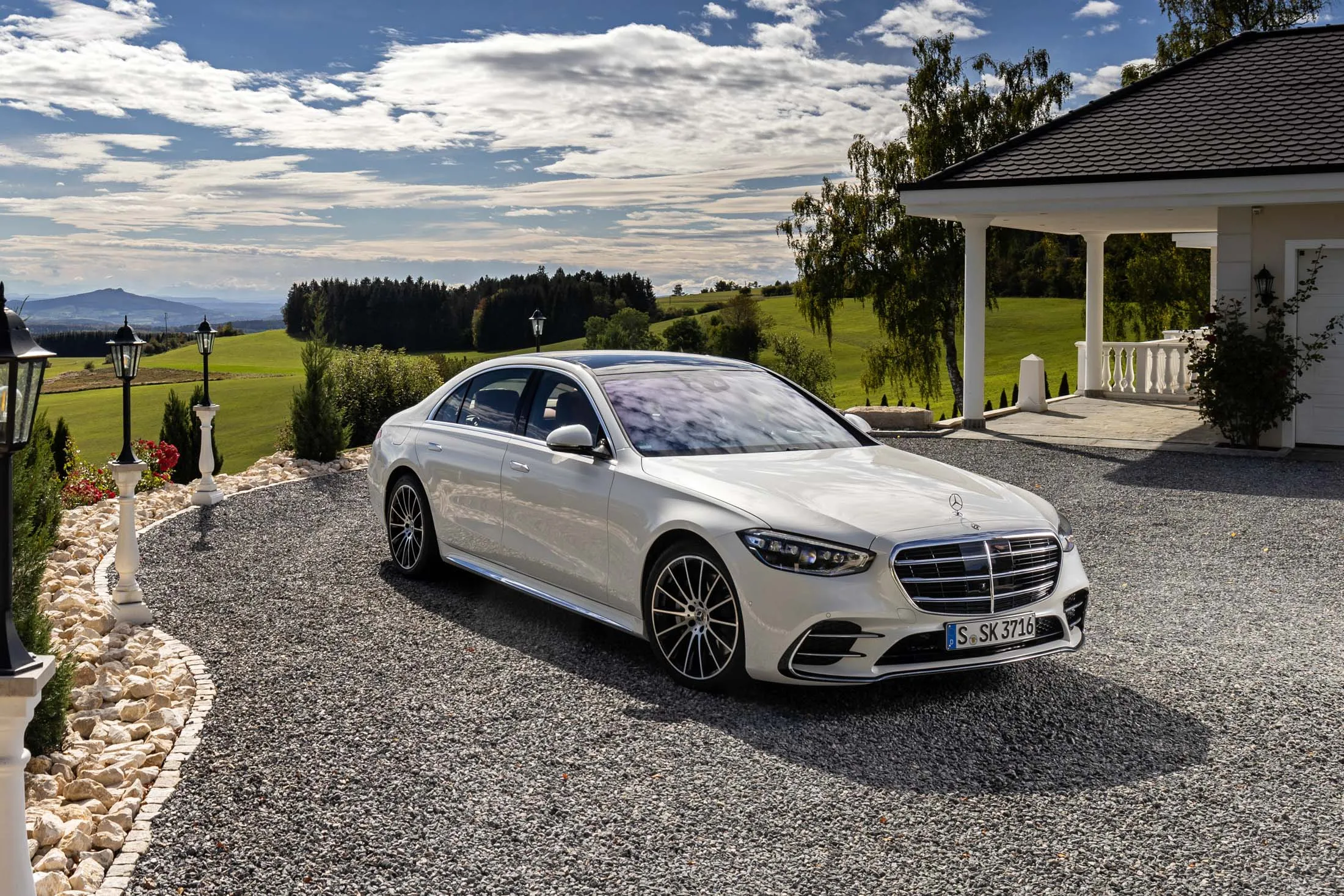
2. Mercedes-Benz S-Class
The Mercedes-Benz S-Class is often regarded as the pinnacle of luxury sedans, with world-class engineering, advanced safety systems, and a supremely comfortable ride. However, such sophistication comes at a steep price.
Engine options include high-displacement V6, V8, and V12 models, all of which consume significantly more fuel than smaller, more economical vehicles. Even moderate driving results in fuel bills that far exceed what is expected for a typical sedan.
Beyond fuel consumption, the S-Class features a plethora of high-tech systems, from active suspension to multi-zone climate control and intricate infotainment modules, all of which are expensive to maintain or repair.
Labor costs are particularly high because repairs often require specialized technicians trained specifically for Mercedes-Benz vehicles, making simple fixes much more costly than on conventional sedans. Owners of older S-Class models frequently report large bills for electronic and mechanical repairs once the warranty expires.
Despite its expenses, the S-Class continues to attract buyers who value prestige, cutting-edge technology, and exceptional comfort. The car provides a smooth, powerful ride, extensive safety features, and luxurious amenities unmatched in the majority of sedans.
However, this comes at the cost of frequent, high-priced maintenance, high fuel consumption, and steep insurance premiums.
Owners must also contend with rapid depreciation, which can make long-term ownership less financially advantageous than expected. In the end, the S-Class exemplifies a car that provides unmatched luxury and performance while simultaneously serving as a constant drain on its owner’s finances.
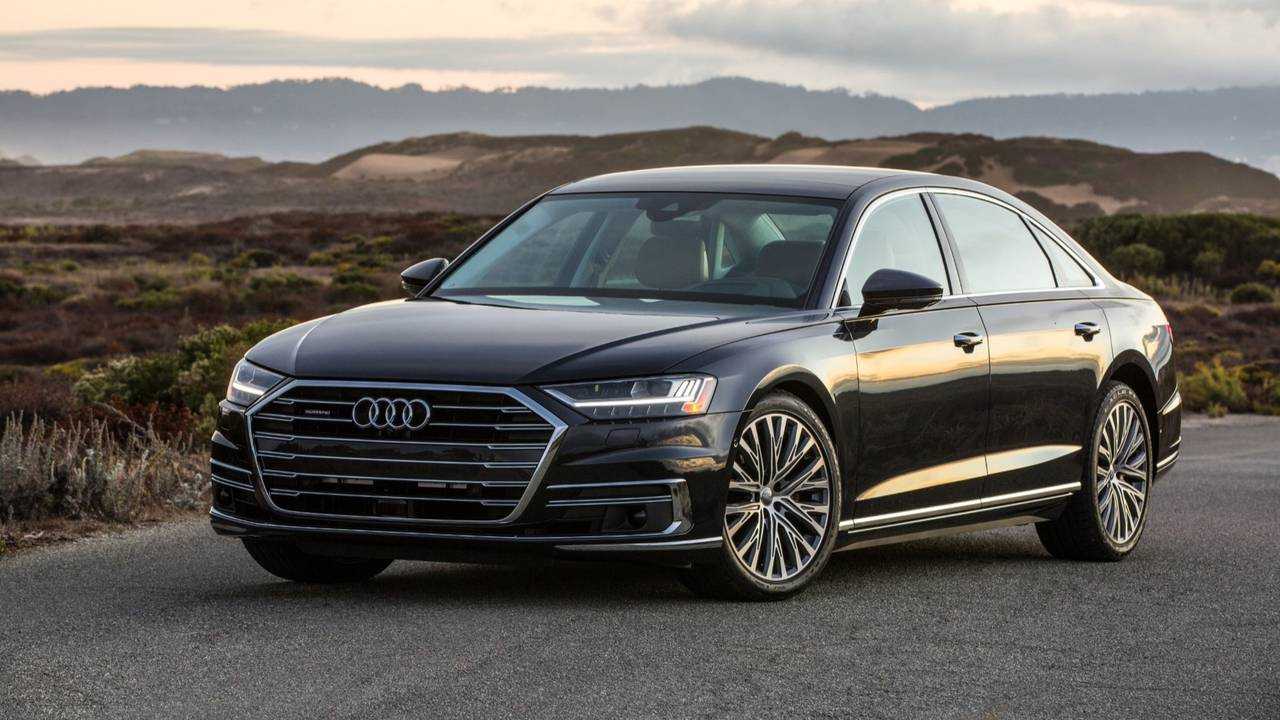
3. Audi A8
The Audi A8 is Audi’s flagship sedan, offering high levels of comfort, advanced technology, and impressive performance. However, its fuel economy is low, especially in models equipped with larger V6 or V8 engines, making it expensive to operate daily.
The vehicle requires premium fuel to operate efficiently, further increasing running costs. Maintenance is another significant financial concern; the A8’s sophisticated electronic systems, adaptive air suspension, and complex engine technologies require specialized servicing, often costing thousands of dollars over time.
Owners often encounter expensive repairs after the warranty period, particularly related to electronics, air suspension components, and turbocharged engine parts.
Tires, brakes, and other wear-and-tear items are also costly due to the car’s size and weight, meaning routine upkeep is far from cheap. Owning an A8 is therefore not only a question of purchase price but also an ongoing investment in maintenance and fuel.
Despite the high cost, the Audi A8 remains appealing due to its combination of performance, technology, and comfort. Quattro all-wheel drive, smooth handling, and advanced safety systems make it a pleasure to drive, particularly in urban and highway settings.
However, fuel consumption, high maintenance requirements, expensive parts, and rapid depreciation ensure that the car will consistently demand substantial financial investment from its owner.
Buyers must consider these long-term costs carefully, as the initial purchase price is only part of the financial picture. The A8 is a prime example of a sedan that impresses with luxury but drains the wallet over time.
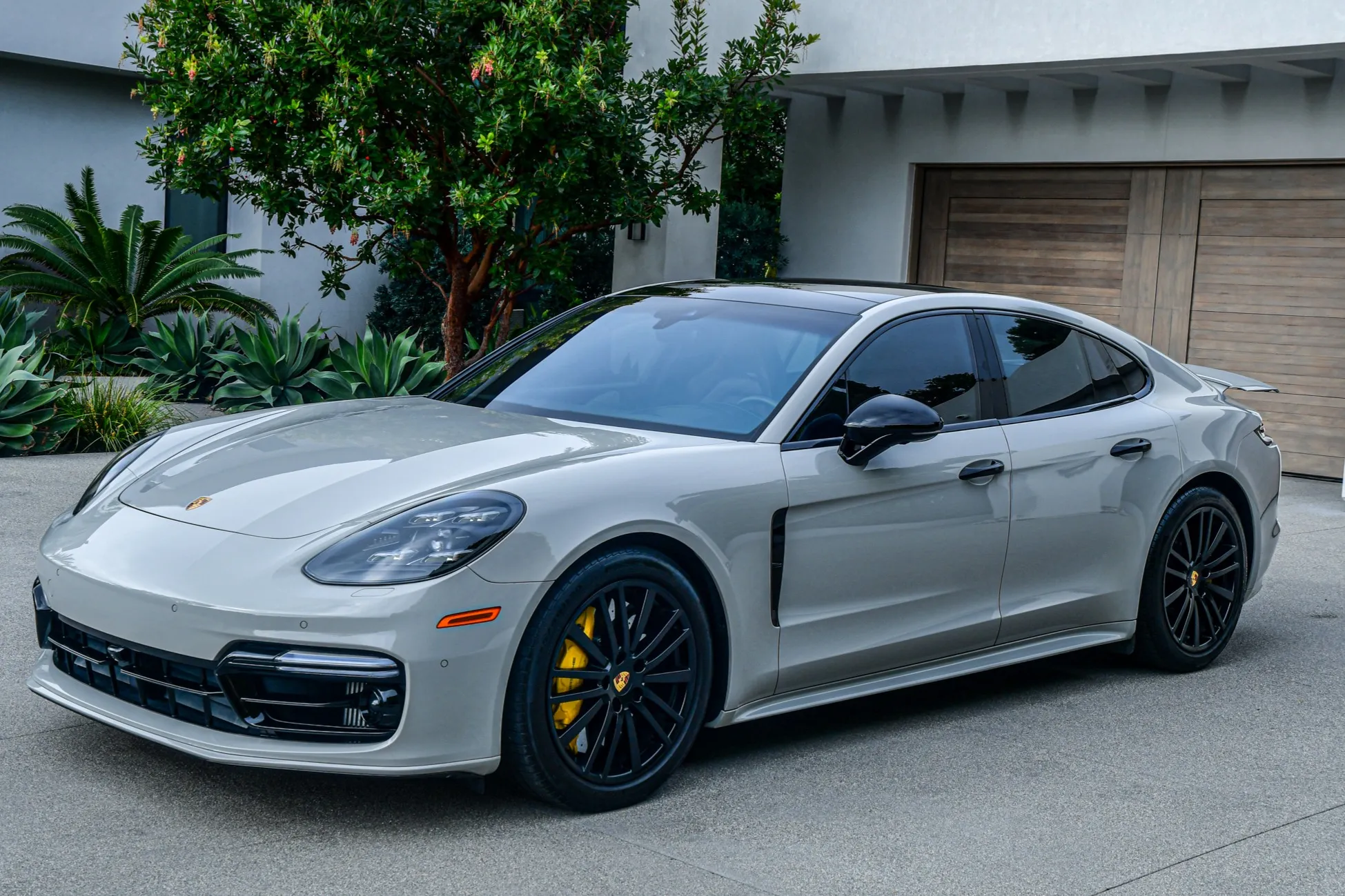
4. Porsche Panamera
The Porsche Panamera is a luxury performance sedan that delivers sports car-level power and handling in a four-door package. It comes with powerful engine options ranging from turbocharged V6s to V8s, and even hybrid performance variants, all of which consume fuel at a much higher rate than standard sedans.
Daily driving, especially in city traffic, can become expensive due to frequent stops at premium gas stations, and long trips amplify the impact on fuel costs. The Panamera’s advanced all-wheel-drive systems, adaptive suspension, and high-performance braking contribute to driving precision but also increase maintenance and repair expenses.
Owners often report that even basic servicing requires specialized knowledge and high-cost parts, from brake pads and rotors to complex electronics and engine components.
In addition, Porsche’s sophisticated infotainment, climate control, and driver-assistance systems add layers of complexity, making routine repairs more time-consuming and costly. While the Panamera offers exhilarating performance, the financial implications of ownership are substantial.
Despite these high costs, the Panamera attracts buyers who value performance, prestige, and advanced technology. The car provides a thrilling driving experience with exceptional acceleration, handling, and responsiveness, unmatched by many other sedans.
However, these advantages come with a steady financial drain due to fuel consumption, insurance, maintenance, and depreciation. The Panamera demonstrates that even a sedan can provide sports-car excitement at a price that goes far beyond the sticker cost. Owners must be prepared for continuous expenses if they wish to enjoy its capabilities and luxurious features without compromise.
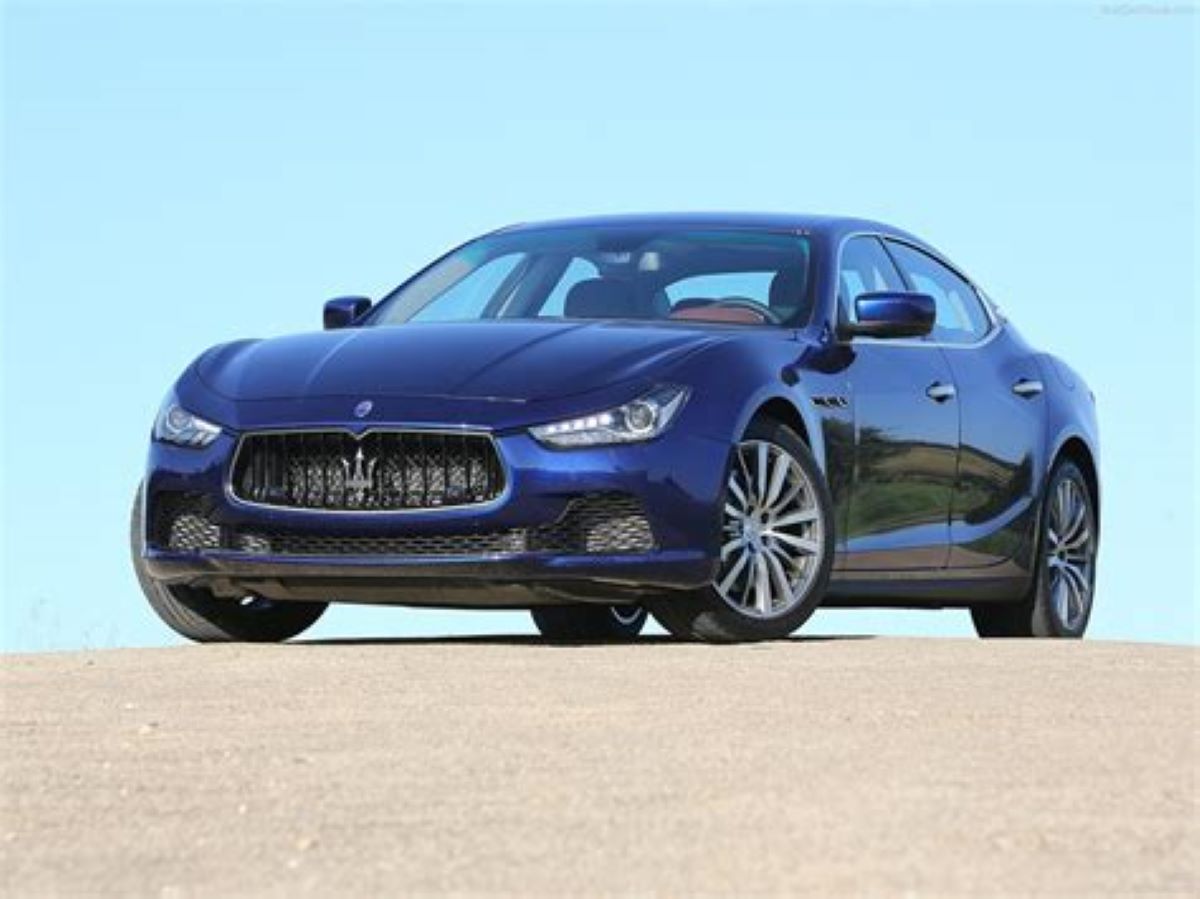
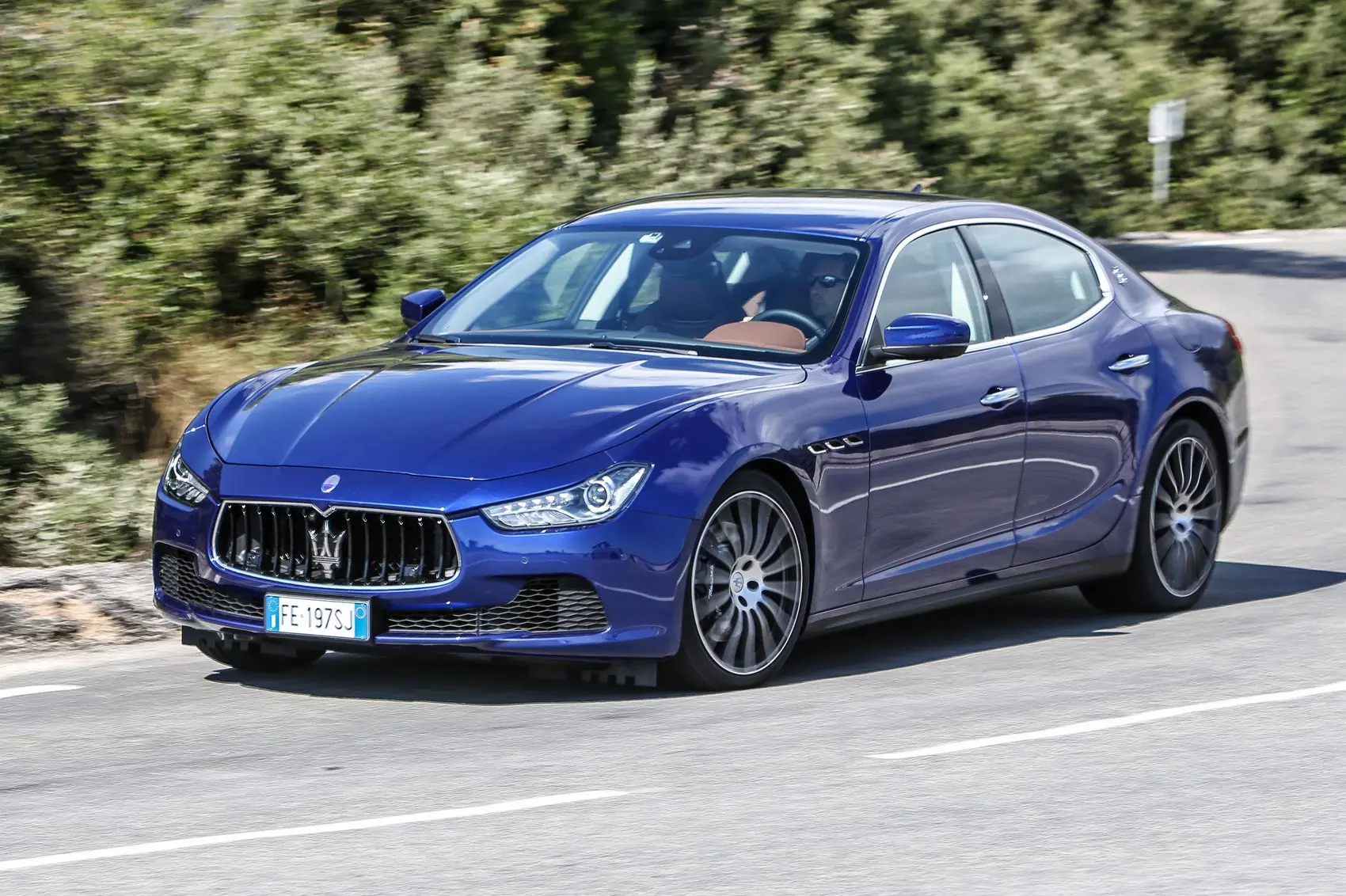
5. Maserati Ghibli
The Maserati Ghibli is a luxury Italian sedan that combines sporty styling, high-performance engines, and an exotic driving experience. Its engine lineup includes twin-turbo V6 and V8 options that deliver impressive acceleration and a thrilling exhaust note but consume fuel at rates much higher than average sedans.
Premium gasoline is required, and city or mixed driving can result in frequent refueling stops, making fuel costs one of the most noticeable expenses. Beyond fuel, the Ghibli requires specialized maintenance due to its Italian engineering and unique components.
Routine service tasks, such as oil changes, brake replacements, and suspension servicing, are more expensive than for mainstream vehicles.
Owners also face high costs for tires, parts, and electronics, as many components are sourced from specialty suppliers. The combination of high fuel use and specialized maintenance positions the Ghibli firmly in the category of sedans that can drain your wallet.
Despite these financial drawbacks, the Maserati Ghibli appeals to buyers seeking style, performance, and exclusivity. Its handling, acceleration, and distinctive exhaust tone provide a driving experience few sedans can match.
The Ghibli is a statement car, reflecting both status and taste, but it comes with an ongoing cost that extends far beyond the initial purchase price. Fuel consumption, maintenance, depreciation, and insurance collectively make this vehicle an expensive proposition.
Buyers who choose the Ghibli must accept that ownership is as much a lifestyle and passion choice as it is a transportation decision, with a continuous financial commitment attached to every mile driven.