Electric vehicles have increasingly become a common sight on highways and city streets. While they offer clear environmental benefits, lower running costs, and innovative technology, the practicality of using them for long-distance road trips remains a topic of considerable discussion.
Unlike traditional gasoline vehicles, which can often travel hundreds of miles between fill-ups, EVs require more planning, and not all models are created equal when it comes to long-range travel. Some are designed to handle long trips with minimal downtime, while others can make drivers feel restricted due to frequent charging stops or slower charging capabilities.
The considerations for road-trip suitability go beyond just battery capacity. Factors like charging speed, the efficiency of energy use, aerodynamics, and the range under real-world driving conditions all play significant roles.
Additionally, features such as regenerative braking, interior comfort, cargo space, and the availability of advanced driver assistance systems can influence how enjoyable and feasible a road trip in an EV might be.
Manufacturers have recognized these needs, and some vehicles now offer ranges exceeding 350 miles on a single charge, while others still struggle to deliver more than 200 miles under highway conditions. This variation makes the choice of EV crucial for travelers who plan frequent long-distance trips.
While the technology for EVs continues to advance, drivers must carefully weigh their options when choosing a vehicle intended for road travel. Some vehicles are engineered for efficiency, aerodynamics, and fast charging, making them ideal companions for highway driving.
Others prioritize urban commuting or compact design, which can result in shorter range and longer charging times that make extended trips cumbersome. Understanding which vehicles fall into each category helps potential buyers make informed decisions, saving both time and frustration on the road.
This article compares five EVs that handle road trips particularly well with five that tend to require frequent stops, providing insight into their design, performance, and suitability for long-distance travel.
By examining both categories, readers can better grasp how the design choices and technological limitations of each vehicle affect road-trip performance.
The goal is not to declare one type superior in all situations but to provide a clear guide for travelers who want to know which EVs will support long-distance journeys smoothly and which might pose challenges that require careful planning. Through this comparison, drivers can make choices that align with their travel habits, personal comfort, and expectations for charging convenience.
5 EVs That Road-Trip Well
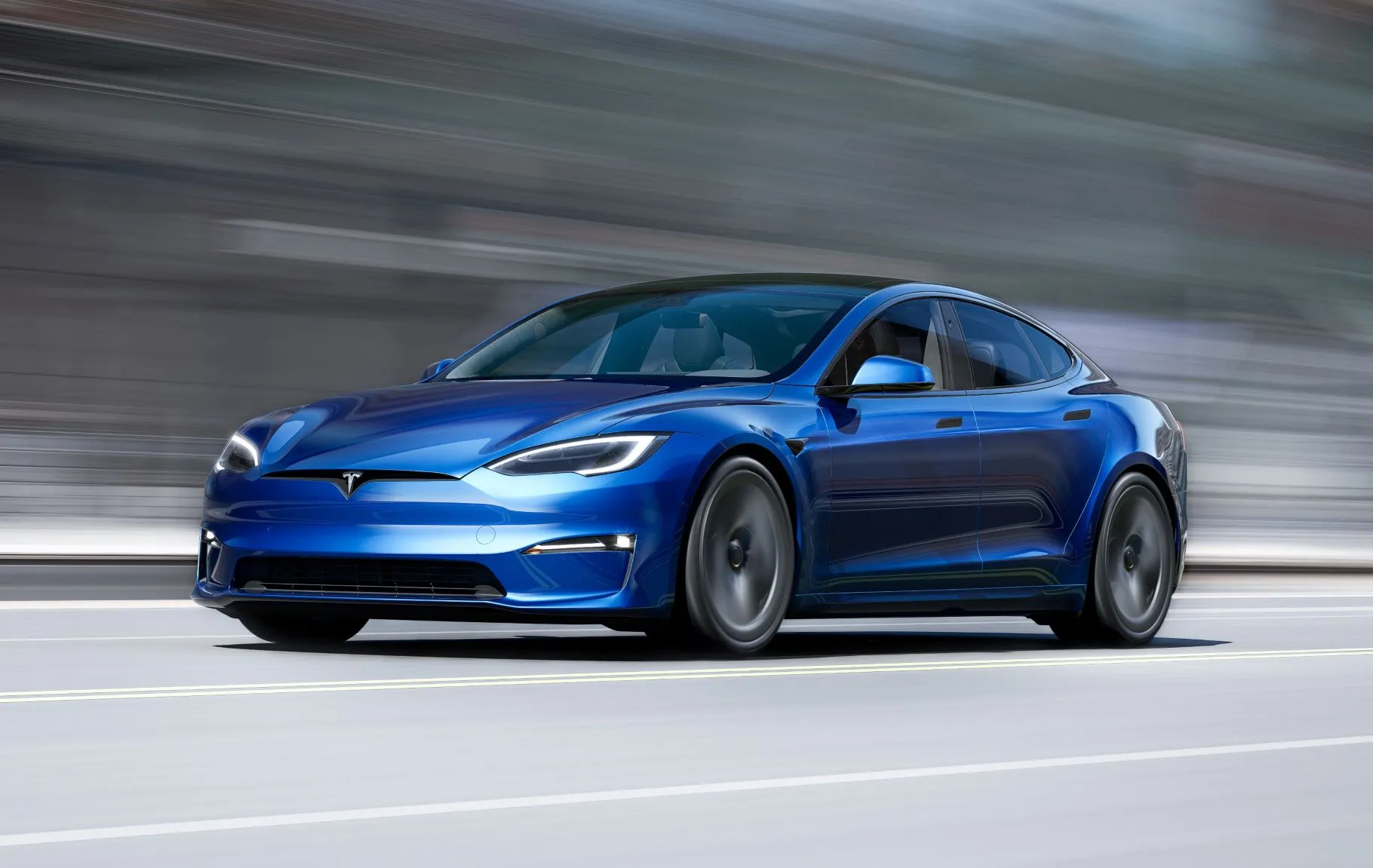
Tesla Model S
The Tesla Model S has become synonymous with long-range capability in the EV market, standing out as a leader for drivers seeking minimal interruptions on long highway trips. Its largest battery packs can enable the vehicle to travel over 370 miles on a single charge, depending on driving conditions and specific configurations.
Beyond just battery size, Tesla’s highly optimized energy management system actively adjusts the balance between power output and efficiency, ensuring that energy is utilized in the most effective way possible.
Features like adaptive regenerative braking, smart thermal management, and energy recuperation during downhill driving all contribute to extending the effective range, which is particularly important on long stretches of road where charging options may be sparse.
The Model S also benefits from aerodynamic efficiency; its smooth profile and carefully engineered body reduce drag, minimizing energy waste at higher speeds and helping drivers achieve consistent highway range.
One of the most significant advantages of the Model S for road trips is its seamless access to Tesla’s extensive Supercharger network. These chargers, which are strategically positioned along major highways and in metropolitan areas, can replenish a substantial portion of the battery in under 30 minutes, effectively reducing downtime to something closer to a brief coffee break.
The vehicle’s navigation system integrates Supercharger locations directly into route planning, calculating optimal stops based on current battery charge, remaining distance, and even elevation changes that affect energy consumption.
This system helps drivers avoid unexpected delays and makes it far easier to plan long-distance trips than relying on generic charging maps. Additionally, Tesla continues to expand its Supercharger network, improving coverage and reliability across both rural and urban areas.
Comfort and interior design further reinforce the Model S’s suitability for long-distance travel. The cabin is exceptionally spacious, with ergonomically designed seats that reduce fatigue during extended drives. Legroom in both the front and rear sections allows multiple passengers to travel without discomfort, and cargo capacity is sufficient to accommodate luggage for long trips.
Infotainment options, including navigation, music streaming, and climate control, are integrated into a large, high-resolution touchscreen that also provides real-time energy consumption data. Noise insulation and a quiet cabin environment further contribute to a relaxing experience, minimizing the mental and physical strain often associated with extended highway driving.
The driving experience of the Model S adds another layer of appeal for road-trip enthusiasts. Acceleration is smooth yet powerful, making merging onto highways and overtaking slower traffic effortless. Steering is precise, and the suspension system provides a balance between comfort and handling that is rare in long-range EVs.
Regenerative braking can be adjusted according to driver preference, allowing for enhanced energy recovery or smoother driving on open roads. Additionally, advanced driver-assistance features like adaptive cruise control and lane-keeping support reduce driver fatigue over hundreds of miles, making it easier to maintain a steady pace on long journeys.
Altogether, the combination of range, charging access, comfort, and driving performance makes the Tesla Model S an outstanding choice for anyone seeking an EV that can handle road trips reliably and efficiently.
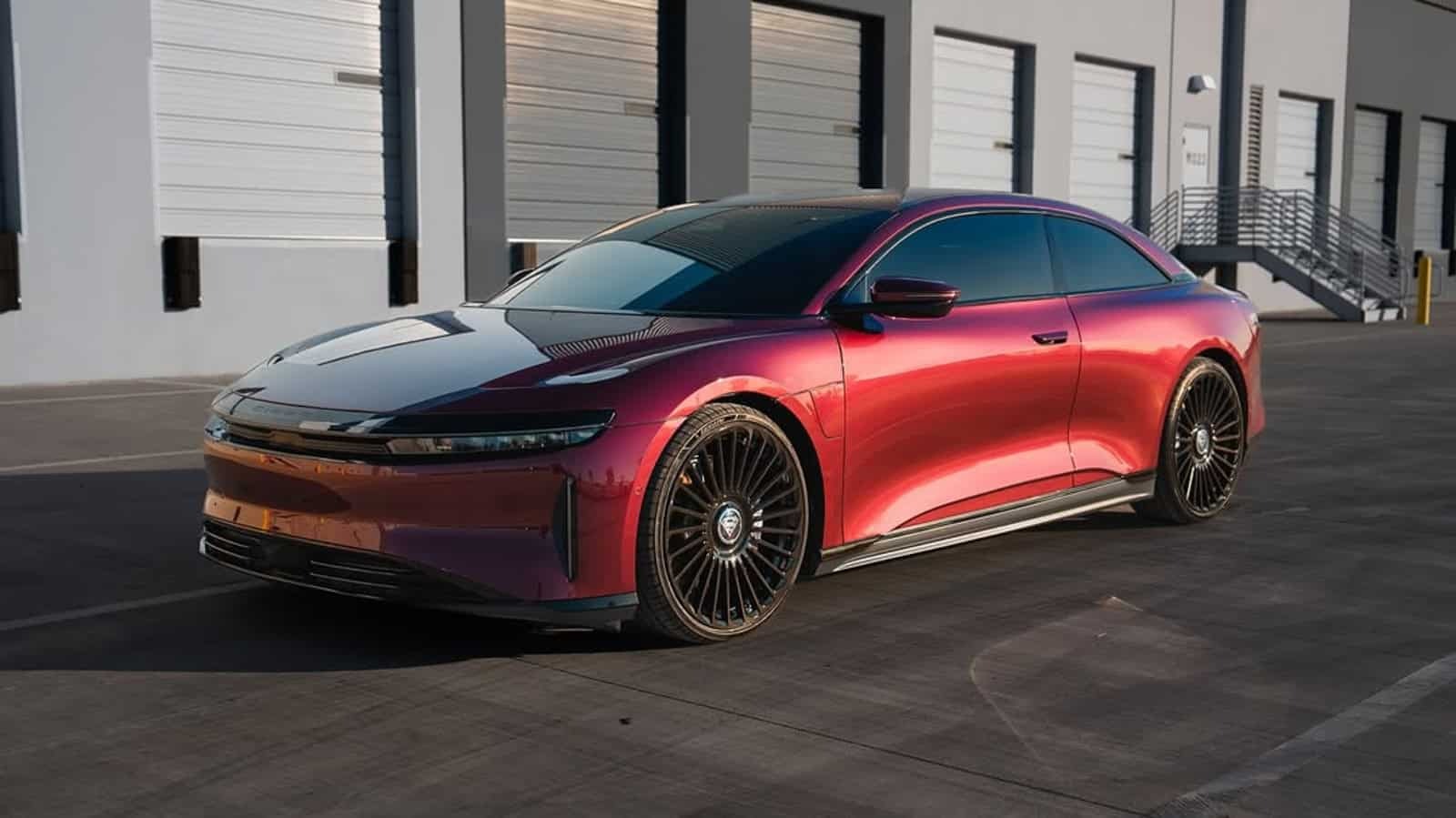
Lucid Air
The Lucid Air represents a newer generation of electric vehicles designed to redefine long-range performance, offering some of the longest driving ranges currently available. Certain configurations of the Lucid Air can exceed 500 miles on a single charge, thanks to energy-dense battery cells, a highly efficient electric powertrain, and sophisticated software that optimizes energy usage.
Unlike many EVs that experience rapid range drops under highway conditions, the Lucid Air maintains stability over extended driving periods, ensuring that drivers can confidently plan long trips with minimal charging interruptions.
Its low-drag design, careful weight distribution, and advanced aerodynamics all work together to maximize efficiency, even at higher speeds where energy consumption can be a limiting factor for other EVs.
Charging performance is another area where the Lucid Air excels. The vehicle supports ultra-fast DC charging, capable of restoring hundreds of miles of range in as little as 20 minutes under optimal conditions. This speed dramatically reduces downtime on long journeys, allowing drivers to maintain progress without extended pauses.
In addition to charging speed, the Lucid Air’s onboard trip-planning system helps identify compatible charging stations along the route and estimates the necessary time at each stop based on current battery levels, driving style, and terrain.
The combination of ultra-fast charging and intelligent planning ensures that drivers can make longer trips with confidence, reducing the logistical challenges sometimes associated with EV road trips.
The Lucid Air’s interior is designed with long-distance comfort in mind, offering a spacious cabin with supportive, ergonomically engineered seating. Rear passengers benefit from generous legroom and headroom, while ample cargo space allows travelers to carry luggage for multiple occupants without sacrificing comfort.
Advanced infotainment systems, climate controls, and high-quality audio systems contribute to an enjoyable driving environment, while the vehicle’s quiet cabin helps minimize fatigue over hours of highway travel. Luxurious touches and a thoughtful layout ensure that long road trips feel as relaxed and convenient as possible, even on journeys spanning several states.
On the road, the Lucid Air delivers an exceptional driving experience, combining smooth acceleration, precise handling, and advanced suspension systems for comfort over long distances. Drivers can adjust regenerative braking to suit driving preferences, optimizing energy recovery or enhancing the natural feel of coasting.
The combination of high efficiency, long-range capability, comfort, and advanced technology makes the Lucid Air one of the most capable electric vehicles for extended trips, providing a rare balance of practicality, luxury, and performance in a single package.
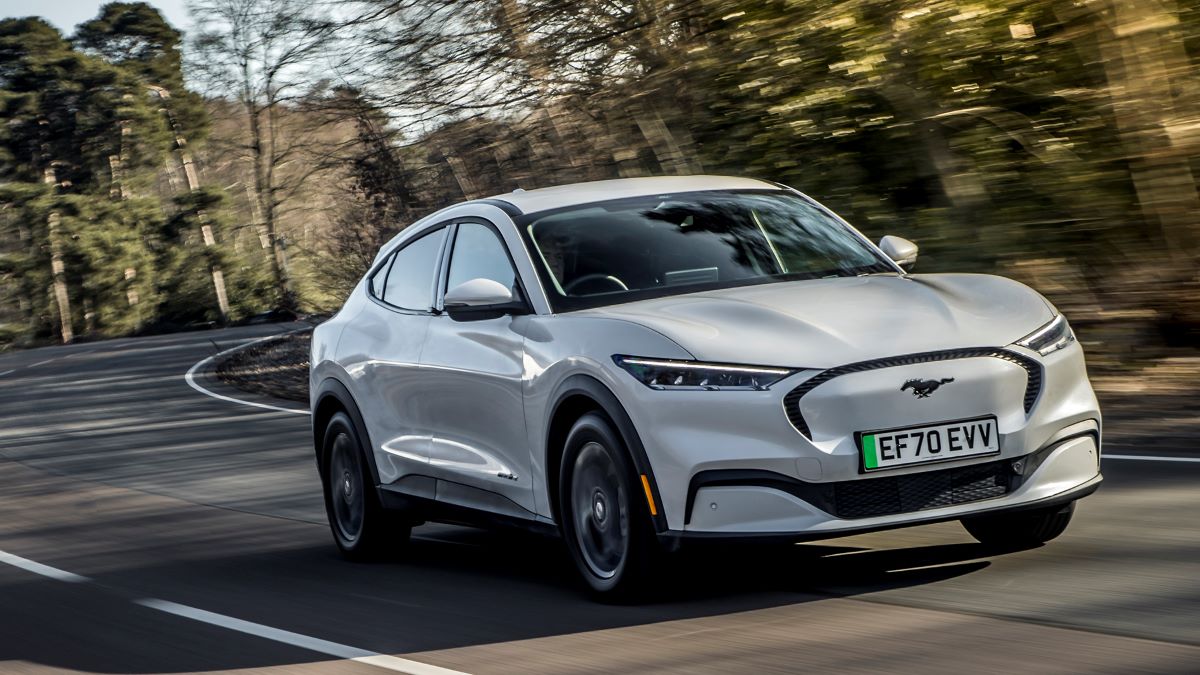
Ford Mustang Mach-E
The Ford Mustang Mach-E offers a compelling combination of range, performance, and usability, making it a practical choice for long-distance travel. Depending on the configuration and battery size, the Mach-E can achieve over 300 miles of range on a single charge, which is sufficient for most highway trips.
Its electric drivetrain is optimized for efficiency, and its aerodynamic design reduces drag, allowing drivers to maintain highway speeds without excessive energy consumption. Unlike smaller or less efficient EVs, the Mach-E provides consistent range even on sustained high-speed drives, making it suitable for regional or cross-state travel with minimal interruptions.
Charging convenience further enhances the Mach-E’s road-trip appeal. The vehicle is compatible with a variety of public DC fast-charging networks, allowing the battery to regain a significant portion of its charge in under an hour.
The onboard navigation system integrates charging stations into route planning, calculating optimal stops based on current battery levels, travel distance, and expected driving conditions. This proactive planning feature helps reduce the stress associated with long-distance EV travel, allowing drivers to focus more on the journey rather than worrying about finding a suitable charging station.
Interior comfort and space are also important considerations for the Mach-E. The cabin is roomy, with well-designed front and rear seats that support extended periods of driving. Cargo space is generous, making it easier to pack luggage, recreational gear, or additional items for longer trips.
The infotainment and climate control systems are intuitive and easy to use, ensuring that passengers remain comfortable and entertained throughout the journey. Noise reduction and cabin insulation contribute to a quiet and relaxing ride, which is essential when traveling for multiple hours at highway speeds.
Driving the Mach-E on long trips is an enjoyable experience, with smooth acceleration, responsive handling, and composed suspension. Adjustable regenerative braking allows drivers to fine-tune energy recovery based on personal preference or driving conditions, enhancing efficiency and range.
Advanced driver assistance features, including adaptive cruise control and lane-keeping assist, reduce fatigue on long stretches of highway, making sustained trips more comfortable. Combined with range, charging flexibility, interior comfort, and driving performance, the Mustang Mach-E demonstrates why it is considered one of the more road-trip-friendly EVs on the market.
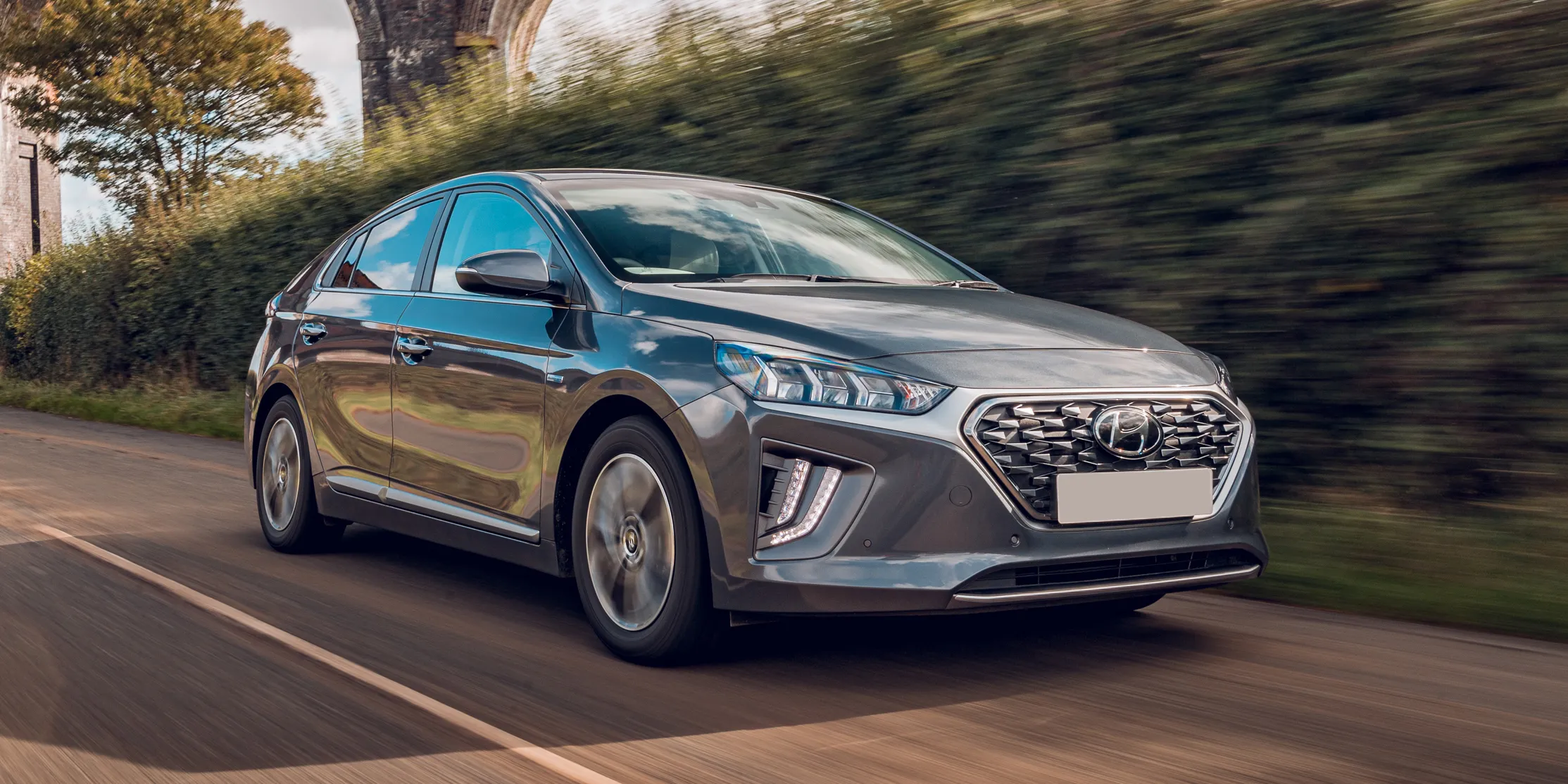
Hyundai Ioniq 5
The Hyundai Ioniq 5 has quickly gained recognition for its efficient design, long-range capability, and user-friendly technology, making it a strong candidate for road trips. With ranges exceeding 300 miles on certain battery configurations, the Ioniq 5 allows drivers to cover substantial distances without frequent interruptions for charging.
Its low drag coefficient, lightweight architecture, and efficient motors maximize highway range, while adaptive energy management ensures consistent performance across varying terrain and speeds. The combination of these features allows the vehicle to maintain predictability in energy consumption, a crucial factor for travelers relying on EVs for extended trips.
One of the Ioniq 5’s most impressive attributes is its rapid charging capability. Its 800-volt electrical system allows the battery to regain significant charge very quickly, often restoring over 60 percent of capacity in approximately 18 to 20 minutes under ideal conditions.
This efficiency dramatically reduces the time spent at charging stations, keeping road trips on schedule. In addition, the Ioniq 5 supports a wide range of public charging networks, ensuring flexibility for drivers traveling through unfamiliar regions. Trip-planning software integrated into the infotainment system further streamlines charging decisions, optimizing routes and minimizing downtime.
Interior comfort and convenience are carefully designed for extended travel. The Ioniq 5 offers roomy seating for passengers, along with ample cargo space to accommodate luggage or recreational equipment. Ergonomically designed seats provide support for long hours of driving, and the quiet, well-insulated cabin minimizes fatigue.
Climate control is effective and easily adjustable, and the infotainment system allows for seamless access to navigation, entertainment, and charging information. These features collectively make extended drives more comfortable and less stressful for both drivers and passengers.
On the road, the Ioniq 5 delivers a smooth, composed, and responsive driving experience. Its adaptive suspension provides stability on highways, while acceleration and regenerative braking allow for efficient energy management without compromising comfort.
Highway driving remains predictable and controlled, with the vehicle’s systems designed to maintain range and efficiency even under sustained speeds. For drivers who value reliability, charging speed, and comfort, the Ioniq 5 emerges as a practical and capable option for long-distance EV travel.
Kia EV6
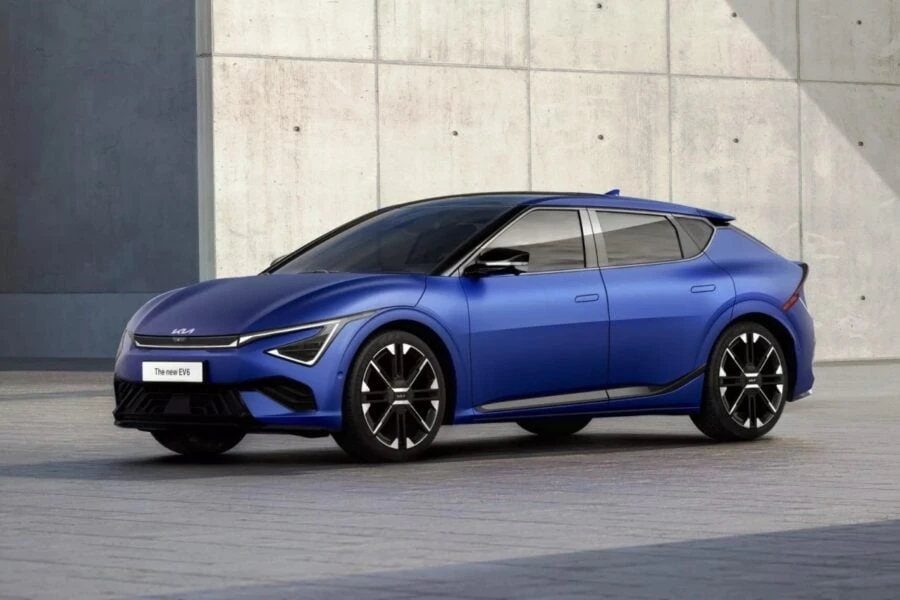
The Kia EV6 combines long-range capability, performance, and intelligent technology to make it a standout for road trips. Its long-range version can exceed 310 miles on a single charge, making it suitable for extended highway driving without the need for constant charging. E
fficient aerodynamics, a balanced chassis, and careful energy management help maintain predictable range even at sustained highway speeds. The EV6 is designed to offer consistent performance, minimizing energy loss under demanding conditions and making it an attractive option for travelers who require both reliability and flexibility.
Charging infrastructure support is a key strength of the EV6. Its ultra-fast DC charging capabilities allow the battery to regain a significant portion of its charge in 18 to 20 minutes, keeping downtime during long trips minimal.
The vehicle is compatible with multiple public charging networks, giving drivers the freedom to plan routes without being restricted to proprietary charging stations. Trip-planning tools embedded in the vehicle’s system also help drivers locate charging points and calculate optimal stop durations, ensuring that long journeys are manageable and efficient.
Driving dynamics further enhance the EV6’s suitability for road trips. Smooth acceleration, stable handling, and adjustable regenerative braking give drivers control and flexibility over energy management.
Adaptive suspension and precise steering contribute to comfort and safety on highways, while advanced driver-assistance systems, such as lane-keeping assist and adaptive cruise control, reduce fatigue on long stretches of road.
Combined with its long-range capability, fast charging, and practical interior, the Kia EV6 emerges as one of the most road-trip-friendly electric vehicles currently available, offering reliability, convenience, and an enjoyable driving experience.
5 EVs That Demand Too Many Stops
Nissan Leaf
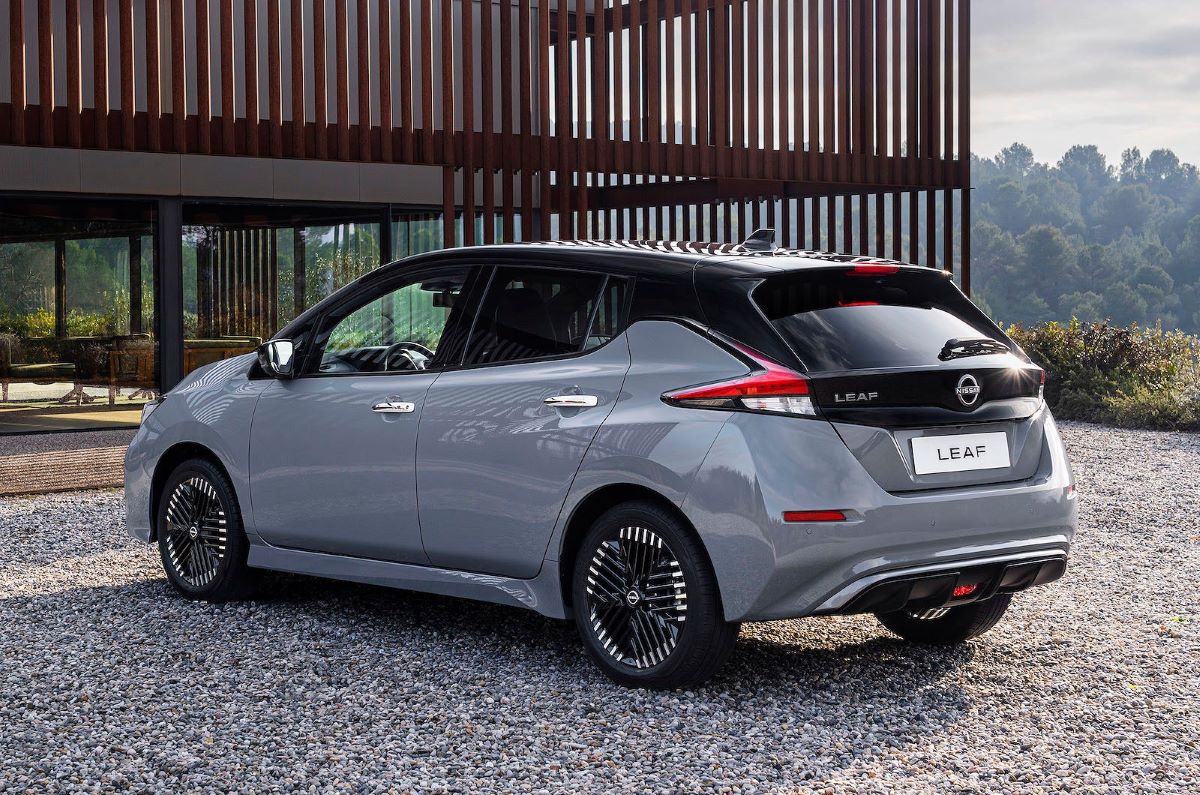
The Nissan Leaf, one of the earliest widely available electric vehicles, has long been popular for city and suburban driving but struggles with long-distance travel due to its limited range.
Even the newer Leaf e-Plus variant offers a maximum range of around 226 miles under ideal conditions, but real-world highway driving often reduces this number substantially, particularly at sustained high speeds or in cold or hot climates. Factors such as rapid acceleration, use of climate control, and varying terrain can further decrease effective range.
Charging speed is another factor that makes the Leaf less ideal for extended road trips. While the vehicle supports DC fast charging, the rate is relatively modest compared to more modern EVs with 400-volt or 800-volt systems. It can take longer to regain a meaningful portion of battery capacity, meaning stops that might be brief in other vehicles become extended pauses with the Leaf.
Planning trips requires careful attention to available charging stations, and in less densely populated areas, finding compatible chargers can become a challenge. This adds logistical complexity for travelers who are hoping for a seamless long-distance experience.
Finally, the driving experience on long-distance routes exposes some weaknesses in highway efficiency. Sustained high-speed driving can deplete the battery more quickly than anticipated, forcing additional stops.
Regenerative braking is functional but less advanced than in newer EVs, limiting opportunities to recover energy during long stretches of road. While the Leaf excels in urban commuting, its shorter range, slower charging, and limited interior space make it less suitable for drivers looking for a convenient, extended road-trip EV experience.
BMW i3
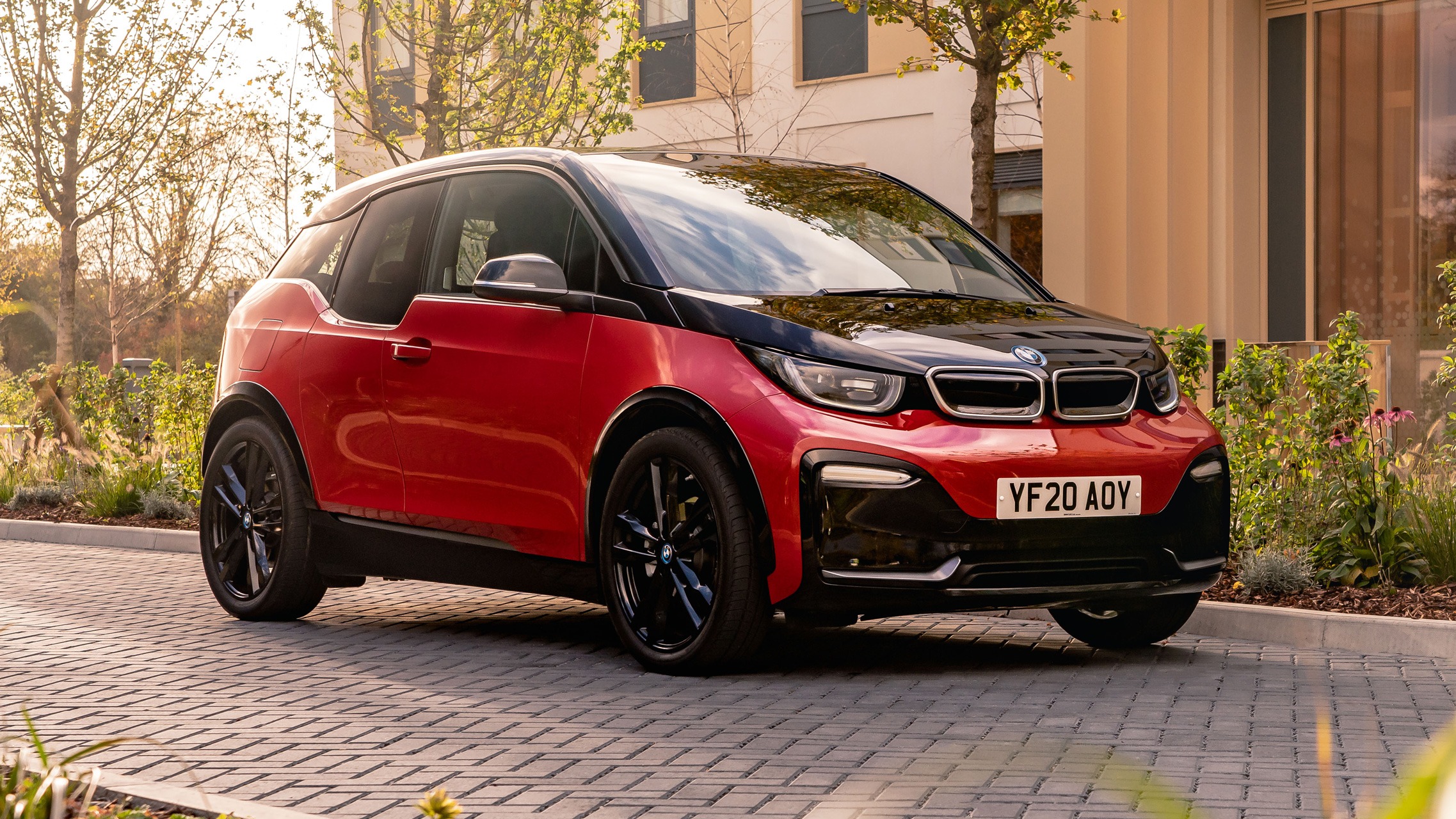
The BMW i3 is a compact electric vehicle designed primarily for urban mobility, but it faces significant limitations on long-distance trips due to its small battery size and limited highway efficiency. Even the extended-range version rarely exceeds 150 to 180 miles under real-world driving conditions, meaning travelers must plan for frequent stops if attempting trips beyond its optimal range.
Its lightweight construction and distinctive design make it agile in cities, but the small battery capacity limits its ability to sustain prolonged highway driving without interruptions. Drivers who attempt long stretches of open road will quickly encounter range anxiety and need to schedule multiple charging breaks.
Charging capabilities are limited compared to larger EVs. While the i3 is compatible with DC fast chargers, the battery cannot accept very high charging rates, so recharging takes longer than it would in modern long-range EVs.
For long-distance travel, this means that even short trips beyond the vehicle’s natural range require careful planning, and travelers must identify specific chargers along their route. In areas with fewer fast-charging stations, this can create logistical challenges, as the i3 cannot achieve rapid, flexible stops like vehicles designed for road trips.
The interior of the BMW i3 is compact, reflecting its urban-focused design. Rear passengers may feel cramped on long journeys, and cargo space is limited, restricting the ability to carry luggage or additional travel necessities.
Comfort over multi-hour drives can become an issue, particularly for families or groups requiring ample space. While the cabin is thoughtfully designed for city driving, extended highway travel can feel constrained and less practical compared to larger, long-range alternatives.
Driving dynamics, while excellent for city maneuvering, are not optimized for sustained highway efficiency. Energy consumption rises significantly at high speeds, further shortening the effective range.
Combined with slower charging and a smaller battery size, the BMW i3 necessitates multiple stops on long trips, reducing the convenience and ease that many drivers expect from a modern EV. Its strengths lie in urban efficiency and maneuverability, but road-trip performance remains a challenge.
MINI Cooper SE
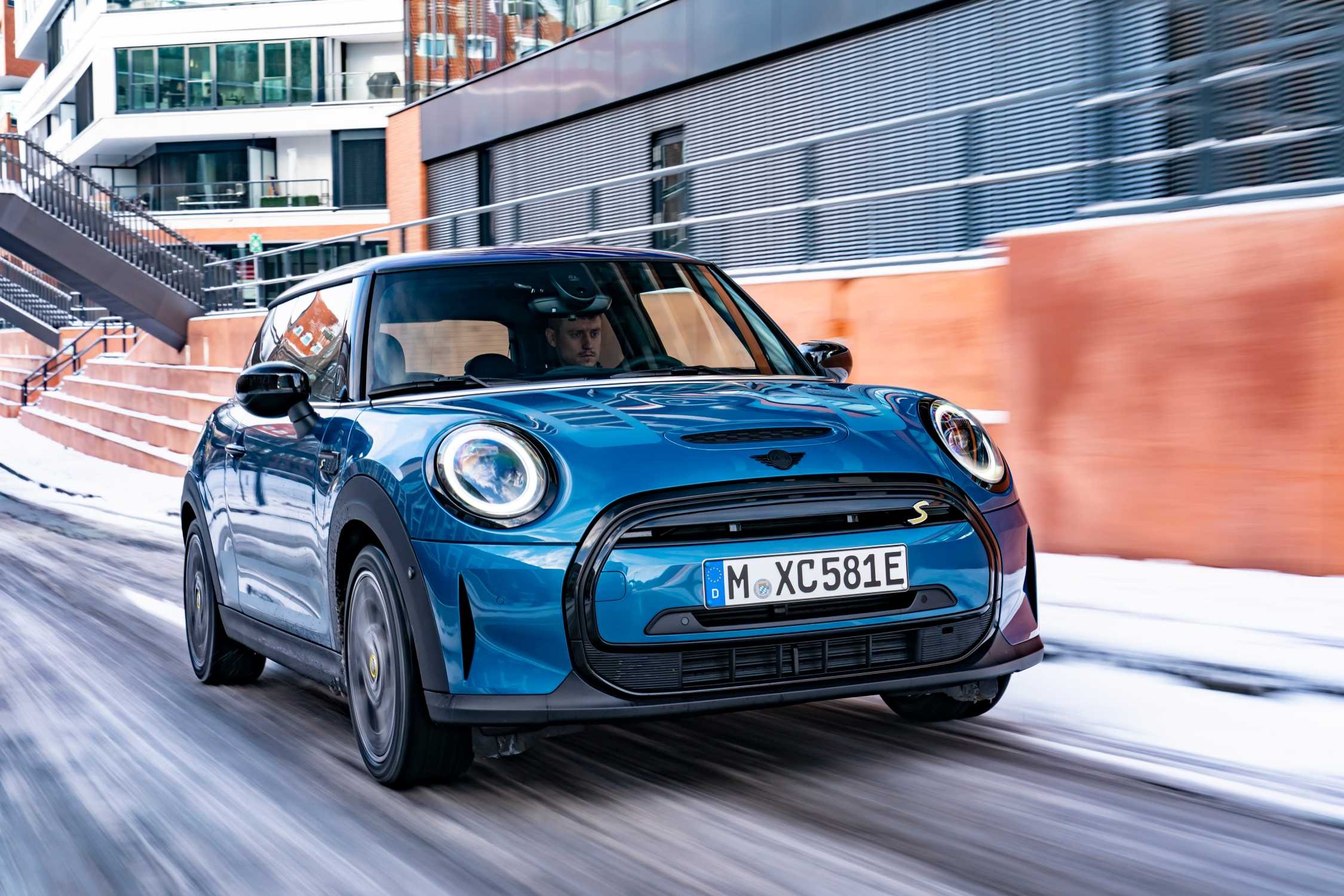
The MINI Cooper SE is another EV built primarily for short-distance urban travel, offering a range of approximately 110 to 130 miles per charge. This limited distance makes it one of the shortest-range mainstream electric vehicles, creating challenges for drivers planning longer road trips.
Interior space and cargo capacity are further constraints for long trips. Rear passenger space is tight, and luggage capacity is modest, making it less convenient for families or groups traveling together.
Comfort over extended periods is compromised by the cabin’s smaller size, particularly on highway drives that last several hours. Even with good front-seat ergonomics, longer journeys can become uncomfortable due to limited space and storage.
Highway driving efficiency is another concern for the Cooper SE. Energy consumption rises rapidly at higher speeds, shortening effective range and forcing even more frequent stops. While the car is enjoyable to drive in urban environments, it is not engineered for long-distance efficiency or comfort.
The combination of limited range, slow accumulation of charge during stops, compact interior, and high energy consumption at sustained speeds makes the MINI Cooper SE better suited for city commuting rather than extended road trips.
Chevrolet Bolt EV
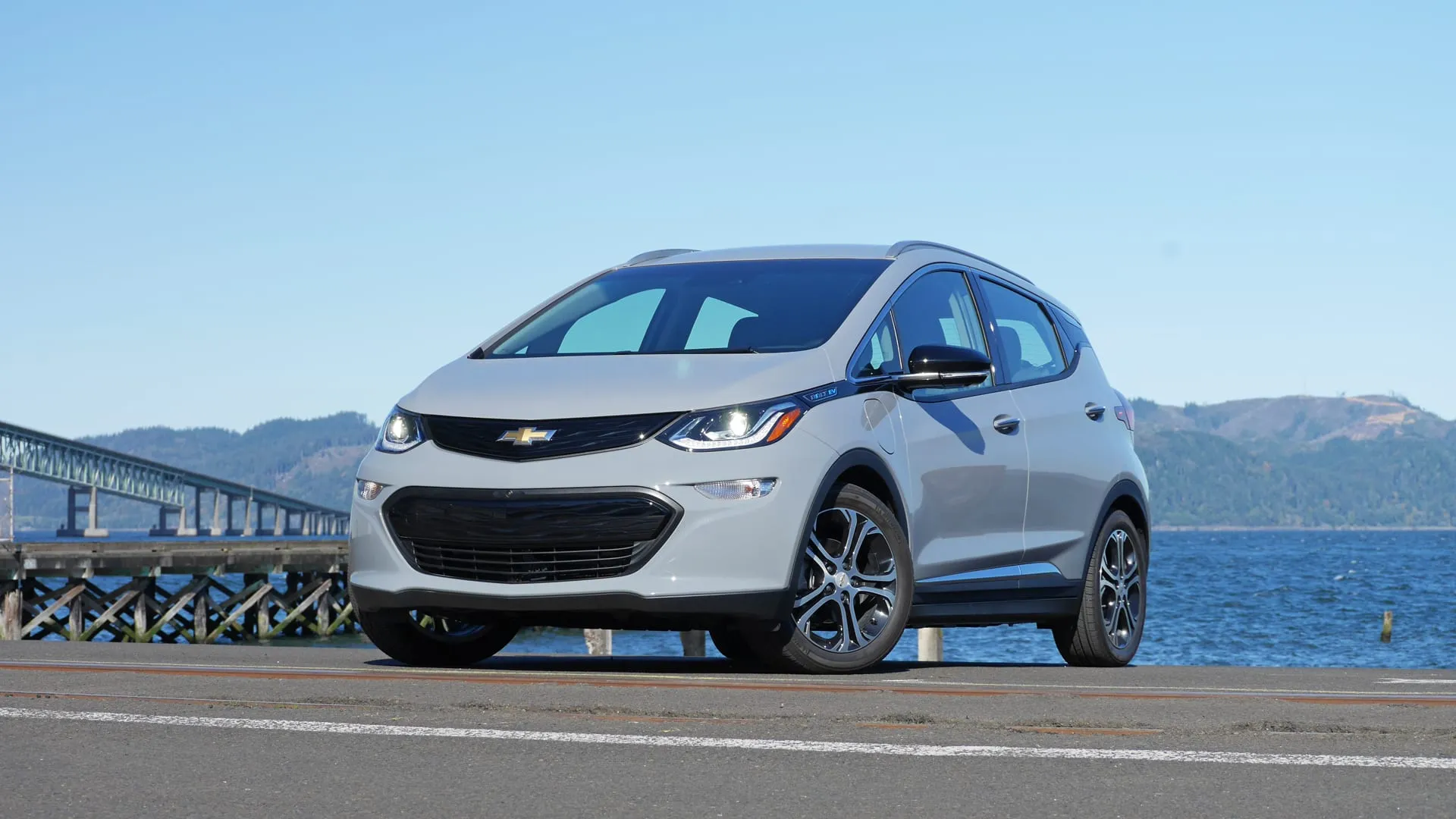
The Chevrolet Bolt EV provides an improved range over smaller EVs, roughly 259 miles under optimal conditions, but it still struggles to match the long-distance capabilities of newer models. Highway driving, particularly at sustained speeds, reduces this range considerably, making frequent charging stops necessary for extended travel.
Unlike higher-capacity EVs, the Bolt’s range limitations require careful trip planning and repeated pauses on longer routes, which can be inconvenient for travelers who want uninterrupted highway time. Its relatively small battery means that even moderately long drives demand more attention to charging logistics.
Fast charging is available for the Bolt, but it does not match the ultra-fast capabilities of newer 400-volt and 800-volt EVs. Recharging to a meaningful capacity can take 30 to 40 minutes, and drivers must account for these longer stops when planning multi-state trips.
While better than some urban-focused EVs, this still represents a significant time investment compared to EVs with faster charging architecture. Travel planning, particularly in less populated regions, becomes crucial to avoid unexpected delays or range anxiety.
Highway performance is solid but energy efficiency decreases at sustained high speeds. Rapid depletion of battery range during prolonged highway travel necessitates additional stops, and the Bolt’s energy management system offers less optimization compared to longer-range competitors.
While the Bolt EV is suitable for medium-distance trips and commuting, it demands more stops and planning for true long-distance journeys, making it less convenient for road-trip enthusiasts.
Honda E
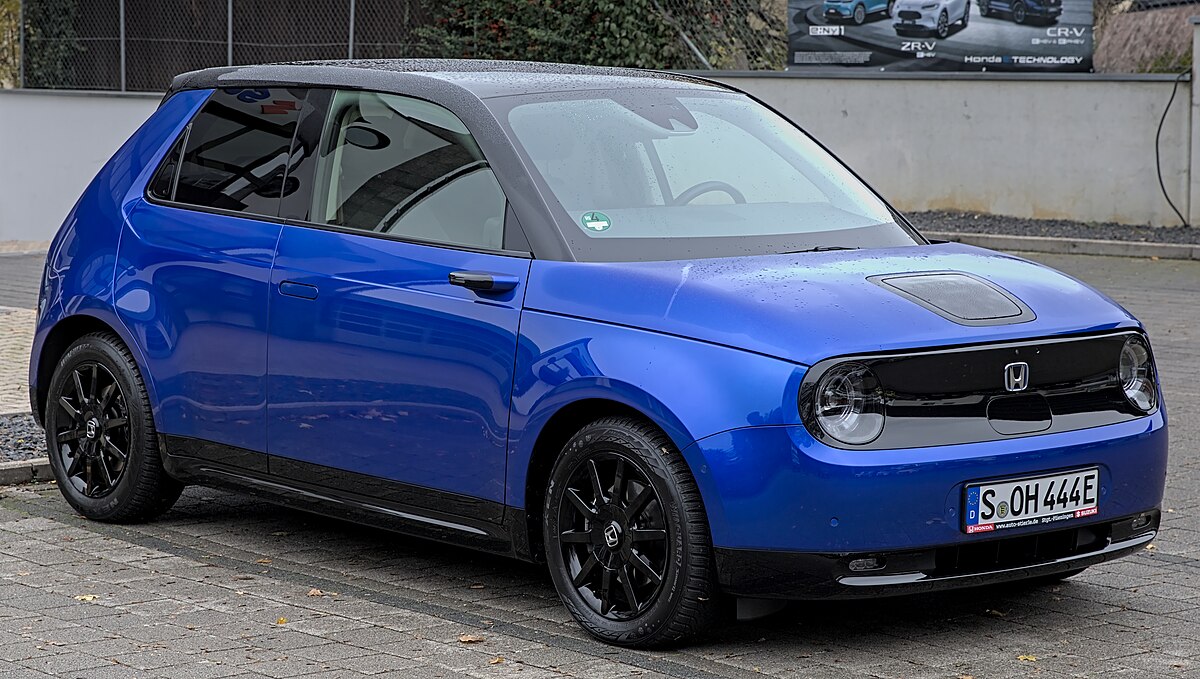
The Honda e is designed primarily as a city-focused vehicle, and its extremely limited range makes it highly impractical for road trips. With a maximum range under 150 miles and even lower figures under highway conditions, the Honda e requires multiple stops for charging on any significant journey.
This constraint is compounded by its small battery, which cannot store enough energy for extended travel without frequent interruptions. Drivers hoping for long-distance convenience will quickly encounter frustration with repeated stops and careful planning requirements.
Charging support is present, including AC and limited DC fast charging, but the small battery size means even rapid charging provides only modest gains in driving range. On a road trip, this translates into frequent, time-consuming pauses that disrupt travel flow.
Unlike larger EVs with higher capacity batteries and ultra-fast charging, the Honda e is not engineered to sustain long trips efficiently. Its design is heavily optimized for short urban commutes rather than highway endurance.
Driving efficiency decreases sharply at highway speeds, shortening practical range and forcing additional stops. The combination of limited battery capacity, small cabin space, slower highway efficiency, and frequent required charging makes the Honda e impractical for long-distance travel.
It is a strong city EV but falls short for road-trip purposes, where range, comfort, and flexible charging are essential for a smooth experience.