Luxury sedans have long held a reputation for offering refined driving experiences, advanced technology, and top-tier comfort. However, owning a luxury sedan is not always as glamorous as it appears.
While these vehicles are designed to impress with their style, performance, and features, the reality of ownership is often shaped by how well a model stands the test of time.
A car that remains reliable and relatively maintenance-free after a decade of use can provide satisfaction and long-term value. Conversely, some luxury sedans, despite their initial appeal, can become costly headaches as parts fail, electronics malfunction, and mechanical issues accumulate.
Understanding the difference between models that age gracefully and those that are prone to deterioration can save buyers significant time, money, and stress.
Several factors contribute to a luxury sedan’s long-term durability. The engineering quality, availability of replacement parts, build consistency, and the way technology is integrated all play critical roles. Cars from manufacturers with a focus on reliability and tested engineering practices tend to retain their functionality and comfort even after high mileage.
On the other hand, vehicles that rely heavily on unproven electronics or complicated mechanical systems may struggle over time, resulting in frequent repairs and diminishing performance. Mileage, driving habits, and maintenance history also influence how a used luxury sedan performs years down the line, but some models are simply more forgiving than others.
The market for used luxury sedans can be confusing because appearance alone is not enough to determine longevity. A car might look pristine on the outside yet conceal underlying problems that only emerge after extended use. Conversely, a model that may not seem particularly striking at first glance can turn out to be a hidden gem in terms of reliability and durability.
For buyers looking to make a smart investment in a used luxury car, understanding which models tend to hold up well versus which ones are prone to problems is crucial. This distinction can also guide decisions regarding repairs, ownership costs, and resale value.
This article highlights five used luxury sedans that tend to age gracefully and five that commonly face significant issues as they get older. By examining patterns in mechanical reliability, interior wear, and long-term costs, this comparison provides practical insight for prospective buyers who want the benefits of a luxury vehicle without the frustration of frequent breakdowns or extensive repairs.
While no car is perfect, some models consistently outperform others in terms of longevity, making them solid choices for those seeking a dependable and comfortable driving experience for years to come.
Five Used Luxury Sedans That Age Well
1. Lexus LS
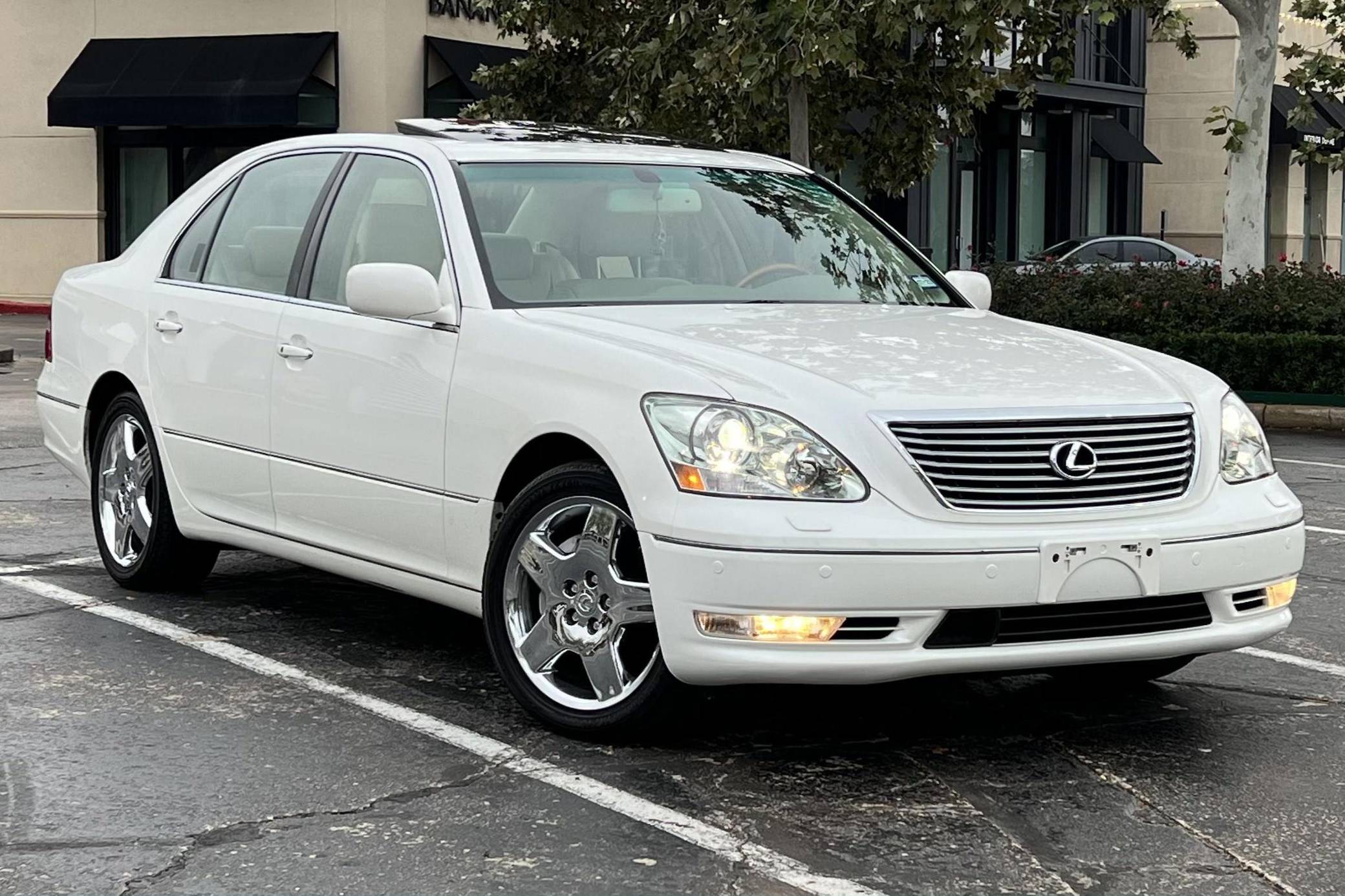
The Lexus LS has long been recognized as a benchmark in the luxury sedan segment, largely due to its remarkable combination of comfort, reliability, and longevity.
From the very beginning, Lexus designed the LS with a focus on mechanical simplicity, ensuring that the powertrain, suspension, and chassis components could withstand extended use without frequent or expensive repairs.
Many owners report surpassing 200,000 miles with minimal intervention beyond routine maintenance, which is a remarkable achievement in the luxury car market. Its engines are engineered to run smoothly with minimal degradation over time, and the automatic transmissions are highly durable, offering consistent performance even after years of heavy use.
The LS avoids overly complicated electronics that can plague other luxury sedans, instead focusing on systems that are reliable and built to last. This engineering philosophy has helped the LS build a reputation not only as a vehicle that provides initial comfort but also as one that rewards careful ownership over decades.
The interior of the Lexus LS is another area where the model excels over time. The cabin is constructed from high-quality materials such as supple leather, premium wood trim, and durable plastics that maintain their appearance and tactile feel even after years of use.
Seats retain their shape and support, while wood and metal accents age gracefully without peeling or cracking, a common problem in other luxury sedans. The dashboard layout is clean, and controls are intuitive, which contributes to the vehicle’s long-term usability.
Many owners find that the interior feels just as refined at 150,000 miles as it did when new, demonstrating the careful attention to detail Lexus invested in design and material selection. Even after exposure to sunlight, heat, and daily wear, the LS interior remains inviting and luxurious, making it a standout in its class for those who value long-lasting quality.
Electronics in the LS are deliberately designed to be durable rather than cutting-edge in a way that sacrifices reliability. While some luxury sedans introduce highly complex infotainment or climate control systems that can fail unexpectedly, Lexus focuses on tested technology that lasts.
Standard features such as climate control, navigation systems, audio components, and power seats remain functional for years without significant repair, and when maintenance is required, it is typically straightforward. This practical approach reduces frustration and costs associated with electronic failures that are common in other high-end vehicles.
For owners, this means fewer unexpected trips to the dealership or specialized service centers and more consistent enjoyment of the car’s advanced features, even as the vehicle accumulates mileage.
Finally, the Lexus LS benefits from a brand reputation for reliability that is genuinely earned rather than marketed. Replacement parts are widely available, and mechanics are familiar with common repairs, making service relatively painless.
This accessibility also contributes to the vehicle’s long-term resale value, as buyers recognize that an LS will not require excessive maintenance costs compared to some European luxury counterparts.
For used car buyers seeking a luxury sedan that combines refined driving dynamics, a well-appointed interior, and proven durability, the LS represents one of the safest bets in the segment. Its combination of comfort, reliability, and smart engineering ensures that it remains a satisfying vehicle even after a decade or more of ownership.
2. Acura RL
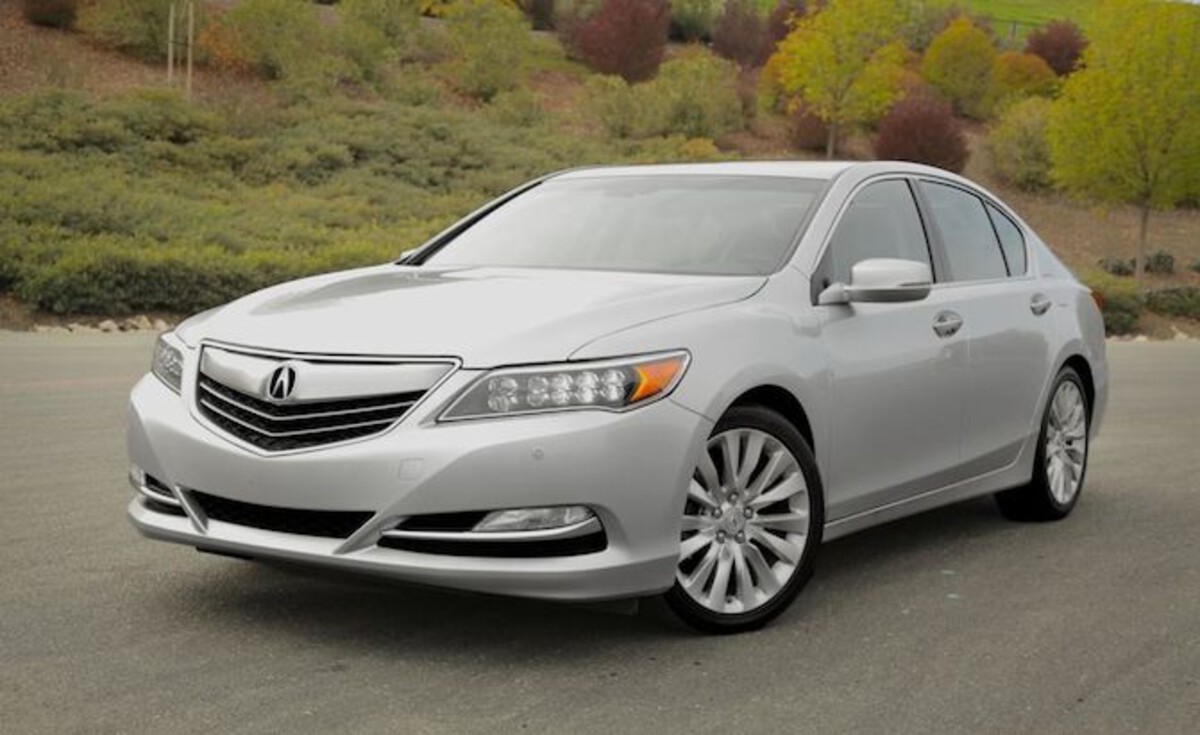
The Acura RL consistently proves to be a dependable luxury sedan that balances refinement with mechanical durability. Built with a focus on reliability, the RL’s V6 engines are robust, smooth, and capable of handling high mileage without major failure when routine maintenance is observed.
Its automatic transmissions are equally dependable, offering precise shifts and a long lifespan that few competing luxury sedans can match. Unlike many European competitors that incorporate overly intricate mechanical or electronic systems, the RL emphasizes well-engineered simplicity, which contributes to its longevity.
The chassis and suspension are designed to offer a quiet, stable ride while maintaining durability under normal driving conditions. As a result, drivers often report that the RL continues to provide confidence-inspiring handling even after years of use.
Inside, the Acura RL demonstrates remarkable resilience in its materials and craftsmanship. Leather seats maintain comfort and shape, while trim components retain their finish even after years of exposure to sunlight and regular use.
Many interior electronics, such as navigation units, audio systems, and climate control, continue to function without significant problems, contrasting sharply with competitors, where even low-mileage vehicles can experience malfunctions.
Power seats, sunroofs, and other commonly problematic features in luxury sedans generally continue to operate reliably in the RL, further enhancing the sense of quality and longevity. For owners, this means that the car feels more like a well-maintained new vehicle even after significant mileage, contributing to an enduring sense of satisfaction with the purchase.
The ride quality of the RL remains smooth and composed, even as suspension components age. Shock absorbers and bushings, while inevitably experiencing wear, are engineered to maintain comfort and handling balance over time. Owners often praise the RL for its quiet cabin, stable steering, and refined ride, which do not diminish significantly with age.
This durability is especially important for luxury sedans, as many competitors lose their composure or develop noticeable vibrations and noise as suspension components wear. The Acura RL, by contrast, delivers a reassuringly consistent driving experience that ages gracefully, making it an excellent choice for those who value comfort and confidence in a used vehicle.
Finally, the RL benefits from Acura’s reputation for build quality and accessible service. Replacement parts are generally available and relatively affordable, while repairs are straightforward due to the simplicity and reliability of the engineering.
This combination of durable mechanical systems, long-lasting interior quality, and manageable maintenance costs makes the RL an outstanding option for buyers seeking a luxury sedan that remains enjoyable over many years. It provides a balance of performance, comfort, and longevity that few other sedans can match, especially in the used car market.
3. Mercedes-Benz E-Class (W211 and W212, Certain Years)
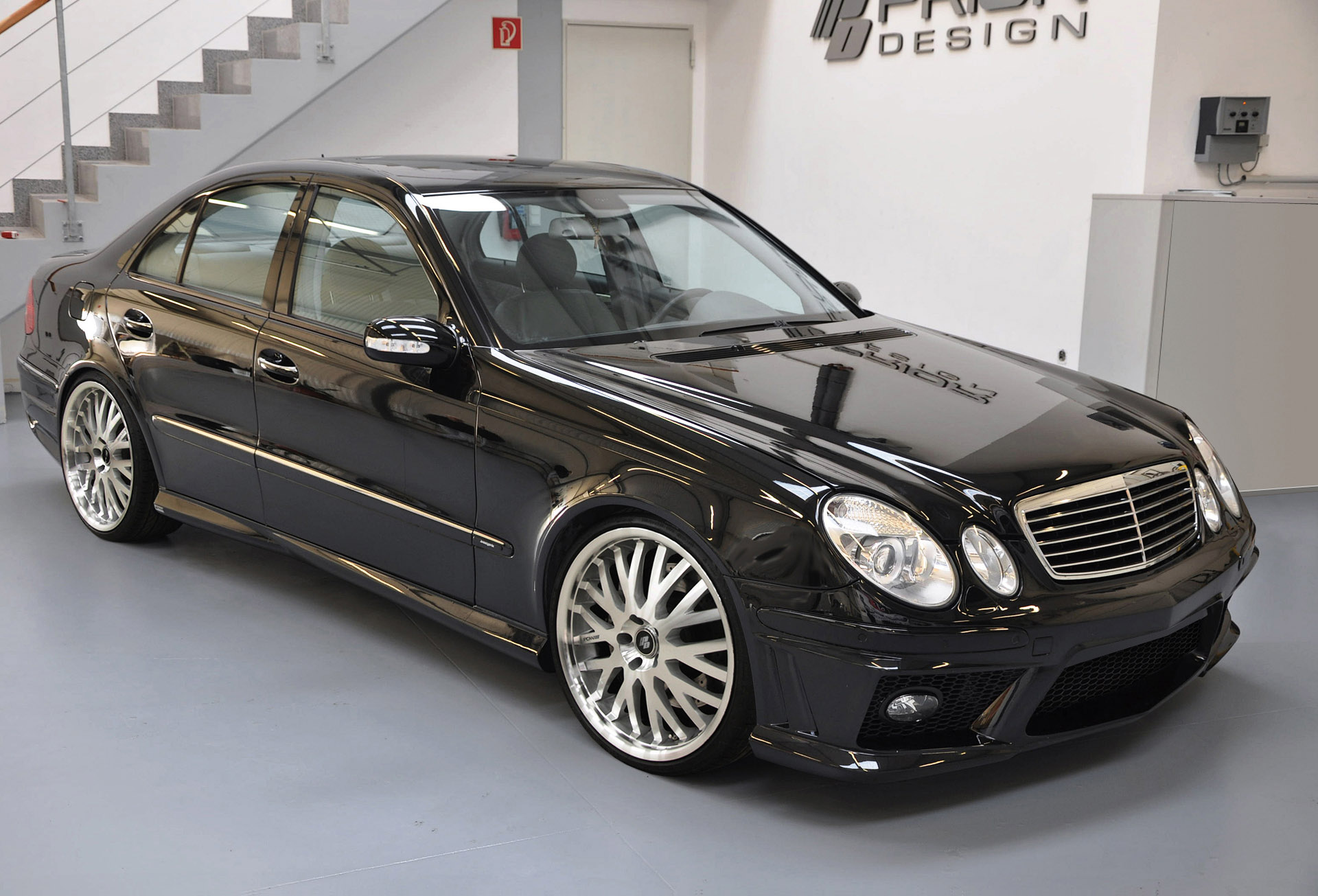
Certain generations of the Mercedes-Benz E-Class have demonstrated impressive longevity, especially the W211 and early W212 models when properly maintained. These sedans benefit from Mercedes’ engineering philosophy of combining durability with refined driving performance.
The inline-six and V6 engine options in these models are robust, capable of high-mileage performance when oil changes and other basic maintenance are performed consistently. Automatic transmissions are generally resilient, offering smooth operation without frequent failure.
While electronics can be a weak point in some years, selecting models that avoid the most troublesome modules can yield a vehicle that balances technological sophistication with mechanical reliability. The combination of solid engineering and conservative mechanical choices enables the E-Class to remain dependable for many years, a rare feat in European luxury sedans.
Inside, the E-Class cabin retains its luxurious feel over time. Seats remain supportive, trim and dashboard components maintain integrity, and the design emphasizes durability. While some minor cosmetic aging is inevitable, particularly with high-mileage examples, the cabin rarely feels worn out or cheap.
The E-Class demonstrates that Mercedes understood the importance of long-term ownership satisfaction, with interior materials that resist cracking, fading, or warping. This durability ensures that the car continues to provide an elegant driving environment even as mileage accumulates, setting it apart from competitors that degrade faster.
The E-Class also benefits from suspension design focused on longevity and composure. Multi-link rear suspensions and well-engineered front assemblies allow the car to maintain stability, ride quality, and handling precision over time. Even as bushings, shocks, and other components age, the vehicle continues to feel solid and controlled on the road.
Owners often report that the ride comfort and quietness remain consistent after many years, which is particularly given the high level of refinement expected in a luxury sedan. This mechanical resilience allows the E-Class to age gracefully without sacrificing driving satisfaction.
Finally, Mercedes’ global reputation and parts availability contribute to the E-Class’ enduring appeal. Replacement components are generally accessible, and service is well-documented, which reduces repair difficulty and cost.
Owners who adhere to the manufacturer’s maintenance recommendations often experience minimal issues, reinforcing the perception that these vehicles are long-term investments rather than short-lived luxury toys.
The E-Class’ blend of engineering foresight, interior durability, and solid mechanics makes it a strong choice for buyers seeking a used European luxury sedan that will remain reliable and comfortable for many years.
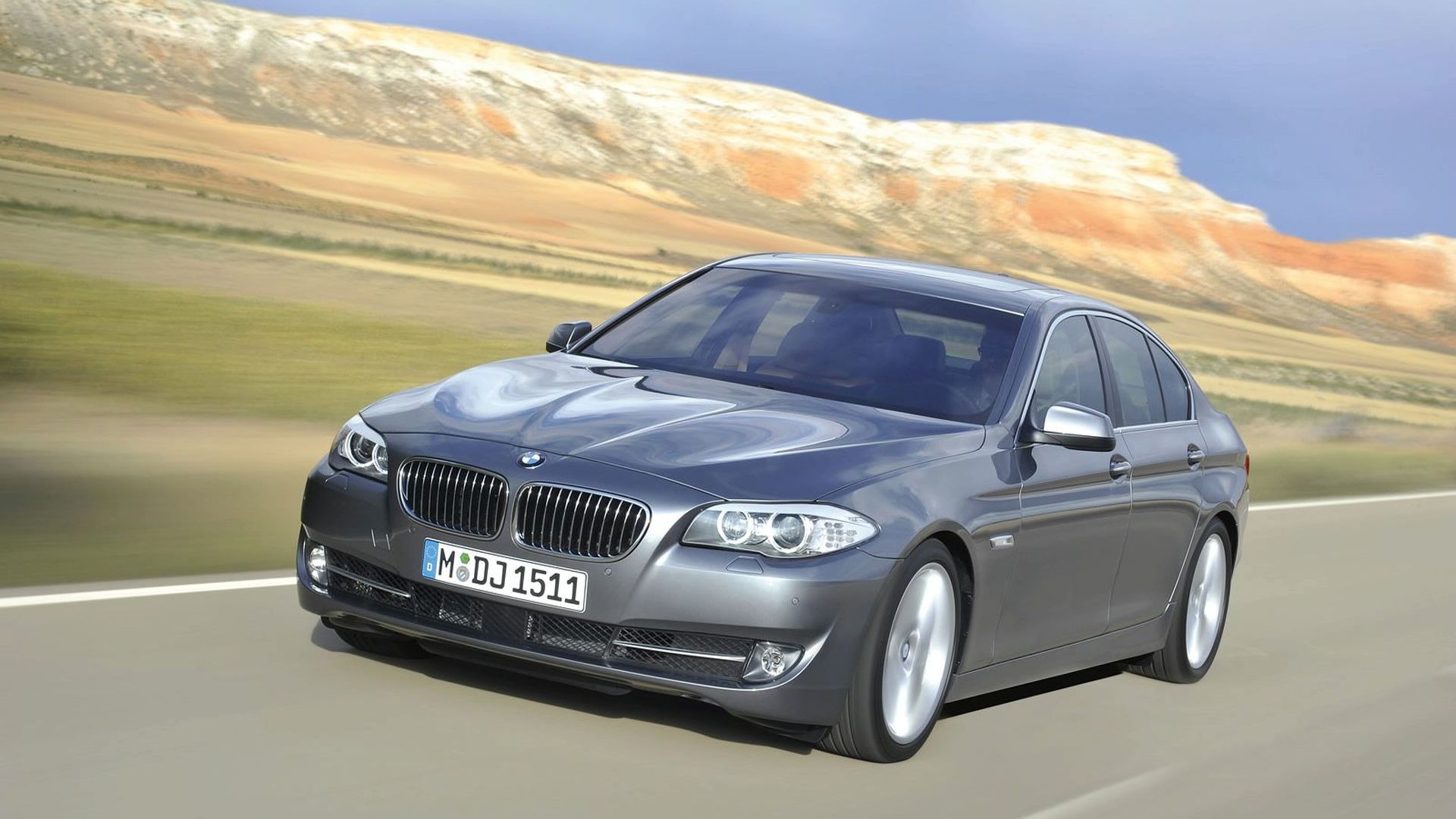
4. BMW 5 Series (E39 Generation)
The E39 BMW 5 Series is widely regarded as one of the most dependable BMW sedans ever produced, offering a blend of engaging driving dynamics and mechanical robustness.
Its engines, particularly the inline-six and V8 options, are capable of enduring high mileage when properly maintained, and automatic and manual transmissions are generally reliable with regular servicing. Unlike some newer BMWs that incorporate increasingly complex electronics prone to failure, the E39 relies on tried-and-true engineering that emphasizes durability and ease of repair.
The chassis design provides exceptional handling precision while maintaining comfort, which remains consistent even as components begin to age. Many enthusiasts and owners alike praise the E39 for being a car that delivers the “classic BMW driving experience” without the headaches associated with more modern, complex systems.
Suspension and chassis design further contribute to the E39’s longevity. The multi-link rear suspension, rigid front subframe, and well-engineered steering system maintain precise handling while providing comfort over uneven surfaces.
Unlike many luxury sedans that lose composure as suspension components wear, the E39 remains stable, responsive, and comfortable, even after extensive use. This durability enhances both the safety and enjoyment of the vehicle, ensuring that it continues to provide an engaging driving experience for years.
Finally, the E39 benefits from a strong support network among mechanics and enthusiasts, making parts and knowledge widely available. Repairs are relatively straightforward compared to newer models, and the car’s solid reputation enhances its resale value.
For buyers seeking a used luxury sedan that combines driving enjoyment, high-quality interior, and mechanical resilience, the E39 BMW 5 Series remains a benchmark, demonstrating that European luxury and longevity can coexist when engineering priorities are carefully balanced.
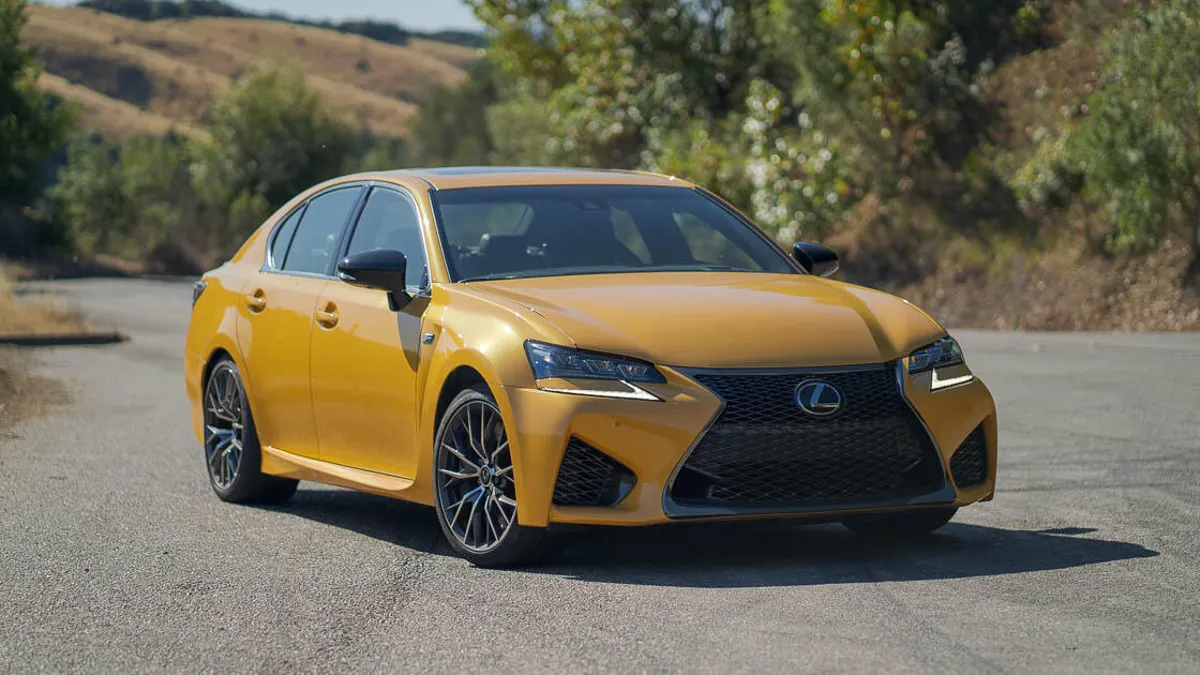
5. Lexus GS
The Lexus GS is another example of a luxury sedan that combines refinement, reliability, and durability. Built with high-quality materials and thoughtful engineering, the GS avoids the pitfalls of overly complex systems that often plague other sedans in the segment.
Engines, particularly the V6 and V8 options in various generations, are robust and capable of enduring long-term use with proper care. Automatic transmissions remain smooth and reliable, minimizing the potential for costly failures.
The suspension system is carefully tuned to provide a comfortable ride without sacrificing stability, ensuring that the vehicle remains composed even as it accumulates mileage over many years.
Inside, the GS cabin is constructed with durability in mind. Leather seating retains its suppleness, trim components resist warping or cracking, and the dashboard and control interfaces remain functional and attractive.
Electronics, including audio systems, navigation, and climate control, are reliable and less prone to the failures that affect many European competitors. This thoughtful approach ensures that the interior retains a sense of luxury and refinement even as the vehicle ages, contributing to an sense of ownership satisfaction.
Finally, Lexus’ reputation for dependability enhances the GS’ value proposition as a used luxury sedan. Replacement parts are widely available, and service is straightforward and reasonably priced.
The combination of robust engineering, durable interior materials, and accessible maintenance ensures that the GS remains an attractive choice for buyers who want a vehicle that ages gracefully.
Its ability to provide consistent performance, comfort, and refinement over time makes the Lexus GS a strong contender for anyone seeking a luxury sedan that delivers on its promise of long-term satisfaction.
Five Used Luxury Sedans That Fall Apart Inside
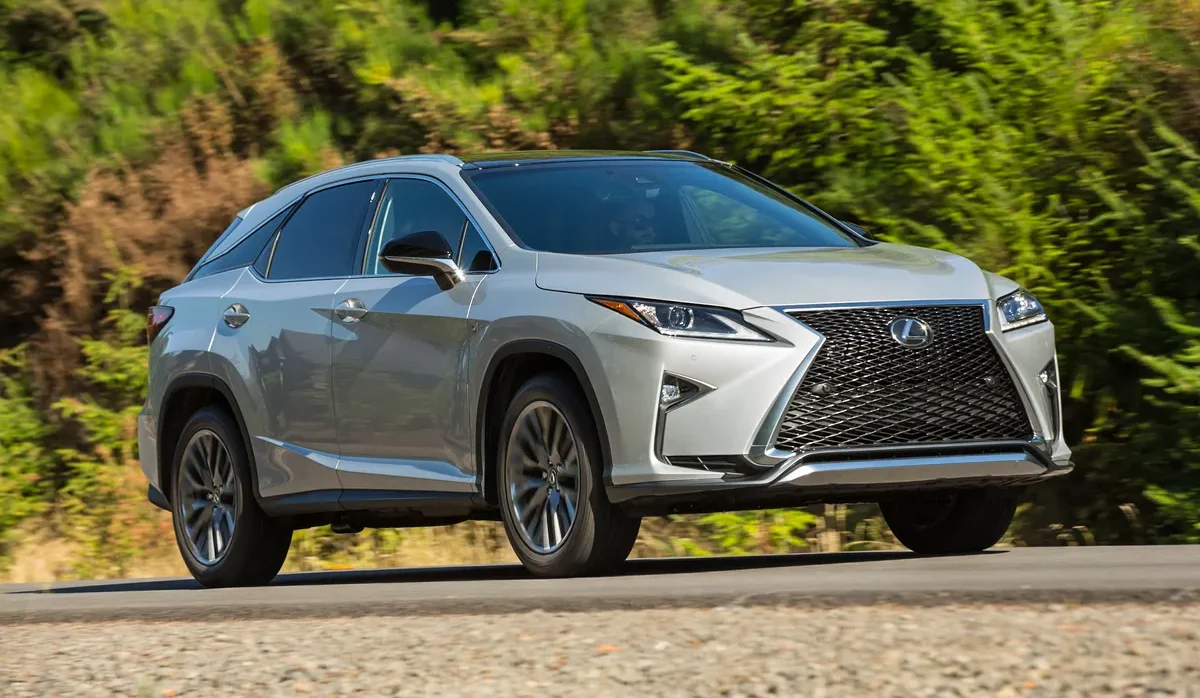
1. Jaguar XJ (X350 and X358 Generations)
The Jaguar XJ from the early 2000s is often cited as one of the most stylish sedans of its time, but its long-term reliability leaves much to be desired. While the car offered striking exterior design and a smooth, powerful ride, owners frequently encounter serious issues with electronics and interior components as the vehicle ages.
Climate control systems are notorious for malfunctioning, often requiring replacement or repair that is both labor-intensive and costly. Other interior electronics, including infotainment units, power windows, and dashboard displays, frequently fail prematurely, leaving owners frustrated with recurring problems that diminish the vehicle’s usability.
These failures are compounded by the fact that replacement parts can be difficult to source and expensive to install due to Jaguar’s complex and sometimes proprietary systems.
The materials used in the XJ’s interior, while luxurious at first, often deteriorate quickly. Leather seats tend to crack, and stitching can unravel, especially in areas of frequent contact such as the driver’s seat bolsters. Wood trim can warp or develop hairline cracks, and plastics on the dashboard or door panels become brittle with age, especially in cars exposed to sunlight.
Even a modestly used XJ can appear tired and worn compared to other luxury sedans of similar age, highlighting the contrast between initial luxury and long-term durability. This lack of material longevity significantly undermines the sense of refinement that Jaguar intended, making the vehicle feel less premium over time.
Finally, resale value and long-term ownership costs are significant considerations for the XJ. Potential buyers are often wary due to the vehicle’s known reliability issues, and insurance and parts costs are higher than average.
While the car’s aesthetic appeal and driving experience are undeniable, the combination of fragile electronics, deteriorating materials, and complex mechanical systems means that the Jaguar XJ is best suited for enthusiasts willing to accept ongoing maintenance challenges rather than buyers seeking dependable long-term luxury.
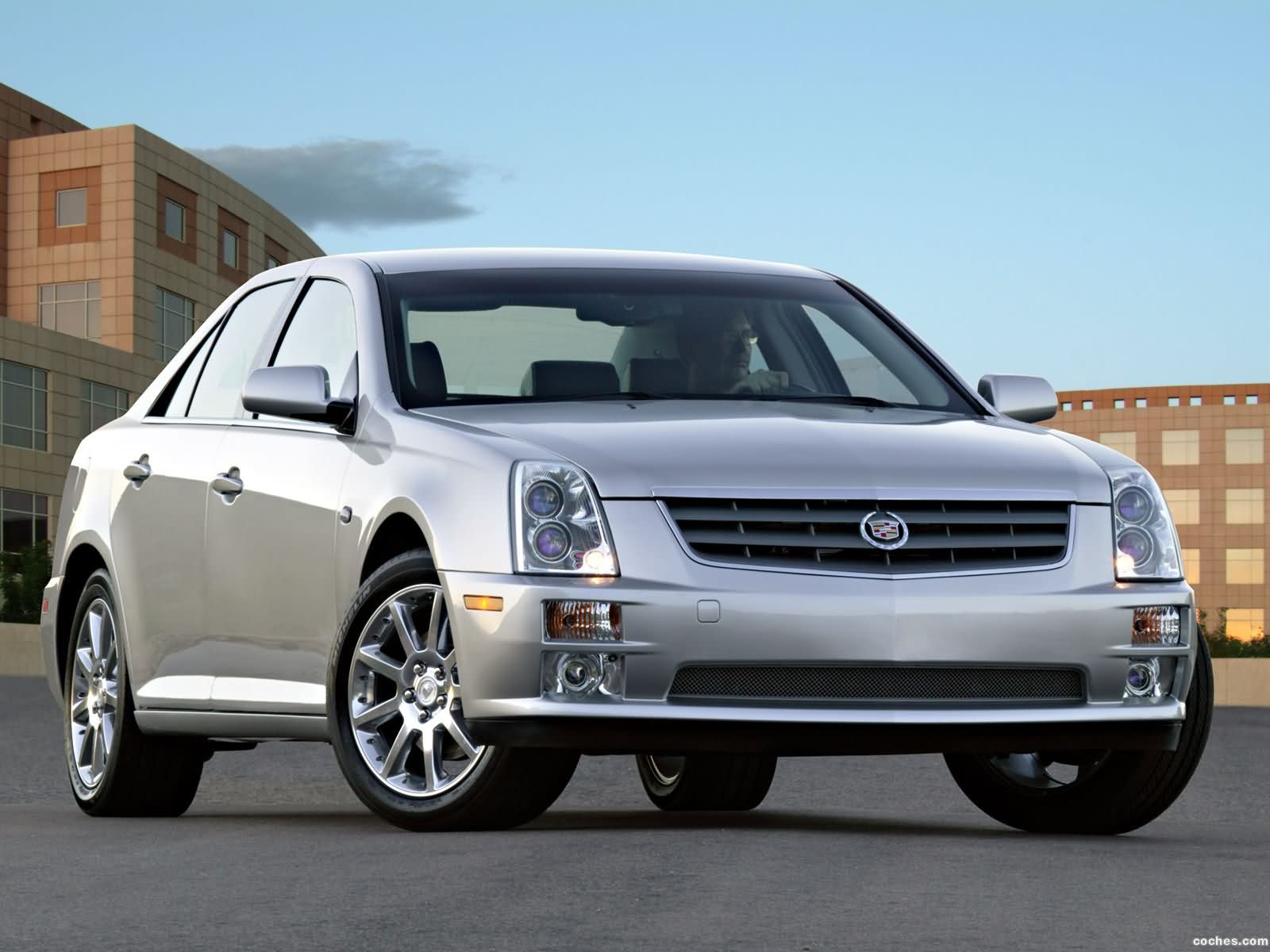
2. Cadillac STS
The Cadillac STS, particularly the first-generation models produced in the early 2000s, is a striking example of a luxury sedan that struggles with interior durability and long-term reliability. Leather seats, while comfortable initially, often develop cracks and creases sooner than expected, and trim pieces can warp or discolor after relatively short periods of use.
Dashboard plastics may shrink or separate at the seams, and the feel of the cabin can deteriorate, creating a less refined environment than the car initially promised. Even owners who meticulously maintain the vehicle often report that the interior begins to show significant signs of aging within just a few years.
The suspension and chassis of the STS contribute indirectly to interior wear. Vibrations or flex from aging suspension components can loosen interior panels, causing rattles and accelerated degradation of cabin materials.
While the STS was praised for a smooth ride when new, over time the combination of suspension wear and interior fragility reduces the sense of solidity and quality. Owners often notice that the cabin begins to feel less cohesive and more rattly, diminishing the luxury experience that the car initially delivered.
Long-term ownership costs make the STS a risky proposition for anyone seeking a durable luxury sedan. Although the purchase price of a used STS may appear attractive, the combination of electronic failures, interior deterioration, and complex repairs often leads to high maintenance expenses.
For buyers seeking a vehicle that will remain refined, comfortable, and reliable, the Cadillac STS is often less appealing compared to competitors that better withstand the test of time.
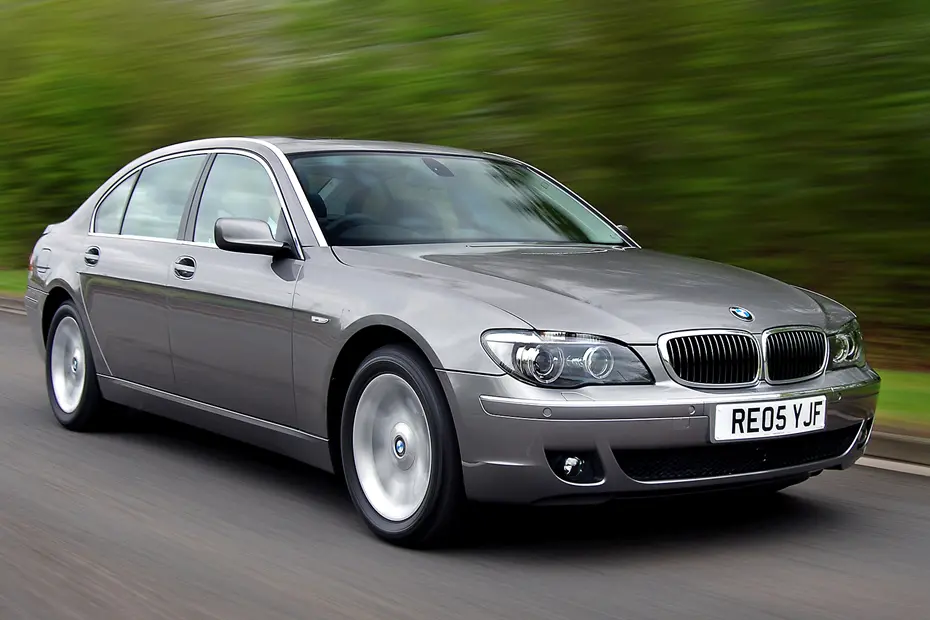
3. BMW 7 Series (E65/E66 Generations)
The BMW 7 Series from the early 2000s, particularly the E65 and E66 models, is renowned for advanced technology and comfort but is infamous for interior and electronic failures. The introduction of the iDrive system brought innovation to the luxury segment, but it also introduced complexity that has proven fragile over time.
Navigation units, climate control systems, and digital displays frequently fail, requiring expensive repairs. In some cases, a single malfunctioning module can affect multiple systems, creating cascading problems that are both time-consuming and costly to fix. These issues are exacerbated by the complexity of BMW’s electronics architecture, which makes even minor repairs labor-intensive.
Mechanical complexity contributes indirectly to interior deterioration. Advanced features such as hydraulic seat adjustments, air suspension systems, and electronically controlled components often fail with age. Repairing these systems frequently involves disassembling interior panels, which accelerates wear and can damage surrounding trim.
This combination of mechanical sophistication and interior fragility means that the E65/E66 often feels less solid and cohesive as it ages, despite its initial reputation as a top-tier luxury sedan.
The cost of ownership for these 7 Series models can be daunting. Parts are expensive, repairs are labor-intensive, and finding a technician with the knowledge to service these complex systems can be challenging.
As a result, long-term ownership requires both financial commitment and patience, making the E65/E66 a high-risk option for buyers seeking dependable used luxury cars. While the model offers impressive performance and comfort, its tendency for electronic and interior failures makes it a poor choice for long-term reliability.
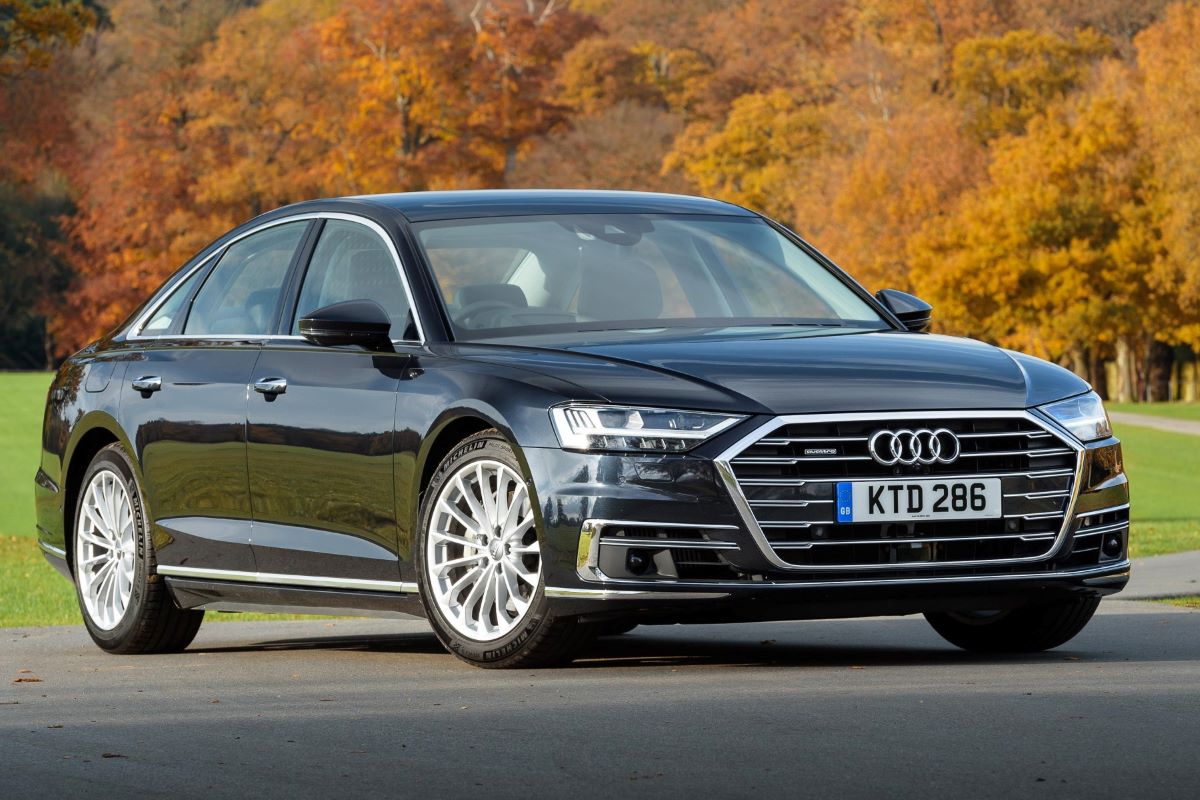
4. Audi A8 (D3 Generation)
The early 2000s Audi A8, particularly the D3 generation, struggles with interior and electronic reliability, which often overshadows the car’s performance and design. The Multi-Media Interface (MMI) system, digital displays, and climate control components frequently fail, sometimes even in vehicles with relatively low mileage.
Repairing these systems is both costly and time-consuming, and failures can compromise other systems due to the A8’s highly integrated electronics architecture. Owners often report persistent problems that reduce confidence in the vehicle’s reliability, making ownership stressful and expensive.
Interior materials in the D3 A8 also age poorly. Leather seats, wood trim, and plastics often crack, fade, or warp with age, giving the cabin a worn, less luxurious feel than expected for a vehicle in this class. Even minor cosmetic imperfections are noticeable, as the interior was initially designed with high-end finishes that highlight any flaws.
Unlike other luxury sedans that age gracefully, the A8’s interior quality often deteriorates relatively quickly, detracting from the premium driving experience.
The D3 A8’s long-term ownership costs are high compared to similar luxury sedans. Parts are expensive, and labor costs are elevated due to the car’s complexity. While the vehicle offers strong performance, styling, and prestige, the combination of interior deterioration and unreliable electronics makes it a challenging and often expensive vehicle to own over time.
Buyers seeking reliability and long-lasting luxury would be better served by alternatives that are less prone to these issues.
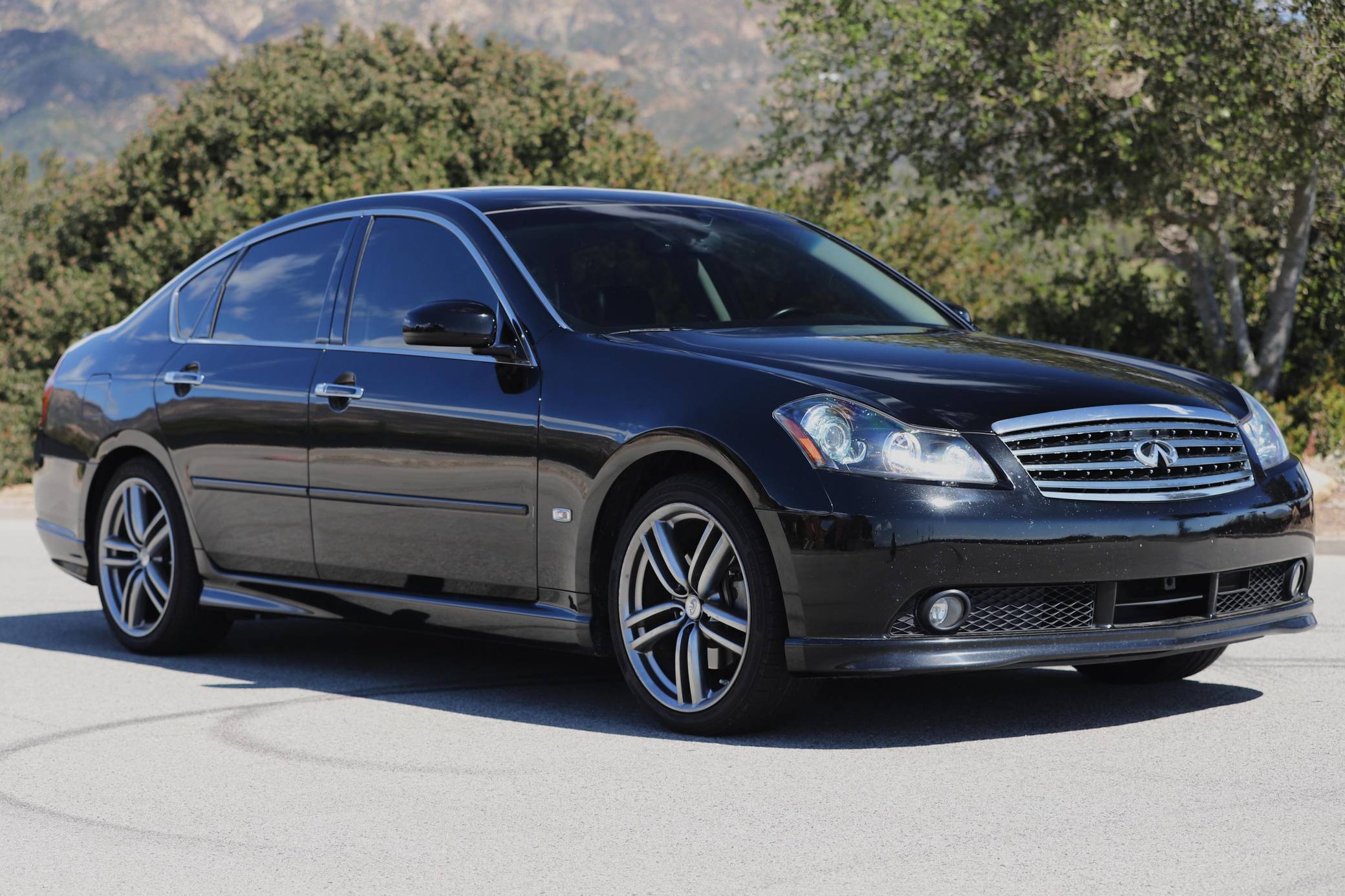
5. Infiniti M45
The first-generation Infiniti M45 demonstrates a combination of interior and mechanical vulnerabilities that make long-term ownership less appealing. Leather seating, while initially comfortable, often develops cracks and creases prematurely, and dashboard plastics may warp or separate.
Trim materials, particularly wood and metallic accents, can deteriorate with use, leaving the cabin feeling worn and less refined than expected. Even moderate mileage examples often show signs of interior fatigue, reducing the vehicle’s sense of luxury.
Suspension and chassis components indirectly contribute to interior wear. Vibrations or flex from aging suspension parts can loosen interior panels or create squeaks and rattles that accelerate material fatigue.
Even with careful maintenance, the cabin can begin to feel less cohesive, with trim pieces and electronics showing the strain of years of use. The combination of mechanical and interior fragility means that the vehicle often loses the sense of solidity expected from a luxury sedan.
Long-term ownership costs for the Infiniti M45 are significant. Replacement parts are not always easy to obtain, and labor for repairs can be costly due to the vehicle’s complexity.
While the M45 offers strong performance, comfort, and styling initially, the interior and reliability issues make it a less suitable choice for buyers seeking a luxury sedan that will remain dependable and refined over many years.