Many sedans prove their value not just in the first few years but well beyond 120,000 miles. These vehicles combine reliability, smart engineering, and thoughtful design to maintain comfort, performance, and modern features long after their debut.
From stalwarts like the Toyota Camry and Honda Accord to newer, stylish options like the Kia K5 and Mazda 3, these sedans deliver a driving experience that remains engaging, efficient, and dependable even as mileage climbs.
Luxury and tech-forward models such as the Lexus ES and Tesla Model 3 demonstrate that refinement and innovation can last for years, keeping drivers confident and satisfied.
Whether buyers prioritize fuel efficiency, interior quality, or advanced safety and infotainment features, these nine sedans prove that longevity does not require compromise. They show that with careful design and engineering, a car can continue to feel fresh, capable, and enjoyable well past 120,000 miles.
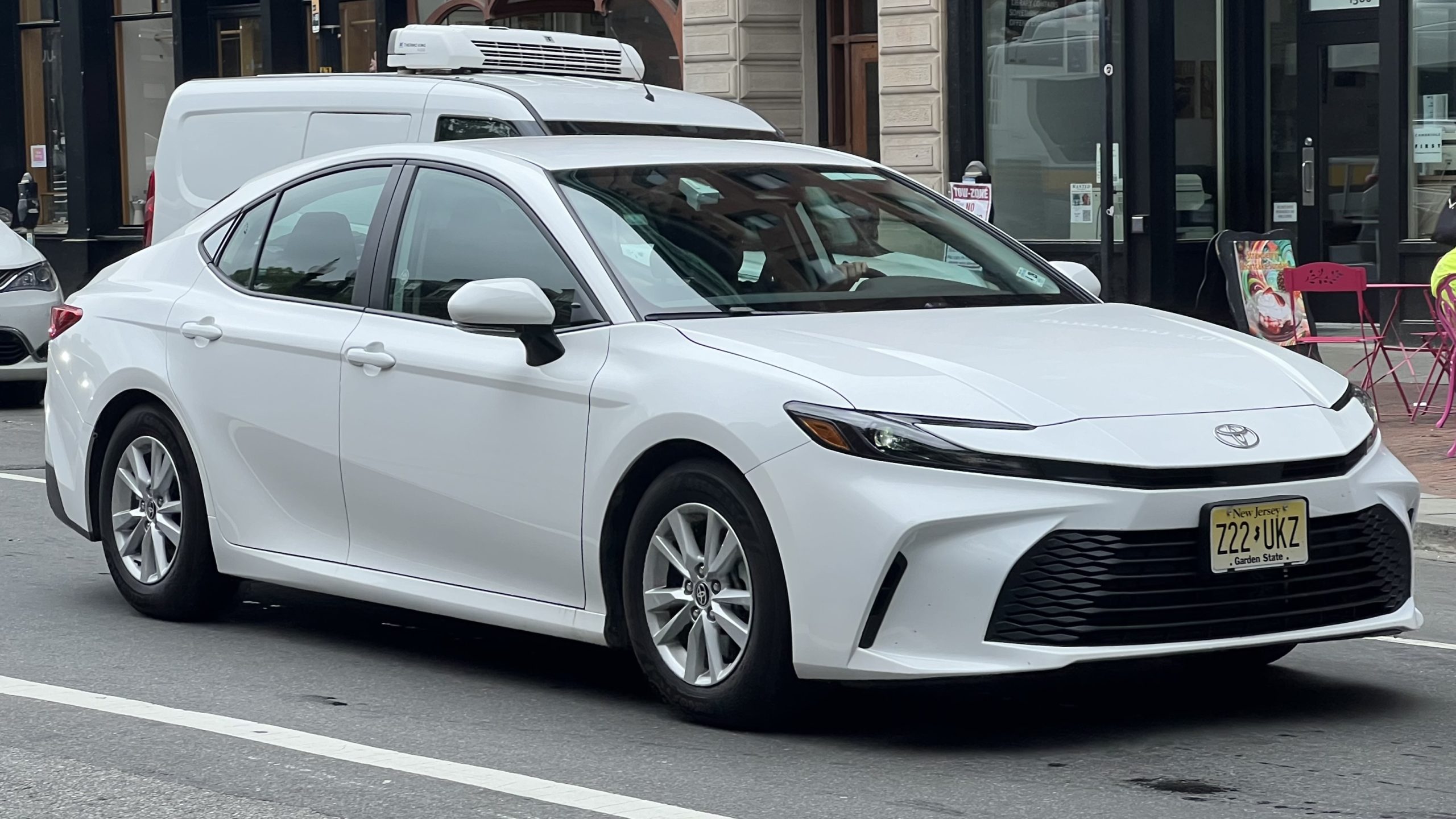
1. Toyota Camry: A Reliable, Efficient, and Surprisingly Engaging Sedan
The Toyota Camry, starting at $27,515, continues to stand out for dependability, safety, and long-term durability. Many owners report reaching 200,000 to 250,000 miles with few issues, reinforcing the Camry’s strong reputation in the midsize sedan class.
Standard features include 10 airbags, High-Beam Assist, and Toyota Safety Sense 2.5+, which help the Camry remain one of the most trusted and highly rated vehicles in its segment.
In the XSE trim with front-wheel drive, the Camry offers smooth and confident acceleration, reaching 60 mph in 7.8 seconds, which is slightly quicker than hybrid competitors such as the Honda Accord and Hyundai Sonata.
The sport-tuned suspension and responsive steering create a composed and secure driving feel while maintaining impressive ride comfort. Advanced safety technology enhances the experience with systems that detect vehicles entering or exiting lanes and adjust speed when needed. The available Traffic Jam Assist feature allows hands-off driving at speeds up to 25 miles per hour when conditions allow.
The front seats feel firm at first but provide excellent support during long trips. Passenger space is generous in both rows, and wide door openings make entering and exiting simple.
The interior layout is user-friendly, with well-placed controls located beneath the large touchscreen. The climate control system delivers strong performance, and the cabin stays quiet at highway speeds. Engine noise becomes noticeable only during heavy acceleration.
Most trims feature a 12.3-inch touchscreen along with wireless Apple CarPlay and Android Auto. The wireless charging pad works reliably, and the optional nine-speaker JBL audio system offers better sound quality than earlier Toyota versions, although it still trails some competitors.
The 15.1-cubic-foot trunk provides practical space for luggage or groceries, and small-item storage is excellent due to multiple compartments and accommodating door pockets.
Toyota now offers every Camry as a hybrid, giving buyers more flexibility than brands that restrict hybrid options. Fuel economy ranges from 44 to 51 mpg combined. Real-world testing of the XSE produced 45.9 mpg, which supports Toyota’s efficiency claims. Complimentary maintenance and roadside assistance for two years adds meaningful value for buyers.
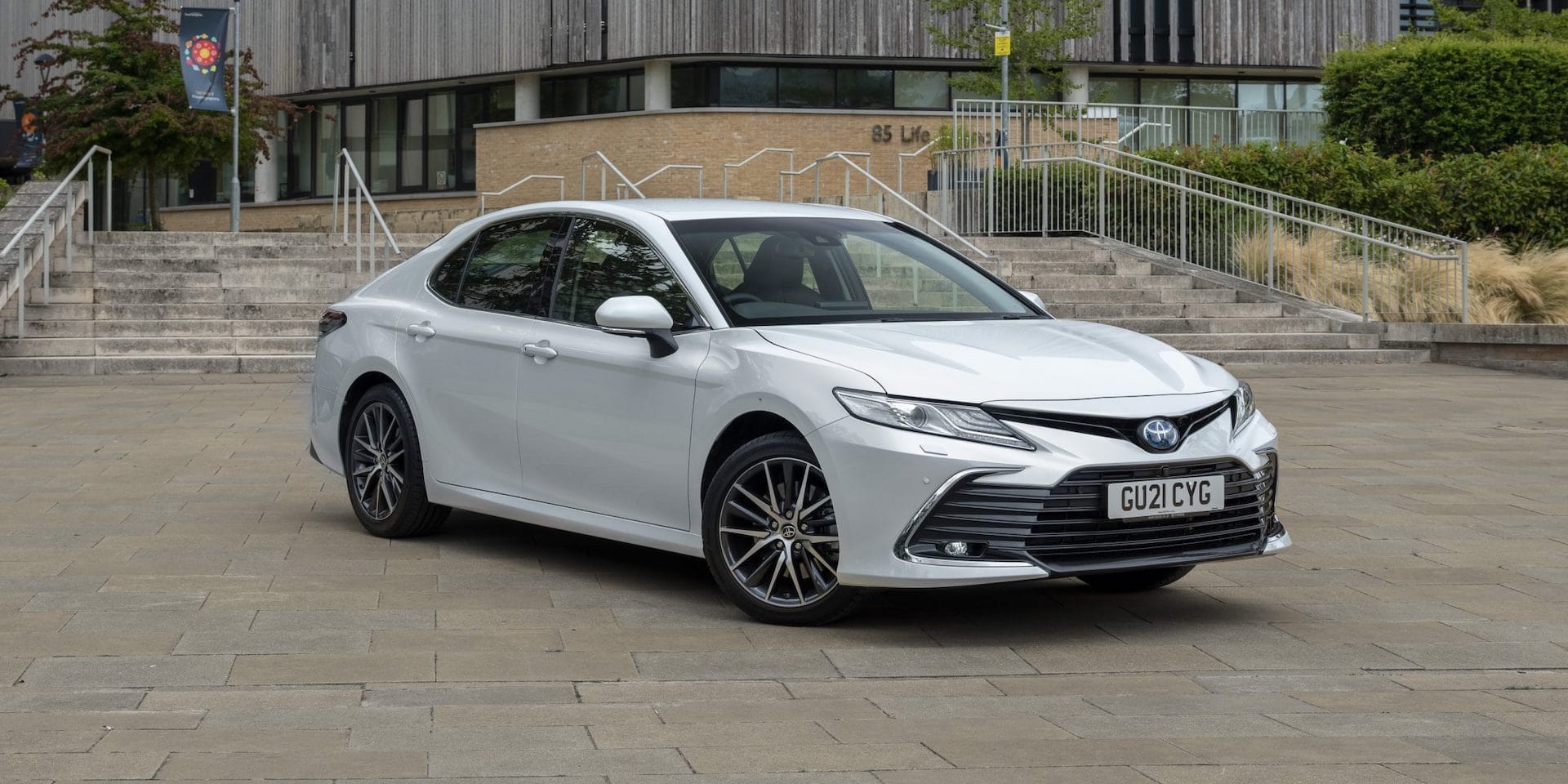
2. Honda Accord: A Dependable, Efficient, and Comfortable Midsize Favorite
The Honda Accord, starting at $28,990, continues to be one of the most trusted choices for drivers who want a dependable and practical midsize sedan without moving to an SUV or electric vehicle.
With Honda ranked No. 1 out of 32 brands for reliability by RepairPal, the Accord maintains a reputation built on long-term durability, safety, and strong resale value. While its design may appear simple compared to flashier rivals, the Accord’s dependability remains its strongest appeal.
The Accord Sport-L hybrid offers impressive fuel efficiency without weakening performance. During testing, it reached 60 mph in 7 seconds, making it quicker than many competing midsize hybrids. The continuously variable transmission is tuned to mimic a traditional automatic, resulting in smoother and more engaging acceleration.
Handling is confident, and steering provides a solid grip, although the latest Accord is larger and feels less athletic than earlier versions. Ride comfort remains excellent, absorbing road imperfections even with the Sport-L’s 19-inch wheels. Visibility is strong thanks to thin windshield pillars and a large rear window. Honda Sensing driver aids function well, though the lane-keeping system can be intrusive at times.
The Accord’s wide door openings make entry and exit easy, though taller passengers may need to duck slightly in the rear due to the sloping roofline. Legroom is impressive in both rows. The driver’s seat could use extra padding, but it provides enough adjustment to suit many body types.
The interior follows a back-to-basics approach with simple controls and a climate system that heats and cools effectively. Cabin insulation minimizes outside noise, and the engine is rarely heard unless pushed hard. Car seat installation is convenient thanks to easily accessible LATCH anchors.
A 12.3-inch touchscreen with wireless Apple CarPlay and Android Auto is available, offering sharp graphics and responsive performance. Google’s built-in features appear only on the Touring trim, which limits access to useful tech. Storage is a highlight, with 16.7 cubic feet of trunk space and a large center console suitable for personal items.
Build quality is excellent, with tight panels and high-grade materials that suggest long-term durability. However, lower trims lack the generous features found in some competitors. Fuel economy ranges from 32 mpg combined in the base model to 48 mpg combined in hybrid versions with 17-inch wheels. Testing of the Sport-L hybrid returned 41.5 mpg, which remains competitive for the class.
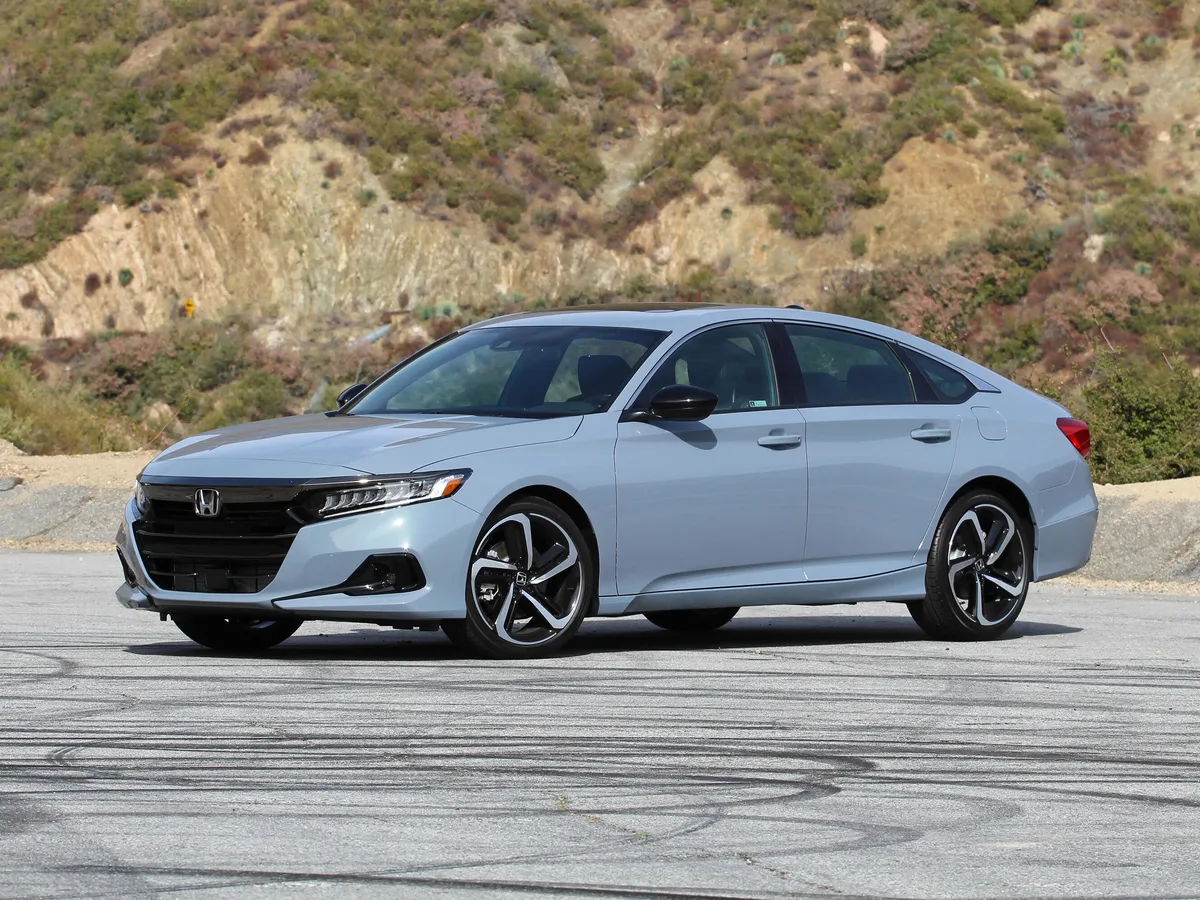
3. Kia K5: A Stylish, Feature-Rich, and Comfortable Midsize Contender
Starting at $26,745, the Kia K5 has gained significant attention for its sharp styling, abundant features, and compelling value. Once considered a conservative segment, the midsize sedan category feels more exciting with the K5, which has received strong praise from critics.
Some reviewers even call it the best car in its class, recognizing that it competes seriously with established favorites such as the Honda Accord and Toyota Camry.
Testing of the K5 with its 2.5-liter four-cylinder base engine shows adequate power for daily driving. The transmission shifts smoothly around town, though acceleration falls short of class leaders, reaching 60 mph in 8.5 seconds.
Drivers seeking more excitement can opt for the GT trim, which offers a stronger engine and more performance. The suspension effectively absorbs road imperfections without feeling too soft, and the car remains easy to handle in everyday conditions. Forward visibility is excellent due to slim roof pillars, while rear visibility is slightly reduced by the tall rear decklid.
The K5 also stands out for its advanced driver aids, including rare features such as a blind-spot camera and a 360-degree parking camera. Adaptive cruise control and lane keeping assistance work smoothly and rarely trigger false alerts.
The K5 delivers impressive highway comfort, with a cabin that remains as quiet as some luxury sedans. Front seats offer solid cushioning and support, making long trips pleasant.
The climate system performs admirably in hot weather, quickly cooling the cabin. Controls are logically arranged and clearly labeled, contributing to an intuitive user experience. Cabin space is generous, especially for legroom, and installing child seats is hassle-free thanks to wide rear seating and accessible anchors.
A 12.3-inch touchscreen comes standard, positioned for clear visibility and angled toward the driver. Wireless Apple CarPlay and Android Auto are included, and an available wireless charging pad with a cooling fan adds convenience. The 15.6-cubic-foot trunk offers better-than-average space with a wide opening for easier loading. Interior storage options are plentiful, from trays to a sizable center bin.
The K5 provides an appealing price-to-feature ratio across trims, offering quality materials that exceed expectations for the class. While genuine leather and a head-up display are not available, most drivers will appreciate the strong build quality and top-tier warranty, which includes 10 years or 100,000 miles of powertrain coverage.
Fuel economy reaches 30 mpg combined, competitive with other base-engine midsize sedans. The K5’s standout design adds to its appeal, giving drivers a stylish and capable alternative in a traditionally conservative segment.
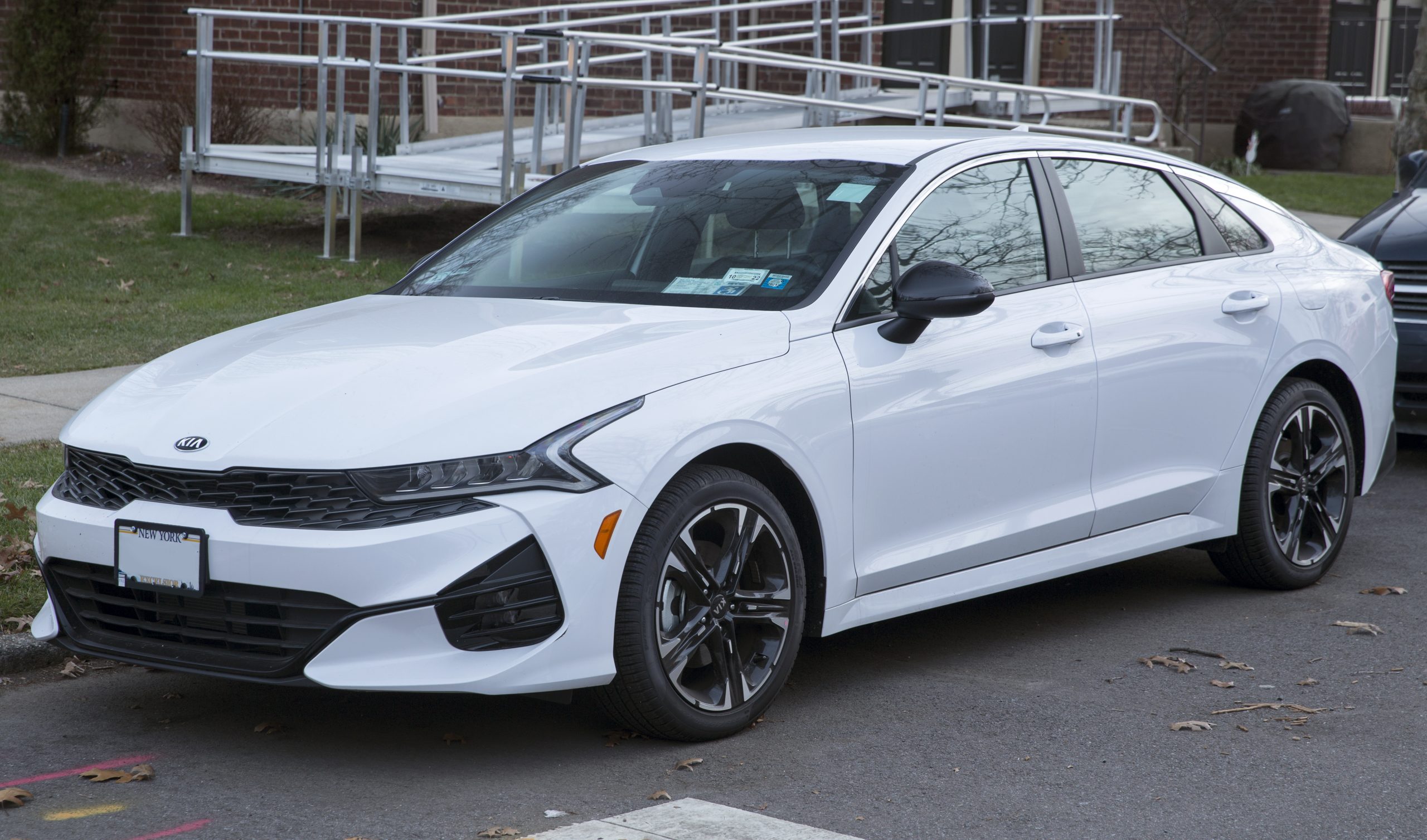
4. Lexus ES: A Quiet, Comfortable, and Refined Luxury Value
Starting at $43,190, the Lexus ES sits in the middle of the brand’s sedan lineup. It costs more than the IS but far less than the LS, making it an appealing option for drivers seeking luxury, reliability, and long-term value.
The ES has earned multiple Best Buy Awards from Kelley Blue Book and shares its platform with the Toyota Camry, which adds confidence in durability and low maintenance needs. Now in its seventh generation, the ES offers the comfort and refinement expected of a luxury daily driver at a reasonable price.
The ES 350 delivers smooth and confident acceleration, even though it is not one of the quickest sedans in its class. Steering feels naturally weighted, supporting a calm and composed driving character. While tire grip is modest, the ES handles turns with more assurance than many expect from a comfort-first model.
In city traffic, gear changes are nearly imperceptible, and the car glides forward with ease, creating a relaxed driving experience. Standard driver aids include adaptive cruise control, lane keeping assistance, and blind-spot monitoring, all of which function effectively despite the absence of some newer advanced systems.
Comfort is the standout trait of the ES. The cabin is extremely quiet, with minimal vibration and almost no intrusion from road or engine noise. The front seats are firm, supportive, and easy to access.
Even the F Sport trim’s more bolstered seats manage to remain comfortable. Rear seats provide generous space and can accommodate long trips without causing fatigue. Wind noise is faint at higher speeds, but the interior remains a serene environment suitable for commuting or long-distance travel.
Higher trims include a 12.3-inch infotainment display that responds quickly to touch and offers clear graphics. Wireless Apple CarPlay and Android Auto come standard, and voice commands extend to navigation, audio, and climate functions.
The trunk provides 13.9 cubic feet of space, which is adequate for luggage or golf bags, though the fixed rear seats limit cargo flexibility. Cabin storage is functional, with useful cupholders and small compartments for daily items.
The ES presents strong luxury value with premium materials, precise stitching, and thoughtful craftsmanship throughout the cabin. Pricing aligns well with the refinement, space, and comfort offered.
Warranty coverage is competitive in its class, and the Lexus dealership experience is a benefit for many buyers. Fuel economy is rated at 25 mpg combined, though real-world testing resulted in 21.5 mpg. Even so, the ES delivers a calm, comfortable, and high-quality driving experience that feels well worth its price.
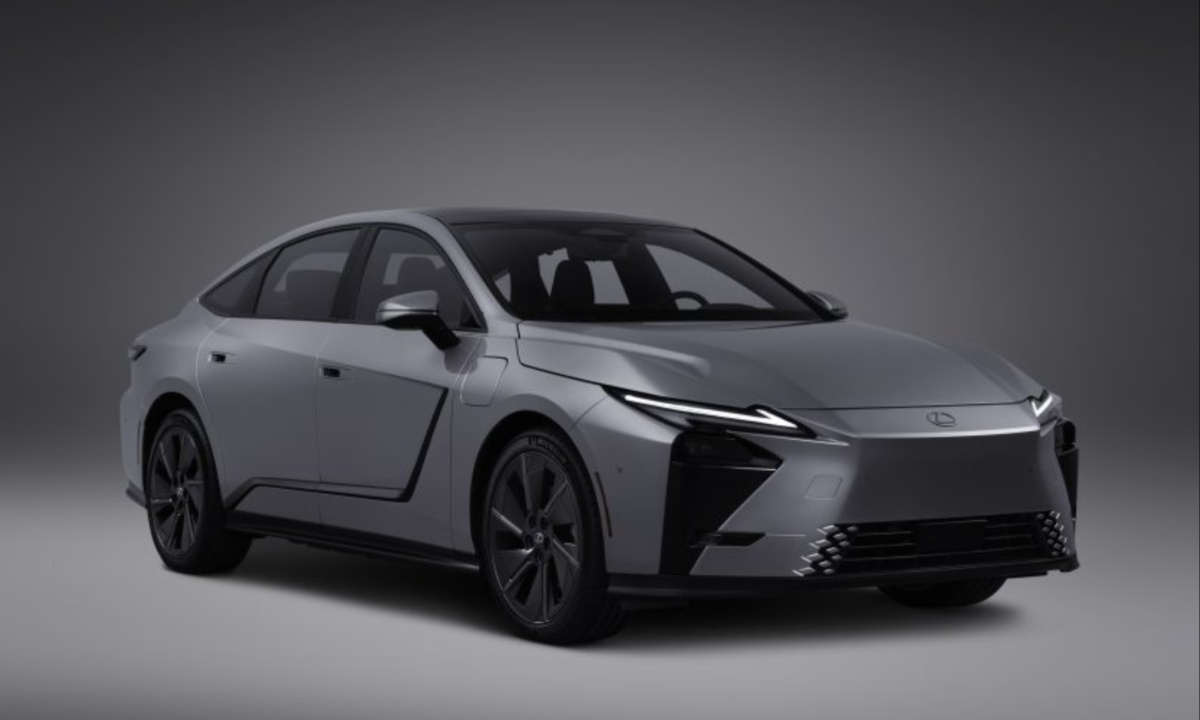
5. Hyundai Elantra: A Fuel-Efficient, Budget-Friendly Compact Sedan
Starting at $22,740, the Hyundai Elantra offers strong value through a mix of excellent fuel economy, user-friendly technology, roomy seating, and one of the best warranties in the industry.
Hyundai’s 10-year/100,000-mile powertrain warranty and three years of free scheduled maintenance highlight its appeal for cost-conscious buyers. Both the standard Elantra and the Elantra Hybrid are priced to attract shoppers seeking dependable daily transportation.
The base 2.0-liter engine lacks punch, reaching 60 mph in 9.4 seconds, which is slower than most small sedans. Acceleration for highway merging or passing requires patience. The continuously variable transmission focuses on efficiency rather than performance, though it operates smoothly in normal driving with only mild CVT droning.
Handling is predictable and composed, offering stable cornering and a settled ride over bumps. Shoppers wanting a sportier feel should consider the N Line with its firmer suspension. Hyundai’s advanced driver aids perform well, with refined adaptive cruise control and lane centering, though many features require stepping up to higher trims.
The Elantra delivers solid comfort for a compact sedan. Both front and rear seating areas provide generous room, and the power-adjustable driver’s seat accommodates a wide range of body types.
The front cushions feel somewhat flat, which can affect comfort during long road trips, and lateral support is limited. Climate controls are simple to use, heated seats warm quickly, and rear child-seat anchors are easy to access. Cabin noise is a drawback, particularly wind noise, which stands out compared with the class leaders.
Available dual digital displays offer crisp graphics and user-friendly menus. Wireless Apple CarPlay and Android Auto are included with the standard 8-inch display, while the larger 10.25-inch screen requires a cable. Charging options are abundant, including USB-C ports and a wireless charging pad. The 14.2-cubic-foot trunk is slightly larger than average, and the fold-flat rear seats add useful flexibility.
Lower trims of the Elantra deliver strong value, though higher trims face competition from models with richer interior materials. Even so, Hyundai’s unmatched warranty coverage strengthens its appeal. Fuel economy is a major highlight, returning 34 to 36 mpg combined and exceeding expectations in real-world testing with 41.8 mpg.
An even more efficient hybrid version is available. With standout styling and modern tech, the Elantra brings strong appeal to the compact sedan segment.
Also Read: 10 Cars With DIY-Friendly Oil Filters and Drain Plugs
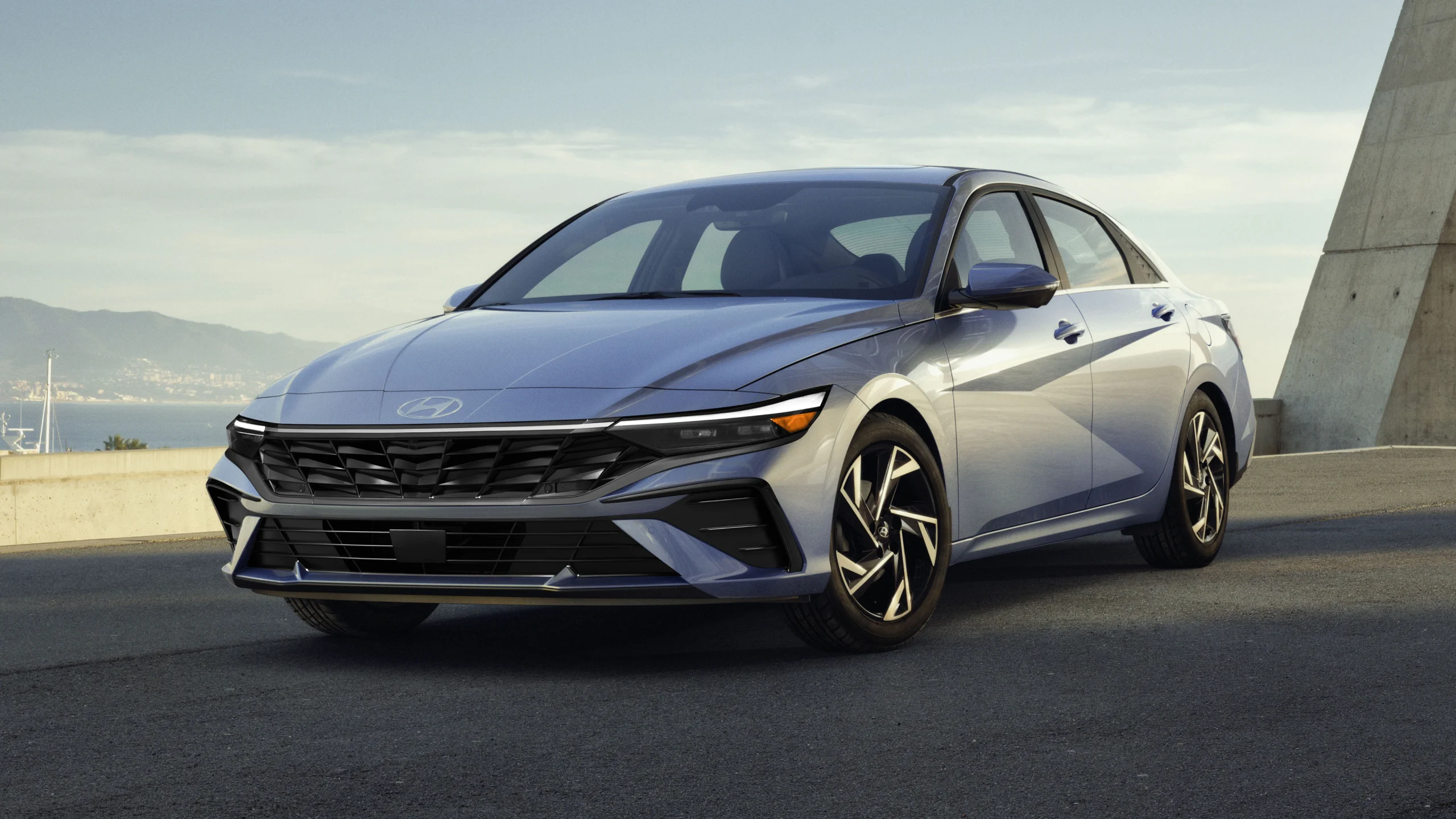
6. Toyota Corolla: A Practical, Efficient and Long-Lived Compact Sedan
Starting at $23,145, the Toyota Corolla remains one of the most trusted names in affordable transportation. Known for reliability and longevity, it leads all sedans in long-term ownership.
According to iSeeCars, 8.9 percent of original Corolla owners keep their vehicles for more than fifteen years, a testament to durability, low maintenance needs, and strong value retention. With high fuel efficiency and modest operating costs, the Corolla appeals to drivers focused on long-term savings.
Acceleration is modest. In testing, the Corolla XSE reached 60 mph in 8.8 seconds, making highway merges and passes feel deliberate. Braking is predictable and smooth, and the CVT behaves well with simulated gear steps that lessen droning. Although the XSE trim is marketed as sporty, it leans noticeably in corners and lacks significant tire grip.
As a daily driver, however, the Corolla delivers an easygoing experience with simple maneuverability and a comfortable ride. Toyota’s driver assistance suite performs well, especially its effective lane-keeping system, though blind-spot monitoring relies solely on visual alerts.
Front seating offers good comfort and space, while rear legroom is generous. Rear headroom is tighter due to the sloping roofline, which may affect taller passengers. The cabin design favors clarity, with well-organized controls and intuitive button placement.
Installation of child seats is straightforward thanks to clearly marked anchors. Interior noise is the main drawback. Road noise is prominent at highway speeds, and the engine can sound strained during vigorous acceleration, though simulated CVT shifts help reduce prolonged droning.
The Corolla’s 8-inch and available 10.5-inch screens look sharp but respond slowly at times, especially when using navigation. Some on-screen icons are small, and remote start requires a paid subscription through the Toyota app. The trunk provides 13.1 cubic feet of space, slightly below key rivals, and the rear seatbacks do not fold flat. Cabin storage is modest but usable.
The Corolla offers competitive value with a well-built cabin and excellent reliability, though its feature list trails rivals like the Elantra and Kia K4. Warranty coverage is average, but Toyota includes two years of free scheduled maintenance.
Fuel economy is a major strength. The tested Corolla XSE is rated at 34 mpg combined, the base LE at 35 mpg, and real-world testing returned 40.2 mpg. Shoppers wanting maximum efficiency can opt for the Corolla Hybrid.
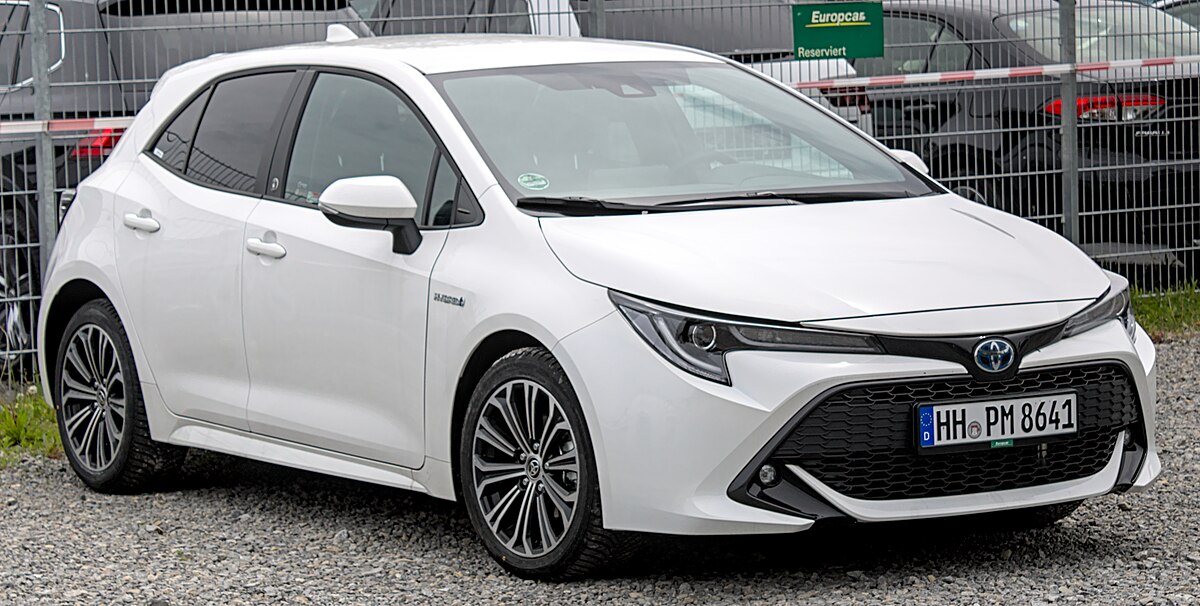
7. Subaru Legacy: A Dependable and Safe Midsize Sedan
Starting at $26,015, the Subaru Legacy has been a long-standing choice for drivers seeking a dependable, user-friendly sedan. The 2025 model will be the Legacy’s final year of production. One of its standout qualities is longevity, with over 94 percent of Legacies sold in the past decade still on the road. Safety has also been a hallmark, as the Legacy has earned the IIHS “Top Safety Pick” title for 18 consecutive years.
The Legacy provides a solid, predictable driving experience, though engine and performance specifics were not provided. The Toyota Corolla XSE, which is the sporty trim, shows underwhelming acceleration, taking 8.8 seconds to reach 60 mph.
The Corolla is adequate for everyday driving, with smooth handling and a CVT that operates quietly. Its advanced driver aids, including lane-keeping assistance, perform well. Blind-spot monitoring is functional but does not include an auditory alert.
Passenger comfort varies between the two sedans. The Corolla offers good front and rear legroom, making it suitable for families, although taller passengers may feel cramped due to the tapered roof. Seats are comfortable, and the interior layout is simple and intuitive. Road and engine noise can be prominent, especially at highway speeds.
The Corolla features 8-inch and 10.5-inch touchscreen options with modern graphics. While functional, navigation, and system responsiveness can be slow. The infotainment system does not integrate fully with climate or driver-assist controls, and some virtual buttons are small. Optional connected features, such as remote start, require a subscription.
The Corolla’s trunk measures 13.1 cubic feet, slightly smaller than competitors’, and the rear seatbacks do not fold flat, limiting cargo flexibility. Interior storage is adequate but minimal.
The Corolla is competitively priced with a solid build and Toyota’s reputation for reliability. Its warranty coverage includes three years or 36,000 miles for bumper-to-bumper protection and five years or 60,000 miles for the powertrain, with two years of free scheduled maintenance. Fuel economy is strong, ranging from 34 to 35 mpg combined, with real-world testing reaching over 40 mpg.
Both the Legacy and Corolla excel in practicality, reliability, and efficiency. The Legacy is notable for safety and longevity, while the Corolla impresses with fuel economy, modern technology, and everyday usability. The Corolla sacrifices sportiness and quietness for practicality.
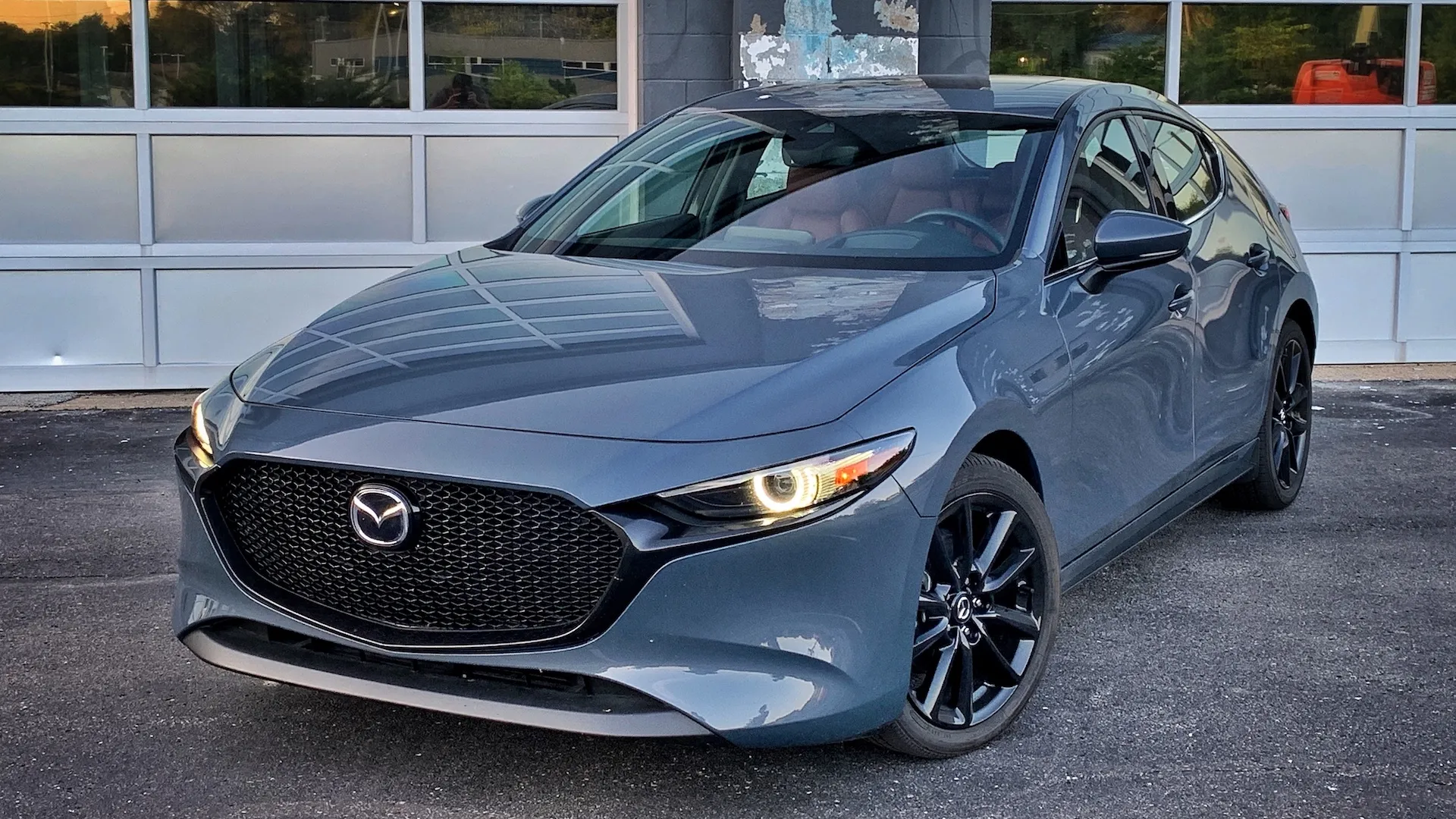
8. Mazda 3: A Stylish, Refined and Engaging Compact Car
Starting at $25,335, the Mazda 3 is a compact car available as a sedan or hatchback. It is known for its safety, affordability, and potential longevity, with some owners reporting mileage between 250,000 and 300,000 miles. The sedan comes with a 191-horsepower 4-cylinder engine, a 6-speed automatic transmission, and a suite of standard safety features, making it one of the more complete packages in the segment.
The Mazda 3 offers a refined driving experience. Both the standard 2.5-liter engine and the optional turbocharged engine provide smooth power delivery. The turbo model reaches 60 mph in just 6.5 seconds, placing it among the quickest compacts.
Both manual and automatic transmissions shift smoothly, and the ride quality is stable and comfortable at highway speeds. Some drawbacks include limited rear visibility, especially in the hatchback, and driver-assist systems that are less effective than those in some competitors like the Honda Civic.
The Mazda 3’s interior feels premium, with supportive seats and a driver-focused layout. Noise from the engine and road is well isolated, and physical climate controls are easy to use. Rear seating, however, is cramped and challenging for adults or larger car seats. The cabin feels refined, though family practicality is limited.
The infotainment screen is small but integrated well, controlled primarily through a knob. Pairing with Android Auto or Apple CarPlay enables touchscreen functionality, though its placement can make operation awkward. Optional wireless connectivity is available but not standard, and the upgraded Bose audio system delivers high-quality sound.
The sedan’s trunk holds 13.2 cubic feet, slightly less than rivals like the Honda Civic and Hyundai Elantra. Rear seats fold down for longer items, but interior storage for small items is limited.
The Mazda 3 is more expensive than base-level competitors but offers a refined interior and driving experience. Warranty coverage includes three years or 36,000 miles bumper-to-bumper and five years or 60,000 miles for the powertrain. Fuel economy ranges from 27 mpg for the turbo AWD model to 31 mpg for the base front-wheel-drive sedan.
The Mazda 3 stands out for its styling, upscale interior, powerful engines, and available all-wheel drive. While it may lack some athletic handling of previous models, it delivers refinement and luxury-like quality that exceeds many entry-level luxury sedans.
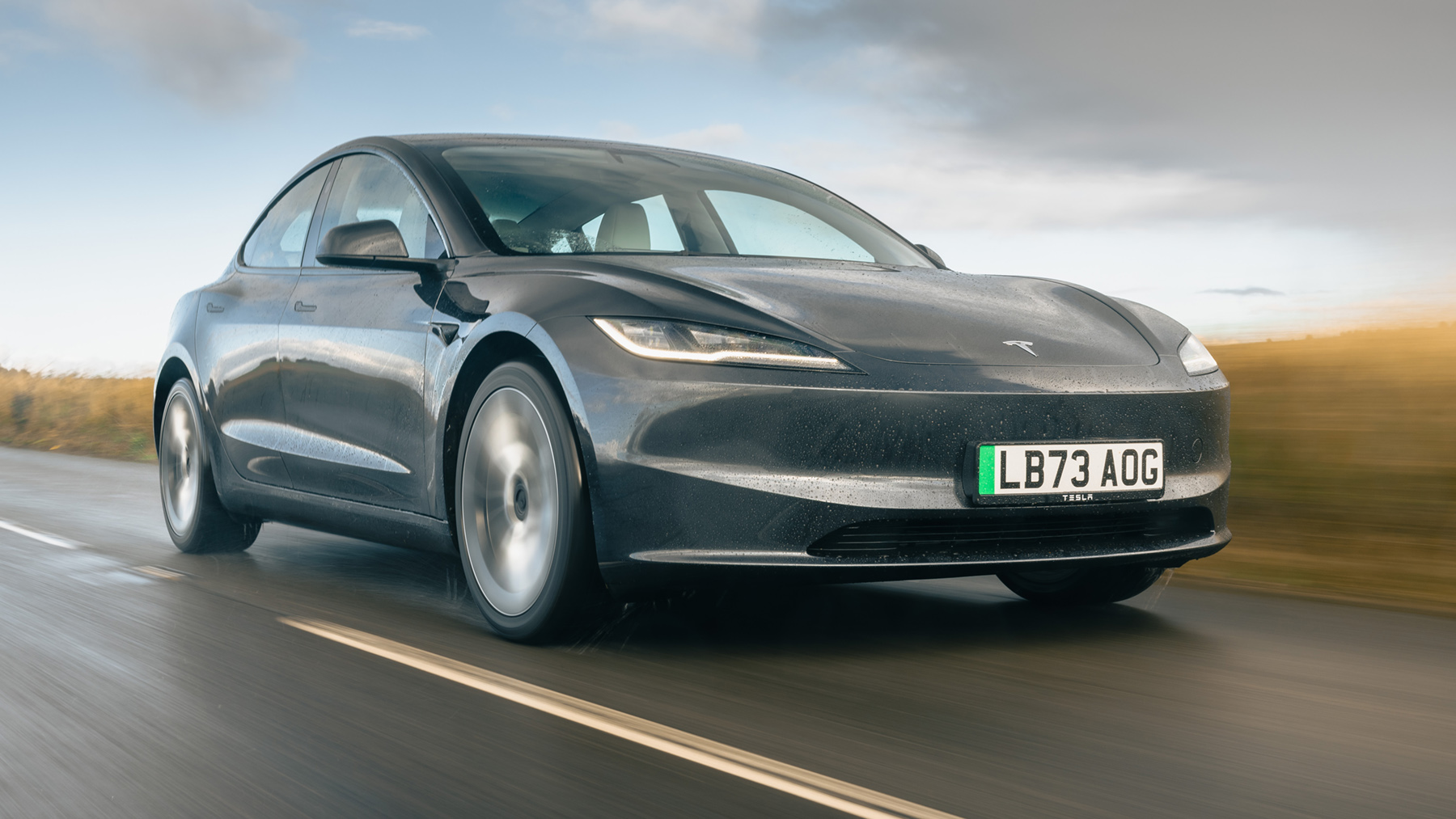
9. Tesla Model 3: A High-Performance, Tech-Forward and Long-Range Electric Sedan
Starting at $40,380, the Tesla Model 3 has played a major role in bringing electric sedans to the mainstream. Its battery is expected to last between 200,000 and 500,000 miles, making it a long-lived option in the EV market. The Model 3 combines sporty performance, advanced technology, and practical usability, helping it stand out among compact electric vehicles.
The Model 3 Long Range All-Wheel Drive accelerates from 0 to 60 mph in just 4.2 seconds, delivering surprisingly sporty performance for a non-performance-focused sedan. Handling is balanced and engaging, with stable braking and smooth, responsive steering.
The car rides comfortably over most road surfaces, and one-pedal regenerative braking enhances control. Tesla’s Autopilot assists with driving, though it can overreact in some situations and is not yet fully trustworthy for hands-off driving. Visibility is excellent in all directions.
Front seats offer a firm but comfortable feel, with generous legroom and headroom. Rear seats are reasonably comfortable but sit low, which may be challenging for taller passengers.
The steering wheel and driver seat adjust widely to create an optimal driving position. Climate control lacks multiple zones, and most adjustments are touchscreen-based, which can be distracting while driving. LATCH anchors are tightly positioned, making car seat installation somewhat tricky.
The 15.4-inch touchscreen is visually appealing and generally user-friendly, though it can lag in areas with poor cell service. Rear passengers in Premium and Performance models have a second screen for media. Apple CarPlay and Android Auto are not supported, but voice commands work well for cabin adjustments and other functions.
The Model 3 offers 21 cubic feet of trunk space, plus a 3.1-cubic-foot frunk, totaling 24.1 cubic feet. Rear seats fold nearly flat for larger items, and interior storage includes a spacious center console and lined door pockets.
Warranty coverage includes four years/50,000 miles basic and eight years/120,000 miles for the battery and drive unit. EPA-rated range is 341 miles, with excellent efficiency at 25.3 kWh per 100 miles. Fast charging adds 100 miles in about 14 minutes. Tesla’s Supercharger network enhances long-distance usability.
The Model 3 is a polished EV offering sporty driving, long range, and strong technology integration. While customization is limited and touchscreen reliance may challenge some drivers, it remains a compelling choice for buyers seeking a high-performance, long-range electric sedan.
A sedan that continues to feel new after 120,000 miles is a testament to strong engineering, quality materials, and careful maintenance. Vehicles like the Toyota Corolla and Subaru Legacy emphasize long-term durability and practicality, while the Mazda 3 and Kia K5 provide a refined and engaging driving experience.
Luxury sedans such as the Lexus ES maintain a serene, high-quality cabin, and the Tesla Model 3 combines electric performance with real-world practicality. These nine models prove that longevity does not mean giving up comfort, style, or modern technology.
For drivers who want a vehicle that remains enjoyable, reliable, and efficient for years, these sedans highlight how thoughtful design and engineering can keep a car feeling new, capable, and satisfying far beyond the typical lifespan of most compact or midsize sedans.
Also Read: 5 Sedans That Sip Fuel vs. 5 Cars That Drain Your Wallet