
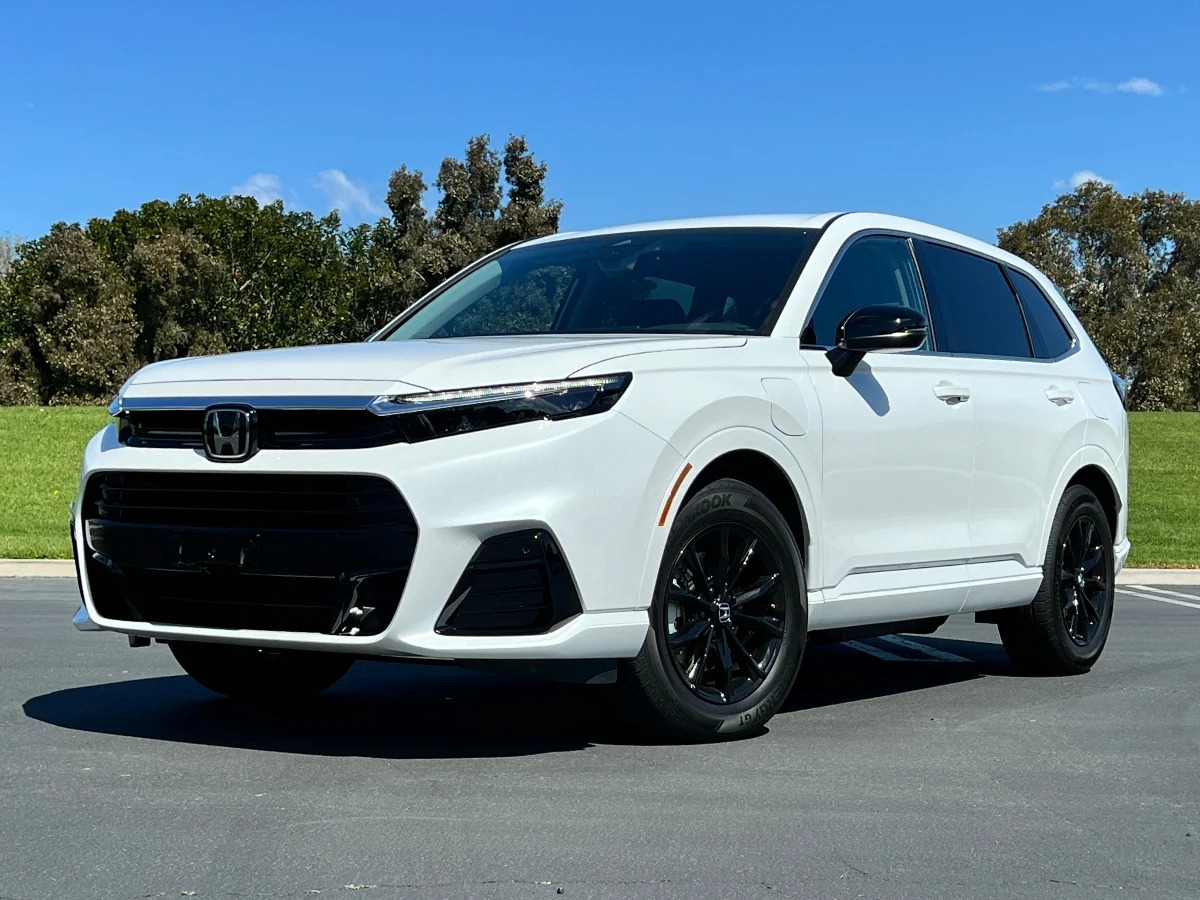
Choosing a first vehicle is a milestone, and for many drivers, small SUVs are the ideal option. Compact SUVs strike a balance between maneuverability, practicality, and affordability, making them perfect for first-time owners.
They provide the elevated driving position, safety features, and versatile cargo space that new drivers often appreciate, while remaining easier to park and handle than larger SUVs. The 2025 model year brings a wide variety of choices, each offering distinct strengths from fuel efficiency and advanced tech to off-road capability and comfort.
Models like the Honda CR-V, Mazda CX-5, and Hyundai Tucson continue to shine with a mix of reliability, interior quality, and user-friendly features, while newcomers like the Ford Bronco Sport emphasize adventure and rugged styling. With options spanning practical daily commuters, fuel-efficient hybrids, and off-road-ready crossovers, first-time buyers can find a compact SUV that matches their lifestyle and driving needs.
1. 2025 Honda CR-V
The 2025 Honda CR-V continues its strong reputation as a reliable, practical, and well-rounded compact SUV, with a starting price of about $30,100. It offers both gasoline and hybrid powertrains, appealing to a wide range of drivers.
The 2025 model introduces only minor updates, which can be a benefit since mid-cycle years often provide the most refined version of a vehicle without the issues that can appear after major redesigns.
The CR-V’s 1.5L turbocharged I4 engine produces 190 hp and 179 lb-ft of torque, delivering performance that is adequate for daily driving. The hybrid Sport Touring model reaches 0 to 60 mph in 8.0 seconds, which is typical for its segment. The CR-V offers a smooth ride with composed handling and responsive steering.
Braking is confident and predictable. Visibility is mixed because the front view is open and clear, while the rear view is more limited, though camera systems help make parking easier.
Interior space remains a major strength. Both rows offer generous room, and the rear seats provide excellent legroom along with easy car-seat installation. The cabin layout is simple to understand, with physical climate controls and wide door openings that make entry and exit easy. Materials feel solid for the price, although some hard plastics are still present.
Tech offerings are user-friendly but not class-leading. The CR-V comes with a standard 7-inch or available 9-inch touchscreen. The system is responsive and supports wireless Apple CarPlay and Android Auto with the larger screen. Integrated navigation works reliably even though its map display looks somewhat basic. The larger infotainment screen used in the Accord is not available on this model.
Cargo room is plentiful, although hybrid versions lose some space and do not include a spare tire. Small-item storage is practical and functional. Pricing is slightly higher than some competitors, but the CR-V’s strong build quality and long-term reliability help justify the cost. Fuel economy reaches 30 mpg combined for gasoline models and up to 40 mpg for hybrids, though real-world results may be slightly lower.
The 2025 Honda CR-V remains a dependable and versatile choice for drivers who prioritize comfort, practicality, and long-term durability.
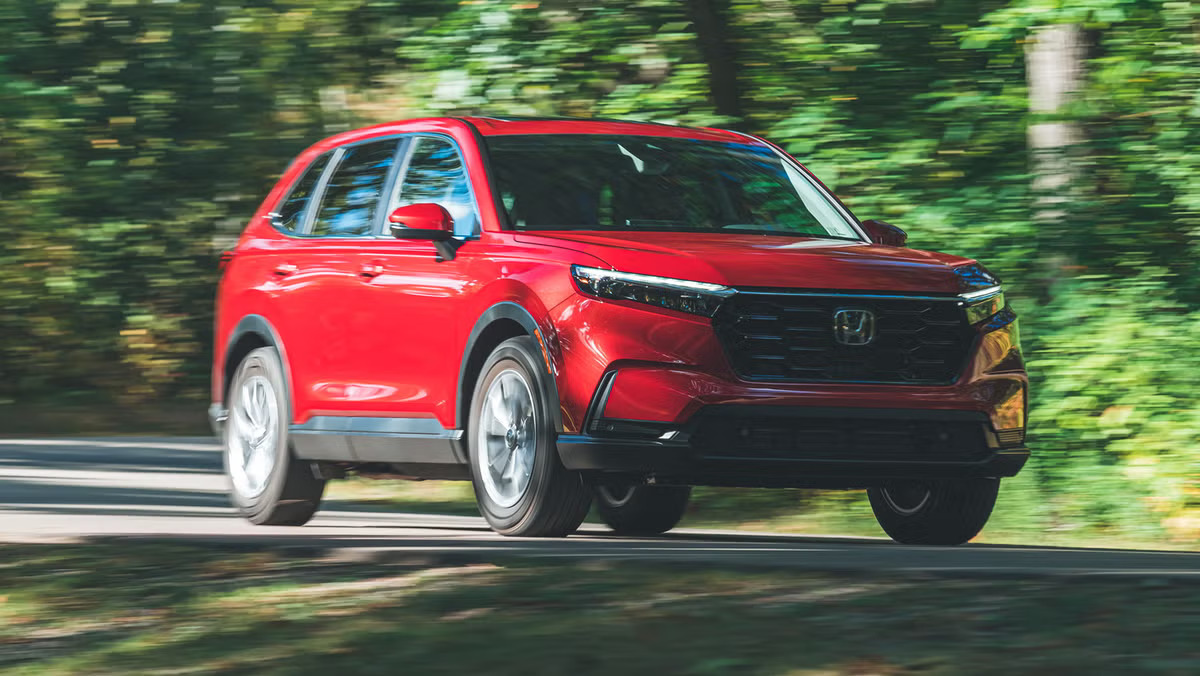
2. 2025 Mazda CX-5
The 2025 Mazda CX-5, starting at about $28,770, continues to stand out in the compact SUV segment through its engaging driving dynamics and upscale interior. Although it often competes with its sibling, the CX-50, the CX-5 remains Mazda’s best-selling model thanks to its established reputation and well-rounded performance.
It offers standard all-wheel drive and a choice between a 187-hp 2.5L engine or a 256-hp turbocharged version, giving buyers flexibility based on performance needs.
The CX-5 is well known for its sporty personality. With the turbo engine, it accelerates from 0 to 60 mph in 6.6 seconds, making it quicker than many rivals. The base engine is slower and struggles during highway passing, but both powertrains benefit from precise steering and a controlled suspension setup.
Ride quality can feel firm over small bumps, yet the payoff is confident cornering and a more engaging feel behind the wheel. Visibility is strong thanks to large windows and an available surround-view camera. Standard driver aids are included across all trims, although they feel outdated, with lane keeping assistance and adaptive cruise control reacting more slowly than expected.
Mazda has prioritized interior quality in recent years, and the CX-5 reflects that effort with attractive materials and well-shaped front seats. Tall drivers may want slightly more thigh support, but adjustability is generous, and higher trims include memory settings.
Rear seat space is more limited due to the cabin’s narrower dimensions, and the cushions are flatter than ideal. Rear-facing car seats may be a tight fit. Noise levels are well controlled at cruising speeds, though the engine becomes loud when pushed. Physical controls remain a highlight for ease of use.
Tech features lag behind competitors. The 10.25-inch display is bright and controlled by a console-mounted knob rather than a touchscreen. Apple CarPlay and Android Auto are standard, but full touchscreen use is only available when the vehicle is stopped. Wireless smartphone integration and charging are offered only on midlevel trims and higher, and the charging pad is poorly positioned.
Cargo space is limited to 29.1 cubic feet, and the loading area is smaller than what many competitors offer. Small-item storage inside the cabin is adequate but not exceptional. Value depends on trim level. The CX-5 is well-built with premium-feeling materials, and standard all-wheel drive adds appeal.
However, top trims with the turbo engine become expensive, especially considering the model’s aging platform and average warranty coverage. Fuel economy reaches 28 mpg combined with the base engine, while the turbo model performs worse in real-world driving.
The 2025 Mazda CX-5 is a compelling option for drivers who value handling, interior quality, and personality, even if it sacrifices cargo room and modern tech features in the process.
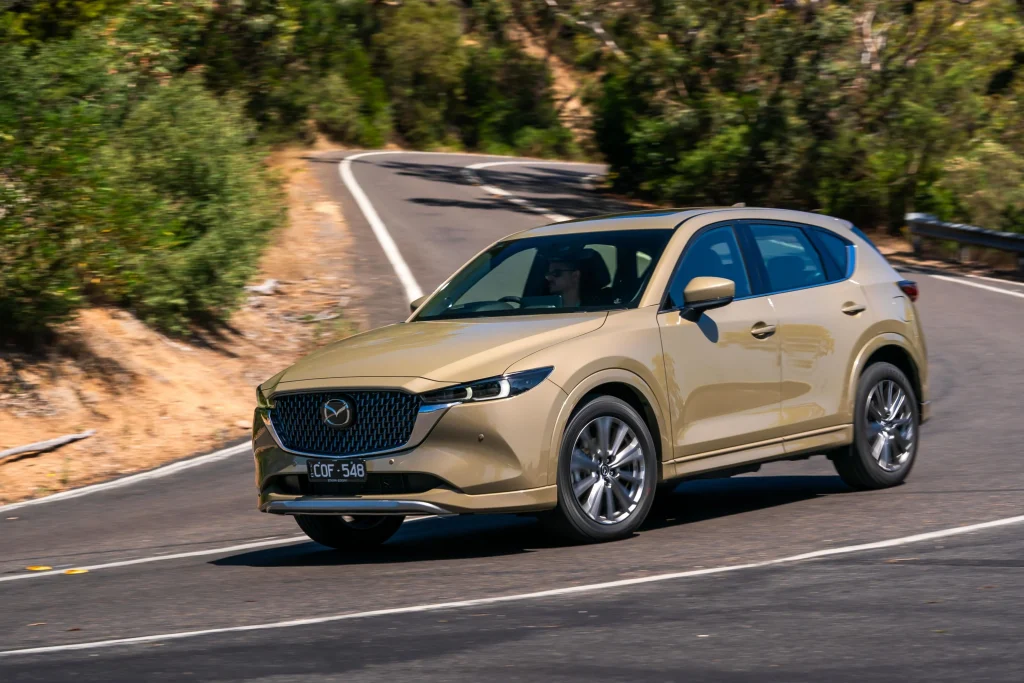
3. 2025 Hyundai Tucson
The 2025 Hyundai Tucson, starting at $28,605, emerges with a major refresh that modernizes both its exterior and interior. A redesigned grille, updated front and rear bumpers, and new wheel options give the Tucson a bold, contemporary look.
Inside, Hyundai introduces a new dashboard layout with a 12.3-inch digital instrument panel and a matching touchscreen that brings the cabin in line with the latest tech-focused competitors. The Tucson is powered by a 187-hp 2.5L four-cylinder engine paired with an eight-speed automatic transmission, available with either front-wheel or all-wheel drive.
The Tucson is not built for quick acceleration. In testing, it needed 10.2 seconds to reach 60 mph, placing it among the slowest crossovers in its class. Around town and on the highway, the power is adequate but lacks urgency when passing or merging. Despite this, the Tucson earns high marks for its comfortable and composed ride.
The suspension smooths out rough pavement easily, and steering is direct with confident handling. Visibility is excellent due to the large windshield and slim pillars. Hyundai’s suite of driver aids performs well, although the parking sensors can be overly loud.
Interior comfort is one of Tucson’s biggest strengths. The front seats offer supportive cushioning and premium-feeling upholstery. The seating position resembles that of a passenger car, yet drivers can adjust the seat height if they prefer a more commanding view.
Rear-seat space is exceptional, with enough room for tall passengers and excellent accommodation for bulky car seats. Entry and exit are easy thanks to wide door openings. The primary downside is the reliance on touch controls for climate and other functions, which lack tactile feedback.
Tucson’s tech features are fast and modern. Wireless Apple CarPlay and Android Auto come standard and look crisp on the 12.3-inch touchscreen. Hyundai’s native navigation is clear and user-friendly, and the voice recognition system performs well without requiring rigid commands. Some controls may require attention because of the touchscreen-only interface.
Cargo capacity is a major advantage. The Tucson offers 38.7 cubic feet behind the rear seats and 74.8 cubic feet with the seats folded, placing it among the leaders in the segment. The low liftover height and flat floor make loading simple. Interior storage is useful with well-sized compartments and cupholders.
Pricing aligns with rivals like the Toyota RAV4 and Honda CR-V, yet the Tucson offers more standard features and notably higher interior quality. Hyundai’s industry-leading warranty, with 5-year/60,000-mile basic coverage and 10-year/100,000-mile powertrain protection, adds significant value.
Fuel economy is average, with 25 mpg combined in all-wheel-drive form. Real-world results are similar, though competitors achieve better efficiency.
The 2025 Hyundai Tucson combines standout design, generous space, strong value, and abundant standard features, while falling short in acceleration and fuel economy.
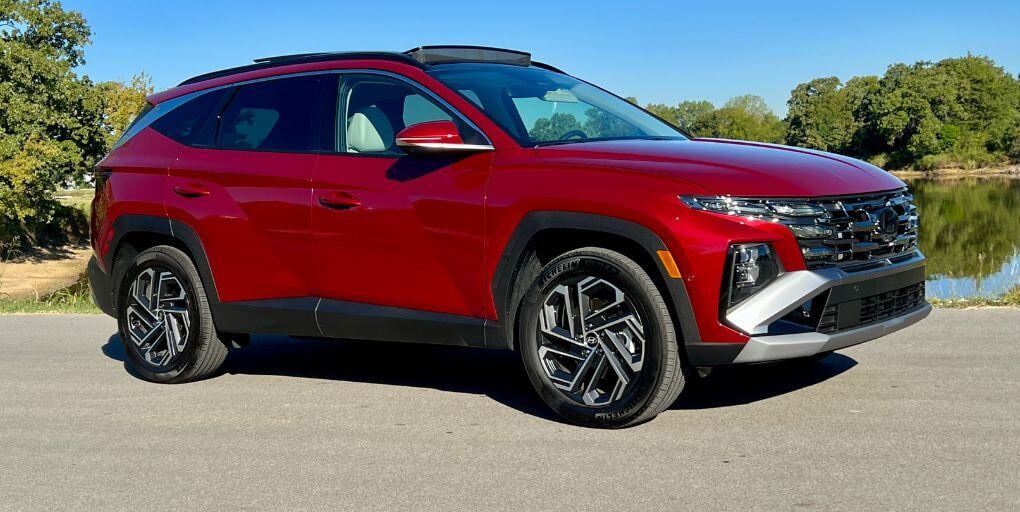
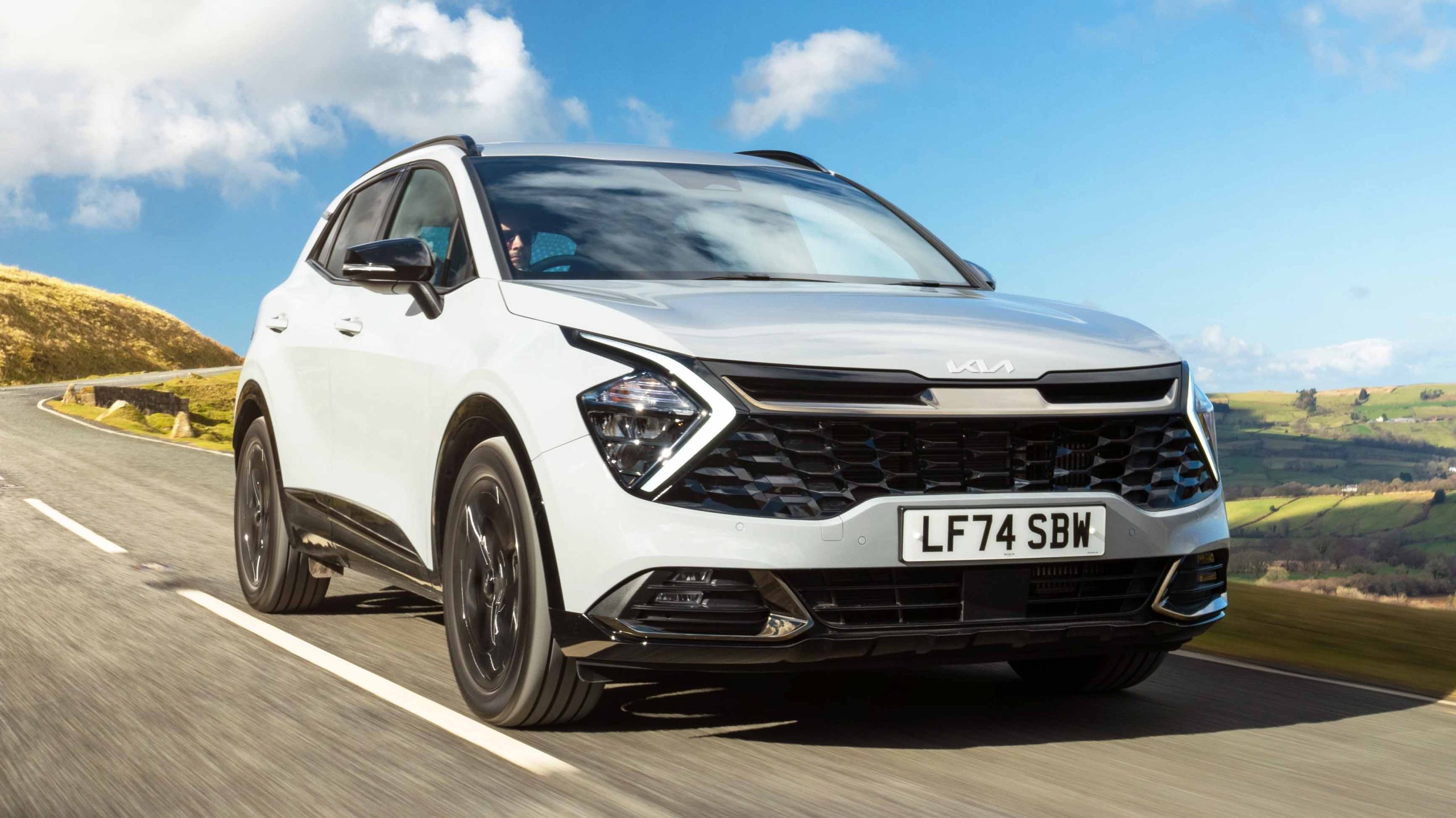
4. 2025 Kia Sportage
The 2025 Kia Sportage, starting at $27,390, remains a strong contender in the compact SUV market thanks to its spacious interior, generous standard features, and modern design.
Often compared to the Hyundai Tucson because of their similar size and pricing, the Sportage distinguishes itself with bold styling, a comfortable cabin, and a long list of safety technology. For 2025, upper trims gain new dark-themed exterior accents under the X-Line and X-Pro packages, while the base model keeps a clean, contemporary appearance.
The Sportage’s 187-hp 2.5L four-cylinder engine paired with an eight-speed automatic transmission provides adequate but uninspiring performance. In testing, it took over 9.5 seconds to reach 60 mph, placing it behind many of its competitors. This slow acceleration requires extra planning for highway merges and passing.
Steering is light and accurate, braking is smooth, and the suspension delivers a soft ride that absorbs rough pavement effectively, though it tends to bounce over rolling surfaces. Visibility is excellent due to large windows, and the Prestige trims offer an impressive surround-view camera.
A wide range of driver aids, including adaptive cruise control and blind-spot monitoring, function well in everyday driving. Kia does not offer additional engines unless buyers choose the Sportage Hybrid, which is recommended for anyone wanting better performance.
The Sportage excels in comfort. The seats are supportive and cushioned, with available heating and ventilation on higher trims. Rear passengers benefit from generous space and adjustable recline. Cabin noise is well controlled, and the build quality feels solid.
The climate control system looks sleek with dual-function touch controls that switch between media and temperature settings, though some drivers may find the interface unintuitive. Entry and exit are easy thanks to large square door openings, and car seat installation is straightforward with accessible anchors.
In-car tech is a highlight. Standard wireless Apple CarPlay and Android Auto are welcome additions, and higher trims feature 12.3-inch digital displays, abundant USB ports, and an available wireless charging pad. The onboard navigation system works well, although it lacks live traffic data and disables certain functions when the car is in motion.
The Sportage offers excellent cargo space with 39.6 cubic feet behind the rear seats and 74.1 cubic feet with them folded, making it one of the roomiest compact SUVs. Clever storage features, such as adjustable cupholders and a versatile center bin, add practicality. When properly equipped, it can tow up to 2,500 pounds, suitable for small trailers.
Value is a strong point. Kia delivers an attractive interior, many standard features, and a generous 5-year/60,000-mile basic warranty plus 10-year/100,000-mile powertrain coverage, matched only by Hyundai. Fuel economy reaches 26 mpg combined in all-wheel-drive X-Pro models, which trails some rivals and is underwhelming given the slow acceleration.
The 2025 Kia Sportage shines with comfort, features, and practicality, even though its base engine limits performance and efficiency.
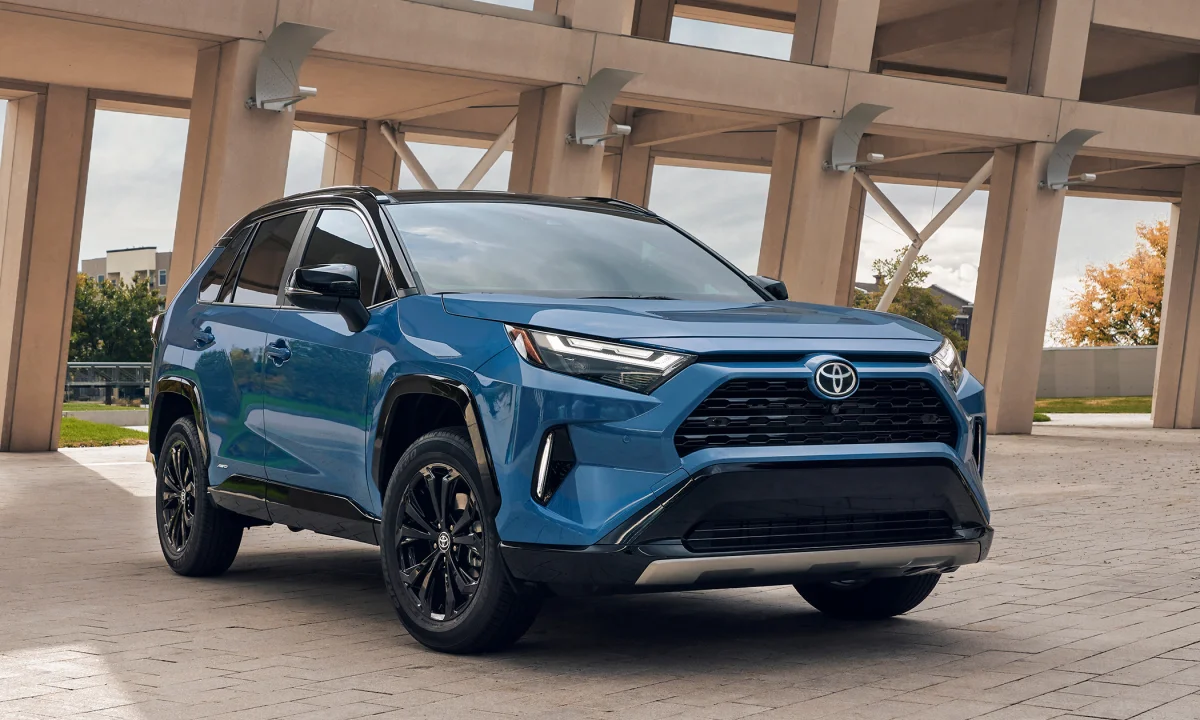
5. 2025 Toyota RAV4
The 2025 Toyota RAV4, starting at $29,250, continues to be one of the most dependable and well-rounded compact SUVs available. Although Toyota removed the Adventure and TRD Off-Road trims for this model year, the RAV4 still appeals strongly to first-time buyers and anyone seeking a reliable daily driver.
The vehicle’s reputation for durability, low ownership costs, and consistent performance remains a major selling point. Confidence behind the wheel is helped by Toyota’s torque-vectoring all-wheel-drive system, available on higher trims.
The RAV4 uses a 203-hp 2.5L four-cylinder engine with an eight-speed automatic transmission. Around town, the engine is responsive enough for everyday driving, and highway merges feel secure. In testing, it needed 9.1 seconds to reach 60 mph, a slower time than many competitors, which highlights the modest power delivery. Steering feedback is somewhat vague, making it easy to misjudge input.
However, Limited trims benefit from enhanced all-wheel-drive capability with rear-axle torque vectoring and hill descent control, giving the RAV4 above-average off-road readiness for a compact SUV. Standard driver aids include adaptive cruise control, lane keeping assistance, and automatic emergency braking.
The RAV4 offers a good driving position, visibility, and ease of entry. Interior controls are clear and intuitive, featuring large rubberized climate knobs and a clean layout. The front passenger seat sits higher than ideal on most trims, which limits adjustability.
Space for child seats is adequate with accessible LATCH anchors, though rear-facing seats may require the front passenger to move forward. The interior materials are solid, with higher trims offering soft synthetic leather and well-executed stitching.
Standard tech includes an 8-inch touchscreen, while Limited trims upgrade to a 10.5-inch display. The interface is simple to navigate, and both screens support wireless Apple CarPlay and Android Auto. Navigation is easy to use through touch or voice commands. Wireless charging is available on upper trims.
Cargo capacity is a strong point at 37.5 cubic feet behind the rear seats and 69.8 cubic feet with them folded, making the RAV4 one of the most practical options in its class. Interior storage is generous with multiple bins and shelves. Towing capacity reaches 1,500 pounds, typical for this segment. Fuel economy ranges from 28 to 30 mpg combined, supported by real-world results near the upper end of that estimate.
The 2025 RAV4 remains a reliable and efficient choice with strong safety features and practicality, even though its performance and interior styling feel dated.
Also Read: 10 Cars With DIY-Friendly Oil Filters and Drain Plugs
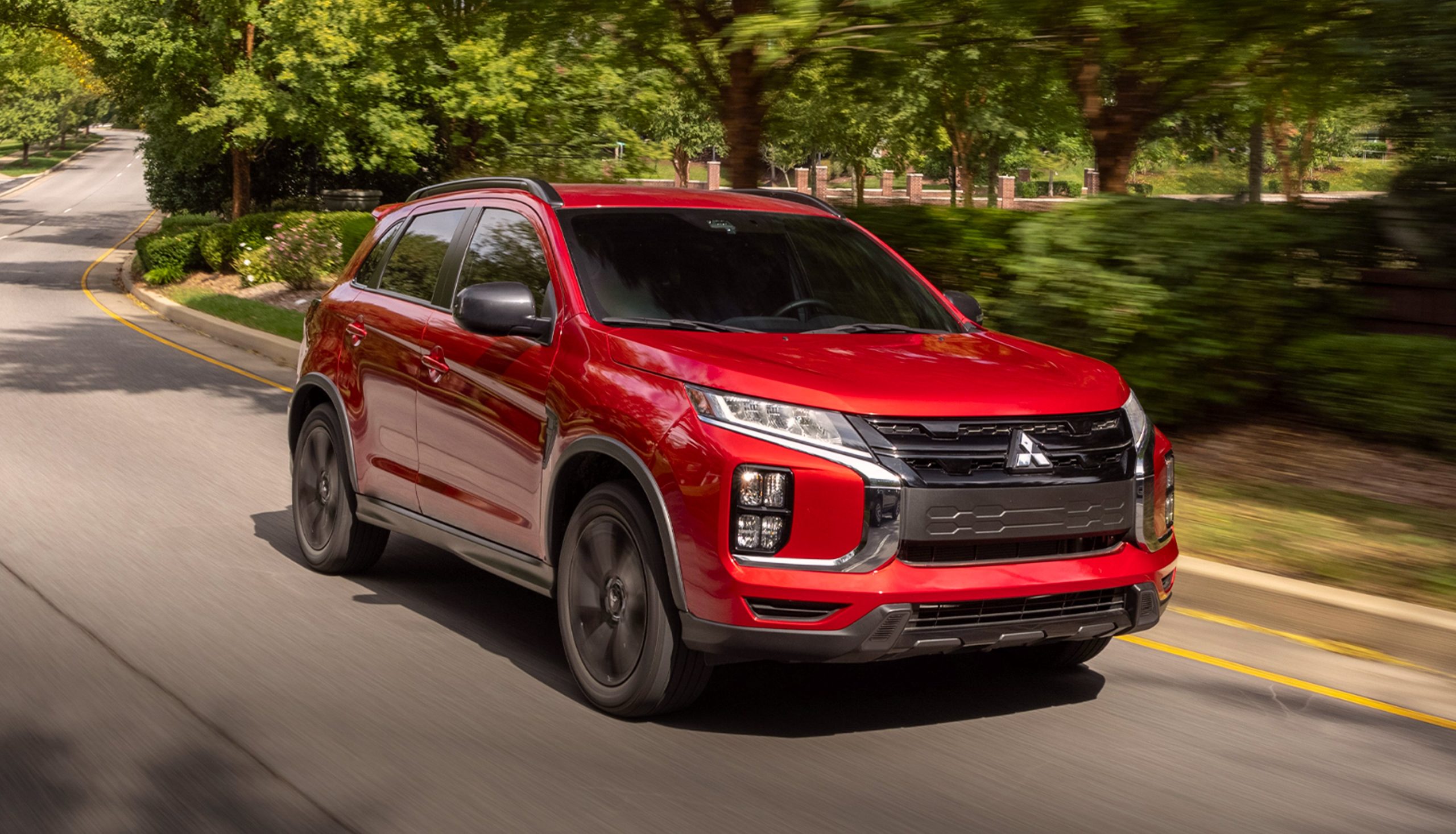
6. 2025 Mitsubishi Outlander
The 2025 Mitsubishi Outlander, priced from $40,290, continues to target value-focused buyers who want a well-equipped compact SUV with above-average interior space. Mitsubishi often flies under the radar, yet the Outlander offers features that appeal to first-time buyers and families, including a roomy cabin, generous warranty, and one of the few third-row seats available in this class.
While the third row is extremely tight for adults, the ability to seat seven passengers can be useful in a pinch. Cargo capacity is strong at 30.6 cubic feet behind the second row when the third row is folded.
Performance is not the Outlander’s strong suit. Its 2.5-liter four-cylinder engine struggles with acceleration and produces noticeable noise under heavy throttle. A 9.5-second 0–60 mph time places it among the slowest vehicles in the segment. However, the Outlander maintains composed handling through curves and provides a smooth, comfortable ride, even with the available 20-inch wheels.
Steering has satisfying weight, and outward visibility is good. The optional surround-view camera helps with tight parking. Standard driver aids are adequate, though not as refined as those found in many competitors.
The strongest appeal of the Outlander lies in its cabin. Front seats are well-padded and comfortable during long trips. The second row offers good headroom but could use better support. The third row is difficult to access and far too cramped for adults, but it works for children in short-duration use.
Noise levels from wind and the road are well suppressed, although engine noise becomes prominent during acceleration. The interior design is attractive and features intuitive climate controls, including rear climate options uncommon in this segment.
A 12.3-inch touchscreen is available, featuring straightforward menus and good graphics. Navigation works acceptably, although point-of-interest searches and voice controls are lacking. Wireless Apple CarPlay and Android Auto come standard, and most trims offer five USB-C ports. The available Yamaha audio system delivers excellent sound with minimal distortion.
With limited space behind the third row, long trips with seven occupants are impractical, but folding the rear seats opens generous cargo volume. Interior storage includes useful trays and bins, though cupholder placement in the rear is awkward.
Fuel economy reaches 26 mpg combined, which is average for a three-row compact SUV but paired with slow acceleration. Mitsubishi’s warranty is one of the best available, offering 5-year/60,000-mile basic coverage and 10-year/100,000-mile powertrain coverage.
The 2025 Outlander stands out for its comfort, practicality, and interior quality, even though its powertrain holds it back.
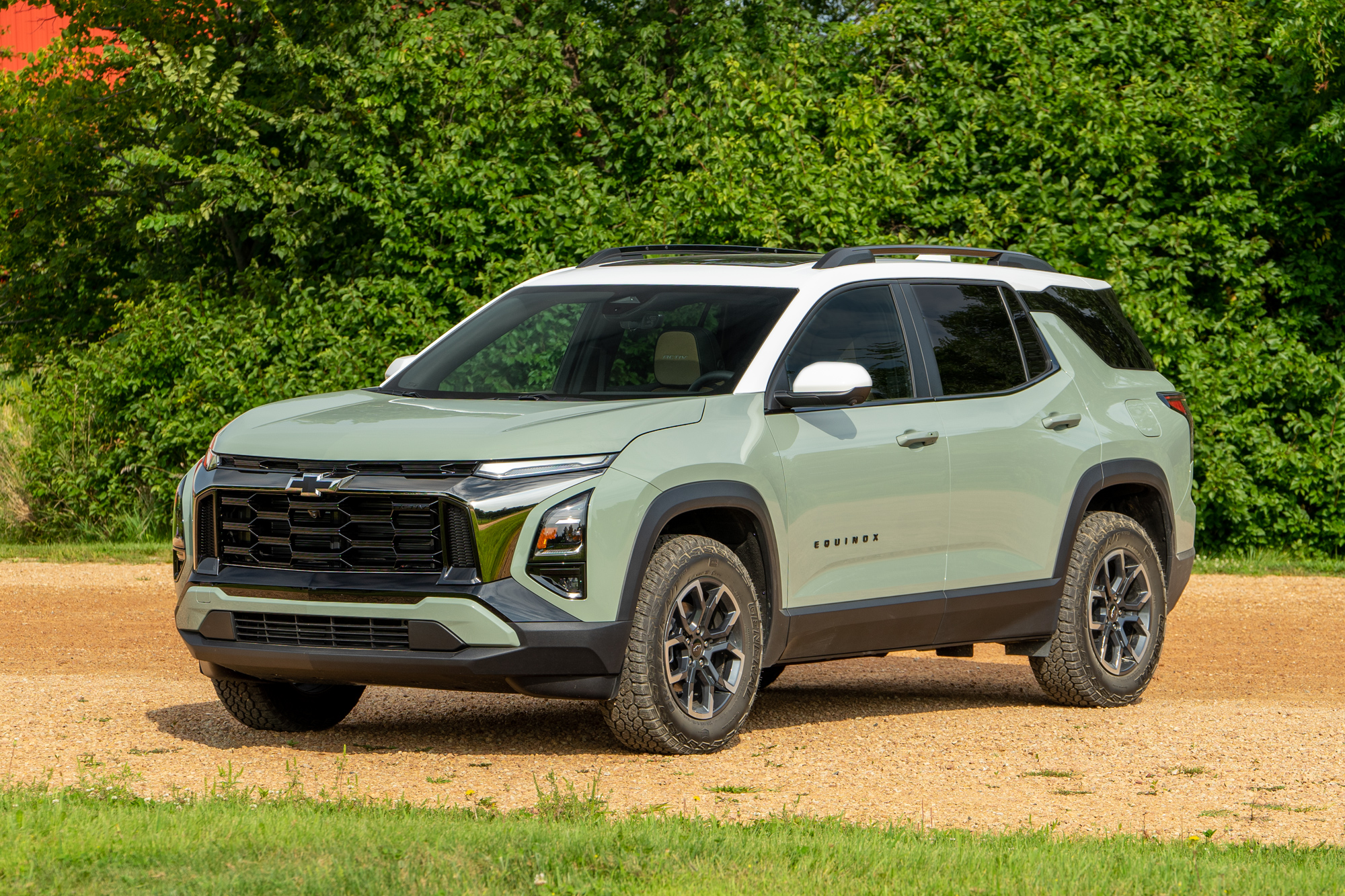
7. 2025 Chevrolet Equinox
The 2025 Chevrolet Equinox enters the compact SUV market with refreshed styling, upgraded tech, and pricing that keeps all trims below $34,000. Its squared-off wheel wells, revised fender flares, and updated LED lighting create a more modern and confident look.
Inside, the cabin benefits from an 11.3-inch infotainment touchscreen with Google built in and a fully digital gauge cluster. The relocation of the gear shift to the steering column also resolves a long-standing complaint from previous owners.
Power comes from a 1.5-liter turbocharged four-cylinder engine producing 175 horsepower and 184 lb-ft of torque. Front-wheel-drive models use a CVT, while all-wheel-drive versions pair with an eight-speed automatic.
In testing, the AWD Activ trim reached 60 mph in 8.7 seconds, a result that feels adequate but leaves drivers wanting more when merging or passing. Throttle response at low speeds is slow, and handling remains modest due to vague steering and noticeable body movement over dips on the highway. Braking performance is also affected by the Activ trim’s all-terrain tires, which produced long stopping distances.
Comfort levels are strong in the front row, thanks to supportive seats, easy-to-use controls, and quick-heating seat and wheel warmers. Rear passengers benefit from good space and standard air vents, though the fixed seatbacks and awkward rear-door openings reduce convenience. Climate controls work well and use simple physical buttons.
Tech stands out as one of the Equinox’s best attributes. The digital displays offer crisp graphics, wireless Apple CarPlay and Android Auto are standard, and multiple USB-C ports serve all passengers. Google Maps can be shown in the instrument cluster, allowing the main screen to remain available for other apps.
Cargo capacity is smaller than key rivals, offering 29.8 cubic feet behind the rear seats. The space is still usable and well-shaped, and the folding rear seats make room for larger items like a bicycle. Small-item storage is plentiful throughout the cabin. Tow ratings are limited to 1,500 pounds with AWD and 800 pounds with FWD.
Value remains a strength. The Equinox’s pricing, solid build quality, and competitive warranty coverage make it appealing. Fuel economy is average for the class, though real-world results may fall short of EPA estimates. The Equinox makes a strong initial impression with its design and technology, even if it lacks standout performance or cargo leadership.
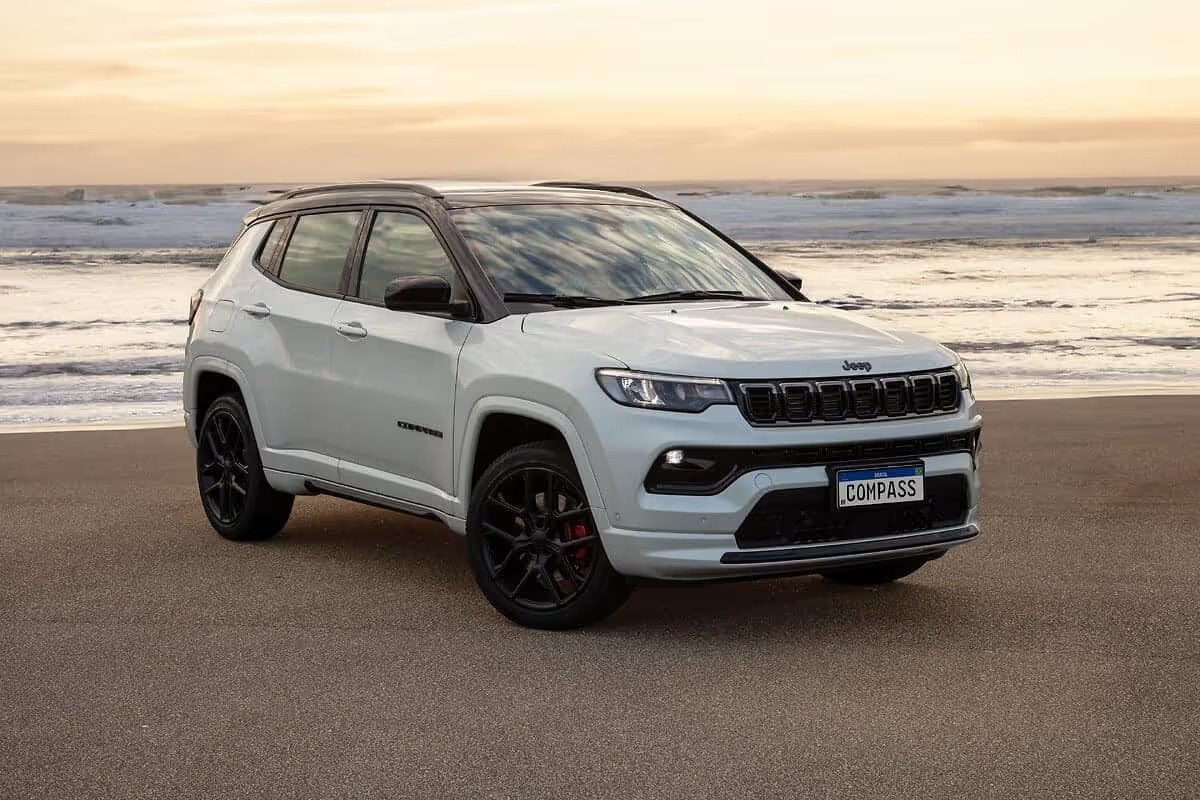
8. 2025 Jeep Compass
The 2025 Jeep Compass brings turbocharged power and off-road capability to the subcompact SUV segment, starting at $32,590 for the base model. The Compass features a 2.0-liter turbocharged four-cylinder engine producing 250 horsepower and 275 lb-ft of torque, paired with an 8-speed automatic transmission and standard all-wheel drive.
This combination delivers a more spirited driving experience compared with many rivals, although fuel economy is slightly below average, with real-world figures closer to 25 mpg combined.
The Compass stands out with its rugged styling and multiple trim options, including the Trailhawk trim that features Jeep’s Rock Climb mode for off-road enthusiasts. Wheel options range from 17- to 19-inch finishes, giving the SUV a more customized look.
Despite its off-road focus, the Compass’s ride can feel stiff, and road and engine noise are more noticeable at highway speeds. Handling is adequate, but the suspension prioritizes durability over refined comfort.
Inside, the Compass is roomier than many subcompact SUVs, providing generous front legroom and adequate rear seating. However, rear headroom is limited, and the square door openings can make entry and exit awkward.
Climate control works well but can be noisy, and some interior controls are confusingly placed. Child seat installation is feasible, though lower anchors are tucked between cushions, and top anchors are positioned deep in the cargo floor.
Tech is anchored by a 10.1-inch touchscreen, wireless Apple CarPlay, and Android Auto. While the screen is large and clear, it can occasionally lag, and the interface is not always intuitive. The configurable home screen is a helpful feature for frequently used commands, but many options remain several menu layers deep.
Cargo capacity is 27.2 cubic feet behind the second row, which is generous for a subcompact SUV, though small-item storage in the cabin is limited. Build quality is mixed, with soft-touch areas present but thin-feeling plastics common. Warranty coverage is standard, with three years/36,000 miles for the basic plan and five years/60,000 miles for the powertrain. Roadside assistance lasts five years/60,000 miles.
The Compass is appealing to those who value a turbocharged engine and off-road potential, especially in the Trailhawk trim, but it falls short in refinement, interior quality, and fuel efficiency compared with some competitors. It is a capable yet uneven choice in the subcompact SUV market.
9. 2025 Nissan Rogue
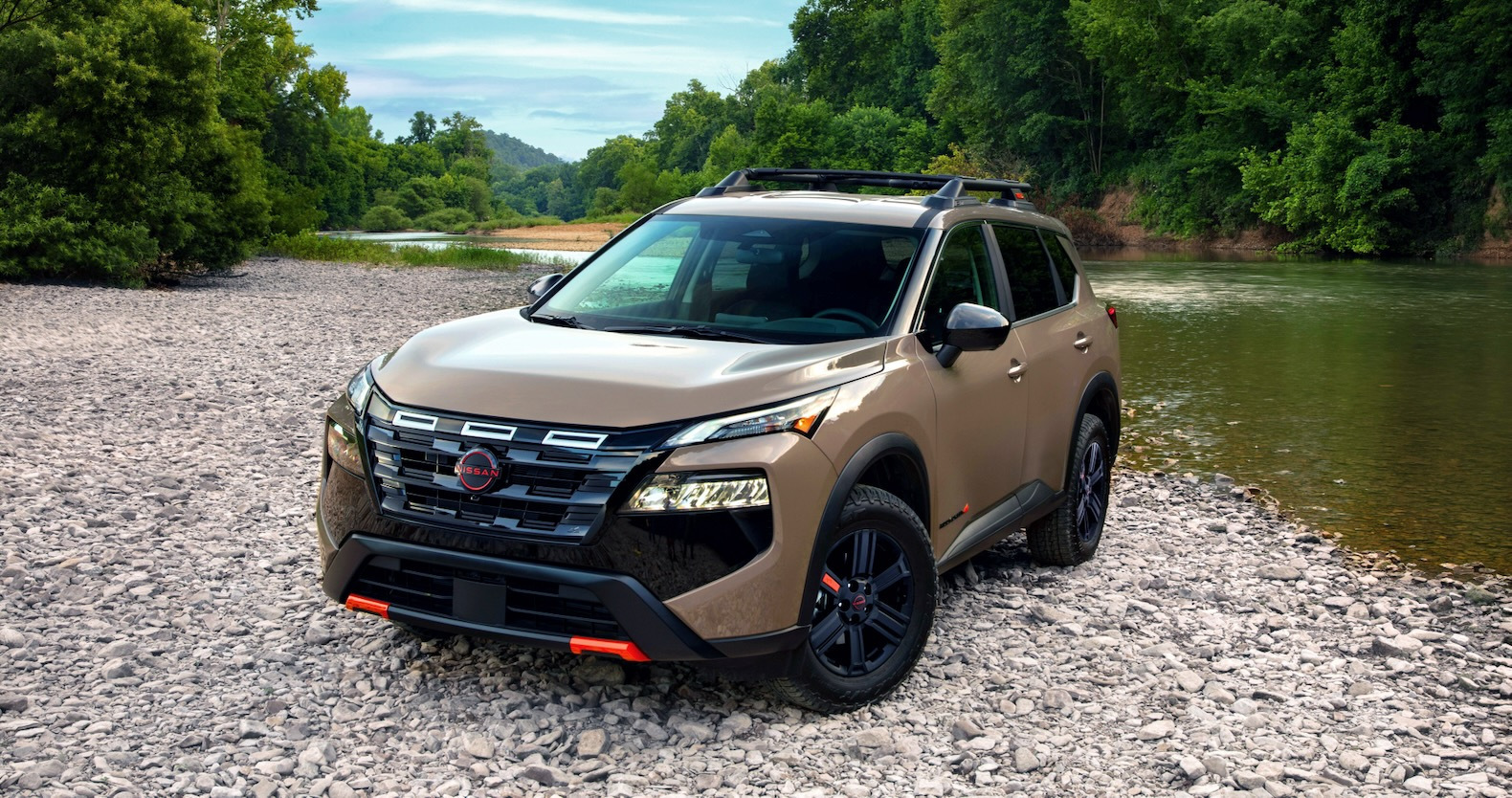
The 2025 Nissan Rogue remains a popular choice in the compact SUV segment, starting at $29,980. It features a 1.5-liter three-cylinder turbocharged engine producing 201 horsepower and 225 lb-ft of torque, paired with a CVT and front-wheel drive, with all-wheel drive optional.
Its smaller turbo engine delivers impressive fuel economy, achieving up to 33 mpg combined in FWD models and 31 mpg for AWD, making it one of the more efficient non-hybrid SUVs in its class.
The Rogue introduces the Rock Creek edition for a rugged look, while higher trims offer ProPILOT Assist 2.1, allowing hands-free driving on compatible roads. Safety is a standout feature, with Nissan’s Safety Shield 360 system offering automatic emergency braking, blind-spot monitoring, lane departure warning, and other driver aids, making it an excellent choice for first-time drivers.
Driving the Rogue is smooth on paved roads but less refined on rough or uneven surfaces, with noticeable bumps and side-to-side motions. Steering has more play near the center, and Sport mode can feel heavy. Braking is adequate, though the antilock system can be noisy during sudden stops. Acceleration from 0-60 mph takes just over eight seconds, and the CVT occasionally delays power delivery.
Inside, the Rogue is comfortable for daily commutes and long drives. Front seats are soft and supportive, though headrests may feel forward for taller drivers. Rear seating provides good recline but less legroom than some competitors. Wide-opening rear doors make access easy, and child seat installation is straightforward. Cabin noise can be noticeable at higher speeds, but climate controls and interior ergonomics are user-friendly.
Tech is a highlight, especially in higher trims, with a large touchscreen, digital gauge cluster, head-up display, and wireless Apple CarPlay. While visually appealing, the interface can feel dated and cumbersome. Cargo space is generous, with configurable floor panels that allow for a flat load bed or partitioned storage. The maximum towing capacity is 1,500 pounds, suitable for light hauling.
The Rogue offers strong value in lower trims, with abundant safety and tech features paired with fuel efficiency. Higher trims are less competitive, lacking refinement and advanced features found in rivals. With practical storage, driver aids, and economical performance, the Rogue continues to appeal to small SUV buyers seeking a balance of efficiency, technology, and everyday utility.
10. 2025 Ford Bronco Sport
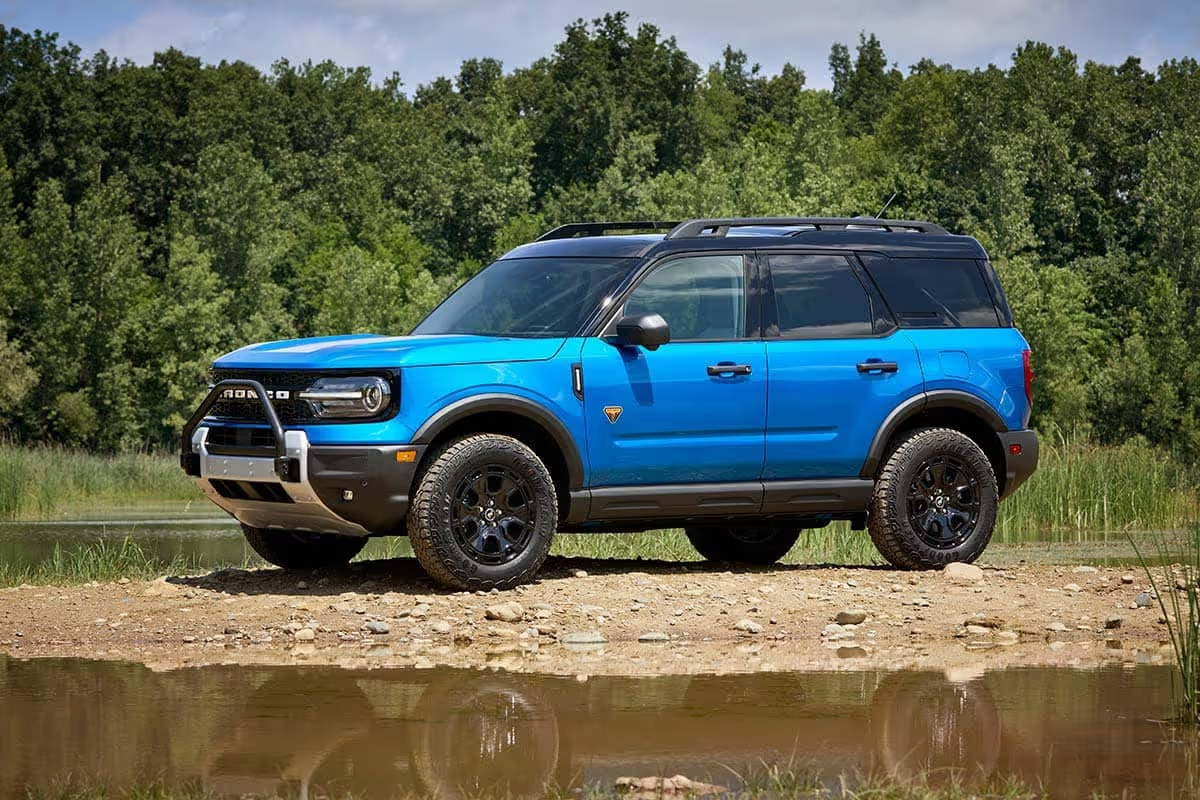
The 2025 Ford Bronco Sport stands out in the compact SUV segment for its off-road capability, distinctive design, and flexible configurations. While it shares the small SUV category with numerous fuel-efficient rivals, the Bronco Sport prioritizes adventure-ready performance over maximum gas mileage.
Fuel economy varies by trim and engine choice. The base model achieves an EPA-estimated 27 mpg combined (city/highway), which is acceptable for this type of vehicle. However, the more powerful Badlands trim with its 2.0-liter engine drops to a combined 23 mpg, making it less efficient than many competitors. Unlike some rivals, Ford does not offer a hybrid version of the Bronco Sport, which limits options for drivers seeking maximum fuel savings.
Where the Bronco Sport truly excels is in its off-road prowess and rugged design. Its engineering and technologies are designed for outdoor enthusiasts, including features that enhance traction, stability, and capability over rough terrain. This makes the Bronco Sport genuinely enjoyable to drive off the pavement and sets it apart from most crossovers that focus primarily on urban and suburban driving.
The exterior design reinforces its adventurous character. The Bronco Sport has a distinctive, eye-catching look that draws attention and invites curiosity. Its styling communicates capability and durability, giving it a presence that many competitors lack.
Another strength is the vehicle’s configurability. From trim levels to accessory packages, the Bronco Sport can be tailored to fit a variety of lifestyles. Whether a driver wants a comfortable daily commuter or a weekend-ready off-roader, the Bronco Sport has options to suit different tastes and needs.
In addition to its rugged performance, the Bronco Sport delivers a fun driving experience when exploring trails, gravel roads, or backcountry routes. The combination of off-road technology, design, and versatility makes it a standout choice for drivers who want a compact SUV capable of handling both everyday driving and weekend adventures.
While fuel efficiency is not the Bronco Sport’s strongest attribute, its adventurous spirit, customizable options, and genuine off-road capability make it a compelling choice for those prioritizing versatility and fun over mileage.
For first-time SUV owners, the 2025 small SUV segment offers an impressive mix of choices that blend practicality, comfort, and personality. Vehicles like the Nissan Rogue and Kia Sportage provide spacious cabins, advanced safety technology, and economical engines for those focused on reliability and efficiency.
Sportier options, including the Mazda CX-5 and Hyundai Tucson, appeal to drivers who value engaging driving dynamics without sacrificing daily usability. Meanwhile, models such as the Jeep Compass and Ford Bronco Sport cater to adventurous buyers seeking off-road capability and rugged design.
From affordable entry-level trims to feature-rich higher-end versions, these ten SUVs deliver a balance of value, safety, and versatility. Whether commuting in the city, running errands, or taking weekend excursions, first-time owners can confidently select a compact SUV that meets their needs while offering comfort, technology, and a fun driving experience.
Also Read: 5 Cars with Clear Night Headlights vs 5 with Dim Setups
