
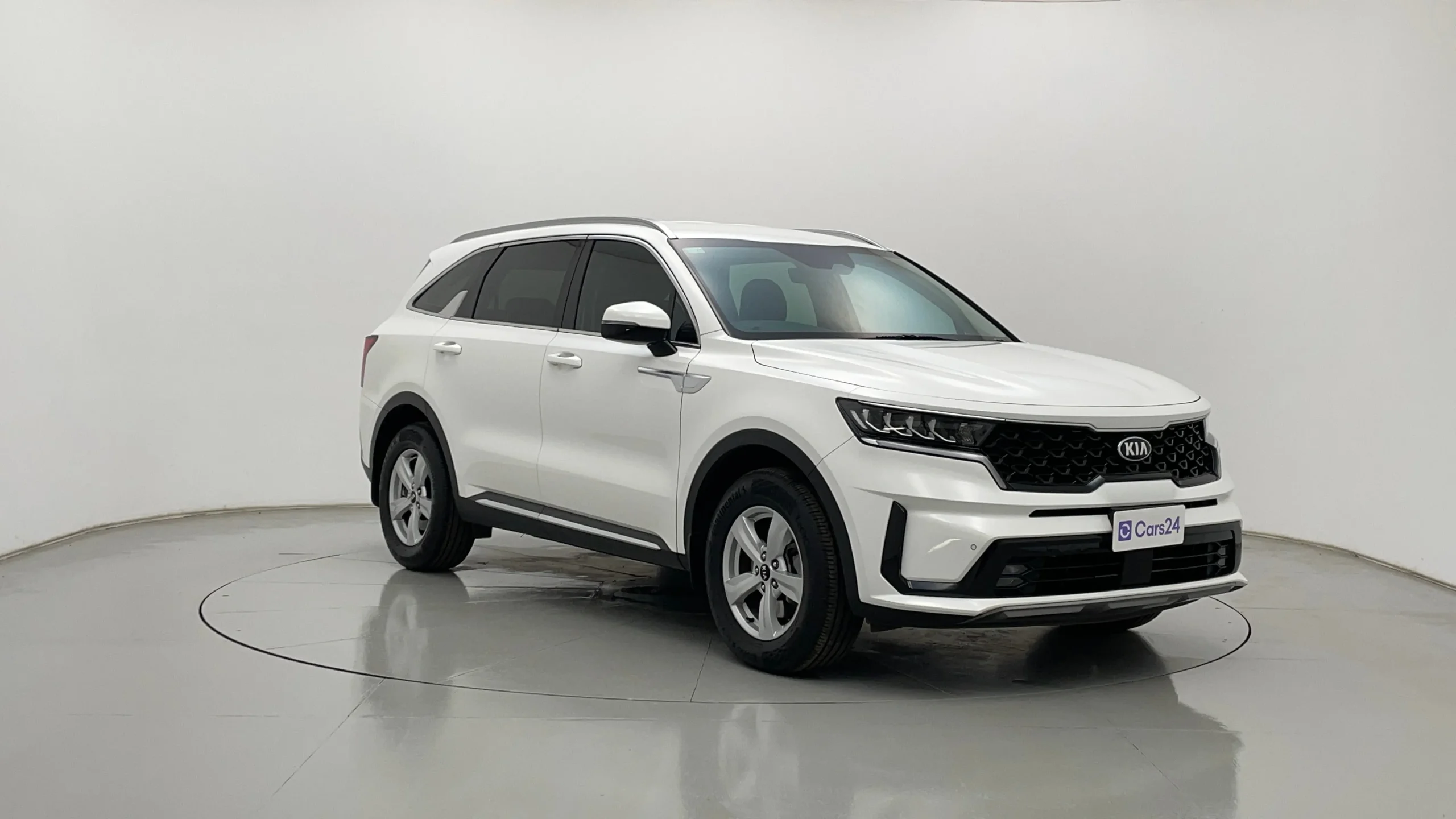
Many drivers will agree that nothing feels more frustrating than opening a car parked under strong sunlight only to be greeted by a cabin that feels like a small furnace waiting to roast your face.
Some cars take heat punishment better than others, and the difference becomes clear once people begin comparing how various models behave under the same harsh daylight.
Heat touches every part of a vehicle’s interior, from the seats to the dashboard, and different manufacturers use different materials that either help or worsen the situation. That is why certain cars stay surprisingly cool even after sitting for hours, while others store heat like sealed ovens.
There is also the reality that people park their cars in many places. Open fields, uncovered parking lots, driveways without shade, or busy areas with reflective surfaces surrounding them. Whenever sunlight strikes repeatedly, the cabin either fights back or gives up.
Some vehicles use heat-resistant fabrics, lighter colours, smart ventilation, wider windows that release trapped warmth, or roof designs that reduce heat absorption. Meanwhile, other cars simply allow the heat to gather, trapping it longer than necessary while making your return uncomfortable.
Today’s guide shines light on five models that manage sunlight well and five that struggle badly when parked outdoors. Each one has its own design decisions, material choices, and heat behaviour that separate them.
Whether you want a vehicle that welcomes you with a mild cabin or you want to avoid cars that turn into scorching boxes, this breakdown will help you understand what truly happens when heat attacks a parked car. Let us start with the vehicles that stay impressively cool.
5 Cars That Stay Cool Parked in the Sun

1. Volvo XC40 Recharge Plus 2023
Owners who choose the Volvo XC40 Recharge Plus 2023 often notice how pleasantly it holds its temperature after being left in direct sunlight. One thing that influences this is the interior colour options that Volvo provides.
Many trims lean toward lighter upholstery, and lighter shades absorb less heat. Once sunlight hits, the material bounces more rays away instead of swallowing them. This small detail makes the cabin temperature rise at a slower pace, especially during long parking periods.
Another interesting thing about this model is the thickness and treatment of the insulation behind the door panels and roof lining. Volvo takes interior comfort seriously, so the materials used not only support quietness, but they also fight temperature transfer.
As the outer body warms up under the sun, the insulation reduces how much of that heat enters the cabin. By the time a driver returns, the interior might still be warm, but far from unbearable. Heat management also benefits from the vehicle’s ventilation strategy. Once the SUV is opened, air flows through the wide cabin quickly because of its tall window frames.
Hot air escapes faster, clearing the trapped heat without forcing the occupant to sit uncomfortably while waiting for the initial burn to fade. Drivers appreciate how fresh the interior becomes only moments after opening the doors.
The panoramic roof found on some trims uses tinted glass that blocks much of the harsh radiation. Instead of behaving like a magnifying lens that cooks the cabin, the glass resists heat transfer. Even when the sunlight sits directly overhead, the cabin temperature does not spike aggressively.
Anyone stepping into the XC40 Recharge Plus 2023 after long exposure under the sun will quickly understand why this SUV easily stands among the better performers when it comes to heat control.
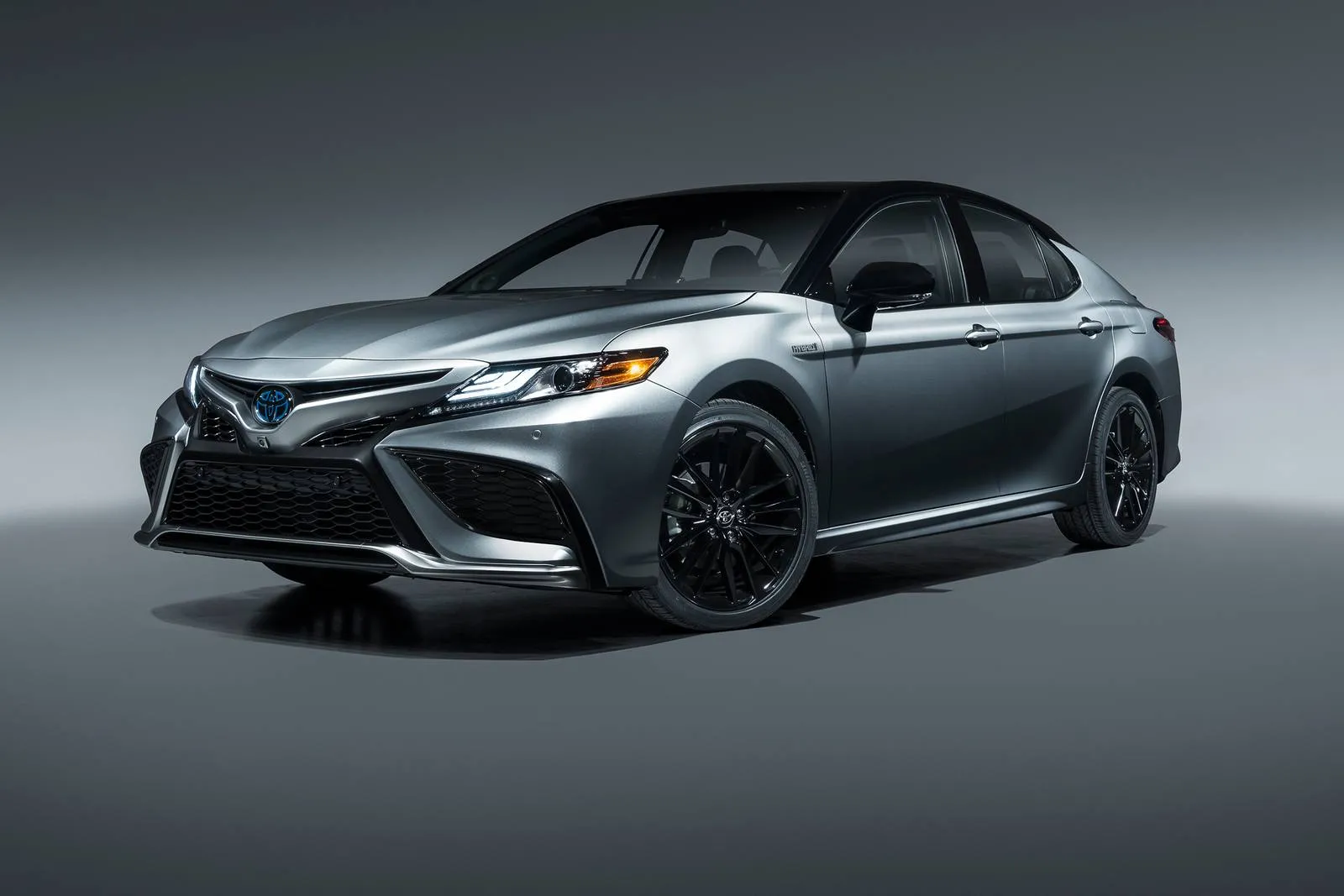
2. Toyota Camry XSE Hybrid 2024
Plenty of people appreciate the Toyota Camry XSE Hybrid 2024 for its comfort and fuel economy, but its heat behaviour deserves praise as well. When parked in an open place, the Camry manages to hold interior temperature more gracefully than many mid-size sedans.
One reason lies in the reflective coating used on the windshield. Instead of permitting harsh sunlight to pour in unfiltered, the coating reduces the rays that penetrate the glass. This slows cabin overheating. Even the dashboard layout assists.
Toyota shaped the upper dashboard using lower-heat-absorbing polymers that do not reach extreme temperatures as quickly as darker or denser materials found in some rivals.
When the dashboard stays cooler, it radiates less heat into the rest of the cabin. Seats also play a major role here. The perforated leather ventilates better, so the surface temperature remains mild even after prolonged exposure.
Another factor supporting the Camry’s performance is the window area. Toyota balanced the glass size to allow ventilation without giving the sun excessive entry points.
While some sedans use huge windows that trap more heat, the Camry maintains a moderate window structure that neither suffocates the cabin nor overheats it. Once parked, the temperature rises gradually rather than instantly.
The hybrid powertrain also influences cabin thermal management when re-entering. The electric system powers the air conditioning quickly without requiring a heavy engine load. As soon as the doors close, the air conditioner begins cooling the interior effectively. Because the starting temperature is not extremely high, the recovery time stays short.
All these factors together allow the Toyota Camry XSE Hybrid 2024 to remain one of the most comfortable sun-parked sedans to return to.
Also Read: 5 Cars That Feel Steady With A Roof Box Vs 5 That Wobble
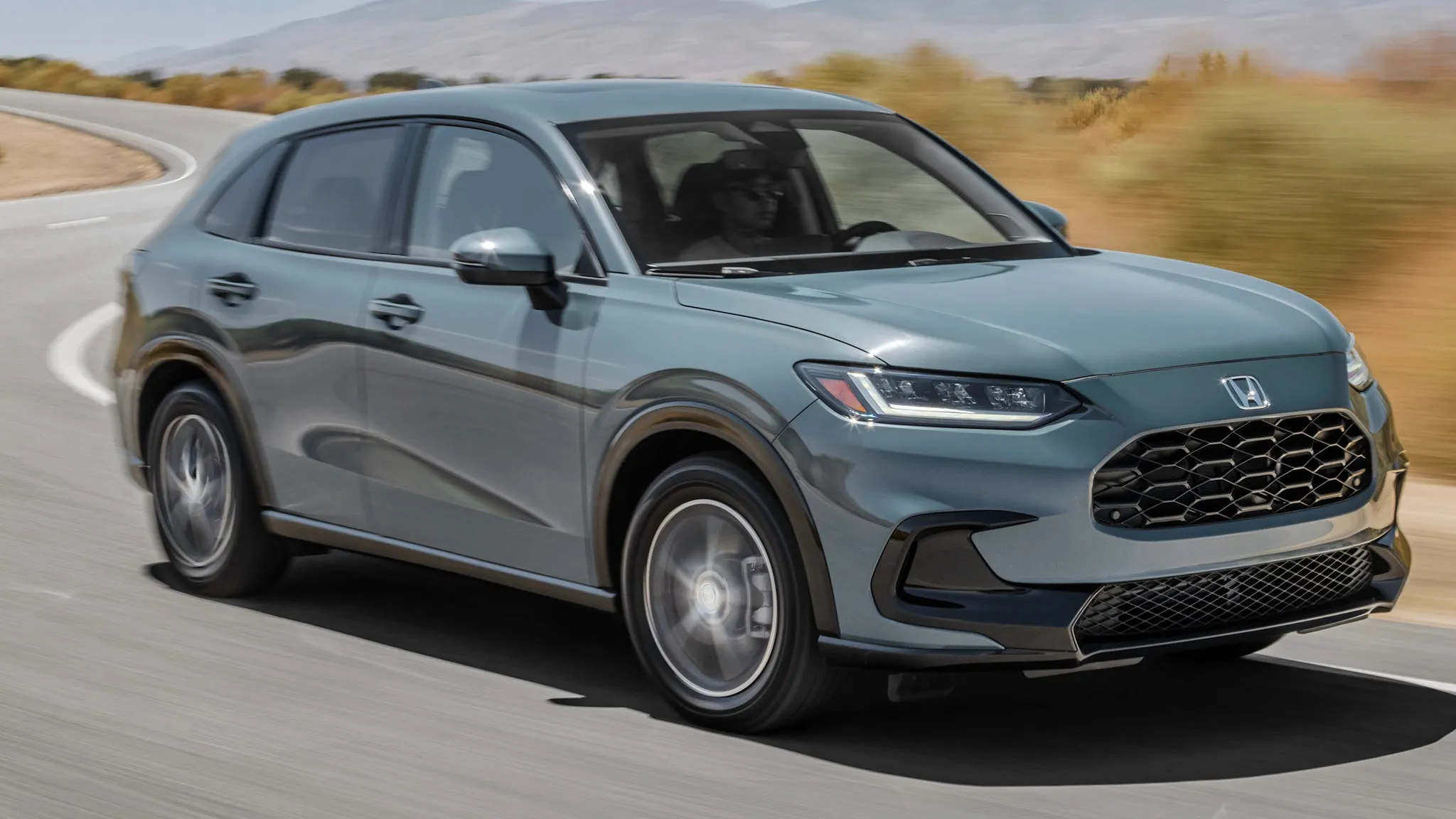
3. Honda HR-V EX-L 2023
There is something pleasant about stepping into a Honda HR V EX L 2023 that has spent hours under a hot afternoon sun.
Drivers who test this experience often find the cabin more forgiving than expected. Honda’s decision to use a wide blend of synthetic leather and fabric aids heat reduction. These materials do not trap heat as aggressively as the thicker leather found in some premium competitors.
Another helpful detail is the seat contour. The seats are not heavily padded in a way that stores heat for long. Instead, they release warmth faster once the doors open.
Any residual heat that collects tends to leave the surface quickly, allowing the cabin to normalize rapidly. Drivers also enjoy how easily the windows vent the trapped heat, especially because the HR V opens wide enough to push hot air out without struggle.
Honda placed emphasis on balancing shading and glass size, too. The windshield carries a steep angle, reducing the time sunlight directly attacks the interior.
Side windows are framed with adequate tinting that stops intense radiation from penetrating. This combination prevents the HR V from turning into a scorching metal shell during long parking moments.
Ventilation quality also matters. When the engine starts, the air conditioning system responds quickly with a strong cooling push. Because the cabin volume is not large, the temperature falls within a short period, even when the day is harsh.
Many owners mention that they hardly face the discomfort associated with stepping into painfully hot seats. The Honda HR V EX L 2023 earns its position among the better sun-parked performers because every element of its cabin seems to fight heat naturally.
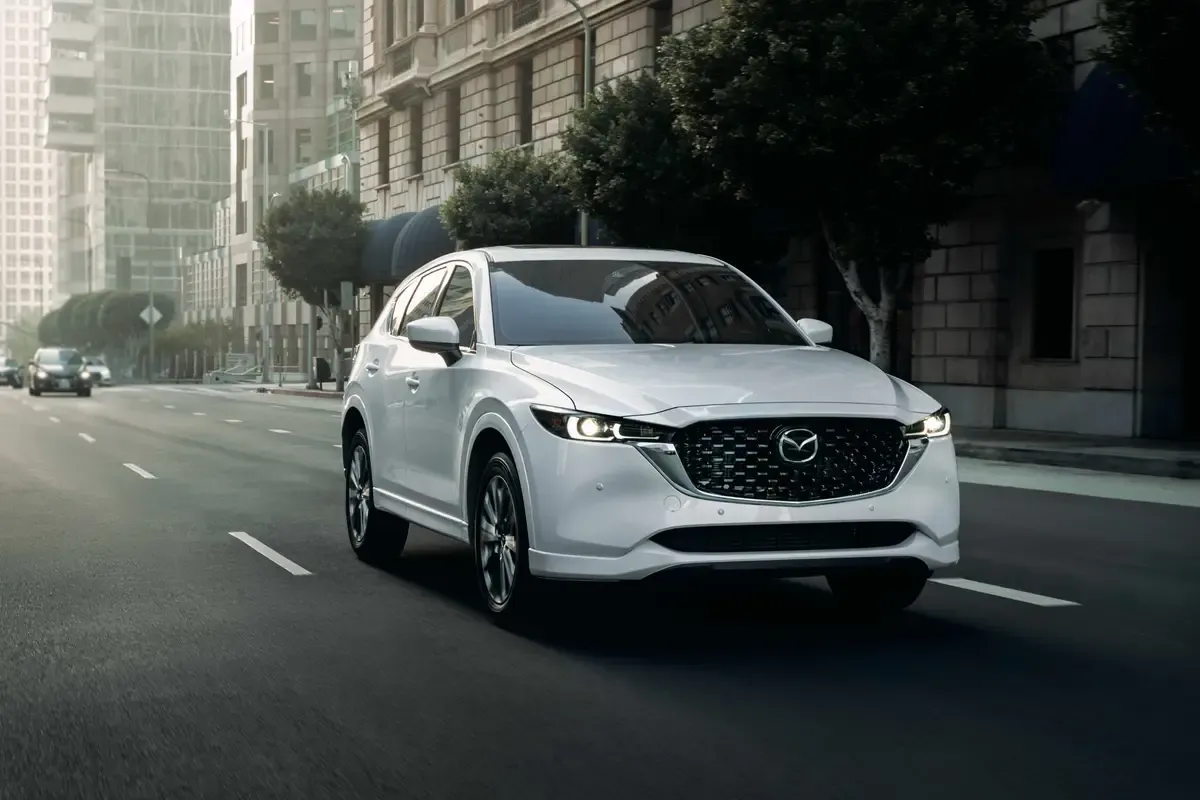
4. Mazda CX-5 Carbon Edition 2023
Mazda designed the CX 5 Carbon Edition 2023 with styling in mind, yet unintentionally gave it better heat resistance than people expect. One feature that influences this is the lighter door insulation material, which blocks heat transfer from the outer panels.
Even when the sun pounds the metal doors heavily, the interior does not warm up as aggressively. That creates a pleasant moment for anyone returning to a parked CX 5.
Seat materials also help this model. Mazda uses a suede-like insert that does not hold extreme heat the way heavier leather often does. These surfaces cool quickly once the doors open.
Passengers who enter after a long period of sun exposure rarely complain of burning seats. The dashboard design is also angled to reduce direct beam exposure, preventing it from acting as a heat sponge.
What makes this SUV even more interesting is how the roof design behaves under sunlight. The roof absorbs less heat, not because it is highly advanced, but because of the paint treatment Mazda applies.
Even the darker tones perform slightly better than expected, refusing to gather heat as heavily as similar SUVs. The result is a cabin temperature that rises slowly and stays within a manageable range.
Vent openings also favour quick air movement. Once the cool air kicks in, the system pushes out trapped heat efficiently. Drivers often find that the CX 5 calms down faster than many rivals once the engine restarts. This soothing effect continues to impress new owners who discover that the Mazda CX 5 Carbon Edition 2023 handles harsh parking conditions quite gracefully.
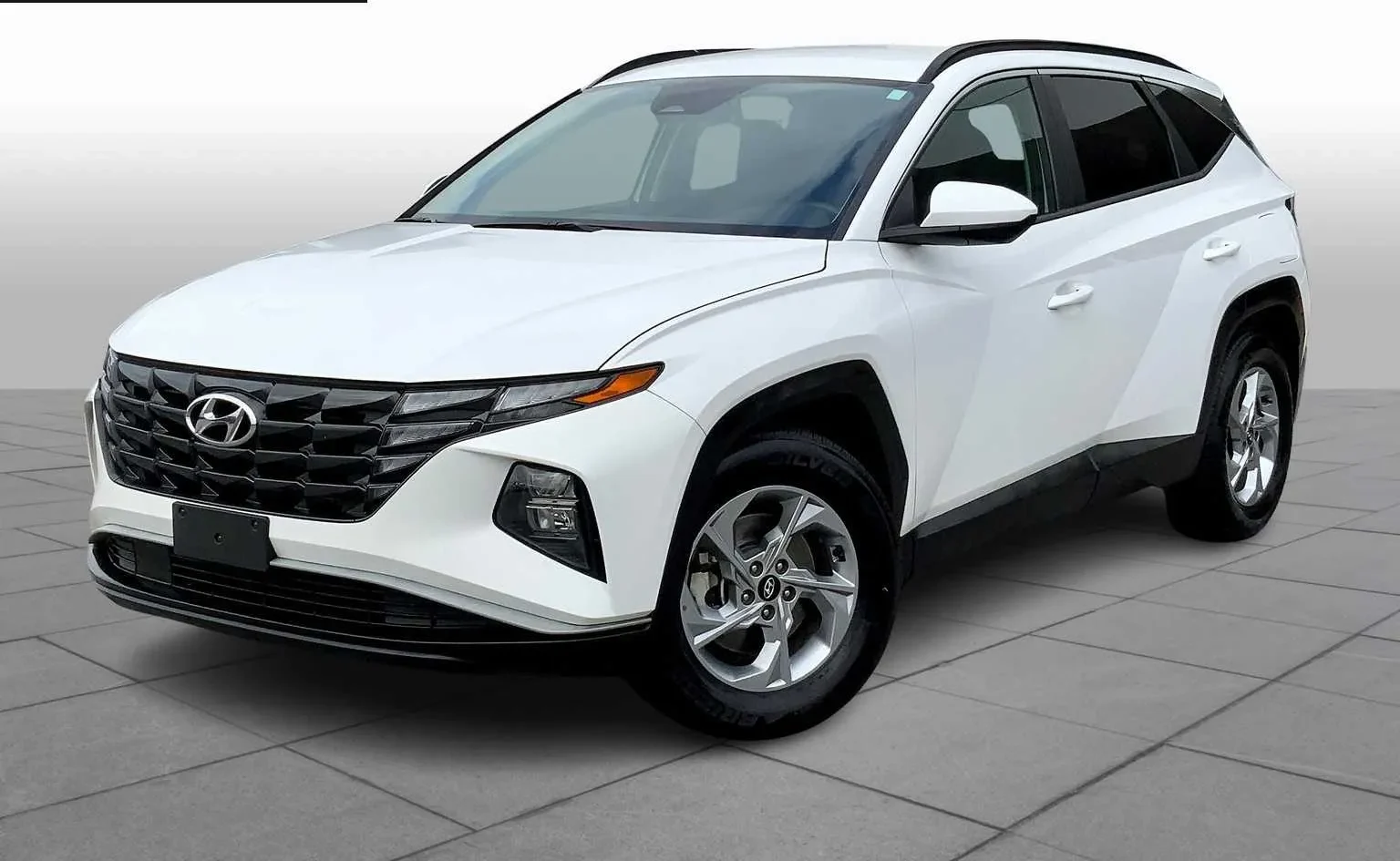
5. Hyundai Tucson SEL 2024
Hyundai shaped the Tucson SEL 2024 with a broad body and interior layout that reacts nicely to strong sunlight. The cabin features a mix of breathable fabric and light-shaded synthetic coverings that do not get painfully hot even after long exposure. These materials allow natural cooling, so once the doors open, the heat leaves quickly without sticking stubbornly to the seats.
Another interesting trait is Tucson’s air distribution, even when the vehicle is off. The way the cabin is structured allows trapped heat to rise toward the roof instead of hugging the lower surfaces.
This means the seats, dash, and centre panels avoid storing heat for extended periods. Drivers returning after a long shopping trip or office hours often meet a surprisingly mild interior environment.
Hyundai’s attention to solar glass treatment also deserves mention. The windshield and side windows use a coating that reduces harsh rays from penetrating. Instead of acting like a greenhouse, Tucson disperses sunlight more gently. This alone reduces the cabin temperature by a noticeable margin.
Air conditioning recovery is another strength. Hyundai’s system sends a wide burst of cooled air that quickly sweeps through the large cabin.
Because the SUV does not hold onto heat too aggressively, the temperature stabilizes swiftly. Many owners comment on how the Tucson SEL feels less punishing on hot afternoons compared to rival compact SUVs.
This performance places the Hyundai Tucson SEL 2024 confidently among vehicles that stay cool under sunlight, making it an excellent option for drivers who frequently park in wide open spaces.
5 Cars With Oven-Hot Cabins After Sun Exposure
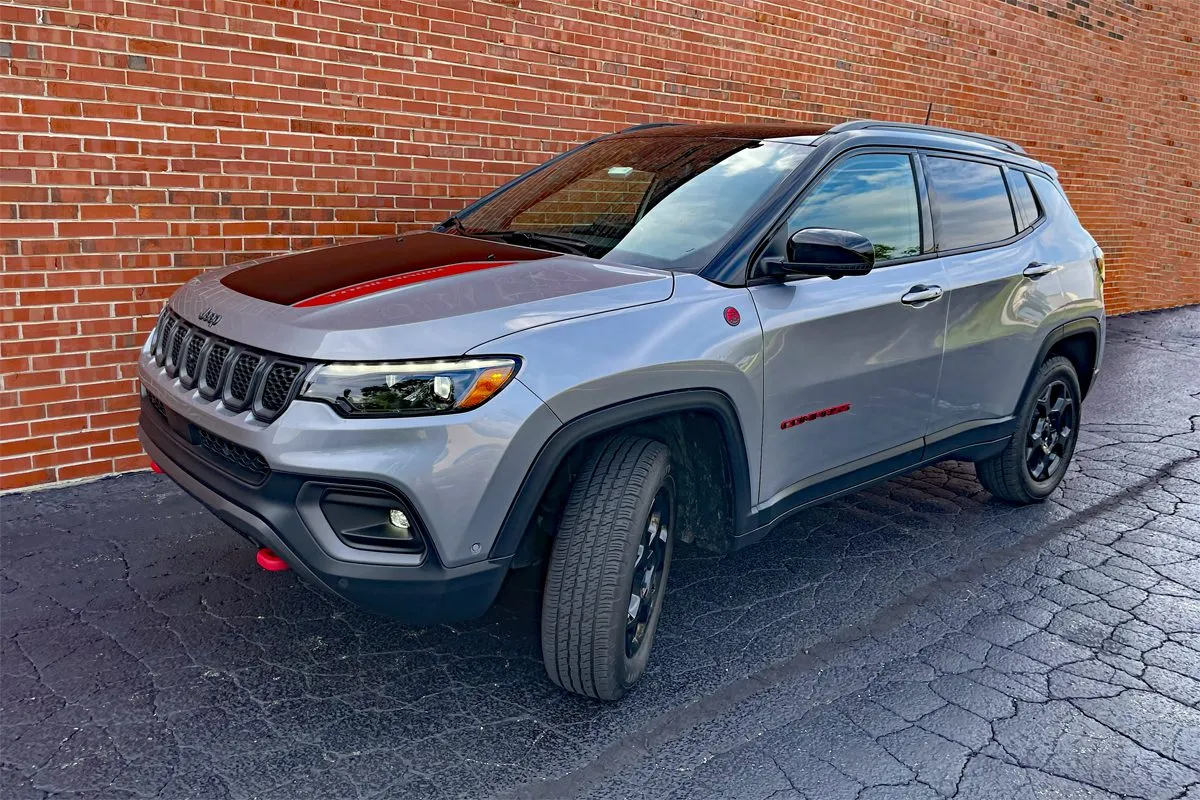
1. Jeep Compass Trailhawk 2023
Many drivers who park the Jeep Compass Trailhawk 2023 in direct sunlight often return to a cabin that feels like a heat storage container. A major reason behind this behaviour is the dark interior theme Jeep prefers for its rugged trims. Dark materials pull heat aggressively and hold it longer than lighter colours.
Once the sunlight stays on the exterior metal and the dark dashboard for hours, the warmth settles deeply into the surfaces. By the time an owner opens the door, the air feels thick and heavy, almost as if it has been sealed inside with no escape route.
Heat collection increases even further because the Compass has a relatively compact cabin volume with tight spacing between the roof and the seat area. When a cabin is slightly smaller, the heat distributes faster but also intensifies quickly.
Any sunbeam that comes through the windows hits surfaces that already favor heat retention. This creates a situation where the cabin temperature shoots up at a pace the ventilation system struggles to fight once the driver returns.
Another condition that contributes to the hot interior is the shape of the rear windows. They slope in a way that allows sunlight to fall directly onto the rear seats, warming them rapidly.
Anyone entering the back after sun exposure often reacts immediately. Since the Trailhawk trim uses sturdier seat fabric designed for durability, the thicker material holds heat well beyond what many passengers expect.
Cooling recovery is not immediate either. Even though Jeep equips the Compass with a competent air conditioning unit, the heat absorbed by the panels and dashboard lingers for several minutes.
Drivers need more time before the cabin feels normal again. This makes the Jeep Compass Trailhawk 2023 one of the compact SUVs drivers should be cautious about when parking outdoors without shade.
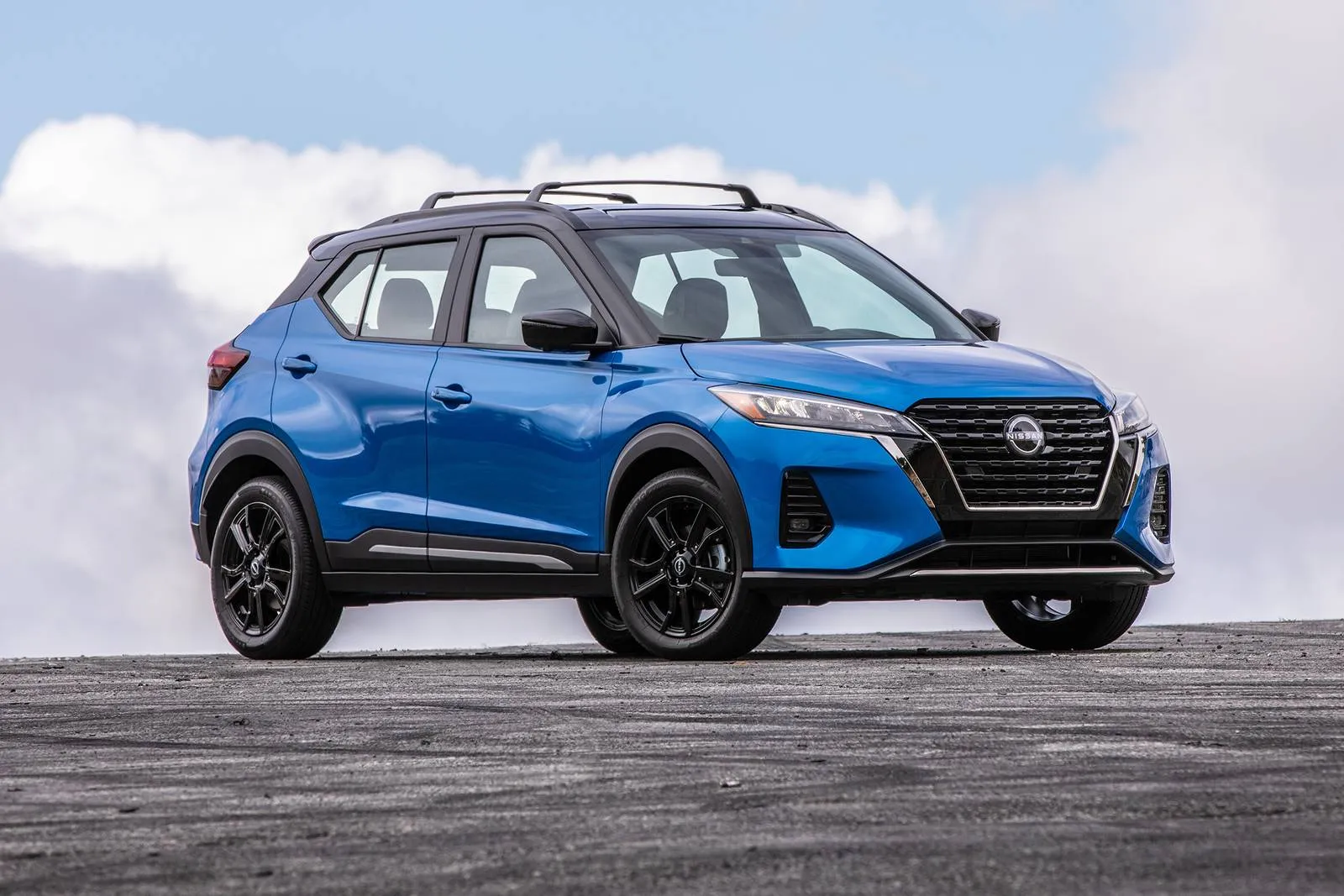
2. Nissan Kicks SR 2024
Some cars simply react to sunlight in a harsh manner, and the Nissan Kicks SR 2024 falls into this category. Anyone who leaves this compact SUV in the open for long periods quickly notices how fiercely the temperature climbs inside. This happens because of its wide glass profile.
The Kicks uses large windows around the cabin, which are excellent for visibility while driving but problematic during long parking. Once sunlight streams inside, the rays spread across nearly every interior surface. Another point worth mentioning lies in the material choices.
Nissan designed the SR trim with dark synthetic seat coverings and a dark dashboard, giving it a sporty appearance. Unfortunately, these colours absorb heat rapidly.
When the sun intensifies, the material absorbs and stores energy, causing the seats to feel scorching to the touch after extended exposure. Drivers often need to hover above the seat for a moment before sitting fully, especially in peak heat periods.
Heat distribution becomes even more aggressive due to the compact size of the Kicks. With less interior space, the warmth fills the cabin quickly and hits occupants with a strong wave the moment they open the door. Some users describe the feeling as walking into an overheated dressing room where every surface radiates heat.
Air conditioning performance eventually cools the cabin, but not immediately. Because the starting temperature is extremely high, the system must work harder to bring the climate under control. Anyone in a hurry during hot seasons may find those first minutes uncomfortable.
This combination of large windows, dark materials, and compact spacing positions the Nissan Kicks SR 2024 among vehicles that become extremely hot when parked in open sunlight.
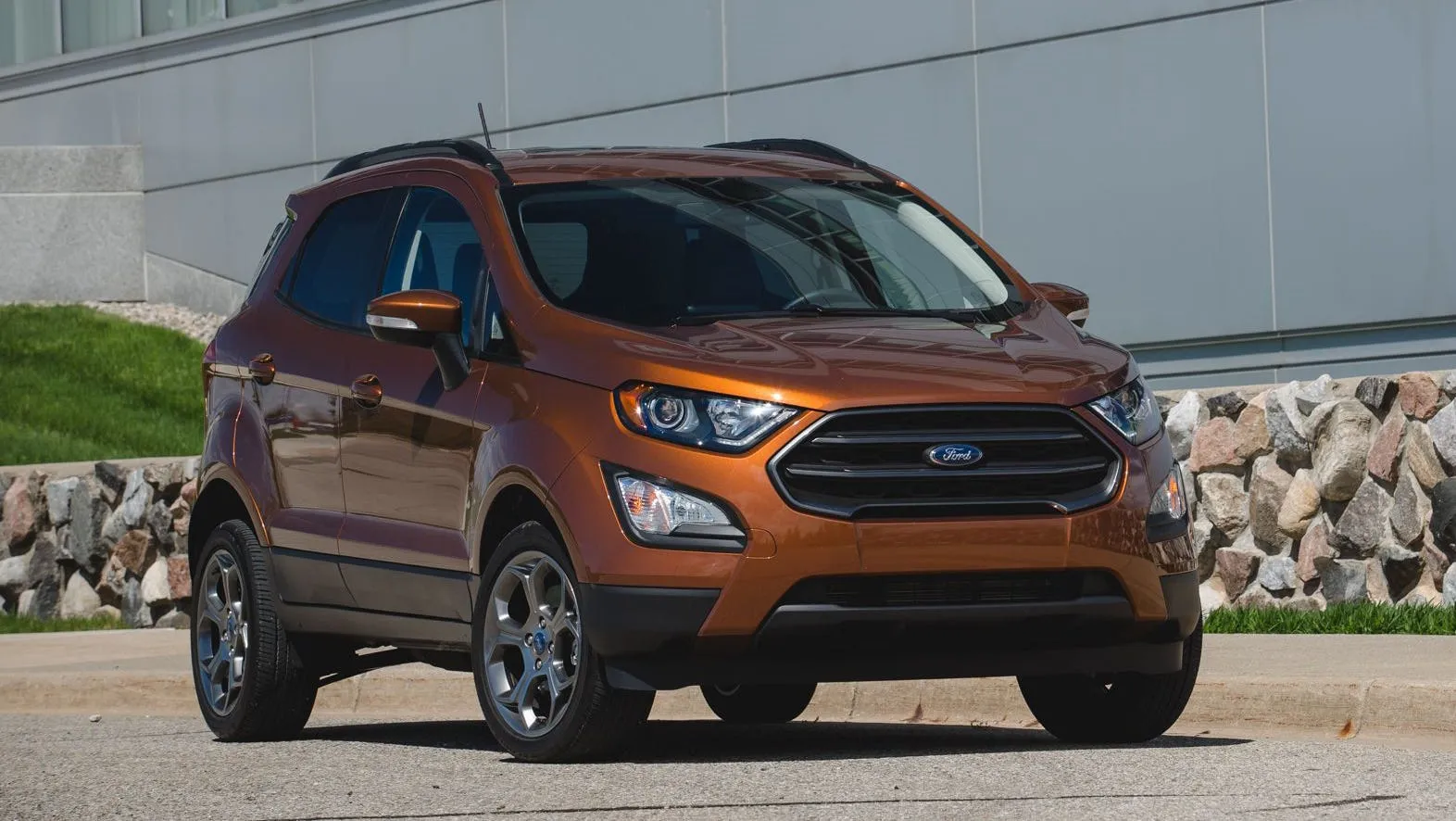
3. Ford EcoSport Titanium 2022
Ford gave the EcoSport Titanium 2022 several styling cues that make it appealing to many buyers, yet those same design choices contribute to intense heat buildup when sun exposure becomes unavoidable. One of the strongest heat contributors is the tall front windshield angle.
Because of the steep angle, sunlight hits the dashboard directly and saturates it with thermal energy for long stretches. Once the dash reaches a high temperature, it radiates warmth into the entire cabin. Another detail that fuels this behaviour is the dense leatherette upholstery Ford used in this trim.
That material has a habit of collecting heat quickly and holding it tightly. After hours under direct sunlight, the seats often become too hot to handle. Occupants typically open the doors and let the cabin breathe for a few minutes before settling in. Even then, the seats sometimes remain uncomfortably warm until the air conditioner begins compensating.
Cabin height also plays a role here. The EcoSport Titanium has a tall roofline for its class, but the distance between the seats and the upper panels traps warm air in a pocket above the occupants’ heads. Once the heat gathers in that region, it begins to circulate downward when the doors close. This makes the first few minutes after returning to the vehicle more uncomfortable than expected.
Another challenge involves the rear hatch area. Because the EcoSport uses a side-opening rear door, the sealing structure around the back allows limited passive ventilation during parking. Without any natural airflow paths, heat remains trapped until the driver manually airs it out.
This combination of seating material, windshield angle, and interior structure pushes the Ford EcoSport Titanium 2022 into the group of vehicles that store heat aggressively.

4. Volkswagen Taos SEL 2024
Volkswagen crafted a clean, modern interior for the Taos SEL 2024, but its behaviour under harsh sunlight creates a different experience for returning drivers. One clear issue comes from the glossy trim pieces scattered across the cabin.
These shiny materials absorb heat fast and radiate warmth repeatedly once the doors close. Because they sit close to the touchscreen area, the central cabin becomes a heat centre that warms the surrounding air rapidly.
Another contributing detail lies in the panoramic roof design. Although many drivers enjoy the airy feeling of a large glass section, the Taos SEL roof tends to invite more thermal energy inside.
Even with tinting, large glass surfaces behave like temperature amplifiers when parked under harsh daylight. Heat drops directly onto the seats, the central armrest, and the dashboard. This causes the cabin to heat up faster than smaller-roofed SUVs in this size class.
Ventilation paths also behave differently in this model. The airflow from the vents aims downward rather than outward at first, which means once occupants enter the car, they may feel warm air circulating before the cooling takes effect. When the starting temperature is already hot, this small delay becomes even more noticeable.
Seat comfort is usually good while driving, but when parked under direct sunlight, the seat materials store heat intensely. Anyone who sits without checking the temperature first often gets startled by how hot the surface feels. This effect becomes worse when the SUV remains parked for many hours.
All these behaviours combine to place the Volkswagen Taos SEL 2024 among vehicles that rise in temperature very quickly when left outdoors under strong sunlight.
Also Read: 5 Cars That Still Shut Tight After Years vs 5 With Loose Latches
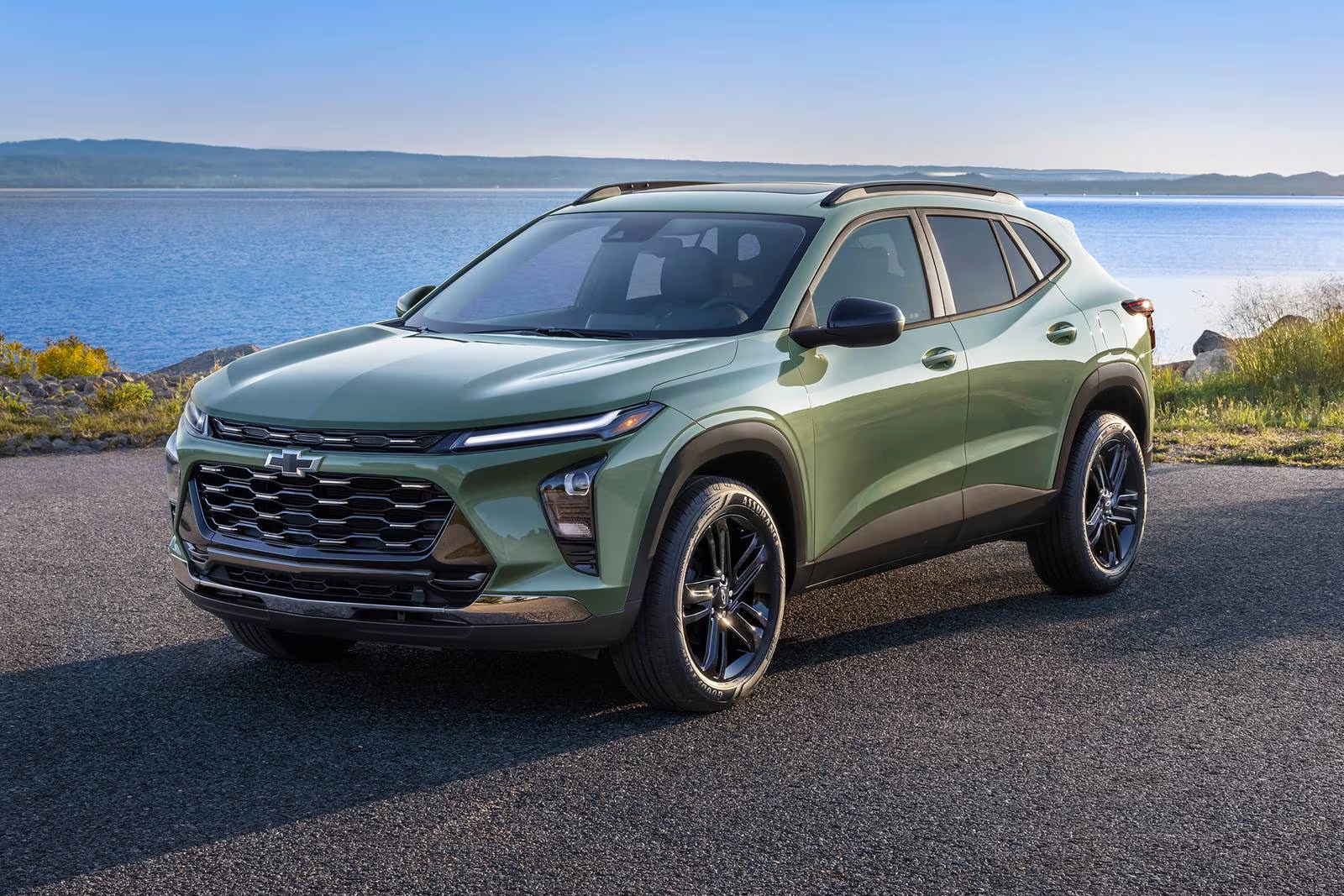
5. Chevrolet Trax ACTIV 2024
Chevrolet refreshed the Trax ACTIV 2024 with youthful styling, bold accents, and smart technology, but its reaction to sunlight produces a less pleasant surprise. Once parked in an uncovered area, this model heats up at a pace that many owners find uncomfortable.
A major reason is the deep-tone interior theme in the ACTIV trim. Dark seats, dark dashboard, and dark side panels collect heat steadily and release it slowly. This creates a lasting warm layer across the cabin once exposure continues for long periods.
Another issue stems from the seat stitching pattern. The sewing lines create small raised areas that absorb heat faster than the rest of the seat. After prolonged sunlight, those raised lines become extremely warm, making the seating surface uneven in temperature. Passengers often feel alternating hot patches when they sit down.
Heat rises even faster because the Trax ACTIV has a wide front glass area. Sunlight enters with ease and falls directly across the dashboard, causing the surface to heat aggressively. Once that dashboard gets hot, it radiates enough warmth to raise the cabin temperature even more. Anyone stepping inside immediately feels a strong blast of heated air.
Air conditioning performance eventually solves the issue, but the starting temperature remains too high for comfort during the first few minutes. Drivers sometimes resort to opening all doors to release the trapped heat before switching on the cooling system.
The compact cabin design shortens airflow paths, yet the initial heat load remains intense due to the strong absorption rate of the interior materials. When all these factors combine, the Chevrolet Trax ACTIV 2024 becomes one of the hottest options in its size category when parked under bright, unfiltered sunlight.
