
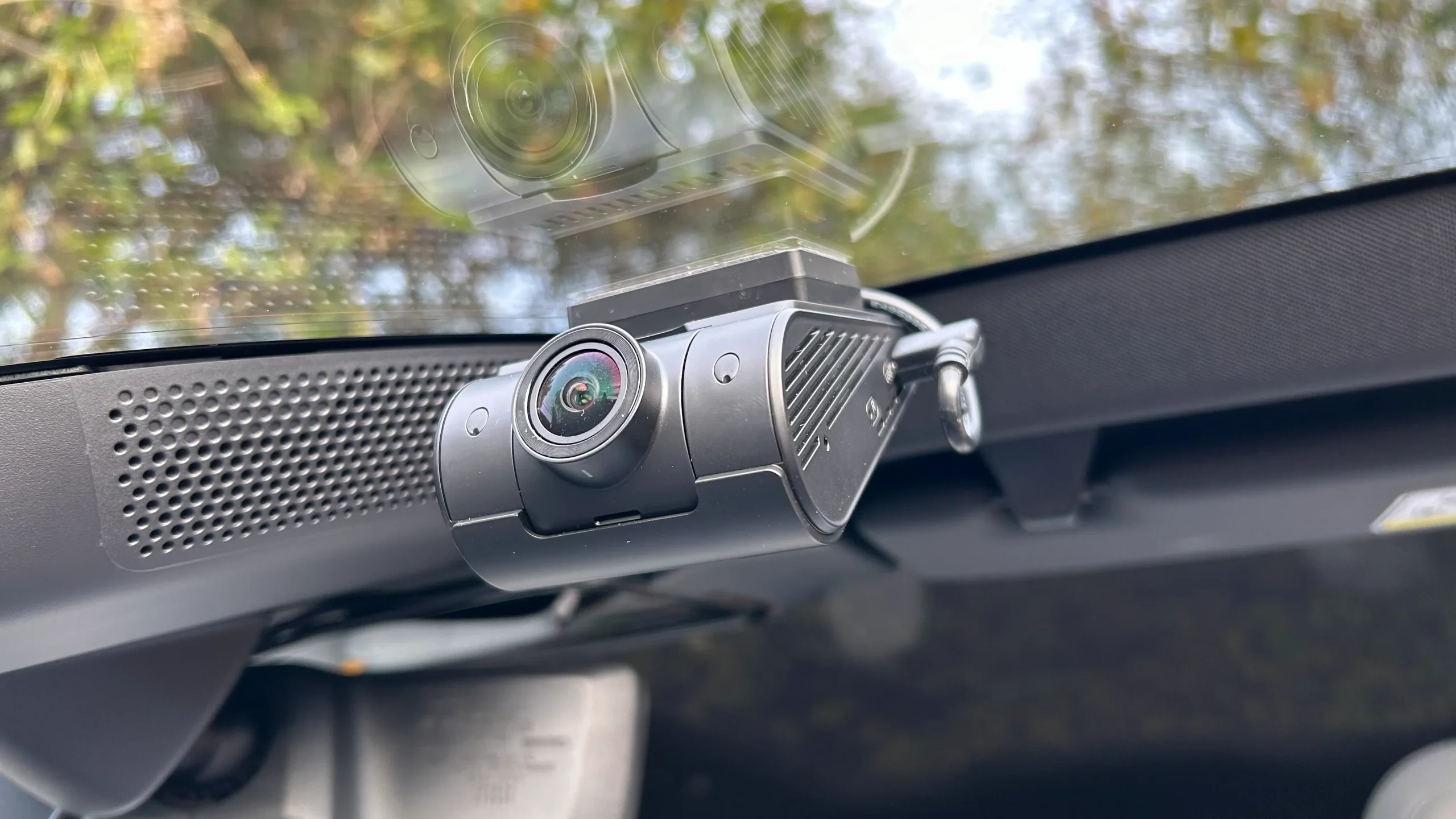
Parking at night can be a stressful experience for drivers. Shadows, dim streetlights, and uneven surfaces often make reversing or parallel parking challenging. This is where a good rear camera becomes essential.
A reliable night-vision camera can make a big difference, giving clear visibility of obstacles, pedestrians, or other vehicles in low-light conditions. Cars equipped with advanced night-view technology provide confidence, safety, and convenience when the sun has set.
Some manufacturers prioritize night-time visibility in their rear camera systems, using high-resolution sensors, wide-angle lenses, and enhanced low-light performance to ensure that drivers can see everything clearly.
Others include cameras that struggle in darkness, producing blurry or grainy images that make parking more of a guessing game. Drivers need to understand which vehicles provide reliable night vision so they can avoid accidents and enjoy peace of mind while reversing.
This page highlights ten vehicles to help drivers identify the difference. We start with five cars featuring rear cameras that perform exceptionally well at night. These vehicles allow drivers to park confidently, detect obstacles, and avoid minor accidents without straining their eyes.
Following that, we examine five cars where rear cameras provide subpar night vision, making it harder to judge distances and spot hazards. By reviewing these vehicles, readers can make informed choices that match their driving habits and nighttime safety needs.
Understanding night-time camera performance is more than a technical detail. It affects safety, convenience, and the whole driving experience. Choosing a car with a clear, reliable rear camera helps drivers handle parking challenges confidently, reducing stress while keeping passengers, pedestrians, and property safe.
5 Cars With Rear Cameras You Can See at Night
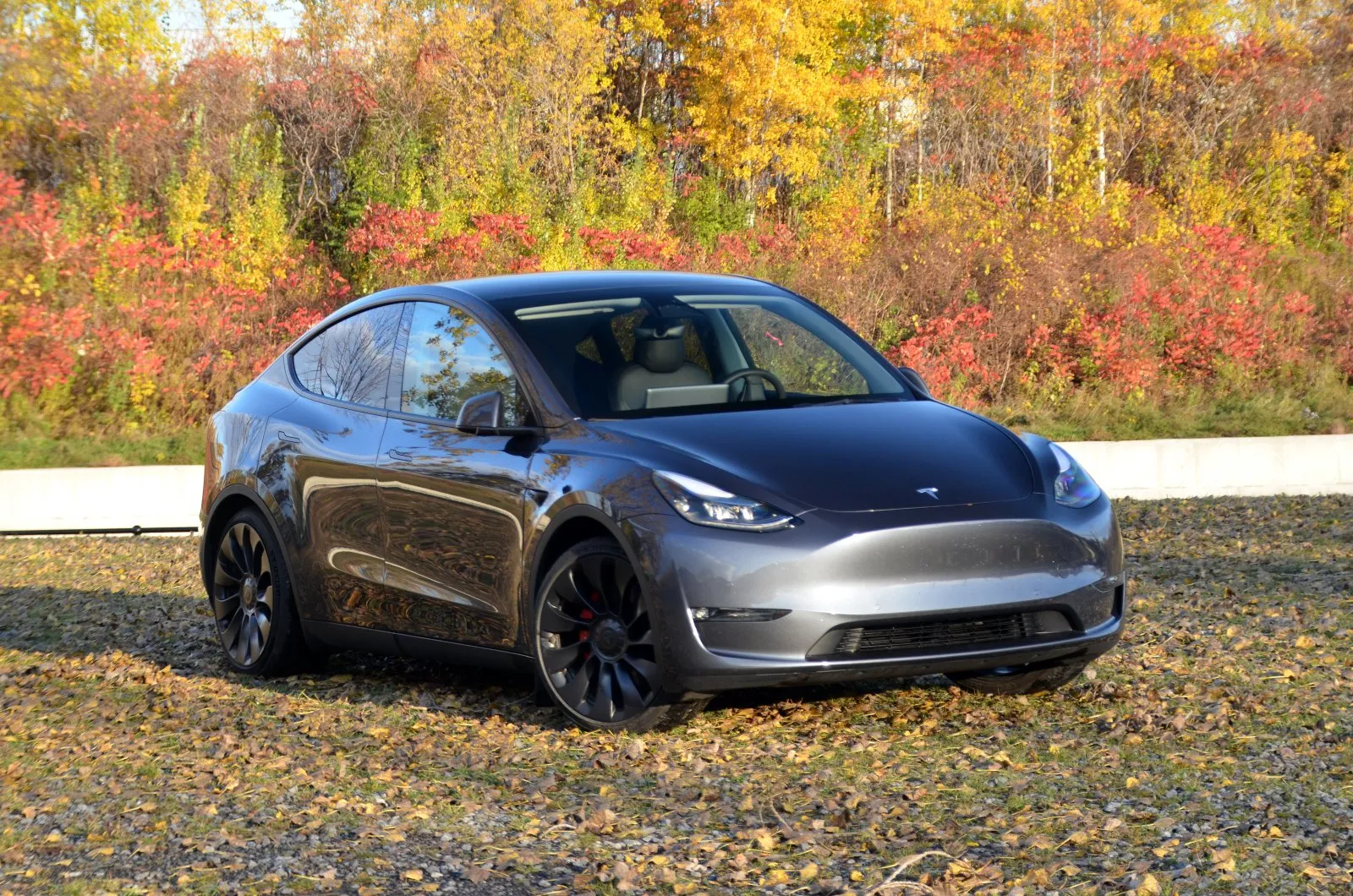
1. Tesla Model Y
Tesla Model Y combines sleek modern design with highly advanced technology, and its rear camera reflects this innovation, especially during night driving. The high-resolution camera system integrates seamlessly with Tesla’s Autopilot interface, offering drivers sharp, detailed visuals even in poorly lit parking lots or on dark streets.
Obstacles, pedestrians, and low curbs are easily identified without leaning forward or squinting at the screen, which reduces stress when reversing. The camera’s low-light performance is enhanced by a wide dynamic range, allowing both bright and dark areas to remain visible simultaneously.
Headlights, street lamps, or reflective surfaces do not overwhelm the display, ensuring consistent visibility. Drivers can assess distances accurately, and the touchscreen display conveys a realistic sense of depth, making reversing safer and more intuitive.
Integration with Tesla’s sensors adds another layer of support. Audible alerts combined with visual cues provide extra confidence when parking in tight spaces. Small objects or children in the rear path are highlighted effectively, reducing the risk of minor bumps or collisions. Night-time parking becomes much less stressful, even in poorly illuminated areas.
Tesla Model Y’s rear camera also benefits from real-time updates via over-the-air software improvements, meaning clarity, calibration, and functionality continue to improve with time. This ensures that drivers always have access to advanced night-vision capabilities without additional hardware.
Owners frequently commend the system for its reliability, precision, and clarity after dark. Unlike older vehicles that force drivers to combine camera use with mirrors or step out for verification, the Model Y instills confidence at every reverse.
Its combination of resolution, sensor integration, and real-time feedback establishes a benchmark for vehicles with dependable night-time rear visibility. For those who park regularly in dimly lit environments, this camera system offers reassurance and convenience that few others can match.
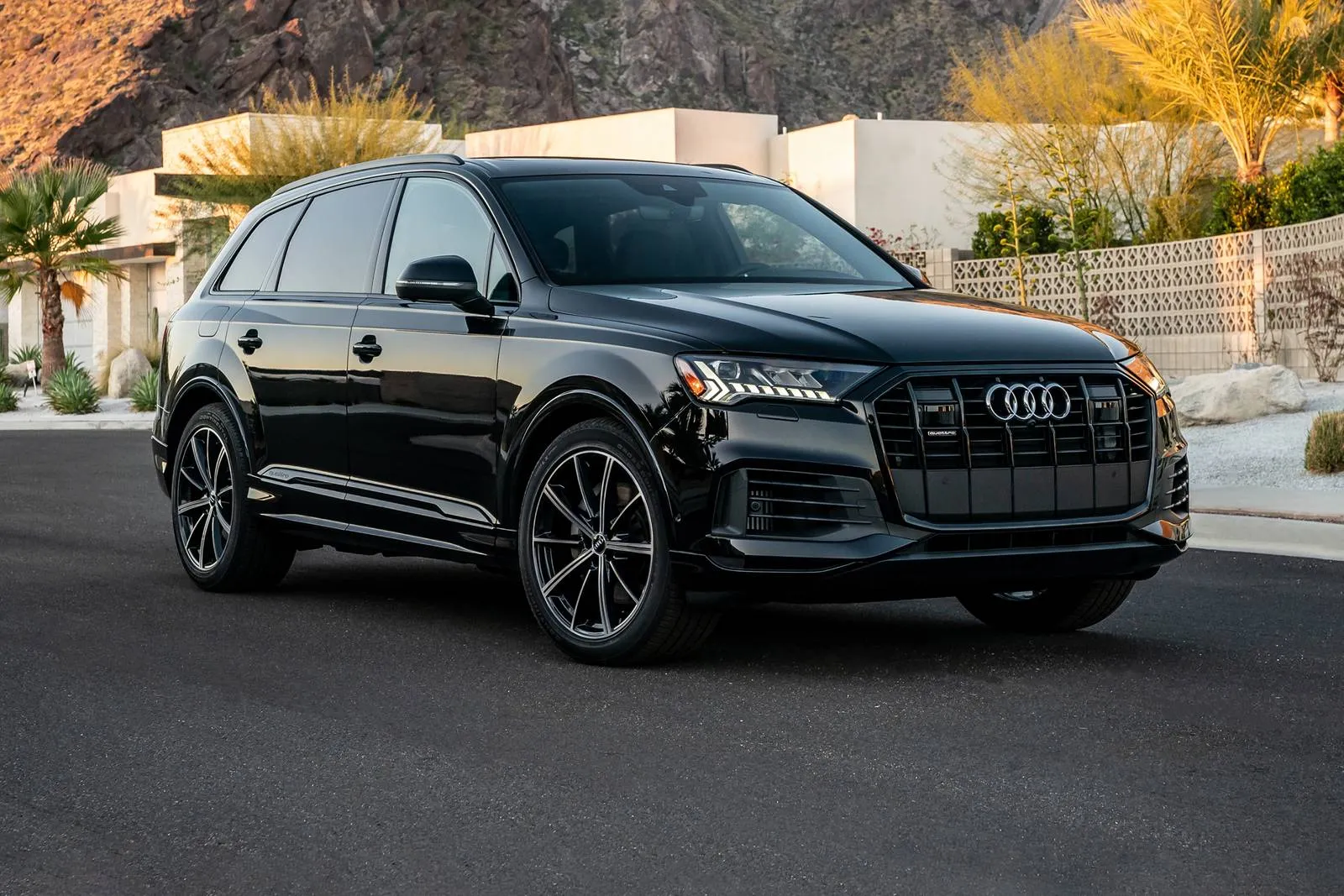
2. Audi Q7 (2023)
Audi Q7 2023 offers a premium SUV experience with technology designed to enhance driver confidence at night. Its rear camera excels in low-light conditions thanks to high-resolution sensors and advanced image processing software.
The display remains sharp even when reversing into dark alleys or dimly lit driveways, allowing drivers to detect obstacles with clarity and accurately judge distances. The camera system provides a wide field of view, covering the rear bumper, curb edges, and surrounding areas.
Grainy images, common in older systems, are absent; the Q7 maintains clarity in shadows, and reflective surfaces like wet roads or nearby headlights do not distort the view. This allows drivers to anticipate potential hazards before they are dangerously close.
Multi-sensor integration supports the night vision functionality. Ultrasonic sensors work alongside the camera, providing visual overlays and audible alerts that indicate proximity to nearby objects. These combined features make precise parking simpler, reducing stress and the likelihood of accidental bumps.
Owners appreciate the intuitive nature of the system. Night-time reversing becomes a confident, stress-free activity as the camera consistently delivers reliable visuals. Families going through dimly lit streets or drivers parking in tight urban areas benefit from the Q7’s clarity, which minimizes reliance on guesswork and manual checks.
Audi’s focus on technology and driver assistance ensures that low-light conditions rarely compromise safety. The camera system enhances situational awareness, giving drivers a clear understanding of the rear environment. For individuals who prioritize comfort, security, and visibility after dark, the Q7’s rear camera offers an experience few competitors can match.
Also Read: 5 Cars With Helpful Front Cameras Vs 5 Scuffed Bumpers
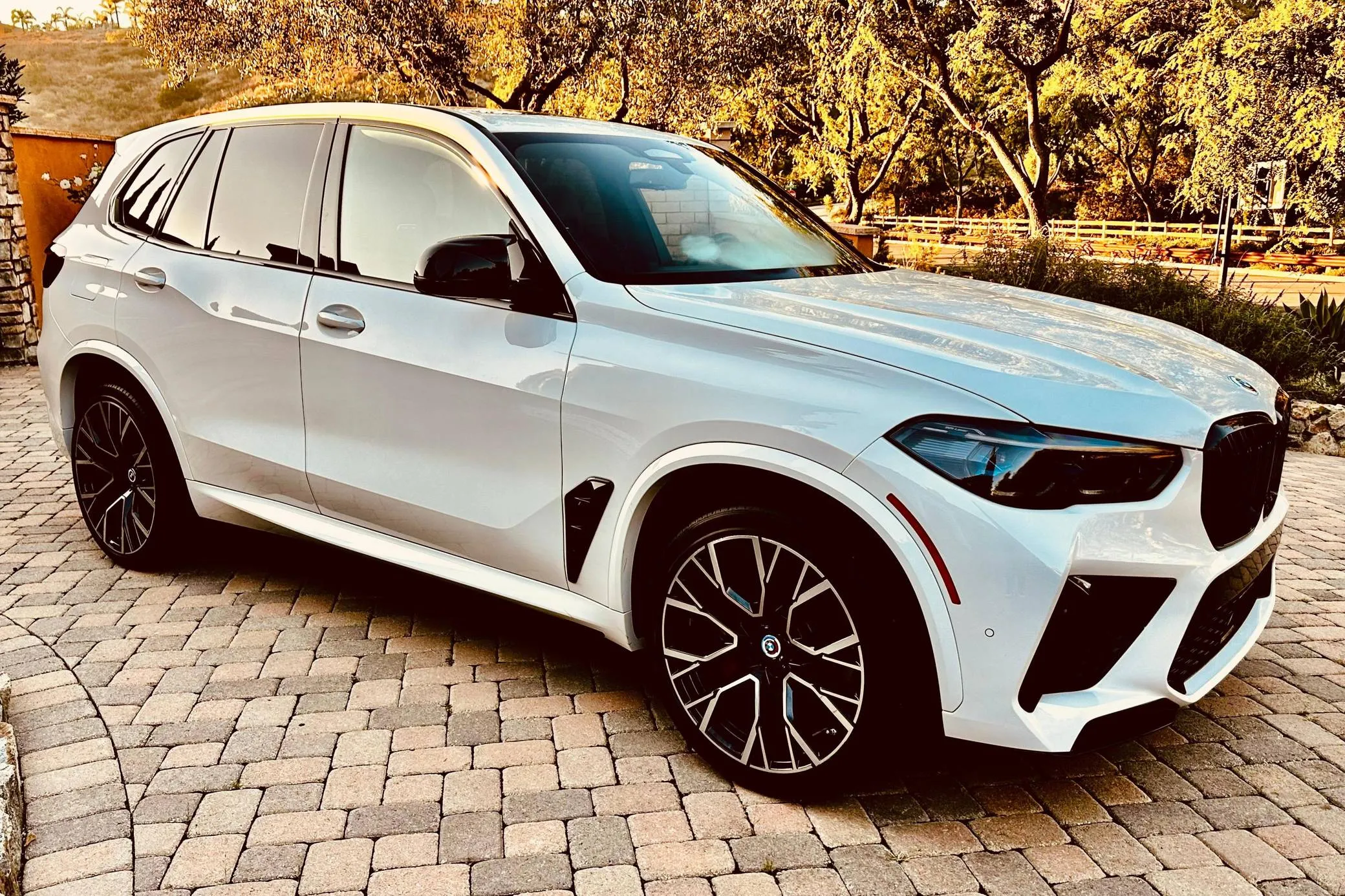
3. BMW X5 (2023)
BMW X5 2023 delivers luxury, performance, and advanced technology, with its rear camera system standing out for nighttime performance.
The high-definition camera offers bright, crisp visuals, allowing drivers to see parking lines, curbs, and obstacles even in near-total darkness. Pedestrians or small objects behind the vehicle are clearly visible, enhancing safety and reducing stress during reversing.
Low-light technology includes adaptive exposure and noise reduction, which compensates for glare from streetlights, headlights, or reflective surfaces. A wide-angle lens expands the rear view, providing a comprehensive perspective and minimizing blind spots. Drivers can judge distances accurately without excessive guesswork, even on dimly lit streets.
BMW integrates visual parking guides, showing trajectory lines that respond to steering input. This system helps align the vehicle precisely, preventing minor collisions in tight spots.
Ultrasonic sensors complement the camera, alerting drivers to objects that may be difficult to see. Night-time parking becomes a guided, intuitive process rather than a cautious guessing game.
Owners report high satisfaction with the X5’s rear camera at night. Even in challenging lighting, they feel confident reversing without needing additional aids such as flashlights or stepping out to check their surroundings. The combination of clarity, sensor alerts, and dynamic guidance ensures safety and convenience.
For busy urban drivers, families, or those frequently going through crowded or dimly lit areas, the X5 offers one of the most reliable nighttime rear camera experiences available in an SUV. Its thoughtful integration of technology, high-quality sensors, and visual feedback makes it a top choice for drivers prioritizing safety and confidence after dark.
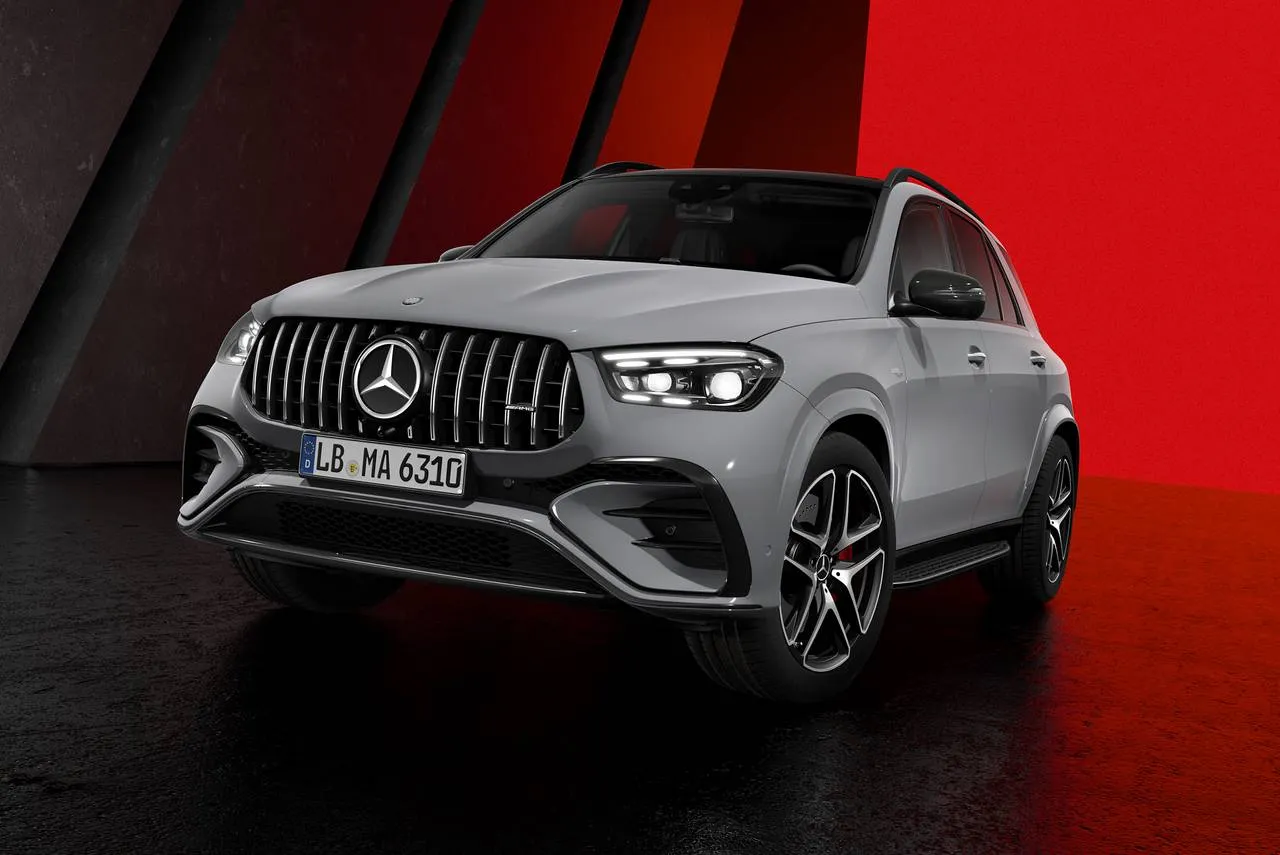
4. Mercedes-Benz GLE (2023)
Mercedes-Benz GLE 2023 blends luxury with advanced driver assistance, and its rear camera excels in low-light conditions. The high-resolution camera provides clear, bright images at night, displaying obstacles, road edges, and approaching vehicles with remarkable clarity. Drivers can reverse confidently, even in poorly lit parking lots or narrow residential streets.
Adaptive brightness and digital processing enhance night vision. Shadows are visible without overexposing bright areas, and the system works seamlessly with Mercedes’ active parking assist.
Real-time guidance lines on the touchscreen respond to steering input, allowing precise maneuvering in tight spaces. Proximity sensors provide additional audible alerts, reducing the risk of minor collisions.
Wide-angle coverage shows areas beyond traditional mirrors, revealing peripheral zones that often hide obstacles. Pedestrians or small objects are clearly displayed before becoming potential hazards. This is particularly valuable in urban areas with crowded streets or limited lighting.
Owners praise the GLE for its reliable nighttime visibility. Reversing becomes intuitive and less stressful, with minimal need for extra caution. Even inexperienced drivers can go through complicated parking scenarios safely. The combination of camera clarity, sensor feedback, and trajectory guidance ensures efficiency and safety.
For those seeking peace of mind after dark, the GLE delivers a dependable nighttime rear camera experience. Its integration of high-quality imaging, smart sensors, and guidance overlays makes it a standout choice among luxury SUVs, offering a practical and confident solution for low-light reversing.
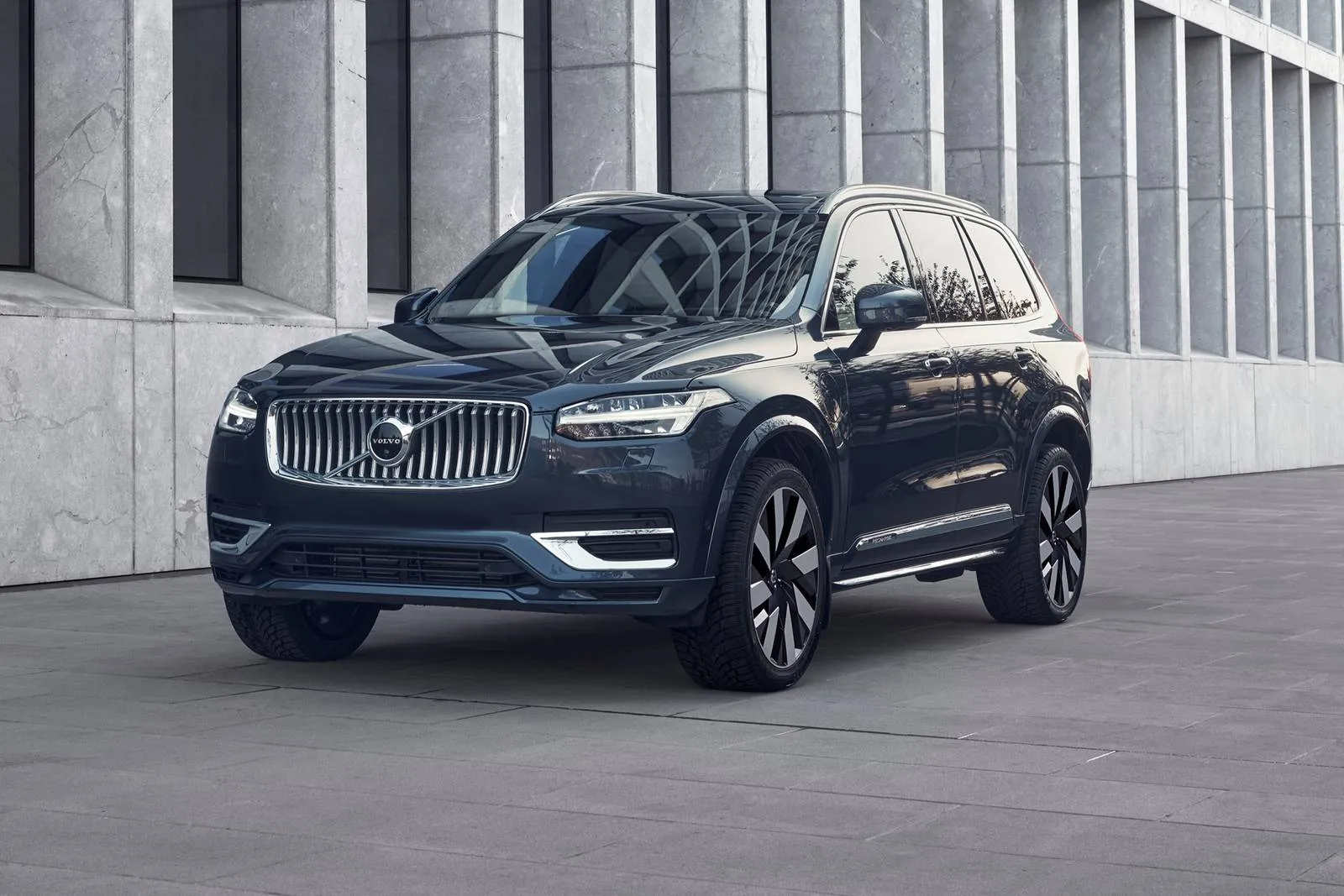
5. Volvo XC90 (2023)
Volvo XC90 2023 is a Scandinavian-designed SUV emphasizing safety and technology, with a rear camera system designed for night-time clarity.
The camera produces bright, high-resolution visuals, allowing drivers to spot curbs, obstacles, and pedestrians even in poorly lit conditions. Safety is a key focus, making the XC90 particularly reliable for night-time reversing.
Advanced sensors and digital processing enhance dark areas without overexposing bright spots. Street lamps or reflective surfaces do not reduce clarity, and a wide-angle lens minimizes blind spots. This ensures that even small objects or children are visible, providing confidence in challenging parking environments.
The system integrates trajectory lines and sensor alerts, showing proximity to obstacles and guiding steering during reverse maneuvers. Parking becomes intuitive, even in tight or unfamiliar spaces. Night-time reversing is smoother and less stressful compared to SUVs with standard cameras.
Owners appreciate the XC90’s combination of clarity, safety, and intuitive guidance. Even after dark, drivers feel fully aware of their surroundings, reducing the risk of minor collisions or accidents. Volvo’s commitment to night visibility ensures that low-light parking is practical, safe, and efficient.
For families or drivers frequently going through dimly lit areas, the XC90 offers reassurance. The rear camera system is not just functional; it enhances driver confidence, demonstrating that safety and technology can coexist seamlessly.
Night-time parking becomes a simple task rather than a stressful challenge, making the XC90 a top pick for those prioritizing visibility and security.
5 Cars With Blurry Rear Camera Views at Night
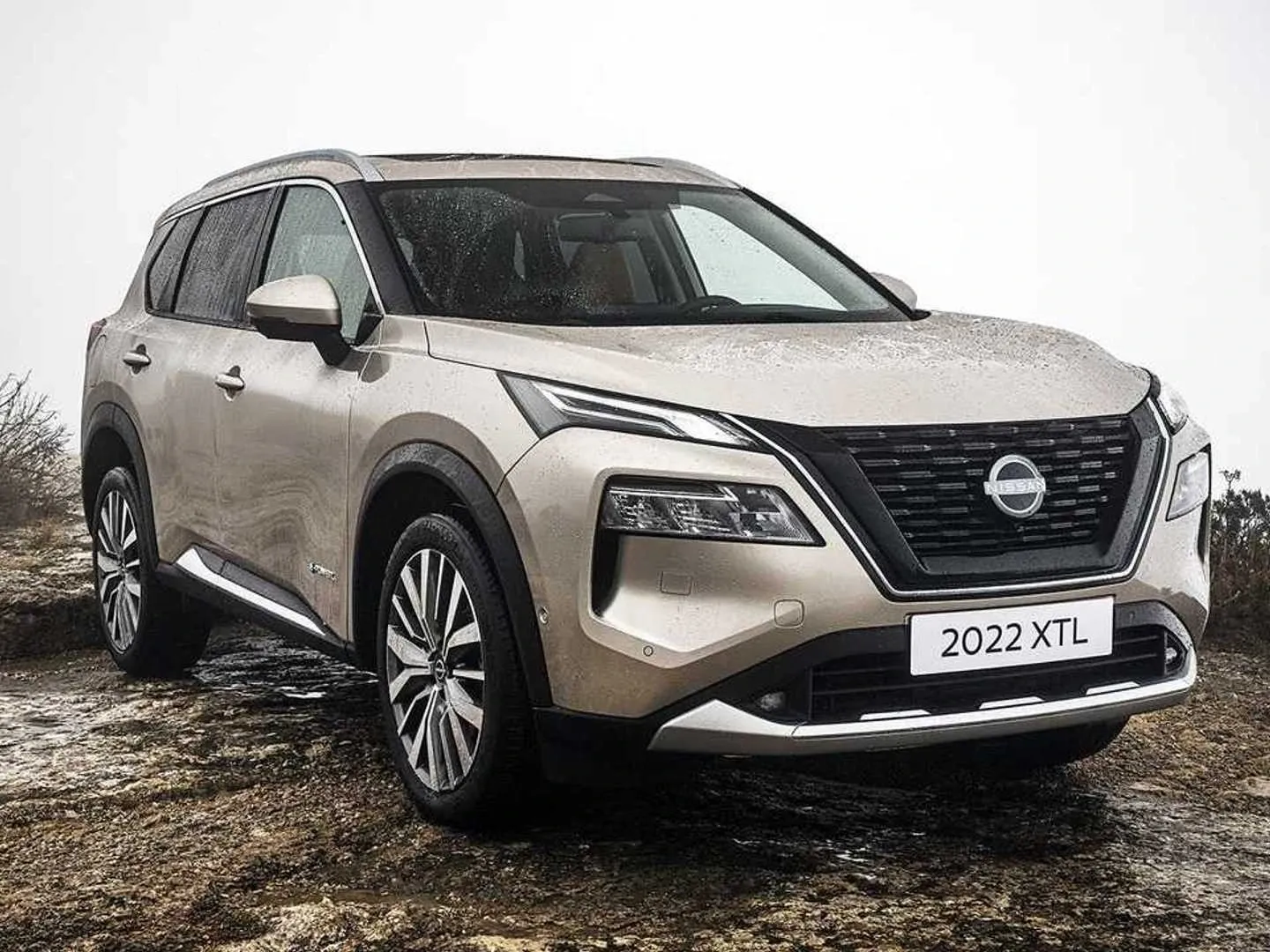
1. Nissan X-Trail (2023)
Nissan X-Trail 2023 is a practical SUV, popular for its spacious cabin, fuel efficiency, and smooth ride. However, its rear camera does not impress in low-light conditions. Daytime parking and reversing are fine, but once darkness sets in, the image quality becomes a challenge.
Grainy visuals and washed-out areas make judging distances tricky, leaving drivers to rely heavily on mirrors or physically checking the rear. This can be stressful in crowded parking lots or narrow driveways. Low-light performance is hindered by smaller sensors and minimal image processing.
Streetlights, vehicle headlights, or reflections from wet surfaces can easily obscure critical details on the screen. Shadows from uneven roads create dark patches where obstacles are almost invisible. For drivers who park regularly in dimly lit areas, this limitation requires heightened vigilance to avoid scratches or minor collisions.
The camera lacks wide dynamic range, so bright spots can become overexposed while darker areas remain indistinct. Small curbs, debris, or objects at low height may go unnoticed, which can be frustrating for urban drivers or families with children.
Even when parking sensors are engaged, the low-quality image reduces confidence, slowing the reversing process. Nissan focuses on practicality and reliability, and the X-Trail performs well in other aspects. Comfort, fuel efficiency, and smooth handling remain strong points, but rear visibility after dark is clearly a weak spot.
Drivers frequently express the desire for higher-resolution sensors or improved low-light technology to increase confidence when reversing at night. Without enhancements, nighttime parking requires caution, patience, and sometimes even stepping out to check the surroundings manually.
For drivers in busy urban areas or households with children, this limitation makes the X-Trail less ideal for evening parking or night-time manoeuvres. While the vehicle excels in many areas, its rear camera leaves much to be desired when darkness falls.
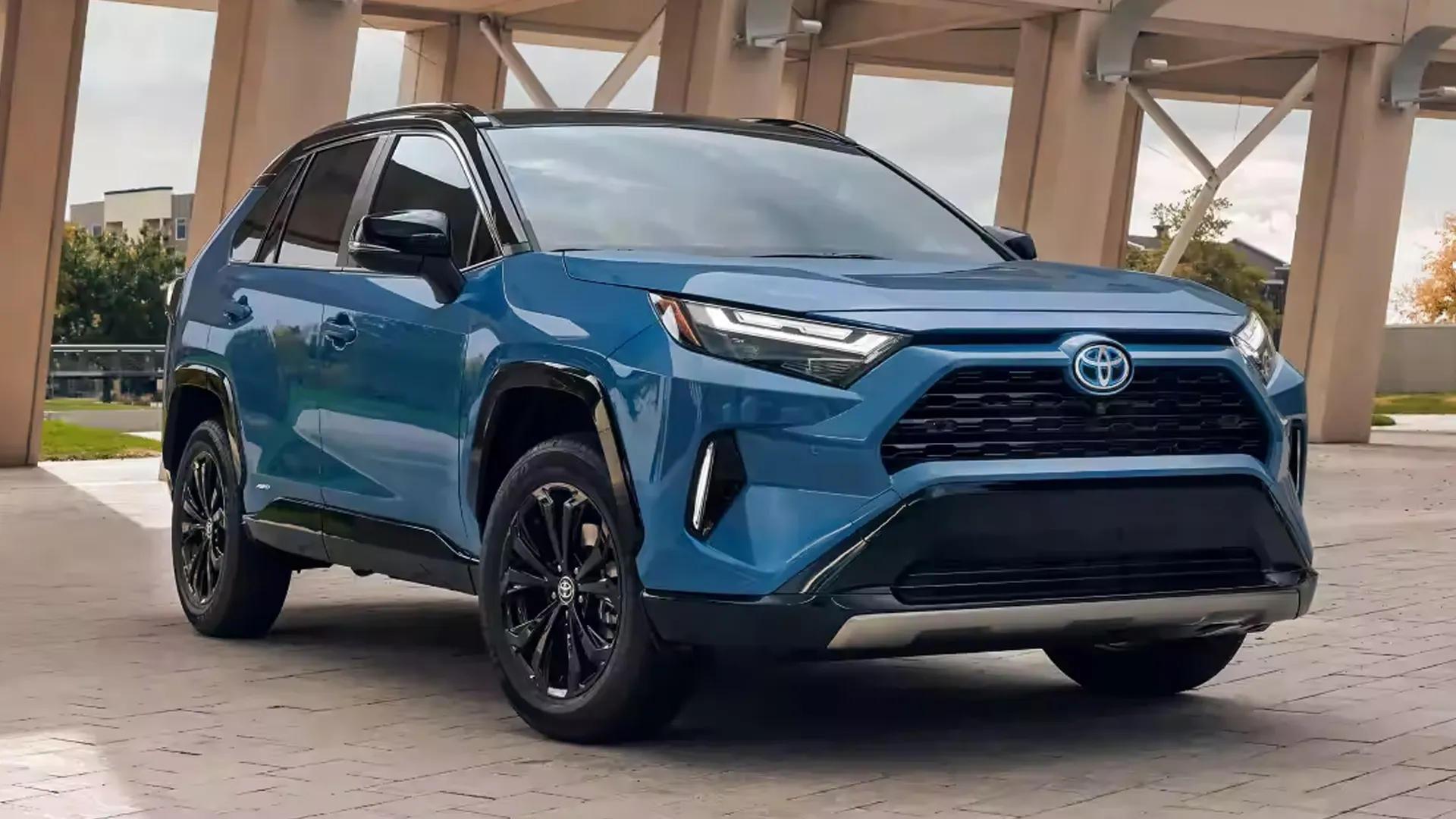
2. Toyota RAV4 (2023)
Toyota RAV4 2023 is among the most popular compact SUVs worldwide, known for reliability, comfort, and fuel economy. Despite these strengths, the rear camera underperforms during nighttime driving. Blurry, grainy images reduce the driver’s ability to accurately judge distance, making reversing in poorly lit areas stressful.
Daytime clarity is acceptable, but once shadows dominate, confidence diminishes. Low-light conditions reveal the camera’s limitations. Headlights from passing cars or reflections from wet roads can wash out portions of the display, hiding obstacles.
Small curbs, minor debris, or pedestrians can become difficult to detect, requiring drivers to slow down, use mirrors, or occasionally step out to verify distances. Parking in narrow spaces or tight urban areas becomes a more time-consuming and careful process.
The RAV4’s camera lacks enhanced night-vision capabilities or advanced image processing that competitors employ. Even with parking sensors active, subtle hazards may remain unnoticed.
Shadows and uneven surfaces reduce the entire clarity, forcing drivers to compensate with extra caution. Families, daily commuters, or drivers frequently going through dimly lit areas will feel the shortfall keenly.
While the RAV4 offers comfort, style, and efficiency, nighttime rear visibility is a clear drawback. Owners who prioritize evening parking convenience may find the experience frustrating, especially compared to higher-end SUVs with sharp, clear night camera systems. The vehicle is excellent in other areas, yet it does not provide the same confidence or intuitive guidance after dark.
For those who frequently drive or park at night, the RAV4’s rear camera demands patience and careful observation. Users wishing for sharper night-time clarity may need additional aids, such as external lighting or manual checks, to ensure safety and avoid minor accidents.
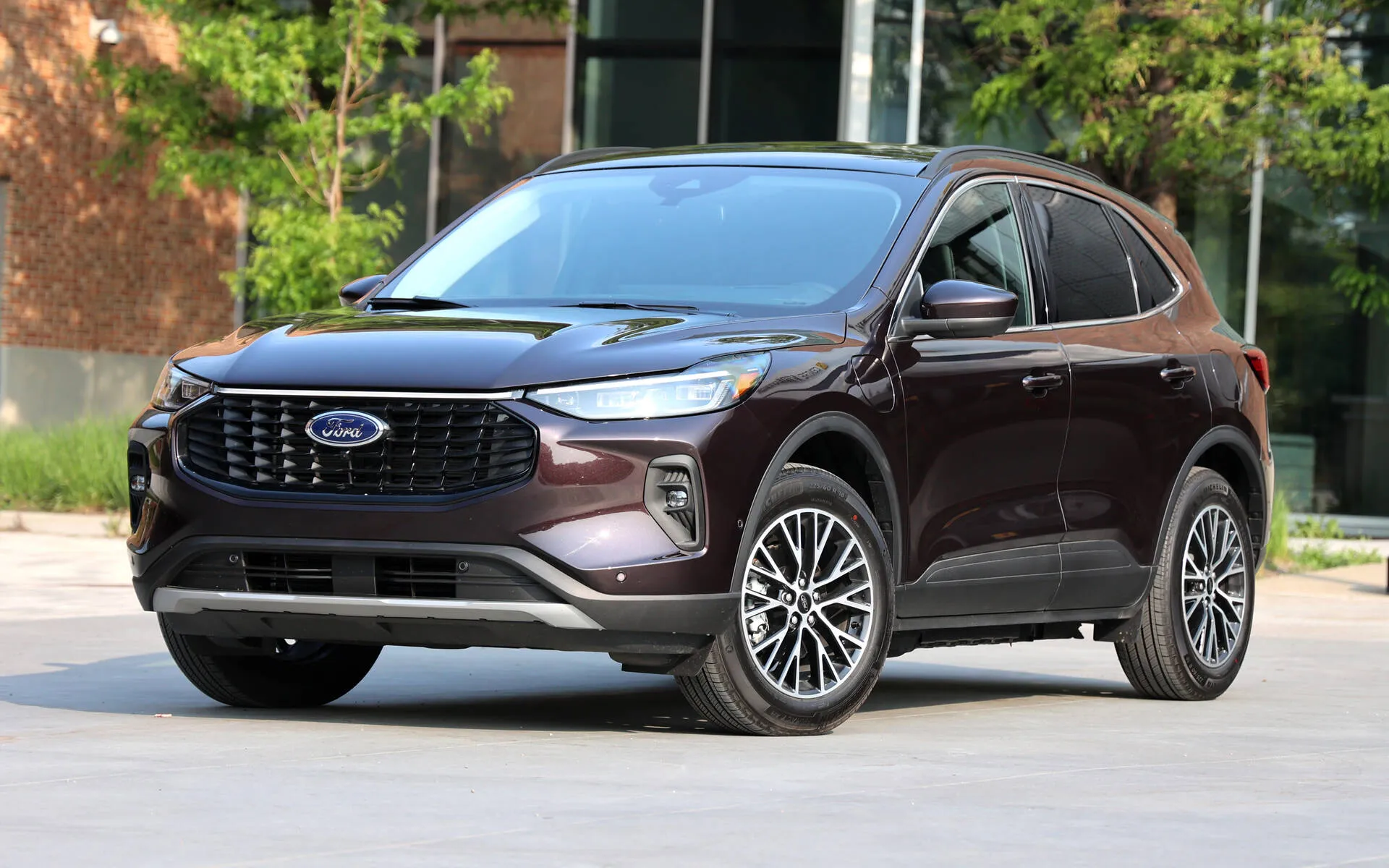
3. Ford Escape (2023)
Ford Escape 2023 delivers a comfortable, well-designed compact SUV experience, yet its rear camera underperforms in low-light conditions.
While daytime parking is generally straightforward, reversing after sunset exposes the camera’s weaknesses. Images appear grainy, and fine details such as curbs or low obstacles are difficult to detect, making precise parking more challenging than expected.
The camera sensor is standard and lacks night-vision enhancement or adaptive exposure technology. This limitation means streetlights, headlights, or reflective surfaces can create glare or washed-out patches on the display.
Dark corners behind the vehicle remain unclear, requiring slower, more cautious manoeuvres. Even experienced drivers find that relying on the camera alone at night is insufficient for safe reversing. Integrated parking sensors help by providing audible warnings, but visual clarity remains the primary reference for judging distances.
Minor obstacles, pets, or small children are harder to notice on the grainy display, and tight spaces require extra time to park safely. The Escape performs reliably during daylight, yet its nighttime reversing capabilities fall short.
Urban drivers, families, or night-shift commuters often have to adapt, combining camera use with mirrors and stepping out when needed. For those who frequently drive in dimly lit areas, this adds stress and reduces convenience. While the Escape excels in comfort, handling, and efficiency, its rear camera system does not inspire the confidence that night driving demands.
Improved sensors, larger imaging components, or advanced night vision would raise the Escape’s rear-view system, but in its current state, careful observation and patience remain essential for safe nighttime parking.
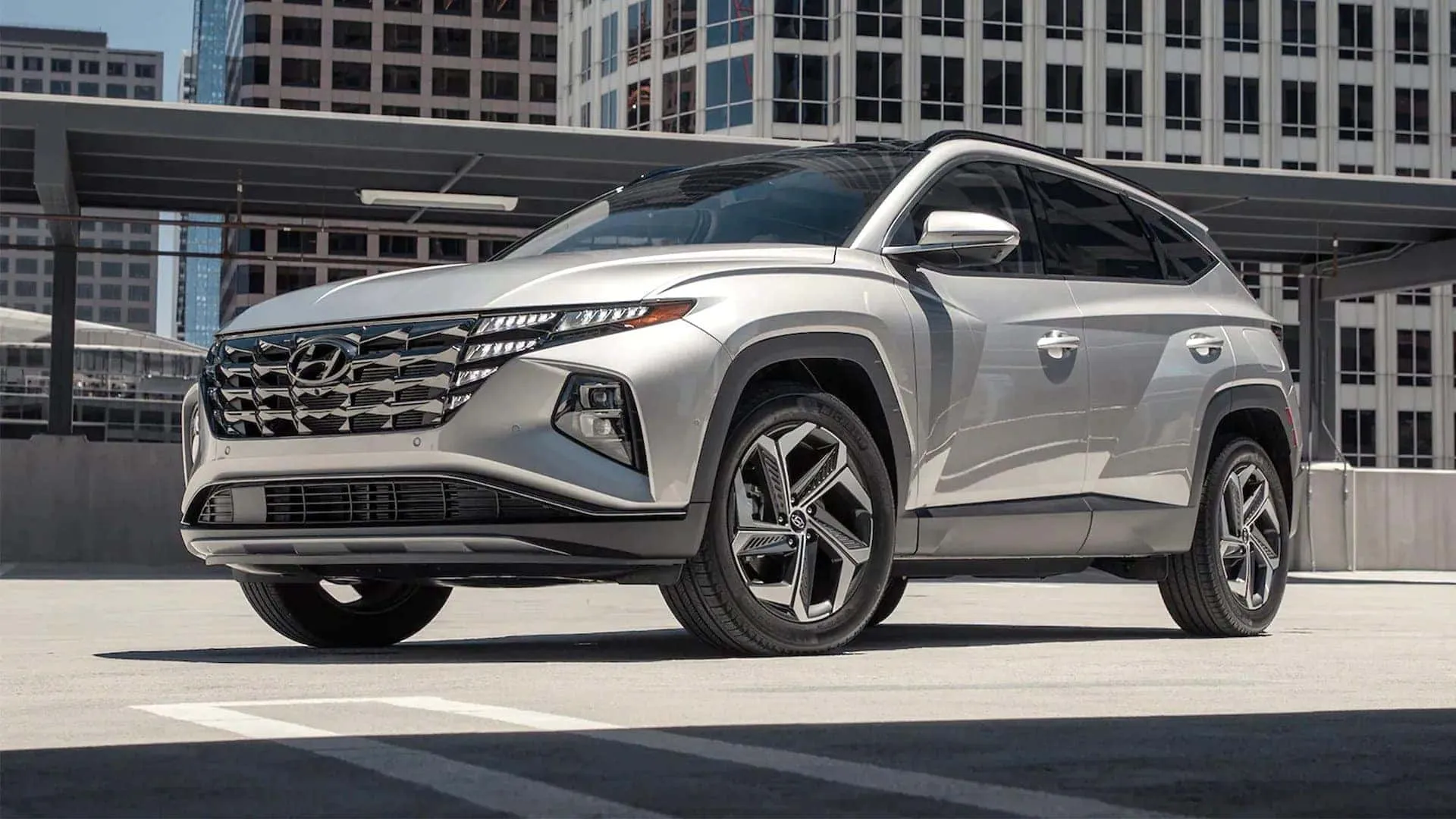
4. Hyundai Tucson (2023)
Hyundai Tucson 2023 is known for its stylish exterior, comfortable cabin, and a suite of modern features that appeal to daily commuters and families.
However, one area where the Tucson struggles is the performance of its rear camera at night. While the camera functions well in daylight, offering a clear and sharp view of the surroundings, the story changes drastically once the sun goes down.
Night-time images often appear blurred, grainy, or lacking in detail, making it harder for drivers to pick out curbs, small obstacles, and even moving pedestrians behind the vehicle. This reduction in clarity affects driver confidence, especially in tight environments where precision is required.
The main cause of this issue is the limited sensor size and the absence of advanced digital enhancement. The camera does not capture enough light to provide a crisp image, so darker areas on the screen become muddy and unclear.
Meanwhile, bright light sources such as streetlights, reflecting surfaces, or even approaching headlights tend to overexpose certain parts of the display. This creates an uneven balance where some areas appear washed out while others remain in deep shadow.
Drivers frequently mention that they sometimes fail to notice small hazards or low-lying objects until they are very close, making manoeuvring in tight spaces more stressful. Even though the Tucson is equipped with parking sensors, they only provide audio assistance and cannot replace the visual assurance a clear camera view offers.
With a blurred display, drivers must rely more on mirrors and cautious manual judgment, slowing down the reversing process. Busy parking lots, narrow driveways, or residential streets with limited lighting demand extra attention, which can be inconvenient for night-shift workers or parents arriving home late.
Despite this drawback, the Tucson continues to shine in areas like comfort, ride quality, fuel efficiency, and handling stability. Many owners appreciate its reliability and practicality. However, when it comes to nighttime parking safety, the camera falls short of expectations.
Drivers often wish Hyundai had upgraded the system with better sensors or improved low-light technology. As it stands, reversing after dark requires additional patience, slower movements, and a higher level of caution to avoid minor accidents. For those who frequently drive in low-light conditions, this limitation is worth considering.
Also Read: 5 Cars With Strong Defrosters Vs 5 That Crawl Slowly
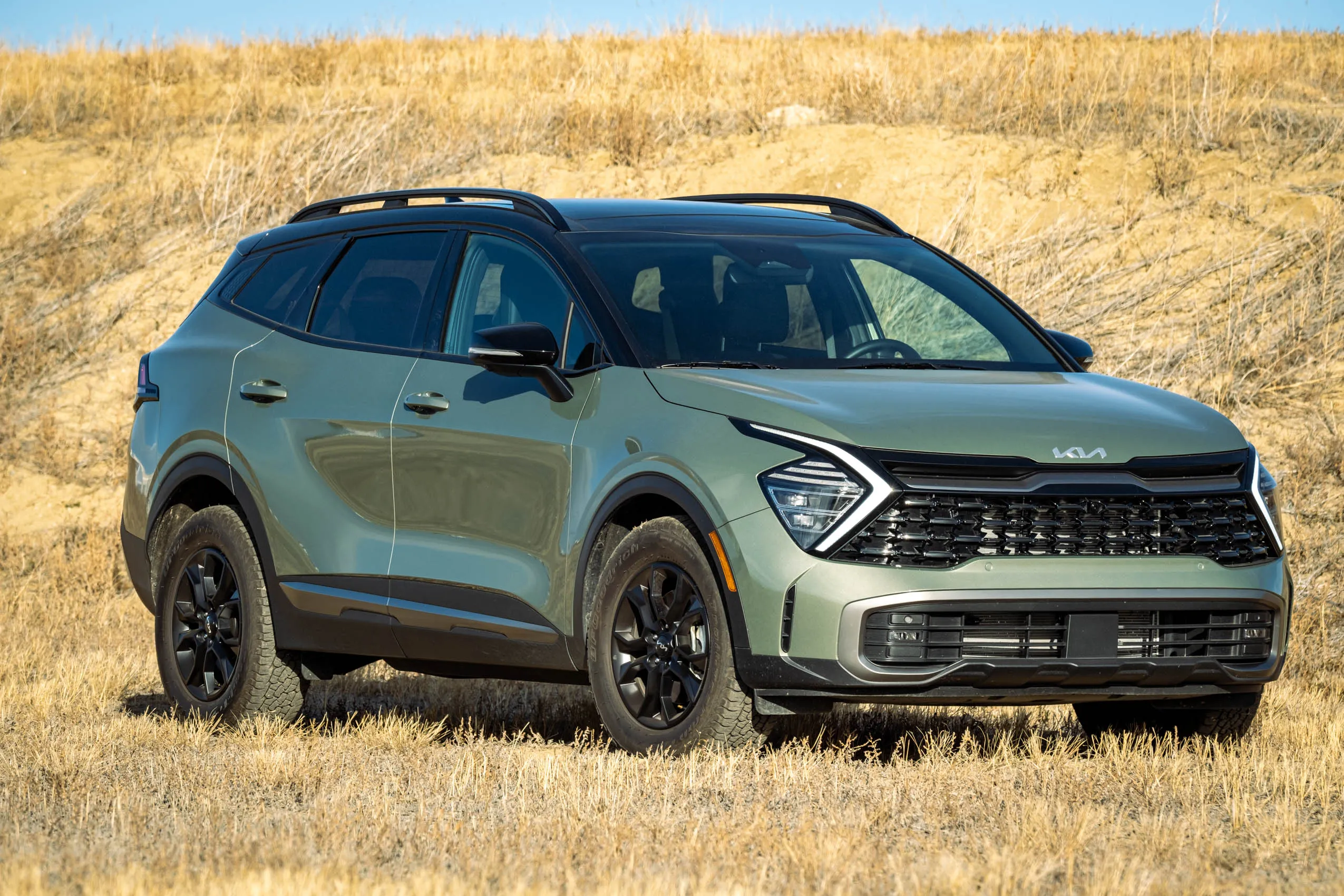
5. Kia Sportage (2023)
Kia Sportage 2023 remains a favourite among compact SUV buyers due to its bold design, comfortable interior, and dependable performance.
However, one area that reveals a known weakness is its rear camera performance during nighttime driving. While the camera performs admirably during the day, offering clear visuals and reliable guidance, its clarity drops in low-light conditions.
The nighttime display often appears grainy, soft, or lacking proper distinction, making it difficult for drivers to spot small obstacles, low curbs, or pedestrians walking behind the vehicle. This decline in visibility naturally reduces confidence for drivers who frequently reverse after sunset.
The issue stems from limitations in the camera hardware. The sensor is relatively small and lacks specialized night-vision enhancement features, which are becoming more common in competing models.
When reversing under streetlights or facing oncoming headlights, the camera struggles to balance exposure, often producing overexposed or washed-out sections on the screen.
Meanwhile, darker portions remain underexposed and unclear, creating a visual inconsistency that forces drivers to interpret the image cautiously. Small hazards such as debris, pets, or bicycles can be especially hard to detect, increasing the risk of minor accidents.
Although the Sportage includes parking sensors, they mainly assist by producing audible signals. These sensors help but cannot fully replace the clear, visual feedback that a high-quality camera should provide.
Drivers often report needing to double-check with mirrors or physically look around when reversing in dimly lit conditions, particularly in crowded parking lots or residential streets. This extra caution slows the reversing process and increases the mental load on the driver.
Despite this drawback, the Sportage performs strongly in several other areas, including fuel economy, comfort, infotainment features, and everyday practicality.
Many owners appreciate its durability and ease of use. However, the nighttime rear camera quality is an area where the vehicle feels somewhat outdated compared to competitors offering clearer, high-resolution low-light imaging.
For drivers who frequently operate in darkness, the Sportage requires slower, more deliberate manoeuvres to stay safe. While the SUV is still reliable generally, its rear camera system makes nighttime reversing more demanding than it should be, highlighting the need for better low-light technology in future models.
