When it comes to hatchbacks, the focus often falls on styling, fuel efficiency, and handling. Yet one of the most overlooked aspects of these vehicles is rear-seat comfort. Hatchbacks are known for being compact, practical, and often affordable, but not all of them accommodate adults comfortably in the back.
For families, ride-share drivers, or anyone who regularly transports passengers, understanding which hatchbacks provide genuine rear-seat comfort is critical. Factors like legroom, headroom, seat cushioning, and ride quality can make a huge difference in whether a vehicle feels accommodating or cramped.
While hatchbacks are inherently smaller than sedans or SUVs, some manufacturers manage to maximize interior space with clever engineering and design, allowing adults to sit without their knees hitting the front seat or feeling wedged into a narrow bench. These vehicles often balance maneuverability with practicality, offering a comfortable seating position even for taller passengers.
Conversely, many hatchbacks focus almost entirely on the front-seat experience, sacrificing rear-seat space in the process. Some models have a stylish exterior and a fun driving dynamic, yet the rear cabin becomes almost an afterthought.
Passengers in these vehicles often find themselves pressed against the front seats, knees angled awkwardly, or contending with low rooflines that restrict headroom.
Such cars can still be excellent choices for solo drivers or couples, but for anyone regularly transporting adults, these “knee-bangers” are frustrating. Recognizing which hatchbacks prioritize rear comfort versus those that do not is key to making a well-informed decision, whether buying new or used.
This article compares five hatchbacks that offer rear-seat comfort adults will actually enjoy with five models that are better suited to shorter trips or younger passengers due to tight back seating. The goal is not to denigrate any vehicle but to provide clarity for buyers who need more than just cargo flexibility.
Comfort in the back seat can influence road trip enjoyment, daily commute experiences, and satisfaction with a vehicle. By focusing on measurable aspects like legroom, seat design, and ride quality, we can draw a clear line between hatchbacks that treat back-seat passengers well and those that make adults feel boxed in. With this knowledge, readers can make smarter choices and understand how compact car design impacts everyone inside the cabin.
5 Hatchbacks with Back Seats Adults Enjoy
1. Honda Civic Hatchback
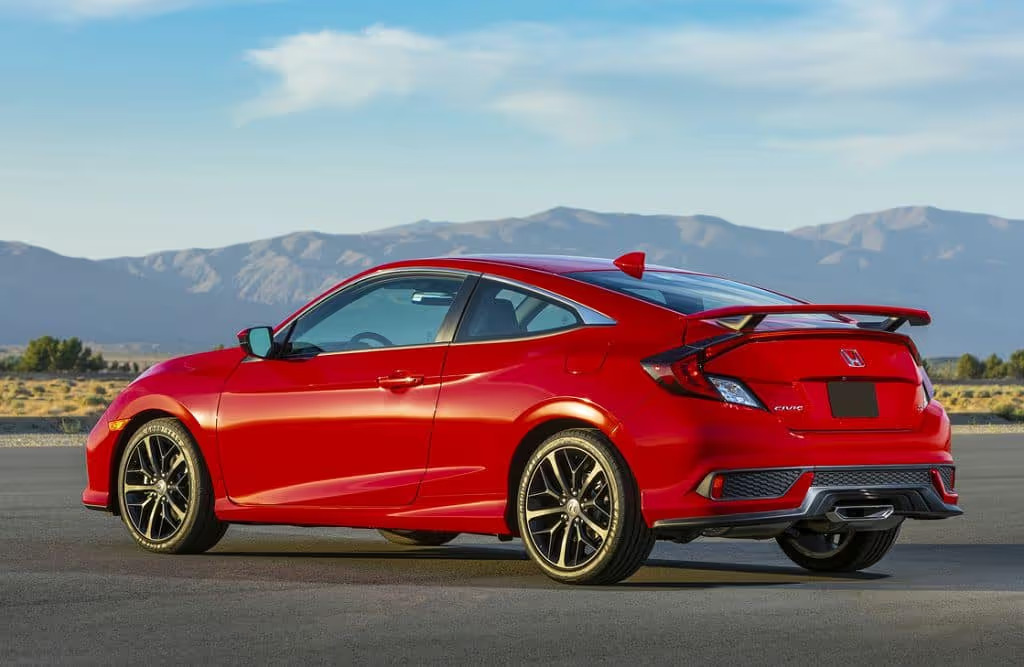
The Honda Civic Hatchback has long been praised for its thoughtful interior design, which caters to both driver and passengers. Adults seated in the rear benefit from generous legroom that allows for extended periods of sitting without feeling cramped.
The seats are well-contoured, offering lumbar support and cushioning that reduces fatigue during long drives, while maintaining firmness that avoids feeling “squishy.” Even taller passengers can stretch comfortably, and the rear doors open wide, allowing easy access in tight parking spaces or urban environments.
In addition to its physical dimensions, the Civic’s cabin layout ensures that passengers have sufficient shoulder room, reducing the sense of confinement that plagues many other compact hatchbacks.
Ride quality is another area where the Civic shines. Its suspension system is finely tuned to provide a balance between responsive handling and passenger comfort. Rear passengers rarely experience harsh bumps or excessive jolting, and the vehicle’s stability ensures that occupants feel secure, even during abrupt maneuvers.
This makes the Civic Hatchback particularly suitable for families or rideshare drivers who want a car that prioritizes passenger comfort without compromising on agility or driving enjoyment. Its smooth ride also contributes to a more relaxed environment, allowing passengers to converse, work, or enjoy media without constant disturbance from road imperfections.
The Civic Hatchback also incorporates a range of thoughtful amenities for rear passengers. Adjustable headrests, cup holders, and door pockets provide convenience, while the rear bench is wide enough to accommodate three passengers for short trips or two comfortably for longer journeys.
The seat design and ergonomics have clearly been considered with adults in mind, avoiding the wedge-shaped, cramped bench found in smaller hatchbacks. Even with passengers seated in the back, the cabin feels spacious and breathable, a testament to Honda’s interior engineering.
Noise insulation is another factor that contributes to back-seat comfort. The Civic minimizes wind and road noise, creating a cabin environment that feels calm and refined. Even at highway speeds, passengers can converse without raising their voices, and the HVAC system reaches the rear vents effectively, ensuring temperature consistency throughout the cabin.
Together with the spacious seating and smooth ride, these features position the Honda Civic Hatchback as a compact vehicle that does not compromise on adult rear-seat comfort.
2. Volkswagen Golf
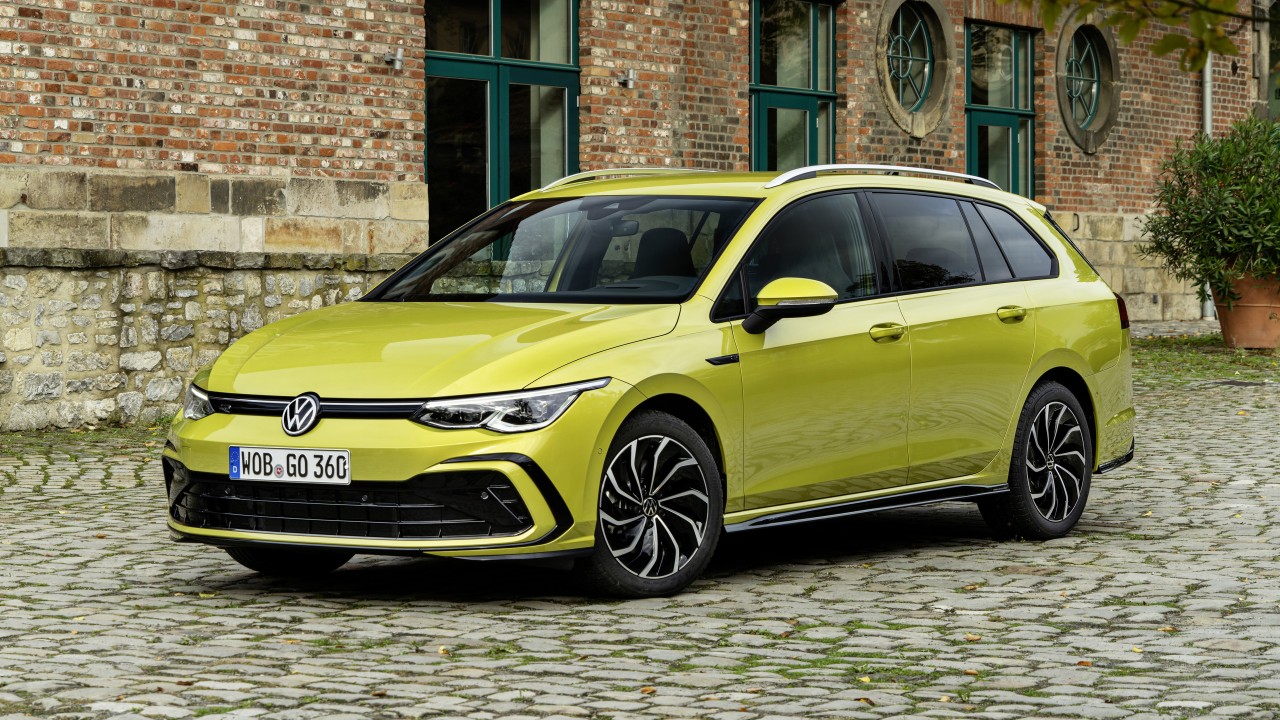
The Volkswagen Golf is widely recognized for offering a cabin that feels more spacious than its exterior suggests. Adults seated in the rear enjoy ample legroom, allowing them to stretch naturally even on longer drives. The upright seating position prevents slouching, while the contoured seats provide lateral support during cornering, enhancing comfort without restricting movement.
The rear headrests are adjustable, further supporting taller passengers and ensuring a comfortable posture over extended trips. Shoulder room is generous, reducing the cramped feeling common in compact hatchbacks, and the design maintains a sense of openness despite the car’s size.
Ride quality in the Golf further enhances rear-seat comfort. The suspension system absorbs urban imperfections, potholes, and highway irregularities efficiently, ensuring that passengers experience minimal fatigue.
Rear passengers are less affected by road undulations than in similarly sized vehicles, making the Golf an ideal choice for frequent commuters, families, or carpool situations. Even in sportier trims, where handling is emphasized, the rear cabin remains relatively stable, balancing driver engagement with passenger comfort.
The interior layout and amenities are designed to support usability and convenience. Rear passengers benefit from cup holders, armrests, and door storage, while the rear bench folds flat easily for cargo flexibility without sacrificing comfort when upright.
The materials are supportive and durable, giving a premium feel that is uncommon in compact hatchbacks. These practical touches make the Golf not only comfortable but also functional for daily driving, long-distance trips, or carrying additional luggage.
Noise levels are well managed in the Golf, creating a quiet and serene rear cabin. Engine, wind, and tire noise are subdued, and climate control reaches the rear vents efficiently, ensuring that all passengers experience consistent temperature and airflow. Combined with generous legroom, supportive seating, and thoughtful ergonomics, the Volkswagen Golf continues to set the standard for compact hatchbacks that provide genuine comfort for adult passengers.
3. Mazda3 Hatchback
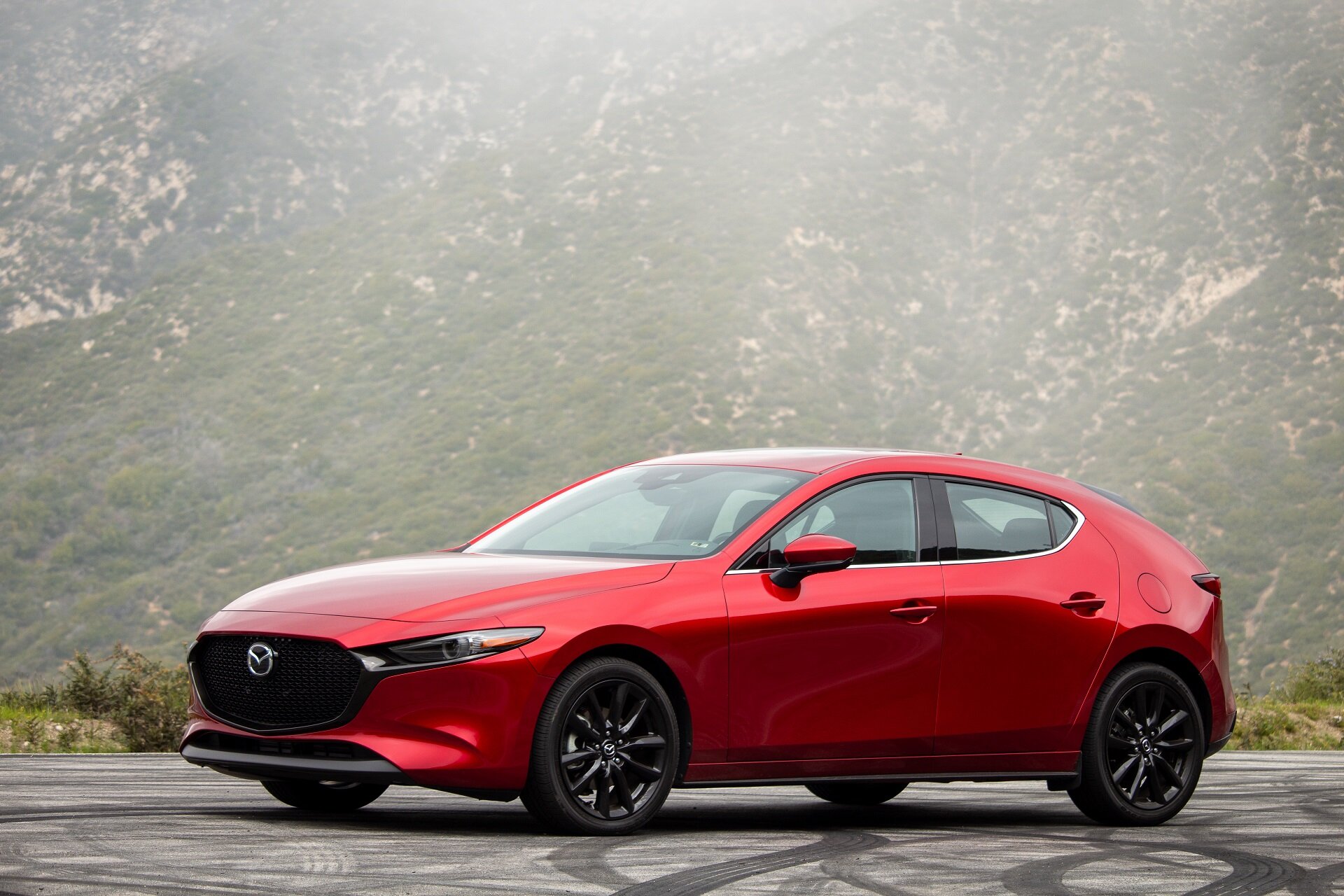
The Mazda3 Hatchback stands out for its premium-feeling interior and design that maximizes usable space. Adults in the rear appreciate contoured seats that offer both lateral support and comfort, with padding that balances firmness and softness to minimize fatigue during long trips.
Rear legroom is above average for the segment, allowing even taller passengers to sit naturally without their knees pressing into the front seats.
The upright seating position, combined with wide doors and a spacious rear cabin, prevents the feeling of confinement often encountered in other compact hatchbacks. Headroom is generous, and the large side windows provide an open, airy feel that enhances comfort.
Ride quality is also a highlight of the Mazda3. Its suspension smooths out urban imperfections and absorbs bumps with finesse, preventing jolting or discomfort for rear passengers.
Even on less-than-perfect roads, the cabin remains stable and controlled, reducing fatigue on long journeys. The Mazda3 achieves an impressive balance between a fun driving experience and passenger comfort, making it suitable for those who want a compact hatchback without sacrificing rear-seat usability.
Interior features are designed with passenger convenience in mind. Rear passengers enjoy accessible cup holders, storage compartments, and armrests, while the wide bench accommodates adults comfortably.
The rear seat design prevents sliding and shifting, and the placement of the seats ensures that passengers feel secure without being cramped. These thoughtful design elements make the Mazda3 Hatchback a practical and enjoyable car for those who frequently carry adult passengers.
Noise management contributes significantly to the rear-seat experience. Engine, wind, and road noise are effectively minimized, allowing passengers to converse or enjoy media in peace.
Climate control reaches the rear cabin efficiently, keeping the temperature consistent throughout. Combined with spacious seating, supportive cushions, and a well-insulated cabin, the Mazda3 Hatchback excels as a small car that does not compromise comfort for style or performance.
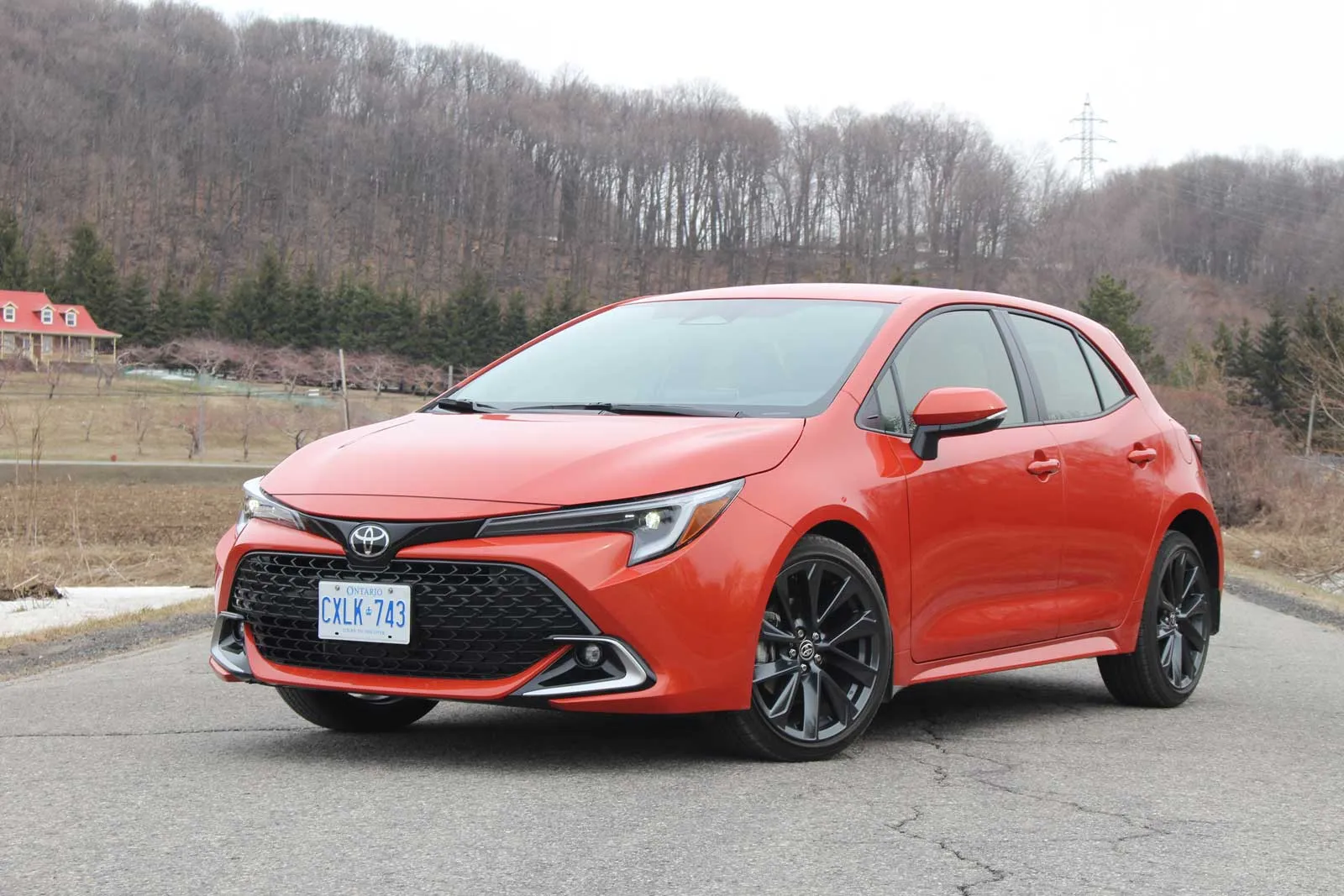
4. Toyota Corolla Hatchback
The Toyota Corolla Hatchback is a compact car that surprises many with its rear-seat comfort. Adults seated in the back enjoy sufficient legroom, allowing them to sit naturally without knees pressing against the front seats. The cushioning is soft enough to prevent discomfort on long drives while remaining supportive, maintaining a balance between comfort and posture.
Rear doors open wide, providing easy access even in tight parking spots, and the upright seating position ensures that passengers remain comfortable over extended trips. Shoulder room is adequate, making the rear bench suitable for two adults, while three can fit for shorter trips without feeling overly constrained.
Ride comfort further enhances the Corolla Hatchback’s rear-seat usability. Its suspension absorbs minor road imperfections effectively, preventing passengers from being jolted or fatigued. The car handles city streets and highways with stability, contributing to a smooth, relaxed ride for back-seat occupants.
Taller passengers benefit from the thoughtfully engineered interior, as headroom and legroom allow natural seating positions without the need to hunch or stretch uncomfortably.
The Corolla’s rear amenities are practical and user-friendly. Adjustable headrests, rear cup holders, and small storage compartments enhance passenger convenience, and the rear bench is well-cushioned to support adults on longer trips.
Ergonomic considerations, such as seat contouring and posture support, highlight Toyota’s focus on practicality and comfort. These design choices elevate the Corolla Hatchback beyond the typical compact hatchback experience, making it a viable option for families and frequent passengers alike.
Noise and climate management also play a crucial role in the Corolla’s rear-seat comfort. The cabin remains quiet even at highway speeds, allowing conversations or media consumption without raising voices. Rear vents deliver adequate airflow, ensuring passengers feel comfortable regardless of weather conditions.
Combined with spacious seating, supportive cushions, and practical amenities, the Toyota Corolla Hatchback demonstrates that compact cars can accommodate adults comfortably without compromising on efficiency or style.
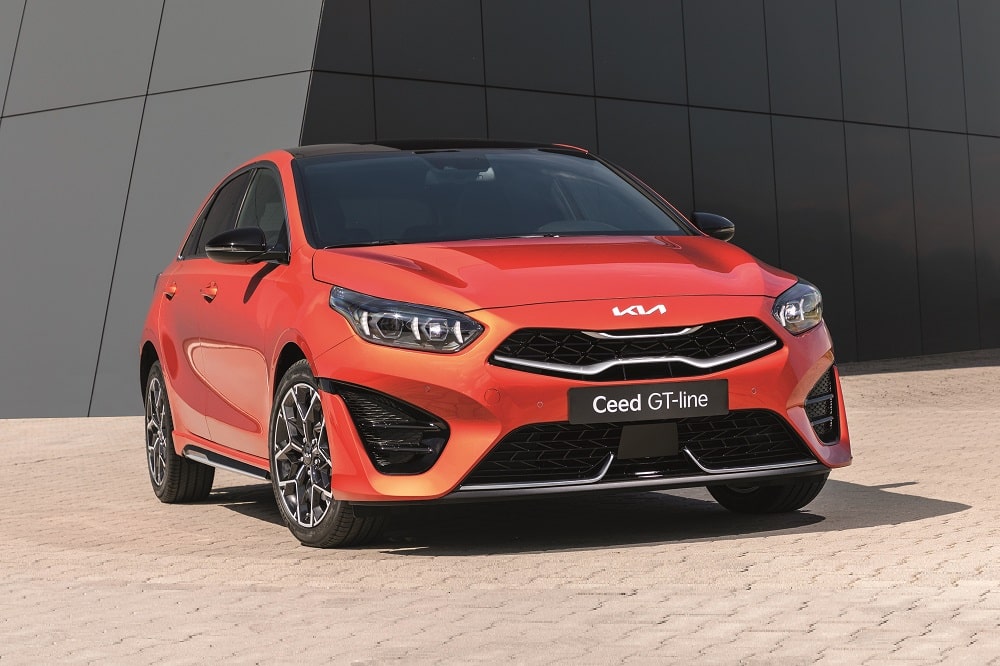
5. Kia Ceed
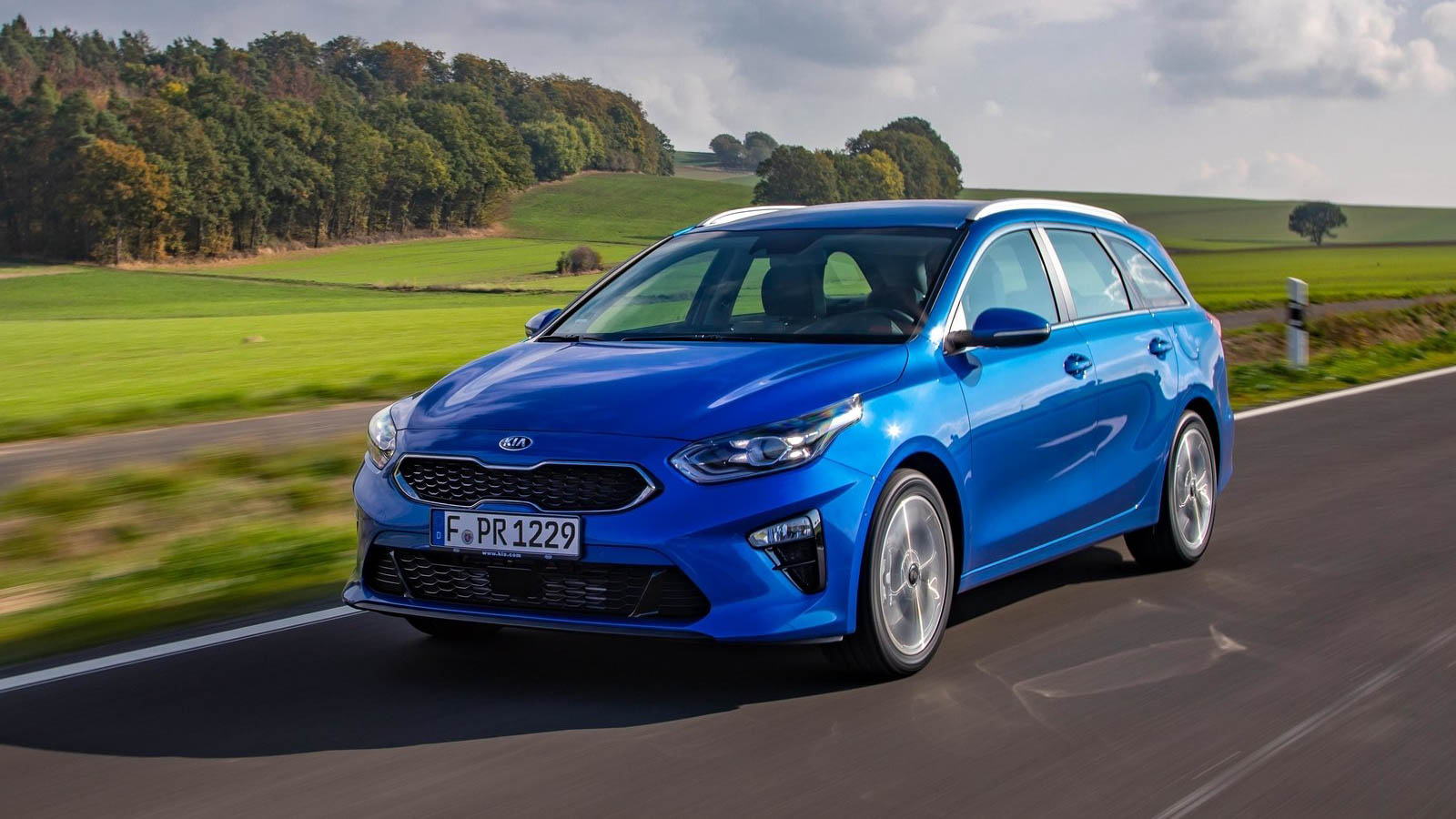
The Kia Ceed is a European hatchback designed with practical rear seating in mind. Adults benefit from generous legroom and a rear bench that is wide and supportive, accommodating passengers comfortably on longer trips. The seat cushioning strikes a balance between softness and support, reducing fatigue while providing sufficient posture support.
Headroom is ample, even for taller passengers, and the rear doors allow convenient entry and exit. Shoulder room is reasonable, allowing two adults to sit comfortably for extended journeys while still fitting three for shorter trips.
Ride quality significantly contributes to passenger comfort in the Kia Ceed. Its suspension system absorbs urban bumps and highway irregularities, preventing the jostling or vibration commonly experienced in compact hatchbacks.
The rear cabin remains stable during cornering, and passengers experience minimal fatigue even on extended drives. This combination of suspension tuning and interior space makes the Ceed ideal for families or those who frequently transport adults.
Practical features further enhance rear-seat usability. Rear cup holders, door storage, and an armrest provide convenience, while the seat design ensures that passengers remain securely positioned.
The bench is supportive, and adults do not feel cramped even when seated for extended periods. The hatchback’s thoughtful interior layout balances usability with comfort, offering a small car that functions effectively as a family or commuter vehicle.
Noise and climate management also contribute to the Ceed’s appeal. Engine, wind, and road noise are well-controlled, creating a calm cabin environment. Rear passengers have access to adequate airflow from climate vents, ensuring consistent temperature throughout the cabin.
With spacious seating, supportive cushions, smooth ride quality, and practical amenities, the Kia Ceed stands out as a compact hatchback that genuinely accommodates adult passengers with comfort and ease.
5 Hatchbacks That Are Knee-Bangers
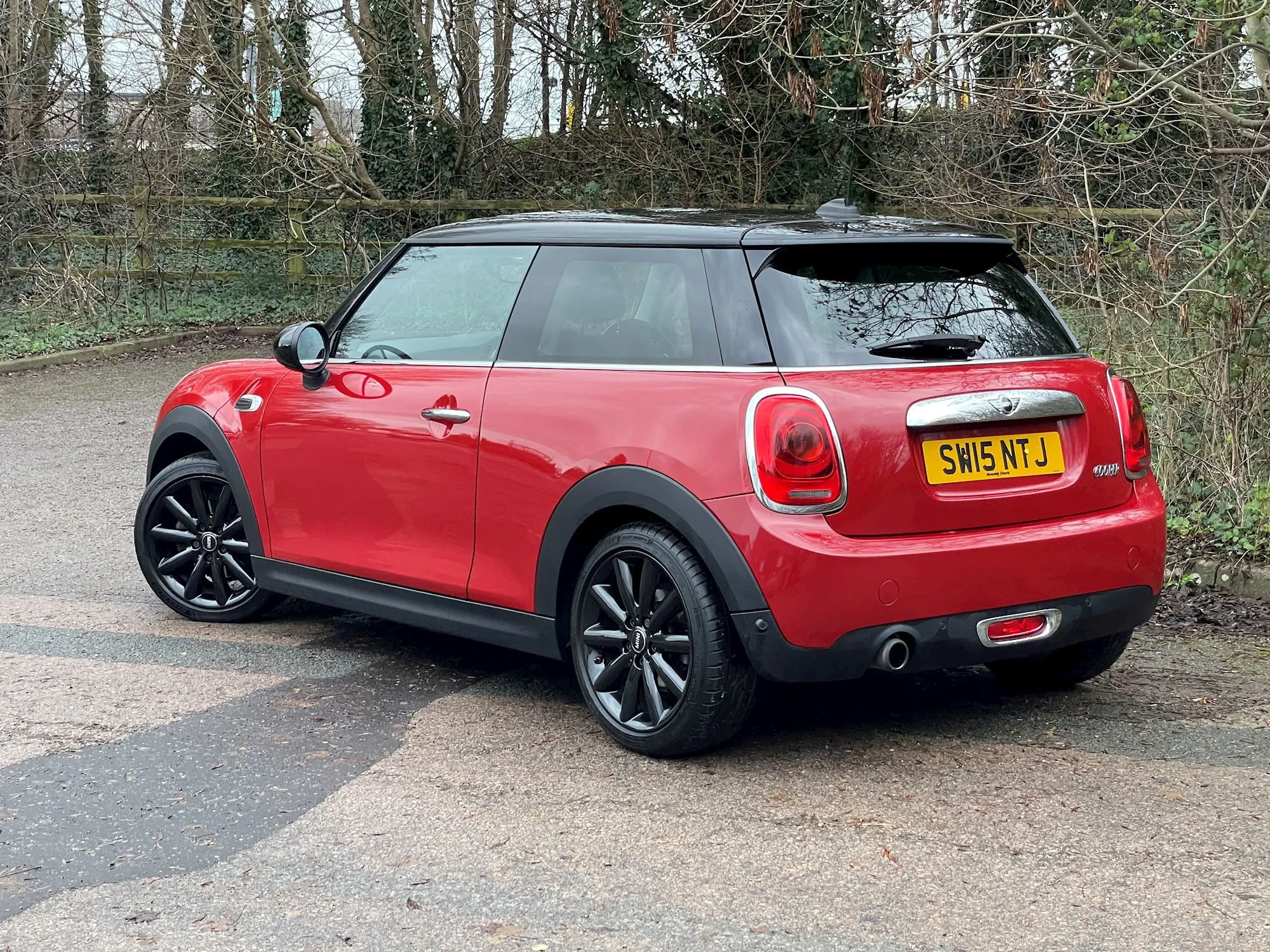
1. Mini Cooper Hatchback
The Mini Cooper is renowned for its iconic styling, spirited handling, and playful driving dynamics. However, when it comes to rear-seat comfort, it falls short for adult passengers. Legroom in the back is extremely limited, and even average-height adults often find their knees pressed uncomfortably against the front seats.
The rear bench is narrow, and passengers sitting three abreast would quickly feel overcrowded, making it impractical for anything beyond short trips or occasional use. Taller adults may have to angle their legs awkwardly, which can lead to discomfort even during brief journeys.
Headroom is another challenge in the Mini Cooper. The car’s sloping roofline reduces vertical space in the rear cabin, forcing passengers to hunch slightly to avoid their heads brushing the ceiling. This posture can quickly become tiring on longer drives, especially for taller occupants.
Entry and exit are also restricted due to the compact rear doors and low seating position, making it inconvenient in crowded parking spaces or urban environments. Adults may find it awkward to maneuver in and out of the vehicle without brushing against the door frame or adjusting their seating posture repeatedly.
The Mini Cooper’s firm suspension, tuned for sporty handling, contributes to a less comfortable rear ride. Rear passengers feel most road imperfections, bumps, and potholes directly, creating a jarring experience compared to the smoother front-seat ride.
While this setup makes the car enjoyable for drivers seeking precision and responsiveness, it compromises comfort for those sitting in the back. Long trips can become physically taxing, with adults experiencing more fatigue than they would in a more spacious hatchback.
Practical features in the rear are also limited. There are few cup holders or storage compartments, and the rear bench lacks adjustability, which restricts comfort options.
While the Mini Cooper is a stylish and fun-to-drive vehicle, adults will find the back seats cramped and unsuitable for regular use. Its design prioritizes front-seat experience and driving engagement, making it clear that rear passengers are an afterthought in this hatchback.
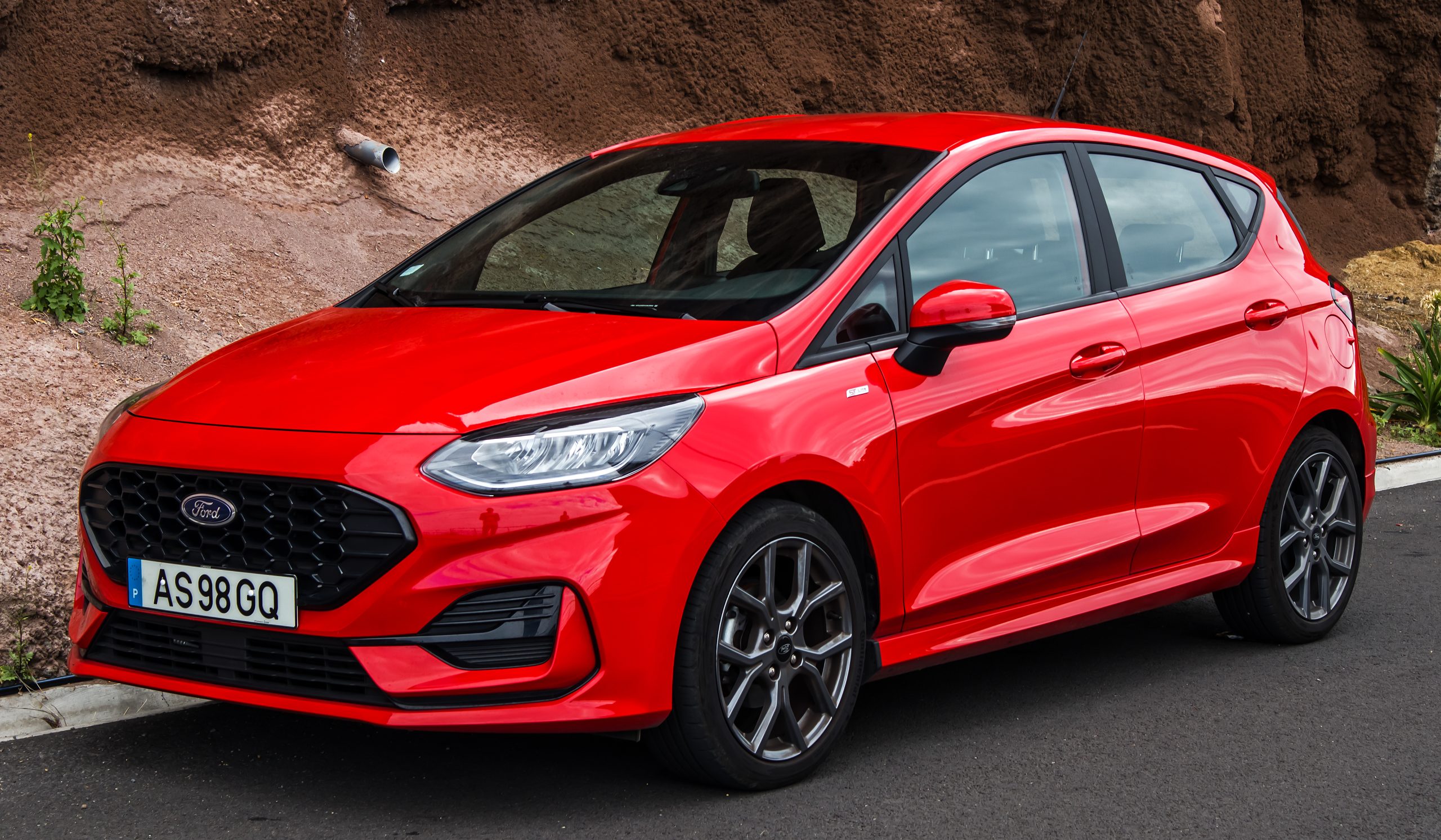
2. Ford Fiesta Hatchback
The Ford Fiesta is a small and agile hatchback, widely appreciated for its fun driving dynamics and fuel efficiency. However, rear-seat comfort is significantly compromised, particularly for adult passengers. Legroom in the back is minimal, and when the front seats are adjusted for taller drivers, adults in the rear often find themselves squeezed into a confined space.
The rear bench is narrow, forcing passengers to sit closely together, which becomes uncomfortable on trips longer than a few minutes. Three adults in the back is virtually impossible without feeling severely cramped.
Headroom in the Fiesta is also limited due to the low roofline and compact cabin design. Taller passengers must hunch slightly, which can quickly lead to neck and back discomfort.
The combination of limited vertical space and narrow seating makes it challenging for adults to find a natural, relaxed posture. Entry and exit are similarly constrained, with small rear doors that make maneuvering into the back seat awkward, particularly in urban parking conditions or when wearing bulkier clothing.
Ride quality exacerbates the discomfort for rear passengers. The Fiesta’s suspension is tuned for agility and handling rather than smoothing bumps, meaning potholes and uneven surfaces are felt more acutely in the back.
Road vibrations can cause fatigue and reduce enjoyment for rear passengers, particularly during longer journeys. While the front-seat experience is sporty and responsive, the rear cabin clearly suffers from compromise in comfort.
Practical amenities in the Fiesta’s rear are minimal. Cup holders, storage compartments, and seat adjustability are limited, reducing convenience for passengers. The compact design means adults in the back may also feel a sense of confinement during trips.
The Ford Fiesta Hatchback is better suited to drivers who rarely carry adult passengers, while children or short-distance rides are more appropriate for the rear seats.
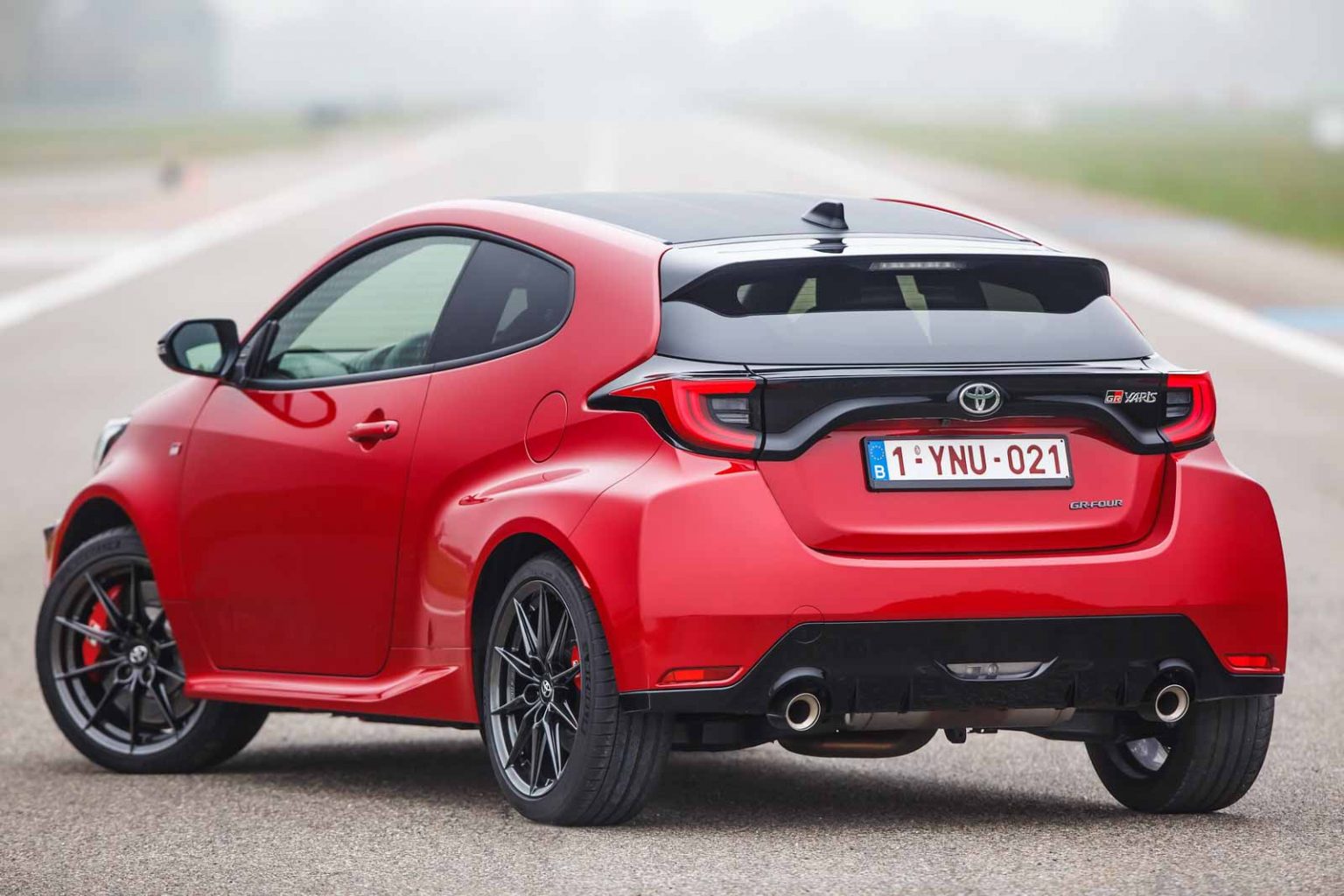
3. Toyota Yaris Hatchback
The Toyota Yaris is a compact and reliable hatchback, widely praised for its economy and maneuverability. Yet rear-seat space is clearly not designed with adults in mind. Legroom is restricted, particularly when front passengers are seated comfortably.
Adults seated in the back often experience cramped knees pressed against the front seatbacks, making longer journeys uncomfortable and fatiguing. The short bench also limits lateral space, creating a tight fit for two adults, and three passengers would feel severely overcrowded.
Headroom is another constraint. The Yaris’ low roofline compresses vertical space in the rear, forcing taller adults to slouch slightly, which can lead to discomfort on even moderately long drives. Entry and exit can be awkward as well, with relatively small rear doors that limit mobility and make loading and unloading passengers less convenient. Combined with narrow shoulder space, the rear cabin feels tight and restrictive for adult passengers.
Ride quality in the rear of the Yaris adds to the sense of compromise. The firm suspension transmits most road imperfections directly to the back seat, which can make even city driving feel rough.
Bumps, potholes, and uneven pavement are more noticeable in the rear cabin than the front, leading to discomfort over time. Long trips can become tiring for adults, reducing the vehicle’s suitability for family or multi-passenger use.
Rear-seat amenities are minimal. There are few cup holders or storage options, and the seats offer little in terms of adjustability or comfort-enhancing features. While the Toyota Yaris excels in reliability, fuel efficiency, and front-seat usability, it is clear that adults in the rear are secondary in the vehicle’s design priorities, making it best suited for short trips or younger passengers.
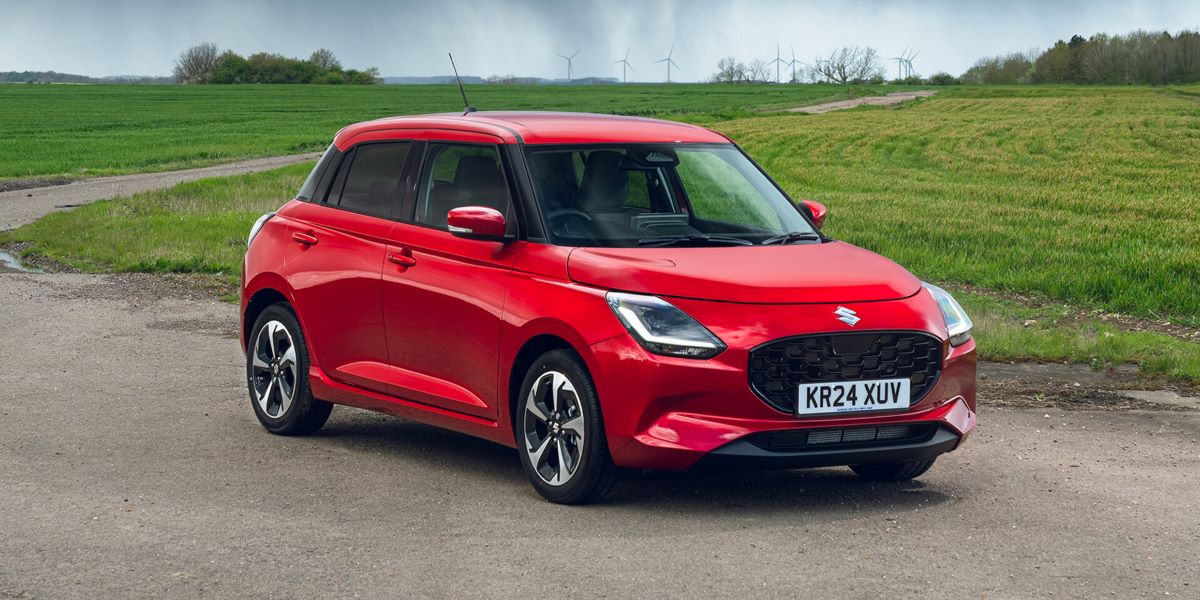
4. Suzuki Swift
The Suzuki Swift is a nimble, affordable hatchback known for its sporty handling and efficiency. However, rear-seat comfort for adults is noticeably lacking. Legroom is tight, particularly for taller passengers, and the narrow rear bench prevents proper spacing for multiple adults.
On longer trips, passengers can experience cramped knees and awkward seating positions, leading to discomfort and fatigue. Three adults in the back are impractical, with the middle seat offering minimal cushioning and shoulder space.
Headroom is constrained by the Swift’s sloping roofline. Taller passengers must adjust their posture, often hunching slightly to avoid contact with the ceiling.
Entry and exit are also limited by the small rear doors and low seating position, making the process awkward, especially in tight parking spaces. The rear cabin’s compact design emphasizes style and front-seat comfort at the expense of rear usability.
Ride quality in the Swift contributes to discomfort for back-seat passengers. Its suspension prioritizes a responsive driving experience, which results in a firmer, more jarring ride in the rear cabin. Bumps, potholes, and uneven surfaces are felt more directly, leading to a less comfortable journey compared with larger or better-cushioned hatchbacks. Long-distance travel can quickly become tiring for adults seated in the back.
Practical amenities for rear passengers are limited. The Swift provides few cup holders, minimal storage space, and no significant adjustability options. The design clearly favors front passengers, leaving rear occupants with a cramped and less accommodating space.
While the Suzuki Swift excels as a compact, efficient, and fun-to-drive hatchback, adults will find its rear seats restrictive and best suited for short trips or younger passengers.
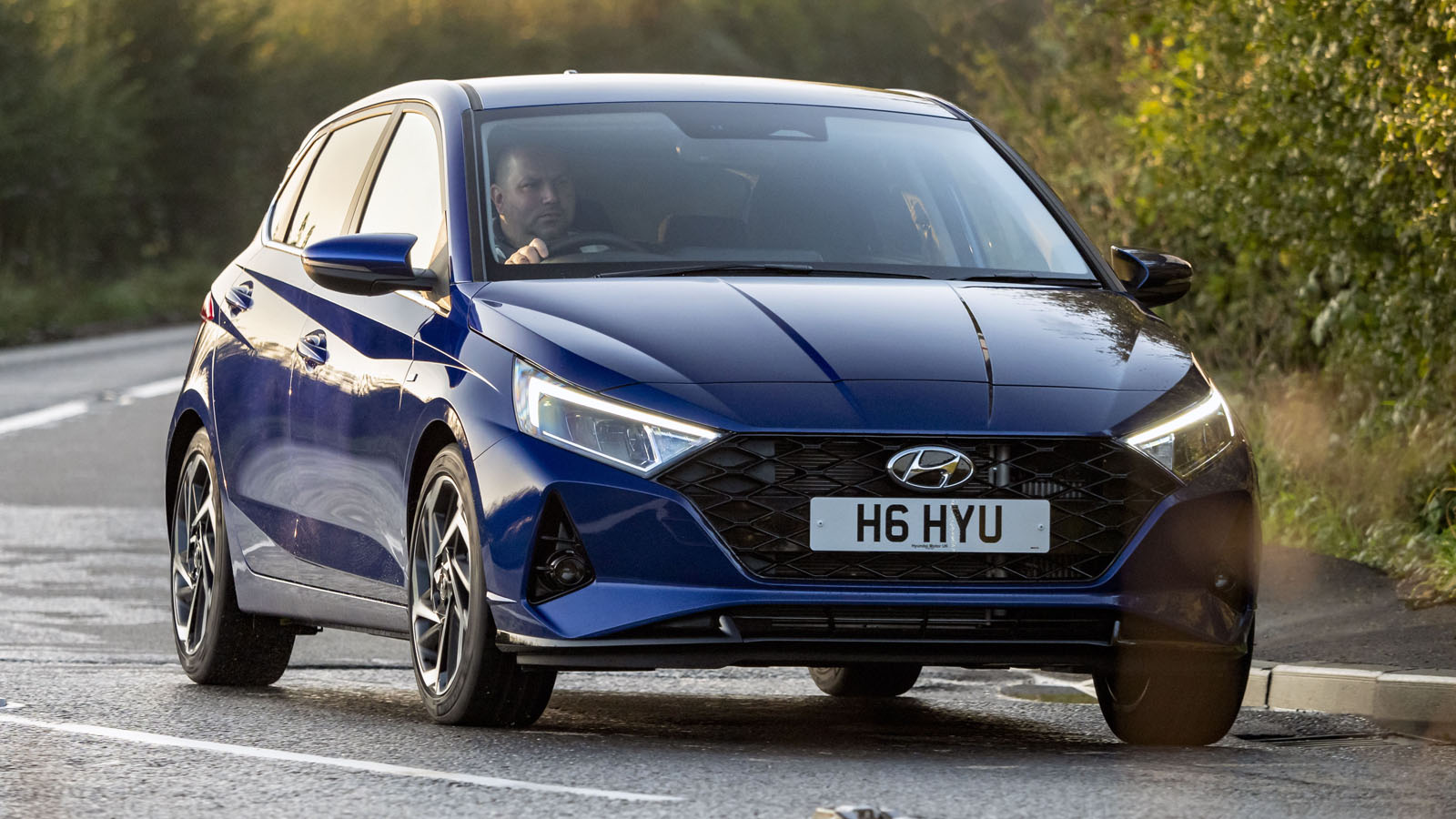
5. Hyundai i20
The Hyundai i20 is an economical and well-rounded hatchback, but rear-seat comfort for adults is limited by the car’s compact dimensions. Rear legroom is tight, especially when front seats are adjusted for taller drivers, forcing back-seat passengers into uncomfortable positions.
The bench is narrow, limiting lateral movement, and three adults sitting in the back would feel severely cramped, making long journeys particularly challenging.
Headroom is similarly restricted, with the roofline sloping downward toward the rear of the cabin. Adults often need to hunch slightly, which can lead to back and neck strain over extended periods. Entry and exit are also limited due to smaller rear doors, making it cumbersome for adults to maneuver in and out, particularly when wearing bulkier clothing or in crowded urban environments.
Ride comfort is another limiting factor. The suspension, while adequate for front-seat occupants, transmits most bumps and irregularities directly to the rear cabin. Back-seat passengers are more susceptible to fatigue during long drives, particularly on uneven roads or highways. While the i20 is easy to drive and fuel-efficient, rear passengers experience a firmer, less comfortable ride than they would in a larger hatchback.
Practical features for rear passengers are minimal, with limited storage, cup holders, and adjustment options. While the i20 is a sensible choice for short trips or younger passengers, adults in the back will find the space tight, and the experience less comfortable compared with other compact hatchbacks that prioritize rear-seat usability. It is best suited for commuters who rarely carry adult passengers or for situations where rear-seat comfort is not a priority.