Staying charged on the go has become one of the biggest modern-day priorities for American drivers and families.
Whether it’s navigating long commutes, managing back-to-back road trips, juggling school drop-offs, or simply keeping kids’ tablets and phones powered in the back seat, access to reliable in-car charging has shifted from a luxury to an expectation.
Today’s vehicles offer a wide variety of solutions USB ports, USB-C ports, 12-volt outlets, wireless charging pads, even full household-style 110-volt plugs. But not all models are equally generous.
Some provide ample charging points for every passenger, while others leave drivers awkwardly trading cables or forcing passengers to rotate access on long drives.
To help you make a smart purchase or evaluate your current ride this list breaks down five models that excel at keeping phones and devices charged versus five that fall short because of limited ports or outdated charging layouts.
The comparison focuses on mainstream models commonly found in U.S. households and considers real-world convenience, not just manufacturer specs.
Factors like port location, charging speed, rear-passenger access, compatibility with newer devices, and overall user experience all play a role.
Models That Keep Phones Charged
In today’s connected world, a car that can keep your devices powered is more than a convenience, it’s a necessity. From long road trips to daily commutes, certain vehicles make charging effortless with well-placed USB ports, fast charging capabilities, and smart power management. This guide highlights the models that make sure your phone stays ready, no matter how far the journey takes you.
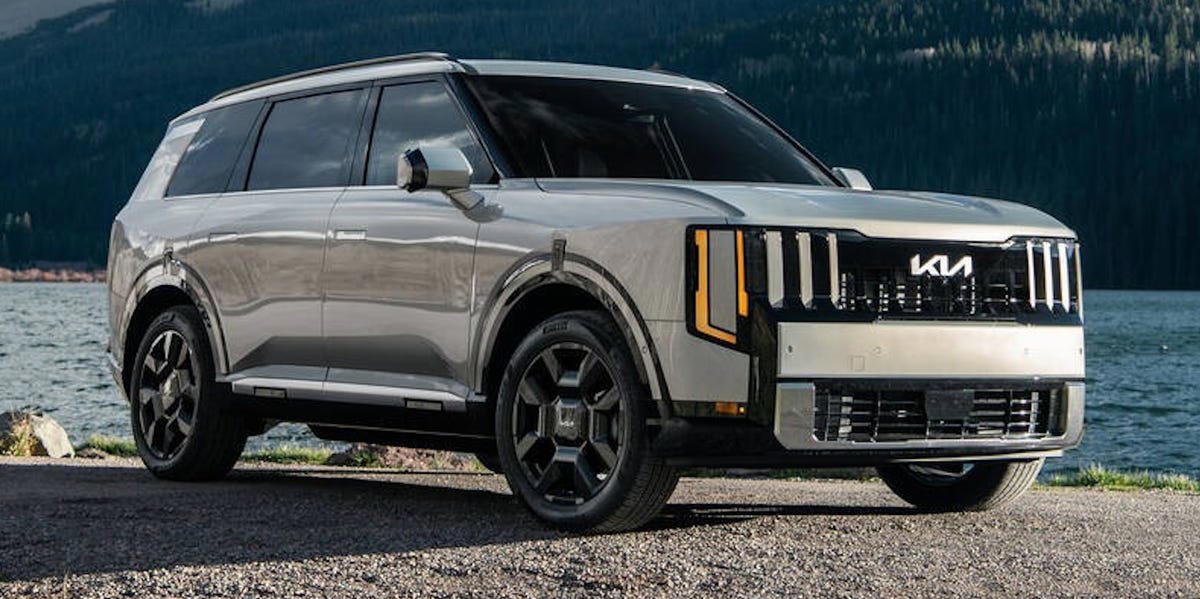
1. Kia Telluride
The Kia Telluride has earned its reputation as a family favorite, and one of the biggest reasons is how well it accommodates modern tech needs.
The 2025 model builds on previous years by offering multiple USB-C ports across all three rows, along with practical placement that prevents cords from tangling or stretching across seats.
The second row benefits from ports mounted on the front-seat backs an underrated design move that keeps kids from fighting over a shared outlet.
The available wireless charging pad up front is wide and grippy, preventing phones from sliding during turns. With such a thoughtful layout, even road trips with six or seven passengers feel easier because no one is asking, “Who has the charger?”
The 2021 Kia Telluride is an exceptional three-row crossover, excelling at transporting families while looking far more luxurious than its price suggests.
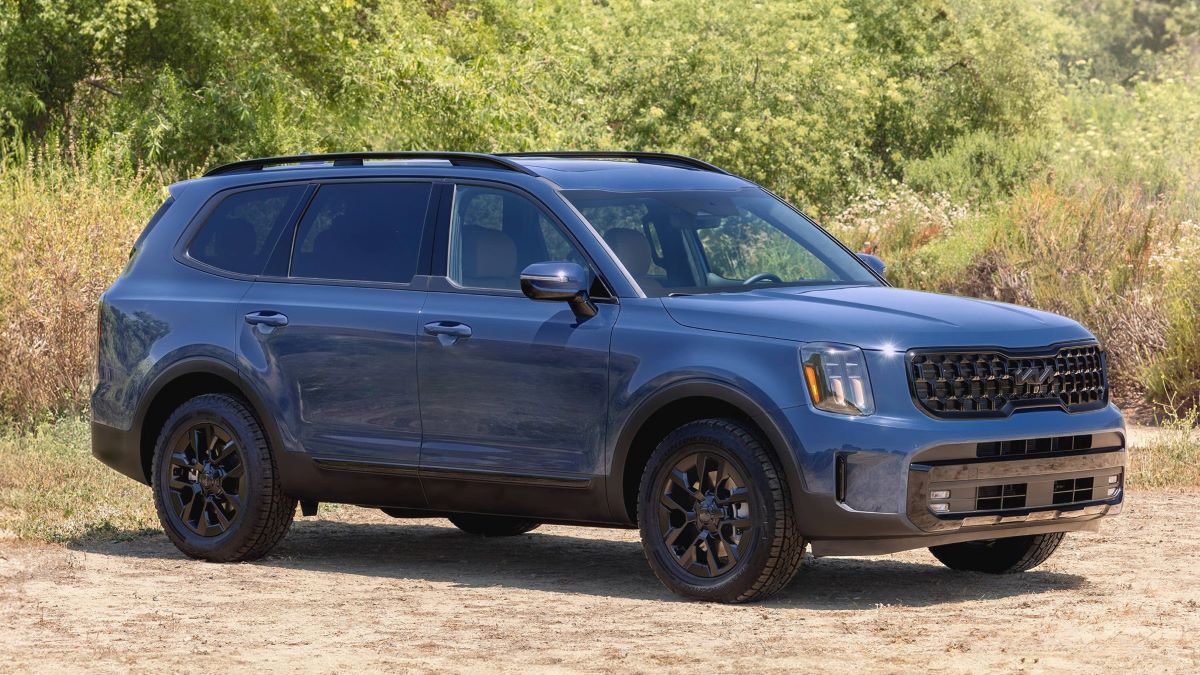
The Telluride makes few compromises and outperforms its mid-size SUV rivals in nearly every key category. While its standard V-6 could be more fuel-efficient, and its driving dynamics could be sharper, the SUV unquestionably fulfills its mission of moving people and cargo better than most competitors.
The 2021 Telluride combines impressive utility with a luxurious feel, leaving drivers feeling richer than their bank accounts might indicate.
Every Telluride is powered by a naturally aspirated V-6 engine producing 291 horsepower and 262 lb-ft of torque. This engine is paired with an eight-speed automatic transmission that sends power to the front wheels by default, with all-wheel drive available as an option across the lineup.
Our test of the top-of-the-line Telluride SX saw it reach 60 mph in 7.1 seconds, although the big SUV didn’t feel as responsive to throttle inputs at lower speeds compared with some turbocharged rivals.
The Telluride’s ride leans toward the firm side, with rough pavement occasionally unsettling the three-row crossover. An optional self-leveling rear air suspension helps smooth things out.
Brakes are strong, and the steering offers precision with a satisfying heft. The Telluride provides 8.0 inches of ground clearance, allowing for light off-road adventures, and it can tow up to 5,000 pounds, adding to its versatility and overall appeal.
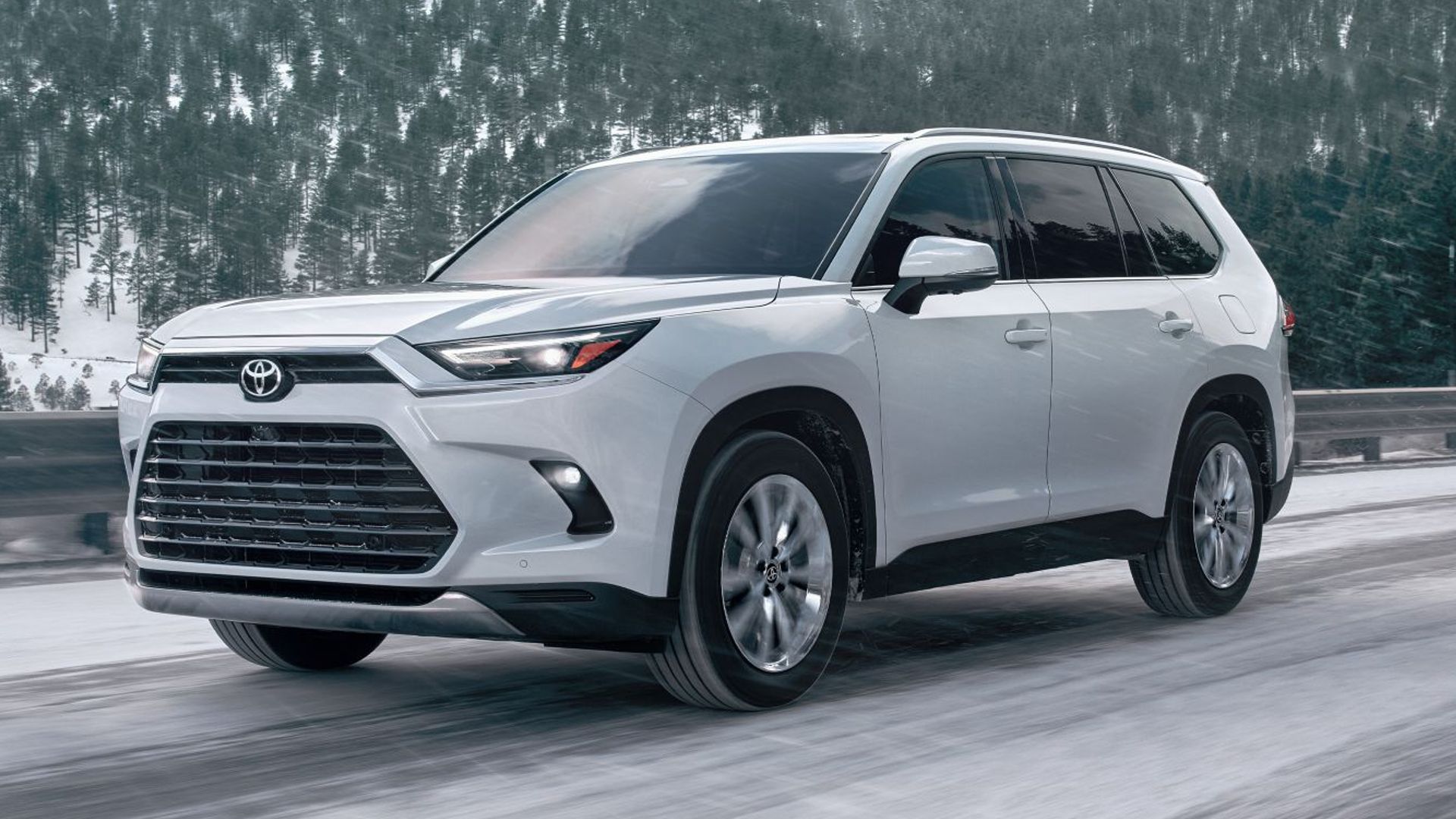
2. 2024–2025 Toyota Grand Highlander
Unlike the regular Highlander, which can feel cramped and a bit sparse on charging locations, the Grand Highlander leans fully into family convenience.
Toyota includes a total of up to seven USB-C ports depending on trim, and most importantly, they’re spaced out properly.
The second row gets high-speed ports for iPads and gaming devices, while third-row passengers get their own dedicated outlets instead of relying on a shared plug.
The available 1500-watt household outlet in the cargo area is a bonus for camping, work gear, or emergency charging. For households with multiple teens or tech-heavy lifestyles, the Grand Highlander eliminates the need for power splitters or portable batteries.
The four-cylinder Grand Highlander is enjoyable to drive around town, but it starts to feel strained at highway speeds or when fully loaded with passengers. Our all-wheel-drive Grand Highlander accelerated from 0 to 60 mph in 8 seconds, which is slower than most V6-powered three-row midsize SUVs.
Braking is confident and responsive, and the SUV handles twisty roads competently. An available torque-vectoring all-wheel-drive system subtly improves handling by directing engine power to individual rear wheels, while also providing the usual benefits of enhanced traction in slippery conditions.
Visibility from the driver’s seat is strong, aided by thin front pillars that make it easier to see around turns. Technology adds convenience as well, including a camera-based rearview mirror that allows for a clear view even when the cargo area is fully loaded.
Every Grand Highlander comes equipped with Toyota Safety Sense 3.0, a comprehensive suite of advanced driver-assistance systems. From adaptive cruise control to lane-keeping assistance, all functions are well-tuned and helpful for everyday driving.
Small interior touches elevate the Grand Highlander above the standard Highlander, giving it a subtly more premium feel. Surfaces are solidly built and padded where it matters most.
While some of the wood trim looks laughably fake, there are still hints of semi-luxury appeal. The Grand Highlander carries a modest price premium over the Highlander, but the fundamental upgrades make it a worthwhile value.
Toyota’s warranty coverage is typical for the segment, offering three years/36,000 miles of bumper-to-bumper coverage and five years/60,000 miles for the powertrain. Additionally, the first two years of scheduled maintenance are included free of charge.
3. 2025 Hyundai Ioniq 5
Hyundai’s Ioniq 5 has quickly become one of the most practical EVs for American drivers, and charging convenience is one of its greatest strengths.
Beyond offering fast USB-C ports and a well-designed wireless charging pad, the Ioniq 5 stands out for its vehicle-to-load (V2L) functionality, which turns the car into a mobile power bank.
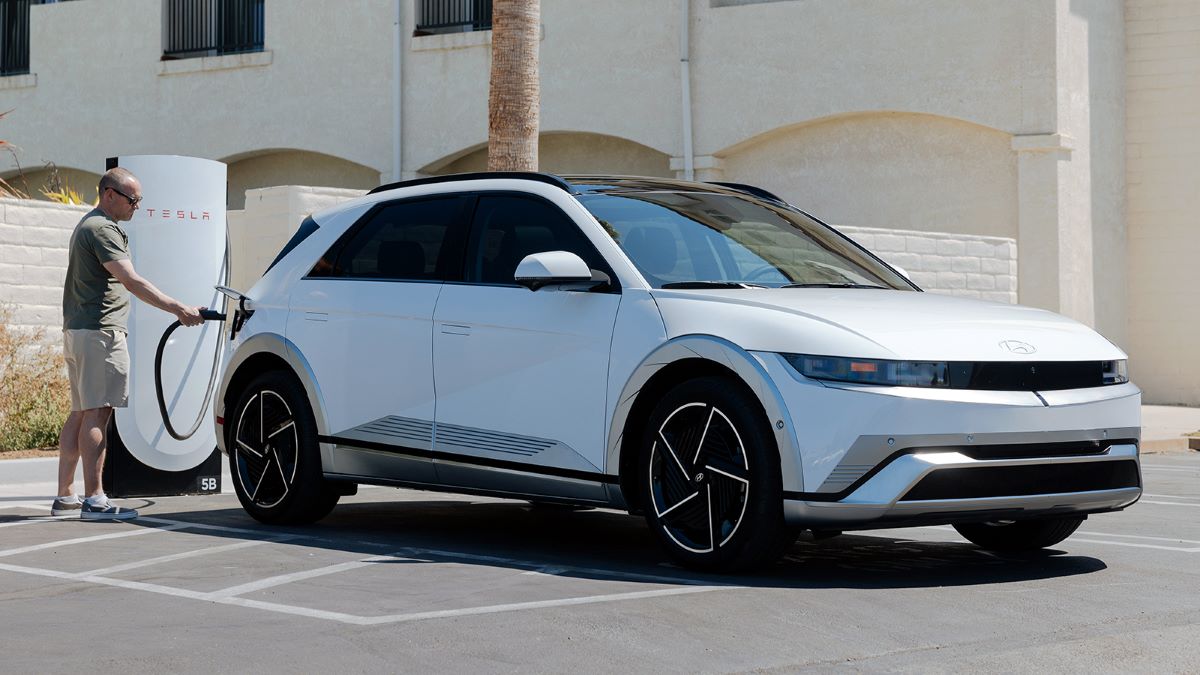
That means laptops, cameras, gaming consoles, and even full-size appliances can plug into the vehicle an advantage unmatched by most gasoline SUVs.
For drivers who use their cars as remote offices or road-trip workstations, this creates flexibility that older EVs and many gas-powered models simply can’t match.
Although the Ioniq 5 isn’t a sport-tuned EV, the Ioniq 5 N serves that role, it’s still plenty enjoyable to drive. A dual-motor Ioniq 5 Limited sprinted from 0 to 60 mph in just 4.7 seconds. The single-motor Ioniq 5 is slower, but it still merges and passes with ease.
The Ioniq 5 features adjustable regenerative braking and delivers strong stopping power. It handles twisty roads with confidence, providing surprisingly engaging driving dynamics.
The XRT variant maintains this fun and responsive behavior while accommodating light off-pavement excursions thanks to its higher ride height and all-terrain tires. The ride is smooth and composed, with even the largest road imperfections failing to produce excessive vibrations or jostling.
Visibility from the front seats is excellent, though thick rear roof pillars create fairly large blind spots. The available surround-view camera system helps mitigate these areas. Hyundai’s SmartSense suite of advanced driver-assistance features includes adaptive cruise control, blind-spot monitoring, lane centering, and front and rear parking sensors.
On the top Limited trim, buyers also get remote parking control and the surround-view camera system. We encountered very few issues with these safety aids, as they operated smoothly without false alarms.
4. 2024–2025 Honda Odyssey
Minivans traditionally set the standard for family features, and the Honda Odyssey continues to prove why.
The 2025 model includes multiple high-speed USB ports, a rear 110-volt outlet, and an available wireless charging pad that remains steady even on rougher roads. What separates the Odyssey from many SUVs is the balanced distribution.
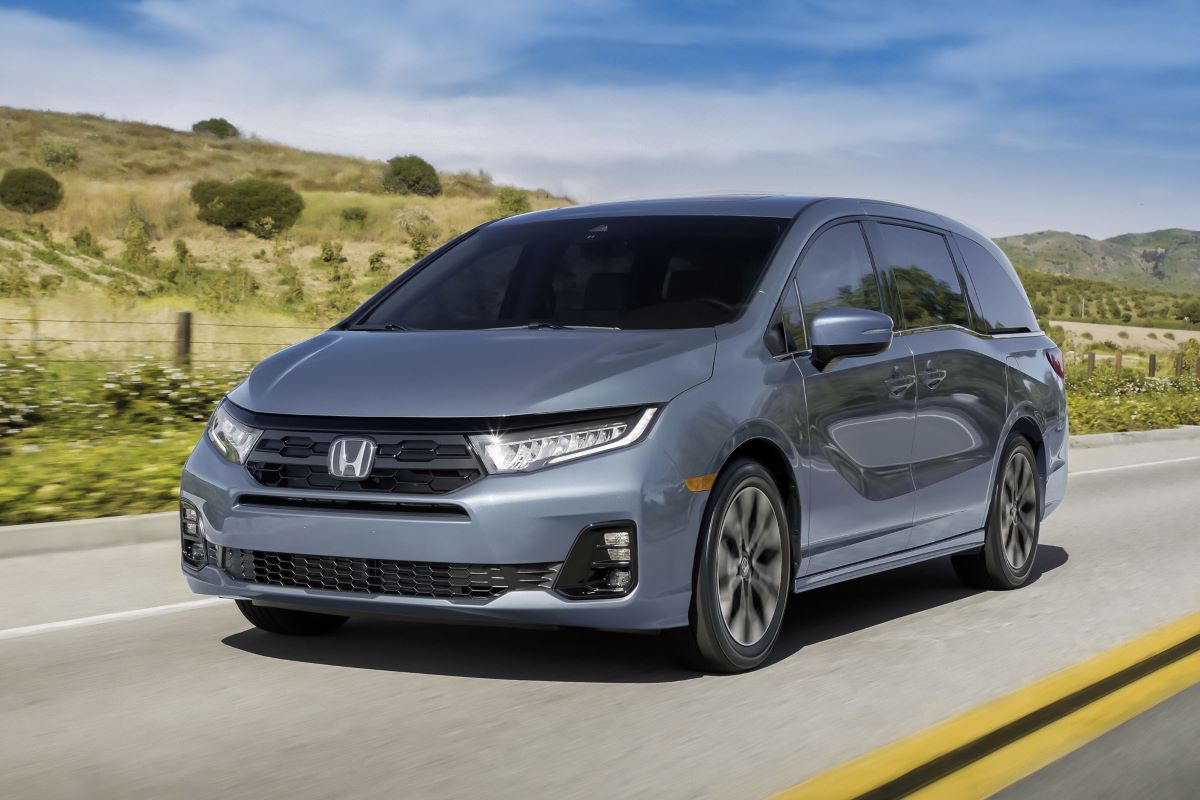
Every row has an appropriate number of ports; parents in the front can charge without blocking storage space, and rear passengers have easy access without climbing over one another.
For long-distance travel, after-school carpools, or family vacations, the Odyssey keeps all devices active without stress.
The Odyssey’s V6 engine delivers ample power for merging and passing, even when the van is fully loaded with passengers. In our testing, the Odyssey Elite accelerated from 0 to 60 mph in 7.6 seconds, which is about average for a V6-powered minivan.
The smooth-shifting 10-speed automatic transmission unobtrusively selects the proper gear. The engine stop-start system is a bit unrefined, but it can be turned off if desired.
Precise steering, stable braking, and confident handling give the Odyssey a composed presence on highways and tighter roads alike. While it’s not a sporty vehicle, it is well-sorted and enjoyable to drive.
The 19-inch wheels on the Odyssey Elite we tested emphasized small bumps more than smaller wheels with taller sidewalls, but in general, the Odyssey absorbs road imperfections with ease.
Our biggest gripe is the somewhat limited visibility up front and over the shoulders. Bulky windshield pillars and side mirrors obstruct sightlines, and the Odyssey is the only minivan in its class not to offer a surround-view camera system.
Additionally, the standard suite of driver-assistance features feels dated, responding sluggishly at times and occasionally triggering false positives.
The Odyssey Elite trim we tested carries a premium price, but the van’s fundamentals are available at lower trims. Even the base model showcases the Odyssey’s best qualities: smooth power delivery, comfortable seating, and a spacious, airy cabin.
Honda’s warranty coverage is typical for the segment, offering three years/36,000 miles of basic coverage and five years/60,000 miles for the powertrain, with roadside assistance included for the duration of the basic warranty.
5. Ford F-150
Pickup trucks often focus on powertrains and towing numbers, but the Ford F-150 has quietly become one of the most charging-friendly vehicles on the U.S. market.
With multiple USB-C and USB-A ports, a wireless charging pad, and on many trims a household-style 120-volt outlet, this truck supports heavy worksite use as well as family needs.
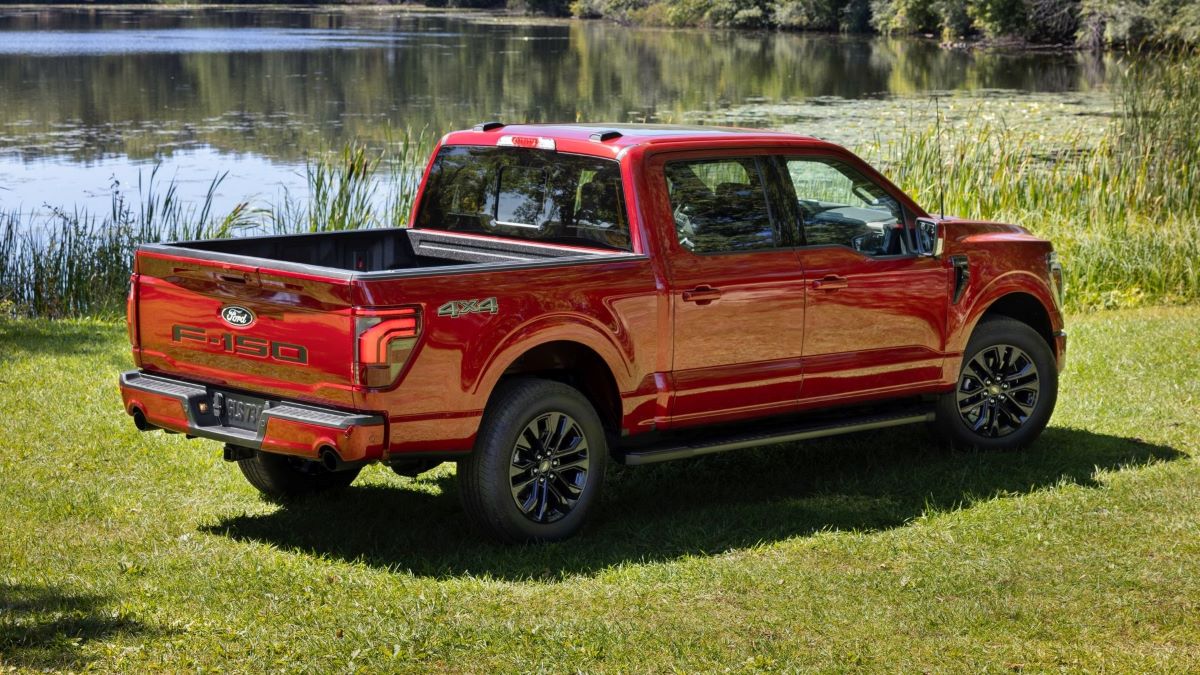
Higher trims even offer Pro Power Onboard, turning the truck into a rolling generator with enough output to run tools or recharge multiple laptops.
For tradespeople, campers, or anyone who blends work and weekend life, the F-150 makes staying powered a nonissue.
Models That Leave You Fighting for Outlets
Not all cars make it easy to keep your devices powered, and some leave passengers scrambling for a single outlet. Whether it’s a cramped interior, limited USB ports, or slow charging speeds, certain models can turn even a short drive into a battle for power. This guide highlights the cars that make staying charged a challenge, so you know which rides to avoid if you value connectivity on the go.
1. 2024–2025 Nissan Versa
The Nissan Versa is one of America’s most affordable cars, but the lower price comes with fewer conveniences. Base trims provide only one USB port, and even higher trims don’t offer enough ports to satisfy today’s multi-device needs.
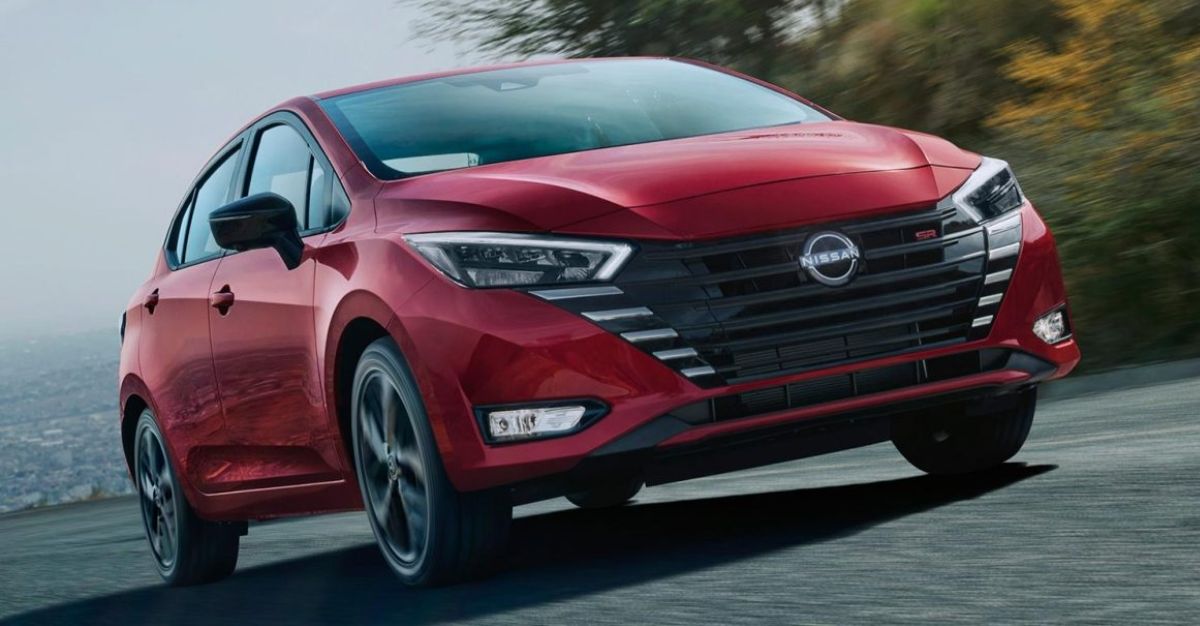
Rear passengers in particular struggle, as they often have no direct access to a charging source. For daily commuting it’s fine, but for families or rideshares, the Versa often leads to cable sharing or passengers relying on portable power banks.
The 2019 Nissan Versa sedan is designed to deliver inexpensive and comfortable transportation—and in that regard, it succeeds. Its position as the cheapest new car sold in America will likely appeal to first-time buyers, budget-conscious shoppers, and rental fleets.
However, the low sticker price comes with trade-offs: the Versa lacks many features that are standard on slightly pricier competitors. Additionally, the most affordable Versa trim is only available with a manual transmission, which may discourage buyers seeking the convenience of an automatic.
While a fun-to-drive car is more important to some, others may prioritize a comfortable interior and fuel-efficient engine, which is precisely what the Versa delivers. Even so, the bargain sedan has enough shortcomings that it may only interest the most cost-conscious buyers.
The Versa’s four-cylinder powertrain reflects its utilitarian purpose. Every model is powered by Nissan’s 1.6-liter engine, which produces 109 hp but lacks character, low-end torque, and overall verve.
This engine pairs with either a five-speed manual (for the base model) or a continuously variable automatic transmission (CVT). The manual is sloppy with long throws, while the CVT feels sluggish, syrupy, and prone to droning under acceleration.
Driver engagement is largely absent from the Versa. Its body leans unpredictably through corners, the chassis feels flimsy, and the overboosted steering offers little feedback.
Despite these shortcomings, the Versa demonstrated reasonable cornering grip in our skidpad testing, and its soft suspension delivers a comfortable ride in urban and suburban environments.
On the highway, the slab-sided sedan is affected by crosswinds, creating an unsettling experience at higher speeds. Even with rear drum brakes and a spongy brake pedal, the Versa managed to stop in a class-competitive 176 feet.
2. 2025 Toyota Tacoma (Base Trims)
Toyota’s recent redesign improved the Tacoma in many areas, but budget-oriented trims still lack sufficient charging options. While top trims offer USB-C ports and additional outlets, base models rely on a single front USB port and an older-style 12-volt socket.
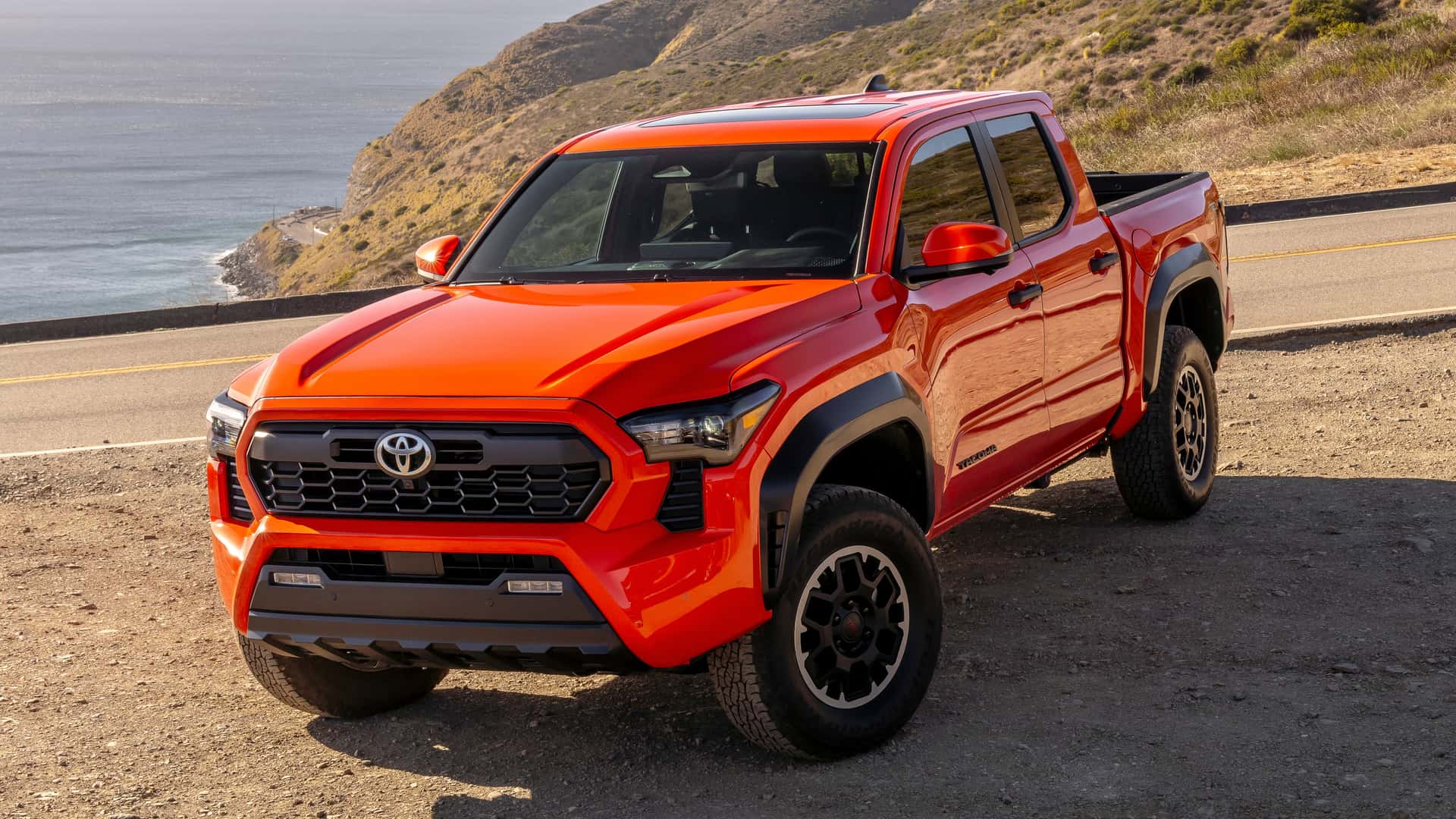
Rear passengers are left without dedicated charging unless you upgrade. For truck buyers who prioritize off-road capability or price over convenience, this might be acceptable but for families or multitaskers, the Tacoma can feel outdated in its charging approach.
3. 2024–2025 Subaru Crosstrek
The Crosstrek is a popular choice among U.S. shoppers who want affordable all-wheel drive, long-term reliability, and a comfortable ride. But one area where it falls short is charging infrastructure.
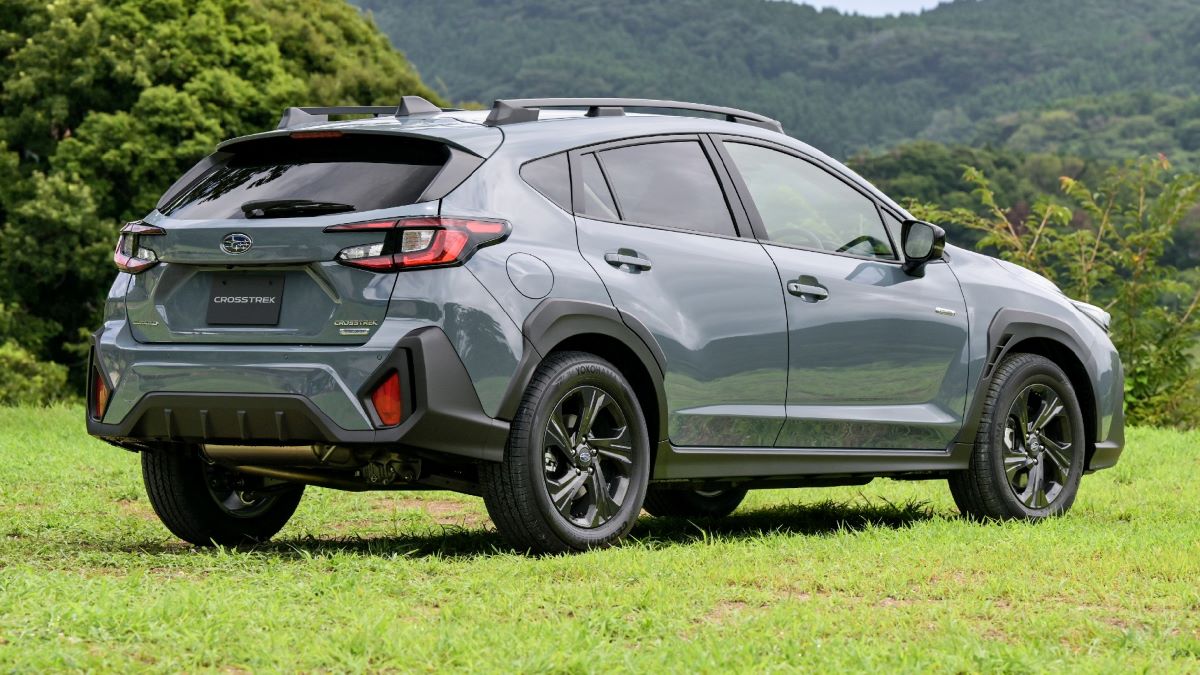
Recent models often include only two USB ports up front, with no standard rear outlets on lower or mid-tier trims.
That means passengers in the second row have to route cables awkwardly past the center console. For outdoorsy buyers who regularly charge cameras, phones, battery packs, and GPS gear, this setup can quickly feel restrictive.
With the base 2.0-liter engine, the Suburu Crosstrek feels sluggish, clocking a 0-60 mph time of 9.9 seconds. Luckily, the larger 2.5-liter engine comes standard on every trim except the base model, and in our testing, it shaved more than a second off that time.
On the road, the Crosstrek is a generally smooth operator, though its steering can feel a bit vague and body roll is noticeable under braking and through corners. It’s easy to live with for everyday driving. Its all-wheel-drive system adds extra confidence in poor weather, and the Crosstrek feels sure-footed and capable when venturing off pavement.
Driver-assistance features, however, are a different story. The systems feel overactive, with too many alarms and chimes sounding constantly, which can become distracting.
Compared with much of its competition, which has advanced in quality, feature availability, and on-road performance, the Crosstrek feels somewhat underwhelming. Its core value lies in off-road capability, but in terms of features and refinement straight from the factory, it falls short.
Subaru’s warranty coverage is similarly average. Basic coverage lasts just three years or 36,000 miles and includes roadside assistance, while the powertrain is covered for five years or 60,000 miles. Unlike some rivals, Subaru does not include free scheduled maintenance.
4. 2025 Jeep Wrangler (Non-Luxury Trims)
The Jeep Wrangler isn’t designed to be a tech hub, and that’s clear in its charging layout. While upper trims and plug-in hybrid (4xe) configurations improve the situation, many mainstream Wranglers offer limited USB ports and no rear charging access.
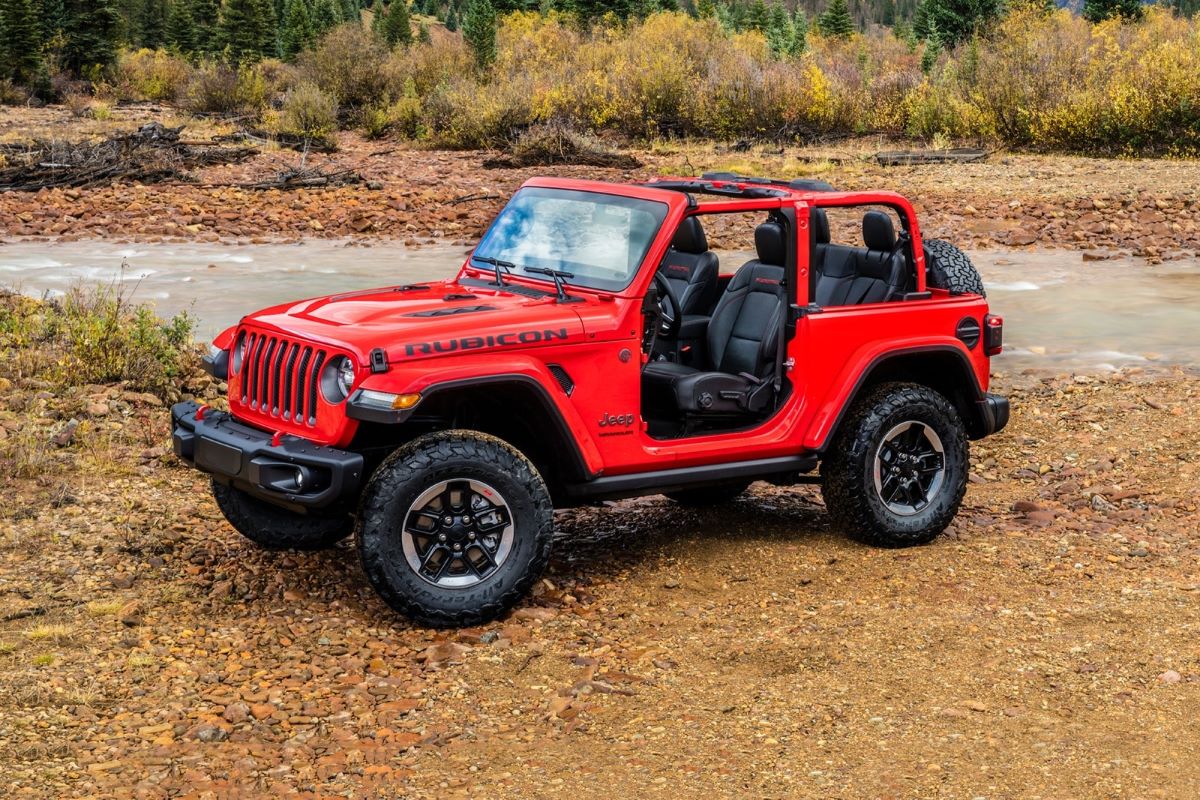
This is especially noticeable when doors are removed, because port placement becomes even more exposed and inconvenient.
Drivers who prioritize the Wrangler for off-roading likely won’t mind, but for families or passengers who expect constant access to charging, it creates friction especially on long drives to trailheads or campsites.
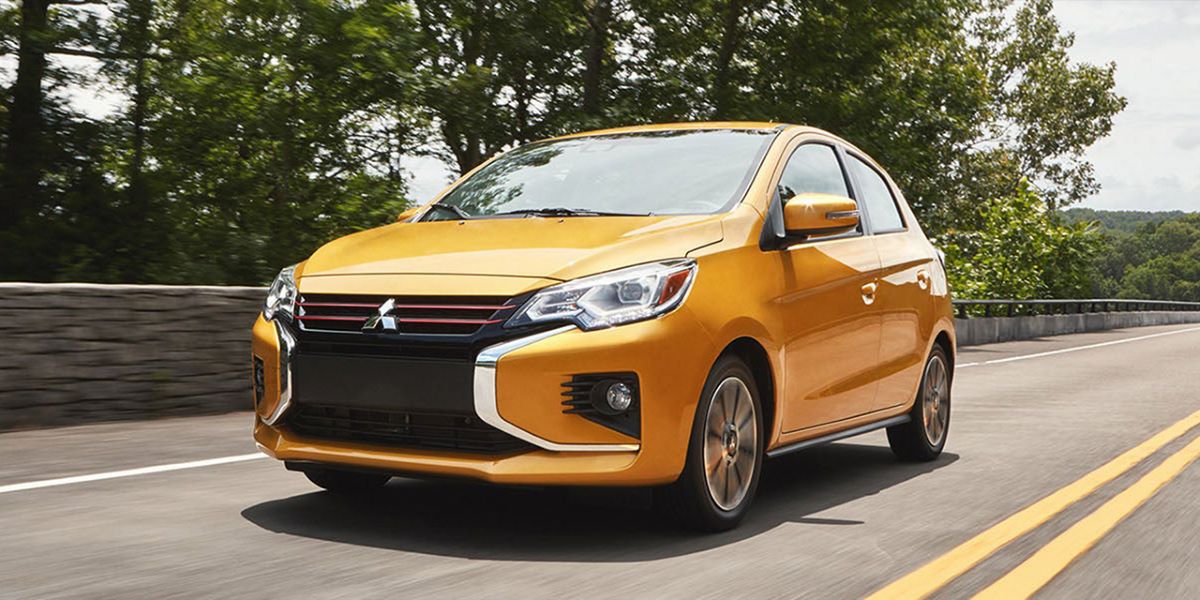
5. 2024–2025 Mitsubishi Mirage
The Mitsubishi Mirage is designed around affordability and efficiency, so it’s not surprising that it lacks the charging conveniences of more modern vehicles.
Many trims offer just a single USB port, and the charging speed is relatively slow compared to the fast USB-C ports found in newer models.
Rear passengers have no access at all. For buyers who want the lowest-cost new car option in America, the Mirage delivers but anyone who relies heavily on tech or drives with multiple passengers will feel the limitations immediately.
As smartphones, tablets, and even work laptops become more essential to American life, in-car charging design has transitioned from a bonus feature to a practical necessity.
The Mitsubishi Mirage has officially reached the end of the line, as it will not return to the U.S. market for the 2025 model year. With the Mirage hatchback and Mirage G4 sedan being discontinued, the Nissan Versa remains the last new car available for under $20,000.
For the 2024 model year, the Mirage hatchback and G4 sedan started at $18,015 and $19,115, respectively. Their departure signals that new cars priced below $20,000 are rapidly disappearing from showrooms, leaving the $17,820 Nissan Versa as the final option in this shrinking segment.
The Mirage’s fate was hardly a surprise. Reports last year indicated that Mitsubishi was planning to phase out the subcompact due to declining sales.
While budget-friendly vehicles remain popular with buyers, it was clear the Mirage had long exceeded its shelf life. Though it held the distinction of being among the cheapest new cars in the U.S., it was also widely known as underpowered, with both body styles packing a modest 78-hp three-cylinder engine.
Families need outlets for kids’ devices, rideshare drivers need accessible ports for passengers, and commuters rely on fast charging to keep maps and apps running all day.
Vehicles like the Kia Telluride, Grand Highlander, Ioniq 5, Odyssey, and F-150 shine because they anticipate these needs and build solutions into the cabin.
Meanwhile, models like the Versa, Crosstrek, Tacoma base trims, Wrangler, and Mirage remind us that not every vehicle keeps pace with modern charging expectations.
These cars may excel in price, capability, or reliability, but they can still leave drivers wishing for another port or carrying extra adapters.
Whether you’re shopping for a new car or evaluating your current one, the difference between staying fully charged and fighting over a single outlet can transform the day-to-day driving experience.
Choosing a model that prioritizes charging infrastructure ensures smoother trips, happier passengers, and far fewer cable-related arguments an underrated but meaningful benefit in today’s connected world.