Winter driving in the United States is a diverse experience. A driver in Minnesota might battle sub-zero mornings and frozen windshields thick with ice, while someone in the Mid-Atlantic faces heavy frost, freezing rain, and fogged-up glass during school drop-off hours.
No matter the region, a car’s defroster and the speed at which it clears the windshield directly affects safety. Quick, powerful defrosters restore visibility fast, reduce idling time, and keep commutes efficient.
Slow defrosters, meanwhile, can turn your morning routine into a hazard and force drivers to scrape by hand while burning unnecessary fuel.
In this list, we break down five vehicles known for strong, reliable defrosters and five that tend to clear frost more slowly than they should. These insights can help commuters, families, and cold-climate drivers pick a vehicle that handles real-world winter needs.
Cars With Strong Defrosters
Nothing slows down a morning commute faster than frosted-over windows and sluggish defrosters. Some cars, however, heat up quickly and keep ice and fog at bay, giving drivers a clear view and a safer start to the day. This guide highlights the models that excel at keeping windshields and windows clear, even on the coldest mornings.
1. Subaru Outback
The Subaru Outback has a reputation for thriving in snowy, icy conditions, and one major reason is its excellent defroster system.
Subaru equips many trims with heated wipers and a windshield de-icer that warms the glass at the base where ice tends to accumulate.
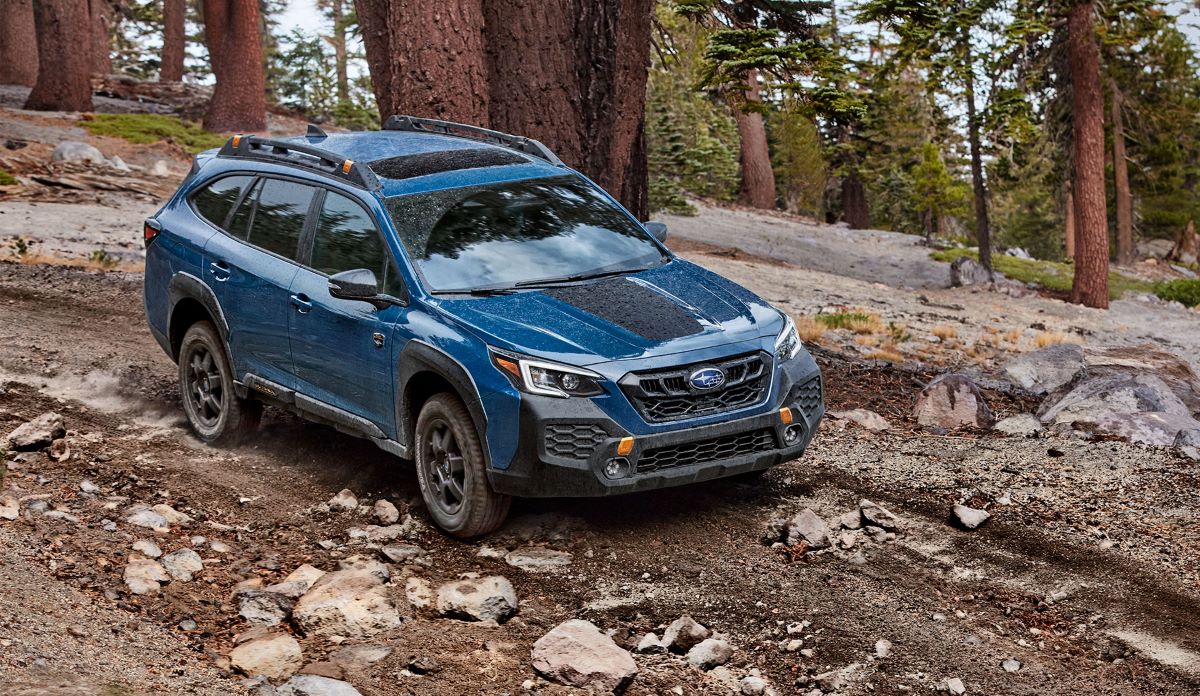
This prevents wiper blades from freezing down a common issue during sleet storms. The HVAC system also warms quickly compared to many rivals, pushing warm, dry air across the windshield in under a minute on extremely cold mornings.
For US drivers in snowbelt states like Vermont, Michigan, or Colorado, this fast-acting setup means they can start driving sooner without sacrificing visibility.
2. Toyota RAV4
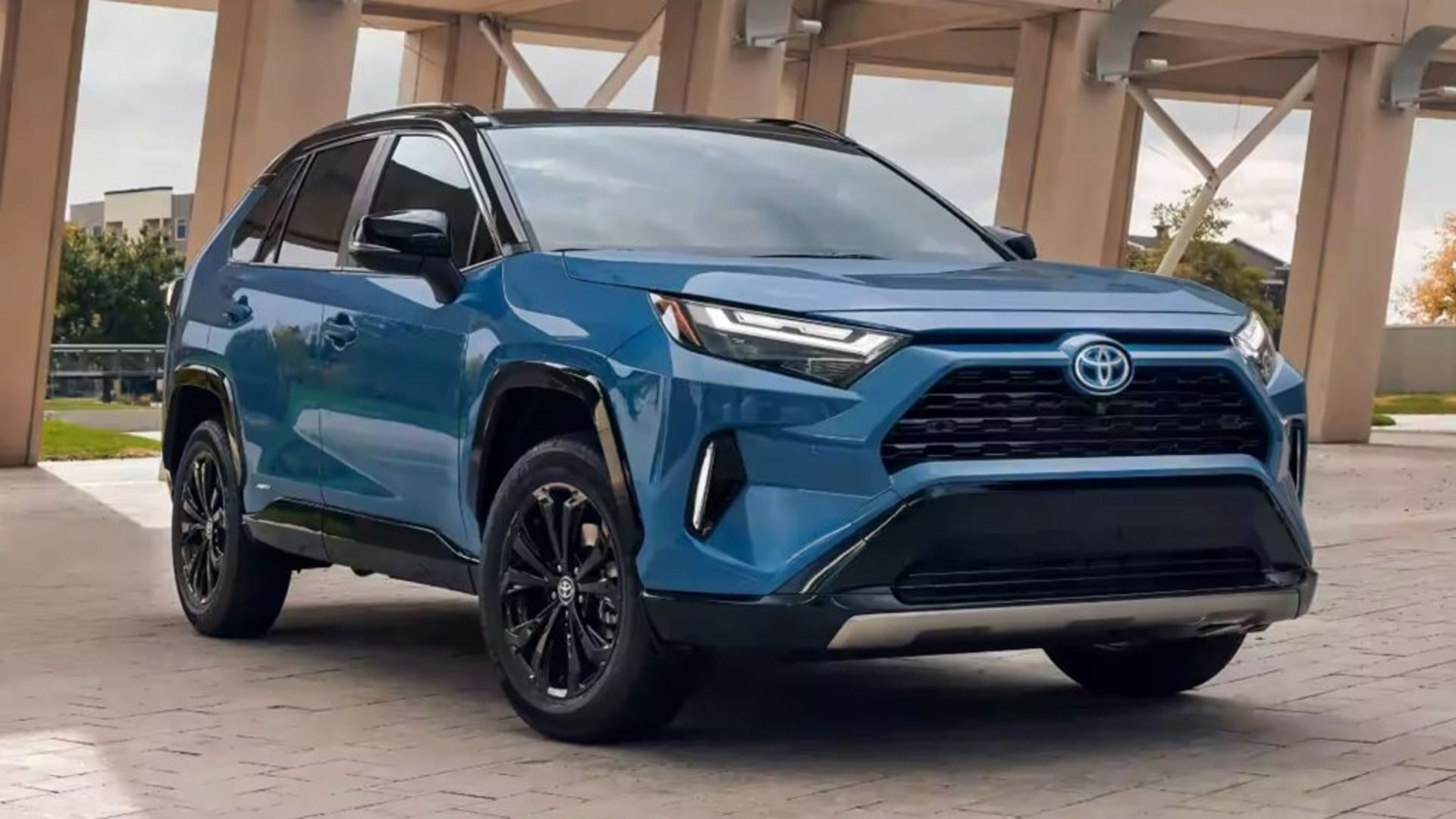
The Toyota RAV4’s HVAC controls are simple, powerful, and responsive. Toyota’s heat-up times are generally quicker than average, especially on the hybrid models that benefit from electric heating assist.
Many US owners praise how quickly the RAV4 handles morning frost, even without relying heavily on remote start.
The air distribution pattern channels airflow directly to the upper windshield rather than wasting heat into the cabin first.
For families with early school commutes or workers who park outside every day, the RAV4’s defrost performance offers a practical advantage during long winters.
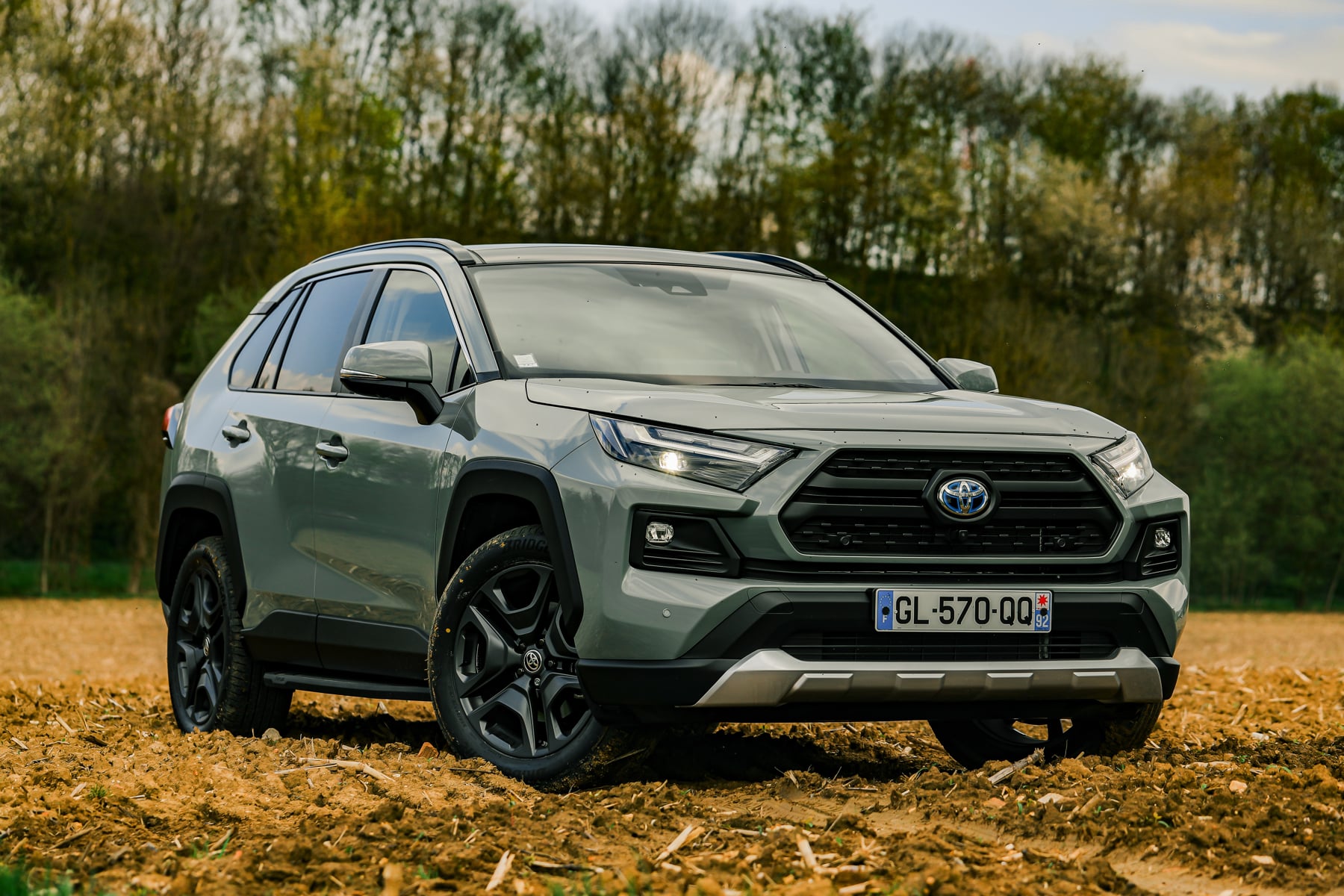
It’s the Toyota RAV4, the mid-size SUV that seems to be everywhere. So popular, in fact, that it outsold the Ford F-150 in early 2025, something no other vehicle has managed in nearly 50 years.
Now in its sixth generation, the RAV4 launches with a full revamp, keeping the features that work and expanding its appeal with the new Woodland and GR Sport models.
The RAV4 starts with two available powertrains: the standard hybrid and a more powerful plug-in hybrid. The standard hybrid pairs a 2.5-liter four-cylinder engine with an electric motor at the front and a continuously variable transmission, delivering 226 hp and 163 lb-ft of torque in front-wheel-drive models, or 236 hp when equipped with all-wheel drive, which adds a rear motor.
The plug-in hybrid uses the same engine but adds a larger battery and a more robust electric motor, producing a combined 324 hp and 172 lb-ft of torque.
The plug-in RAV4 comes with a 22.7 kWh battery that can charge from 10% to 80% in about 35 minutes using a DC fast charger. SE and GR Sport trims include a 7 kW Level 2 charger, taking roughly 3.5 hours for the same charge, while Woodland and XSE trims have an 11 kW charger that accomplishes it in 2.5 hours.
Battery-only range varies between 48 and 52 miles depending on trim and driving conditions. In terms of fuel efficiency, the PHEV RAV4 achieves about 41 combined MPG, while trims like the GR Sport manage 37 combined MPG. Meanwhile, the standard hybrid RAV4 delivers between 39 and 42 combined MPG.
The RAV4’s variants highlight its position in Toyota’s lineup: the GR Sport channels a sporty GR Corolla vibe, while the Woodland echoes the ruggedness of a mini 4Runner.
The Woodland is offered with either the PHEV or hybrid powertrain and features a more outdoorsy look. Although it rides on all-terrain tires fitted to 18-inch wheels, the suspension remains unchanged from the other models, there’s no added off-road hardware, not even a skid plate.
The GR Sport, on the other hand, is more than just aesthetics. This trim exclusively uses the PHEV powertrain to leverage the extra power. While mechanical upgrades are minimal, the GR Sport features more aggressive throttle mapping for its sport mode.
Its exterior is subtly reworked for a sportier appearance and improved aerodynamic stability. Suspension tweaks include a damping rod at the front, added rear reinforcement, and tuned coils and dampers for more spirited handling.
Inside, the GR Sport gets unique trim touches and GR badging, as well as a dedicated steering wheel with paddle shifters, emphasizing its performance-focused intent.
Also Read: Top 5 Compact SUVs With Quiet Cabins vs. 5 That Sound Harsh
3. Ford F-150
Pickup trucks often idle longer before producing warm air, but the Ford F-150 is a standout exception. Ford has built in strong heating capacity, especially on EcoBoost models that warm up faster than traditional V8s.
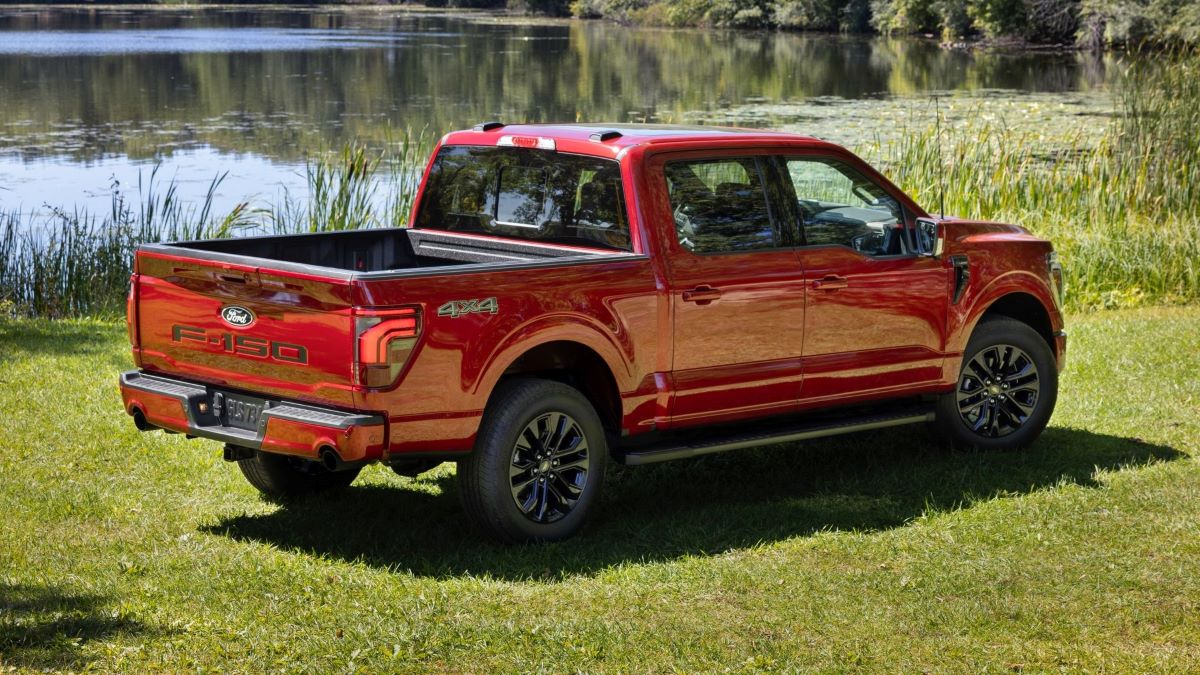
The F-150 also prioritizes windshield and rear-window clearing in its HVAC logic, meaning that when drivers hit the defrost button, the truck aggressively channels heat where it’s needed most.
In addition, optional heated mirrors and rear defrost grids help restore full visibility faster. For contractors, ranch owners, or anyone using an F-150 in cold US regions, the quick defroster is a usability win.
The Ford F-150 has long been one of America’s top-selling pickups, and it’s easy to see why. Renowned for its toughness, reliability, and capability, the F-150 now adds a hybrid option with the 2024 F-150 Hybrid, delivering a compelling combination of power and fuel efficiency.
Engineered as a versatile workhorse, the hybrid allows the truck to handle demanding tasks while maintaining better fuel economy, striking a balance between strength and environmental responsibility. Whether for heavy-duty work or everyday driving, the F-150 Hybrid blends both capabilities seamlessly.
The 2024 F-150 combines comfort with off-road ability, making it equally suited for daily commutes and long workdays. The 3.5-liter PowerBoost Hybrid V-6 engine is available on the Lariat, King Ranch, and Platinum trims.
Visually, the hybrid versions are nearly identical to their gas-only counterparts, with the only exterior distinction being the ‘PowerBoost’ badge on the door.
Exterior highlights on the Platinum trim include LED projector headlamps, LED taillamps, and LED fog lamps with a cornering function, along with gloss black grille surrounds and accents, body-colored door and tailgate handles, and skidplates protecting the fuel tank, transfer case, and front differential.
The hybrid also features cast aluminum running boards, 20-inch gloss black wheels, and an optional twin-panel moonroof, combining rugged utility with upscale touches.
4. Honda CR-V
Honda vehicles generally warm up quickly, but the CR-V is especially good at pushing warm airflow toward the windshield early in the drive.
On hybrid trims, the electric heater eliminates the long wait time that many gas-only vehicles suffer on freezing mornings.
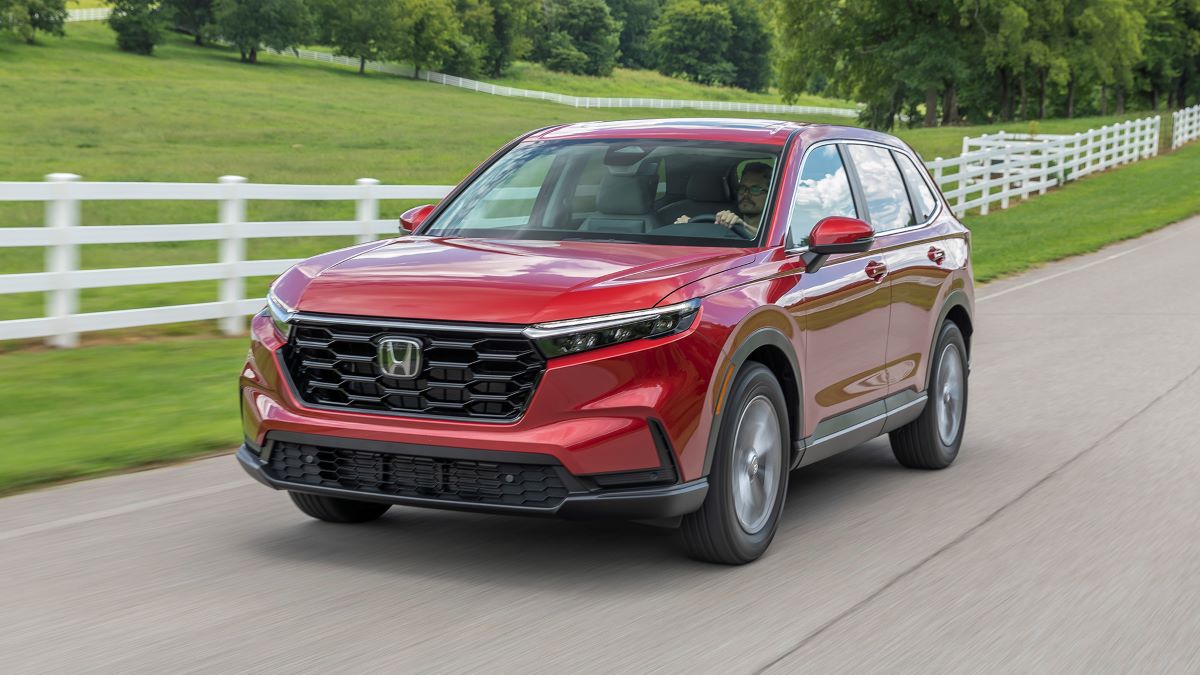
The CR-V also uses a large-surface-area windshield vent design, spreading warm air across the glass evenly instead of concentrating it near the center.
This reduces patchy clearing and prevents re-fogging when multiple passengers enter the cabin with snowy boots or wet jackets.
5. Jeep Grand Cherokee
The Grand Cherokee’s strong defroster performance is due in part to its high-output HVAC system designed for extreme conditions both hot Arizona summers and cold Montana winters.
The vehicle warms quickly, especially with the available remote start that activates both windshield and rear-window defrost.
Jeep models with the Cold Weather Group add heated mirrors, heated washer nozzles, and a heated windshield grid, all of which help melt ice rapidly and reduce manual scraping.
For drivers who frequently encounter freezing rain or leave their SUV parked outdoors overnight, the Grand Cherokee delivers fast, consistent results.
The Grand Cherokee lineup has expanded into a broad range within Jeep’s growing portfolio. Alongside the standard two-row model, the lineup includes a plug-in hybrid 4xe version and the three-row Grand Cherokee L, both of which are reviewed separately. With nine trim levels spanning from the entry-level Laredo to the fully loaded Summit Reserve, there’s an option for nearly every type of buyer.
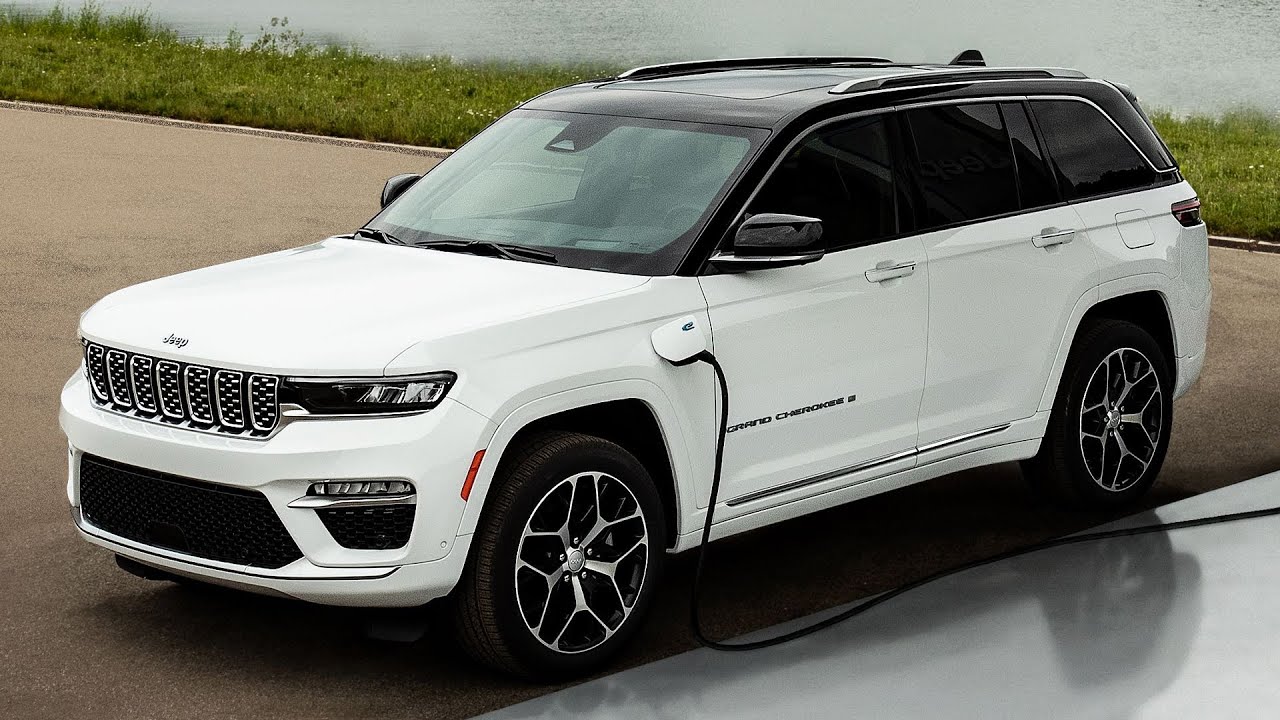
The nonhybrid two-row Grand Cherokee is powered by a capable V-6 and offers multiple all-wheel-drive systems, though lower trims come standard with rear-wheel drive.
Despite its strong off-road credentials, the Grand Cherokee remains comfortable on paved roads, and its interior is spacious and thoroughly modern. With such a wide variety of trims and configurations, the Grand Cherokee competes with everything from more modest crossovers like the Honda Passport to luxury two-rows from BMW and Mercedes-Benz.
Under the hood, the Grand Cherokee is equipped with a 293-hp 3.6-liter V-6 engine. Rear-wheel drive is standard, while multiple all-wheel-drive systems are available, including one with an electronically locking limited-slip rear differential.
The TrailHawk trim pairs the advanced Quadra-Drive II all-wheel-drive system with a front anti-roll bar disconnect to enhance wheel articulation on rough terrain. On pavement, every Grand Cherokee delivers an impressively composed ride, with higher-level trims featuring air springs and adaptive dampers providing an exceptionally smooth driving experience.
Also Read: 5 Pickup Trucks That Always Sell for Top Dollar vs 5 That Don’t
Cars That Crawl Slowly
Some cars just can’t handle stop-and-go traffic gracefully, inching forward with sluggish acceleration or laggy transmissions.
Whether in city congestion or on busy highways, these models can test your patience and make every traffic jam feel longer. This guide highlights the cars that struggle to keep pace, so you know which rides move at a snail’s pace.
1. Nissan Sentra
The Nissan Sentra is reliable and fuel-efficient, but its heating system can feel underpowered on frigid mornings.
Owners in northern US states often complain that the heater takes several minutes to produce meaningful warmth, and the airflow directed toward the windshield tends to be weaker than rivals.
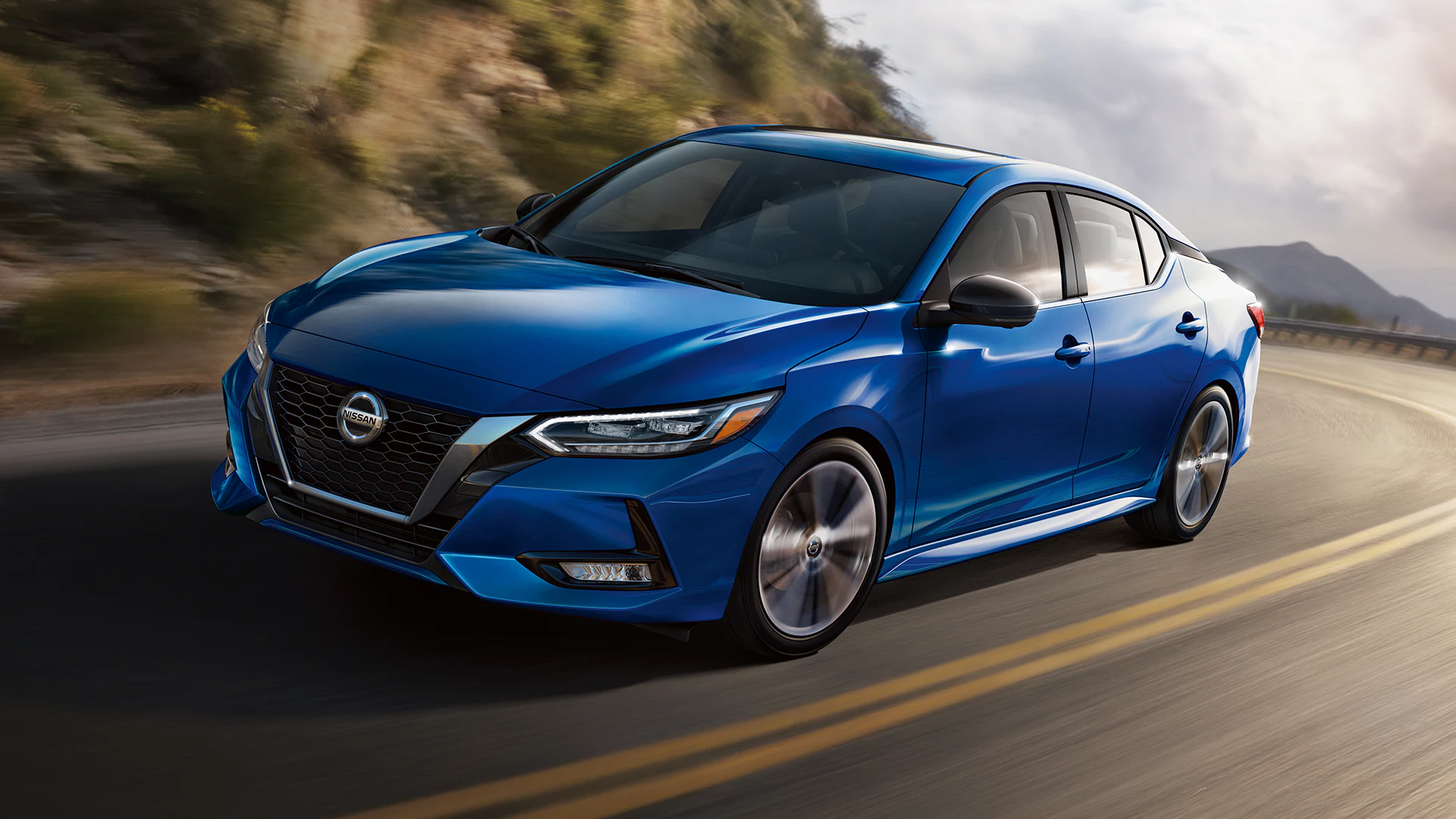
This means frost melts slowly sometimes so slowly that drivers resort to manually scraping after waiting several minutes. While acceptable for mild climates, the Sentra lags behind competitors in winter readiness.
To compete with established compact sedans like the Honda Civic and Toyota Corolla, a car needs to bring its “A” game, and for many years, the Nissan Sentra fell short. With the eighth generation, however, Nissan aimed to change that.
Driving a fully loaded Sentra SR, we found it to be a competent, solid, and even enjoyable compact sedan. On a 300-mile road trip, we were impressed by the comfort of the seats and the car’s body control, though it did struggle on steep grades when not in Low mode, and the automatic high beams were slow to respond.
The Sentra exhibits some body roll and mild understeer, but its ride strikes a pleasant balance between compliance and firmness. It turns in with eagerness, and while engine power is modest, the power delivery is linear and the CVT is mostly unobtrusive.
Perhaps most notable is how much the interior and exterior styling, as well as overall build quality, have improved compared with older Sentra models.
Today’s Sentra is a marked improvement, slightly quicker, still spacious, and far more stylish than previous generations. It may not excite driving enthusiasts, but for buyers seeking a reliable vehicle for commuting, it largely delivers. That said, competitors continue to raise the bar, meaning the Sentra is still playing catch-up despite its progress.
Under the hood, the 2022 Sentra is powered by a 149-hp 2.0-liter naturally aspirated inline-four engine, mated to a CVT, with front-wheel drive standard across the lineup.
2. Chevrolet Malibu
The Chevrolet Malibu’s spacious dashboard and sloped windshield make it a comfortable highway cruiser, but they also contribute to slower defrost performance.
The cabin’s large volume takes longer to warm up, and the HVAC system doesn’t push heat as quickly as rivals like the Toyota Camry or Honda Accord.
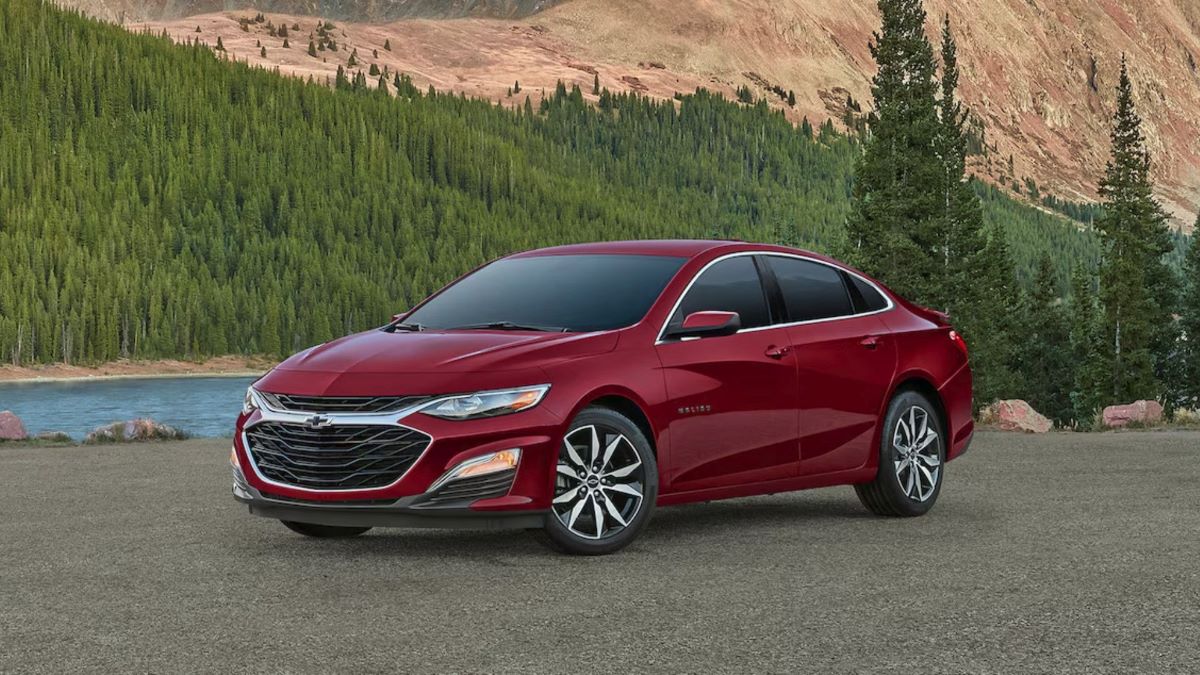
In freezing temperatures, the Malibu may require extended idling before the glass clears enough for safe driving. For US commuters in cold-weather regions, this slow warm-up can add unwanted time to their daily routine.
As the Chevrolet Malibu prepares to exit the stage, it’s worth reflecting on the mid-size family sedan’s 60-year legacy with appreciation. Named after the iconic seaside town that pairs perfectly with a Beach Boys soundtrack, the Malibu has enjoyed a respectable run.
In its final 2025 model year, the sedan continues with its lone powertrain option: a turbocharged four-cylinder engine paired with a continuously variable transmission. While not particularly quick, the Malibu delivers steady and consistent acceleration once underway.
Compared with segment competitors like the Toyota Camry, which offers a zippy hybrid powertrain and the choice of front- or all-wheel drive, the Malibu falls behind.
Rivals such as the Honda Accord and Hyundai Sonata accentuate this gap with more advanced standard features, leaving the Malibu feeling slightly under-equipped. Still, while it may not top the mid-size sedan rankings, the Malibu is by no means a complete disappointment.
Unlike many other family sedans that offer multiple powertrain choices, the Malibu comes solely with a 163-hp turbocharged 1.5-liter four-cylinder engine that powers the front wheels via a CVT.
The Malibu won’t be mistaken for a luxury vehicle, but it provides above-average ride comfort and quality for its segment. Across all the models we tested, the Malibu’s chassis proved impressively responsive: the damping struck a balanced middle ground, not too soft, not too stiff, allowing the sedan to feel composed and even hint at sportiness.
3. Hyundai Elantra
The Hyundai Elantra offers excellent value, but heating performance is not its strongest trait. On cold mornings, the engine takes longer than average to reach operating temperature, delaying hot airflow across the windshield.
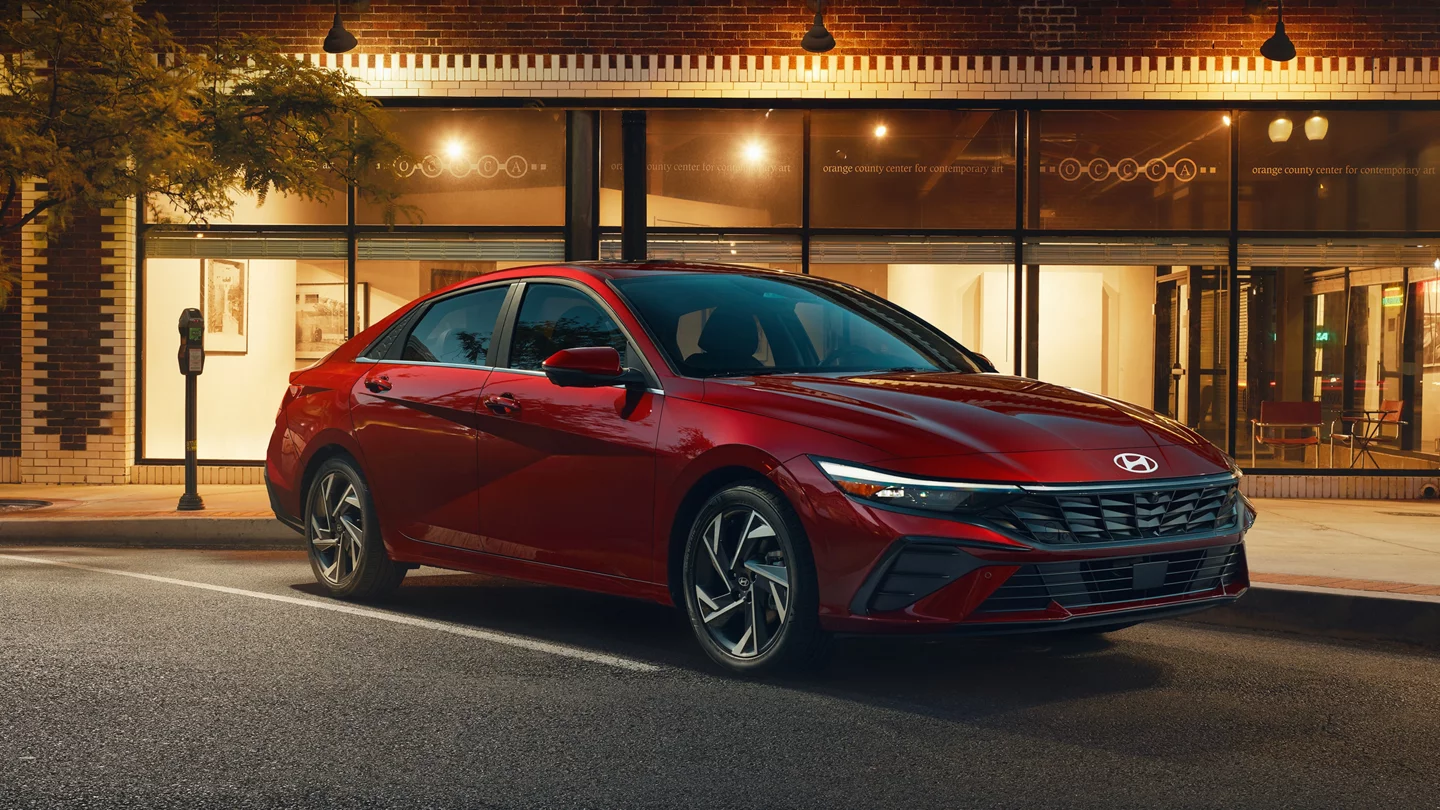
Although the newer models have improved slightly, the airflow pattern still tends to clear a narrow strip first, leaving visibility limited for longer than ideal.
Drivers in states with harsh winters like Wisconsin or Maine may find the Elantra’s slow defrosting a daily irritation.
The 2025 Hyundai Elantra manages to combine affordability with a sharp, stylish design and a range of upscale features, making it a surprisingly appealing choice for those spending under $30,000. Buyers can choose from three powertrains to suit their priorities. The base four-cylinder delivers 147 horsepower, offering solid, everyday performance.
Those seeking a sportier feel can opt for the N Line, which replaces the base engine with a turbocharged 1.6-liter four-cylinder producing 201 horsepower. For maximum fuel efficiency, there’s a hybrid model rated up to 58 mpg on the highway. All Elantras come well-equipped, though optional upgrades such as the dual-screen infotainment system, adaptive cruise control, and faux-leather upholstery elevate the interior to near-luxury levels.
Under the hood, the standard nonhybrid Elantra SE and SEL models feature a naturally aspirated 2.0-liter four-cylinder that generates 147 horsepower and 132 pound-feet of torque. The N Line, by contrast, swaps in a 1.6-liter turbocharged engine, boosting output to 201 horsepower and 195 pound-feet of torque for a more spirited driving experience.
The hybrid models also use a 1.6-liter four-cylinder, but it’s paired with an electric motor, producing slightly less horsepower than the base engine at 139 hp while matching the N Line’s 195 pound-feet of torque. Transmission choices vary across the lineup: the base 2.0-liter uses a continuously variable transmission (CVT), whereas the turbocharged N Line and hybrid models employ dual-clutch transmissions (DCTs).
The N Line features a seven-speed DCT, while the hybrids get a six-speed DCT. For enthusiasts willing to pay a premium, the performance-oriented Elantra N offers even more thrills, though the N Line provides a compelling middle ground. In our testing, the N Line impressed with its brisk acceleration and agile handling, delivering a sportier drive without sacrificing comfort.
4. Jeep Wrangler (Older Models)
The Jeep Wrangler is an icon of outdoor adventure, but older models before the most recent redesigns are known for weak HVAC output and slow defrost performance.
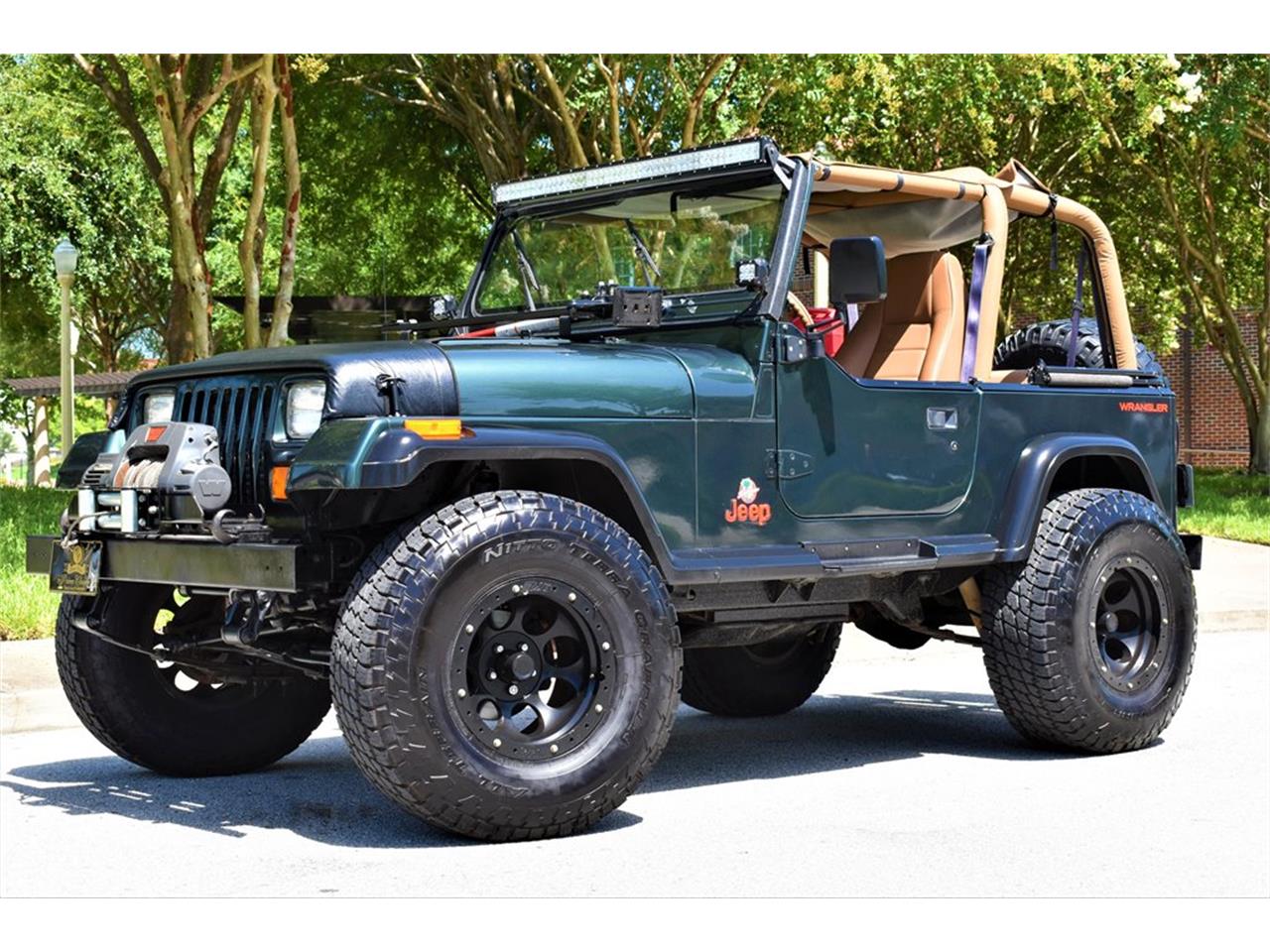
The flat windshield and simplistic vent design don’t distribute heat efficiently, meaning the glass can stay foggy or icy far longer than in modern SUVs.
While newer Wranglers have improved, many used models still on the road struggle with slow windshield clearing, making them less ideal for winter urban commuting.
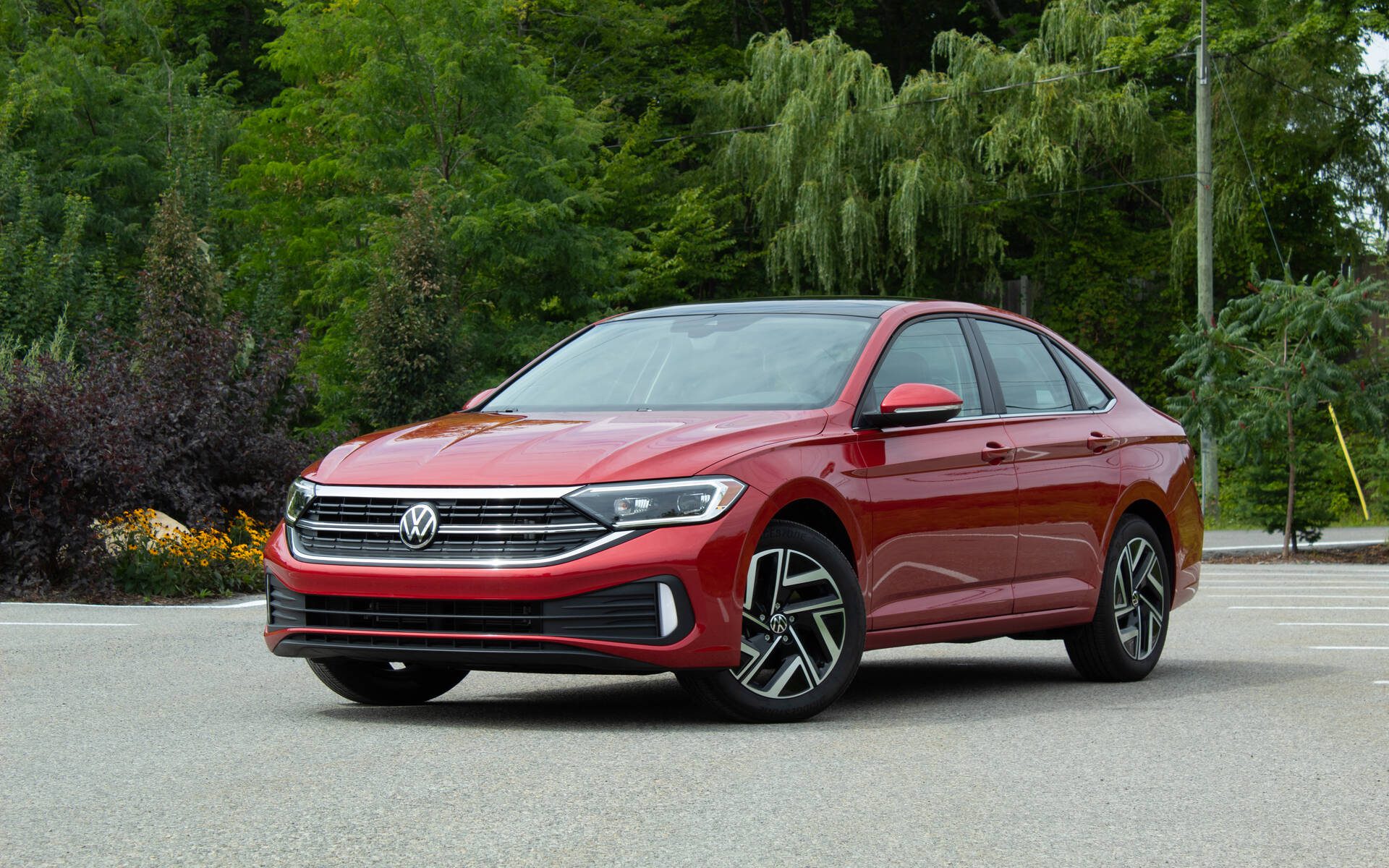
5. Volkswagen Jetta
The Volkswagen Jetta features a refined interior and good fuel economy, but its heater core tends to warm slowly, especially in cold US climates.
Some owners report that the defrost mode doesn’t command enough sustained airflow to clear heavy frost quickly.
While the Jetta performs decently in mild states like California or Virginia, it often falls behind competitors in the northern Midwest or Northeast. As a result, drivers may spend extra time waiting for clear visibility on winter mornings.
Whether you live in the Rocky Mountains or the Northeast corridor, a quick-acting defroster can make a major difference in your daily routine.
Every Volkswagen Jetta comes equipped with a turbocharged 1.4-liter four-cylinder engine that drives the front wheels and produces 147 horsepower. The base model is fitted with a six-speed manual transmission, while an eight-speed automatic is optional for the base and standard on all other trims.
In our testing of both transmissions, acceleration times were virtually identical, though they remained only average compared with quicker competitors.
The Jetta feels reasonably responsive when pulling away from stoplights, but it could use more punch for passing on the highway. For those seeking extra performance, the sportier 2019 Jetta GLI we tested delivers more power, a snappier transmission, and grippier tires, effectively addressing that shortcoming.
While the Jetta shares its platform and powertrains with the Volkswagen Golf hatchback, it is less engaging to drive. The sedan offers a quiet and comfortable ride, with light steering that is effortless but lacks precision.
Compared with rivals such as the Mazda 3 and Honda Civic, the Jetta doesn’t inspire confidence in sharp turns or when zipping around roundabouts, as it tends to lean at higher speeds.
However, its serene and composed demeanor will appeal to those who prioritize calm, comfortable transportation. The brake pedal felt progressive around town, but in emergency-braking tests, each Jetta we tested required at least 183 feet to stop, which is longer than average for the segment.
Cars like the Subaru Outback, Ford F-150, and Toyota RAV4 excel because they warm fast, direct heat efficiently, and offer winter-friendly features like windshield de-icers and heated wiper zones.
On the other hand, models with weaker HVAC systems or inefficient airflow patterns such as the Sentra, Malibu, or older Wranglers may leave you waiting in the driveway while your visibility slowly returns.
Choosing a car that matches your climate is as important as choosing one that matches your budget. For US drivers facing real winter conditions, prioritizing strong defroster performance can mean safer mornings, less idling, and a far more relaxed start to the day.