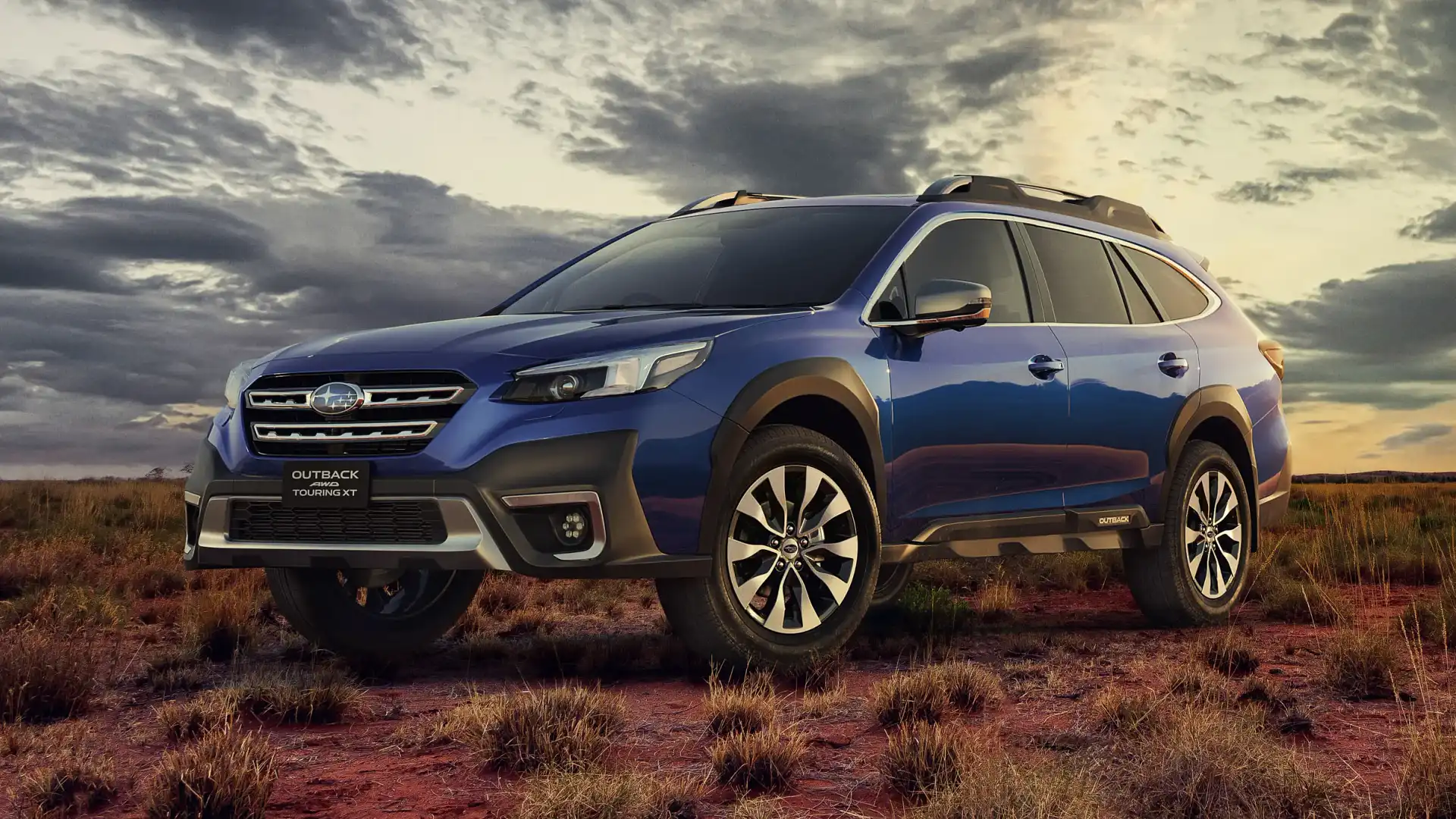
Parking sensors are useful, but for many American drivers especially in crowded downtown lots, tight suburban garages, and narrow parallel-parking street nothing beats a good front-facing camera.
A clear, wide-angle front view helps drivers avoid scraping a bumper on curbs, concrete blocks, parking stops, landscaping borders, or steep driveway angles.
And while many modern cars now advertise 360-degree camera suites, not all of them work equally well in day-to-day conditions.
Some models provide crisp, low-speed visibility that gives drivers confidence, while others offer limited clarity or awkward angles, leaving owners prone to accumulating those familiar scuffs and scratches on the front bumper.
The US market has embraced technology that reduces low-speed accidents, especially as SUVs get larger and garage spaces stay the same size. But the gap in front camera performance is more noticeable than shoppers expect.
Below are five models praised for helpful, practical, easy-to-use front cameras followed by five models whose front bumper designs or limited visibility often lead to accidental scrapes.
Cars With Helpful Front Cameras
Front-facing cameras are becoming an essential feature in modern vehicles, helping drivers navigate tight spaces, avoid obstacles, and park with confidence.
Cars with helpful front cameras give you an extra set of eyes on the road, making city driving, crowded parking lots, and tricky maneuvers much easier and safer. In this article, we highlight models that make the most of this technology, offering clear, intuitive views that enhance everyday driving.
1. Lexus RX
Lexus consistently delivers some of the clearest and most intuitive camera systems in the industry, and the RX stands out for its sharp, high-resolution front view.
The camera activates automatically at low speeds or when the vehicle senses a potential clearance issue, which is especially handy when easing into a tight spot.
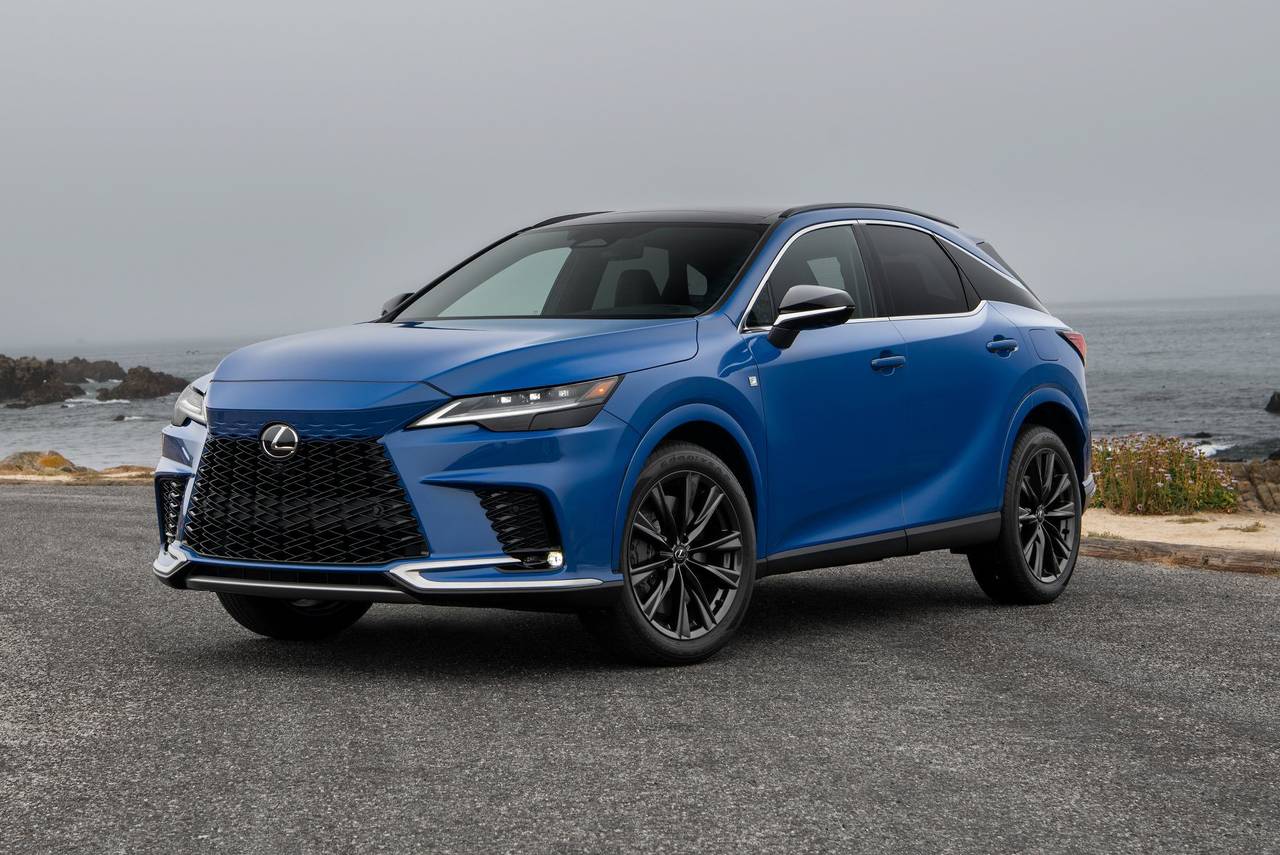
Lexus also pairs the camera with an overhead “panoramic” monitor that lets you see the vehicle’s real position relative to the curb.
For US drivers who frequently park in mall lots, hospital structures, or metro garage ramps, the RX’s visibility transforms what used to be guesswork into a confident maneuver every time.
Our test vehicle was a Lexus RX 350 in the F Sport Handling trim. While this trim doesn’t add any extra power, it does come equipped with all-wheel drive, which allowed the RX to reach 60 mph in an uneventful 7.8 seconds.
That’s slower than the four-cylinder Mercedes-Benz GLE 350 and more than two seconds behind the six-cylinder Genesis GV80. For those seeking quicker performance, Lexus offers the RX 500h as an alternative to the RX 350.
The F Sport model features a sport-tuned suspension that keeps the RX stable through turns, though the tires don’t provide enough grip to make spirited driving particularly engaging. On the plus side, the RX’s firm and easy-to-control brake pedal inspires confidence, making it simple to stop safely in a variety of street conditions.
With exceptional build quality and a wealth of standard features, the Lexus RX, even in the F Sport specification, delivers appealing value in this competitive luxury SUV segment.
Pricing is reasonable, and when compared feature for feature against rivals like the Mercedes-Benz GLE, the RX’s value proposition stands out. Warranty coverage is typical for the class, with Lexus providing four years/50,000 miles of bumper-to-bumper protection and six years/70,000 miles for the powertrain.
2. Ford Explorer
The Ford Explorer has become a favorite among families who want SUV capability without taking on the huge size of an Expedition.
What helps even more is its crisp front camera, which Ford bundles into the optional 360-degree package. The camera offers an impressively wide angle, and Ford’s software overlays adjustable guidelines that shift with your steering input.
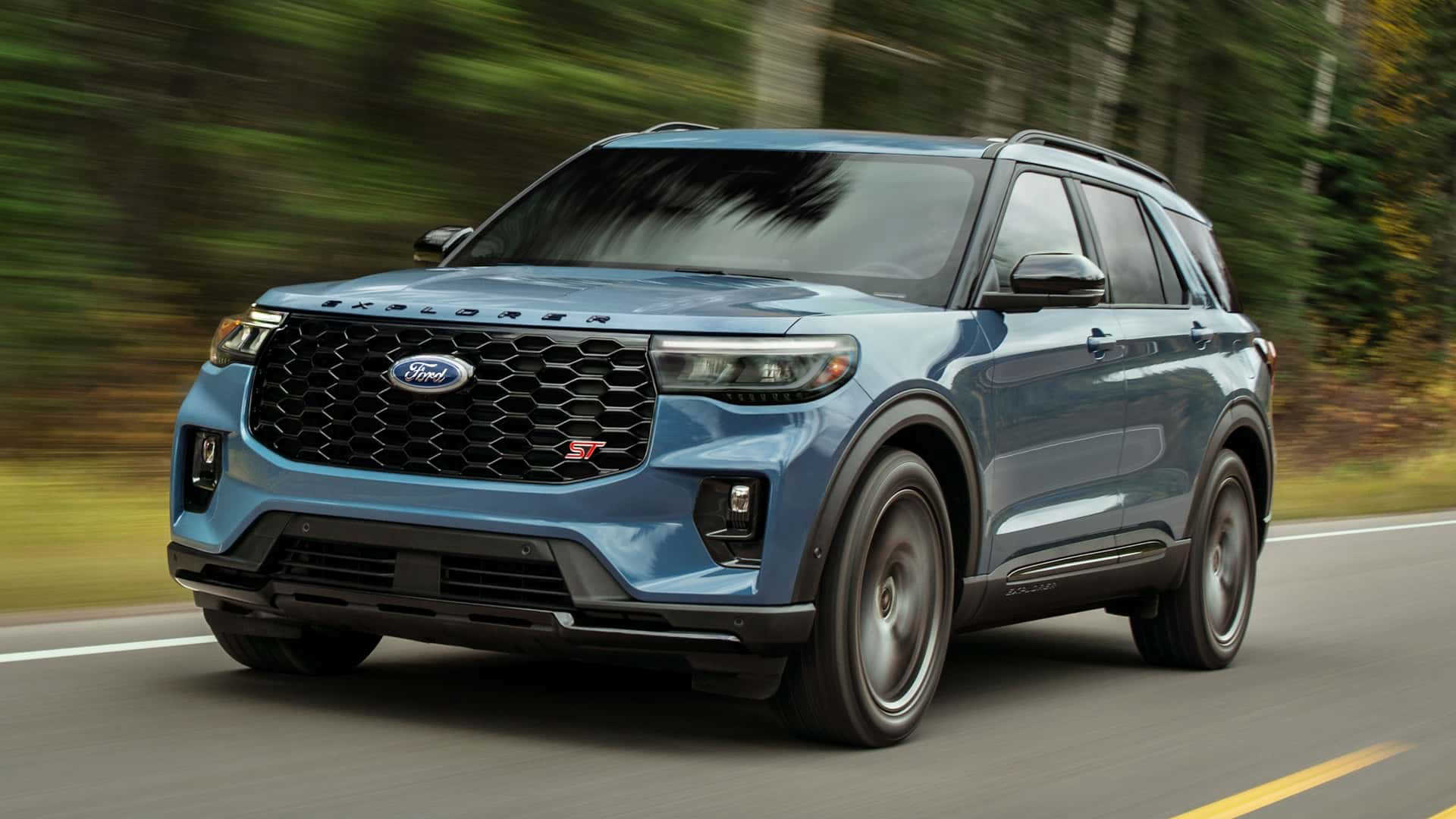
This is particularly useful when approaching curb islands or tall parking stops that could easily scrape the front fascia.
American drivers who live in HOA neighborhoods with narrow driveways often praise the Explorer for letting them pull forward with millimeter-level accuracy.
The Ford Explorer stands out as a three-row SUV for those who value balanced handling and strong acceleration. Unlike many competitors in its class, it feels eager and light when navigating corners, offering a surprising amount of grip for a vehicle of its size.
The Explorer’s powertrain options take full advantage of this capability. The standard turbocharged four-cylinder delivers robust performance that easily outpaces rivals, while the Explorer ST’s turbocharged V6 caters to those who crave even more excitement.
Both engines are paired with a 10-speed automatic transmission, which responds reliably when heavy acceleration is needed. That said, the transmission can feel a bit indecisive in city driving, particularly when lightly modulating the throttle for stop-and-go situations.
3. Subaru Outback
Subaru designs its cars for real-world use, and the Outback’s front-view camera available on higher trims is one of the most practical examples.
It’s mounted high enough to avoid dirt spray, but still shows nearby obstacles clearly. It’s especially helpful for drivers who regularly navigate off-road trails, steep driveways, or rural roads with rocks and brush that can damage the front bumper or skid plate.
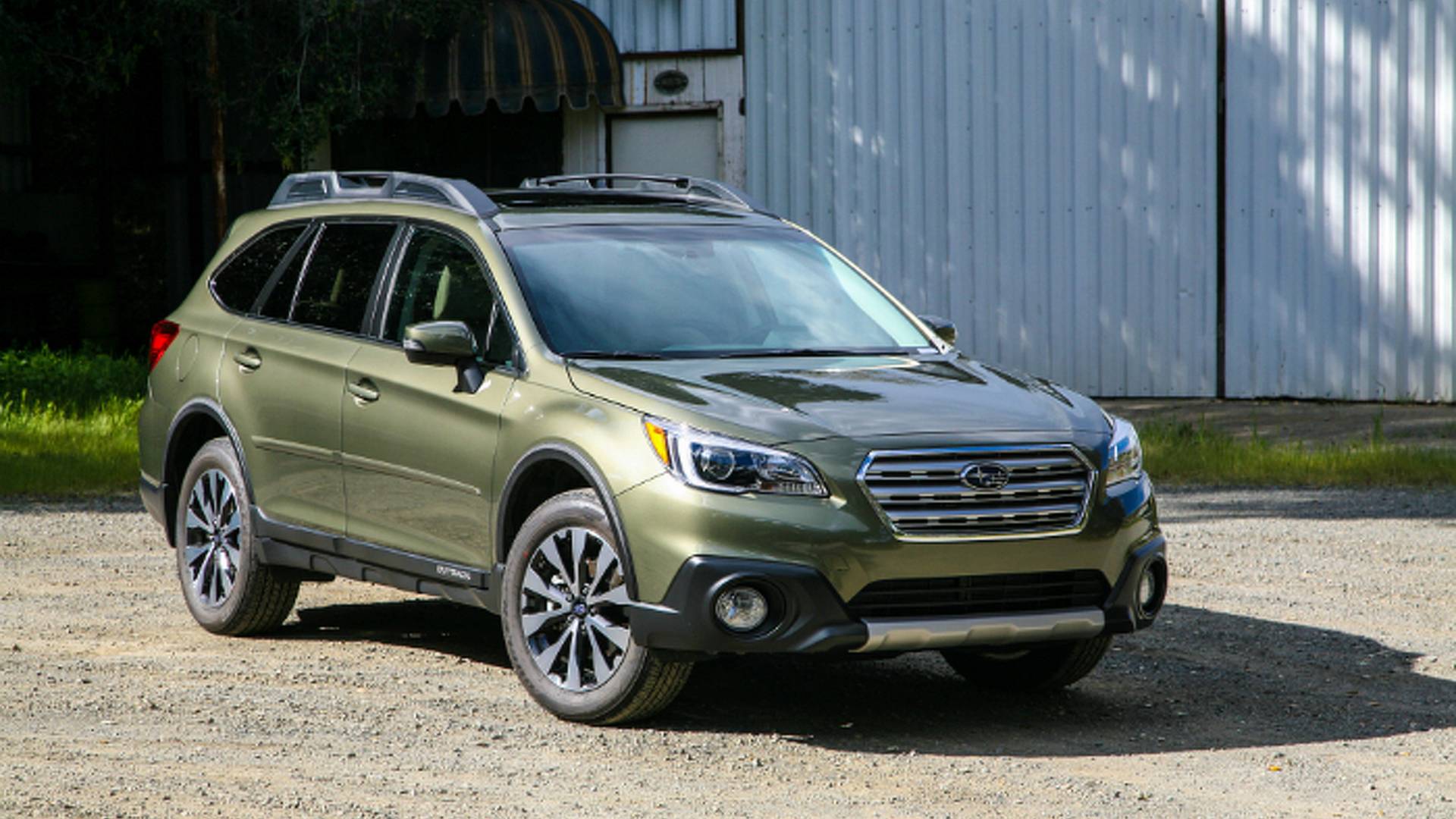
In US mountain states like Colorado or Utah, Outback owners rely on the camera to prevent low-speed contact when approaching uneven terrain. Even suburban owners benefit when maneuvering in angled parking spaces where the nose tends to dip.
4. Nissan Pathfinder
Nissan’s Around View Monitor has long been one of the easiest systems to use, and the Pathfinder offers one of the brand’s better front-camera views.
The image quality isn’t luxury-class, but it’s clear enough to show depth, curb distance, and parking edges without distortion.
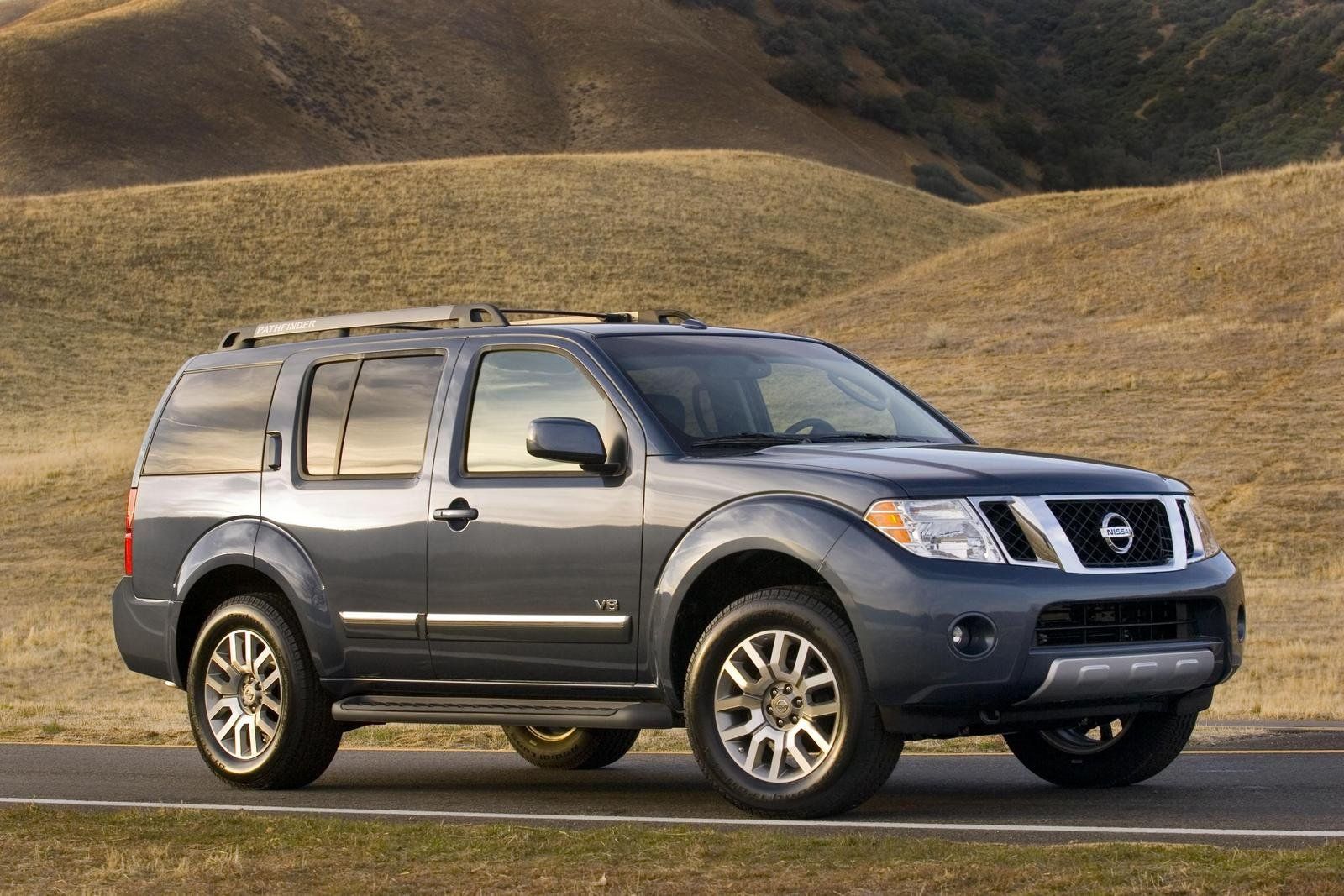
Many American owners love how seamlessly it transitions between the front camera and the top-down composite when moving slowly in a parking space.
The system was clearly designed for everyday situations like pulling up to a grocery store curb, maneuvering into school pick-up lanes, or navigating tight apartment complex parking.
The 2022 Nissan Pathfinder continues to use the 284-hp 3.5-liter V-6 from its previous generation but replaces the old continuously variable automatic transmission (CVT) with a new nine-speed automatic. Front-wheel drive comes standard, while all trims offer an optional all-wheel-drive system.
Choosing all-wheel drive also unlocks seven selectable drive modes, including off-road-oriented Sand and Mud/Rut settings. At our test track, the front-wheel-drive Pathfinder SL accelerated to 60 mph in 6.7 seconds, while the all-wheel-drive version managed 6.6 seconds, making it quicker than competitors like the Kia Telluride and Toyota Highlander.
While the Pathfinder’s handling is entirely unremarkable and offers little driving excitement, its ride quality is reasonably smooth. Nissan has also paid attention to sound insulation, resulting in a quiet cabin that makes highway cruising particularly comfortable.
5. Hyundai Palisade
The Palisade stands out because of Hyundai’s polished software interface and excellent image clarity. It blends a wide forward view with directional guidelines that are easy to interpret.
What makes the Palisade especially helpful is the smooth camera activation it comes up quickly, with almost no lag, so drivers don’t overshoot their stopping point while waiting for a view.
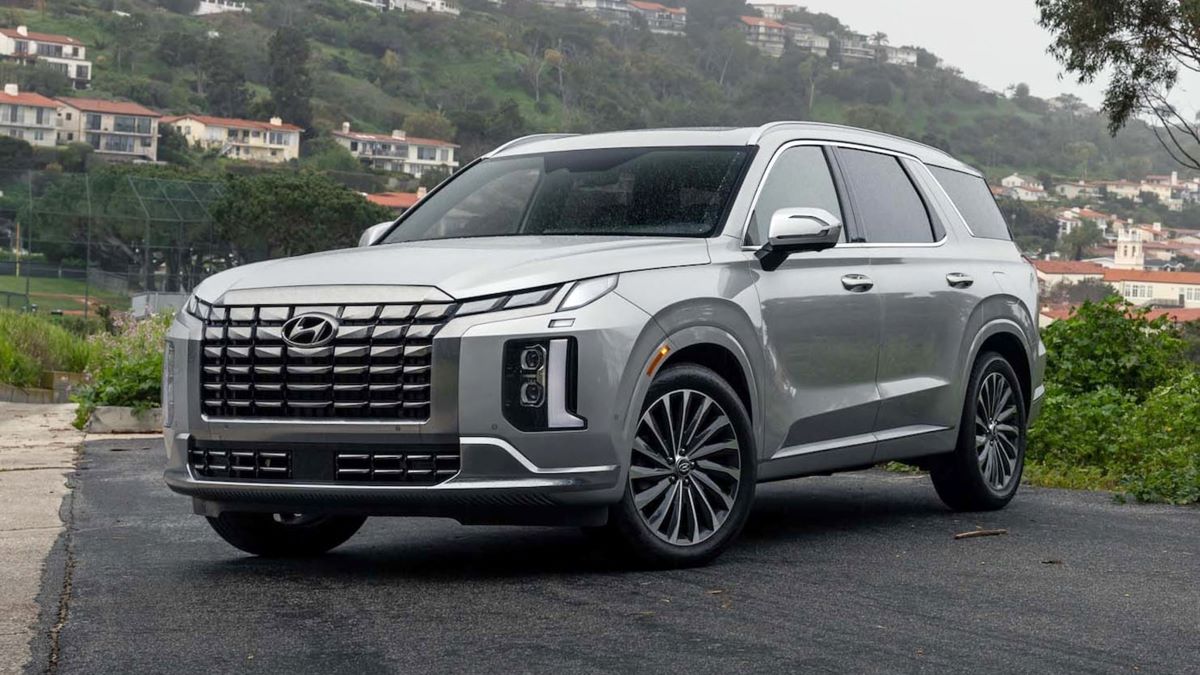
For big-driver states like Texas, where the Palisade’s length can be tricky in older parking lots, the camera gives drivers confidence to park nose-first without risking that dreaded crunch of painted concrete.
Cars That Often End Up With Scuffed Bumpers
Even the most careful drivers can’t always avoid minor scrapes and dings, especially in crowded parking lots or tight city streets. Some cars seem to attract more bumps and scrapes than others, whether because of their design, low ride height, or lack of protective features.
In this article, we spotlight vehicles that are particularly prone to scuffed bumpers, helping you understand which models might require extra caution, or more frequent trips to the detailer.
1. Toyota Camry
The Toyota Camry is one of the most reliable and popular cars in America, but it still lacks a front camera in many trims surprising for a model that otherwise keeps up with modern safety tech.
The Camry’s front end sits moderately low, and without a camera, it’s easy to bump the front bumper against parking curbs, especially in compact spaces.
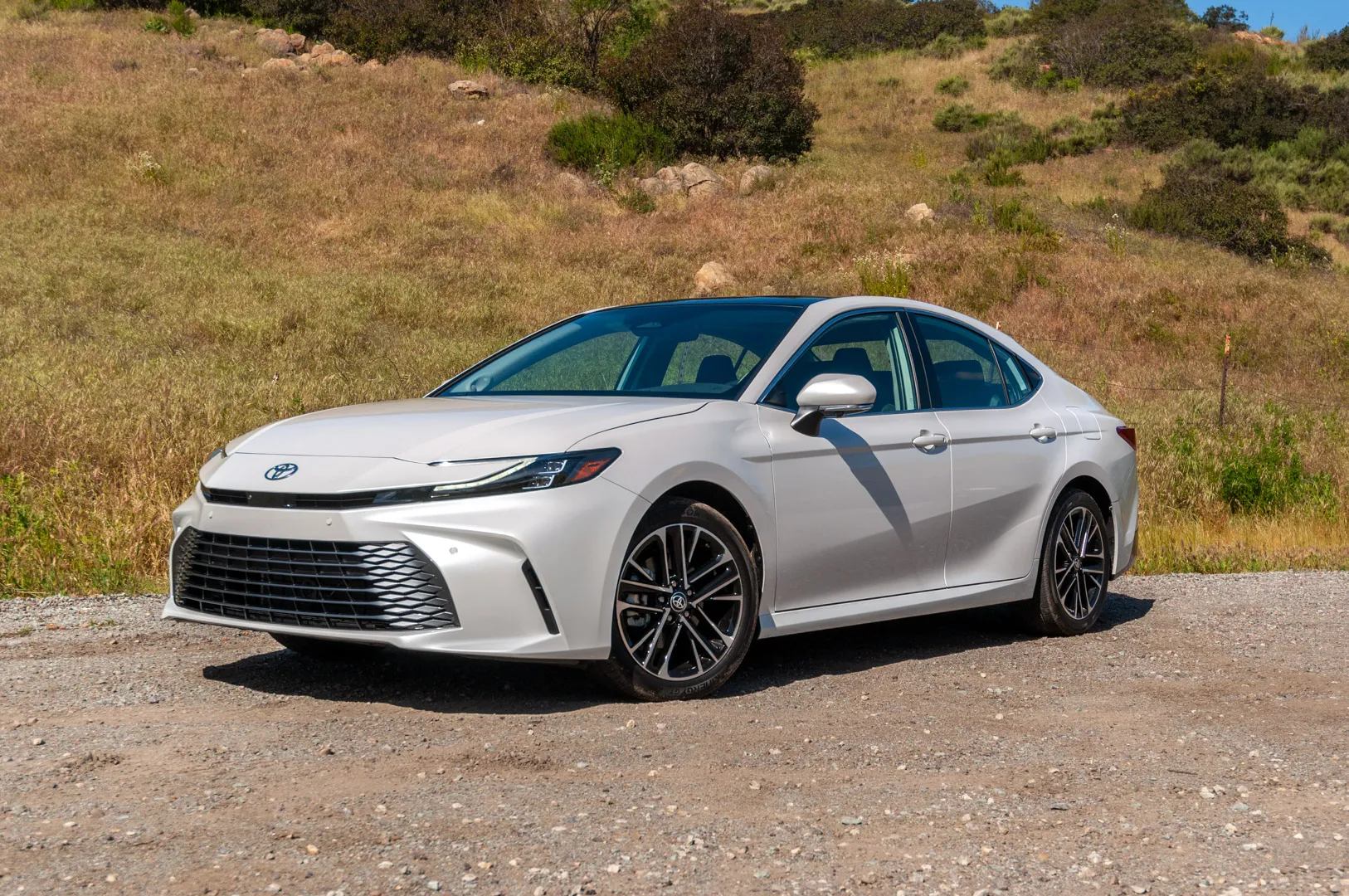
College students, daily commuters, and rental car drivers often report front scuffs simply because the nose disappears from view and the car’s sensors aren’t enough to warn about very low obstacles.
2. Honda CR-V
Although the CR-V offers excellent driver-assist technology, it still does not include a dedicated front camera on most trims in the US.
This wouldn’t be a huge issue if the front end weren’t shaped with a slightly extended lip that dips downward making it vulnerable to concrete parking stops or tall curbs.
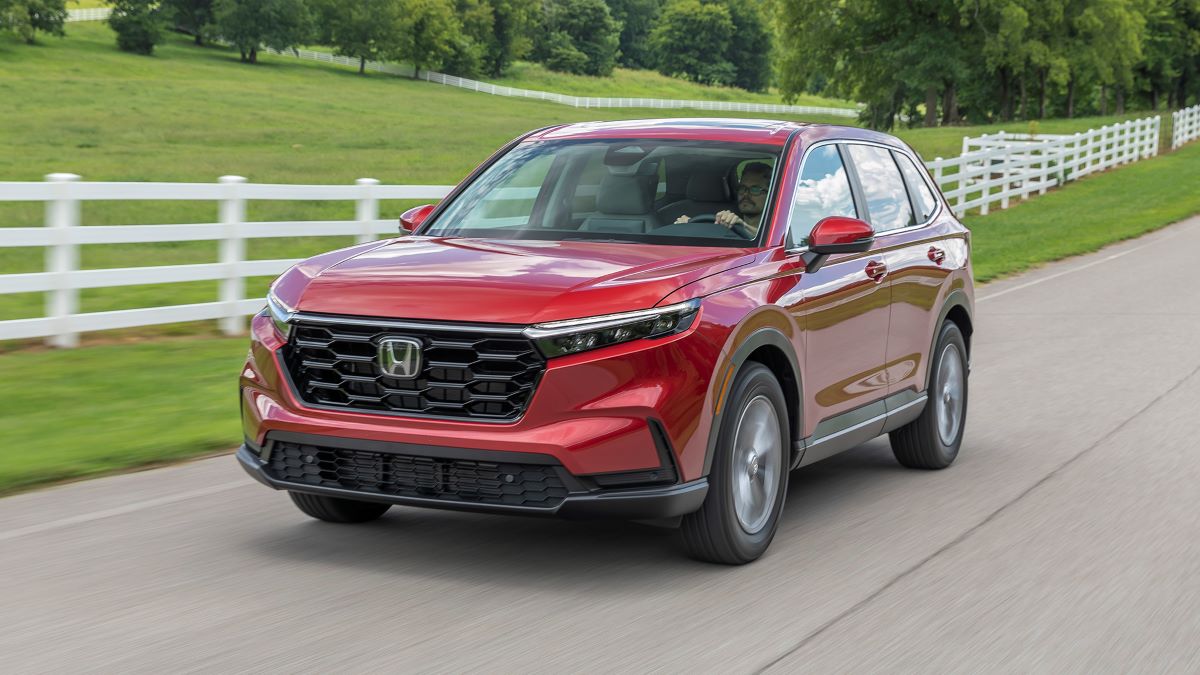
Owners across suburban America often mistake the front sensors’ limitations for full protection, only to hear the unfortunate scrape of plastic meeting pavement.
The CR-V’s popularity means many accidental scuffs get reported, especially among first-time SUV owners transitioning from compact cars.
The 2020 Honda CR-V has earned its place as one of the brand’s top sellers thanks to its refinement, practicality, and well-thought-out design. It boasts one of the largest cargo areas in its class, and buyers can choose between two fuel-efficient powertrains, including a hybrid, that allow it to compete directly with rivals like the Toyota RAV4.
Every CR-V comes equipped with the creature comforts and technology features modern SUV buyers expect, while its excellent crash-test ratings make it especially appealing to families.
Honda made a smart move introducing its first turbocharged engine in the CR-V: a 1.5-liter four-cylinder producing 190 horsepower, paired with one of the best continuously variable automatic transmissions (CVTs) available, a compliment not given lightly.
While the CR-V has one of the lowest towing limits in its segment at 1,500 pounds, its refined ride, enthusiastic steering, and strong brakes make up for any lack of performance. Composed and compliant over all types of roads, the CR-V makes daily commutes and long drives equally pleasant, with a responsive brake pedal that inspires confidence.
The CR-V hybrid, powered by a 2.0-liter four-cylinder paired with two electric motors for a combined 212 horsepower, delivers a smooth and unobtrusive driving experience.
Honda also addressed the loud engine note that plagues the base model by adding sound-deadening materials and an active noise-cancelling feature in the audio system, resulting in a much quieter cabin, even under wide-open throttle.
3. Chevrolet Malibu
The Malibu’s low-slung front bumper is stylish but unforgiving. Even small parking mistakes result in scrapes because the front end doesn’t offer much clearance.
With no available front camera, drivers rely entirely on depth perception, which gets tricky in angled parking lots or when pulling over sidewalk edges.
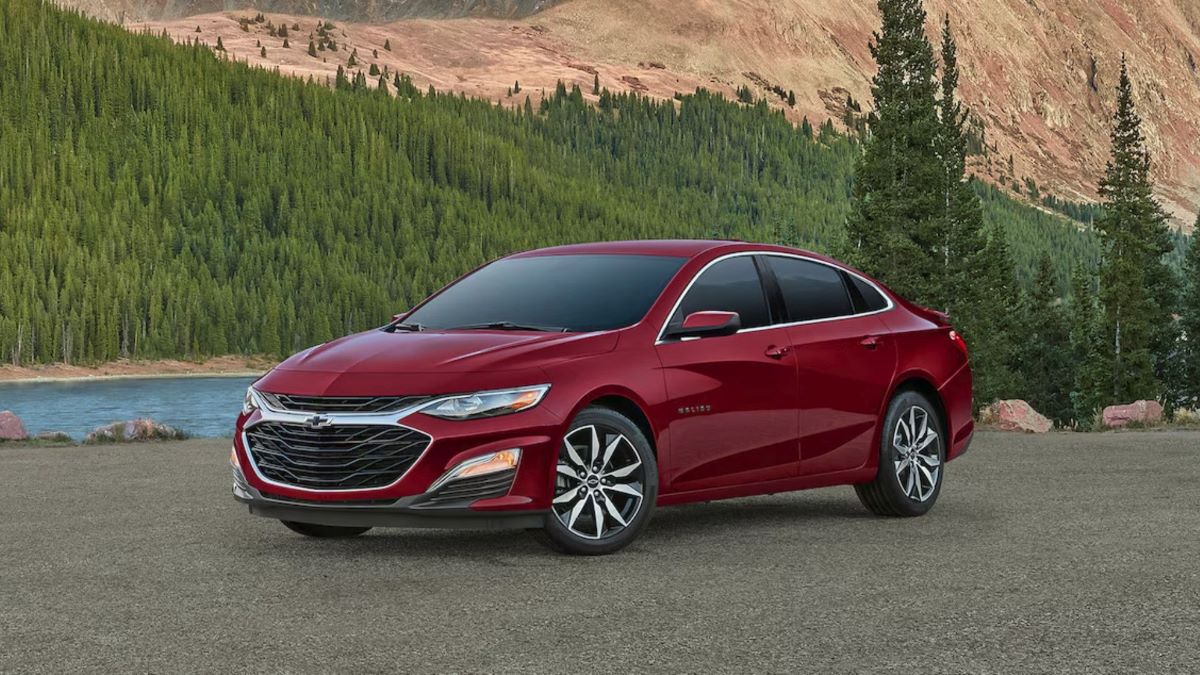
Many US owners complain about scraping the paint or even cracking the plastic beneath the grille. For a sedan aimed at commuters and fleet buyers, the lack of a front-end visibility tool becomes a long-term cosmetic cost.
One of Chevrolet’s longest-standing nameplates, the Malibu has been a staple in the midsize sedan segment for decades. Over the years, it has evolved from a rear-wheel-drive model offered in multiple configurations to a front-wheel-drive sedan available in a single body style.
For a brief period, Chevrolet even offered a hybrid Malibu to attract eco-conscious buyers. With the model nearing its discontinuation, the Malibu lineup has been simplified, though several cosmetic packages remain available.
The Chevrolet Malibu continues to linger in the shadow of its rivals, largely because it falls short in a few key areas. When pushed hard, the base 1.5-liter turbo-four struggles to move the Malibu efficiently, relying on the CVT to extract the most from the small engine.
The optional 2.0-liter turbo-four, paired with a snappy nine-speed automatic, delivers effortless acceleration. Handling is competent, making the Malibu enjoyable on twisty roads without being a true sports sedan, and the ride remains reasonably composed over typical road imperfections.
However, the cheap-feeling interior undermines what could otherwise be a decent midsize sedan. Combined with the underpowered base engine, it’s hard to justify the Malibu’s overall value. Optional active safety features, which are standard on many competitors, further weaken its appeal.
The 2021 Malibu offers two turbocharged four-cylinder engines. The L, LS, RS, and LT trims come with a 1.5-liter engine producing 163 horsepower and 184 lb-ft of torque. The Premier trim is equipped with a 2.0-liter engine rated at 250 horsepower and 260 lb-ft of torque, delivering stronger performance and smoother acceleration.
4. Jeep Grand Cherokee (Base Trims)
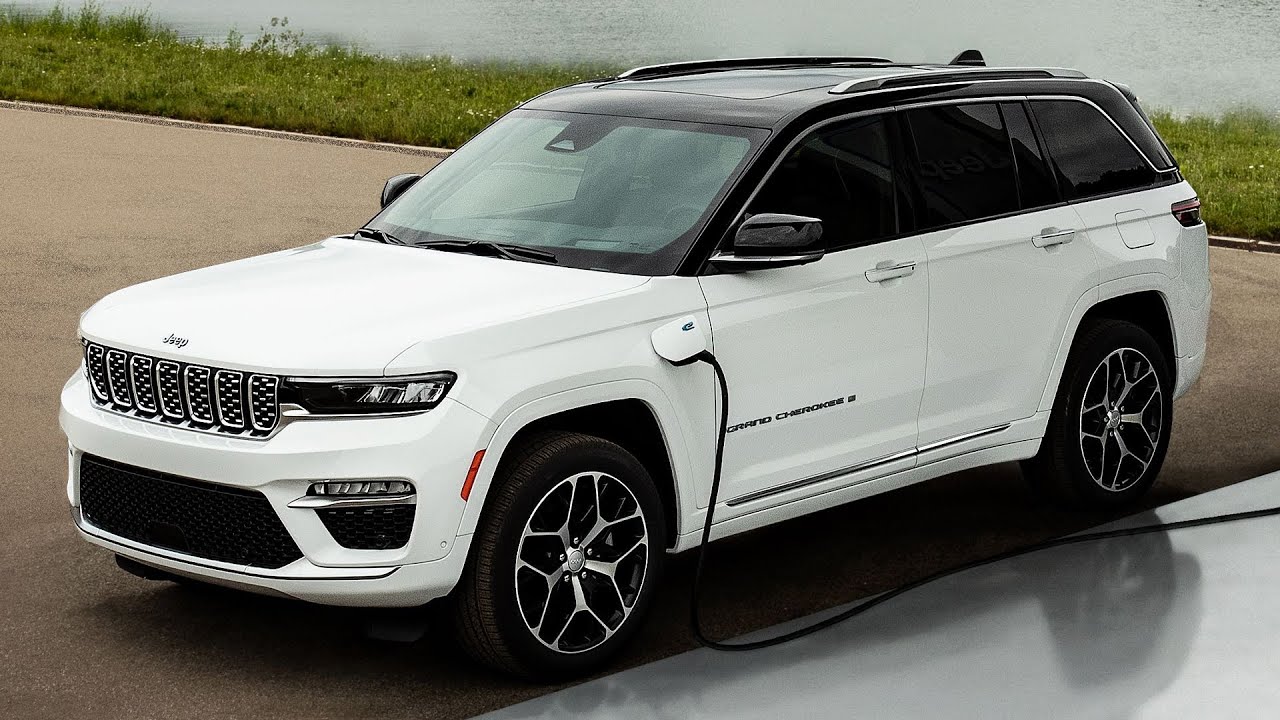
The higher-end Grand Cherokee trims include better camera coverage, but base and mid-level models often skip the forward camera something surprising given the SUV’s off-road image.
Without the front camera, drivers have no visual aid when approaching steep inclines, rocky trails, or even aggressive driveway angles.
As a result, many American owners end up damaging the lower bumper fascia on curbs or obstacles they thought were lower than they actually were.
Urban buyers also struggle when pulling into tight parking spots because the Grand Cherokee’s hoodline sits high, creating a visual blind spot directly in front of the bumper.
One of Chevrolet’s longest-standing nameplates, the Malibu has been a staple in the midsize sedan segment for decades. Over the years, it has evolved from a rear-wheel-drive model offered in multiple configurations to a front-wheel-drive sedan available in a single body style.
For a brief period, Chevrolet even offered a hybrid Malibu to attract eco-conscious buyers. With the model nearing its discontinuation, the Malibu lineup has been simplified, though several cosmetic packages remain available.
The Chevrolet Malibu continues to linger in the shadow of its rivals, largely because it falls short in a few key areas. When pushed hard, the base 1.5-liter turbo-four struggles to move the Malibu efficiently, relying on the CVT to extract the most from the small engine.
The optional 2.0-liter turbo-four, paired with a snappy nine-speed automatic, delivers effortless acceleration. Handling is competent, making the Malibu enjoyable on twisty roads without being a true sports sedan, and the ride remains reasonably composed over typical road imperfections.
However, the cheap-feeling interior undermines what could otherwise be a decent midsize sedan. Combined with the underpowered base engine, it’s hard to justify the Malibu’s overall value. Optional active safety features, which are standard on many competitors, further weaken its appeal.
The 2021 Malibu offers two turbocharged four-cylinder engines. The L, LS, RS, and LT trims come with a 1.5-liter engine producing 163 horsepower and 184 lb-ft of torque. The Premier trim is equipped with a 2.0-liter engine rated at 250 horsepower and 260 lb-ft of torque, delivering stronger performance and smoother acceleration.
5. Dodge Charger
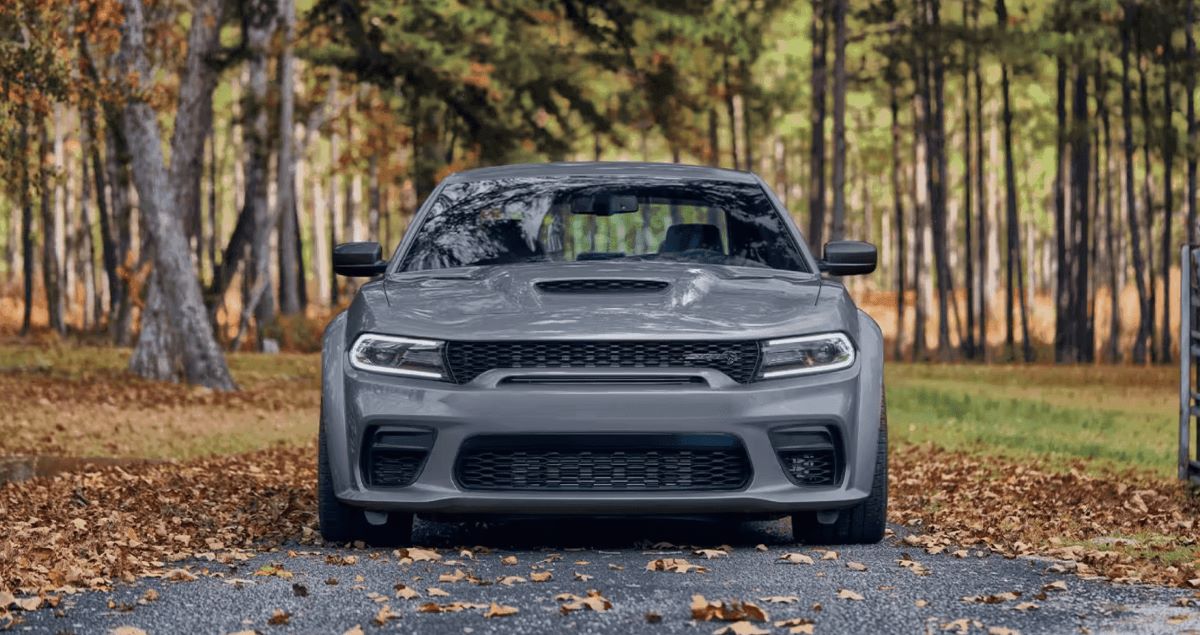
The Charger’s muscle-car identity comes with a long, low front end that visually disappears for the driver.
Unfortunately, Dodge never prioritized adding a front camera to most trims, and many owners only realize how long the nose really is after scraping it on a parking block or curb.
American Charger drivers especially those in cities like Miami, Los Angeles, and Houston often deal with uneven driveway angles or shopping center parking stops that sit perfectly at bumper height.
The result? A high number of scratched lower lips, broken plastic splitters, and unfortunate scuff marks.
Front cameras are one of the most underrated features in the US auto market. They save time, reduce repair bills, and eliminate the guesswork that larger modern vehicles impose on drivers.
The 2021 Dodge Charger channels the classic era of full-size sedans with rear-wheel drive and throaty V-8 engines while also appealing to modern buyers with all-wheel-drive options and advanced technology. Its tech features include a full suite of driver-assistance systems and a highly capable infotainment setup.
The Charger’s allure also comes from its striking appearance packages, performance-oriented equipment, and relatively accessible pricing. While the interior makes use of some lower-quality materials and models with larger wheels ride slightly harsher, the Charger’s roomy cabin and large trunk make it a practical muscle car.
The standard V-6 delivers competent performance but isn’t thrilling, whereas the optional Hemi V-8 engines provide the power and exhaust note enthusiasts crave.
Updates for the 2021 model are minor. The GT AWD trim now comes standard with 20-inch wheels, which are also newly available on the SXT AWD. Pricing starts at $32,720 and goes up to $51,040 depending on trim and options.
The trims include SXT ($32,720), GT ($34,995), recommended R/T ($40,720), Scat Pack ($45,045), and Scat Pack Widebody ($51,040). Our preferred choice is the R/T, which pairs a 370-hp 5.7-liter V-8 with an excellent mix of performance and features.
Buyers seeking all-wheel drive are limited to V-6 models, while the 485-hp V-8 Scat Pack delivers quicker acceleration at an additional cost of about $5,000. The R/T comes with an 8.4-inch Uconnect touchscreen, Apple CarPlay, and Android Auto, along with a dual-mode exhaust, leather-wrapped performance steering wheel, and 20-inch wheels.
Under the hood, the Charger carries forward its NASCAR-inspired heritage with potent V-8 engines and an engaging exhaust note. Every model is equipped with an eight-speed automatic transmission and standard rear-wheel drive, though the V-6 offers the choice of all-wheel drive.
While no manual transmission is available, the standard V-6 is capable but lacks the punch of front-wheel-drive competitors such as the Nissan Maxima. The more powerful trims excel on the track: the 485-hp R/T Scat Pack accelerates from 0 to 60 mph in 3.8 seconds, while the 370-hp R/T outpaces most family sedans.
On the road, even the models with large wheels ride quietly and smoothly over most surfaces, though bumps, potholes, and railroad crossings can affect composure. Handling is balanced, and the electrically assisted power steering provides purposeful control, though its feedback is a bit heavy and slow.
In emergency braking tests, the high-performance models equipped with upgraded brakes and sticky summer tires produced the best results, demonstrating that the Charger successfully blends muscle-car excitement with everyday usability.
As SUVs and sedans continue growing in size while public and private parking spaces stay the same, buyers increasingly see front visibility features not as luxuries but as everyday necessities.
If you’re shopping for a new vehicle especially one with a long hood, low clearance, or a bulky front end choose a model with a high-quality front camera system.
It will save you from countless dings, scrapes, and repaint jobs. And if you’re considering any of the models known for front-end scuffs, just remember: pulling in slowly won’t always protect you when you can’t see what’s directly in front. A good camera can.