Finding a compact SUV that truly accommodates taller drivers can be a challenge, as many models are designed with average-sized drivers in mind. Legroom, headroom, and seat adjustability become critical for comfort during daily commutes, long road trips, and weekend adventures.
The right SUV balances spacious interiors, supportive front seats, and intuitive controls without compromising technology, cargo space, or ride quality. This guide highlights 10 compact SUVs with front seats taller drivers love, showcasing vehicles that provide generous headroom, legroom, and adjustable seating options.
From rugged off-road-ready options to family-friendly urban crossovers, these SUVs combine practicality, safety, and comfort. Each entry evaluates driving performance, cabin space, technology, fuel economy, and warranty coverage, offering a comprehensive look for taller drivers seeking vehicles that won’t feel cramped or restrictive.
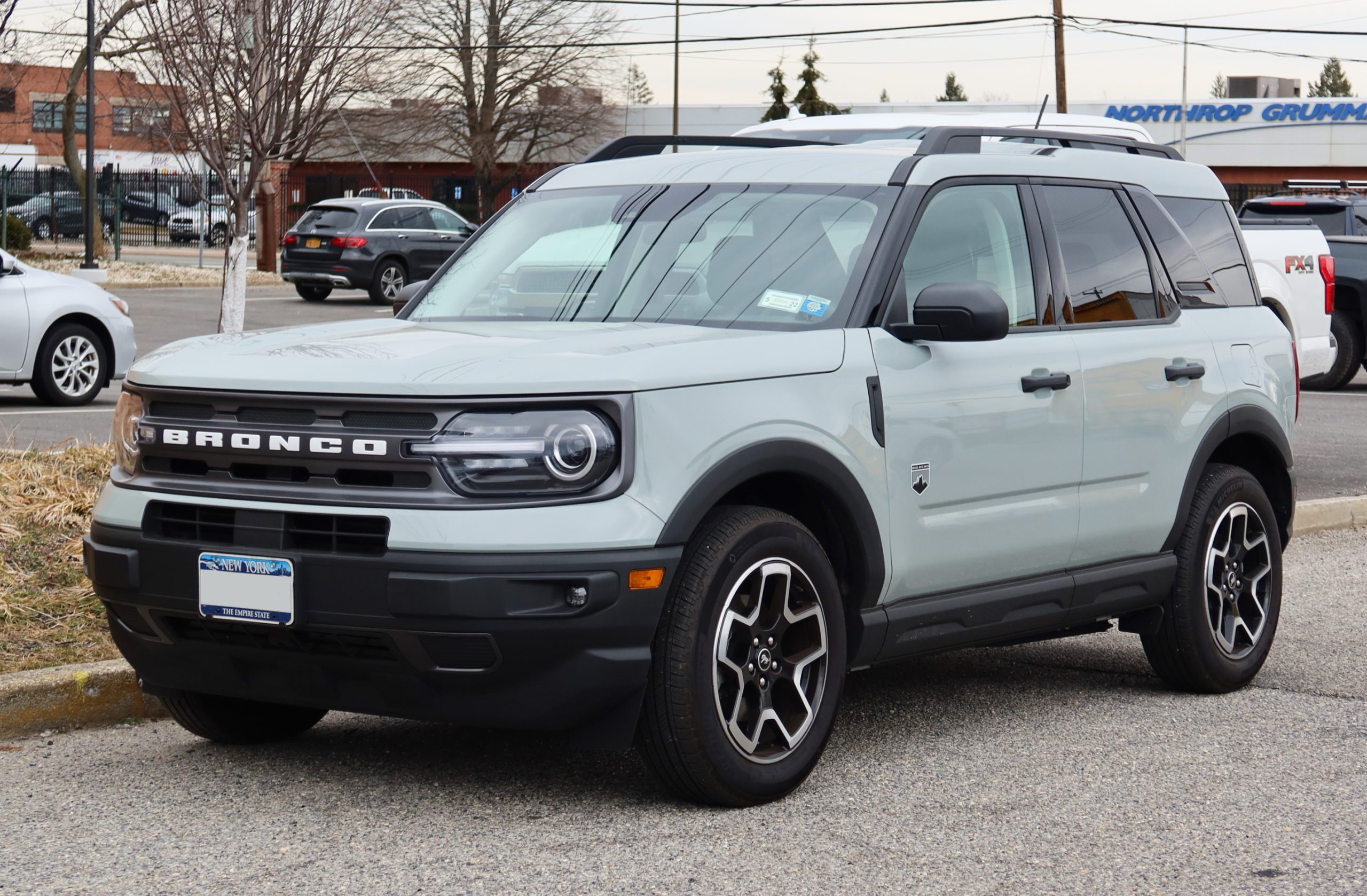
1. Ford Bronco Sport: Rugged Comfort for Tall Drivers
The Ford Bronco Sport is a small SUV designed for comfort, versatility, and off-road capability. It accommodates drivers up to 7 ft. 1 in. with 41.5 inches of headroom and 42.4 inches of legroom.
The Bronco Sport provides plenty of space in the front seats. Adjustable seats with lumbar support and a telescopic steering wheel make it easier for taller drivers to find a comfortable position. Rear seating has good headroom, although legroom is slightly limited, and rear door access is narrow.
Front doors open wide, making entry and exit simple. Driver controls are easy to reach and operate, and the 12.3-inch digital instrument panel and 13.2-inch touchscreen are user-friendly. Wireless Apple CarPlay and Android Auto are standard.
Climate controls are mainly touchscreen-based but respond quickly, and multiple USB-C ports provide convenient charging options. The seats lack strong side support, which may allow sliding during sharp turns or off-road maneuvers.
The base 1.5-liter turbo three-cylinder engine delivers adequate power for city driving and highway passing. The top-tier Badlands trim features a 2.0-liter turbo four-cylinder engine and off-road-focused tires.
The Bronco Sport excels off-road, especially with the optional Sasquatch package, which includes larger tires, skid plates, and a special rear differential. Fuel economy is 27 mpg for the base engine and 23 mpg for the Badlands trim. The ride can feel bouncy on paved roads due to the off-road suspension.
Cargo space ranges from 29.4 to 32.5 cubic feet with removable, rubberized flooring and useful underseat storage cubbies. The towing capacity is limited, ranging from 2,200 to 2,700 pounds, below some competitors.
The Bronco Sport delivers strong value with standard all-wheel drive, durable interior materials, advanced tech, and genuine off-road ability. The warranty is standard with three years or 36,000 miles for basic coverage and five years or 60,000 miles for the drivetrain.
The Ford Bronco Sport combines spaciousness, technology, and adventure-ready capability. It is fun off-road, comfortable for taller drivers, and versatile enough for city streets and weekend trails.
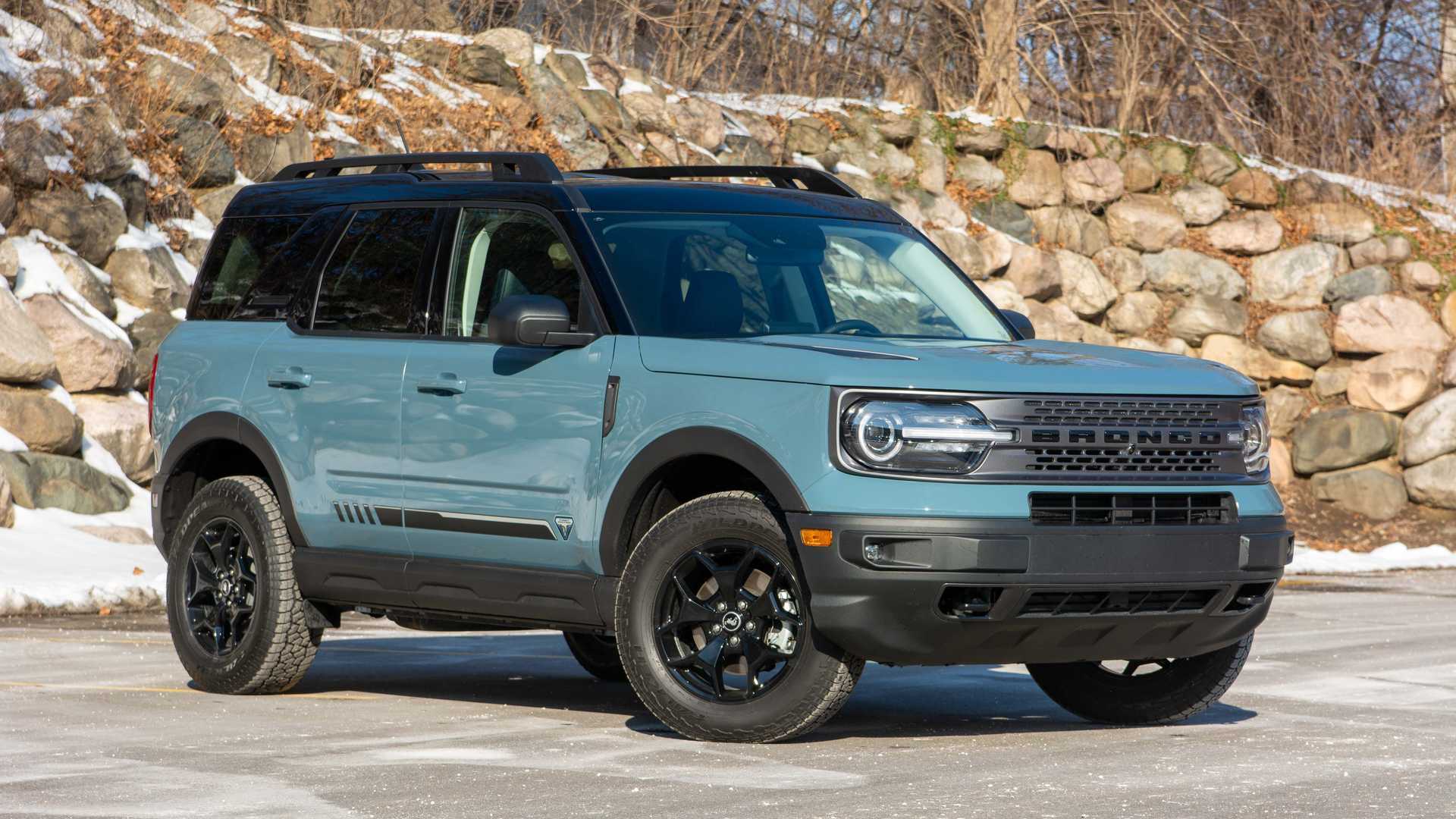
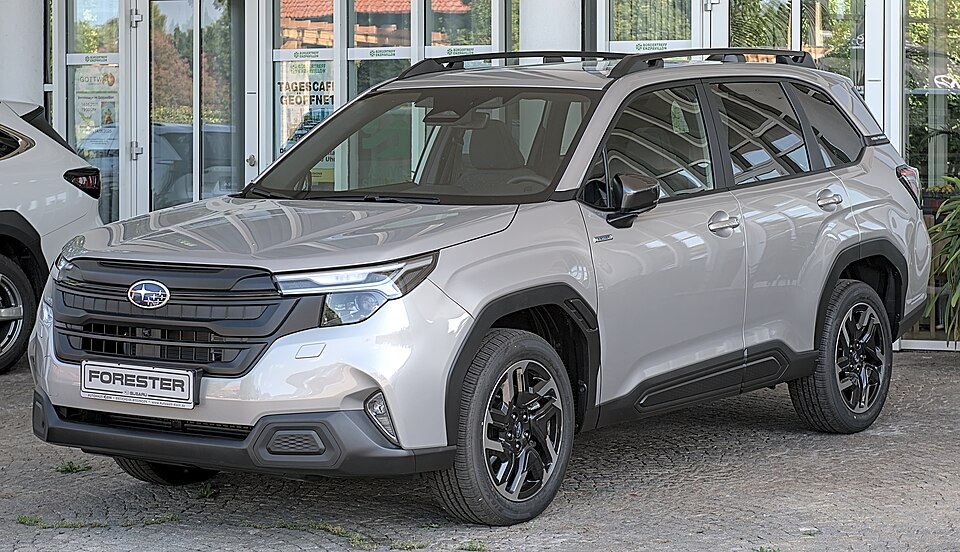
2. Subaru Forester: Reliable and Practical for Tall Drivers
The Subaru Forester is a compact SUV that emphasizes reliability, practicality, and comfort for taller drivers. It accommodates drivers up to 7 ft. with 41.2 inches of headroom and 43.3 inches of legroom. It is praised for reliability, value retention, and safety, earning iSeeCars scores of 8.0 for reliability, 8.7 for value retention, and 9.0 for safety.
The Forester is easy to enter and exit thanks to wide doors and agreeable seat heights. Front seats are well-padded and shaped to support a variety of body types. Rear seating provides ample headroom, though legroom is standard for the segment. The cabin features an 11.6-inch tablet-style touchscreen with large icons and clear graphics, making it simple to operate.
Physical controls for the shifter and heated seats remain simple, and climate controls are mostly digital and easily visible. Road noise is moderate, and wind noise is controlled despite the boxy design. Engine noise becomes noticeable under hard acceleration.
The base 2.5-liter four-cylinder engine produces 180 horsepower, resulting in slow acceleration. The Forester takes 9.2 seconds to reach 60 mph, and high-speed performance is limited.
Handling and braking are adequate, but the suspension feels unsophisticated, and the driver assistance systems, including adaptive cruise control and lane centering, perform slowly. The Forester has a slight advantage on unpaved roads, but many competitors now offer similar off-road capability.
Rear cargo space is excellent despite the moderate listed volume, and functional roof rails support outdoor activities. Storage for small items is limited, and cupholders and phone chargers may feel cramped. The towing capacity is 1,500 pounds, which is sufficient for light loads.
Standard all-wheel drive and a rugged build add value, though performance, refinement, and technology lag behind rivals. Subaru’s warranty includes three years or 36,000 miles of bumper-to-bumper coverage and five years or 60,000 miles for the powertrain.
The Forester delivers an EPA-estimated 26 to 29 mpg combined, though real-world driving tends to produce lower results. It requires only regular 87-octane fuel, and the large fuel tank allows for extended trips. The Forester Hybrid offers higher efficiency at 35 mpg combined.
The Subaru Forester is reliable, practical, and comfortable for tall drivers. Its standard all-wheel drive, good ground clearance, and spacious cabin make it suitable for outdoor adventures. It remains predictable, competent, and familiar, appealing to buyers who prioritize safety and versatility over sporty performance or cutting-edge technology.
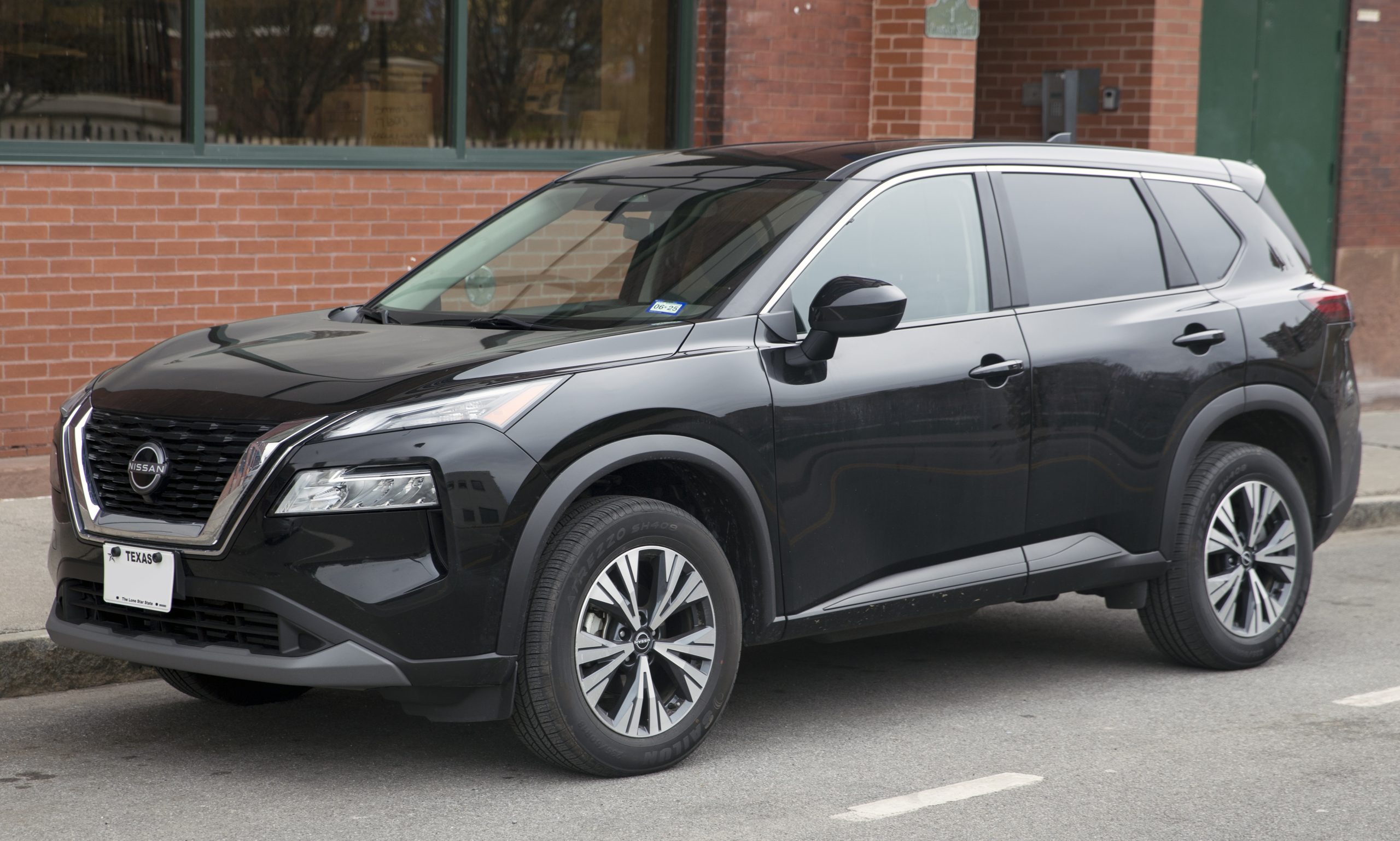
3. Nissan Rogue: Spacious and Tech-Savvy for Tall Drivers
The Nissan Rogue is a compact SUV that offers comfort, technology, and practicality for taller drivers. It fits drivers up to 7 ft. with 41.1 inches of headroom and 41.5 inches of legroom. iSeeCars scores the Rogue 7.7 for reliability, 7.9 for value retention, and 7.4 for safety.
The Rogue provides a comfortable cabin with soft, well-padded seats that support long drives. Front headrests may feel slightly forward for very tall drivers, while rear seats offer good recline but less legroom than some competitors. Wide rear doors allow easy access for passengers and child seats, with lower anchors hidden under removable covers.
Cabin noise can be noticeable at higher speeds, and road and traffic sounds are present, though engine noise is minimal under normal driving. Physical climate controls are simple and user-friendly, reducing touchscreen dependency.
The Rogue has a turbocharged engine that produces adequate power but takes over eight seconds to reach 60 mph, making acceleration feel sluggish. Steering can feel loose and heavy in Sport mode, while the suspension transmits road bumps and uneven surfaces into the cabin.
Braking is adequate, with an occasional noisy ABS, and emergency stopping distances are average. Driver assistance systems are extensive, including adaptive cruise control with lane-centering assistance, though performance can be jerky in stop-and-go traffic.
Infotainment is strong, particularly in higher trims with a large touchscreen, digital gauge cluster, and head-up display. Wireless Apple CarPlay and Android Auto are standard, though the interface is slightly dated.
Cargo space ranges from 31.6 to 36.5 cubic feet, and the cabin has multiple storage options, including configurable floor panels for additional cargo flexibility. The Rogue’s towing capacity is 1,500 pounds, suitable for light trailers or small loads.
Lower trims offer good value with standard tech and driver-assist features. Higher trims lack refinement compared to rivals, which may feel more luxurious or feature-rich.
The Rogue achieves EPA-estimated fuel economy of 29 to 33 mpg, slightly lower in real-world AWD testing. Standard warranties include three years/36,000 miles bumper-to-bumper and five years/60,000 miles powertrain, with two years/24,000 miles of covered maintenance.
The Nissan Rogue combines comfort, advanced tech, and practical storage for taller drivers. It looks modern and upscale but delivers only adequate performance and refinement, making it a solid choice for everyday commuting rather than spirited driving or off-road adventures.
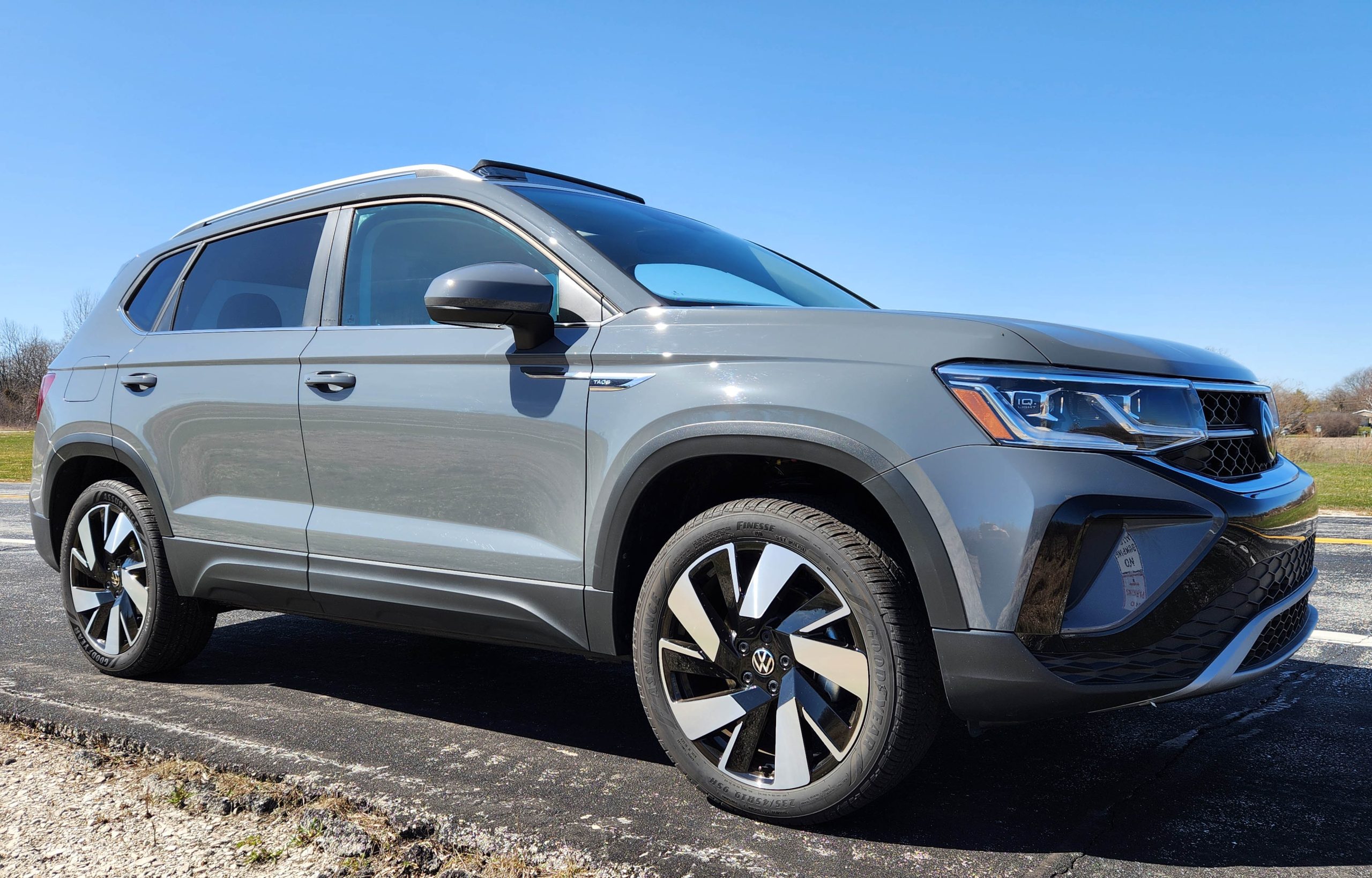
4. Volkswagen Taos: Compact SUV with Spacious Interior and Confident Handling
The Volkswagen Taos is a small SUV that balances driving performance, comfort, and interior versatility. It fits drivers up to 6 ft. 11 in. with 40.7 inches of headroom and 40.1 inches of legroom. The Taos offers good value retention, earning a 7.9/10, and a safety score of 7.0/10.
The Taos delivers strong performance for its class, powered by a turbocharged four-cylinder engine. Front-wheel-drive models reach 60 mph in 8.8 seconds, while all-wheel-drive versions are slightly quicker. The ride is firm, transmitting more bumps than some rivals, but cornering remains composed and responsive.
Steering feels precise and stable, and highway stability is reassuring. The Taos comes with a suite of driver-assistance features, including blind-spot monitoring, adaptive cruise control, automatic high beams, and automatic emergency braking. Some features offered by competitors, such as a surround-view camera or advanced driver attention monitoring, are not included.
Front seats are sporty and supportive for long drives, though the driver’s seat could benefit from a wider range of adjustments. Rear seating provides generous legroom and easy installation of child seats, with well-positioned anchor points. Climate control is effective, and ventilated front seats add comfort in warmer conditions. Cabin noise is noticeable at highway speeds, but the interior feels practical and functional for families.
The Taos includes multiple USB-C ports, a wireless charger, and Apple CarPlay and Android Auto connectivity, with wireless integration starting on mid-tier SE models. Cargo capacity ranges from 24.9 to 27.9 cubic feet, with a mostly flat folding rear seat and a pass-through for longer items. Interior storage is well thought out, with large door pockets, anti-tip cupholders, and a deep center console cubby.
Pricing starts competitively, though top trims approach $35,000. VW focuses on durability in high-touch areas, while some interior elements feel inexpensive. The warranty includes four years/50,000 miles and two years/20,000 miles of free scheduled maintenance. EPA estimates for fuel economy are 31 mpg for FWD and 28 mpg for AWD, with real-world testing matching these figures.
The Volkswagen Taos combines spacious interiors, confident handling, and family-friendly features. It is composed on the road and offers thoughtful storage solutions, making it a strong choice for those seeking practicality without sacrificing driving enjoyment in the compact SUV segment.
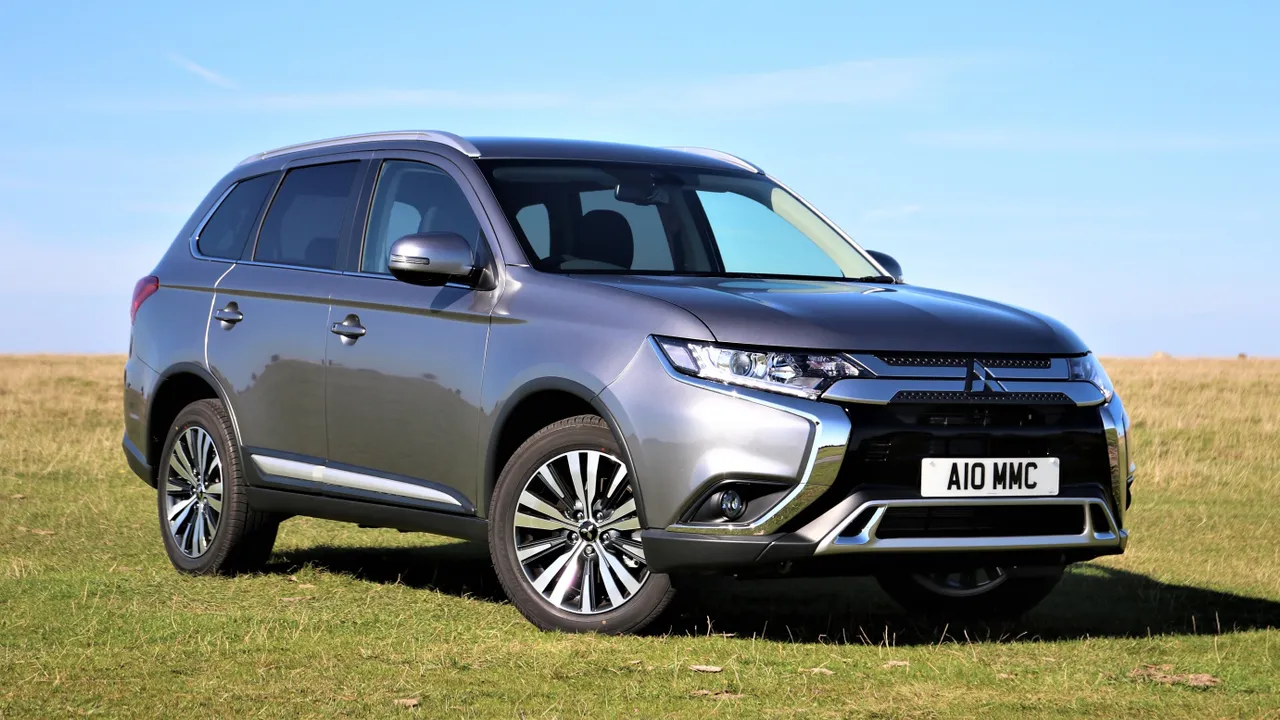
5. Mitsubishi Outlander: Practical Three-Row SUV with Comfortable Ride
The Mitsubishi Outlander is a compact three-row SUV designed for practicality, comfort, and family use. It fits drivers up to 6 ft. 11 in. with 40.6 inches of headroom and 41.7 inches of legroom. iSeeCars rates the Outlander 7.7 for reliability, 7.7 for value retention, and 8.2 for safety.
The Outlander is powered by a 2.5-liter four-cylinder engine, which produces adequate but slow acceleration. In testing, an all-wheel-drive model took 9.5 seconds to reach 60 mph, making it one of the slower options in its class. Despite this, the SUV delivers a comfortable and composed ride. Steering has a solid feel, and the body remains stable through mountain curves.
Large wheels do not significantly compromise ride quality, and the suspension absorbs bumps well. Optional surround-view cameras aid parking, and standard driver-assistance features provide a reasonable level of safety, although they are less refined than some rivals.
Front seats are well-padded and supportive for long trips. Second-row passengers enjoy ample headroom, though support is limited, and the third row is cramped for adults. Entering the second and third rows can be awkward, and car seat installation is easier in the second row. The Outlander includes rear climate controls and quiet cabin conditions, though engine noise becomes noticeable under acceleration.
The 12.3-inch touchscreen is intuitive, with wireless Apple CarPlay and Android Auto available on most trims. The optional navigation system works adequately, while voice controls can be unreliable.
Storage behind the second row is 30.6 cubic feet, and folding the second and third rows increases capacity. The cabin offers several practical storage spots, including a deep center console cubby, though some cupholders are awkwardly placed.
The Outlander provides a strong value for families needing a third row. Pricing is competitive, and interior materials feel upscale, especially on higher trims.
Mitsubishi’s warranty is generous, with five years/60,000 miles basic coverage, 10 years/100,000 miles powertrain, and five years of unlimited roadside assistance. Fuel economy for AWD models is 26 mpg combined, with real-world results slightly lower but reasonable for a three-row SUV.
The Mitsubishi Outlander is a practical, comfortable, and distinctive three-row SUV. It offers a smooth ride, family-friendly features, and solid warranties, though acceleration is slow and the third row is limited. Its tidy interior and unique presence make it an appealing alternative to more common SUVs.
Also Read: 10 Cars That Keep the Cabin Quiet on Concrete Highways
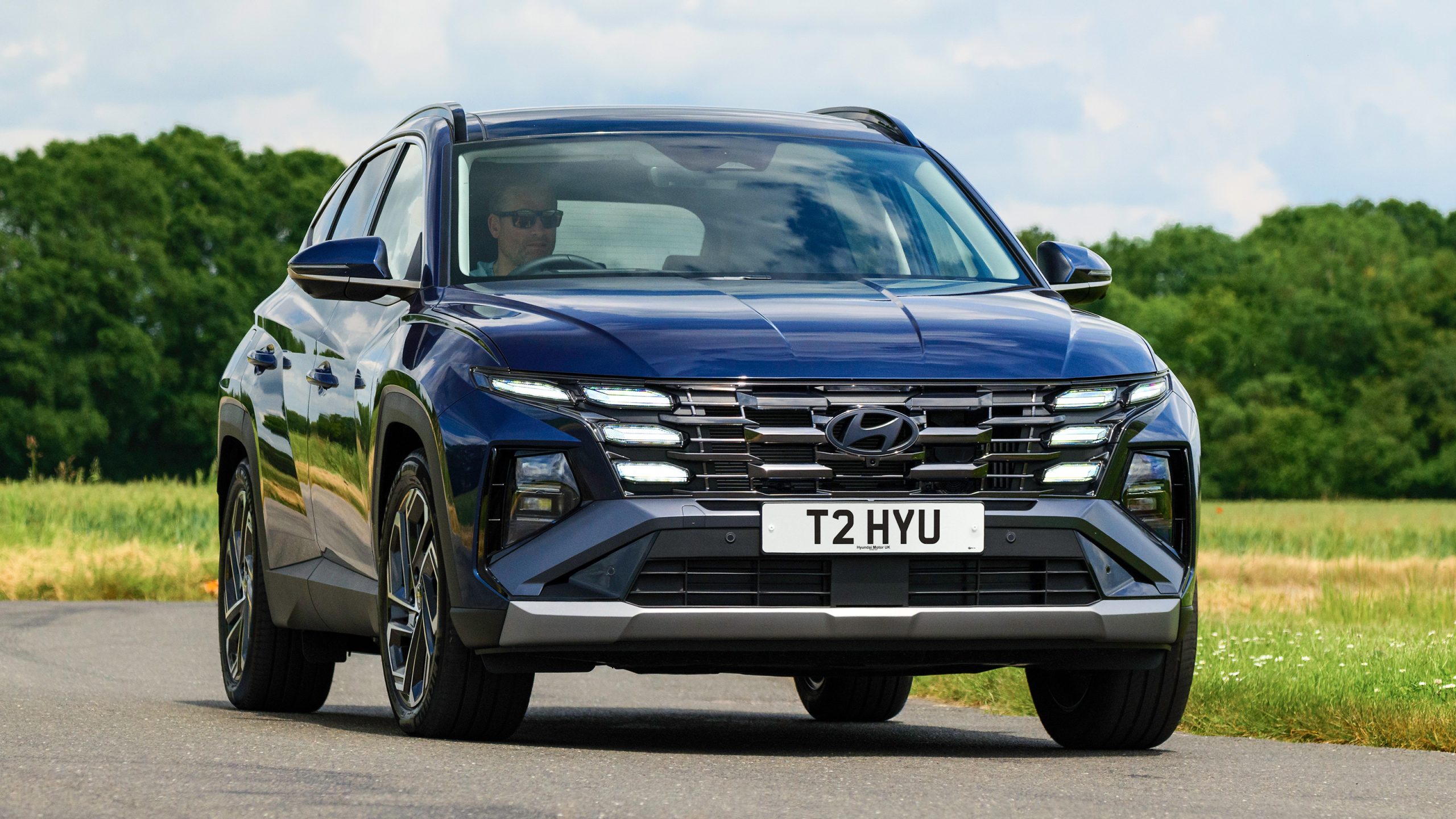
6. Hyundai Tucson: Spacious, Feature-Rich Compact SUV
The Hyundai Tucson is a compact SUV that focuses on comfort, technology, and interior space for taller drivers. It fits drivers up to 6 ft. 10 in. with 40.1 inches of headroom and 41.4 inches of legroom. iSeeCars scores the Tucson 8.4 for general rating, 7.4 for reliability, 8.1 for value retention, and 9.7 for safety.
The Tucson is not built for speed. Its standard engine takes 10.2 seconds to reach 60 mph, making acceleration feel slow compared with rivals. Steering is precise, and the SUV handles corners with composure. The suspension delivers a smooth ride, effectively absorbing road bumps and imperfections.
Visibility is excellent thanks to a large windscreen and thin roof pillars. Driver-assistance features include blind-spot monitoring, adaptive cruise control, and front and rear parking sensors, though the sensor alerts can become repetitive.
The Tucson delivers a high level of comfort. Front seats are plush, supportive, and come with power lumbar adjustments. The seating position is slightly elevated but adjustable to the driver’s preference.
Rear seats provide generous legroom, shoulder room, and recline, making them suitable for taller passengers and bulky child seats. Large door openings make entry and exit easy. LATCH anchors are accessible, and three top tether points are included for rear passengers.
The Tucson features a 12.3-inch touchscreen, wireless Apple CarPlay, and Android Auto. Hyundai’s navigation system is clear and easy to use, and voice controls respond well. Cargo space measures 38.7 cubic feet behind the rear seats and expands to 74.8 cubic feet when folded. The flat floor and low liftover make loading simple. Cabin storage is practical with generous cupholders and compartments.
Pricing is competitive with the Honda CR-V and Toyota RAV4 while offering higher-quality interior materials and abundant features. Hyundai’s warranty includes five years/60,000 miles basic coverage and 10 years/100,000 miles powertrain coverage. AWD models achieve 26 mpg combined, matching real-world driving tests.
The Hyundai Tucson provides spacious interiors, modern technology, and a comfortable ride in a compact SUV. Its engine is sluggish, and the transmission can feel clunky, but the abundant features, premium interior materials, and excellent warranty make it a strong choice for families and taller drivers seeking a reliable and practical vehicle.
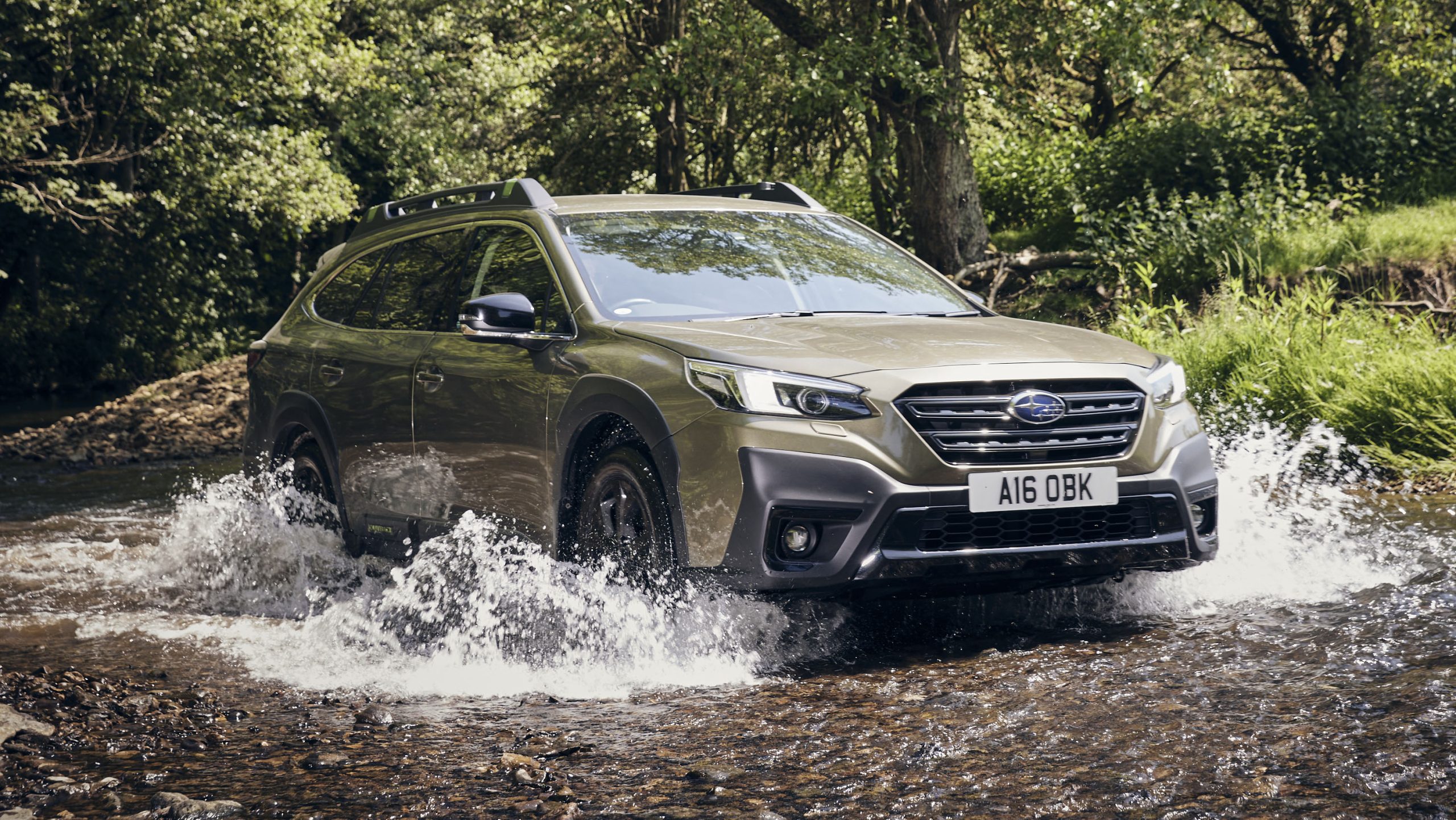
7. Subaru Outback: Rugged and Versatile Lifted Wagon
The Subaru Outback is a midsize SUV-like wagon designed for practicality, off-road capability, and comfort for taller drivers. It fits drivers up to 6 ft. 10 in. with 40.1 inches of headroom and 42.8 inches of legroom. iSeeCars scores the Outback 8.3 for general rating, 7.8 for reliability, 8.2 for value retention, and 9.0 for safety.
The test Outback with the optional turbo engine accelerates from 0 to 60 mph in 6.5 seconds, which is quick compared to the base engine. While the ride quality is smooth, the Outback does not feel as controlled as many midsize SUVs. Body roll is noticeable in turns, and steering is slow, requiring extra input for tight maneuvers.
With 8.7 inches of ground clearance and standard all-wheel drive, the Outback handles unpaved roads and challenging terrain effectively. Driver-assistance features are numerous, but they can be intrusive. Lane-keeping assistance, driver attention warnings, and automatic emergency braking may activate unnecessarily, reducing their practical usefulness.
The Outback’s ride is comfortable, absorbing potholes, speed bumps, and uneven surfaces easily. Front seats are soft, supportive, and adjustable for long drives. Climate control works well, and optional heated seats and a steering wheel enhance comfort.
Ventilated seats are less effective, and most adjustments are made through a slow touchscreen, which can be frustrating. Rear seating is spacious, and child seat installation is straightforward thanks to accessible anchors.
The infotainment system relies heavily on a touchscreen that responds slowly, though Apple CarPlay and Android Auto are supported. Physical knobs for volume and tuning are a positive addition.
Cargo space is lower than typical SUVs due to the Outback’s wagon-like design, but the flat, low floor simplifies loading. Roof rails make carrying gear easier. Cabin storage is functional but limited, with smaller console boxes and bottle holders.
The Outback offers decent value, especially in base trims. XT models with the turbo engine cost more but remain competitive against traditional SUVs. Fuel economy with the turbo engine is around 25 mpg combined, consistent with EPA estimates. The warranty is average for the segment, offering standard coverage without notable extras.
The Subaru Outback is a reliable, practical choice for buyers who value off-road capability, comfort, and a flexible interior. It’s dated tech and overactive driver aids may frustrate some, but it delivers a versatile driving experience suitable for a variety of conditions.
8. Honda CR-V: Practical and Comfortable Small SUV
The Honda CR-V is a small SUV designed for comfort, practicality, and fuel efficiency. It fits drivers up to 6 ft. 10 in. with 40 inches of headroom and 41.3 inches of legroom. iSeeCars rates the CR-V 8.7 for general performance, 8.2 for reliability, 8.8 for value retention, and 9.0 for safety.
The CR-V is not a high-performance SUV, but it feels responsive and stable compared with many small SUVs. The hybrid Sport Touring model accelerates from 0 to 60 mph in 8.0 seconds. Braking is smooth and effective in emergency situations. The hybrid system operates seamlessly and simulates traditional gear shifts for predictable performance.
Around corners, the SUV remains composed with responsive steering that communicates road conditions effectively. Ride quality is one of the CR-V’s strongest attributes, providing a comfortable experience on varied road surfaces. Visibility is good up front, though rear views are more limited. Advanced driver-assist features function reliably, but some competitors offer a broader set of technologies.
The CR-V interior is practical and spacious. Front seats are adjustable and supportive, while rear seats provide above-average legroom for passengers and are excellent for child seat installation. Large door openings make entry and exit simple. Physical climate controls are easy to reach and operate without distraction.
The CR-V includes wireless Apple CarPlay and Android Auto, a wireless charging pad, and multiple USB ports. The infotainment system is functional, though its 9-inch screen is smaller than those found in some competitors.
Cargo space is generous for a small SUV, though hybrid models lose a small amount of room and do not include a spare tire. Cabin storage is functional with a sizable under-armrest bin, door pockets, and cupholders.
Pricing is competitive but slightly higher than some rivals. Build quality is solid with minimal rattles and a smooth ride, though some hard plastics are present. Fuel economy for the hybrid AWD model is rated at 37 to 40 mpg, depending on driving conditions. Non-hybrid models achieve up to 30 mpg combined. Warranty coverage is standard for the class.
The Honda CR-V blends comfort, practicality, and fuel efficiency in a small SUV package. It delivers reliable performance, spacious interiors, and user-friendly technology, making it a strong choice for families and taller drivers who prioritize functionality and daily usability over flashy design or high-performance driving.
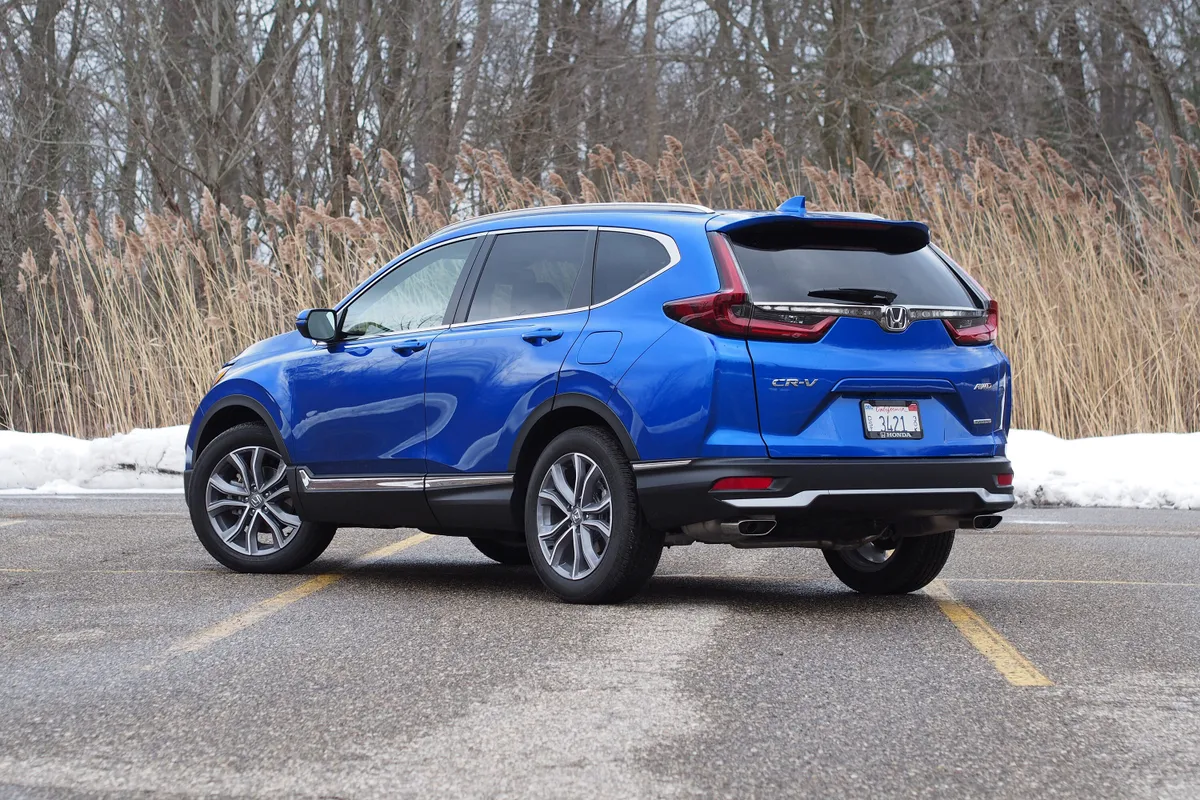
9. GMC Terrain: Solid but Uninspiring Small SUV
The GMC Terrain accommodates drivers up to 6 ft. 10 in. with 40 inches of headroom and 40.6 inches of legroom. iSeeCars scores it 7.9 for general performance, 7.7 for reliability, 7.9 for value retention, and 8.0 for safety.
The Terrain’s base engine is underpowered, and the transmission is slow to respond, making acceleration sluggish. Edmunds testing recorded 0 to 60 mph in 9.3 seconds. Braking is consistent and smooth, while steering is light at low speeds but gains weight on the highway, providing decent stability.
The SUV remains composed on twisty roads with controlled body roll, but it is not sporty or engaging. Ride quality suffers on uneven surfaces, with low-impact bumps and vibrations transmitted to the cabin. Tire and road noise is minimal, producing a muted hum on most surfaces.
Front seats are firm yet supportive, suitable for long trips. Rear seats are relatively flat, providing acceptable comfort but lacking contouring. The seat layout, low bolsters, and wide doors make entry and exit easy for most passengers.
Tall drivers may wish for more steering wheel extension, while visibility is limited due to a deep, angled dash and smaller rear side windows. Climate controls are straightforward, though some vents distribute air unevenly. Heated seats and seatback heating are available on certain trims.
Tech features include standard Apple CarPlay and Android Auto, a Bose audio system, optional navigation, and a 4G LTE Wi-Fi hotspot. Safety systems such as lane keeping assistance and forward collision warning are present but slightly intrusive.
Cargo space reaches 63 cubic feet with the rear seats folded, though this falls short of competitors like the Honda CR-V. The Terrain offers clever storage solutions, a fold-flat front passenger seat, and a power liftgate with low liftover height. Child seat anchors are accessible, though the middle rear top tether is absent.
Fuel economy for the 1.5-liter FWD model is rated at 26 mpg combined, though real-world driving can drop efficiency below this figure. Pricing is reasonable but does not stand out in the segment. Competitors provide better ride comfort, versatility, and cargo management. Warranty coverage is standard for small SUVs.
The GMC Terrain is a solid, safe SUV with decent technology and storage options. It is comfortable enough for daily driving but lacks engaging performance and refinement. For buyers seeking better ride comfort and practicality, rivals such as the Honda CR-V or Toyota RAV4 may be more compelling choices.
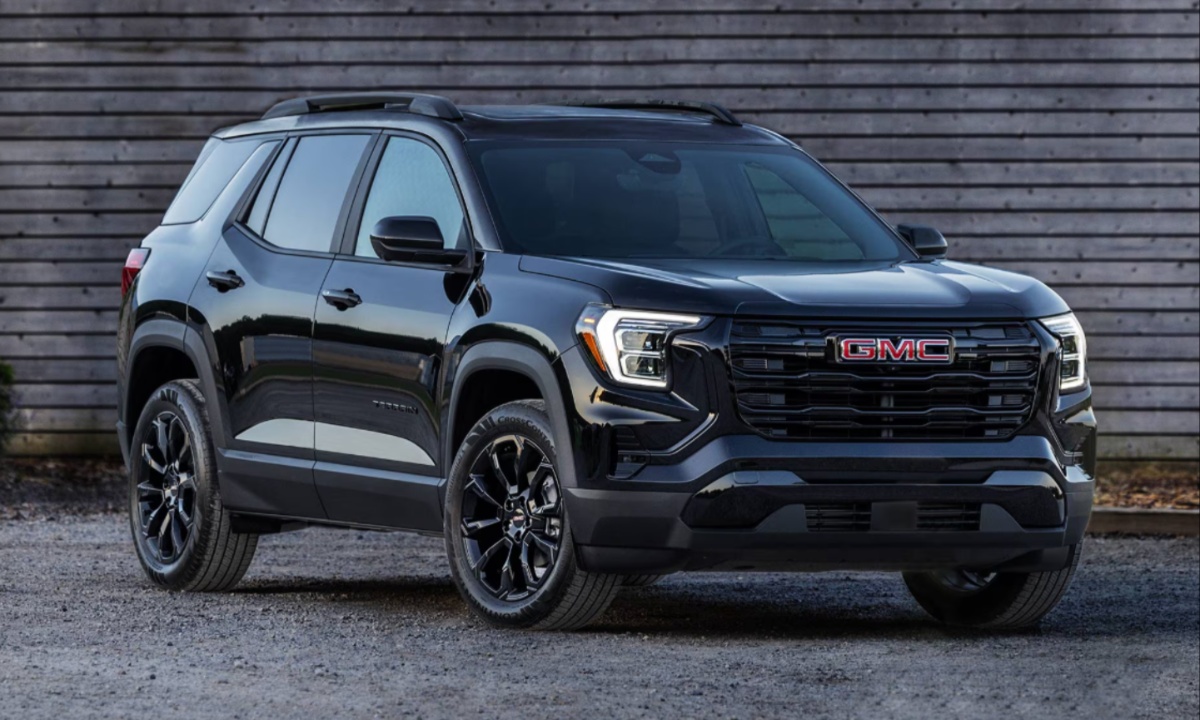
10. Chevrolet Equinox: Comfortable and Practical Small SUV
The Chevrolet Equinox accommodates drivers up to 6 ft. 10 in. with 40 inches of headroom and 40.9 inches of legroom. iSeeCars rates it 7.8 for performance, 7.7 for reliability, 7.8 for value retention, and 8.0 for safety.
The all-wheel-drive Activ trim tested pairs a small engine with an eight-speed automatic transmission, reaching 60 mph in 8.7 seconds. Acceleration feels sluggish when fully loaded or during quick highway passes, and low-speed responsiveness is slow.
Brakes work smoothly, but all-terrain tires extended the stopping distance in panic tests. Steering is adequate in parking lots but lacks precision on winding roads. Suspension absorbs most potholes in town, though the vehicle bounces over highway dips. Cabin noise is limited at speed, making for a quiet driving experience.
Front seats are cushioned and supportive, with fast-acting seat and steering wheel heaters. Climate controls are simple and effective, and front passengers enjoy ample space.
Rear seats provide sufficient legroom, though seatbacks do not recline, and the rear door design makes entry and exit awkward. Rear vents enhance comfort, while lower anchors for child seats are easy to access, but upper tethers are harder to attach due to fixed headrests.
The Equinox excels in technology, featuring two crisp digital displays with Google integration, wireless Apple CarPlay and Android Auto, and multiple USB-C ports. Google Maps can appear in the instrument cluster, freeing the 11.3-inch touchscreen for other functions.
Cargo space measures 29.8 cubic feet, smaller than rivals like the Toyota RAV4, but its shape is practical for loading large objects. Folding rear seats provide flexibility, and the cabin includes numerous storage bins, cupholders, and a multi-level center console.
Pricing is competitive for the small SUV class, with a stylish exterior and cohesive interior. Chevrolet offers a three-year/36,000-mile bumper-to-bumper warranty, five-year/60,000-mile powertrain coverage, and five years/60,000 miles of roadside assistance. Fuel economy is rated at 27 mpg combined for FWD and 26 mpg combined for AWD, though real-world driving may fall short of these figures.
The Equinox makes a strong first impression with its design, technology, and interior layout. It provides a comfortable, spacious, and practical driving experience without standout excitement, making it a solid choice for daily commuting and family use.
Taller drivers no longer need to compromise comfort or usability when choosing a compact SUV. The ten models highlighted here demonstrate that generous interior dimensions, adjustable seating, and well-designed controls can coexist with modern technology, versatile cargo solutions, and competitive fuel economy.
From the adventurous Ford Bronco Sport to the practical Honda CR-V, each SUV delivers a unique combination of space, comfort, and features that cater specifically to taller drivers.
By considering legroom, headroom, ride quality, and in-cabin ergonomics, drivers can select a vehicle that makes every drive enjoyable, whether commuting through city streets, running errands, or heading off the beaten path.
These compact SUVs prove that height does not have to limit choice, offering a range of reliable, comfortable, and practical options designed to accommodate drivers who value space, control, and convenience.
Also Read: 5 Cars That Look Good on Steel Wheels vs. 5 That Rely on Alloys