
The used SUV market under $15,000 presents both tremendous opportunities and significant pitfalls for budget-conscious buyers. In today’s automotive world, where new vehicle prices continue to climb beyond the reach of many families, the pre-owned SUV segment offers a practical solution for those seeking versatility, space, and capability without breaking the bank.
However, goig through this price range requires careful consideration, as it typically encompasses vehicles ranging from five to fifteen years old, each with varying levels of reliability, maintenance history, and long-term ownership costs.
The appeal of SUVs remains undeniable. They offer commanding road visibility, generous cargo capacity, available all-wheel drive for challenging weather conditions, and the flexibility to accommodate growing families or active lifestyles.
Within the $15,000 budget, buyers can find everything from compact crossovers perfect for urban commuting to three-row midsize SUVs capable of hauling seven passengers.
The key lies in identifying which models have proven their durability over time and which should be avoided due to chronic mechanical issues, expensive repairs, or poor reliability ratings.
When shopping in this price bracket, you’re often looking at vehicles with 80,000 to 150,000 miles on the odometer. This makes the distinction between reliable and problematic models even more crucial.
A well-maintained Honda with 120,000 miles might provide years of dependable service, while a luxury European SUV with similar mileage could become a financial nightmare of cascading repairs.
The following detailed analysis will help you make an informed decision, potentially saving thousands in unexpected repair bills while ensuring you drive away in an SUV that meets your needs reliably for years to come.
5 Used SUVs Under $15,000 Worth Buying
These exceptionally dependable vehicles feature proven naturally aspirated engines and simple mechanical systems that deliver years of reliable family transportation despite higher odometer readings, providing genuine value through robust drivetrains requiring only basic maintenance schedules.
Their thoughtful engineering includes durable body-on-frame construction and time-tested transmission designs that resist the expensive repair patterns typically associated with complex all-wheel-drive systems or turbocharged powertrains needing specialist attention.
From routine highway commuting that racks up miles quickly to occasional cargo hauling testing suspension durability, these remarkable SUVs continue operating faithfully without the catastrophic failures or parts availability nightmares found in over-engineered alternatives.
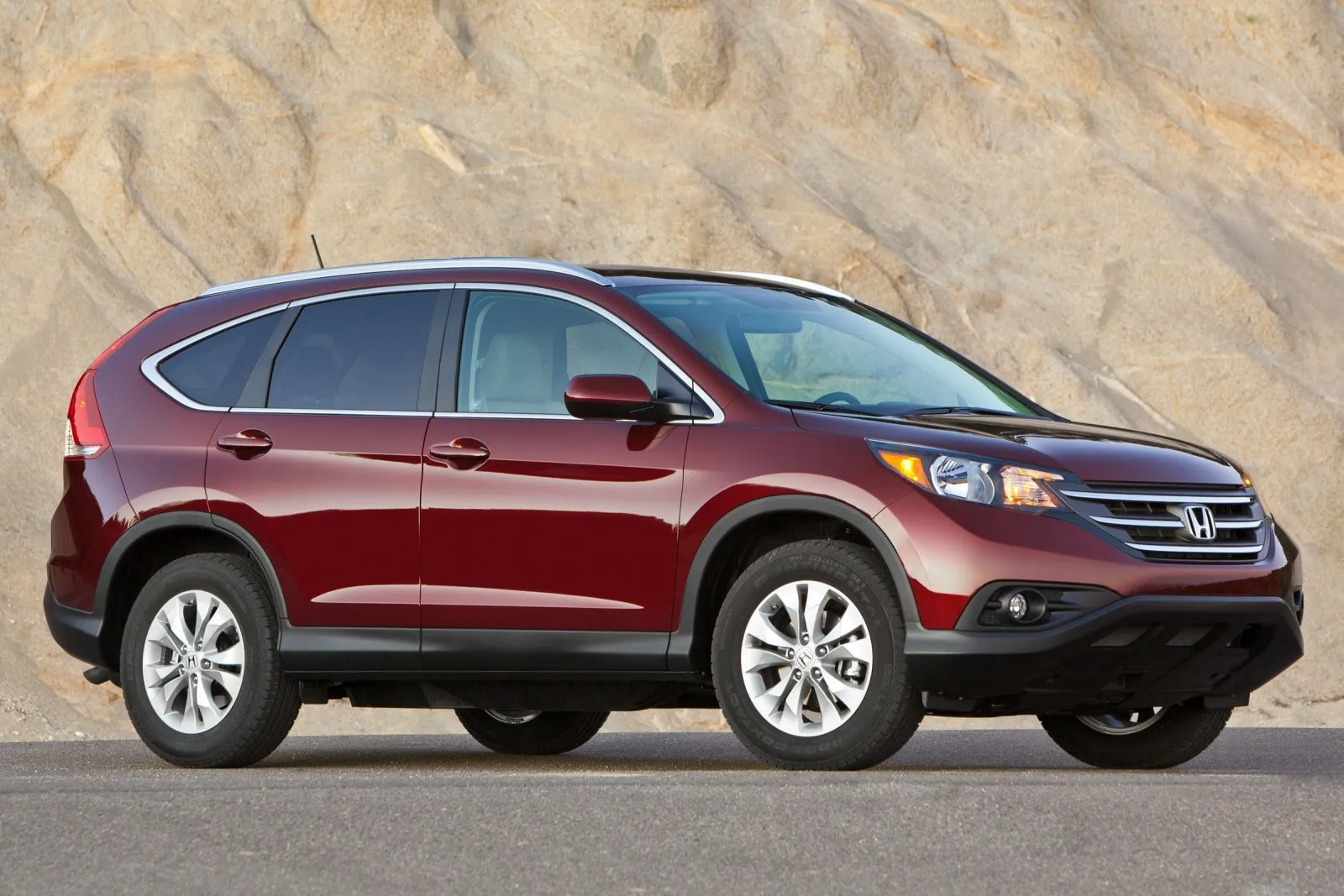
1. Honda CR-V (2012-2016)
The Honda CR-V stands as one of the most recommended used SUVs in the under-$15,000 category, and for excellent reasons that extend far beyond its initial purchase price.
This compact crossover has built a legendary reputation for reliability that’s backed by decades of real-world data and consistently high ratings from automotive authorities.
Within your budget, you can typically find 2012-2016 models with reasonable mileage, representing the fourth generation of this popular SUV.
These CR-V models came equipped with Honda’s proven 2.4-liter four-cylinder engine producing 185 horsepower, paired with either a five-speed automatic or continuously variable transmission (CVT).
While not particularly exciting performance-wise, this powertrain combination delivers exactly what most SUV buyers prioritize: dependable operation, decent fuel economy averaging 26-28 mpg combined, and longevity that often exceeds 200,000 miles with proper maintenance.
The engine itself has few reported issues, with regular oil changes being the primary maintenance requirement. Interior space is where the CR-V truly shines in its class.
Despite its compact exterior dimensions that make parking and maneuvering easy, the interior feels remarkably spacious with generous headroom and legroom for both front and rear passengers.
The cargo area offers 37.2 cubic feet behind the rear seats and expands to 70.9 cubic feet with seats folded, easily accommodating furniture runs, camping gear, or sports equipment. The cabin materials, while not luxurious, prove durable and easy to clean—perfect for families with children or pets.
Insurance rates tend to be lower than average, and the CR-V consistently holds its value well, meaning you’ll recoup more of your investment when it’s time to sell.
For buyers seeking a practical, reliable SUV that won’t demand constant attention or expensive repairs, the CR-V represents one of the smartest choices in this price range.
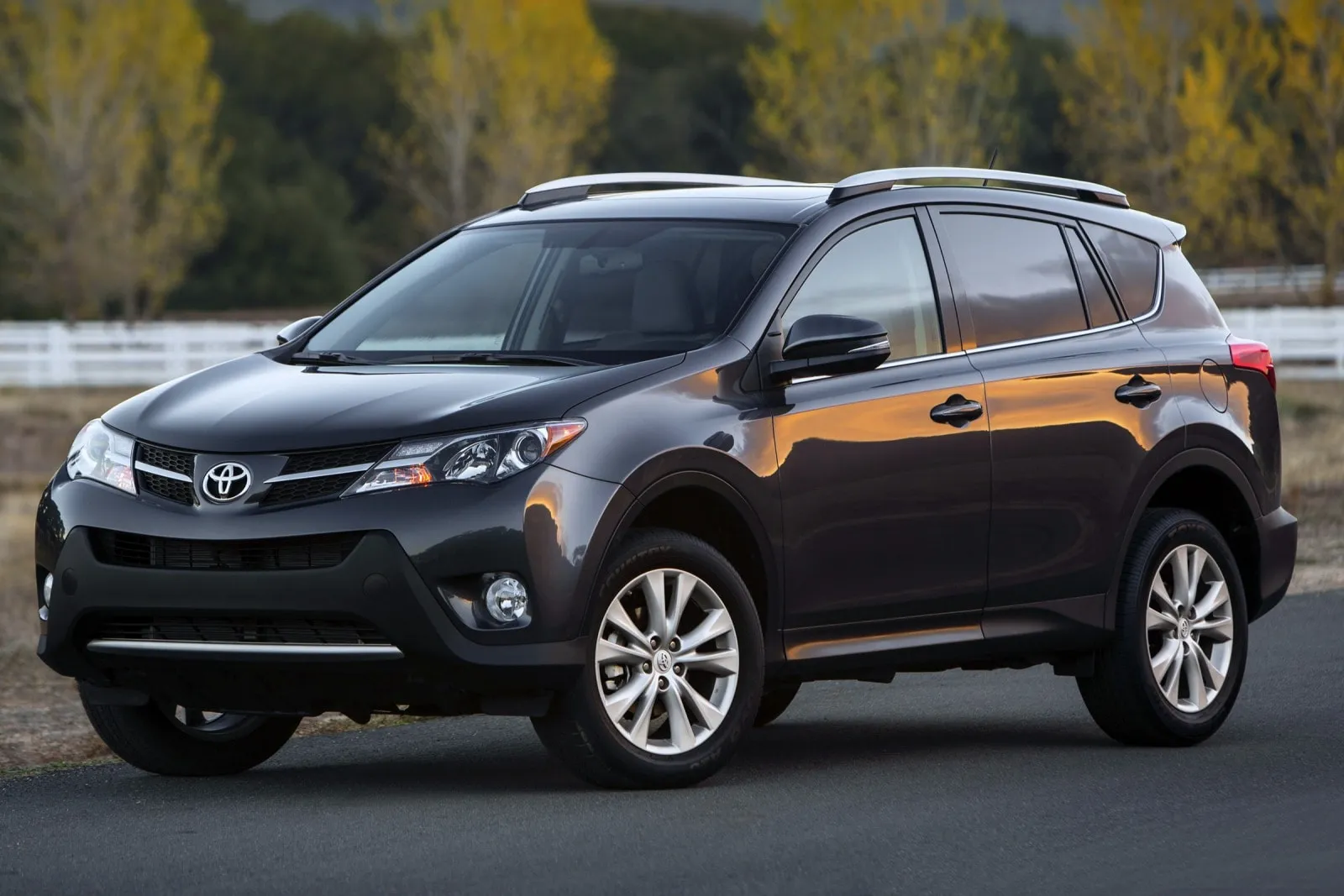
2. Toyota RAV4 (2010-2013)
The Toyota RAV4 from the 2010-2013 model years represents another outstanding value proposition in the used SUV market, combining Toyota’s world-renowned reliability with practical features and strong resale value.
These third-generation RAV4s brought refined driving dynamics and improved interior quality while maintaining the mechanical durability that made Toyota the gold standard for dependability.
Within a $15,000 budget, you’ll find examples with varying mileage, but even higher-mileage RAV4s often have plenty of life remaining.
Under the hood, most examples feature Toyota’s 2.5-liter four-cylinder engine producing 179 horsepower, mated to a four-speed automatic transmission.
While the four-speed might seem outdated compared to modern six or eight-speed automatics, its simplicity translates to exceptional reliability. This transmission has proven nearly bulletproof in real-world use, with failures being exceptionally rare.
The engine itself is a masterpiece of durable engineering, regularly surpassing 300,000 miles when properly maintained with regular oil changes and timing chain inspections. Some models came with a V6 option, which offers more power but slightly lower fuel economy.
The RAV4’s interior prioritizes function over flash, which serves used buyers particularly well. Hard plastics dominate the cabin, but they’ve proven resistant to wear and easy to maintain.
Seating is comfortable for long drives, with supportive front buckets and a rear bench that accommodates three adults reasonably well. Cargo capacity measures 38.4 cubic feet behind the rear seats and 73 cubic feet with seats folded flat.
The tailgate opens wide for easy loading, and the square cargo area shape maximizes usable space for boxes and equipment. Reliability concerns are minimal with these RAV4s.
The most commonly reported issue involves excessive oil consumption in certain 2010-2012 engines, which Toyota addressed through an extended warranty program.
If shopping for one of these years, verify whether this repair was completed. Some owners report a clunking noise from the steering column, usually resolved by lubricating the intermediate shaft.
Fuel economy averages 24-26 mpg combined, respectable for an older SUV design. Perhaps most importantly, the RAV4 maintains strong resale value, protecting your investment better than most alternatives in this price range.
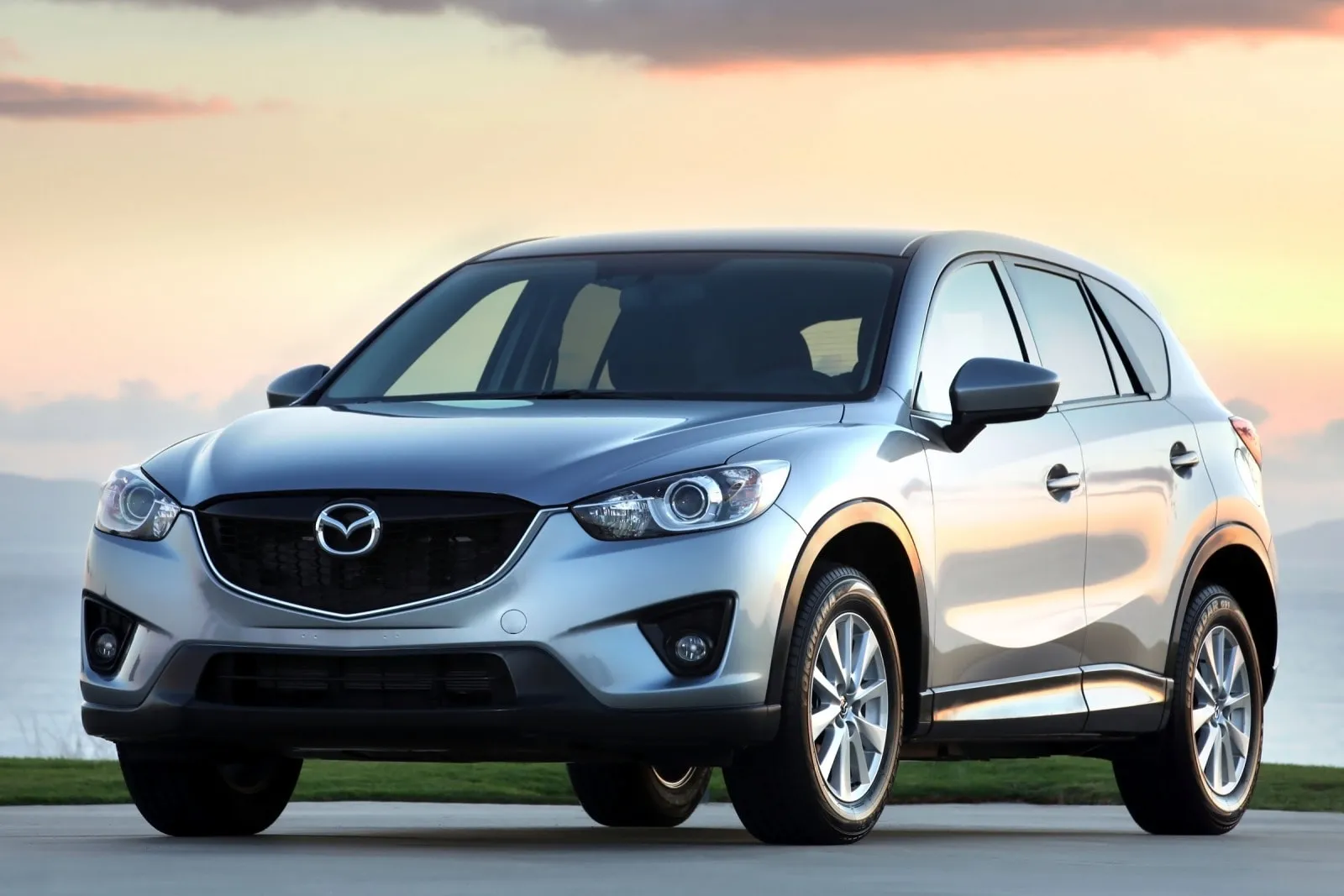
3. Mazda CX-5 (2013-2015)
The Mazda CX-5 from 2013-2015 offers a compelling alternative for buyers seeking more driving enjoyment alongside reliability and practicality.
As Mazda’s first vehicle built on their SkyActiv technology platform, these early CX-5s delivered impressive fuel economy, responsive handling, and upscale interior appointments that punch above their price class.
Finding examples under $15,000 typically means looking at higher-mileage units, but the CX-5 has proven its ability to maintain performance and reliability even with substantial odometer readings.
The standard powertrain consists of a 2.0-liter SkyActiv four-cylinder engine producing 155 horsepower, paired with a six-speed automatic transmission.
While this engine might seem underpowered on paper, Mazda’s excellent engineering extracts maximum efficiency, and the responsive transmission makes the CX-5 feel quicker than its specifications suggest.
A 2.5-liter engine producing 184 horsepower became available in 2014, offering noticeably stronger acceleration for buyers who prioritize performance.
Both engines feature direct injection technology that maximizes fuel efficiency, with the CX-5 achieving up to 28-32 mpg combined outstanding for a non-hybrid SUV.
Inside, the CX-5 distinguishes itself with materials quality and design that feel more expensive than the price tag suggests. Soft-touch surfaces, intuitive controls, and a driver-focused cockpit layout create an environment that makes daily driving more enjoyable.
The seats provide excellent support, particularly in higher trim levels, and road noise remains well-controlled thanks to substantial sound insulation.
Rear-seat space is adequate for adults on shorter trips, though taller passengers might find legroom slightly tight. Cargo capacity measures 34.1 cubic feet behind the rear seats and 65.4 cubic feet with seats folded slightly smaller than the CR-V and RAV4 but still sufficient for most needs.
Mazda parts are generally affordable, and the brand’s growing dealer network ensures adequate service availability. The CX-5’s superior fuel economy helps offset other costs, and insurance rates typically fall in the middle of the compact SUV range.
For buyers who value driving dynamics and upscale presentation alongside reliability, the CX-5 represents an excellent choice that delivers daily satisfaction beyond mere transportation.
4. Subaru Forester (2011-2013)
The Subaru Forester from 2011-2013 occupies a unique position in the used SUV market, offering standard all-wheel drive, excellent safety ratings, and a devoted following among outdoor enthusiasts.
These third-generation Foresters refined the formula that made the model popular: car-like driving dynamics, genuine off-road capability, and practical design.
Within a $15,000 budget, you can find well-maintained examples that provide years of reliable service, particularly in regions where Subaru’s AWD prowess is valued for winter driving.
Under the hood, base models featured a 2.5-liter four-cylinder “boxer” engine producing 170 horsepower, paired with either a five-speed manual or four-speed automatic transmission.
Higher trims offered a turbocharged version producing 224 horsepower, delivering genuinely quick acceleration. The boxer engine configuration (with horizontally opposed cylinders) lowers the center of gravity, contributing to the Forester’s stable handling.
Subaru’s symmetrical all-wheel-drive system operates full-time, constantly distributing power to all four wheels for maximum traction in challenging conditions. Fuel economy averages 22-24 mpg combined with the base engine respectable given the standard AWD.
The Forester’s interior emphasizes practicality and visibility. Large windows and thin roof pillars create excellent sightlines, making parking and maneuvering easier than in many competitors.
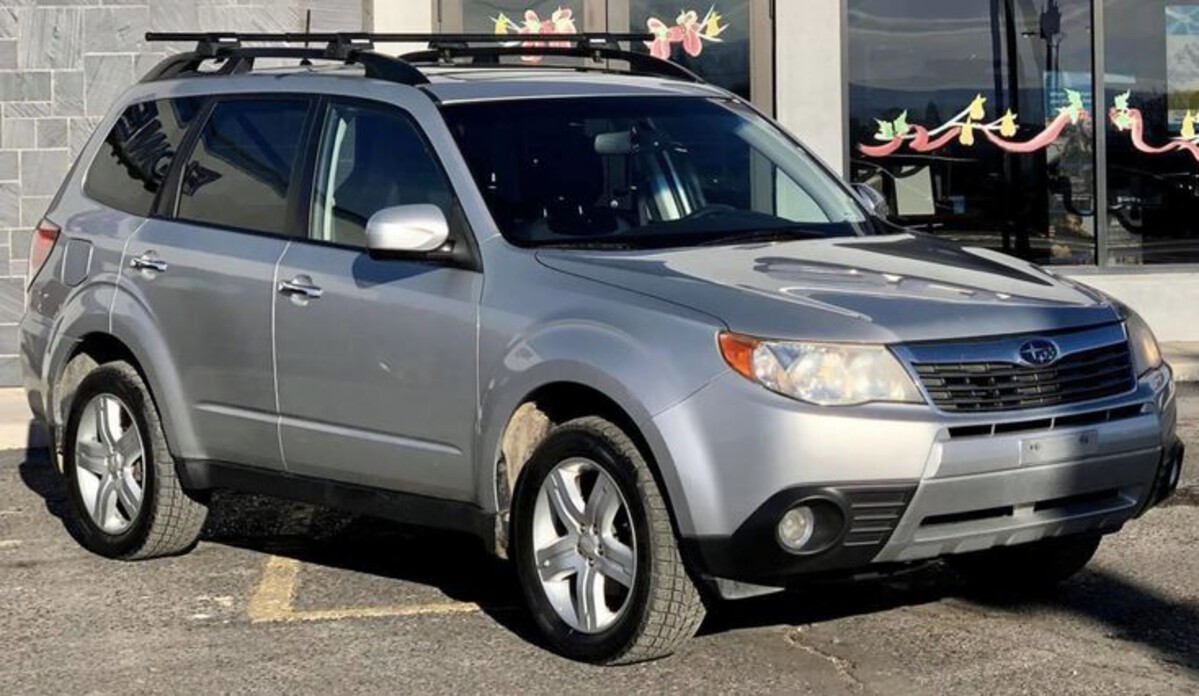
Seating positions are upright, providing a commanding view without the truck-like height that makes entry difficult. Materials quality is decent but not luxurious, with durable fabrics and hard plastics that withstand outdoor pursuits.
Cargo space measures 33.5 cubic feet behind the rear seats and 68.5 cubic feet with seats folded. The square cargo area and low load floor make hauling bulky items easy.
Potential concerns with these Foresters require attention. The most significant issue involves head gasket failures in certain 2011-2012 engines, though not all vehicles are affected.
The standard AWD system adds minimal maintenance requirements, needing only periodic differential fluid changes. Insurance rates are moderate, and the Forester holds value well in markets where AWD is desirable.
For buyers who need all-weather capability, appreciate excellent safety features, and plan to maintain their vehicle properly, the Forester delivers exceptional utility and reliability.
Also Read: 6 Best Cars With Bright Inside Lights vs 6 With Dim Cabins
5. Hyundai Santa Fe Sport (2013-2015)
The Hyundai Santa Fe Sport from 2013-2015 represents outstanding value in the used SUV market, offering modern features, strong warranty coverage (transferable to second owners), and impressive build quality at prices below comparable competitors.
This third-generation Santa Fe split into two models the Sport (two-row) and the regular Santa Fe (three-row) with the Sport falling squarely in the compact crossover category.
At under $15,000, you can often find well-equipped examples with desirable features that would cost considerably more in a Honda or Toyota.
Most Santa Fe Sports came with Hyundai’s 2.4-liter four-cylinder engine producing 190 horsepower, mated to a six-speed automatic transmission.
This powertrain delivers adequate acceleration and smooth operation in daily driving. An optional 2.0-liter turbocharged four-cylinder producing 264 horsepower is available in higher trims, providing genuinely sporty performance unexpected in this segment.
Both engines prove reliable with proper maintenance, and the six-speed automatic has demonstrated good durability. All-wheel drive is available across the lineup, providing confident handling in adverse weather, though front-wheel-drive models reduce complexity and improve fuel economy (averaging 23-25 mpg combined).
Interior quality represents a significant selling point for the Santa Fe Sport. Hyundai invested heavily in upscale materials, soft-touch surfaces, and attractive design during this generation, creating a cabin that rivals luxury brands in appearance and feel.
Higher trims include leather upholstery, heated and ventilated front seats, panoramic sunroof, and a premium audio system features rarely found in this price range from other brands.
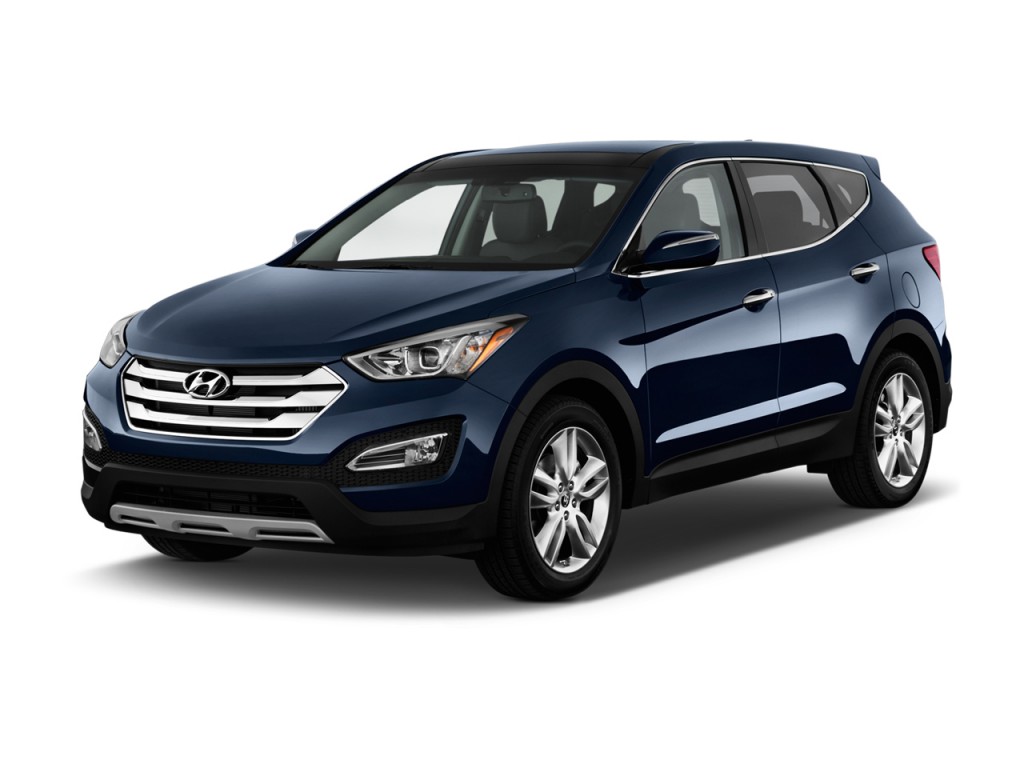
The rear seats provide adequate space for adults, and cargo capacity measures 35.4 cubic feet behind the rear seats and 71.5 cubic feet with seats folded. Thoughtful touches like a hands-free power liftgate (on certain trims) enhance daily convenience.
The Santa Fe Sport’s reliability record is generally positive, with fewer issues than Hyundai’s earlier reputation might suggest. Some 2013 models experienced problems with the panoramic sunroof drains clogging, causing water leaks ensure drain tubes are clear during inspection.
The transferable warranty coverage 5 years/60,000 miles bumper-to-bumper and 10 years/100,000 miles powertrain from the original purchase date provides valuable protection for second owners who buy relatively new examples. Insurance rates fall in the middle of the segment, and fuel economy is respectable.
For buyers seeking modern features, attractive styling, and solid reliability at prices below the Japanese competition, the Santa Fe Sport deserves serious consideration.
5 Used SUVs Under $15,000 to Skip
These problematic vehicles suffer from documented reliability issues and expensive repair patterns that transform apparent bargain pricing into financial nightmares, creating constant breakdowns and parts costs exceeding the vehicle’s depreciated value within months of purchase.
Their flawed engineering includes failure-prone transmissions and complex electronic systems that cannot survive high-mileage use, leading to catastrophic component failures requiring repairs often declined by independent shops due to specialized equipment requirements.
Despite attractive initial pricing and appealing feature content, these SUVs devastate budgets through their timing chain failures, transmission replacements, and electrical gremlins that make affordable purchase prices completely irrelevant compared to ownership costs.
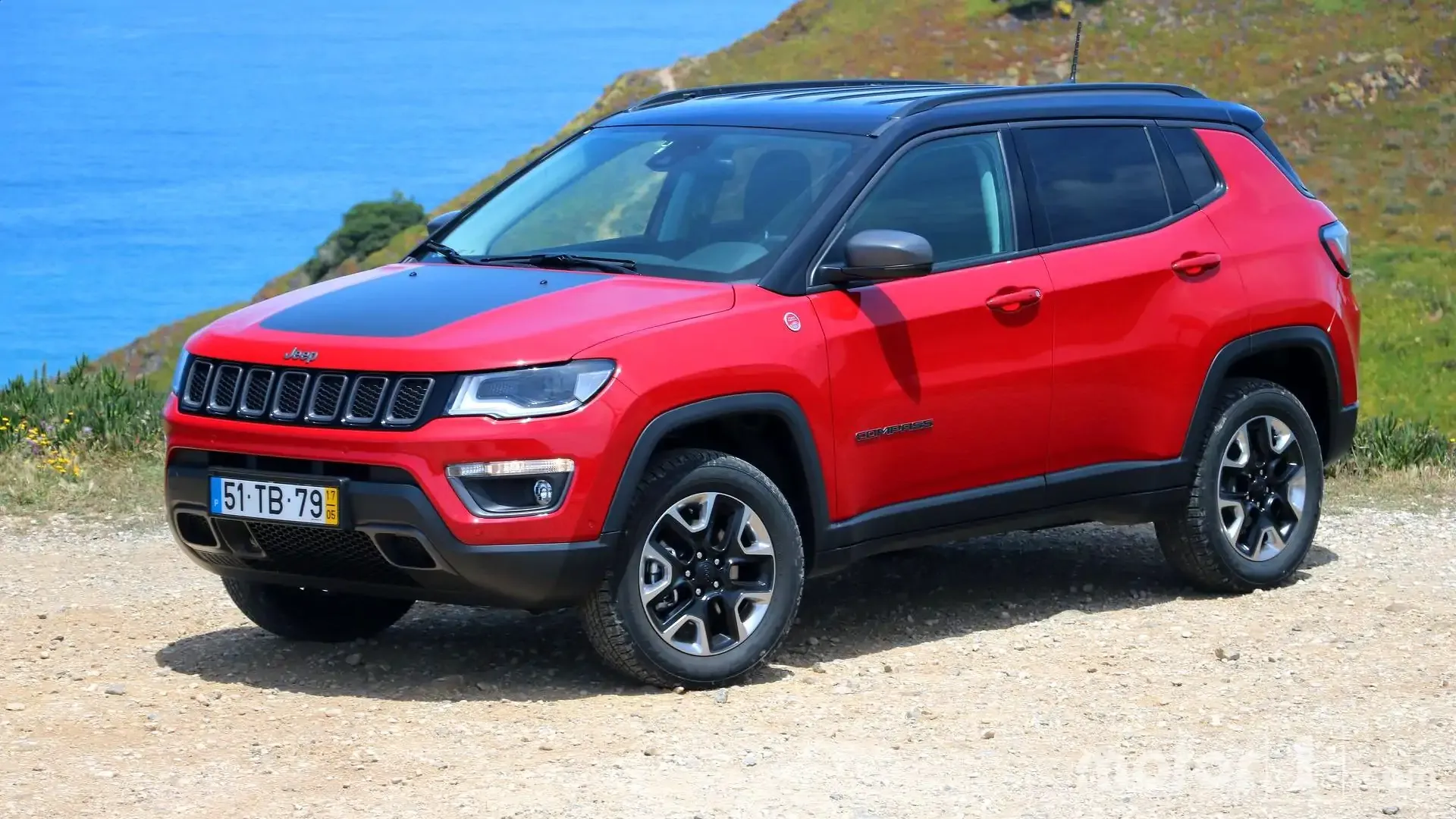
1. Jeep Compass/Patriot (2007-2016)
The Jeep Compass and Patriot from 2007-2016 represent some of the most problematic vehicles in the used SUV market, consistently ranking at the bottom of reliability surveys and generating countless owner complaints.
Despite the appeal of Jeep’s brand image and off-road heritage, these compact SUVs suffer from chronic mechanical issues, poor build quality, and outdated engineering that makes them expensive to own.
While their low purchase prices (often well under $10,000) might seem tempting, the long-term costs almost always exceed any initial savings.
Under the hood, most models came with an underpowered 2.0-liter or 2.4-liter four-cylinder engine paired with either a continuously variable transmission (CVT) or five-speed manual.
The CVT in particular has earned a terrible reputation for premature failure, often requiring complete replacement between 60,000-100,000 miles at costs exceeding $4,000.
Even when functioning, the CVT delivers sluggish acceleration, unpleasant noise, and poor fuel economy that rarely exceeds 23-25 mpg combined disappointing for such a small, underpowered SUV.
The engines themselves develop issues including excessive oil consumption, timing chain problems, and cylinder head failures. Interior quality matches the mechanical shortcomings. Cheap hard plastics dominate every surface, materials feel flimsy, and the design looks dated even when these vehicles were new.
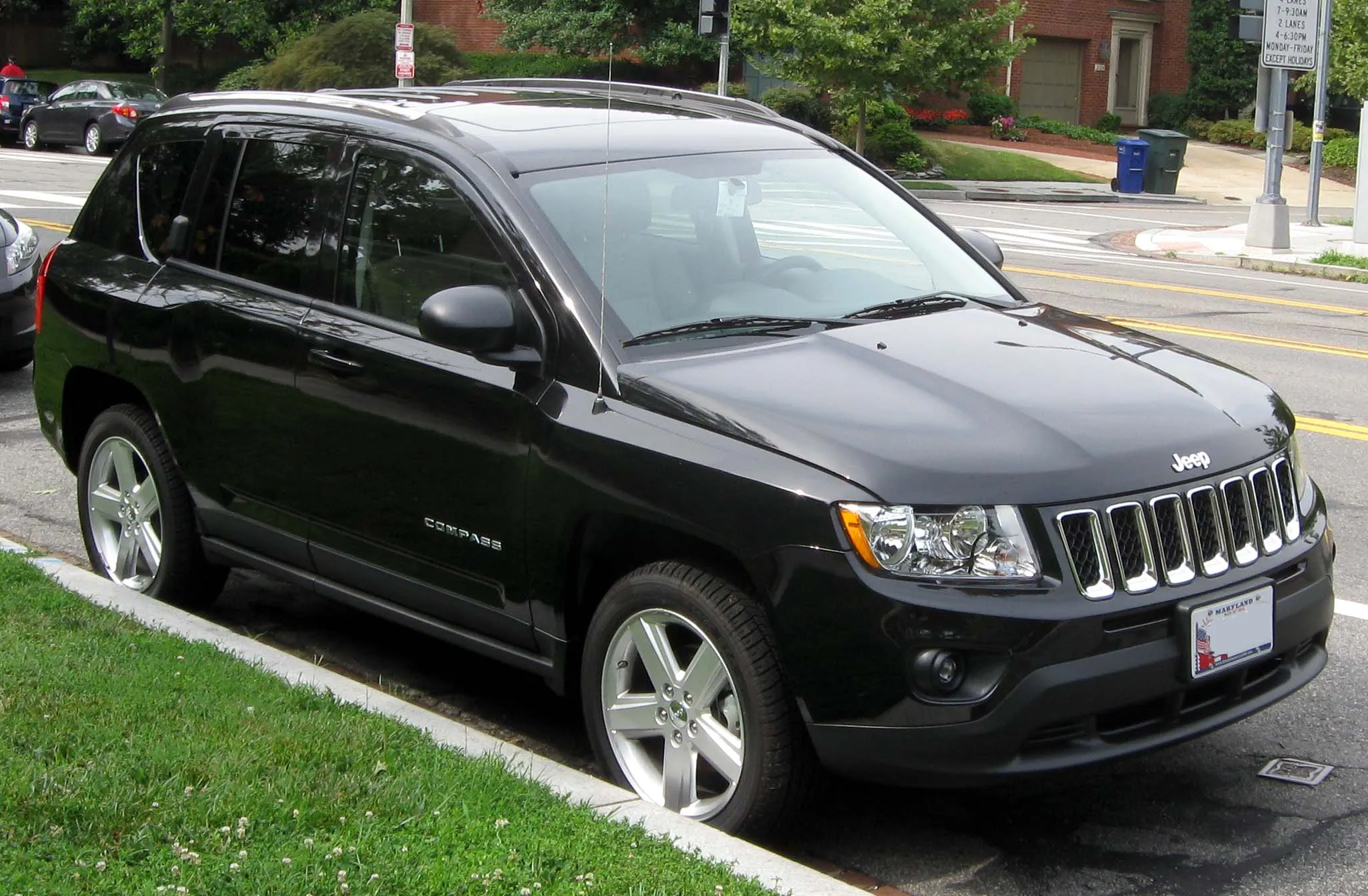
Controls are awkwardly positioned, visibility suffers from thick pillars, and road noise intrudes constantly. The seats provide minimal support and comfort degrades significantly on longer trips.
Cargo space is limited compared to competitors, and the rear seats offer cramped accommodations for adults. Build quality issues manifest as rattles, squeaks, and components that break or malfunction with frustrating regularity.
Many independent mechanics avoid working on these vehicles due to their problematic reputation and frustrating repairs. Fuel economy disappoints despite the small engine, and insurance rates can be higher due to poor safety ratings and high claim frequencies.
Resale values collapse quickly, meaning you’ll lose substantial money when selling. Consumer Reports consistently rates these vehicles “Not Recommended,” and J.D. Power reliability scores remain at the bottom of the segment year after year. Unless you’re mechanically inclined and prepared for constant repairs, avoid the Compass and Patriot completely.
2. Ford Explorer (2011-2014)
The Ford Explorer from 2011-2014 might seem appealing given its spacious three-row seating, American brand recognition, and relatively low used prices, but these fifth-generation models suffer from a lengthy list of mechanical problems that make them poor choices for budget-conscious buyers.
Despite Ford’s redesign that moved the Explorer to a car-based unibody platform for improved handling and fuel economy, quality control issues and engineering shortcomings plague these model years with expensive and frustrating failures.
The most common powertrain is Ford’s 3.5-liter V6 producing 290 horsepower, paired with a six-speed automatic transmission. While this combination delivers adequate performance, it’s marred by significant problems.
The EcoBoost turbocharged four-cylinder and V6 options offer better fuel economy but introduce turbocharger failures, carbon buildup, and complex systems that increase repair costs dramatically.
The standard V6 isn’t trouble-free either, with some engines experiencing excessive oil consumption and timing chain issues. The six-speed automatic transmission occasionally exhibits harsh shifting, shuddering, and in some cases, premature failure requiring rebuilds costing $3,000-$5,000.
Inside, the Explorer provides generous space with seating for seven and substantial cargo room. However, build quality doesn’t match the size.
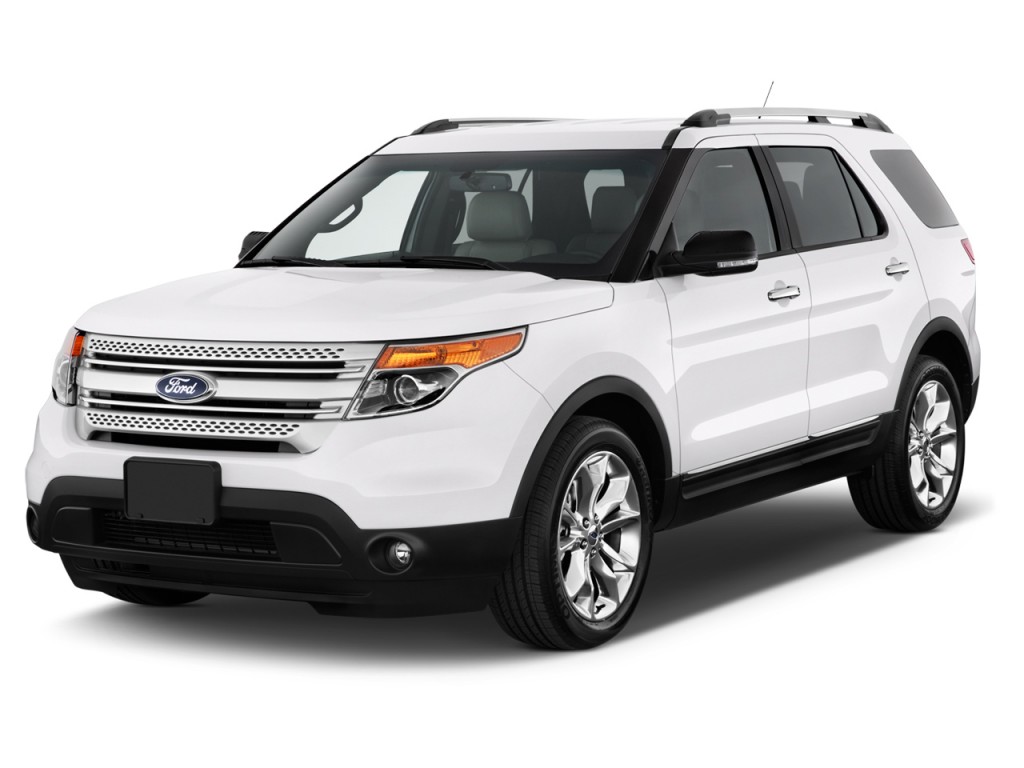
The MyFord Touch infotainment system (in vehicles so equipped) is notoriously frustrating, with laggy responses, system crashes, and complicated controls that distract drivers.
Materials quality feels cheap for a midsize SUV, with hard plastics and fabrics that show wear quickly. Numerous owners report interior rattles, squeaks, and components that break or malfunction.
Given the abundance of more reliable alternatives in this price range, the 2011-2014 Explorer should be avoided unless you enjoy frequent dealership visits and mounting repair bills.
3. Dodge Journey (2009-2016)
The Dodge Journey from 2009-2016 represents one of the worst values in the used SUV market, combining outdated engineering, poor reliability, cheap materials, and frustrating ownership experiences.
Despite offering three-row seating at bargain prices, the Journey’s numerous shortcomings far outweigh any initial cost savings. These vehicles frequently appear in “worst used cars” lists from automotive experts and consumer advocates, and their rock-bottom resale values reflect the market’s understanding of their problematic nature.
The base engine is an underpowered 2.4-liter four-cylinder producing just 173 horsepower, struggling to move the Journey’s 3,800-pound curb weight with anything approaching enthusiasm.
Acceleration is dangerously slow when merging onto highways, and fuel economy barely reaches 21-23 mpg combined unimpressive for such sluggish performance.
The optional 3.6-liter V6 provides better acceleration but only marginally improved reliability. Both engines pair with four-speed or six-speed automatic transmissions that shift roughly, experience premature wear, and sometimes fail catastrophically. Transmission repairs or replacements can cost $2,500-$4,500, often exceeding the vehicle’s value.
Interior quality ranks among the absolute worst in the automotive industry. Rock-hard plastics cover every surface, materials look and feel cheap, and build quality is abysmal with panels that don’t align properly, gaps in trim pieces, and components that rattle from day one.
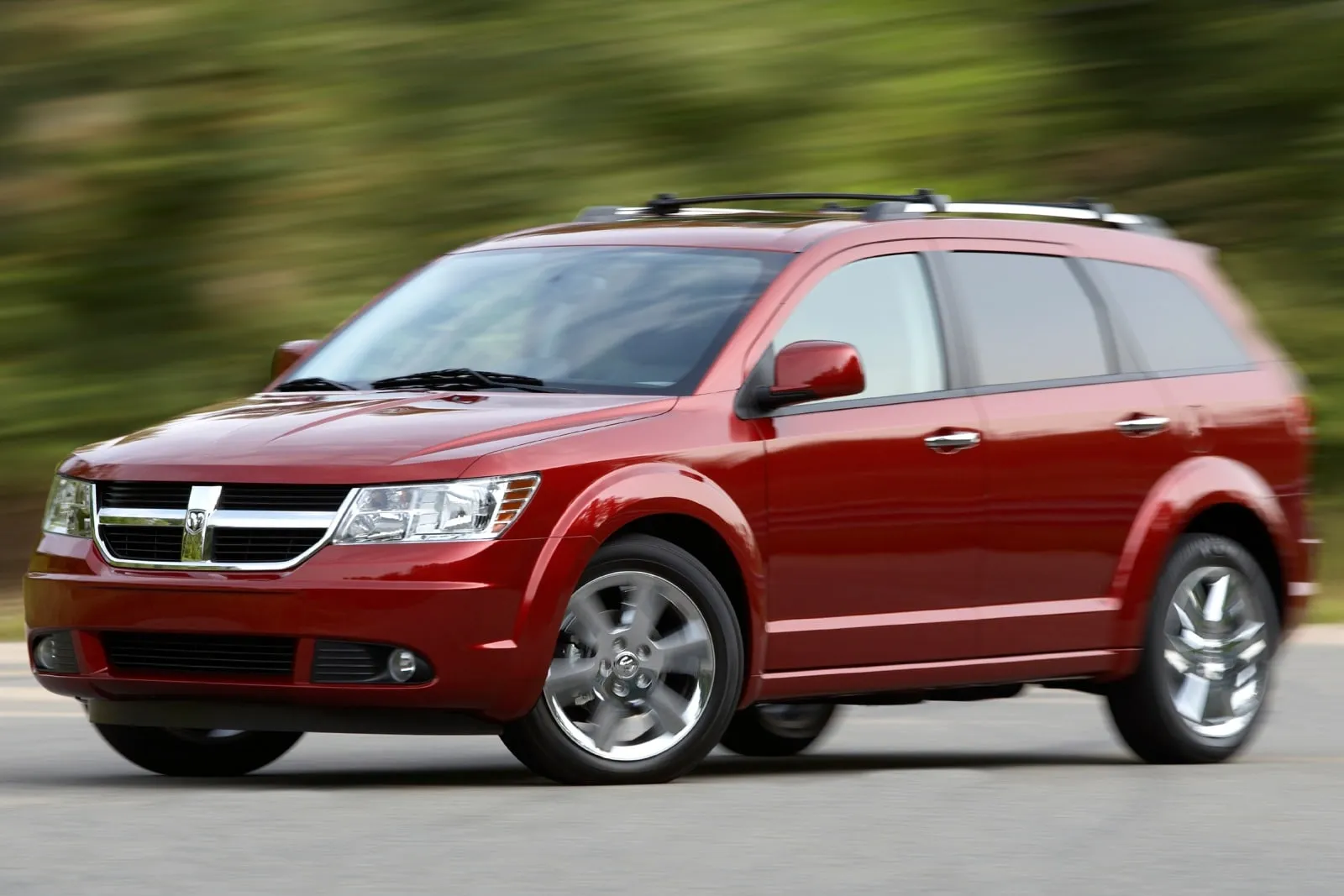
The dashboard design looks dated even in newer models, controls are poorly organized, and ergonomics are frustrating. The third-row seat is suitable only for small children and is difficult to access.
While cargo space with all seats in use is limited, folding the rear rows provides adequate room. However, the seats don’t fold flat, creating an uneven load floor that reduces utility.
Common problems plague virtually every Journey, starting with electrical gremlins that manifest as malfunctioning power windows, erratic dashboard displays, failed sensors, and mysterious warning lights.
With superior alternatives like the Honda CR-V, Toyota RAV4, and Mazda CX-5 available in the same price range, there’s absolutely no compelling reason to choose a Journey unless you enjoy automotive misery and financial loss.
4. BMW X3 (2004-2010)
The BMW X3 from 2004-2010 might tempt buyers seeking luxury brand prestige and sporty handling at mainstream prices, but these first-generation compact luxury SUVs transform from status symbols into money pits with alarming speed.
While BMW’s driving dynamics and upscale interiors provide initial appeal, the reality of owning an aging luxury SUV includes frequent expensive repairs, complicated systems that fail predictably, and maintenance costs that can easily exceed the vehicle’s value within a couple of years.
Engine options included a 2.5-liter and 3.0-liter inline six-cylinder, both delivering smooth power and responsive performance when functioning properly.
Unfortunately, these engines are plagued by numerous expensive issues. Oil leaks from valve cover gaskets, oil filter housing gaskets, and oil pan gaskets are virtually guaranteed, with repair costs ranging from $500-$1,500 depending on which gaskets fail.
The cooling system is notoriously unreliable, with plastic components that crack and fail, leading to overheating and potential catastrophic engine damage.
Water pump failures are common and expensive to repair due to difficult access. The variable valve timing system experiences solenoid failures and expensive repairs.
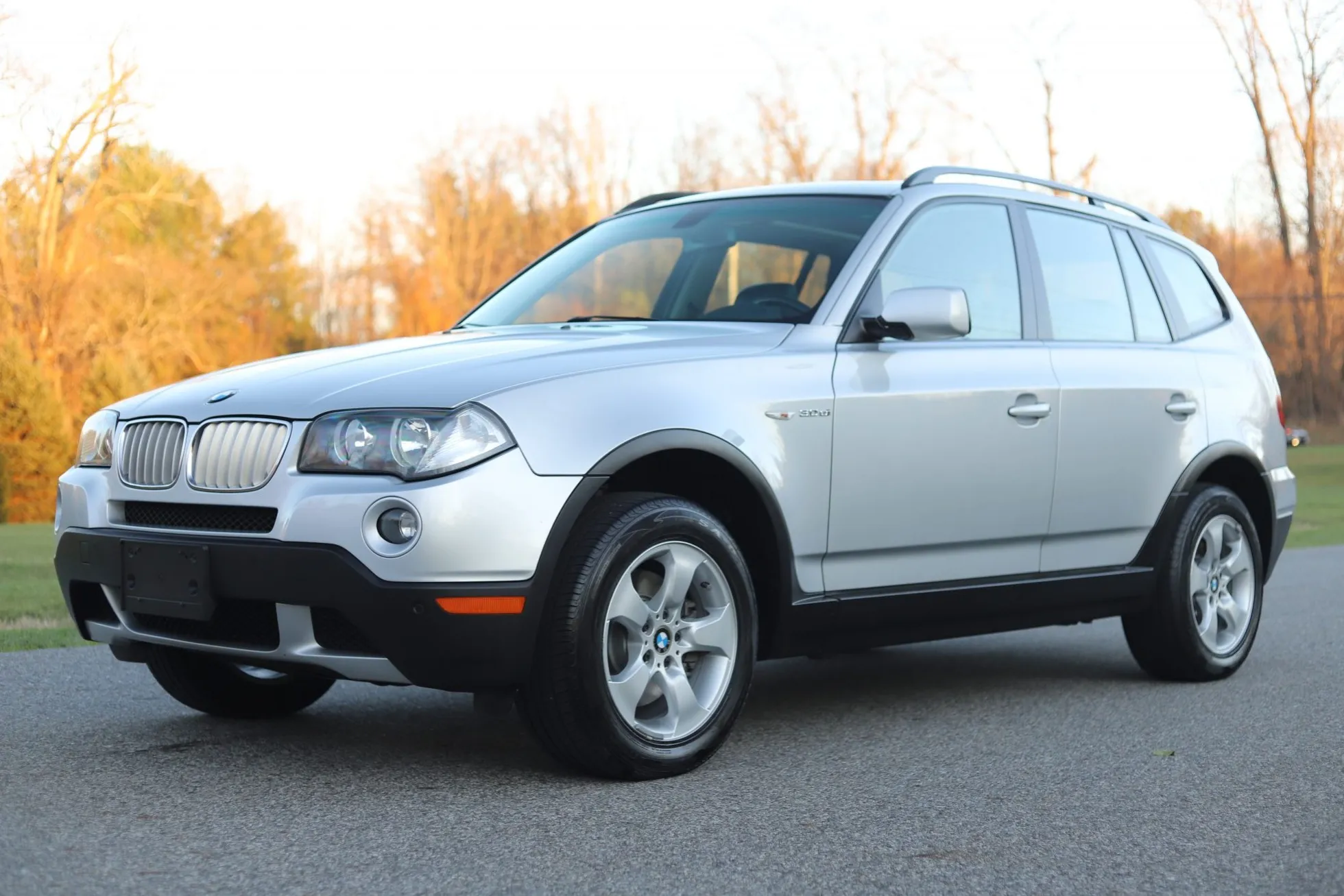
Inside, the X3 showcases BMW’s typical high-quality materials and sophisticated design, with leather upholstery, real wood or aluminum trim, and well-bolstered sport seats.
However, luxury vehicles require luxury repairs. The iDrive infotainment system (in later models) becomes frustratingly slow and outdated, with expensive replacement costs for the display unit.
Window regulators fail frequently, costing $400-$600 per window to repair. The climate control system’s automatic features malfunction, often requiring module replacements exceeding $1,000. Electrical gremlins manifest in mysterious warnings, sensor failures, and systems that stop working without explanation.
Ownership economics make the aging X3 financially unviable for most budget-conscious buyers. Labor rates at BMW dealerships often exceed $150-$200 per hour, and even independent European specialists charge substantially more than general repair shops.
Routine maintenance like oil changes, brake service, and fluid replacements cost two to three times what you’d pay for a mainstream brand. Parts availability can be problematic for older models, and genuine BMW parts carry significant price premiums.
Fuel economy is mediocre at 17-20 mpg combined, and premium fuel is required. Insurance costs are higher due to the luxury brand classification and expensive repairs.
While the driving experience might be rewarding when everything works, the financial reality is that these vehicles demand budgets far exceeding their purchase price.
Unless you’re extremely handy with tools, have access to wholesale parts sources, and possess considerable mechanical knowledge, the 2004-2010 X3 will drain your wallet faster than almost any mainstream alternative.
5. Nissan Pathfinder (2013-2015)
The Nissan Pathfinder from 2013-2015 underwent a controversial redesign that transformed it from a rugged body-on-frame SUV to a car-based unibody crossover prioritizing efficiency and comfort over capability.
While this change might appeal to some buyers, these fourth-generation Pathfinders suffer from a critical flaw: the continuously variable transmission (CVT) is catastrophically unreliable, failing with such frequency that it overshadows any positive attributes the vehicle might possess.
The CVT failures alone make these Pathfinders vehicles to avoid, regardless of other considerations. The powertrain consists of a 3.5-liter V6 engine producing 260 horsepower, which delivers adequate performance and smooth operation when not hampered by transmission problems. Unfortunately, that’s a significant qualifier.
Nissan’s CVT in these Pathfinders exhibits a pattern of premature failure, often between 80,000-120,000 miles, though some fail even earlier. Symptoms include shuddering, hesitation, overheating, slipping, and complete loss of power.
Replacement costs range from $4,000-$6,000, frequently exceeding the vehicle’s value. Even after replacement, the new CVT often exhibits the same problems because the fundamental design is flawed. Nissan extended the warranty on some CVTs, but this doesn’t help used buyers whose vehicles fall outside coverage.
The interior provides spacious three-row seating with decent materials quality and a comfortable ride. Seven passengers can fit reasonably well, with acceptable legroom even in the third row.
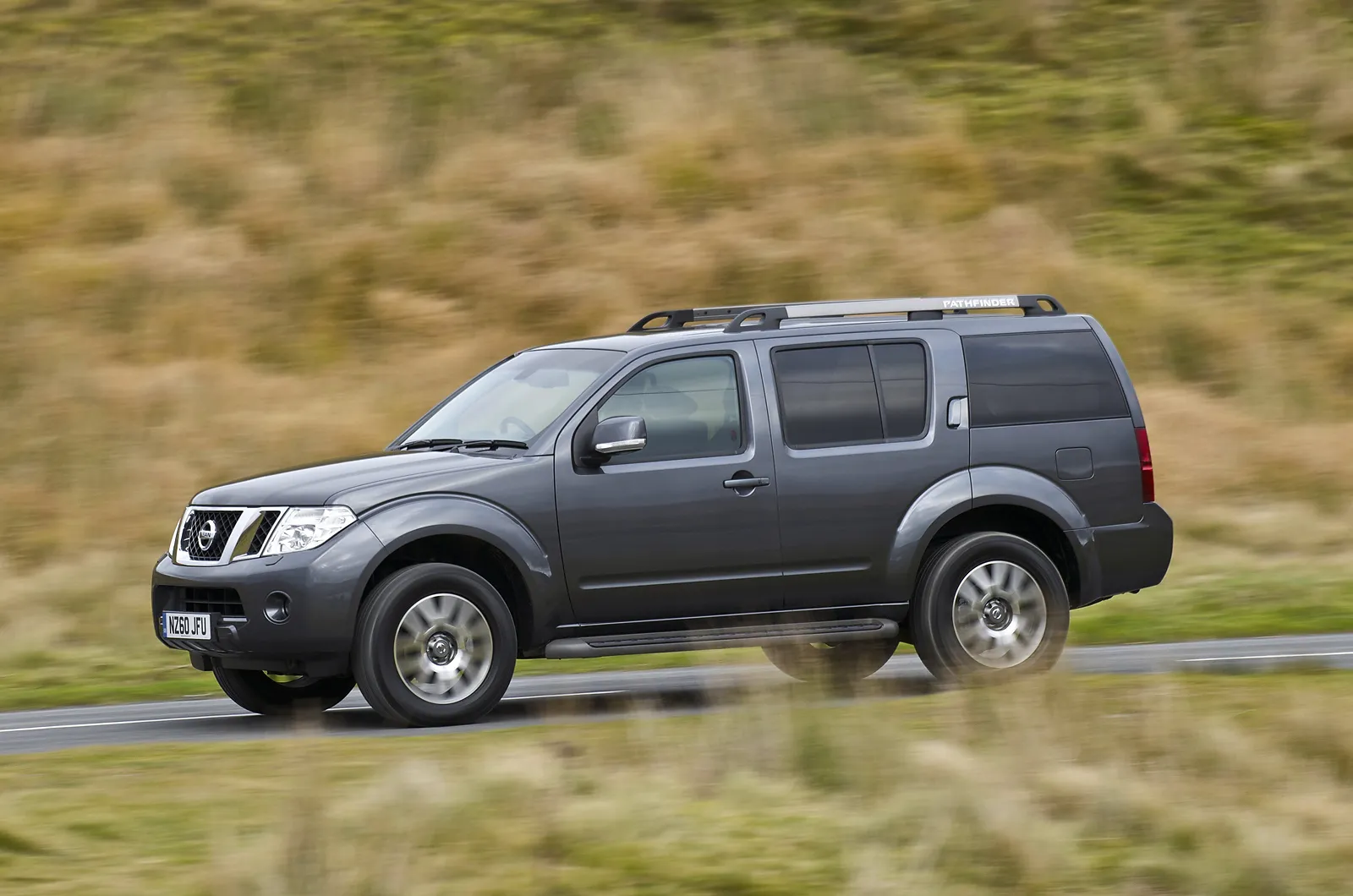
Cargo space is generous at 16 cubic feet behind the third row, 47 cubic feet behind the second row, and 79.8 cubic feet with all rear seats folded.
The dashboard layout is logical, controls are intuitive, and higher trims include desirable features like leather upholstery, heated seats, and a touchscreen infotainment system. Build quality is decent, though not exceptional, with some owners reporting rattles and squeaks developing over time.
Nissan’s reliability reputation has suffered tremendously due to CVT problems across multiple model lines, and the Pathfinder exemplifies this decline. Multiple class-action lawsuits have been filed regarding CVT failures, and Nissan’s response has been inadequate.
With numerous reliable three-row alternatives available including the Honda Pilot, Toyota Highlander, and even Nissan’s own older body-on-frame Pathfinders there is absolutely no justifiable reason to purchase a 2013-2015 Pathfinder unless you enjoy gambling with your financial security and transportation reliability. The CVT issue alone disqualifies these vehicles from consideration by any rational buyer.
Also Read: 5 SUVs With Accessible Third-row Folding vs 5 With Finger-Pinchers
