
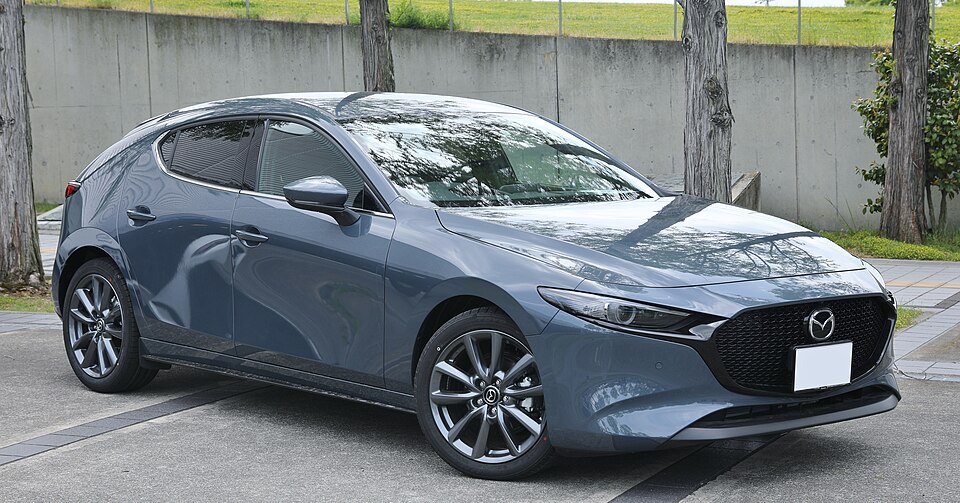
Choosing a first car is one of the most significant milestones in a teenager’s life and one of the most anxiety-inducing moments for parents. It’s a delicate balance between finding something affordable, safe, reliable, and practical while also satisfying a young driver’s desire for independence and style.
The stakes are high: according to recent data, motor vehicle crashes remain the leading cause of death for teenagers in the United States, making safety features and vehicle stability absolutely critical considerations.
Parents typically prioritize vehicles with excellent safety ratings, modern driver-assistance technologies, low insurance costs, and proven reliability records.
They want cars that will protect their children, won’t break the bank to maintain, and discourage risky driving behavior. On the other hand, certain vehicles raise immediate red flags sports cars with excessive horsepower, older vehicles lacking modern safety features, or models with poor reliability histories that could leave a teen stranded on the roadside.
This guide explores the stark divide between the cars parents enthusiastically approve for their teen drivers and those that make them lose sleep at night.
From the practical Honda Civic to the adrenaline-pumping Mustang GT, we’ll examine what makes each vehicle either a parent’s dream or nightmare.
Understanding both sides of this automotive divide can help families make informed decisions that balance safety, responsibility, and the excitement of that first taste of driving freedom.
5 Parent-Approved Picks
These exceptionally sensible vehicles feature top-tier crash test ratings and moderate power outputs that provide genuine safety protection for inexperienced drivers without the performance temptations typically leading teenage drivers into dangerous situations beyond their skill levels.
Their thoughtful engineering includes comprehensive airbag systems and advanced stability control that resist the loss-of-control scenarios found in rear-wheel-drive performance cars or underpowered economy boxes lacking modern safety equipment and structural reinforcement.
From distracted driving moments requiring automatic emergency braking to slippery condition encounters testing electronic intervention systems, these remarkable vehicles continue protecting young drivers without the insurance-destroying horsepower or unsafe crash structures that keep parents awake worrying at night.
1. Honda Civic (2015-2020)
The Honda Civic has earned its reputation as the quintessential first car for good reason, consistently appearing on every automotive expert’s list of recommended vehicles for new drivers.
Parents trust this compact sedan because it represents the perfect trifecta of safety, reliability, and affordability three qualities that matter most when handing car keys to an inexperienced driver.
Safety credentials are where the Civic truly shines. Models from 2016 onward earned Top Safety Pick ratings from the Insurance Institute for Highway Safety (IIHS), featuring excellent crash test scores across all categories.
The standard safety equipment includes multiple airbags, electronic stability control, and anti-lock brakes, while newer models offer Honda Sensing, a comprehensive suite of driver-assistance technologies including forward collision warning, automatic emergency braking, lane departure warning, and adaptive cruise control. These features act as a safety net, helping young drivers avoid accidents before they happen.
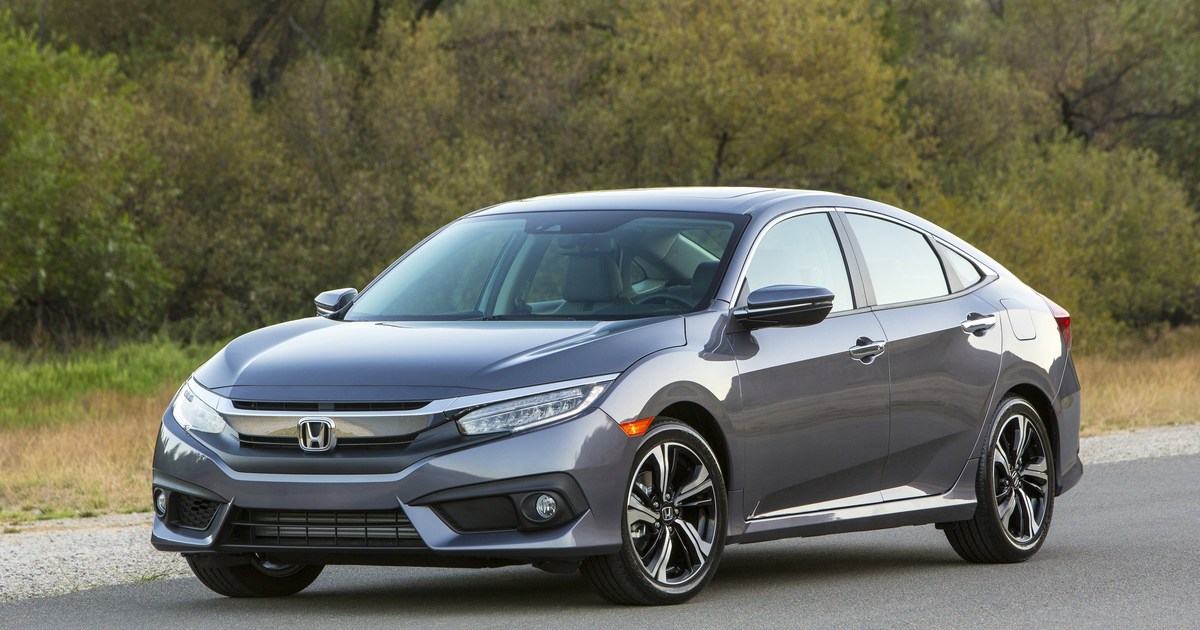
Reliability is another cornerstone of the Civic’s appeal. Honda’s engineering excellence means these vehicles routinely exceed 200,000 miles with proper maintenance, and their simple mechanical design makes repairs straightforward and affordable when needed.
Parents appreciate that their teen won’t be constantly dealing with breakdowns or expensive repair bills, allowing the young driver to focus on building good driving habits rather than automotive troubleshooting.
The Civic’s modest power output typically between 158 and 174 horsepower in non-turbocharged models provides adequate performance for daily driving without tempting teenagers to engage in dangerous speed contests.
The responsive handling teaches proper driving dynamics without being overly aggressive, and the excellent fuel economy (often exceeding 35 mpg combined) means lower operating costs for families already stretched thin by insurance premiums.
Insurance costs remain reasonable because the Civic’s safety record and theft-deterrent features keep it in favorable rate categories. The widespread availability of parts and the large number of qualified mechanics familiar with Honda vehicles means maintenance is convenient and competitive.
Finally, the Civic’s strong resale value protects the family’s investment, ensuring they can recoup a substantial portion of their purchase price when their teen eventually upgrades to another vehicle.
2. Toyota Corolla (2014-2020)
The Toyota Corolla stands as another pillar of parental approval, representing decades of Toyota’s commitment to building vehicles that prioritize dependability and safety above all else.
This compact sedan has become synonymous with worry-free transportation, making it an obvious choice for parents seeking peace of mind while their teenager navigates the challenges of new driver status.
Toyota’s legendary reliability forms the foundation of the Corolla’s appeal. These vehicles are engineered to withstand years of use with minimal mechanical issues, consistently ranking at the top of long-term dependability studies.
Parents recognize that a reliable car means fewer roadside emergencies, fewer missed school or work commitments, and significantly lower total cost of ownership.
The Corolla’s maintenance requirements are straightforward and predictable, with longer intervals between service appointments compared to many competitors, and repair costs that remain manageable throughout the vehicle’s lifespan.
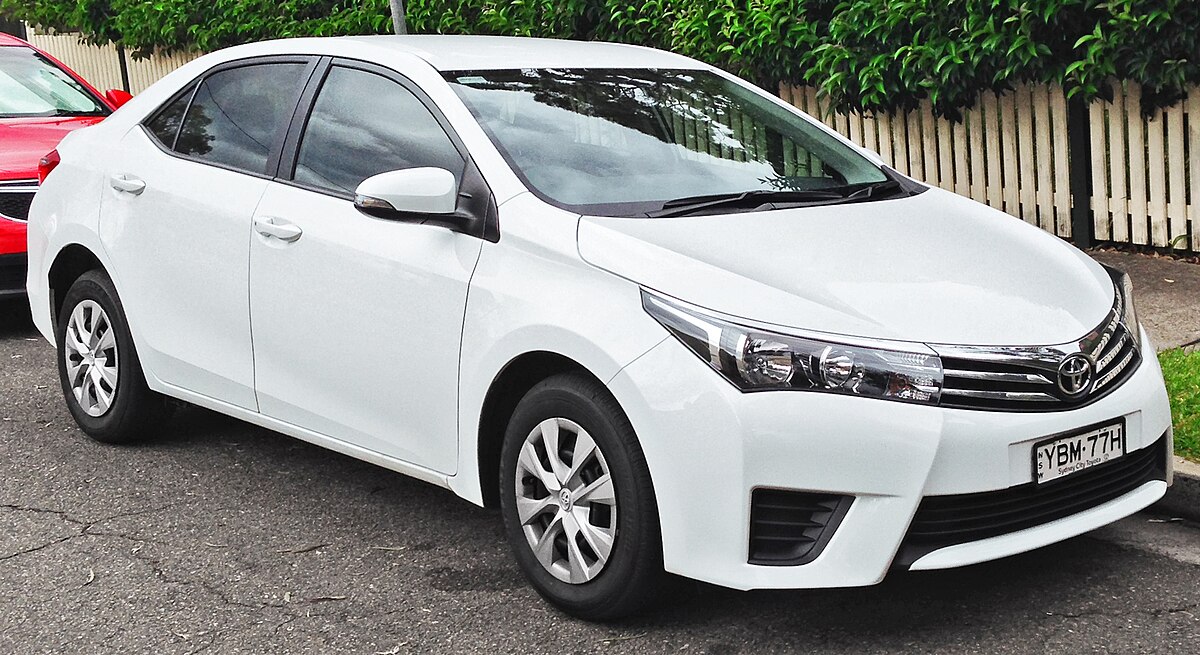
Safety technology in the Corolla has advanced significantly in recent model years. The 2017 and newer models come standard with Toyota Safety Sense P, an impressive collection of active safety features that includes pre-collision warning with pedestrian detection, automatic emergency braking, lane departure alert with steering assist, automatic high beams, and dynamic radar cruise control.
These systems work continuously in the background, monitoring the road ahead and intervening when necessary to prevent accidents. For parents, knowing their teen has this technological safety net provides invaluable reassurance.
Fuel efficiency is another strong suit, with most Corollas achieving combined fuel economy figures in the mid-to-high 30s mpg range. This translates to meaningful savings over time, particularly important for teenagers who may be paying for their own gas.
The Corolla’s reputation for reliability also translates to lower insurance premiums compared to sportier alternatives, and the vehicle’s strong resale value means it retains significant worth even after several years of use, protecting the family’s financial investment in their teen’s transportation.
3. Mazda3 (2014-2019)
The Mazda3 occupies a unique position in the parent-approved category by combining safety and reliability with genuinely engaging driving dynamics, making it an excellent choice for families who want their teen to actually enjoy driving while remaining protected.
This compact car demonstrates that responsible doesn’t have to mean boring, offering a refined experience that parents appreciate and teenagers genuinely like.
Mazda’s commitment to safety is evident in the Mazda3’s consistent IIHS Top Safety Pick ratings and excellent crash test scores. The structure is built using high-strength steel in critical areas, creating a protective cage around occupants.
Standard safety equipment includes a full complement of airbags, stability control, and traction control, while available i-Activsense safety technologies add radar-based systems including adaptive cruise control, automatic emergency braking, blind spot monitoring, rear cross-traffic alert, and lane departure warning. These features work seamlessly to protect inexperienced drivers from common collision scenarios.
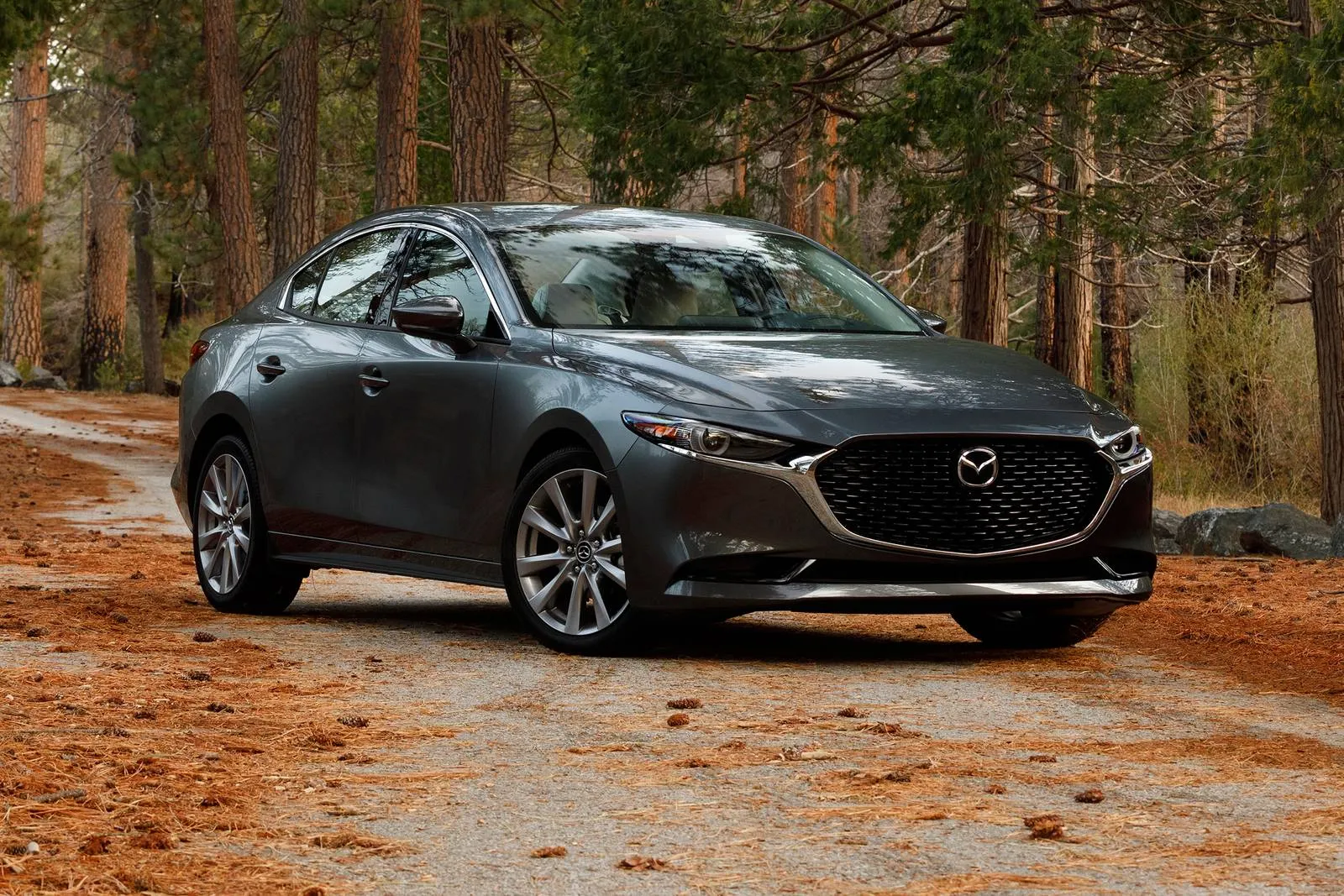
What distinguishes the Mazda3 is its exceptional build quality and driving experience. The interior features materials and assembly quality typically found in luxury vehicles, with tight panel gaps, premium-feeling plastics, and well-damped controls.
This attention to detail extends to the driving experience, where precise steering, well-tuned suspension, and responsive brakes create a connected feel that helps young drivers better understand vehicle dynamics and develop smoother, more confident driving skills.
Parents particularly appreciate the Mazda3’s reputation for reliability, which rivals Honda and Toyota despite offering more engaging driving dynamics.
The vehicles experience fewer-than-average problems according to reliability surveys, and the relatively simple mechanical design keeps repair costs reasonable.
Insurance rates remain competitive, and the Mazda3’s stylish appearance means teenagers feel proud to drive it rather than embarrassed, potentially increasing their respect for and care of the vehicle. The strong resale values further validate the Mazda3 as a smart financial choice for a first car.
4. Subaru Crosstrek (2016-2020)
The Subaru Crosstrek represents an increasingly popular choice among safety-conscious parents, particularly those in regions with challenging weather conditions.
This compact crossover combines Subaru’s renowned all-wheel-drive capability with excellent safety ratings and practical versatility, creating a vehicle that parents trust to keep their teenagers safe in virtually any driving condition.
All-wheel drive is the Crosstrek’s defining feature, providing superior traction and stability compared to front-wheel-drive competitors.
For parents in areas with snow, ice, rain, or unpaved roads, this capability offers significant peace of mind, knowing their teen driver has maximum grip available at all times.
The system operates automatically, continuously monitoring wheel slip and redistributing power to maintain stability without requiring any driver input.
This invisible safety net can prevent dangerous situations before they develop, particularly valuable for inexperienced drivers who may not recognize slippery conditions until it’s too late.
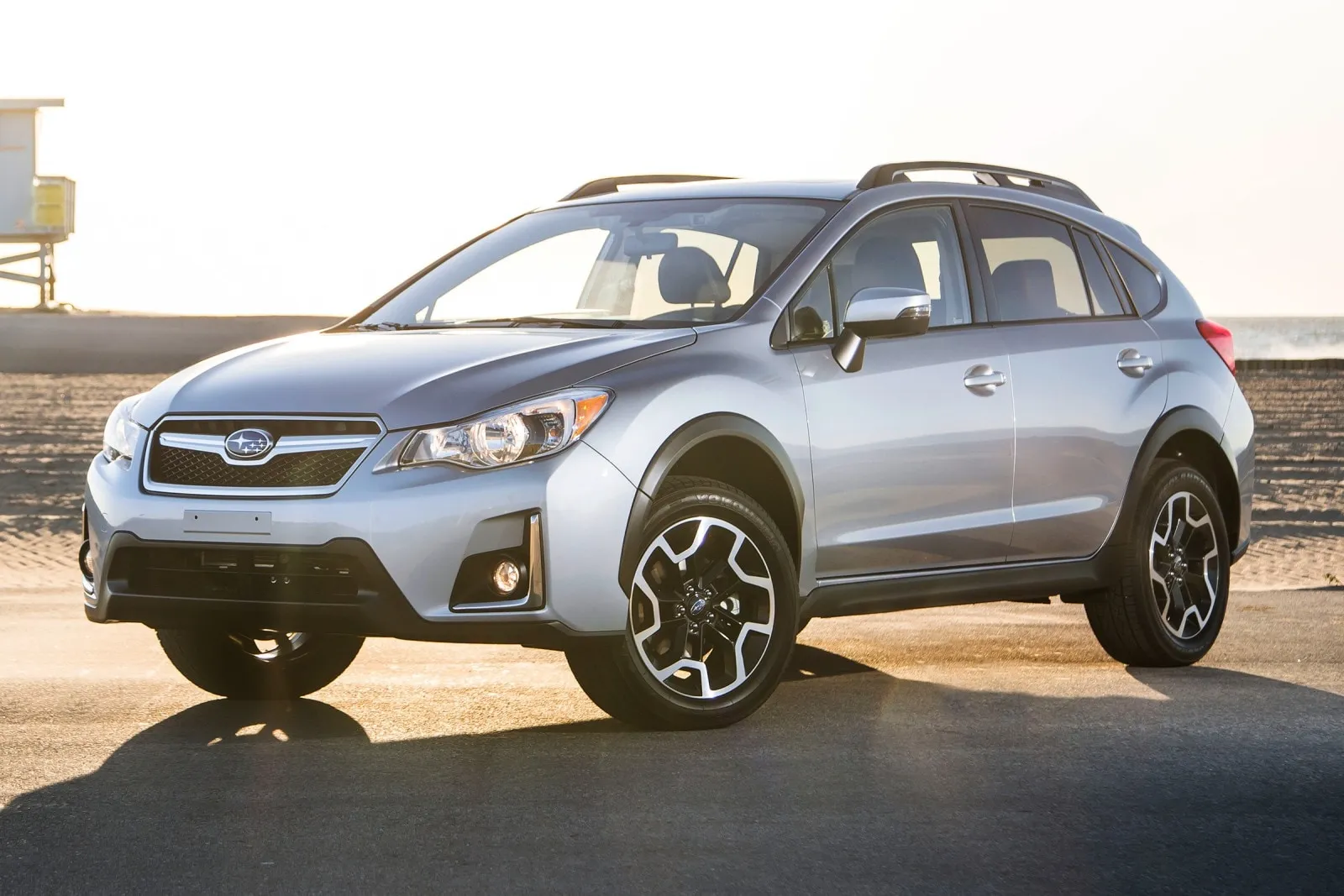
Safety credentials are exceptional across the board. Every Crosstrek from 2016 onward earned IIHS Top Safety Pick or Top Safety Pick+ awards, demonstrating excellent crashworthiness and available collision avoidance technology.
Subaru’s EyeSight system standard on many trims includes adaptive cruise control, pre-collision braking, pre-collision throttle management, lane departure and sway warning, and lane keep assist.
These features work together to prevent common accident scenarios, from rear-end collisions to unintentional lane departures, providing multiple layers of protection for young drivers still developing hazard recognition skills.
Power output is deliberately modest at 152 horsepower from the 2.0-liter flat-four engine, providing adequate acceleration without encouraging aggressive driving.
Fuel economy is respectable for an all-wheel-drive vehicle at around 29 mpg combined, and Subaru’s reputation for building vehicles that last well beyond 200,000 miles means the Crosstrek represents a sound long-term investment.
Insurance costs remain reasonable, and the strong resale values characteristic of Subaru vehicles ensure families can recoup much of their investment when the time comes to sell or trade.
Also Read: 5 Family SUVs That Fit Three Car Seats vs. 5 That Won’t
5. Hyundai Elantra (2017-2020)
The Hyundai Elantra has emerged as a dark horse in the first-car category, offering exceptional value, comprehensive safety features, and generous warranty coverage that appeals strongly to budget-conscious parents who refuse to compromise on protection.
This compact sedan demonstrates that families don’t need to spend premium prices to secure a safe, reliable, and well-equipped first car for their teenager.
Value proposition is where the Elantra truly excels. These vehicles typically cost several thousand dollars less than equivalent Honda or Toyota models, both in the used car market and when new, while offering similar or superior equipment levels.
This price advantage allows families to afford newer model years with more advanced safety technology, or to allocate saved funds toward higher insurance premiums or emergency repairs.
Despite the lower price point, the Elantra doesn’t feel cheap the cabin features quality materials, comfortable seating, and thoughtful design details that create a pleasant driving environment.
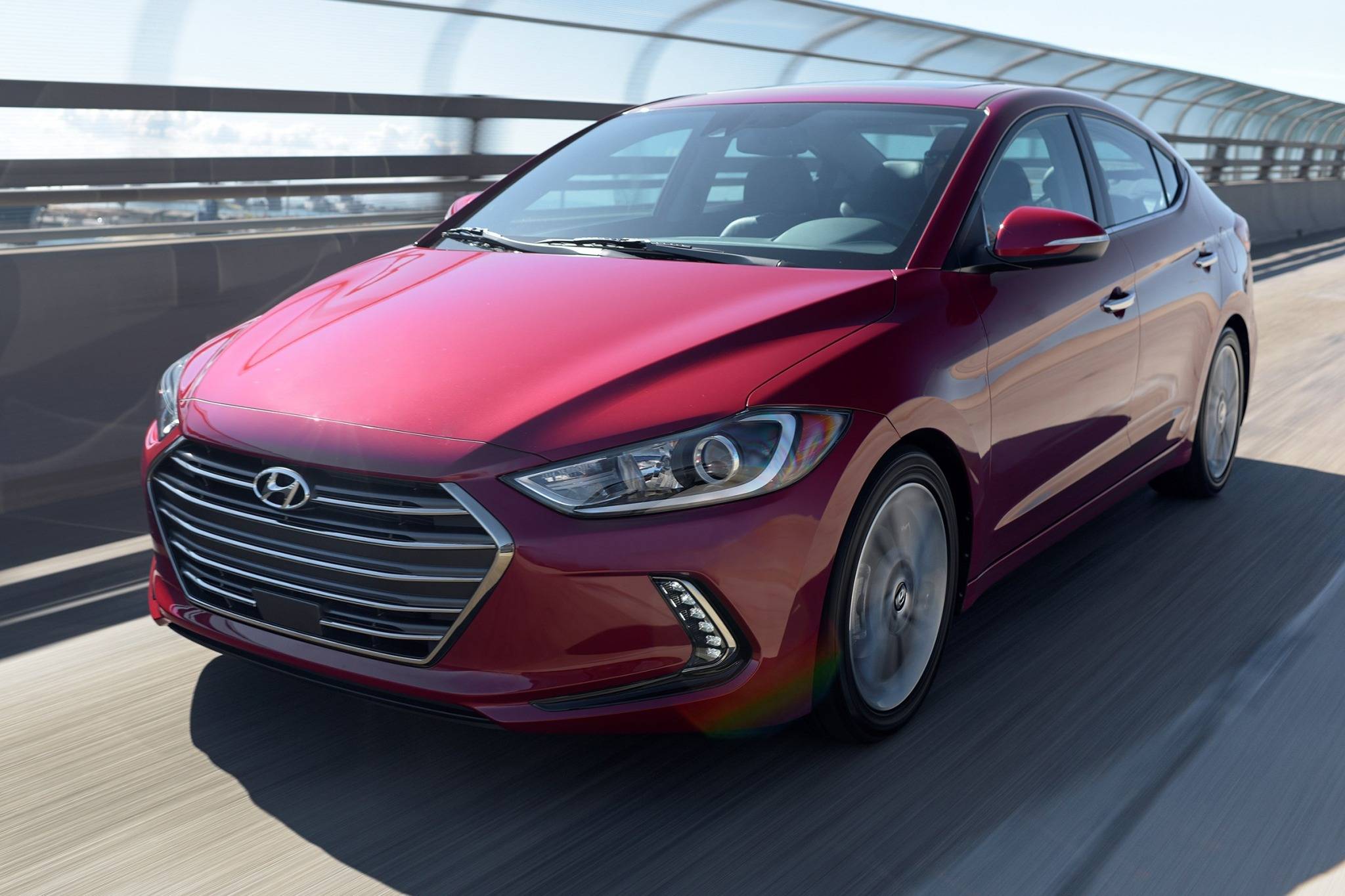
Hyundai’s industry-leading warranty coverage provides extraordinary peace of mind. Even used Elantras retain a substantial portion of the original 5-year/60,000-mile bumper-to-bumper warranty and 10-year/100,000-mile powertrain warranty, protecting families against unexpected repair costs during those critical first years of teen driving.
This coverage is transferable to subsequent owners, meaning even second-hand Elantras often include significant warranty protection a rarity in the used car market that can save families thousands of dollars.
Parents also appreciate the Elantra’s spacious interior, which comfortably accommodates four adults and offers generous cargo space for school activities, part-time job requirements, or weekend adventures.
The straightforward controls and intuitive infotainment system minimize distraction, helping teen drivers keep their attention on the road.
Strong reliability ratings from recent model years, competitive insurance costs, and decent resale values round out the Elantra’s appeal as a sensible, parent-approved first car choice.
5 Cars Parents Don’t Trust
These concerning vehicles suffer from inadequate safety ratings and either excessive performance or dangerously outdated protection systems that create legitimate parental anxiety about teenage driver survival during the statistically dangerous early driving years.
Their problematic characteristics include either turbocharged power exceeding 250 horsepower tempting reckless behavior or ancient crash structures predating side airbags and stability control that cannot provide modern accident protection standards.
Despite attractive purchase pricing or impressive performance specifications, these vehicles terrify responsible parents through their documented rollover tendencies, poor front overlap crash scores, or excessive horsepower that transforms inexperienced drivers into accident statistics waiting to happen.
1. Ford Mustang GT
The Ford Mustang GT represents every parent’s nightmare first car scenario a powerful, rear-wheel-drive sports car specifically engineered for performance driving and straight-line acceleration.
While the Mustang is an American icon beloved by enthusiasts, parents recognize that putting a teenager behind the wheel of this muscle car is a recipe for disaster, combining excessive power with the judgment limitations inherent to young, inexperienced drivers.
The power output is the fundamental problem. Modern Mustang GTs produce between 420 and 480 horsepower depending on the model year, delivering neck-snapping acceleration that can propel the car from zero to sixty in under four seconds.
This level of performance exceeds what even experienced drivers need for safe, legal road use, and in the hands of a teenager still developing hazard recognition and risk assessment skills, it becomes genuinely dangerous.
The temptation to show off for friends, test the car’s limits, or engage in street racing becomes nearly irresistible, dramatically increasing accident risk.
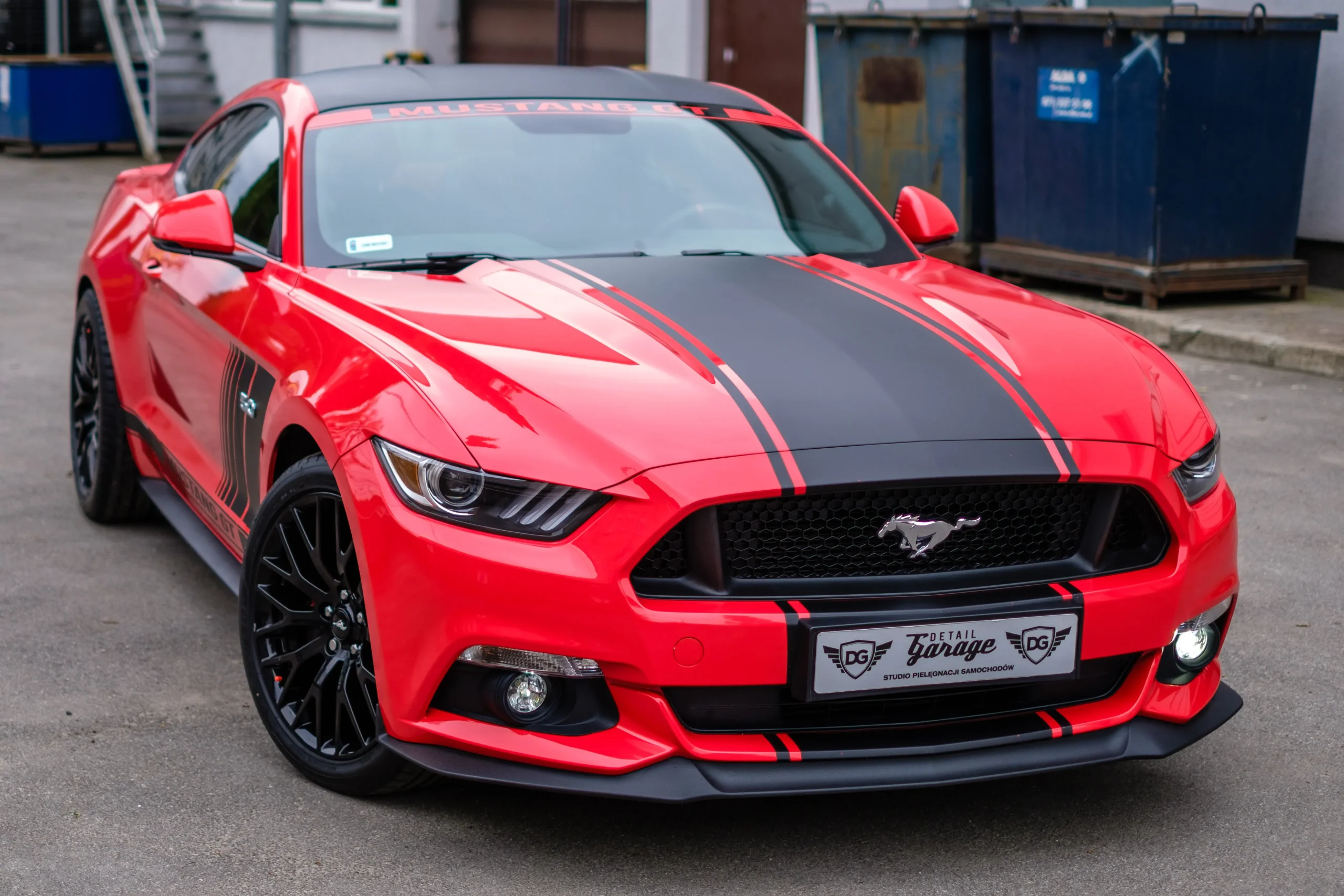
Rear-wheel-drive dynamics compound the danger, particularly in adverse weather conditions. While experienced drivers can manage the Mustang’s tendency toward oversteer and rear-end breakaway, teenage drivers lack the reflexes and experience to catch a slide once it begins.
Countless viral videos document Mustangs spinning out of control as drivers attempt to accelerate hard when leaving car shows or making turns incidents that would be merely embarrassing in a parking lot but potentially fatal at highway speeds or in traffic.
Winter driving becomes especially treacherous, with the weight distribution and power delivery making snow and ice navigation extremely challenging.
Practicality issues add to parental concerns. The Mustang’s low ground clearance and stiff suspension make it prone to scraping on driveways, speed bumps, and rough roads, resulting in expensive damage from everyday driving scenarios.
The limited rear-seat space and small trunk make the car impractical for typical teenage needs like transporting friends, school activities, or part-time job requirements.
Fuel economy suffers under the GT’s powerful V8 engine, typically achieving only 18-20 mpg combined, creating ongoing financial burden.
Finally, the Mustang’s theft rate is higher than average, adding security concerns to the already lengthy list of parental objections to this powerful sports car as a first vehicle.
2. Older Luxury Sedans (BMW 3-Series, Mercedes C-Class 2005-2010)
Older German luxury sedans represent a deceptive trap for families shopping the used car market, appearing to offer premium features and prestigious badges at affordable prices while concealing expensive maintenance requirements and complex engineering that can bankrupt unwary owners.
Parents who initially feel excited about scoring a “deal” on a BMW or Mercedes quickly discover why these vehicles depreciate so dramatically the ownership experience becomes a financial nightmare.
The maintenance costs are staggering compared to mainstream vehicles. German luxury brands engineer their cars for performance and refinement rather than service accessibility, resulting in routine maintenance that costs two to three times more than equivalent procedures on a Honda or Toyota.
Oil changes require specific synthetic formulations and larger quantities, costing $150-200 rather than $40-60. Brake service involves expensive components and complicated procedures.
Tire replacement requires performance rubber that costs significantly more than standard sizes. Even minor repairs like replacing sensors, fixing electrical issues, or addressing coolant leaks can easily exceed $500-1000 per incident.
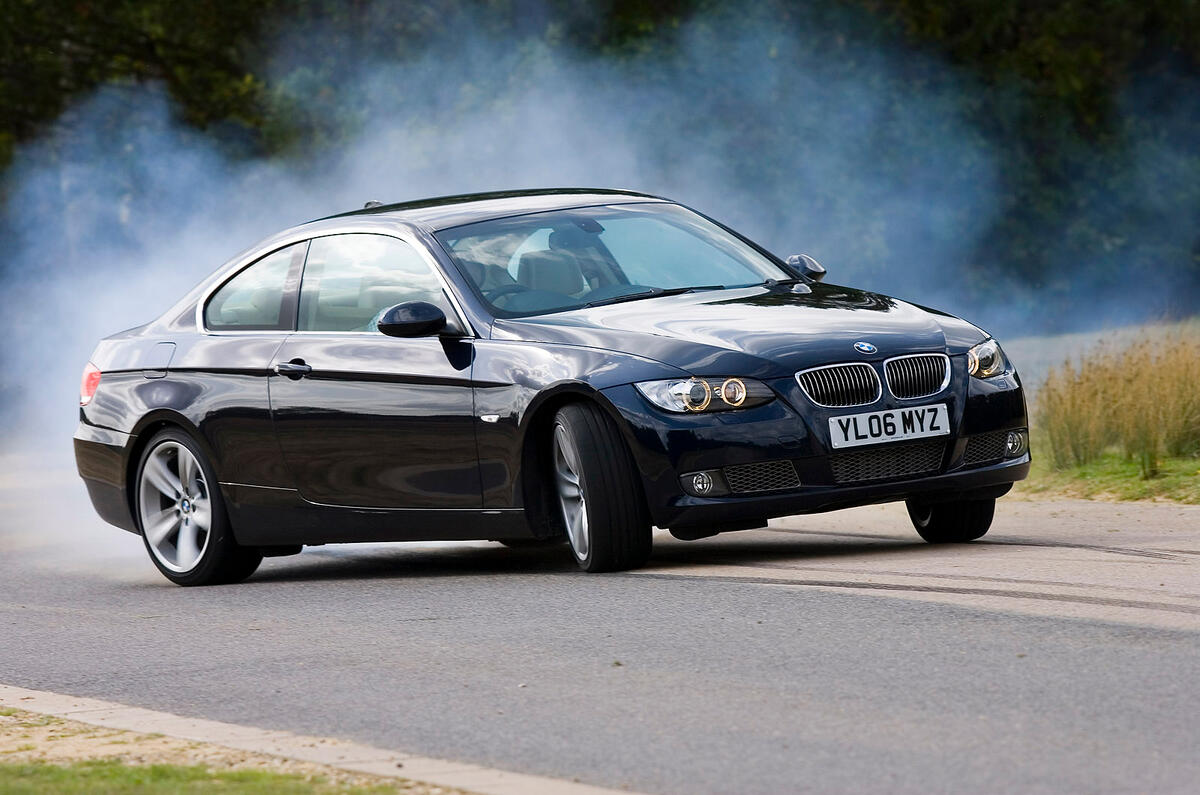
Reliability becomes increasingly problematic as these vehicles age. The complex electronics, sophisticated engine management systems, and numerous luxury features create multiple potential failure points. Electrical gremlins develop, warning lights illuminate for mysterious issues, and expensive components fail without warning.
Unlike Japanese vehicles that often run reliably for 200,000+ miles, these German luxury cars typically experience significant problems after 100,000 miles, requiring major repairs that can cost $3,000-8,000 for engine work, transmission replacement, or electronic system overhauls.
Parents face the nightmare scenario of a broken car worth less than the repair estimate, leaving them with an impossible financial decision. The impracticality becomes clear over time.
These vehicles often require premium fuel, reducing the already poor fuel economy (typically 20-25 mpg combined) even more.
The sophisticated all-wheel-drive systems common in these cars add complexity and repair costs. When components fail, the car may enter “limp mode” or become undrivable until repairs are completed, leaving the teenager stranded and the parents scrambling for alternative transportation.
Finally, these vehicles have essentially no resale value; the family’s investment evaporates completely, making the older luxury sedan not just an expensive first car to operate but also a poor financial decision from an investment perspective.
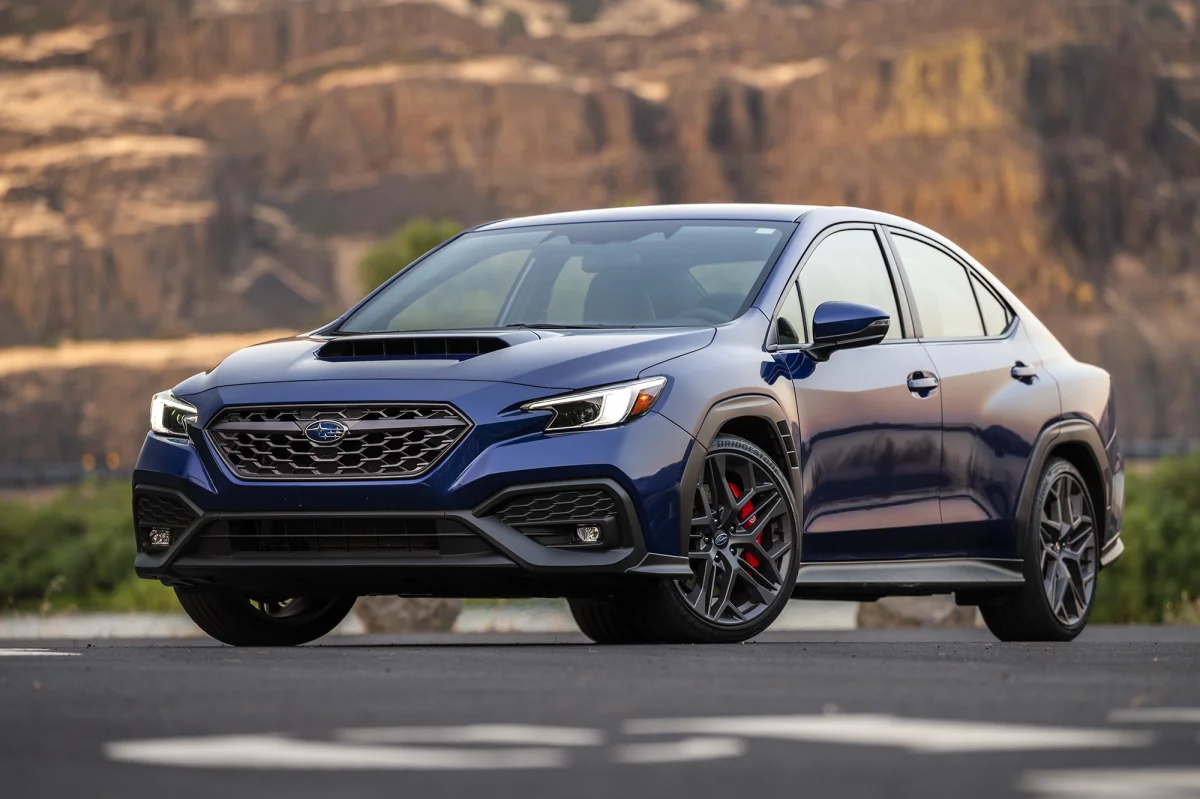
3. Modified/Tuned Import Sports Cars (Civic Si, Subaru WRX, Mitsubishi Lancer Evolution)
Modified import sports cars represent a category that particularly troubles parents because they combine performance capability with a history of unknown modifications and potentially abusive driving conditions.
These vehicles often Honda Civic Sis, Subaru WRXs, or Mitsubishi Lancer Evolutions attract enthusiastic owners who modify them for increased performance, then sell them when the maintenance burden becomes too great, passing the problems to unsuspecting next owners.
The modification history creates massive uncertainty about the vehicle’s actual condition and reliability. Previous owners may have installed aftermarket turbochargers, modified engine management systems, upgraded suspension components, changed exhaust systems, or made countless other alterations that affect performance, emissions compliance, and long-term durability.
Even “mild” modifications can void manufacturer warranties, make the car illegal for street use in some jurisdictions, and create cascading mechanical problems as modified components stress other systems beyond their designed limits.
Parents have no reliable way to assess what’s been changed, whether the work was done properly, or what problems might emerge. The social environment surrounding modified import sports cars further concerns parents.
These vehicles connect owners to a car culture that often celebrates illegal street racing, aggressive driving, and social media stunts designed to generate views rather than promote safety.
Teen drivers may feel pressure to participate in dangerous activities, meet up with other modified car owners for illegal racing, or push their vehicle’s limits to gain social status within the community.
The cars themselves become tickets to a subculture that parents recognize as dangerous and potentially life-threatening, making them completely unacceptable as first vehicles regardless of their mechanical condition or performance capabilities.
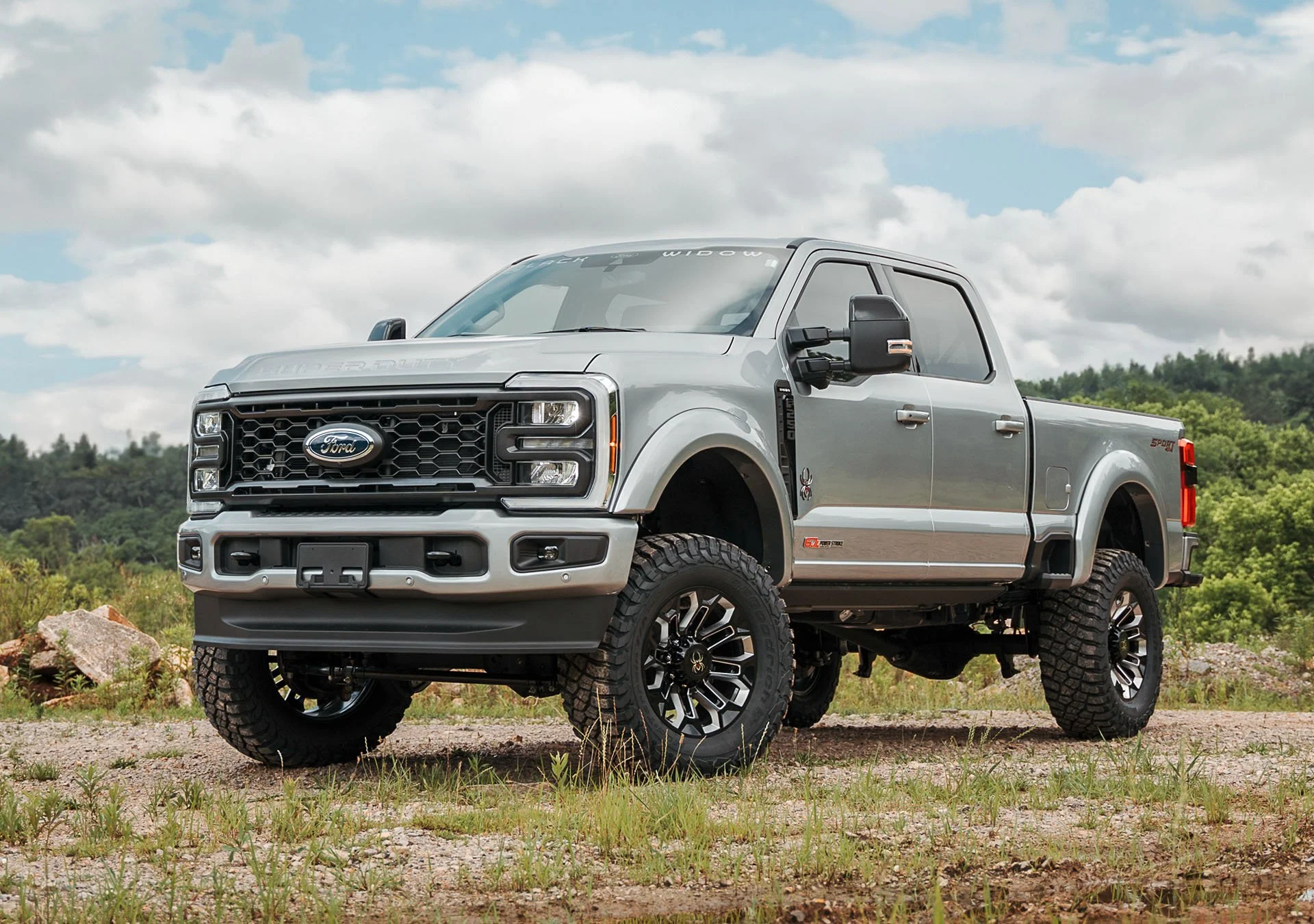
4. Large Pickup Trucks (Ford F-250, Chevrolet Silverado 2500, Ram 2500)
Full-size heavy-duty pickup trucks represent another category that deeply concerns parents, despite their utility and capability in appropriate contexts.
These massive vehicles, particularly three-quarter-ton and one-ton models like the F-250, Silverado 2500, or Ram 2500, present unique challenges for inexperienced drivers, combining difficult handling characteristics with excessive size and weight that can make accidents more likely and more severe when they occur.
The sheer size and weight create fundamental driving challenges. These trucks often exceed 20 feet in length and 7,000-8,000 pounds in weight, with dimensions that make maneuvering in parking lots, going through narrow streets, and judging clearances extremely difficult even for experienced drivers.
Teenage drivers are still developing spatial awareness, struggle to accurately judge where the vehicle’s corners are located, leading to frequent curb strikes, parking mishaps, and sideswipe accidents.
The high hood line creates massive blind spots directly in front of the truck, making small children, pets, or objects invisible to the driver a particularly dangerous situation in residential areas and school parking lots.
Handling characteristics differ dramatically from passenger cars, requiring skills and judgment that teenage drivers haven’t yet developed. The high center of gravity makes these trucks more prone to rollovers during emergency maneuvers or when driven too fast around curves.
The long wheelbase and heavy weight increase stopping distances significantly a loaded F-250 might require 50-75 feet more distance to stop from highway speeds compared to a compact car, a difference that can mean the difference between avoiding an accident and causing a serious collision.
The body-on-frame construction and truck-oriented suspension deliver a rough, disconnected driving experience that provides less feedback than car-based vehicles, making it harder for inexperienced drivers to sense approaching limits.
The practical reality is that most teenagers simply don’t need a heavy-duty truck’s capabilities. They’re not towing 15,000-pound trailers, hauling commercial loads, or working construction sites; they’re driving to school, part-time jobs, and social activities that any normal passenger car handles perfectly well.
Parents recognize that choosing a heavy-duty truck as a first vehicle prioritizes image over appropriateness, potentially encouraging a mindset where the teen feels entitled to excessive resources without practical justification.
The trucks themselves become symbols of poor judgment, suggesting that parents either didn’t think carefully about their teen’s actual needs or are allowing their teen to make decisions based on wants rather than need,s neither scenario inspiring confidence in the teen’s readiness to drive responsibly.
5. Cheap Older SUVs (Early 2000s Ford Explorer, Chevrolet Trailblazer)
Older SUVs from the early 2000s represent a final category that concerns parents despite initially appearing practical due to their size, utility, and low purchase prices.
Vehicles like the Ford Explorer, Chevrolet Trailblazer, or similar models from that era can often be purchased for just a few thousand dollars, making them attractive to budget-conscious families until the reality of poor safety records, terrible reliability, and expensive maintenance becomes apparent.
Safety deficiencies are the most concerning issue. These vehicles were designed and crash-tested using standards that have been dramatically updated over the past two decades.
They lack modern safety features that are now considered essential no automatic emergency braking, no lane departure warning, no blind spot monitoring, often no side-curtain airbags, and sometimes questionable structural integrity in crash tests.
The body-on-frame construction and high center of gravity create significant rollover risk, particularly during emergency maneuvers or when driven too fast around curves.
Statistical analysis shows that occupants in these older SUVs face substantially higher injury and death rates in crashes compared to modern vehicles with contemporary safety engineering.
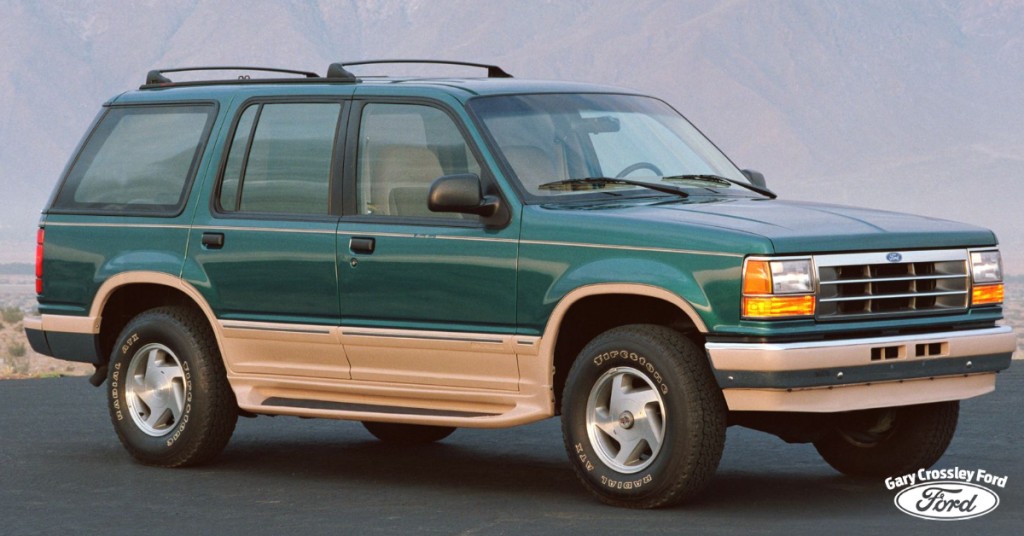
Reliability problems plague these vehicles as they age, with certain models achieving notorious reputations for mechanical failures. The early 2000s Ford Explorer suffered from transmission problems, engine issues, and suspension component failures.
The Chevrolet Trailblazer experienced electrical problems, engine failures, and various other issues that left owners stranded. As these vehicles approach or exceed 150,000-200,000 miles, the accumulated wear and deferred maintenance by previous owners creates a cascade of potential failures.
Parents face the nightmare of their teenager being stranded on the roadside or, worse, experiencing mechanical failure in traffic that causes an accident.
The handling characteristics of these truck-based SUVs create additional concerns for inexperienced drivers. The high center of gravity, disconnected steering, and body-on-frame construction deliver a driving experience that provides poor feedback and responds slowly to driver inputs.
The significant body roll during cornering reduces confidence and makes emergency maneuvers unpredictable. The older safety systems lack the sophistication of modern traction control and stability control, providing less intervention when the vehicle begins to slide or roll.
Parents recognize that these vehicles don’t just lack modern safety features, they actively make driving more difficult through poor dynamics and limited capabilities, creating a more dangerous package than their size and utility might initially suggest.
Also Read: 5 Road-Trip Cars That Keep Kids Happy vs. 5 Meltdown Machines
