
When you’re cruising down the highway at 75 mph, the difference between a small SUV that feels planted and one that feels like it’s floating becomes immediately apparent.
This distinction isn’t just about comfort it’s about confidence, control, and the fundamental engineering philosophy behind each vehicle.
Some small SUVs inspire confidence at highway speeds, with solid road feel, minimal body roll, and steering that communicates what’s happening beneath the tires.
Others feel disconnected, wafting around in their lane with vague steering and a sense that the vehicle is riding on top of the road rather than gripping it.
The factors that contribute to highway stability are numerous and complex. Wheelbase length, suspension tuning, weight distribution, chassis rigidity, aerodynamics, and even tire selection all play crucial roles in how a vehicle behaves at speed.
Generally, vehicles with sport-tuned suspensions, lower centers of gravity, and European engineering tend to feel more planted, while those prioritizing comfort with soft suspension settings and higher ride heights may exhibit more float.
However, there are exceptions to every rule, and some manufacturers have managed to balance comfort with stability remarkably well.
Understanding these differences is crucial for buyers who spend significant time on highways, whether commuting to work or taking weekend road trips.
A vehicle that feels unstable at 75 mph isn’t just annoying it can be tiring to drive and may require constant steering corrections to maintain your lane.
Crosswinds, passing trucks, and highway imperfections become more noticeable in vehicles that lack stability. Conversely, a planted SUV makes highway driving effortless, reducing driver fatigue and increasing confidence in all conditions.
This comprehensive guide examines ten small SUVs across the spectrum of highway stability. We’ll first explore five models that feel exceptionally solid and confidence-inspiring at 75 mph, then contrast them with five that tend to feel floaty or disconnected.
Whether you’re a driving enthusiast who values sharp handling or someone who simply wants to feel secure during highway commutes, understanding these characteristics will help you make an informed decision about which small SUV best suits your needs and driving style.
5 Small SUVs That Feel Rock-Solid at 75 MPH
These exceptionally stable vehicles feature well-tuned suspension geometries and adequate chassis rigidity that maintain composed highway cruising without the nervous wandering typically associated with tall lightweight crossovers experiencing crosswind sensitivity at interstate speeds.
Their thoughtful engineering includes precise steering calibration and appropriate damper tuning that resist the floaty disconnected feeling found in softly sprung SUVs prioritizing parking lot comfort over highway stability and directional confidence.
From sudden semi-truck passing gusts that challenge lateral stability to grooved concrete sections testing tracking precision, these remarkable small SUVs continue feeling planted without the constant steering corrections or white-knuckle tension found in less competent alternatives.
1. Mazda CX-50
The Mazda CX-50 stands as a benchmark for highway stability in the small SUV segment, embodying the brand’s “Jinba Ittai” philosophy of driver and vehicle unity.
At 75 mph, the CX-50 feels absolutely planted, with a level of road feel and precision that’s rare in this class. The steering weight is perfectly judged substantial enough to communicate road conditions but not so heavy that it becomes tiresome on long drives.
When you make a steering input, the CX-50 responds immediately and predictably, tracking straight and true without the wandering that plagues many competitors.
Much of this stability comes from Mazda’s commitment to driving dynamics across its entire lineup. The CX-50’s suspension uses a sophisticated multi-link rear setup that keeps the rear wheels planted even when encountering mid-corner bumps or highway expansion joints.
The dampers are beautifully tuned to absorb imperfections without allowing excessive body motion. Even on undulating highway surfaces, the CX-50 maintains its composure, never feeling like it’s losing contact with the pavement. The chassis rigidity is exceptional, eliminating the flex and shimmy that can make other SUVs feel less substantial at speed.
Aerodynamics also play a significant role in the CX-50’s highway manners. The vehicle’s shape has been refined to minimize lift and reduce wind noise, contributing to a sense of calm stability even in crosswinds.
The slightly lower ride height compared to some competitors while still providing ample ground clearance helps lower the center of gravity and reduce the leverage that wind can exert on the vehicle.
When a semi-truck passes or a gust hits the side of the vehicle, the CX-50 barely flinches, requiring minimal steering correction to maintain your line.
The powertrain options, including the turbocharged 2.5-liter four-cylinder, provide ample power reserve for confident highway passing while maintaining smooth, linear delivery that doesn’t upset the chassis balance.
All-wheel drive is standard on most trims, and the system works transparently to maximize traction without any intrusive intervention.
The combination of power, poise, and precision makes the CX-50 feel like a much more expensive vehicle on the highway, delivering a level of confidence that encourages you to cover long distances without fatigue or anxiety about the vehicle’s behavior.
2. BMW X1
The BMW X1 brings authentic German engineering to the small SUV segment, and nowhere is this more apparent than at highway speeds. At 75 mph, the X1 feels like it could be doing 50 that’s how stable, quiet, and composed it remains.
BMW’s reputation for building vehicles that excel on the autobahn translates directly to American highways, where the X1’s rigid structure, sophisticated suspension, and precise steering create an experience that’s closer to a sport sedan than a typical compact SUV.
The current-generation X1 rides on BMW’s FAAR platform, which provides exceptional torsional rigidity. This stiff foundation is crucial for highway stability, as it prevents the chassis from flexing under load and allows the suspension to work more effectively.
The multi-link rear suspension is a key differentiator in this segment, providing superior wheel control compared to the torsion beam setups found in many competitors.
When you encounter a pothole or expansion joint at highway speeds, the X1 absorbs the impact with a solid thunk rather than a cheap rattle, and the vehicle’s trajectory remains undisturbed.
BMW’s steering is legendary for good reason, and even in the X1 the brand’s entry-level SUV the steering precision is exceptional. The electric power steering provides natural weight that builds progressively as speed increases, and there’s genuine feedback coming through the wheel.
This communication allows you to feel exactly what the front tires are doing, making it easy to place the vehicle precisely in your lane and maintain your course with minimal input.
The steering ratio is quick enough to feel responsive without being nervous, striking an ideal balance for highway cruising and spirited driving alike.
The X1’s available adaptive suspension further enhances its highway capabilities. In Comfort mode, it provides a supple ride that soaks up imperfections without float, while Sport mode firms things up for even flatter cornering and more immediate response. Regardless of setting, body roll is minimal, and the X1 changes direction with an eagerness that belies its SUV body style.
The turbocharged engines provide ample power for effortless highway cruising, and the eight-speed automatic transmission is always in the right gear. Wind and road noise are well-suppressed, contributing to a serene cabin environment that makes the miles disappear.
3. Audi Q3
Audi’s Q3 exemplifies the brand’s Vorsprung durch Technik philosophy with highway stability that inspires confidence in all conditions.
At 75 mph, the Q3 feels heavier and more substantial than its actual curb weight suggests, with a planted feel that comes from careful attention to chassis tuning, suspension geometry, and weight distribution.
The Quattro all-wheel-drive system standard across the lineup plays a crucial role in this stability, constantly monitoring and adjusting power distribution to maximize grip and minimize body motion.
The Q3’s suspension architecture is sophisticated for the class, with a four-link front setup and a multi-link rear that provide excellent wheel control.
Audi has tuned the dampers to provide a firm but compliant ride that absorbs highway imperfections without allowing the body to wallow or pitch excessively.
The result is a feeling of solidity and precision that’s characteristic of German engineering. When you encounter a section of rough pavement or broken asphalt, the Q3 dispatches it with composure, maintaining its line without deflection or harshness transmitted to the cabin.
The Q3’s interior contributes to the sense of solidity, with high-quality materials, tight panel gaps, and a lack of squeaks or rattles even on rough roads.
This attention to detail extends to noise isolation, where Audi’s engineers have done excellent work minimizing wind and road noise. At highway speeds, the cabin remains quiet enough for normal conversation without raised voices.
The supportive seats and excellent driving position further enhance the highway experience, allowing drivers to settle in for long cruises without discomfort. The combination of dynamic competence and refinement makes the Q3 a standout choice for highway-focused buyers.
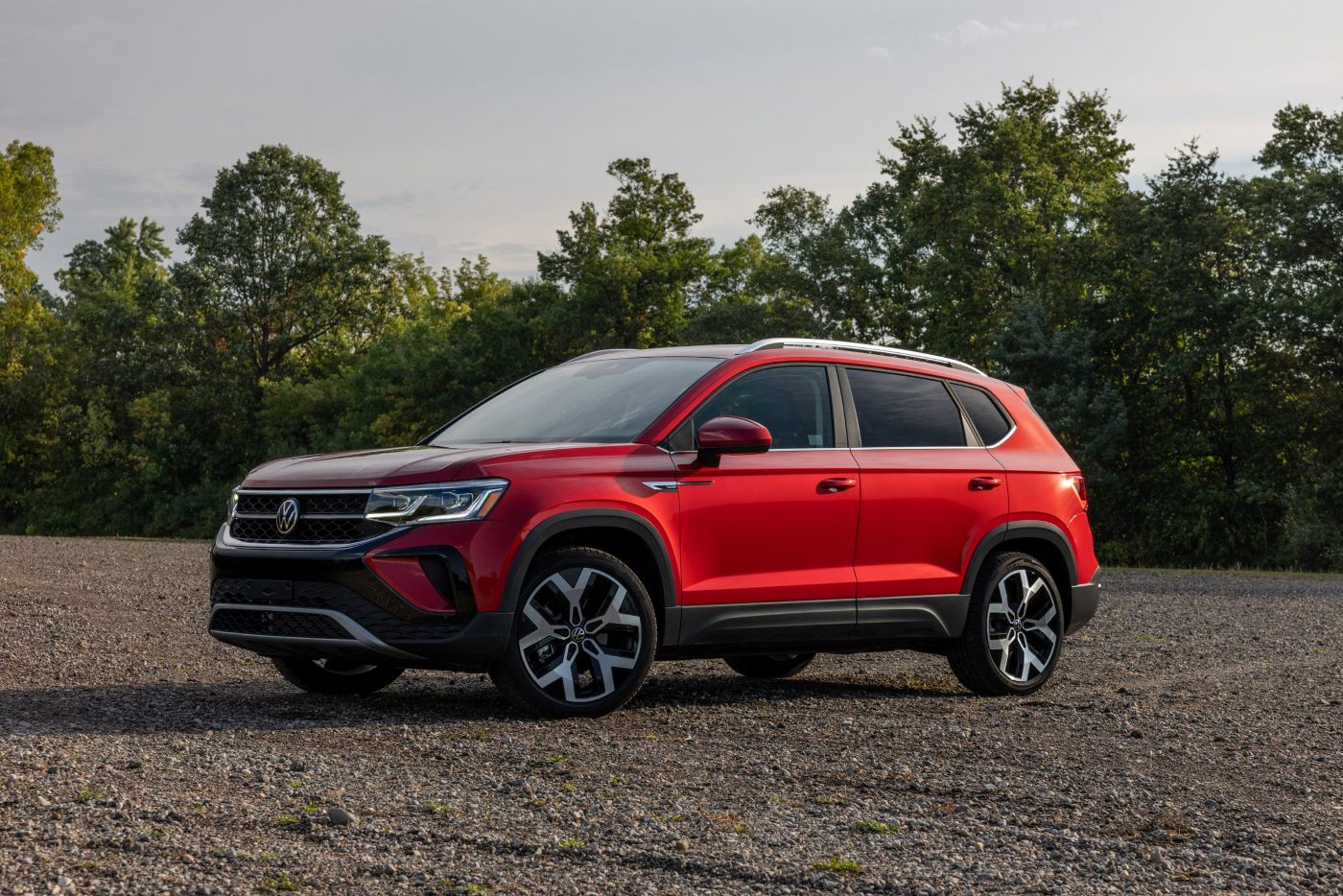
4. Volkswagen Taos (with Sport Package)
While the standard Volkswagen Taos offers decent highway manners, the model equipped with the available Sport package transforms into one of the most stable small SUVs at 75 mph.
The Sport package includes firmer suspension tuning, larger wheels with performance-oriented tires, and recalibrated steering that dramatically improves highway composure.
This demonstrates how much suspension tuning matters essentially the same vehicle feels remarkably different with these upgrades.
The Taos rides on Volkswagen’s MQB platform, which provides a solid foundation shared with the Golf and other VW products. This architecture is known for its rigidity and balanced weight distribution, both crucial for stability at speed.
The Sport-tuned suspension reduces body roll significantly compared to the standard setup, keeping the Taos flat through highway curves and resistant to the pitching motions that can occur when encountering elevation changes or rough patches.
The dampers are sophisticated enough to maintain ride comfort while eliminating the floaty feeling that characterizes softer suspensions.
Volkswagen’s steering tuning in Sport-equipped models provides excellent feedback and natural weighting. At highway speeds, the steering feels substantial and direct, with enough resistance to prevent nervous behavior but sufficient lightness for easy maneuvering.
The steering ratio provides quick response without feeling overly sensitive, and the on-center feel is tight there’s no play or vagueness when making small corrections to stay centered in your lane.
This precision is particularly noticeable during lane changes, where the Taos responds immediately and tracks exactly where you point it. The turbocharged 1.5-liter engine provides adequate power for highway driving, though it’s not as strong as some competitors.
However, the eight-speed automatic transmission is well-programmed and responsive, keeping the engine in its powerband for passing situations.
All-wheel drive is available and recommended for maximum stability, as it helps put power down smoothly and provides additional security in adverse conditions.
The Taos’s cabin is well-insulated from wind and road noise, and the build quality feels solid, with no unwanted vibrations or resonances at highway speeds.
For buyers seeking German engineering precision at a more accessible price point, the Sport-equipped Taos delivers exceptional highway stability.
Also Read: 5 Road-Trip Cars That Keep Kids Happy vs. 5 Meltdown Machines
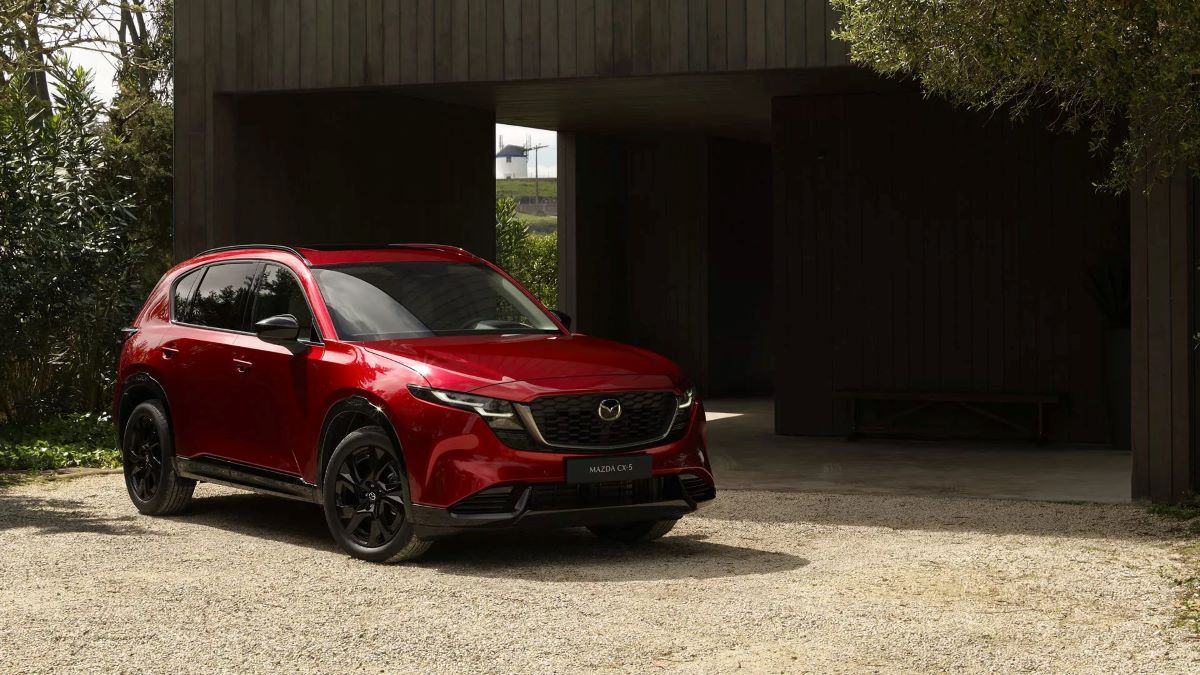
5. Mazda CX-5
The Mazda CX-5 has long been praised for its superior driving dynamics, and highway stability is one of its greatest strengths. At 75 mph, the CX-5 feels composed and confidence-inspiring, with a level of road connection that’s unusual in this segment.
Mazda’s engineers have clearly prioritized driving feel and feedback over pure comfort, resulting in a vehicle that communicates what’s happening at the tire contact patches while maintaining excellent composure over varied road surfaces.
The CX-5’s chassis is exceptionally rigid, providing a solid foundation for the suspension to work effectively. This rigidity prevents the flex and twist that can make other SUVs feel less precise at speed, and it contributes to a sense of structural integrity that’s immediately apparent.
The suspension uses MacPherson struts up front and a multi-link setup at the rear, with dampers tuned to provide a firm but controlled ride. Body motions are well-managed, with minimal pitch under acceleration or braking and excellent resistance to roll through corners.
Steering is another CX-5 strong point, with Mazda’s electric power-assisted system providing excellent feedback and natural weighting.
The steering builds resistance progressively as speed increases, feeling substantial and confidence-inspiring on the highway. There’s genuine communication coming through the wheel, allowing you to sense changes in road surface and tire grip.
The steering ratio is perfectly judged for this type of vehicle quick enough to feel responsive without requiring excessive input, but not so quick that the vehicle feels nervous or requires constant correction at highway speeds.
Mazda offers multiple engine choices in the CX-5, including a turbocharged option that provides ample power for effortless highway cruising. Regardless of engine, the powertrains are smooth and well-matched to the six-speed automatic transmission.
All-wheel drive is available across the lineup and enhances stability in all conditions. The CX-5’s aerodynamics are well-managed, with minimal wind noise and good resistance to crosswinds.
Inside, the cabin feels solid and well-assembled, with supportive seats and an excellent driving position that makes long highway drives comfortable.
The combination of precise handling, solid structure, and refined operation makes the CX-5 one of the best choices for drivers who value highway stability.
5 Small SUVs That Float Around at 75 MPH
These nerve-wracking vehicles suffer from inadequate suspension damping and flexible chassis structures that create alarming highway instability, forcing constant steering corrections and genuine anxiety during routine interstate cruising that should feel effortless and confidence-inspiring.
Their problematic engineering includes vague steering response and excessive body roll that cannot provide the directional stability expected from modern vehicles, leading to nervous wandering behavior requiring active driver correction on crowned roads or during crosswind exposure.
Despite acceptable around-town manners and comfortable ride quality at lower speeds, these SUVs become exhausting on highways through their tendency toward unpredictable lane tracking, alarming lightness over pavement irregularities, and complete lack of planted feeling when passing large trucks create aerodynamic disturbances.
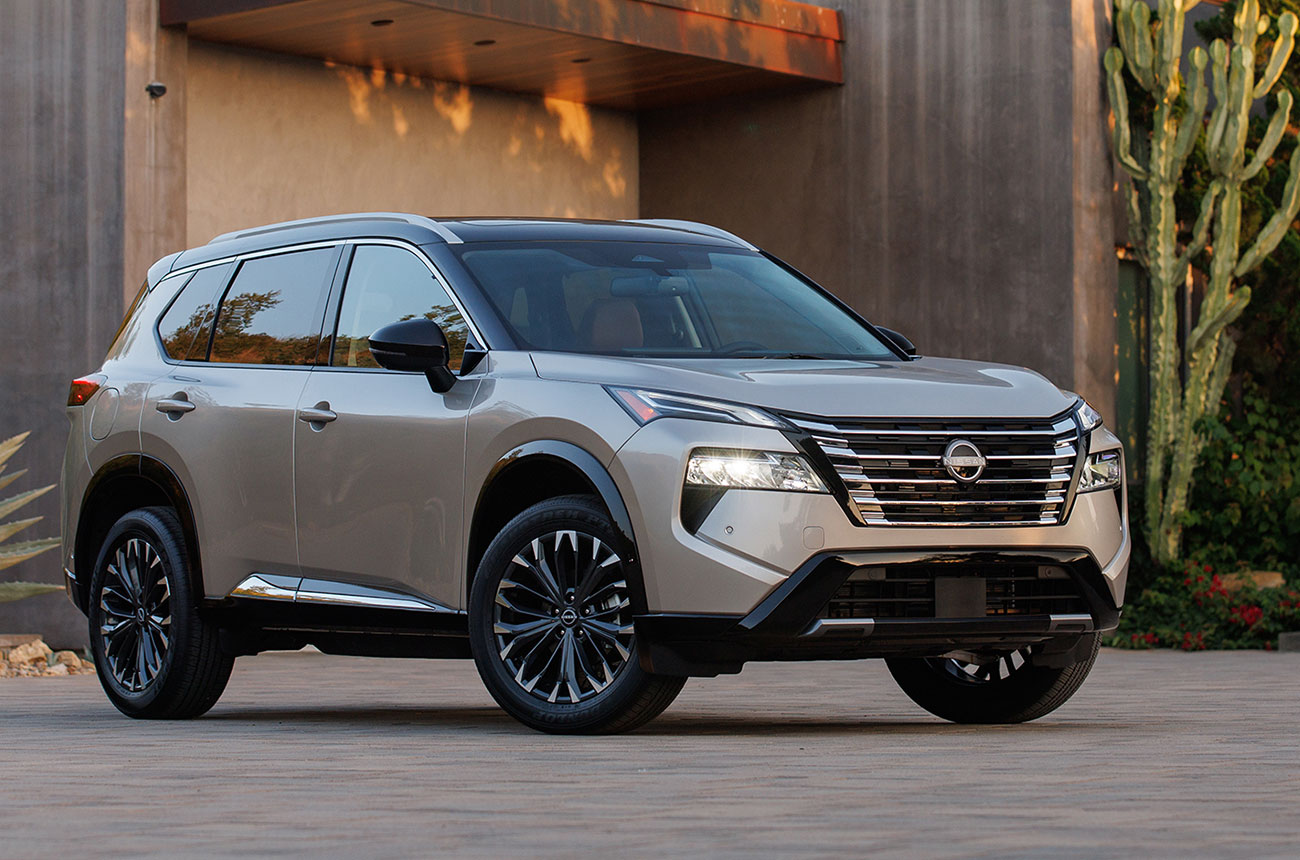
1. Nissan Rogue
The Nissan Rogue, despite being one of the best-selling small SUVs in America, exhibits noticeable float and vagueness at highway speeds. At 75 mph, the Rogue feels disconnected from the road, with a soft suspension that prioritizes comfort over precision.
While this approach has its merits for city driving and appeals to buyers seeking a cushy ride, it compromises highway stability significantly.
The Rogue’s suspension allows considerable body motion, creating a bouncy, floating sensation that requires constant steering corrections to maintain your lane position.
The continuously variable transmission (CVT) contributes to the disconnected feeling, as there’s no physical connection or stepped gear changes to provide feedback.
When you accelerate to pass on the highway, the engine revs rise with a droning sound while the vehicle accelerates gradually, lacking the immediate response of a traditional automatic transmission.
This characteristic doesn’t directly affect stability, but it adds to the sense that you’re somewhat removed from the driving experience.
The Rogue’s steering is particularly vague, with excessive play on center and very light weighting that provides minimal feedback about what the front tires are doing.
Crosswinds and passing trucks noticeably affect the Rogue’s trajectory at highway speeds. When hit by a gust or buffeted by a semi’s wake, the Rogue requires significant steering correction to return to its intended path.
The soft suspension allows the body to lean and shift, creating a sense of instability that can be disconcerting, especially for drivers accustomed to more planted vehicles.
The Rogue’s relatively tall ride height and soft suspension create a high center of gravity that exacerbates these tendencies, making the vehicle feel top-heavy through highway curves.
Despite these dynamic shortcomings, the Rogue does offer some positive attributes. The cabin is spacious and comfortable, with good visibility and user-friendly technology.
Fuel economy is competitive, and the ride quality on smooth roads is quite comfortable. For buyers who prioritize comfort and space over driving dynamics and who don’t frequently drive at highway speeds, the Rogue might still be suitable.
However, for those who spend significant time on highways or who value a connected, confidence-inspiring driving experience, the Rogue’s floaty behavior at 75 mph is a significant drawback that should be carefully considered before purchase.
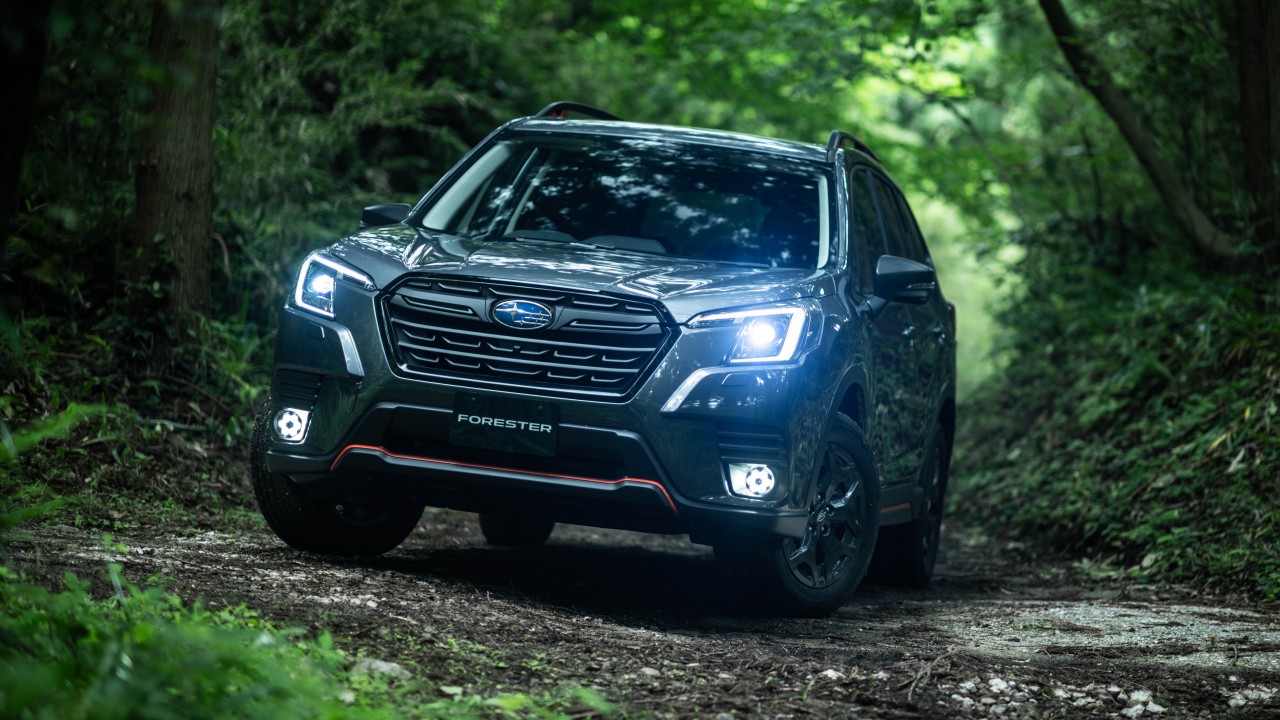
2. Subaru Forester
The Subaru Forester is beloved for its practicality, reliability, and standard all-wheel drive, but highway stability is not among its strengths. At 75 mph, the Forester exhibits a noticeable float that comes from its soft suspension tuning and tall ride height.
Subaru has clearly prioritized ride comfort and off-road capability over on-road precision, resulting in a vehicle that feels disconnected and vague when cruising at highway speeds.
The suspension allows considerable body motion, and the vehicle feels like it’s riding on top of the road rather than being connected to it.
The Forester’s tall, upright design creates significant aerodynamic challenges. The large frontal area and boxy shape create considerable wind resistance and make the vehicle more susceptible to crosswinds.
At highway speeds, gusts noticeably push the Forester around, and passing large trucks requires anticipatory steering inputs to counteract the buffeting.
The vehicle’s relatively narrow track compared to its height contributes to a top-heavy feeling through corners, and the soft suspension allows noticeable body roll even through gentle highway curves.
The continuously variable transmission, like in the Rogue, contributes to the disconnected feeling. Acceleration is gradual and accompanied by engine drone rather than satisfying shifts.
The base engine is adequately powered for highway cruising but not particularly strong for passing. The Forester does offer good visibility thanks to its upright design and large windows, and the cabin is practical and spacious.
The standard all-wheel-drive system provides excellent traction in adverse conditions. For buyers focused on utility, reliability, and all-weather capability rather than driving dynamics, the Forester remains a solid choice despite its highway float.
3. Honda HR-V
The Honda HR-V prioritizes interior space efficiency and fuel economy, but these priorities come with compromises in highway stability.
At 75 mph, the HR-V feels light and somewhat nervous, with a suspension that’s both firm and bouncy—managing to be uncomfortable without providing precision.
The vehicle’s short wheelbase contributes to a choppy ride over highway undulations, and the relatively narrow track makes it more susceptible to crosswinds than wider competitors.
The HR-V’s steering is one of its weakest points, with artificial weighting and minimal feedback. At highway speeds, the steering feels disconnected and overly light, providing little information about road conditions or tire grip.
The on-center feel is vague, requiring frequent small corrections to maintain your lane position. When making lane changes, the HR-V’s response is delayed and imprecise, lacking the immediate reactions of better-handling competitors. This vagueness can be especially noticeable on windy days or when navigating through highway traffic.
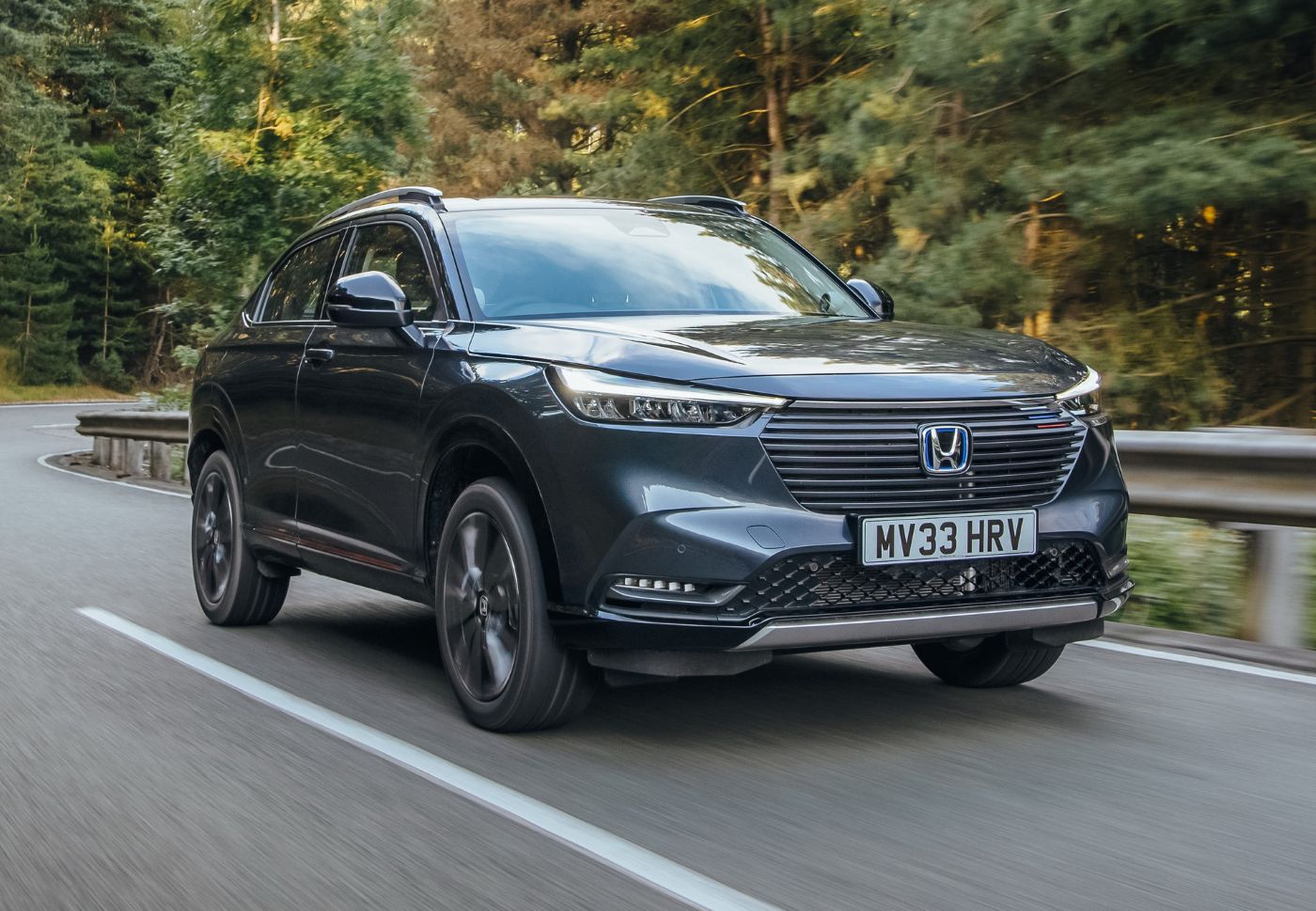
Body motions in the HR-V are poorly controlled, with noticeable pitch under acceleration and braking. The suspension setup seems to amplify rather than absorb highway imperfections, transmitting bumps and expansion joints directly into the cabin.
Despite the firm suspension, the HR-V still manages to feel floaty through corners, combining the worst aspects of soft and stiff suspension tuning. The vehicle’s relatively high center of gravity for its size contributes to a top-heavy sensation through highway curves.
The base engine is underpowered for highway driving, requiring significant throttle application for passing situations. The CVT transmission contributes to the sluggish feeling, with engine revs rising without a corresponding sense of acceleration.
Road and wind noise are pronounced at highway speeds, making conversation difficult and contributing to driver fatigue on long trips.
The HR-V’s small size does make it easy to maneuver in urban environments, and the innovative rear seat design provides impressive cargo flexibility.
However, for buyers who frequently drive at highway speeds, the HR-V’s instability and lack of refinement make it difficult to recommend over more composed competitors.
4. Jeep Compass
The Jeep Compass trades on the brand’s rugged image, but its highway manners are far from refined. At 75 mph, the Compass feels unsettled and imprecise, with a loose, wandering quality that requires constant steering corrections.
The suspension tuning seems to prioritize off-road capability over on-road composure, resulting in excessive body motion and a disconnected feeling at highway speeds.
The Compass’s relatively short wheelbase and high center of gravity contribute to a nervous, unstable sensation that’s particularly noticeable in crosswinds or when passing large vehicles.
Steering in the Compass is vague and overboosted, with very light effort and minimal feedback. The on-center feel is particularly poor, with noticeable play that allows the vehicle to wander within its lane.
Making small corrections to maintain your path feels imprecise, as if there’s a delay between your input and the vehicle’s response. This characteristic is tiring on long highway drives and reduces confidence, especially in challenging conditions like rain or wind.
The steering weight remains artificially light at all speeds, never providing the increasing resistance that communicates stability at highway speeds.
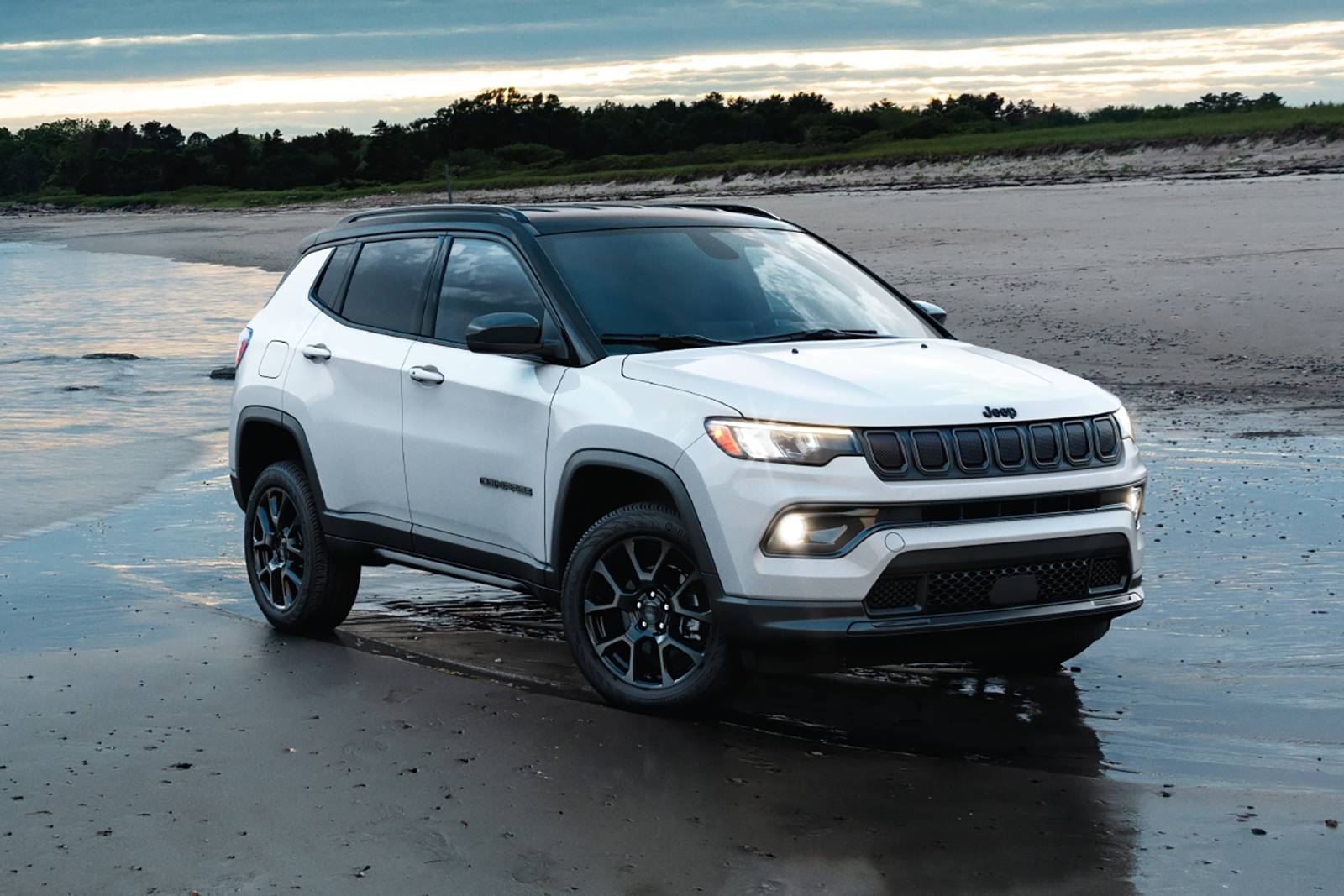
The Compass’s build quality issues become more apparent at highway speeds, with various rattles and squeaks emerging from the interior. Panel gaps allow wind noise to intrude, and the refinement level is disappointing compared to competitors.
The suspension transmits impacts harshly, with a cheap, tinny quality to how bumps are absorbed. Body roll through highway curves is excessive, and the vehicle feels tippy and uncertain through directional changes.
The Compass’s tall ride height and soft suspension create a disconnected, floating sensation that’s the opposite of confidence-inspiring.
Powertrain options in the Compass are mediocre, with the base engine feeling weak for highway driving and the available turbo providing more power but rough delivery.
Transmission programming is often confused, hunting for gears and creating jerky behavior during passing maneuvers. The available all-wheel-drive systems are designed more for light off-roading than on-road stability, providing limited benefit for highway composure.
While the Compass offers legitimate off-road capability and distinctive Jeep styling, its poor highway manners make it a questionable choice for buyers who primarily drive on paved roads at speed.
5. Kia Seltos
The Kia Seltos offers impressive value and features, but highway stability is not among its strengths. At 75 mph, the Seltos feels light and floaty, with a suspension that prioritizes compliance over precision.
The vehicle exhibits noticeable body motions, bouncing and pitching over highway undulations in a way that creates a somewhat queasy, disconnected sensation.
The relatively soft damping allows the body to continue moving after encountering bumps, creating a seasick feeling that can be tiresome on long highway drives.
Steering in the Seltos is overly light and provides minimal feedback, with an artificial, video-game quality that doesn’t communicate road conditions or tire grip.
The on-center feel is vague, requiring frequent small corrections to maintain lane position. When making lane changes, the Seltos’s response is imprecise and delayed, lacking the immediate, predictable reactions that inspire confidence at highway speeds.
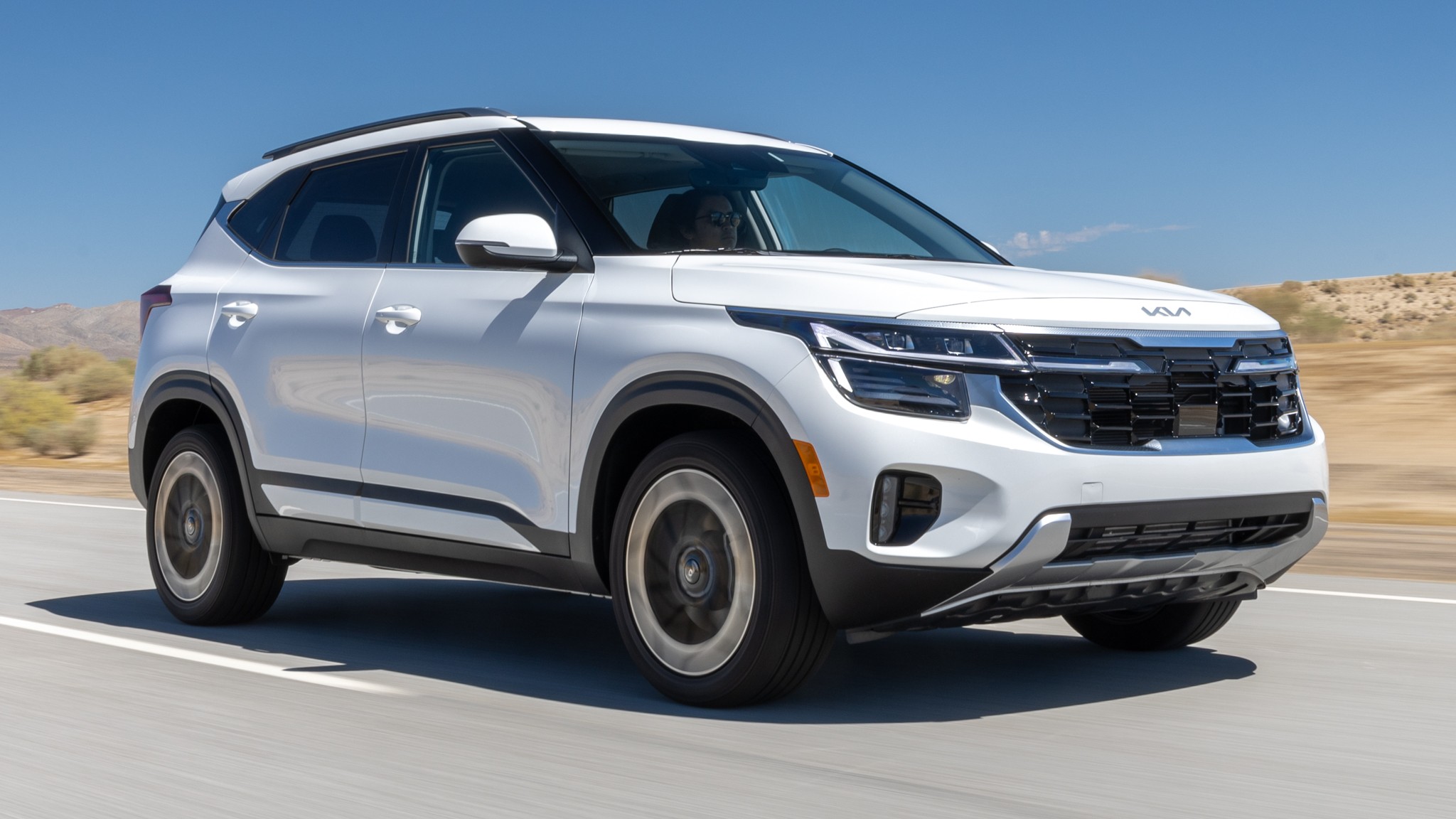
The steering weight remains consistently light regardless of speed, never building the resistance that helps you feel connected to the vehicle on the highway. Powertrain refinement varies significantly between engine options.
The base engine is adequate but buzzy and loud when worked hard for passing, while the available turbo provides more power but delivers it abruptly, potentially upsetting the chassis balance.
The available dual-clutch transmission can be jerky at low speeds and occasionally confused during highway passing situations. Despite these dynamic shortcomings, the Seltos does offer generous features for the money, including advanced safety technology and a comprehensive warranty.
For buyers who prioritize value and features over driving dynamics and who don’t frequently drive at highway speeds, the Seltos might still be worth considering, but its floaty highway behavior is a significant compromise.
Also Read: 5 First-car Picks Parents Trust For Their Kids vs 5 They Don’t
