
The used electric vehicle market has matured significantly, creating both tremendous opportunities and potential pitfalls for buyers in 2025.
As the first wave of mass-market EVs ages beyond their initial ownership periods, we’re seeing a clear distinction emerge between models that retain their value and reliability versus those plagued by issues or rapid depreciation.
The appeal of buying used EVs is undeniable: substantial savings over new models, lower depreciation rates after the initial ownership period, and access to federal tax credits that can make these vehicles remarkably affordable.
However, the EV market’s rapid technological evolution means that not all used electric vehicles are created equal. Battery degradation, software support, charging infrastructure compatibility, and manufacturer reliability all play crucial roles in determining whether a used EV becomes a smart investment or an expensive mistake.
In this comprehensive guide, we’ll examine ten used electric vehicles through a critical lens. The first five represent the safest bets vehicles with proven track records, strong manufacturer support, and features that remain competitive even as they age.
These are the EVs that savvy buyers can purchase with confidence, knowing they’re getting reliable transportation that won’t leave them stranded or broke. The second five represent vehicles that warrant serious consideration and caution.
Whether due to reliability concerns, limited charging capabilities, poor manufacturer support, or rapid technological obsolescence, these models present risks that potential buyers should carefully weigh before committing their hard-earned money.
5 Used EVs Worth Your Investment
These exceptionally engineered vehicles feature proven battery chemistries with minimal degradation patterns, comprehensive manufacturer warranty coverage extending to second owners, and widespread service network availability ensuring convenient maintenance access throughout ownership periods while avoiding the depreciation cliff that makes new EV purchases financially questionable for many buyers.
Their thoughtful engineering includes thermal management systems effectively regulating battery temperatures preventing accelerated degradation, battery packs with conservative discharge/charge rates extending cycle life substantially, and simple electrical architectures avoiding complex proprietary systems that become obsolete or expensive to repair outside warranty periods.
From documented real-world data showing minimal range loss after 100,000 miles to strong resale markets indicating buyer confidence in long-term reliability, these remarkable used EVs represent intelligent value propositions..
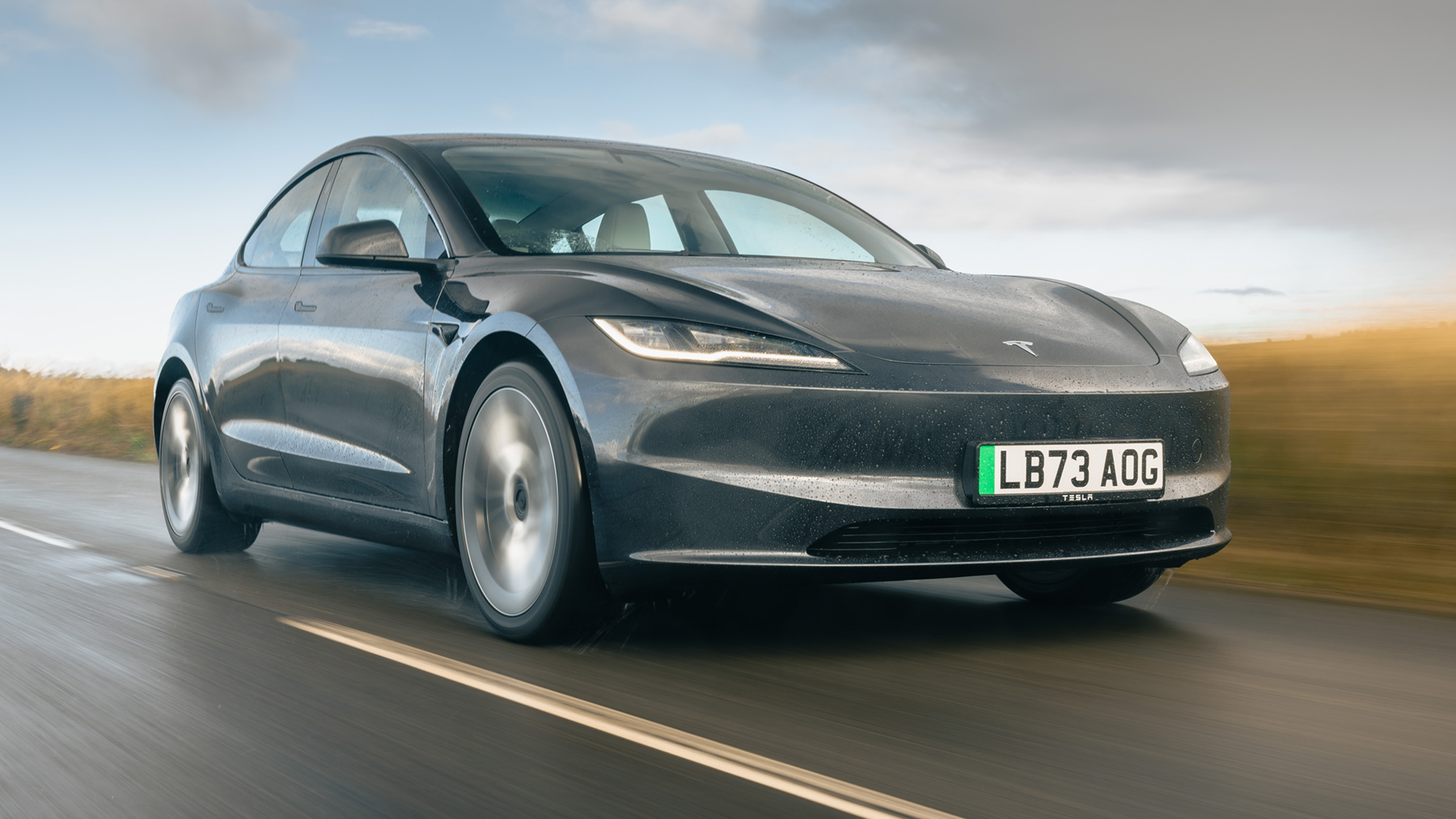
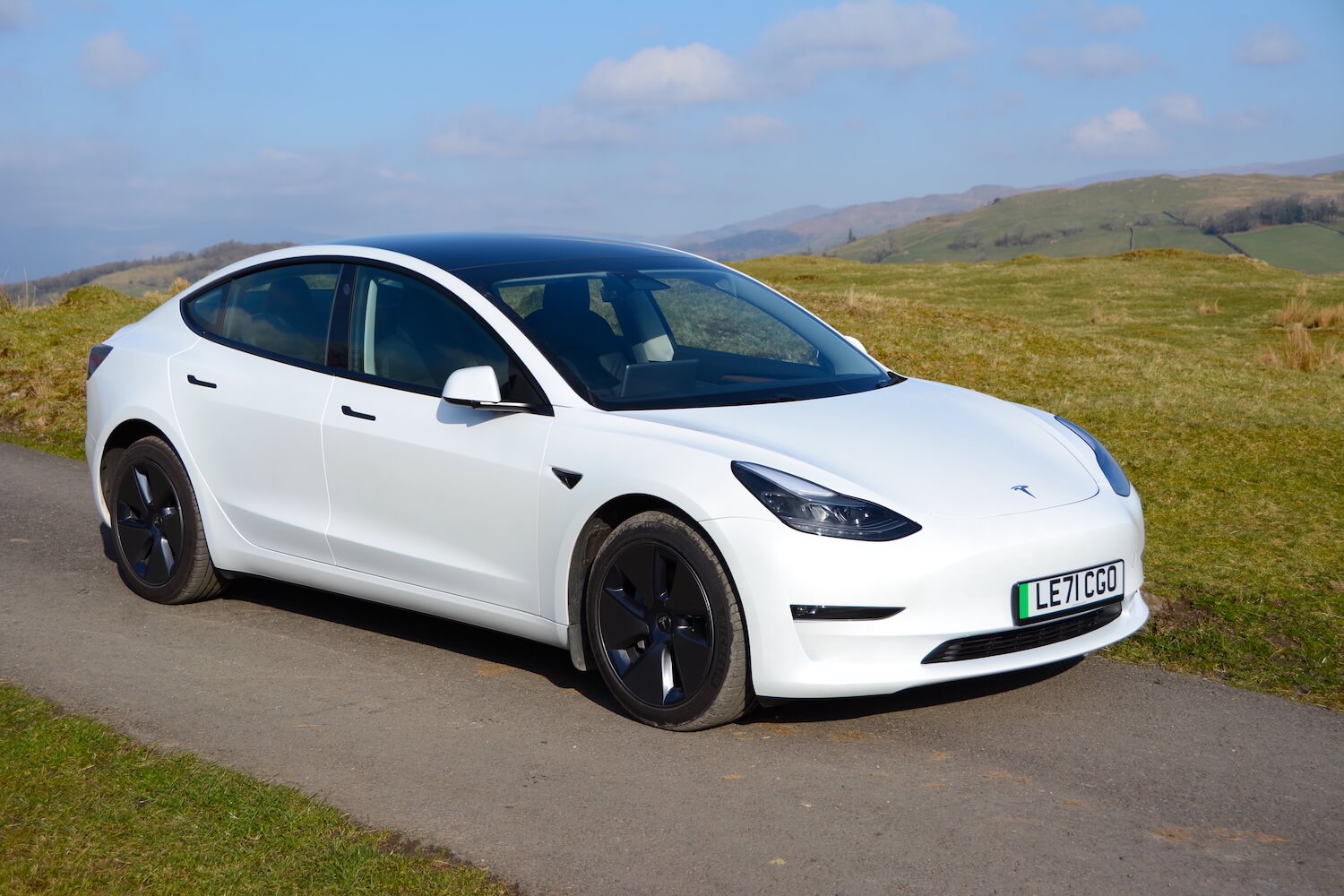
1. Tesla Model 3 (2021-2023)
The Tesla Model 3 has established itself as the gold standard in the used EV market, and for excellent reason. As the best-selling electric vehicle globally, the Model 3 combines proven reliability, exceptional range, and a charging infrastructure that remains unmatched in 2025.
When shopping for used Model 3s from 2021-2023, you’re looking at vehicles that have benefited from Tesla’s manufacturing maturity while avoiding the earliest production issues that plagued 2018-2019 models.
Battery longevity stands as one of the Model 3’s strongest selling points. Real-world data from hundreds of thousands of vehicles shows that Tesla’s battery packs typically retain 90% of their capacity after 200,000 miles.
For a used Model 3 with 30,000-50,000 miles, you’re essentially getting a vehicle that will perform nearly identically to new for years to come.
The Long Range variants from this era offer 300+ miles of EPA-rated range, which translates to 270-280 miles in real-world driving even after several years of use.
The Supercharger network represents an invaluable asset that comes with every Model 3. With over 50,000 Superchargers globally and continuous expansion, Tesla owners enjoy a charging experience that competitors simply cannot match.
The integration is seamless the navigation system automatically routes you through Superchargers on long trips, preconditioning the battery for optimal charging speeds.
This infrastructure advantage becomes even more valuable in the used market, where charging anxiety can make or break the ownership experience.
From a technology standpoint, these Model 3s feature Tesla’s Hardware 3.0 computer, which continues to receive over-the-air updates that add features and improve performance.
Unlike traditional vehicles that remain static after purchase, your used Model 3 will continue evolving with new features, improved efficiency, and enhanced safety capabilities.
The combination of lower entry price, minimal maintenance requirements (no oil changes, brake replacements are rare due to regenerative braking), and low electricity costs creates a total cost of ownership that frequently undercuts comparable used gasoline vehicles.
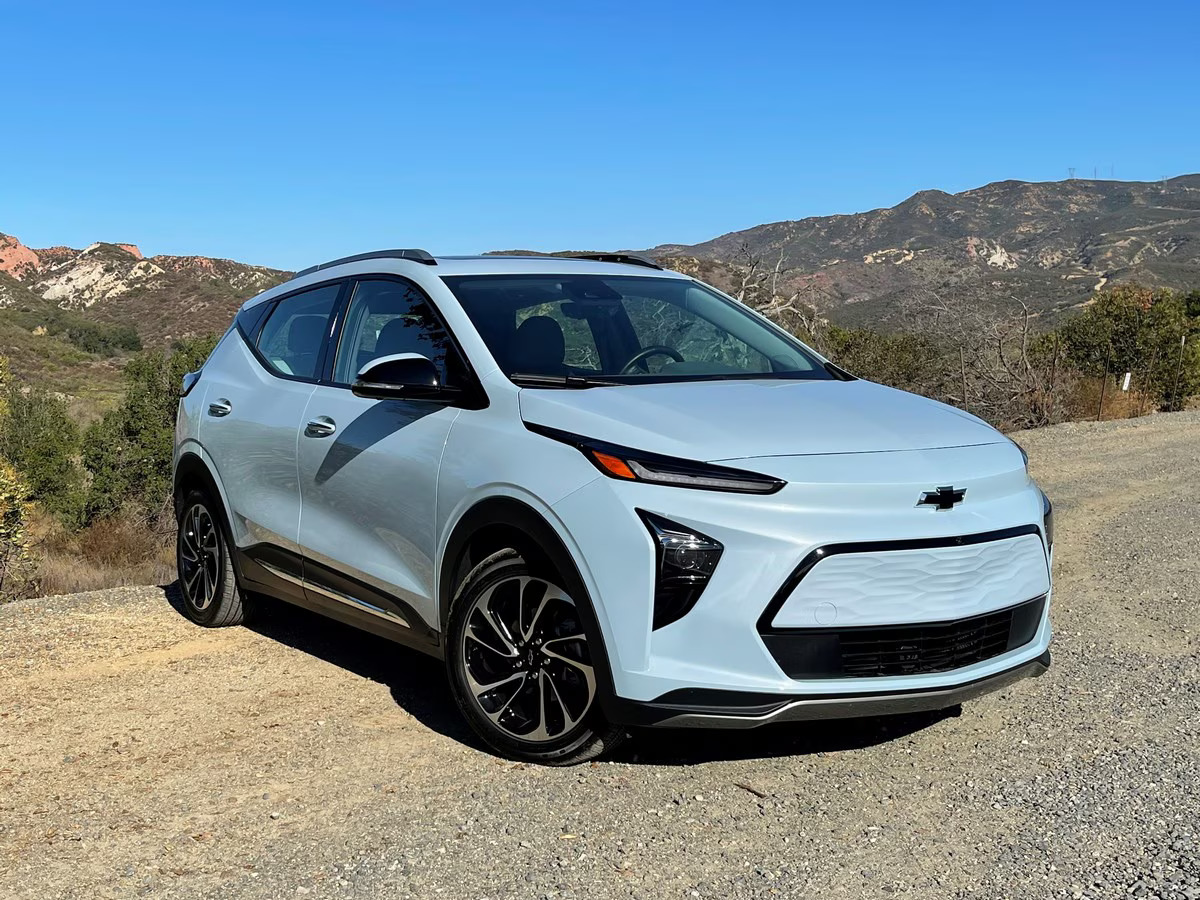
2. Chevrolet Bolt EV/EUV (2022-2023)
General Motors’ Chevrolet Bolt has emerged as perhaps the best value proposition in the used EV market. Following GM’s comprehensive battery replacement program that addressed earlier fire risks, the 2022-2023 Bolt and Bolt EUV models come with brand-new battery packs that carry an 8-year/100,000-mile warranty.
This unprecedented situation means buyers are essentially purchasing vehicles with zero battery degradation, regardless of the vehicle’s age or mileage an extraordinary value proposition.
This range comfortably handles daily commutes and errands while providing enough buffer for weekend excursions without range anxiety.
Pricing represents the Bolt’s strongest advantage. Used 2022-2023 Bolts regularly appear in the $15,000-$22,000 range, with the EUV commanding slightly higher prices due to its additional space and features.
At these price points, the Bolt qualifies for the $4,000 federal used EV tax credit, potentially bringing the net cost down to $11,000-$18,000.
This makes it competitive with used economy gasoline cars while offering dramatically lower operating costs and a brand-new battery with full warranty coverage.
The interior, while not luxurious, provides practical comfort and surprising spaciousness. The EUV variant offers notably more rear legroom, making it viable for small families.
Both models include DC fast charging capability, supporting up to 55 kW charging speeds enough to add 100 miles of range in about 30 minutes.
The combination of new batteries, affordable pricing, practical range, and strong warranty coverage makes the recent-model Bolt one of the safest used EV purchases available.
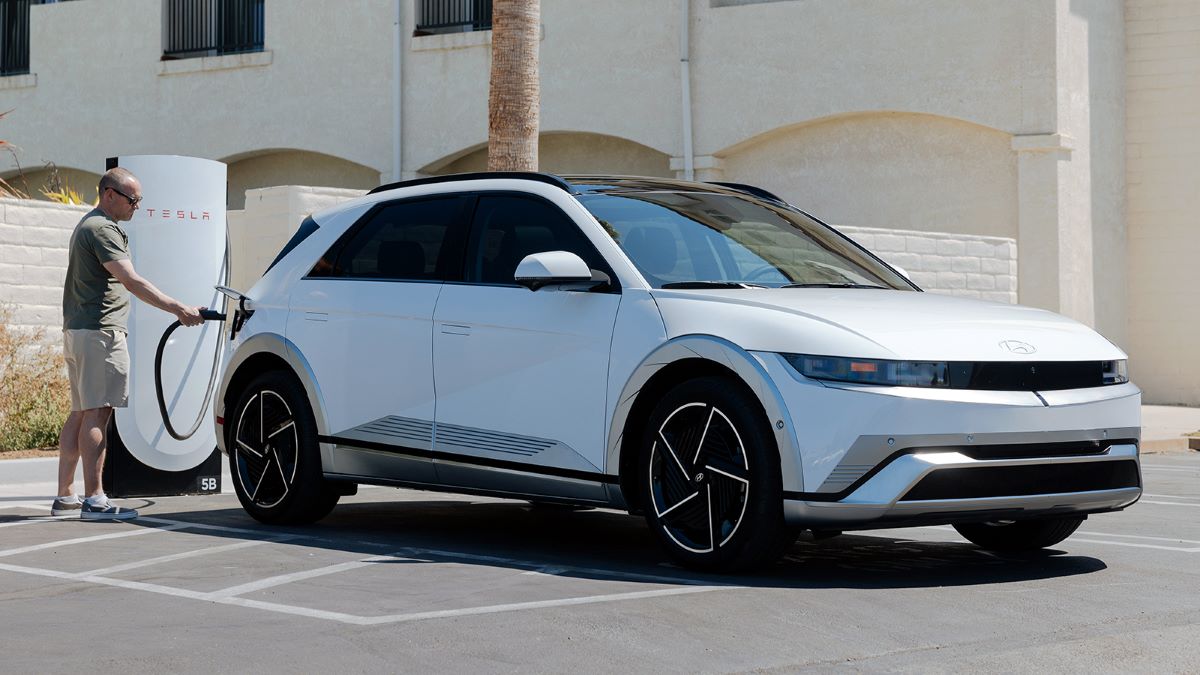
3. Hyundai Ioniq 5 (2022-2023)
Hyundai’s Ioniq 5 represents the cutting edge of EV design and technology, and used examples from 2022-2023 offer remarkable value for buyers seeking a premium electric experience.
Built on Hyundai’s dedicated E-GMP platform, the Ioniq 5 combines futuristic styling, ultra-fast charging capability, and impressive range in a package that has proven reliable in its first years on the market.
The standout feature remains the 800-volt electrical architecture, enabling charging speeds up to 350 kW on capable DC fast chargers.
In practical terms, the Ioniq 5 can charge from 10% to 80% in approximately 18 minutes under optimal conditions—faster than nearly any competitor.
This transforms the long-distance travel experience, reducing charging stops to quick breaks rather than extended waits. For used buyers, this technology means purchasing a vehicle whose charging capability won’t feel outdated for many years.
Range varies depending on the battery configuration, with the Long Range models achieving up to 303 miles on a single charge. Real-world testing shows these figures are conservative, with many owners exceeding EPA estimates in moderate weather conditions.
The vehicle’s efficient heat pump system helps maintain range in cold weather, addressing one of the primary concerns potential EV buyers face.
The combination of strong range and ultra-fast charging creates a vehicle genuinely capable of replacing gasoline cars for virtually any driving scenario.
Interior quality and design set the Ioniq 5 apart from many competitors in its price range. The cabin features sustainable materials, a flat floor that enhances spaciousness, and sliding center console that creates a lounge-like atmosphere.
This manufacturer confidence in their product translates to reduced risk for used buyers. The growing Hyundai dealer network and the brand’s commitment to EV development ensure long-term parts availability and service support.
Used pricing in the $30,000-$38,000 range makes the Ioniq 5 accessible to buyers seeking a modern, well-equipped EV with minimal compromise.
4. Ford Mustang Mach-E (2021-2023)
Ford’s Mustang Mach-E has solidified its position as a compelling alternative to Tesla, offering traditional automotive brand reliability with modern EV technology.
Used examples from 2021-2023 provide excellent value, particularly as Ford has addressed early software issues and production quirks through updates and recalls.
The Mach-E successfully blends Ford’s century of automotive experience with contemporary electric performance and technology. The range capabilities make the Mach-E practical for diverse driving needs.
Performance variants like the GT and GT Performance Edition offer exhilarating acceleration, with the latter achieving 0-60 mph in 3.5 seconds supercar territory.
However, even the base models provide satisfying acceleration and handling that reminds drivers why Ford attached the Mustang name to this vehicle.
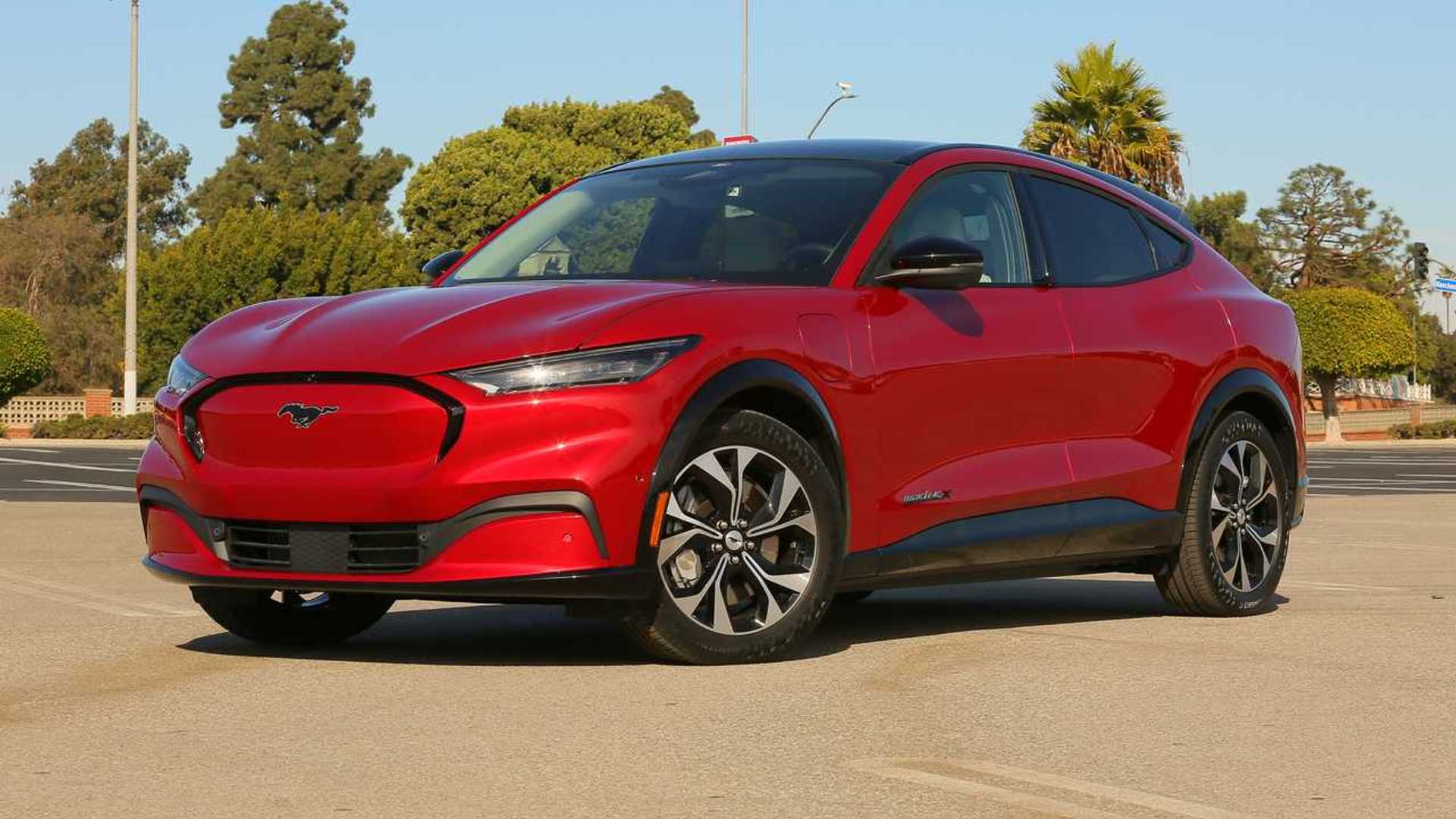
The chassis tuning strikes an excellent balance between comfort and engagement, making the Mach-E enjoyable on twisty roads while remaining compliant on rough pavement. For used buyers seeking an EV that delivers driving excitement, the Mach-E represents exceptional value.
Ford’s dealer network presents a significant advantage over many EV-only manufacturers. With thousands of locations nationwide, Mach-E owners have access to service and support in virtually every community.
Ford has invested heavily in training technicians and stocking parts, ensuring that warranty work and repairs can be completed efficiently.
The inclusion of Ford’s comprehensive infotainment system with SYNC 4A, over-the-air update capability, and standard driver assistance features means these used vehicles remain technologically competitive. Ford’s commitment to the Mach-E platform, evidenced by continued updates and the expansion of their EV lineup, provides confidence that support and development will continue for years.
The combination of practical range, extensive dealer support, engaging dynamics, and strong value makes the Mach-E a safe choice in the used EV market.
Also Read: 5 First-car Picks Parents Trust For Their Kids vs 5 They Don’t
5. Kia EV6 (2022-2023)
Kia’s EV6 shares its fundamental E-GMP platform with the Hyundai Ioniq 5 but delivers a distinctly sportier character and design language. Used examples represent outstanding value, offering cutting-edge technology and performance at prices significantly below their original MSRPs.
The EV6 has earned numerous awards, including World Car of the Year, validation that translates to strong resale value and desirability in the used market.
The ultra-fast charging capability matches its Hyundai sibling, with the 800-volt architecture enabling 10-80% charging in under 20 minutes on 350 kW DC fast chargers.
This technology future-proofs the vehicle, ensuring it remains competitive as charging infrastructure continues improving. The practical impact cannot be overstated long trips become feasible without the extended charging sessions that characterize slower-charging EVs.
For families considering their first EV or buyers upgrading from gasoline vehicles, this charging speed dramatically reduces the lifestyle adjustment typically associated with electric vehicle ownership.
Performance options position the EV6 as one of the most exciting EVs available under $50,000 new, and used examples bring this excitement into the $30,000s.
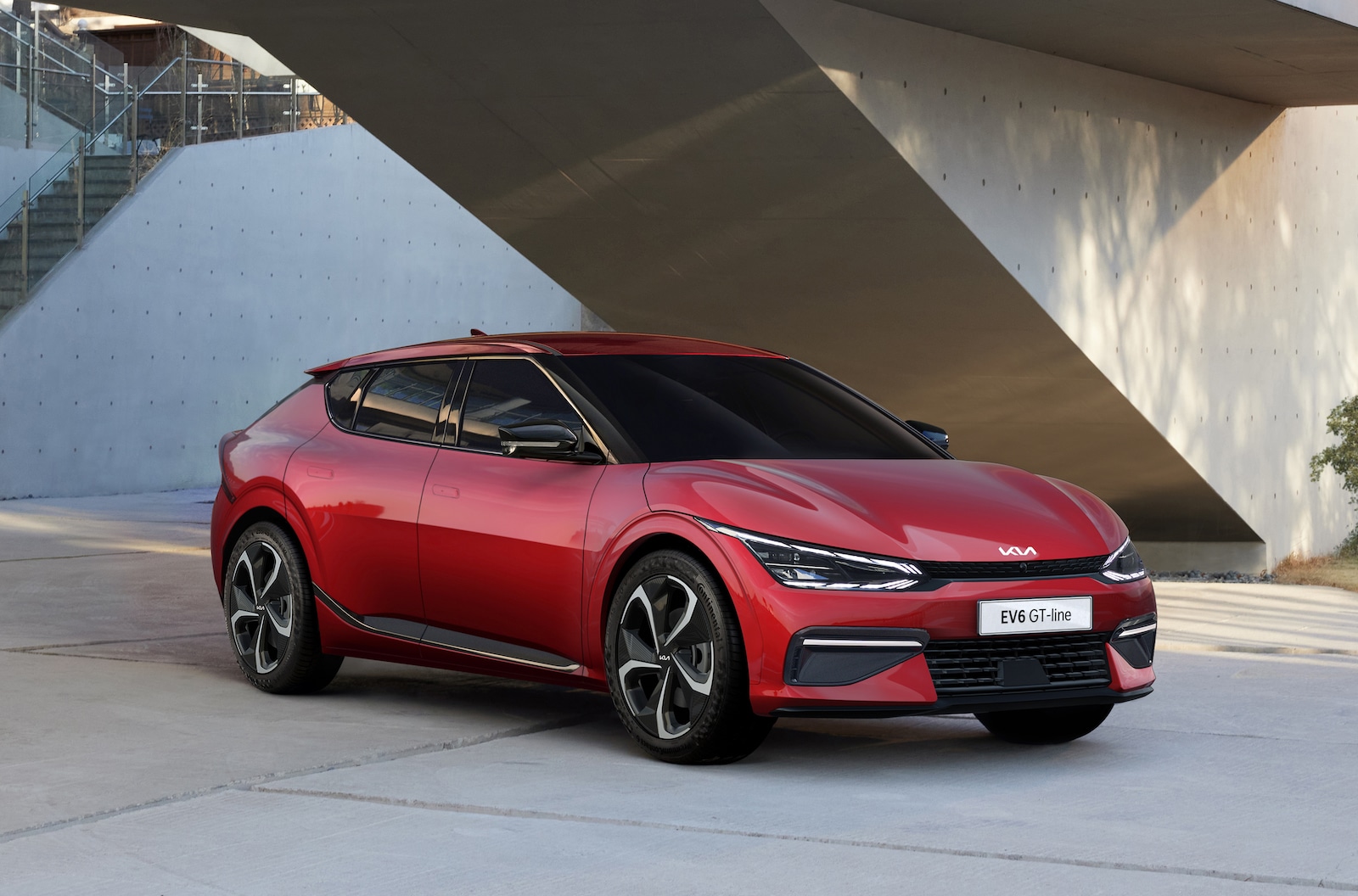
The GT variant produces 576 horsepower and achieves 0-60 mph in 3.4 seconds, rivaling dedicated sports cars while maintaining practicality as a family crossover.
Even the base models deliver spirited performance with responsive handling that makes the EV6 genuinely fun to drive. The low center of gravity, courtesy of the floor-mounted battery pack, provides composed handling that exceeds what buyers typically expect from a crossover.
Interior appointments rival luxury brands, with high-quality materials, excellent build quality, and thoughtful design throughout. The curved dual-display setup integrates climate and infotainment controls elegantly, while the available augmented reality heads-up display projects navigation instructions directly onto the windshield.
Used pricing between $32,000-$42,000 makes the EV6 accessible while delivering a premium ownership experience. The combination of ultra-fast charging, engaging performance, quality construction, and comprehensive warranty coverage makes the EV6 one of the smartest used EV purchases available in 2025.
5 Used EVs That Require Careful Consideration
These problematic vehicles suffer from documented battery degradation issues showing significant range loss, expired or non-transferable warranty coverage leaving buyers exposed to expensive component failures, and proprietary charging systems or discontinued manufacturer support creating long-term viability concerns that make used purchases financially risky despite attractive initial pricing reflecting market awareness of underlying issues.
Their flawed engineering includes early battery chemistry prone to capacity fade, thermal management inadequacy causing accelerated degradation in certain climates, and complex electronics featuring modules that fail expensively outside warranty periods with limited parts availability.
From rapid depreciation indicating market recognition of problems to documented cases of battery replacement costs exceeding vehicle values, these troublesome used EVs represent questionable purchases.
1. Nissan Leaf (2015-2020)
The Nissan Leaf pioneered mass-market electric vehicles but has been surpassed by newer competitors in critical ways that make older used examples problematic.
The most significant concern centers on Nissan’s passive battery thermal management system or rather, the lack of active thermal management.
Unlike virtually all modern EVs that use liquid cooling to maintain optimal battery temperatures, the Leaf relies on air cooling, which proves inadequate in many climates and usage scenarios.
This thermal management deficiency manifests as accelerated battery degradation, particularly in hot climates or with frequent DC fast charging.
Owners in Arizona, Texas, and other warm regions have reported losing 20-30% of battery capacity within the first five years dramatically more than contemporary EVs with active cooling.
The 12-bar capacity gauge that Leaf displays can drop to 9 or 8 bars relatively quickly, translating to real-world range that may be 30-40% below the vehicle’s original EPA rating.
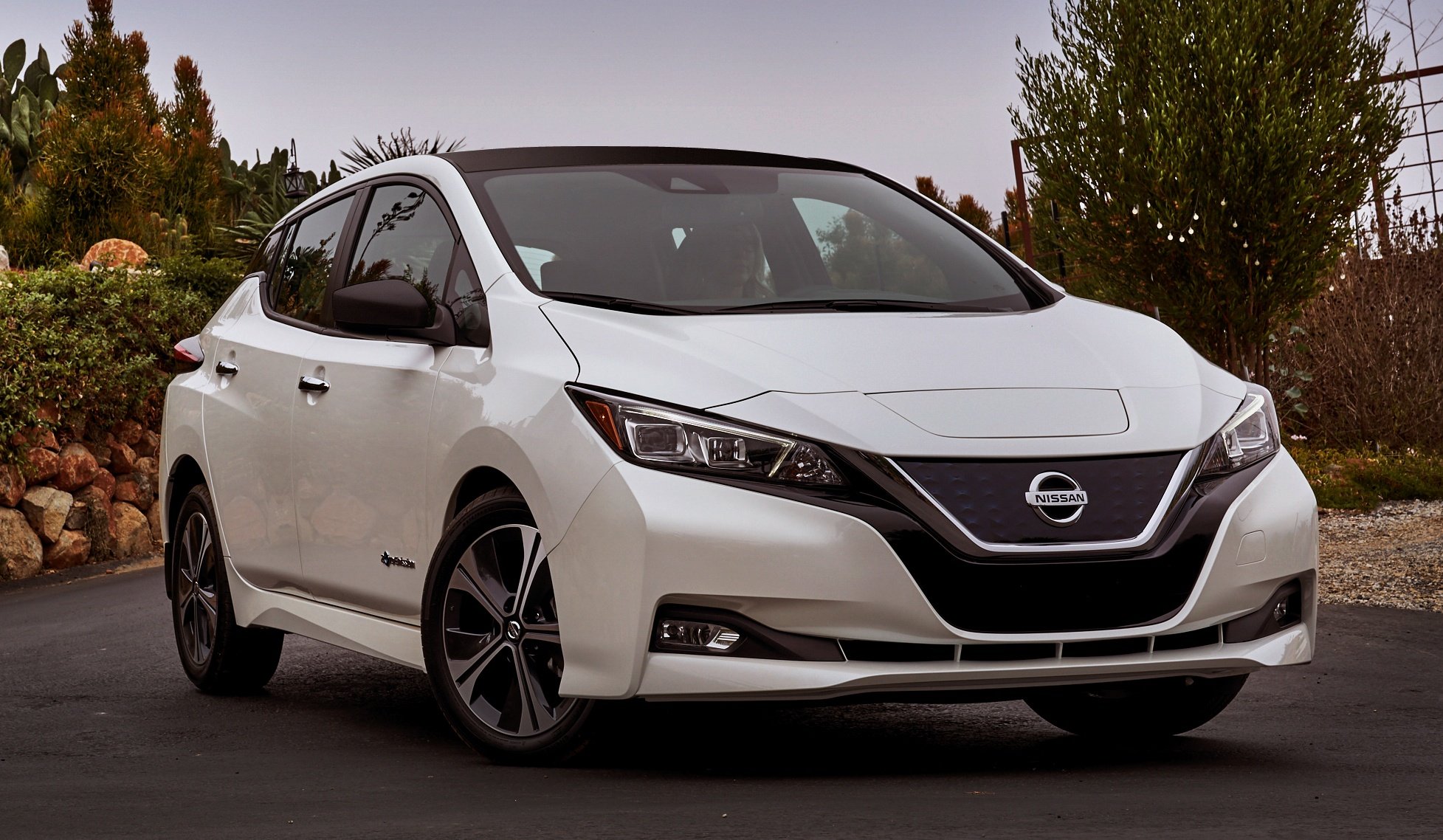
A 2016 Leaf with a 107-mile original range might only deliver 65-75 miles per charge after several years of use, severely limiting its practicality.
The CHAdeMO charging standard represents another significant liability. While CHAdeMO was common in the early 2010s, the industry has standardized around CCS (Combined Charging System) in North America.
This means the fast charging infrastructure supporting the Leaf continues shrinking as charging networks retire CHAdeMO plugs in favor of CCS.
Finding fast charging on road trips becomes increasingly difficult, and the trend will only accelerate as CHAdeMO represents a tiny fraction of the EV market going forward.
For someone with a very short commute, access to home charging, and no need for road trips, a used Leaf might serve adequately. However, most buyers will find the limitations frustrating, particularly as battery degradation continues eroding range.
The lack of thermal management means this degradation accelerates rather than plateaus, creating a vehicle with uncertain useful life. Unless your transportation needs are extremely limited and your budget severely constrained, better options exist in the used EV market.
2. BMW i3 (2014-2021)
BMW’s i3 represented radical innovation when launched, featuring carbon fiber construction, unique design, and an urban-focused driving experience. However, several factors make used i3s problematic for most buyers in 2025.
The limited range stands as the primary concern, with early models offering just 80-100 miles of EPA-rated range. Even the later 120Ah and 42.2 kWh battery variants maxed out at 153 miles inadequate for many drivers’ needs even when new, and concerning as the batteries age and capacity diminishes.
The unusual rear-hinged “suicide doors” and lack of a traditional hatchback create practical limitations. The rear doors only open when the front doors are open, making rear-seat access in tight parking spaces difficult.
The narrow rear tires (155mm) were specified for efficiency but wear quickly and require special ordering, creating unexpected maintenance costs. These quirky design choices, while interesting from an engineering perspective, translate to real-world inconveniences that wear on owners over time.
The range extender option, available on some i3s, theoretically addresses range anxiety by adding a small gasoline engine that generates electricity. However, this system creates its own problems.
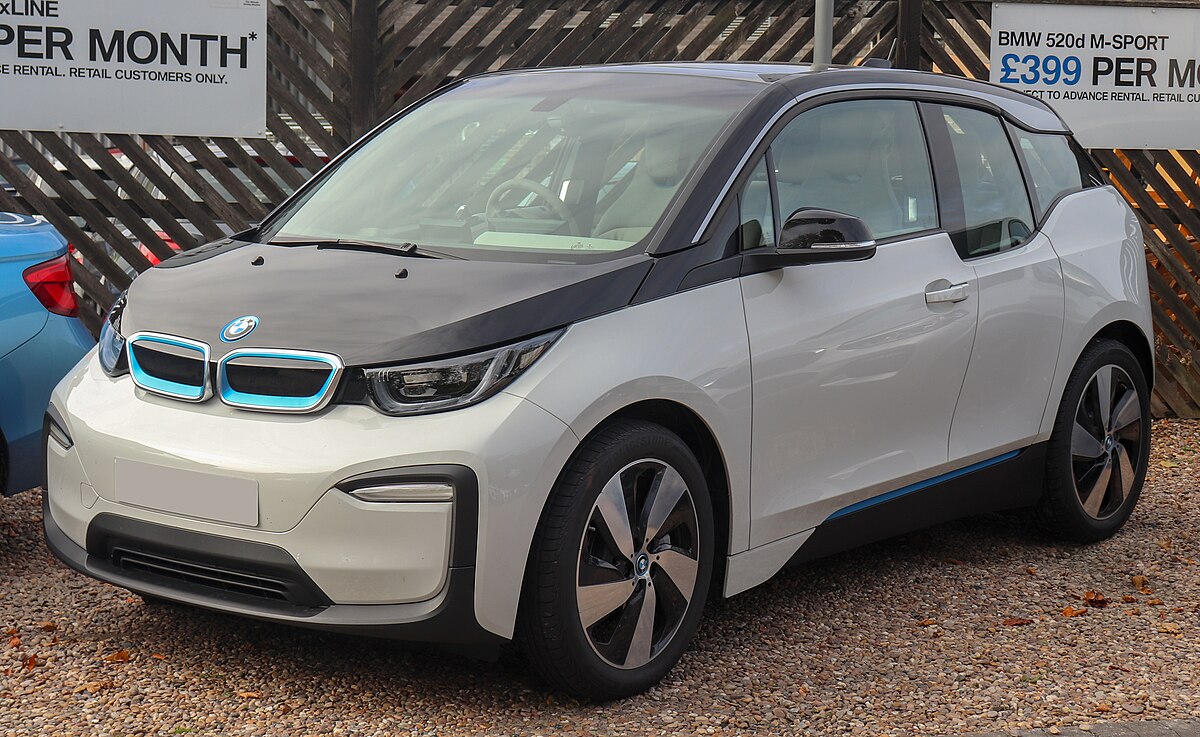
The 2.4-gallon tank provides only about 80 additional miles, and the engine is loud and unrefined when operating. Maintenance becomes more complex with both electric and gasoline systems to service.
The range extender adds weight and complexity while providing minimal practical benefit it doesn’t transform the i3 into a vehicle suitable for regular long-distance driving.
Used i3 pricing has collapsed, with examples available for $12,000-$20,000. While this seems attractive, the limited range, unpredictable battery degradation, unusual parts requirements, and limited dealer service expertise create ownership risks.
BMW dealers often lack experience with i3 service, and finding technicians comfortable working on the carbon fiber structure can be challenging outside major metropolitan areas.
For buyers seeking a unique, urban-focused second vehicle with no range requirements, the i3 offers interesting possibilities. For most buyers seeking practical transportation, the severe range limitations and uncertain reliability make the i3 a vehicle to approach with caution or avoid entirely.
3. Volkswagen e-Golf (2015-2019)
Volkswagen’s e-Golf represented a conservative approach to electrification essentially a standard Golf with electric drivetrain components swapped in.
While this delivered familiar handling and build quality, it also resulted in significant compromises that make used e-Golfs questionable purchases in 2025.
The limited range stands as the primary issue, with models offering between 83 and 125 miles of EPA-rated range depending on model year. These figures already fall short of contemporary needs, and battery degradation further erodes the limited capability.
The charging limitations prove equally frustrating. The e-Golf supports a maximum charging rate of just 40 kW on DC fast chargers painfully slow by modern standards.
Adding 80 miles of range takes approximately 45 minutes, making long trips impractical. The combination of short range and slow charging creates a vehicle that struggles with anything beyond local driving.
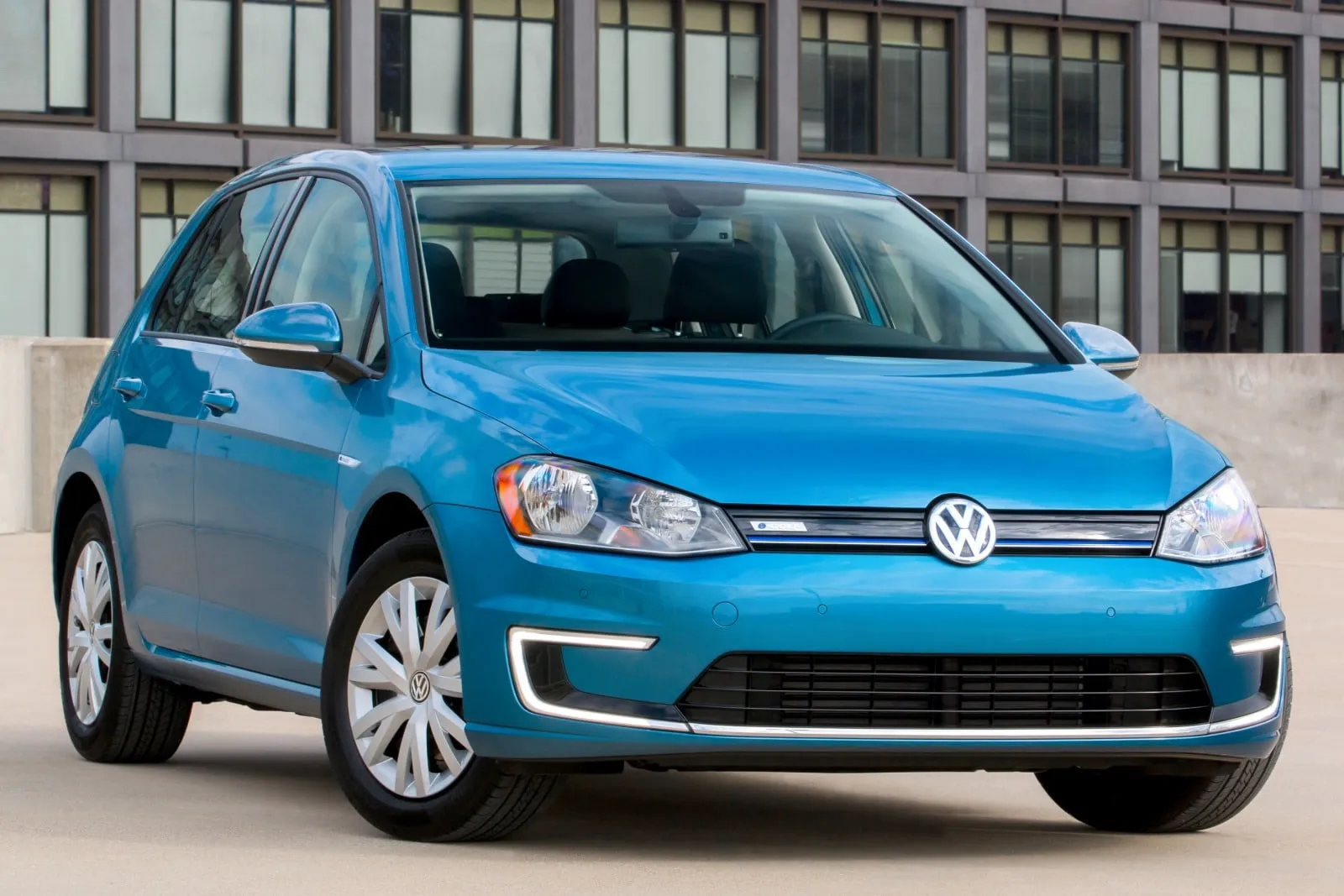
For perspective, charging an e-Golf takes roughly four times longer than charging a modern EV with similar battery size, dramatically limiting its flexibility and convenience.
Used e-Golf pricing in the $12,000-$18,000 range might appear attractive, but these vehicles represent questionable value. The limited 83-125 mile range (less with degradation) suits only the most limited driving needs. The slow charging makes road trips virtually impossible.
The discontinued platform status creates uncertainty about long-term support. For similar money, buyers can find used Bolts with twice the range, faster charging, better manufacturer support, and often newer batteries under warranty.
Unless a buyer specifically values the Golf’s European handling dynamics and can accept the severe range limitations as a second vehicle for very short trips, better alternatives exist.
The e-Golf represented Volkswagen’s half-hearted first attempt at electric vehicles, and buyers in 2025 should focus on the company’s more serious subsequent efforts or competitors’ superior offerings.
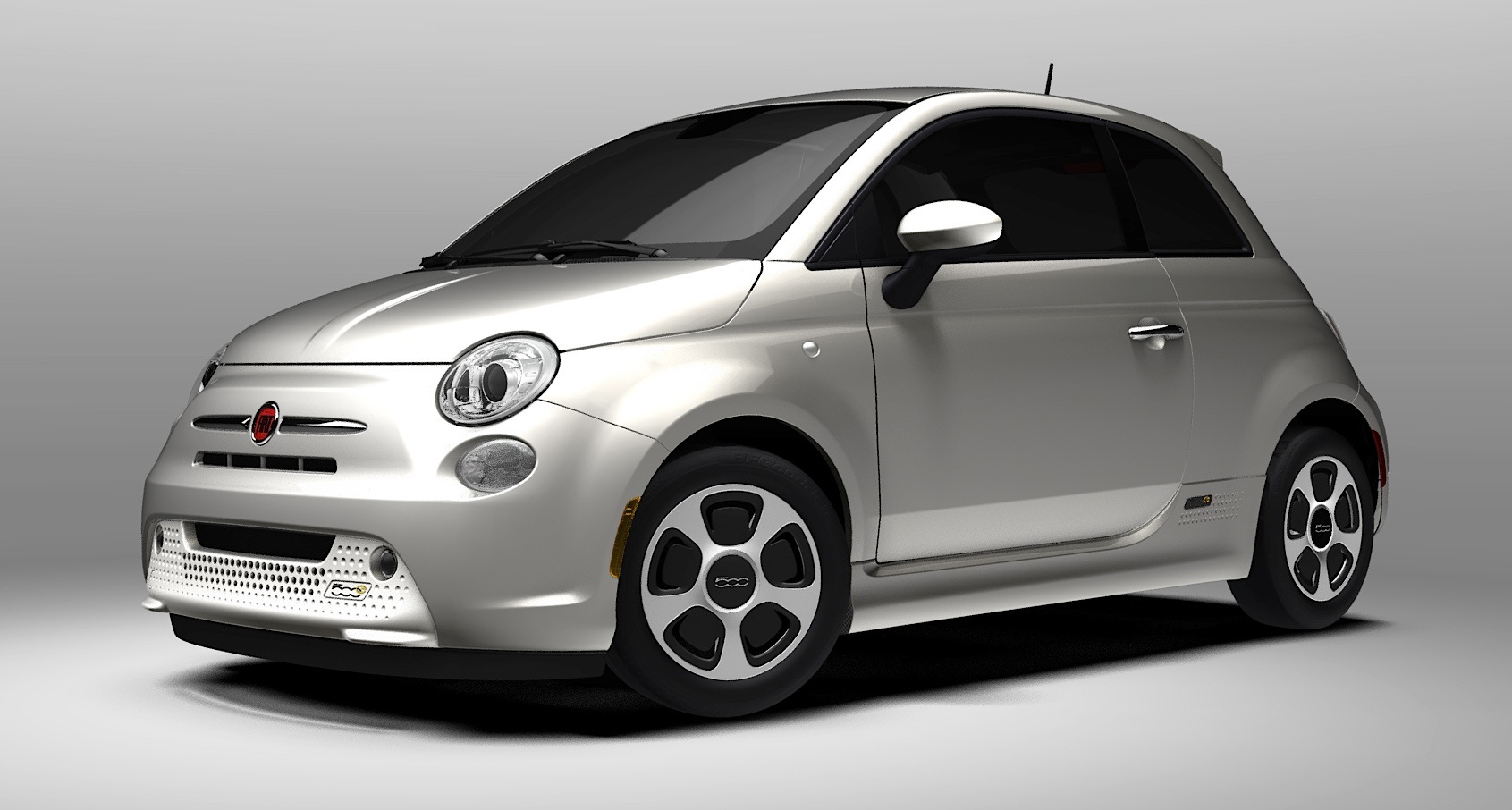
4. Fiat 500e (2013-2019)
The Fiat 500e exists as perhaps the most limited vehicle in this entire discussion, a compliance car that Fiat famously lost money on with every sale.
The company produced it reluctantly to meet California’s zero-emission vehicle requirements, and this lack of commitment shows in every aspect.
The 87-mile EPA range for early models expanded to 84 miles in later versions a figure that would be problematic when new and becomes genuinely concerning as batteries age and degrade.
The charging situation compounds the range anxiety. The 500e lacks DC fast charging capability entirely it can only charge via Level 2 AC charging, which requires 4+ hours for a full charge. This eliminates any possibility of convenient public charging or quick top-ups during daily driving.
The vehicle becomes tethered to home charging, with no practical option for extending range on longer days or emergency situations. This limitation alone disqualifies the 500e from consideration for most buyers who need flexibility in their transportation.
Parts availability and service support create serious concerns. Fiat’s dealer network in North America has contracted significantly, with many markets losing their Fiat dealers entirely.
Finding service for routine maintenance becomes challenging; finding technicians comfortable diagnosing and repairing electric drivetrain issues approaches impossible in many regions.
When parts are needed, long wait times and high costs are common due to the limited number of 500e vehicles produced and Fiat’s general withdrawal from the North American market.
Used 500e pricing reflects the vehicle’s severe limitations, with examples available for $6,000-$10,000. Even at these low prices, the 500e represents questionable value.
The 84-87 mile range (less with degradation) limits practical daily use to 40-50 miles when accounting for charging cycles and range buffers.
The lack of fast charging, limited dealer network, parts availability concerns, and impractical size create an ownership experience defined by frustration and limitation.
The 500e might appeal to a buyer seeking the absolute cheapest electric vehicle available as a very occasional second car for short urban trips in good weather.
For virtually everyone else, spending slightly more money on a used Bolt, standard Leaf, or other option delivers more capability and practicality.
The 500e represents everything wrong with compliance cars minimal effort, severe compromises, and a product that serves neither customers nor the electric vehicle market well.
5. Jaguar I-PACE (2019-2021)
Jaguar’s I-PACE earned acclaim when launched, winning numerous awards, including European Car of the Year. However, the reality of used I-PACE ownership has proven problematic, with reliability concerns, charging limitations, and weak manufacturer support creating significant risks for potential buyers.
While the vehicle offers luxury appointments and engaging performance, these positives are overshadowed by substantial negatives that make it a risky used purchase.
Reliability data from Consumer Reports and various owner forums reveal concerning patterns. Electrical issues, software glitches, and charging system failures appear frequently in owner complaints.
Some I-PACE owners report vehicles becoming completely immobilized due to software problems, requiring towing to dealers and extended repair times. The infotainment system, despite updates, remains laggy and prone to crashes.
These aren’t minor inconveniences they’re fundamental problems that undermine the ownership experience and create legitimate concerns about the vehicle’s long-term dependability.
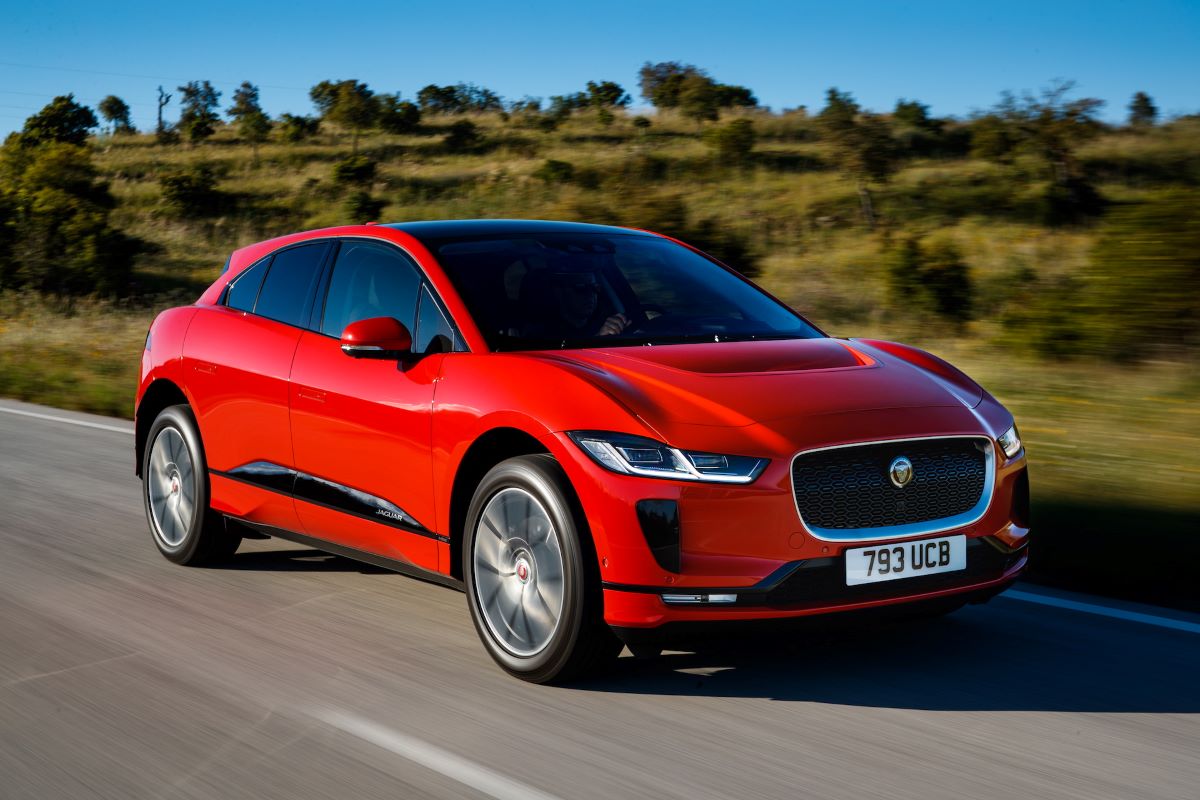
The charging system presents multiple issues. While the I-PACE supports 100 kW DC fast charging adequate for 2018 but slow by 2025 standards real-world charging speeds often fall short of this figure.
Many owners report charging rates of 50-70 kW even on 150 kW+ chargers, significantly extending charging times. Additionally, charging curve management proves poor, with speeds dropping precipitously above 50% state of charge.
This means that despite the 90 kWh battery and 234-mile range, long-distance travel requires frequent, lengthy charging stops that test patience.
Depreciation has been severe, with used I-PACE models available for $30,000-$45,000 despite original prices exceeding $70,000. While this creates apparent value, it also signals market concerns about the vehicle’s reliability and support.
Warranty coverage becomes critical these vehicles require the remaining manufacturer warranty for peace of mind, and extended warranty purchase should be considered mandatory.
However, even with warranty protection, the inconvenience of frequent service visits and reliability concerns creates an ownership experience that many buyers will find frustrating.
The I-PACE offers style and luxury, but the reliability concerns, charging limitations, uncertain manufacturer commitment, and limited service network make it a risky proposition in the used market.
Buyers should approach with extreme caution and only purchase with comprehensive warranty coverage and easy access to qualified service facilities.
Also Read: 5 Small Vehicles That Feel Solid at 75 MPH vs 5 That Jump Around
