For most American drivers, checking their speed should be a quick, effortless glance not a squint. Yet in a surprising number of modern vehicles, the speedometer is either too small, oddly placed, or buried behind unnecessarily busy graphics.
This may not sound like a major inconvenience at first, but tiny speed displays can genuinely affect day-to-day driving comfort.
Whether you’re managing highway merges, keeping an eye on school zones, or trying to avoid the relentless speed cameras popping up in many U.S. states, a readable speedometer is essential.
Automakers sometimes shrink speed readouts to leave room for futuristic design themes, wide digital clusters, or minimalist interiors. But smart design doesn’t have to come at the cost of clarity.
Many other vehicles offer bold, crisp, oversized speed readouts sometimes both in the gauge cluster and the head-up display making them far more user-friendly.
Below, we take a deeper look at six cars known for surprisingly tiny or hard-to-read speed displays, then follow with six standout alternatives that get the basics right.
Cars With Tiny Speed Displays
A quick glance at the speedometer should tell you everything you need to know, but some cars make that glance harder than it should be. From undersized digital readouts to cramped gauge clusters that bury the numbers, certain models force drivers to squint just to confirm their speed.
In this article, we highlight cars with tiny speed displays, explaining why these designs can be frustrating on the road and what to look for if clear visibility matters to you.
1. Toyota C-HR (1st Generation)
The first-generation Toyota C-HR took an artistic, edgy approach to interior design, but that also meant the speed display ended up in a cramped corner of the digital cluster. U.S. owners often complained that the font was too small and the positioning too low, forcing them to search for it.
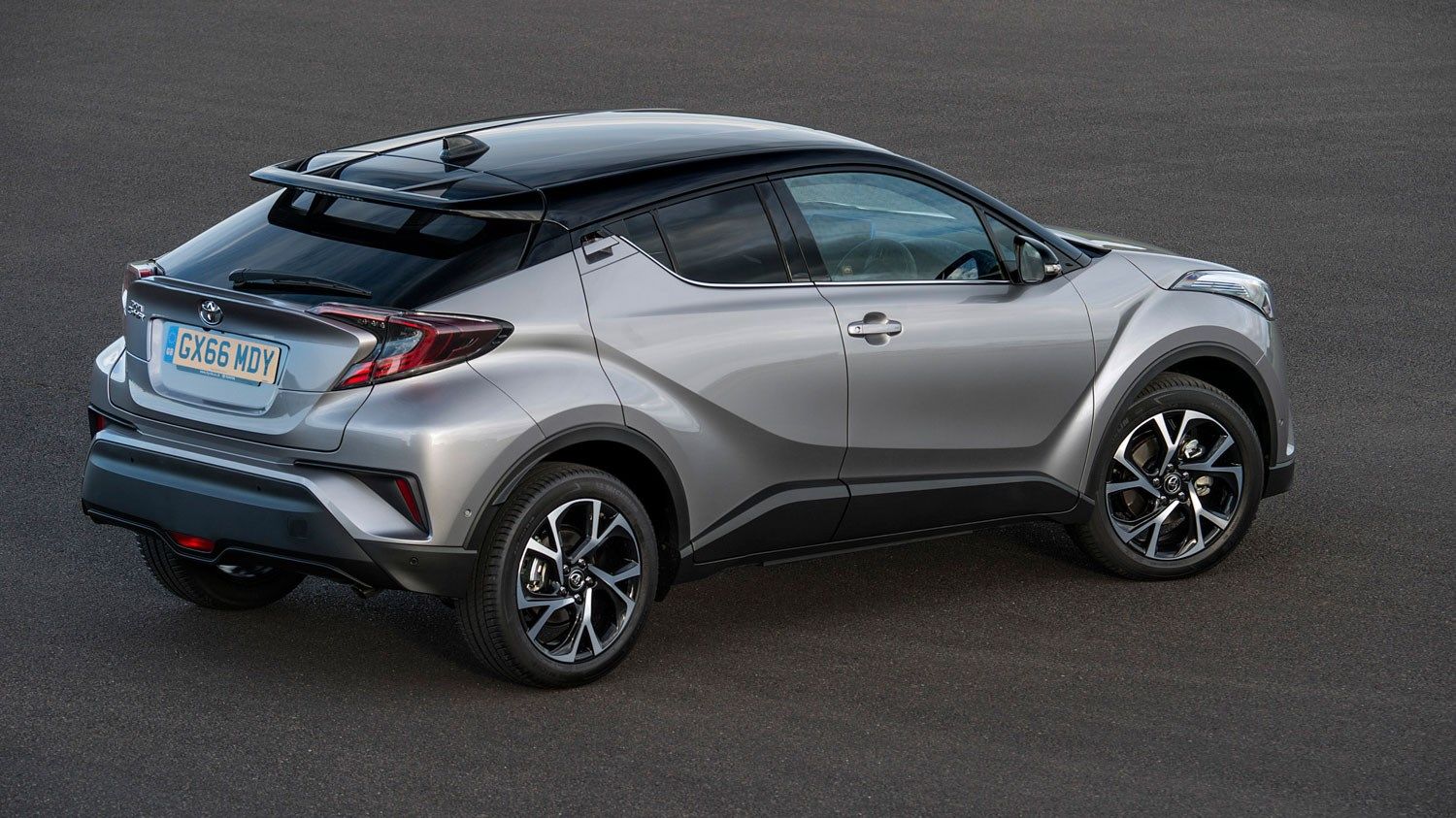
Especially at night, the dimness and size made it easy to lose track of your speed odd, considering Toyota’s reputation for no-nonsense ergonomics.
The C-HR will be offered exclusively with all-wheel drive in the U.S.; the European model includes a front-wheel-drive variant that won’t be available Stateside. A 77-kWh battery pack paired with two electric motors produces 338 horsepower, and Toyota estimates a 0-60 mph time of roughly 5 seconds.
The most efficient European-spec C-HR+ is rated for up to 372 miles of range. However, the WLTP cycle in Europe is known to be optimistic, and Toyota notes that the U.S.-spec C-HR will likely achieve about 290 miles according to the EPA drive cycle, which provides a more realistic estimate for American drivers.
Toyota plans to equip the C-HR with an 11-kW onboard AC charger and a North American Charging System (NACS) port, enabling compatibility with Tesla Supercharger stations.
While the company hasn’t revealed the exact maximum charging rate, it says the C-HR’s battery should be able to charge from 10% to 80% in approximately 30 minutes under ideal conditions.
The C-HR measures 177.9 inches long, with a wheelbase of 108.3 inches, just 6.6 inches shorter than the bZ4X, Toyota’s only other all-electric SUV sold in the U.S. Perhaps more importantly, its dimensions closely match the RAV4, which was the best-selling SUV in the U.S. last year and is available with gas, hybrid, and plug-in hybrid powertrains.
Inside, the C-HR provides significantly less cargo space than its Toyota siblings, maxing out at 25.4 cubic feet. Up front, there’s a 14-inch infotainment screen with navigation.
Beyond that, the cabin features standard Toyota equipment, including a full suite of driver-assist technologies through Toyota Safety Sense. Standard aids include a blind-spot monitor and automatic high beams, while park assist and a 360-degree camera are optional.
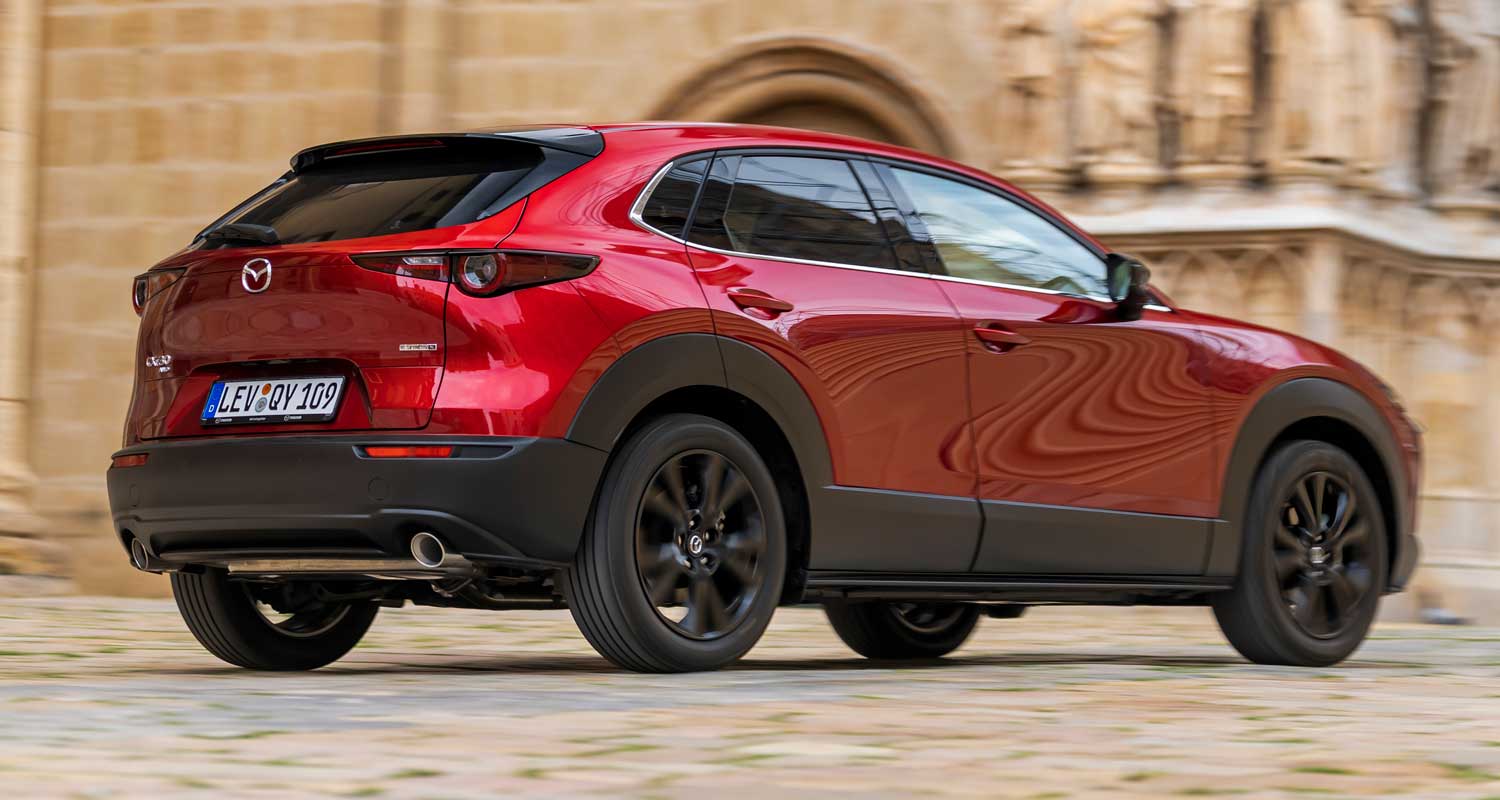
2. Mazda CX-30
Mazda’s cabin quality is undeniably premium for its price, but on several models including the CX-30 the partially digital gauge cluster uses a tiny embedded digital speed readout.
Mazda prioritizes analog aesthetics, which looks classy, but drivers wanting an instantly readable speed number may find themselves leaning forward. The small digital digits sit inside a faux analog circle, which further reduces contrast.
While the optional 250-hp turbocharged engine is tempting, it’s only available on the priciest trims. We believe most buyers will find the standard engine more than adequate, so we recommend sticking with it and opting for the Preferred trim.
The Preferred trim comes with an eight-way power-adjustable driver’s seat with memory settings, a power sunroof, silver-painted 18-inch wheels, blind-spot monitoring with rear cross-traffic alert, a leather-wrapped steering wheel and shift knob, and keyless entry. All non-turbo trims share the same 191-hp 2.5-liter engine, and all-wheel drive comes standard across the CX-30 lineup.
The CX-30’s standard engine is a 2.5-liter four-cylinder producing 191 horsepower. It pairs with a six-speed automatic transmission that selects gears intelligently based on driving conditions. A turbocharged 2.5-liter engine is available for 250 horsepower.
Fans of the Mazda 3 hatchback will appreciate that the CX-30 is just as nimble, athletic, and fun to drive. Its precise steering and fluid body movements make it a joy to navigate twisty roads, while also providing a sense of stability during highway cruising.
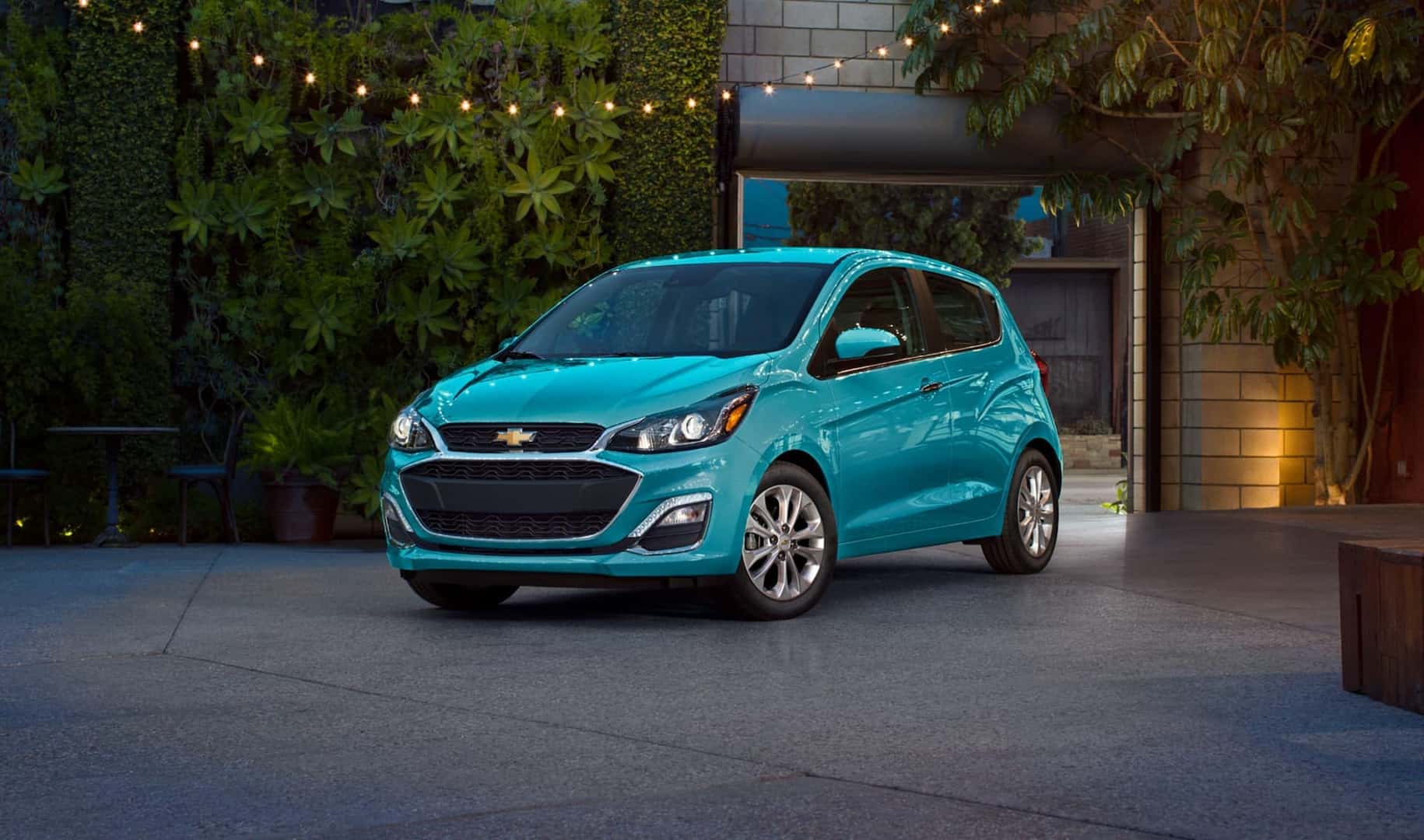
3. Chevrolet Spark
The Spark is beloved for how much car you get for very little money, but one compromise is its miniaturized speed display. Chevy placed the digital speed in an unusually compact cluster with motorcycle-style graphics.
The digits were small enough that many commuters noted it took effort to verify their speed on the highway. For a car marketed heavily to young, urban drivers, a clearer display would have been a smarter ergonomic choice.
A new car starting under $15,000 might sound like signing up to drive a penalty box, but the 2022 Chevy Spark proves otherwise. The few drawbacks are its cramped back seat and a somewhat frustrating process for folding the rear seats. While tight rear quarters are typical in this segment, the Hyundai Accent and Kia Rio offer slightly more room.
The interior isn’t flashy, but it avoids the cheap materials that mar competitors like Mitsubishi, and Chevy’s content-rich infotainment system is notably intuitive and easy to use.
Every 2022 Spark is powered by an engine that struggles at highway speeds but performs adequately in town, where the car’s nimbleness really stands out. For the most engaging driving experience, we recommend the manual transmission offered on all trims, which is a rarity today.
The 2022 Spark arrives for the new model year with no major updates. Its standout feature remains its low price, undercutting the similarly inexpensive Mitsubishi Mirage by roughly $1,500. Sadly, Chevy announced that the Spark will be discontinued after the 2022 model year, with production continuing through August.
Every Spark is equipped with a modest four-cylinder engine that powers the front wheels through either a five-speed manual or a continuously variable automatic transmission (CVT).
The gearless automatic manages the engine’s power efficiently and avoids droning noises. In our testing, the Spark was responsive at low city speeds, though it takes its time to reach higher speeds. This tiny hatchback isn’t ideal for long road trips, but it excels in urban environments, where it moves through traffic with quick lateral shifts and stable motions.
Its short wheelbase enhances maneuverability in tight spaces without sacrificing ride quality. However, the ride does get bouncy over uneven surfaces, and the harshest bumps are only partly absorbed.
Still, rattles and road noise are more controlled than in rival economy cars. The Spark’s steering felt precise, communicating road texture clearly to the driver’s hand, while remaining composed on highways and making lane changes effortless without feeling twitchy.
Its firm brake pedal delivers consistent and strong stopping power, allowing the driver to scrub speed quickly when needed.
4. Mini Cooper (Base Models)
The iconic center-mounted speedometer is gone, but Mini still favors quirky interior layouts. On base trims, the speed readout inside the compact digital gauge is one of the smallest among modern compact cars.
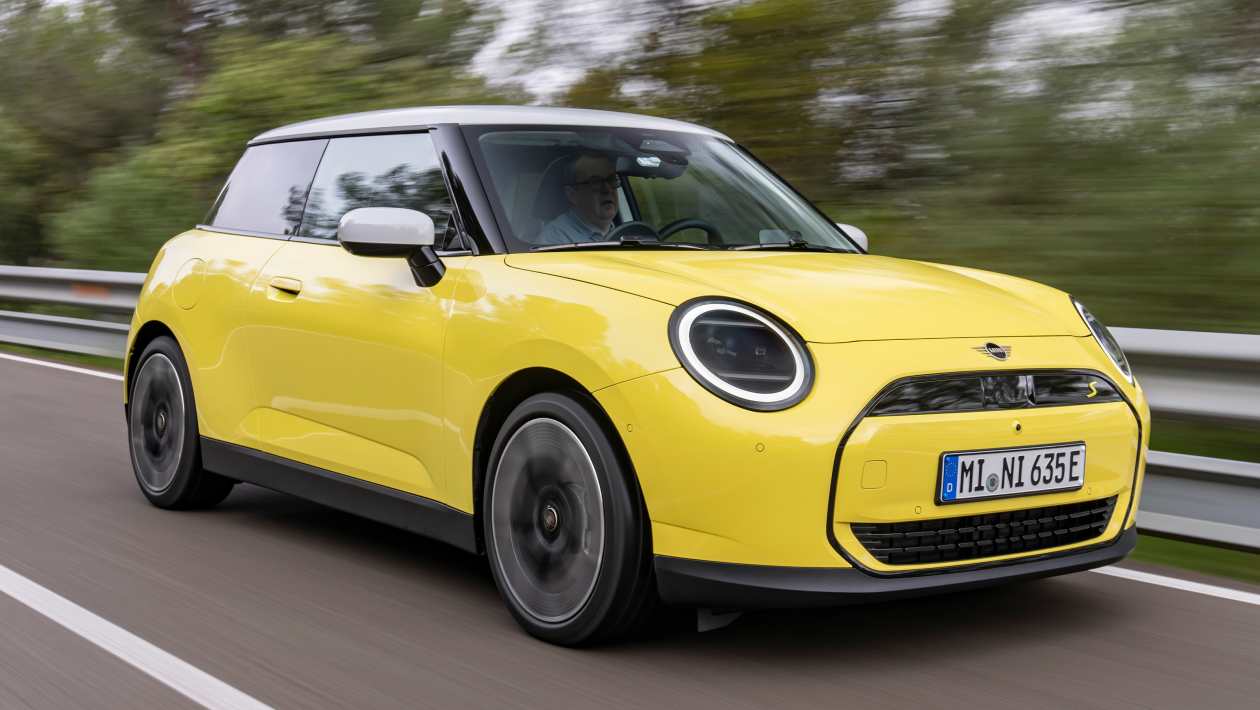
Even though the car encourages spirited driving, it doesn’t give you a bold, central speed display to back that up. Many Mini enthusiasts simply rely on the head-up display when equipped because it’s far easier to see.
5. Nissan Leaf (2nd Generation)
While the Leaf’s eco-focused digital cluster is generally clean, the speed number is surprisingly tiny compared to the huge EV range and efficiency graphics.
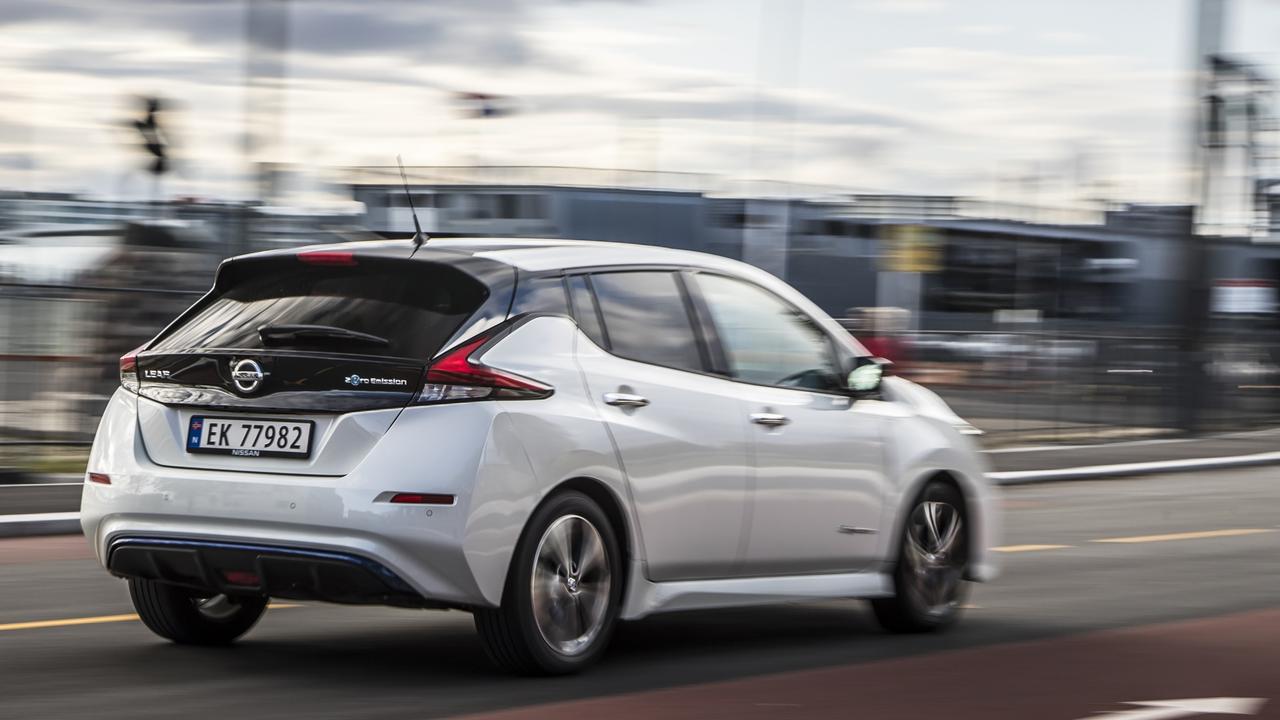
Nissan prioritized watt-hour feedback and eco scoring, shrinking the speed digits more than many owners prefer. On bright days, glare can make the already-small display harder to see an odd oversight for a city-friendly EV.
Nissan launched the second-generation Leaf in late 2017 as a 2018 model, delivering a significantly improved vehicle while retaining the hatchback architecture of its predecessor.
The Japanese automaker took a major risk in 2010 by introducing the Leaf as a fully electric vehicle amid the global financial crisis, when many consumers were holding onto their current cars rather than buying new ones, let alone EVs.
That gamble paid off, helping Nissan establish brand recognition in the emerging electric vehicle market. However, customers accustomed to refueling in five minutes at a gas station expected more convenience.
Additionally, the Leaf’s price was relatively high for a compact hatchback. With the second generation, Nissan addressed these shortcomings and created a far more refined vehicle.
Visually, the second-generation Leaf took on a more mature appearance, featuring a V-shaped front grille consistent with other Nissan models. LED headlights flanked the grille, while the apron housing the fog lamps appeared more conventional and attractive.
From the side, the hatchback’s floating roof design echoed the Micra’s styling. To highlight its electric credentials, Nissan placed “Zero Emission” badges on the front doors. At the rear, LED taillights framed the tailgate and extended upward along the C-pillars.
The first-generation Leaf faced criticism for limited interior space for four adults. Nissan addressed this by increasing the wheelbase and raising the cabin height. Front passengers now sit on high-mounted seats with modest bolstering, while the driver benefits from a fully digital instrument cluster and a flat-bottom steering wheel.
The center stack features a touchscreen infotainment system with Apple CarPlay and Android Auto support. The center console between the front seats houses driving mode controls and two cup holders. Rear seats are mounted even higher than the front, due to the batteries positioned beneath them.
There’s sufficient room for two adults in the back, but the tall center tunnel running from front to rear limits space for a middle passenger. Behind the split-folding bench, the luggage area is practical enough for school runs and weekly shopping.
The second-generation Leaf offered an improved 40-kWh battery pack, promising 235 miles (378 km) of range. Additional key upgrades included a one-pedal driving system and the ProPilot system, which can autonomously keep the car centered in its lane and follow the vehicle ahead to a complete stop.
6. Jeep Compass (Pre-2022 Models)
Before its more modern interior update, the Jeep Compass was known for its cluttered and dated gauge cluster. The digital speed option was buried in a small rectangular screen, surrounded by opaque icons and poorly contrasted backlighting.
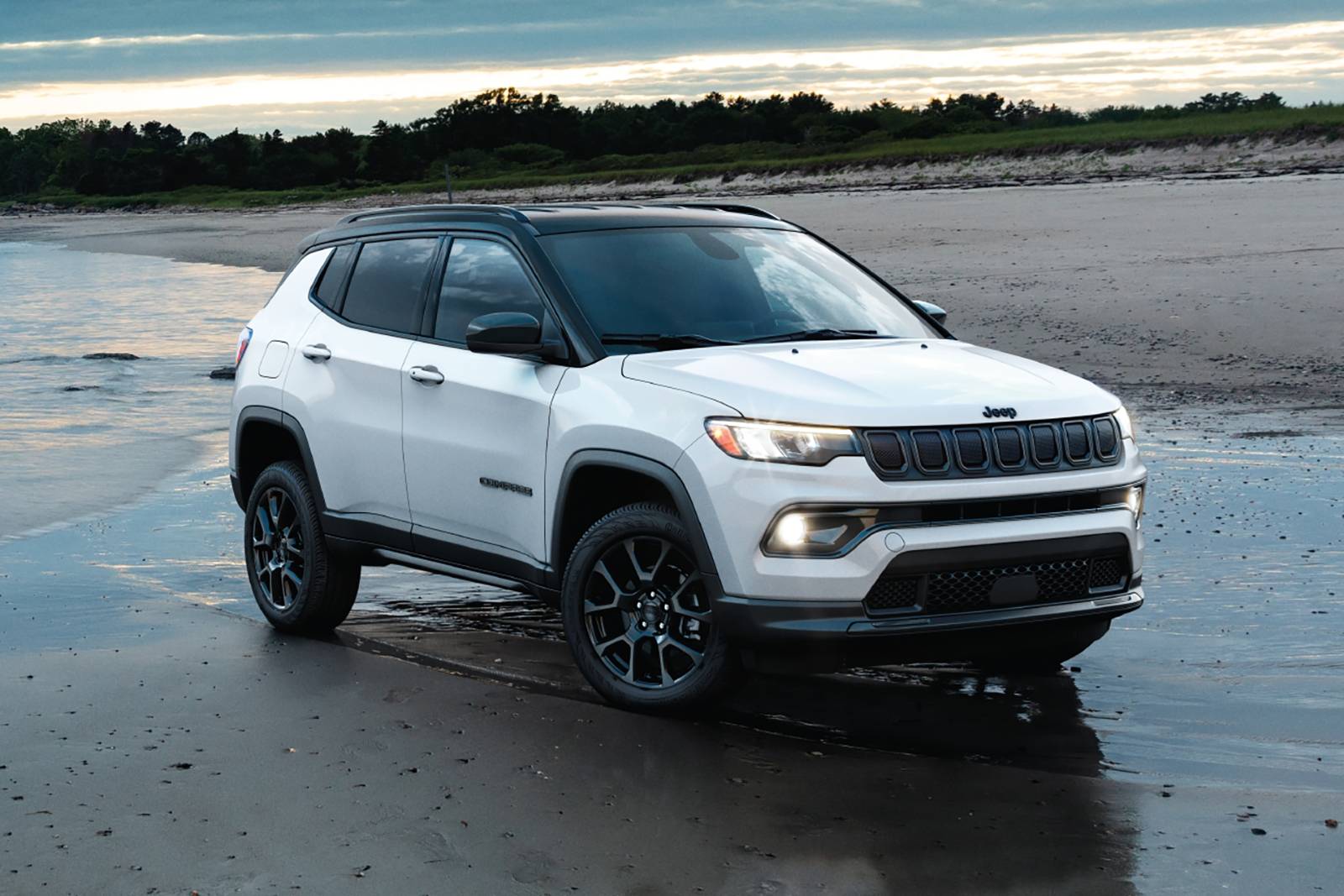
For a vehicle aimed at American families and commuters who toggle between suburban roads and highway speeds, the tiny speed readout felt like a missed opportunity.
Alternatives With Clear, Bold Speed Displays
When you’re behind the wheel, the last thing you want is to squint or search for your speedometer. Cluttered or understated gauge clusters can make it tough to stay dialed into how fast you’re going, which isn’t just irritating, it can also be unsafe.
In this article, we spotlight alternatives with clear, bold speed displays, helping you find cars that communicate your speed confidently, precisely, and easily at a glance.
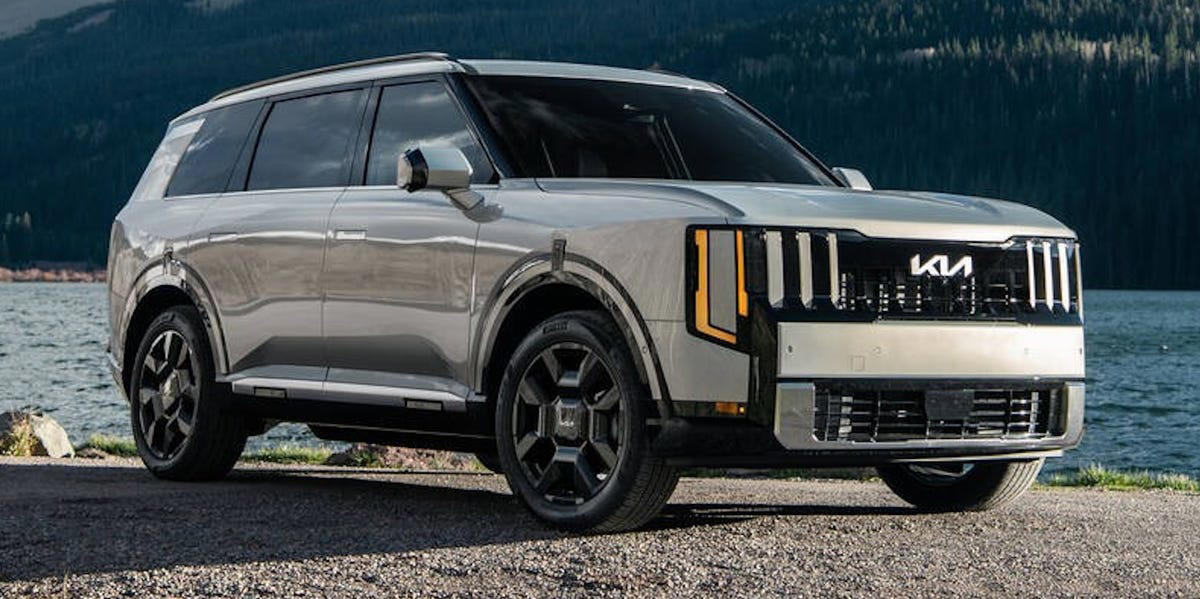
1. Kia Telluride
Kia’s breakout family SUV continues to impress with one of the clearest cluster designs in the segment. The digital speed number is large, bright, and centered easy to spot whether you’re navigating I-95 or rolling through hilly rural towns.
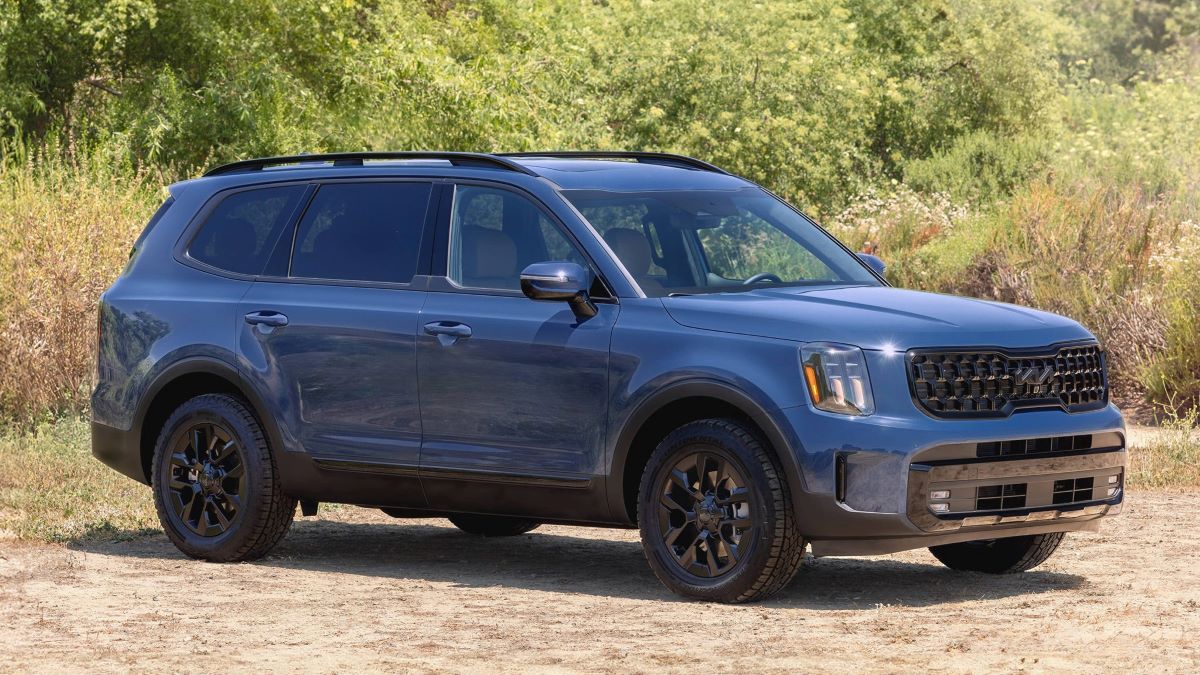
The available head-up display enhances the clarity even more, projecting big, crisp graphics ideal for long road trips.
The Telluride is an enjoyable SUV to drive. Its V6 engine delivers responsive performance, though outright acceleration remains average for a three-row SUV. The brakes are strong, capable of bringing the Telluride to a stop quickly, and they are also easy to modulate for smooth, consistent stops in everyday driving.
Steering feels light at parking-lot speeds and naturally firms up in corners, providing a more connected feel. Transmission upshifts can be slightly rough under heavy acceleration, and the gearbox occasionally hunts for the correct gear on inclines.
These issues are minor, however, and fade into the background once you experience how comfortably the Telluride navigates the road. The suspension is well calibrated, and even the off-road-focused X-Pro models maintain an excellent ride quality.
Visibility is solid for a large SUV and is further enhanced by the available surround-view camera system. Other safety features perform as expected, with the adaptive cruise control even capable of making lane changes automatically when prompted.
2. Honda Accord (11th Generation)
Honda completely redesigned the cluster layout on the latest Accord, giving drivers a no-nonsense, high-contrast digital speed readout.
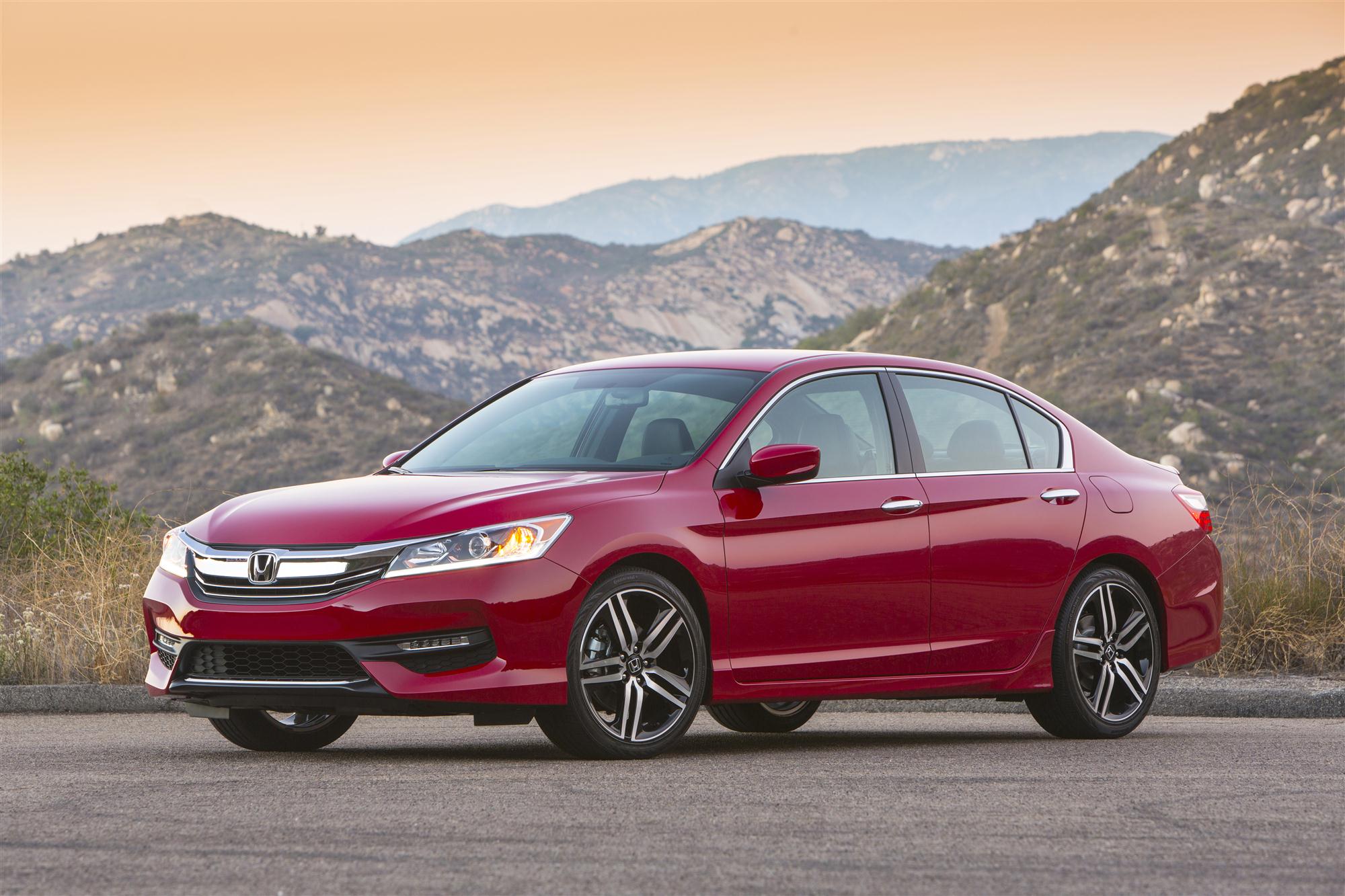
Unlike the busy layouts of some competitors, Honda keeps the information clean and uncluttered. The digits are large and readable even with quick peripheral glances. For U.S. commuters who rack up heavy mileage, this clarity is a major comfort upgrade.
3. Ford F-150 (2021)
America’s best-selling truck finally gained a tech-forward cluster with speed readouts that actually respect the size of the cabin.
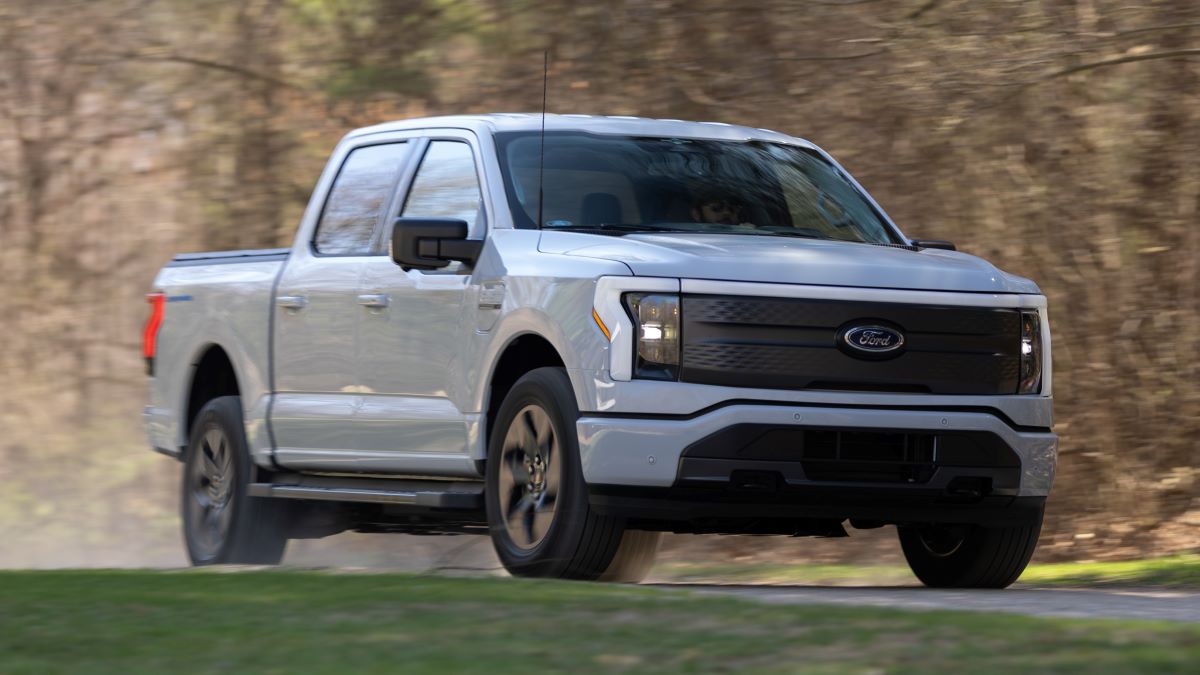
The digital numbers are enormous exactly what truck owners need when towing, hauling, or dealing with rough terrain. The head-up display option takes it even further, clearly projecting your speed even when wearing polarized sunglasses.
4. Hyundai Ioniq 5
EVs often get flashy digital layouts, but the Ioniq 5 stands out by balancing style with usability. The speed readout sits center-left in clean, minimalist graphics with large values that look almost tablet-like.
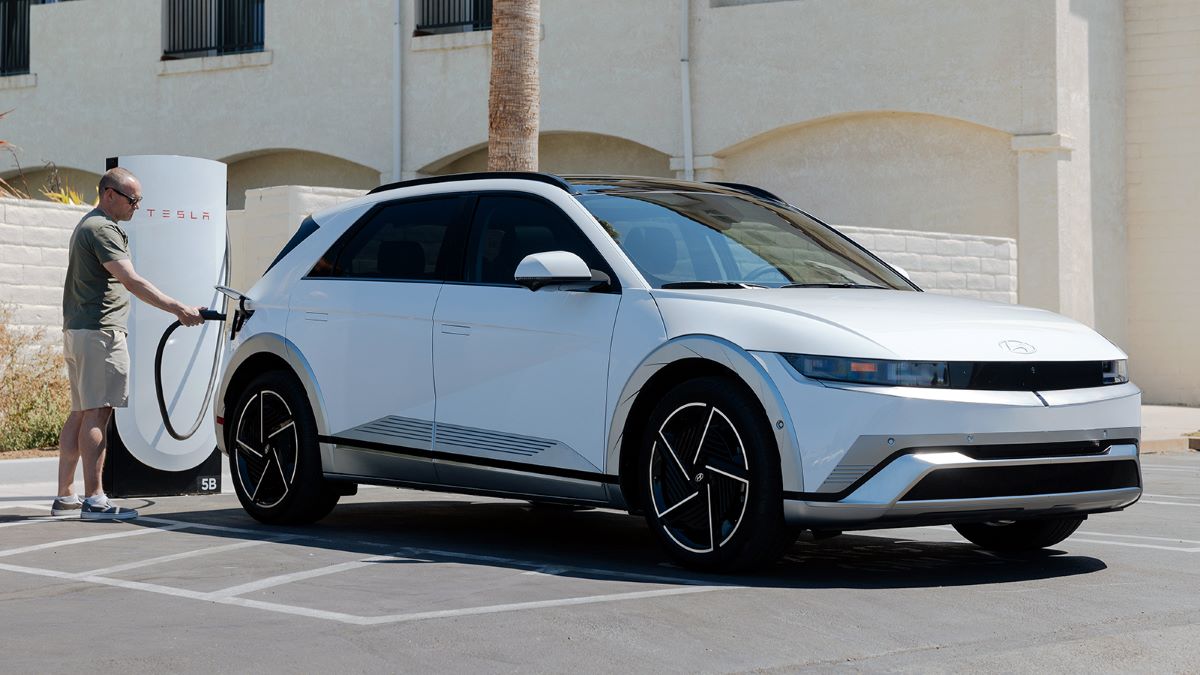
Because EVs accelerate smoothly and quietly, it’s easy to unintentionally exceed speed limits Hyundai’s bold display helps prevent that without visual clutter.
The 2022 Hyundai Ioniq 5 is an all-new, all-electric compact crossover that blends advanced technology, futuristic styling, and a versatile interior. As part of Hyundai’s emerging EV subbrand, the Ioniq name will cover a growing lineup of electric models, but the 2022 5 is the first to debut.
It offers impressive charging capabilities (up to 350 kW) and an estimated driving range of up to 303 miles. Available with either rear- or all-wheel drive, the Ioniq 5 produces between 168 and 320 horsepower.
Its eco-conscious cabin features a tech-focused dashboard, reclining front seats with footrests, and ample passenger space, making the Ioniq 5 a complete package that earned an Editors’ Choice award and a spot as our 2022 EV of the Year.
The Ioniq 5’s electric-only powertrain comes in multiple output levels. The standard-range battery with a single rear-mounted motor delivers 168 horsepower.
Opting for the longer-range battery in rear-wheel-drive form boosts output to 225 horsepower and 258 pound-feet of torque, which Hyundai claims will accelerate the Ioniq 5 to 60 mph in 7.4 seconds.
The all-wheel-drive variant is considerably more potent, generating 320 horsepower and 446 pound-feet of torque, and it’s faster too, reaching 60 mph in 4.5 seconds on our test track.
On the road, the Ioniq 5 we tested exhibited smooth performance across various surfaces, and its wide tires combined with a low center of gravity delivered athletic agility side to side. Our only minor criticisms were that the steering could provide more feedback and the suspension could be slightly firmer.
5. Subaru Outback (2020+)
Subaru’s attention to visibility shines here. The digital speed reading is large, centered, and framed by minimal distractions.
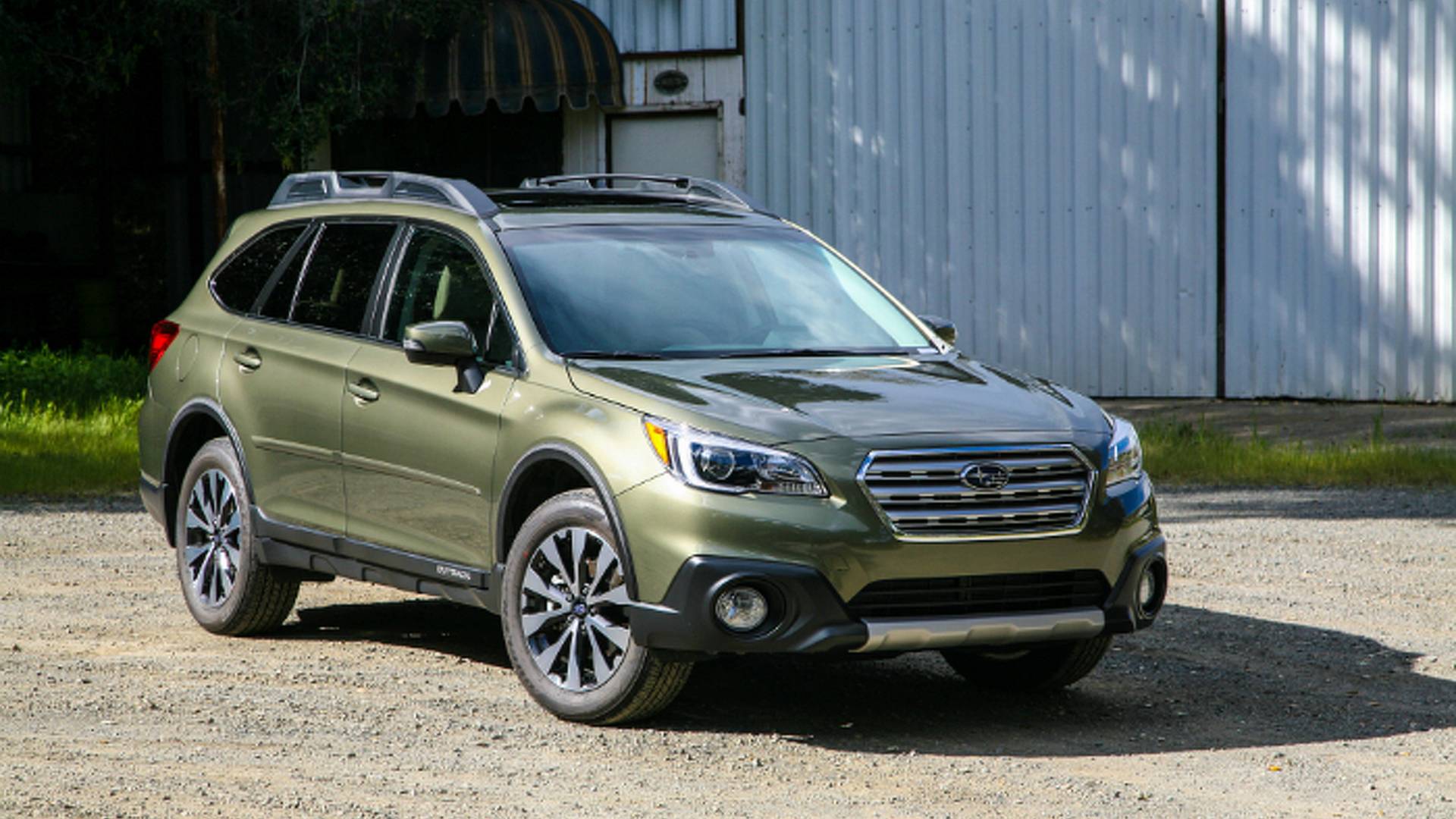
Combined with the Outback’s reputation for road-trip comfort and safety emphasis, this makes it an ideal choice for drivers who want functionality over flash.
Even older owners one of Subaru’s strongest demographics find the speed reading exceptionally easy to monitor.
6. Tesla Model Y
Tesla’s display philosophy famously removes the traditional gauge cluster, instead placing the speed readout at the top-left of the center screen.
Whether or not that layout appeals to everyone is subjective, but Tesla undeniably gives you huge, ultra-clear digits. The massive font, brightness, and crisp resolution make it one of the easiest-to-spot digital speed readouts in the U.S. market.
A speedometer may seem like a minor feature when buyers compare powertrains, safety scores, or infotainment features.
A familiar presence on American roads after five years in production, the Tesla Model Y SUV combines a spacious interior with a commendable driving range. Built on the same platform as the Tesla Model 3 sedan, the fastback SUV provides additional cargo capacity and more rear-seat room.
The 2026 styling refresh introduces updated fascias and new lighting elements at both the front and rear. Inside, the cabin benefits from more comfortable front seats, a redesigned dashboard, and updated ambient lighting options. A new entry-level Standard trim also joins the lineup.
Together with improvements in overall material quality, these updates aim to bring the Model Y in line with other similarly priced electric crossovers such as the Ford Mustang Mach-E, Hyundai Ioniq 5, and Volkswagen ID.4. As with other Teslas, the Model Y’s touchscreen-focused interface will delight some drivers and frustrate others.
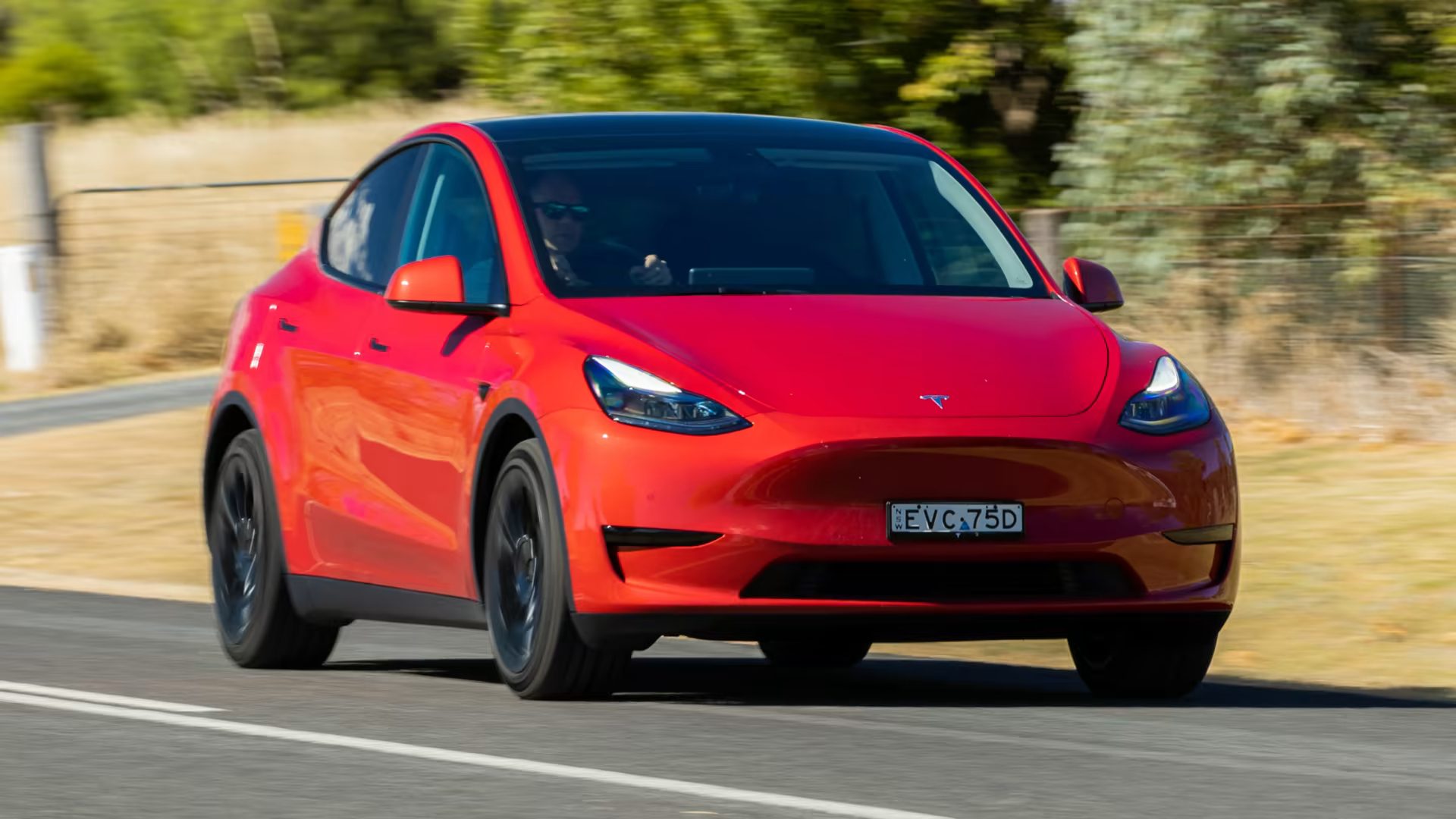
Still, the SUV’s electric capabilities are hard to argue with, including rapid charging, the Performance model’s blistering acceleration, and driving range estimates exceeding 300 miles per charge.
Tesla has not released exact power figures for the rear-wheel-drive models, though they likely produce between 295 and 300 horsepower. All-wheel-drive versions employ two motors, one on each axle, producing a combined 375 horsepower. A Performance variant is also available, featuring an upgraded suspension, a wider track, and distinctive 21-inch wheels.
During our test drive of an all-wheel-drive Model Y, we noticed the vehicle’s improved driving dynamics and quieter cabin compared with previous versions.
That said, the ride may still feel too firm for some drivers, and overall we found the Model 3 sedan to be the more engaging experience behind the wheel. Acceleration is smooth and lively, while the regenerative braking system is straightforward to adapt to thanks to its linear feel.
But once you’re behind the wheel day after day, the practicality of a clear, well-positioned speed display becomes unmistakably important.
Cars with tiny speed readouts aren’t inherently bad they just require a bit more effort from drivers, which adds up over time. Meanwhile, alternatives with crisp, straightforward displays make driving smoother, safer, and simply more enjoyable.