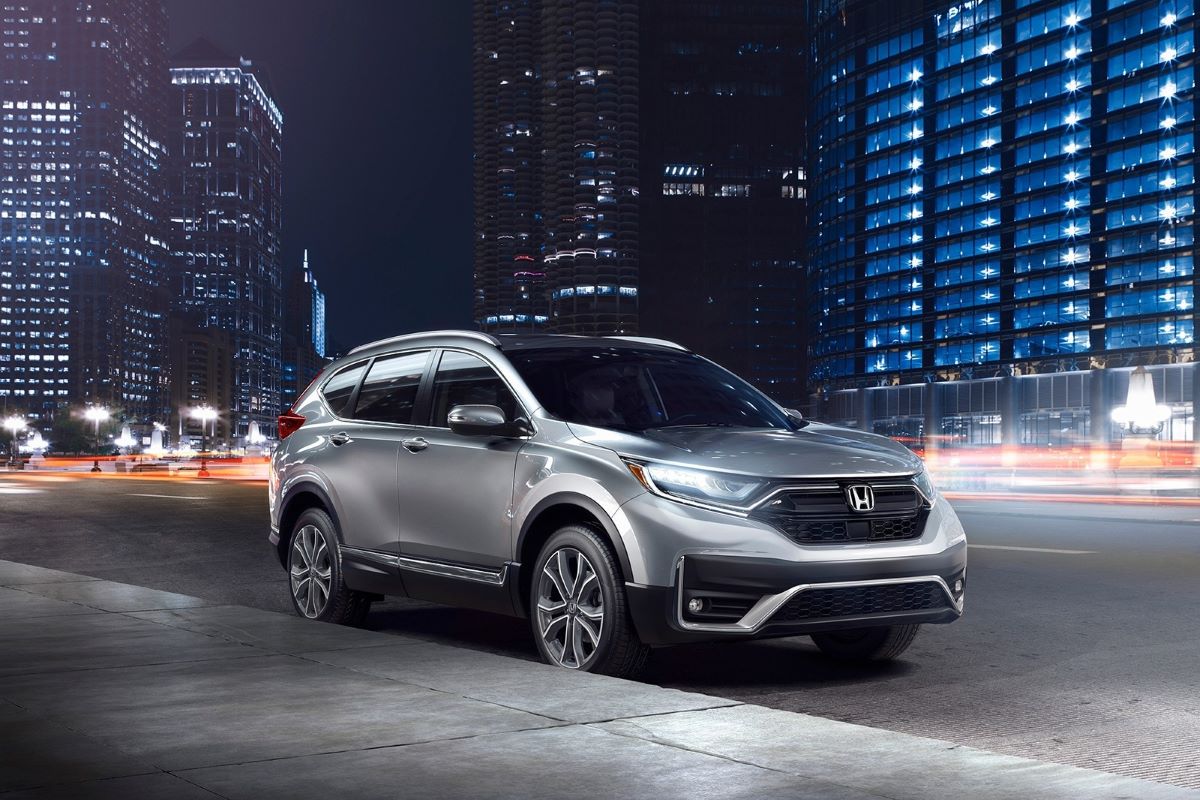
Winter in the United States isn’t just a season it’s a full-body experience. It changes the way people walk, dress, and, importantly, drive.
For anyone living in snow-belt states like Minnesota, Michigan, New York, Colorado, or northern New England, the realities of winter driving extend far beyond traction control or heated seats.
One of the lesser-talked-about winter challenges is the simple act of driving with bulky snow boots.
Those boots that keep feet warm during a frigid morning commute can also turn every press of the gas or brake pedal into a clumsy, cramped battle if the car wasn’t designed with enough pedal spacing or footwell width.
Some vehicles welcome winter boots with open arms. They punish you with cramped pedals, tight clearances, and plastic edges that scrape your footwear every time you try to accelerate.
This list breaks down five cars that make winter boots feel right at home with wide footwells, good pedal spacing, and clever interior design and five models known for tight pedal boxes that can leave your boots scuffed and your driving awkward.
Whether you’re shopping for a new car before the snow hits or you simply want to know if your current ride is the problem, this comparison helps you understand how different models treat real-world winter driving.
Cars That Welcome Winter Boots
When winter arrives, your car becomes more than just a mode of transport,it’s a refuge from icy roads, snowdrifts, and slushy sidewalks. But not all vehicles are built to handle the demands of the season.
Some welcome winter boots with wide doors, generous cabin space, and easy-to-clean interiors, making snowy commutes and holiday trips far less stressful. In this article, we’ll explore cars that embrace winter living, combining comfort, practicality, and reliability for drivers who don’t want the cold to slow them down.
1. Subaru Outback
The Subaru Outback has always been built with winter practicality in mind, but one of its most underrated strengths is its footwell design.
The Outback offers a generously wide driver footwell with a flat floor area and pedals that are spaced far enough apart that even thick-soled Sorel or Columbia winter boots won’t get tangled.
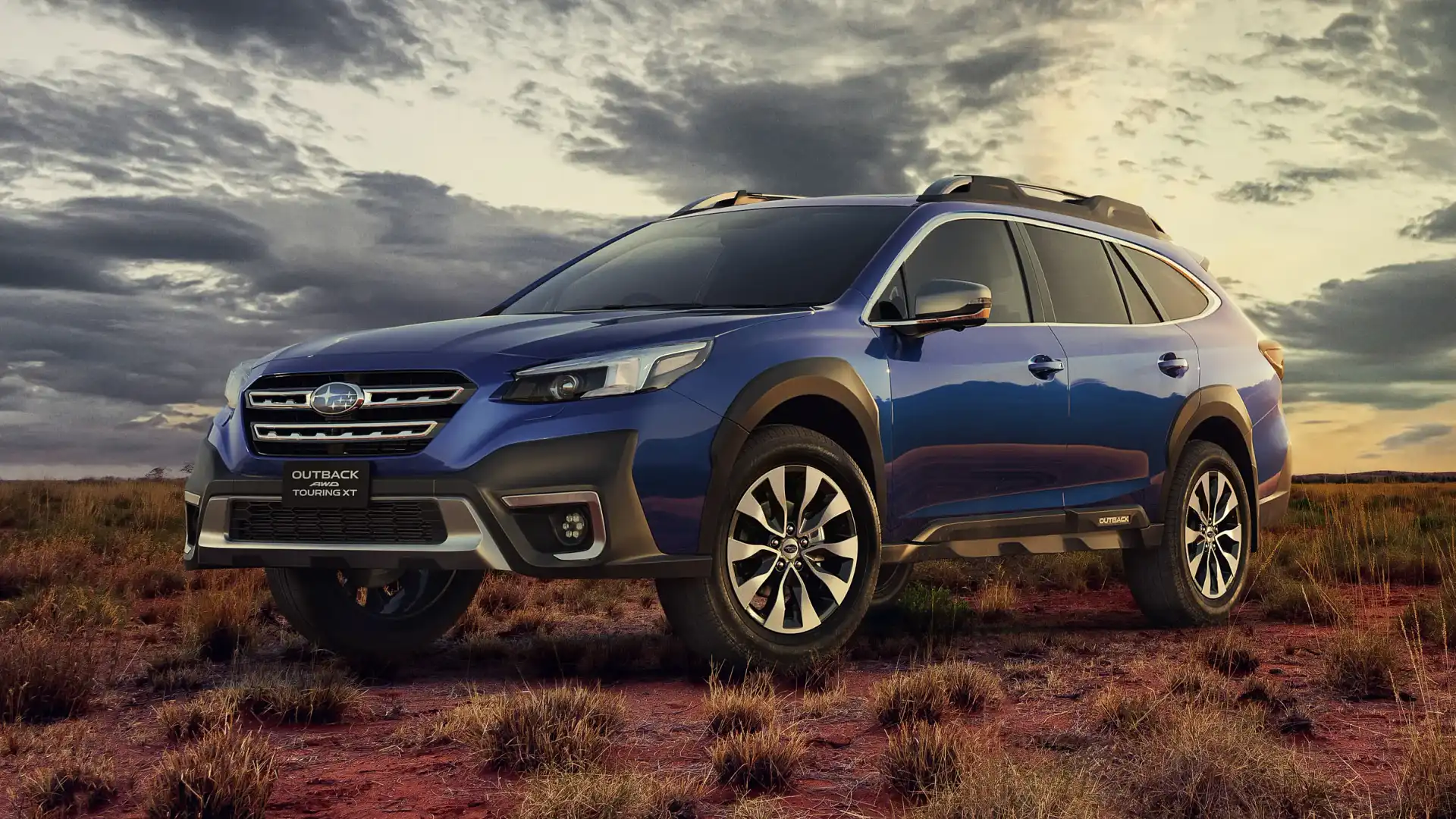
Subaru’s interior engineers seem to understand that many drivers will be wearing snow-ready gear for months at a time, so the design includes a large dead pedal that gives booted feet a natural place to rest.
Combined with the standard all-wheel drive and an easy-to-clean rubber floor mat option, the Outback feels like a car made for northern winters in every way that matters even the small ones.
2. Ford F-150
Pickup trucks usually provide strong footwell space, but the Ford F-150 stands above the rest thanks to its extremely broad cabin architecture and upright seating position.
Drivers often mention that the brake and accelerator pedals remain comfortable even with wide, insulated boots.
The F-150 also offers adjustable pedals, a rare feature that allows drivers to bring the pedals closer while keeping legs comfortably spaced.
This isn’t just a luxury it’s a winter lifesaver for anyone who wants a more natural boot-friendly driving position.
The footwell is deep, the cabin is tall, and the pedals don’t force you into awkward angles, making the F-150 one of the best winter-practical vehicles on the market.
Ford provides an extensive lineup of engines and configurations. For our testing, we tried a 4WD crew cab in the Platinum trim equipped with the new hybrid powertrain.
However, the hybrid’s engine cycling, switching the gas engine on and off, means it doesn’t deliver the same smoothness at low speeds as the 5.0-liter V8 or the non-hybrid turbocharged 3.5-liter V6. Across all powertrains, the 10-speed automatic offers quick and seamless shifts.
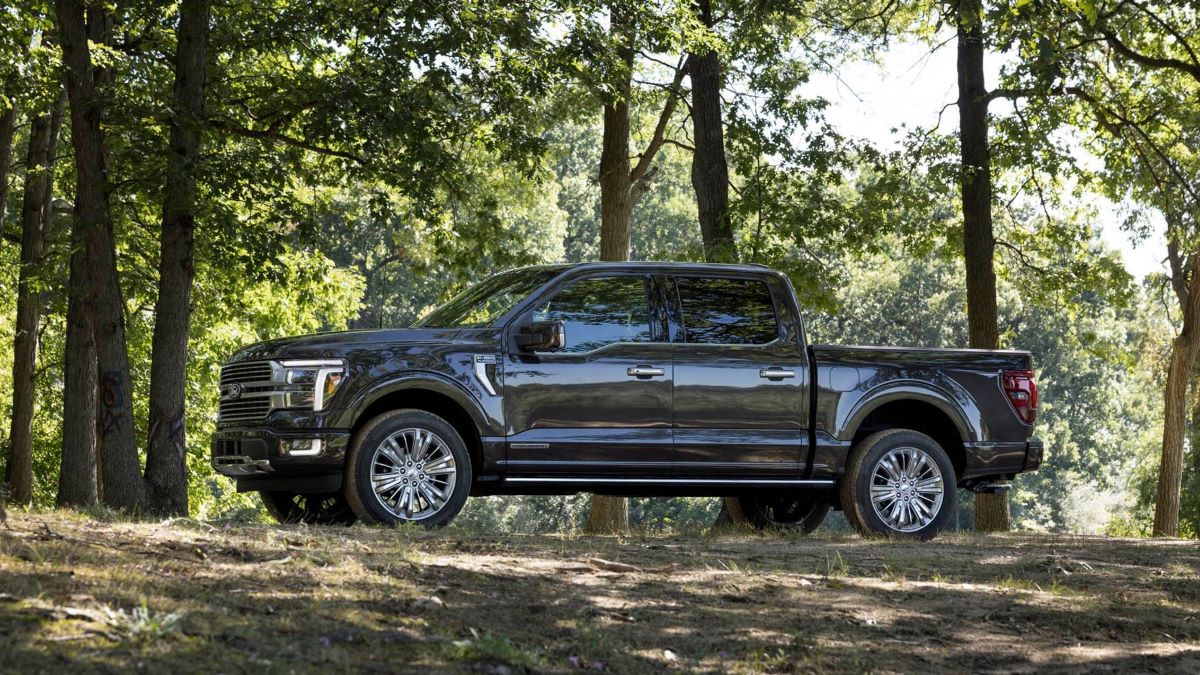
The F-150’s steering is both direct and responsive, giving the truck a smaller, more agile feel in parking lots while enhancing stability on highways. Its brakes are strong and instill confidence, even while recovering energy in the hybrid version. With its impressive towing and payload capacities, the F-150 is, overall, a very enjoyable truck to drive.
Tech-wise, the F-150 shines. The optional 12-inch center touchscreen and digital gauge cluster are both visually appealing and user-friendly. Android Auto and Apple CarPlay come standard, along with several basic advanced driver safety features, and there is a wide range of additional options available.
One standout feature is Pro Power Onboard, which can essentially turn the F-150 into a mobile generator. Offered in three power output levels depending on the powertrain (2.0 kW, 2.4 kW, and 7.2 kW), this system provides power outlets in the bed, transforming tailgate parties, camping trips, construction work, or off-the-grid adventures.
Also Read: 5 SUVs With Bulletproof Power Liftgates vs 5 That Constantly Chime
3. Honda CR-V
Honda’s long-running CR-V excels at ergonomic fundamentals, and its pedal spacing is a perfect example. Even as compact crossovers become more stylized and cabin-focused, the CR-V keeps a traditional, roomy footwell with no awkward bulges or trim pieces fighting for space.
This means drivers who bundle up for winter conditions won’t feel like they’re trying to wedge boots into a space meant for sneakers.
The CR-V’s upright seating, generous interior packaging, and thoughtful pedal alignment make it a comfortable choice for suburban families who regularly deal with slush, salt, and sudden temperature shifts throughout the season.
Honda clearly did its homework when introducing its first turbocharged engine in the CR-V, a 1.5-liter unit producing 190 horsepower, paired with one of the finest continuously variable automatic transmissions (CVTs) on the market, a compliment we don’t hand out lightly.
While many compact crossovers have modest towing capacities, the CR-V’s is among the lowest at just 1,500 pounds. Parents hoping to channel their inner street racer might find the CR-V’s acceleration underwhelming.
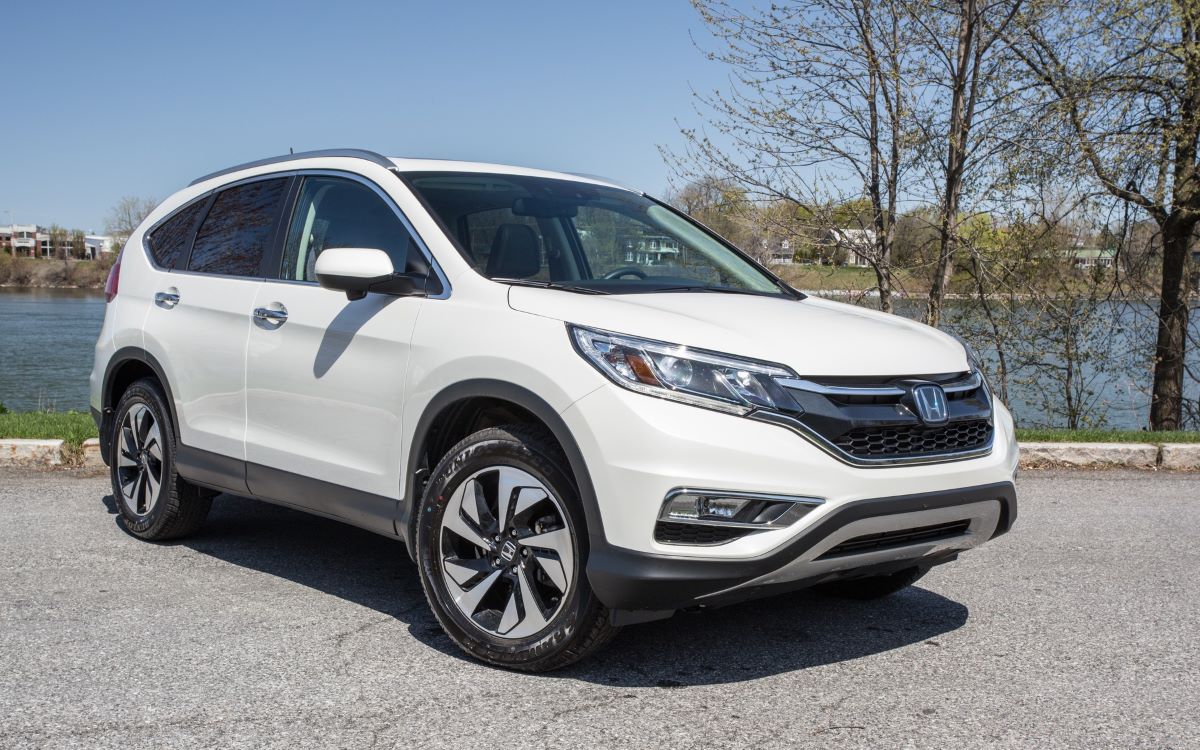
The CR-V’s composed and compliant suspension makes commutes, whether short or long, more comfortable. Its brake pedal is responsive, delivering the stopping power you need precisely when you ask for it.
The CR-V hybrid pairs a 2.0-liter four-cylinder engine with two electric motors to produce a combined 201 horsepower. We found the hybrid system smooth and unobtrusive, and Honda addressed engine drone at wide-open throttle by adding sound-deadening materials and incorporating an active noise-canceling feature into the audio system.
The result is a notably quieter ride compared with the base engine, which ranked among the loudest in its class when pressing the gas pedal.
4. Toyota Highlander
Whether equipped with a V6 or the hybrid powertrain, the Toyota Highlander provides a wide, open footwell and a low center tunnel that gives boots more breathing room.
The Highlander’s pedals are placed in a slightly progressive angle that allows larger boots to roll smoothly between throttle and brake without catching on trim.
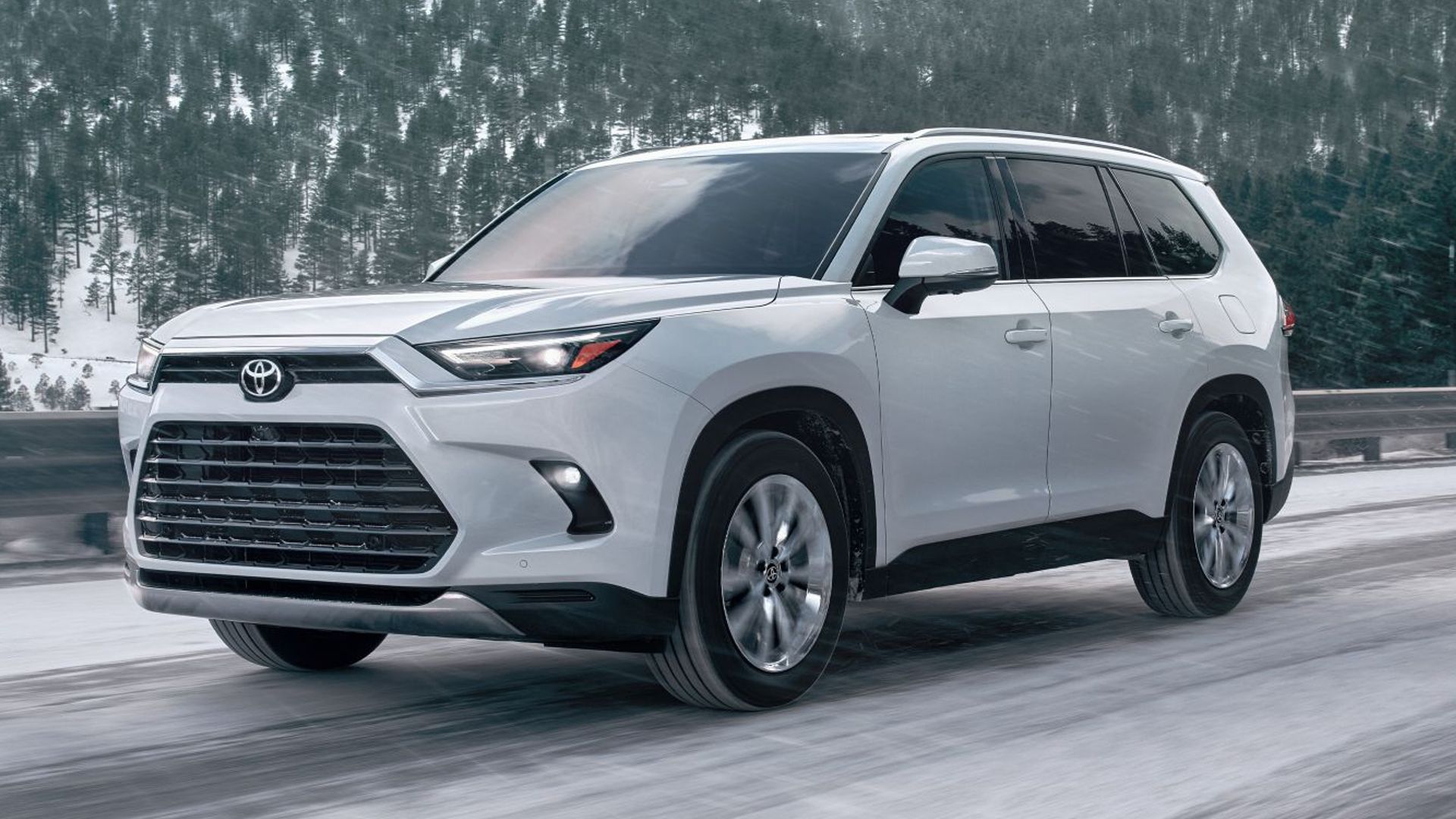
Drivers in snowy states often praise the model not just for its reliability but for its comfort during harsh weather months.
When you’re stepping in with wet boots, the Highlander’s rubber-lined edges and accessible clean-out areas also make it easy to keep the interior from turning into a slushy mess.
5. Jeep Grand Cherokee
Jeep has always marketed itself as a winter-ready brand, but the Grand Cherokee backs that reputation up with solid ergonomic design.
The driver’s footwell is particularly deep compared to some midsize competitors, giving more vertical and horizontal room for chunky winter footwear.
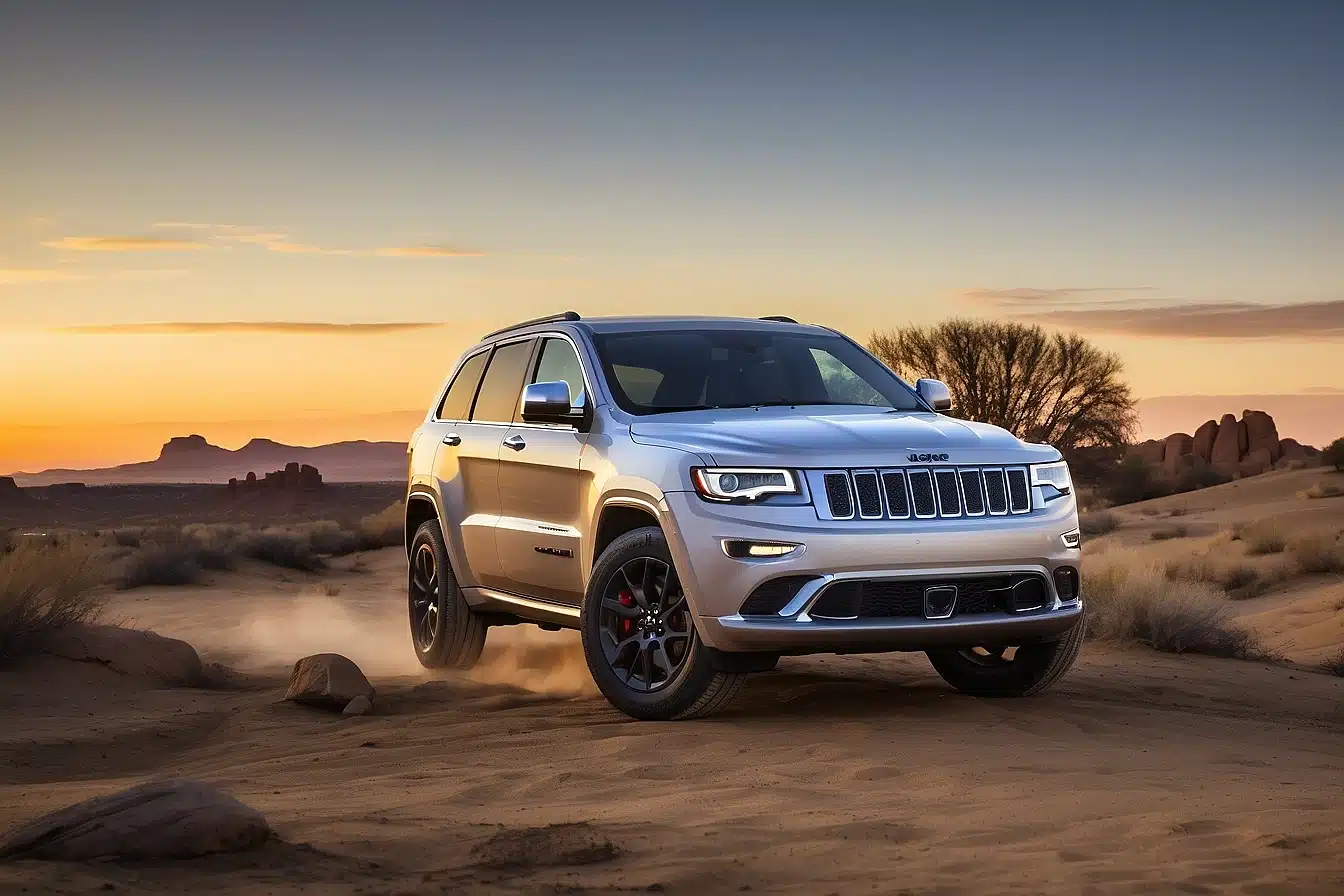
The pedals are firm and predictable, and their spacing feels natural with boots no toe-catching or edge-rubbing common in smaller crossovers.
The 2023 Grand Cherokee gets the fundamentals right while staying true to Jeep’s iconic identity. The five-passenger version of the redesigned midsize SUV arrived last year, and it made an immediate impression.
Both available powertrains deliver smooth acceleration. Being a few hundred pounds lighter than the Grand Cherokee L, this model feels slightly quicker and more agile. We described this generation as “the best on-road Grand Cherokee to date,” with some of the credit likely going to Alfa Romeo engineers who contributed to the new architecture.
Jeep enthusiasts can rest easy: the Grand Cherokee remains a capable off-roader. While access to the Trailhawk trim is limited this year, even the base models can handle more rugged terrain than most competitors.
Inside, the cabin impresses with fit and finish. The cockpit design is well thought out, and the tech features are competitive within the segment.
As for drawbacks, interior space isn’t exceptional, though that’s somewhat offset by the availability of the Cherokee L. A bigger concern is the price, which is higher than most rivals in the class. Additionally, all-wheel drive isn’t standard, which slightly diminishes the value proposition.
Still, these factors are unlikely to deter buyers. The Grand Cherokee continues to offer a distinctive blend of comfort and off-road capability.
The 2023 Grand Cherokee comes with two engine options, both paired with an eight-speed automatic transmission.
The base 3.6-liter V-6 produces 293 hp and 260 lb-ft of torque, offering solid performance for the class. Rear-wheel drive is standard, with a basic all-wheel-drive system available as an option. Fuel economy starts at 19/26 mpg city/highway.
Because the Grand Cherokee is built for off-road conditions, its cabin is designed around the idea that drivers may wear gear that’s larger than average.
This translates perfectly to real-world winter driving, where stability and room matter just as much as traction systems.
Also Read: 10 Cars That Stay Dependable in Harsh Winters
Cars That Have Wonky Pedal
Not every car handles driving controls the way you’d expect. Some vehicles come with quirky, awkward, or “wonky” pedals that can make braking, accelerating, or clutching feel strange, sometimes even frustrating.
Whether it’s poor placement, odd resistance, or inconsistent feedback, these pedals can turn an ordinary drive into a test of patience. In this article, we’ll take a look at cars where the pedals don’t quite behave, and what that means for drivers on the road.
1. Mazda CX-5
While the Mazda CX-5 is widely praised for its handling and premium interior feel, one of its quirks is its tight pedal box.
The footwell narrows toward the front, and drivers wearing wider boots often find themselves bumping into the center console side panel or clipping the brake pedal when switching from gas to brake.
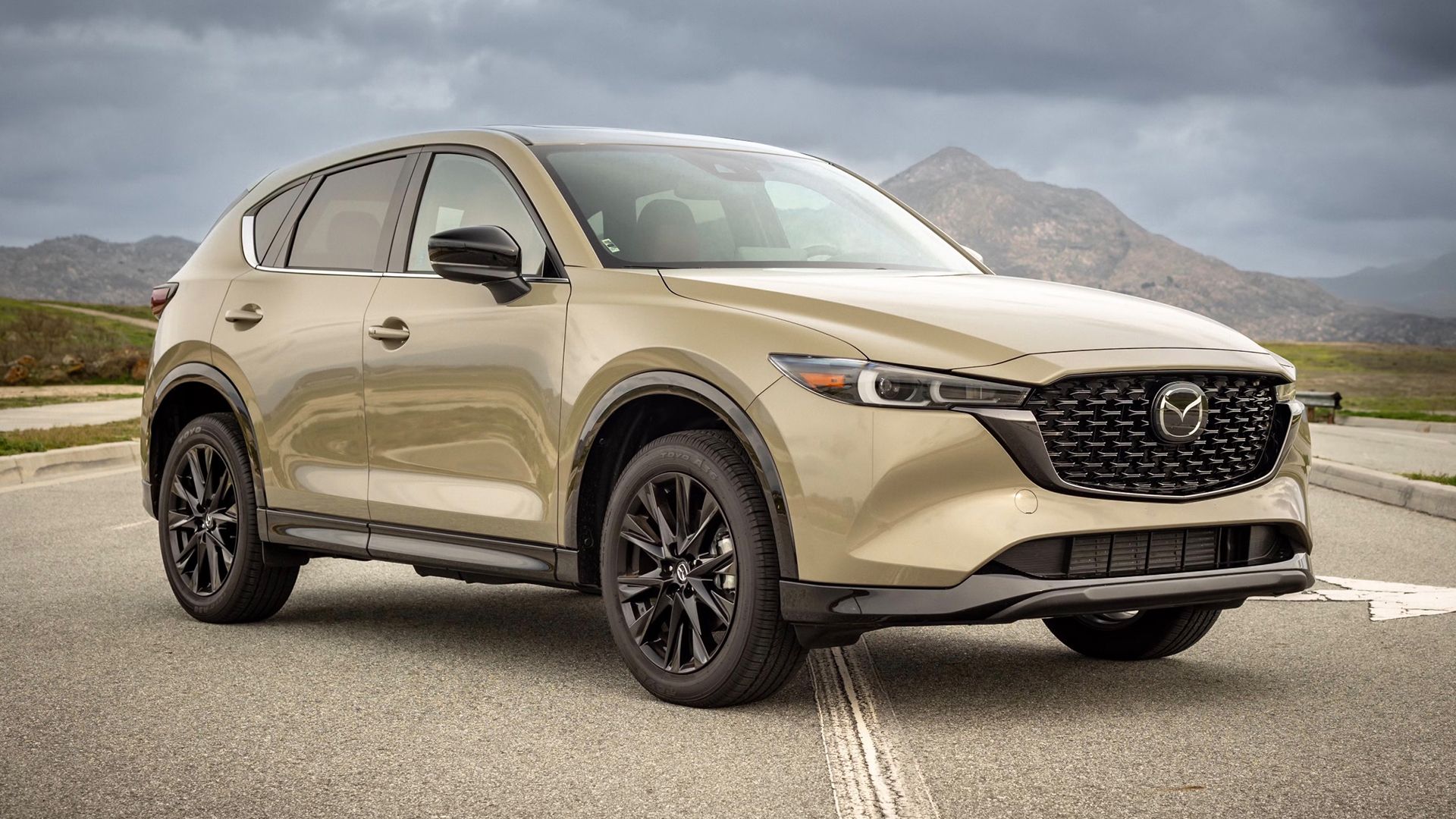
Mazda clearly prioritized a cockpit-like feel, but in snowy states, this translates into irritated drivers who feel like they’re driving while wearing ice skates.
The CX-5 is great for performance-minded drivers, but for winter boots, its footwell is simply too snug.
The base engine delivers modest acceleration while underway, and passing on the highway takes some forethought. It performs a bit better from a standstill, our test track 0-60 mph run clocked in at 8.7 seconds, which is in line with other small crossovers equipped with base engines
. Opting for the available turbocharged engine improves performance significantly, getting the CX-5 to 60 mph in just 6.6 seconds.
Where the CX-5 truly shines is in handling. Its sharp and communicative nature allows drivers to take corners at higher speeds than many rivals without squealing tires or feeling unstable.
Quick left-to-right transitions are met with composure, and the car remains confident and planted throughout. Simply put, this is the best-handling small crossover, no doubt about it.
2. Toyota RAV4
The Toyota RAV4 has a lot going for it great reliability, excellent fuel economy, and all-wheel-drive options but pedal comfort for winter boots isn’t one of its strengths.
The RAV4’s pedal area feels vertically cramped, and the accelerator pedal sits close to the side trim. Drivers frequently report that boots rub against the trim piece when they move their foot, especially in older generations.
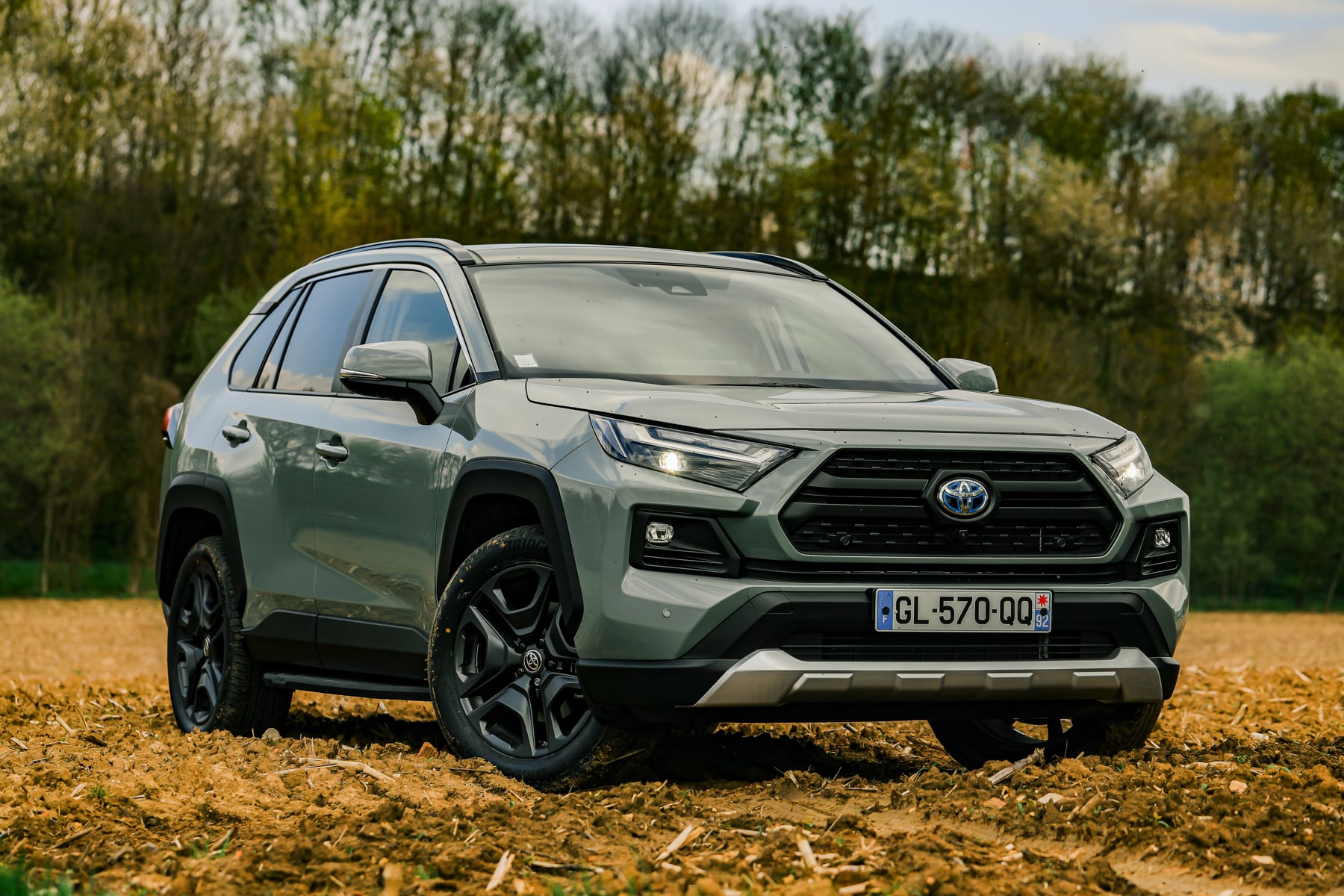
While this isn’t a deal-breaker for most, it does mean drivers in heavy-boot states like Maine or Michigan may feel more restricted. The cabin is spacious overall, but the footwell simply doesn’t match that generosity.
The RAV4 falls short in this area, unfortunately. Its engine performs adequately around town, and passing or merging is generally smooth. However, if you’re in a hurry, you might notice that the engine’s power delivery is ultimately modest. In Edmunds testing, our RAV4 took 9.1 seconds to reach 60 mph, slightly trailing the class average.
Steering is another area of concern. It feels vague around the center and lacks sufficient feedback and weight, making it easy to misjudge how much input you’re giving.
On the plus side, the RAV4’s optional upgraded AWD system adds rear-axle torque vectoring and advanced traction control, along with selectable terrain modes and hill descent control. Combined with respectable ground clearance, these features give the RAV4 Adventure above-average off-road capability for a small SUV.
3. Hyundai Kona
The Hyundai Kona is one of the most compact crossovers sold in the US, so it’s no surprise that its pedal box reflects those small proportions.
Drivers wearing normal athletic shoes may never notice an issue, but those stepping in with insulated snow boots will feel the squeeze immediately.
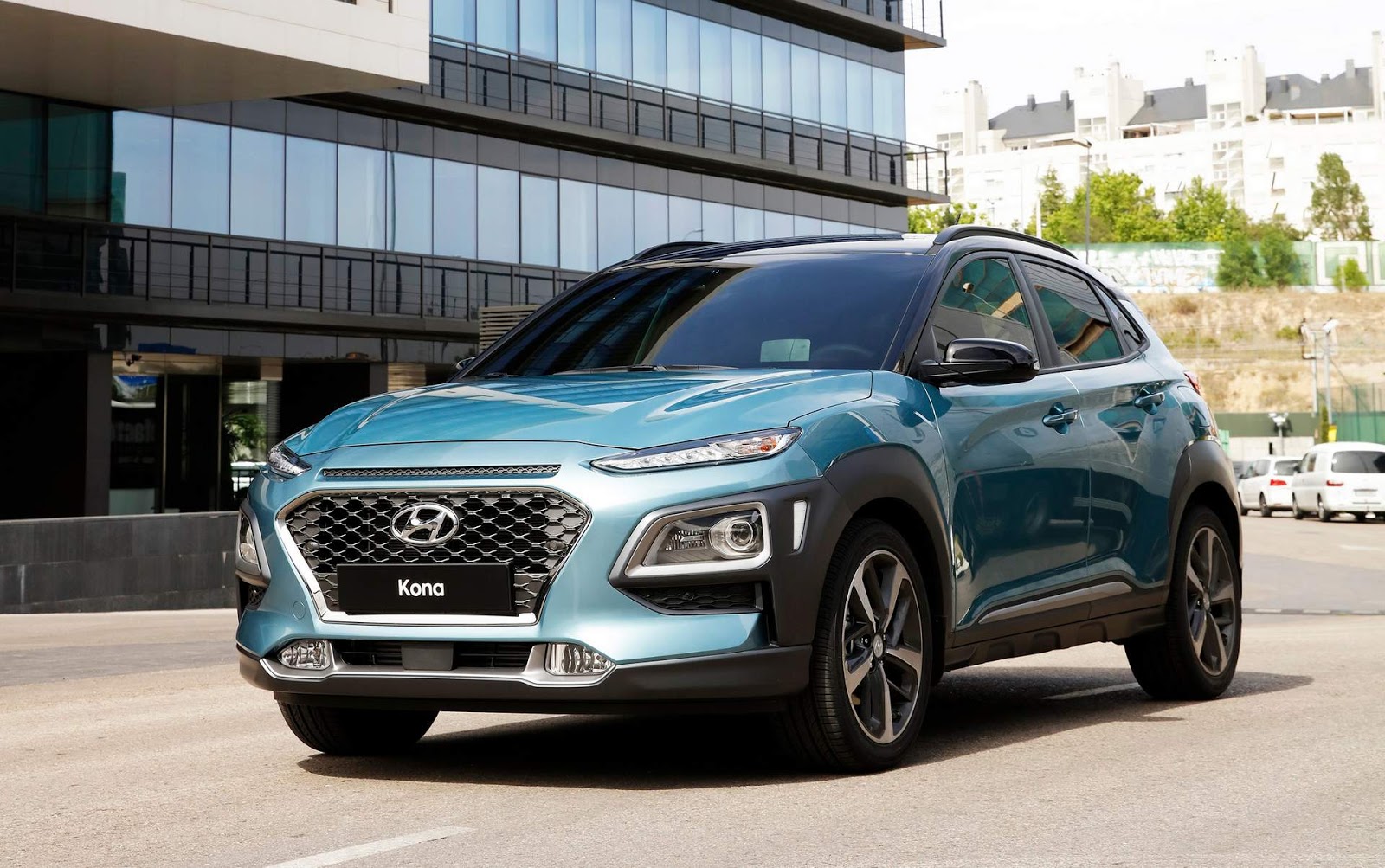
Both the brake and accelerator are close together, and the area tapers inward, making even simple pedal movements feel like precision work.
While the Kona is a strong value for urban areas, it’s not built with northern winters in mind at least not when it comes to footwell comfort.
4. Chevrolet Trax
The Trax has been growing in popularity thanks to its low price and improved design, but its interior still leans narrow in key areas.
One of those areas is the driver’s footwell, where the brake pedal sits slightly offset and the sidewall curves inward toward the accelerator foot.
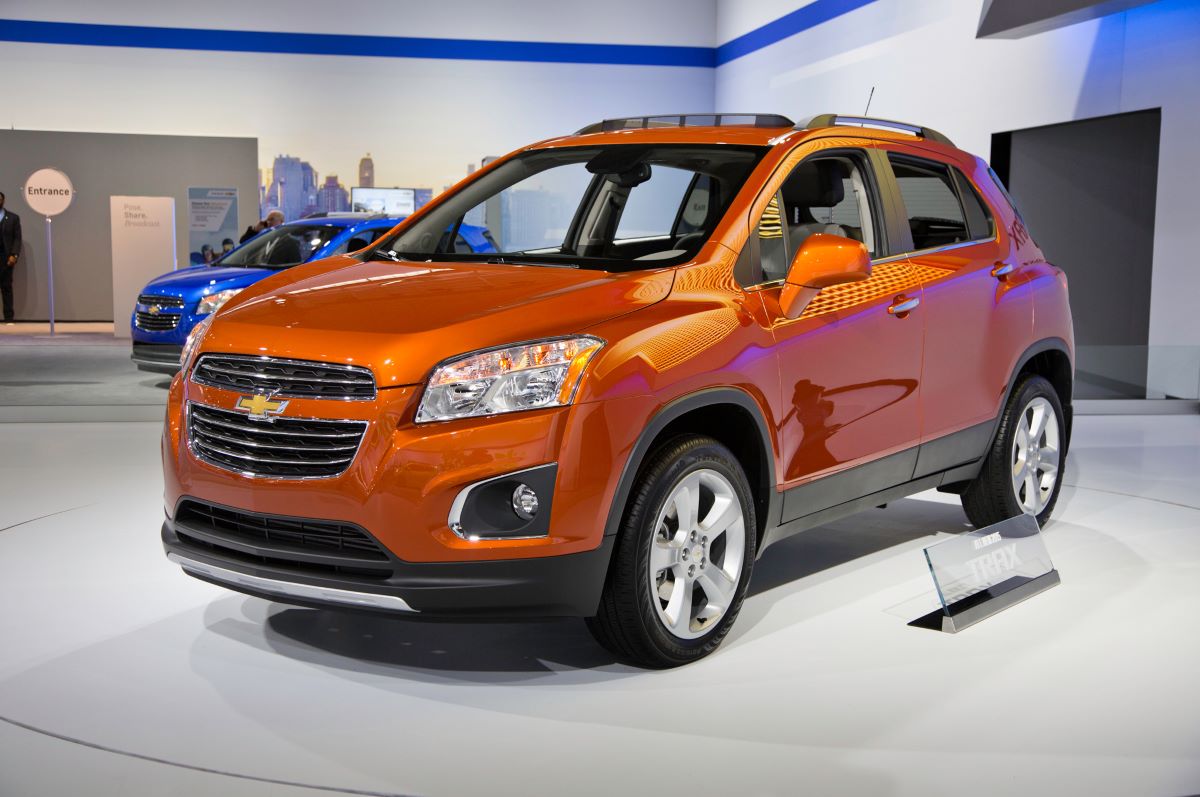
Large winter boots tend to bump the brake pedal or scrape the console edge, especially during quick transitions in stop-and-go traffic. Chevy improved many things about the Trax in recent generations, but winter boot-friendliness hasn’t made the list yet.
At the small end of Chevrolet’s lineup sits the 2021 Trax, which delivers the essentials of an SUV but little beyond that. The driver’s seat sits at a suitably high position, and the cabin is reasonably spacious and comfortable for a small SUV.
However, it lacks many of the standard features and amenities that make its rivals more enticing. That said, it does come standard with a touchscreen infotainment system featuring Apple CarPlay and Android Auto, so it’s not completely basic.
The Trax is powered solely by a turbocharged 1.4-liter four-cylinder engine, which can be paired with either front- or all-wheel drive. Sharing its platform with the similarly priced Buick Encore, the Trax also competes with the slightly larger and more modern Chevy Trailblazer within Chevrolet’s own lineup.
Around town, the turbocharger provides a reasonable amount of low-end torque, but when it comes time to pass or merge on the highway, the engine quickly runs out of steam, delivering more noise than acceleration when pushed.
The six-speed automatic transmission is generally smooth but can shift sluggishly and sometimes hesitates to downshift. In our testing, a front-wheel-drive Trax took a leisurely 9.3 seconds to reach 60 mph.
Ride and handling are surprisingly competent. A firm suspension and steady handling give the Trax a sense of solidity, while quick steering makes it nimble in parking lots and city streets.
Cornering causes less body lean than you might expect from such a tall vehicle, though the handling doesn’t feel as eager or responsive as in competitors like the Mazda CX-30 and Kia Soul. On the positive side, the Trax’s brakes are among the strongest in its class, with a pedal that feels firm and inspires confidence.
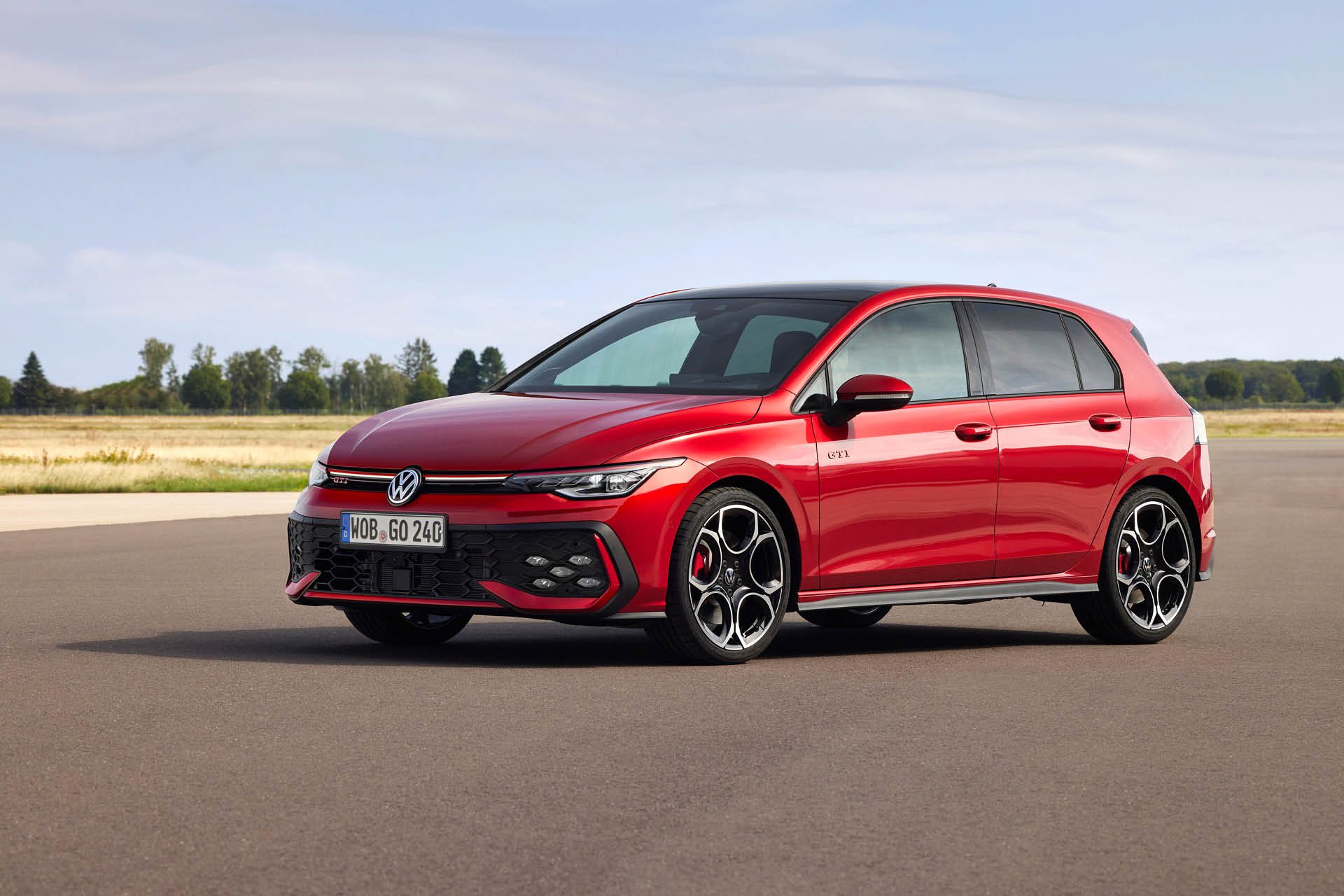
5. Volkswagen Golf
The Volkswagen Golf is known for its tight, driver-focused layout and that includes the footwell. The car’s sporty positioning places the pedals closer together and slightly higher than many crossovers or sedans.
This works beautifully if you’re wearing slim footwear, but the moment you add winter boots into the mix, everything feels cramped.
The clutch pedal in manual models only worsens the situation. Many winter drivers find their boots hitting pedal edges or catching on the dead pedal. The Golf is engineered for precision, not padding, making it a “pedal scraper” in colder climates.
Most car shoppers think about horsepower, fuel economy, tech features, or AWD systems when they compare winter-ready vehicles.
The Volkswagen Golf GTI belongs to a very small group of vehicles that have stayed in near-continuous production for over four decades while remaining true to the original’s focused intent.
The 2022 redesign marks the GTI’s eighth generation in the U.S., and while the styling is sleek and contemporary, its signature “box with an edge” personality is still fully intact. Power comes from a 241-hp turbocharged 2.0-liter four-cylinder engine paired with either a six-speed manual transmission or, for those who prefer to skip the clutch, a seven-speed automatic.
All GTIs are front-wheel drive. Drivers of all sizes will find a comfortable seating position, and the four-door hatchback design provides rear passengers with surprising headroom and shoulder room, along with a usable cargo area behind them.
Practicality aside, it’s the GTI’s inherent sportiness that steals the show, delivering thrilling performance and responsive handling at any speed. Though the GTI has a nearly obsessive fan base, its approachable nature and forgiving dynamics make it easy for newcomers to enjoy.
The 2024 Golf GTI continues with a turbocharged 2.0-liter four-cylinder engine producing 241 horsepower and 273 pound-feet of torque, an increase of 13 hp and 15 lb-ft over its predecessor
. Power is sent to the front wheels through either the standard six-speed manual or an optional seven-speed dual-clutch automatic. We tested a GTI with the automatic, which shifted intelligently and delivered a 0-60 mph time of 5.7 seconds—0.1 second faster than a previous-generation Rabbit with the same transmission.
This straight-line performance is complemented by enhanced responsiveness and dynamic capability, thanks to the revised suspension, electronically controlled limited-slip differential, and brake-based torque vectoring.
The chassis strikes a thoughtful balance, providing agile handling without an overly stiff ride in everyday conditions. The top-of-the-line Autobahn model adds adjustable adaptive dampers paired with 19-inch wheels (18-inch wheels are standard) wrapped in summer tires for those willing to invest in a more customizable driving experience.
But sometimes the comfort difference in cold-weather driving comes down to something as basic as footwell width and pedal spacing.
If you spend several months wearing bulky boots, the difference between a car that fits winter gear and one that doesn’t can genuinely change your daily driving experience.
Vehicles like the Subaru Outback, Ford F-150, Honda CR-V, Toyota Highlander, and Jeep Grand Cherokee prove that manufacturers can design cabins that feel natural, open, and comfortable even when drivers dress for harsh seasons.
On the other hand, models like the Mazda CX-5, Toyota RAV4, Hyundai Kona, Chevrolet Trax, and Volkswagen Golf may surprise you with how confined they feel once the temperature drops and the boots come out.