
Electric vehicles (EVs) have moved from niche curiosity to mainstream consideration in the United States. With increasing gas prices, federal and state incentives, and expanding charging infrastructure, more Americans are looking at EVs not just as a novelty, but as a practical daily driver.
For many, buying a used EV is the most cost-effective way to experience this new technology without the steep depreciation hit that new EVs can take. However, the used EV market is nuanced.
Unlike traditional gasoline cars, EVs rely heavily on battery health, software updates, and charging infrastructure compatibility. A poor choice can lead to costly repairs or frustrating limitations, while a smart purchase can provide years of reliable, efficient transportation.
Here’s a closer look at six used EVs that are generally safe bets in 2025 and six that buyers should approach with caution.
Used EVs Safe to Buy in 2025
As electric vehicles (EVs) continue to gain popularity in the United States, more drivers are exploring the used EV market as a cost-effective way to join the electric revolution.
With advances in battery technology, expanding charging networks, and increased model availability, buying a used EV in 2025 can be a smart and practical choice, if you know what to look for.
Unlike traditional gas-powered cars, EVs require careful attention to battery health, software updates, and overall reliability, making some models a better investment than others.
This guide will help you navigate the market by highlighting used EVs that are generally safe to buy, along with those you might want to approach with caution, so you can make a confident, informed decision.
1. Tesla Model 3 (2018–2021)
The Tesla Model 3 is perhaps the most obvious choice for used EV buyers. By 2025, even early Model 3s will have several years of software refinement and battery longevity data available.
Tesla’s battery management system is sophisticated, and with proper maintenance, the vehicles retain a strong range, often 250–300 miles in real-world driving conditions.
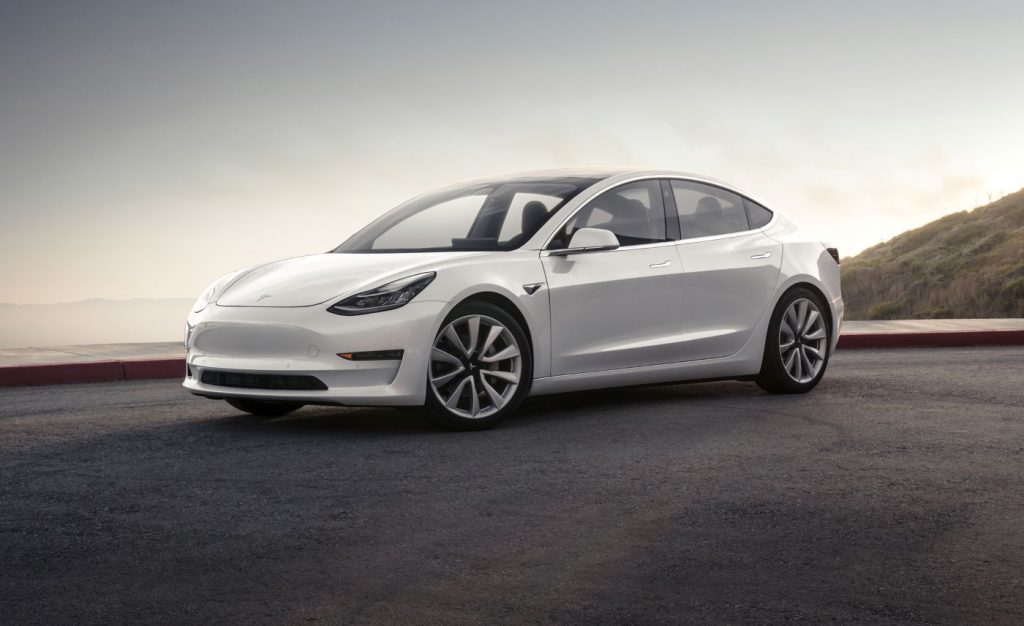
Additionally, Tesla’s Supercharger network remains unmatched in the U.S., making long-distance travel practical. Buyers should still check for typical Tesla concerns, such as potential touchscreen failures or paint and trim issues, but overall, the Model 3 combines performance, range, and resale value.
Also Read: 8 Underrated SUVs That Are Better Than Popular Models
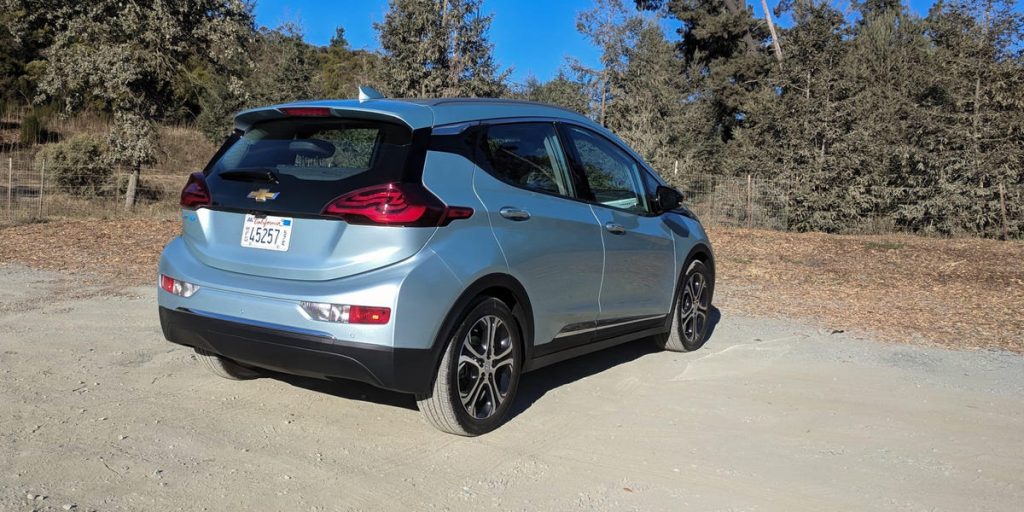
2. Chevrolet Bolt EV (2019–2022)
The Bolt has quietly become a reliable and affordable option for used EV buyers. Its compact size and practical range, which ranges from 238 to 259 miles depending on the model year, make it suitable for both city commutes and moderate road trips.
Earlier Bolts faced battery recall issues due to potential fire risks, but these were largely addressed by GM’s replacement program. A verified service history and confirmation that the recall was completed are essential for peace of mind. Its simplicity and relatively low maintenance costs make it an attractive used EV option.
The Chevy Bolt EV sets the standard for mainstream electric vehicles (EVs), offering an impressive 238 miles of range at a price point that remains affordable compared with competitors like the Tesla Model 3.
While the hatchback doesn’t boast the striking design of some eco-friendly rivals, its exceptional practicality and advanced technology more than compensate for any lack of flashy aesthetics.
That said, the Bolt’s interior can feel somewhat cheap, with minimalistic materials and features that don’t entirely justify its $30,000-plus starting price. Yet the car makes up for this with a robust electric powertrain that delivers immediate acceleration and nearly twice the range of other EVs in the same price bracket.
On top of that, it drives and handles remarkably well for its class, we’d even go so far as to call it fun. Until another EV emerges that meets all these criteria, the Bolt continues to be the best option for an everyday electric vehicle available today.
The Bolt’s electric motor reacts instantly to accelerator inputs, providing ample low-end torque that makes it easy to get moving quickly when the light turns green. Acceleration feels slightly less immediate at highway speeds, but the Bolt still makes passing and merging effortless.
Charging takes about nine hours using a 240-volt outlet, though the fast-charging option can add roughly 90 miles of range in just 30 minutes, assuming access to a Level 3 charger either at home or nearby. While the Bolt remains one of the fastest EVs for its price, higher-end options like the Tesla Model 3 show just how quick a small electric car can be.
With its composed ride and plentiful power, the Bolt challenges any lingering skepticism about electric cars. It offers a firm yet comfortable ride without transmitting harsh bumps to the cabin.
Steering is responsive and precise, although we would prefer a touch more road feedback. The brake pedal is firm and provides above-average stopping power, while the regenerative braking system recharges the battery whenever you lift off the accelerator, allowing most driving situations to be handled without touching the brakes.
A paddle located on the left side of the steering wheel enables increased on-demand regenerative braking and can even bring the car to a complete stop.
3. Hyundai Kona Electric (2020–2023)
The Kona Electric has earned praise for its combination of efficiency, comfort, and modern tech. With an EPA-rated range of around 258 miles and a battery warranty of eight years/100,000 miles, it’s a dependable option for used buyers.
Hyundai’s reliability ratings have improved over the years, and the Kona Electric’s interior quality and safety features make it feel more premium than its price suggests. It also supports DC fast charging, allowing for occasional longer trips without anxiety.
With its notable driving range and spirited personality, the 2020 Hyundai Kona Electric emerges as one of the top electric vehicles available today.
While it shares its underlying platform with the gasoline-powered Kona SUV, the electric version sports a distinctive front bumper, grille, and unique wheels that not only enhance its appearance but also contribute to improved aerodynamic efficiency.
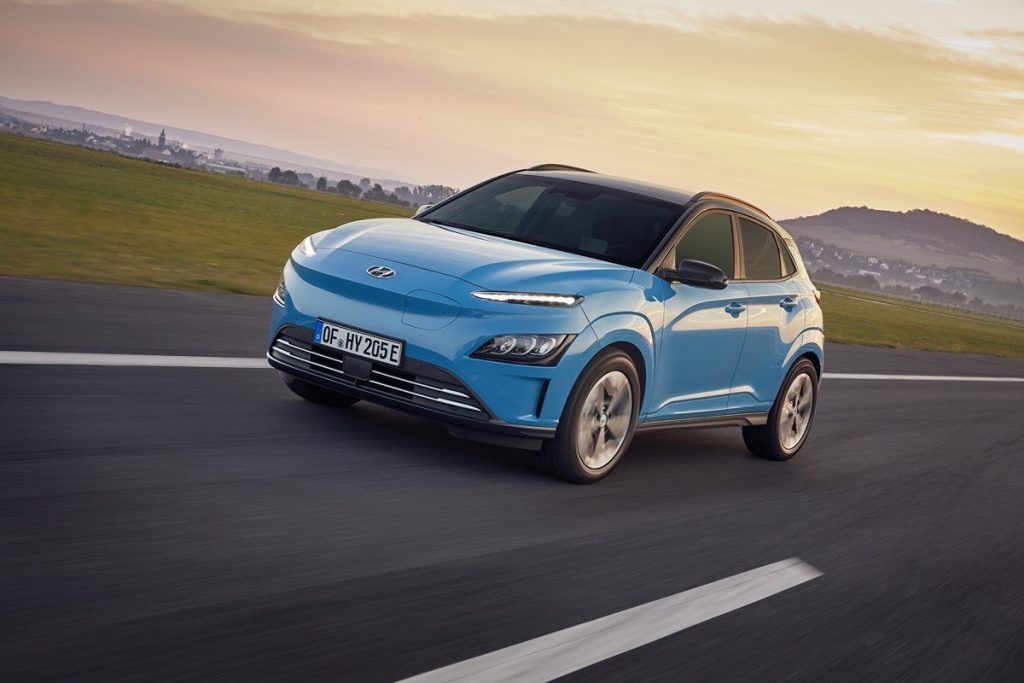
The Kona Electric competes directly with other mainstream EVs, such as the Chevrolet Bolt EV, entry-level Tesla Model 3 models, and the Kia Niro EV.
For 2020, Hyundai made only minor updates to the Kona Electric. Both Limited and Ultimate trims now come standard with a battery-warmer system, which helps improve charging performance and maintain driving range in colder conditions.
For most buyers, the mid-range Limited trim is the sweet spot. It includes numerous desirable features such as a sunroof, leather upholstery, LED exterior lighting, automatic high-beam headlamps, a wireless smartphone charging pad, and an auto-dimming rearview mirror
The Kona Electric is powered by a 201-hp electric motor that drives the front wheels; all-wheel drive is not available. Its 64.0-kWh battery pack provides ample energy for both city and highway driving.
In testing, the Kona Electric accelerated from zero to 60 mph in 6.4 seconds, which is 0.2 second quicker than the standard Kona. Like its gasoline-powered counterpart, the electric Kona delivers agile driving dynamics, making it fun and engaging to navigate
4. Ford Mustang Mach-E (2021–2023)
Ford’s Mach-E has established itself as a mainstream EV with a blend of sportiness and practicality. For used buyers, it’s important to focus on models that have received over-the-air updates, which Ford rolled out to improve range and efficiency.
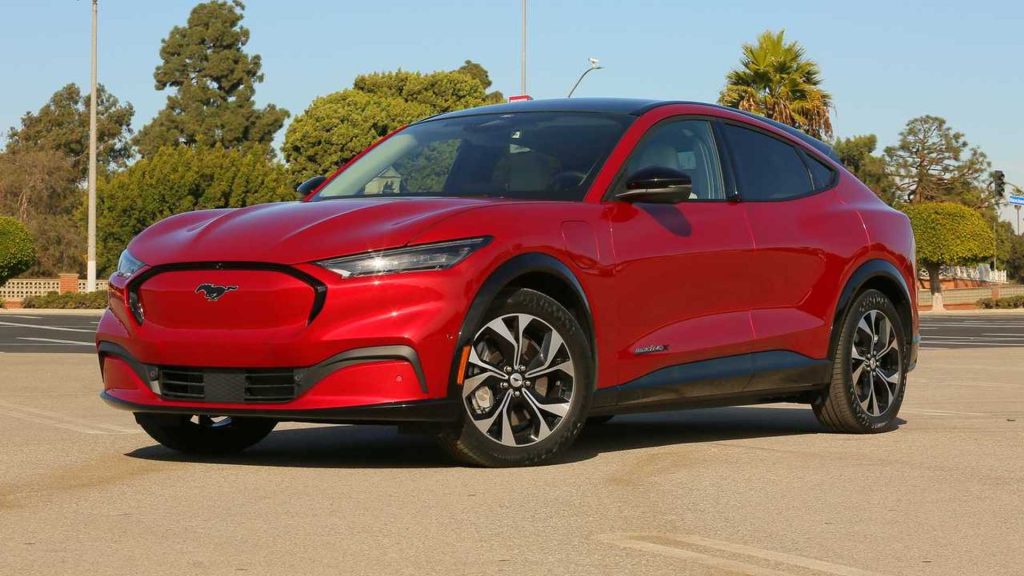
With EPA-rated ranges between 211 and 305 miles depending on the variant, and a comfortable cabin with modern infotainment, the Mach-E is one of the safer options for 2025. Buyers should confirm battery health and check for any minor software glitches, but overall it offers a compelling mix of performance and utility.
5. Nissan Leaf (2020–2022)
The Nissan Leaf has been a pioneer in the EV space for over a decade. Its e+ models, featuring a 62 kWh battery, offer around 226 miles of range. For U.S. buyers, the Leaf is a practical, reliable, and affordable choice.
Older models had range limitations, but newer Leaf models resolve most of those concerns. It’s also relatively inexpensive to maintain, with fewer moving parts compared to traditional cars. The Leaf’s reputation for reliability and straightforward EV technology makes it a low-risk used purchase.
The Nissan Leaf delivers adequate performance for navigating city traffic and merging when needed. The standard Leaf accelerates from 0 to 60 mph in a respectable 7.8 seconds, while the Leaf Plus achieves the same sprint in 7 seconds flat, just slightly slower than competitors like the Hyundai Kona and Kia Niro EV.
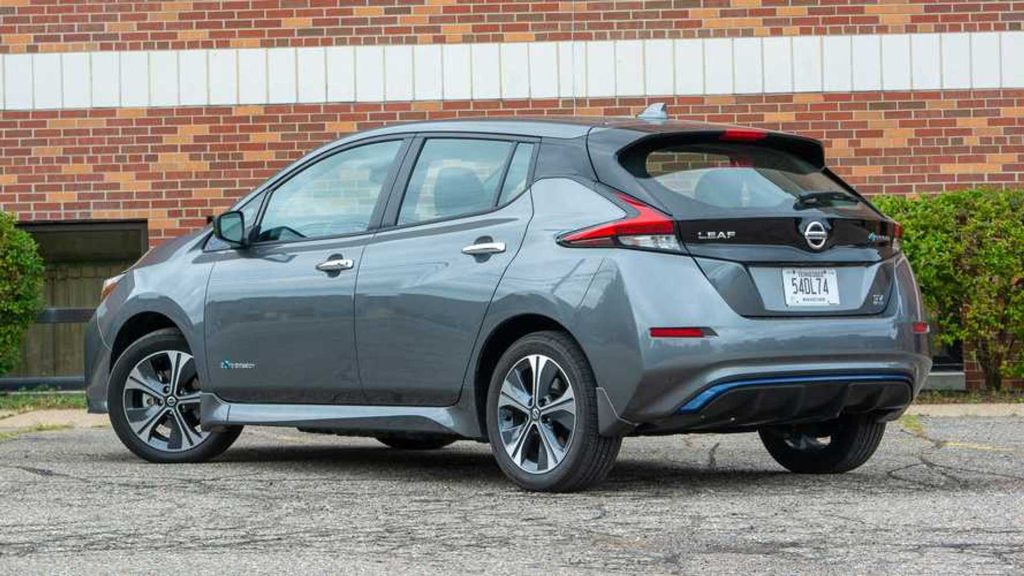
Braking feels smooth and predictable, and by using the e-Pedal mode, drivers can handle most everyday braking simply by easing off the accelerator. This mode not only adds a level of control but also injects a bit of fun into routine driving.
Like most electric vehicles, the Leaf benefits from instant, seamless power delivery and the absence of traditional gear shifts, making it exceptionally easy to drive. The low-mounted battery contributes to a lower center of gravity, allowing the Leaf to stay planted on the road.
6. Volkswagen ID.4 (2021–2023)
The ID.4 is VW’s first fully global EV, and early reviews and reliability data have been promising. Its 250–275 mile range, spacious interior, and solid safety features make it an appealing crossover for families.
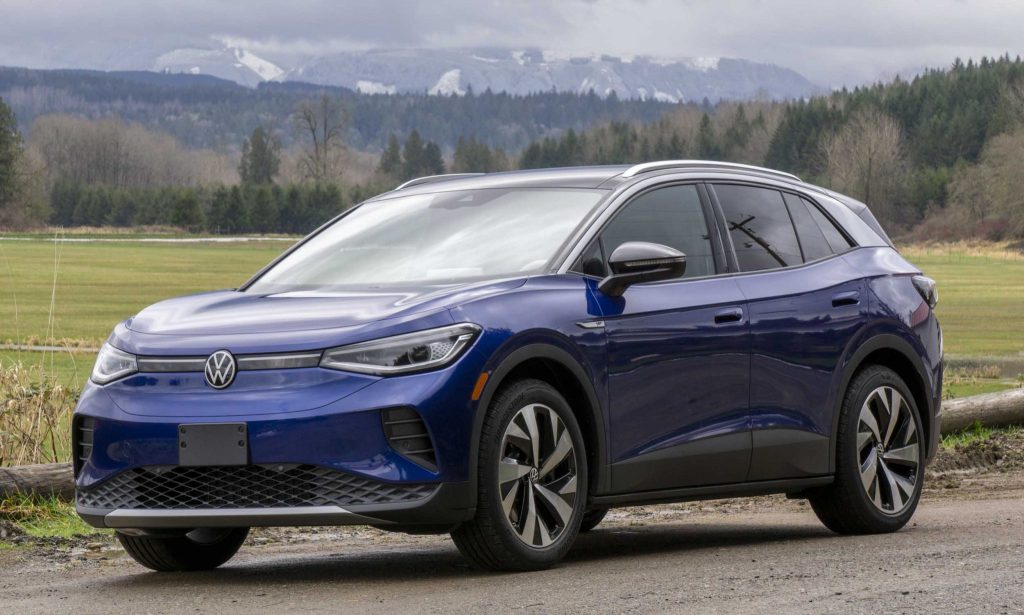
Volkswagen’s battery warranty coverage and software updates further reduce risk for used buyers. While early build quality had minor complaints, most 2021+ ID.4s have addressed these issues, making them a reasonable and safe choice in the 2025 used EV market.
Also Read: 5 Used Luxury Sedans That Last Long vs. 5 That Fall Apart Inside
Used EVs to Think Twice About in 2025
While the used EV market is growing, not every model is a safe bet. Some early-generation or niche electric vehicles can come with hidden drawbacks, from limited battery life and range to costly repairs and software issues.
In 2025, buyers need to be particularly cautious about vehicles that haven’t stood the test of time or that carry high maintenance costs. This section highlights six used EVs that deserve extra scrutiny before purchase, helping you avoid potential pitfalls and make a more informed decision.
1. Early BMW i3 (2014–2017)
The BMW i3 is iconic for its quirky design and lightweight carbon fiber body. However, older models now face several challenges: limited battery capacity (81–114 miles EPA range), a potential shortage of replacement parts, and the fact that BMW discontinued the i3 in 2022.
While it can still be a fun city car, buyers must be prepared for higher maintenance costs and limited long-distance usability.
Even at first glance, the 2014 BMW i3 immediately stands out as far from your typical BMW. As one of the inaugural models in BMW’s environmentally focused “i” sub-brand, the i3 benefits from a clean slate in design.
It avoids the usual constraints automakers face when fitting electric components into a vehicle originally built for gasoline power. At the same time, it is liberated from traditional expectations of what a BMW should look like, drive like, or be powered by.
The result is a vehicle with a strikingly unconventional appearance, yet it remains one of the most innovative cars on the road. Despite its radical exterior, the i3 still honors BMW’s core principles: rear-wheel drive, responsive handling, a composed ride, and lively performance.
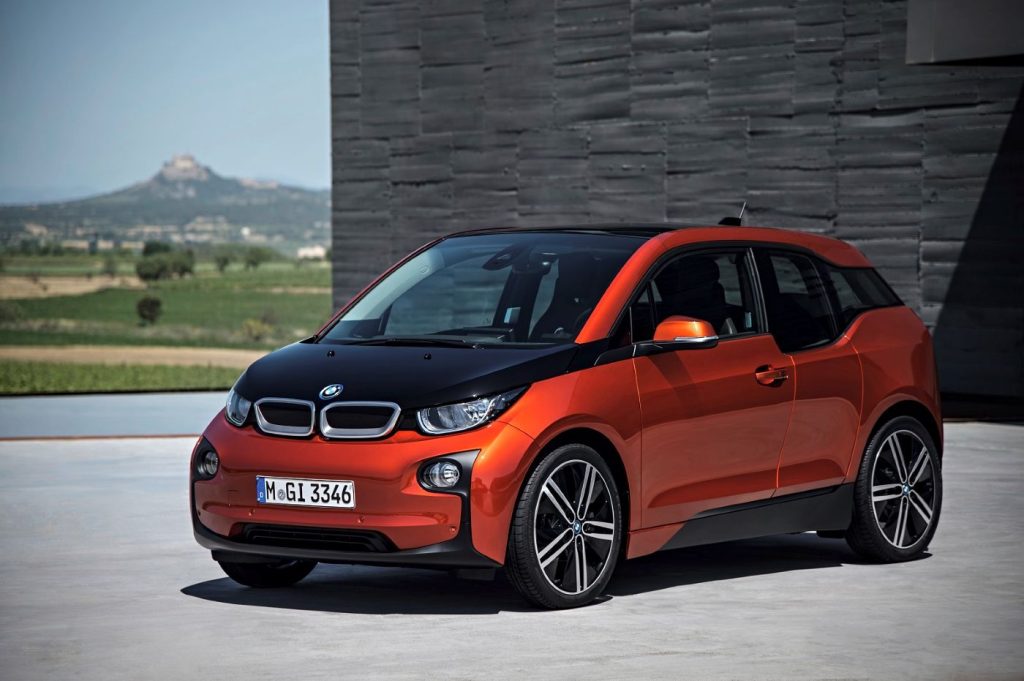
Beneath its controversial styling lies impressive engineering. The i3’s mechanical undercarriage and battery housing are crafted from lightweight aluminum, while the upper body structure is made of carbon fiber, the same ultra-lightweight, ultra-stiff material used in race cars and other high-end vehicles.
Visible cues of this construction, such as the black weave pattern in the door sills and on the roof, highlight BMW’s commitment to advanced materials.
This lightweight design reduces the i3’s mass by hundreds of pounds compared with other electric vehicles, which in turn allows for a smaller battery, lower energy consumption, and reduced electricity costs for the owner.
Power comes from a 170-horsepower electric motor that drives the rear wheels. On our official test route, the i3 achieved roughly 96 miles on a full charge, closely matching the EPA’s estimated 81-mile range.
While this may not suit every commuter, buyers seeking added assurance can opt for the “Range Extender” model, which includes a small gasoline engine to recharge the battery and roughly double the all-electric range.
Even so, the total distance is still only about half that of a full plug-in hybrid like the Chevrolet Volt. The i3’s lightweight construction and thoughtful packaging also enhance both performance and interior space.
2. Jaguar I-Pace (2019–2021)
The Jaguar I-Pace was one of the first luxury EVs to hit the market, offering strong performance and a high-quality cabin. However, some early models have been plagued by battery management issues and software glitches.
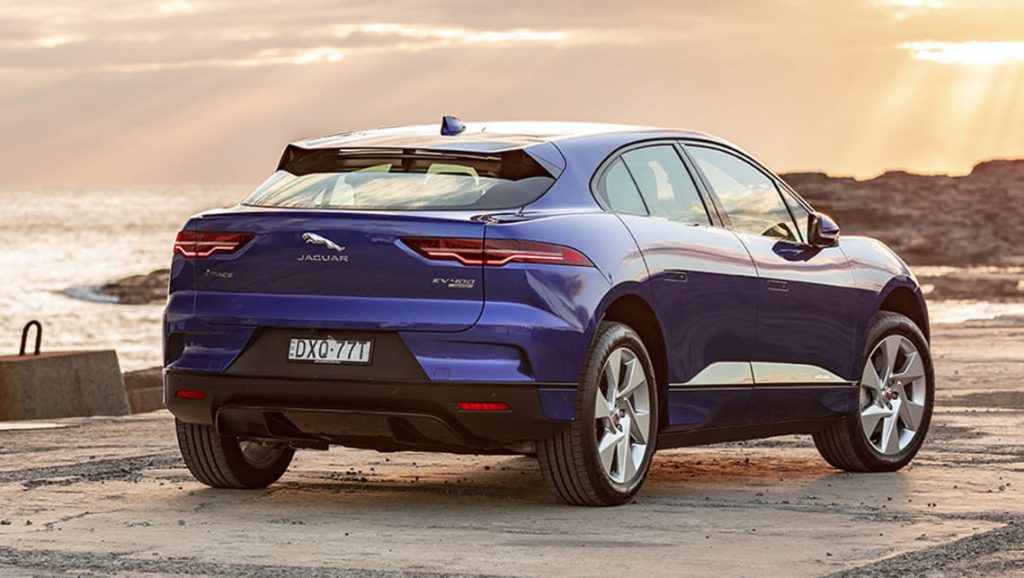
Repair costs for luxury EVs are higher than most mainstream options, and some buyers have reported range degradation after several years of use. For cost-conscious buyers, the I-Pace may present more risk than reward.
3. Fiat 500e (2013–2019)
The Fiat 500e is one of the least expensive EVs on the used market, but its range and comfort limitations make it a tough recommendation. With a real-world range often under 80 miles for older models, and limited charging options in some regions, it’s best suited as a city commuter.
Its small size and basic features can feel outdated compared to modern EVs, making it a choice that requires careful consideration.
The current Fiat 500 has steadily built a devoted following, thanks to its retro-inspired styling and compact, city-friendly design. In 2013, Fiat introduced the all-electric 500e in an effort to attract environmentally conscious drivers to the Cinquecento fan base. Initially, however, the 500e was only available in California, limiting its reach to the Golden State.
Owning an electric car comes with inherent challenges: EVs generally carry higher price tags than their gasoline counterparts, and their driving range is restricted by battery capacity.
The small Fiat 500 adds another layer of complexity, with limited rear-seat room and cargo space. Unfortunately, the all-electric 500e doesn’t overcome these limitations. In fact, the battery pack and associated components take up a significant portion of the already tight backseat and cargo area, effectively making the 500e a two-seater.
On the upside, the 500e offers an EPA-estimated range of 87 miles, which is above average for an EV of its size. Fiat also claims the vehicle can fully recharge in less than four hours using a 240-volt outlet, a strong figure for this class.
Beyond its technical specs, the 500e retains the sporty, chic appearance of the conventional Fiat 500 and delivers a driving experience that is very much in line with the gas-powered model.
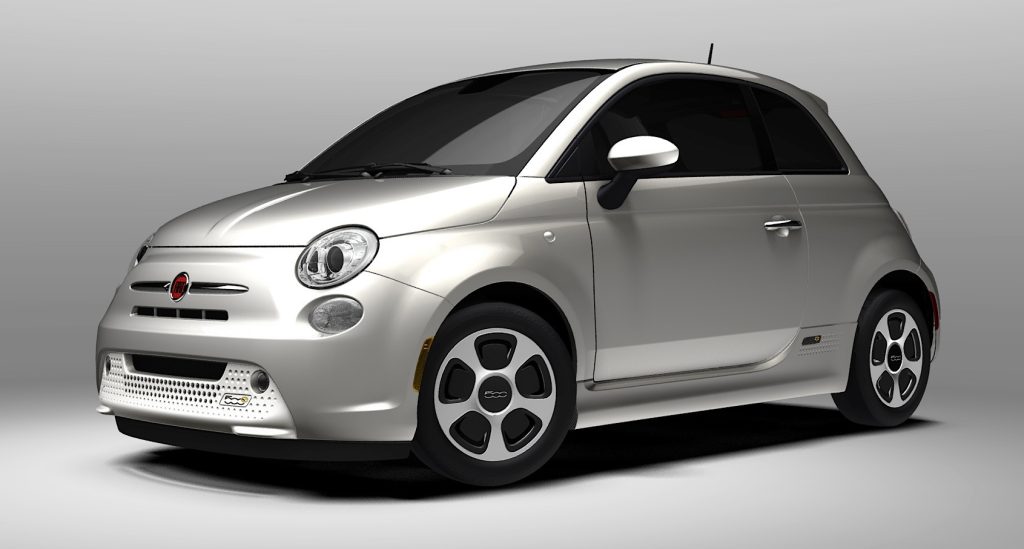
Like many EVs, the 2013 Fiat 500e initially appears expensive. However, when factoring in various federal, state, and local incentives, along with manufacturer rebates Fiat plans to offer, the automaker asserts that the 500e’s cost is comparable to a similarly equipped gasoline-powered 500.
Early adopters also benefit from a compelling lease program. Additionally, Fiat offers the 500e Pass program, which provides owners with free access to rental cars for up to 12 days per year, ensuring they have a larger vehicle available for road trips or other occasions when more space is needed.
Overall, the Fiat 500e is a stylish and charming option for city dwellers looking to transition to electric mobility. However, for buyers outside California, alternatives such as the 2013 Ford Focus Electric, 2013 Honda Fit EV, or 2013 Nissan Leaf may be more practical and widely available.
The 2013 Fiat 500e is powered by an 83-kilowatt electric motor producing 111 horsepower and 147 pound-feet of torque. Its energy comes from a 24-kWh lithium-ion battery pack. The vehicle uses a single-speed transmission, controlled via push-buttons on the dashboard, providing smooth and straightforward operation for urban driving.
4. Kia Soul EV (2015–2019)
The Soul EV is practical and quirky, but early models were constrained by small battery packs and slower charging speeds. Real-world range often fell below 100 miles for pre-2018 models, which can create range anxiety in modern commuting situations. Later models addressed some of these issues, but early Soul EVs may not be worth the investment for most buyers in 2025.
The 2015 Kia Soul EV is part of the growing trend of economy cars being converted into electric vehicles, and as such conversions go, it gets off to a strong start.
The standard Soul is already a stylish, well-equipped, and versatile four-door hatchback, giving the Soul EV solid fundamentals from the outset. Kia has also done an impressive job with the electric components, resulting in a fully competitive EV that offers an EPA-estimated driving range of 93 miles.
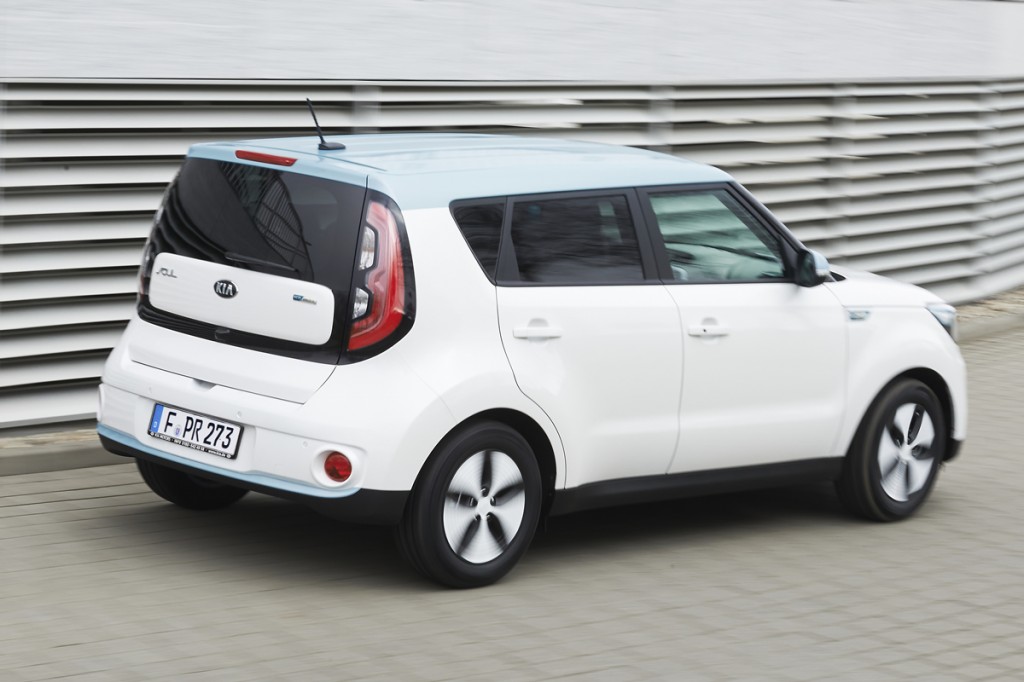
In fact, during testing, the Soul EV consistently traveled farther on a single charge than its rivals. This notable range is largely thanks to its 27 kWh lithium-ion polymer battery, which draws power from one of two charging ports hidden behind a sliding panel in the grille.
The AC port can accept standard 120-volt household current, requiring about 24 hours for a full recharge, or 240-volt current, which reduces charging time to roughly 5 hours. For faster top-ups, the DC port delivers 480-volt current, achieving an 80 percent charge from empty in just 33 minutes.
Availability outside California is more limited, which remains the Soul EV’s primary drawback. Although Kia planned to introduce it to a few additional markets in 2015, California is clearly the main focus for the foreseeable future. For those eligible to purchase one, however, there are few compromises.
The only noticeable difference compared with the gas-powered Soul is a slight reduction in rear leg- and headroom, though two adults can still sit comfortably in the back.
5. Ford Focus Electric (2013–2018)
The Focus Electric is largely overshadowed by newer EVs. Early models suffered from range limitations (around 115 miles EPA), limited dealer support, and outdated technology.
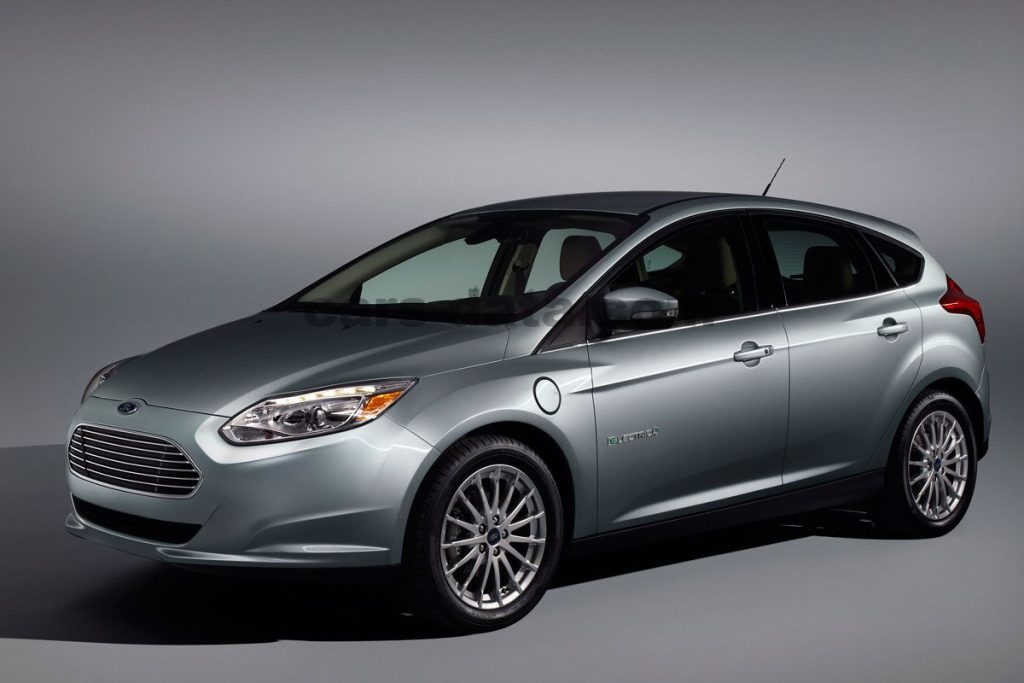
While parts are generally available, the car’s aging software and battery management system make it a higher-risk purchase today. Buyers would likely get more value from a newer, more capable EV instead.
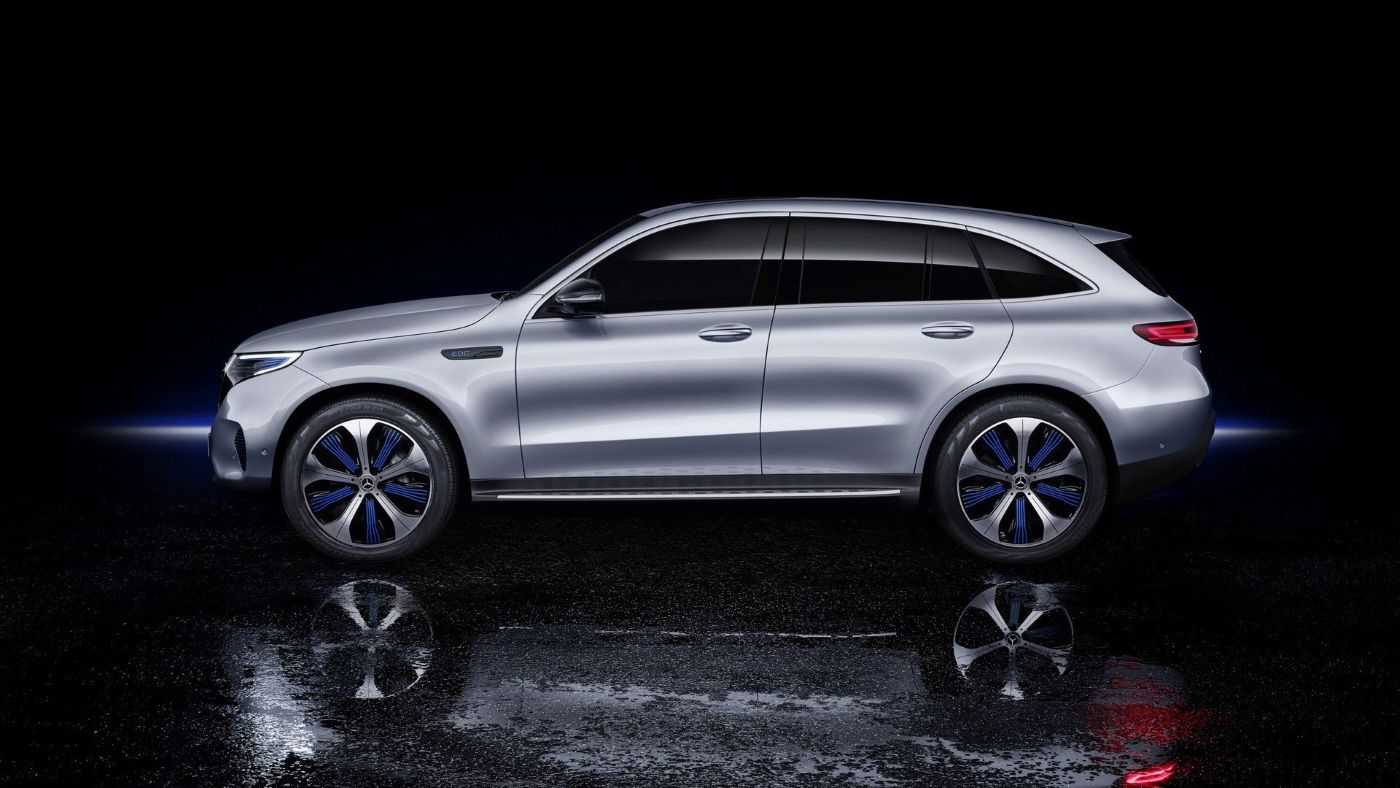
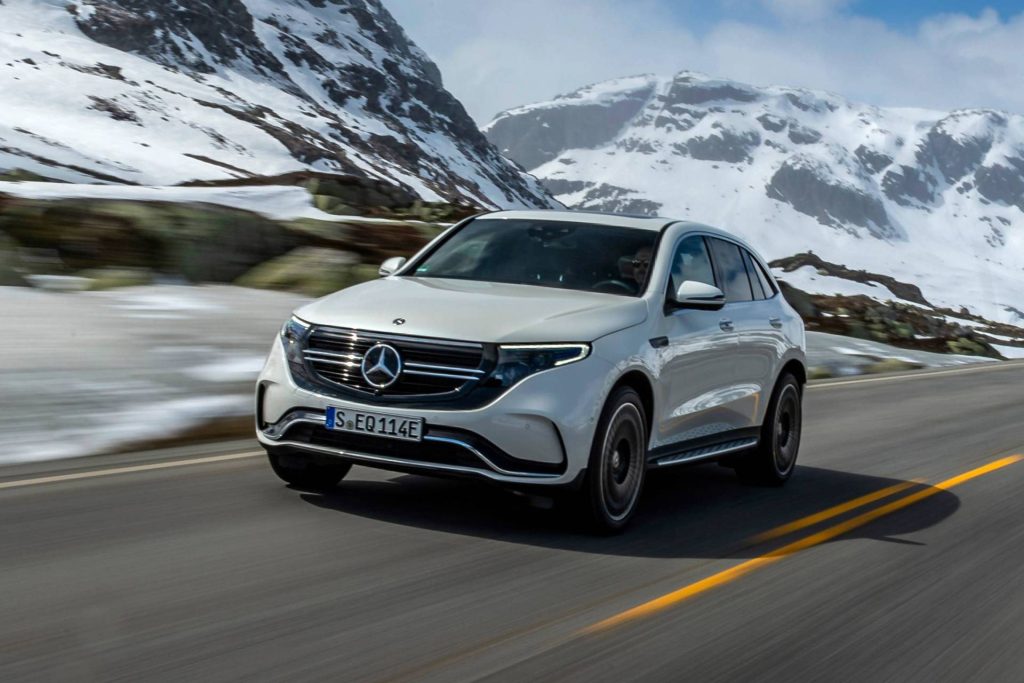
6. Mercedes-Benz EQC (2020–2022)
The EQC was Mercedes’ first attempt at a full-size luxury EV, but early models have had some reliability concerns, particularly around electronics and battery software.
Its high initial cost translates to expensive repairs if anything goes wrong, making it a risky proposition for the used market. While it offers comfort and refinement, cost-conscious buyers should approach cautiously.
Buying a used EV in 2025 offers the opportunity to join the EV revolution at a fraction of the cost of a new vehicle. However, not all EVs are created equal. Factors like battery health, software updates, warranty coverage, and charging infrastructure compatibility are critical in determining long-term satisfaction.
Vehicles like the Tesla Model 3, Chevrolet Bolt, and Hyundai Kona Electric stand out for their reliability, practicality, and ongoing support. On the other hand, older luxury or early-generation models, such as the Jaguar I-Pace or BMW i3, may present challenges that outweigh their appeal.
Ultimately, the key to a successful used EV purchase is research. Buyers should verify battery health, review service histories, and consider how they plan to use the vehicle, commuting, road trips, or urban errands. By choosing wisely, used EV buyers in 2025 can enjoy the benefits of electric mobility without the headaches, making this the perfect time to transition away from gas-powered vehicles.
