Rainy days can turn any car ride into a test of patience and practicality. Beyond just handling wet roads safely, some vehicles are designed to maintain a clean, polished look even when the weather turns messy.
From compact SUVs to luxury sedans, the right combination of paint finishes, aerodynamics, and thoughtfully engineered surfaces helps keep water spots, mud, and grime from sticking. This list highlights ten cars that excel not only in performance and safety but also in staying presentable after rainstorms.
Each vehicle features all-wheel drive or advanced traction systems to tackle slick streets confidently, paired with interiors that prioritize comfort and usability. Whether on city streets, suburban roads, or light off-road paths, these models minimize the stress of driving in wet conditions while reducing the need for constant washing.
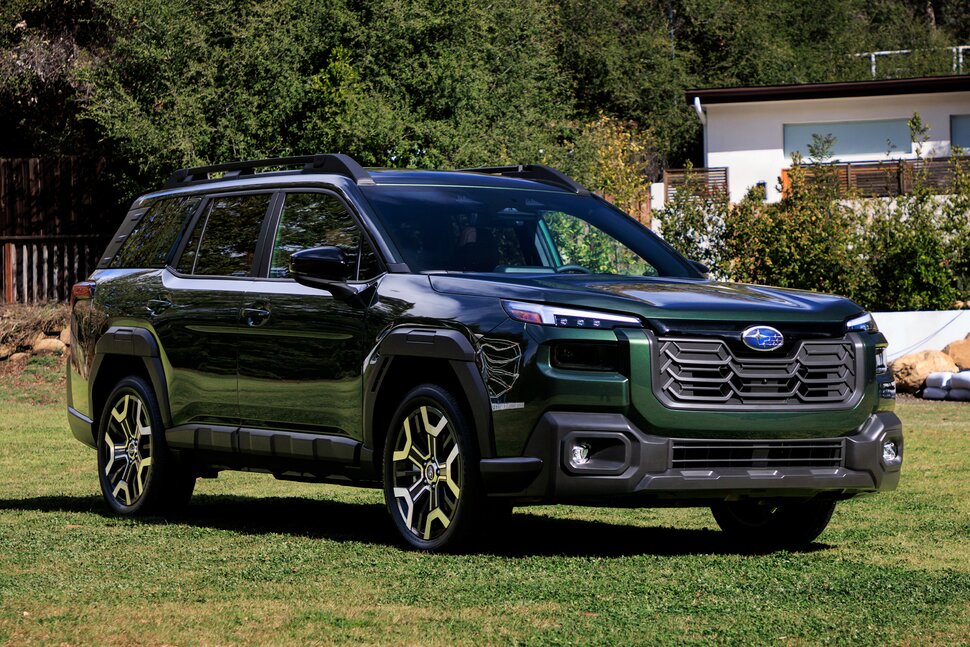
1. 2026 Subaru Outback: Rugged Comfort Meets Modern Technology
The 2026 Subaru Outback is designed for drivers who value all-weather capability and off-road versatility. Its standard Symmetrical All-Wheel Drive continuously adjusts power delivery to all four wheels, making rainy and slippery conditions more manageable.
With 8.7 inches of ground clearance and selectable terrain drive modes, the Outback maintains its reputation as a light-duty off-roader. The Wilderness trim enhances this capability further with higher ground clearance, all-terrain tires, a more aggressive exterior, and the turbocharged 260-hp engine.
The Outback comes with two four-cylinder engines: a standard 180-hp 2.5-liter and an optional 260-hp turbocharged 2.4-liter. Both use a continuously variable automatic transmission (CVT).
The base engine provides adequate but unexciting performance, while the turbocharged option improves responsiveness, though the CVT can feel jerky. Estimated 0–60 mph times are 8.8 seconds for the base engine and 6.6 seconds for the turbo, offering a mix of comfort and capability for highway and off-road driving.
Inside, the Outback has been modernized with a more contemporary design, premium materials, and a dual-panel digital instrument cluster and infotainment screen. The flat roofline is raised by two inches, improving headroom for rear passengers. Cargo space has also increased by two cubic feet, making it more practical for everyday use and outdoor adventures.
A 12.1-inch infotainment display with a faster processor dominates the cabin, complemented by Apple CarPlay, Android Auto, and cloud-based voice recognition. The system is designed for intuitive use, with a quick-access menu for navigation, media, and phone functions.
All models include Subaru’s latest EyeSight suite, featuring forward-collision warning, automated emergency braking, adaptive cruise control with lane-keeping assist, and optional blind-spot monitoring and rear cross-traffic alert. Hands-free driving is supported up to 85 mph.
Towing capacity is 2,700 pounds with the base engine and 3,500 pounds with the turbo. Fuel economy ranges from 25–31 mpg for the base model and 21–29 mpg for turbo variants. Subaru offers a three-year/36,000-mile limited warranty and a five-year/60,000-mile powertrain warranty, but no complimentary maintenance is included.
The 2026 Outback blends rugged capability, updated comfort, and advanced technology, making it a versatile choice for both daily commuting and off-road adventures.
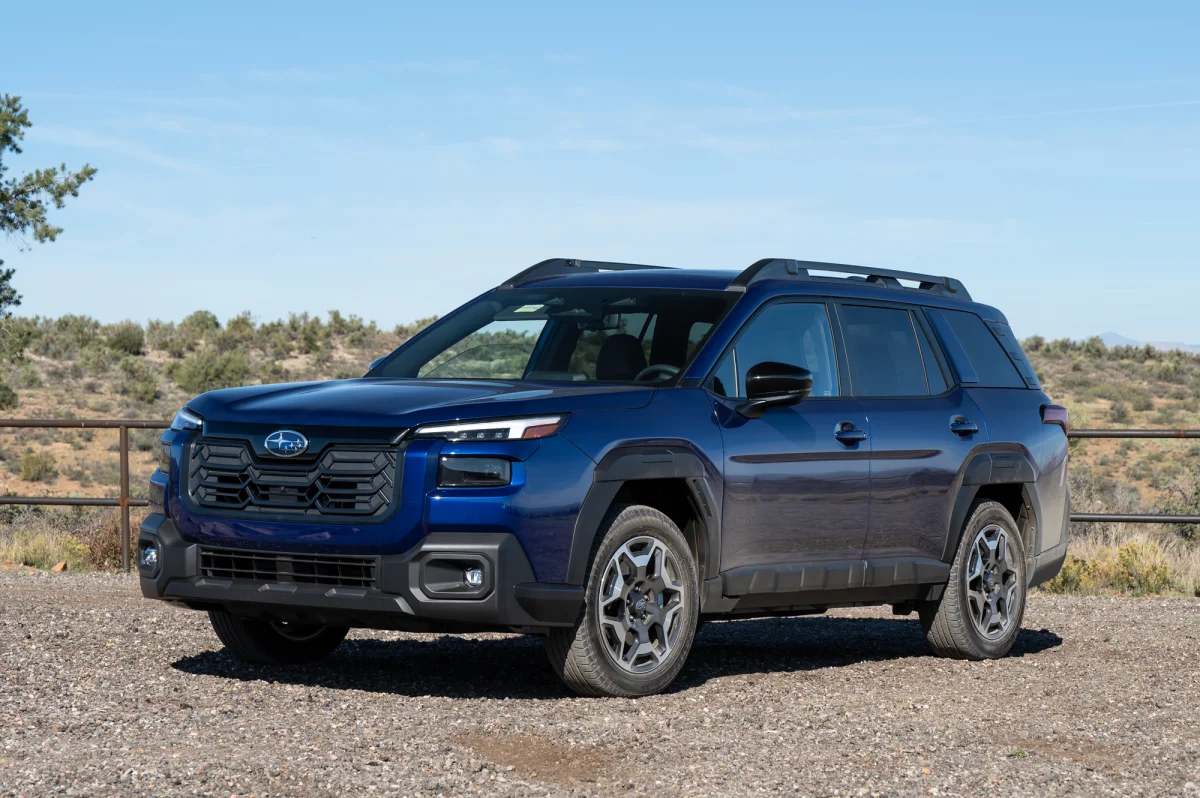
2. 2026 Volvo XC60: Scandinavian Safety and Comfort
The 2026 Volvo XC60 emphasizes safety and confident handling, making it a standout choice for drivers in wet or challenging conditions. Built with Swedish engineering expertise, this luxury crossover delivers a composed and secure ride, prioritizing stability over aggressive performance.
The XC60 B5 is powered by a turbocharged 2.0-liter four-cylinder paired with a 48-volt mild-hybrid system, producing 247 horsepower. An eight-speed automatic transmission sends power smoothly to the wheels. The crossover corners precisely, with a well-planted chassis, though harsh bumps can be felt in the cabin.
The plug-in hybrid T8 variant offers higher performance and efficiency but is reviewed separately. Volvo estimates the B5 can accelerate from 0–60 mph in 6.5 seconds, consistent with previous T5 performance.
EPA ratings for the B5 model are 22 mpg city and 28 mpg highway. Real-world testing is pending, but these numbers place the XC60 in a competitive spot among luxury compact crossovers.
Inside, the XC60 features a quiet, spacious cabin with high-quality materials and clean Scandinavian design. Both rows accommodate adults comfortably, while cargo space is competitive; folding the rear seats allows for substantial storage, though interior cubby space is limited. The cabin exudes a refined, upscale feel, comparable to more expensive Volvo models.
A 9.0-inch touchscreen runs Volvo’s Google-based infotainment system, offering customization options, Google Assistant voice controls, and responsive menus. Apple CarPlay, Android Auto, Bluetooth, and an onboard 4G LTE Wi-Fi hotspot come standard, providing seamless connectivity for all passengers.
Volvo’s safety-first philosophy is evident, with standard automated emergency braking, pedestrian detection, and lane-keeping assist. Optional adaptive cruise control with semi-autonomous driving enhances highway comfort. The XC60 consistently earns strong crash-test ratings from both NHTSA and IIHS, reinforcing its reputation as a safe luxury crossover.
Volvo offers a four-year/50,000-mile limited and powertrain warranty, along with three years or 36,000 miles of complimentary scheduled maintenance, giving XC60 owners added convenience and peace of mind.
The Volvo XC60 blends thoughtful Scandinavian design, advanced technology, and top-tier safety, making it a reliable and stylish choice for drivers seeking luxury, comfort, and confidence in all conditions.
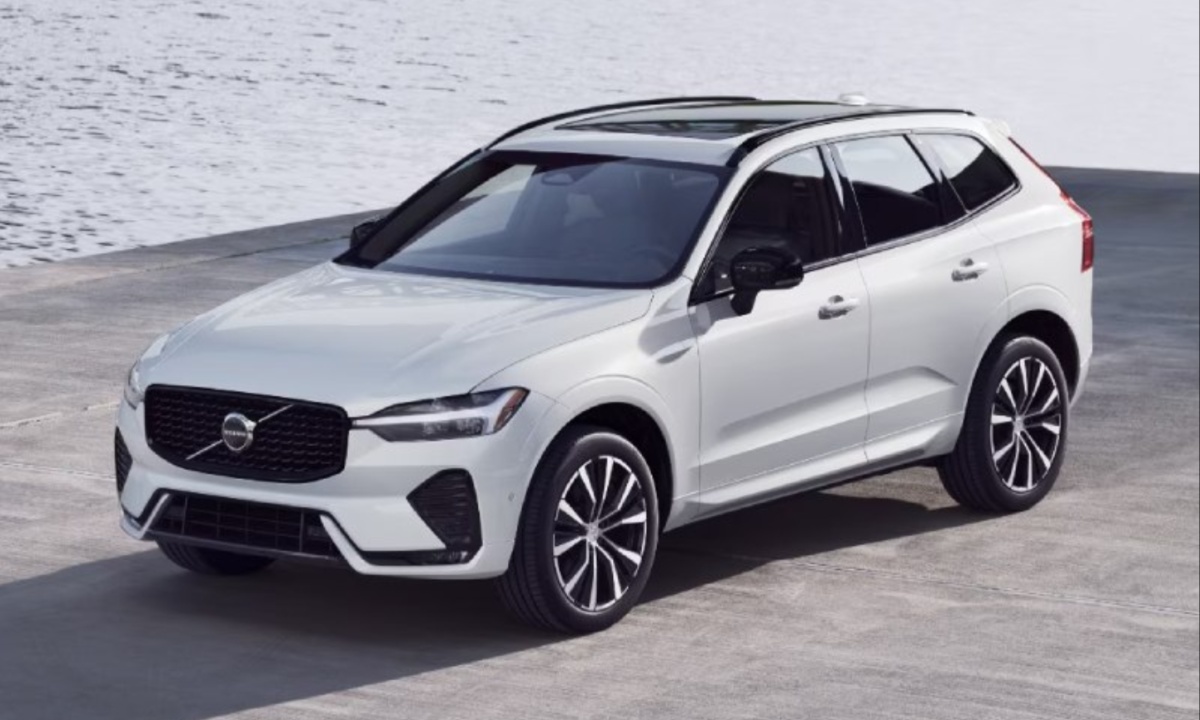
3. 2025 Subaru Forester: Practical Comfort with Capable AWD
The 2025 Subaru Forester is built for drivers who prioritize visibility, all-weather capability, and a comfortable ride. Its higher driving position improves sightlines in heavy rain, while standard all-wheel drive and generous ground clearance help maintain traction on wet or uneven surfaces. Power is automatically sent to the wheels with the most grip, giving the Forester confidence in puddles, mud, or snow.
The Forester comes with a 2.5-liter flat-four engine producing 180 horsepower and 178 lb-ft of torque, paired with a continuously variable transmission (CVT) and all-wheel drive. While the SUV isn’t sporty, it offers a smooth, comfortable ride suitable for daily commuting and light off-road use.
Steering feedback is minimal, and the suspension prioritizes comfort over handling precision. At the test track, a Forester Sport reached 0–60 mph in 8.3 seconds. Acceleration feels adequate in typical driving scenarios, though the engine can be gruff under hard throttle. A hybrid powertrain is expected in the next model year.
EPA ratings for the Forester are 26 mpg city and 33 mpg highway, with Sport and Touring trims losing 1 mpg in each measure. Real-world highway testing of the Sport trim showed 31 mpg, offering respectable efficiency for a compact SUV with all-wheel drive.
The Forester’s cabin is spacious and comfortable, with mid-level trims offering leather accents, heated and ventilated front seats, and improved sound insulation for a quieter ride. Rear seats provide ample head, leg, and hip room, and cargo space reaches 75 cubic feet with the rear seats folded. Roof rails are standard, and a hands-free powered tailgate is available.
Most trims feature an 11.6-inch touchscreen with wireless Apple CarPlay and Android Auto, along with a wireless charging pad. Base models come with dual 7.0-inch displays supporting the same smartphone integration.
The Forester comes standard with Subaru’s EyeSight suite, including automated emergency braking, lane-departure warning with lane-keeping assist, and adaptive cruise control. It consistently earns high crash-test ratings from NHTSA and IIHS.
Subaru provides a three-year/36,000-mile limited warranty and a five-year/60,000-mile powertrain warranty. Scheduled maintenance is not included, making it less competitive compared with rivals offering complimentary maintenance or longer warranties.
The Forester combines practicality, comfort, and all-weather confidence, making it an appealing choice for families and drivers who prioritize utility and reliability over sporty performance.
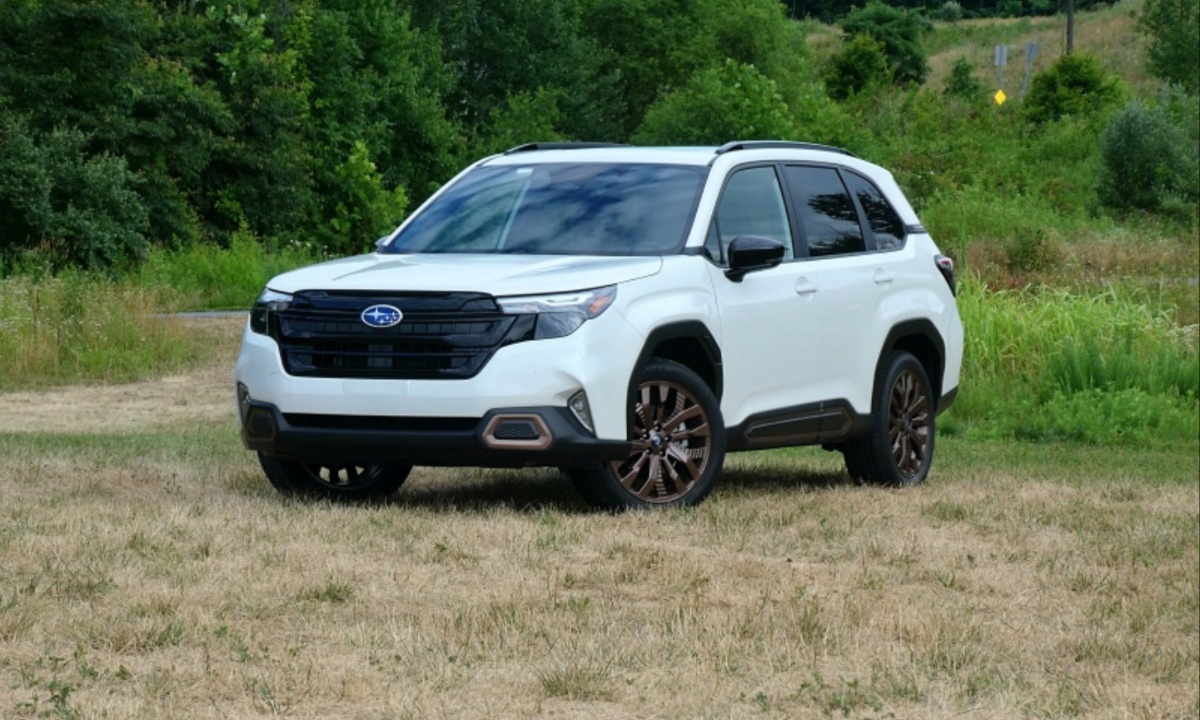
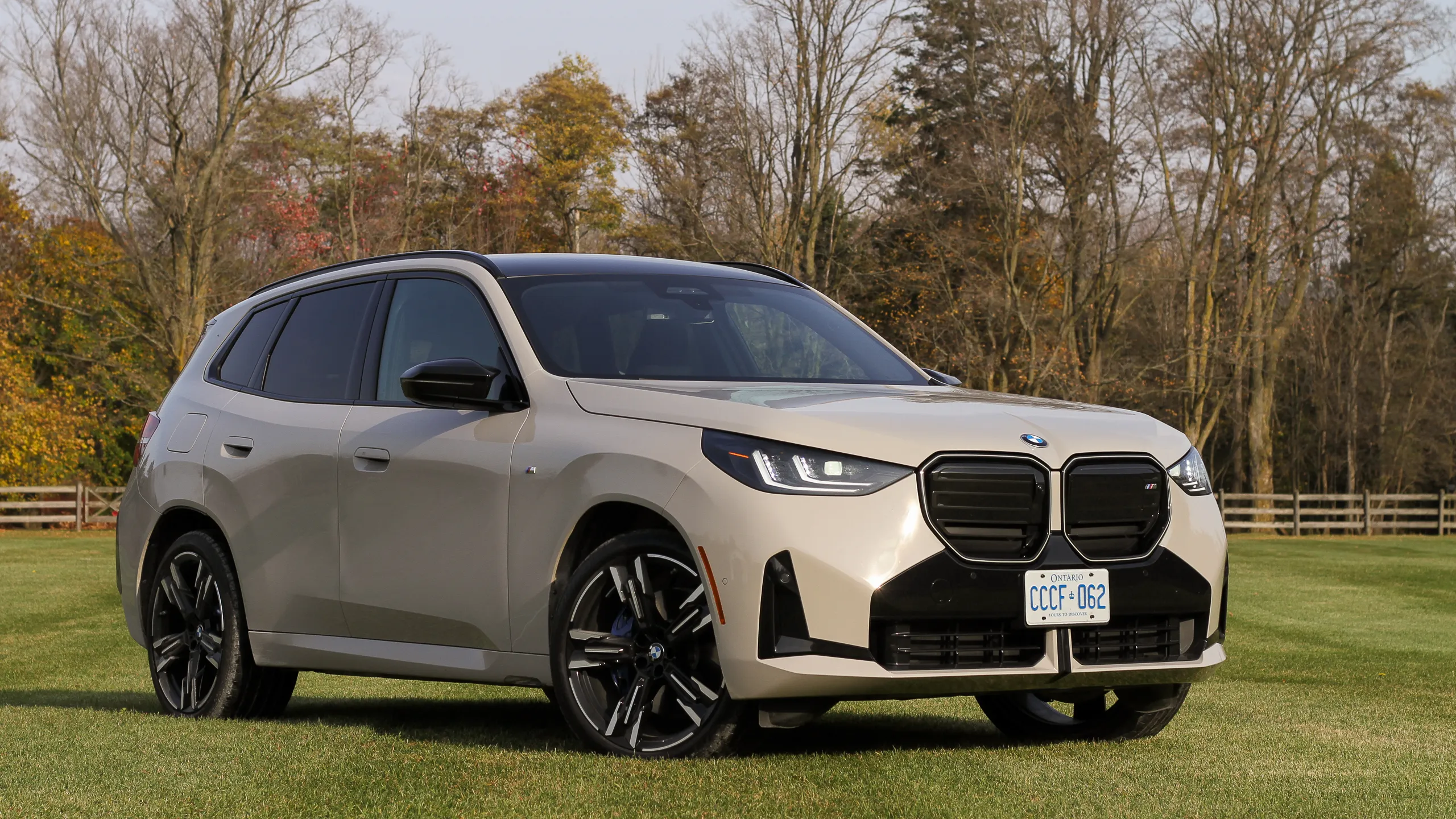
4. 2025 BMW X3 xDrive: Balanced Performance and Practical Luxury
The 2025 BMW X3 xDrive blends sporty performance, refined handling, and all-weather capability. Its intelligent xDrive all-wheel-drive system enhances traction and responsiveness, making rain and mixed-road conditions feel controlled and confidence-inspiring.
With composed handling and stable braking, the X3 delivers a driving experience that balances agility with comfort. The base X3 30 xDrive reaches 0–60 mph in 6.1 seconds, while the higher-performance M50 variant offers faster acceleration and a more engaging drive.
The X3 combines smooth acceleration with solid stability. Ride quality is comfortable without being overly soft, and visibility is excellent. A mild-hybrid system assists efficiency but has a slightly intrusive auto stop-start function, which can temporarily affect climate control. Cornering is predictable, making the SUV manageable in both city and highway conditions.
Front seats provide firm cushioning with extensive adjustments, lumbar and lateral support, and heating and ventilation options. Rear passengers enjoy ample headroom and decent legroom, though the second row does not recline.
Wide door openings ease entry and exit, but flush door handles may be harder for children to use. Cabin noise is moderate, with some engine and road sound noticeable under heavier acceleration.
A dual-screen infotainment setup features a high-resolution touchscreen, built-in apps, and responsive navigation. Wireless Apple CarPlay and Android Auto are standard, alongside multiple USB-C ports and a vertical wireless charging pad. Additional tech features include a digital key and remote app functionality.
The X3 offers 31.5 cubic feet of cargo space, with 40/20/40-split rear seats that fold nearly flat for larger items. Cabin storage is functional, with reasonably sized door pockets and a small center bin, alongside cupholders and a wireless charging slot. Towing capacity is 4,000 pounds for the 30 xDrive and 4,850 pounds for the M50.
Starting around $52,000, the X3 is competitively priced among luxury compact SUVs. Materials are mostly premium, though some plastics feel cheaper than expected. EPA fuel economy is estimated at 29 mpg combined for the 30 xDrive, with the M50 variant slightly lower. Standard warranties are typical for luxury vehicles, though less generous than some rivals.
The BMW X3 xDrive combines practical features, solid performance, and a comfortable interior, making it a versatile choice for drivers seeking a well-rounded luxury SUV with sporty driving characteristics.
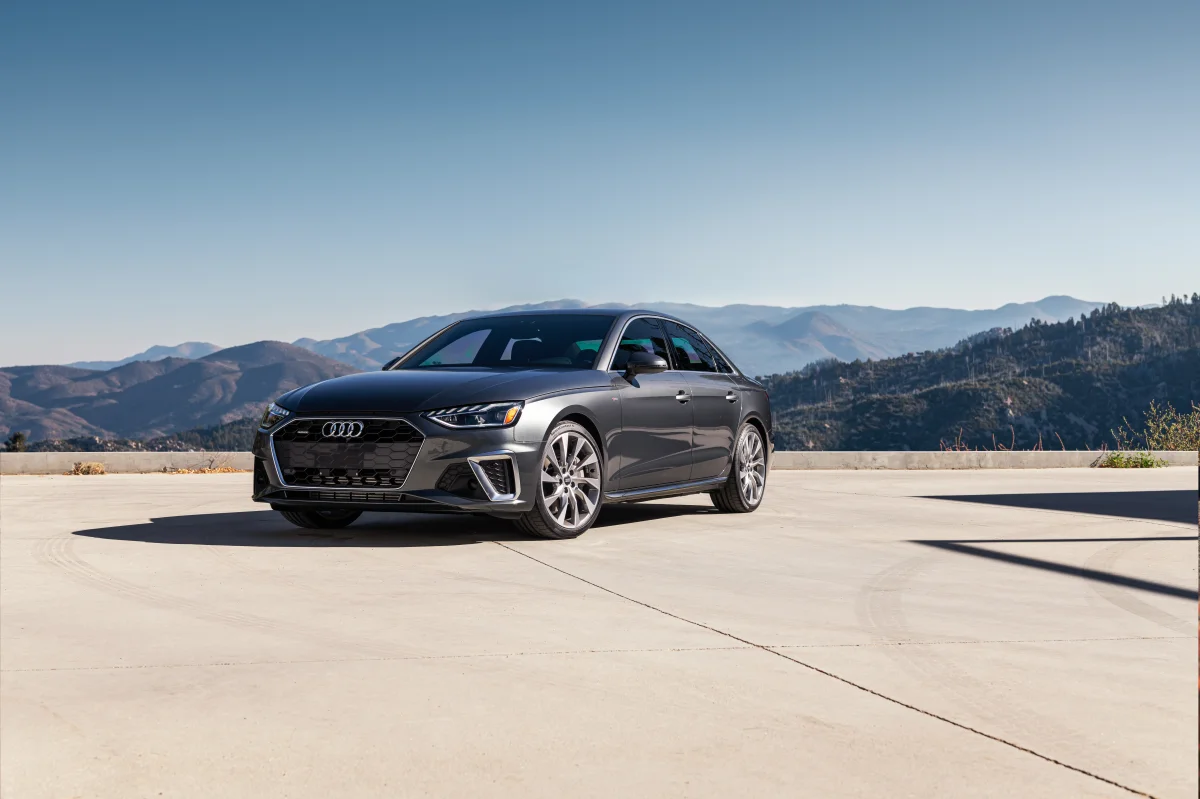
5. 2025 Audi A4 Quattro: Subtle Luxury with All-Wheel Drive Confidence
The 2025 Audi A4 Quattro pairs a refined driving experience with the legendary Quattro all-wheel-drive system, providing confident traction in all conditions. The system continuously monitors wheel slip, delivering torque where it is needed most, making the A4 stable and predictable in rain or mixed surfaces.
The A4 45 TFSI is powered by a 261-horsepower turbocharged four-cylinder engine paired with a dual-clutch transmission. Acceleration from 0–60 mph takes 5.3 seconds, offering brisk performance for its class. The suspension is firm yet composed, controlling body motions over uneven pavement without feeling harsh.
Braking is strong but can feel abrupt at low speeds, and handling is competent though not particularly engaging. Steering feedback lacks road feel, but the A4 remains composed through corners, providing confident, smooth control.
The cabin is quiet and spacious, with ample legroom and headroom for four adults. Front seats are firm but supportive, suitable for long drives. The back seat can accommodate an adult comfortably, though fitting a rear-facing child seat can limit front-passenger space. Despite minor road and wind noise, the interior feels solid and functional, retaining a timeless, slightly conservative design.
Audi’s MMI infotainment system features a 10.1-inch touchscreen with intuitive menus, while the optional Virtual Cockpit offers a fully digital 12.3-inch instrument cluster. Standard wireless Apple CarPlay, wired Android Auto, and multiple USB ports ensure seamless smartphone integration. Optional features include high-end audio, though the Bang & Olufsen system in the A4 falls short of its reputation.
Trunk capacity is 12 cubic feet, smaller than many competitors, but the wide opening and 40/20/40-split rear seats allow flexibility for larger items. Interior storage is adequate but shallow in some areas, such as the center console and shift-gear bin.
The A4 provides a strong value proposition with generous standard features compared with many rivals. EPA estimates for the 45 TFSI are 26 mpg combined (23 city/32 highway), with real-world highway results around 28 mpg. Audi warranties cover four years or 50,000 miles for both bumper-to-bumper and powertrain coverage.
The Audi A4 Quattro is a subtly stylish, practical, and confident luxury sedan. While it may lack thrilling engagement, it excels in refined performance, solid technology, and dependable all-weather capability.
Also Read: 10 Cars That Keep the Cabin Quiet on Concrete Highways
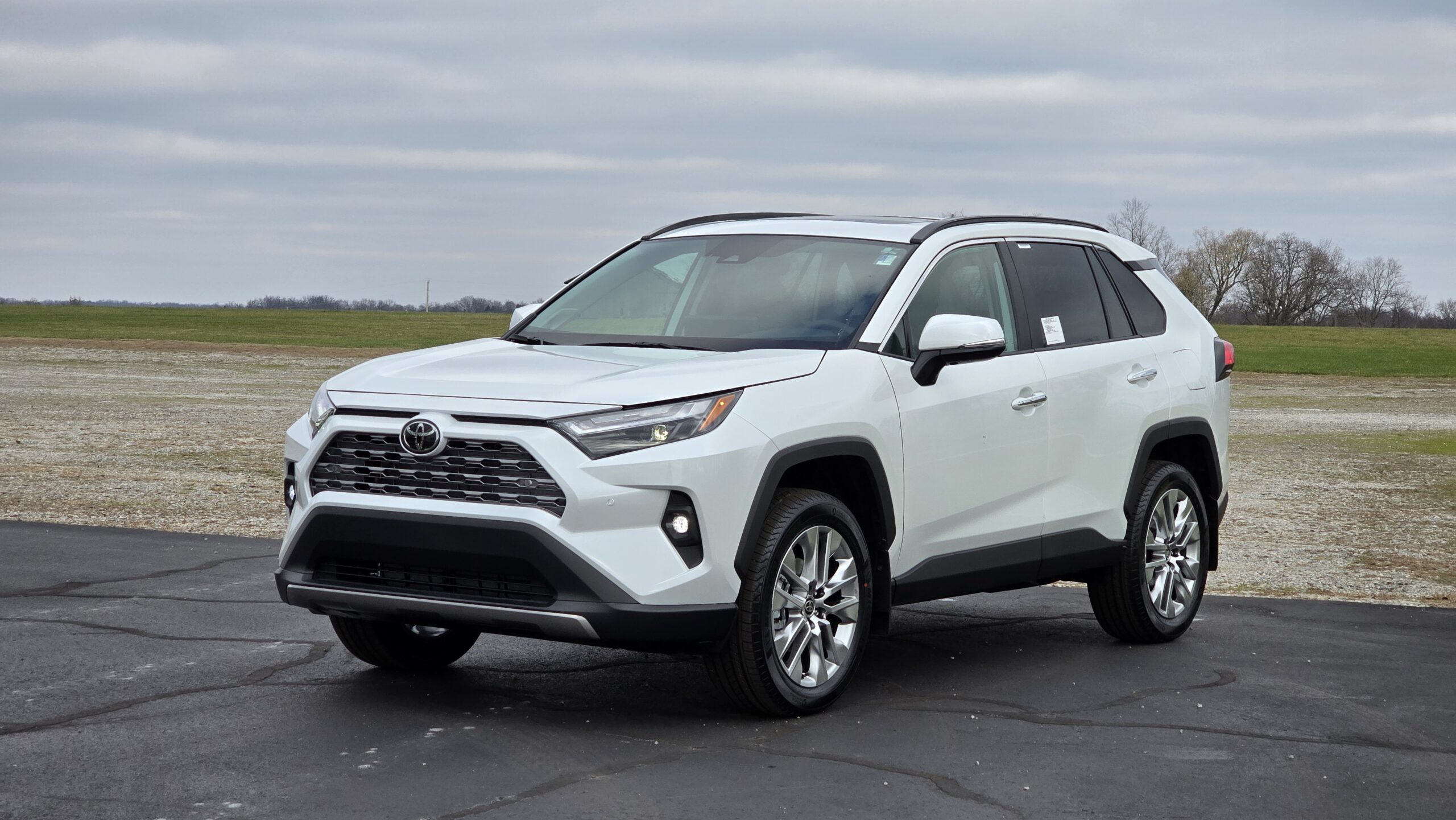
6. 2025 Toyota RAV4: Reliable and Practical Small SUV
The 2025 Toyota RAV4 combines reliability, comfort, and all-weather capability. Its all-wheel-drive system dynamically directs torque to maintain traction, helping the RAV4 perform confidently on wet or snowy roads. The Limited trim enhances this with rear-axle torque vectoring and hill descent control, giving it above-average off-road capability for a small SUV.
The RAV4 is powered by a modest four-cylinder engine that performs well for daily driving but lacks strong acceleration. In testing, a RAV4 reached 0–60 mph in 9.1 seconds, slower than many rivals. Steering feels vague near the center, which can make precise handling challenging.
Despite these limitations, the ride is comfortable, and passing or merging on highways is generally effortless. Ground clearance and AWD contribute to a composed driving experience in varied conditions.
The cabin is spacious and user-friendly. Drivers enjoy a good range of seat and steering adjustments, although front passengers may find their seats set slightly high. Entry and exit are easy, and LATCH-equipped rear seats simplify installing child car seats.
The cabin is thoughtfully laid out, with intuitive controls, large climate knobs, and a comfortable driving position. Rear passengers have adequate space for both forward-facing and booster seats.
The RAV4 comes with an 8-inch touchscreen on lower trims and a 10.5-inch unit on the Limited trim. The interface is simple and responsive, supporting wireless Apple CarPlay and Android Auto. Optional navigation and voice commands make the system convenient, though wireless device charging is reserved for higher trims.
Cargo space is impressive for the class, with 37.5 cubic feet behind the rear seats and 69.8 cubic feet with seats folded. The low cargo floor makes loading and unloading easier, and numerous interior bins and shelves provide additional storage. Towing capacity is 1,500 pounds, typical for compact SUVs.
The RAV4 offers solid interior quality, especially on XLE Premium and Limited trims with synthetic leather upholstery and tidy stitching. Warranty coverage is standard, with two years or 25,000 miles of complimentary scheduled maintenance. Fuel economy ranges from 28–30 mpg combined, with real-world tests averaging around 28.6 mpg.
The Toyota RAV4 excels as a reliable, practical, and comfortable crossover. While it isn’t the most powerful or exciting to drive, it delivers easy, fuss-free performance, ample cargo space, and dependable all-weather capability for everyday driving.
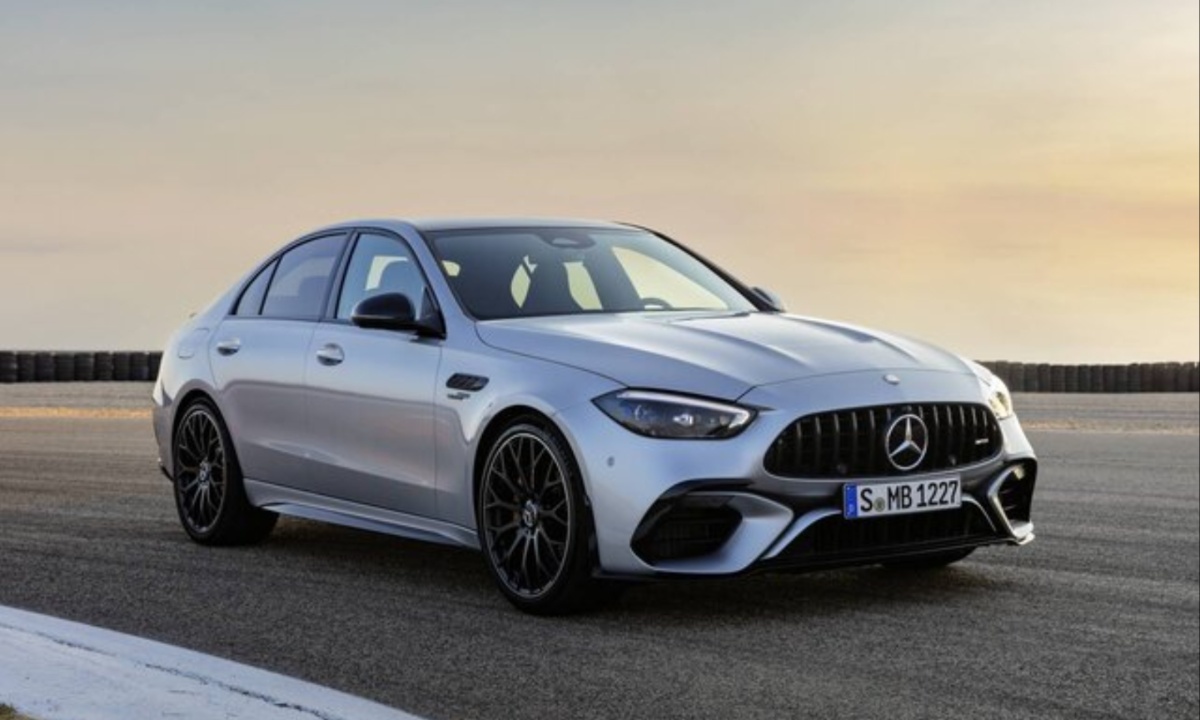
7. 2025 Mercedes-Benz C-Class 4MATIC: Compact Luxury with Refined AWD
The 2025 Mercedes-Benz C-Class 4MATIC blends German refinement, advanced all-wheel-drive technology, and compact luxury. Its 4MATIC system enhances traction and stability, ensuring a composed ride in rain, snow, or mixed-road conditions. The C-Class focuses on comfort, quietness, and a premium feel, delivering a luxury experience in a small sedan package.
The C 300 is powered by a turbocharged four-cylinder engine, accelerating to 60 mph in 5.8 seconds. Transmission shifts are smooth and unobtrusive, and the optional AMG Line package improves steering response and braking while adding a sportier suspension.
Ride quality is comfortable but slightly busier than some rivals, transmitting more road texture into the cabin. Advanced driver aids are available, though many are optional, and adaptive cruise control can feel abrupt.
Passenger space is generous for the class, with more room than many competitors. Front seats offer multiple adjustments, though achieving an ideal driving position may require effort.
Entry and exit can be challenging due to the low ride height. The cabin is quiet, keeping engine and road noise to a minimum. Climate controls are touchscreen-based, with strong cooling capacity, though manual adjustments may be needed for optimal airflow.
The C-Class offers an advanced infotainment system, including a large touchscreen and excellent navigation that rivals smartphone-based systems. Wireless and wired Apple CarPlay and Android Auto are supported, alongside a sophisticated voice recognition system. Premium audio is available via the Burmester system, enhancing the in-car experience.
Trunk space totals 12.6 cubic feet, with flat-folding rear seats and remote seat-fold buttons for added convenience. Underfloor storage is available, and cabin storage includes an adequate center armrest, door pockets, and removable cupholders. While functional, interior storage solutions are not exceptional.
The base C 300 offers a premium feel at a competitive price relative to its luxury class peers. Materials, design, and fit are impressive, though warranties are standard for the segment at four years/50,000 miles. Fuel economy is estimated at 29 mpg combined, with real-world testing averaging 30.7 mpg.
The Mercedes-Benz C-Class 4MATIC delivers a composed, quiet, and refined driving experience with capable AWD, strong performance, and premium cabin quality. It’s a luxury sedan that balances comfort and capability, though it prioritizes refinement over excitement.
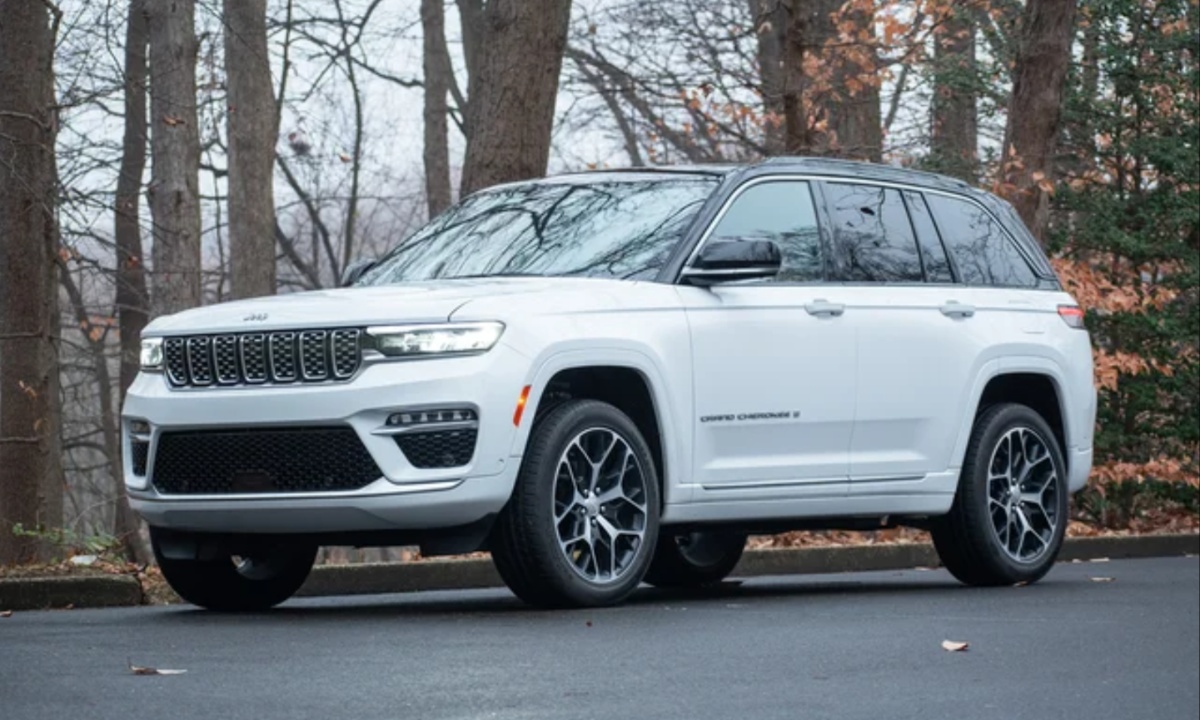
8. 2025 Jeep Grand Cherokee: Rugged Capability Meets Comfort
The 2025 Jeep Grand Cherokee emphasizes rugged off-road capability while providing a comfortable driving experience. Its higher ride height and advanced four-wheel-drive system, along with multiple traction modes, allow it to handle severe weather and rough terrain with confidence.
The standard 3.6-liter Pentastar V6 delivers solid performance for daily driving, while the available 4xe plug-in hybrid offers quicker acceleration for those seeking more power.
The V6 engine produces adequate power, achieving 0–60 mph in approximately 8 seconds, similar to midsize rivals like the Toyota 4Runner and Honda Passport. Braking is strong and confidence-inspiring, and the steering feels light yet precise. While the Grand Cherokee is not particularly sporty, it excels off-road compared with many midsize crossovers, offering stability and traction that few competitors match.
The cabin offers firm but supportive seats, with optional heated and ventilated rear seats, a rare feature at this price point. The highway ride is slightly stiff, even with the optional air suspension, and rear-seat space is somewhat limited.
The interior remains quiet in most conditions, though sharp bumps can transmit noise. Climate controls are effective, though some buttons are small and positioned low, requiring careful attention. Entry and exit are straightforward, and the interior layout is practical.
Jeep’s Uconnect 5 infotainment system provides crisp graphics and responsive touch controls. Navigation is integrated, though screen glare can occur in bright sunlight. Smartphone integration is standard, including Apple CarPlay and Android Auto, and there are eight USB ports for connectivity. Optional 19-speaker McIntosh audio enhances the cabin experience.
Cargo space measures 37.7 cubic feet behind the second row, with rear seats folding flat for larger items. The cargo floor sits relatively high, and vertical space is limited. Interior storage includes a deep center console, medium cupholders, and wide door pockets. The Grand Cherokee also has strong towing capability, rated up to 6,200 pounds.
Entry-level models are competitively priced, while higher trims offer luxury-oriented features. Build quality is mixed, with some controls and materials feeling less premium. The V6 model achieves an EPA-estimated 22 mpg combined, which is realistic in real-world testing. Jeep’s warranty covers three years/36,000 miles for basic coverage and five years/60,000 miles for the powertrain.
The Jeep Grand Cherokee blends rugged capability, commanding road presence, and functional interior space. While it may not be the sportiest midsize SUV, its off-road prowess, towing capacity, and iconic style make it a compelling choice for adventurous drivers.
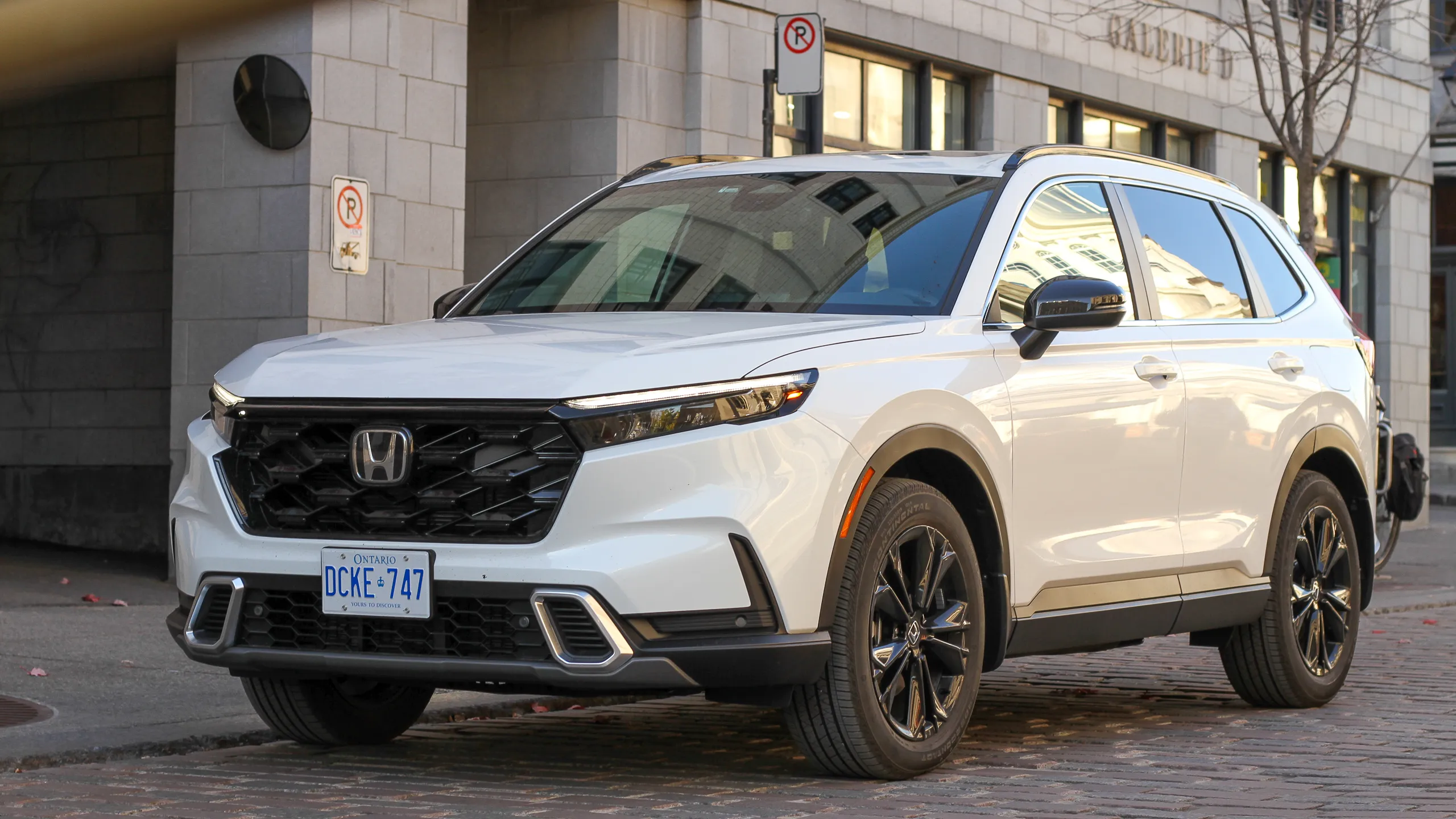
9. 2025 Honda CR-V: Practical, Reliable, and Comfortable
The 2025 Honda CR-V emphasizes practicality, reliability, and comfort, making it a solid choice for small SUV buyers. Its all-wheel-drive system includes a dedicated “Snow” mode, which optimizes throttle response and traction control, helping maintain composure in rain, snow, and slippery conditions.
The CR-V delivers typical small SUV performance, with the hybrid Sport Touring model accelerating from 0–60 mph in about 8.0 seconds. Braking is smooth and confident, while the hybrid system operates quietly and efficiently, simulating gear shifts to enhance drivability.
Steering is responsive, providing good feedback, and the vehicle remains composed through corners. Ride quality is a standout, offering a smooth and comfortable experience over a variety of road surfaces. Visibility is generally good up front, though rear views are less ideal, partially mitigated by effective parking cameras.
The CR-V’s interior layout prioritizes usability. Both rows provide ample space, with above-average rear legroom and large door openings for easy entry and exit. Front seats are comfortable and adjustable, while rear seats accommodate adults and child car seats with ease.
Vehicle controls, including physical climate knobs, are well-positioned and intuitive to use without distraction. The cabin feels open and bright due to large windows, though some hard plastics are present.
The CR-V offers a functional infotainment system with a standard 9-inch touchscreen, wireless Apple CarPlay and Android Auto, and a wireless charging pad. While the system is responsive and easy to navigate, it lags behind some competitors in screen size and tech sophistication. Multiple USB ports ensure connectivity for all passengers.
Cargo space is above average for the class, though hybrid models offer slightly less room and lack a spare tire. The area is wide and tall enough for bulky items, and interior storage is functional with ample cupholders, a large under-armrest bin, and generous door pockets.
The CR-V is well built and quiet on the road, with solid construction and thoughtful design. Non-hybrid models achieve an EPA-estimated 30 mpg combined, while the hybrid reaches up to 40 mpg (37 mpg AWD). Real-world testing of the hybrid averaged 33.3 mpg. Warranty coverage is standard for the class.
The Honda CR-V is a practical, reliable, and comfortable small SUV. It may not be the flashiest option, but its solid handling, spacious interior, and efficient hybrid variant make it a dependable choice for daily driving and family use.
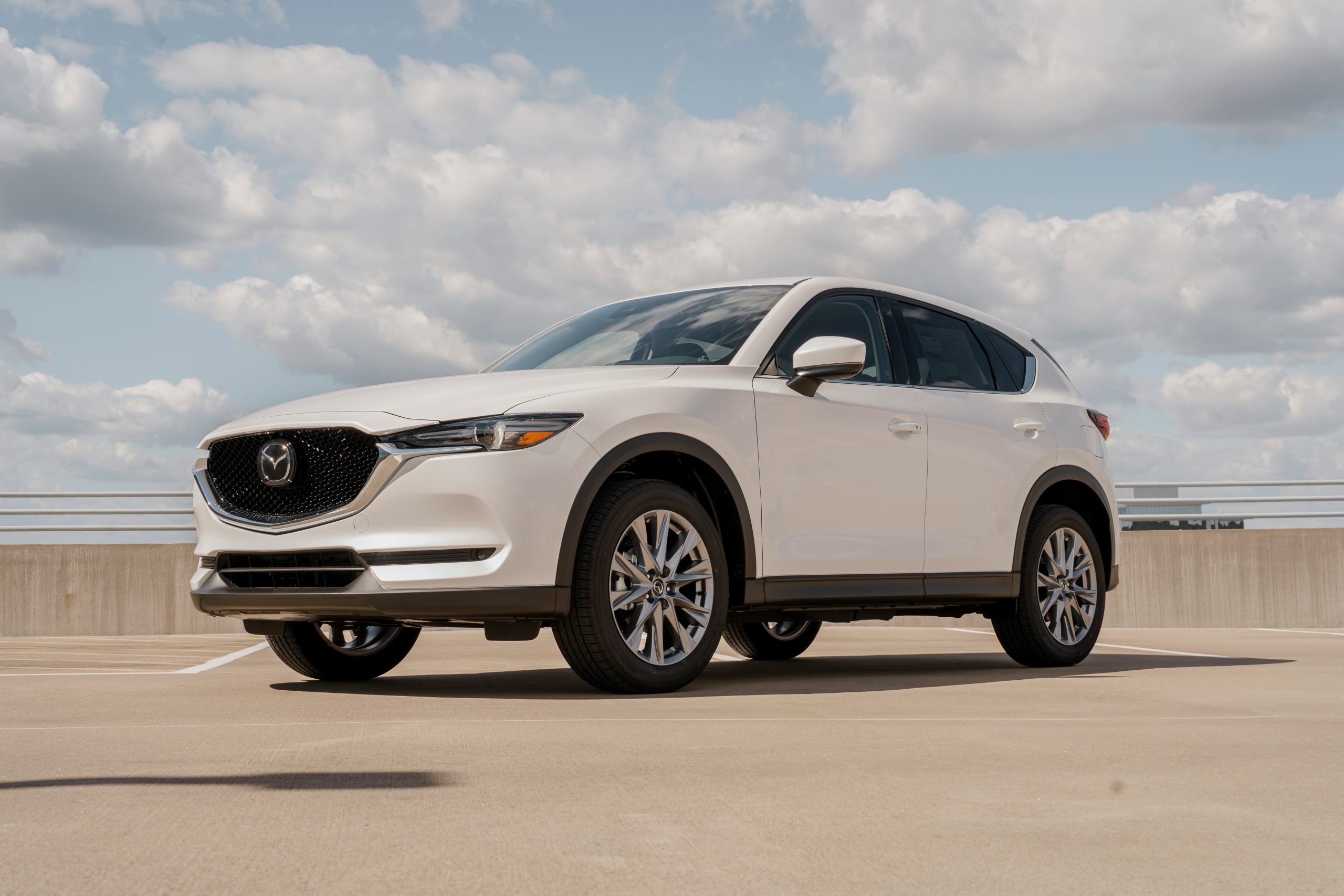
10. 2025 Mazda CX-5: Sporty Handling with Premium Refinement
The 2025 Mazda CX-5 balances sporty driving dynamics with a refined interior, making it a standout in the compact SUV segment. Its G-Vectoring Control Plus system subtly adjusts engine torque and braking based on steering inputs, enhancing stability on wet roads. Ground clearance ranges from 7.6 to 7.9 inches, allowing the CX-5 to handle puddles and minor obstacles with ease.
The CX-5 comes standard with all-wheel drive and a 187-horsepower engine, with an optional 256-hp turbocharged unit. In testing, the turbo model accelerated from 0–60 mph in 6.6 seconds, giving it strong passing power on highways, while the base engine feels slower during aggressive driving. Steering is precise, and the suspension keeps the vehicle controlled and confident through corners.
Ride quality is slightly firm compared to some rivals, but the trade-off is sharper, sportier handling. Visibility is enhanced by large windows and available surround-view cameras. Driver assistance features are included on all trims, though they feel a generation behind competitors, with slower lane-keeping responses and adaptive cruise hesitation.
Front seats are supportive and adjustable, with higher trims offering memory functions. Rear seats are narrower than some competitors and may feel tight for taller passengers. Entry and exit are easy thanks to large doors, and physical controls dominate the cabin, avoiding the pitfalls of overly touch-dependent interfaces. Climate control is effective, and the cabin remains reasonably quiet at moderate speeds.
A 10.25-inch screen controlled by a physical knob provides access to Android Auto and Apple CarPlay. Wireless connectivity is limited to mid-tier trims and above, and touchscreen functionality is restricted to when the vehicle is stationary. Some features, like the wireless charging pad, are awkwardly placed.
Cargo space measures 29.1 cubic feet, smaller than many competitors, with a higher floor and shorter liftgate opening. Interior storage is sufficient, with roomy door pockets and a practical center console.
The CX-5 combines premium build quality with standard all-wheel drive and driver aids, though top trims are pricey. Fuel economy ranges from 28 mpg for the base engine to 24 mpg combined for the turbo, though real-world results for the turbo can be lower.
The Mazda CX-5 delivers an engaging driving experience rarely found in this class. While rear seat space and cargo capacity are modest, its precision handling, responsive steering, and refined interior make it a rewarding choice for drivers who value an enjoyable ride.
Driving in wet conditions doesn’t have to mean constant cleaning or worrying about slippery roads. The ten cars featured here combine practical engineering, advanced traction systems, and thoughtful design to keep both drivers and vehicles in control when rain hits.
From rugged SUVs like the Subaru Outback and Jeep Grand Cherokee to refined luxury options such as the Mercedes-Benz C-Class and Volvo XC60, these vehicles offer stability, comfort, and reliability. Many incorporate modern infotainment, safety technologies, and spacious interiors, ensuring a pleasant driving experience even in adverse weather.
Choosing one of these cars means fewer headaches from water spots, better visibility, and a stylish appearance that endures downpours. For drivers seeking confidence, capability, and a cleaner look after rain, these ten models prove that wet weather doesn’t have to compromise performance or presentation.