
Hybrids have shed their once-stereotypical image of being slow, overly cautious vehicles designed purely for fuel efficiency. Modern hybrid technology has advanced to the point where many models combine impressive fuel economy with lively performance, making them capable even on steep inclines or when fully loaded.
For U.S. drivers, where long commutes, hilly terrain, and mixed driving conditions are common, this evolution is particularly relevant. A hybrid that struggles on an uphill can quickly become a source of frustration, especially in areas like the Pacific Northwest, the Appalachian region, or even the rolling hills of Northern California.
Fortunately, automakers have made significant strides, and today’s hybrid market offers vehicles that deliver both efficiency and a sense of driving confidence on challenging terrain.
Toyota RAV4 Hybrid
One standout example is the Toyota RAV4 Hybrid. A longtime favorite in the compact SUV segment, the RAV4 Hybrid blends a 2.5-liter four-cylinder engine with an electric motor setup to deliver a combined 219 horsepower.
This powertrain provides a noticeable boost when ascending hills, something that traditional gas-only compact SUVs sometimes struggle with. The electric motors assist seamlessly, and regenerative braking ensures that energy is captured efficiently, giving drivers confidence even on steep grades.
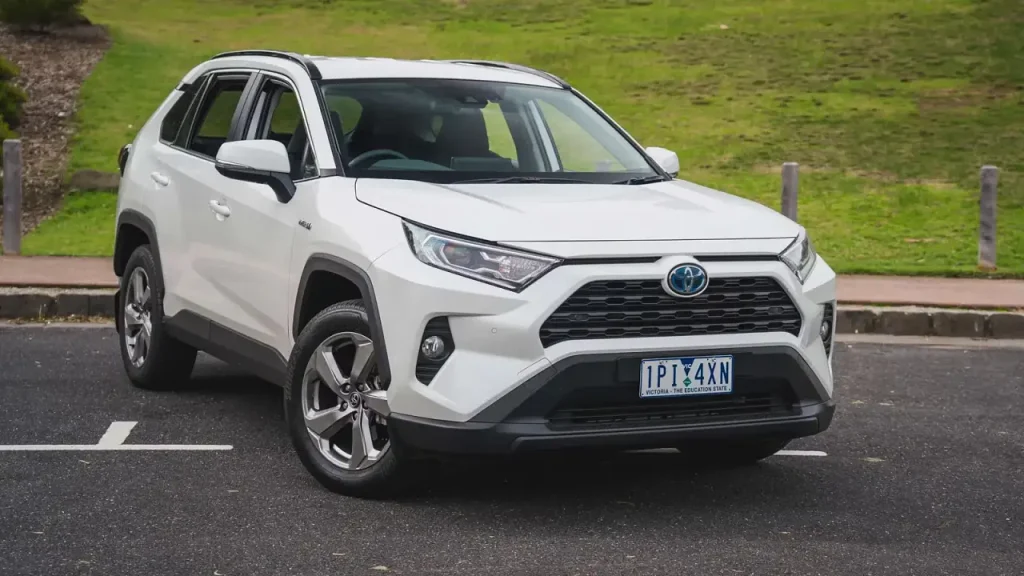
Beyond its hill-climbing capabilities, the RAV4 Hybrid is well-suited for U.S. families, with ample cargo space, a comfortable cabin, and advanced safety features like Toyota Safety Sense 2.0.
Honda CR-V Hybrid
Another hybrid that impresses on inclines is the Honda CR-V Hybrid. Honda has optimized the CR-V’s hybrid system for smooth, consistent power delivery. The CR-V Hybrid combines a 2.0-liter gasoline engine with two electric motors to produce 212 horsepower.
Drivers often report that it feels responsive and doesn’t exhibit the hesitation that some hybrids show when the accelerator is pressed on a hill.
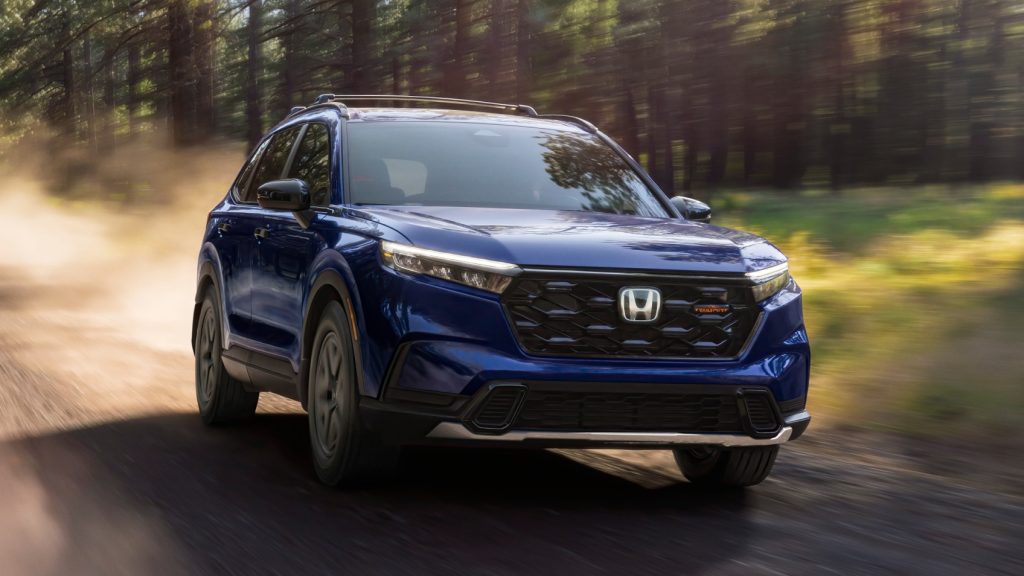
This responsiveness makes merging onto highways or navigating mountain roads much less stressful. Its interior quality and infotainment system also cater well to U.S. buyers seeking practicality and convenience without sacrificing technology.
Lexus NX 450h+
For those interested in something sportier, the Lexus NX 450h+ plug-in hybrid delivers a more engaging experience while still offering electric-only driving for short trips. With a turbocharged four-cylinder engine paired with electric motors, the NX 450h+ can generate up to 302 horsepower, allowing it to tackle inclines effortlessly.
Its hybrid battery can propel the SUV on electric power alone for around 37 miles, which is particularly useful for urban areas or when fuel efficiency is a priority. The combination of luxury, power, and hybrid efficiency makes it an attractive option for U.S. drivers who live in regions with hilly terrain but still want a premium driving experience.
After observing the evolution of the luxury subcompact SUV market over the past few years, Lexus is reentering the fray with a thoroughly updated model. The 2022 NX is entirely redesigned, sporting a more streamlined look compared with the previous generation.
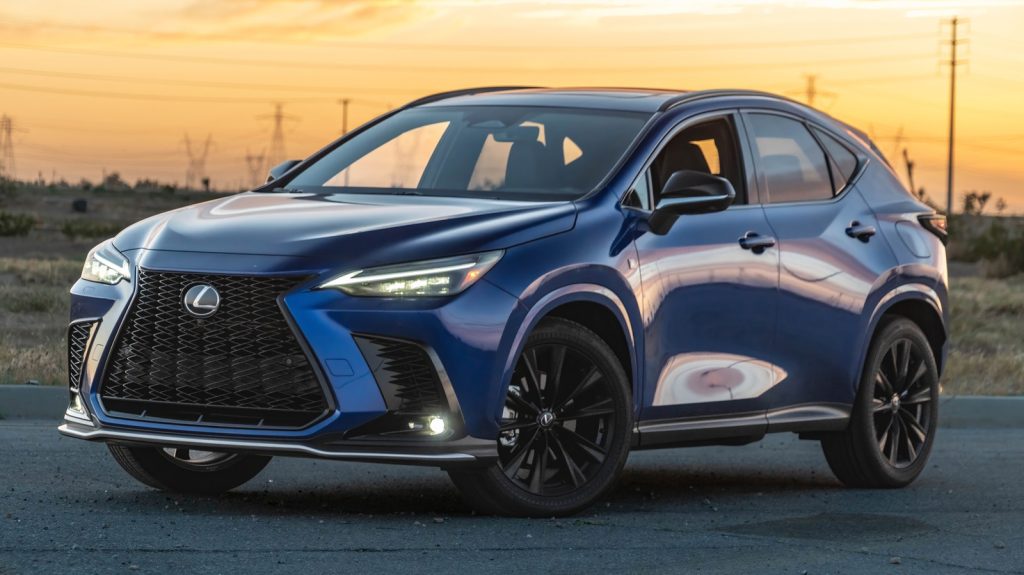
Its updated styling includes LED headlamps and a windshield with a sharper, more aggressive rake. While the NX shares its platform and powertrain options with the Toyota RAV4, its overall appearance is closer to Lexus’s smaller UX crossover, only taller and wider.
For 2022, Lexus offers the NX with two gasoline engines as well as two hybrid options, one of which is a plug-in hybrid. This newly redesigned NX represents a more formidable contender against rival small luxury SUVs,specifically the Audi Q3, BMW X1, and Mercedes-Benz GLA-class, than the outgoing model.
Also Read: 8 Models That Lose the Least Value the Moment You Drive Off the Lot
Ford Escape Hybrid
The Ford Escape Hybrid also stands out as a practical choice for Americans navigating both city streets and hills. Ford’s hybrid powertrain combines a 2.5-liter engine with an electric motor setup to produce 200 horsepower, providing a smooth, linear power delivery.
One of its key advantages is the Escape’s adaptive driving modes, which adjust engine and motor behavior based on terrain and driving style.
This ensures that uphill acceleration doesn’t feel sluggish, even when carrying passengers or cargo. The Escape Hybrid also offers excellent fuel efficiency, which is particularly beneficial in the U.S., where gas prices fluctuate significantly across states. navigating both city streets and hills.
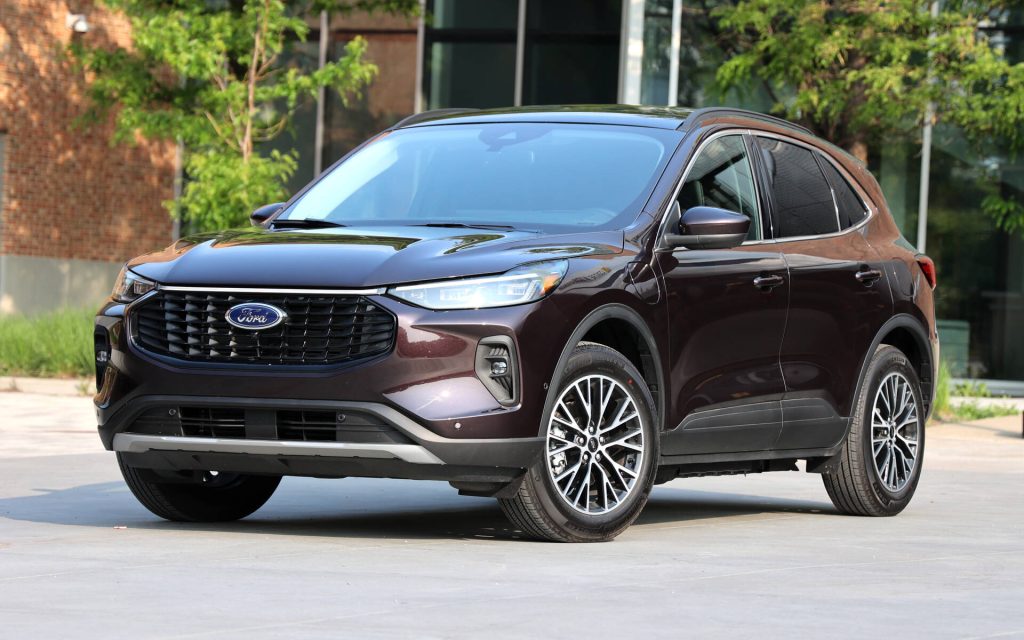
Ford’s hybrid powertrain combines a 2.5-liter engine with an electric motor setup to produce 200 horsepower, providing a smooth, linear power delivery.
One of its key advantages is the Escape’s adaptive driving modes, which adjust engine and motor behavior based on terrain and driving style. This ensures that uphill acceleration doesn’t feel sluggish, even when carrying passengers or cargo. The Escape Hybrid also offers excellent fuel efficiency.
Toyota Highlander Hybrid
The Toyota Highlander Hybrid is a midsize SUV that addresses one of the common criticisms of larger hybrids: sluggishness under load. The Highlander Hybrid’s V6 engine paired with electric motors generates 306 horsepower, allowing the SUV to handle steep inclines with authority.
For families in mountainous regions or those who frequently tow small trailers, this combination of power and hybrid efficiency is invaluable. Its spacious three-row seating, advanced driver-assistance features, and comfortable ride make it one of the most versatile hybrids in the U.S. market.
Our test Highlander Hybrid went from 0 to 60 mph in 8.2 seconds. That’s slower than nearly every other non-hybrid three-row SUV, though on average, it trails by only about a second. On the plus side, power is readily accessible and delivered smoothly, while the brakes provide consistently controlled stops.
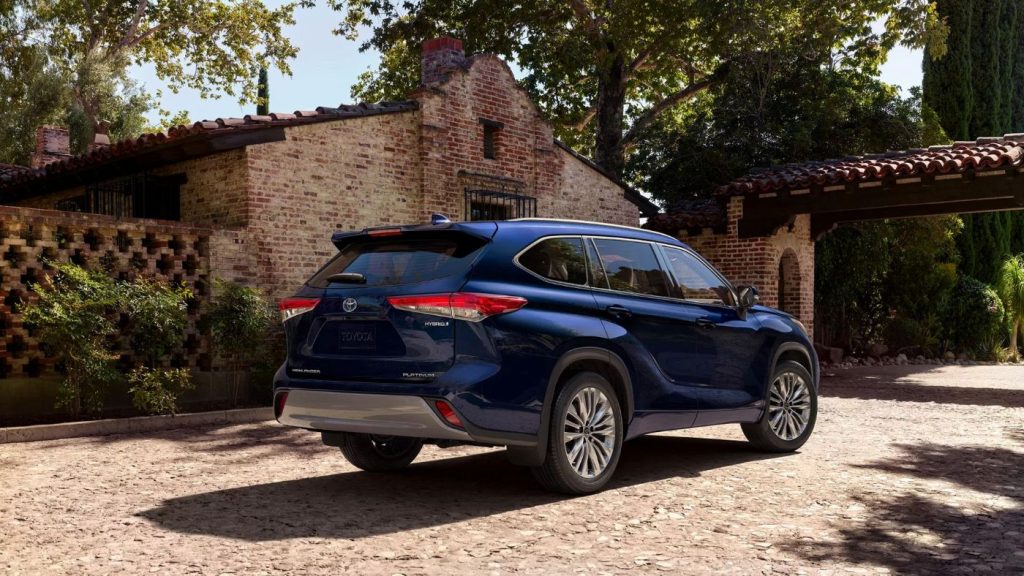
Through corners, the Highlander Hybrid isn’t sporty, but it remains easy to handle and won’t jostle occupants excessively. On straight stretches, its ride is comfortable and composed, absorbing most road imperfections without feeling overly floaty.
Visibility is strong out front thanks to a low hood and slim front pillars. However, thick rear pillars and large rear headrests limit rearward sightlines, and the rearview camera is surprisingly low in quality for a modern vehicle.
Some driver-assistance features, including adaptive cruise control and blind-spot monitoring, are standard, but higher trims are required for extras like parking sensors and a 360-degree camera system.
The adaptive cruise control tends to respond a bit slowly, and the lane-keeping system can feel reactive. Overall, the Highlander Hybrid offers a solid suite of features, though some could benefit from improved functionality.
Toyota Prius AWD-e
Compact hatchbacks also have their share of capable hybrids. The Toyota Prius AWD-e dispels the notion that the Prius is only about fuel savings. The all-wheel-drive system adds an electric motor to the rear axle, improving traction and responsiveness on hills or slippery roads.
While the Prius may not match the raw power of a hybrid SUV, its lightweight design and efficient powertrain make it surprisingly nimble on inclines. For urban and suburban drivers in hilly areas, the Prius AWD-e provides a balance of fuel economy and confidence without the bulk of a larger SUV.
It’s nearly impossible to discuss the 2019 Toyota Prius AWD-e without bringing up snow. From the outset, Toyota has been clear that this all-wheel-drive Prius was designed for snowy climates, even featuring snow-filled press photos and launching the AWD-e with a drive event on snow to emphasize the point.
If you take a cynical view, it’s easy to dismiss the Prius AWD-e as an unnecessary addition to Toyota’s lineup. To some degree, that’s fair. The roughly $1,000 premium for all-wheel drive could instead go toward a set of winter tires, and even on all-season tires, most drivers would get by just fine.
When my wife and I lived in Boston, I can’t recall a single instance when her car truly needed all-wheel drive. Even during Boston’s snowiest winter on record, streets were plowed and salted frequently enough that we had no trouble navigating them in a tiny front-wheel-drive Chevrolet Aveo. The car had plenty of other issues, but lack of all-wheel drive wasn’t one of them.
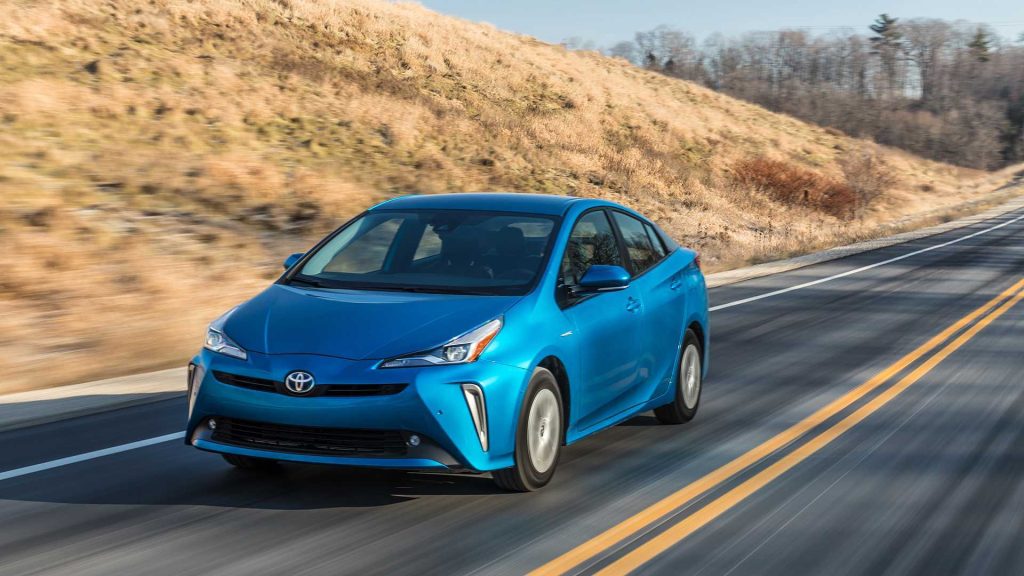
Still, if there’s demand for a feature, it makes sense for an automaker to offer it. Given the popularity of all-wheel drive today, especially in the Northeast and Pacific Northwest, those regions are likely to embrace the Prius AWD-e.
In sunny Los Angeles, however, the all-wheel-drive Prius is harder to justify. In areas where snow is rare or nonexistent, the AWD-e drives almost exactly like a regular Prius.
That’s because, to maximize fuel economy, the rear motor only engages between 0 and 6 mph. Unless you’re in stop-and-go traffic, the car remains in front-wheel-drive mode most of the time. As a result, the EPA rates the Prius AWD-e at 50 mpg combined, just 2 mpg lower than the standard Prius.
In theory, the rear motor should improve initial throttle response, but I couldn’t feel any difference. It was nice to average slightly over 48 mpg during a weekend of apartment hunting, but in everyday driving, the AWD-e felt just like a normal Prius.
That said, when we took the Prius AWD-e to the track, our test team noticed some differences. Road test editor Chris Walton achieved a slightly better launch than with a front-drive Prius. He also noted that it didn’t matter whether he used Eco, Normal, or Power mode, runs were consistent across all three settings.
Compared with the standard Prius, the AWD-e posted the same 0-60 time of 9.8 seconds and a marginally quicker quarter-mile of 17.3 seconds.
Both vehicles ran on identical tires, but we recorded a shorter 60-0 braking distance for the AWD-e, 125 feet versus 131 feet. Walton speculated that Toyota may have tweaked the braking system, perhaps adding more aggressive regenerative braking.
The biggest difference showed up in handling tests. The AWD-e averaged 0.81 g on the skidpad and completed the figure-eight in 28.1 seconds at an average of 0.58 g, noticeably better than the Prius Limited we tested earlier that month.
Otherwise, it’s a Prius, modest lateral seat support, dull steering feel.” Walton noted that adding the rear motor shifted about 3 percent of the vehicle’s weight to the rear, which could explain Reynolds’ observations.
So, for those who drive the Prius AWD-e enthusiastically, the occasional tail-end slide might make it a little more engaging.
And in areas with frequent snow, the extra traction from the rear wheels should inspire confidence the next time a nor’easter hits. Don’t be surprised to see the Prius AWD-e popping up across snowy northern states in the coming months.
Also Read: 5 Cars That Stay Popular for Years vs 5 That Fade Quickly
BMW X5 xDrive45e
In the luxury segment, the BMW X5 xDrive45e plug-in hybrid proves that performance and efficiency can coexist at a high level. Its 3.0-liter inline-six engine, paired with a robust electric motor, produces 389 horsepower.
On U.S. highways or mountain roads, the X5 xDrive45e delivers smooth, confident acceleration uphill, while still offering the ability to run on electric power for short commutes. This SUV is particularly appealing to drivers who want a hybrid that doesn’t compromise on driving dynamics, interior luxury, or technology.
The 2023 BMW X5 xDrive45e has established itself as one of the top plug-in hybrid options in the luxury SUV segment, based on our instrumented testing and hands-on driving experience.
Its turbocharged inline-six engine teams with an electric motor to produce a combined 389 horsepower, making the X5 Hybrid quicker to 60 mph in our tests than the non-hybrid xDrive40i model.
The X5 Hybrid can also travel up to 31 miles on electricity alone, allowing some drivers to complete daily commutes without using a drop of premium fuel. That electric range places it on par with the Volvo XC90 Recharge and well ahead of competitors like the Lincoln Aviator Grand Touring and Porsche Cayenne E-Hybrid.
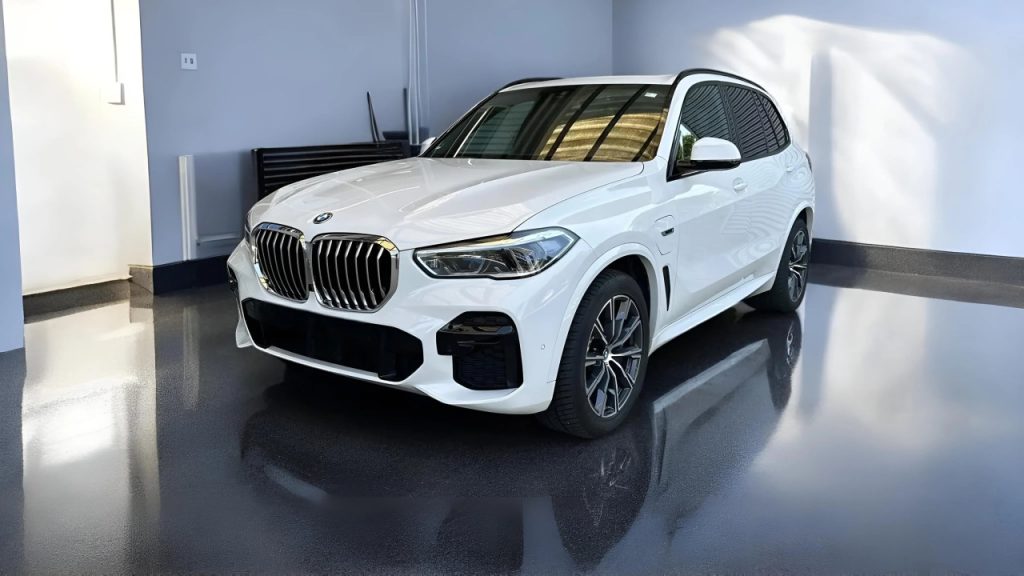
Premium interior materials enhance the BMW’s luxury appeal, though expensive option packages can quickly push the price higher. Fortunately, many of the most sought-after features, including its intuitive infotainment system and a suite of driver-assistance technologies, come standard.
The plug-in hybrid xDrive45e pairs a turbocharged inline-six with an electric motor for a total output of 389 horsepower. All-wheel drive and an eight-speed automatic transmission are standard on every model, and the robust powertrain delivers impressive acceleration.
On the road, the X5 Hybrid offers a refined and comfortable ride, yet it remains capable of some spirited driving on twisty roads. Its handling is athletic, with steering and suspension tuned to deliver a touch of sports-sedan sharpness.
Kia Sorento Hybrid
The Kia Sorento Hybrid deserves mention as a family-friendly option that climbs hills with ease. Its 1.6-liter turbocharged engine, assisted by an electric motor, produces 227 horsepower.
The Sorento Hybrid’s powertrain is tuned for responsive acceleration, making it feel much more capable on inclines than some of its competitors. Coupled with a comfortable interior, standard safety features, and optional all-wheel drive, the Sorento Hybrid provides a well-rounded package for U.S. families who demand both performance and efficiency.
If a fully electric SUV doesn’t suit your needs, the 2022 Kia Sorento Hybrid is a compelling alternative. Available with either a conventional hybrid or a plug-in hybrid (PHEV) powertrain, the Sorento delivers impressive fuel efficiency alongside the practicality expected from a midsize SUV.
The standard hybrid combines a turbocharged 1.6-liter four-cylinder engine with an electric motor to produce 227 horsepower. A six-speed automatic transmission and front-wheel drive come standard, while all-wheel drive is offered as an option.
The plug-in hybrid uses a similar configuration but bumps combined output to 261 horsepower. Its 32 miles of electric-only range allow you to skip gas stations on shorter trips. Three rows of seating make the Sorento a family-friendly SUV, though the third row is best suited for children.
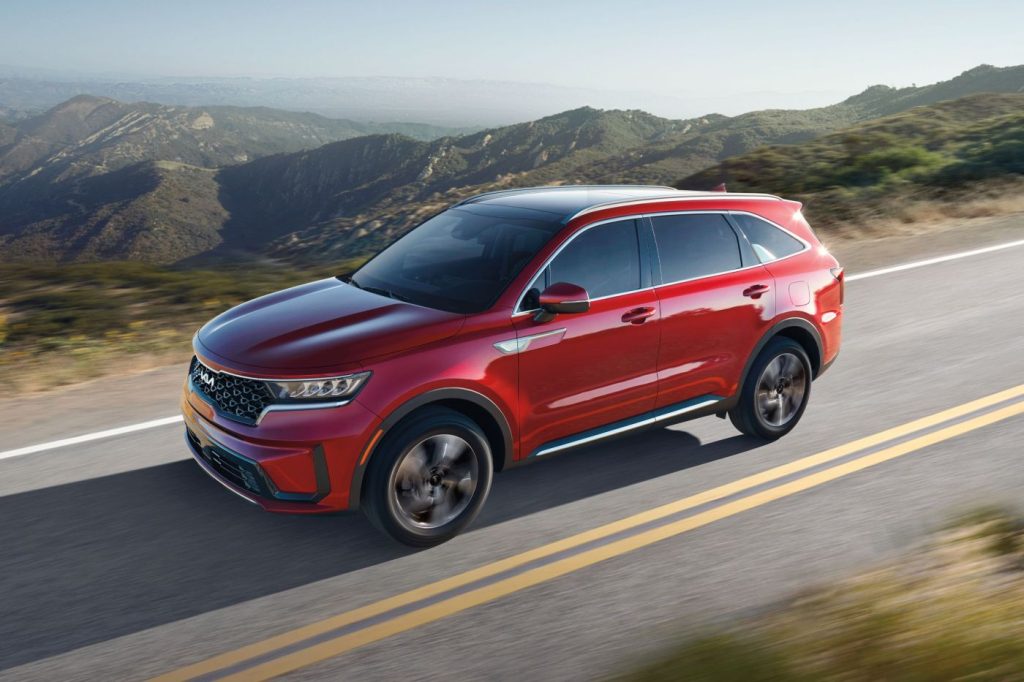
Technology is abundant, but top-tier features like navigation, a 10.3-inch touchscreen (an 8.0-inch screen is standard), and adaptive cruise control require higher trims. If you need extra interior space, the slightly larger Kia Telluride is worth considering, though it isn’t available with a hybrid powertrain.
The Sorento Hybrid’s turbocharged 1.6-liter four-cylinder and electric motor produce a combined 227 horsepower. Standard front-wheel drive is paired with a six-speed automatic, while all-wheel drive is optional.
The plug-in hybrid uses essentially the same setup but features a stronger electric motor that raises total output to 261 horsepower, with all-wheel drive standard.
On the road, the Sorento Hybrid feels composed, though a touch uninspiring; however, acceleration is noticeably livelier than in the base non-hybrid model. In front-wheel-drive variants, heavy throttle application can produce a mild torque-steer sensation as the front tires work to maintain traction.
Hyundai Tucson Hybrid
The Hyundai Tucson Hybrid is another compact SUV that impresses with its uphill performance. Its 1.6-liter turbocharged engine combined with dual electric motors produces 226 horsepower.
The Tucson Hybrid is particularly smooth during uphill acceleration, thanks to Hyundai’s well-calibrated hybrid system. It also offers a comfortable ride, modern infotainment, and ample cargo space, making it ideal for both daily commuting and weekend trips in areas with hilly terrain.
The Tucson Hybrid stands out as a top performer in the hybrid SUV segment. Its steering is precise, and the vehicle remains composed and stable when navigating sharp corners. The hybrid powertrain is eager to accelerate as well; in Edmunds’ testing, the Tucson Hybrid sprinted from 0 to 60 mph in just 7.6 seconds, making it the fastest in its class.
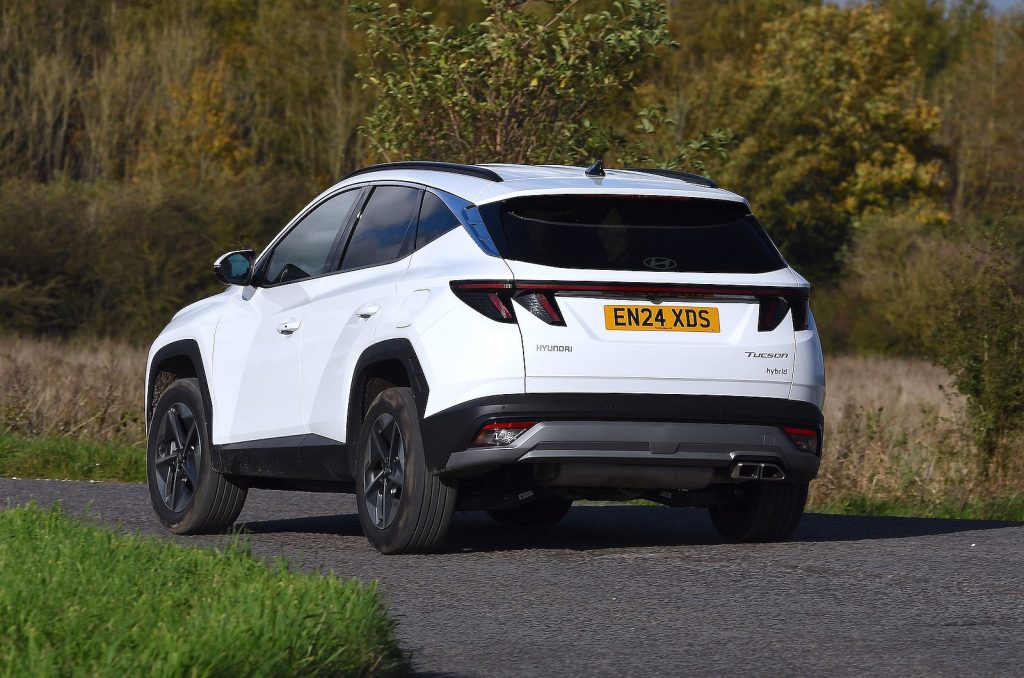
Driving the Tucson Hybrid is effortless. The automatic transmission downshifts promptly when extra power is needed, and the brakes feel strong and reliable. The integration of electric and gasoline power is smooth, providing a seamless driving experience.
One of the Tucson Hybrid’s most impressive qualities is its ride comfort. The SUV glides over all types of road surfaces, delivering near-luxury levels of comfort thanks to a well-tuned, supple suspension. Achieving this smoothness while maintaining capable handling is no small feat.
Visibility is excellent in nearly every direction, and our test vehicle was equipped with several useful camera views. The adaptive cruise control operates smoothly, though the lane-keeping system can sometimes apply steering input a bit too aggressively. Overall, Hyundai’s suite of driver-assist features is very effective and adds to the Tucson Hybrid’s appeal.
Ford Maverick Hybrid
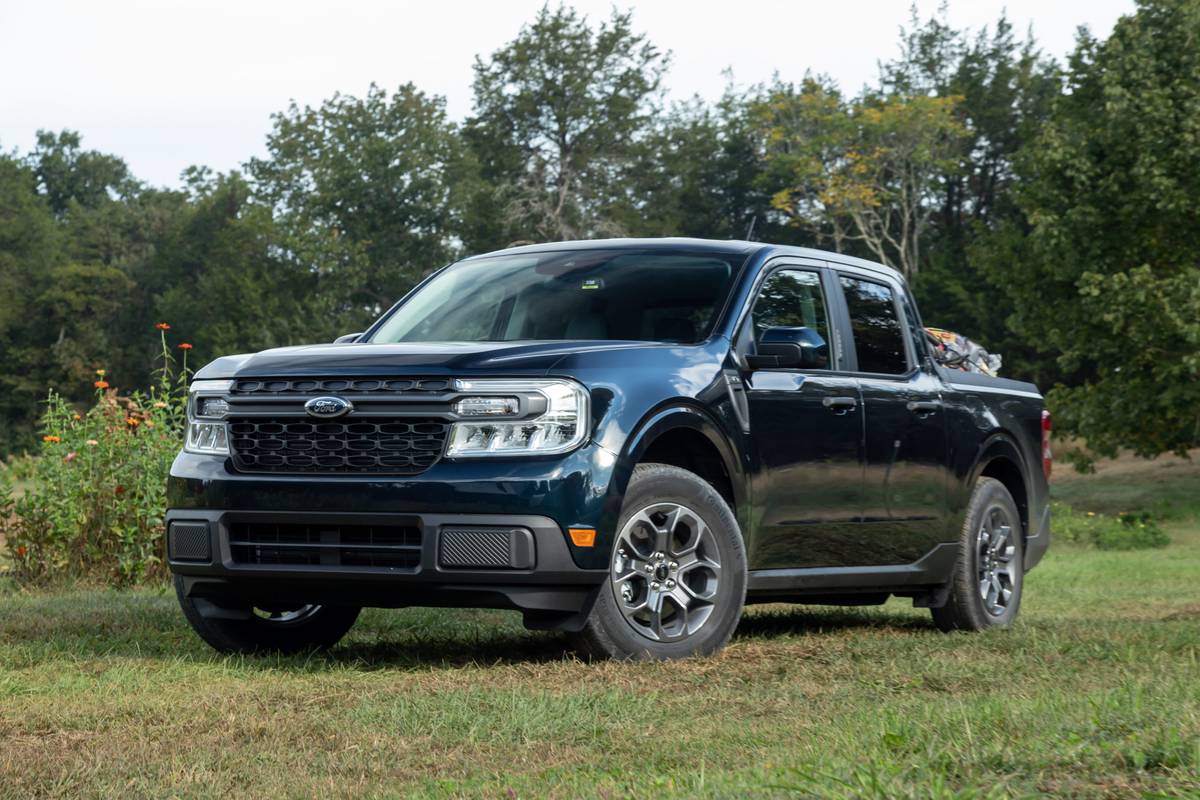
Finally, the Ford Maverick Hybrid brings hybrid efficiency to a small pickup truck without sacrificing hill-climbing capability. Its 2.5-liter hybrid powertrain generates 191 horsepower and provides a responsive driving experience, even when the bed is loaded.
For U.S. drivers who need a practical truck for light hauling but also want excellent fuel economy, the Maverick Hybrid offers a unique combination of versatility, capability, and hybrid efficiency. Its small footprint and hybrid technology make it an appealing alternative to traditional gas-powered trucks, especially for drivers in suburban or hilly areas.
The Ford Maverick may no longer be the new kid on the block, but the 2025 update makes it more appealing than ever. And no, we’re not talking about the new Maverick Lobo.
The standout change is the ability to pair the Maverick’s standard hybrid engine with practical all-wheel drive. This is undoubtedly the Maverick variant worth getting, so that’s exactly what we did.
The Eruption Green paint looks fantastic on this truck and complements the blue-and-gray cloth upholstery nicely. Our Maverick skips the unnecessary blacked-out appearance package and the FX4 off-road upgrade, which forces buyers to opt for the non-hybrid 2.0-liter turbo engine.
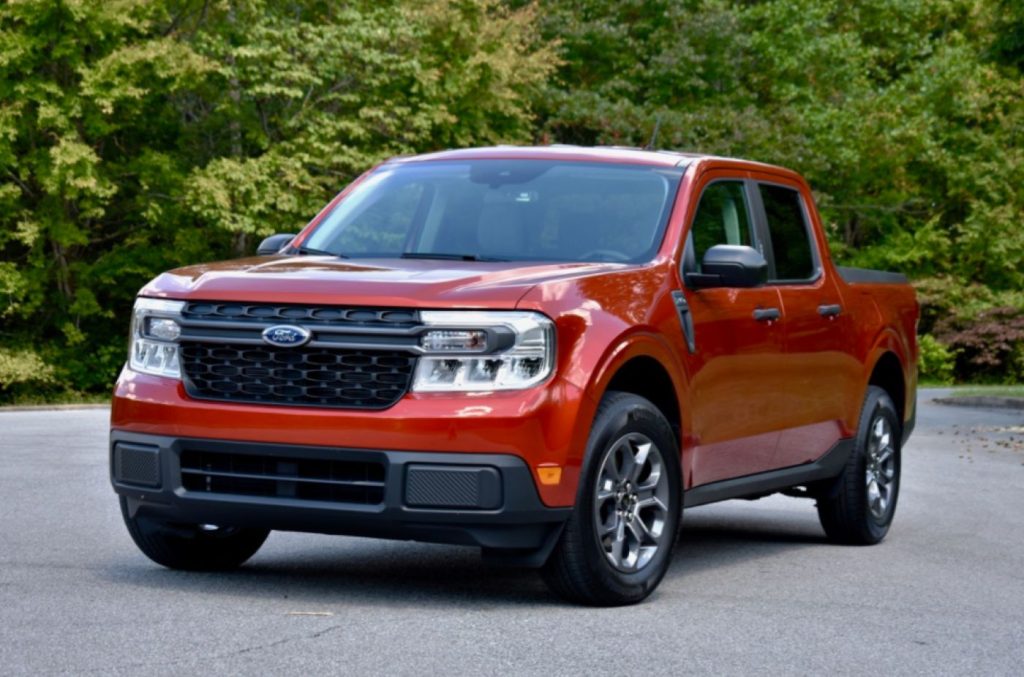
Our truck is an XLT trim, one step above the base XL , which adds features like 17-inch wheels, extra bed tie-downs, push-button start, and a standard trailer hitch with a 2,000-pound towing capacity.
On top of that, our Maverick has the $1,890 XLT Luxury package, including a power driver’s seat and heated front seats, the $795 Ford Co-Pilot360 driver-assistance suite, and a $995 power moonroof. A $600 dealer-installed spray-in bedliner rounds out the package, bringing the as-tested price to $36,990, including the $1,595 destination fee.
Edmunds purchased this vehicle for evaluation purposes. We received a $34,916 employee price, and after taxes and fees, the final out-the-door cost was just over $40,000, specifically, $40,069.64.
The Maverick’s 2.5-liter hybrid engine produces 191 horsepower and 155 lb-ft of torque. It’s not a speed demon, but it has enough power to get moving confidently.
More importantly, the EPA estimates 40 mpg combined when paired with all-wheel drive. While previous Ford trucks have struggled to reach their EPA fuel economy ratings, we’re hoping the Maverick will buck that trend.
During the year we owned the Ranger, we never once used its 1,711-pound payload capacity or its 7,500-pound maximum towing rating. That doesn’t mean owners won’t, but for people who occasionally need light-truck capabilities, the Maverick makes far more sense than a Ranger.
The hybrid segment in the U.S. has evolved significantly. Modern hybrids are no longer restricted to gentle acceleration and city driving, they now offer impressive power, responsive handling, and confidence on hills and inclines.
From compact hatchbacks to midsize SUVs, luxury plug-in hybrids to small pickups, there is a capable hybrid for nearly every type of U.S. driver.
Whether you live in a mountainous region, commute through rolling terrain, or simply want the assurance of a hybrid that doesn’t feel sluggish under load, these ten vehicles demonstrate that efficiency and performance can coexist. For American drivers, the choice of a hybrid no longer means compromising driving enjoyment for fuel savings; it can now deliver the best of both worlds.
