For many American drivers, rough and patchy roads aren’t an occasional annoyance they’re a daily reality.
According to recent transportation surveys, nearly half of U.S. roadways are rated as “poor” or “mediocre,” meaning anyone who commutes in or near major cities knows how common potholes, broken pavement, frost heaves, and unpatched utility work can be.
Vehicle alignment becomes a hidden casualty of this environment. Even if a modern car is packed with driver-assistance tech and clever suspension design, some models just don’t hold alignment well when exposed to uneven pavement.
Others, however, are built with tougher components, more forgiving geometry, or suspension setups that shrug off rough surfaces.
This comparison looks at seven newer vehicles that are known to lose alignment more easily on rough streets contrasted with seven models that typically stay aligned even under harsher road conditions.
The goal is not to shame certain cars but to offer practical insight for American buyers especially those living in places like the Midwest, Northeast, and Mountain West, where road quality fluctuates wildly depending on weather and municipal budgets.
New Rides That Lose Alignment on Rough Streets
You expect a brand-new vehicle to handle life’s bumps and potholes with ease, but for some modern rides, rough streets quickly reveal a surprising weakness: they lose alignment almost as soon as you hit the road.
What should be a durable, tuned suspension system turns into a source of constant steering woes, uneven tire wear, and frustrating trips back to the alignment shop. For many owners, the excitement of a fresh ride fades fast when every rough street becomes a test of just how sturdy (or not) its suspension really is.
In this article, we explore a handful of new vehicles that seem to lose alignment on rough surfaces, highlighting why they struggle, and what to watch out for if you value a smooth, stable ride even on the roughest streets.
1. Toyota Camry (Newer Generations)
The Toyota Camry is one of the most reliable sedans on the road, but ironically, its increasingly lighter front-end design and tighter suspension geometry have made it more susceptible to alignment changes on rough street surfaces.

While the car handles crisply, a single deep pothole can knock the toe setting out of spec, leading to that familiar off-center steering wheel.
In states with aging infrastructure like Pennsylvania or Michigan, Camry owners often report needing frequent alignments despite the car’s reputation for durability.
2. Tesla Model 3
The Model 3’s stiff, sporty suspension and heavy battery pack create a unique combination: the mass keeps the vehicle planted, but the rigid ride transmits road shock directly into the control arms and tie rods.
Rougher neighborhoods in large cities think older streets in LA, Chicago, or New York often lead to premature tire wear and front toe drift on the Model 3.
Many owners note that the car drives wonderfully on smooth pavement but doesn’t forgive rough patches the way a traditional gas sedan might.
Starting at just above $40,000, the Model 3 represents the most budget-friendly option from the American automaker. Tesla first launched this model in 2017, and for 2022, we aren’t expecting major changes compared to the previous year.
That said, there is a possibility that the Model 3 could adopt features from the updated Model S, such as the yoke-style steering wheel and upgraded infotainment hardware.
The Model 3 competes not only with other electric vehicles but also with gas-powered rivals in the compact luxury segment. Key competitors include the Polestar 2, Audi A4, and BMW i4, along with more affordable electric options like the Chevrolet Bolt.
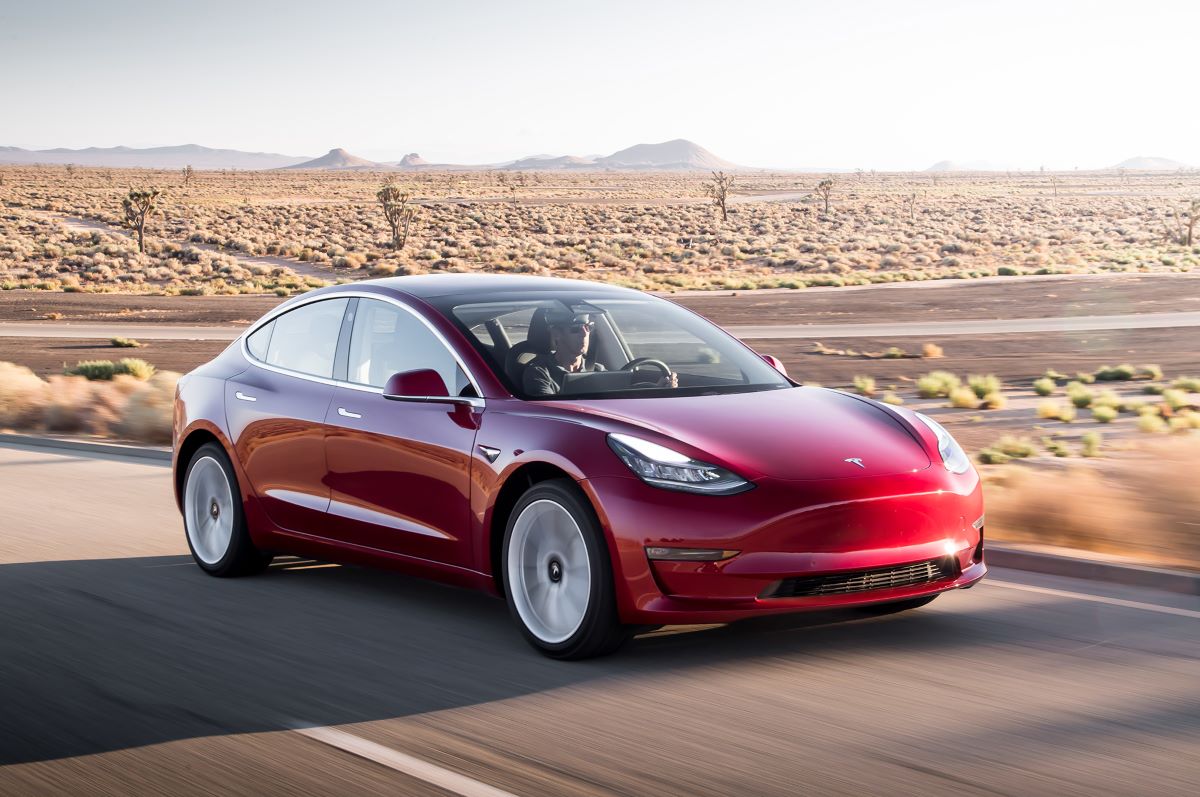
The Model 3 stands out in both the electric vehicle and compact luxury sedan categories. Its impressive driving range and approachable pricing make it an attractive option on their own, but the remarkable performance and the sleek, minimalist interior elevate its appeal even further.
However, some buyers may find the enormous center touchscreen off-putting. Nearly all of the car’s functions are controlled through this display, with only a few physical buttons available in the cabin. This design introduces a learning curve that is steeper than that of other luxury electric vehicles, such as the BMW i4 four-door or the Audi E-Tron SUV.
On the road, the Model 3 delivers impressive performance, though we did notice excessive tire and road noise entering the cabin. Buzzes and rattles over uneven pavement also point to Tesla’s famously inconsistent build quality. Additionally, we have experienced intermittent issues with Tesla’s Autopilot driver-assist system
The Model 3 comes in three versions: Standard Range Plus, Long Range, and Performance. The entry-level Standard Range Plus features a single rear motor and rear-wheel drive, while the Long Range and Performance models utilize dual motors with all-wheel drive.
In terms of acceleration, Tesla reports 0-60 mph times of 5.3 seconds for the Standard Range Plus, 4.2 seconds for the Long Range, and an impressive 3.1 seconds for the Performance model.
3. Hyundai Elantra (2021+)
The newer Elantra generation leans heavily into sharp, angular styling and tighter suspension tuning. But that tuning, paired with lightweight components meant to improve MPG, results in alignment sensitivity.
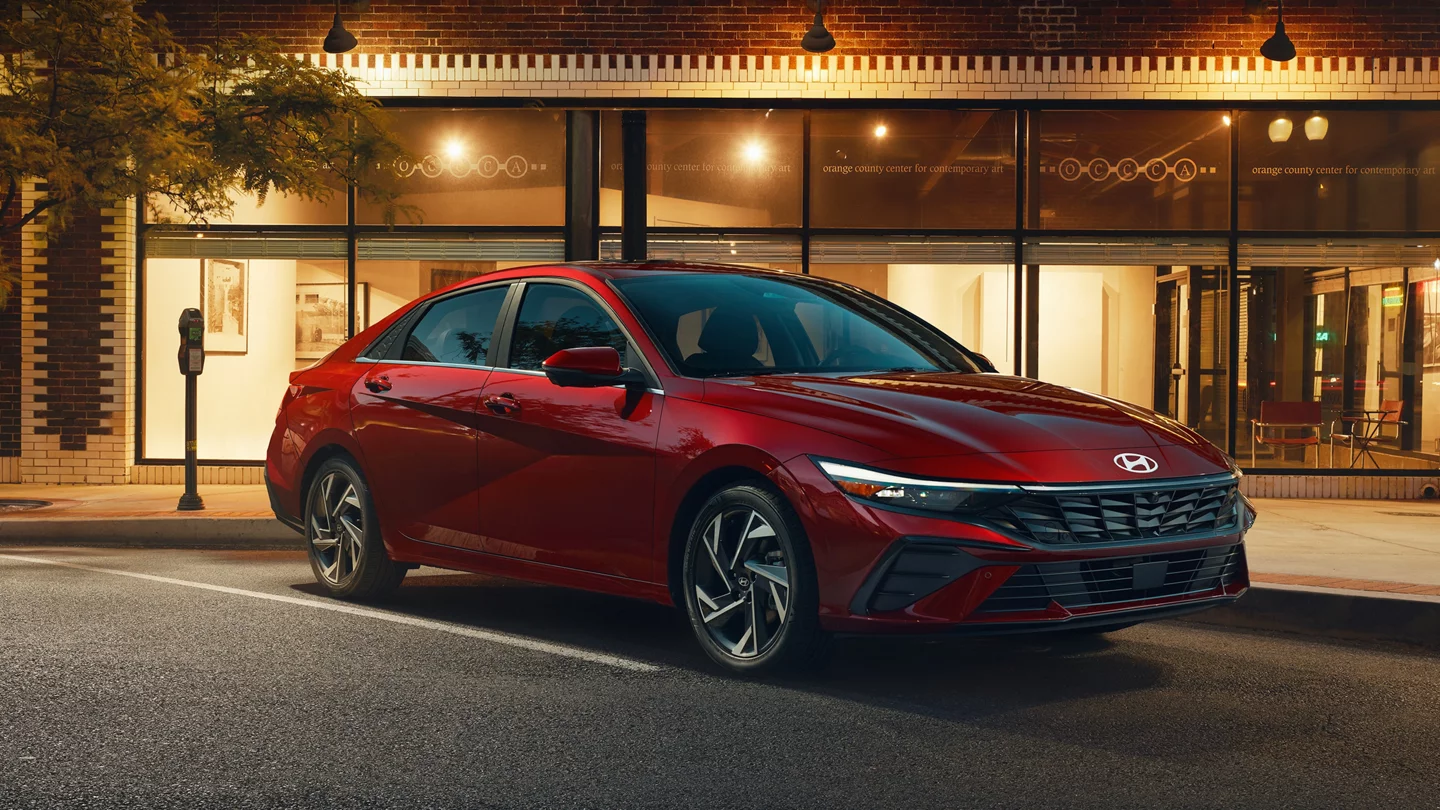
A moderate pothole or a raised manhole cover is often enough to nudge suspension geometry off-center. For drivers in cities with lots of construction zones, the Elantra may require more maintenance than anticipated.
4. Jeep Compass (New Models)
Despite Jeep’s brand identity around ruggedness, the Compass isn’t engineered like its larger siblings. Its front suspension components have thinner tolerances, and combined with its shorter wheelbase, it tends to lose alignment quickly on rough streets.
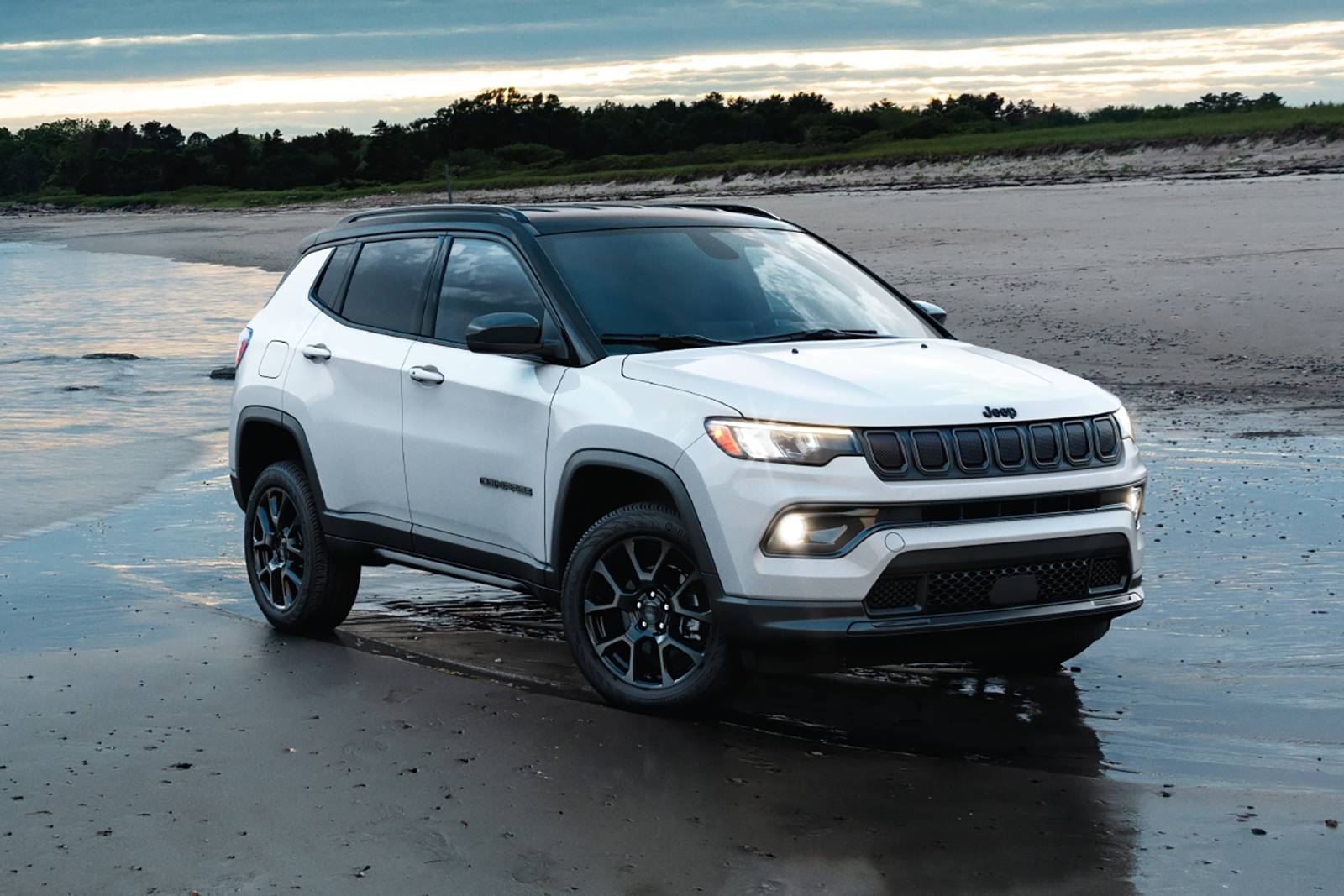
While it’s fine on gravel roads at low speeds, constant urban impacts like broken pavement or curb strikes take a toll. This makes the Compass one of the least alignment-stable vehicles in Jeep’s current lineup.
There’s no mistaking the 2021 Compass for anything other than a Jeep, though we do consider it one of the brand’s more attractive designs, and its ability to actually handle off-road terrain is rare in this segment.
That said, despite sporting the company’s signature seven-slot grille and the necessary hardware for moderate rugged conditions, its ride quality and interior refinement lag behind several of its direct competitors, such as the Mazda CX-5 and Honda CR-V.
Additionally, it doesn’t match the Jeep Cherokee in terms of towing capacity or off-road prowess. The Compass is also hindered by an underpowered four-cylinder engine and a sluggish automatic transmission, which comes standard on all-wheel-drive models.
While the 2021 Compass provides an abundance of technology features and a practical amount of cargo space, it remains one of the less appealing options in the compact crossover category.
5. Nissan Altima (Recent Models)
The Altima’s CVT is often the headline, but suspension durability is also a concern. The front struts and lower control arm bushings on newer models are softer to improve cabin comfort, but at the same time, they let the alignment drift more easily after a hit.
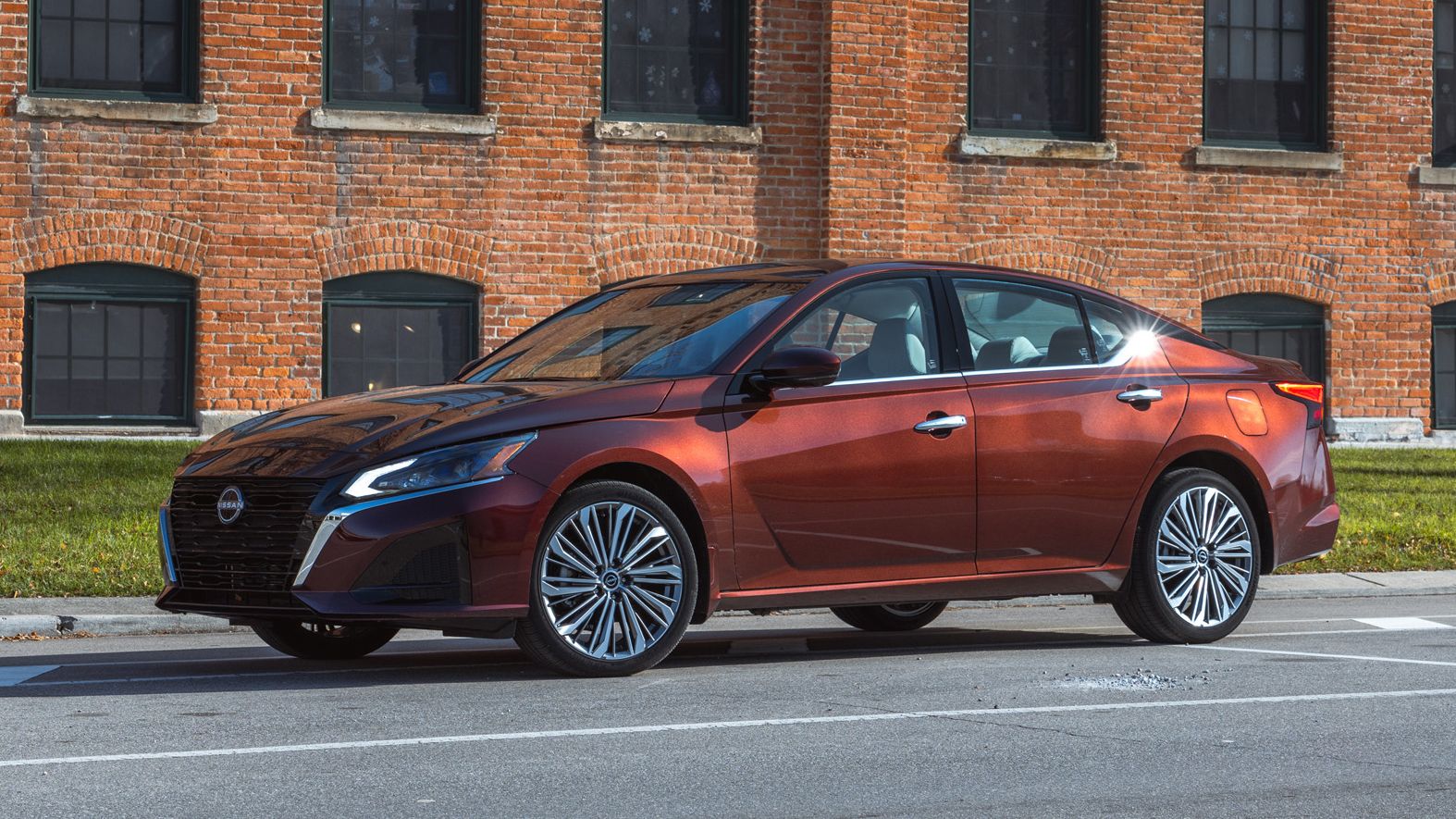
Drivers who frequently deal with aging suburban roads often find themselves correcting minor steering pull even after relatively mild impacts.
The 2019 redesign of the Altima brought the midsize sedan’s styling closer to that of the Maxima, which Nissan markets as a four-door sports car. Unfortunately, the Altima’s appearance is sportier than its actual performance.
The chassis feels uninspired and unrefined. This would be less of an issue if the dull handling were a trade-off for a soft, cushy ride, but particularly on 2.0T models, that is not the case.
The interior doesn’t lead its class either. While the seats are comfortable and the cabin layout is clean, some of the material choices feel substandard.
The base engine is adequate, though a bit noisy, and we wish the CVT paired with the variable-compression turbo-four engine were tuned more effectively. That said, the Altima earns points for offering consumers another affordable all-wheel-drive option, alongside the Subaru Legacy.
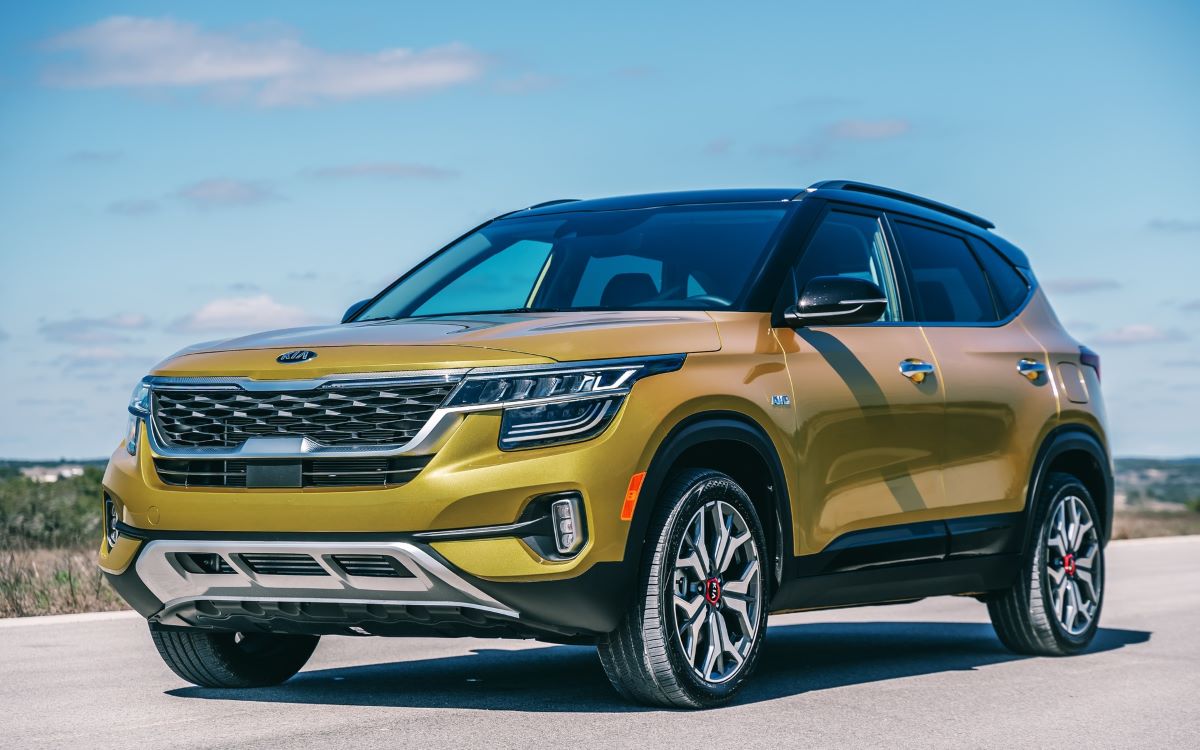
6. Kia Seltos
While the Seltos is a popular and affordable compact SUV, its combination of a tall ride height and a relatively light front subframe means harder bumps can knock alignment out.
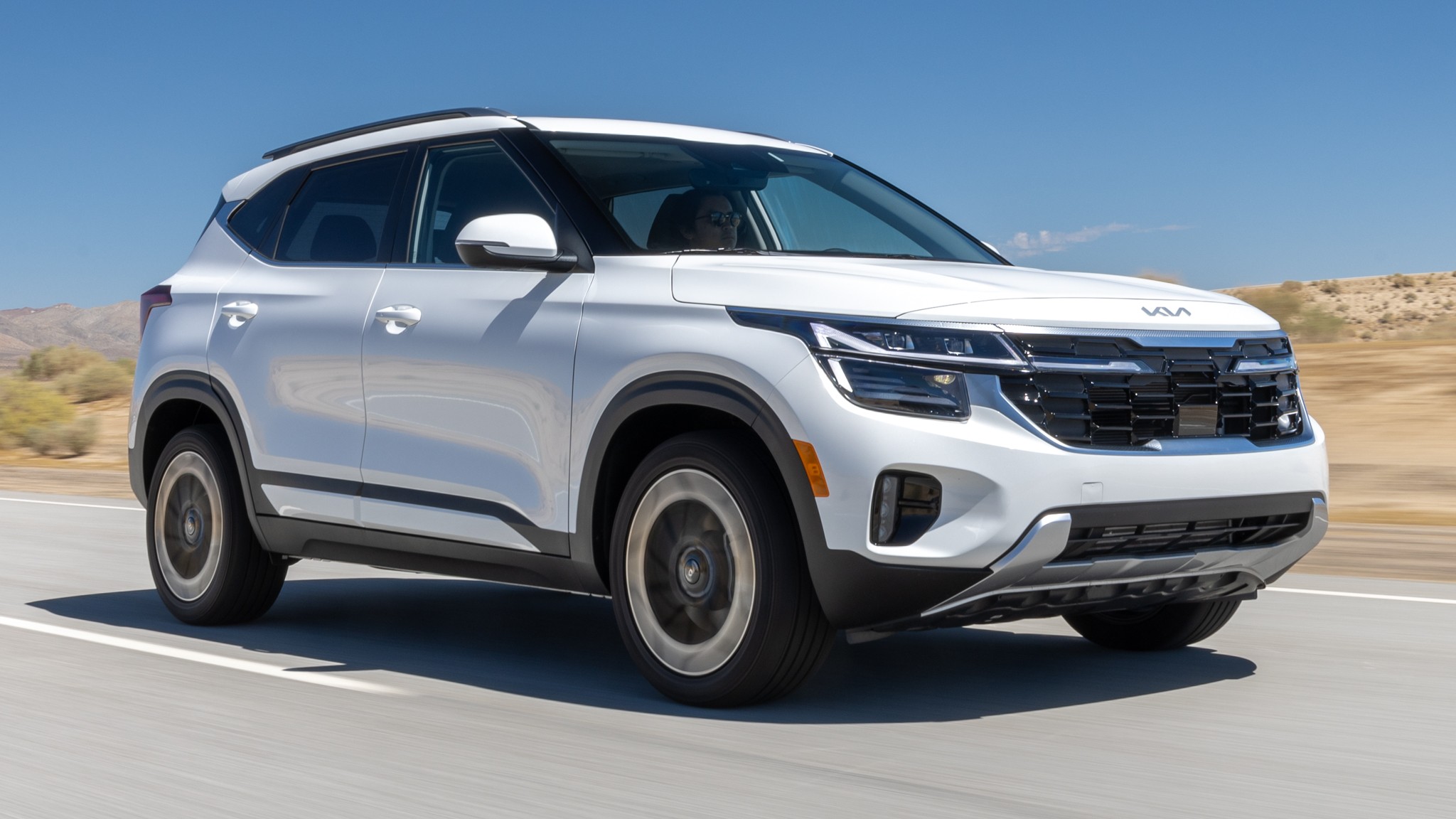
This issue is especially noticeable in northern states where potholes form after winter thaws. Many Seltos owners report needing alignments annually or sooner if they drive on rougher streets regularly.
We tested a top-of-the-line Seltos SX, which is equipped with the turbocharged engine. Acceleration from a standstill is a bit sluggish, but once moving, this small SUV proves to be fairly lively.
The Seltos went from 0 to 60 mph in 8.1 seconds. That’s impressive for this segment and allows the vehicle to reach highway speeds quickly. The transmission shifts smoothly and responsively.
However, the Seltos is less compelling when the road curves. While the responsive steering and firm suspension tuning should help, driving with any real enthusiasm reveals that the Seltos feels overly nose-heavy and not particularly well-suited for spirited cornering.
7. Volkswagen Jetta (Newer Redesign)
Volkswagen built the latest Jetta lighter and more fuel-efficient than older generations, but the trade-off is a suspension system more vulnerable to impacts.
Toe changes are common after hard hits, and many drivers notice feathering on the front tires sooner than expected. Rough pavement, especially the kind found in dense older cities, accelerates these issues.
Volkswagen’s Jetta has maintained a consistent trajectory since its introduction, providing an affordable entry point into a capable compact four-door sedan that comfortably seats four—and occasionally five if passengers are on friendly terms.
While the Jetta GLI serves as the sportier, performance-oriented member of the lineup, the standard Jetta continues to deliver strong value across most trims, especially now that the Golf hatchback is no longer offered in the U.S. market.
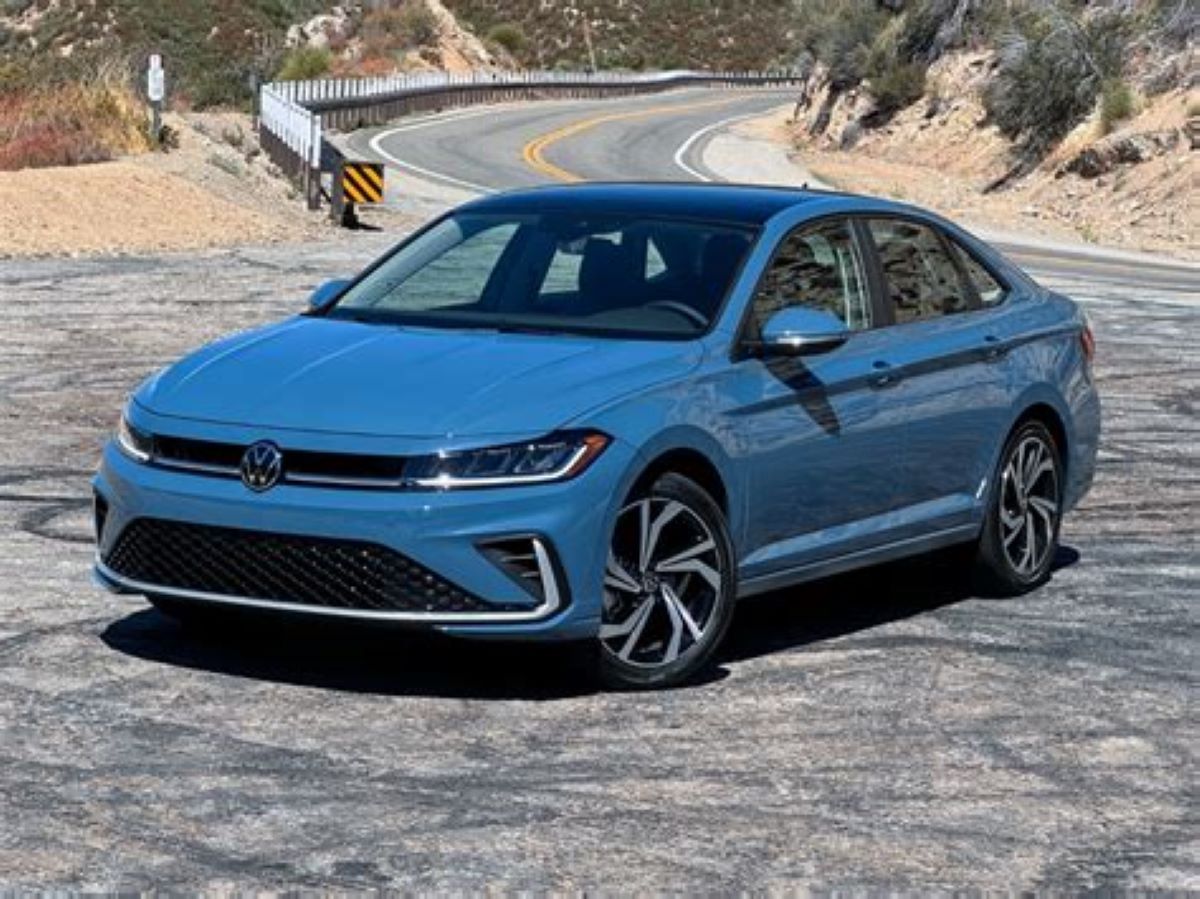
Though the compact sedan segment is admittedly tight, rivals like the Honda Civic and Mazda3 keep the competition lively, and the Mazda3 even offers available all-wheel drive. Still, the Jetta brings its own advantages, including nimble handling and a slightly more refined, sport-sedan character that reflects its German engineering heritage.
Powering all non-GLI Jettas is a carry-over 158-hp turbocharged inline-four engine paired with an eight-speed automatic transmission. Unfortunately, the six-speed manual transmission is now reserved exclusively for the sportier GLI model.
New Rides That Stay Aligned on Rough Streets
In a world full of potholes, uneven surfaces, and unpredictable road conditions, a new car should offer more than just style, it should deliver a smooth, stable ride even when the pavement fights back.
Some modern vehicles rise to the challenge, boasting robust suspension design, precise steering geometry, and durable components that help them stay aligned no matter how rough the road gets. These are the rides that don’t lose their edge after a few bumps, they maintain comfort, safety, and predictable handling long after you first drive them off the lot.
In this article, we’ll highlight a selection of new vehicles known for staying aligned on rough streets. If you value comfort on uneven terrain, long-term durability, and confidence in every turn, these cars are worth your attention.
1. Subaru Outback
Known for its rally-inspired roots, the Outback handles rough pavement exceptionally well. The long-travel suspension and rugged control arm design prevent many of the alignment problems that plague other midsize vehicles.
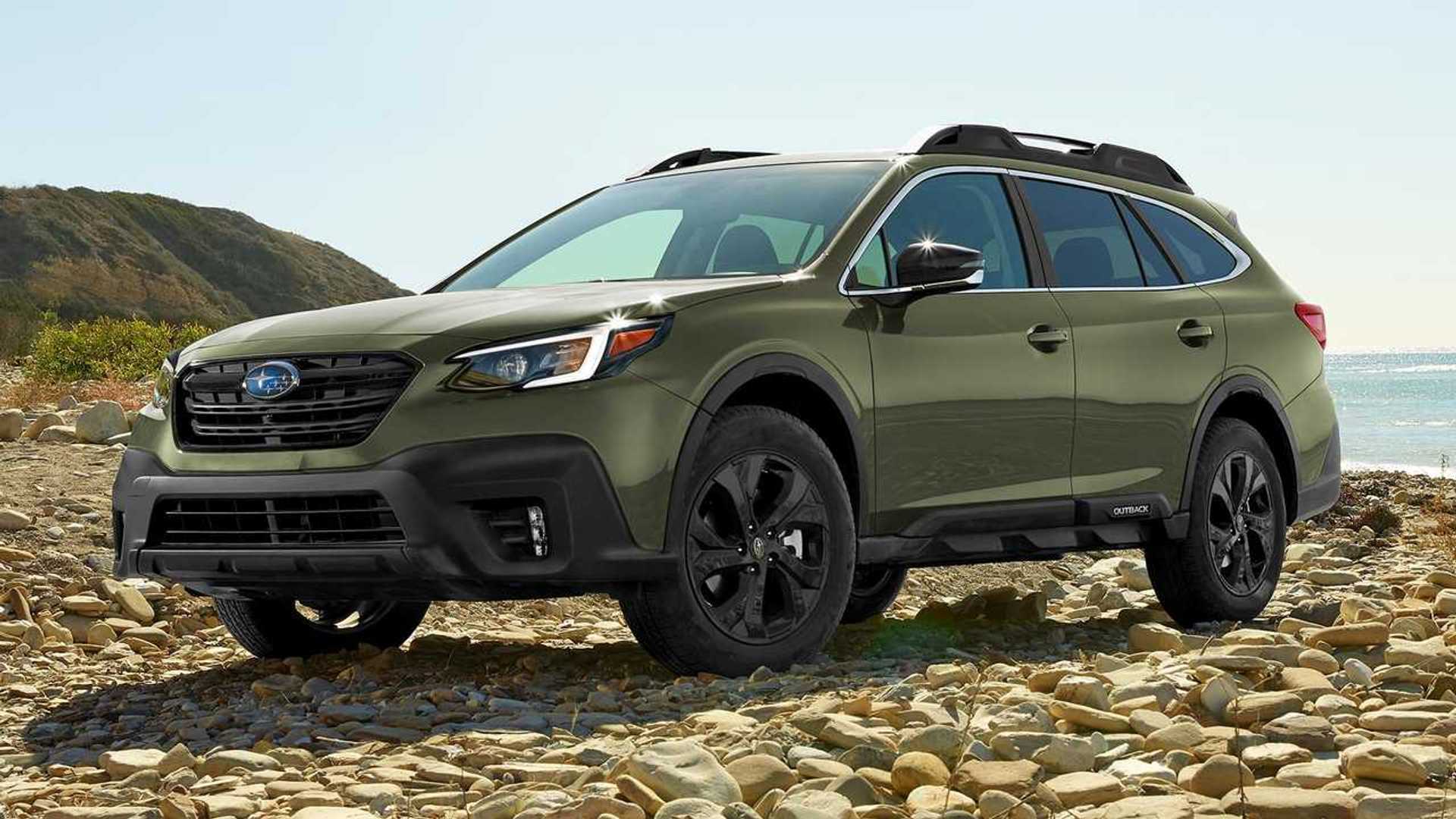
Even when drivers regularly encounter broken city pavement, the Outback rarely loses alignment unless the impact is truly severe. Its combination of geometry and shock absorption is built for real-world road surfaces.
2. Toyota Tacoma (New Generation)
Trucks tend to hold alignment better than sedans due to stronger suspension components, and the latest Tacoma is no exception.
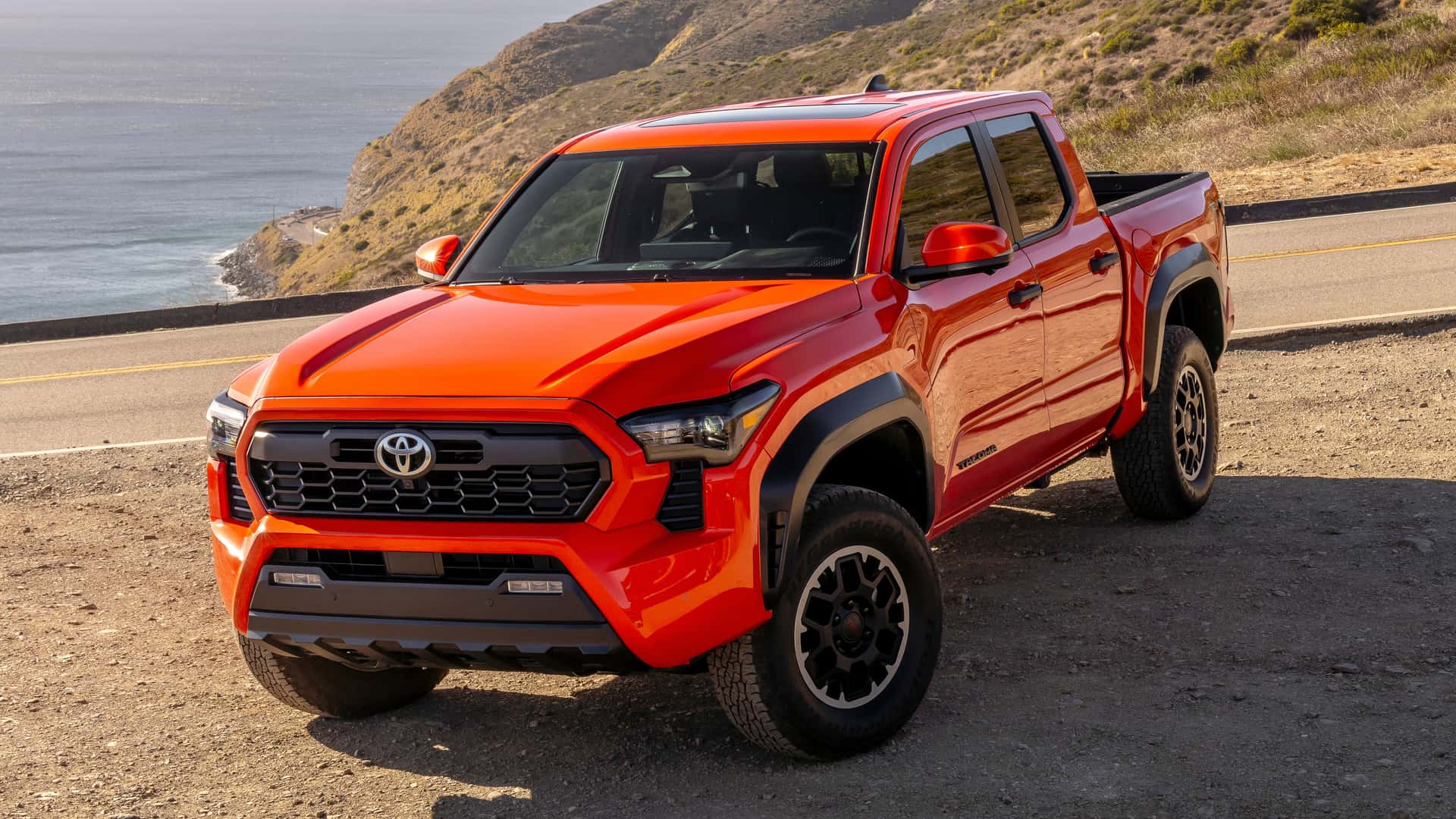
With beefy upper and lower control arms and geometry meant for off-road travel, the Tacoma shrugs off potholes and urban impacts. It’s a favorite in states with chronic road issues, like Louisiana and New Jersey, partly because its alignment rarely budges.
Every nonhybrid Tacoma is powered by a turbocharged 2.4-liter four-cylinder engine, though it comes in two different versions and pairs with either an eight-speed automatic transmission or a six-speed manual. Both rear- and four-wheel-drive configurations are offered.
The base 228-hp turbo-four is exclusive to the entry-level SR, while the higher trims receive the more powerful i-Force variants, delivering up to 278 horsepower and 317 pound-feet of torque.
While all Tacomas utilize body-on-frame construction, they feature two distinct rear suspension setups. The SR, SR5 extended cab, and TRD PreRunner rely on traditional leaf springs, whereas the remaining models employ coil springs.
We’ve driven multiple versions of the latest Tacoma, including the TRD Off-Road, the PreRunner, and the manual-transmission model, and we’ve been impressed by the Tacoma’s improved on-road refinement, especially in models equipped with coil springs, which provide a noticeably smoother ride compared to those with the older leaf-spring setup.
Around town, the powertrain delivers ample acceleration, and highway merging and passing are handled with ease. However, the Tacoma truly shines off the pavement, with off-road-focused models equipped with the necessary hardware to tackle nearly any terrain.
3. Honda CR-V (Newer Models)
Honda has fine-tuned the CR-V’s suspension design for years, resulting in one of the most stable compact SUVs on the market.
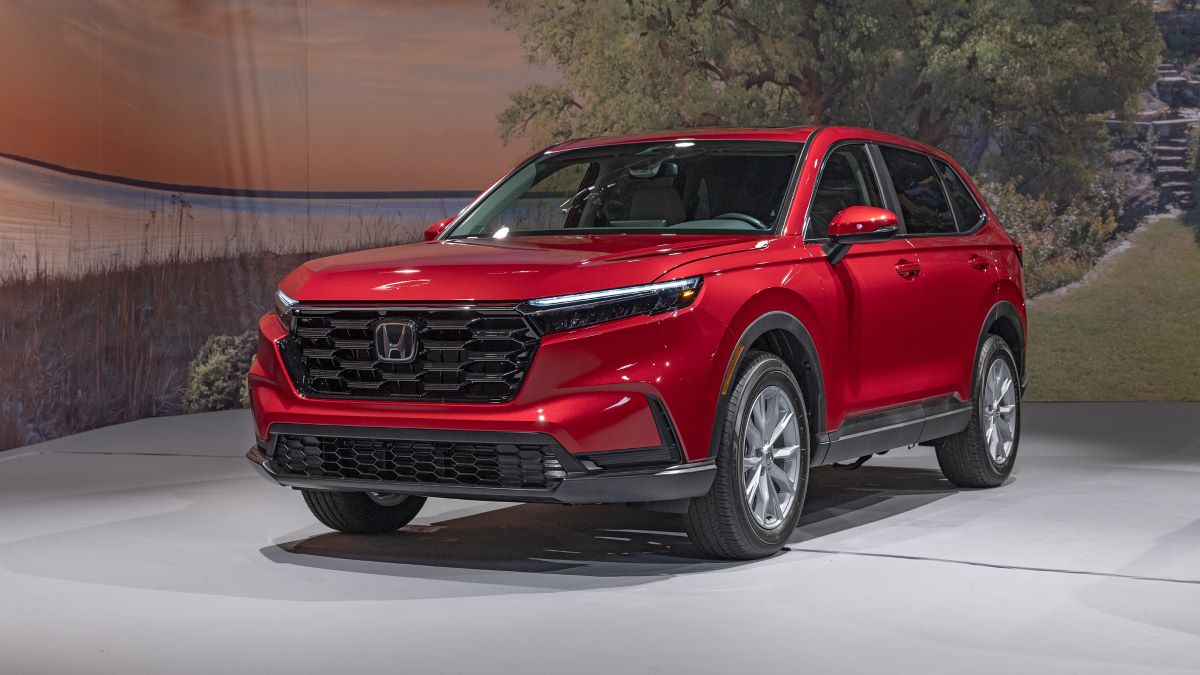
Even after hitting rough streets or uneven highway patches, the CR-V maintains predictable steering and straight-line tracking. It also holds alignment better than many competing crossovers because of its balanced suspension stiffness and durable bushings.
Honda clearly did its homework when introducing its first turbocharged engine, a 1.5-liter unit producing 190 horsepower, into the CR-V, pairing it with one of the best continuously variable automatic transmissions (CVTs) on the market, a compliment we don’t give lightly.
While most compact crossovers are hampered by limited towing capacity, the CR-V ranks among the lowest, rated at just 1,500 pounds. Parents hoping for brisk acceleration might find the CR-V’s performance underwhelming. However, drivers, and passengers alike, will enjoy its refined ride, responsive steering, and confident brakes.
The CR-V’s composed and compliant suspension makes commutes, whether short or long, more pleasant, while its responsive brake pedal ensures the stopping power is there exactly when you need it.
The CR-V Hybrid is powered by a 2.0-liter four-cylinder engine paired with two electric motors, producing a combined 201 horsepower.
The hybrid system operates smoothly and unobtrusively, and Honda addressed engine drone at wide-open throttle by incorporating sound-deadening materials and equipping the audio system with an active noise-canceling feature.
The result is a much quieter cabin experience compared with the base engine, which was among the loudest in its class when the accelerator was pressed to the floor.
4. Ford F-150
America’s bestselling truck also happens to be alignment-resistant. Whether equipped with traditional suspension or newer adaptive features, the F-150’s architecture is designed for heavy-duty use.
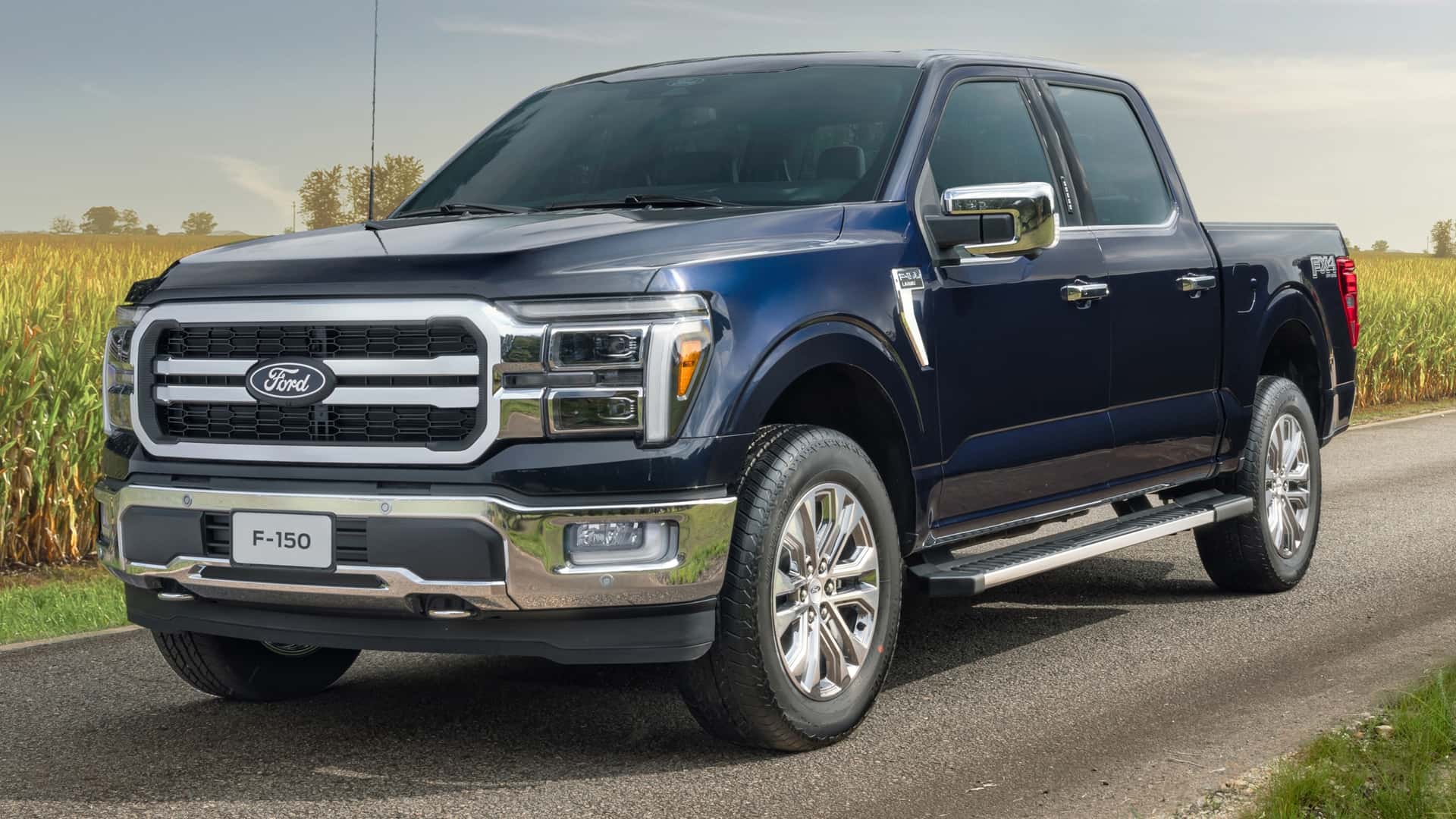
Impacts that would knock a sedan out of alignment barely register on the F-150. Drivers in construction-heavy states or regions with rough oil-industry roads often choose this model for that reason alone.
5. Mazda CX-5
Mazda engineers their crossovers to feel sporty, but not at the cost of durability. The CX-5’s suspension setup distributes road shock well, avoiding the toe and camber drift some competitors experience.
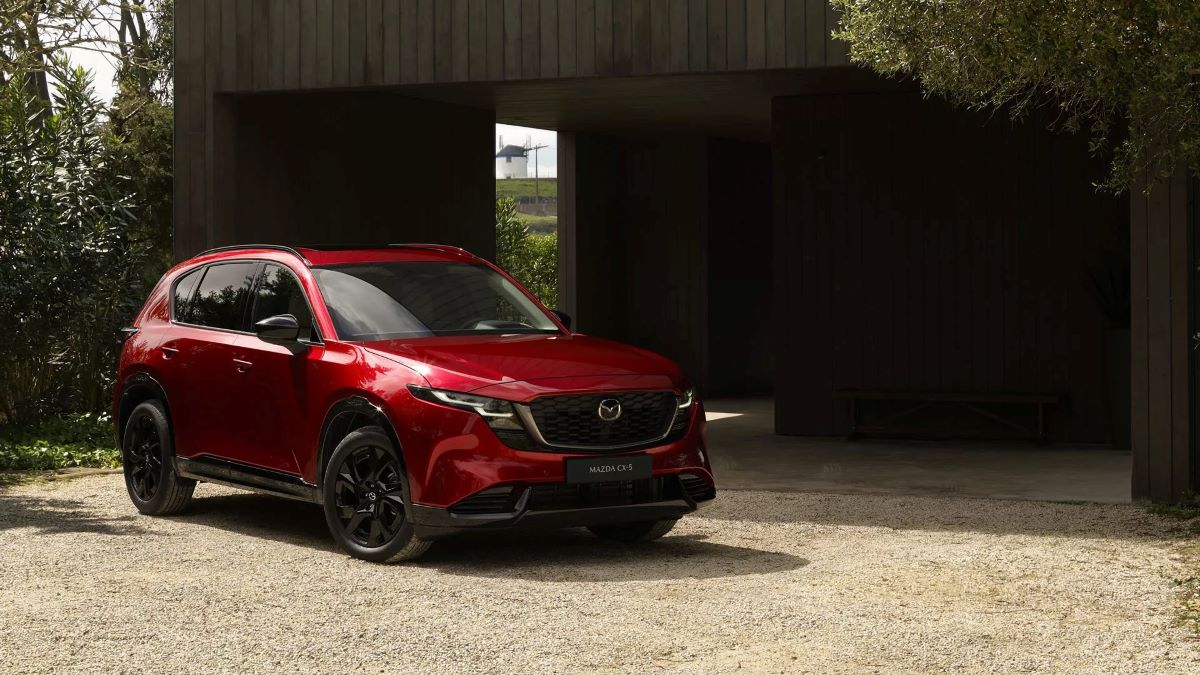
Even in cities with harsh pavement cycles Milwaukee and Detroit come to mind the CX-5 holds alignment commendably and rarely develops uneven tire wear unless components themselves are worn.
The base engine delivers modest acceleration once the CX-5 is in motion, and passing on the highway often requires some foresight. It performs slightly better from a standstill, our test track 0-60 mph run clocked in at 8.7 seconds, which aligns with typical performance for rivals equipped with a base engine.
The optional turbocharged engine, however, significantly boosts performance, propelling the CX-5 to 60 mph in just 6.6 seconds.
Where the CX-5 truly shines is in its handling. The steering is sharp and communicative, allowing drivers to navigate corners at higher speeds than most competitors without tire squeal or a sense of losing control.
The crossover remains composed even during rapid left-to-right transitions. It’s clear that the CX-5 is the best-handling small crossover, there’s no question about it.
6. Subaru Crosstrek
The Crosstrek’s soft but controlled suspension travel makes it ideal for cities with chronically poor pavement. Instead of transmitting every bump into alignment-critical components, it absorbs big hits gracefully.
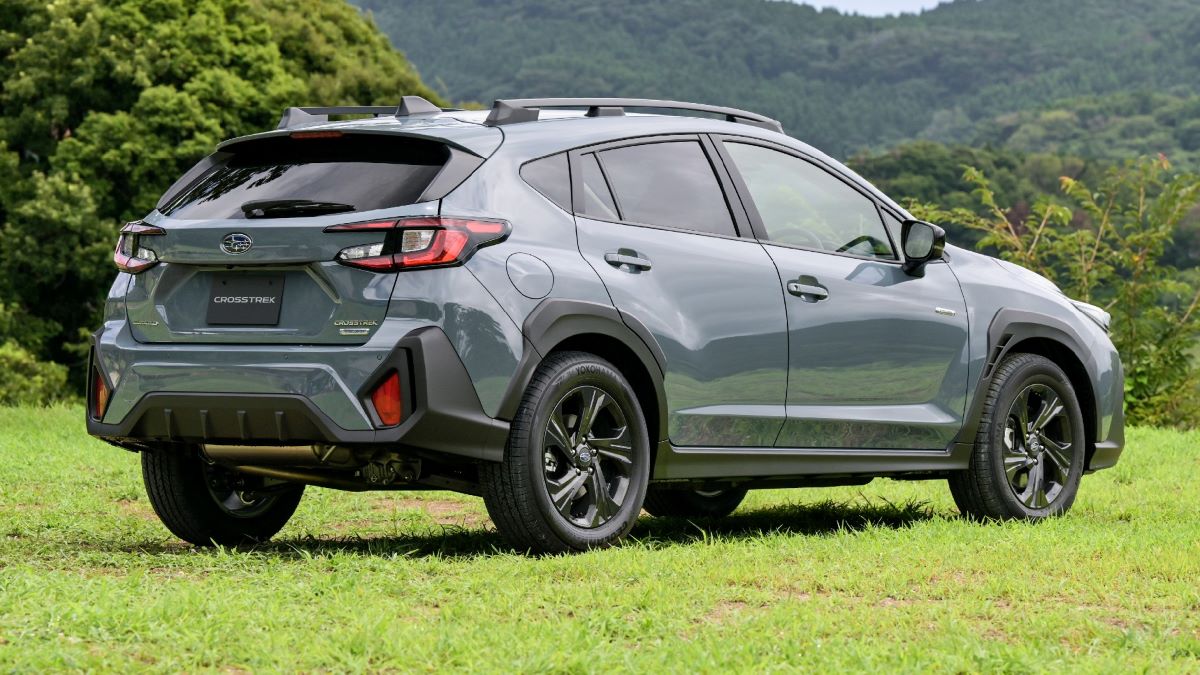
It’s one of the few subcompact crossovers that feels built for real-world American street conditions, not just smooth test tracks.
The Crosstrek comes standard with a 152-hp 2.0-liter four-cylinder engine, while all other trims, except the base model, feature a more robust 182-hp 2.5-liter four-cylinder. A continuously variable automatic transmission (CVT) is the sole transmission option, and, like most Subaru models, all-wheel drive comes standard.
The Crosstrek’s chassis doesn’t borrow from Subaru’s sportier WRX sedan; its on-road demeanor is best described as “relaxed.” It’s a soft-riding crossover, and while its cornering abilities likely exceed what most buyers will ever need, it doesn’t deliver the same engaging driving experience as rivals like the Mazda CX-30 or Volkswagen Taos.
Off-road, however, the Crosstrek has an edge. It offers at least 8.7 inches of ground clearance and comes equipped with hill-descent control and hill-start assist.
The Wilderness trim raises clearance to 9.3 inches and adds more aggressive all-terrain tires. During our initial test drive, we explored rutted two-tracks and light off-road trails in Joshua Tree National Park near Palm Springs, California, and the Crosstrek handled these conditions quite well.
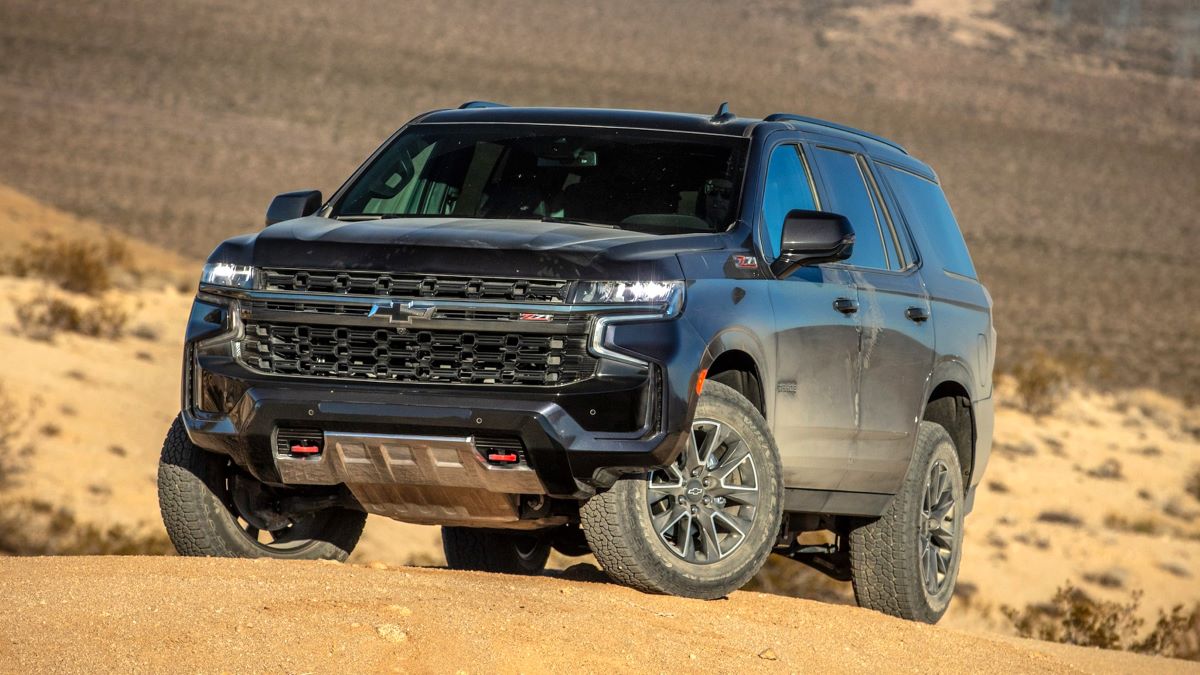
7. Chevrolet Tahoe
Large SUVs often resist alignment drift simply due to their sturdiness, but the Tahoe stands out because of its heavy-duty control arms and large-diameter suspension components.
Even when encountering rough city streets, deep potholes, or winter-damaged roads, the Tahoe’s alignment remains remarkably stable. Many fleet operators choose it for this reason it can take urban abuse without constant trips to the alignment rack.
Alignment isn’t something most American buyers think about when shopping for a new vehicle, yet it affects everything from tire wear and fuel economy to safety and daily driving comfort.
In cities where rough pavement is an everyday obstacle not a rare inconvenience choosing a vehicle with durable suspension components and alignment-friendly geometry can save hundreds of dollars in maintenance costs over the years.
While the seven cars that tend to lose alignment more easily aren’t “bad vehicles,” they simply demand more attention in areas with poor road quality.
Meanwhile, the seven models that stay aligned showcase how smart engineering, stronger component choices, and more forgiving suspension travel can make a huge difference in real-world driving.