For many American drivers, ease of entry isn’t something they think about until they step into a vehicle that makes the process surprisingly awkward.
Whether you’re loading kids into the back seat, helping an older parent into a crossover, or simply climbing behind the wheel while carrying groceries, door openings play a larger role in everyday comfort than many brochures acknowledge.
In recent years, automakers have shifted toward more stylized body structures swooping rooflines, thicker door frames for safety, and higher beltlines all of which can influence how simple or frustrating ingress and egress can be.
This list explores five new models known for their narrow entries the ones that require a duck, twist, or shuffle followed by five new vehicles celebrated for wide-opening doors that make getting in and out refreshingly easy.
This isn’t about legroom, cargo space, or cabin width; it’s solely about how the doors open and how accessible the vehicle feels.
For families, commuters, older drivers, or shoppers comparing multiple trims on a busy weekend, these real-world factors can make or break satisfaction with a daily driver. Here are the details.
New Models With Narrow Entries
Not all new cars are designed with ease of entry in mind and as automakers push for sleeker lines and sporty silhouettes, cabin entry often becomes a compromise.
Some modern rides feature narrow door openings, high sills, or tight interior layouts that can make getting in and out a squeeze, an annoyance for daily drivers, and a real pain if you frequently carry kids, older passengers, or bulky gear.
In this article, we highlight a selection of new vehicle models whose entry, whether door opening, seat height or cabin layout, tends to feel cramped or narrow. If you value easy access over style, these are the cars you’ll want to test thoroughly before signing on the dotted line.
1. Toyota Crown (Sedan/Crossover Hybrid)
The Toyota Crown has gotten plenty of attention for its lifted stance, hybrid-only lineup, and bold styling. But its sloping roofline and thicker door framing create a surprisingly tight door opening especially for front passengers.
The combination of a higher floor and a lower roof means taller occupants must duck more than expected.
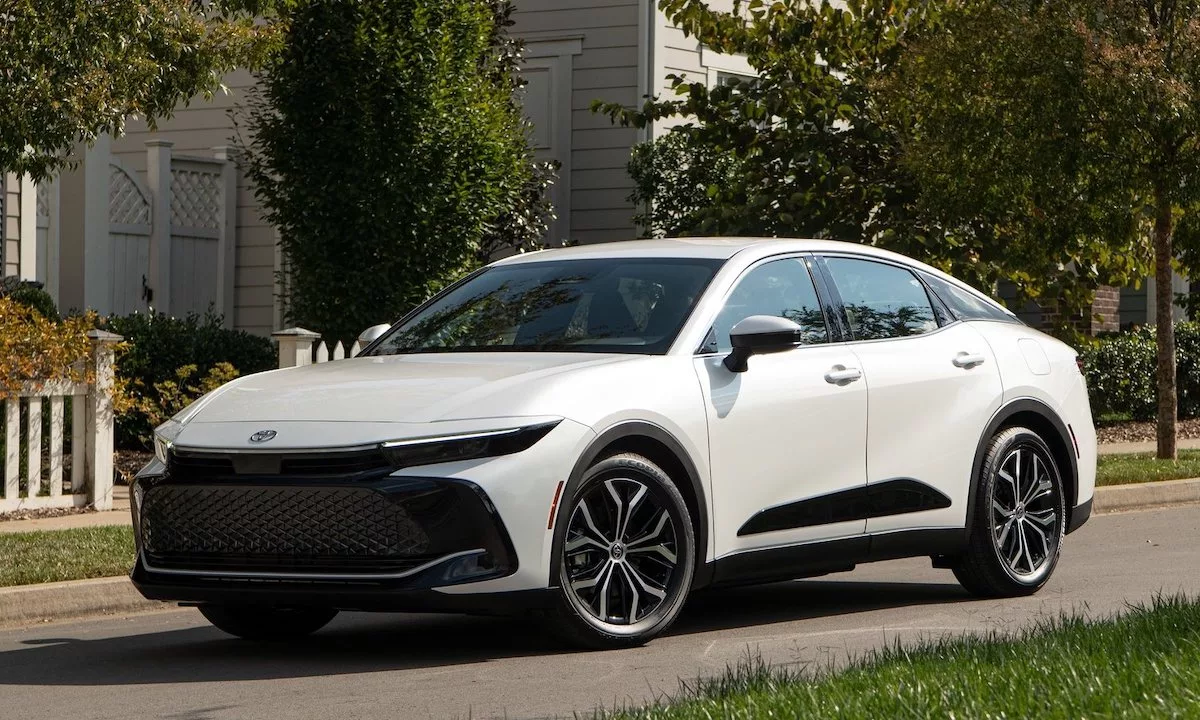
Rear passengers have an even smaller entry due to the downward arc of the rear door glass. The Crown’s cabin is comfortable once you’re inside, but entry feels more like slipping into a sporty fastback than stepping into a midsize sedan.
For shoppers prioritizing comfort over style, this is an important trade-off to keep in mind.
Also Read: 5 SUVs That Don’t Feel Top-Heavy in Curves vs 5 That Do
2. Mazda CX-50
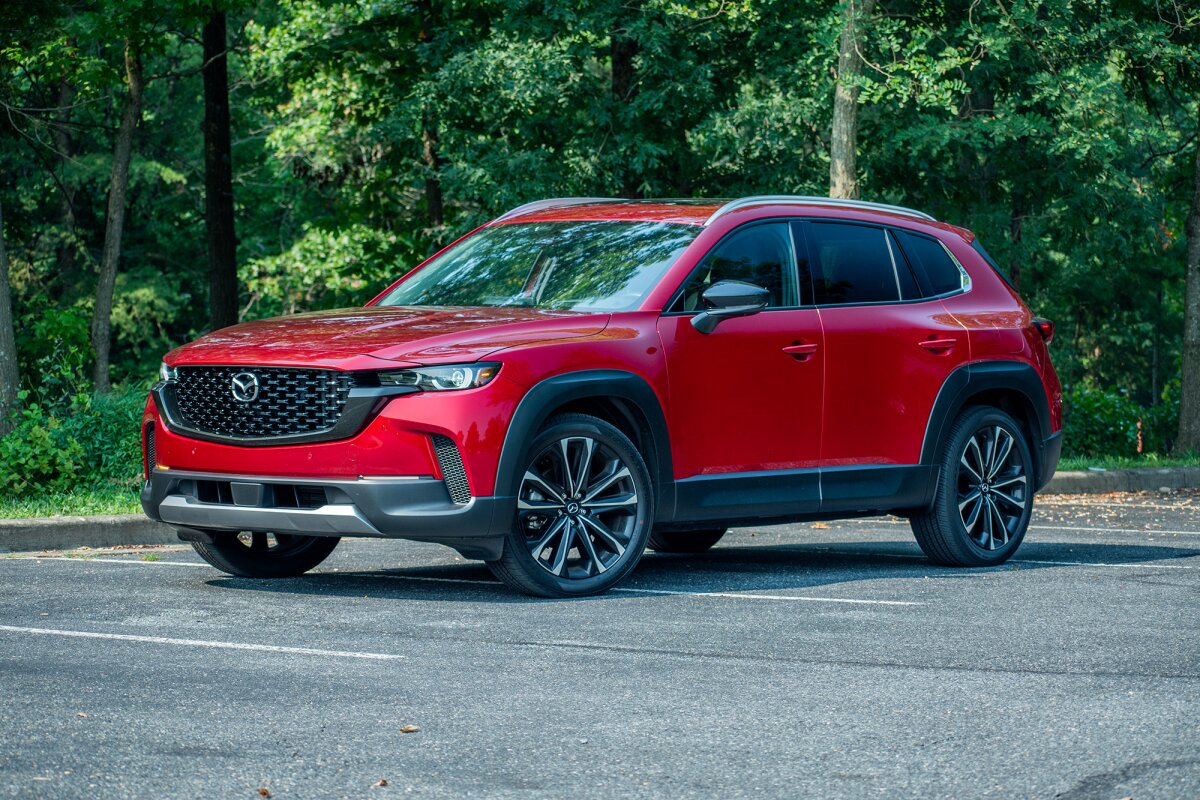
Mazda designed the CX-50 with an adventurous, rugged look, but part of that design includes tighter door apertures than the market-average compact SUV.
Its tall fenders and wide, muscular shoulders cause the front and rear doors to open within more confined bodywork, leaving less vertical room when stepping in.
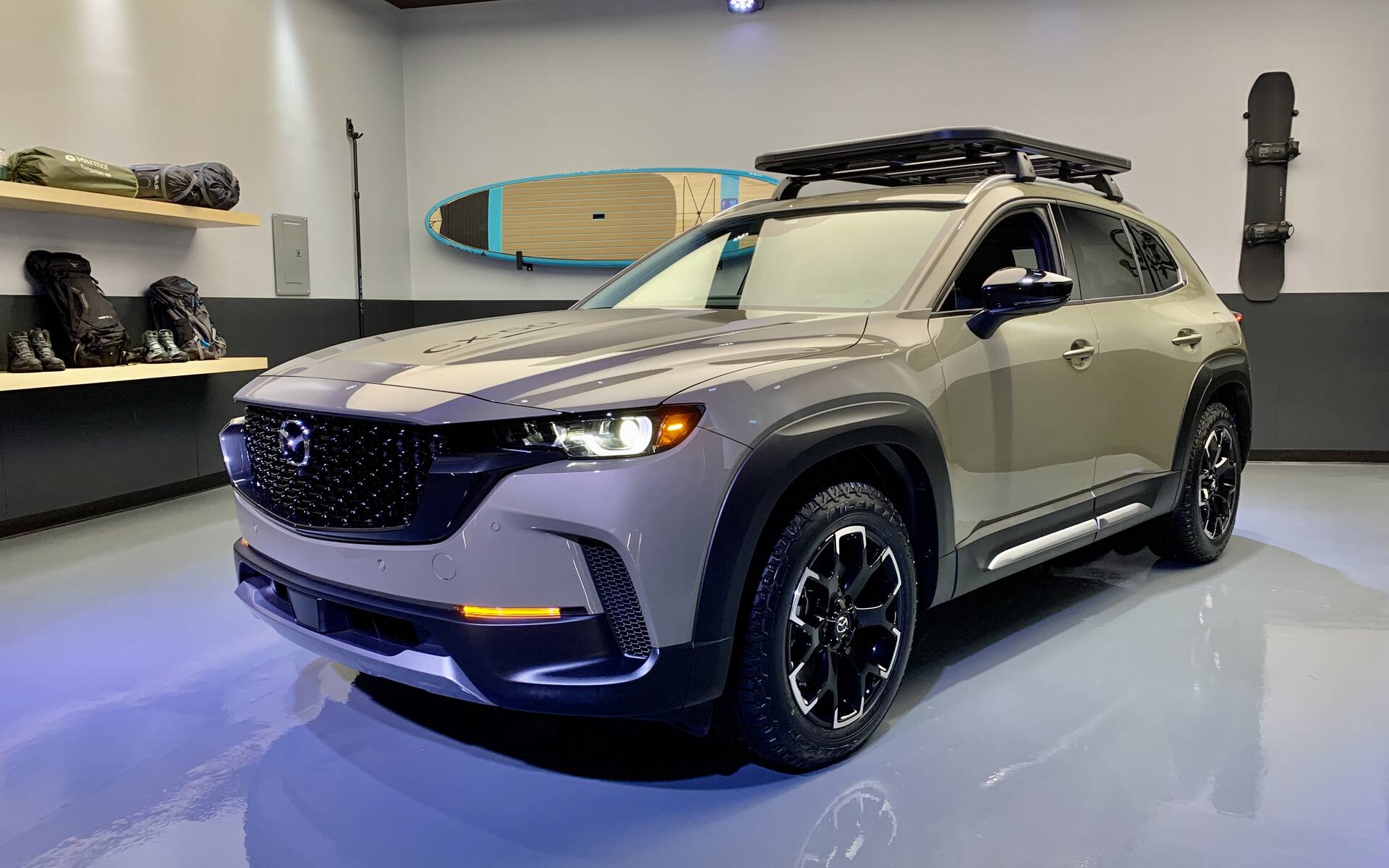
Taller drivers may brush the upper trim with their head, and loading a child seat in the back requires more maneuvering than expected.
Mazda’s craftsmanship and handling are superb, but the narrow door geometry is a notable usability compromise.
Mazda has long aimed to inject a sense of driving enjoyment into its lineup, and in most cases, it succeeds. Its vehicles are often among the best-handling in their segments, and the CX-50 continues that tradition.
Our test CX-50 came equipped with the upgraded turbocharged engine, which delivers ample power and helps make it one of the quicker small SUVs on the market.
Acceleration feels strong and responsive, with the transmission doing a good job of selecting the right gear at the right moment. In our testing, the CX-50 reached 60 mph from a standstill in 7.2 seconds. While that’s a touch slower than a turbo CX-5 we previously tested, it’s still a solid performance for a compact SUV.
Handling is another strong point. Although it isn’t a sports car, the CX-50 keeps body roll mild and better controlled than most other small crossovers, so even curvy roads won’t leave passengers feeling uneasy.
The steering is quick and responsive, contributing to a planted, confident feel, though we found it demands slightly more effort than expected for relaxed, low-speed maneuvers. Navigating winding residential streets should still feel easy.
Styling is familiar to Mazda enthusiasts, yet appealing. The CX-50’s design is handsome, with wide fenders giving it a slightly squat and rugged stance.
The CX-50 also avoids the soul-sapping dullness of some competitors. It won’t set lap records, but it provides a driving experience that feels engaging, spirited, and far from boring, a small SUV that’s enjoyable to spend time in behind the wheel.
3. Hyundai Ioniq 6
The Ioniq 6 is a sleek, low-slung EV designed to stand out on the road, and it certainly does. But its coupe-like roofline creates one of the more restricted entry points in the electric sedan segment.
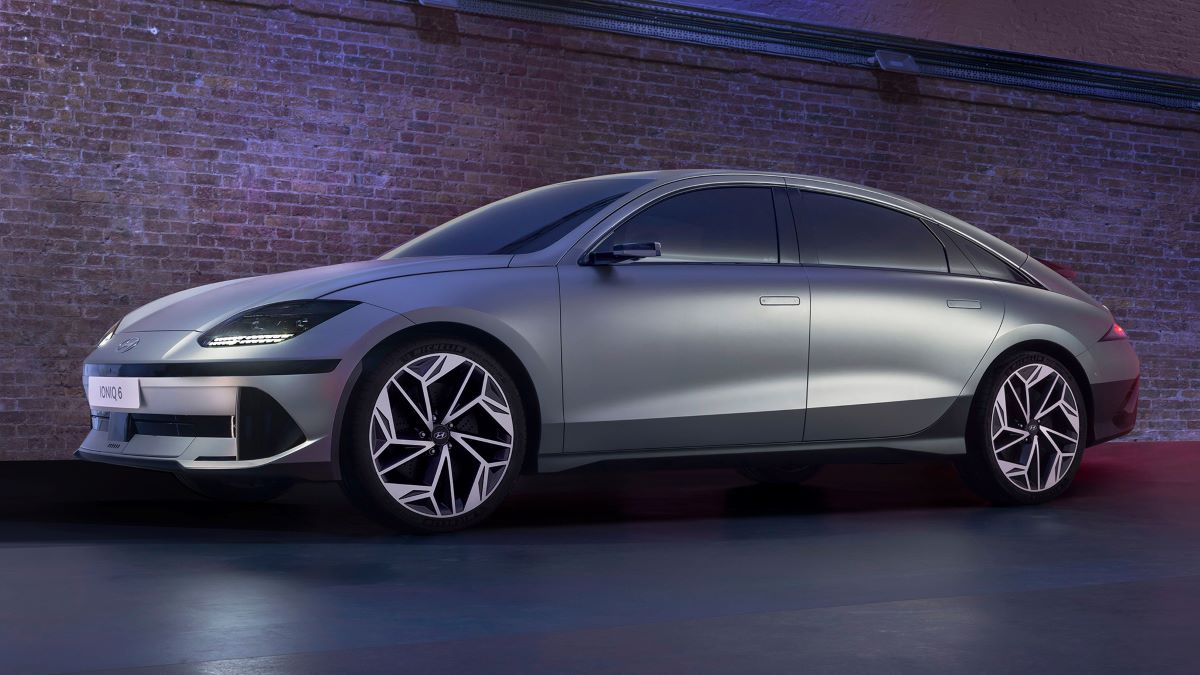
Rear-seat entry is the biggest challenge: the door cutout arcs downward dramatically, meaning adults or teens need to duck deeply to avoid hitting the roof.
Up front, the low seating position combined with the steep roof slope amplifies the sense of a “small hole” to climb into. It’s a gorgeous and aerodynamic design, but not friendly for anyone who prioritizes accessibility.
Hyundai has set its sights on the Tesla Model 3 with its latest electric sedan, the Ioniq 6, and the car more than lives up to the challenge. Combining striking design with practical performance, the Ioniq 6 earned our EV of the Year award for 2023.
As a four-door sedan within Hyundai’s Ioniq subbrand of electric vehicles, it shares key components with the taller, boxier Ioniq 5. Buyers can choose from single- or dual-motor configurations and two battery-pack options.
The aerodynamic shape paired with the largest 77.4-kWh battery pack allows the Ioniq 6 to achieve an estimated 361 miles of range in the SE Long Range configuration. Its styling takes cues from Hyundai’s dramatic Prophecy concept, and the sedan delivers performance that matches its futuristic looks.
Inside, the Ioniq 6 offers a more luxurious cabin than the Model 3 and a higher level of onboard technology than Hyundai’s gas-powered Sonata or Elantra sedans.
Under the skin, the Ioniq 6 mirrors much of the Ioniq 5’s powertrain offerings. The base model produces 149 horsepower with a single motor powering the rear wheels, while the Long Range single-motor variant makes 225 horsepower.
For those seeking more performance, the 320-hp dual-motor versions provide all-wheel drive via front and rear motors, though they come only with the larger battery pack. In testing, the RWD Long Range model accelerated from 0 to 60 mph in 6.2 seconds, while the AWD Long Range sprinted to 60 mph in just 4.3 seconds.
Despite its brisk acceleration, the Ioniq 6 remains smooth and refined in its ride, with a cabin that is quiet and well-insulated. Handling is engaging, aided by the sedan’s low center of gravity, which helps it feel planted through corners.
Additionally, the steering-wheel-mounted paddles allow drivers to adjust regenerative braking modes on the fly, adding a level of interactivity rarely found in mainstream EVs.
Also Read: 6 Used EVs Safe to Buy in 2025 vs. 6 to Think Twice About
4. Tesla Model 3 (New Refresh)
The updated Model 3 (“Highland”) brings sharper looks and quieter materials, but it still retains the tight door openings Tesla has been known for.
The car’s side structure is thicker now for improved rigidity and crash safety, and the new door trimming further narrows the ingress space.
The low seating position doesn’t help drivers often need to drop down into the cabin rather than simply slide in.
Rear seats, meanwhile, require a more exaggerated duck-and-swing motion due to the sharply sloped rear roofline. The new Model 3 is much better finished, but entry limitations remain.
Starting at just over $40,000, the Tesla Model 3 represents the brand’s most accessible offering. Introduced in 2017, the Model 3 carries forward largely unchanged for 2022, though it could potentially adopt features from the refreshed Model S, such as the yoke steering wheel and upgraded infotainment hardware.
The Model 3 competes in both the electric vehicle market and the compact luxury sedan segment, going head-to-head with the Polestar 2, Audi A4, BMW i4, and more budget-friendly EVs like the Chevrolet Bolt.
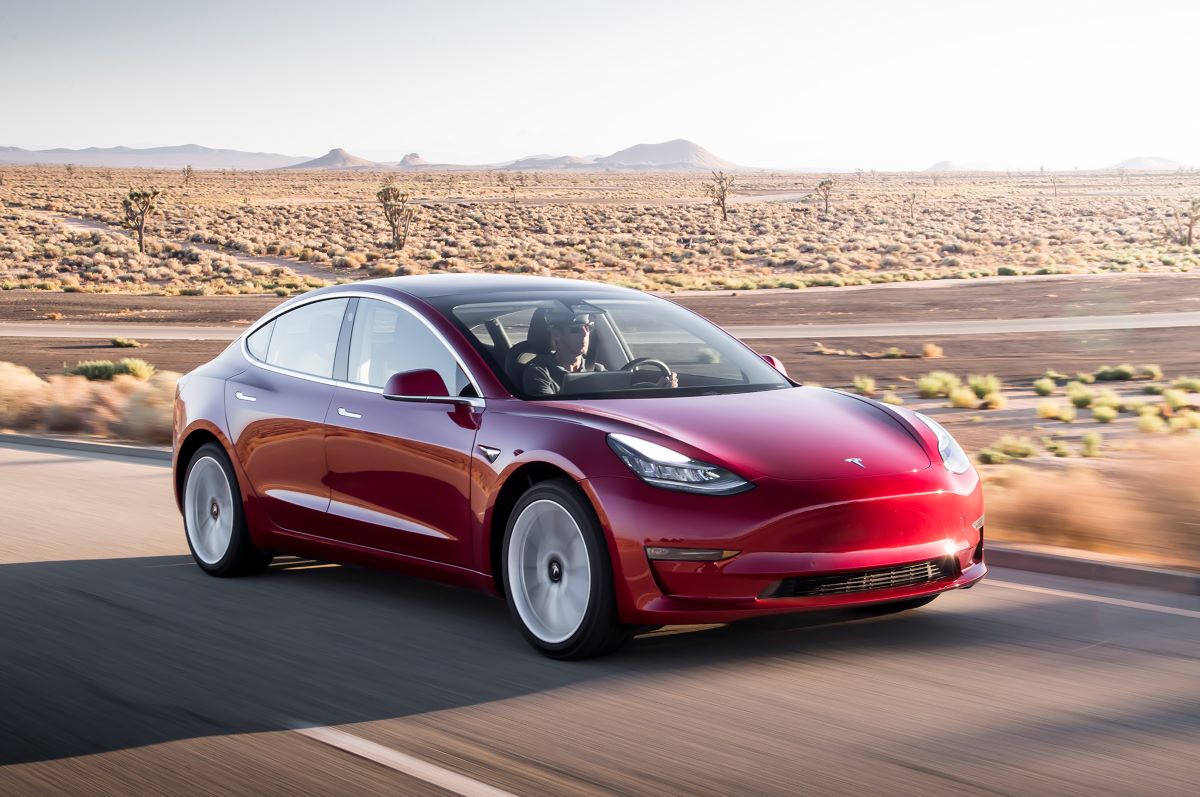
The Model 3 performs admirably in both arenas. Its impressive range and relatively accessible price point already make it a compelling choice, while its strong performance and minimalist luxury interior enhance its appeal.
The Model 3 has even earned a comparison-test victory over the BMW 3 Series and the 2019 Car of the Year-winning Genesis G70.
That said, the car’s reliance on a massive center touchscreen can be polarizing. Nearly all vehicle functions are controlled through this display, leaving only a few physical buttons in the cabin. This setup carries a learning curve compared with more conventional luxury EVs like the BMW i4 or Audi e-tron.
On the road, performance is strong, but the cabin does let in noticeable tire and road noise, and broken pavement can reveal occasional rattles and buzzes, highlighting Tesla’s sometimes inconsistent build quality.
We’ve also observed quirks with Tesla’s Autopilot driver-assist system, which can disengage unexpectedly and does not always bring the car to a complete stop. While software updates continue to improve the experience, potential buyers should keep these points in mind.
The Model 3 is available in three variants: Standard Range Plus, Long Range, and Performance. The entry-level Standard Range Plus uses a single rear motor with rear-wheel drive, while the Long Range and Performance models employ dual motors with all-wheel drive.
Standard Range models come equipped with a 54-kWh battery, whereas the dual-motor variants feature an 82-kWh pack, offering greater range and performance.
5. Chevrolet Trax
The latest Chevy Trax has been praised for its value and surprising interior space, but its entry isn’t as generous as its footprint suggests.
Chevy’s designers tightened the door framing to deliver a more athletic, youthful appearance, and the result is slightly narrower openings than in rivals like the HR-V or Kia Seltos.
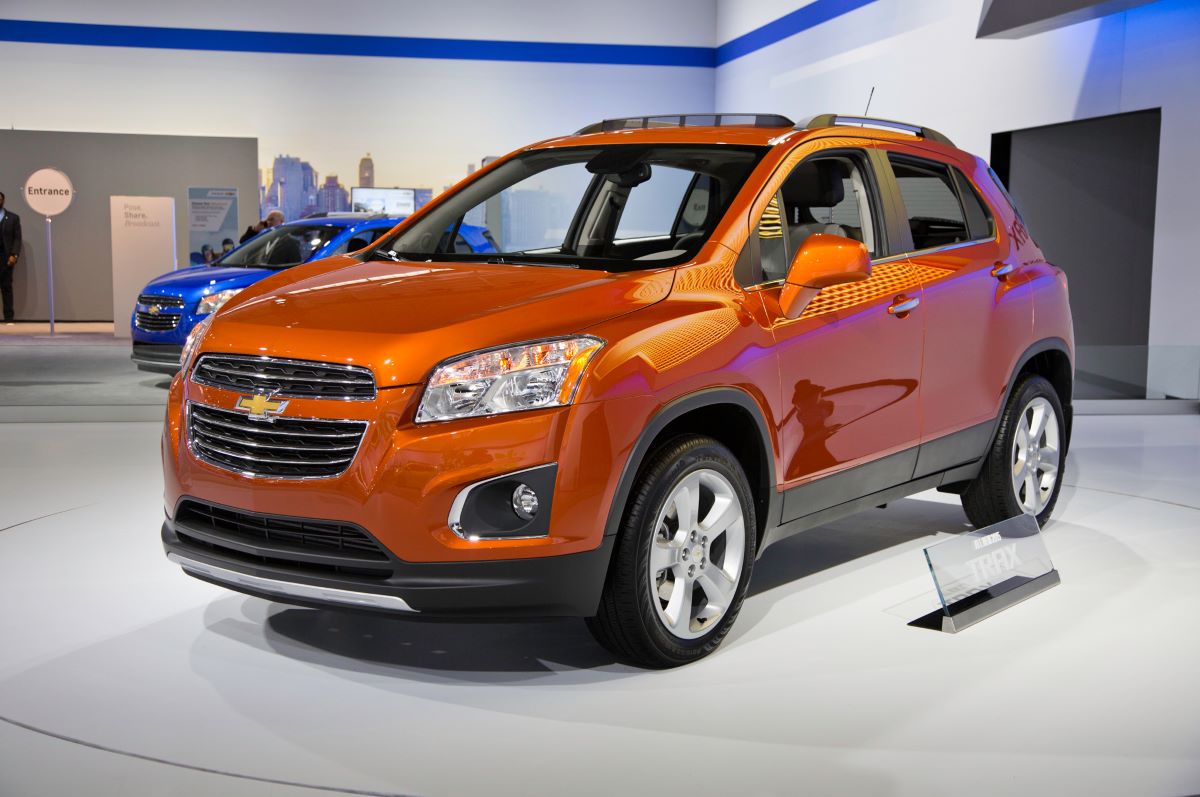
This is especially noticeable in the rear, where passengers need to angle their feet more carefully to avoid catching the sill. For the price, the Trax is excellent but buyers should make sure the entry experience works for them.
We’ll avoid calling it cheap, but the Chevy Trax certainly boasts an appealingly low starting price, which is central to its charm.
This subcompact SUV ranks among the most affordable new vehicles on the market, yet it offers impressive value thanks to a roomy interior and a driving experience that feels more refined than its sticker might suggest.
While it makes some compromises compared with pricier competitors, its 137-hp three-cylinder engine isn’t exactly quick, and front-wheel drive is the only option, it compensates with a generous list of standard features and attractive styling inside and out.
These qualities helped earn it a spot on our 2025 10Best Trucks list and make it a solid choice for buyers seeking a practical, budget-friendly, and appealing new vehicle.
Under the hood, the Trax is powered by a modest 137-hp turbocharged 1.2-liter inline-three engine paired with a six-speed automatic transmission and front-wheel drive.
All-wheel drive isn’t available. Around town, the Trax has enough pep to avoid feeling lethargic, though you’ll notice its limited power when merging onto highways or passing slower traffic.
We prefer its conventional six-speed automatic over the continuously variable transmissions (CVTs) used in many rivals, as it shifts smoothly and sidesteps the droning typical of CVT-equipped models such as the Honda HR-V and Subaru Crosstrek.
The Trax handles with a decidedly carlike agility, its brake pedal feels firm and reassuring, and the steering is predictable and reasonably communicative given the vehicle’s practical, entry-level purpose.
New Models With Wide-Opening Doors
In a world where comfort and convenience increasingly matter, whether you’re loading in kids, groceries, pets, or just climbing into the driver’s seat after a long day, a wide‑opening door can make all the difference.
Some of the newest vehicles on the market don’t just look modern, they’re designed with accessibility in mind, offering door swings, seat heights, and cabin layouts that make getting in and out a breeze. That means less awkward squeezing, less bumping hips and shoulders, and a smoother everyday experience.
In this article, we’ll spotlight a few newer models whose door design and cabin ergonomics give them wide‑opening entries, ideal for families, older passengers, frequent shoppers, or anyone who values convenience and comfort in daily driving.
1. Honda CR-V
Honda has long prioritized practicality, and the current CR-V continues that tradition with some of the widest, most welcoming door openings in its class.
Both front and rear doors swing open to broad angles, making it straightforward for kids, adults, and seniors to enter.
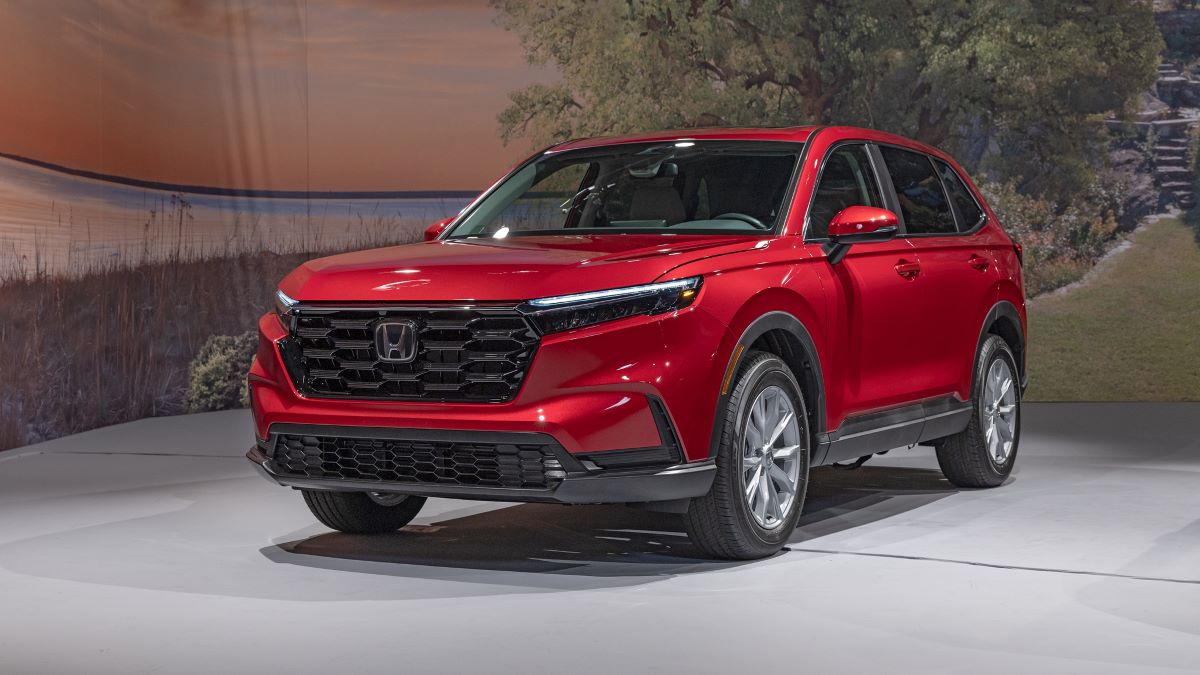
Child-seat loading is exceptionally easy because the rear doors open almost perpendicular to the body.
Whether you’re carrying bags from Costco or helping a family member with mobility concerns, the CR-V feels engineered with human movement in mind something not every SUV can claim.
2. Ford F-150 (New Generation)
Full-size trucks naturally benefit from big doors, but the current Ford F-150 takes door accessibility further.
Its front doors open wide with tall, squared-off cutouts, making it easy for drivers of all sizes to climb in even if they’ve got boots, tools, or work gear.
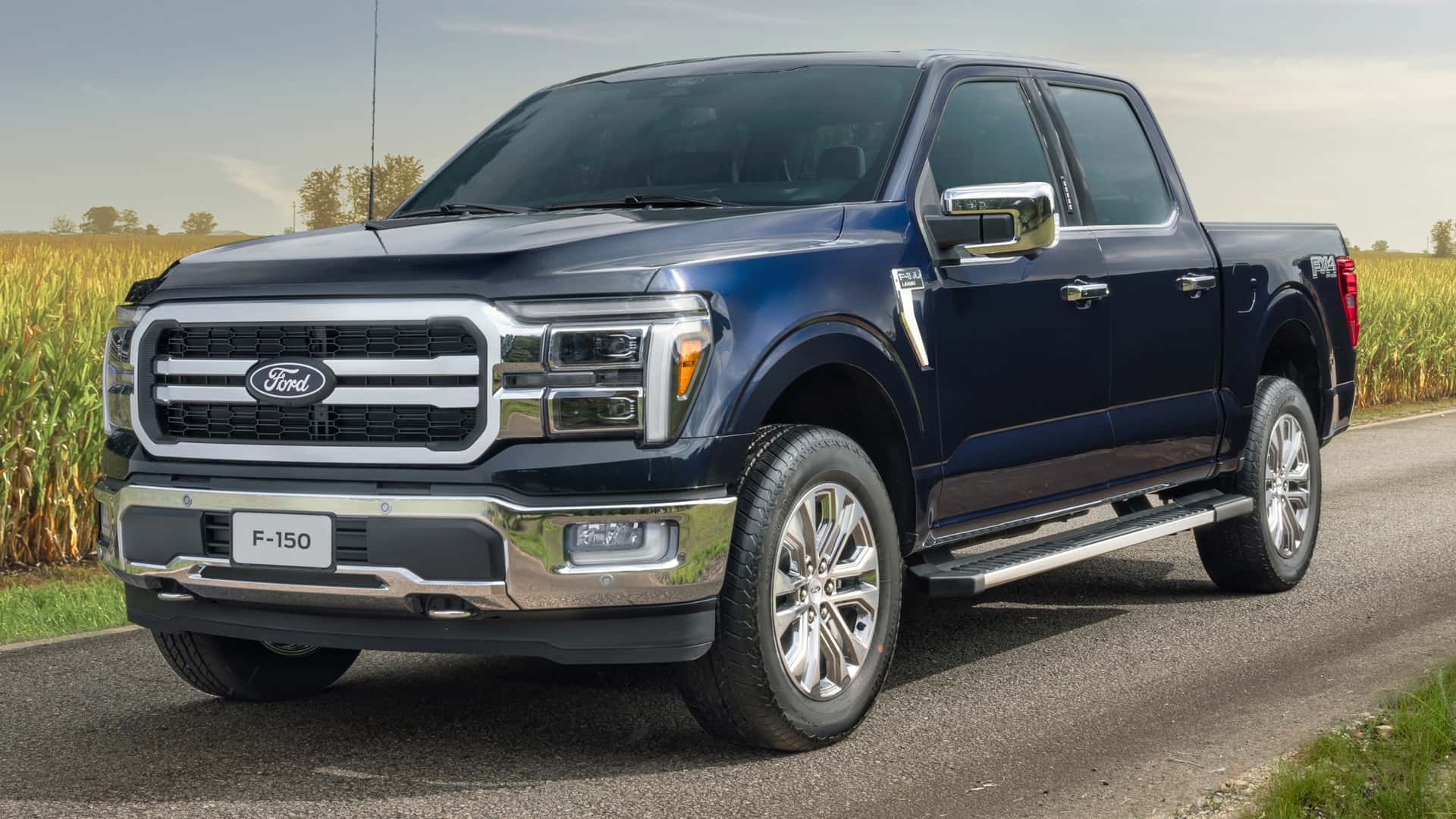
Rear SuperCrew doors open to nearly 90 degrees, a blessing for parents installing large rear-facing car seats or workers loading bulky equipment. Combined with a step assist and grab handles, getting in and out feels effortless despite the truck’s height.
3. Subaru Forester (New Model)
Subaru has always catered to practical lifestyles camping, hauling pets, and transporting gear and the newest Forester reflects that philosophy.
The doors open wide, with generous vertical and horizontal clearance. The squared-off roofline and tall windows contribute to one of the easiest entry experiences in the compact SUV segment.
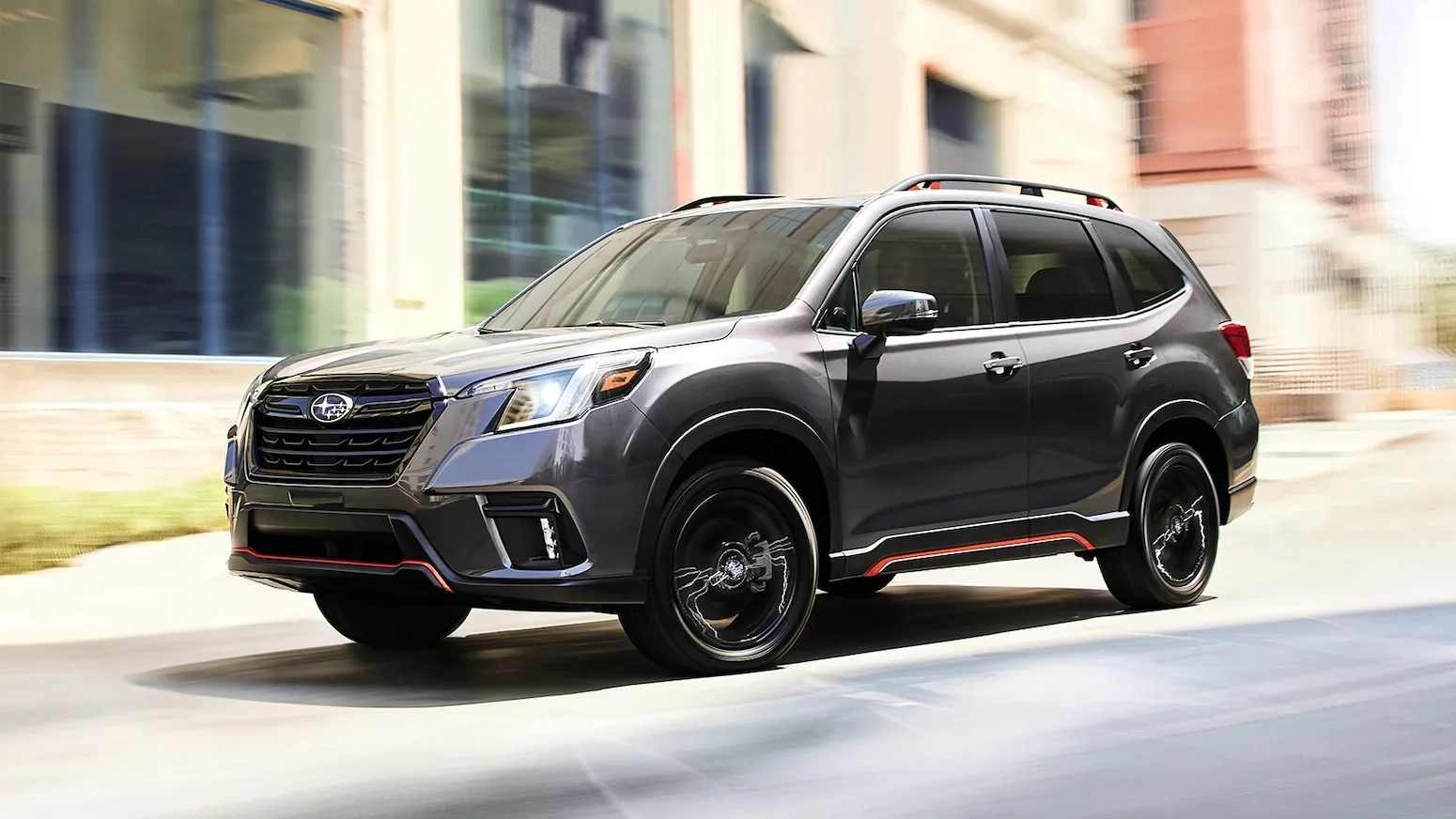
Older drivers often favor Subarus for this exact reason: the seating height is just right, and the wide doors allow a natural step-in motion without ducking or twisting.
4. Kia Carnival
The Carnival is technically a minivan, but it markets itself as a “multi-purpose vehicle” with SUV flair. Regardless of label, its sliding rear doors offer the widest and most convenient access of any new family vehicle short of a commercial van.
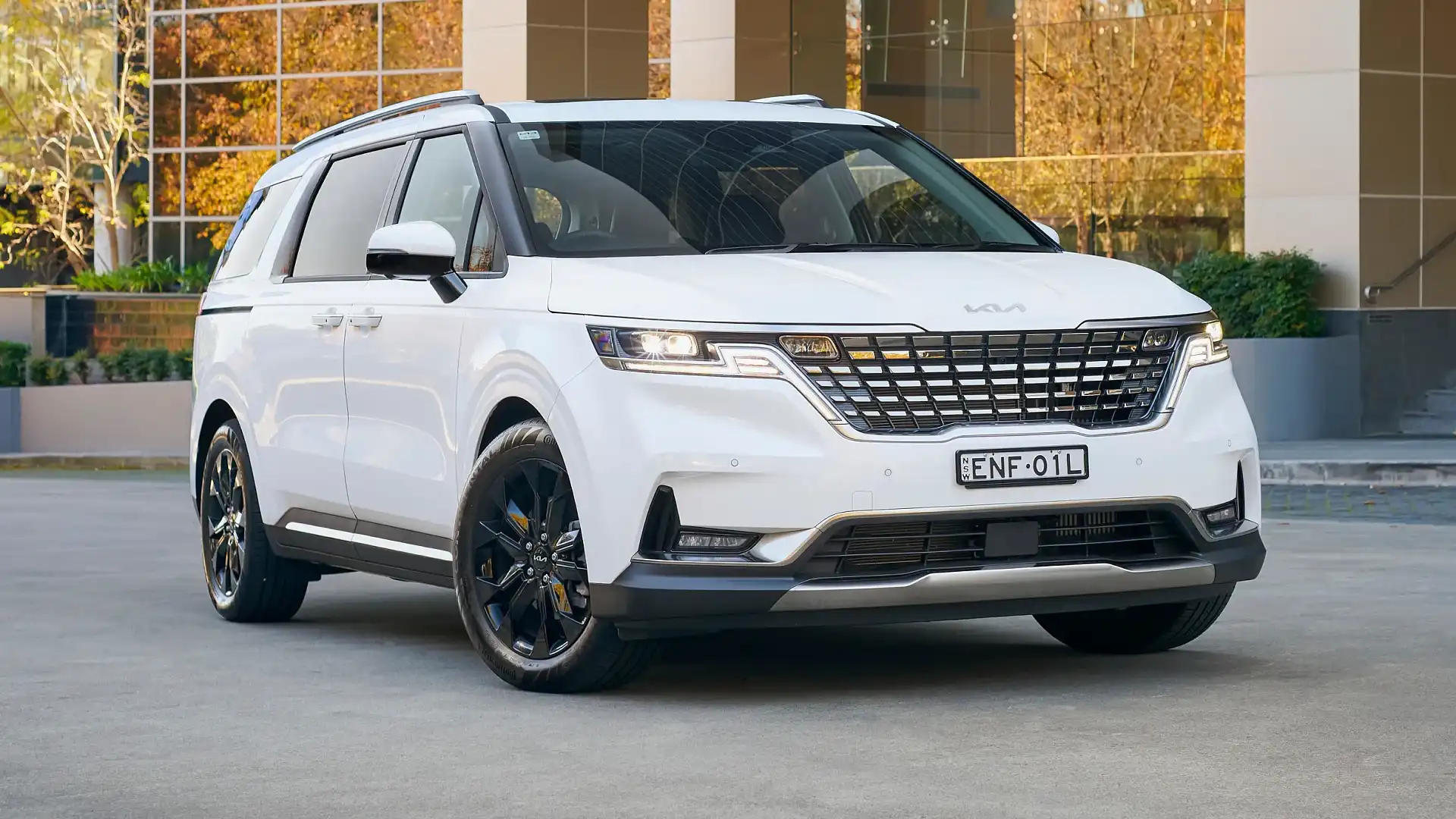
The front doors are tall and easy to step through, but the real star is the massive side opening when the sliding doors retract a dream for parents juggling kids, strollers, and backpacks.
For buyers feeding up a family hauler, there’s simply no easier entry design in the mainstream market.
Minivans are arguably the most practical family vehicles on the market today, yet they often lack the cool factor of SUVs and, as a result, don’t always get the respect they deserve.
Kia has cleverly addressed that with the 2025 Carnival, giving it SUV-inspired styling that allows it to blend seamlessly into the suburban landscape.
his automotive camouflage lets the Carnival pass for just another three-row crossover at the school pickup line, until the sliding side doors quietly open to unleash your children onto the waiting faculty. On both long road trips and short city errands, the 287-hp V-6 delivers smooth, reliable power with respectable fuel efficiency.
While all-wheel drive isn’t offered, we found that the front-wheel-drive layout combined with snow tires provided excellent traction during winter conditions.
Interior space is vast compared with most three-row SUVs, there’s that minivan advantage we mentioned, but the Chrysler Pacifica and Honda Odyssey still hold the edge in sheer roominess.
The Carnival can be optioned with second-row lounge chairs, perfect for long trips, though they cannot be removed, limiting the van’s flexibility for hauling large cargo.
Though the Carnival only debuted in the U.S. in 2022, Kia has already refreshed its styling for 2025. Updates include a redesigned grille, headlamps, taillamps, wheels, and lower body panels, drawing inspiration from the company’s EV9 electric three-row crossover.
Inside, the center console has been subtly revised, and the climate control panel is now separately mounted on the dashboard rather than integrated into the console.
The infotainment system receives Kia’s latest interface, featuring a more capable voice assistant able to handle a broader range of commands. A new lane-centering feature pairs with the Carnival’s adaptive cruise control to help keep the van steady and centered on the highway, enhancing safety and comfort for long-distance drives.
5. Volvo XC90 (Current Generation)
Volvo’s design philosophy blends Scandinavian refinement with real-world ergonomics, and the XC90 is a standout example. Its front doors are tall and open widely, providing ample room for entering without bending excessively.
The rear doors are similarly generous, with a squared frame that makes loading children or elderly passengers pain-free.
Even accessing the third row is less cumbersome than most rivals thanks to the large rear side openings. For families seeking luxury with genuine usability, the XC90 remains one of the easiest vehicles to step into.
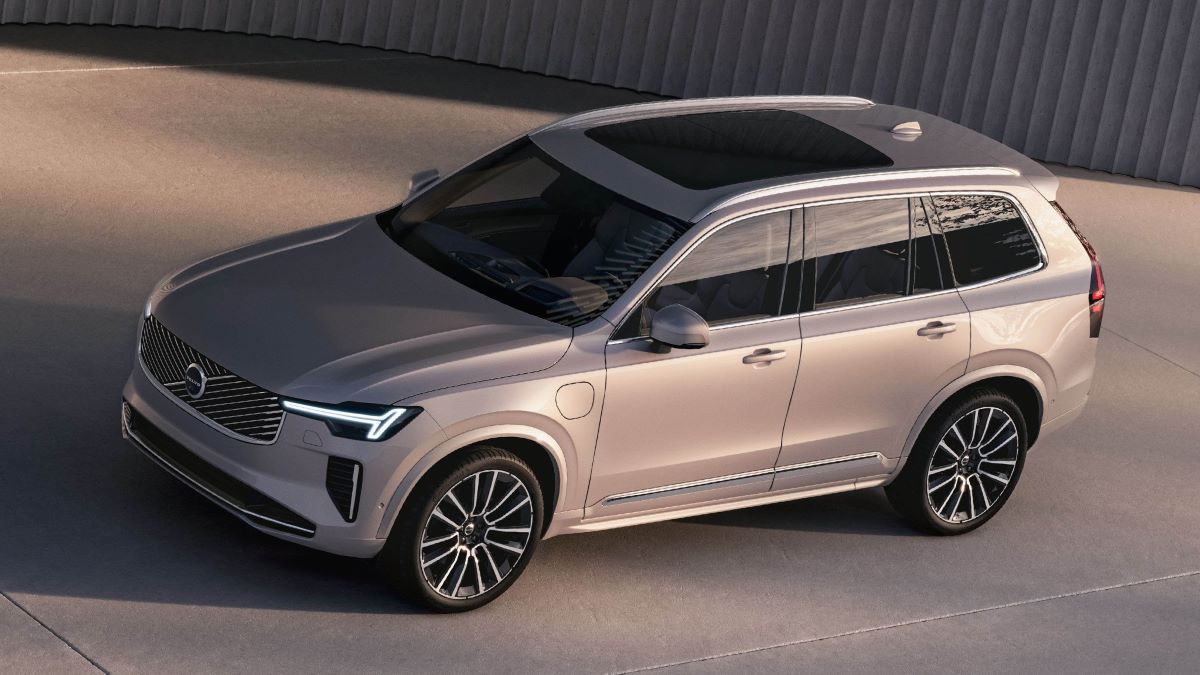
Door openings are often overlooked in spec sheets, yet they dramatically affect how a vehicle performs in day-to-day life.
Although the 2025 Volvo XC90 hasn’t undergone a full redesign in ten years, it continues to be an appealing choice in the mid-size luxury crossover segment. A styling and interior refresh, expected in the first quarter of 2025, extends the XC90’s relevance even further, though early 2025 models arrive without the updates.
Buyers can choose from three powertrains. The base B5 uses a turbocharged four-cylinder producing 247 horsepower, while the B6 adds a supercharger to that engine, boosting output to 295 horsepower; both feature a 48-volt mild-hybrid system.
For those seeking maximum performance, the T8 plug-in hybrid delivers 455 horsepower and can travel up to 33 miles on electric power alone before the battery runs down. Inside, the XC90 showcases a refined cabin with high-quality materials such as soft leather, open-pore wood trim, and tasteful brightwork.
Its on-road behavior is composed, though optional 22-inch wheels can transmit a firmer ride over rough pavement. With styling that still reads as contemporary and an interior that rivals its peers, the XC90 competes strongly with newer models like the Porsche Cayenne, BMW X5, Genesis GV80, and Mercedes-Benz GLE-class.
The B5 and B6 engines are aided by the 48-volt mild-hybrid system, helping optimize both efficiency and responsiveness. All XC90s come standard with all-wheel drive and an eight-speed automatic transmission.
As is typical in this class, the XC90 leans in corners, but its steering remains precise, and the wheel weight strikes a satisfying balance between light and heavy. Our test vehicle featured the optional air suspension, which provided a smooth and insulated ride while handling most road conditions effectively.
Minor clattering over particularly sharp bumps revealed some road imperfections, representing one of the few complaints about an otherwise elegant SUV. The refreshed 2025 model addresses this with revised base suspension dampers engineered to better absorb harsh impacts, enhancing comfort on rougher surfaces.
Models like the Toyota Crown, Mazda CX-50, Ioniq 6, Model 3, and Chevy Trax show how design priorities style, aerodynamics, or structure can restrict entry even in otherwise excellent vehicles.
On the other hand, the Honda CR-V, Ford F-150, Subaru Forester, Kia Carnival, and Volvo XC90 prove that accessibility and convenience can be engineered just as thoughtfully as horsepower or infotainment.