
For many American families, the ability to quickly convert a rear seat into cargo space is more than a convenience it’s essential.
Whether you’re loading Costco hauls, dog crates, strollers, or camping gear, folding seats should take seconds, not a full instructional video and a hand workout.
Yet, some modern vehicles hide their seat latches, require multiple steps, or rely on awkward pulls that feel like solving a puzzle before the seats finally drop.
On the other side are models that get usability right: clean, wide levers, single-motion releases, clever placements, and spring-assisted drops that make the cabin instantly cargo-friendly.
Below is a breakdown of 5 cars known for complicated or unintuitive seat folding levers, followed by 5 models praised for their simple, user-friendly mechanisms.
Cars With Complicated Seat Folding Levers
You expect a car’s seat‑folding mechanism to be straightforward, pull a lever, push the seat down, and you get extra cargo space or easier access.
But some cars surprise owners with seat levers that are awkwardly placed, overly stiff, poorly explained, or just confusing on first use. What should take seconds can turn into a fumbling, frustrating ordeal, especially if you’re juggling kids, groceries, or bulky luggage.
In this article, we examine a selection of vehicles with seat‑folding systems that tend to confuse owners or require extra effort. If you value practicality and hassle‑free flexibility, you’ll want to think twice (or flip through the owner’s manual) before buying one of these.
1. Toyota C-HR
The Toyota C-HR is known for stylish looks and tight packaging, but that packaging also makes the seat folding interface strangely convoluted.
The release straps are thin, positioned low on the seatback, and require an aggressive pull to unlatch.
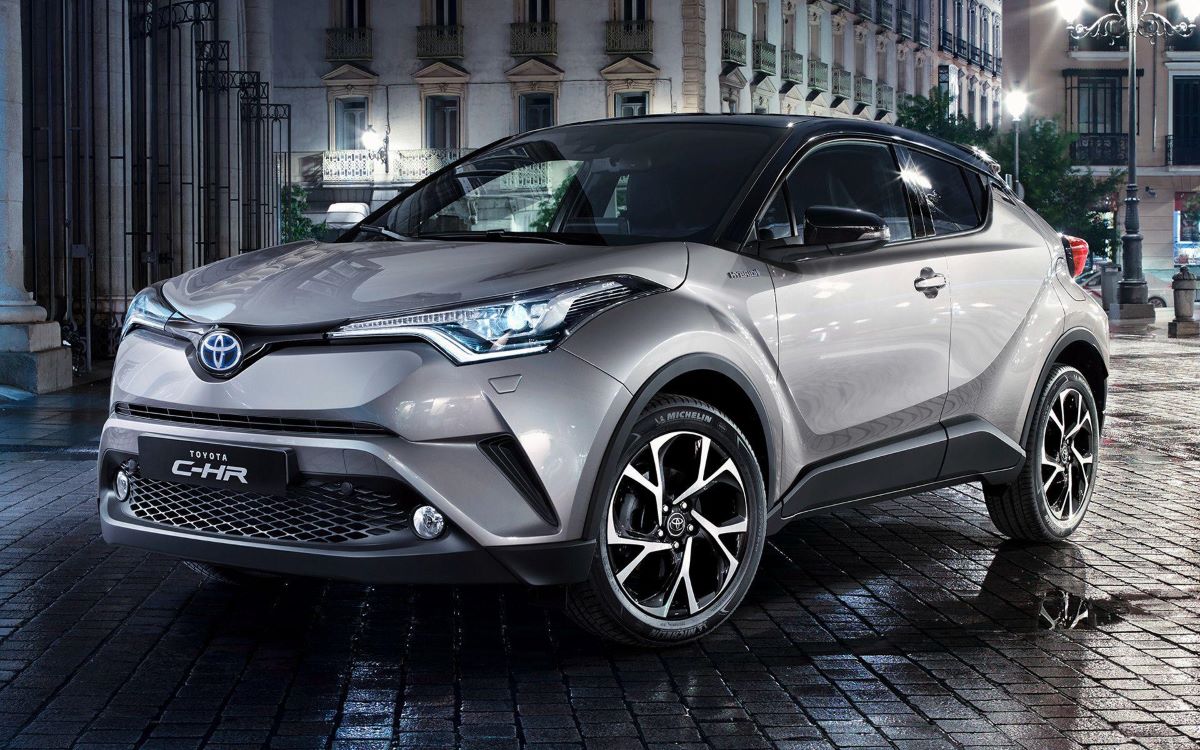
Because the rear door openings are narrow and the roofline slopes sharply, you also have to twist your wrist at an odd angle to access the mechanism.
The result feels less like a quick cargo conversion and more like fighting with a stuck gym bag zipper. For urban drivers hauling groceries, it can become a regular annoyance.
After a four-year absence, the Toyota C-HR returns with a fresh design and a fully electric powertrain. It now serves as a subcompact alternative to the newly redesigned Toyota bZ, which shares the same platform.
Beneath its sharply sculpted exterior, the C-HR features two electric motors, one at the front and one at the rear, providing standard all-wheel drive and a combined output of 338 horsepower. Power comes from a sizable 74.7-kWh battery pack, and Toyota estimates a range of 290 miles on a full charge.
Charging is facilitated through an NACS port, making the C-HR compatible with Tesla Superchargers. If real-world performance aligns with these estimates, the C-HR could set a class benchmark in both power and driving range.
2. Jeep Renegade
Despite its boxy look, the Jeep Renegade suffers from confusing rear seat mechanisms. The levers sit partially hidden behind the seat bolster, and depending on trim, some models require you to slide the seat bottom forward before lowering the back.
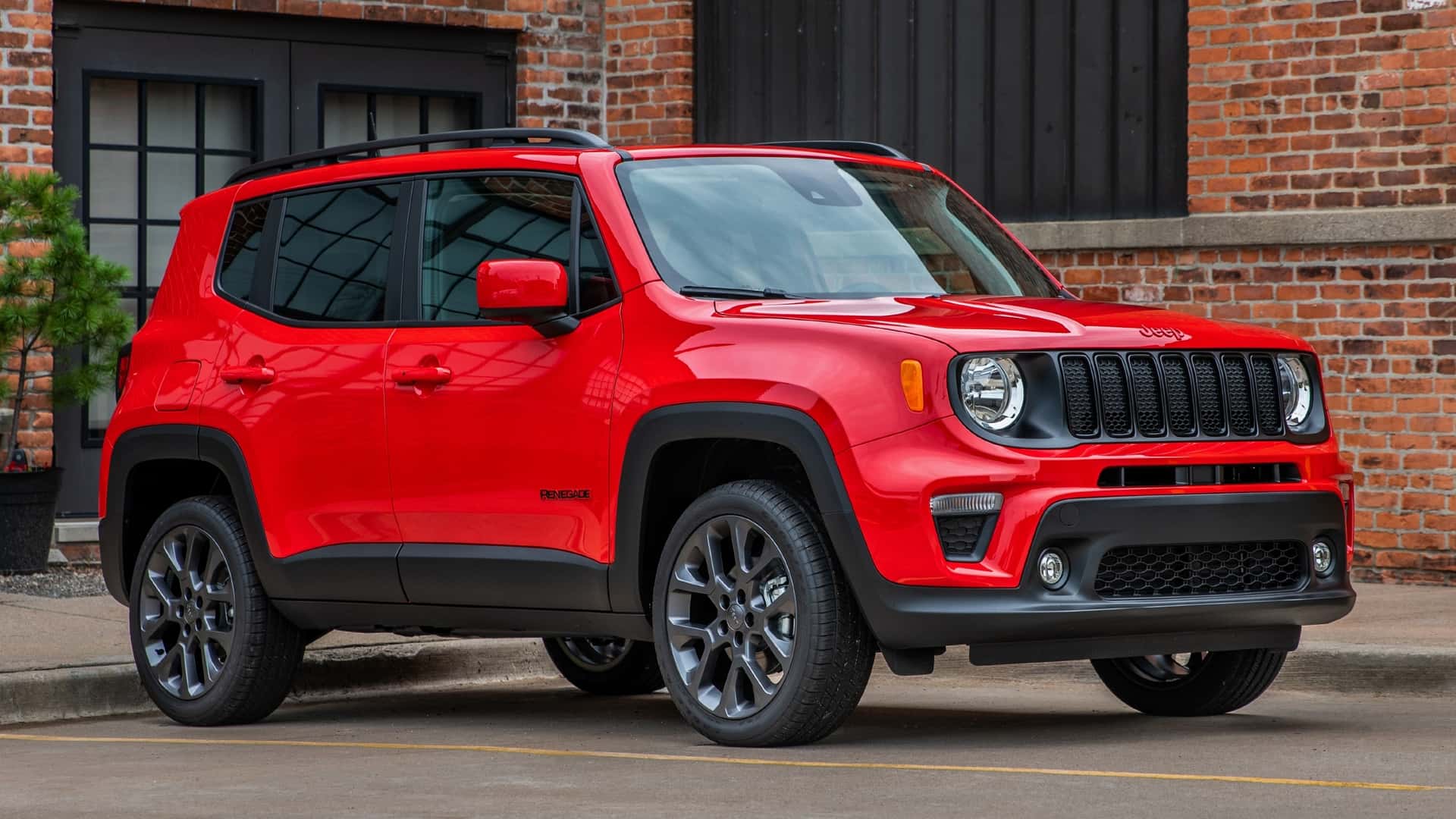
Many owners find they need to walk around the vehicle to make a proper fold first unlatching the seat, then pulling the cushion up to prevent it from jamming.
It’s especially inconvenient when the cabin is loaded with gear or passengers and the process demands two hands.
The Renegade lineup serves as an accessible entry point into the Jeep lifestyle, offering distinctive styling, genuine off-road capability, and a price that most buyers can manage.
Its compact size makes it equally adept at navigating city streets and wooded trails. While the Renegade may not be as quick or agile as many other subcompact crossovers, it provides a comfortable ride and a versatile cabin.
The smallest Jeep also offers advanced all-wheel-drive systems and can tow up to 2,000 pounds. Its already spacious interior becomes even more open with the optional removable roof panels.
Every model can be equipped with a high-quality infotainment system that supports Apple CarPlay and Android Auto, and available driver-assistance features include adaptive cruise control and self-parking assist.
Also Read: 10 Crossovers That Actually Deserve Their Popularity
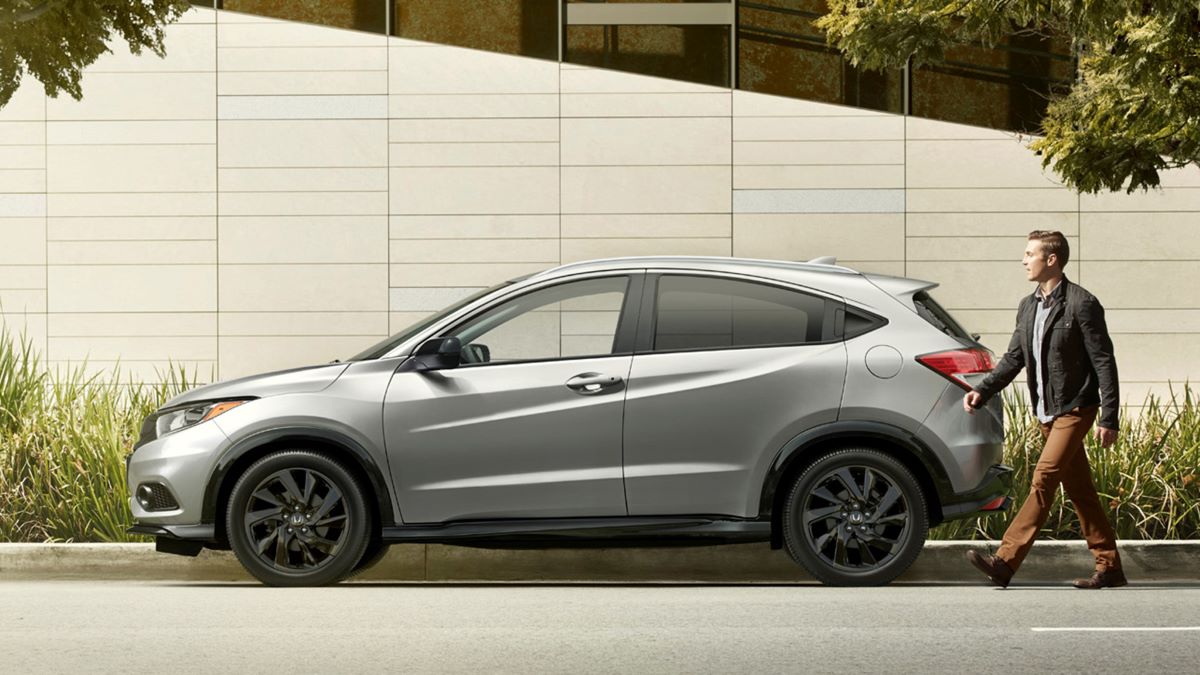
3. Honda HR-V (Previous Generation 2016–2022)
Honda’s “Magic Seat” in the HR-V earns praise for upright cargo configurations, but the actual folding motion for the standard rear seatback is surprisingly fiddly.
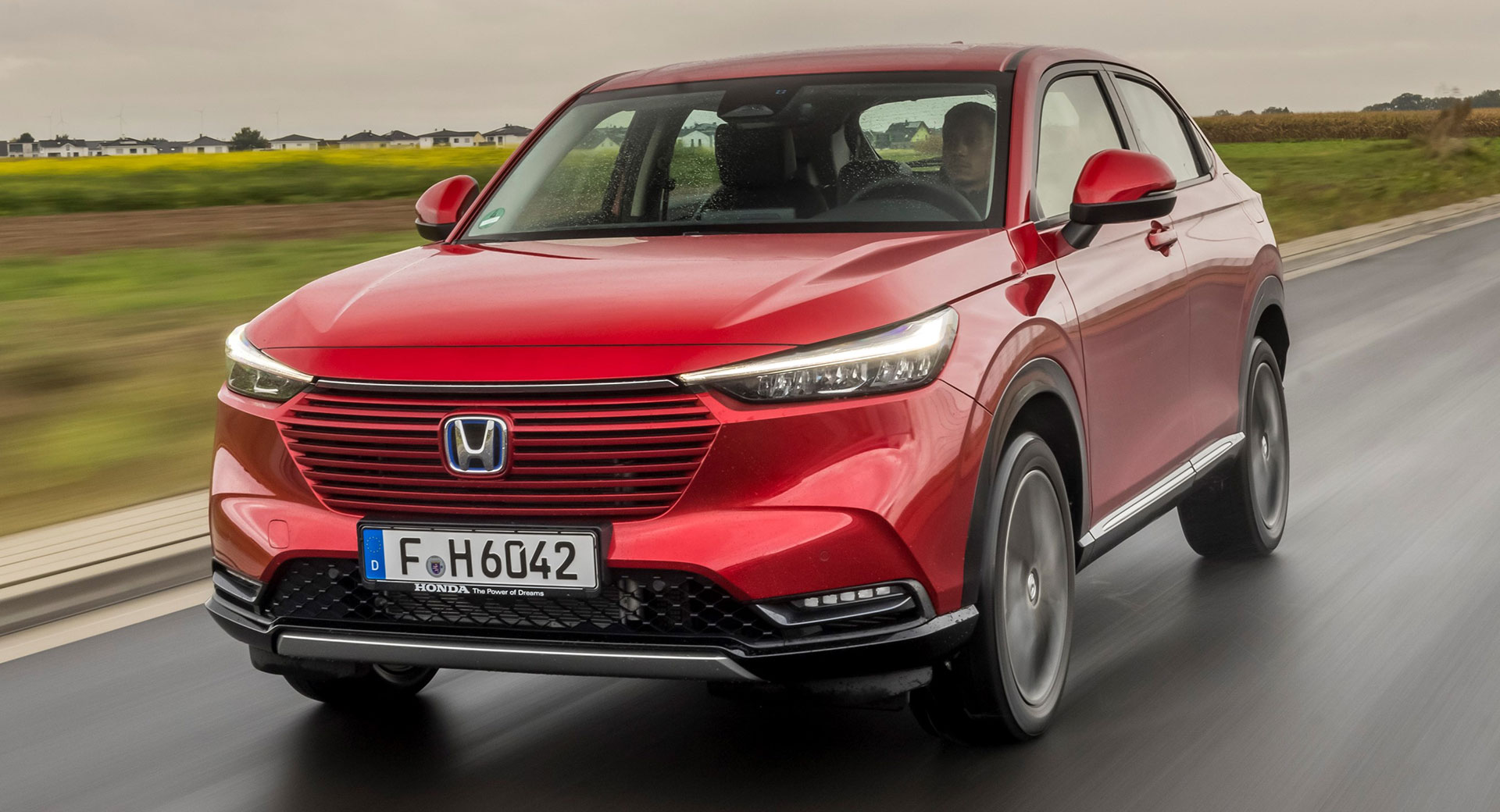
You must lift a firm, almost recessed lever while simultaneously pushing the seat forward. The tension feels unusually stiff, and on many models the mechanism doesn’t trigger cleanly unless pulled to its absolute end stop.
For owners accustomed to Honda’s user-friendly cabins, the HR-V rear lever comes as an unexpected frustration.
4. Nissan Kicks
The Nissan Kicks tries to keep things light and affordable, but that affordability results in a rear seat latch that’s basic to the point of awkward.
The small plastic tab has limited grip and sits flat against the seatback, making it hard to find by feel.
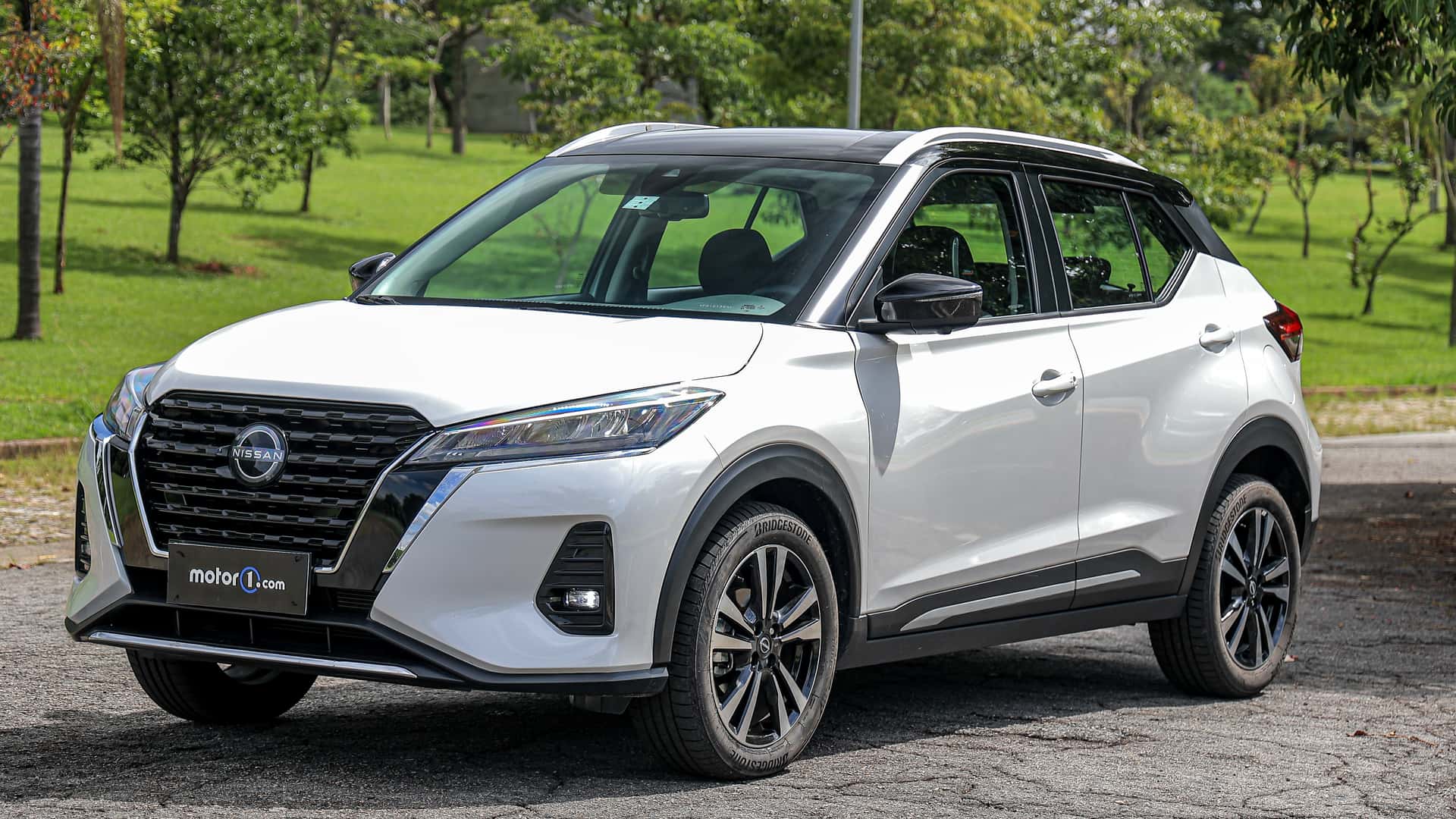
Because the release doesn’t auto-drop the seat, you must hold the lever with one hand and push the seat with the other.
If the front seats are slightly reclined, the seatback will jam halfway down, forcing an extra adjustment. It’s not complicated in design, but in real-world use, it’s surprisingly clumsy.
If you’re in the market for a new SUV but are working with a tight budget, the 2022 Nissan Kicks is an appealing option, thanks to its notably low price tag, one of the most affordable in its segment. Despite its compact exterior dimensions, the Kicks conceals a surprisingly roomy cabin.
Standard equipment includes a fuel-efficient four-cylinder engine paired with a continuously variable automatic transmission (CVT), and front-wheel drive is the only drivetrain available, so any plans for off-road adventures will have to be shelved.
Every 2022 Kicks model comes equipped with a 122-hp four-cylinder engine, delivering adequate, but not exhilarating, acceleration.
The CVT manages gear changes and drives the front wheels; all-wheel drive is not offered. Its 0-60 mph time of 9.7 seconds confirms that the Kicks isn’t fast, but that only tells part of the story. In city driving, it feels lively enough if you’re willing to rev the engine, and its compact size makes it nimble and more enjoyable to maneuver than many larger SUVs.
However, it’s not designed for high-adrenaline fun on twisty roads. The suspension is tuned for comfort, providing a smooth, cushioned ride even on the pitted and crumbling streets around our southeast Michigan offices. Steering is precise and responsive, though the driver receives very little feedback from the road.
5. Toyota 4Runner (3rd Row Models)
The 4Runner’s available third row is already tight, but folding it is a multi-stage routine. You have to pull up the strap from the rear, fold the headrest manually, then unlatch the entire base to flip forward.
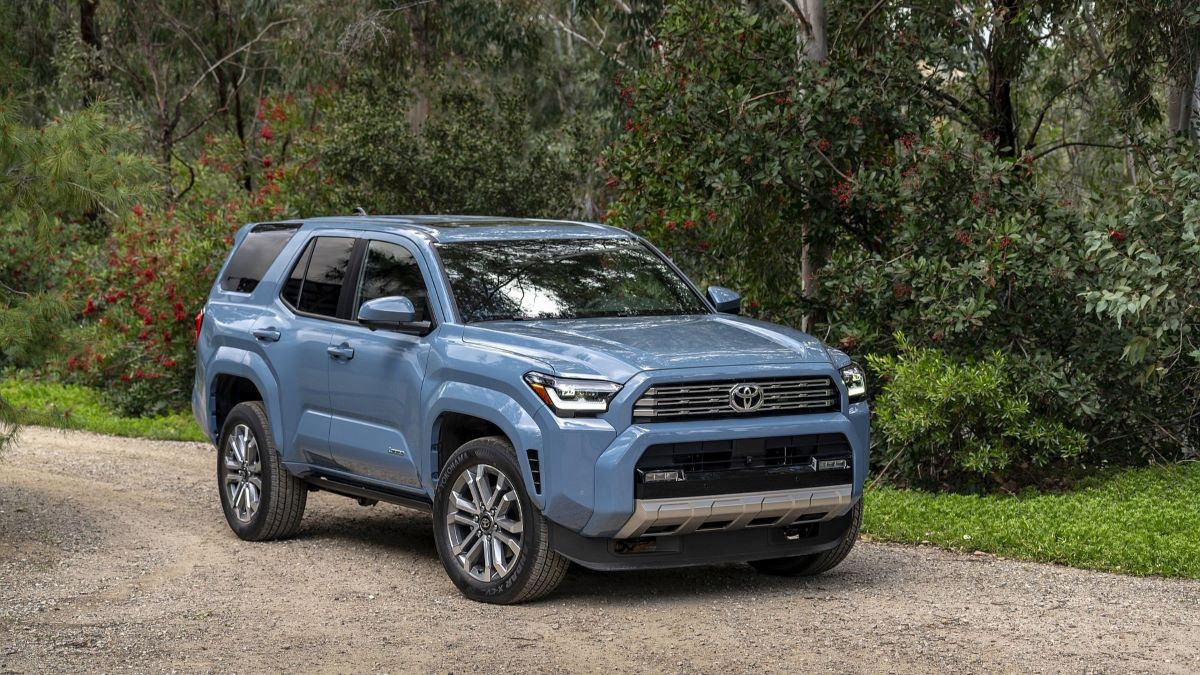
Each action uses a different strap or lever, none of which are intuitive or clearly marked. The mechanism also requires a good amount of force, as the seat is heavy.
While the 4Runner remains a rugged icon, its seat mechanisms feel like they’re from another era one where convenience wasn’t the priority.
Also Read: 10 Compact SUVs with Flawless Touchscreen Infotainment System
Cars With Simple Seat Folding Mechanisms
For many drivers, the ability to quickly fold seats and transform a car from passenger‑ready to cargo‑ready is a key part of everyday convenience. Whether you’re loading groceries, furniture, luggage, or sporting gear, or just trying to fit in baby strollers or bulky items, a simple, smooth seat‑folding mechanism can make all the difference.
In this article, we highlight a selection of cars whose seat‑folding systems are straightforward, user‑friendly, and practical.
These are the models where you don’t need a minute and a diagram, just a lever or strap, a quick pull, and the seats fold flat (or move aside) effortlessly. If you value ease of use and flexible interior space, these vehicles are worth checking out.
1. Subaru Forester
The Subaru Forester has one of the easiest seat folding systems in the compact SUV class. Most trims offer cargo-area-mounted release levers, meaning you can stand behind the vehicle, pull once, and let the spring-loaded seats drop down automatically.
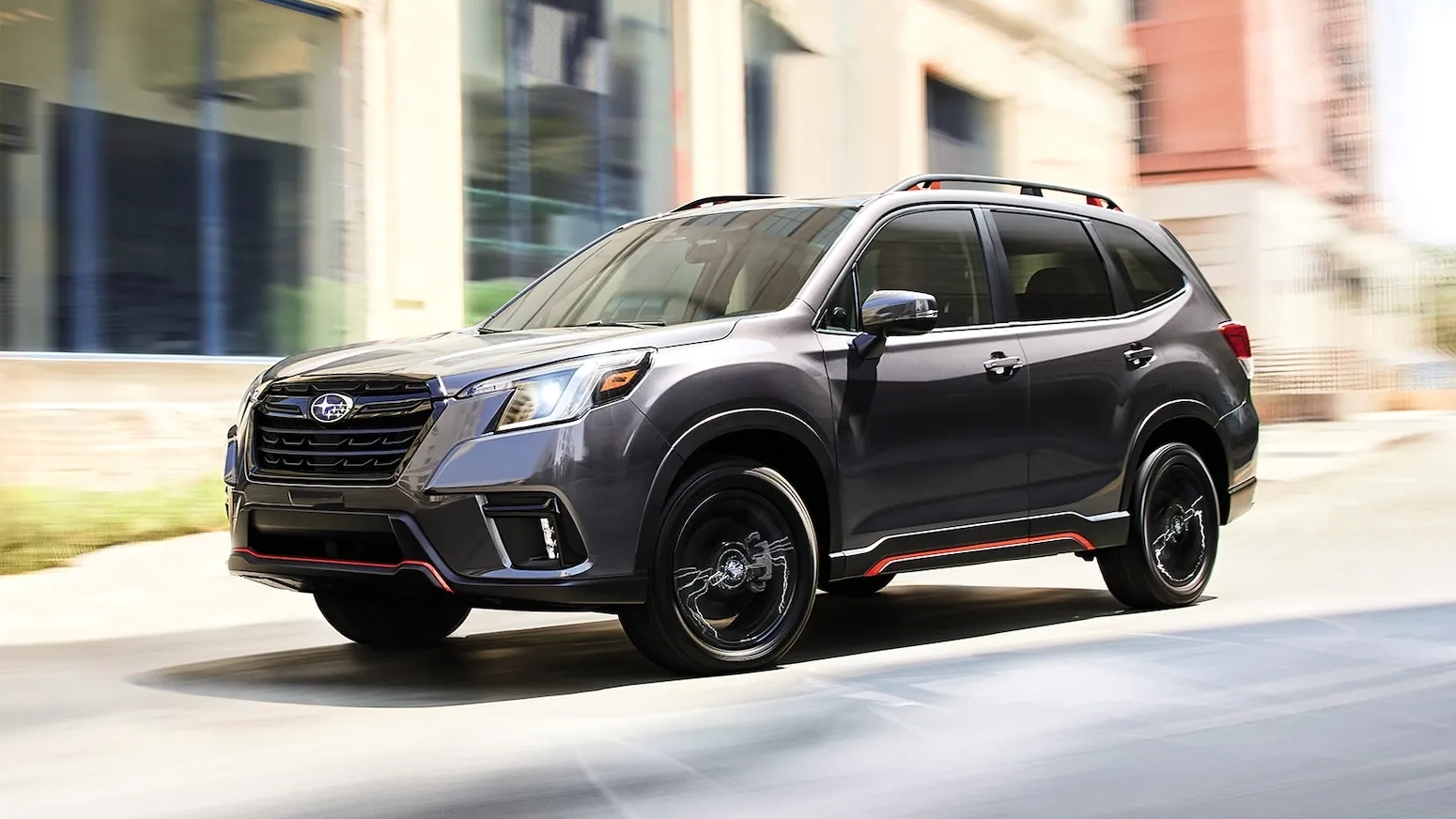
The levers are large, rubberized, and easy to use with gloves a notable win for drivers in cold-weather states.
The drop motion is smooth and doesn’t get hung up on the front seats unless they’re fully reclined. For families with dogs or outdoor gear, it’s a standout feature.
Blending Subaru’s rugged, outdoorsy image with the practicality of a compact crossover has helped make the Forester a popular choice, though its modest flat-four engine delivers only tepid acceleration, slightly limiting its appeal.
The 2022 Forester benefits from a refreshed styling that gives it a more truck-like presence, while the interior remains as comfortable and practical as ever, spacious, airy, and packed with convenient storage solutions. Like nearly all Subarus, the Forester comes standard with all-wheel drive.
Key competitors such as the Honda CR-V and Toyota RAV4 offer similar traits, but their more powerful gasoline and hybrid powertrains make the Forester feel underpowered in comparison. Still, for buyers drawn to Subaru’s adventurous image, the Forester remains a satisfying choice.
All Forester models are equipped with a 2.5-liter flat-four engine producing 182 horsepower and capable of towing up to 1,500 pounds. Power is sent to Subaru’s signature all-wheel-drive system via a continuously variable automatic transmission (CVT).
On our test track, the 2022 Forester Wilderness we evaluated took 8.0 seconds to reach 60 mph, not particularly exciting, but sufficient for most buyers’ needs.
Those seeking stronger acceleration may want to consider the Honda CR-V or the turbocharged versions of the Mazda CX-5 and Kia Sportage. While the Forester isn’t designed for sporty driving, its handling is competent. The ride is smooth and refined, the steering precise, and the brakes strong enough to handle emergency stops with confidence.
2. Honda CR-V
Honda consistently nails interior ergonomics, and the CR-V’s seat system is a perfect example. One pull from the trunk flips the seat base forward while simultaneously dropping the seatback in one motion.
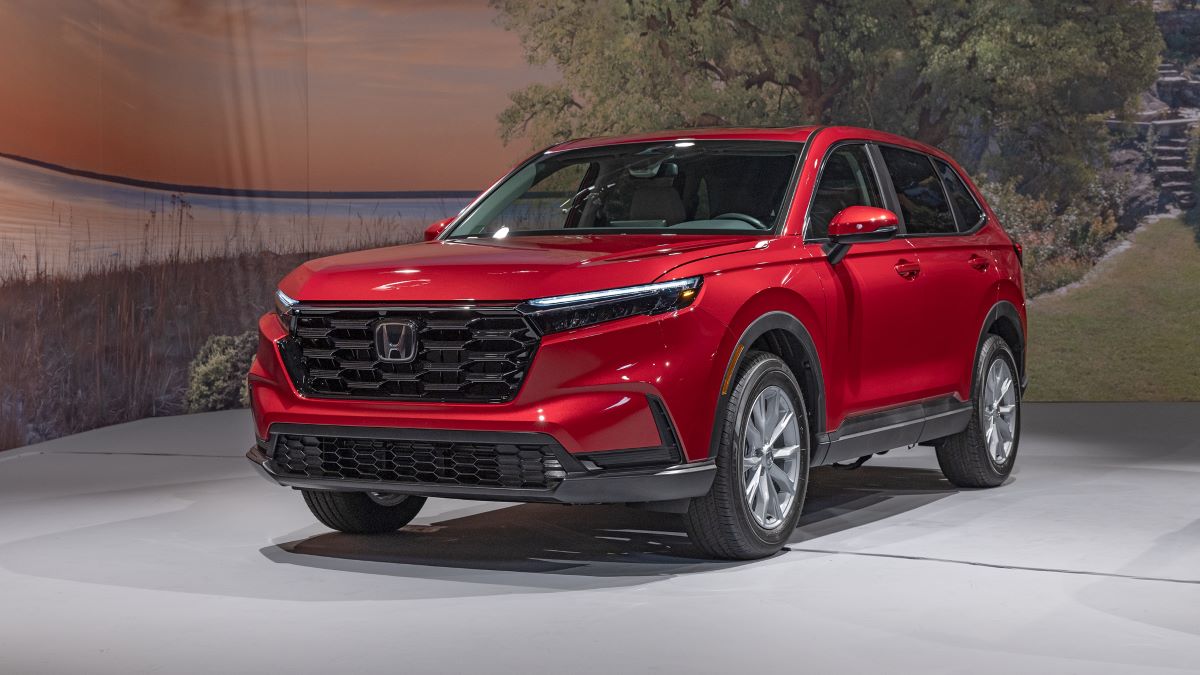
It’s a cleverly linked design that eliminates the usual dance of folding headrests or sliding cushions.
The lever placement is intuitive, the motion takes less than two seconds, and the resulting cargo floor is impressively flat. For busy households, it’s a huge time saver.
Compact crossovers like the 2025 Honda CR-V are highly sought after because they combine comfortable seating, respectable fuel efficiency, and easy maneuverability in tight spaces.
Honda’s upbeat entry in this competitive segment earns a spot at the top of our list, thanks not only to its practicality but also to its surprisingly agile handling.
The nonhybrid CR-V is powered by a 190-hp turbocharged engine and comes with front- or all-wheel drive, offering acceptable performance; we review the 204-hp hybrid variant separately, which is our favorite in the lineup.
While the Mazda CX-50 delivers more luxury and the Ford Bronco Sport excels off-road, the CR-V stands out as a well-rounded choice, thanks to its pleasant driving dynamics, solid build quality, and a thoughtfully balanced mix of infotainment screens and physical controls.
Under the CR-V’s upright grille sits a standard 190-hp turbocharged 1.5-liter four-cylinder engine, paired with a continuously variable automatic transmission (CVT) and available with front- or all-wheel drive.
This configuration is standard on the LX, EX, and EX-L trims. All CR-V models come with hill-descent control, which helps regulate the SUV’s speed on steep or slippery declines when traveling at low speeds.
Most trims ride on 18-inch wheels. While the CR-V doesn’t deliver the handling thrills of the Mazda CX-50 or Volkswagen Tiguan, it provides a smooth, composed ride with enough pep to keep driving from feeling dull.
3. Toyota RAV4
The RAV4 uses simple, wide, easy-to-grab levers located both on the seatback and in the cargo area on higher trims. A single pull disengages the latch and the seatback falls by itself, without the need to guide it.
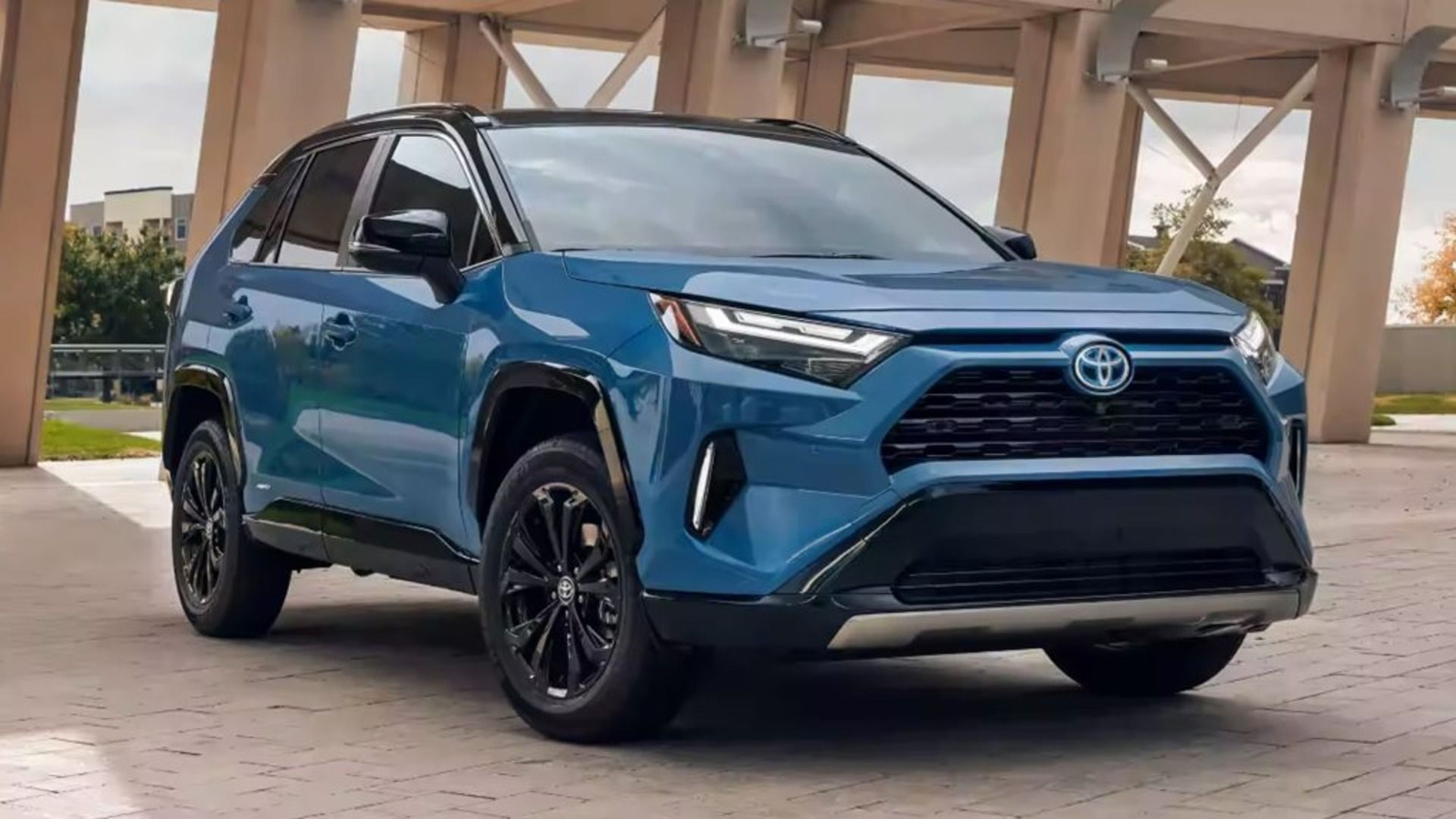
Toyota has also tuned the spring tension perfectly not too light to feel flimsy, but not too stiff for smaller drivers.
The clarity of the mechanism makes it easy for anyone to fold the seats, even if they’ve never driven the car before. For a model that often serves as a family’s main runabout, the ease of use matters.
The base LE trim caters to those seeking economy, while the well-equipped Limited and TRD Off-Road models target two very different audiences with impressive levels of standard equipment.
Every RAV4 comes with a 2.5-liter four-cylinder engine paired with an eight-speed automatic transmission. Front-wheel drive is standard, while all-wheel drive is optional on the LE, XLE, XLE Premium, and Limited trims, and standard on the Adventure and TRD Off-Road models.
The RAV4’s rugged, square-jawed styling draws inspiration from the 4Runner SUV and Tacoma pickup, but its car-based construction delivers a noticeably smoother ride than either of those trucks.
Inside, the cabin is spacious and features durable materials, though buyers seeking modern conveniences like power-adjustable seats, push-button start, and blind-spot monitoring will want to skip the base LE.
Powering the 2021 RAV4 is a 203-hp 2.5-liter four-cylinder engine mated to an eight-speed automatic. Front-wheel drive remains standard, but Toyota offers multiple all-wheel-drive systems depending on the trim.
The Adventure model we tested featured an AWD system capable of disconnecting the rear axle when appropriate to improve fuel economy.
On our test track, the RAV4 proved quicker than previous models: we recorded a 60-mph time of 8.0 seconds with the 2019 model and 8.3 seconds with the 2018. The engine can get noisy, particularly during highway-passing maneuvers, and the transmission occasionally hesitated on downshifts.
The RAV4 Hybrid was even quicker, achieving 60 mph in 7.4 seconds. On the road, the RAV4 feels solid and stable at highway speeds and handles twisty sections competently, though it doesn’t inspire the same level of driver confidence as our segment favorite, the Mazda CX-5.
4. Hyundai Tucson
Hyundai has invested heavily in interior usability, and the Tucson’s rear seat folding mechanism is one of the most user-friendly on the market.
Pull handles in the cargo area let the seats drop automatically, and interior levers are chunky with a satisfying, well-damped action.
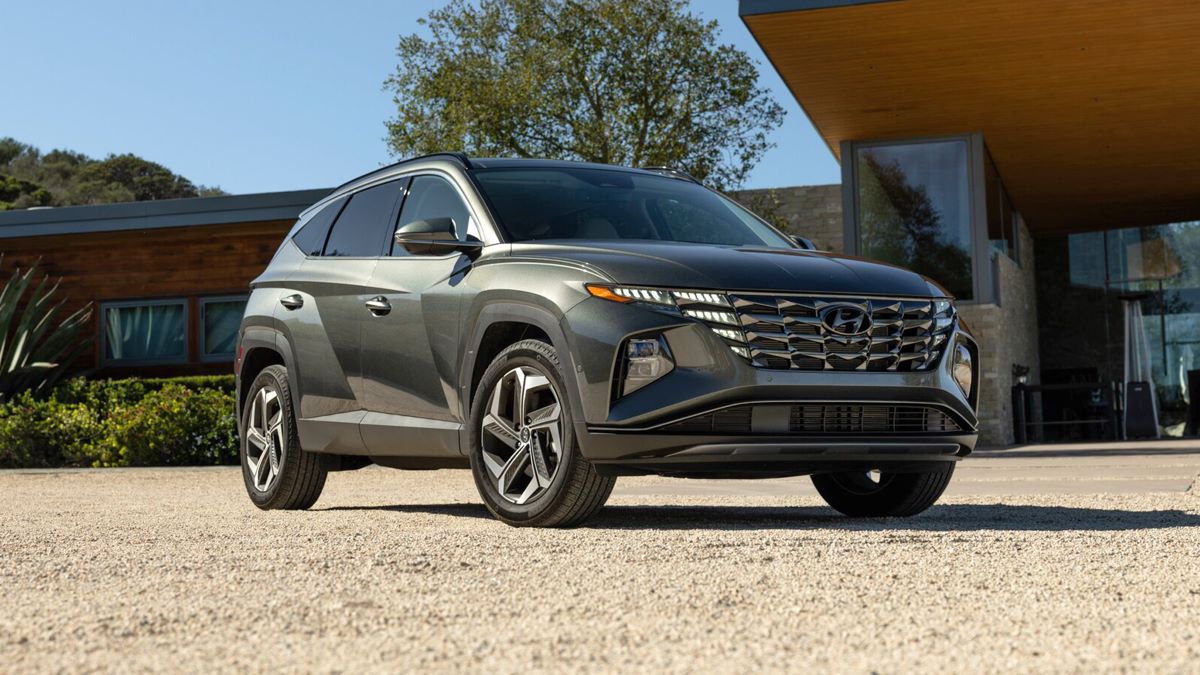
The mechanism works even if only one side is lowered important for mixed cargo and passenger needs.
Hyundai’s clever engineering means the motion feels premium, almost luxury-grade, even though the Tucson is priced competitively.
Unfortunately, the Tucson’s engine struggles to provide strong acceleration, leaving the SUV feeling sluggish at times. Around town and on the highway, it’s adequate for everyday driving, but the lack of authority becomes evident when you’re in a hurry.
During our testing, the Tucson reached 60 mph from a standstill in 10.2 seconds, making it one of the slowest crossovers we’ve measured in recent memory.
The rest of the driving experience is fairly unremarkable. Steering is easy and direct, and the Tucson remains composed through corners. The transmission shifts smoothly when upshifting, though downshifts can feel abrupt and harsh if you press the accelerator aggressively.
Pricing for the Tucson is competitive within its class, generally matching what you’d expect to pay for a Honda CR-V or Toyota RAV4.
Hyundai does, however, stand out by offering a wealth of desirable features and exceptional interior quality. The cabin’s design and materials are comfortable and visually appealing for the price, making it a clear step above many other compact crossover interiors.
5. Kia Sorento
The Kia Sorento’s second-row folding system is incredibly simple: hit the clearly labeled button on the cargo wall, and the seats release instantly. The third-row seats also fold using large, easy-to-reach straps that require minimal effort.
Because the Sorento prioritizes family ergonomics, the levers have been engineered to work smoothly even when kids or teens use them.
The seats drop quickly, and the cabin converts between people-hauling and cargo-hauling configurations with almost no learning curve. For three-row SUV buyers, that’s a big advantage.
Seat folding mechanisms rarely appear in ads or brochures, but they matter every single week for US drivers juggling errands, road trips, and family gear.
Mid-size SUV shoppers visiting a Kia showroom today have plenty of appealing options. Alongside the three-row Telluride and electric EV9, the 2025 Sorento stands out as a versatile choice, offering three rows of seats, a practical cabin, and attractive styling.
Standard equipment includes a nonturbo four-cylinder engine and front-wheel drive, with all-wheel drive available as an option.
For those seeking extra punch, a 281-hp turbocharged four-cylinder is also offered, and the rugged X-Pro trim provides enhanced off-road capability. Two hybrid versions are available as well, including a plug-in capable of up to 32 miles of electric-only driving per charge, though we review the Sorento Hybrid separately.
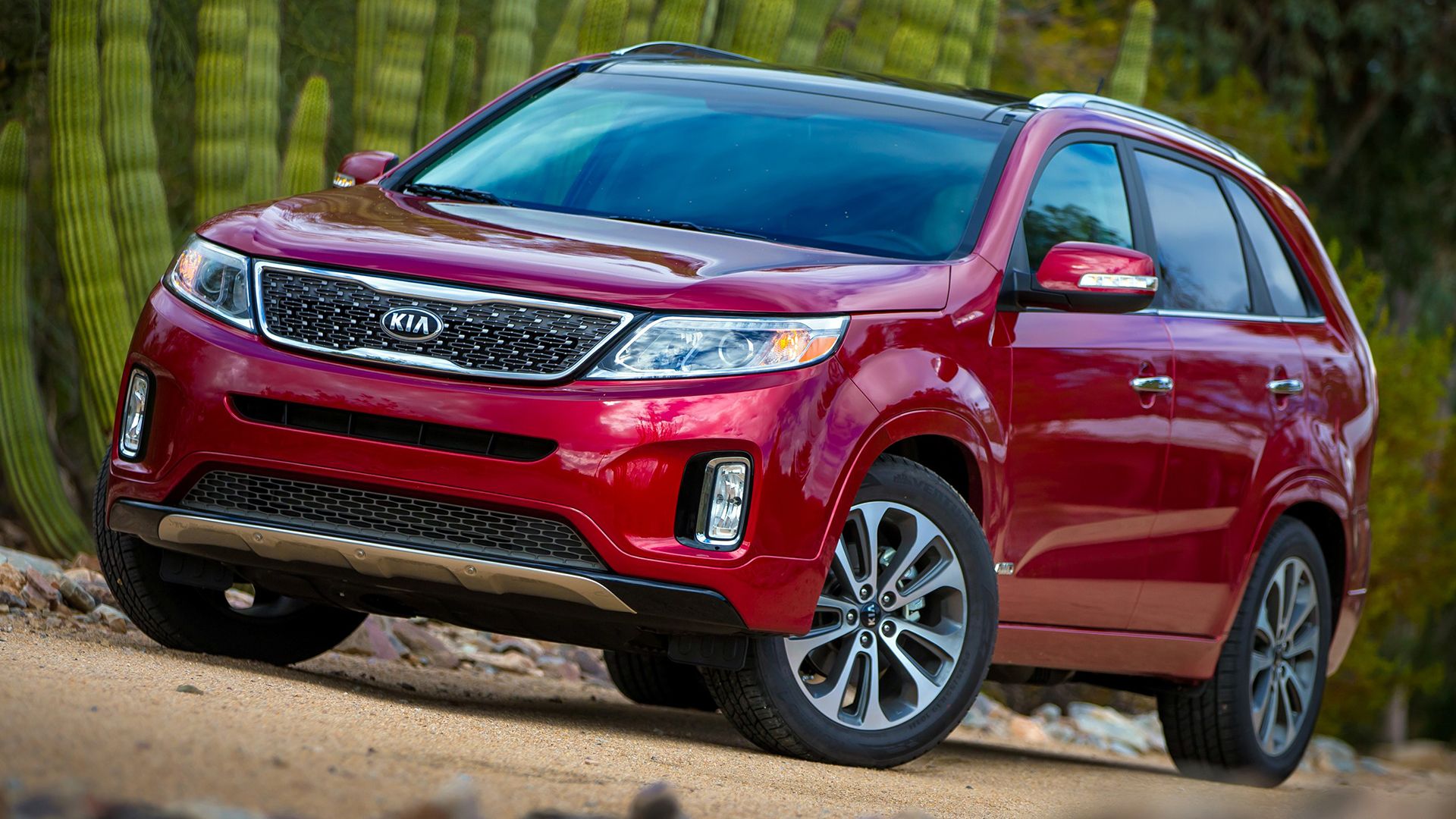
Entry-level Sorento models are budget-friendly yet well-equipped, featuring wireless Apple CarPlay and Android Auto, a suite of driver-assistance technologies, and numerous convenience features.
While the Sorento offers much of the appeal of the larger Telluride, its third row is smaller, and its cargo and towing capacities are not as robust. Still, for buyers seeking a mid-size SUV with a third row intended for occasional use, the Sorento is a strong contender.
The Sorento comes with two engine options and is available in front- or all-wheel drive. A 191-hp 2.5-liter inline-four is standard, while a 281-hp turbocharged 2.5-liter four-cylinder is optional.
Both engines pair with an eight-speed automatic transmission, whereas the hybrid model uses a six-speed automatic. During our time behind the wheel of a top-tier SX trim equipped with the turbo-four, we appreciated its strong acceleration, though the powertrain could feel more responsive from a standstill.
This same model delivered composed handling, a well-isolated ride, and firm, reassuring brake-pedal feedback. The X-Pro trim is available only with the turbocharged 2.5-liter engine and adds a center-locking differential, 17-inch wheels, and all-terrain tires for enhanced off-road capability.
Cars with complicated levers can add unnecessary frustration, especially when you’re in a hurry or loading heavy items.
Conversely, models with simple, intuitive mechanisms can make a vehicle feel more premium, more thoughtfully designed, and more accommodating.
The good news? Automakers are increasingly paying attention to interior usability, and the number of vehicles with simple, single-motion folding systems continues to grow.
Whether you’re choosing a compact crossover or a three-row SUV, it’s worth testing the rear seat mechanism at the dealership it may be the difference between a vehicle that works with your lifestyle and one that stands in your way.
