
For many drivers in the U.S., a vehicle isn’t just a commuter box it’s a rolling storage locker. Between early gym sessions, laptops in tow for hybrid work, and gloveboxes stuffed with emergency gear, people often find themselves leaving things behind in the cabin.
That reality turns interior storage from a trivial convenience into a small security strategy. Some modern cars cleverly tuck your belongings behind layers of thoughtful design, while others keep everything out in the open, relying more on easy access than discretion.
And those differences can matter more than most drivers realize, especially in busy city areas where smash-and-grab thefts often target visible loose items.
Instead of treating this as a simple “good vs. bad” showdown, it’s more interesting to look at how each approach fits different lifestyles.
Hidden storage doesn’t automatically make a vehicle superior it just means the engineers chose subtlety over speed.
Open shelving, on the other hand, is great for families, delivery drivers, and people who treat their cabin like a quick-grab organizer. So with that in mind, here’s a deeper look at a dozen vehicles that exemplify these two philosophies.
Cars That Keep Valuables Hidden
Protecting your belongings is a priority for many drivers, especially in busy cities or when parking in unfamiliar areas. While most vehicles offer a glovebox and a center console, some go a step further with clever compartments, hidden storage spots, and smart design features that help keep valuables out of sight.
Whether you’re stashing electronics, important documents, or everyday items you’d rather not leave in plain view, certain models make security and discretion feel effortless. In this article, we highlight cars that keep valuables hidden, showcasing the thoughtful storage solutions that give peace of mind every time you lock the doors and walk away.
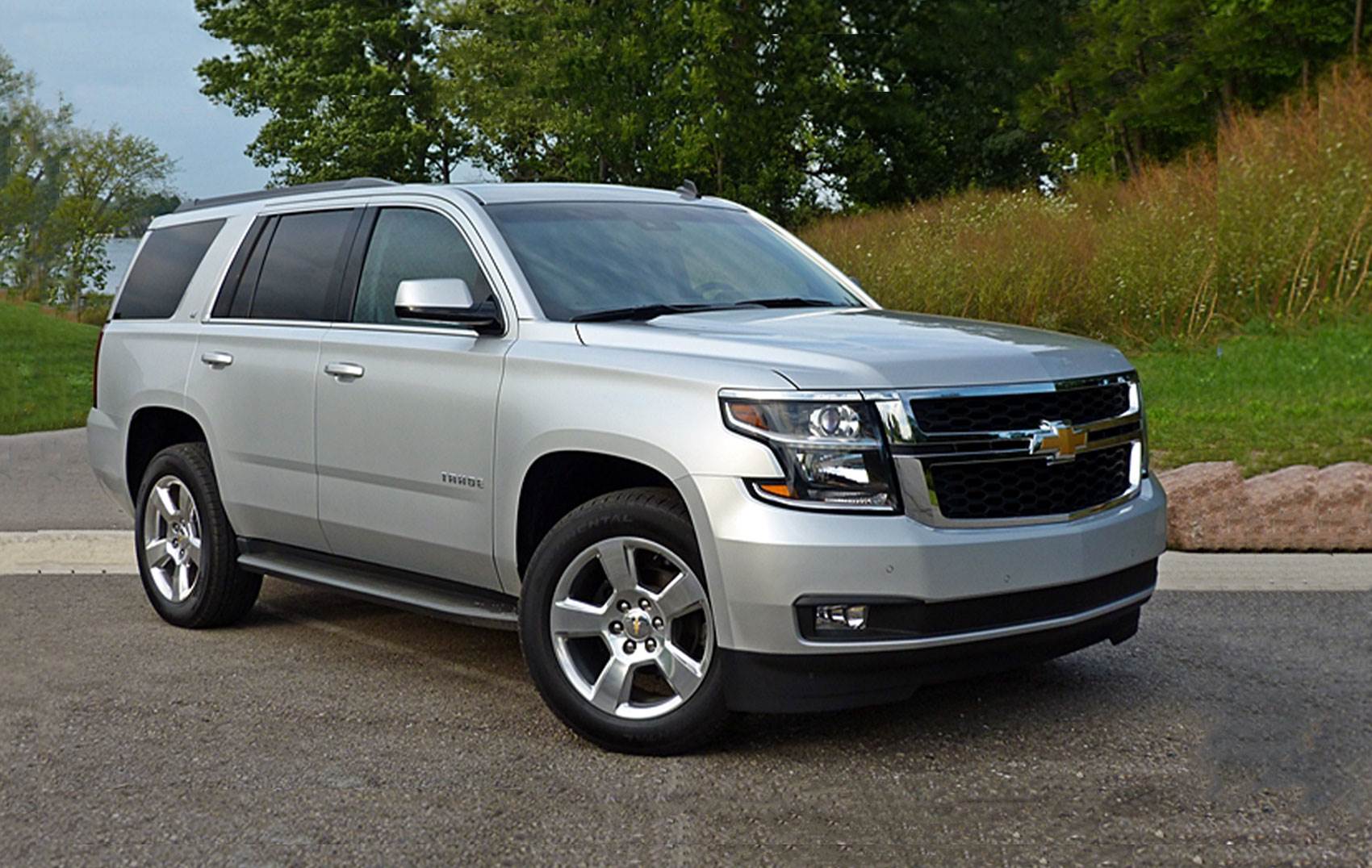
1. Chevrolet Tahoe / Suburban (with Power Sliding Console)
General Motors introduced one of the industry’s most interesting hidden-storage features: a center console that slides back at the push of a button, revealing a concealed compartment beneath.
Available on higher Tahoe and Suburban trims, this design effectively creates a built-in safe zone.
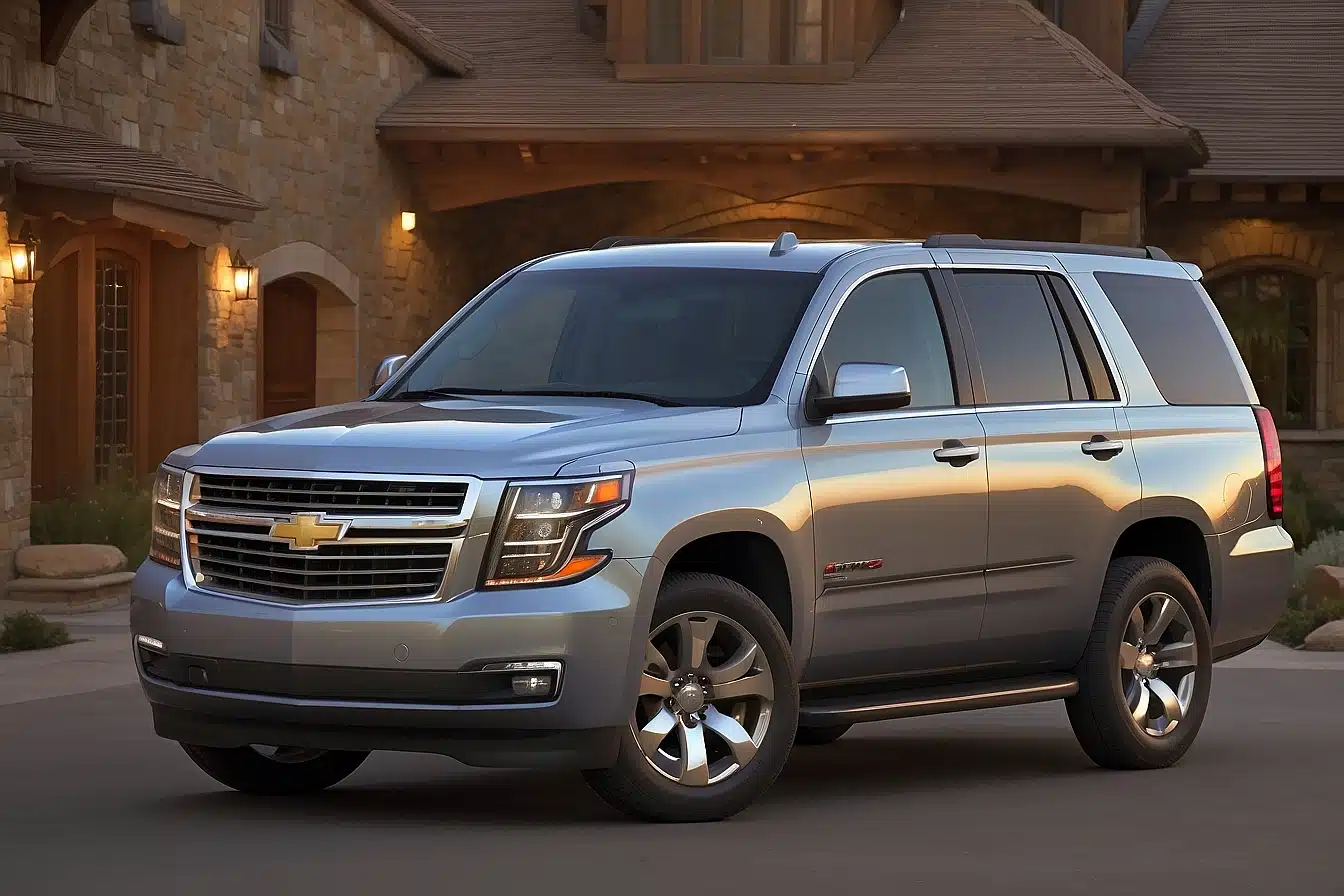
Whether someone wants to stow a handbag, store cash envelopes, or keep electronics out of sight during long trips, it’s one of the most discrete factory storage tricks on the market.
Large SUVs already draw attention, so having interior storage that hides in plain sight is a welcome counterbalance.
Also Read: 5 SUVs That Don’t Feel Top-Heavy in Curves vs 5 That Do
2. Ford F-150
Pickup drivers tend to accumulate gear tools, work gloves, straps, chargers, emergency kits and the F-150’s under-seat bins help keep all of it out of view.
The locking version found on many trims adds an extra layer of confidence for people who leave equipment in the truck during lunch stops or between jobs.
It’s not flashy, but the blend of capacity and discretion has turned this storage setup into a favorite among contractors who need practical concealment rather than decorative niceties.
The 2025 Ford F-150 offers a wide selection of engines, starting with a 325-hp twin-turbocharged 2.7-liter V-6 and climbing to a 400-hp 5.0-liter V-8, a 400-hp twin-turbo 3.5-liter V-6, and a 430-hp hybrid powertrain that combines a twin-turbo 3.5-liter V-6 with a 47-hp electric motor.
Each powertrain pairs with a 10-speed automatic transmission. The EPA estimates the hybrid model can travel up to 704 miles on a single tank and can also power an onboard generator, making it ideal for job sites or emergency situations.
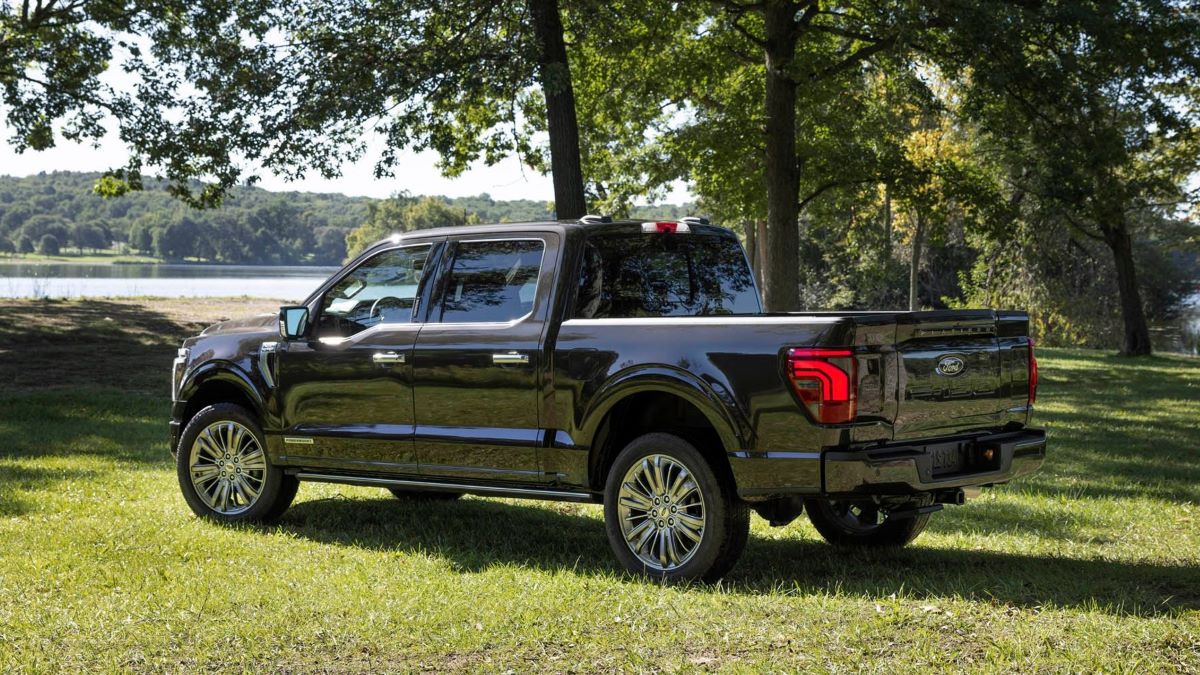
Buyers can select either rear-wheel drive or four-wheel drive with any of the F-150’s engines. On our test drive, the truck displayed a compliant ride and composed handling, while high-trim models such as the King Ranch feature a variable-assist steering system that enhances low-speed responsiveness.
The Tremor model delivers the most off-road capability, featuring 33-inch all-terrain tires, upgraded suspension, a locking rear differential, and a four-wheel-drive transfer case borrowed from the F-150 Raptor.
The Ford F-150 has evolved into a full-size pickup that can perform as a versatile workhorse or a comfortable daily driver. Trim levels range from the base XL to the top-of-the-line Platinum Plus, offering multiple powertrains including a V-8, two turbocharged V-6 options, and a hybrid.
Towing and hauling remain central strengths, with available onboard scales helping keep payloads within safe limits. That said, the F-150 faces stiff competition from the Ram 1500 and Chevrolet Silverado.
The Ram is known for its luxurious interior and smooth ride, while the Silverado’s available Super Cruise hands-free driving system can be used while towing, a capability that Ford’s Blue Cruise does not offer.
In the full-size pickup segment, features and capabilities are constantly evolving, so prospective buyers should carefully compare the options before committing to any of these heavyweight trucks.
3. Jeep Grand Cherokee
Jeep could have leaned heavily into rugged aesthetics and left storage as an afterthought, but the new Grand Cherokee takes a more premium approach.
The glovebox is larger than average, the rear cargo area hides additional space under the floor, and even the armrest compartment is deep enough to house tablets or cameras.
Combined with dark cabin trims that naturally camouflage what’s placed inside, the Grand Cherokee’s design suits drivers who want upscale comfort without leaving their personal items exposed.
The Jeep Grand Cherokee has evolved into a lineup that stands out within the brand’s expanding SUV range. Alongside the standard two-row model, Jeep offers a plug-in hybrid 4xe variant and the three-row Grand Cherokee L, both of which we review separately.
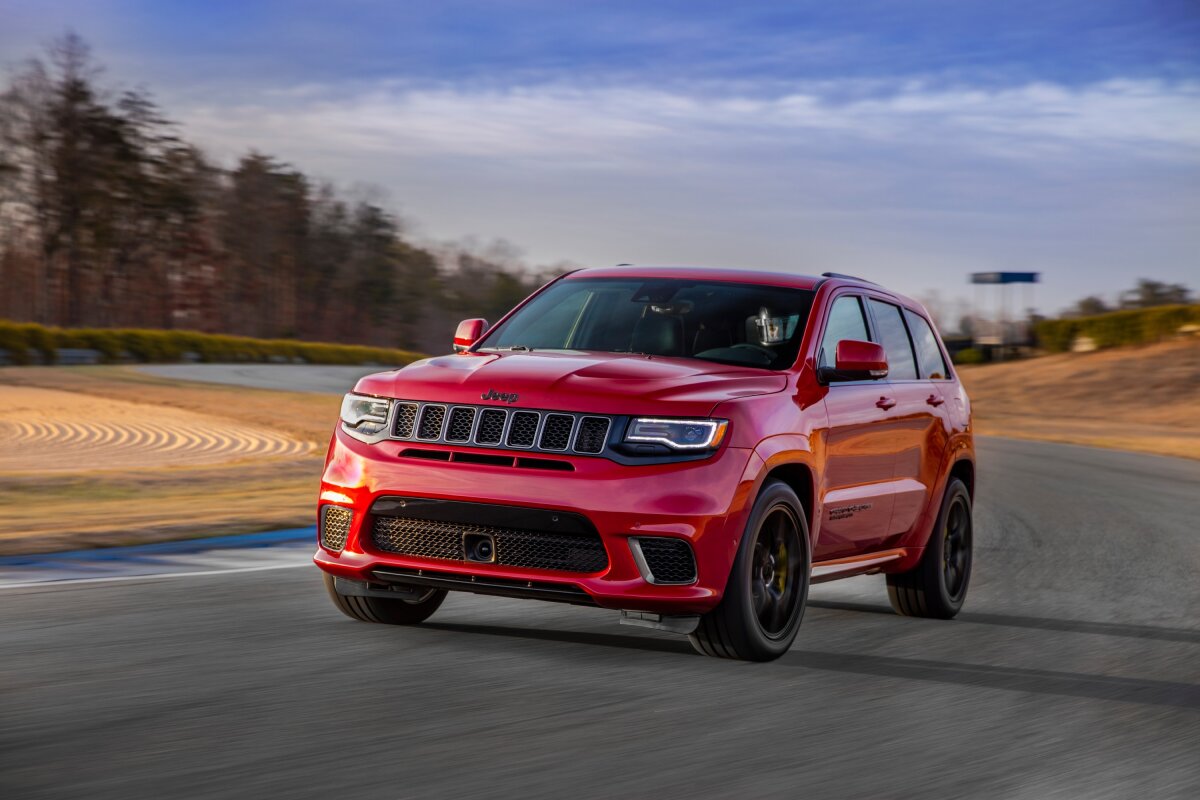
Buyers can choose from nine trim levels, ranging from the relatively basic Laredo to the fully equipped Summit Reserve, ensuring there’s likely a model to suit nearly every preference. The nonhybrid two-row is powered by a capable V-6 and offers multiple all-wheel-drive systems, while lower trims come standard with rear-wheel drive.
Despite its off-road prowess, the Grand Cherokee is comfortable on paved roads, and its cabin feels modern and spacious. With its wide variety of trims, the Grand Cherokee competes across a broad spectrum, from mainstream two-row models like the Honda Passport to luxury-oriented SUVs from BMW and Mercedes-Benz.
Under the hood, the Grand Cherokee is equipped with a 293-hp 3.6-liter V-6. Rear-wheel drive is standard, with several all-wheel-drive systems available, including one featuring an electronically locking limited-slip rear differential.
The TrailHawk model pairs Jeep’s top-of-the-line Quadra-Drive II all-wheel-drive system with a front anti-roll bar disconnect, enhancing wheel articulation for off-road trails. On paved surfaces, all Grand Cherokee models remain composed and deliver an exceptionally smooth ride, particularly the higher trims outfitted with air springs and adaptive dampers.
Also Read: Top 10 Cars With Rear Seats That Fold From the Trunk
4. Subaru Outback
The Outback rarely gets credit for its interior craftiness, but it’s one of Subaru’s most thoughtful cabins. Beneath the cargo floor lies a sizable bin that hides away backpacks, tools, electronics, or emergency kits.
Unlike many vehicles where the under-floor area is shallow or awkward, Subaru designed this one deep enough for day-to-day items while still leaving room for the spare tire area.
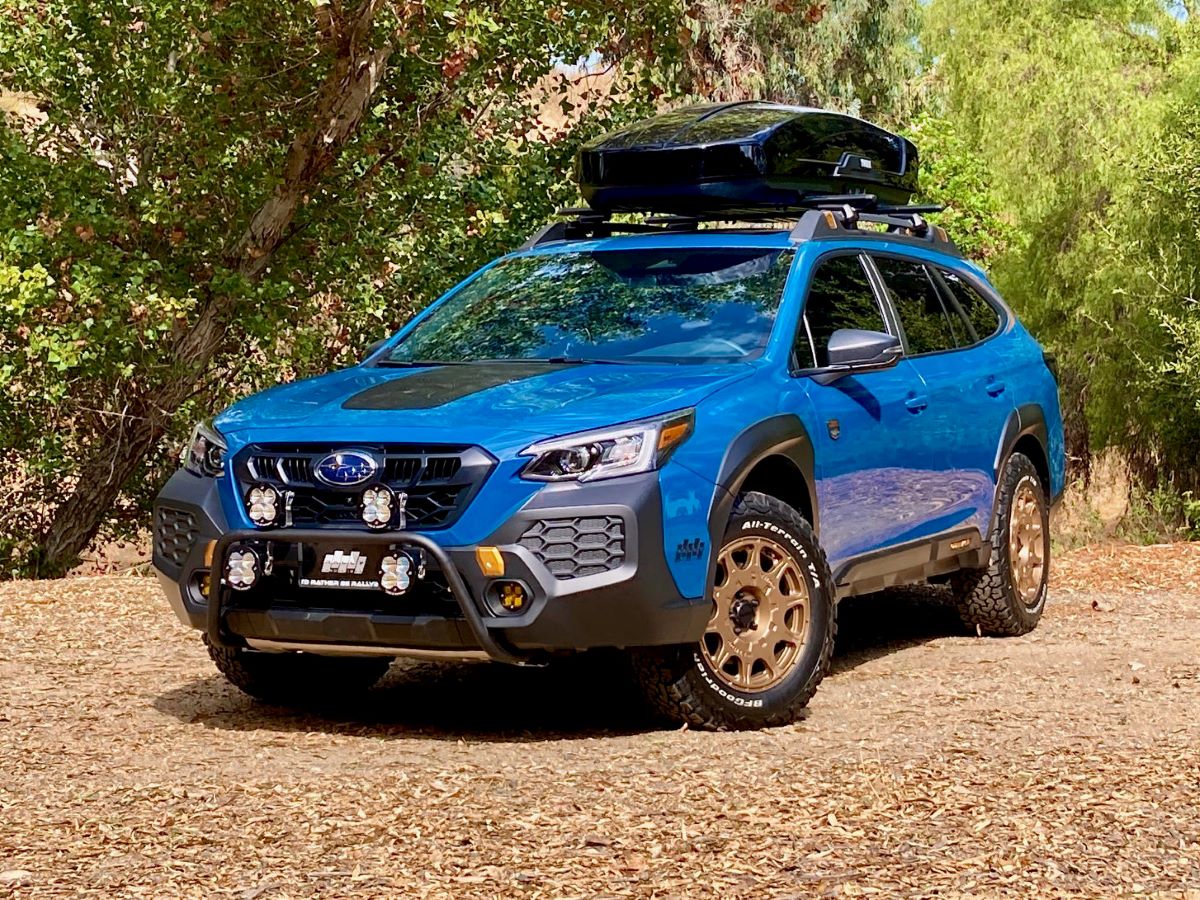
Combine that with a dual-level center console and a covered dash cubby (on select trims), and the Outback quietly becomes a favorite among drivers who prefer subtlety. It’s especially useful for hikers or ski-day travelers who occasionally stash gear out of sight.
5. Honda CR-V
Honda often leans toward practicality over flash, and the latest CR-V fits that tradition perfectly. The center console features a large covered storage space with an adjustable divider that lets drivers hide wallets, toll transponders, and small electronics.
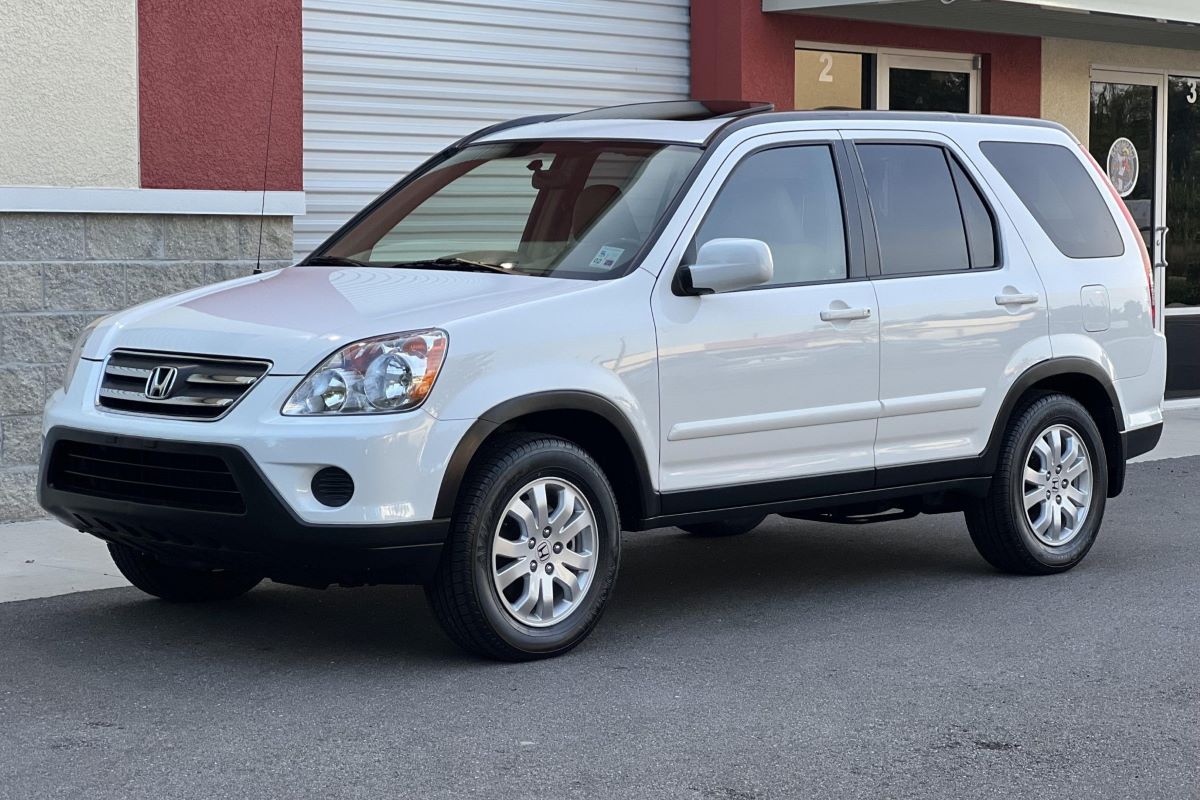
The under-floor cargo compartment is also deeper than it appears, making it a natural shield for valuables. Families gravitate toward the CR-V’s cabin because everything looks tidy from above, even when there’s a secret layer of organized chaos underneath.
The 2022 Honda CR-V may not set pulses racing, but its roomy interior and fuel-efficient powertrains make it a standout in the compact crossover segment.
While the Honda isn’t exactly thrilling to drive, neither the standard turbocharged gas engine nor the hybrid variant is particularly quick, it delivers fuss-free steering and braking, along with a calm, comfortable ride on longer drives. Just be gentle on the accelerator if you’re driving the base engine, as it can get noisy under heavy throttle.
The CR-V’s impressive fuel economy means fewer pit stops on family trips, and a robust suite of standard active safety features and desirable tech options keeps it competitive against newer rivals. Though it may not be the flashiest or most luxurious in a crowded segment, the 2022 CR-V remains a highly satisfying and capable choice.
Honda did its homework with the CR-V’s first turbocharged engine, a 1.5-liter unit producing 190 horsepower—paired with one of the best continuously variable automatic transmissions (CVTs) in the class, a combination that earns genuine praise.
Towing capacity is modest at just 1,500 pounds, so parents hoping for street-racer thrills might be left wanting. On the other hand, drivers of all types will appreciate the CR-V’s refined ride, responsive steering, and solid brakes.
The crossover’s composed suspension makes both short commutes and long trips comfortable, while the responsive brake pedal ensures confident stopping power whenever needed. The CR-V Hybrid pairs a 2.0-liter four-cylinder engine with two electric motors to produce 201 horsepower.
In our testing, the hybrid system proved smooth and unobtrusive, and Honda mitigated engine drone at wide-open throttle with additional sound-deadening materials and an active noise-canceling audio system.
The result is a noticeably quieter cabin compared with the base engine, which can be among the loudest in its class when the accelerator is floored.
6. Toyota Highlander
The Highlander’s cabin feels intentionally designed to minimize visual clutter. While it gained attention for its phone shelf near the climate controls, the real stealth advantage lies in its multi-level console system.
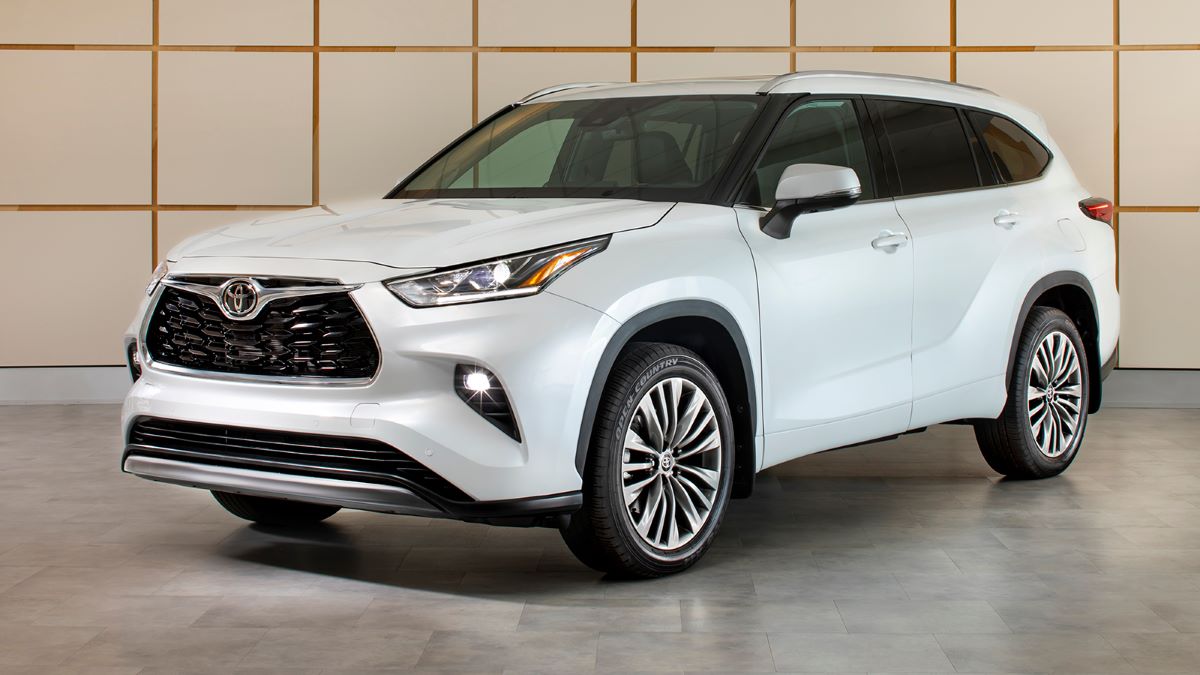
The deep, lidded center compartment rivals what you’d find in some full-size trucks, and the cargo floor conceals another hidden nook.
For drivers who regularly transport work gear or camera equipment, that storage design offers a little peace of mind especially in parking lots where quick access matters less than keeping things invisible.
Cars With Open Shelves
Modern car interiors aren’t just about comfort, they’re about smart, accessible storage that fits everyday life. While hidden compartments have their perks, many drivers prefer the convenience of open shelves that keep essential items within easy reach.
From dashboard ledges to door-pocket nooks and center-stack cubbies, certain vehicles are designed with clever open storage that makes organization effortless. In this article, we take a closer look at cars with open shelves and highlight the models that stand out for practicality, thoughtful design, and real-world usability.
1. Toyota RAV4
Toyota gave the RAV4 one of the more recognizable open dash shelves, stretching across the passenger side. It’s brilliant for quick stowage phones, parking tickets, sunglasses but it naturally puts items front and center.
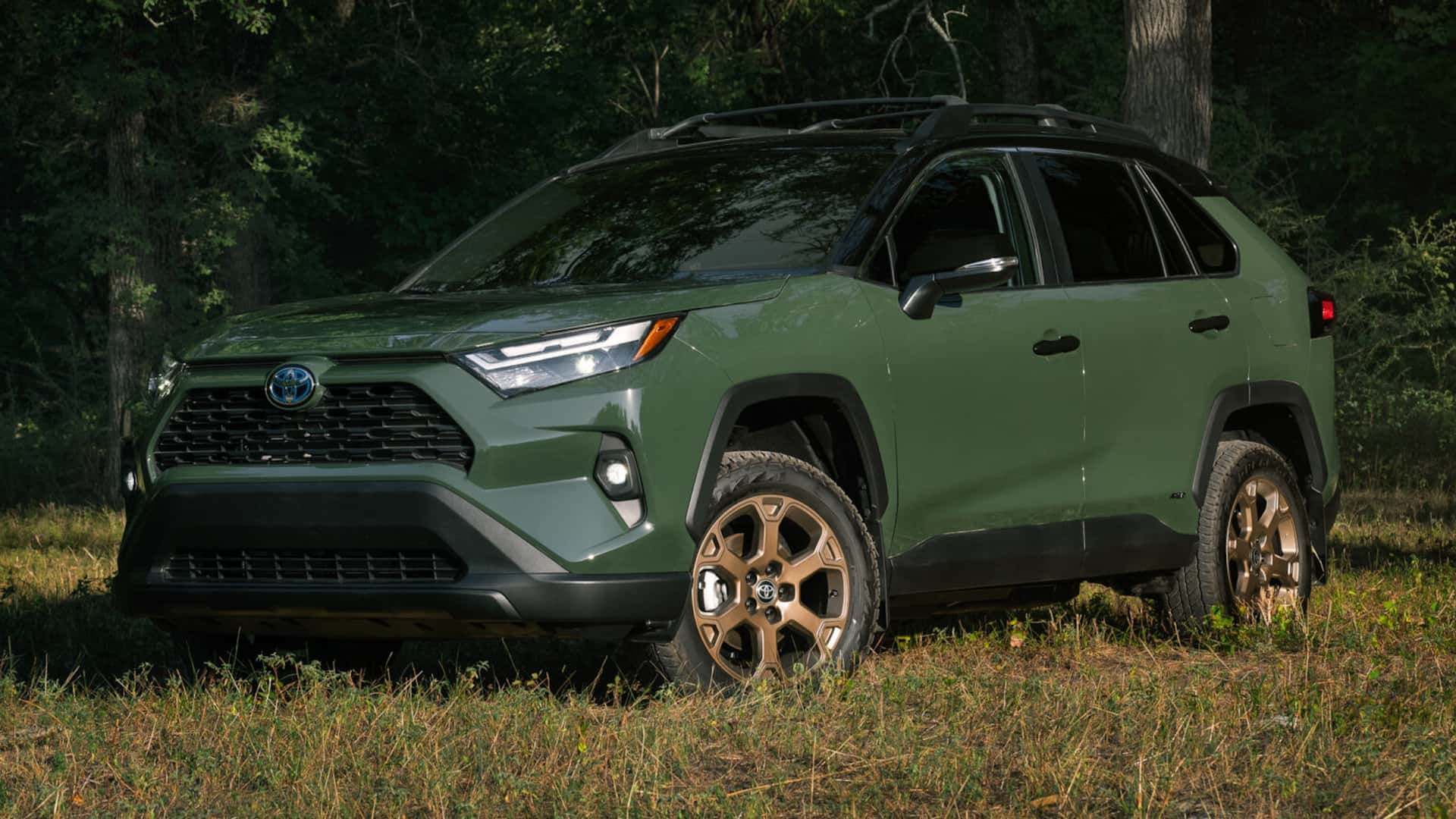
The door pockets and console area follow that same theme: wide, open, and convenient. For drivers who don’t carry sensitive gear, it’s a practical everyday layout. But anyone trying to keep things invisible might find it a bit too show-and-tell.
The base LE trim represents the economical end of the spectrum, while the well-equipped Limited and TRD Off-Road models target buyers seeking either luxury or off-road capability. Regardless of trim, every RAV4 comes with a 2.5-liter four-cylinder engine mated to an eight-speed automatic transmission.
Front-wheel drive is standard, while all-wheel drive is optional on the LE, XLE, XLE Premium, and Limited, and comes standard on the Adventure and TRD Off-Road trims. The RAV4’s bold, square-jawed styling draws inspiration from the Toyota 4Runner SUV and Tacoma pickup truck, but its car-based construction ensures a smoother ride than either of those trucks.
Inside, the cabin is spacious, and the materials are durable, though buyers seeking modern conveniences such as power-adjustable seats, push-button start, or blind-spot monitoring will want to consider trims above the base model.
The 2021 RAV4 is powered by a 203-hp 2.5-liter four-cylinder engine paired with an eight-speed automatic transmission. Front-wheel drive remains standard, while Toyota offers different all-wheel-drive systems depending on the trim.
The Adventure model we tested featured an all-wheel-drive setup that can disconnect the rear axle to improve fuel economy. On our test track, the RAV4 outperformed its predecessors, completing 0–60 mph in 8.0 seconds compared with 8.3 seconds for the 2018 model and matching the 2019 RAV4.
The engine can be noisy during highway-passing maneuvers, and the transmission occasionally hesitated when downshifting. On the road, the RAV4 feels solid and stable at highway speeds and handles twisty roads competently, though it does not inspire the same level of confidence as our segment favorite, the Mazda CX-5.
2. Kia Soul
Boxy vehicles often lean into clever cubbies, and the Soul embraces that with multiple open compartments scattered throughout the dashboard. It’s a uniquely fun setup, almost like having a series of mini-shelves for on-the-go organization.
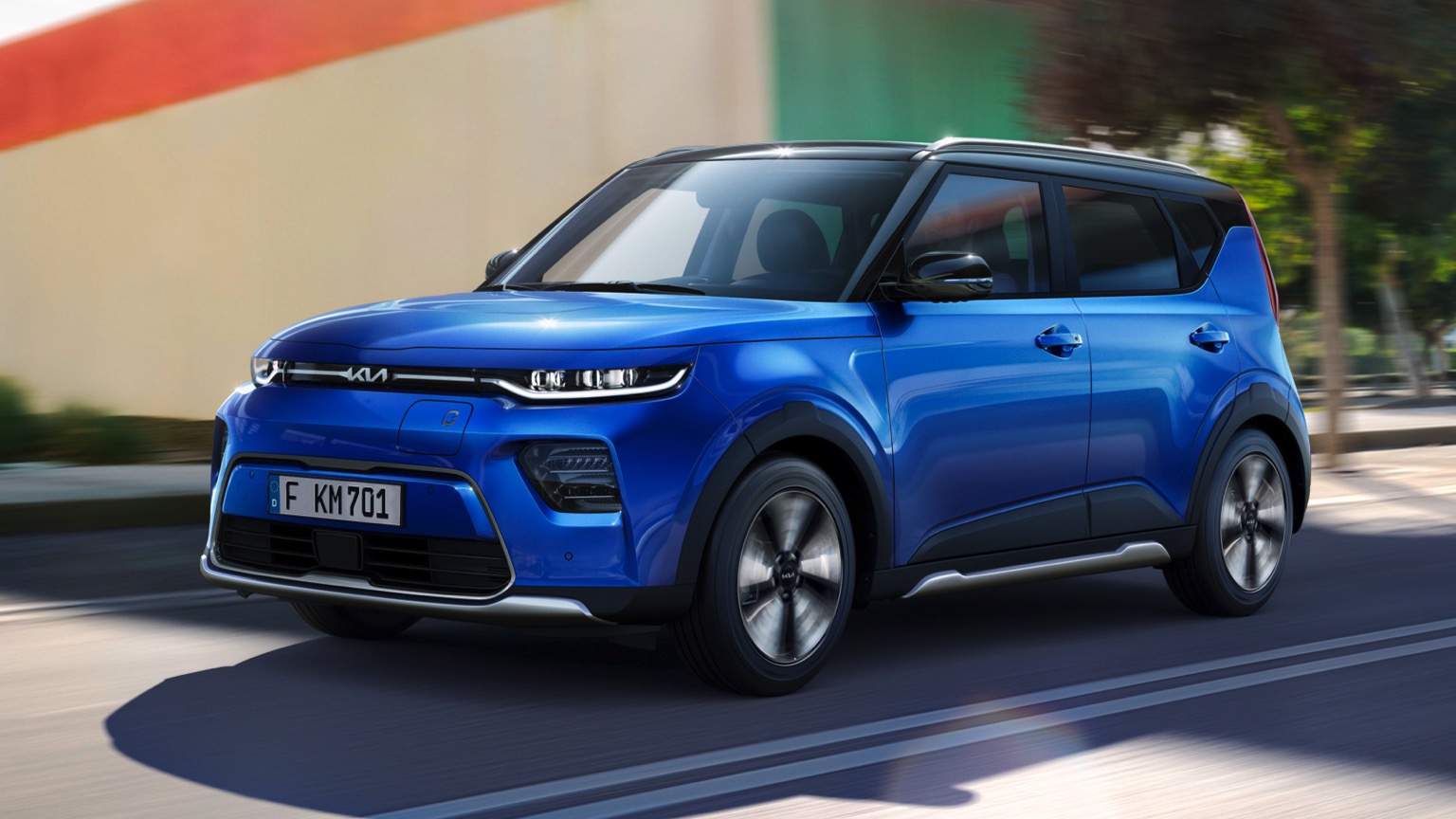
Tech-heavy drivers who rotate between multiple phones or portable chargers often love the Soul because nothing requires a lid or a latch. The downside, naturally, is that everything is on display the moment you walk away from the vehicle.
The Soul’s 2.0-liter engine may be a touch underpowered, but the vehicle still feels lively and responsive in city driving. Steering is natural, and its handling is comparable to sportier subcompact rivals like the Mazda CX-30 and Mini Countryman.
In our testing, the Soul went from 0 to 60 mph in 8.5 seconds, which is a respectable performance for a compact SUV. At lower speeds, the sensitive brake pedal requires some acclimation.
Unlike certain competitors, the Soul doesn’t shudder over larger bumps, and the ride remains firm and controlled without ever feeling harsh. It’s worth noting, however, that the Soul does not offer all-wheel drive.
Visibility is excellent thanks to its tall, narrow windows, though the small upturned rear three-quarter window creates a minor blind spot. Fortunately, a surround-view camera isn’t available, but the other driver-assistance features performed consistently well and did not trigger false alerts during our testing.
3. Honda HR-V
Honda’s HR-V prioritizes ease of use above concealment. Its center area uses open trays and exposed phone slots rather than covered compartments, and the door pockets are wide enough to show whatever you slide inside.
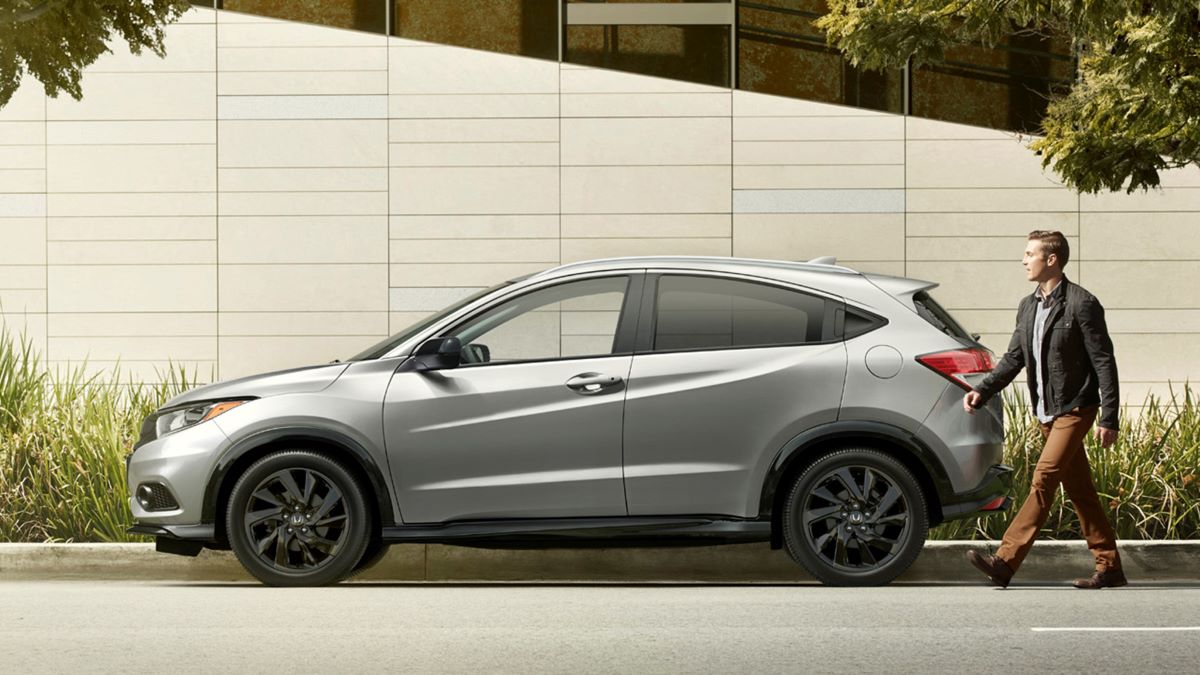
This design works well for drivers who use their storage constantly but don’t need to hide anything significant. The HR-V is a city-friendly subcompact, and Honda’s approach matches that urban, grab-as-you-go lifestyle.
4. Hyundai Tucson
The Tucson interior feels airy and open, and its storage philosophy mirrors that mood. While it has standard hidden areas like any crossover, its primary daily-use spaces the dash shelf, center tray, and exposed tech bay favor visibility over security.
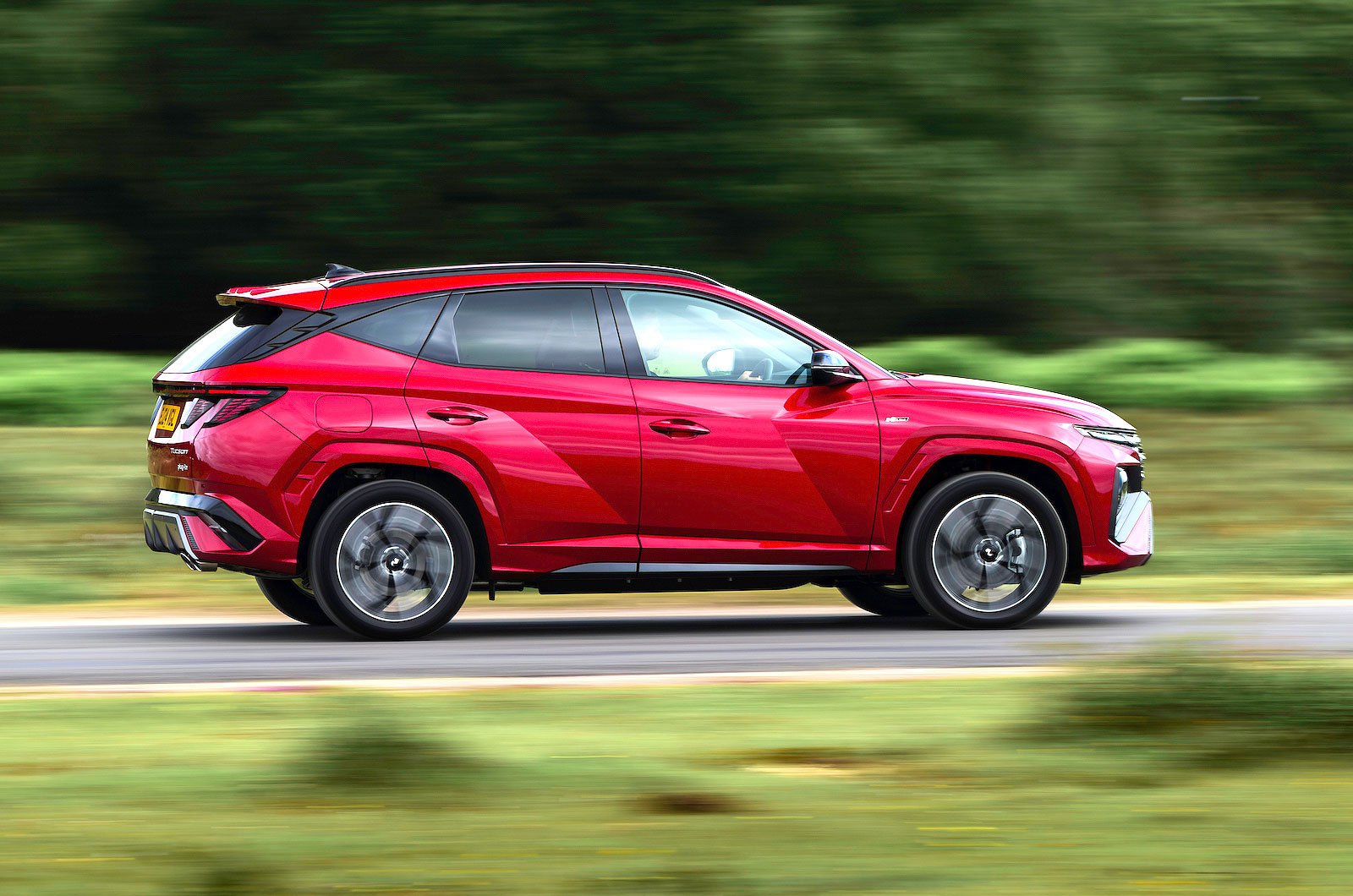
It’s the kind of layout people appreciate on road trips because snacks, chargers, and wipes are all right where you expect them to be, without digging into deep consoles.
The Tucson delivers comfort that rivals vehicles in the luxury segment. Its supple suspension soaks up bumps and cracks in the road with ease, making it one of the smoothest rides in its class.
On our Limited trim test vehicle, the front seats impressed us with their plush, supportive cushions, high-quality materials, and ample lateral support, complemented by power-adjustable lumbar settings.
We also noted the Tucson’s quiet cabin and excellent insulation while driving. Road and wind noise are kept well outside the vehicle, allowing conversations or music enjoyment without distraction, outperforming many competitors in this regard.
5. Ford Maverick
The Maverick’s interior was intentionally designed like a toolbox, full of easy-to-access nooks that don’t pretend to be secure. Ford added open side pockets in the console, exposed storage rails, and a dash shelf that begs for aftermarket accessories.
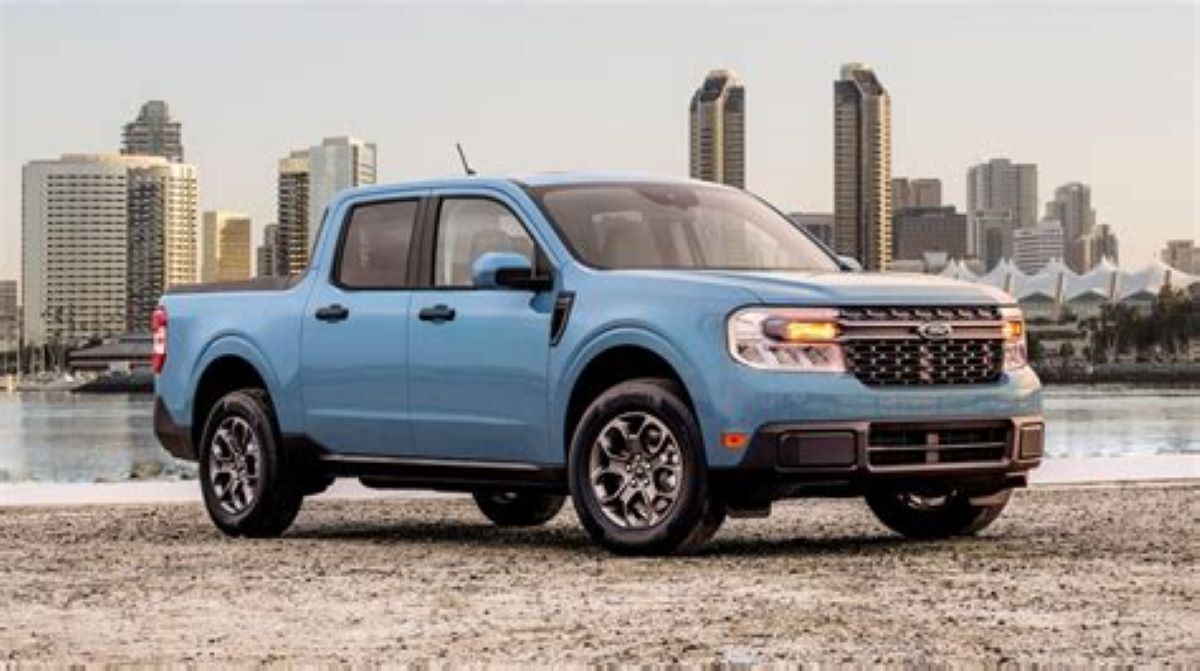
For DIY-oriented drivers or people who use their truck as a mobile workstation, this setup makes perfect sense.
The tradeoff is that it leaves little to the imagination everything is clearly visible from outside the window.
The 2023 Ford Maverick may not look the part, but it proves itself as a capable and practical pickup, earning its place alongside the Ranger and F-150 thanks to its innovative design and versatile functionality.
Its standard powertrain is a fuel-efficient hybrid paired exclusively with front-wheel drive, while an optional turbocharged 2.0-liter four-cylinder engine with all-wheel drive is also available.
The Maverick’s payload capacity easily handles a weekend’s worth of home improvement materials, and it can be equipped to tow up to 4,000 pounds.
Built on the same platform as the Bronco Sport SUV, the Maverick features four doors and a reasonably spacious interior, complete with a variety of clever storage solutions.
In the compact pickup segment, its only rival is the Hyundai Santa Cruz. While the Santa Cruz can tow more and offers additional luxury features, it comes with a higher price tag and a smaller bed.
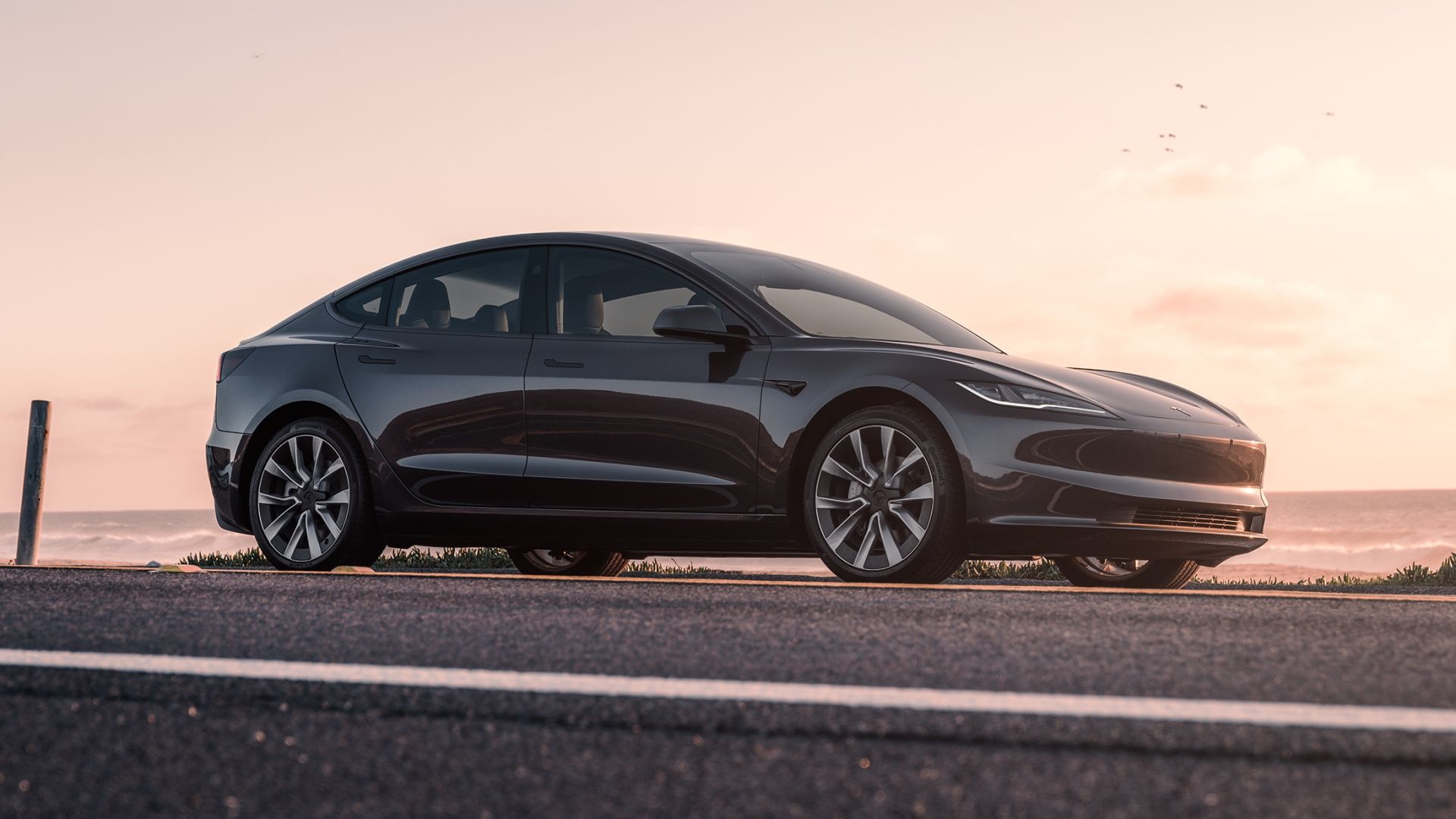
6. Tesla Model 3 (Early Years)
Newer versions have improved covered storage, but the earlier Model 3 interiors leaned heavily toward exposed horizontal surfaces and minimalist open trays.
The design looked futuristic, but drivers often found themselves placing items on the console where they were visible to anyone walking by.
Tesla eventually added sliding covers on updated refreshes, but that original open style remains a good example of how minimalism can sometimes trade concealment for aesthetics.
Choosing between hidden storage and open shelving isn’t really about which type of design is “better.” It’s about how you use your vehicle, where you park it, and how much you rely on in-car organization.
Someone who frequently leaves items in their car laptops between meetings, tools on job sites, personal documents while running errands naturally gets more value from concealed compartments.
Meanwhile, drivers who prioritize convenience, or who rarely leave valuables behind, often appreciate the openness and simplicity of shelf-friendly cabins.
The U.S. car market is big enough to support both philosophies, and that duality is what keeps modern interiors interesting.
Whether you prefer the Outback’s hidden layers or the RAV4’s out-in-the-open approach, storage design shapes everyday life in subtle ways sometimes more than shoppers realize during a quick test drive.
