
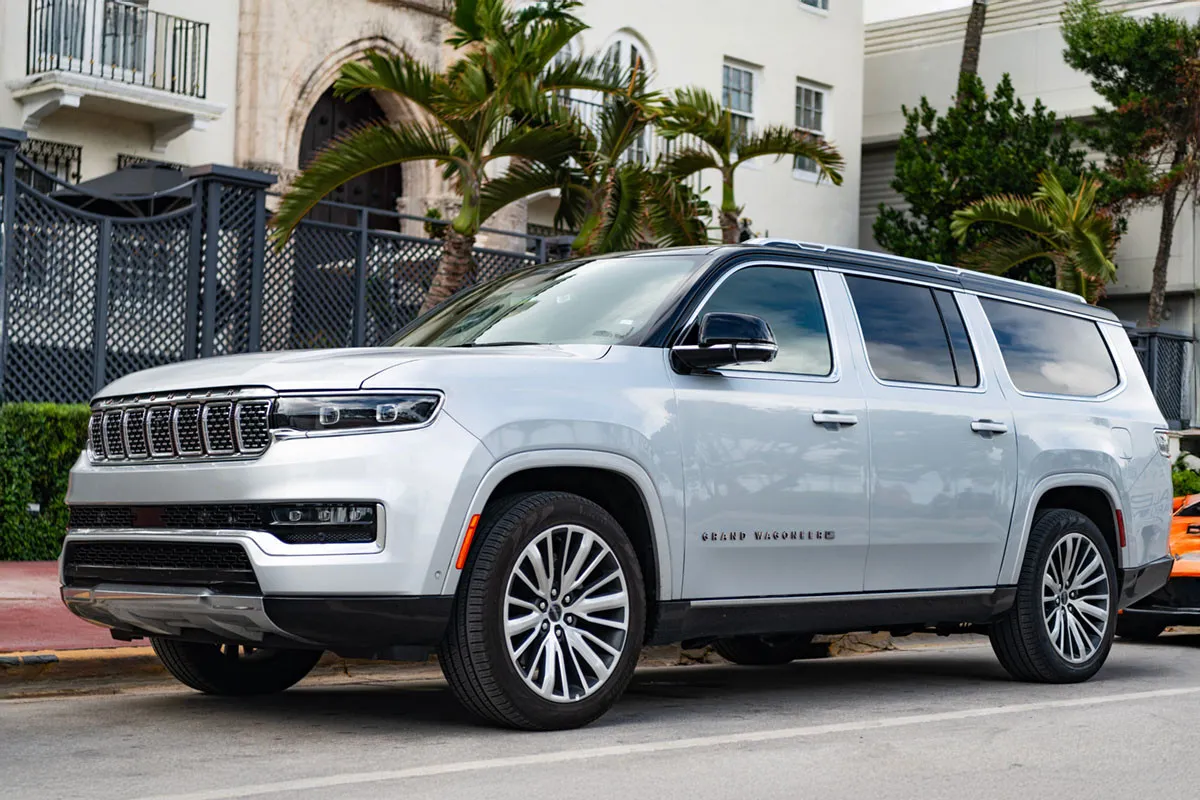
Many people admire SUVs for their space, presence, confidence on the road, and the strong sense of security they give. Still, anyone who has driven different SUVs will tell you that some of them behave in a very calm and balanced way, while others lean from side to side once the road starts curving.
To help you get a clearer understanding of what separates firm-handling SUVs from the ones that roll excessively, this page sets out to compare five models that behave with impressive stability and another five that behave in a softer and more rocking fashion.
Some SUV lovers prefer a machine that feels planted during quick lane changes, tight corners, or sharp bends. Drivers like that usually want suspension setups with tighter dampers, lower centres of gravity, and steering responses that feel accurate.
Other SUV owners may not even mind if their vehicle leans a bit as long as the ride stays soft and the cabin remains comfortable. Certain brands even design their SUVs to feel gentle so passengers can relax during longer journeys. Both sides have their loyal supporters.
Different regions also shape SUV tastes in unique ways. Some areas with smooth highways favour sportier handling, while areas with rougher roads tend to attract drivers who prefer comfort. Even with these differences across countries, the information here is written for everybody.
5 SUVs That Don’t Feel Boat-like
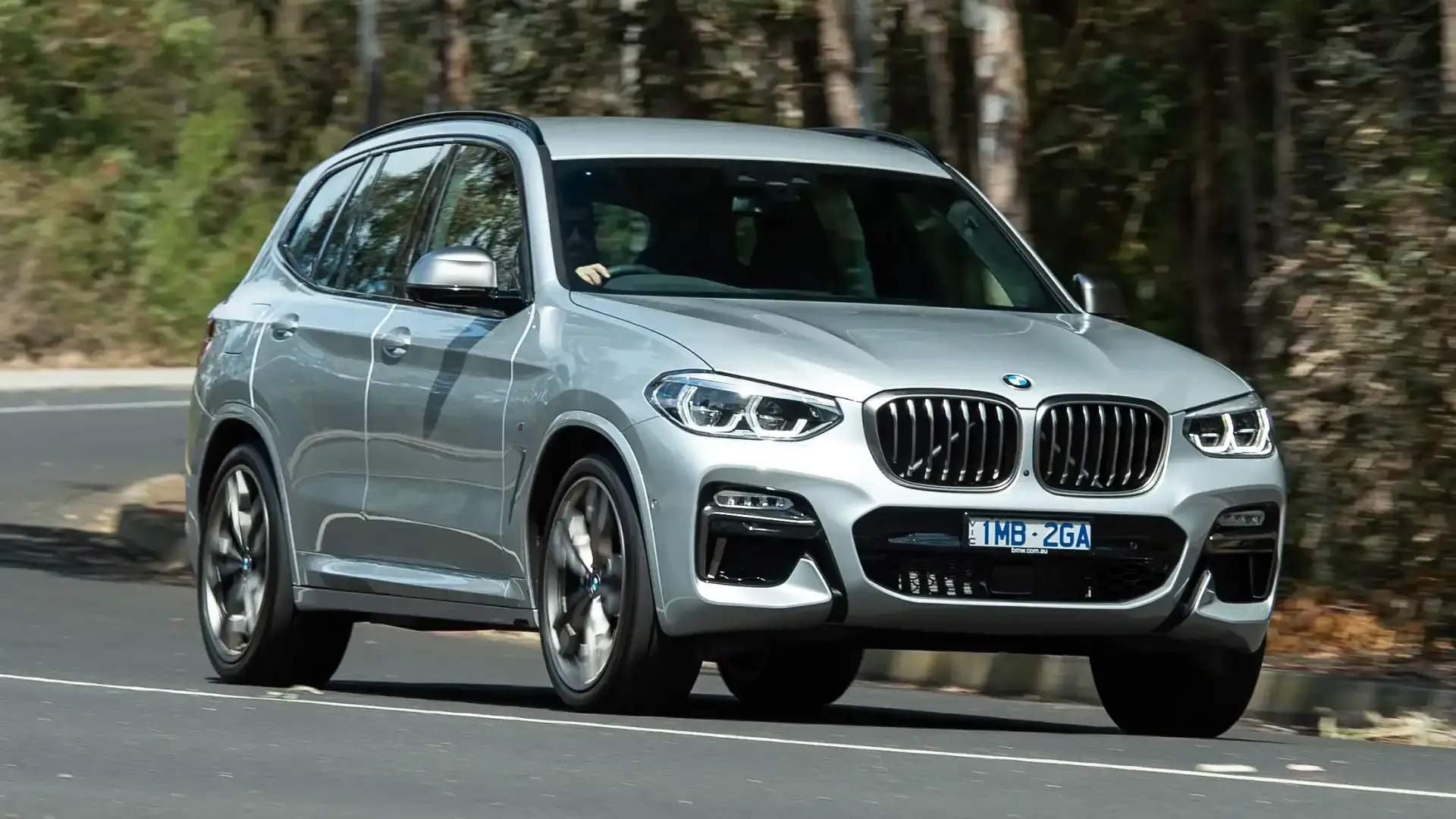
1. BMW X3 M40i
Plenty of drivers who enjoy spirited motoring often talk about the BMW X3 M40i because it delivers that solid, confident cornering that many crossovers struggle to match. This model carries a reputation for mixing luxury with athletic behaviour quite effectively.
Once the steering wheel begins to turn, the X3 M40i answers immediately, and that quick response already sets it apart from softer SUVs. People who enjoy direct driving sensations tend to appreciate this model’s willingness to stay composed even during brisk manoeuvres.
Its suspension tuning stays firm enough to control unnecessary leaning but still absorbs bumps with respectable comfort. That balance helps the vehicle maintain poise at higher speeds. A different angle to consider is how the powertrain contributes to the handling.
The turbocharged engine under the bonnet gives the SUV enough strength to accelerate quickly, which actually helps the vehicle complete turns more smoothly. When a driver presses the throttle coming out of a bend, the power arrives evenly, supporting the vehicle’s planted stance.
The chassis also carries a structure that resists twisting, and that rigidity plays a huge role in reducing that boat-like feeling some SUVs produce. Every curve meets a body that stays calm instead of swinging from side to side.
Drivers who want sharpness without sacrificing daily usability often place the X3 M40i somewhere high on their list. It behaves like a well-trained machine that respects the driver’s inputs rather than arguing with them on the road.
The steering weight feels natural, the braking performance stays predictable, and the whole experience encourages confident movement through traffic.
If someone wants an SUV that avoids the rocking sensation common in taller vehicles, this model stands as a strong option. Many owners find that it feels closer to a sporty sedan than a bulky family hauler.
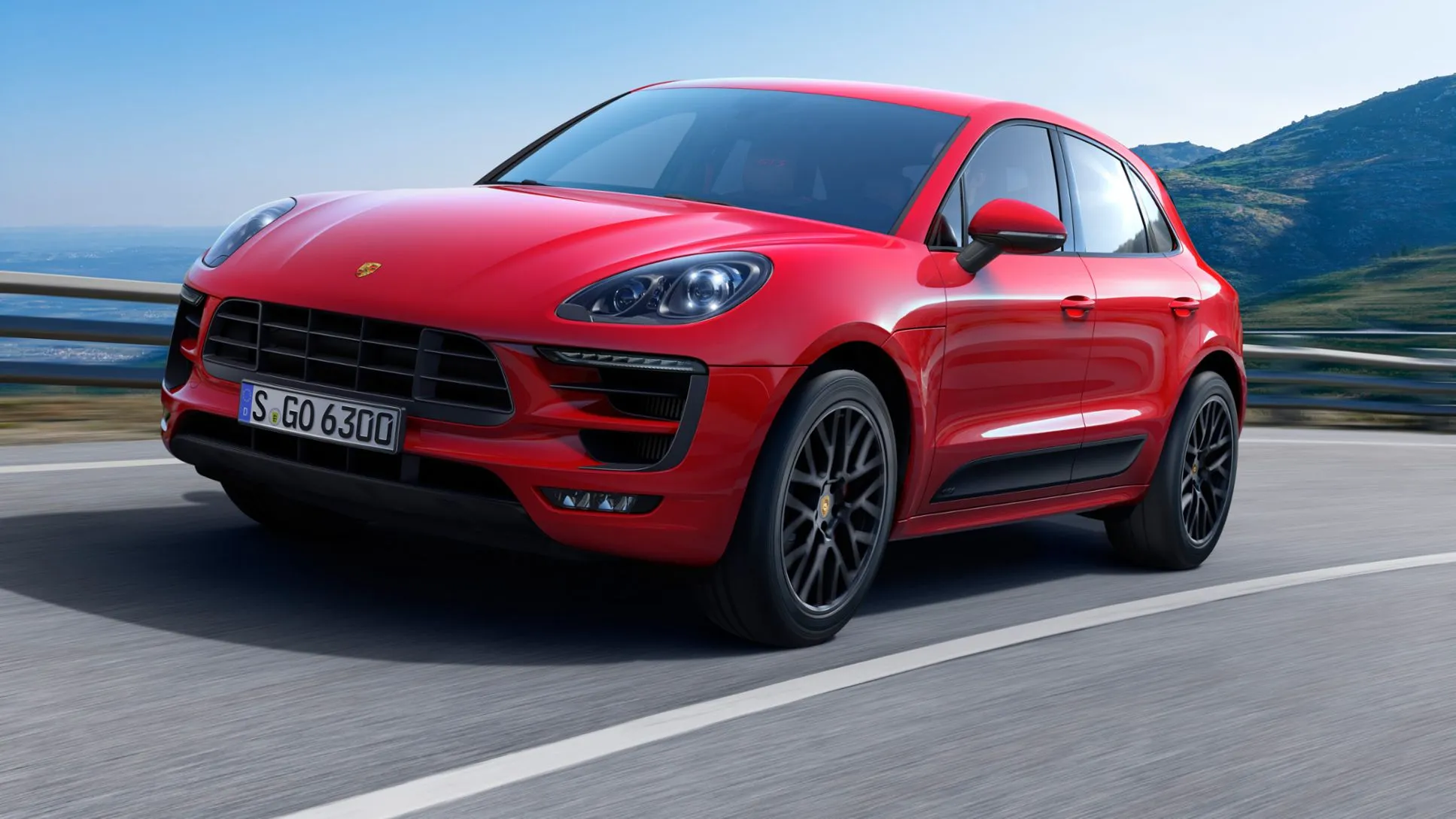
2. Porsche Macan GTS
Plenty of people describe the Porsche Macan GTS as one of the most driver-focused SUVs available today, and that reputation comes from its ability to stay remarkably flat through corners.
This model has been engineered with a clear priority on agility, giving drivers that nimble feeling usually found in smaller performance cars.
Even when pushed through a twisty stretch of road, the suspension keeps the body controlled, and that tight behaviour distinguishes it sharply from boat-like SUVs.
The way it holds its line inspires trust. Hard braking before a bend is met with impressive stability rather than front-end dipping, and that alone contributes to extremely confident handling.
Another interesting point lies in how Porsche has tuned the steering. Accuracy sits at the centre of the experience. Every small adjustment by the driver translates directly to what the front wheels do, allowing the Macan GTS to trace corners with precision.
That connection between the driver and vehicle helps reduce hesitation and makes the SUV feel smaller than its actual size. When an SUV feels small and sharp, body roll naturally stays low because the driver controls movements more smoothly. This creates an experience different from SUVs that swing wide or lean heavily in tight corners.
Passengers also enjoy a composed ride even though the suspension is performance-oriented. Porsche uses dampers that react quickly to road imperfections while keeping the body movements in check. So while the ride remains firm, it refuses to feel harsh.
Instead, everything stays controlled so that even simple daily driving produces a steady and engaging feel. Many SUVs sacrifice sharp handling for comfort, but the Macan GTS manages to offer both in a balanced manner. Drivers who love an SUV that behaves like a hot hatch or a sports car tend to fall for this model almost immediately.
Also Read: 5 SUVs That Clean Up Quickly After Coastal Adventures Vs 5 That Don’t
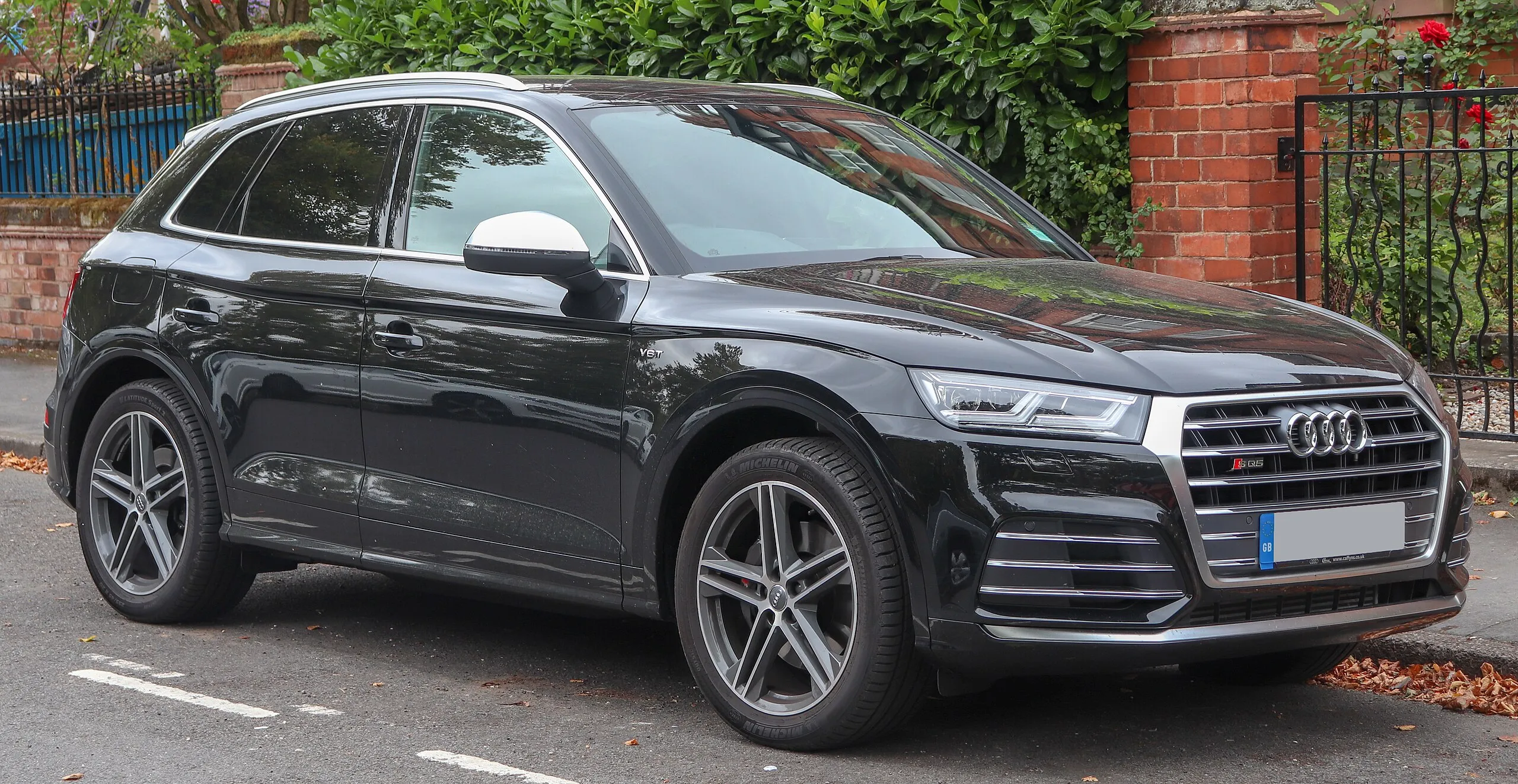
3. Audi SQ5 TFSI
Plenty of people who value a stable motorway cruiser with extra athletic ability often highlight the Audi SQ5 TFSI as a strong performer within this segment. It behaves with calm discipline and avoids the floating sensation that some SUVs suffer from when roads become uneven.
Audi has worked to provide a good mixture of firmness and comfort, helping the SQ5 TFSI remain steady when a driver needs to make sudden directional changes. This SUV rarely sways awkwardly because of its performance-tuned suspension and firm chassis. Even at higher speeds, lane changes feel controlled, and the body stays close to level.
Attention must also be given to the quattro system. Audi’s all-wheel drive support makes a huge difference by distributing power in a way that keeps the vehicle balanced across various surfaces. When the road curves, the system manages grip effectively, helping the vehicle carve through bends without leaning excessively.
This gives drivers confidence because the tyres maintain strong contact with the road and the body stays aligned with the intended path. Many SUVs tend to feel tall and unsure during aggressive turns, but the SQ5 TFSI remains planted.
Passengers often enjoy the cabin experience because the seats hold people securely during spirited movement. This might sound like a small detail, but seat support contributes heavily to how stable an SUV feels for those riding inside.
When everyone stays in place, the sense of control increases. Braking remains another strong point for this model.
The vehicle slows down smoothly without nose-diving too much, which keeps the ride even more controlled. For drivers seeking an SUV with firm handling and a soft touch of refinement, the SQ5 TFSI stands among the dependable choices.
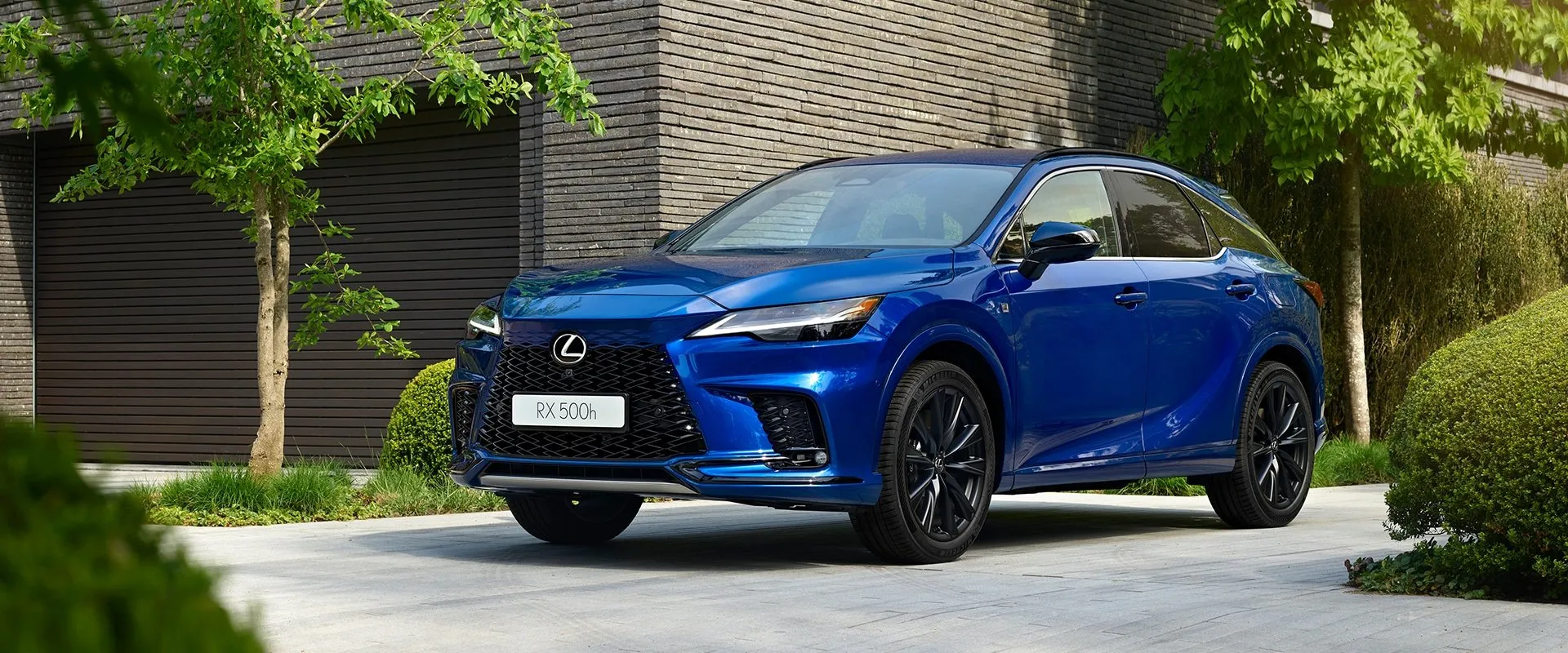
4. Lexus RX 500h F Sport Performance
Many performance hybrids carry a mixed reputation for handling, but the Lexus RX 500h F Sport Performance manages to break that pattern and present itself with confident stability. This model combines a hybrid powertrain with sporty trimmings, producing a sense of authority on the road that feels refreshing.
When sweeping through wide curves, the suspension maintains composure and prevents the top-heavy swaying some SUVs struggle with. Drivers who enjoy a touch of precision without sacrificing comfort usually appreciate how this Lexus behaves. The body remains well supported through bends, and the vehicle never feels like it is wallowing.
Another strength lies in the steering calibration. Lexus tuned it to respond consistently and without delay, giving drivers a firmer sense of control. Many SUVs fail to deliver that seamless connection between wheel and tyres, and that delay causes drivers to overcorrect, which increases body roll.
This RX avoids that problem by offering consistent steering behaviour across different driving speeds. That continuous reliability helps the SUV maintain better posture when turning or switching lanes.
Hybrid power also contributes to stability because electric torque arrives quickly and evenly, allowing the driver to accelerate smoothly out of corners. This reduces awkward weight changes that often lead to floating sensations in softer SUVs.
The cabin also carries a solid structure that resists flexing, and that rigidity further supports stable handling. Even passengers experience a sense of calm movement because the vehicle avoids sideways rocking. For people seeking a refined SUV with performance confidence and hybrid efficiency, this RX stands proudly in that category.
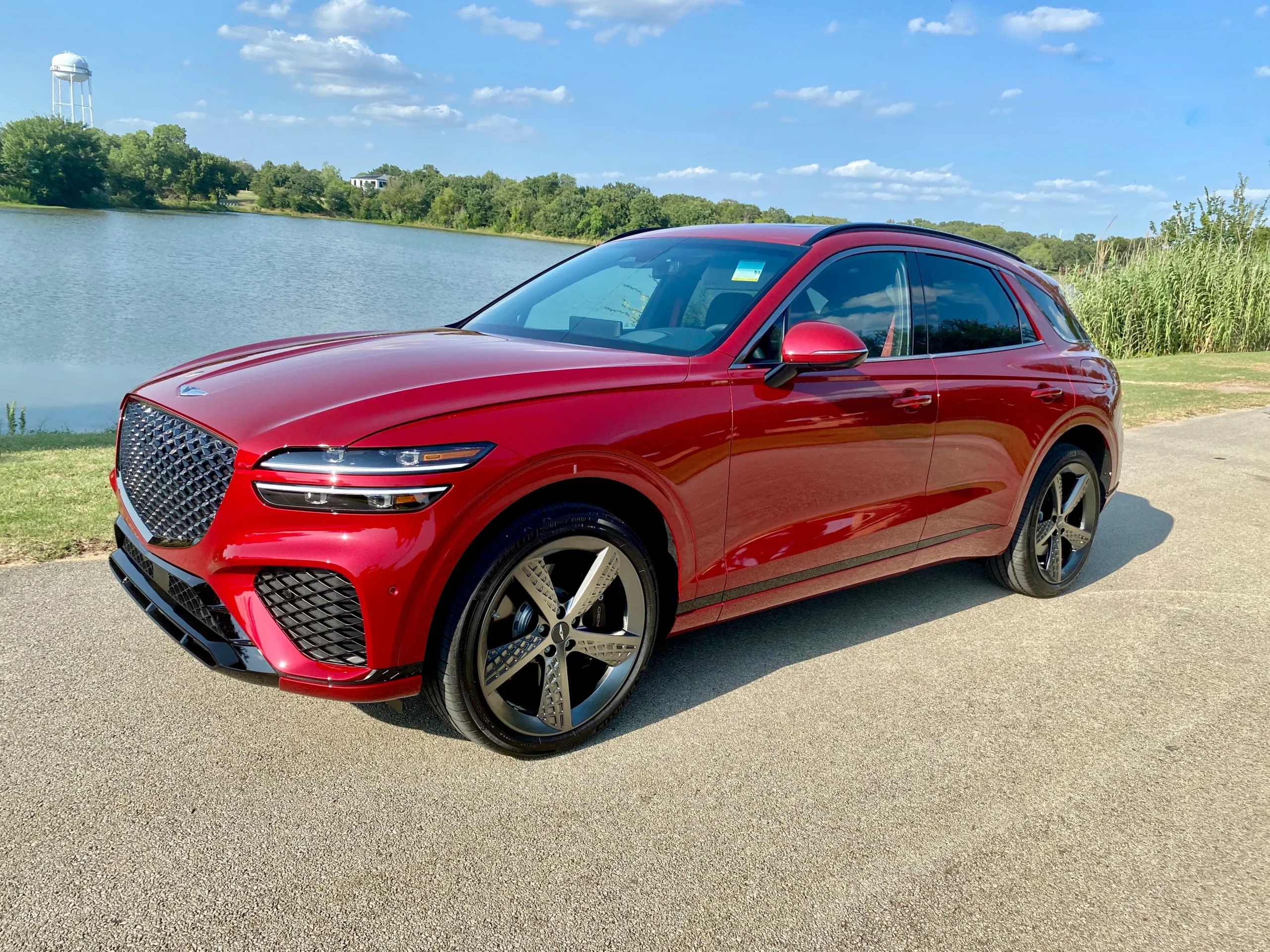
5. Genesis GV70 3.5T Sport
Plenty of newcomers to the Genesis brand often feel surprised when they experience the GV70 3.5T Sport for the first time. This SUV presents a lively handling personality that refuses to mimic the lazy roll common among some competitors.
Its suspension uses adaptive dampers that stiffen during cornering, allowing the body to remain stable and composed even when pushed through tighter bends.
That adaptability gives the GV70 strong versatility because it behaves softly enough for daily comfort yet firms up quickly when the road requires more discipline. Drivers often describe it as responsive and confident.
Another interesting point lies in the chassis structure. Genesis invested in a rigid platform that reduces unwanted movements during aggressive manoeuvres. When a chassis stays firm, the suspension can do its job properly without wasting energy flexing the body.
This leads to better control, less rocking, and a more planted posture through turns. Even sudden changes in direction feel tidy because the vehicle settles quickly rather than swaying after the movement.
The power from the 3.5 litre turbocharged engine also supports the handling. Smooth acceleration helps keep the weight balanced, allowing the SUV to maintain predictable movements.
When paired with accurate steering and strong braking, the GV70 3.5T Sport becomes a well-behaved performer that many drivers value for its mix of luxury and stability. Plenty of people searching for a confident mid-size SUV often place this model among their shortlisted options.
5 Body-roll Champs
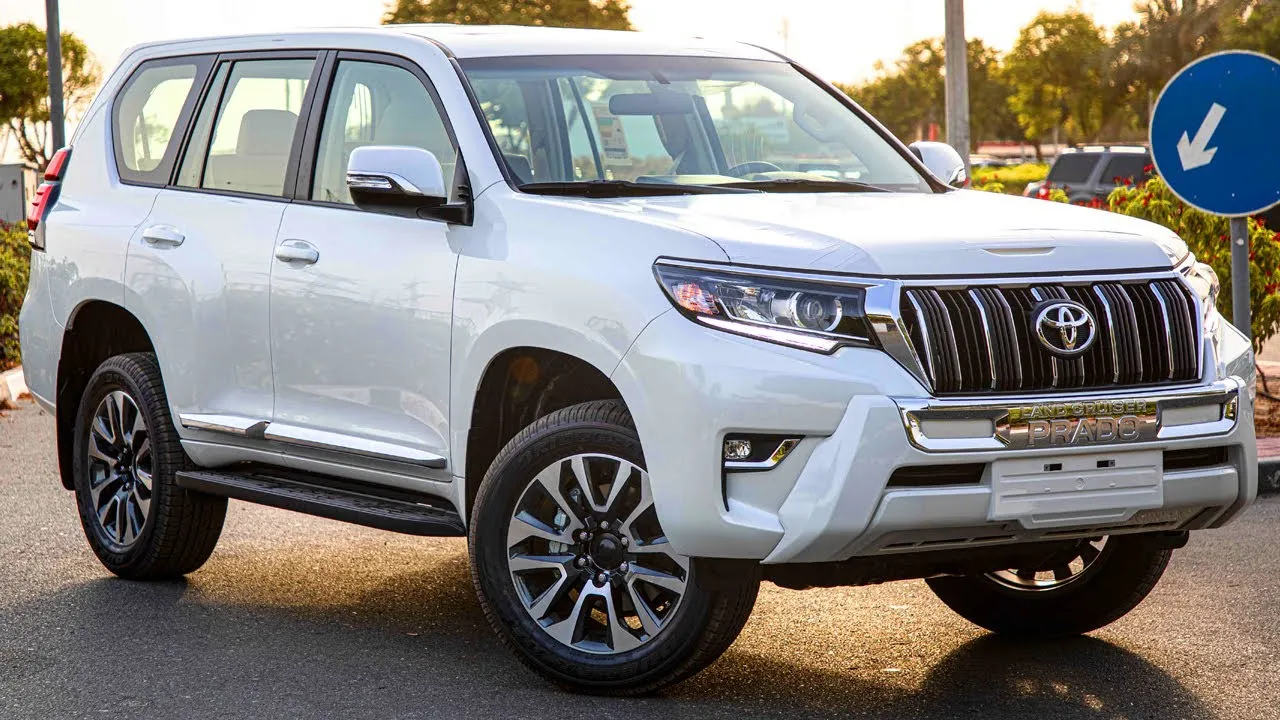
1. Toyota Land Cruiser Prado 2.7 VVT-i
Plenty of drivers who have spent time behind the wheel of the Toyota Land Cruiser Prado 2.7 VVT-i often mention how softly it moves along the road, creating that gentle rocking that feels almost like a slow side-to-side sway.
This behaviour does not come as a surprise because the Prado has always been built with comfort and rugged usability at the centre of its design. People who use this SUV on rough roads enjoy the smooth way it absorbs bumps. Still, once the road curves sharply, the body leans more than what you would find in sportier SUVs. That leaning is not dangerous, yet it feels noticeable.
A quick look at the suspension setup explains much of this movement. Toyota built the Prado with a softer arrangement that prioritises cushioning the ride instead of tightening everything up.
Those softer dampers make journeys very comfortable on long trips, but they also allow the body to roll when the driver turns at higher speeds.
Many owners even welcome that floating sensation because it makes the cabin feel relaxed. Children often fall asleep faster in a vehicle like this because the gentle rocking feels comforting.
Another factor that plays a part is the height of the Prado. A tall SUV with a ladder frame sits higher than crossovers, so the centre of gravity rises along with it. Once a vehicle stands taller, it naturally leans more during corners.
Drivers used to firmer crossovers might initially feel surprised by how the Prado behaves on curvy roads. Even so, this movement does not mean the SUV lacks safety. Toyota built it strong and dependable.
Many people who like soft-riding SUVs respect the Prado because of its reliability, strength, and easy-going nature. A driver who appreciates comfort more than sharp handling often finds this model attractive. It may lean, it may sway, and it may rock gently, yet it remains one of the most trusted machines across various regions.
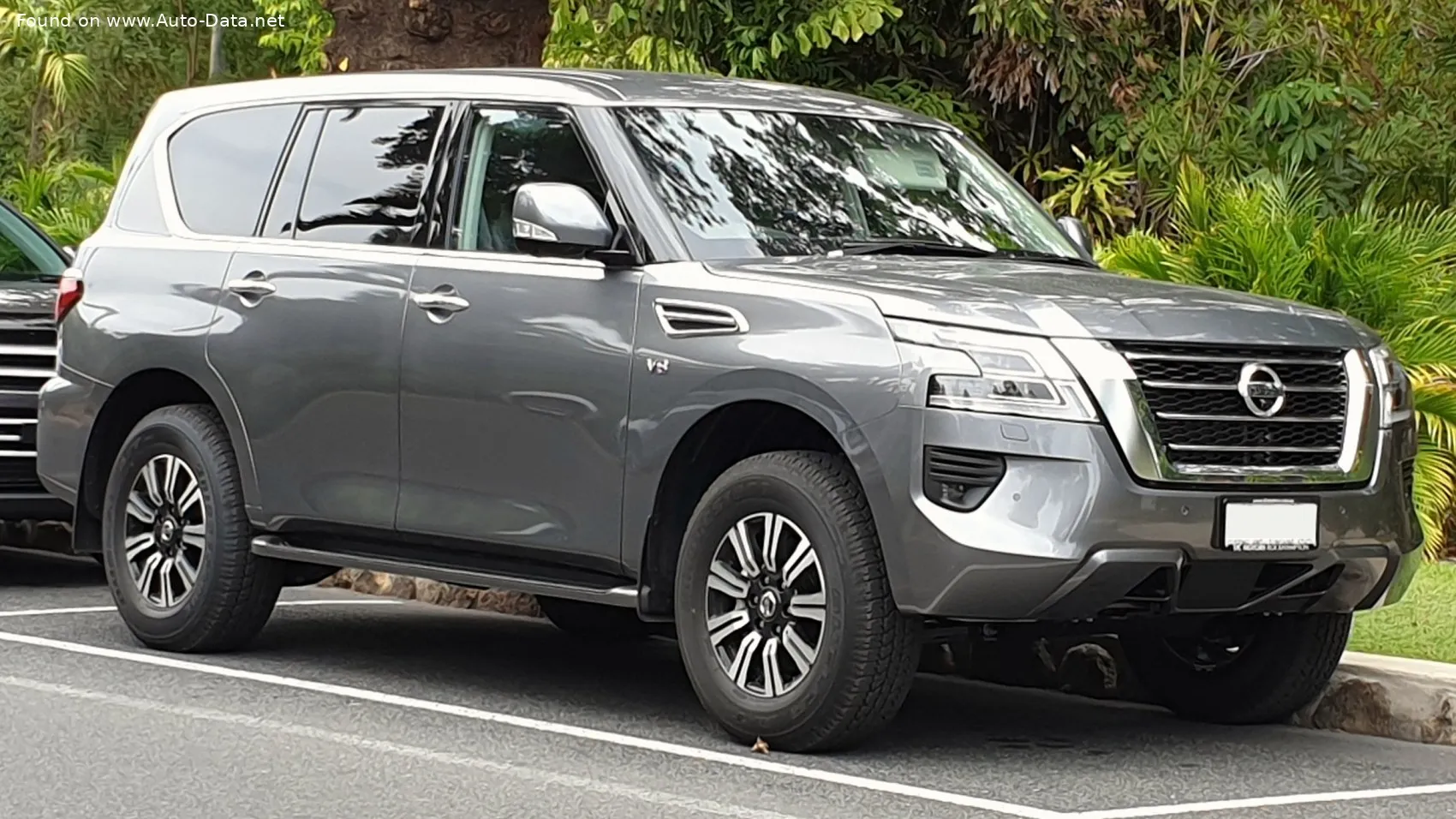
2. Nissan Patrol Y62 5.6 V8
Plenty of large SUV lovers see the Nissan Patrol Y62 5.6 V8 as a giant cruiser that moves with ease on long highways. This model carries a calm behaviour that emphasises softness more than precision.
Once the road starts to bend, the body begins to lean in a noticeable manner due to the generous suspension travel. That feeling can surprise drivers who are used to smaller SUVs, but owners of the Patrol enjoy it because it matches the vehicle’s size and comfort-focused mission.
A close look at how the vehicle is built helps to understand this experience. Nissan made the Y62 Patrol with a massive body, a strong frame, and a suspension that aims to deliver comfort across all road surfaces. Even though it carries some advanced features, the tuning keeps things soft.
When the driver turns the wheel, the height and weight of the SUV combine with that soft suspension, creating a movement that feels like a gentle roll. This effect becomes clearer when the SUV is loaded with passengers or cargo.
Many people enjoy the Patrol for reasons beyond handling. Its cabin feels spacious, the V8 engine pulls strongly, and the vehicle carries itself confidently even in challenging conditions.
The rolling behaviour comes from the same comfort that makes long-distance journeys easier. That softness helps reduce fatigue. Passengers often praise how relaxed they feel on long trips because bumps barely enter the cabin.
Some SUVs attempt to reduce roll by stiffening the suspension, but Nissan kept the Patrol’s priorities on comfort. This means the SUV behaves like a big, cushy machine that does not argue with rough roads.
Drivers who treat it as a family cruiser or long-distance traveller find the movement very acceptable. Among large SUVs with noticeable roll, the Patrol remains one of the respected choices.
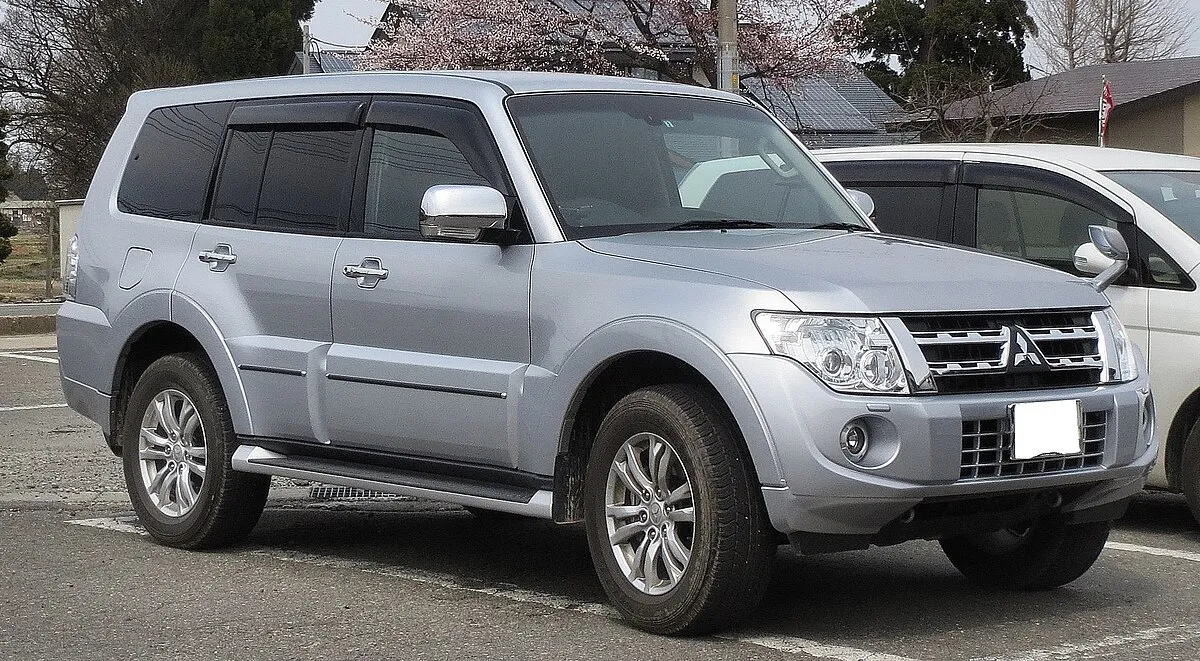
3. Mitsubishi Pajero 3.8 GLS
Plenty of enthusiasts who remember the classic Mitsubishi Pajero 3.8 GLS know that it behaves like a traditional body-on-frame SUV with generous movement during cornering. Its suspension tuning favours softness, and this gives the ride a comfort that many passengers appreciate.
Once the road curves, the Pajero changes slightly from side to side, creating a rocking sensation that feels different from modern crossovers with firmer setups. That floating feel is part of the Pajero’s old-school charm.
A closer discussion of the design helps explain the behaviour. Mitsubishi built this SUV with a structure that prioritised rough-road strength rather than sharp cornering. The suspension was made to travel widely so the vehicle could handle obstacles with ease.
That wide travel means the body moves more on smooth roads when turning. People who drive the Pajero off-road love this because the wheels stay planted on uneven surfaces. Yet on normal urban or highway roads, the same flexibility makes the body roll more than the average driver might expect.
Passengers who enjoy comfort usually appreciate how the Pajero moves. Many describe the motion as gentle and easy on the body, especially during slow driving or long journeys.
What it loses in cornering sharpness, it gains in flexibility across different driving conditions. Families that use the Pajero for long trips often talk positively about how relaxed they feel after many hours inside.
A driver who prefers soft ride quality over tight handling can accept the Pajero’s lean without complaints. It continues to serve as a sturdy SUV with pleasant comfort and dependable durability. People who desire a machine that behaves in a friendly, forgiving manner often keep the Pajero high in their considerations.
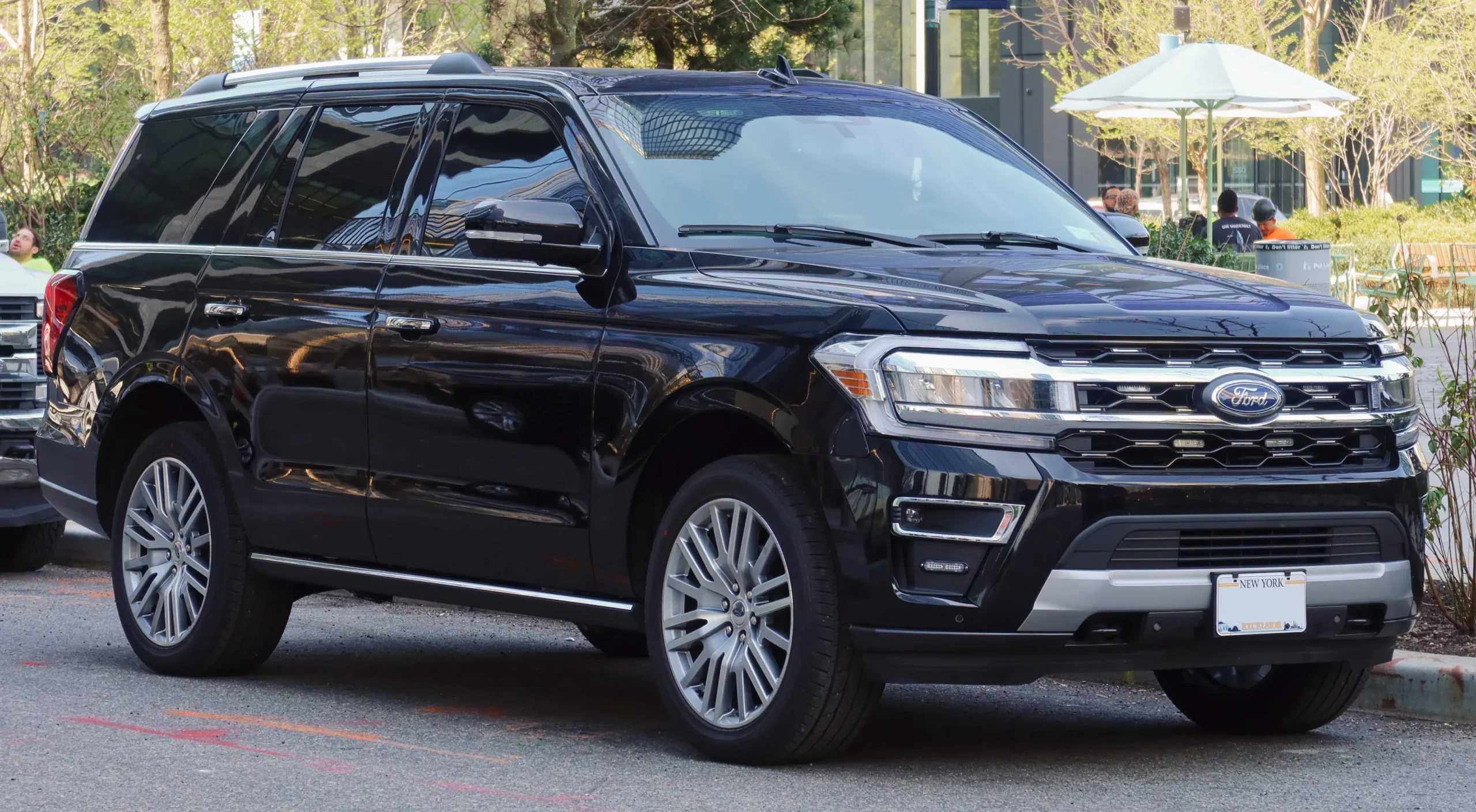
4. Ford Expedition XLT 3.5 EcoBoost
Plenty of big-family travellers speak highly of the Ford Expedition XLT 3.5 EcoBoost because of its space and smoothness. This is a full-size SUV crafted with comfort at the heart of its design. When the road curves, the body leans noticeably due to its height and soft suspension.
While this movement may feel a bit dramatic for those used to smaller performance crossovers, the behaviour remains controlled and predictable. It simply reflects the Expedition’s purpose as a large cruiser built for long distances and relaxed pacing.
A close look at the suspension reveals how Ford shaped the character of this model. The dampers and springs were designed to keep passengers comfortable even on rougher surfaces. This softness gives the vehicle its smooth ride, yet it also lets the body sway more during quick directional changes.
Drivers who make sudden manoeuvres sometimes feel the weight movement clearly. Even so, that movement does not undermine safety. It only feels more pronounced because of the vehicle’s size.
Passengers love the Expedition for many reasons unrelated to handling. Spacious seating, strong acceleration from the EcoBoost engine, and handy technology make the interior pleasant.
Families often prefer a comfortable ride over tight cornering, and the Expedition delivers that type of relaxed journey. When people travel for hours, comfort tends to matter more than agility.
Drivers who want a calm, easy-going SUV often choose the Expedition without hesitation. It rolls more than smaller SUVs, yet it treats passengers with kindness during long trips. That soft riding style has become one of the defining features that keep it popular among large SUV owners.
Also Read: 5 SUVs with Accessible Seat Folding Vs 5 SUVs That Hunt-and-pull Levers
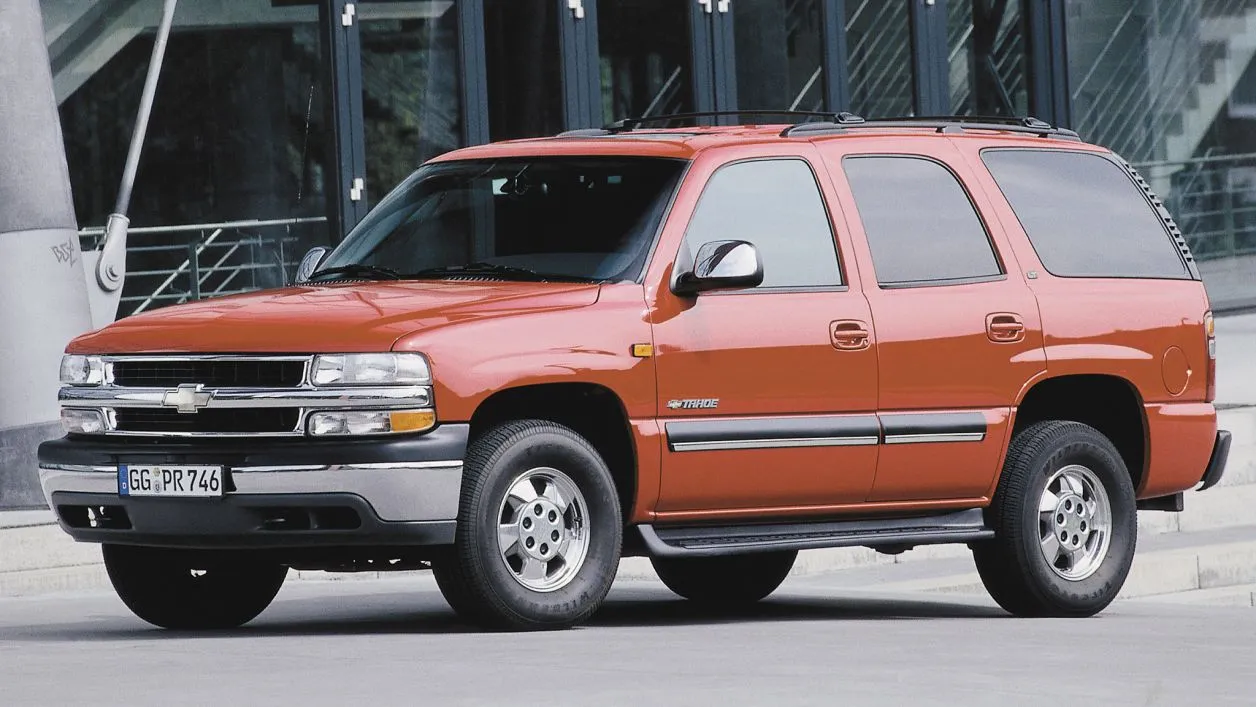
5. Chevrolet Tahoe LT 5.3 V8
Many full-size SUV enthusiasts know that the Chevrolet Tahoe LT 5.3 V8 behaves like a classic American comfort cruiser. This model carries a tall stance, spacious cabin, and soft suspension that produces gentle body movements during cornering.
Once the driver steers into a bend, the body begins to lean in a sweeping, relaxed manner that fits the Tahoe’s personality. This movement does not feel sharp or abrupt. Instead, it comes across as a smooth, slow roll that matches the vehicle’s comfort-first philosophy.
A close look at the underpinnings reveals why the Tahoe behaves this way. Chevrolet uses a body-on-frame design that provides strength for towing and carrying heavy loads. That design works well for rugged use, yet it brings a natural tendency for more body lean on paved roads.
The suspension tuning emphasises smooth, plush movement, which helps the Tahoe soak up bumps more effectively than many crossovers. This approach delivers great comfort but also increases rolling sensation during fast cornering.
Passengers appreciate the Tahoe because the seats feel comfortable, the engine delivers steady power, and the highway ride remains gentle. When people drive long routes, this kind of softness becomes a blessing. Children, elderly passengers, and anyone sensitive to harsh bumps often enjoy travelling in a Tahoe because of how relaxed the experience feels.
Drivers seeking a soft-riding, high-comfort SUV tend to praise the Tahoe. It may not behave like a sport-tuned machine during tight corners, but it continues to provide reassuring comfort for daily use and family trips.
The gentle roll ends up becoming part of the Tahoe’s charm, giving it a familiar and easy-going character that many households appreciate.
