Voice control has become one of the most defining digital features in modern vehicles.
For American drivers who often juggle navigation, phone calls, playlists, and climate settings during long commutes or family trips a system that listens and responds naturally is no longer a luxury.
It’s a safety tool. Yet automakers vary wildly in how well they execute it. Some models offer voice assistants that feel like they understand real human speech, while others still force drivers to memorize stiff, command-like phrases or repeat themselves until frustration wins.
Below, we explore six models whose voice control systems genuinely help the driving experience, followed by six that still leave users shouting into the cabin.
Models With Friendly, Innovative Voice Controls
In an age where technology is increasingly shaping how we interact with our devices, voice controls have become more than a convenience, they’re a defining feature of modern innovation.
From smartphones and smart speakers to cars and home appliances, models with friendly, intuitive voice interfaces are making technology feel less like a tool and more like a helpful companion.
Gone are the days of clunky commands and frustrating miscommunications; today’s systems are designed to understand natural speech, anticipate user needs, and even inject a bit of personality into interactions. In this article, we’ll explore the standout models that combine innovation and accessibility, offering voice controls that are not only smart but genuinely user-friendly.
1. Mercedes-Benz E-Class
Few automakers have refined in-car voice assistance the way Mercedes-Benz has. The latest E-Class uses an upgraded MBUX system with a conversational “Hey Mercedes” assistant that picks up natural speech without demanding robotic phrasing.
The microphones are tuned so well that it registers normal-volume commands even at highway speeds.
But what truly sets it apart is contextual understanding: drivers can casually say “I’m cold,” and the car raises the cabin temperature, or “I need coffee,” and it pulls up nearby cafés.
For US commuters who multitask constantly, this system reduces fidgeting with menus and makes driving safer and smoother.
The Mercedes-Benz E-Class delivers a driving experience that’s both smooth and balanced. Its seamless powertrain quietly goes about its business, making acceleration effortless.
In our testing of the E 450 4Matic sedan, the E-Class sprinted from 0-60 mph in just 4.9 seconds, placing it near the top of its class. The all-wheel-drive system efficiently channels power to the road, and selecting Sport mode adds a noticeably sporty edge to the driving experience.
Steering is quick and light, which makes the E-Class easy to maneuver in tight city streets and parking lots, though it offers minimal feedback. Around corners, the sedan remains composed without feeling overly stiff.
The one area that could use improvement is braking. While the brakes are smooth, our tests revealed some of the longest 60-0 mph panic braking distances we’ve seen in a luxury car recently. Upgrading the tires could likely address much of this shortcoming.
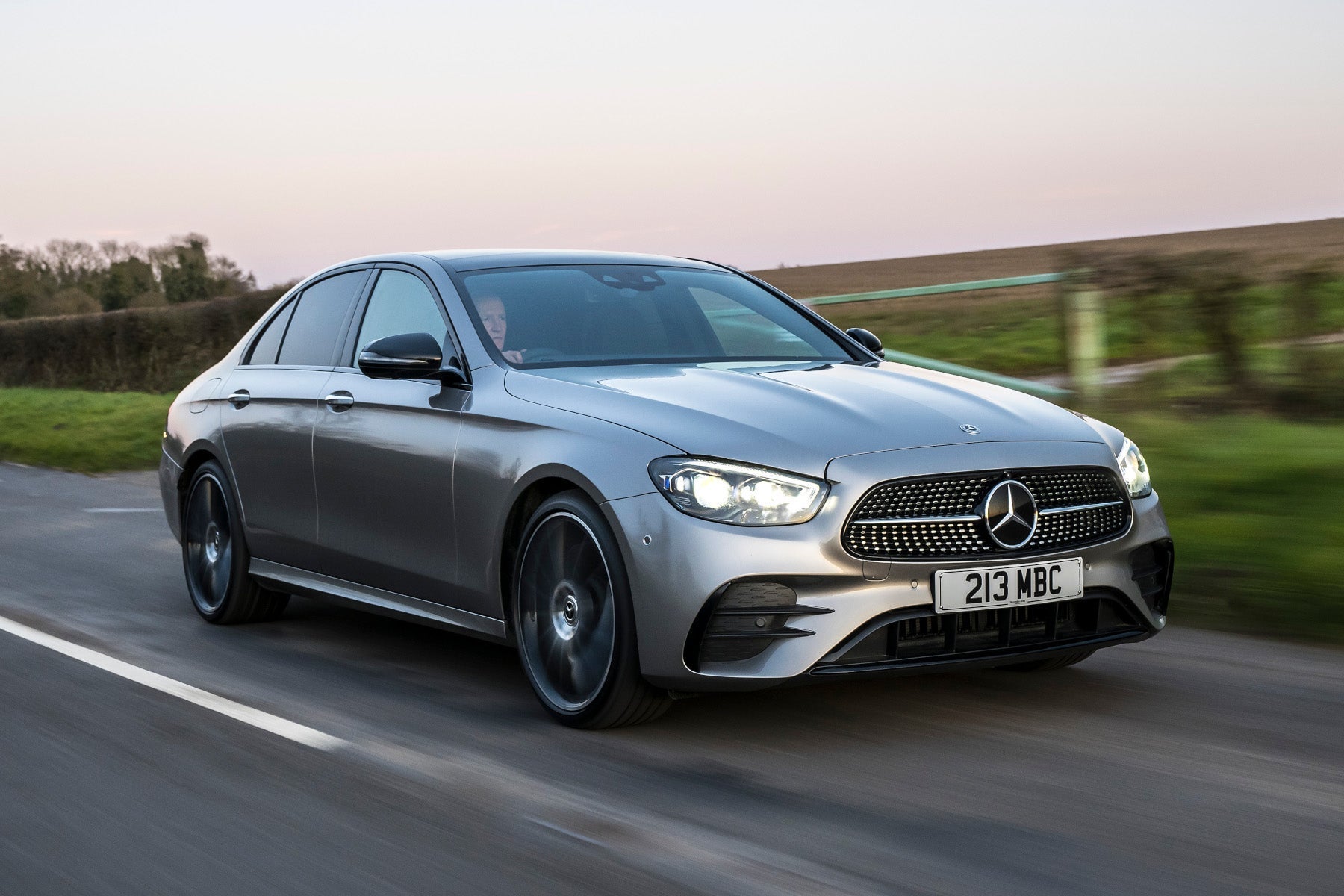
Inside, the E-Class shines thanks to Mercedes’ latest MBUX infotainment system. It represents a significant improvement over the previous system, with intuitive controls, comprehensive features, and excellent smartphone integration via Apple CarPlay, Android Auto, and a dedicated app.
Voice controls are genuinely helpful, and the navigation system, with its augmented reality overlay, makes turn-by-turn directions easy to follow. Optional touches, such as the Burmester audio system, further elevate the cabin experience.
The E-Class also comes equipped with advanced driver assistance technology. Adaptive cruise control keeps a consistent gap in traffic and adjusts speed smoothly when approaching curves or changes in speed limits. While the system performs impressively, the steering wheel controls could be more user-friendly.
The E-Class combines effortless performance, refined comfort, and cutting-edge technology, making it a standout in the luxury sedan segment.
Also Read: 5 Cars With Stellar Brakes vs 5 With Long Stopping Distances
2. Ford Explorer
Ford’s Sync 4 system represents a major leap forward from older versions. Found in the popular Explorer, the interface is designed for real-world phrasing rather than strict syntax.
You can say “Find the nearest gas station” or “Play the newest episode of my podcast,” and it reacts accurately without multiple clarifications.
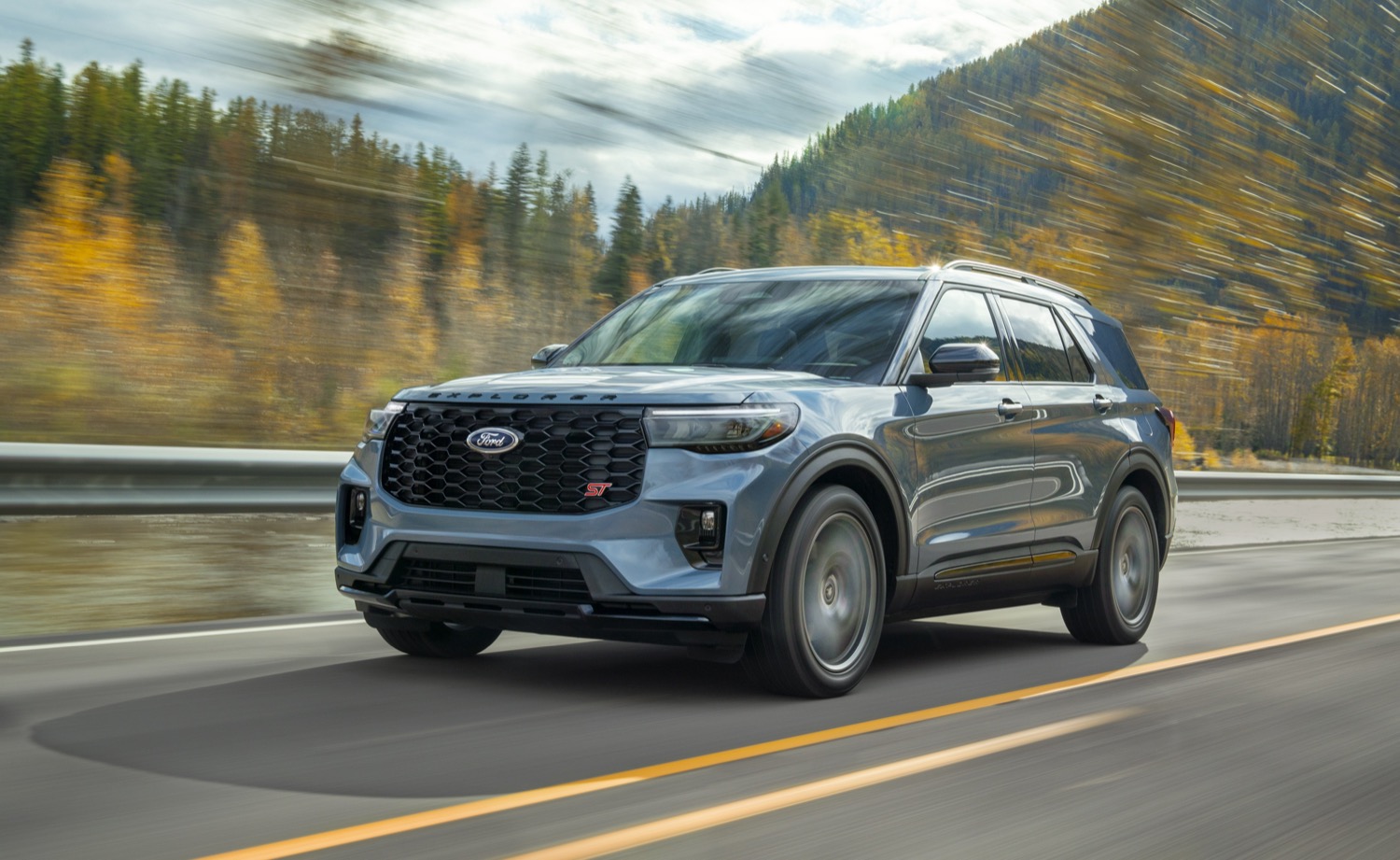
Families who rely on the Explorer love that commands work even amid cabin noise from kids or cargo. Cloud-based processing helps the system adapt better to different accents and phrasing styles, a key advantage across the diverse US market.
3. Hyundai Ioniq 6
The Hyundai Ioniq 6 features a remarkably intelligent voice assistant built with EV customers in mind.
Beyond basic commands, it can process questions like “Is my battery enough to reach Albuquerque?” and deliver range calculations and charging stop suggestions.
This is extremely helpful on long US highway stretches where charging locations are spaced widely. Microphone placement and noise filtration are also excellent, allowing the assistant to understand commands even when windows are partly open.
This EV demonstrates how thoughtful electrification design can push voice systems to more helpful levels.
Hyundai has solidified its position as a major player in the electric vehicle space, and the Ioniq 6 sedan stands as a prime example of the company’s focus on sleek design and advanced technology. This visually striking EV pairs an impressive driving range with eye-catching styling and a robust array of features, all while remaining competitively priced.
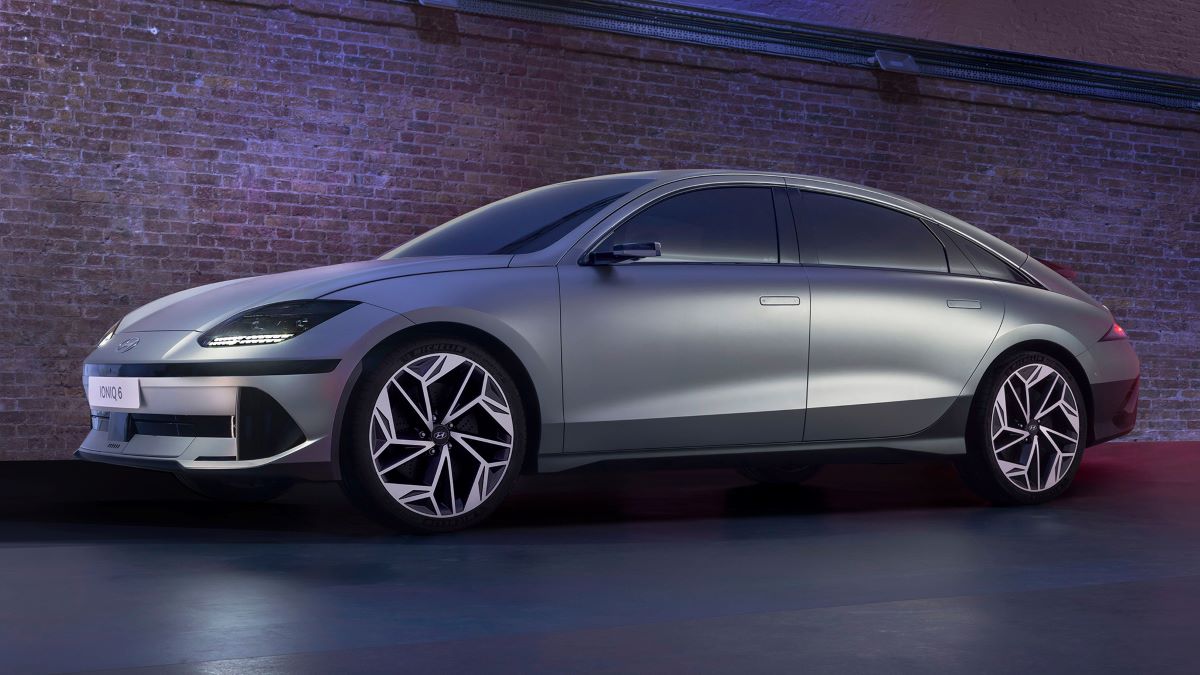
Although the Ioniq 6 shares numerous components with the more boxy Ioniq 5 SUV, it delivers them in a more streamlined, aerodynamic package. Both vehicles have received significant recognition, with the Ioniq 6 earning our EV of the Year award for 2023.
In everyday driving, our testing showed numbers slightly below the EPA estimate, yet the Ioniq 6 remains an impressive performer. It supports fast charging, accelerates quickly, and offers a roomy, comfortable cabin, making it a highly appealing choice for those in search of a practical yet stylish electric sedan.
4. Toyota Grand Highlander
Toyota’s “Hey Toyota” assistant in the Grand Highlander marks one of the brand’s most impressive tech improvements.
It now supports practical everyday interactions, such as “Turn on the passenger seat heater,” “Roll down the rear windows halfway,” or “Navigate to Costco.” Unlike some older Toyota systems, this one avoids over-clarifying and responds with confidence.
For US families who rely on the Grand Highlander’s space and practicality, a reliable voice assistant helps reduce distraction during crowded school runs, errand-heavy weekends, and long road trips.
The four-cylinder Grand Highlander is enjoyable for city driving but can feel underpowered at highway speeds or when carrying a full complement of passengers. At the Edmunds test track, our all-wheel-drive Grand Highlander managed a 0-60 mph sprint in 8 seconds, which is slower than most V6-powered three-row midsize SUVs.
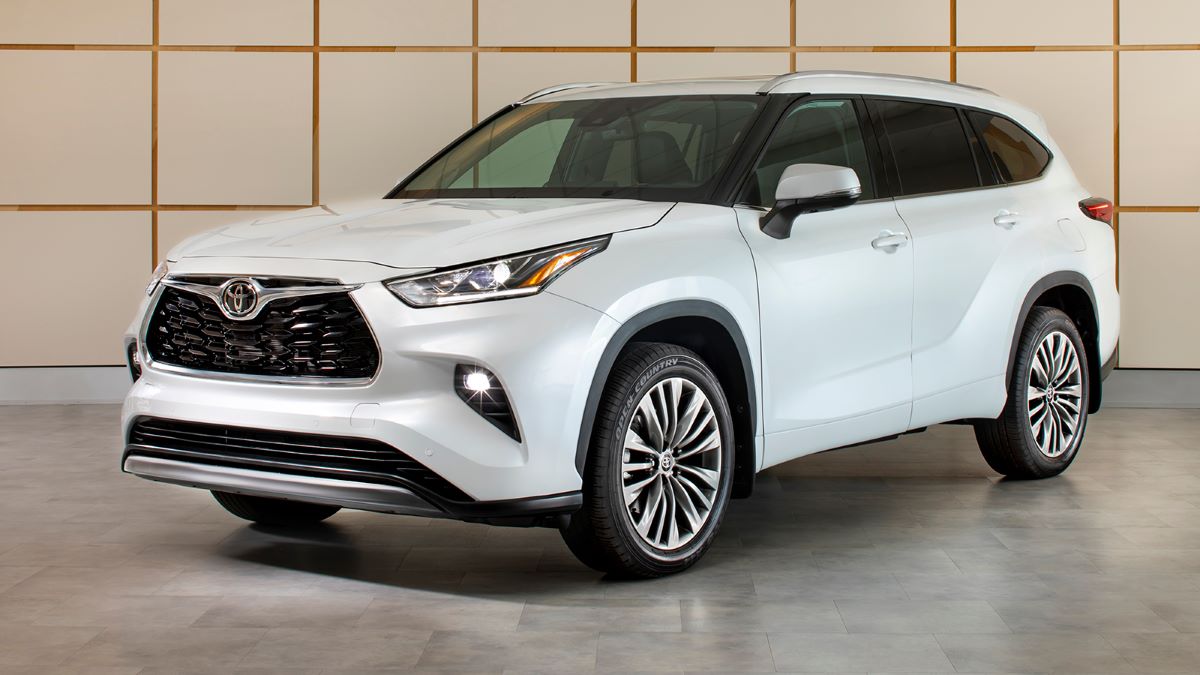
Despite this, the Grand Highlander handles stops and corners with confidence. Its compliant suspension smooths out road imperfections without feeling floaty at higher speeds, contributing to an overall driving experience that is both comfortable and manageable. In short, the Grand Highlander is easy to maneuver and control.
Visibility is strong, aided by thin front pillars that make it easier to see around corners. Technology adds to the ease of driving; the camera-based rearview mirror lets you see behind the vehicle even when the cargo area is fully loaded.
Every Grand Highlander comes equipped with a comprehensive suite of advanced driver assistance features. We find that all systems, from adaptive cruise control to lane-keeping assistance, are “well tuned and helpful in daily driving.”
Also Read: 12 Cars That Are Still Popular 30 Years Later
5. Cadillac XT5
Cadillac’s updated voice system in the XT5 delivers a polished experience, especially when it comes to media. It excels at interpreting broad, natural requests like “Play 80s rock,” “Put on NPR,” or “Find relaxing music.”
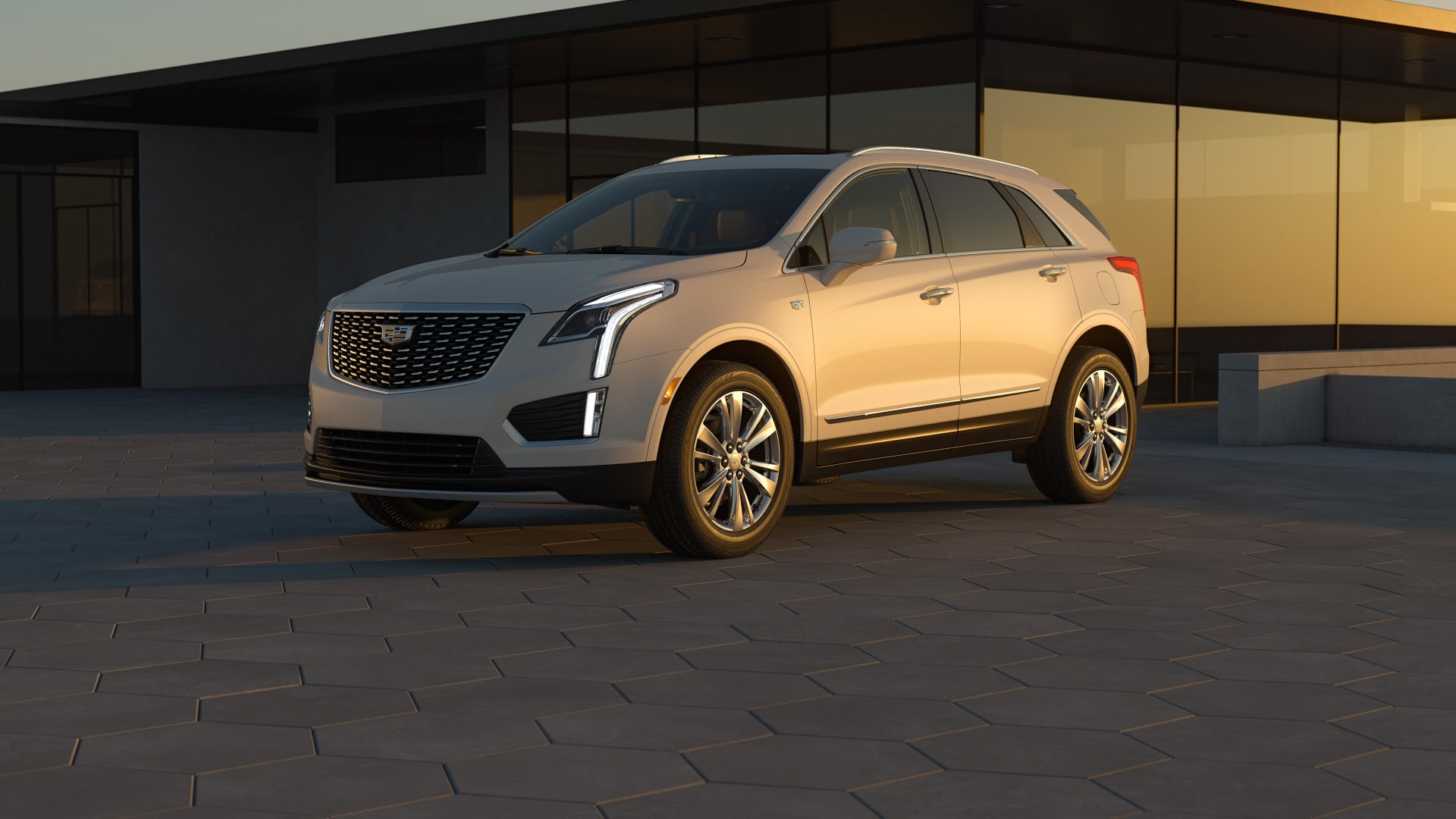
It doesn’t require drivers to specify apps or playlists, making it feel more like using a smart speaker at home. US drivers who spend hours commuting on highways appreciate the seamless hands-free approach.
Cadillac’s system may not be as conversational as Mercedes’, but it is highly dependable and intuitive.
6. Kia Telluride
Kia’s voice interface in the Telluride may not be flashy, but it is one of the most user-friendly systems on the market. Drivers can make requests regarding temperature, navigation, and calls without worrying about exact wording.
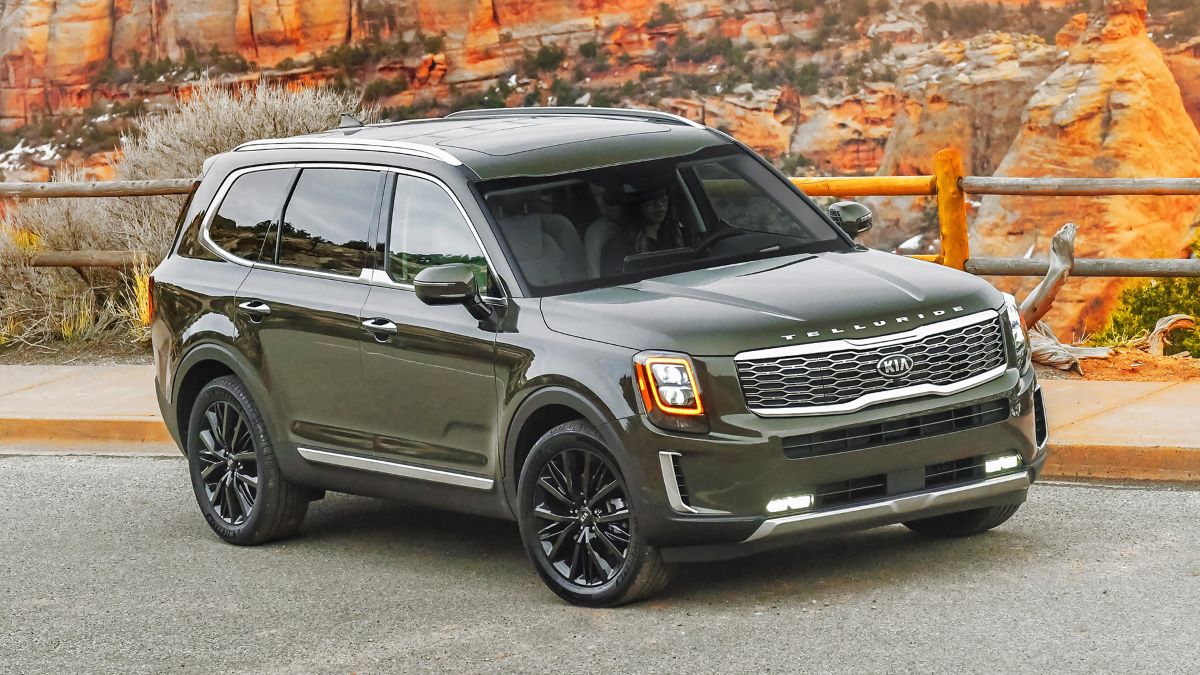
The Telluride’s microphone quality and processing speed make it especially forgiving for those with regional accents or softer speech patterns.
The SUV already stands out for its comfort and family appeal, and its voice assistant enhances that reputation by minimizing frustration on long family drives.
Shout-and-Fail Models That Still Struggle
Not all voice-controlled devices live up to the promise of hands-free convenience. While some models respond with near-human understanding, others still stumble, requiring repeated commands or misinterpreting even simple requests.
These “shout-and-fail” systems can turn what should be a seamless interaction into a frustrating experience, leaving users raising their voices, literally, just to be understood. In this article, we’ll take a closer look at the models that, despite their advanced marketing and flashy features, still struggle to deliver reliable, intuitive voice control.
1. Jeep Cherokee
The Jeep Cherokee’s outdated Uconnect 4 system struggles with accuracy.
Drivers often need to repeat navigation commands, especially when mentioning street names or rural routesba major problem considering many Cherokee buyers drive in quieter, remote regions where hands-free interaction is crucial.
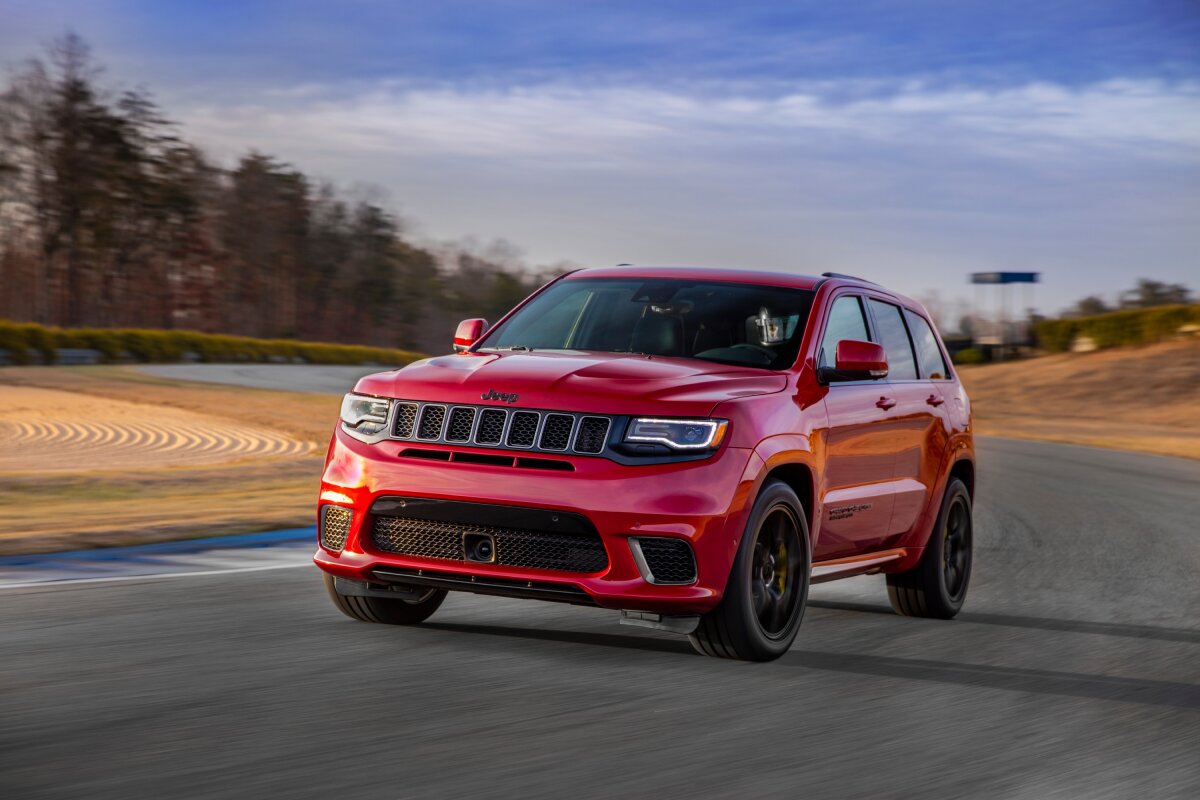
The system tends to work only with rigid, pre-programmed phrases, and anything outside that structure leads to confusion. In 2025, a modern SUV should not feel this far behind in voice comprehension.
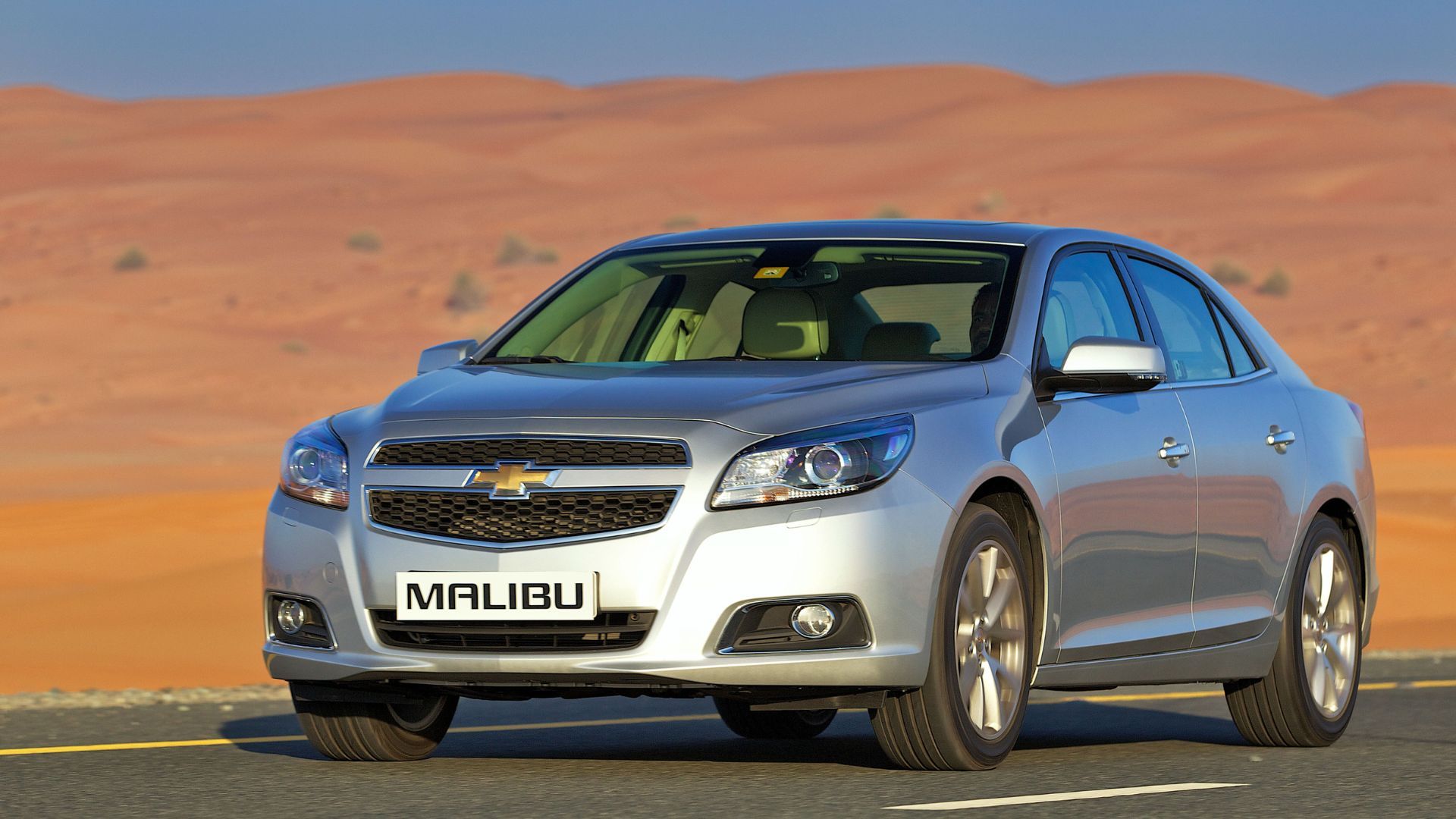
2. Chevrolet Malibu
The Chevy Malibu uses older GM software that hasn’t aged well. Even basic commands like “Call Sarah” or “Tune to 99.3 FM” frequently trigger errors or misfires.
Background noise something as simple as running the AC a little higher causes inconsistent recognition.
For a sedan that is widely used by American commuters and rideshare drivers, the lack of dependable voice controls creates daily friction.
The Malibu’s affordability is appealing, but the outdated voice tech stands out as a weak point.
The Chevrolet Malibu has been part of the automotive landscape in various forms, and with varying degrees of success, since 1964. As of 2021, the Malibu stands as Chevy’s only sedan, with models like the smaller Cruze and the larger Impala retired from production.
A well-equipped Malibu Premier with the upgraded turbocharged engine is certainly appealing and likable. The challenge is that most other Malibu trims, essentially the majority you’ll find at dealerships, struggle to compete with other midsize sedans.
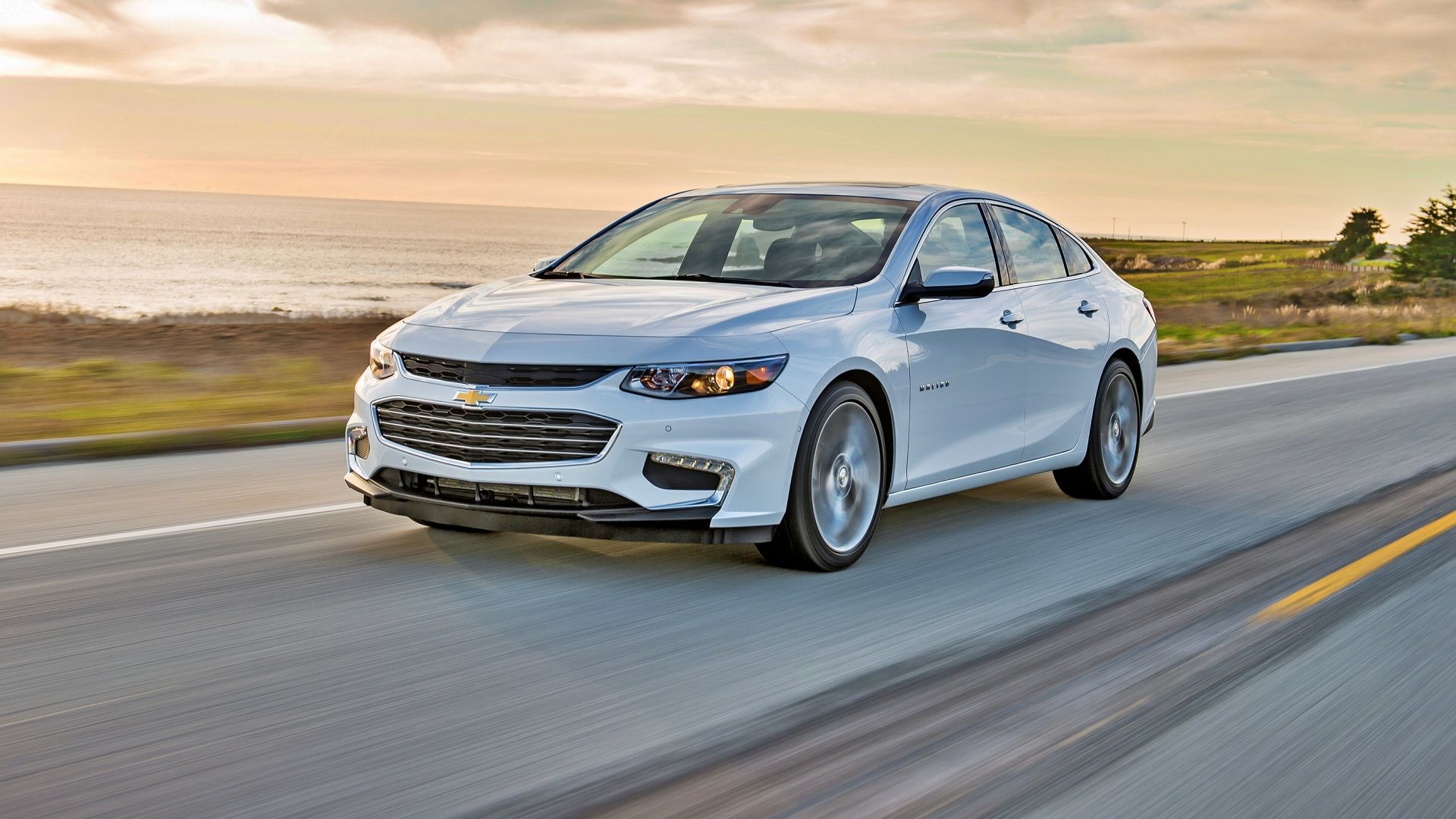
The base engine lacks punch, and Chevrolet doesn’t include the latest advanced driver safety aids as standard, unlike many competitors. Additionally, the Malibu’s interior design and materials feel dated and could benefit from a thorough refresh.
Unless you can secure an exceptional deal, we recommend looking at rival midsize sedans such as the Honda Accord, Hyundai Sonata, Kia K5, Mazda 6, or Toyota Camry, which offer stronger performance, more refined interiors, and more standard tech.
The Malibu is offered in five trim levels: L, LS, RS, LT, and Premier. Two engines are available across the lineup. Most Malibus feature a turbocharged 160-hp four-cylinder engine paired with a continuously variable automatic transmission.
The Premier trim, however, comes with a larger turbocharged four-cylinder engine producing 250 hp, mated to a nine-speed automatic. All Malibus are front-wheel drive.
While we don’t typically recommend the priciest trim for most vehicles, in the case of the Malibu, the top-of-the-line Premier is the clear choice. It is the only trim equipped with the powerful turbocharged 2.0-liter engine and includes numerous desirable features that are unavailable on lower trims, making it the most compelling option in the lineup.
3. Nissan Kicks
The Nissan Kicks excels at value and maneuverability, but its voice assistant falls short. It often responds with “Say that again” even for basic commands like adjusting temperature or switching radio stations.
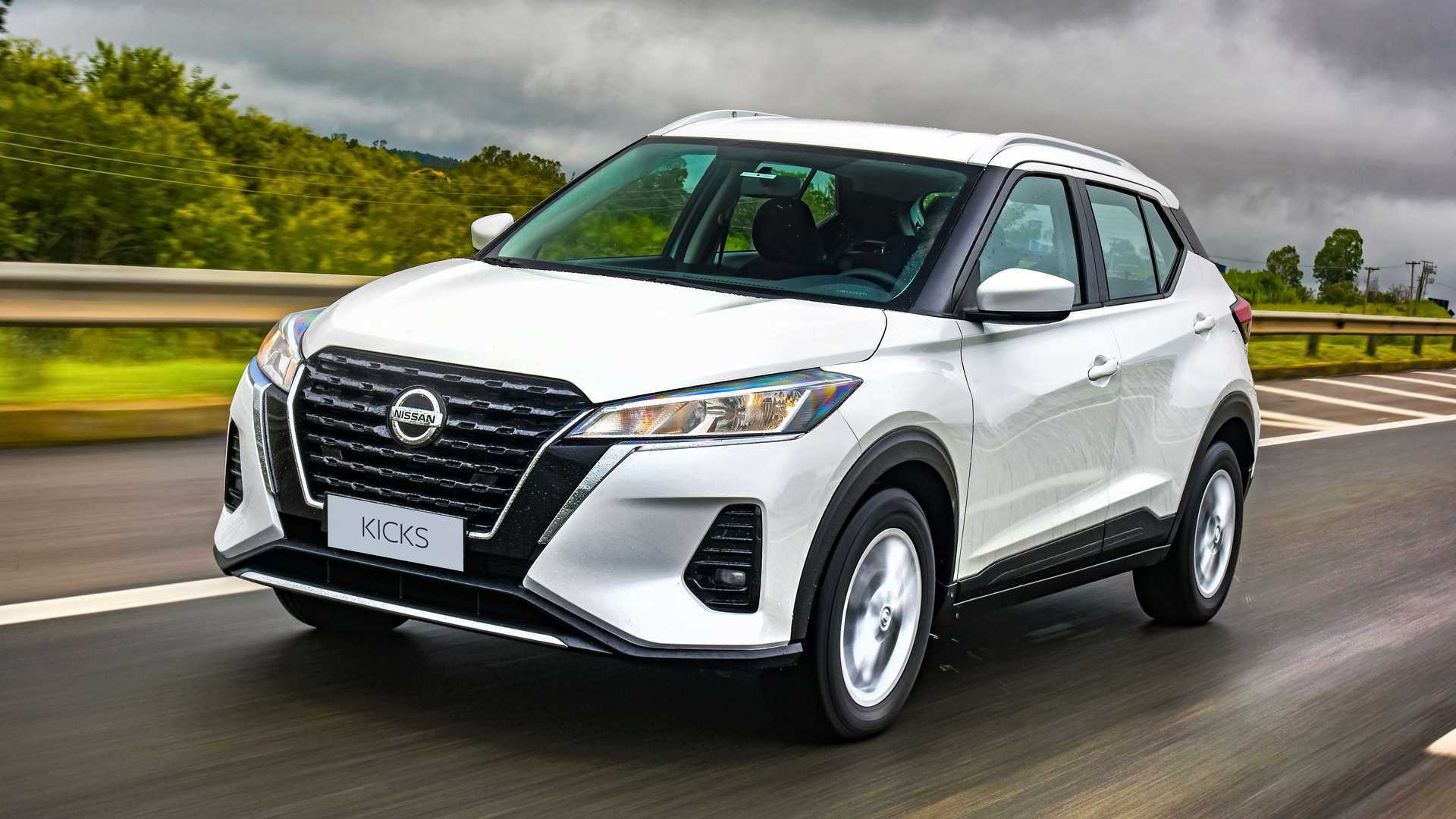
Younger US drivers, who expect smartphone-level responsiveness, are especially disappointed by how dated the system feels.
The Kicks offers great fuel economy and interior practicality, but its voice recognition highlights the limits of its budget-friendly approach.
The engine in the Kicks isn’t particularly powerful and tends to sound strained when pushed for meaningful acceleration. In our testing, we recorded a 0-60 mph time of 10.3 seconds, making the Kicks the slowest vehicle in the extra-small SUV segment.
Compounding the issue, the transmission doesn’t fully utilize the engine’s limited output and responds sluggishly to throttle inputs. The ride itself is on the busy side, leaving the cabin feeling unsettled except on perfectly smooth roads.
In our panic-braking test, the Kicks required a fairly long 132 feet to come to a complete stop, yet the brakes remained easy to modulate during everyday city driving and offered smooth, confident stopping power. The same can be said for the steering and handling, which feel predictable and manageable.
Thanks to its boxy shape, visibility in the Kicks is generally good, though the rear window is slightly undersized. Driver-assistance features function well on the highway without any major concerns. The only drawback we noticed was that the backup camera feed appears low-quality on the display, which can make it harder to rely on for precise maneuvers.
4. Subaru Crosstrek
Subaru excels at safety, durability, and capability, but voice tech is not its strength. The Crosstrek’s system functions only with a narrow set of commands and often mishears them especially on highways where Subaru’s cabins tend to produce more road noise.
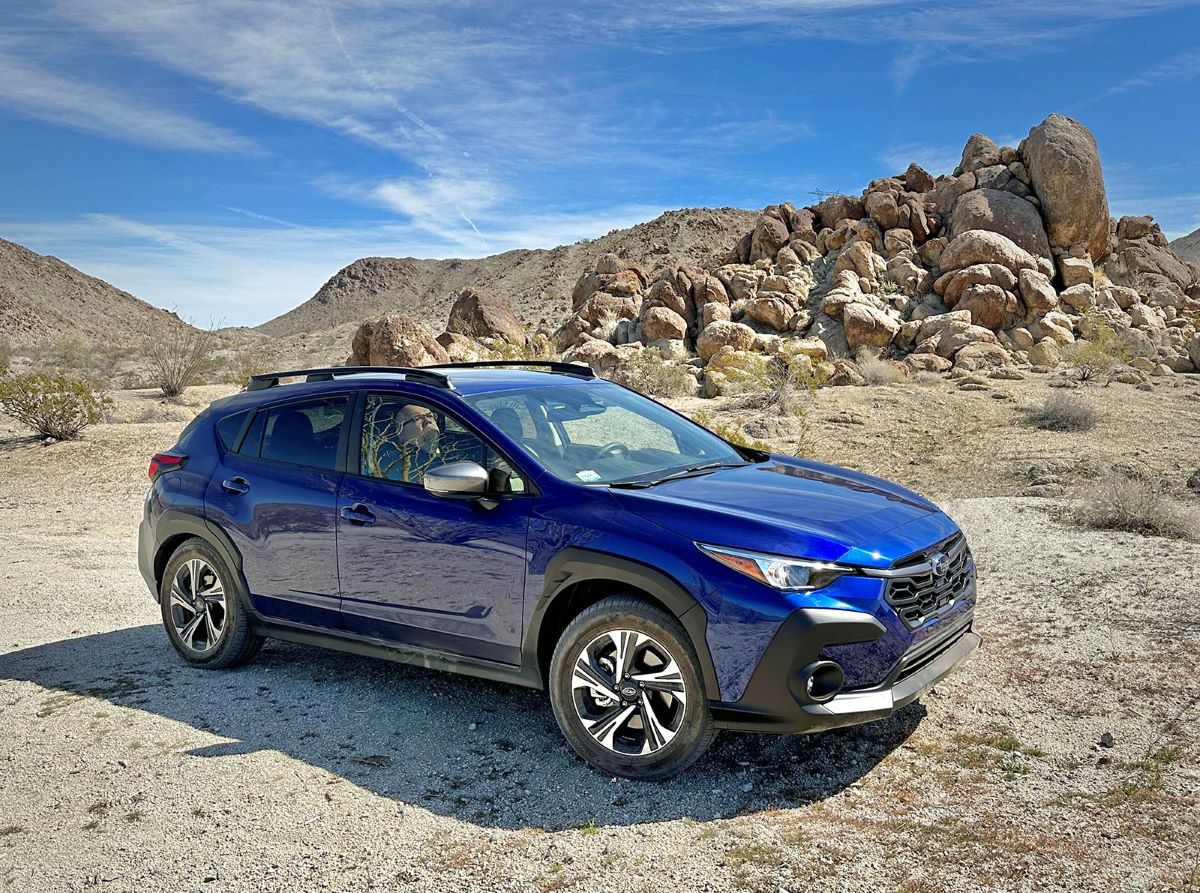
This is disappointing given Subaru’s loyal customer base of road-trippers and outdoor explorers, who benefit more than most from hands-free controls. Instead, many Crosstrek drivers end up manually navigating menus while the voice assistant sits unused.
With the base powertrain, the Crosstrek can feel frustratingly slow when merging onto the freeway. Opting for the 182-hp 2.5-liter engine improves matters significantly, cutting nearly 2 seconds off its 0-60 mph time and bringing it down to a more respectable 8.4 seconds.
Paired with responsive steering and above-average off-road capability, this makes the Crosstrek a seriously competitive choice in the extra-small SUV segment.
That said, on-road handling leaves something to be desired. The Crosstrek’s firm tires deliver only modest grip on pavement, and its taller ride height produces noticeable body roll when taking sharp turns. Most competing SUVs provide a more engaging and dynamic driving experience.
Tech features come standard, including Apple CarPlay and Android Auto, giving the Crosstrek an easy entry point for those who value connectivity. The sharp center display is appealing, and the voice controls allow adjustments—like changing the radio station, with just a few simple tweaks to everyday language.
For audio enthusiasts, the optional eight-speaker Harman Kardon system, available on the Limited trim, delivers improved volume and enhanced sound quality over the standard setup. The navigation screen is clear and easy to interpret, and the Crosstrek’s lane-keeping assist system provides consistent intervention without feeling intrusive or overly aggressive.
5. Volkswagen Tiguan
Volkswagen’s Tiguan offers a voice system that feels more like a relic of older smartphone interfaces. It performs simple tasks but struggles with natural phrasing, often asking drivers to rephrase commands multiple times.
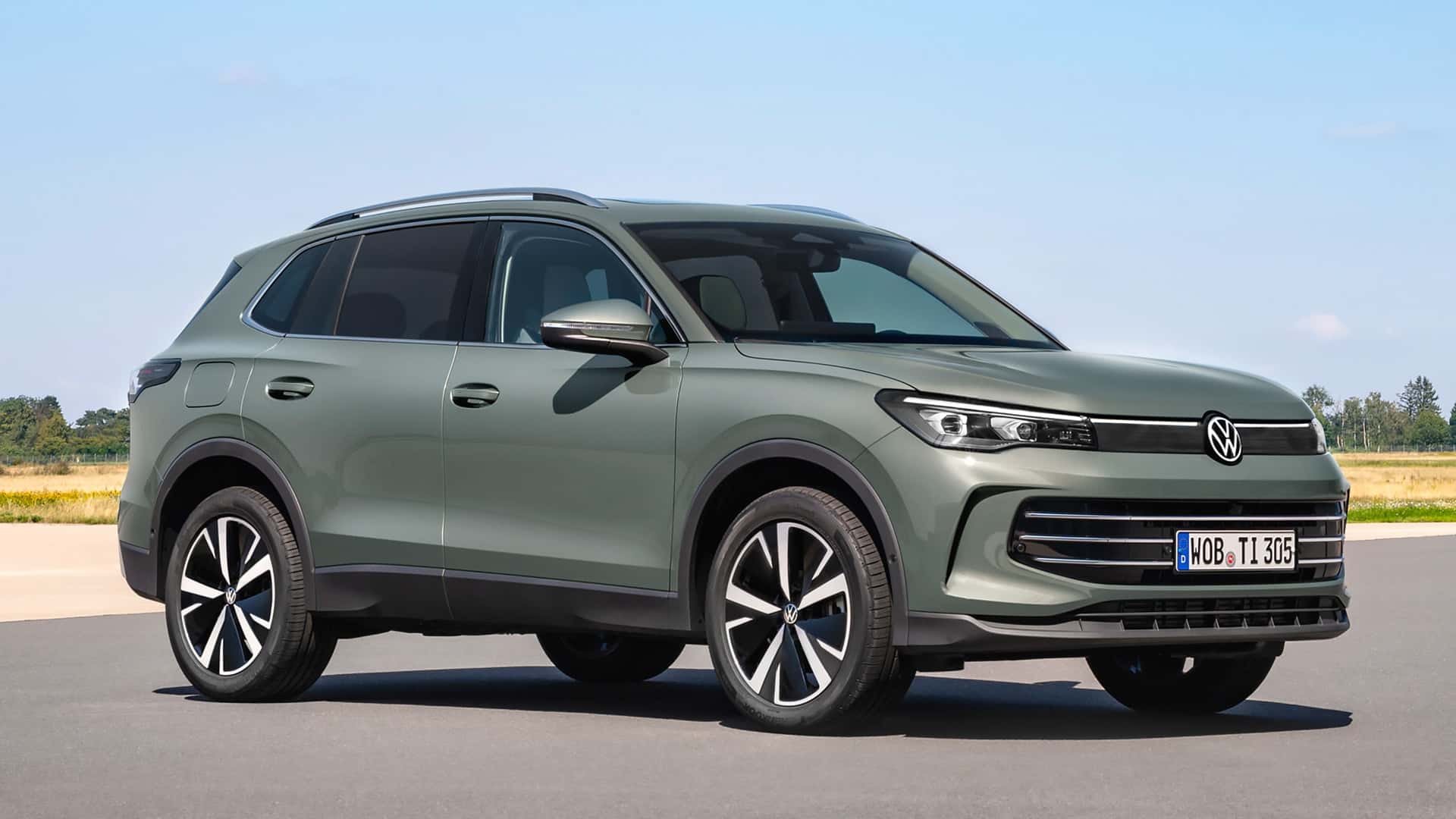
Starting navigation usually requires structured commands, and the system sometimes freezes or delays responses.
For US families and commuters who expect quick, smart-speaker-like interaction, the Tiguan’s assistant feels frustratingly behind the times.
The compact SUV segment offers plenty of strong contenders, but one standout is the 2021 Volkswagen Tiguan, which ranks among the most well-rounded choices. It combines attractive styling, solid equipment levels, and practicality in a way that few rivals can match.
Notably, the Tiguan is one of only two compact SUVs offering an optional third row of seats, the other being the Mitsubishi Outlander. All models are powered by the same 184-hp four-cylinder engine, which, while adequate, feels a bit underpowered.
Fuel economy, however, is competitive with key rivals like the Honda CR-V and Toyota RAV4. While the Tiguan delivers some of the sharp driving dynamics that Volkswagen enthusiasts have come to expect, its practicality truly sets it apart, earning it an Editors’ Choice award.
Ahead of a more extensive update for the 2022 model year, VW made a few minor changes to the Tiguan for 2021. The base S and mid-range SE models received new 17-inch wheel designs, and the SE trim now comes standard with adaptive cruise control.
Additionally, the top-spec SEL Premium R-Line model gained a power-adjustable front passenger seat. Pricing for the 2021 Tiguan starts at $26,440 for the base S trim and rises to $40,290 for the fully loaded SEL Premium R-Line. Since there are no powertrain options, choosing a trim largely comes down to features and convenience equipment.
The jump from the SE to SEL trim adds roughly $5,000 but includes a panoramic sunroof, remote start, power liftgate, and larger 18-inch wheels, all of which may make the upgrade worthwhile. Adding all-wheel drive, available on any trim, costs around $1,300 on the SEL and enables the optional third-row seat, which is worth considering for buyers needing a seven-passenger configuration.
Under the hood, every 2021 Tiguan is powered by a turbocharged four-cylinder engine producing 184 horsepower. Front-wheel drive is standard, while Volkswagen’s 4Motion all-wheel-drive system is optional.
The eight-speed automatic transmission can feel hesitant to downshift, and noticeable turbo lag makes the Tiguan feel sluggish off the line and somewhat lethargic around town. The ride quality is generally comfortable and compliant, appealing to most drivers, but this comes at the cost of sharp handling.
Front-wheel-drive models tend to be unsettled by uneven roads, whereas all-wheel-drive versions handle rough surfaces, like Michigan’s cratered highways, much better.
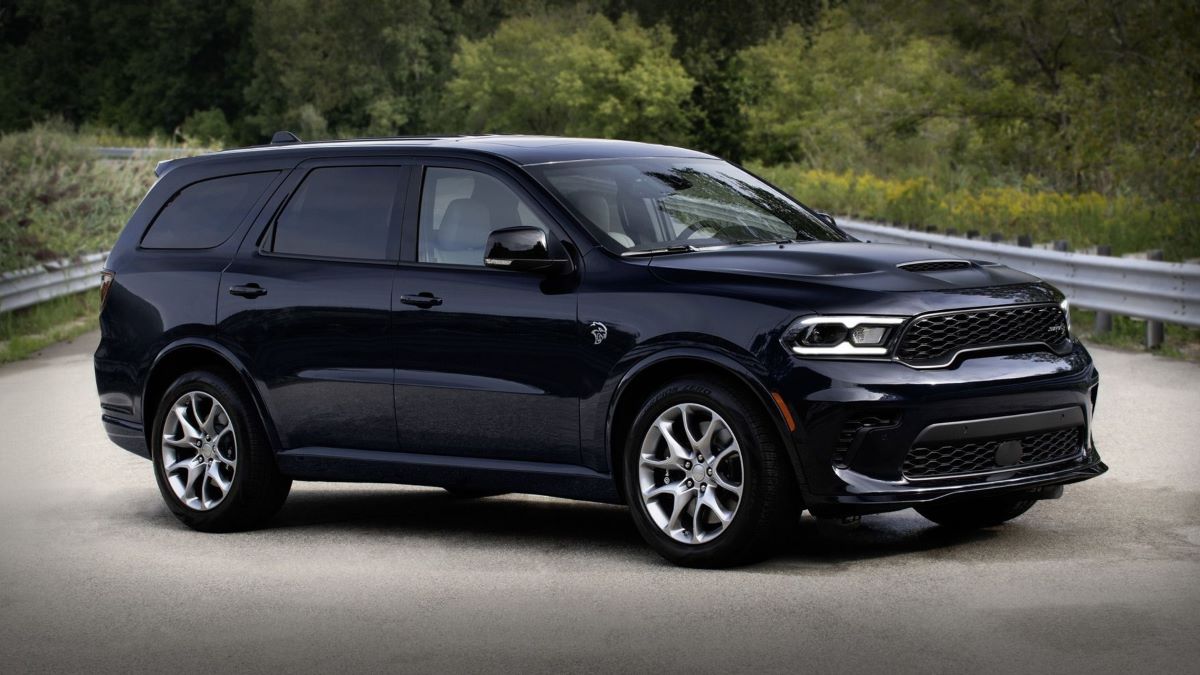
6. Dodge Durango
The Dodge Durango shines in towing and performance, but its voice controls especially on older Uconnect variants remain sluggish and error-prone.
Commands frequently result in requests for clarification, and tasks like placing calls or setting destinations can take multiple attempts.
For families who use the Durango for long trips, towing adventures, or daily commuting, the inconsistent voice interface forces drivers to revert to touch controls defeating the purpose of hands-free tech.
As vehicles become more digitally connected, voice control is evolving into a key interface for safety and convenience.
Some automakers already offer assistants that feel genuinely conversational, capable of interpreting natural speech and adjusting to real-world driving conditions across the US. Others still rely on outdated structures that frustrate more than they help.
The six friendly models above demonstrate how modern voice tech can elevate the driving experience, while the shout-and-fail models reveal where the industry continues to lag.