In today’s automotive market, compact SUVs have become the perfect compromise between the maneuverability of a smaller vehicle and the versatility of a larger one.
For families, road trippers, or anyone who regularly hauls cargo, the flexibility of the rear seating can make a world of difference. One feature that often gets overlooked but can significantly improve usability is sliding rear seats.
A sliding back seat allows passengers to adjust legroom or expand cargo space without having to fold the seats entirely, offering a blend of comfort and practicality that standard fixed seats can’t match.
For American drivers, this feature is particularly relevant. Many people live in suburban areas where weekend trips, grocery runs, and family outings are part of daily life.
Compact SUVs with sliding rear seats make it easier to adapt to these changing needs whether it’s stretching out on a long highway drive or maximizing cargo room for sports gear, strollers, or luggage.
Below, we explore nine compact SUVs that deliver this clever flexibility, along with what makes each one stand out in 2025.
1. Honda CR-V
The Honda CR-V has long been a staple in the compact SUV segment, and its sliding rear seats remain one of its most practical features. These seats can move forward to expand cargo capacity or backward to give rear passengers extra legroom.
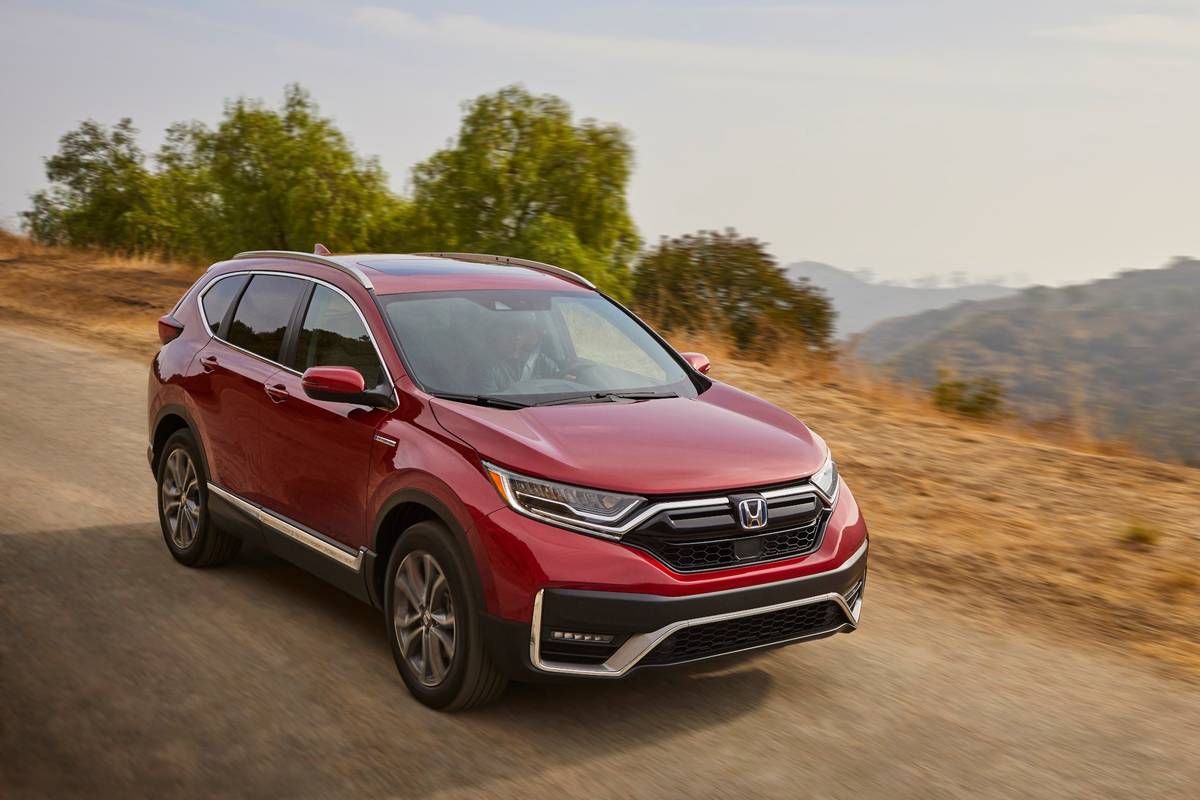
Combined with a wide range of trim levels, the CR-V balances comfort, technology, and utility. Its Magic Seat feature also allows for multiple cargo configurations, making it ideal for families who need to switch between hauling kids and transporting bulky items.
The Honda CR-V’s turbocharged engine delivers brisk acceleration compared with many small SUVs equipped with base engines. In our testing, an all-wheel-drive CR-V reached 0 to 60 mph in 8.2 seconds.
While not exhilarating, this performance is more than sufficient for everyday commuting. Honda’s continuously variable automatic transmission, often a point of criticism for its unusual power delivery, performs admirably in the CR-V, providing fairly natural response under most driving conditions.
Steering and handling are definite highlights of the CR-V. The SUV inspires confidence in corners, with precise, connected steering and well-controlled body motions that passengers will appreciate.
Another defining trait is the CR-V’s impressive storage capacity. With 39.2 cubic feet of cargo space behind the rear seats, the SUV provides ample room for gear. Folding the rear seats increases capacity to 75.8 cubic feet. Small-item storage is also thoughtfully designed, with a deep center console featuring a configurable sliding tray that can double as a cover for valuables.
The CR-V is also family-friendly. Rear seats are equipped with easily accessible car seat anchors, and the spacious rear cabin allows car seats to fit without moving the front seats.
The outboard rear seats each have a tether anchor on the seatback, while the center seat anchor is located in the roof, slightly obstructing rear visibility. The only limitation in this category is the CR-V’s 1,500-pound towing capacity. While adequate for small trailers, it falls short of some competitors, which can tow up to 3,500 pounds.
2. Toyota RAV4
The Toyota RAV4 is another favorite among US buyers, offering a reputation for reliability and resale value that few competitors can match. In models equipped with sliding rear seats, passengers enjoy the ability to tailor the interior space depending on their needs.
The RAV4’s back seats slide smoothly, and the rear cabin remains spacious even when adjusted for extra cargo. Coupled with Toyota’s safety tech and efficient powertrains, this SUV is perfect for long road trips or weekend adventures.
A perennial best-seller, the Toyota RAV4 offers trims to suit nearly every budget. The entry-level LE trim is fairly basic, while the top-tier Limited can compete with the Lexus NX thanks to its array of luxury features.
The new TRD Off-Road model adds enhanced capability for trail driving, and its rugged styling allows it to fit in seamlessly alongside Toyota’s 4Runner SUV and Tacoma pickup.
While the RAV4’s driving dynamics tend toward the tame side, most buyers will appreciate its comfortable ride and agreeable handling. Adult passengers enjoy generous legroom in both the front and rear seats, adding to the vehicle’s family-friendly appeal.
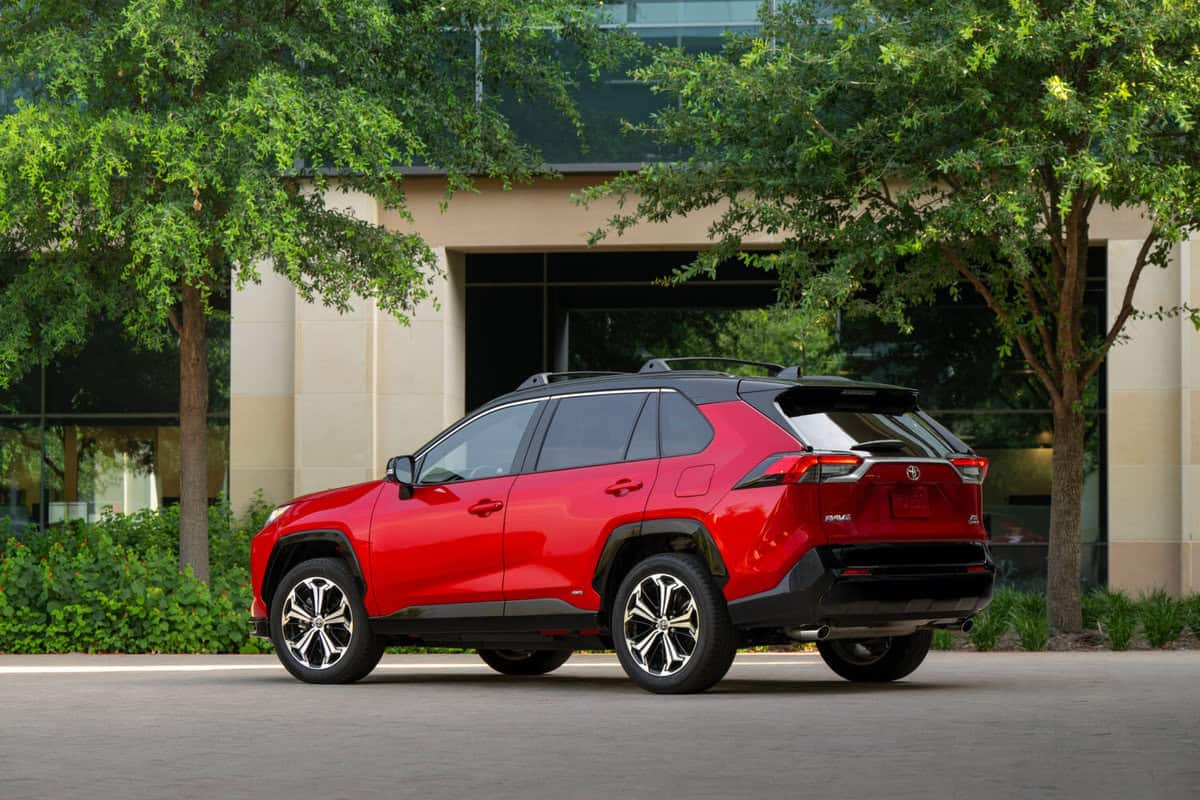
The 2020 RAV4 is powered by a 203-hp 2.5-liter four-cylinder engine paired with an eight-speed automatic transmission. Front-wheel drive remains standard, but several trims now offer all-wheel-drive options, each with unique features.
The Adventure model we tested came equipped with an all-wheel-drive system capable of disconnecting the rear axle to improve fuel efficiency. At the test track, the 2020 RAV4 showed slightly improved performance over previous years; for reference, the 2019 model reached 60 mph in 8.0 seconds, while the 2018 did it in 8.3 seconds.
The four-cylinder engine can be noisy under heavy load, especially during highway passing maneuvers, and the transmission occasionally hesitated when downshifting, making acceleration feel less seamless than expected.
3. Subaru Forester
The Subaru Forester is synonymous with all-weather capability, thanks to standard all-wheel drive and a higher ground clearance than many compact SUVs. Its rear seats slide forward and backward, providing a flexible balance between passenger comfort and cargo space.
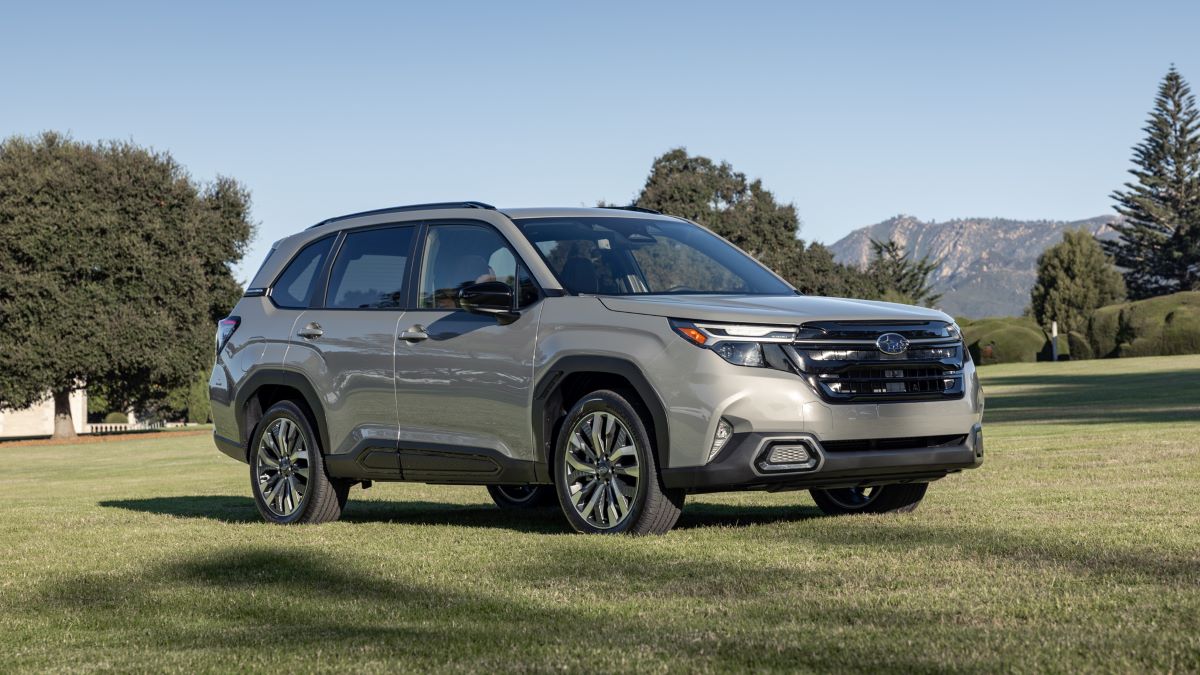
For families who love outdoor activities, the Forester’s sliding seats make it easier to carry bikes, camping gear, or even a kayak, all without compromising legroom for adult passengers.
The 2025 Subaru Forester is all-new and represents a significant update, at least on paper. This sixth-generation, two-row, five-passenger Forester offers more interior space and a quieter ride than the previous model.
Its styling has been modernized, yet it remains instantly recognizable as a Forester, maintaining the familiar formula that has contributed to its long-term popularity. Every Forester comes equipped with a flat-four engine, all-wheel drive, and a continuously variable transmission, along with increased ground clearance that allows it to handle moderate off-road trails with ease.
Its compact footprint makes the Forester more manageable in tight garages and easier to navigate in crowded urban parking areas than larger three-row SUVs, including Subaru’s own Ascent. Despite meaningful improvements across several categories, the 2025 Forester still lacks the one feature many drivers value most: truly engaging driving dynamics.
4. Kia Sportage
Kia has invested heavily in user-friendly features, and the Sportage’s sliding rear seats are a prime example. These seats allow drivers to prioritize passenger comfort or cargo capacity on the fly.
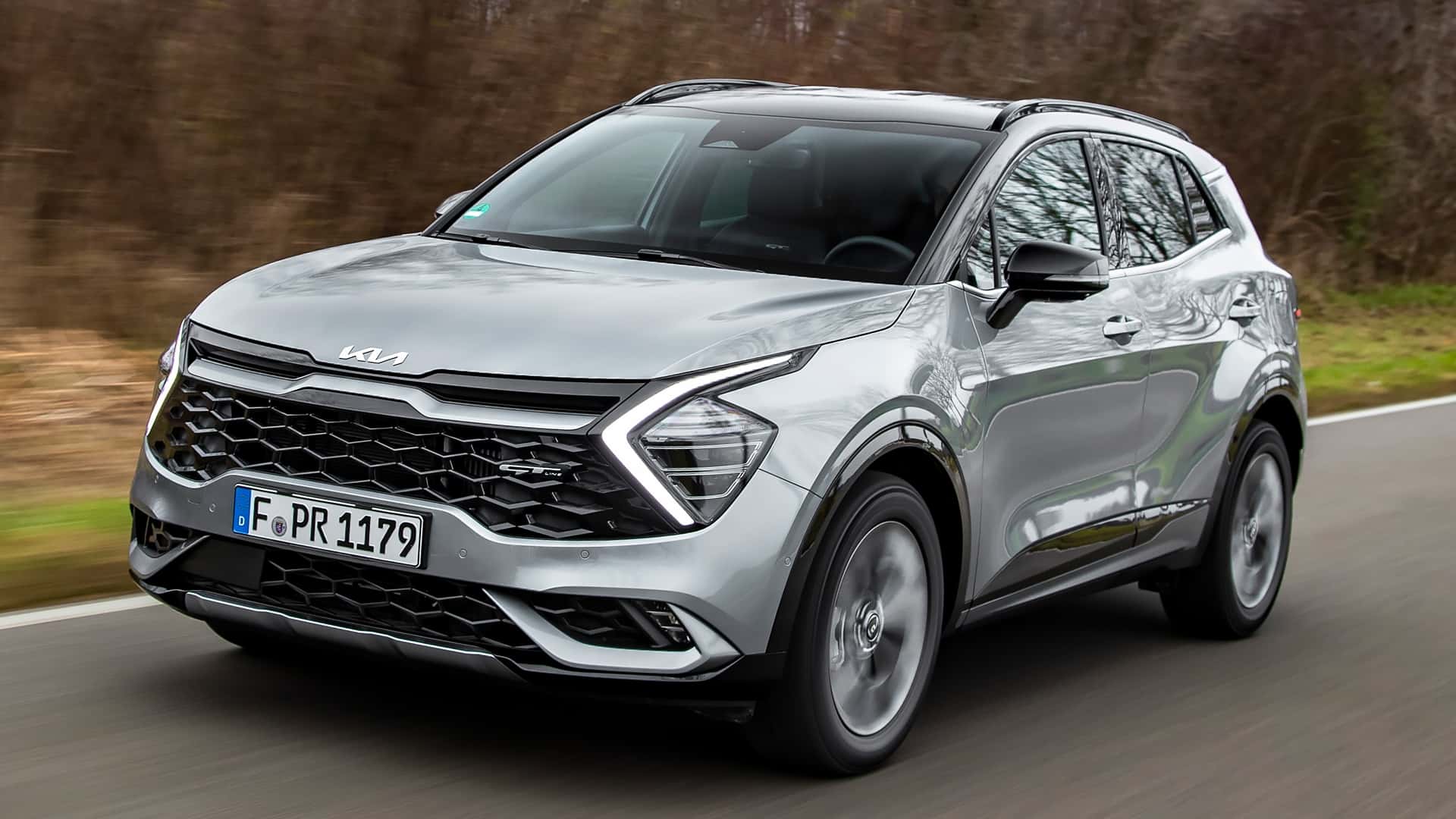
The Sportage also impresses with its upscale interior, intuitive infotainment system, and competitive warranty. For US buyers seeking a compact SUV with practical versatility and a touch of luxury, the Sportage’s flexible rear seating is a major selling point.
The 2023 Kia Sportage stands out in the crowded compact SUV segment thanks to its bold, extroverted styling. Its unconventional front end features alien-like headlights paired with a distinctive grille, while the larger, more muscular bodywork translates into increased cargo capacity and a roomier interior.
Inside, the cabin impresses with a stylish design and a wealth of technology, highlighted by a large dash-mounted infotainment screen. Power comes from a 187-hp four-cylinder engine, though Kia also offers hybrid and plug-in hybrid variants.
Despite fierce competition from segment leaders like the Mazda CX-5 and Honda CR-V, the 2023 Sportage proves it has more to offer than just a striking exterior.
Entering a new generation, the 2023 Sportage shares its platform, technology, and powertrains with the redesigned 2022 Hyundai Tucson. Pricing starts at $27,615 for the base LX trim and rises to $38,415 for the range-topping X-Pro Prestige.
The mid-range EX trim appears to provide the most value, adding features such as a larger 12.3-inch infotainment display, wireless smartphone charging, and heated front seats.
Under the hood, the Sportage comes standard with a 187-hp 2.5-liter four-cylinder paired with an eight-speed automatic transmission and the choice of front- or all-wheel drive. During initial testing, both the base four-cylinder and hybrid powertrains were evaluated, with the hybrid proving more satisfying.
At the test track, the nonhybrid Sportage accelerated to 60 mph in 8.6 seconds, while the hybrid managed the sprint in 7.4 seconds. The new platform, featuring a longer wheelbase than the previous generation, contributes to improved ride comfort.
Rugged-looking trims such as the X-Line add an off-road aesthetic, while the X-Pro trim includes functional features for light off-roading, including black 17-inch wheels with all-terrain tires and selectable drive modes.
Also Read: 5 Cars That Stay Popular for Years vs 5 That Fade Quickly
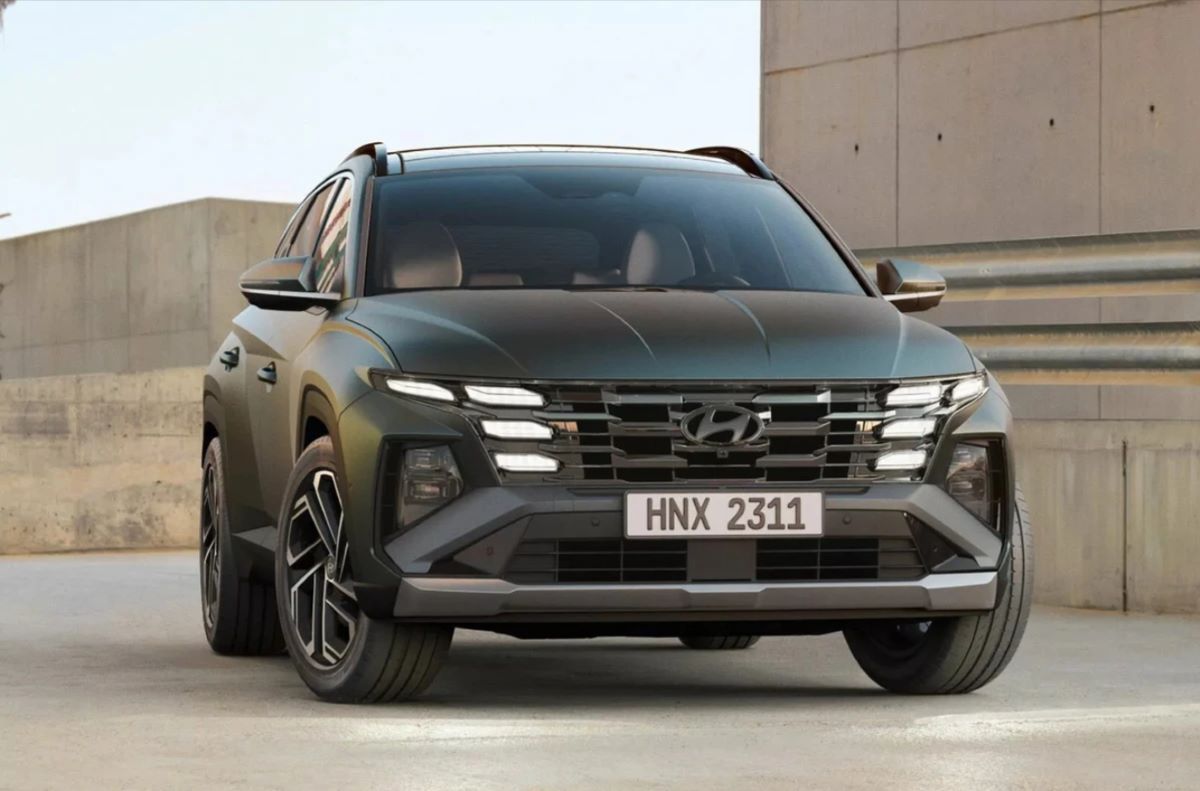
5. Hyundai Tucson
The Hyundai Tucson has steadily risen in popularity thanks to its stylish design, efficient engines, and family-friendly features.
The Tucson’s rear seats slide to accommodate longer cargo or to give rear passengers extra legroom, offering flexibility that many other compact SUVs lack.
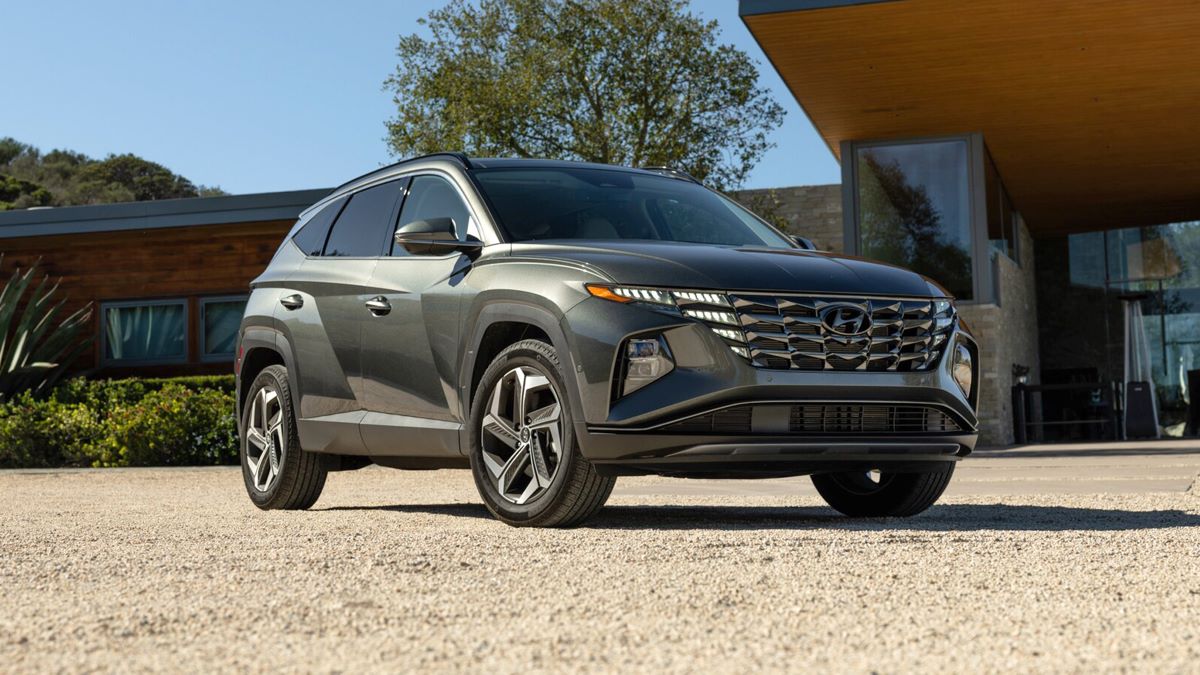
With the addition of Hyundai’s suite of driver-assistance technologies, the Tucson combines practicality with modern safety, making it an ideal choice for parents or anyone who regularly hauls both passengers and cargo.
If the Hyundai Tucson had a bit more horsepower, it would be hard to find fault with its overall performance. Braking and handling are competent and provide a greater sense of control than many competitors in the segment, while the steering is well-balanced, light and easy to maneuver at low speeds, yet weighted enough to inspire confidence on the highway.
Despite the well-calibrated transmission, the engine’s lack of power is noticeable. Small SUVs aren’t typically known for blistering acceleration, but even with that expectation, the Tucson feels sluggish at times. The standard 2.0-liter engine delivers even less performance, leaving the Tucson underpowered compared with some rivals.
6. Nissan Rogue
The Nissan Rogue is a best-seller in the compact SUV category, and its sliding rear seats contribute heavily to its versatility.
The seats allow the rear cabin to be reconfigured quickly, making it easier to transport everything from grocery bags to sports equipment.
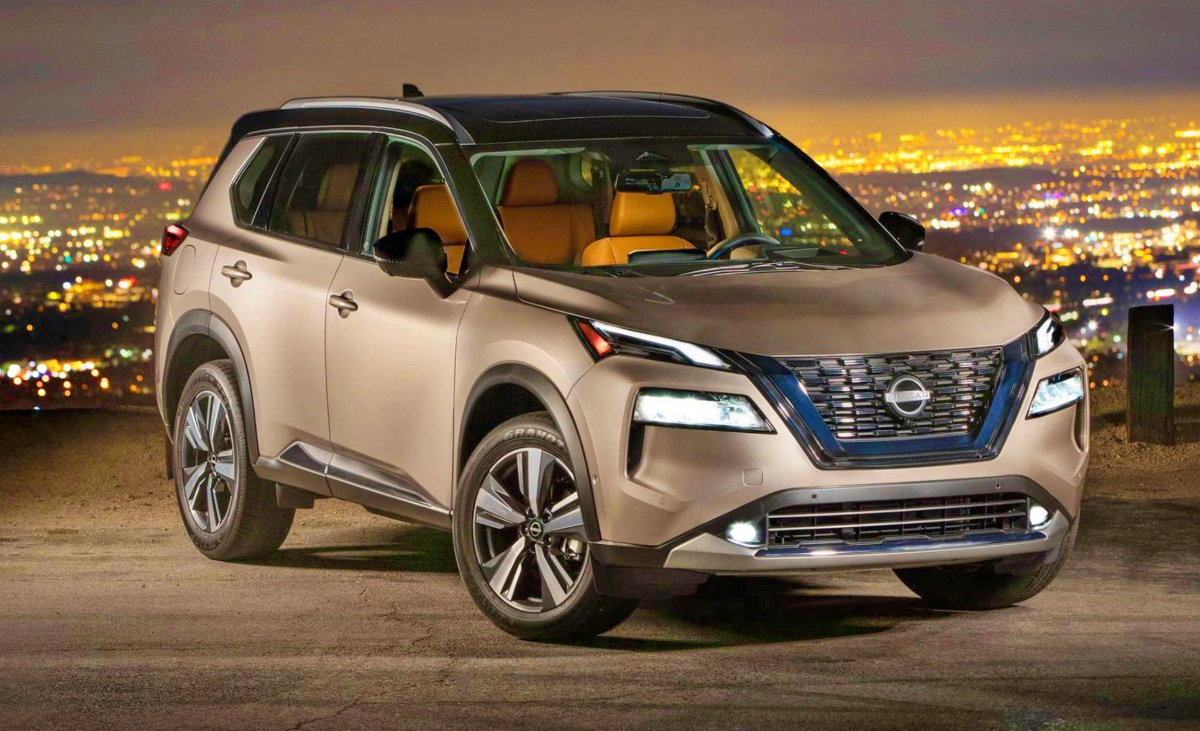
For road trips, the Rogue also offers a comfortable ride and multiple USB ports for passengers, enhancing convenience alongside the sliding seat feature.
All 2023 Nissan Rogue models are powered by a turbocharged 1.5-liter three-cylinder engine that produces 201 horsepower. This inline-three is paired with a continuously variable automatic transmission (CVT) and comes standard with front-wheel drive, while all-wheel drive is optional.
When the Rogue was redesigned in 2021, it retained the sluggish naturally aspirated 2.5-liter four-cylinder from the previous generation, which drew criticism for lackluster acceleration. During our brief test drive of the new turbocharged three-cylinder, the compact crossover felt noticeably perkier.
At the test track, however, the improvement was modest. The turbo-three managed a 0–60 mph time of 7.8 seconds, only 0.4 seconds faster than the 2021 model with the 2.5-liter engine.
On the road, the Rogue delivers a compliant and comfortable ride suitable for commuting and road trips, though its uninspiring cornering performance has not won over our staff. While the new engine offers a slight boost in responsiveness, the Rogue’s driving dynamics remain reserved compared with some of its segment competitors.
Also Read: 5 EVs With Stable One-Pedal Driving vs 5 That Jerk and Lurch
7. Chevrolet Equinox
Chevrolet’s Equinox brings a roomy feel to the compact SUV segment, and the sliding rear seats enhance that impression. Passengers can adjust their seating for comfort or shift the seats to expand the cargo area when needed.
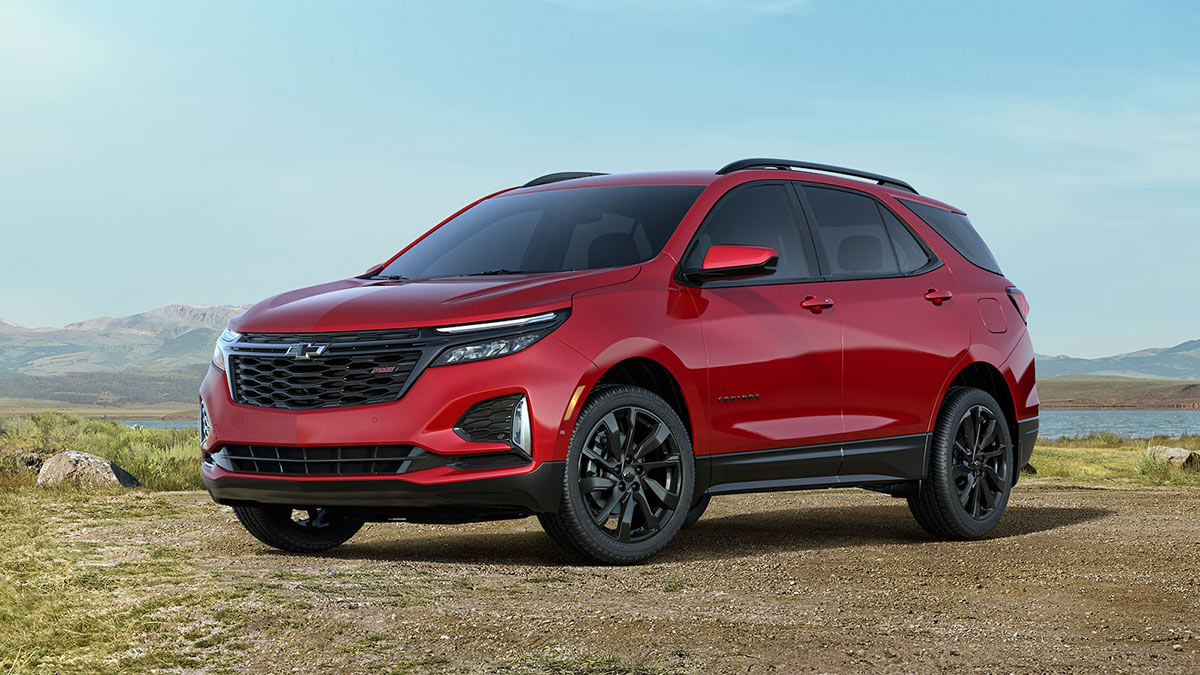
The Equinox’s relatively large rear windows and wide doors also make it easier to load kids or pets, and its compatibility with Chevy’s tech suite ensures that everyone stays entertained and connected on the road.
We tested the all-wheel-drive Activ trim of the Chevrolet Equinox, which pairs its engine with an eight-speed automatic transmission. On the test track, it accelerated from 0 to 60 mph in 8.7 seconds.
While adequate for most driving situations, the Equinox may feel underpowered when fully loaded with passengers or during quick highway passes. Our editors also noted that throttle response at lower speeds was sluggish, making city driving feel less responsive than desired.
Braking performance was smooth, but the all-terrain tires on the Activ trim resulted in a panic-stop distance of 133 feet, roughly equivalent to that of a much heavier full-size truck.
Handling was average, and while the steering felt acceptable in parking lots, it lacked the precision we would like on winding roads. The Equinox absorbs potholes well in town, but on the highway, it tends to bounce slightly after crests or dips. At least, cabin noise remains low at speed, contributing to a comfortable ride.
Chevrolet equips the Equinox with many advanced driver-assistance features as standard, which has become common in this segment. Optional extras, such as a surround-view camera system, are also available. Most of the safety systems worked reliably, though the adaptive cruise control and lane-centering features were less refined than similar systems from some competitors.
8. Ford Escape
The Ford Escape has consistently delivered strong performance and interior flexibility, and its sliding rear seats are no exception.
The rear seats move forward or backward effortlessly, allowing drivers to switch between maximum passenger comfort and larger cargo space in seconds.
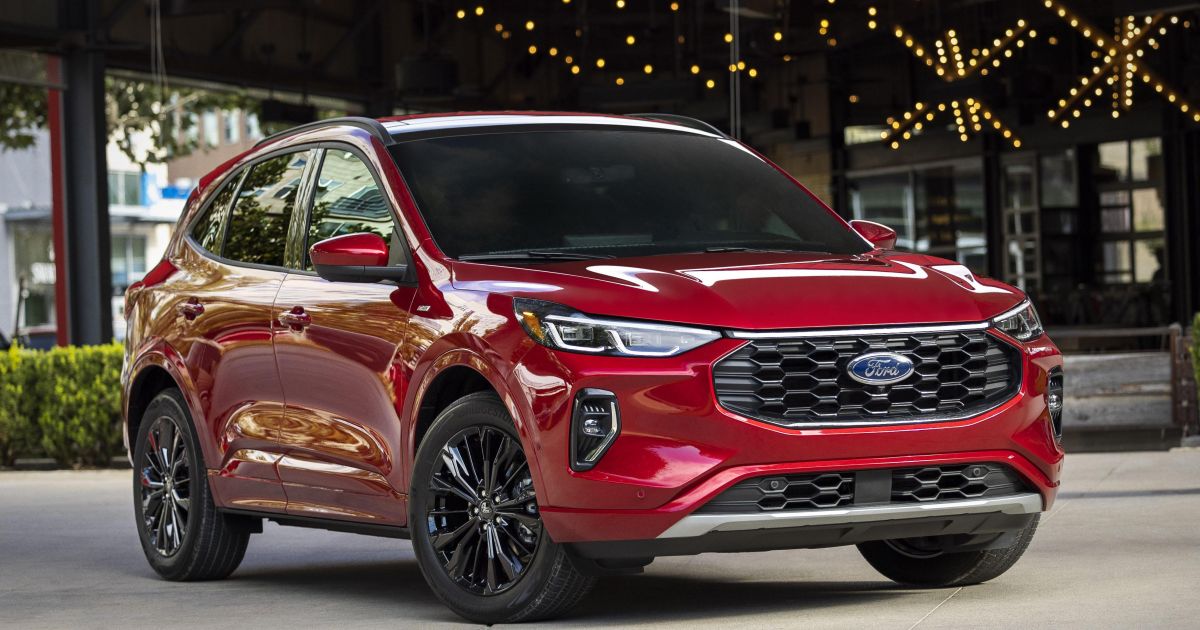
With Ford’s EcoBoost engine options and available hybrid variants, the Escape is a practical yet fun choice for US families who want both versatility and efficiency.
With the mechanically related Bronco Sport covering light off-road duties, the 2025 Ford Escape focuses on the everyday tasks most compact SUV owners encounter. It delivers on the basics with a choice of two efficient engines, a spacious interior, and intuitive infotainment systems.
However, in the details, the Escape struggles to compete with the segment’s best offerings. The base three-cylinder engine is adequate but feels underdeveloped, and entry-level interior materials come across as cheap.
Behind the wheel, the Escape is uninspiring, and its overly firm suspension undermines comfort for families seeking a smooth ride. Competitors such as the Honda CR-V and Mazda CX-5 and CX-50 offer a more engaging driving experience and more upscale cabins. Buyers seeking improved fuel efficiency will also find hybrid and plug-in options for the Escape, which are reviewed separately.
Pricing for the 2025 Escape ranges from $31,010 to $39,005 depending on trim and options. The ST-Line trim is our recommended choice, as it unlocks the more powerful 250-hp turbocharged 2.0-liter four-cylinder engine and requires the Select package to add all-wheel drive.
The ST-Line features unique 18- or 19-inch wheels, body-colored lower cladding, a mesh grille, and a rear spoiler, while the interior sports an all-black cabin with red contrast stitching and a sporty flat-bottomed steering wheel.
Buyers can further enhance the digital experience with the Premium Technology package, which upgrades the standard 8.0-inch infotainment screen and gauge display to 13.2-inch and 12.3-inch units, respectively.
Under the hood, the nonhybrid Escape offers two powertrain choices. The base turbocharged 1.5-liter three-cylinder engine produces 181 horsepower and is available with front- or all-wheel drive.
While this engine provides adequate acceleration, it is somewhat grumbly and unrefined. The more compelling option is the turbocharged 2.0-liter four-cylinder, which delivers 250 hp and comes standard with all-wheel drive. Both engines are paired with an eight-speed automatic transmission, providing smooth but unexciting shifts that suit most daily driving needs.
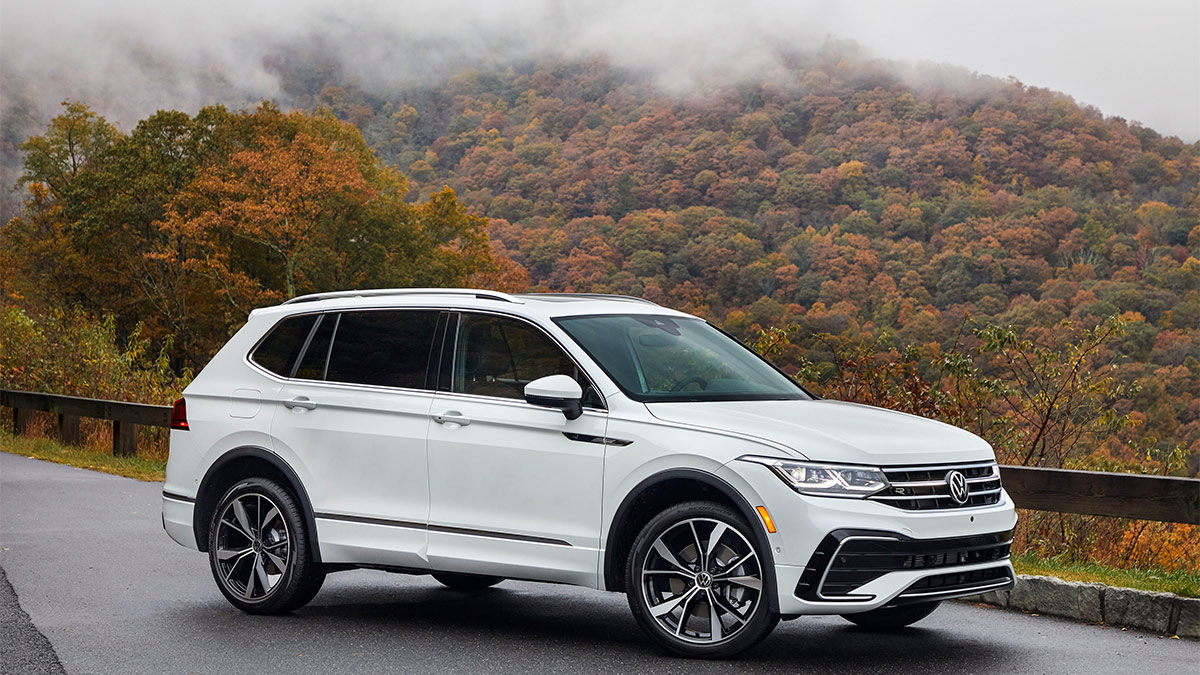
9. Volkswagen Tiguan
Finally, the Volkswagen Tiguan rounds out the list with a European flair. Its sliding rear seats are easy to adjust and help maximize space for taller passengers or extra cargo.
The Tiguan’s optional third-row seating also adds an extra layer of versatility, though the sliding mechanism is particularly useful in the two-row configuration for balancing comfort and storage.
For US buyers who appreciate a slightly more refined cabin feel without sacrificing practicality, the Tiguan’s sliding rear seats are a standout feature.
Sliding rear seats might seem like a minor convenience, but for compact SUVs, they can transform the ownership experience. In daily life, these seats allow for easy adaptation to unpredictable passenger and cargo needs.
While the Tiguan hasn’t shown impressive speed at our test track, its turbocharged four-cylinder engine performs reliably, sounds refined, and should satisfy most buyers. In the U.S., only the long-wheelbase version is available, providing an optional third row for added flexibility—a feature that competitors such as the Honda CR-V, Mazda CX-5, and Toyota RAV4 do not offer.
For 2022, Volkswagen refreshed the Tiguan’s styling to align it with the updated Atlas and Atlas Cross Sport. New LED headlamps, a revised grille and bumpers, and updated wheel designs give the compact SUV a more contemporary appearance.
Inside, the cabin gains a new steering wheel with touch-sensitive controls, while heated seats and a digital gauge display are now standard across all trims. All models except the base S also feature a new touch-sensitive climate control panel, adaptive cruise control, lane-keeping assist, and VW’s semi-autonomous Travel Assist system.
The third-row seating option remains available. Pricing ranges from $27,785 to $38,615 depending on trim and options, with the mid-range SE trim adding features such as 18-inch wheels, a power rear liftgate, lane-keeping assist, and Travel Assist. A panoramic sunroof is available for an additional $1,200.
Under the hood, every 2022 Tiguan is powered by a turbocharged four-cylinder producing 184 horsepower, paired with front-wheel drive as standard or optional 4Motion all-wheel drive.
Though it isn’t particularly fast, the Tiguan compensates with a smooth, willing engine, well-coordinated automatic transmission, taut ride, and responsive steering that hints at the sportiness of VW’s GTI hatchback.
The brake pedal feels soft and lacks the firm, progressive action found in other VW models. At the test track, the Tiguan completed the 0–60 mph sprint in 9.1 seconds, though in everyday driving it feels peppier thanks to sufficient low-end torque, with highway merges being the only time the vehicle might feel underpowered.
In the American context, where many families juggle commuting, school runs, sports, and road trips, this flexibility can make a real difference in comfort and efficiency.
Instead of folding and refolding seats every time cargo needs change, sliding seats offer a quick, intuitive adjustment that saves time and frustration.
Moreover, sliding seats contribute to long-term practicality. They allow compact SUVs already praised for balancing size and utility to punch above their weight when it comes to interior flexibility.
For drivers living in cities or suburbs with limited parking space, compact SUVs with sliding rear seats provide a rare combination: they remain easy to park while still accommodating growing families or bulky weekend gear.
The compact SUV segment is crowded, but features like sliding rear seats set certain models apart by offering a level of adaptability that is genuinely useful in everyday life.
From the dependable Honda CR-V to the stylish Volkswagen Tiguan, these nine SUVs prove that comfort and cargo space don’t have to be mutually exclusive.
For US drivers seeking a compact SUV that can keep up with the demands of family life, road trips, and daily errands, sliding rear seats are a subtle but powerful feature that can make the difference between a vehicle that works and one that truly fits your lifestyle.