

Plenty of drivers around the globe love stylish machines, powerful engines, and appealing technology, yet one quiet habit still exposes the true character of a vehicle. Many people may not talk about it openly, but almost every person who sits in a car has done it at least once.
That small moment where someone pulls the door firmly and listens to the response. Some vehicles give a reassuring thud that feels steady, like you are entering a strong and carefully built structure.
Others produce a hollow echo that reminds you of a tin container. That small sound may look simple, yet many people treat it as an early sign of how well a car might hold itself on daily roads.
A gentle conversation around this topic tends to bring different reactions. Some individuals laugh about it, some treat it seriously, while others use it as their personal test whenever they visit a showroom. Car companies themselves know that buyers pay attention to this moment.
They understand that people often relate a firm door sound with trust. Even if the engine is brilliant or the interior is beautiful, a weak sound during that closing moment can make someone hesitate without saying it aloud. Many families rely on that tiny interaction to judge comfort, protective feelings, and how long the body may remain solid.
We have gathered ten vehicles, five on the strong side and five that fall short. You will see machines that pass this simple challenge with grace and others that lose points once the door closes. No need for heavy mechanical talk here.
The aim is to present observations in a friendly manner so that any reader can follow without stress. The first five focus on vehicles that deliver a satisfying thud. The next five cover those that sound less convincing.
5 Cars That Pass the “Door Slam” Test
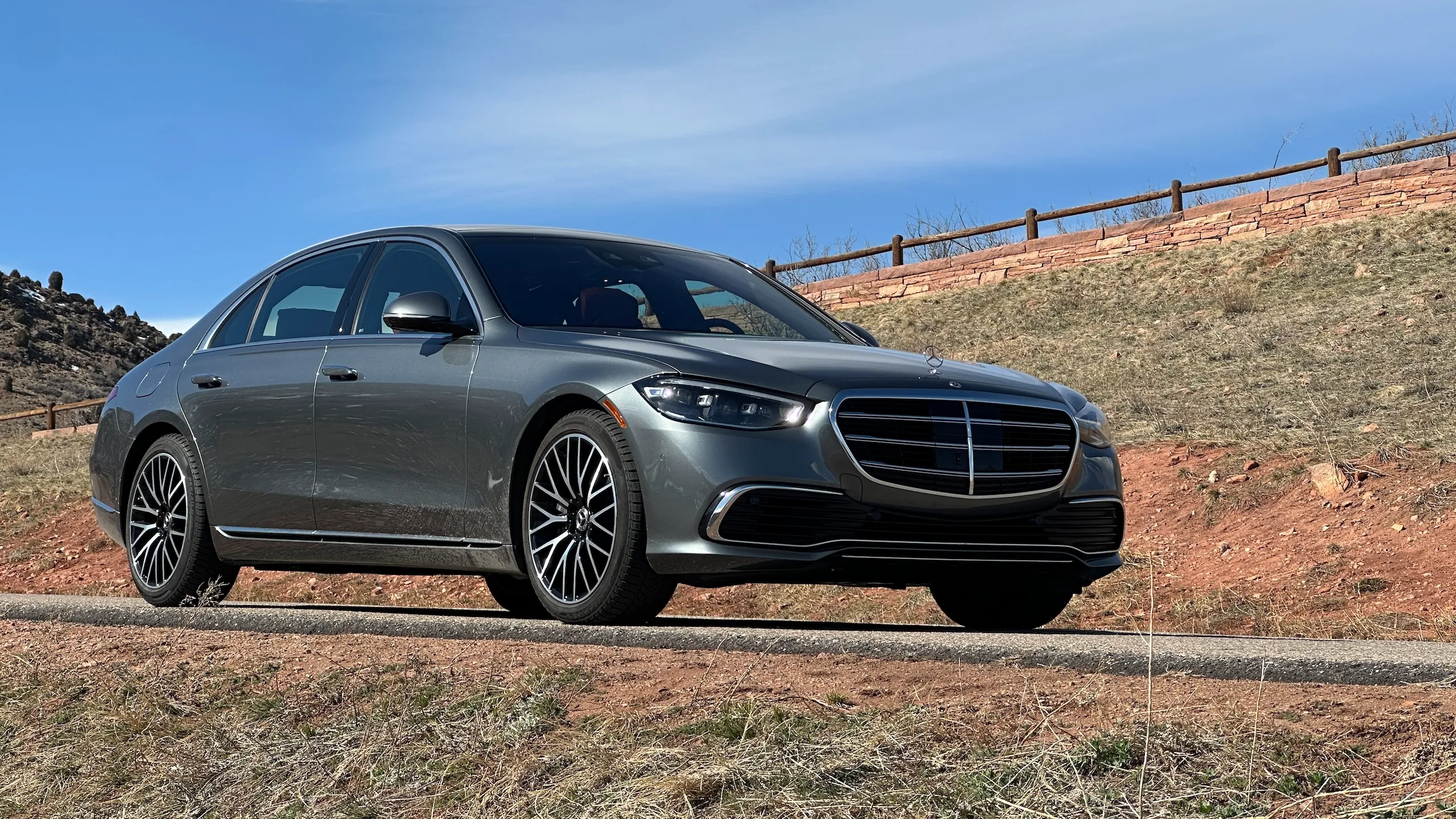
1. Mercedes-Benz S580
An examination of the Mercedes-Benz S580 door closure begins with the unique weight of the panel. You notice the sensation immediately when your hand pulls the handle.
The door is heavy but balanced in a way that feels refined. Once you guide it toward the frame, the sound that follows is deep, muted, and calm.
Many drivers describe it almost like a quiet stamp from a thick book. That solid impression is not by chance. The car body incorporates layers of insulation material along with a strong shell that keeps unwanted vibration away.
When the closing action completes, the feel is smooth and gentle, similar to shutting a premium safe. People who ride frequently in luxury vehicles sometimes use the S580 as a standard for evaluating others.
Although the engine power and advanced interior attract attention, the closing sound of the door also contributes to the entire experience of comfort. Even when the door is shut with light force, the result stays firm.
There is no shaking, no long echo that gives away any weak point. Instead, the whole body seems to absorb the movement with quiet confidence. Some individuals appreciate it because it makes them feel as if the interior is a protected space where outside noise has no room.
Another interesting part of the S580 experience is the consistency. Many cars make a pleasant sound only when closed at a particular angle or force. The S580 maintains its quality regardless of how the person positions the door.
Whether the action is gentle, quick, or casual, the thud remains uniform. That level of refinement shows the dedication behind the body structure.
Even passengers who do not follow car technology notice it without needing any explanation. It creates a relaxed atmosphere where everyone feels ready for a steady and noise-free ride.

2. Volvo XC90 Recharge
A different energy surrounds the Volvo XC90 Recharge, yet the satisfaction when closing the door stays strong. Instead of a heavy luxury feel, this one carries a sense of calm that comes from smart engineering. The door does not feel too weighty, but it refuses to sound empty.
When someone shuts it, the XC90 Recharge produces a short, focused thump that suggests proper sealing around the cabin.
The electric nature of this model demands silence, urging the designers to create a body that keeps out as much external noise as possible. That quality is also what strengthens the closing moment.
Many families who choose the XC90 Recharge appreciate the comforting tone of the door. It gives them a quiet assurance before the trip even begins. The sound signals that wind noise and unwanted rattles will have little space inside.
Even when a child closes the door without strong force, the vehicle still seals properly. That ability comes from special rubber strips and solid panel alignment. Instead of relying on excessive thickness, the structure uses strong joints and a firm latch mechanism.
That combination results in a sealed environment that stays peaceful whether you are on a bustling street or a long highway route.
Something else interesting about the XC90 Recharge is how its closing sound supports its identity. Hybrid and electric vehicles often face criticism for sounding too light or missing the tough presence of older combustion models.
This one avoids that issue. While the cabin remains clean and quiet, the exterior door’s behavior gives a sense of durability.
Even people who do not usually pay attention to such things find themselves appreciating the action after the first few rides. It leaves a pleasant impression and encourages a feeling of protection without needing loud statements or flashy body styling.
Also Read: 8 Cars With Bright Cabin Lights vs 8 Dim Interiors

3. Lexus LX600
A different flavor of strength greets anyone who closes the door of the Lexus LX600. This machine belongs to the large luxury SUV family, and its door behavior reflects that size. The panel feels strong from the moment your fingers grip the handle. It moves smoothly, guided by hinges that carry considerable stability.
Once the door meets the frame, the closing tone is full and steady, giving a sense of stability similar to shutting a piece of crafted furniture.
The depth of the sound shows how much effort Lexus puts into their insulation, welding, and alignment. It gives a message that the cabin will remain secure and peaceful during long journeys.
Plenty of passengers find the LX600 door sound comforting on rougher roads. When an SUV is built for both city comfort and off-road capability, the doors need to resist strong vibration.
The LX600 stands firm in this regard. Even after driving through uneven ground, the closing action still delivers a rich and confident thud.
That consistency tells a story about how the frame warms up to daily use without losing firmness. Once inside, you also notice that the noise from outside struggles to enter. That quiet environment reflects the benefits of a door that shuts properly and locks sound energy away.
The LX600 also carries a sense of ceremony when people enter or leave. Many owners enjoy the feeling that the door gives.
It is neither too heavy nor too light. It aligns with a machine designed to carry families, luggage, and long-distance travelers comfortably. The closing moment becomes part of the routine, almost as satisfying as adjusting to the soft leather seats.
It sets the mood for the ride, suggesting that the people inside can relax without worrying about rattles, wind intrusion, or thin panels. Lexus has shaped the LX600 to deliver a dependable closing sound that matches its commanding size and gentle driving style.

4. BMW 740i
An entirely different personality appears when examining how the BMW 740i behaves during the closing act.
Where some vehicles create their strong sound through sheer panel weight, the 740i balances lightness with strength in a clever way. The door glides easily, without any dragging sensation.
Yet once it reaches the frame, the closing sound is short, refined, and extremely satisfying. It feels like the latch pulls the door inward with gentle authority, producing a clear thud that signals tight construction. The blend of lightweight materials and strong internal bracing helps create this effect.
People who ride in executive sedans often expect a certain level of maturity from the closing moment. The 740i does not disappoint. The sound is more controlled than heavy. It reflects a design style that values precision rather than mass.
Even after repeated use, the hinges do not squeak, and the latch remains smooth. Whether you close the door during a hectic morning or a relaxed evening, the result stays stable. Many passengers compare it to shutting a well-built cabinet where everything fits perfectly with no extra noise.
What also stands out about the 740i is how well the door closing sound blends with its driving personality. The sedan carries a quiet cabin with excellent suppression of outside disturbance. This is made possible by insulated glass and careful door sealing.
When the door shuts, the interior transforms into a peaceful environment free from unnecessary sounds. That transformation is part of the charm. Anyone inside can sense that the body carries silent strength. The closing moment becomes the first hint of the calm ride waiting ahead. It leaves passengers impressed even before the engine starts.

5. Toyota Land Cruiser 300 GR-Sport
Moving from refined sedans into a powerful, adventure-friendly SUV brings us to the Toyota Land Cruiser 300 GR-Sport. This machine is known for durability, and its door behavior paints a clear picture of its tough spirit. The door feels strong without being clumsy.
Once pulled shut, it creates a bass-like sound that reminds you of thick steel meeting a secure frame. That tone signals rugged structure.
The closing action communicates that the body has been built to face rocky paths, heavy loads, and prolonged use without losing its integrity.
Drivers who enjoy off-road activity appreciate this part of the GR Sport experience. When the road becomes rough, the doors of weaker vehicles begin to loosen and produce rattling sounds.
The Land Cruiser maintains its tightness. After a difficult trail, you can still shut the door and hear that bold, confident thud.
It tells you that the hinges, frame, and latch mechanism are resisting stress in a reliable way. People who carry equipment, tow trailers or transport passengers over long distances find comfort in knowing that the body does not weaken easily.
Another pleasant part of the GR Sport door sound is how it gives a feeling of readiness. Whether the vehicle is used for family travel or outdoor adventures, the closing tone makes people feel like they are entering a fortress.
The cabin remains insulated, keeping dust, wind, and noise under control even when conditions outside are intense.
That balance of power and steady construction explains why the model continues to attract buyers who need strength without losing comfort.
The closing moment sums up what the Land Cruiser spirit represents. Strength, dependability, and proper sealing are all shown through a single thud.
5 Cars That Sound Flimsy

1. Nissan Sentra SR
A softer feel greets you when closing the door of the Nissan Sentra SR. Even though the car tries to present a confident presence from the outside, the closing action sends a different message. The door feels light, almost too light for a compact sedan that aims to feel mature.
When someone pulls it toward the frame, the resulting sound has a thin quality, similar to tapping a hollow plastic container. It does not offer any sense of protection. Instead, it invites questions about how much insulation sits between the outer panel and the cabin structure.
Many daily commuters who ride the Sentra SR notice the lightness early. This does not mean the vehicle is unsafe, but the door behavior suggests limited padding and thinner metal sheets. Those elements affect how the sound travels. Instead of a solid thump, the noise spreads out quickly and fades in an airy fashion.
That experience becomes more obvious when the door is closed gently. There is no satisfying sealing moment.
Instead, the panel bounces ever so slightly before settling into the latch. Such movement reduces the feeling of tight build quality, especially for someone used to heavier or more premium machines.
Another factor that affects the sound is the hinge setup. The door glides easily but lacks the stable resistance you expect from a strong structure. When the closing action is slow, the sound becomes even weaker.
Some drivers describe it as thin and distant. If someone enters the car after sitting inside a stronger model, they immediately recognize the difference. The interior also allows more outside noise to enter, which further suggests that the panel might lack insulation.
Even though the Sentra SR remains a reliable commuter choice, its door sound does not inspire the same confidence as many other sedans. People who value a firm thud may find this model unconvincing.

2. Hyundai Elantra SEL
A separate story emerges once you encounter the Hyundai Elantra SEL door for the first time. The vehicle looks stylish from the outside, with sharp lines that make it appear strong. Yet the moment you pull the door shut, the illusion fades. The sound carries a hollow tone that echoes slightly as the panel meets the frame.
This happens because the Elantra SEL uses thin outer sheets that reduce weight but also reduce firmness. While this may help fuel efficiency, it creates a weak acoustic impression when the door closes. That sound tends to bother individuals who pay attention to small details such as comfort and body structure.
Plenty of Elantra SEL owners notice the gap between appearance and feel. The car tries to sell a bold design style, but the closing moment reveals a limitation in sound insulation. When you shut the door lightly, the panel shakes slightly. When you shut it harder, it still produces a sound that resembles knocking on an empty tin.
Those observations usually appear during test drives. Some salespeople even encourage customers to focus on features instead of the acoustic experience, but most people remember the sound long after leaving the showroom. It becomes part of their judgment of the vehicle quality.
A subtle but important part of the weak sound comes from the sealing strips. They do their basic job of keeping water out, but they do not clamp tightly enough to create a strong closing presence. That gap lets sound bounce inside the panel before fading away.
The interior also allows a small amount of road noise to enter, which confirms that the structure lacks the thickness of more premium competitors.
Even though the Elantra SEL remains affordable and easy to maintain, the door sound quickly reminds people that you cannot expect a rich acoustic feel from thin materials. It delivers transportation but does not deliver a strong closing sound.

3. Chevrolet Spark 1LT
A different experience awaits anyone who interacts with the Chevrolet Spark 1LT. This compact vehicle offers convenient mobility, but the closing moment reveals several weaknesses. The door is extremely light, which is understandable for a small city car, yet the sound it creates when shut is disappointing.
It resembles clapping two thin sheets of metal together. That effect occurs because the Spark relies heavily on lightweight components to reduce cost and improve efficiency. Those savings become obvious once your palm releases the handle and the latch clicks without delivering a reassuring thud.
Visitors who ride in the Spark often laugh about the lightness. When someone closes the door from inside, the entire panel sometimes vibrates slightly. That sensation does not create a sense of steadiness. Instead, it feels like the body structure could flex with minimal pressure.
People may accept this in a small hatchback designed for simple errands, but it still leaves a weak impression on the senses. If the door is closed with more force, the sound becomes sharp and metallic, as if the panel is too thin to absorb the energy smoothly.
The acoustic experience also reveals another limitation. Because the door does not seal with firmness, outside sounds enter easily.
Even parked on a busy street, you notice voices, engines, and distant music without much difficulty. This raises questions about long-term durability. Cars with thin doors often develop rattles after extended use.
While the Spark does its job of moving people around town, it struggles to create a proper closing feel. That action should bring comfort, but instead it produces a reminder that the body structure has been built with serious cost reduction in mind. Many people judge the vehicle from the very first door shut, and the Spark rarely leaves them impressed.

4. Mitsubishi Mirage ES
A softer construction approach becomes clear the moment you interact with the Mitsubishi Mirage ES.
This vehicle has built a reputation for affordability, but the closing moment exposes its compromises. When the door meets the frame, the sound is thin with a faint metallic ring that continues for a brief second.
Instead of a firm arrival into latch, the door settles with a shaky movement that suggests minimal internal reinforcement.
The Mirage ES uses lightweight parts, including thin steel and basic insulation material. This approach keeps the price low but does nothing to create a satisfying door-closing moment.
Passengers who ride in the Mirage ES sometimes express discomfort after a few trips. When they attempt to close the door gently, the panel refuses to create a meaningful thud. When they use a stronger force, the sound still lacks strength.
It is almost like the door tries to shut but gets caught between the need for alignment and the lightness of the hardware. That mixture reduces confidence. People often expect a car door to signal protection, yet the Mirage ES delivers an airy echo that carries no sense of safety.
The interior of this model tells a similar story. Because the sealing strips are basic and the insulation is minimal, outside noise enters easily.
That means the thin sound during the closing moment reflects the entire structure of the vehicle. Someone familiar with stronger builds immediately notices that the Mirage ES door does not hold itself in place the way a solid panel should.
Even though the vehicle serves budget buyers and delivers reliable transportation, the acoustic experience during the door closing moment remains one of its weakest points. Anyone who values a serious thud will likely feel dissatisfied.
Also Read: 8 Cars With the Smoothest CVTs You Won’t Hate

5. Kia Rio LX
A final example of a vehicle that falls short in the door slam experience is the Kia Rio LX. The moment you pull the door toward the frame, you notice the difference immediately. The door feels light with limited resistance, and once it meets the latch, the sound resembles a soft clank rather than a confident thud.
That reaction happens because the Rio LX focuses heavily on affordability, which influences how the body structure is assembled.
The outer panels lack thick reinforcement, and the sound-deadening materials remain minimal. This affects the acoustic behavior in ways that many buyers do not appreciate.
Several drivers have described the Rio LX door as feeling too flexible. When closing it from inside, the panel bends slightly before settling.
That bending sensation removes any impression of tight manufacturing. The sound reflects that weakness, spreading into a shallow echo rather than a deep, controlled thump.
Anyone who has used more solid vehicles will immediately pick up the difference. Even after repeated use, the sound does not mature or settle into a stronger tone. It continues to carry that light, underwhelming character throughout the life of the car.
Another concern tied to the weak door sound is the level of noise that enters the cabin. Because the door does not seal with serious pressure, road noise and wind disturbances enter freely.
This means the soft sound during closure is part of a broader pattern. A vehicle that produces a strong thud usually has strong insulation.
A vehicle that sounds light often comes with gaps in sound control. The Rio LX sits on the lighter end of that scale.
It remains dependable for city travel and everyday tasks, but it cannot offer the confident closing feel that many people look for when assessing a vehicle’s build strength.
People care about different things when choosing a car, but that tiny moment where the door shuts continues to be a small habit that tells a big story.
Some vehicles carry a thick, confident tone that reminds you of strength and proper sealing. Others give off a lighter sound that exposes their cost-saving designs.
