
For many American drivers, small SUVs hit the sweet spot between everyday practicality and city-friendly size. They offer better visibility than sedans, useful cargo room, and usually reasonable fuel economy.
But there’s one category where not all small SUVs perform equally: body control in turns. The physics are simple enough: taller ride heights and softer suspensions can make an SUV feel top-heavy, especially on off-ramps, quick lane changes, or curvy suburban roads.
For some models, the steering and suspension tuning compensate for this naturally. Others, however, reveal their limitations the moment a driver asks for sharper handling.
In the U.S., where commutes often mix high-speed highway segments with tight parking lots, confident cornering matters more than enthusiasts sometimes admit.
A small SUV that stays flat in turns feels safer, more predictable, and more comfortable for passengers prone to motion sickness not to mention more enjoyable on a winding road.
At the opposite end, a model that leans dramatically may still be safe, but it communicates a lack of composure that some buyers won’t appreciate, especially if they regularly drive with kids or cargo.
Here is a detailed look at five small SUVs that stay impressively composed in corners, followed by five that tend to lean more than most. All picks are based on real-world behavior, engineering choices, and the strengths and compromises baked into each vehicle’s platform.
Small SUVs That Don’t Feel Tippy in Turns
Not all small SUVs are created equal when it comes to handling. While compact crossovers are prized for their practicality, fuel efficiency, and easy-to-maneuver size, many can feel tippy or unsettled when cornering.
That’s why we’ve rounded up the small SUVs that manage to stay planted in turns, offering confident handling without sacrificing ride comfort. Whether you’re darting through city streets or tackling winding back roads, these models strike the right balance between stability and agility, proving that a small SUV doesn’t have to feel like a boat in every curve.
1. Mazda CX-30
Mazda has long earned a reputation for making vehicles feel more athletic than their segments require, and the CX-30 is one of its best examples.
This SUV rides on a platform closely related to the Mazda3, meaning its center of gravity is lower than many rivals and its structure is noticeably stiff.
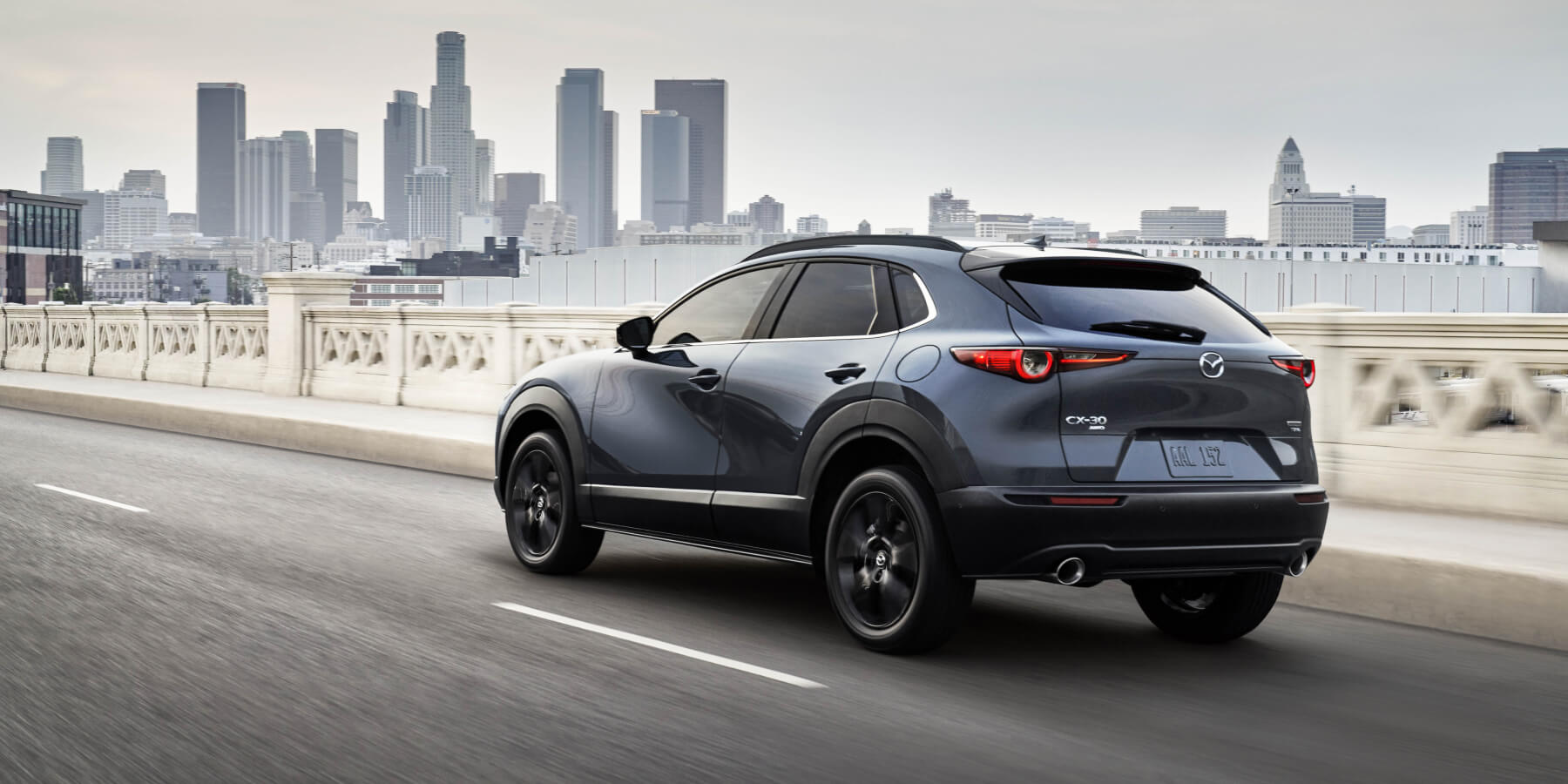
In turns, the CX-30 resists body roll with a balanced tuning that feels more premium than its price suggests. The steering is quick without being twitchy, making the CX-30 superb for suburban roundabouts or curvy country roads.
Even models with all-wheel drive maintain excellent composure due to Mazda’s G-Vectoring Control Plus, which subtly adjusts engine torque to settle the chassis mid-corner. For drivers who want an SUV that behaves like a hatchback, this is the benchmark.
Mazda is positioning itself as an entry-level luxury automaker, and the 2025 CX-30 demonstrates that this aspiration is well within reach. In the subcompact crossover segment, few rivals can match its refined styling and high-quality interior. Fortunately, this push toward luxury doesn’t compromise one of Mazda’s defining strengths: engaging driving dynamics.
The CX-30 remains one of the most fun-to-drive options in its class, though drivers seeking the fullest performance will want to opt for the turbocharged engine. Its practicality is somewhat limited by a modest cargo capacity, meaning shoppers focused on utility might find the Volkswagen Taos and Chevrolet Trailblazer more accommodating.
Also Read: Top 10 Used Manual-Transmission Cars Still Worth the Hunt
2. BMW X1
Although priced higher than mainstream small SUVs, the BMW X1 deserves mention because it sets a standard the rest of the industry often copies.
The latest generation rides on a wider track and uses firmer anti-roll bars than before, giving it a planted feel uncommon in this class.
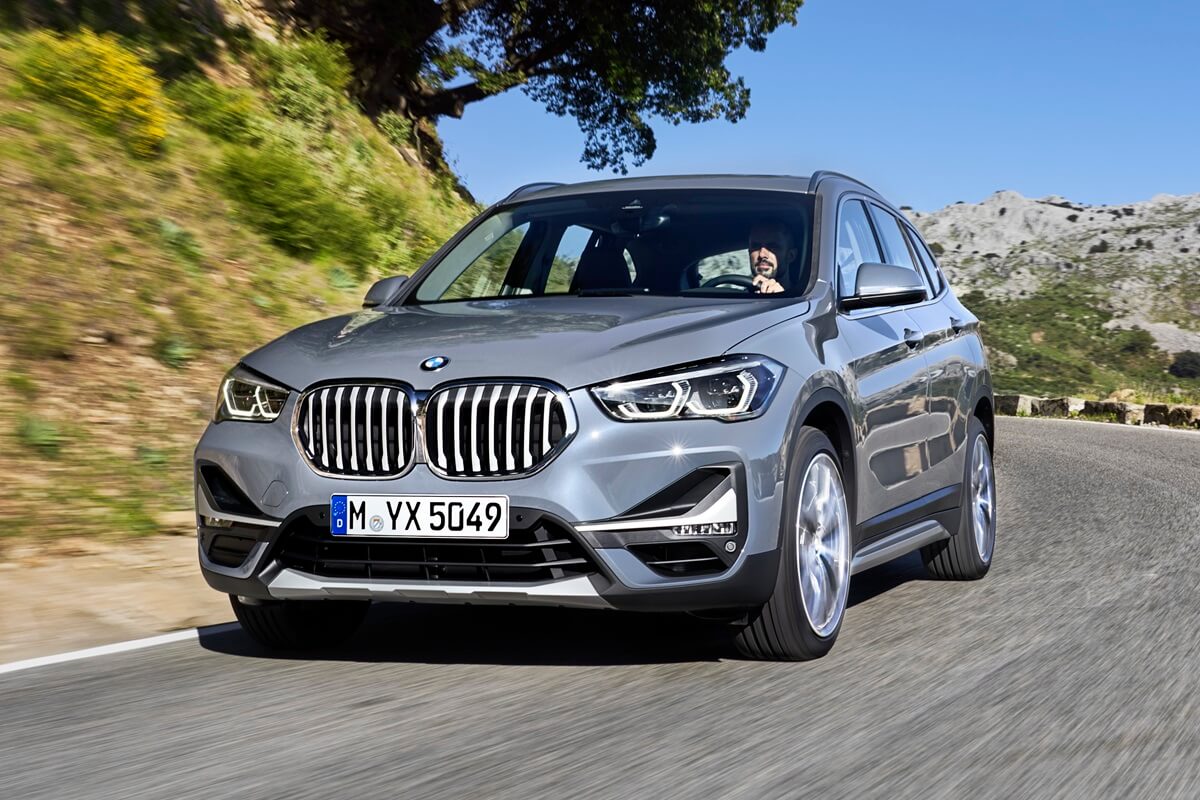
Even when pushed through a fast sweeping turn, the X1 stays impressively flat, and the steering communicates what the front tires are doing.
BMW calibrates its suspension to prioritize control over plushness, but the trade-off is worth it for anyone who dislikes a tippy SUV feel. Commuters in hilly states or those driving long distances on winding interstates will appreciate this SUV’s secure, non-wallowy behavior.
Our BMW X1 test vehicle came equipped with the M Sport package, which includes 19-inch wheels fitted with high-performance summer tires. On the test track, the X1 accelerated from 0 to 60 mph in 5.9 seconds, noticeably quicker than rivals like the Audi Q3 and Mercedes-Benz GLB.
The four-cylinder engine delivers smooth and strong power, but the transmission’s occasional reluctance to downshift leaves the X1 feeling flat-footed when a quick burst of acceleration is needed.
In corners, the X1 excels, offering impressive grip and a balanced, controlled feel. The M Sport package’s adaptive suspension and summer tires enhance handling, while Sport mode significantly firms up steering, improving the driving experience on twisty roads.
At city speeds, the X1 presents a mixed experience. The light steering effort and responsive brakes make maneuvering and parking easy, but the engine stop-start system can be frustrating, shutting off at unexpected moments and restarting roughly, which can jolt the car forward.
BMW’s iDrive infotainment system continues to improve with each generation. The system is a noticeable step up from the previous X1 in both usability and overall functionality.
While we miss the traditional rotary controller, the touch-only interface is workable. Wireless Apple CarPlay and Android Auto performed flawlessly, matching wired connections. Our test vehicle included the optional Harman Kardon audio system, which delivers solid, but not exceptional, sound.
The integration of selectable driving modes that adjust music and lighting is somewhat gimmicky, while USB-C ports around the cabin provide convenient charging, though the wireless pad tended to overheat our test phone rather than efficiently charging it.
Our loaded test X1 lacked the optional adaptive cruise control, which we would expect as standard in a luxury SUV, a notable omission. On the plus side, the blind-spot warning and lane departure warning systems functioned well without being intrusive or annoying.
3. Volkswagen Taos
The VW Taos often flies under the radar, but its platform engineering and suspension tuning prevent the top-heavy sensation common in budget-friendly SUVs.
The Taos offers firm damping that keeps the body in check when changing directions or navigating highway cloverleaf ramps. It doesn’t aim to be sporty like the CX-30, but it feels stable and sure-footed.
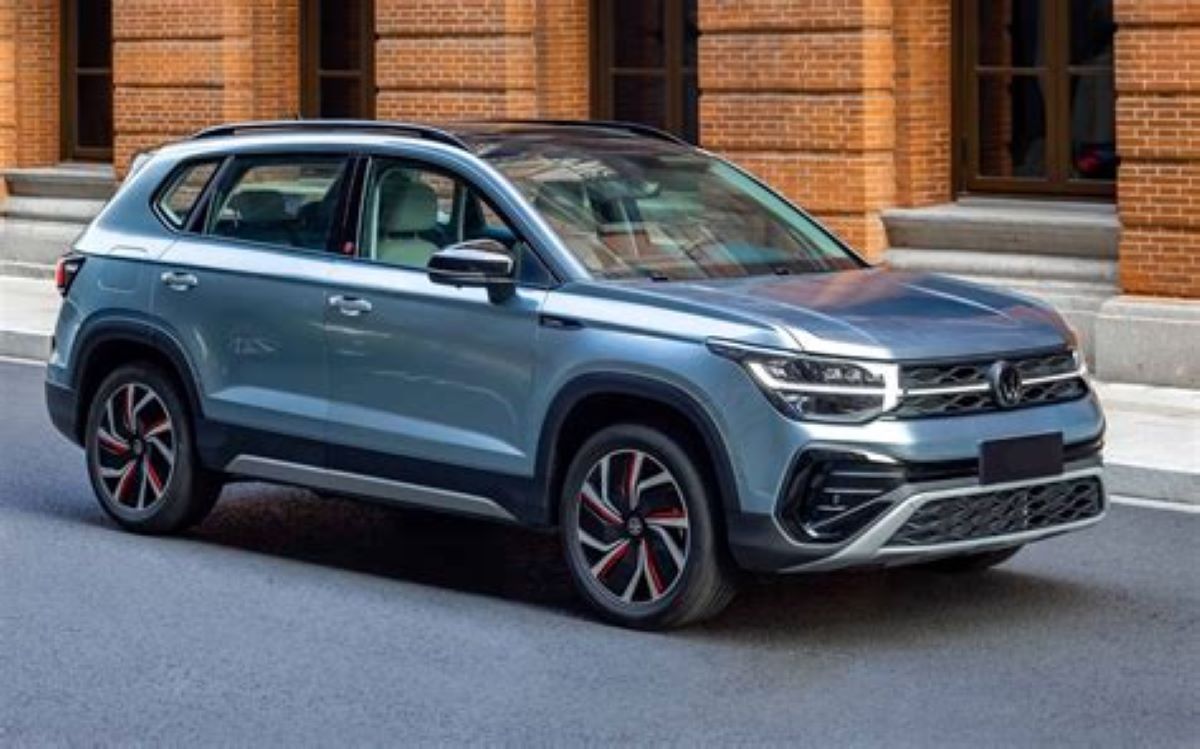
The low cowl and upright cabin give good forward visibility without creating an excessively tall stance. AWD versions also use a multilink rear suspension that helps maintain composure, especially when the road surface isn’t perfectly smooth.
For drivers who like predictability without riding on stiff settings, the Taos hits a pleasant middle ground.
4. Honda HR-V (Current Generation)
Honda redesigned the HR-V with a platform borrowed from the Civic rather than the Fit, instantly giving it a more grounded, better-balanced character.
This generation feels more substantial, with a suspension that controls body motion noticeably better during quick maneuvers.
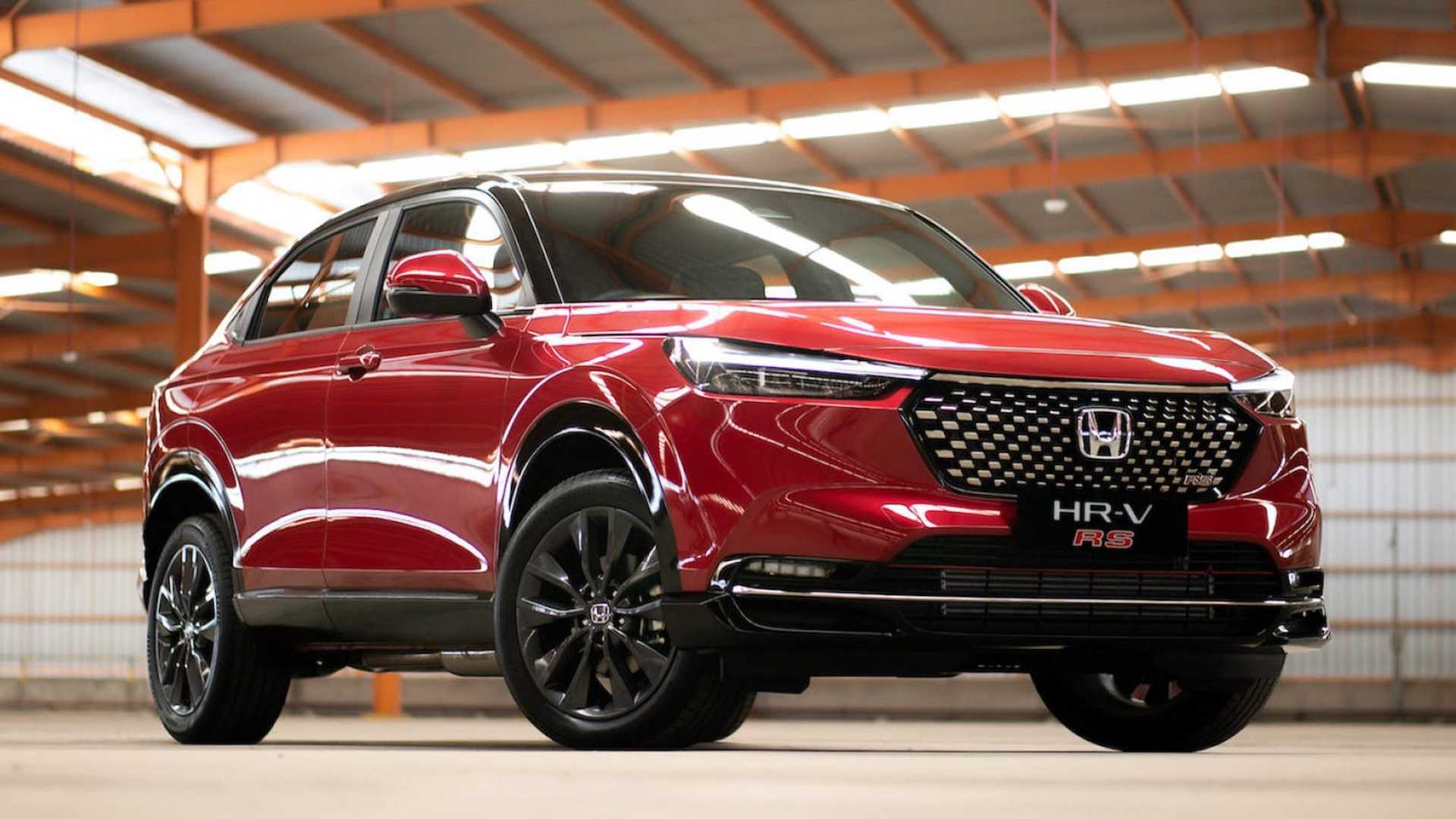
The HR-V’s long wheelbase and low seating position help it avoid the exaggerated lean some earlier small SUVs suffered from.
Drivers who value smoothness will appreciate how it transitions through turns without dramatic weight shifts. While not sporty per se, the HR-V is well-behaved precisely what many families want when switching between errands, school runs, and highway driving.
5. Subaru Crosstrek
Subaru vehicles traditionally emphasize stability over razor-sharp handling, and the Crosstrek exemplifies that approach. It rides higher than some competitors, yet its flatter boxer engine keeps the center of gravity impressively low.
This single engineering detail gives the Crosstrek a surprising advantage: it stays stable in corners even with generous suspension travel.
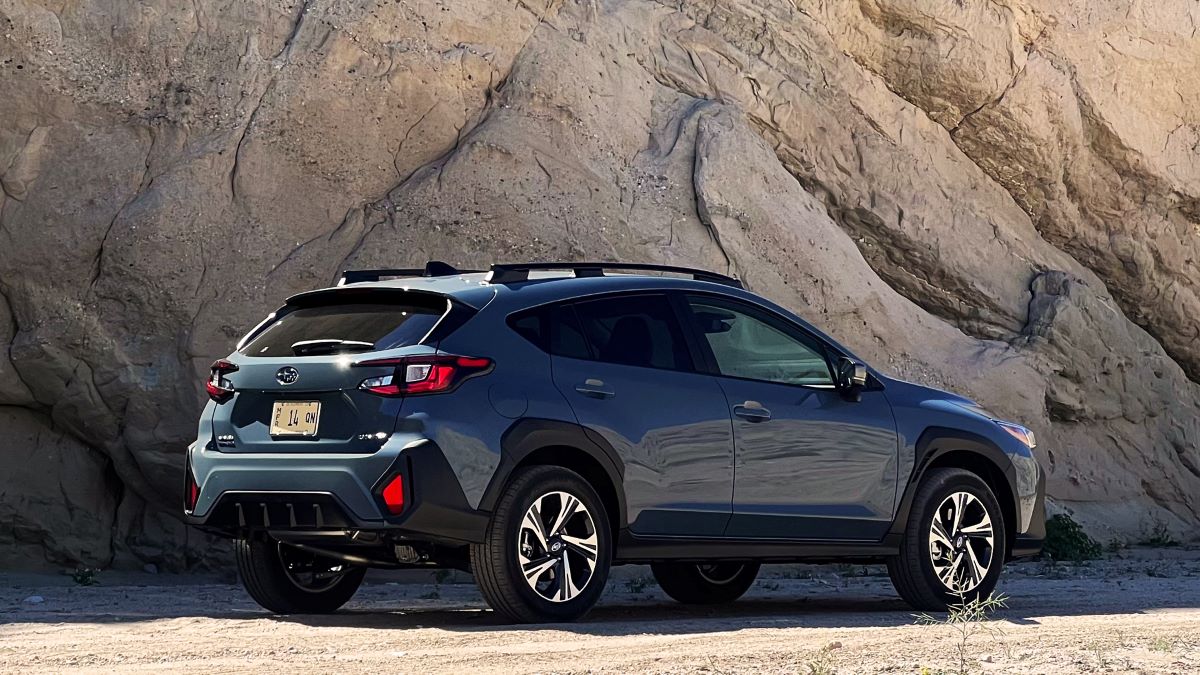
The suspension soaks up bumps without leaning excessively, and Subaru’s symmetrical AWD distributes weight in a way that keeps the vehicle feeling planted. In real-world U.S. driving hilly regions, snowy climates, and broken pavement the Crosstrek delivers confidence without tippiness.
Small SUVs That Tend to Lean More in Turns
Not every small SUV feels rock-solid when you carve through a corner. While compact crossovers excel at practicality and maneuverability, some tend to lean or sway more than you’d like in turns, leaving drivers feeling less confident behind the wheel.
In this roundup, we highlight the small SUVs that are more prone to body roll, so you know which models might feel a bit “floaty” when navigating winding roads or sharp curves. Understanding their handling quirks can help you make a smarter choice, especially if you prioritize driving stability over just cargo space and comfort.
1. Mitsubishi Outlander Sport
The Outlander Sport has charm as an affordable, simple small SUV, but its aging platform shows its limitations in handling. The suspension prioritizes softness, which leads to noticeable body lean when taking turns at typical suburban speeds.
Quick maneuvers exaggerate this sensation even more, making the Outlander Sport feel older than many newer rivals. While not unsafe, the tall stance and cushy damping create a “swaying” feeling that drivers coming from sedans may find uncomfortable.
As its rating suggests, the Mitsubishi Outlander Sport gives very little reason for recommendation. Since its 2011 debut, this small SUV has not aged gracefully. Updates have been sporadic at best, and in our last test back in 2020, we noted that it remained largely a rehashed version of the original.
Time has been unkind to the Outlander Sport, but so has its manufacturer, offering a pair of unrefined powertrains and minimal content. On the positive side, it does come with a long warranty and a distinctive styling.
However, for roughly the same money, shoppers can find more modern small SUVs with better interiors, more space, and improved fuel economy. The Chevrolet Trax, for example, delivers affordability done right, featuring a contemporary interior, solid fuel efficiency, and a good array of standard safety equipment. And there are many other superior options in this segment.
The Outlander Sport’s powertrain choices leave you picking the lesser of two evils. The standard 148-hp 2.0-liter four-cylinder is painfully slow, while the 168-hp 2.4-liter engine is quicker but sacrifices fuel economy and is limited to the priciest SEL trim. Both engines are paired with an unrefined continuously variable automatic transmission (CVT).
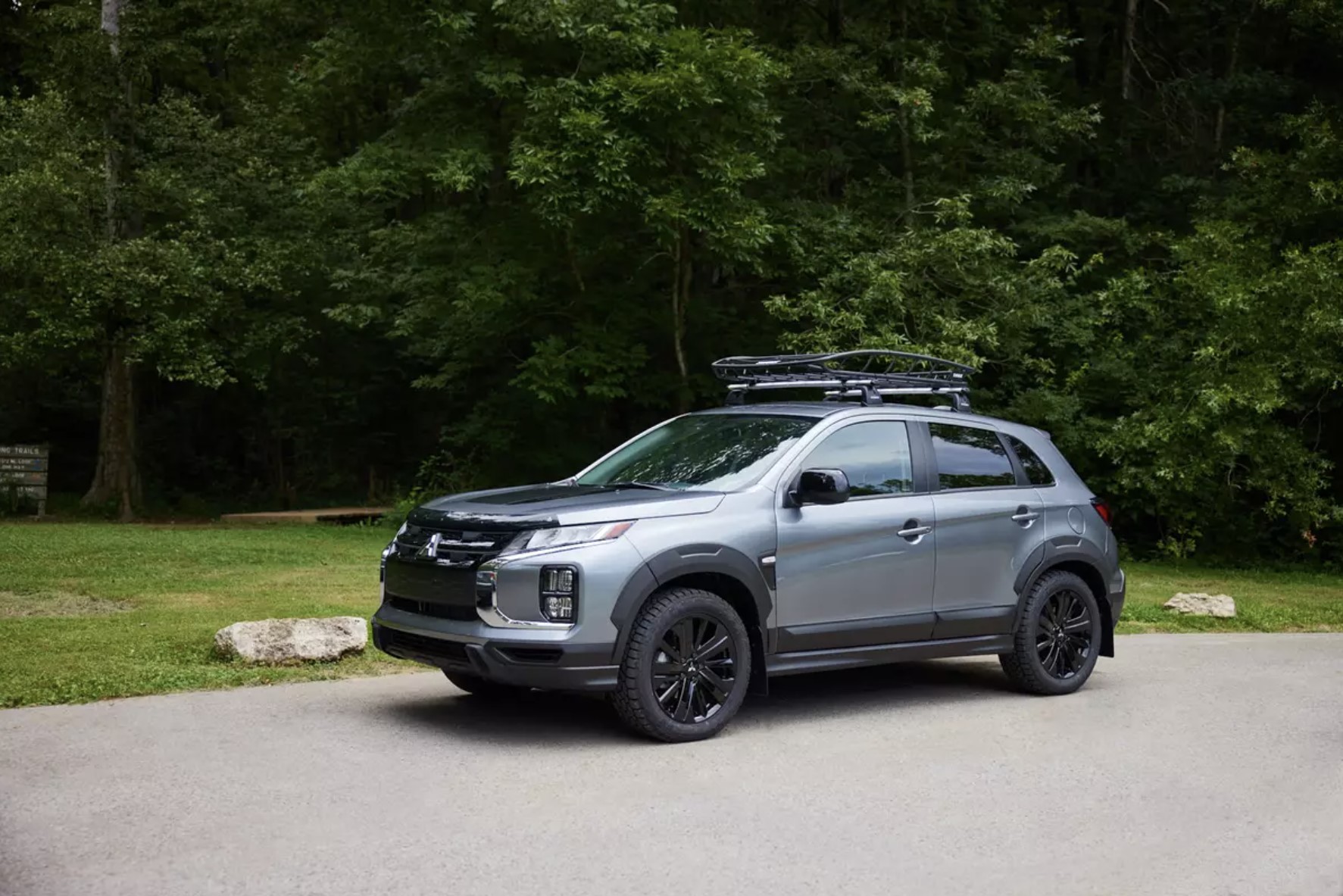
While not sporty, the Outlander Sport can get you from point A to point B without major drama. It exhibits a fair amount of body roll in corners, though not so much that the SUV feels unstable or unsafe. Braking performance is average for the class; the pedal feels soft at first but firms up nicely, providing a responsive stopping experience.
Also Read: 10 Compact SUVs That Deliver Big Performance
2. Chevrolet Trax (Previous Generation)
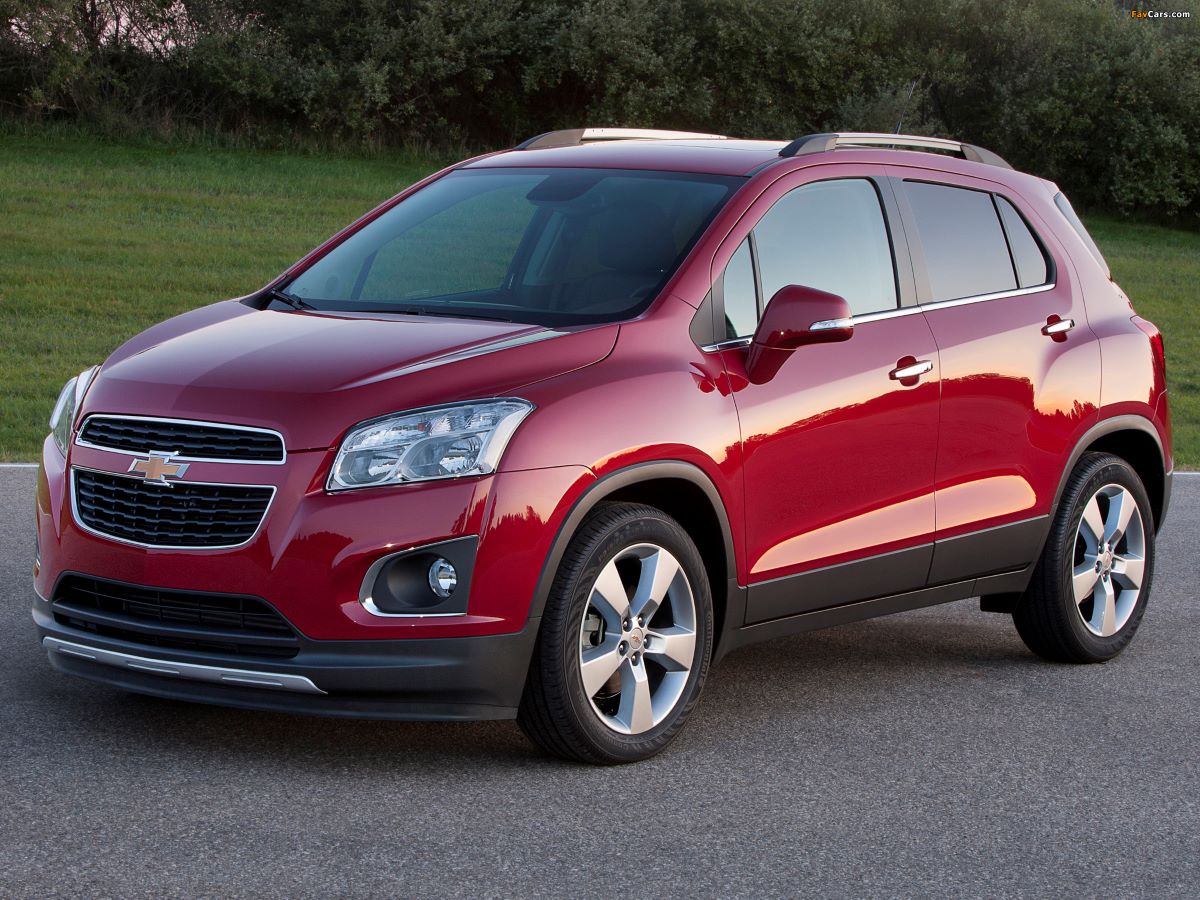
The new generation of the Trax is far more refined, but the previous version still widely seen in the used market had a reputation for pronounced body roll. Its narrow track width and relatively high seating position combined with soft suspension tuning to produce significant lean in corners.
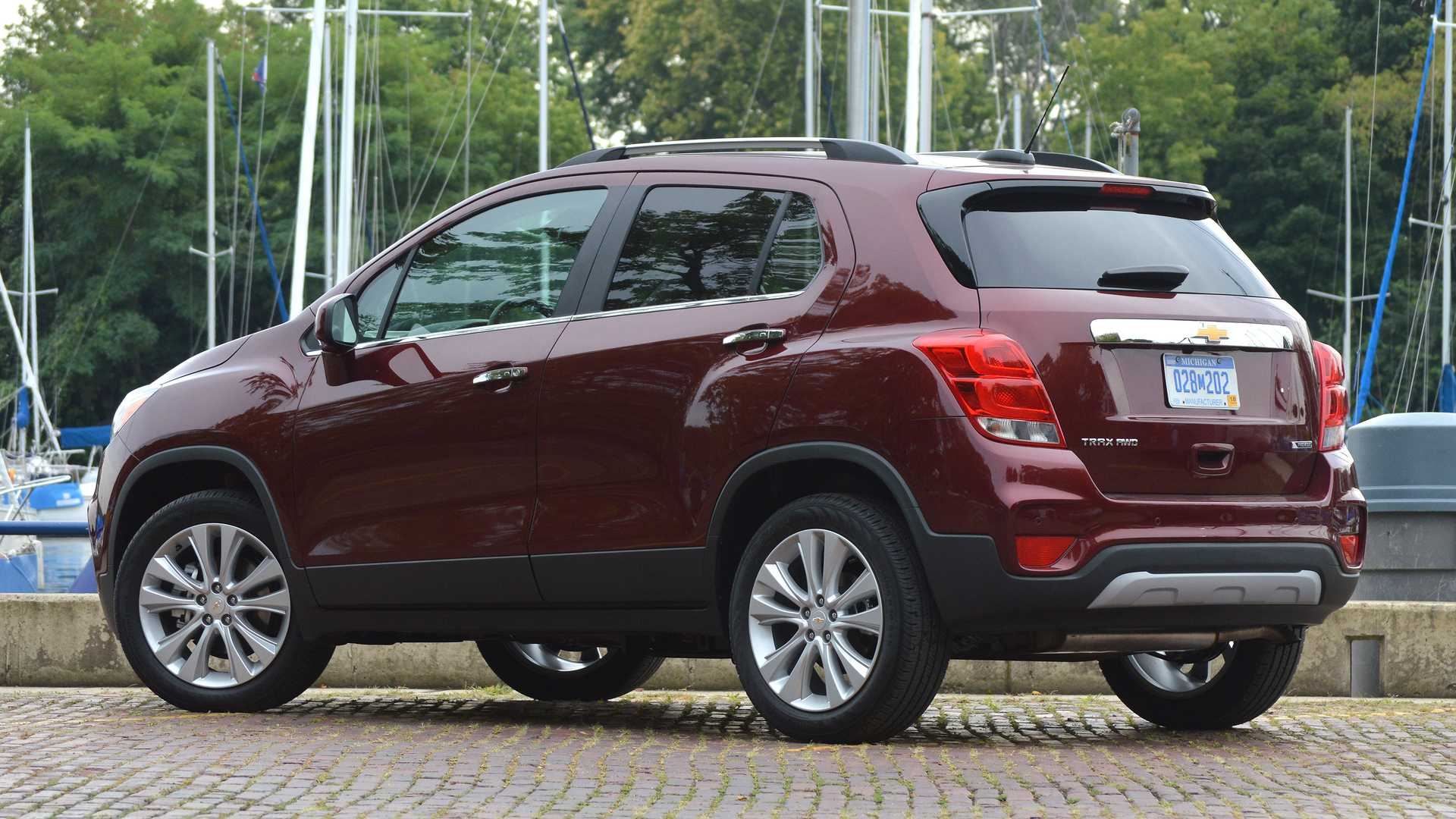
The steering was also light and somewhat vague, amplifying the sense that the SUV wasn’t fully settled when turning. Drivers in the U.S. who regularly use curved highway ramps will notice this trait quickly.
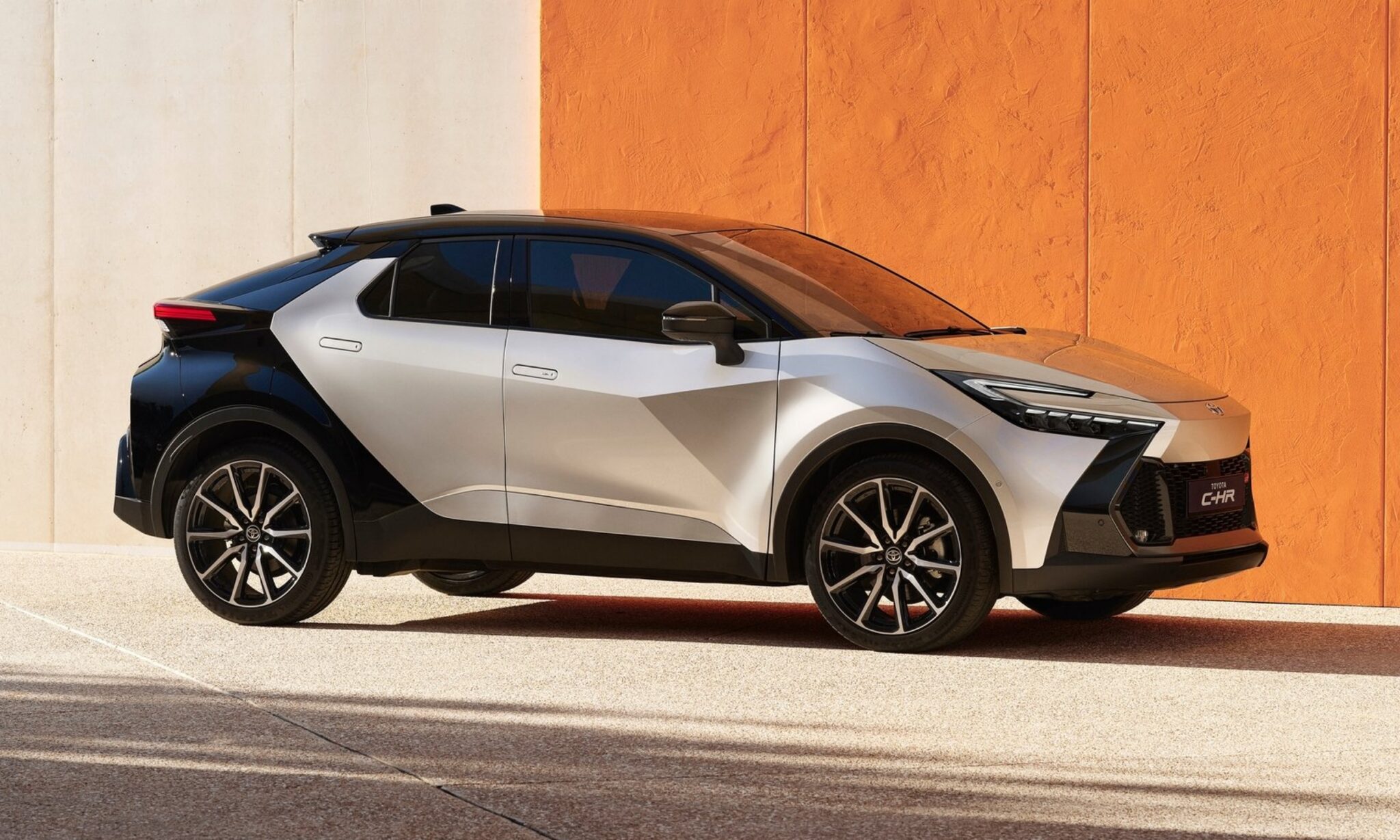
3. Toyota C-HR
The C-HR has sporty styling, but its driving dynamics tell a different story. While the suspension is firm enough vertically, lateral body control is more relaxed.
This leads to a strange combination: bumps are felt clearly, yet the SUV still leans in corners more than some competitors.
Part of the issue is weight distribution and the C-HR’s tall body design relative to its footprint. In everyday driving it’s manageable, but on mountain roads or tight curves, the lean becomes more apparent. Passengers may feel the weight shift more than they’d prefer.
Toyota’s smallest crossover, the C-HR, first turned heads with its striking design when it debuted in 2018, and it’s back for another round. Its low-slung body and optional two-tone color schemes make it stand out in a crowded segment, but its performance and practicality lag behind many competitors.
Power comes from a fuel-efficient 2.0-liter four-cylinder engine that drives the front wheels through a continuously variable automatic transmission (CVT); all-wheel drive is not offered.
Toyota has emphasized value with the C-HR, equipping it with features such as automated emergency braking, adaptive cruise control, an 8.0-inch touchscreen with Apple CarPlay, and dual-zone automatic climate control as standard.
The four-cylinder engine could benefit from a turbocharger, supercharger, or perhaps even a jolt of Red Bull, as it struggles to accelerate the crossover with any real enthusiasm. In our testing, the C-HR managed an unhurried 11.0 seconds to reach 60 mph, putting it well behind most rivals.
Around town, the power deficit is less noticeable, thanks to a responsive throttle that gets the car moving from a stop with relative eagerness. However, when the accelerator is floored, the engine revs to its maximum and holds there, droning while the CVT futilely searches for a ratio to provide meaningful forward thrust.
Ride comfort is respectable but not exceptional for the segment. The suspension recovers quickly from larger bumps, yet stretches of patched or rough pavement produce a cacophony of noise, with harsh impacts reverberating through the cabin.
The C-HR’s steering is accurate, with front wheels responding directly to driver inputs. Handling feels lively, body roll is well controlled, and the crossover exhibits a playful character that makes it engaging to maneuver despite its lackluster straight-line performance.
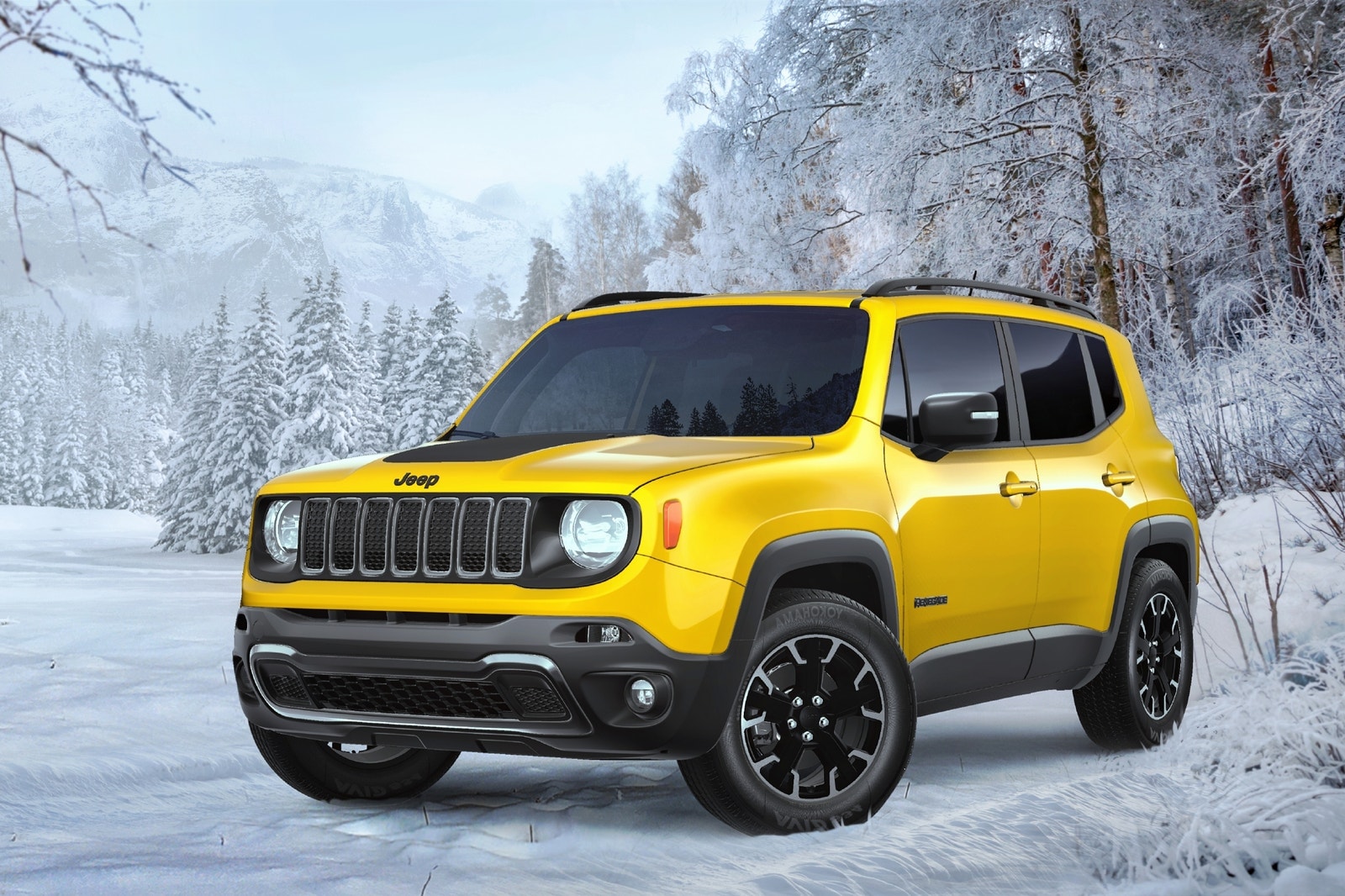
4. Jeep Renegade
The Renegade’s appeal lies in its rugged personality and genuine off-road capability, but that same emphasis results in a chassis that exhibits more roll in suburban and highway driving.
The short wheelbase and boxy shape accentuate the sensation, while the soft suspension travel great for broken trails works against it on paved curves.
Sudden lane changes can cause a pronounced lean that feels less controlled than modern competitors. Drivers who value on-road composure may find the Renegade more unsettled than expected.
The Jeep Renegade delivers something most subcompact crossovers simply don’t: genuine off-road capability paired with a rugged, masculine design.
This smallest member of the Jeep family takes cues from the iconic Wrangler and packages them in a more accessible form. While its two four-cylinder engines are underpowered, the Renegade comes with a standard six-speed manual transmission and a capable all-wheel-drive system.
Inside, the interior has a robust, utilitarian feel and can be equipped with various Uconnect infotainment systems; Apple CarPlay and Android Auto are optional. While competitors like the Kia Soul and Mazda CX-3 shine on paved roads for their driving enjoyment, the Renegade excels on trails, delivering a true taste of the Jeep lifestyle.
Jeep enthusiasts need to be prepared for a raw driving experience, as neither of the Renegade’s four-cylinder engines is refined. Both powertrains can feel strained under load. Buyers can choose between a base 160-hp turbocharged 1.4-liter inline-four or a 180-hp 2.4-liter inline-four.
The turbocharged engine pairs only with a six-speed manual, while the larger engine comes with a nine-speed automatic. Two all-wheel-drive systems, Active Drive and Active Drive Low, are offered. The Renegade isn’t designed for aggressive on-road performance, but it performs better than expected for its size. If spirited on-road driving is a priority, rivals such as the turbocharged Kia Soul and Mazda CX-3 provide more power and fun.
Ride quality varies: the Trailhawk trim with its off-road focus can feel stiff, but other trims generally offer a composed and comfortable ride. Steering is responsive, and there is less body roll around corners than one might anticipate from a boxy, ornament-like vehicle.
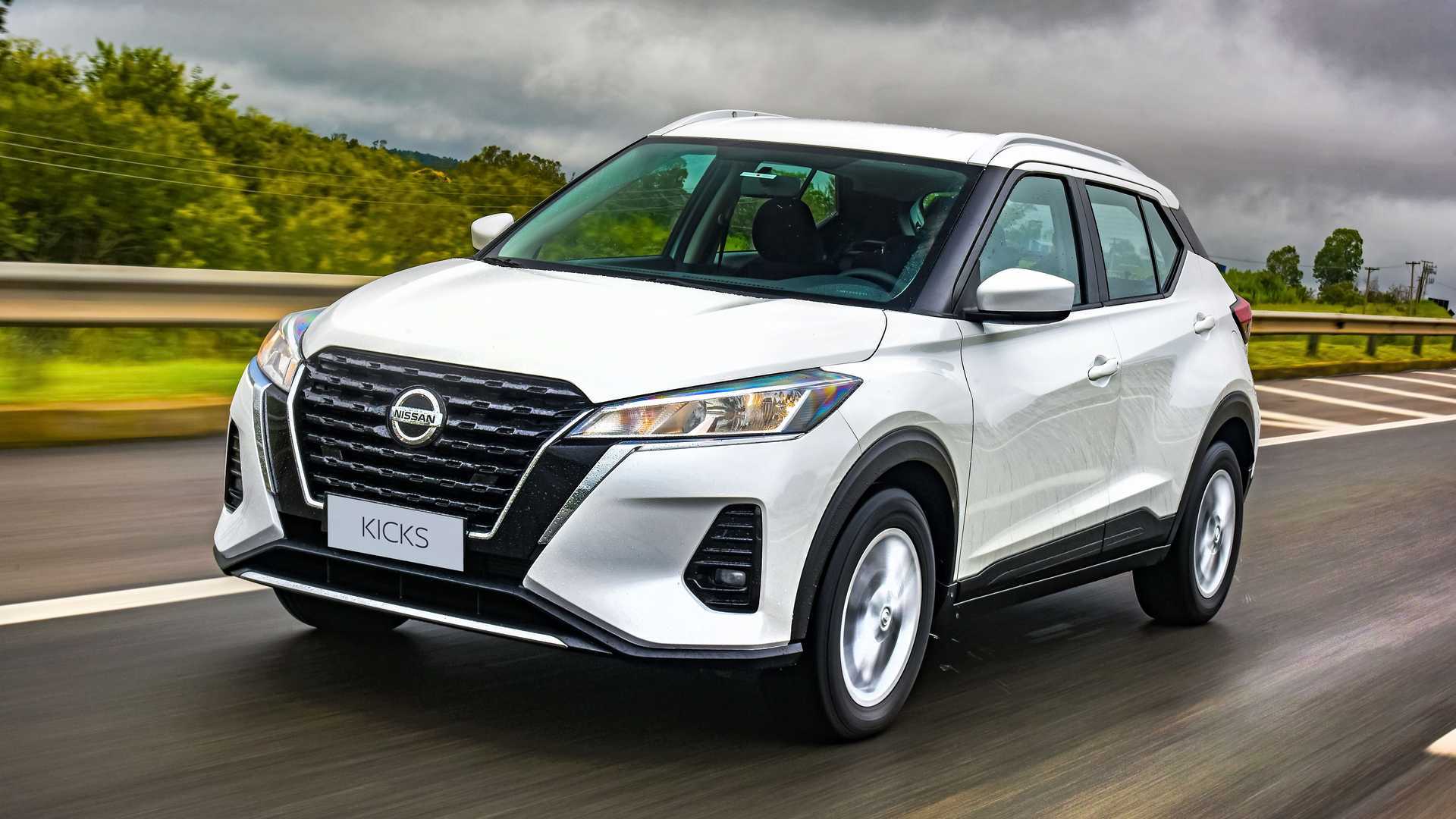
5. Nissan Kicks
The Kicks is loved for its practicality, fuel economy, and value, but crisp cornering is not its strong suit. The tall body combined with low-cost suspension components leads to noticeable leaning in everyday turns.
It’s not dangerous, and its light weight helps keep the behavior predictable, but compared with firmer rivals, the Kicks feels more top-heavy. On long highway exits or winding suburban roads, the body motion becomes more obvious, especially with passengers or cargo.
Small SUVs vary dramatically in how they handle corners, even though they appear similar on paper. Models like the Mazda CX-30, Honda HR-V, BMW X1, Crosstrek, and VW Taos show that good engineering can make a taller vehicle feel planted and confidence-inspiring.
Completely redesigned for 2025, the Nissan Kicks subcompact crossover shows signs of maturity while still retaining the playful, low-cost charm that characterized the previous generation, which continues to be sold as the Kicks Play. The all-new styling gives the Kicks a modernized look inside and out, with a bolder yet cleaner design for the front and rear fasciae.
While the original profile is faintly recognizable, the 2025 Kicks grows by an inch or two in nearly every dimension, resulting in 1.7 inches more front shoulder room, 1.9 inches more rear shoulder room, and 0.9 inches more rear knee room.
The cabin is more practical and tech-forward, featuring updated interior design that complements the exterior and offering new infotainment options, including an available 12.3-inch center screen, while a 7.0-inch display remains standard.
Perhaps most significant, the Kicks now comes with a 141-hp 2.0-liter four-cylinder engine replacing the previous model’s often strained 1.6-liter unit, and for the first time, all-wheel drive is available.
The 2025 Kicks’ new 2.0-liter engine produces 141 horsepower and 140 pound-feet of torque, an increase of 20 hp and 26 pound-feet over the outgoing 1.6-liter engine. While it doesn’t turn the Kicks into a speed demon, the upgrade delivers noticeably improved performance.
Power is routed through a continuously variable automatic transmission (CVT) to the front wheels, or to all four wheels on models equipped with the new optional AWD. AWD models also gain a “Snow” drive mode alongside the standard Normal, Eco, and Sport settings.
During our test drive, we were impressed by the enhanced responsiveness of the powertrain and the confidence-inspiring handling. However, we recommend skipping the optional 19-inch wheels, as they negatively impacted the ride quality in our evaluation.
Meanwhile, others lean more noticeably because of older platforms, softer suspension setups, or design choices that prioritize comfort or cost over composure.
For U.S. buyers who want an SUV that doesn’t feel tippy or unsettled even with kids, groceries, and long commutes the “stable five” on this list are worth test-driving.
And for those considering the models that lean more, awareness helps set realistic expectations. The right SUV isn’t just about features or styling; it’s also about how confidently it handles the everyday roads we drive.
