

Many people enter a ride share vehicle expecting comfort, space, peace of mind, and simple convenience.
Those expectations shape how passengers rate drivers, and in turn, affect how drivers earn. That is why some cars have gained a strong reputation among experienced ride-share drivers who spend long hours on busy roads.
They know which models help passengers feel relaxed and which ones cause small annoyances that turn into lower ratings.
Drivers share their stories, and patterns begin to appear. Some cars shine in ways that surprise new drivers. Others sound good on paper but end up creating complaints that affect a driver’s daily hustle.
Passengers pay attention to many small things. A smooth seat, decent legroom, soft cabin sound, simple access, and even how a door opens can influence their mood. Drivers who learn these behaviours quickly choose cars that help their work go smoothly.
They want something reliable, simple to handle, and friendly to both tall and short passengers. Even the shape of a rear seat cushion can change how someone rates their experience. These little details play a big role for drivers who earn through ratings.
Online discussions, private group chats, and driver forums often highlight a bunch of models that tick the right boxes. Some compact models surprise people with roomy back seats. Some midsize sedans give riders that quiet comfort many appreciate after a long day. On the opposite side, certain cars become regular sources of small frustrations.
Tight spaces, stiff seats, awkward entry angles, and noisy cabins can make riders feel uncomfortable. A wide range of cars have been tried on roads across different climates, and many drivers have gathered enough experience to confidently say what works best.
Below, you will find five models widely praised by ride-share drivers and five models that drivers say can damage ratings because passengers feel cramped or irritated. This guide will help new drivers and curious readers see how vehicle choice shapes rider satisfaction.
5 Rides Share-drivers Recommend
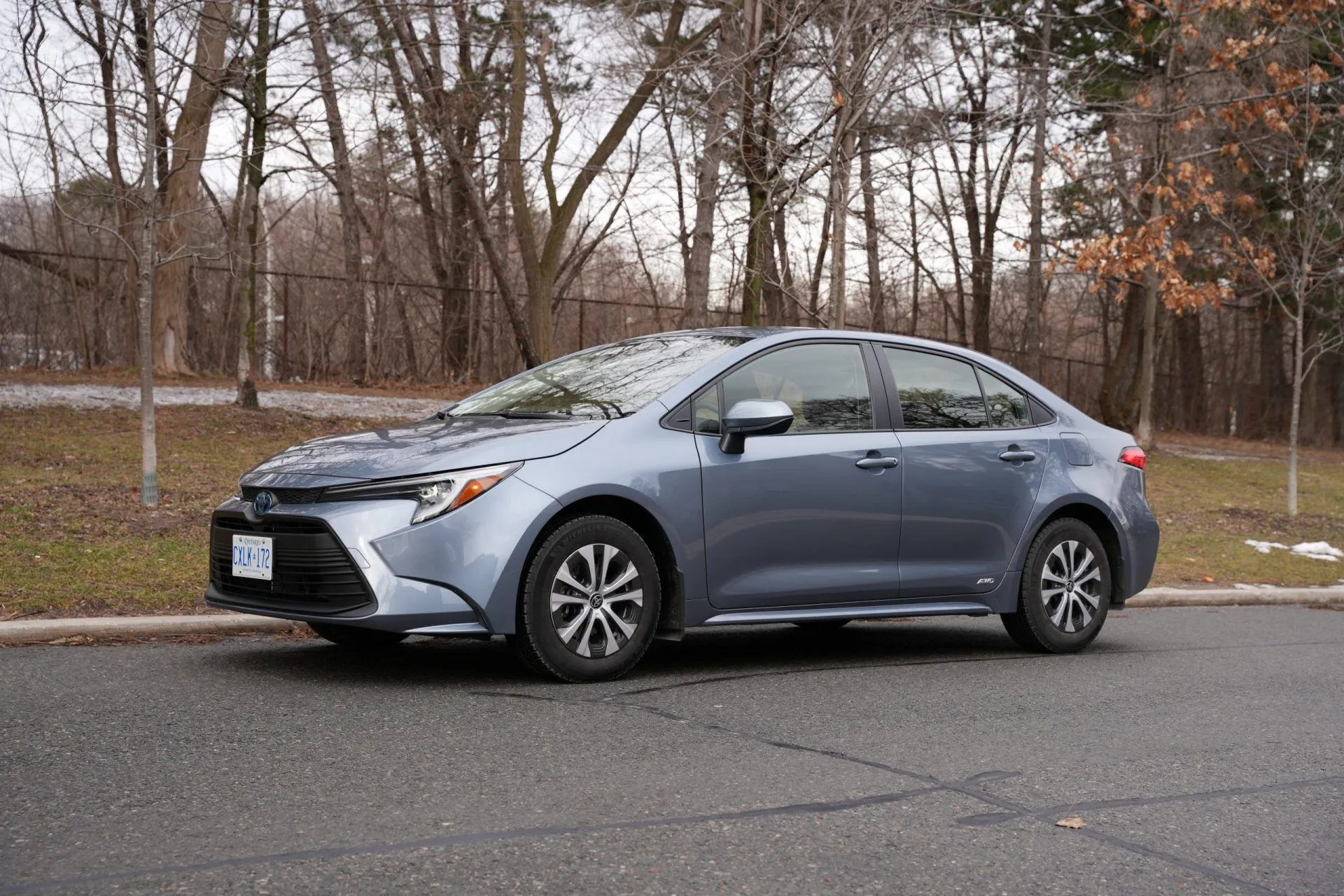
1. Toyota Corolla Hybrid LE
Plenty of ride-share drivers mention this model first when discussing cars that keep passengers comfortable. Smooth cabin feel, gentle suspension handling, and quiet driving make people feel relaxed from the moment they settle in.
Its hybrid system reduces noise during low-speed movement, and this calm environment encourages riders to enjoy the trip without distraction. Many drivers appreciate that passengers often comment positively on how peaceful the ride feels. A quiet cabin usually leads to happier customers.
Another interesting detail lies in how balanced the interior layout is. Legroom stays adequate for most adults in both front and back seats. Nothing feels tight or awkward. Riders get in with ease and settle down without adjusting too much.
Many short trips and long trips remain comfortable because seats provide gentle support without being too firm. Even after long driving hours, drivers mention that their own backs do not feel stressed. A relaxed driver tends to offer a relaxed experience.
Fuel efficiency is also a strong motivating factor for drivers who work long hours. Hybrid engines help reduce fuel costs, allowing drivers to keep more earnings.
When drivers feel less pressure from fuel expenses, they perform their work with more confidence, which often reflects in how passengers are treated. Less financial strain helps create a more patient driver, leading to higher satisfaction.
Storage also works well for everyday airport trips. The trunk can handle several medium bags without difficulty.
Drivers who work airport routes often prefer this because extra luggage space means no awkward discussions with riders. Those simple, practical features make the Toyota Corolla Hybrid LE a trusted choice for drivers who want better ratings without stress.
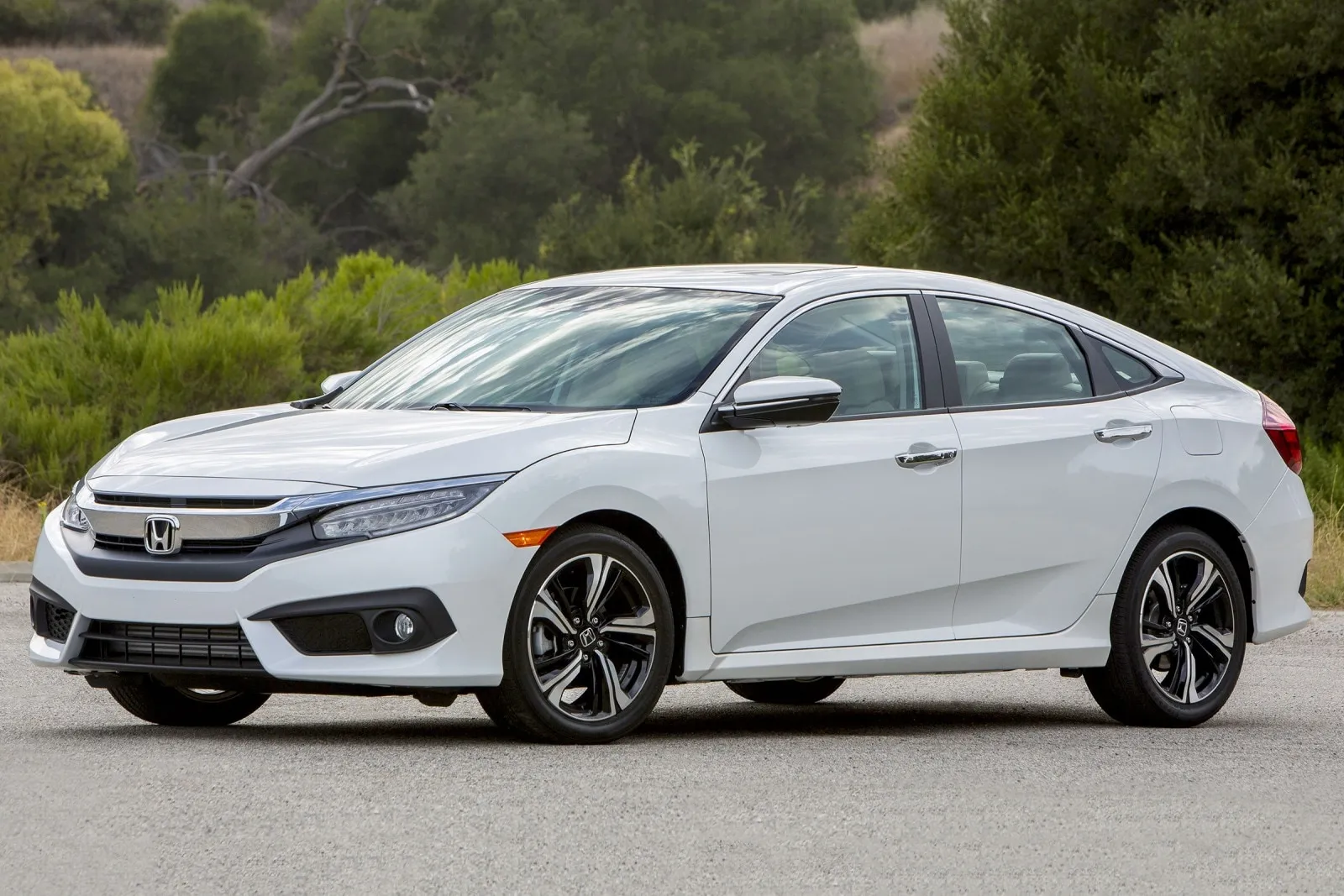
2. Honda Civic EX Sedan
Plenty of ride-share drivers enjoy using the Honda Civic EX Sedan because its interior always feels welcoming. Seats offer a nice mix of support and softness that many passengers appreciate.
When people sit down, they feel at ease right away. Drivers who work late hours enjoy how bright and clear the cabin lighting is because this creates a warm and friendly atmosphere. When riders enter a well-lit cabin, they feel safe and comfortable.
Another impressive advantage comes from the way this model handles bumpy streets. A comfortable suspension smooths out rough patches on city roads. When passengers do not feel every bump, their conversations, naps or quiet thoughts continue uninterrupted. This steady ride quality becomes a talking point for drivers who handle long city routes every day.
Back seat passengers also gain generous space. Taller riders rarely complain about knee room. Entry is simple because door openings feel wide enough for most passengers, including elderly customers who sometimes struggle with compact cars. When entry feels easy, ratings tend to improve because no one wants to struggle to sit down.
Drivers also enjoy the Civic EX Sedan because its controls feel intuitive. Buttons and knobs stay within easy reach, allowing drivers to focus on smooth driving rather than adjusting complicated systems.
A comfortable driver often handles routes more confidently. Many ride-share users appreciate how clean and simple the dashboard looks because it feels modern without being confusing.
Another plus comes from its fuel economy, which helps drivers complete long journeys without frequent stops. Less stopping means more efficient hours of work, leading to smoother scheduling and better time management.
Also Read: 5 Cars That Stay Cool Parked in Sun vs 5 Oven-hot Cabins
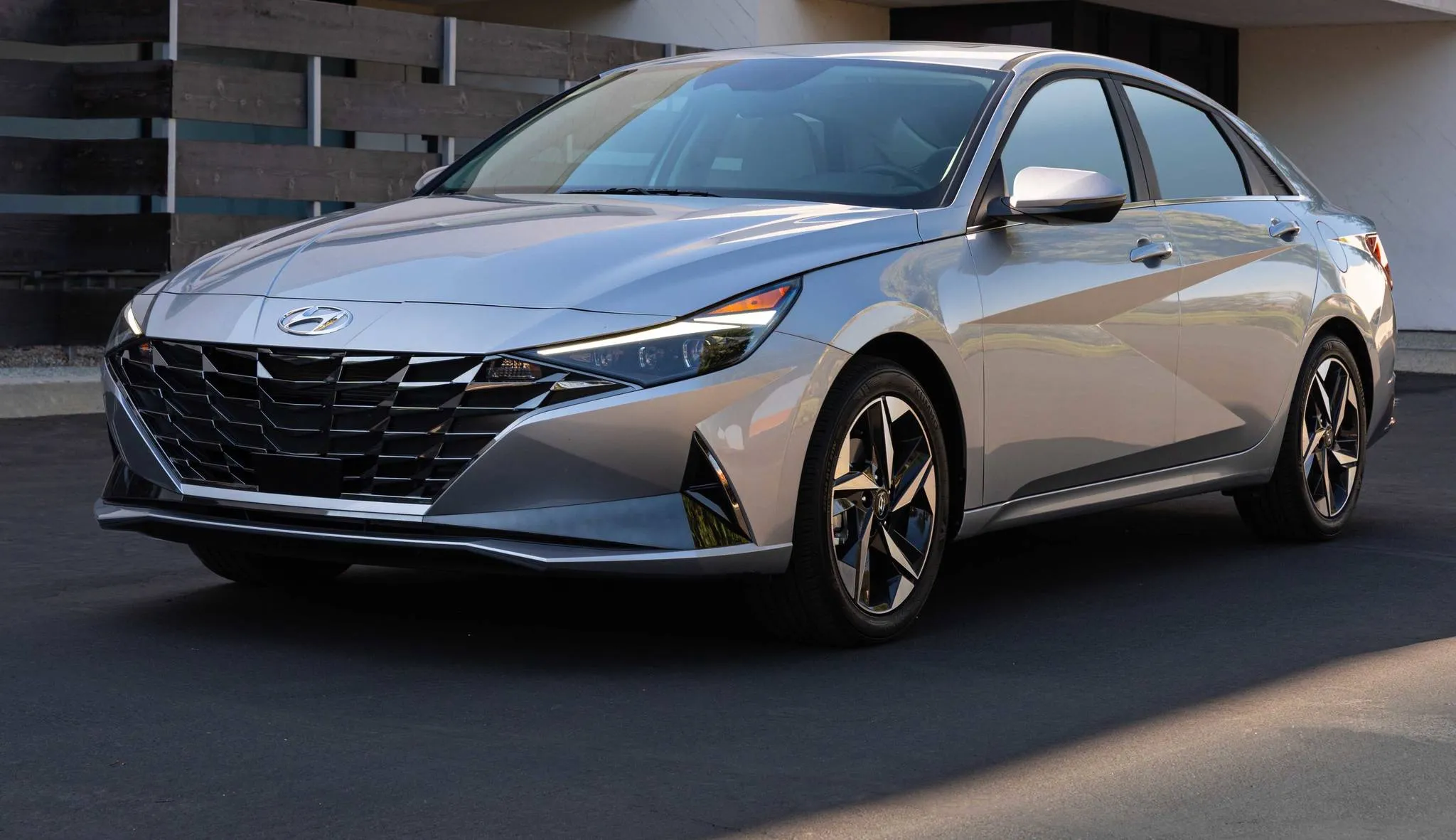
3. Hyundai Elantra SEL
Plenty of ride-share drivers highlight the Hyundai Elantra SEL for its roomy interior that exceeds people’s expectations.
Many riders are surprised at how much knee space they get. This generous space helps longer passengers stretch out comfortably. When people feel relaxed in the back seat, they give higher ratings without thinking twice.
Another attractive advantage comes from its temperature control system. It cools down quickly when entering hot conditions and warms up nicely in colder weather.
Riders love stepping into a comfortable cabin because climate issues often lead to unnecessary complaints. By keeping the temperature steady, drivers avoid complaints and improve comfort.
A unique benefit of the Elantra SEL lies in its cabin noise level. It remains reasonably quiet even during highway speeds. Passengers can handle their phone calls, work on laptops or simply enjoy the silence while commuting. Peaceful rides create positive impressions.
Drivers enjoy the smooth steering feel, which makes going through tight corners simple. Quick handling improves safety because drivers respond faster to unexpected situations. Confident steering performance encourages passengers to trust the driver more. When passengers trust the driver, ratings naturally rise.
Fuel economy also plays a big part in its popularity. Drivers who work beyond eight hours appreciate any model that reduces recurring costs. Lower fuel consumption helps reduce financial stress and gives drivers the freedom to complete more trips comfortably.
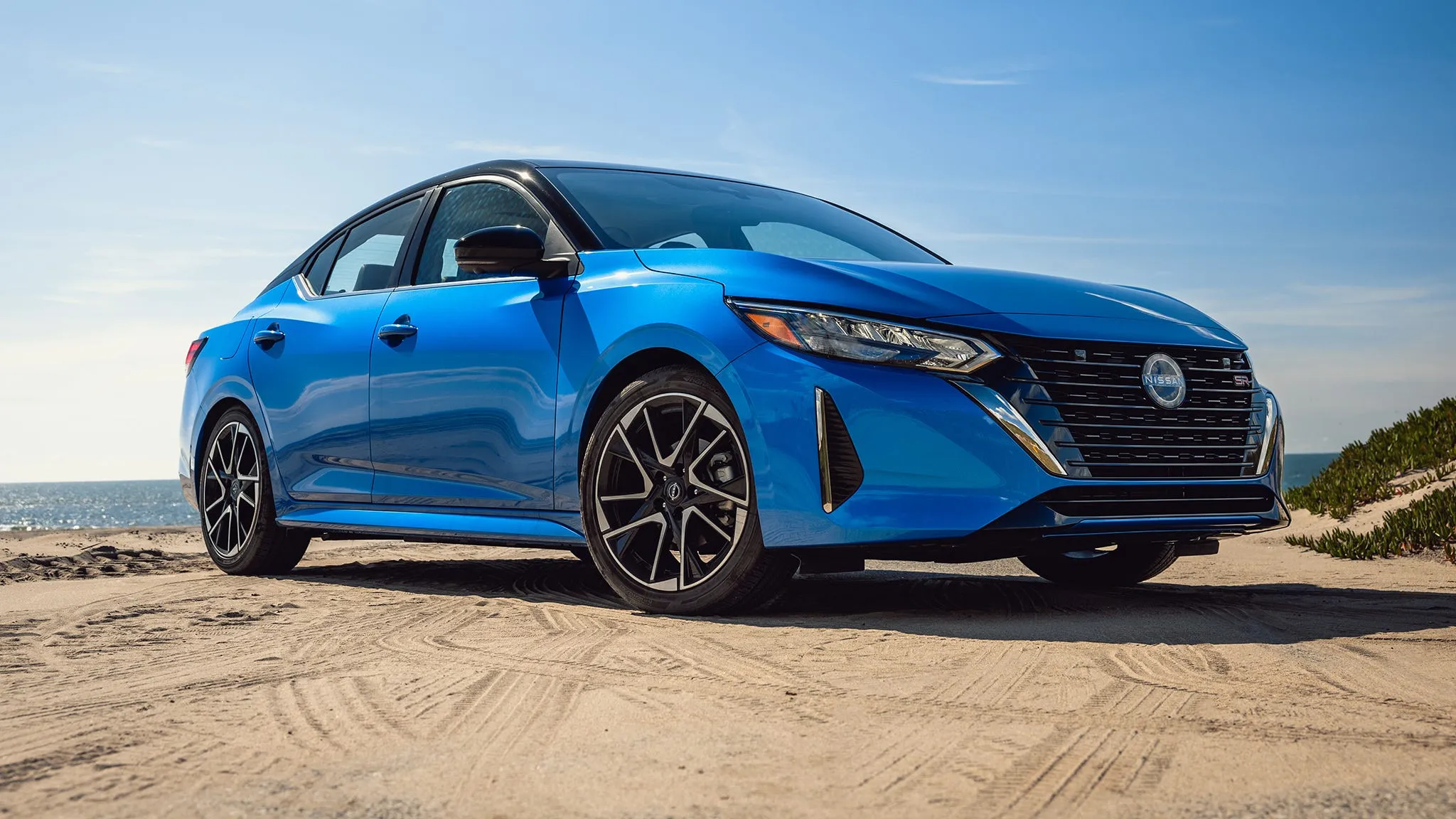
4. Nissan Sentra SV
Many ride-share drivers highlight the Nissan Sentra SV because its rear seat cushioning feels supportive. Passengers rarely complain about discomfort, even during longer rides.
This soft but structured design helps keep people from sliding around on turns, which riders appreciate a lot. Good back support often leads to better ratings because comfort plays a major role in rider satisfaction.
Another appealing feature lies in the shape and size of the door openings. Riders step in and out without bending too much. Elderly passengers or people carrying shopping bags find this convenient. When entry feels easy, riders start their journey with a positive impression.
Drivers often mention how the Sentra SV maintains a balanced ride. It feels stable on highways and manages city bumps gracefully. Stability builds trust, which encourages riders to reward drivers with positive comments. Smooth driving also helps drivers who operate in busy regions.
Interior materials look polished for a car within its price range. Passengers appreciate when cabins feel clean, organised, and pleasant. Small design choices like soft-touch materials and comfortable seat fabric help riders enjoy the trip. When the surroundings look appealing, people naturally feel calmer.
Another strong advantage lies in its fuel-friendly engine. Drivers can handle long movements before needing a refill. When drivers make fewer fuel stops, their earnings remain steady. Many ride-share operators prefer cars that keep their running costs low because this directly influences their income.
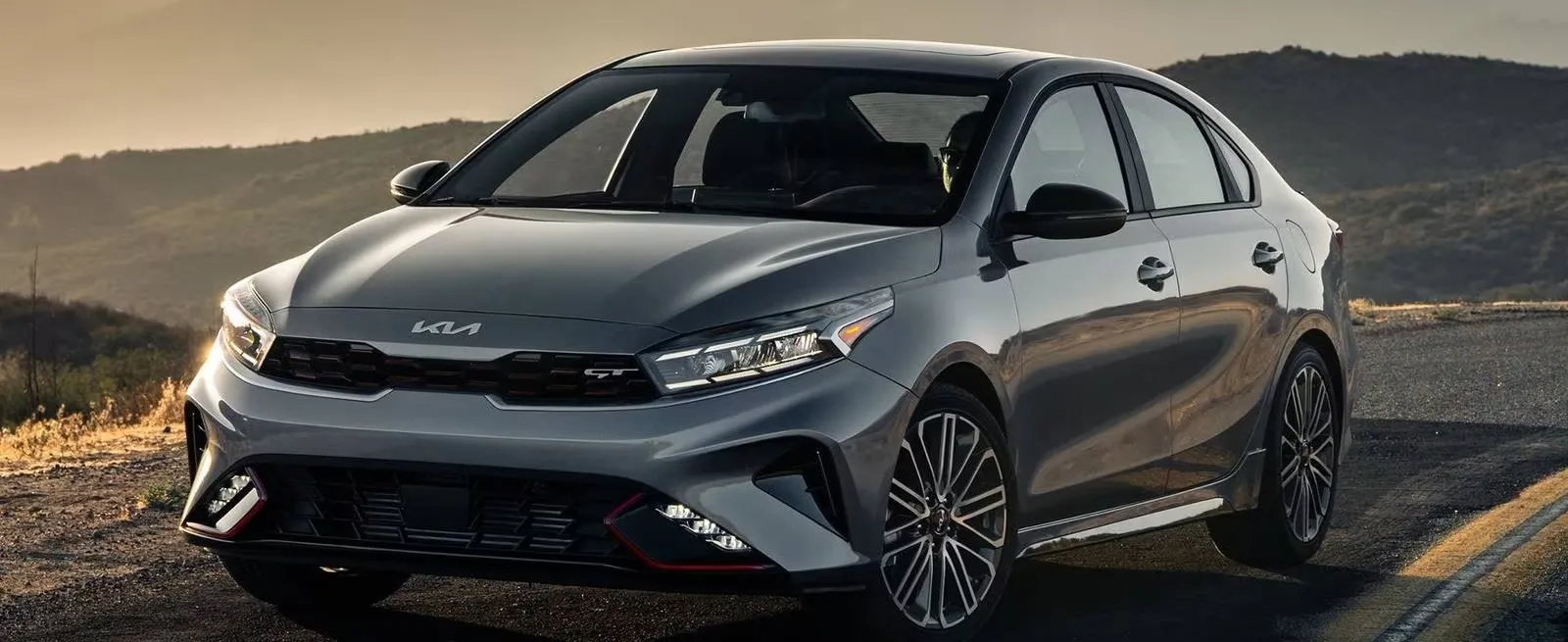
5. Kia Forte LXS
Kia Forte LXS brings a mix of spaciousness, responsiveness, and cabin comfort that ride share drivers mention frequently.
Passengers enjoy the wide rear seat and generous shoulder space. People travelling with friends or carrying backpacks find it easier to settle in comfortably. A relaxed passenger contributes to higher ratings.
Drivers also praise the way this model handles city movement. Steering feels responsive, yet not too stiff. This helps when working in narrow streets or busy ride-share pickup zones. Smooth handling keeps riders at ease, especially when passing through crowded areas.
Another helpful detail is how organised the cabin design appears. Buttons stay in logical places, making it easy for drivers to adjust settings without distraction. Passengers appreciate when drivers focus on the road rather than fiddling with controls. Clear cabin layout makes every trip smoother.
Sound insulation also helps the Kia Forte LXS deliver peaceful rides. Many passengers prefer vehicles where outside sounds do not disrupt their calls or relaxation. Soft cabin tone encourages riders to relax and give positive ratings.
Fuel efficiency remains another important reason drivers choose this model. Lower fuel use helps ride-share workers maintain a steady income throughout busy weeks. Affordability combines with comfort to create a car that sustains long movements without wearing drivers out.
5 Cars That Hurt Ratings
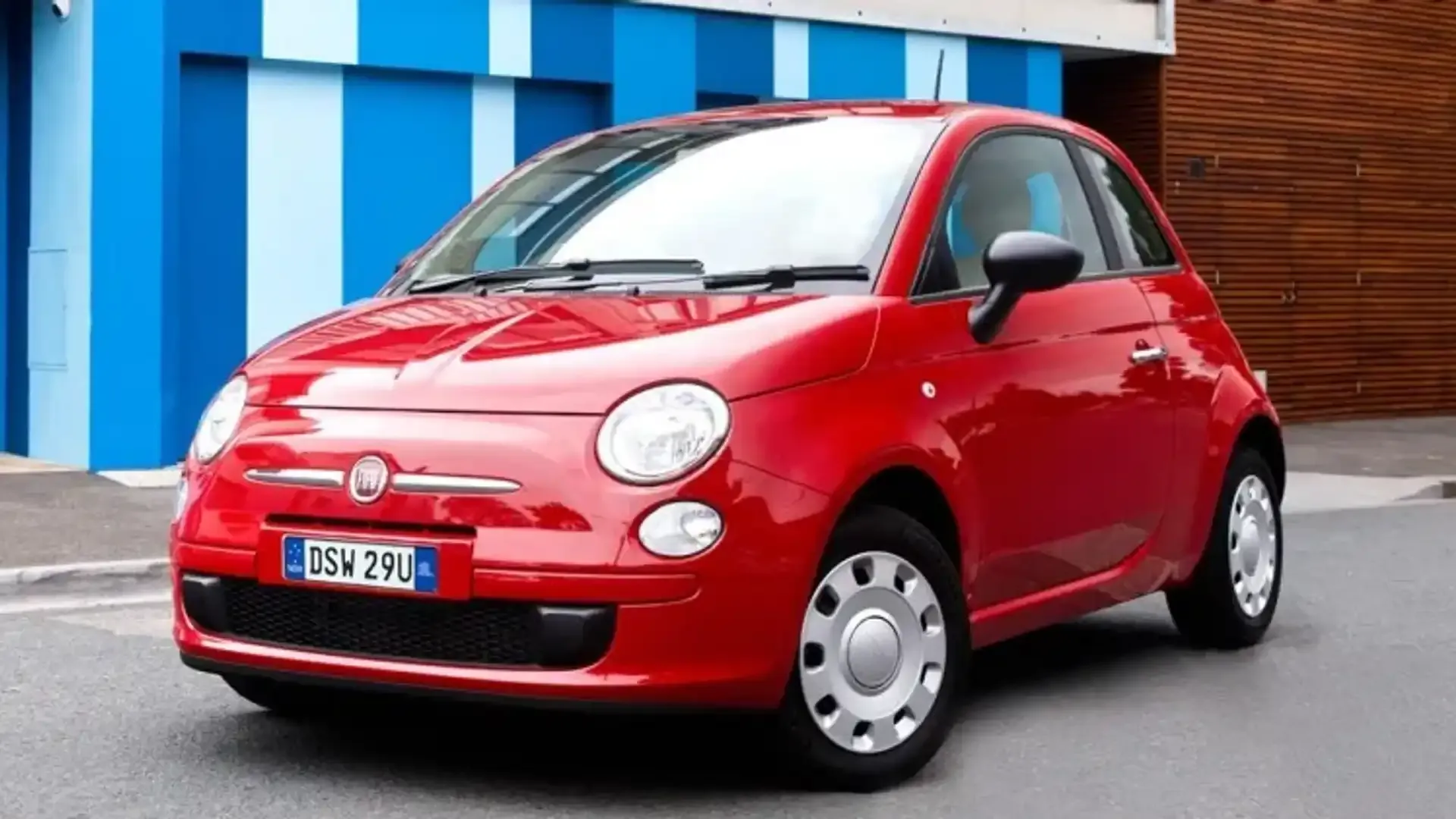
1. Fiat 500 Pop Hatchback
Plenty of ride-share drivers mention the Fiat 500 Pop Hatchback whenever discussions begin about models that challenge rider comfort. Tight rear space remains the most common complaint. Riders with long legs feel squeezed, especially during longer urban routes or highway transfers.
Even short passengers sometimes feel restricted because of the limited shoulder width. When customers feel cramped before the trip even starts, their expectations drop automatically, and that change influences how they evaluate the entire ride.
Another issue comes from its limited luggage room. This becomes a major disadvantage during airport pickups or mall drop-offs. People carrying medium-sized suitcases or shopping bags struggle to fit their belongings. Drivers often find themselves apologising repeatedly when items do not fit comfortably.
Experiences like this tend to lead to neutral or low ratings because passengers value organised and seamless trips. When people spend time adjusting bags or trying to force luggage into tight spaces, their impression of the journey becomes less pleasant.
Cabin noise presents another challenge. Many drivers say that at highway speeds, the noise level becomes distracting. Riders hoping to take phone calls or relax find the sound irritating.
Quiet travel helps improve ratings because passengers equate quietness with comfort. Models like this make that difficult, especially when driving on uneven surfaces where road noise becomes more noticeable.
Entry into the back seats also causes complaints. Door openings feel small, so passengers must bend awkwardly to sit down. Elderly customers or adults carrying shopping bags often struggle, which leads to dissatisfaction.
People want vehicles that allow easy and calm entry. When the initial entry feels uncomfortable, riders form early negative impressions.
The driving feels adds one more issue. Some drivers describe it as slightly jumpy when accelerating. Passengers prefer smooth acceleration, especially during city driving, where stops and starts happen constantly.
Jumpiness can create discomfort, affecting ratings negatively. When a car feels unsettled, riders worry about stability, and that concern travels with them through the entire trip.
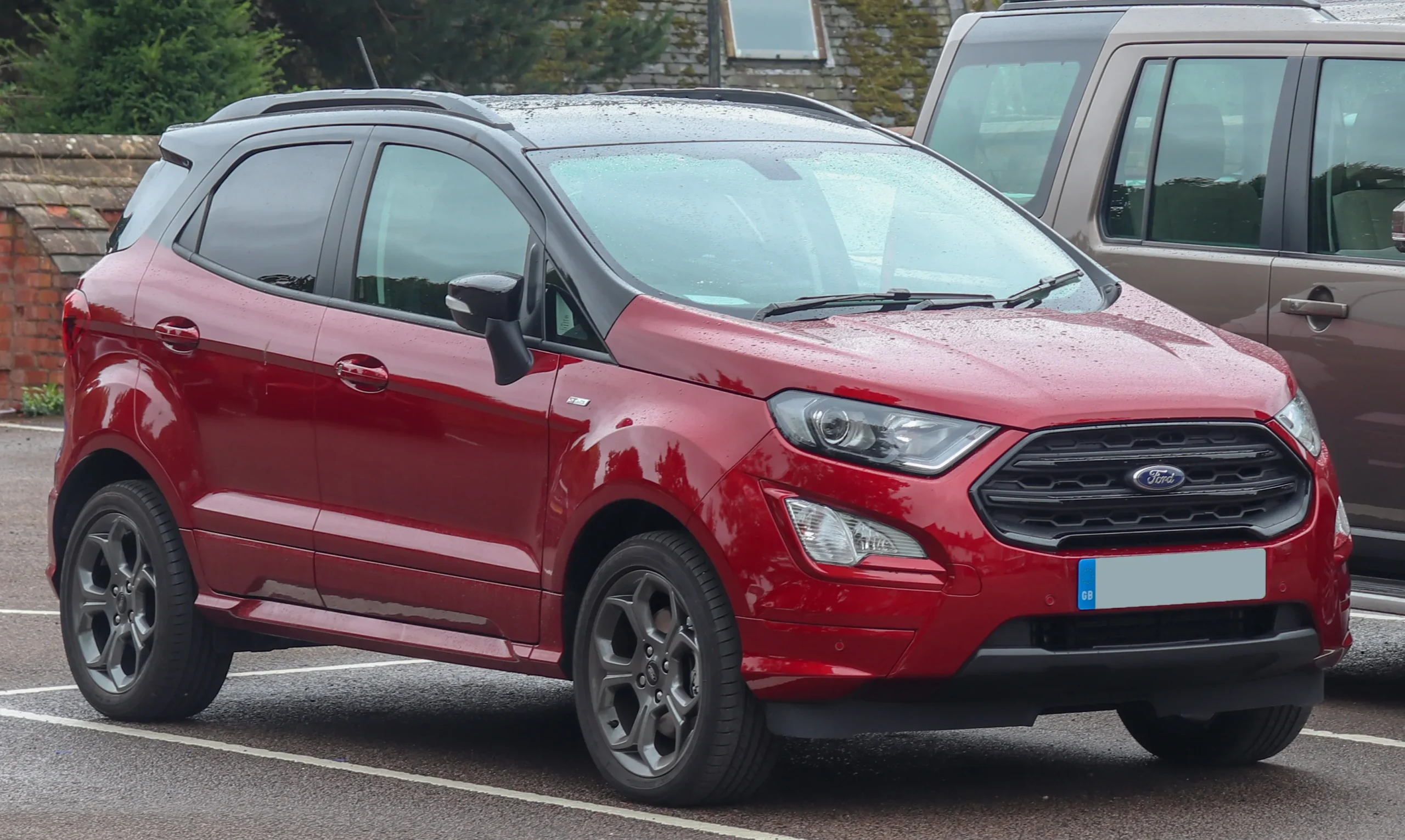
2. Ford EcoSport S
Many ride-share drivers express concerns about the Ford EcoSport S for several reasons. Rear seat legroom often feels tight for passengers.
People sitting in the back complain that their knees touch the front seats, especially when the driver or front passenger adjusts their seat backward. Riders who want relaxed seating spaces tend to rate lower when they feel cramped because comfort forms the foundation of their general experience.
Another frequent complaint appears during entry. The elevated seating height makes stepping inside slightly awkward for some passengers.
Riders appreciate easy access, and models that make entry complicated usually perform poorly in ratings. Passengers carrying backpacks or shopping bags find the movement even more difficult, which increases stress during boarding.
Cargo space does not help matters either. Airport trips challenge this vehicle because it struggles to carry multiple suitcases comfortably.
Trunks that cause stressful loading experiences contribute to rating issues. Passengers want quick and simple luggage handling without awkward rearranging. When drivers need to adjust or reposition luggage several times, people feel irritated, especially when they are in a hurry.
A major talking point among drivers relates to its cabin noise. Many riders complain when they hear too much road noise during long journeys. People using ride share services often want quiet travel to relax or focus on their work. Vehicles that lack good noise control risk poor ratings because riders associate loud interiors with lower comfort levels.
Another factor comes from its stiff suspension feel. Rough roads become more noticeable, especially for riders seated in the rear. Bumps that feel sharp often make passengers uncomfortable, and that discomfort shows in their rating choices.
When people feel every road imperfection, they conclude that the vehicle does not meet the comfort expectations required for ride share use. The more noticeable the bumps, the more passengers tend to evaluate the vehicle negatively.
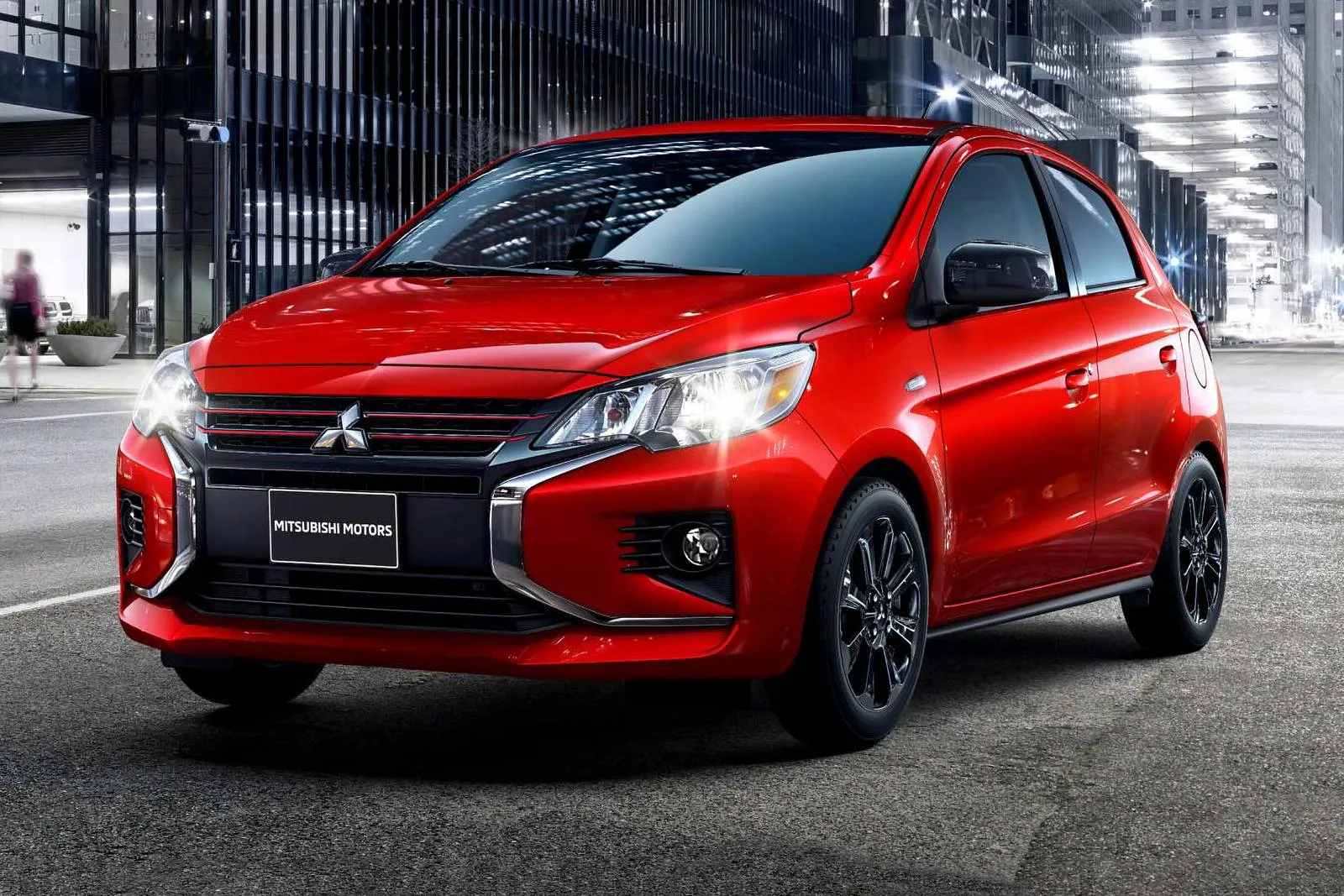
3. Mitsubishi Mirage ES
Plenty of ride-share drivers mention the Mitsubishi Mirage ES as a challenging model because its interior feels smaller than expected. Adults seated in the back frequently mention feeling trapped, especially on longer routes or late-night transfers.
Many prefer models that offer room to stretch their legs. Tight rear quarters consistently lead to lower ratings because riders want to sit without adjusting their body repeatedly.
Seat cushioning creates another concern. Some passengers describe it as too firm, making longer rides uncomfortable. Seat texture matters because ride-share users spend their trips seated.
When seats feel stiff, people express dissatisfaction at the end of the journey. A soft, inviting seat improves comfort, and the absence of that softness becomes a major drawback.
Another contributing factor lies in cabin sound levels. Loud engine noise becomes especially noticeable during acceleration. Passengers prefer rides where sound levels feel gentle. Excessive noise interferes with relaxation and work sessions, which pushes ratings downward. People want smooth engine notes while travelling, not vibrations that dominate the cabin.
Acceleration patterns also create discomfort. Some drivers mention that the engine strains when merging onto highways. Riders want smooth transitions, especially during busy traffic hours.
Strained acceleration affects confidence, leading to negative impressions. Passengers associate smooth performance with safety, so hesitation or strain creates discomfort that influences their evaluations.
The cargo room also limits airport trips. Suitcases fit only with effort. Many drivers share stories of passengers feeling frustrated when bags do not arrange neatly. Poor cargo management often translates into irritated reviews. When passengers worry about space for their belongings, they struggle to enjoy the rest of the ride.
Some riders also comment on the climate control system. Cooling power sometimes feels weak on hot days, which becomes a major concern in warm regions. When the cabin takes too long to cool, passengers feel discomfort that shapes their rating decisions. Climate control plays an essential role in comfort, and models that struggle in this area rarely receive high scores.
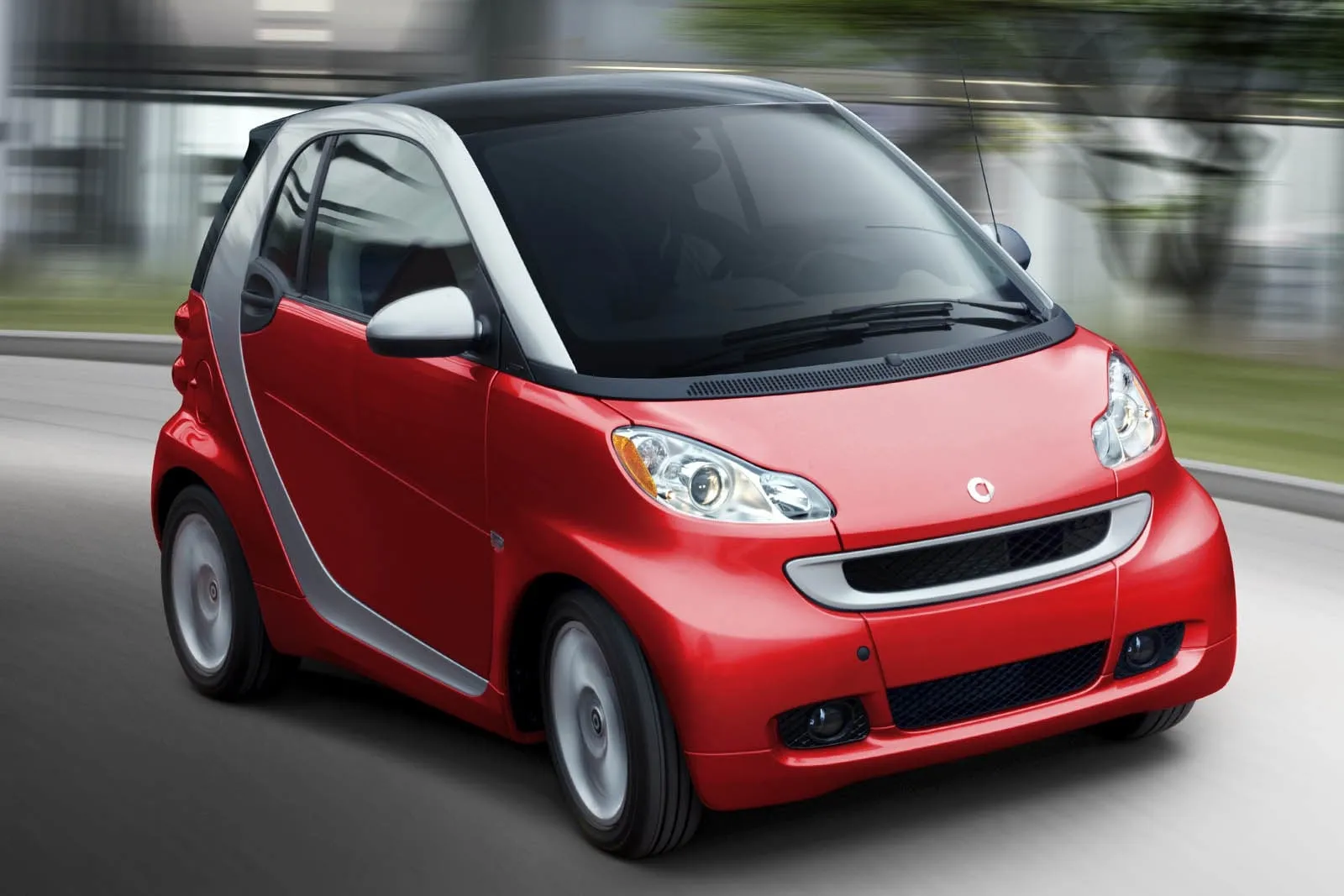
4. Smart Fortwo Pure Coupe
Some ride-share drivers consider the Smart Fortwo Pure Coupe one of the most challenging models to use for ride-share services. The two-seater design alone makes it almost impossible to satisfy customers who expect room for friends, colleagues, or family members. Limited seating capacity directly affects ratings because passengers value versatility when choosing a service.
Storage space also becomes a major drawback. Many ride-share customers carry bags, groceries, or laptops. This model cannot handle even medium-sized items comfortably.
When luggage does not fit, passengers feel frustrated. People expect ride-share vehicles to handle basic storage needs, and this model fails to meet that expectation.
Another common complaint lies in how small the cabin feels. People want breathing space during their ride. Claustrophobic sensations often make riders uncomfortable. When passengers feel trapped, their ratings reflect that discomfort. Riders prefer interiors that allow stretching and free movement.
Ride comfort also lacks softness. Some passengers mention feeling too much vibration from the road. Vibrations leave negative impressions because steady, smooth travel encourages relaxation. A shaky ride discourages high ratings. Passengers who feel bumps frequently tend to believe the vehicle does not offer adequate comfort.
Engine noise also concerns many drivers. A noisy powertrain disrupts conversations and prevents quiet phone calls. Noise contributes directly to passenger dissatisfaction.
Many ride-share drivers avoid this model to protect their ratings and ensure stress-free trips. Cabin insulation plays a major role in general comfort, and this model does not provide enough of it.
Another issue arises from the limited headroom for taller riders. People who struggle to sit upright often complain. Difficulty maintaining a comfortable posture creates minor stress that builds into negative impressions. When posture feels restricted, ratings drop.
Also Read: 5 Cars With Complicated Seat Folding Levers Vs 5 With Simple Mechanisms
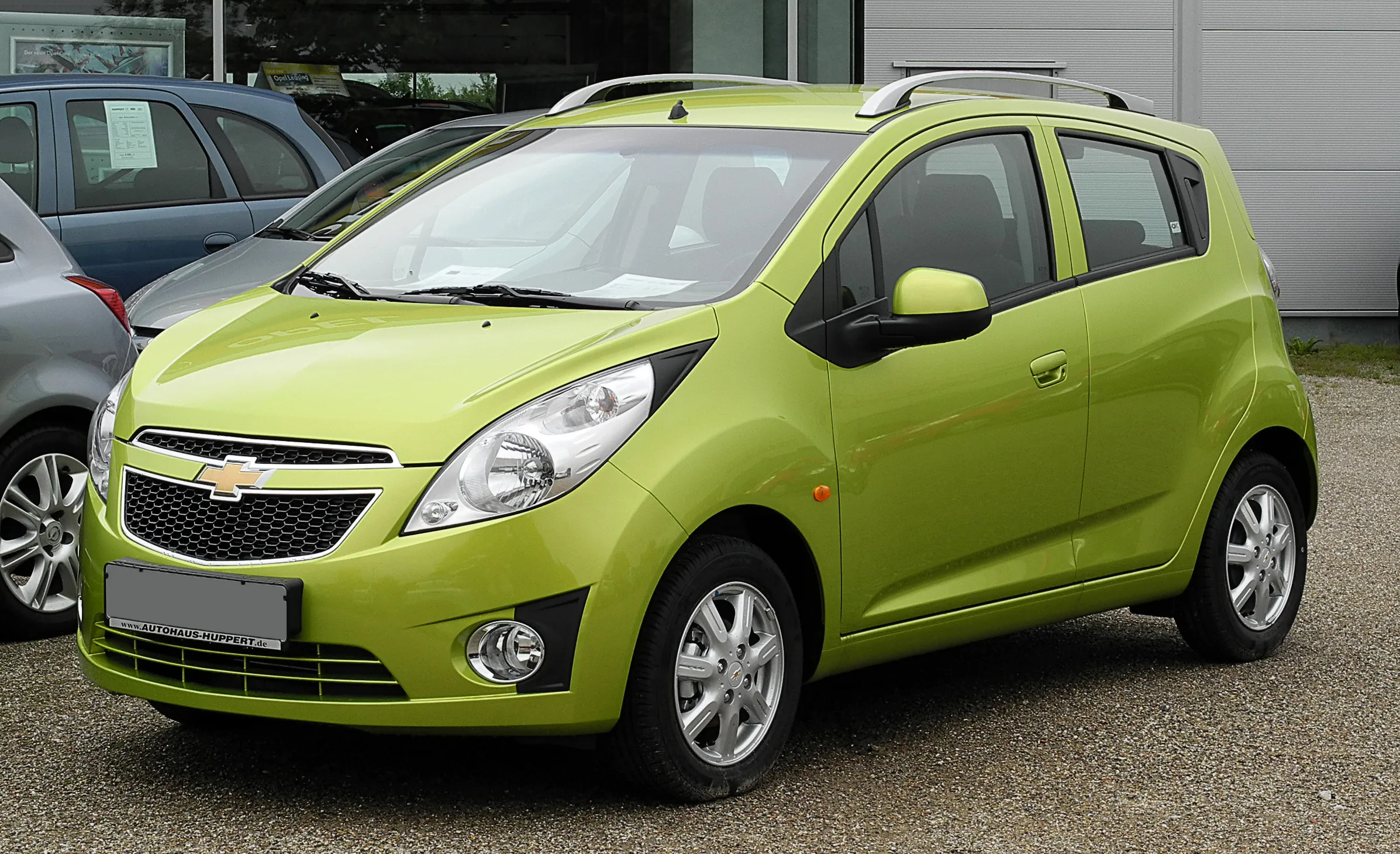
5. Chevrolet Spark LS
Riders often describe the Chevrolet Spark LS as cramped, especially in the back seat. Limited legroom causes discomfort for adults.
Riders prefer more spacious interiors when commuting. When legs feel squeezed, ratings reflect that discomfort. Small spaces challenge riders who plan to sit for long durations.
Another drawback appears in its narrow seating design. People with wider builds feel restricted in shoulder space.
A comfortable seating arrangement plays a major role in creating positive impressions. Tight seating rarely satisfies passengers because they cannot adjust their position easily. Passengers who feel restricted tend to express dissatisfaction.
Engine performance also becomes a talking point. Some riders feel slight vibration during acceleration.
Vibrations create inconvenience for those attempting to rest or work during the ride. When passengers feel rattled, ratings slide downward. Smooth performance matters greatly in ride-share vehicles because users expect calm movement.
Cargo space remains another issue. Airport pickups become harder because the trunk barely fits medium luggage.
Drivers who frequently serve airport customers find themselves apologising. Apologies often lead to awkwardness, and awkwardness can shape ratings. People prefer vehicles that allow bags to fit without any rearranging.
Another issue comes from its cabin material quality. Seats and surfaces sometimes feel too basic, creating a cheaper impression. Passengers often react to comfort levels and design quality. When things feel unimpressive, their feedback declines. Riders associate quality interiors with better value, and any sense of simplicity affects their perception negatively.
Some riders also complain about the rear windows. Limited visibility creates a closed-in feeling that reduces comfort. Passengers prefer windows that provide wider outward views. Restricted visibility leads to a sense of confinement, which shapes general satisfaction.
