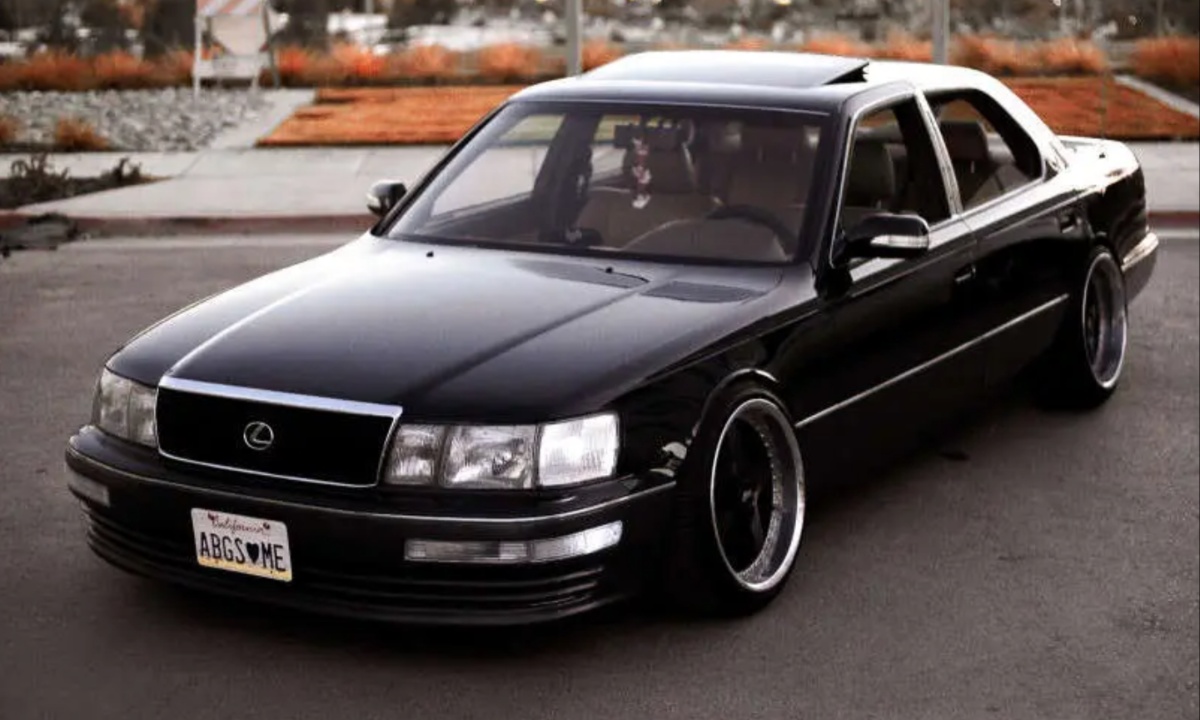
Few luxury sedans manage to retain their appeal and elegance after a decade or more, yet the ten vehicles featured here do just that. These sedans exemplify how thoughtful design, robust engineering, and timeless styling can create cars that continue to feel fresh even decades after their debut.
From the Japanese precision and reliability of the Lexus LS400 and Acura Legend to the German mastery of the Mercedes-Benz W126 and BMW E38, these vehicles prove that durability, comfort, and understated sophistication can coexist.
American classics like the Lincoln Town Car and Cadillac Seville STS show that spaciousness, smooth ride quality, and mechanical simplicity can age gracefully as well. Each sedan offers a unique combination of performance, comfort, and style, demonstrating that luxury is defined not only by modern features but also by enduring quality that stands the test of time.
1. Lexus LS400: Redefining Luxury Through Reliability and Simplicity
Introduced in 1989, the Lexus LS400 marked Toyota’s ambitious entry into the luxury car market, challenging established German brands with a combination of refinement, reliability, and understated elegance.
Designed to offer the comfort and presence of a high-end sedan at a competitive price, the LS400 quickly earned acclaim for its engineering longevity, with many examples exceeding hundreds of thousands of miles without major issues.
At the heart of the LS400 was a smooth, quiet 4.0-liter V8 engine paired with a dependable automatic transmission. This powertrain delivered effortless performance and long-term reliability, traits that distinguished the LS400 from contemporaries burdened by complex mechanical or electronic systems.
Inside, the cabin emphasized durable luxury, high-quality leather, real wood trim, and a well-crafted dashboard that resisted wear remarkably well. Extensive insulation and soundproofing ensured a serene driving experience, while analog controls and minimal electronics enhanced maintainability.
The LS400’s debut also introduced a new business model for Lexus: competitive pricing paired with attentive customer service, including dealer lounges and perks like complimentary breakfasts.
This approach complemented the car’s engineering philosophy, positioning Lexus as a brand that could rival German sedans in luxury while surpassing them in everyday reliability. Compared to contemporaneous models like the W126 S-Class, the LS400 offered similar comfort and road presence without complex hydraulic suspensions or finicky electronics, making it simpler and more cost-effective to maintain.
Driving an early LS400 today demonstrates the timelessness of its design. The car absorbs road noise effortlessly, rides smoothly over imperfections, and delivers a calm, placid driving experience without modern distractions. Though modest by today’s performance standards, its presence and refinement rivaled luxury benchmarks of the late 1980s.
The LS400 ultimately redefined expectations for luxury vehicles, proving that sophistication need not compromise durability.
By blending thoughtful engineering, simple yet effective technology, and a customer-focused ownership experience, Lexus created a sedan that remains celebrated decades later. The LS400’s legacy endures as a symbol of how reliability and elegance can coexist, offering both a luxurious ride and lasting peace of mind.
2. Mercedes-Benz W126 S-Class: The Benchmark of Classic Luxury and Durability
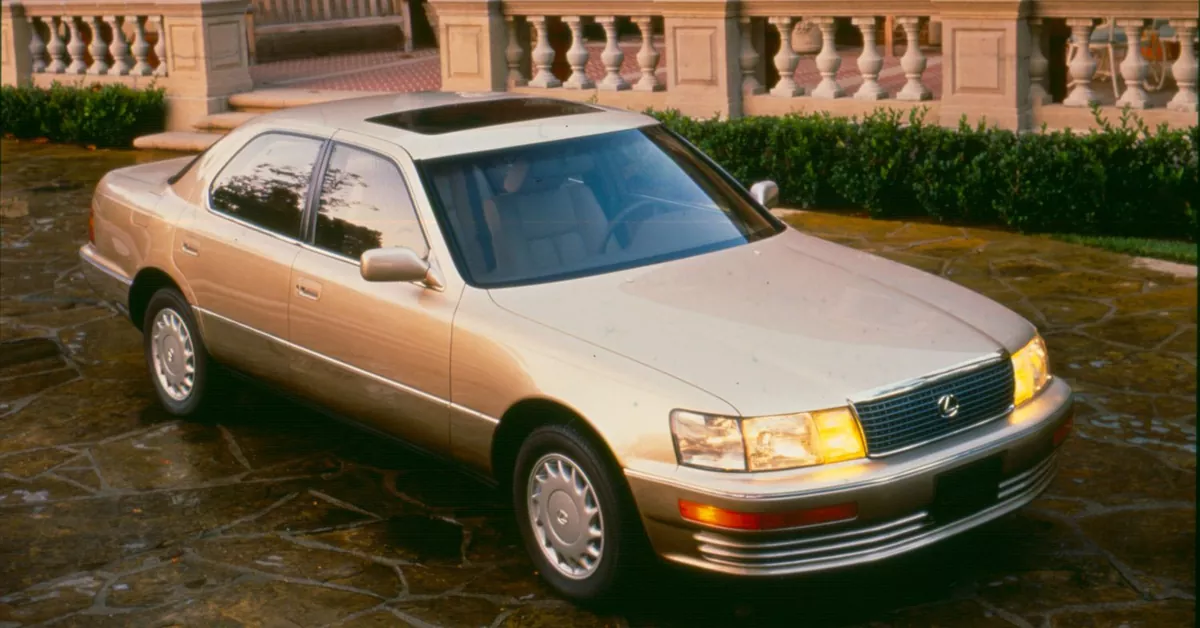
Produced between 1979 and 1991, the Mercedes-Benz W126 S-Class is widely regarded as the pinnacle of automotive engineering, combining timeless design, robust construction, and advanced technology for its era.
As the successor to the W116, the W126 was offered in both short- and long-wheelbase sedans, as well as a coupé, with total production surpassing 800,000 units, making it the most popular S-Class generation to date.
The W126 emphasized structural integrity, reliability, and understated elegance rather than flashy gimmicks. Its engine lineup ranged from smooth inline-sixes to powerful V8s, designed to deliver balanced performance while prioritizing longevity.
Many of these engines remain operational today, a testament to Mercedes’ focus on durable engineering. Paired with strong transmissions and drivetrains, the W126 became a car that owners could depend on for decades.
Interior quality further set the W126 apart. Mercedes combined luxury and practicality with high-grade leather, real wood trim, and resilient plastics that resist wear and fading.
Comfort was paramount, with ergonomically designed seating, excellent visibility, and optional features such as five-way powered heated seats with memory functions. Even small innovations, like courtesy lights illuminating the ground when doors opened, highlighted Mercedes’ attention to thoughtful details.
The W126 was also a pioneer in automotive safety. It introduced airbags, traction control, anti-lock brakes, and self-leveling hydropneumatic suspension on select models, establishing standards later adopted across the industry. These features, combined with its rigid chassis, gave the car a secure and reassuring feel, enhancing its reputation for longevity.
Fuel efficiency was considered carefully, especially following the 1970s oil crisis, even in large V8 models, demonstrating Mercedes’ balance of power, refinement, and practicality. The W126’s harmonious integration of luxury, safety, and durability made it one of the last truly overbuilt Mercedes models, where engineering excellence outweighed cost-cutting.
In the United States, certain models like the 500SEL developed a notable reputation, with high demand fueling a grey market for more powerful versions than the official US-spec cars. Decades later, the W126 remains a benchmark for classic luxury sedans, celebrated for its timeless design, engineering reliability, and understated elegance qualities that continue to command respect from enthusiasts and collectors alike.
3. BMW E38 7 Series: Elegance, Reliability, and Timeless Driving Pleasure
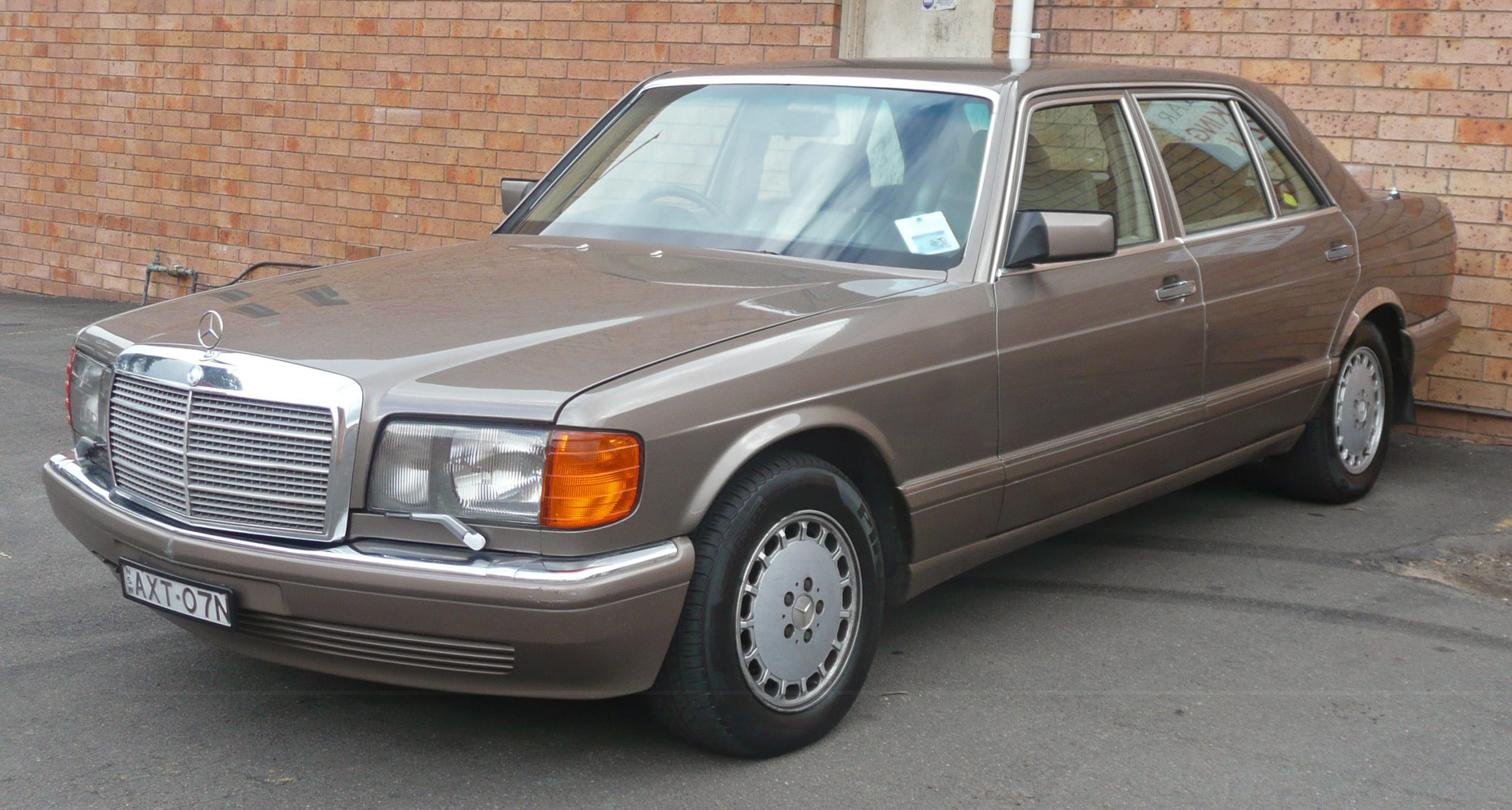
Produced between 1994 and 2001, the BMW E38 7 Series is widely regarded as one of the most refined and balanced luxury sedans BMW ever produced. Striking a careful balance between modern sophistication and mechanical simplicity, the E38 avoids the complexity that later 7 Series models became known for, allowing it to age gracefully while remaining highly desirable among collectors and enthusiasts.
The E38 was offered with a wide range of engines, including inline-sixes, V8s, and a V12. While the V12 requires careful maintenance, the six-cylinder and V8 models are celebrated for their durability, often surpassing 200,000 miles with proper care. These engines were paired with smooth automatic transmissions, further reinforcing the sedan’s reputation for reliability and long-term ownership satisfaction.
Inside, the E38 blends understated luxury with functionality. Leather seating, polished wood trim, and intuitive controls create a cabin that is elegant yet approachable.
The design prioritizes comfort and practicality over flashy technology, which helps the interior remain resilient and visually appealing even after decades of use. Features such as ergonomic seating, climate control, and driver-oriented layouts make long journeys comfortable and enjoyable.
Driving the E38 remains a pleasure. With precise steering, a well-balanced chassis, and a compliant suspension, the car delivers both confidence on winding roads and composure on extended highway trips.
The 728i, with its smooth inline-six engine, offered excellent efficiency, reaching nearly 40 miles per gallon on long drives, while larger V8 and V12 models delivered greater power at the expense of additional maintenance attention. Common points to watch for include rusty fuel tanks, VANOS system wear on V8s, and potential sill corrosion on facelift models.
Stylistically, the E38 has aged exceptionally well. Its clean, timeless lines and balanced proportions have ensured it remains visually appealing, often considered more elegant than later BMW 7 Series designs. In today’s market, well-maintained six-cylinder examples start around $18,000, while larger V12 versions are slightly higher, with rare or historically significant models commanding prices up to $1.75 million.
The BMW E38 7 Series is admired for its blend of reliability, driving enjoyment, and understated luxury. Its enduring charm lies in a sedan that feels equally at home on spirited drives, long road trips, and as a classic collector’s vehicle, proving that elegance and practicality can coexist seamlessly.
4. Acura Legend: Honda’s First Luxury Statement
Introduced in the mid-1980s, the Acura Legend marked Honda’s first major foray into the luxury car market, preceding Lexus and Infiniti in the U.S. by several years. Positioned as a refined, reliable alternative to European luxury sedans, the Legend combined Honda engineering with upscale design, quickly earning a reputation for durability, comfort, and affordability.
The Legend was powered by Honda’s first V6 engine, initially 2.5 liters producing 151 hp, paired with a smooth and dependable transmission. Later models expanded to 2.7- and 3.2-liter V6 engines, with output increasing to 200 hp in the second-generation sedan.
The engines were responsive, durable, and capable of exceeding 200,000 miles with proper care. Both manual and automatic transmissions were available, a rarity among luxury sedans of the time, adding to the model’s broad appeal.
Inside, the Legend offered understated luxury. High-quality leather, wood trim, and logically arranged controls created a refined and driver-focused cabin. Honda emphasized durability and user-friendliness over excessive technology, helping interiors age gracefully.
Comfort was complemented by a well-tuned suspension that balanced smooth cruising with responsive handling, making the Legend suitable for daily commuting and longer trips alike.
The Legend was also notable for innovation. It featured four-wheel independent suspension, a variable induction system in later engines for improved torque, and was the first Acura to offer a driver’s airbag.
The second-generation model, introduced in 1991, was longer and sleeker, enhancing both interior space and road presence. A two-door coupe variant further expanded the lineup, boasting up to 230 hp with a six-speed manual in later years.
Despite lacking a V8 or rear-wheel-drive layout, the Legend’s combination of reliability, comfort, and accessible pricing made it competitive against contemporaries like the Lexus LS400 and Infiniti Q45. First-generation sales were strong, outperforming Infiniti’s Q45 during its entire production run.
Today, the Acura Legend is appreciated for its longevity, practical engineering, and classic styling. While it has yet to gain significant collector status, its manual transmission option, solid build, and light, Honda-like driving dynamics make it a standout among Japanese luxury sedans of its era.
With many examples still running reliably, the Legend remains a compelling choice for buyers seeking an affordable, durable, and well-rounded classic luxury car.
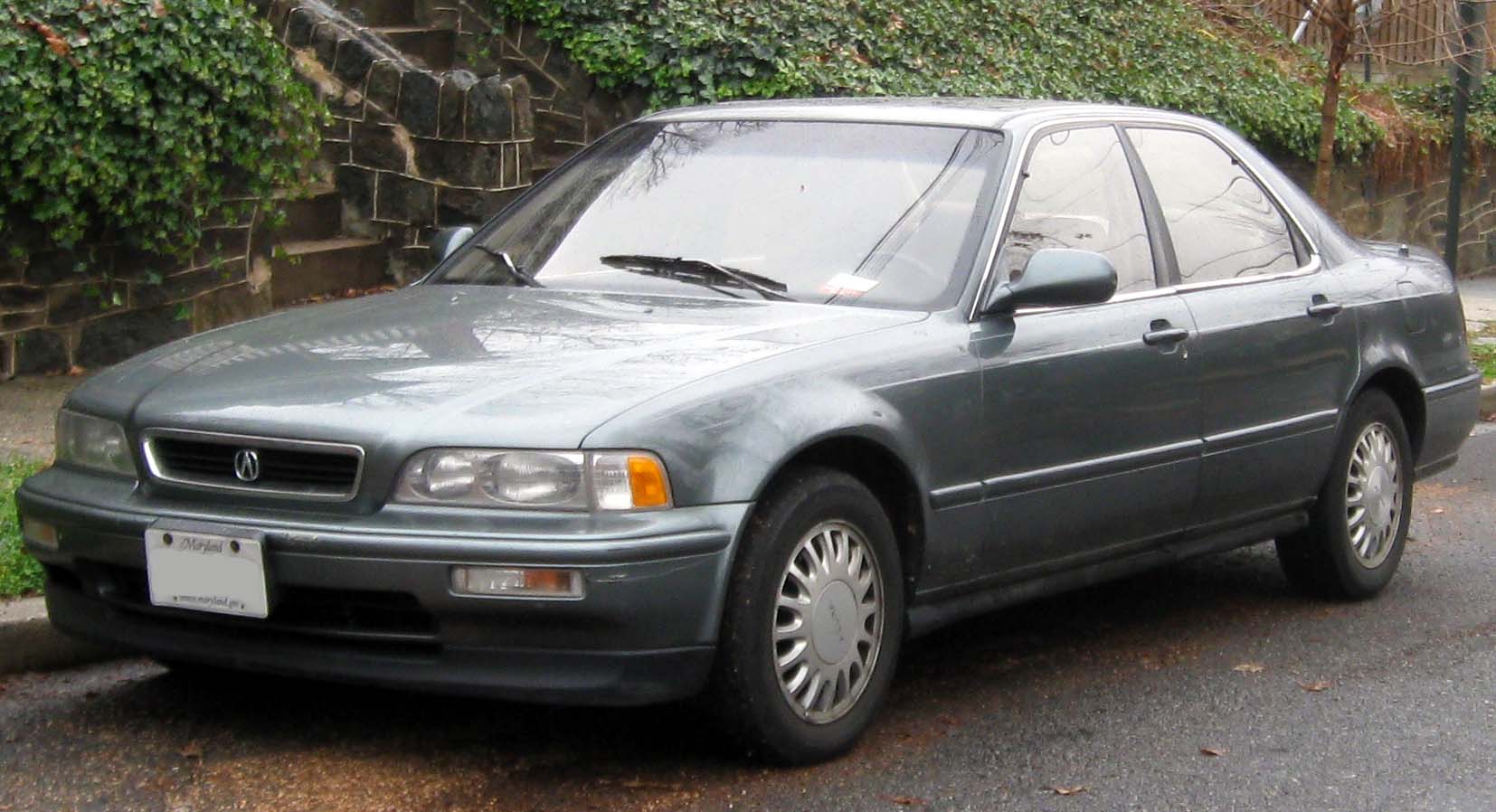
5. Lexus GS300: Durable Luxury with a European Edge
Introduced in the early 1990s, the Lexus GS300 was designed as a mid-size luxury sedan that blended Japanese reliability with European-inspired styling. It quickly earned a reputation for dependability, comfort, and longevity, establishing itself as one of the most resilient luxury sedans of its era.
At the core of the GS300 is Toyota’s legendary 2JZ inline-six engine, renowned for smooth operation and durability. Paired with a robust automatic transmission, this powertrain allows many examples to exceed 300,000 miles while maintaining reliable performance.
Although the engine produces 245 horsepower, its torque is modest, meaning acceleration can feel restrained compared to European rivals. Still, the combination of mechanical strength and longevity has contributed to the GS300’s enduring appeal.
The GS300’s suspension balances comfort and handling, delivering a quiet, composed ride that remains stable on long drives. Front double-wishbones and a rear multi-link setup ensure a blend of stability and road presence, though the ride is firmer than the wafting comfort of the LS400, reflecting Lexus’ effort to give the GS a sportier edge.
Inside, craftsmanship and practicality dominate. Leather seats, wood trim, and durable plastics have proven resilient over decades, and controls are logically arranged for intuitive operation.
While some interior elements, like the infotainment graphics and Mark Levinson stereo, have aged less gracefully, the cabin remains functional and relatively trouble-free, avoiding the electronic failures common in other luxury cars of the 1990s.
Styling is another strength. With clean lines and understated proportions, the GS300 maintains a timeless appearance that avoids the dated look of many contemporaries. Its stance and design give it a subtly aggressive, European-inspired presence, making it competitive with sedans like the BMW 5 Series.
The Lexus GS300 combines mechanical reliability, long-lasting comfort, and refined craftsmanship. While it may lack the raw torque or high-end features of some competitors, its smooth, durable engine, composed handling, and understated styling make it a standout choice for buyers seeking a dependable, mid-size luxury sedan.
Decades later, the GS300 continues to exemplify Lexus’ philosophy of building vehicles that age gracefully without sacrificing comfort or reliability.
Also Read: 10 Cars With Under-the-Radar Performance
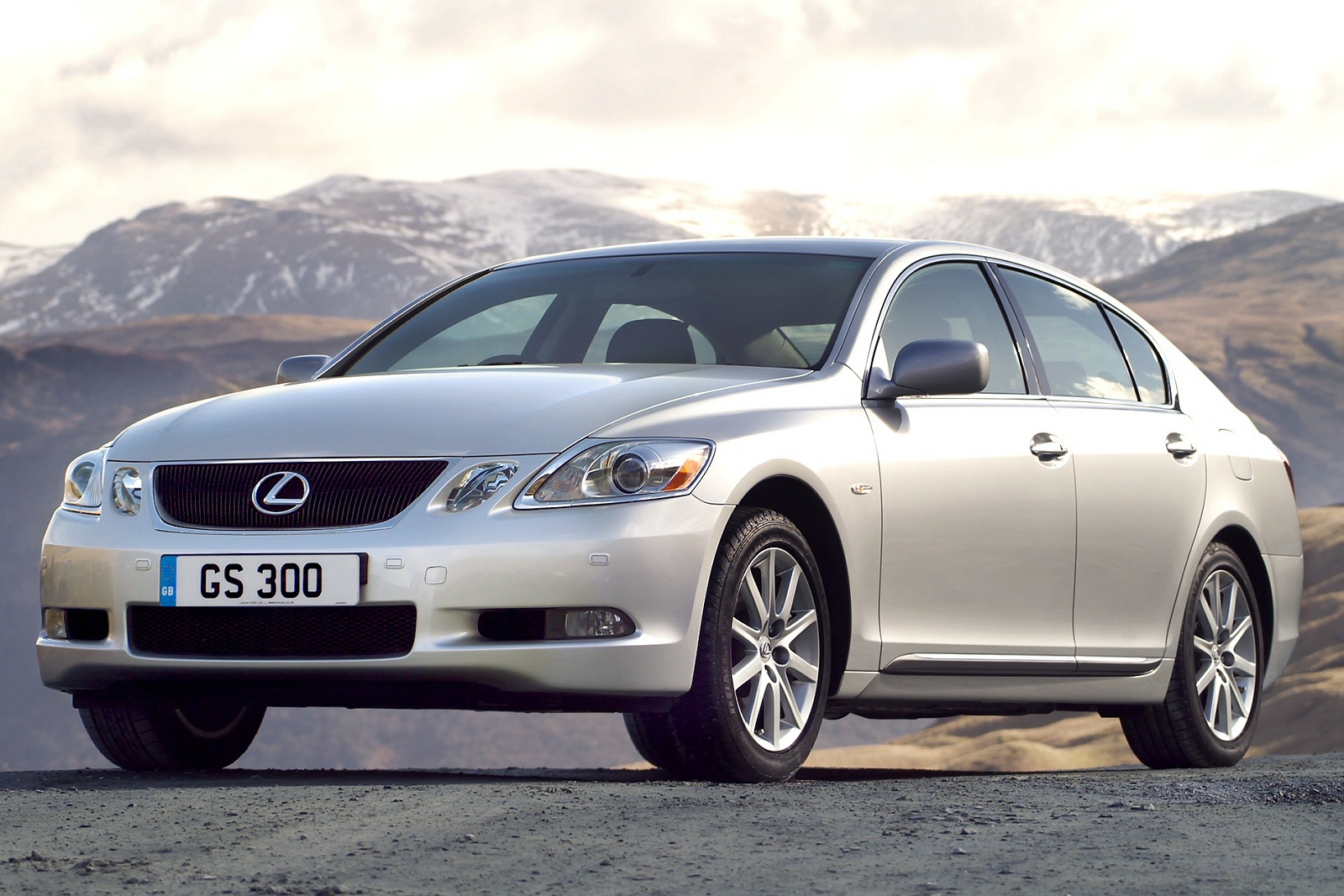
6. Infiniti Q45: Nissan’s Bold Luxury Flagship
Introduced in 1989, the Infiniti Q45 represented Nissan’s ambitious entry into the luxury sedan market, aimed at competing with established European brands. The Q45 combined bold styling, advanced engineering, and strong performance with the reliability and durability that became hallmarks of the model.
Though less widely remembered than the Lexus LS400, it has aged gracefully thanks to its robust mechanical components and solid build quality.
At the heart of the Q45 is a 4.5-liter V8 engine producing 340 horsepower and 333 lb-ft of torque, paired with a smooth five-speed automatic transmission.
The engine is both powerful and relatively straightforward to maintain, allowing many examples to remain reliable decades after their debut. Acceleration is strong, with a 0–60 mph time of 5.9 seconds and a top speed governed at 148 mph, making the Q45 both capable and confident on the road.
The sedan’s chassis and suspension strike a balance between comfort and performance. The front double-wishbone and rear multi-link suspension provide stability and composure over long journeys, while electronic aids such as traction control, vehicle dynamic control, and ABS enhance handling and safety without intruding on the driving experience.
Inside, the Q45 offers a spacious, luxurious cabin with high-quality leather, wood trim, and durable materials that have stood the test of time. Ergonomic controls, power-adjustable seats, and optional features like a rearview camera, voice-activated navigation, and a premium Bose sound system enhance comfort and convenience.
Even after decades, many examples retain their original elegance and functionality, providing a refined driving environment for passengers.
Stylistically, the Q45 is distinctive, with a bold, swooping profile and aggressive front-end design. Its combination of performance, comfort, and long-term reliability gives it a unique position in the luxury sedan segment.
Originally priced at $51,567, the Q45 delivered an impressive mix of power, refinement, and advanced technology for its time. With a curb weight of 3,900 pounds, dimensions of 199.6 inches in length and a 113-inch wheelbase, and fuel economy rated at 17 mpg city and 25 mpg highway, it offered a well-rounded package for drivers seeking luxury, performance, and practicality.
Today, the Infiniti Q45 is appreciated as a hidden gem: a robust, reliable, and well-engineered flagship sedan that continues to provide a capable and comfortable driving experience decades after its introduction.
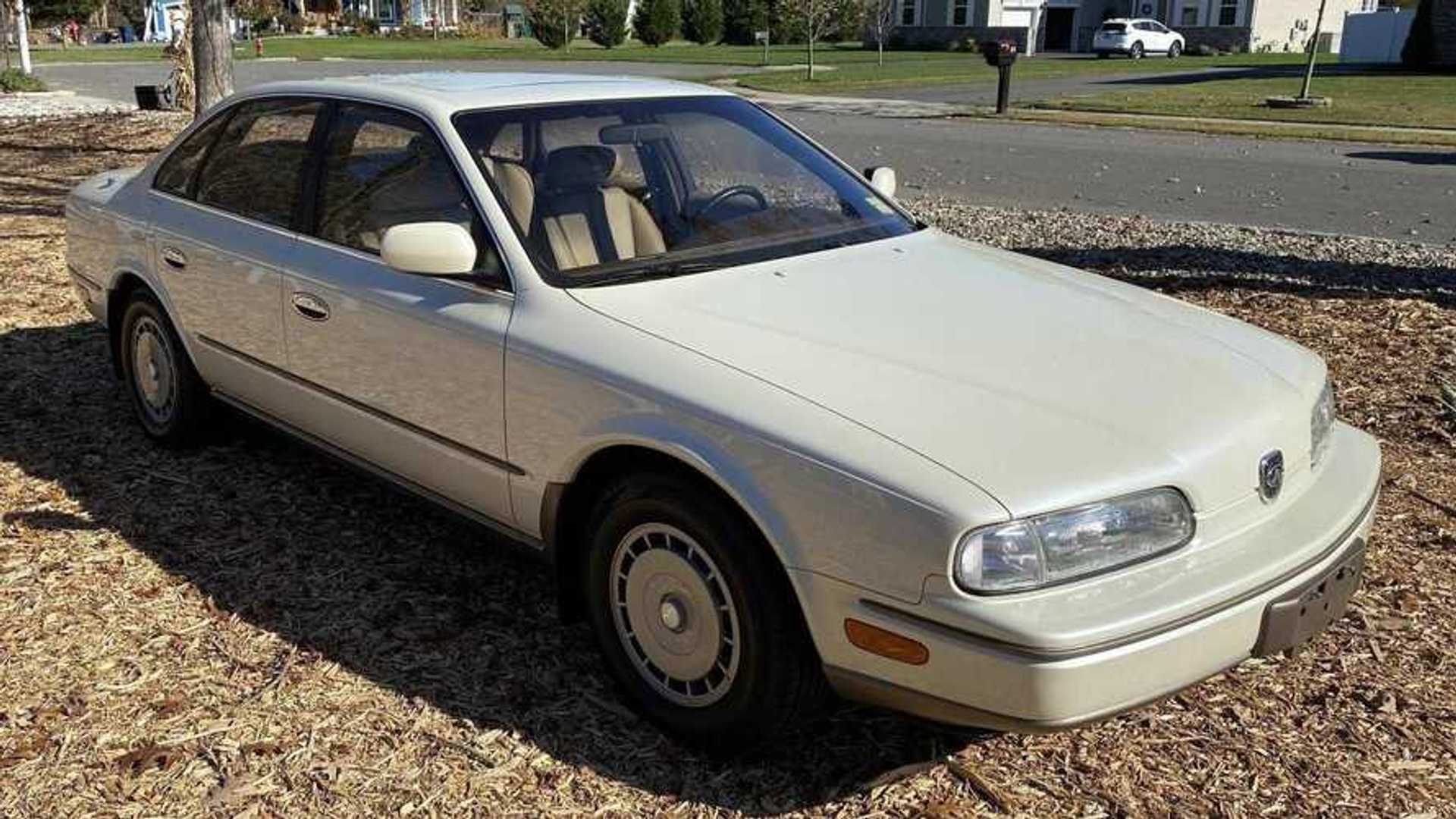
7. Cadillac Seville STS: American Luxury with Refined Performance
The Cadillac Seville STS, introduced in the 1990s, marked General Motors’ effort to produce a midsize luxury sedan capable of competing with European and Japanese rivals. Combining bold styling, advanced technology, and a comfortable ride, the Seville STS offered a premium driving experience while demonstrating that American luxury cars could age gracefully.
Under the hood, the Seville STS featured Cadillac’s Northstar V8 engine, known for smooth power delivery, responsive performance, and refinement. Producing around 300 horsepower, the Northstar allowed confident acceleration and effortless highway cruising.
While it required proper maintenance to avoid common issues, well-kept examples have proven durable, continuing to run reliably even with high mileage. Its power was complemented by a firmer suspension and 17-inch wheels, giving the STS a more performance-oriented feel compared to the softer SLS variant.
Inside, the Seville STS combined luxury with functionality. Leather upholstery, wood trim, and advanced features such as memory seats, voice-controlled infotainment, Ultrasonic Rear Parking Assist, OnStar communications, and a Bose audio system created a modern, comfortable cabin.
The Driver Information System displayed vital vehicle data, including fuel economy, distance to empty, and maintenance reminders, adding convenience and usability. Materials have held up well over time, allowing the interior to retain a premium feel even decades later.
On the road, the Seville STS balanced comfort and handling. The chassis absorbed bumps with composure while remaining controlled during spirited driving, offering an engaging yet refined ride. This combination made the STS versatile, suitable for both daily commuting and longer trips, setting it apart from older, softer American sedans.
Priced between $48,045 and $53,895, the STS delivered many luxury features at a cost well below European competitors like the Mercedes S-Class, offering strong value in its segment.
Today, the Cadillac Seville STS is appreciated for its combination of performance, luxury, and durability. Its Northstar V8, well-appointed interior, and driver-focused dynamics ensure that well-maintained examples remain enjoyable and capable, proving that American luxury sedans of the 1990s could compete in refinement, technology, and lasting appeal.
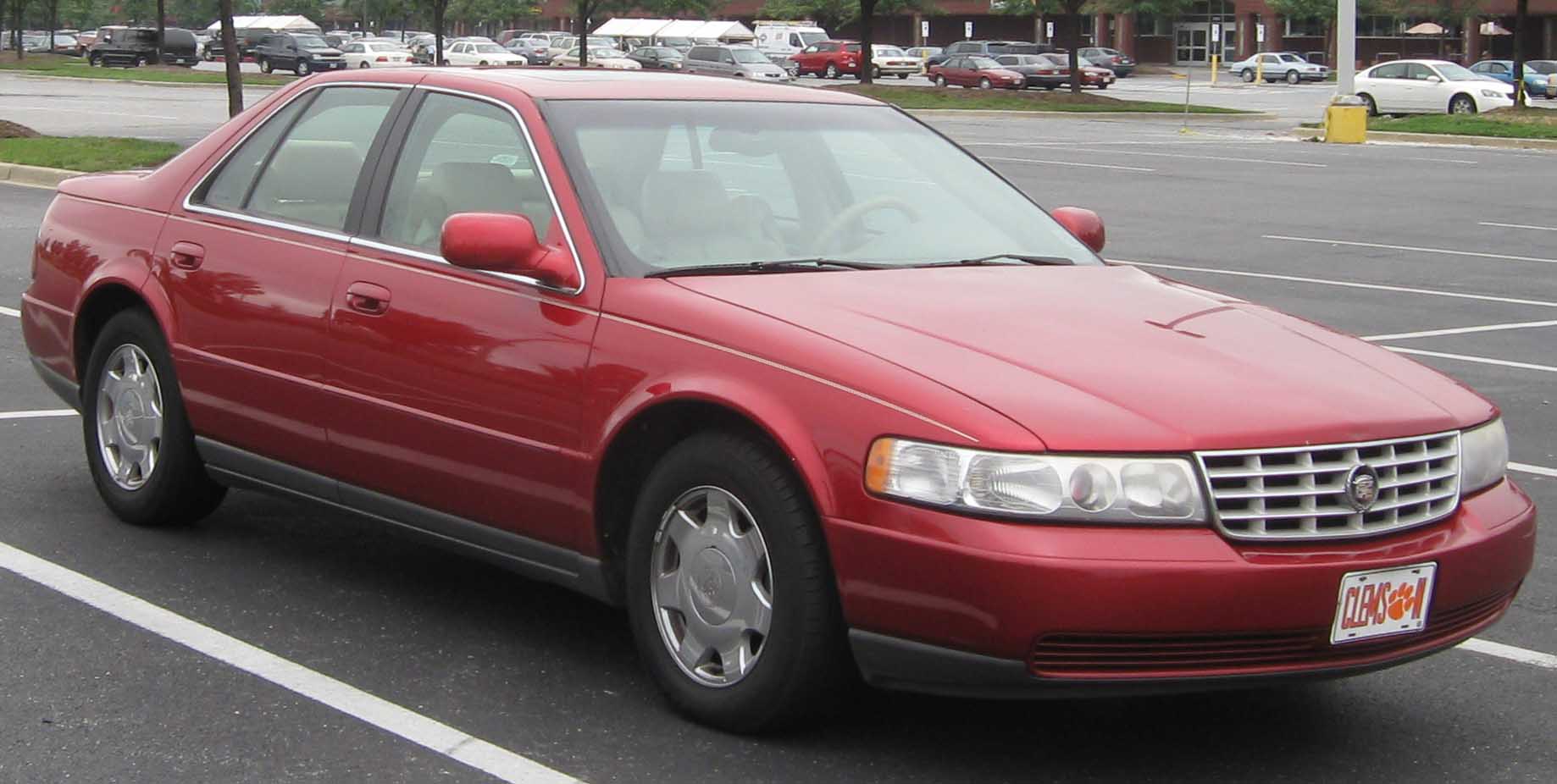
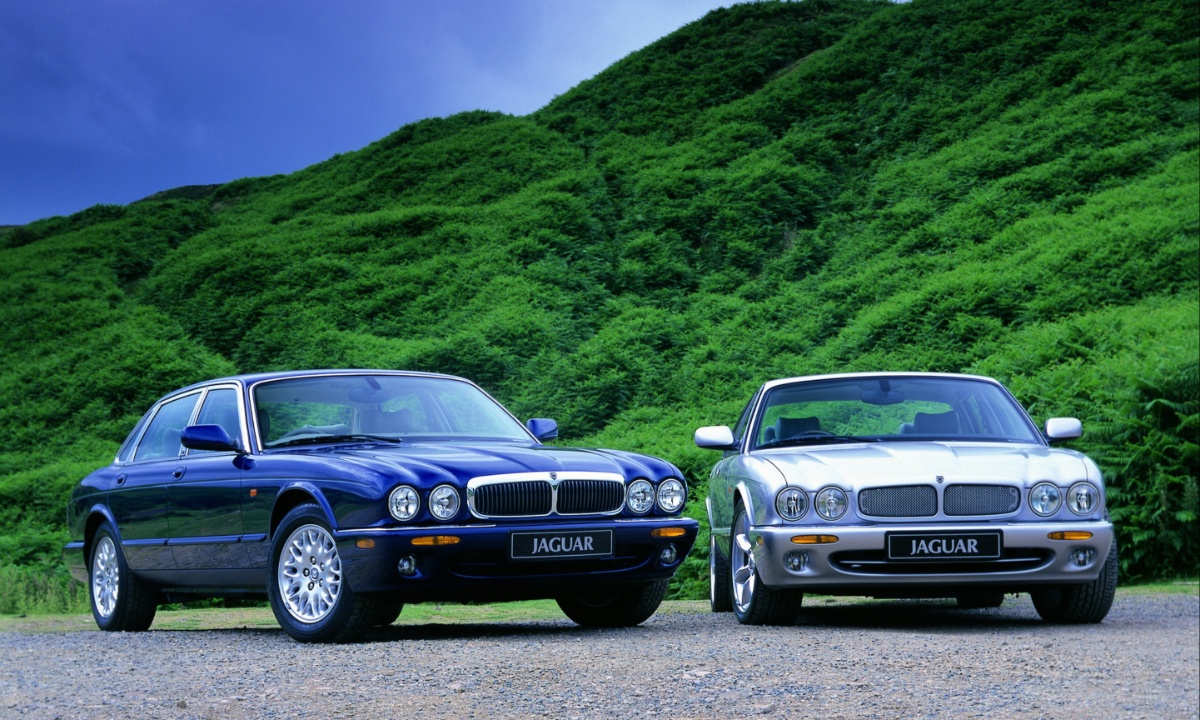
8. Jaguar XJ (X300/X308): Classic British Luxury Refined
The Jaguar XJ sedans of the 1990s, encompassing the X300 (1994–1997) and X308 (1997–2002), stand out as icons of British automotive luxury. These models successfully combined Jaguar’s traditional elegance with improved reliability, helping restore confidence in a brand previously marred by mechanical and electrical issues in earlier XJ40 models.
The X300 introduced in 1994 carried over refined inline-six engines (AJ16) and offered optional V12 power, providing smooth, composed performance with a distinct sense of refinement. Its interior showcased Jaguar’s signature luxury with rich leather, real wood trim, and a well-crafted dashboard.
With careful maintenance, these cars remain visually impressive and mechanically dependable, making them enduring classics for enthusiasts. The X300 also benefited from Ford’s investment in production quality and modern manufacturing techniques, which addressed many of the XJ40’s earlier shortcomings.
The X308, launched in 1997, represented a major evolution. Its most notable change was the adoption of Jaguar’s new AJ26 V8 engine, available in 3.2- and 4.0-liter variants, replacing the aging six-cylinder lineup.
The V8 was lighter, more compact, and engineered for refinement, producing up to 290 horsepower and offering a smooth, effortless driving experience comparable to the outgoing V12, while meeting emerging emissions regulations.
A supercharged XJR variant delivered 370 horsepower for enthusiasts seeking high-performance driving. The X308 also featured revised interiors, updated styling, and increased use of high-strength steel, giving it a modernized, safer, and more substantial feel.
Driving dynamics were a key strength for both models. They balanced comfort and agility, with the X308’s suspension and chassis improvements providing more composure over uneven surfaces while retaining the responsive handling Jaguar is known for. Despite its luxury orientation, both models offered a driving experience engaging enough to satisfy enthusiasts.
While early X308 engines suffered from issues with high-sulfur fuel affecting Nikasil bore linings, Jaguar’s prompt warranty replacements mitigated long-term concerns. Production totaled 92,038 X300s and 126,260 X308s, illustrating consistent demand despite the brand’s reputation challenges.
The X300 and X308 are celebrated for blending timeless styling, British luxury, and improved reliability. With classic interiors, smooth engines, and engaging dynamics, they remain respected examples of Jaguar’s ability to evolve while staying true to its heritage.
9. Audi A8 D2: Lightweight Innovation Meets Enduring Luxury
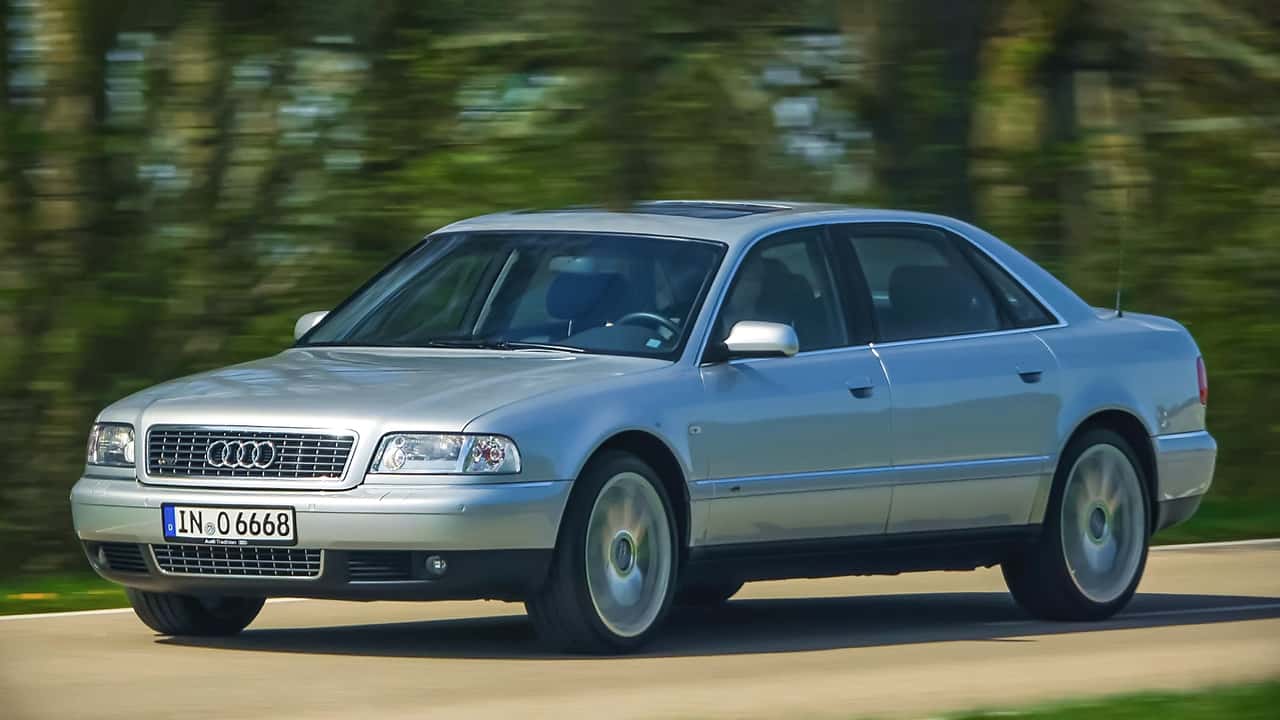
The first-generation Audi A8, known as the D2, produced from 1994 to 2002, was a landmark model in luxury sedans. It introduced an aluminum space-frame construction that significantly reduced weight while increasing structural strength. This design improved performance, fuel efficiency, and long-term durability, helping the A8 resist rust and structural fatigue and age gracefully over decades.
The D2 A8 offered a variety of engines, from V6 to V8, with the 4.2-liter V8 being particularly smooth, capable, and reliable when maintained properly. Paired with Audi’s Quattro all-wheel-drive system, the sedan delivered excellent traction, stability, and handling precision. The five-speed automatic transmission provided firm and responsive shifts that complemented the car’s driving character.
Inside, the A8 D2 featured a cabin with understated elegance and high-quality materials. Soft leather, polished wood trim, and solid switchgear resisted wear better than many competitors.
Thoughtful details, such as split armrests with storage compartments, enhanced comfort and practicality. Some interior plastics show age, but the seats, controls, and trim retain a refined and premium feel decades after production.
The S8 variant highlighted the chassis’ balance of performance and luxury. Lowered suspension, firmer spring rates, and larger sway bars delivered composed cornering while maintaining a comfortable ride on highways and city streets.
The 4.2-liter V8 produced strong acceleration with a 0–60 mph time of 5.8 seconds. Brembo ventilated disc brakes and 18-inch wheels provided confident stopping power and handling stability.
The styling of the D2 A8 has remained modern and clean. Its timeless design avoids the dated appearance that many 1990s sedans have acquired. Despite its rarity, especially in S8 form, the car has developed a loyal following for its combination of innovation, driving capability, and long-term durability.
Challenges include sourcing parts and maintaining the V8, but examples that are cared for continue to perform well and offer an engaging, comfortable driving experience.
The Audi A8 D2 is a benchmark for 1990s luxury sedans. Its lightweight construction, advanced Quattro system, durable engines, and refined cabin design make it a modern classic that balances performance, comfort, and lasting quality.
10. Lincoln Town Car: Classic American Luxury with Lasting Durability
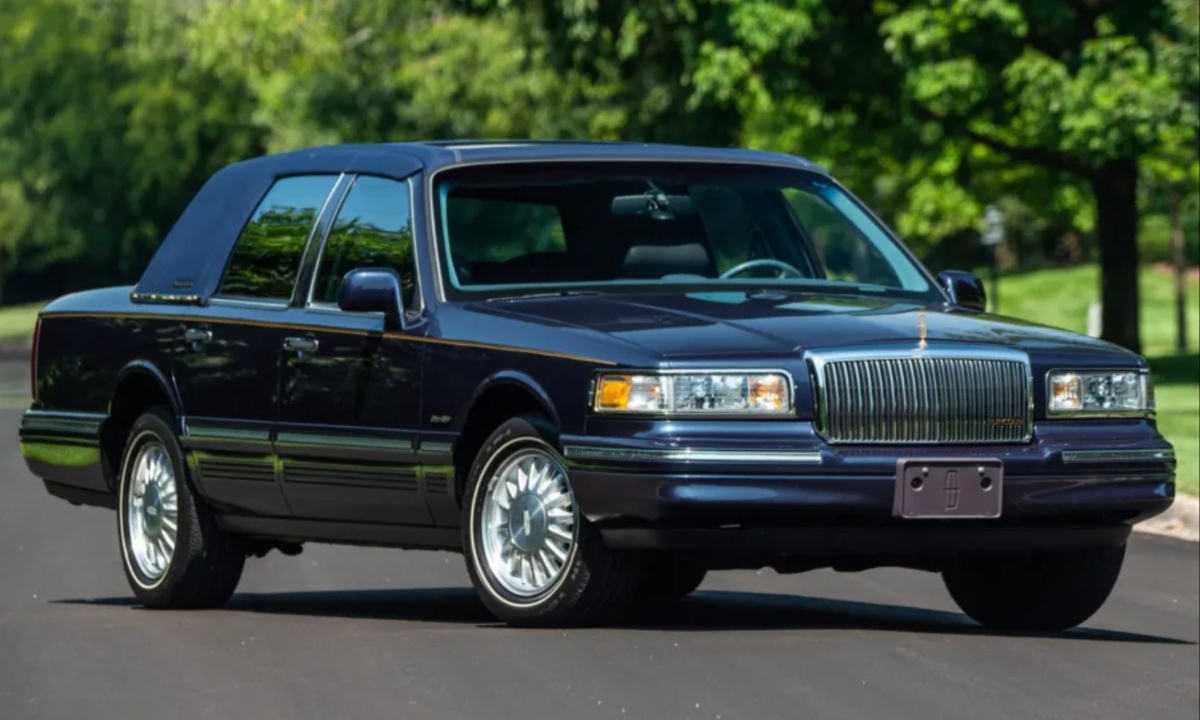
The Lincoln Town Car stands as an enduring symbol of American luxury sedans, celebrated for comfort, reliability, and simplicity. Produced across multiple decades, its most notable generations spanned the 1980s through the early 2000s.
The Town Car earned a reputation for long-lasting durability, making it a preferred choice for limousine services, taxi fleets, and private owners. Many examples have surpassed 300,000 miles with routine maintenance, demonstrating their remarkable longevity.
At the heart of the Town Car was Ford’s 4.6-liter V8 engine from the Modular family. While not the most powerful engine in its class, it provided smooth, dependable performance.
Coupled with a four-speed automatic transmission and a rear-wheel-drive layout, the Town Car prioritized mechanical simplicity, contributing to its reputation for reliability. Its V8 produced sufficient low-end torque to make the large sedan feel responsive, though acceleration performance lagged behind most contemporary luxury sedans.
The interior emphasized passenger comfort, featuring plush seating, generous legroom, and a quiet cabin. Rear-seat accommodations, particularly in the long-wheelbase Signature L version, offered exceptional space. Cabin materials, including burl walnut trim and leather upholstery, aged well over time.
The familiar T-shaped dash remained largely unchanged over decades, providing a sense of continuity, though it lacked modern technological features common in newer luxury vehicles. The trunk offered 21 cubic feet of cargo space, supporting the car’s practicality for both personal and professional use.
On the road, the Town Car delivered a soft, cushioned ride. Its suspension absorbed bumps effortlessly, though the rear could feel floaty over uneven pavement. Steering and handling were adequate for relaxed cruising, reflecting the car’s design priorities rather than sportiness.
The sedan achieved top crash-test ratings, including five stars in front and side government tests and high ratings from the Insurance Institute for Highway Safety, confirming its safety credentials.
Stylistically, the Lincoln Town Car retained a traditional, understated design that aged gracefully. Its clean, classic lines and balanced proportions ensured it never appeared outdated. The combination of spacious interiors, reliable powertrain, comfortable ride, and timeless design solidified the Town Car’s status as a respected American luxury sedan that continues to exemplify durability and ease of use.
These ten sedans illustrate how longevity, thoughtful engineering, and restrained design allow vehicles to remain relevant and desirable long after their launch. Whether through Japanese reliability, German precision, British refinement, or American comfort, each model has maintained a sense of freshness and purpose.
They show that a well-built luxury sedan provides confidence, comfort, and enjoyment that endure across decades. Even as technology and styling trends evolve, these sedans continue to inspire admiration, proving that timeless engineering and elegance outlast fleeting fads.
For enthusiasts and everyday drivers alike, they are reminders that a luxury car’s true value lies in its ability to remain dependable, stylish, and engaging year after year.
Also Read: 5 Cars With Simple Climate Knobs vs 5 Screen-only Setups