The way drivers perceive information in a car can greatly affect their experience and safety on the road. One of the most noticeable aspects of this is the speedometer, a fundamental interface between the vehicle and its operator.
While it might seem like a simple feature, the design, size, and readability of speed displays can have a significant impact on how drivers control their cars.
Modern vehicles offer a wide variety of speedometer designs, ranging from large, easy-to-read digital or analog dials to small, compact numbers tucked away on dashboards.
This variety can influence not only convenience but also safety, particularly at high speeds or in situations requiring quick reactions. For some drivers, a clear and prominent speed display reduces stress and allows them to maintain better focus on the road.
Large numbers make it easy to glance at the speedometer without taking attention away from traffic, making them particularly beneficial during highway driving, nighttime conditions, or in vehicles with complex dashboards.
Conversely, smaller, more discreet speed displays may appeal to drivers who prefer a minimalist aesthetic or want more dashboard space for other gauges and controls. However, these tiny numbers can sometimes create strain, forcing drivers to focus harder and divert attention from driving.
This can become especially noticeable in vehicles with high-performance capabilities, where speed changes rapidly and precision is critical. Beyond the aesthetic or practical considerations, there is also a psychological dimension.
Large, clear displays may encourage better adherence to speed limits, while small numbers can sometimes contribute to unintentional speeding if drivers cannot quickly read their current speed.
This aspect highlights the connection between design choices and driver behavior, suggesting that what may seem like a minor detail can actually have meaningful consequences for road safety.
The comparison between cars with prominent speed displays and those with tiny numbers is not just theoretical.
It spans multiple categories of vehicles, from everyday sedans to high-end sports cars. Each approach reflects different priorities of manufacturers, whether focusing on comfort, luxury, or performance.
By examining specific examples of cars that feature these distinct display types, we can better understand how visibility, ergonomics, and user experience vary. This exploration allows drivers to make informed choices about what kind of interface suits their needs and driving habits.
The speedometer is more than just a gauge; it is a critical interface that combines functionality, design, and safety considerations in a way that affects every journey, whether short trips in the city or long drives on open roads.
This article provides a detailed comparison of vehicles with large, clear speed displays and those with small, compact numbers. By analyzing five cars from each category, we can highlight differences in usability, design philosophy, and driving experience.
Each example demonstrates how thoughtful design can make a tangible difference, emphasizing the importance of visibility and clarity in one of the most fundamental instruments of the car.
Through this comparison, readers can gain insight into how such design choices influence not only their comfort but also their attention, safety, and driving confidence.
Cars with Clear, Big Speed Displays
1. Tesla Model S
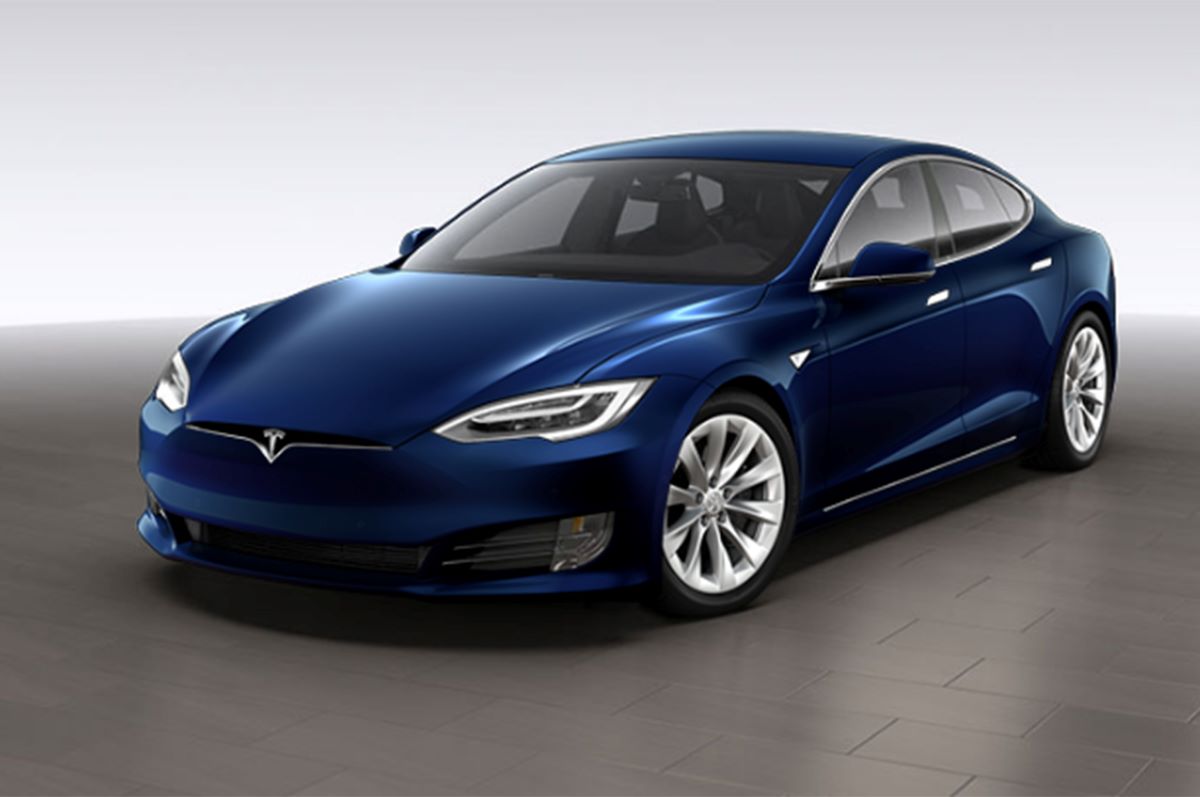
The Tesla Model S is widely recognized for its sleek, futuristic dashboard design, which prominently features a large digital speedometer that dominates the central display.
Unlike traditional analog gauges, Tesla’s digital interface provides high-contrast numbers that are immediately visible from the driver’s natural seating position, ensuring that speed can be read quickly without any need for adjustment or squinting.
This feature is especially beneficial during highway driving, where even a brief delay in reading the speed can lead to unintentional speeding or misjudgment of traffic flow.
The digital display is part of a larger touchscreen system that integrates information about battery levels, energy consumption, and navigation directions, but the designers have prioritized speed visibility, highlighting the importance of safety and driver awareness.
The advantages of a large speed display go beyond mere convenience. Drivers can interpret the speed at a glance, reducing the cognitive load required to check the vehicle’s current pace.
In high-stress situations, such as merging onto a fast-moving highway or navigating through heavy traffic, the ability to quickly and accurately read the speed can significantly impact reaction time.
Moreover, Tesla’s display allows for adjustments in brightness and color schemes, ensuring that the numbers remain clear whether driving in direct sunlight during the day or in dim conditions at night.
These features demonstrate a thoughtful approach to ergonomics, ensuring that the display adapts to different driving environments rather than forcing the driver to adjust their habits.
The Model S also integrates speed information with advanced driver assistance systems. Autopilot features, traffic-aware cruise control, and navigation prompts are all designed to complement the speedometer’s primary function.
This integration allows drivers to maintain awareness of their speed while still monitoring other critical information, minimizing distractions.
The large, clear display ensures that even when additional alerts or messages appear on the screen, the speed remains visible, reducing the likelihood of unsafe driving behaviors caused by misreading the gauge.
Finally, the aesthetic and functional qualities of Tesla’s speed display contribute to the driving experience. The bold digital numbers not only provide clarity but also convey a sense of control and precision, which is especially important in a vehicle capable of high acceleration and advanced technological functionality.
Drivers often report feeling more confident on long journeys because the display is easy to interpret, reducing fatigue and stress associated with continuously monitoring speed.
The combination of visibility, ergonomics, and design philosophy exemplifies how a large, clear speedometer can enhance both practical driving needs and the psychological experience of operating a high-tech vehicle.
2. Audi A8
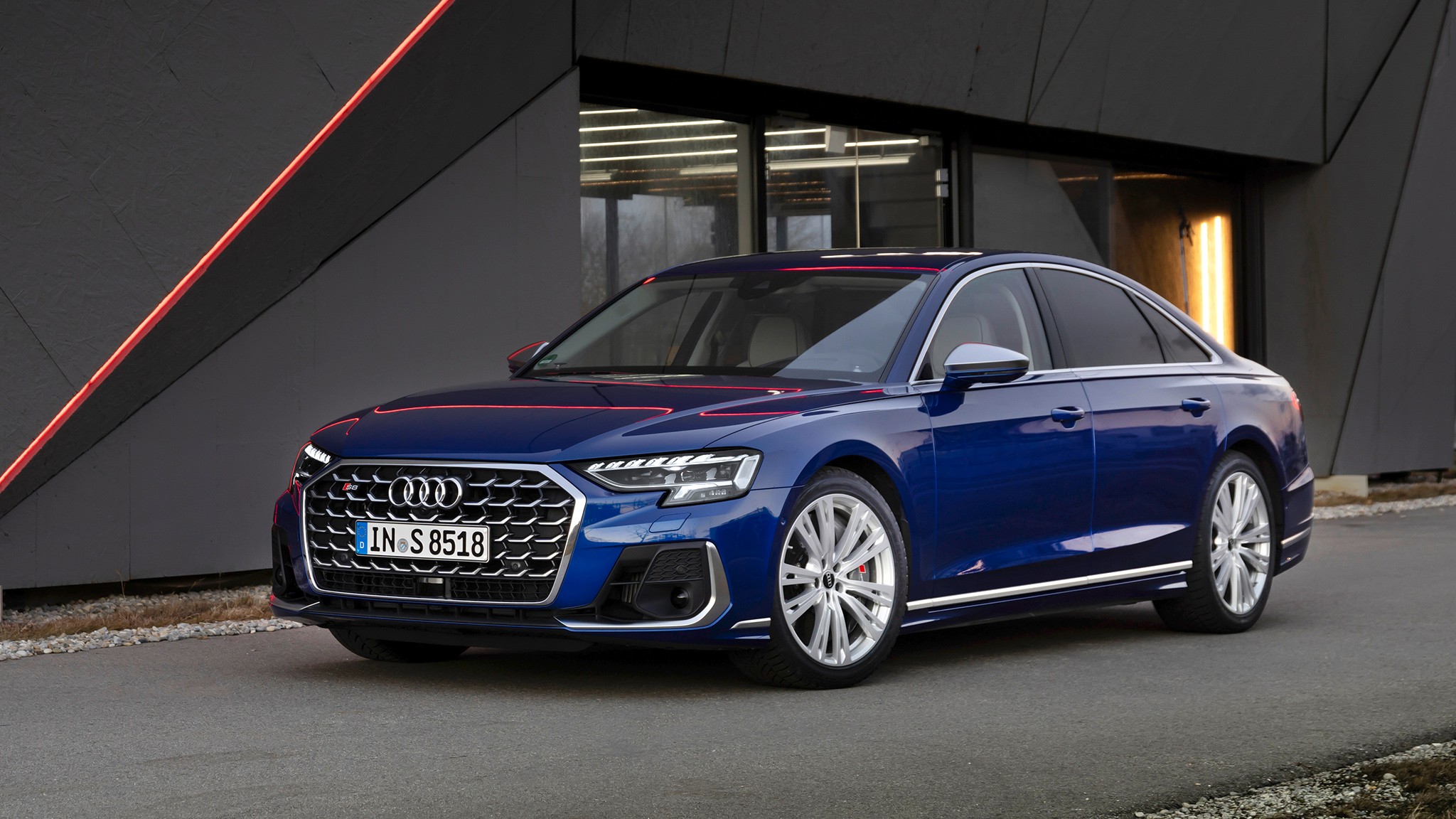
The Audi A8, known for its refined luxury and advanced technology, incorporates a virtual cockpit that prominently features a large digital speedometer.
This display dominates the instrument panel, offering drivers the ability to choose between a traditional analog-inspired layout and a bold numeric readout.
The numbers are displayed with high contrast and exceptional clarity, ensuring that they are immediately legible without requiring prolonged focus.
In high-speed driving scenarios, such as navigating highways or busy intersections, the clear numeric display allows the driver to assess speed instantly, reducing the risk of unintentional speeding and improving situational awareness.
In addition to visibility, the Audi A8’s speedometer design emphasizes ergonomics and ease of use. The display is positioned to align with the driver’s natural line of sight, allowing for a quick glance that does not require moving the head or refocusing the eyes extensively.
This design choice reduces visual strain and cognitive effort, making it easier for drivers to maintain focus on the road.
Furthermore, the interface provides additional visual cues, such as highlighting when the vehicle exceeds speed limits, integrating safety with functionality. Drivers benefit from an intuitive display that combines accurate, immediate information with subtle reminders to maintain safe driving practices.
The A8 also demonstrates the benefits of integrating a large speedometer into a broader system of advanced vehicle technology. Adaptive cruise control, lane assist, and traffic sign recognition systems all work in tandem with the speedometer, using its clarity as a foundation for better responsiveness.
Because the numbers are large and easy to read, drivers can make precise adjustments to speed in real time, which is particularly important during complex maneuvers or in changing traffic conditions.
This integration underscores the value of a prominent display, not only for basic speed reading but also for enhancing the functionality of modern driving assistance technologies.
Moreover, Audi’s approach combines safety, performance, and comfort, showing how a large, clear speed display can impact the driving experience on multiple levels. The numeric display helps drivers develop a sense of control and confidence, even in challenging driving conditions.
By minimizing distractions and making critical information readily accessible, the A8 demonstrates that thoughtful design of speedometer displays is an essential component of luxury vehicles, improving both the emotional and practical aspects of driving.
3. BMW 7 Series
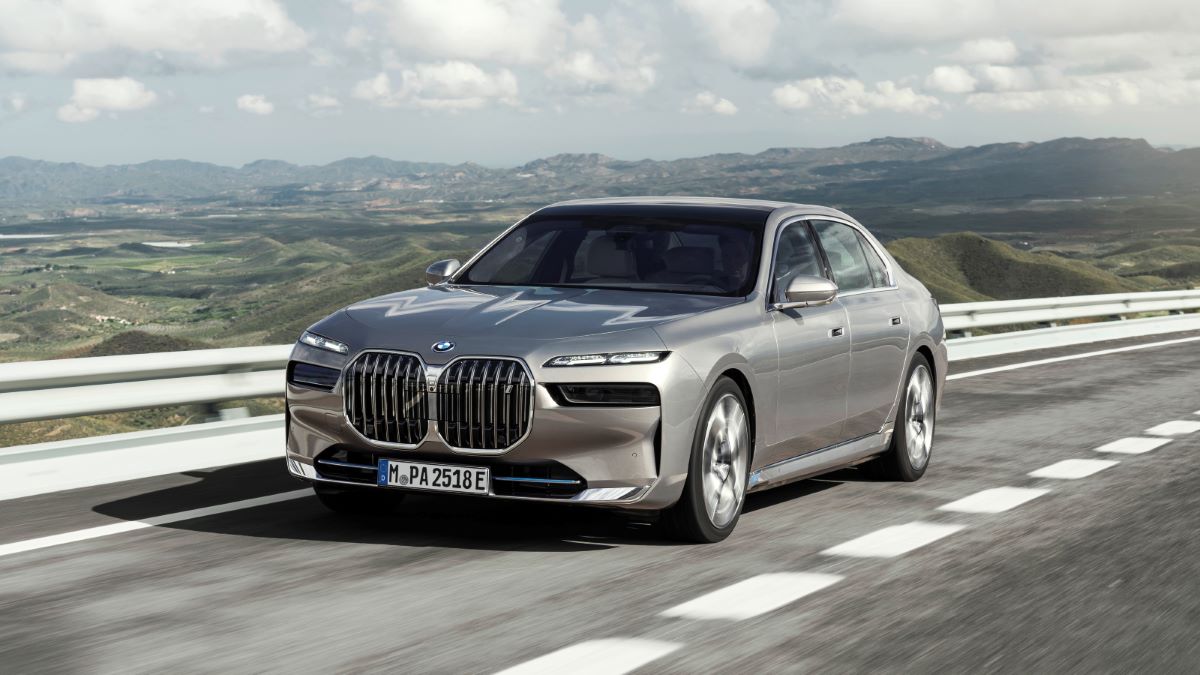
The BMW 7 Series, a flagship luxury sedan, includes the Live Cockpit Professional digital display, which prominently features a large numeric speedometer at the center of the instrument cluster.
This display combines traditional analog aesthetics with digital precision, allowing drivers to monitor speed accurately and effortlessly.
The large numbers occupy a substantial portion of the dashboard, ensuring that the driver can quickly scan speed without losing focus on the road.
In high-performance or fast-traffic scenarios, this immediacy is invaluable, as even slight delays in reading speed can affect decision-making and vehicle control.
BMW emphasizes adaptability in its display, providing drivers with options to customize the interface according to preference. Drivers can select between a more traditional analog dial, a fully digital numeric layout, or a hybrid approach that blends the two.
Regardless of choice, the numbers are consistently large and legible, positioned for maximum visibility.
This adaptability highlights the importance of personal comfort in driving ergonomics, allowing each driver to find a configuration that balances visibility with aesthetic preference.
In addition to size, clarity is enhanced through the use of color and contrast. Bright, bold numbers are set against a darker background, ensuring legibility even during nighttime driving or in low-light conditions.
The placement and design minimize the need for eye movement, reducing fatigue over long journeys. This combination of size, contrast, and ergonomic positioning ensures that drivers spend minimal mental energy on interpreting speed, allowing them to focus more on traffic conditions and navigation.
The BMW 7 Series also integrates its speedometer with other vehicle systems, including adaptive cruise control and navigation. Large numbers allow the driver to maintain awareness of speed while responding to system alerts and adjusting driving behavior.
The result is a cohesive and efficient interface that enhances both safety and comfort. Drivers consistently report greater confidence and reduced stress during longer trips, demonstrating that a large, clear speed display contributes not only to operational functionality but also to the driving experience.
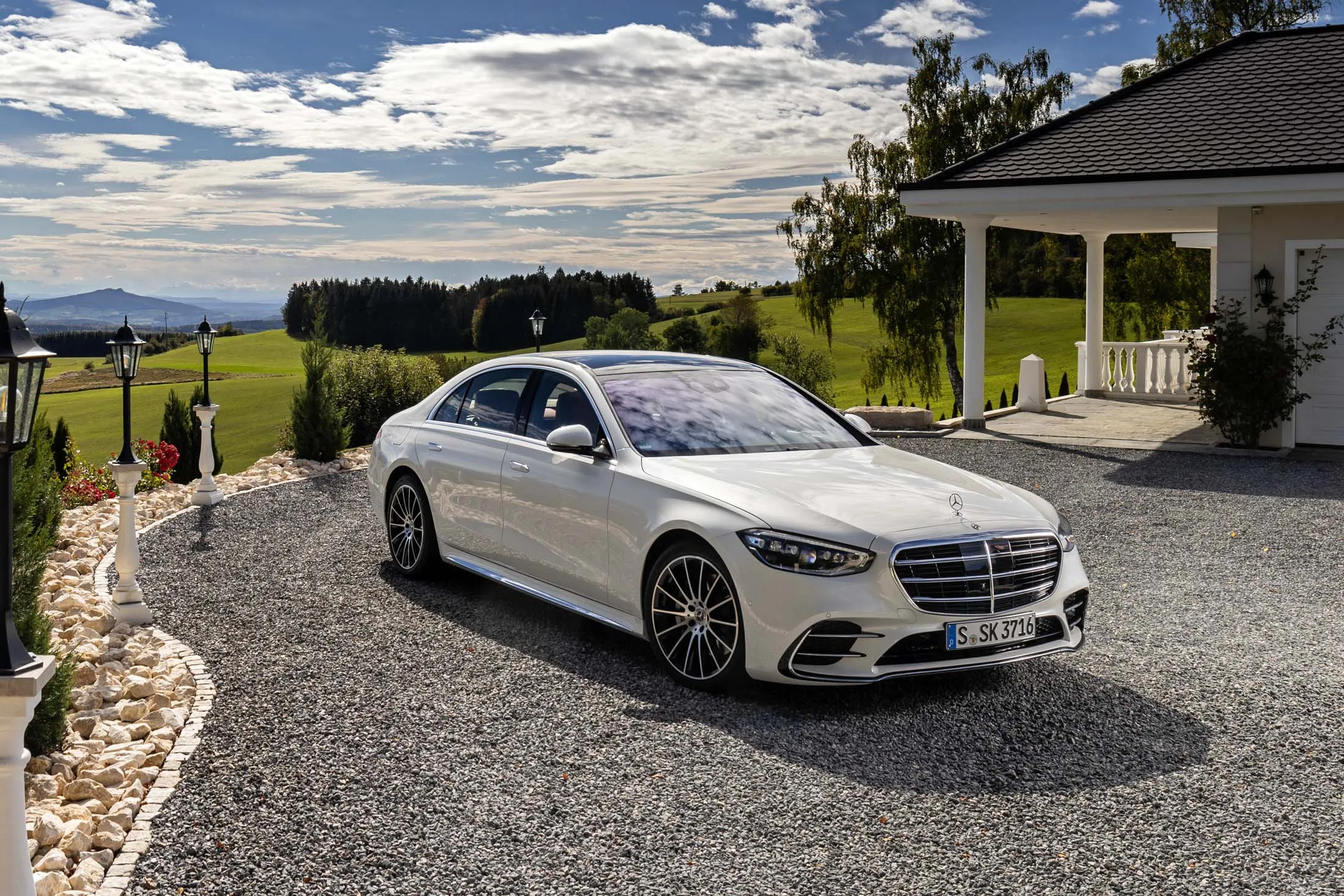
4. Mercedes-Benz S-Class
The Mercedes-Benz S-Class features a widescreen digital dashboard that includes a prominent speedometer as part of its advanced driver display system.
This expansive screen ensures that the speed numbers are directly in front of the driver, making them immediately accessible and highly legible.
The large numeric display enhances safety by allowing for quick glances to assess speed without disrupting attention to traffic or road conditions. This is especially important in a vehicle designed for both city driving and high-speed highway travel, where rapid adjustments may be necessary.
The S-Class display also integrates multiple functions without compromising clarity. Navigation, media, and system alerts are presented around the speedometer, ensuring that critical speed information is not lost amid other visual data.
This integration shows how a large display can balance the need for multiple information streams while keeping the most essential metric, the vehicle’s speed, prominent. Mercedes has designed this system to reduce distraction, allowing drivers to process essential information quickly and intuitively.
Visual cues and adaptive features further enhance the display’s functionality. For example, the speedometer can highlight when the car exceeds certain thresholds or when traffic conditions require slower speeds.
These cues are subtle yet effective, guiding without overwhelming the driver. The combination of size, placement, and interactivity creates a display that is both functional and intuitive, emphasizing the importance of ergonomic design in maintaining driver safety and awareness.
Finally, the S-Class emphasizes comfort and user experience alongside performance. By minimizing eye strain and ensuring that speed is instantly readable, the dashboard reduces mental fatigue during extended drives. Drivers benefit from a sense of control and precision, contributing to a more relaxed and confident driving experience.
The S-Class demonstrates that a large, clear speed display is not merely a convenience, but an essential feature that enhances both practical and emotional aspects of driving in a luxury vehicle.
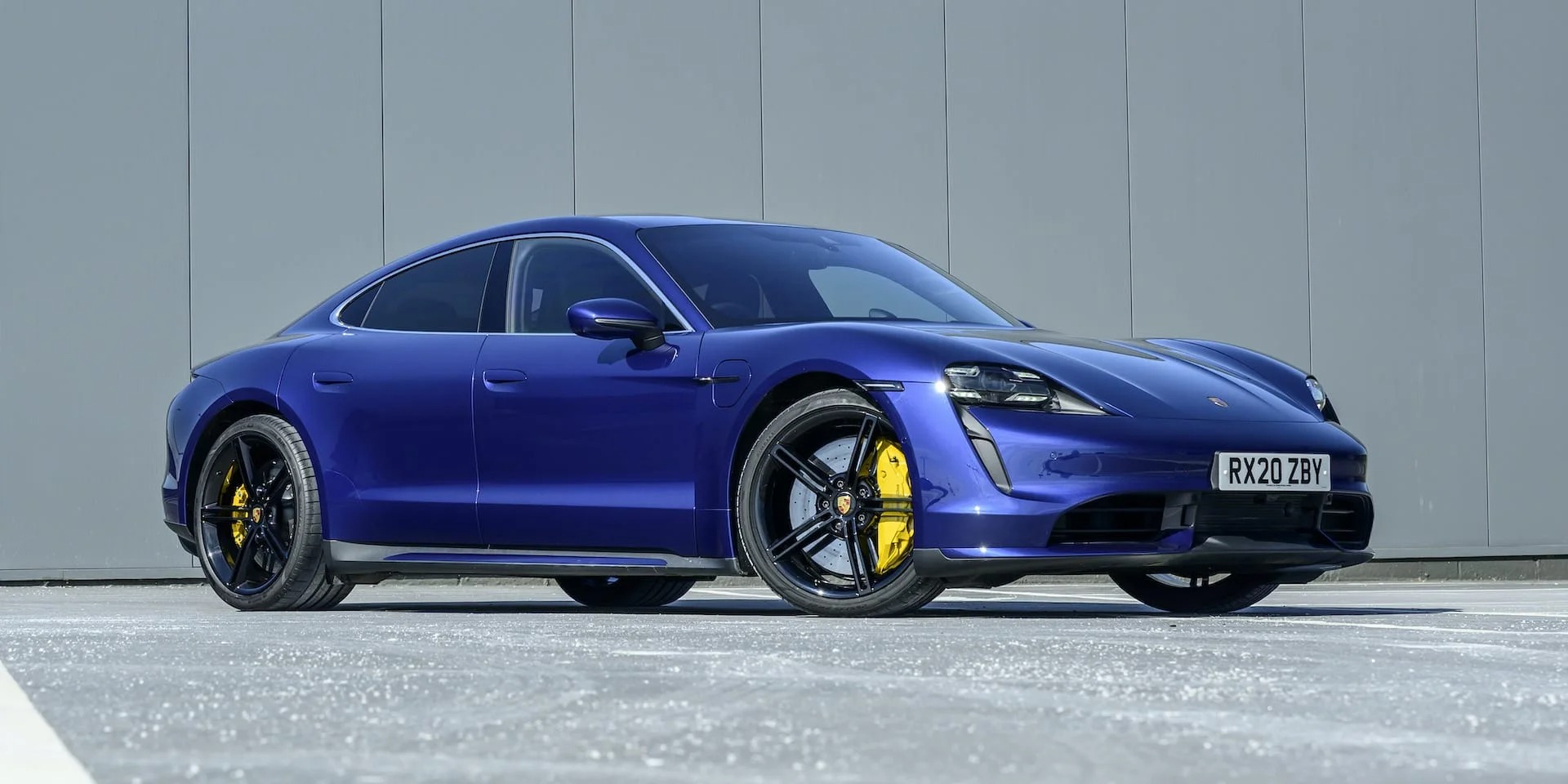
5. Porsche Taycan
The Porsche Taycan, an all-electric sports car, combines high-performance capabilities with a prominent, easy-to-read speedometer.
Unlike many sports cars that prioritize analog aesthetic charm over digital functionality, the Taycan’s display puts large numeric speed readings at the forefront, ensuring drivers can quickly and accurately monitor their pace.
In a high-performance vehicle capable of rapid acceleration, immediate visibility of speed is critical for maintaining control and safety, particularly during spirited driving on highways or winding roads.
The large display allows drivers to focus on performance metrics without compromising legibility. Information such as battery charge, torque distribution, and navigation data is displayed alongside speed without obscuring the numbers.
This balance between high-performance information and visibility demonstrates Porsche’s careful attention to driver ergonomics, ensuring that essential metrics remain clear even under dynamic driving conditions. The display is brightly lit, uses high-contrast fonts, and positions numbers in a natural line of sight, which minimizes distraction and eye strain.
Speed visibility is especially important in electric sports cars, where acceleration can change rapidly. The Taycan’s large numeric display provides instant feedback, allowing drivers to adjust their behavior precisely and safely.
By making speed easy to read at a glance, the design supports better reaction times and enhances driver confidence. This is particularly beneficial during high-speed maneuvers, where precise control over speed is crucial.
Finally, the psychological impact of a clear, prominent speedometer cannot be overstated. Drivers report a sense of reassurance and control, which enhances enjoyment and reduces stress.
The combination of performance, safety, and visual clarity in the Taycan shows that a large speed display serves multiple purposes: it supports operational precision, encourages safer driving habits, and contributes to the emotional experience of operating a high-end sports car.
Porsche’s design demonstrates that careful consideration of visibility and legibility in speedometers enhances both functionality and driver satisfaction.
Cars with Tiny Speed Numbers
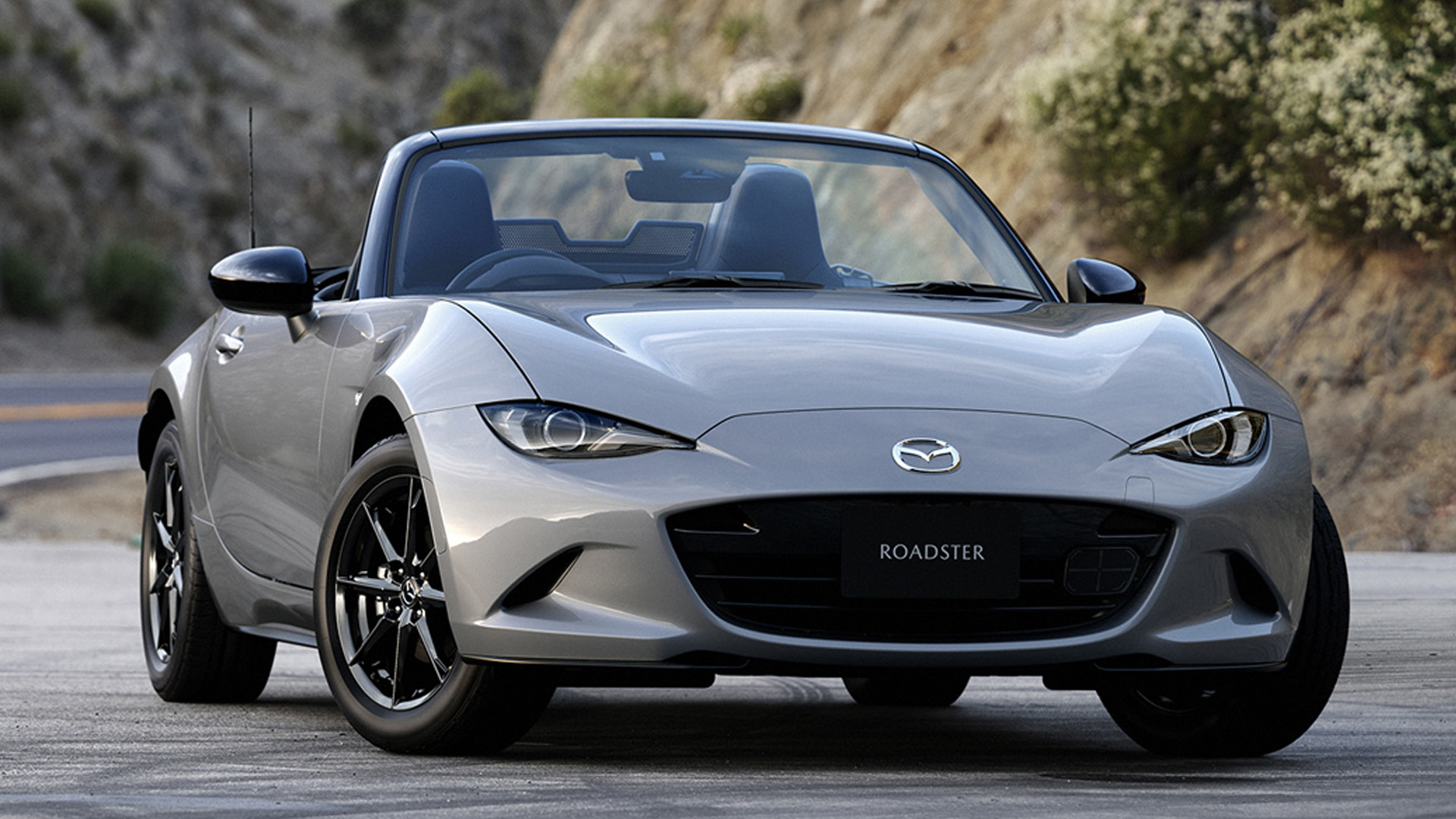
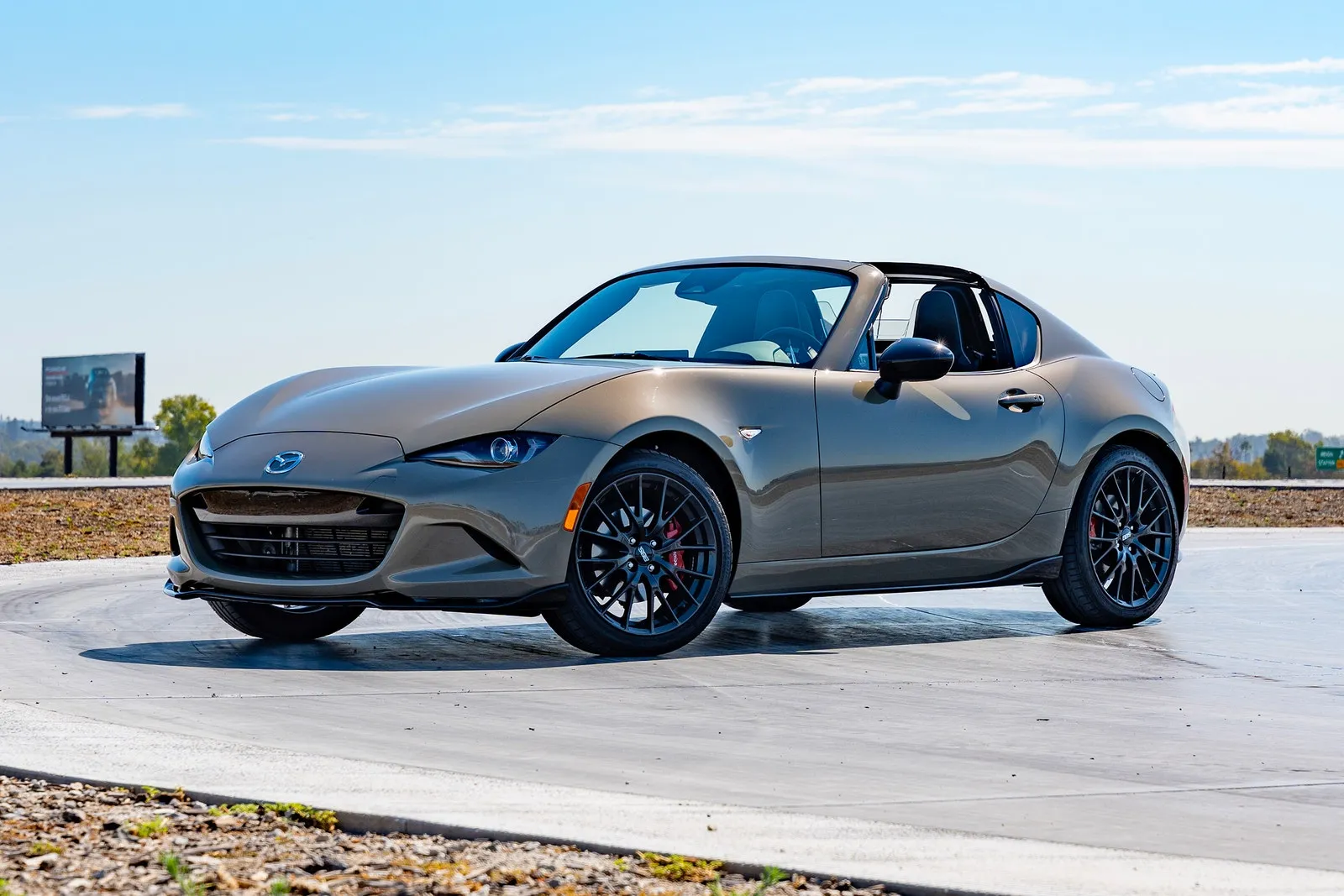
1. Mazda MX-5 Miata
The Mazda MX-5 Miata is a lightweight sports car that emphasizes a minimalist, driver-focused interior.
One aspect of its design is the small, compact speedometer numbers positioned within a traditional analog gauge cluster. While this layout preserves the classic sporty aesthetic and contributes to a clean, uncluttered dashboard, it comes with practical trade-offs.
Drivers must occasionally focus more intently to read their current speed, especially at night or in bright sunlight when reflections can reduce visibility.
The small numbers can require a subtle shift in eye movement, which may slightly increase cognitive effort and reduce reaction efficiency in high-speed or dense traffic situations.
Despite these limitations, the MX-5’s small speed display aligns with the car’s philosophy of driving engagement.
By encouraging the driver to pay closer attention to all aspects of the vehicle, the compact numbers complement the tactile experience of steering, braking, and accelerating.
This design choice places emphasis on active driving rather than passive observation of vehicle data. However, it also highlights a potential drawback: during long highway drives or when maintaining precise speeds in heavy traffic, small numeric displays may contribute to minor eye strain or slight discomfort, particularly for drivers who prefer glances over prolonged focus.
Visibility challenges in the MX-5 are mitigated somewhat by the car’s low-speed nature and emphasis on handling rather than top-end performance. Because the vehicle encourages spirited driving on winding roads rather than sustained high-speed travel, the small speed numbers are often sufficient for the intended environment.
However, in urban traffic or on expressways, drivers may find themselves glancing multiple times to confirm speed, which could distract from situational awareness. The small display underscores the balance between style and practicality that Mazda pursues, favoring a lightweight, immersive experience over maximal legibility.
Finally, the psychological effect of the small numbers can be twofold. For some drivers, it reinforces the feeling of intimacy with the car, connecting them more closely to its behavior. For others, it may create a subtle anxiety, particularly when speed precision is critical, such as in speed-limited zones or during night driving.
This demonstrates that even minor display choices can have meaningful consequences on driver experience and perception, showing that compact speed numbers, while aesthetically appealing, demand careful consideration from the operator.
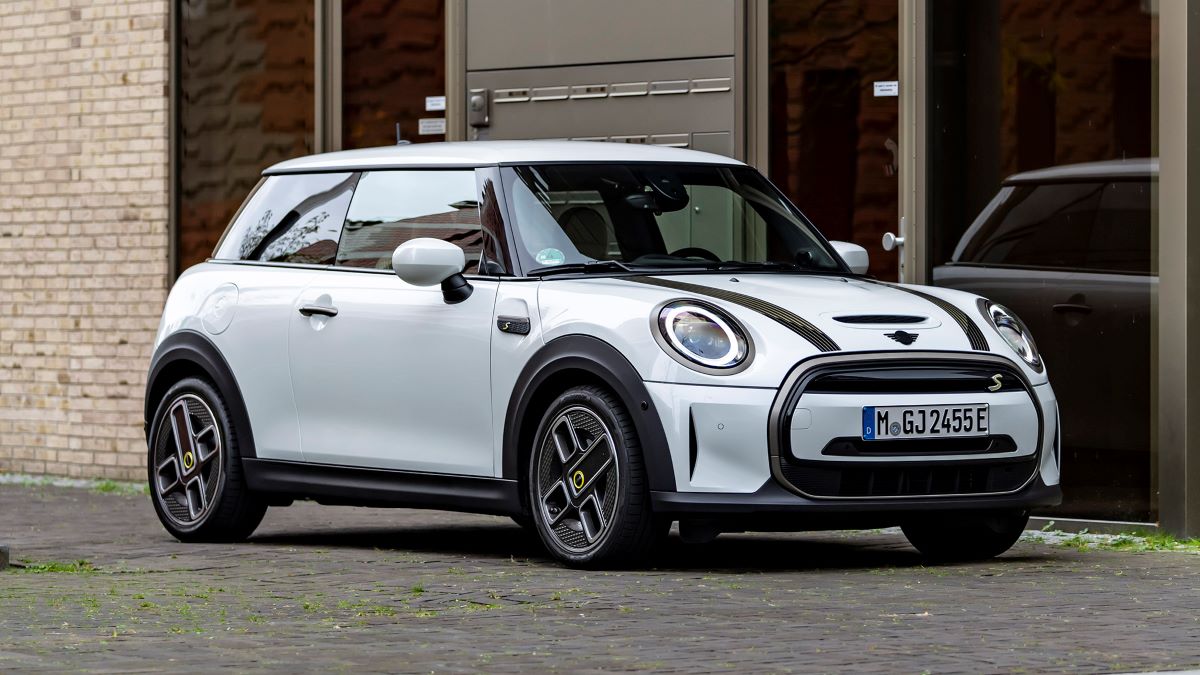
2. Mini Cooper
The Mini Cooper has long been celebrated for its iconic design and compact interior. Its speedometer often features tiny numbers set within a central circular gauge, sometimes shared with multifunction displays. While visually striking, the small size can make reading the speed more challenging compared to vehicles with larger, bolder displays.
Drivers must adjust their focus or lean slightly forward to quickly confirm their speed, particularly in fast-moving traffic or under conditions of poor lighting. This can increase cognitive load, making it harder to maintain instantaneous situational awareness.
Ergonomically, the Mini Cooper’s tiny speed numbers can be less than ideal for drivers accustomed to more prominent displays. During city driving, frequent stops and starts require quick speed checks, and the compact digits can slow visual processing just enough to impact response time.
In addition, adverse weather conditions or direct sunlight can further reduce legibility, emphasizing the limitations of small numeric displays in practical scenarios. While the design achieves aesthetic goals, it sacrifices some functional efficiency, highlighting the trade-off between style and usability.
Psychologically, the small speed numbers can also influence driving habits. Drivers who struggle to read their speed at a glance may either rely more heavily on memory of their approximate pace or risk unintentionally exceeding speed limits.
For some, this can create subtle tension or distraction, particularly on unfamiliar roads or during long trips. The Mini Cooper demonstrates that compact speed displays, while visually charming and consistent with brand identity, can introduce minor practical challenges that affect both comfort and safety.
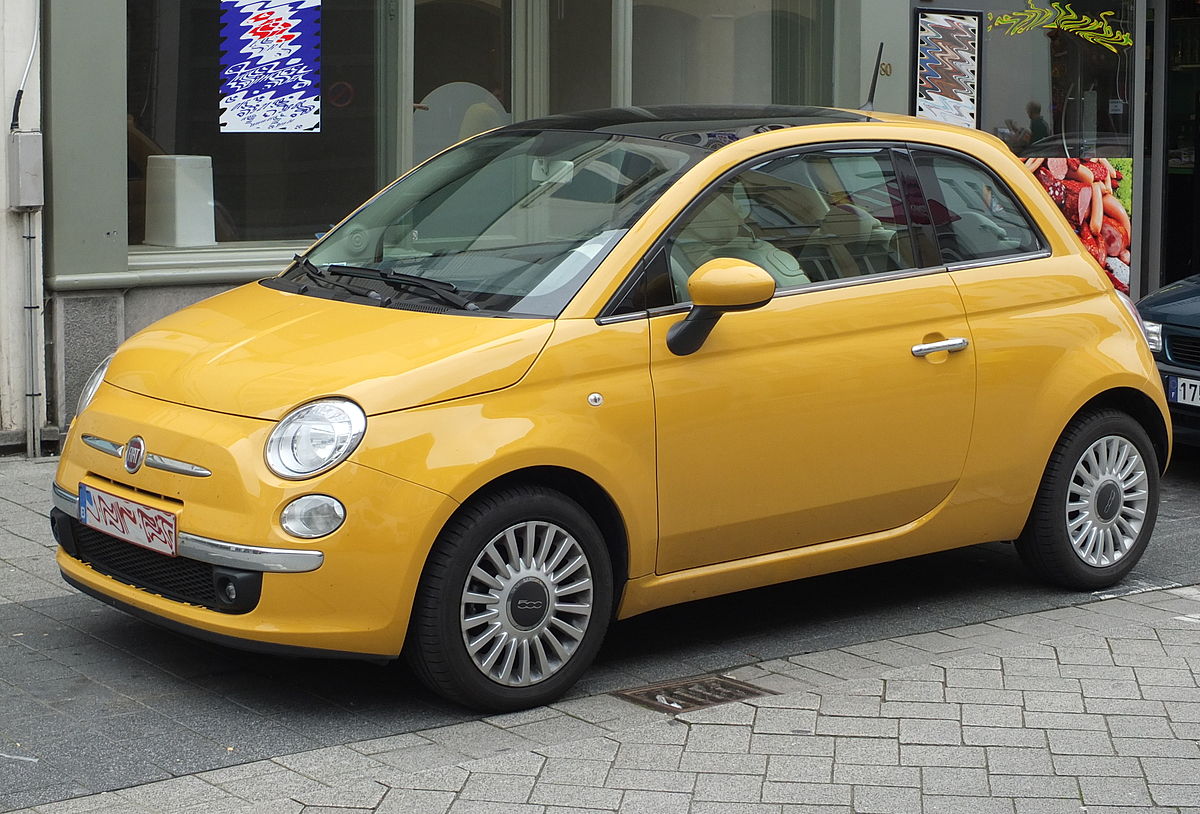
3. Fiat 500
The Fiat 500 embodies a retro, compact aesthetic, with tiny speed numbers often displayed in a minimalist analog dial. The small numeric display preserves dashboard simplicity, maintaining the car’s playful and stylish interior.
However, the trade-off is noticeable when quick speed readings are required, particularly in situations demanding frequent attention to pace, such as congested urban streets or rapidly changing traffic conditions. Drivers may need to redirect their focus briefly, slightly reducing situational awareness and requiring additional cognitive effort.
In practice, the Fiat 500’s small speed display highlights the compromises between aesthetics and functionality. The interior is visually appealing, uncluttered, and uniquely styled, but the reduced numeric size requires more effort for rapid assessment of speed.
This design choice illustrates how compact displays can introduce minor inconveniences, particularly for drivers who rely on quick visual feedback to maintain precise control over speed.
From a psychological perspective, the tiny numbers can also impact driving confidence. Some drivers feel more engaged and connected to the car’s behavior due to the need for closer attention, while others may experience a sense of mild distraction or tension when trying to quickly confirm their pace.
The Fiat 500 demonstrates that small speed numbers can reinforce a vehicle’s stylistic identity but may require drivers to develop adaptive strategies for maintaining awareness and safety.
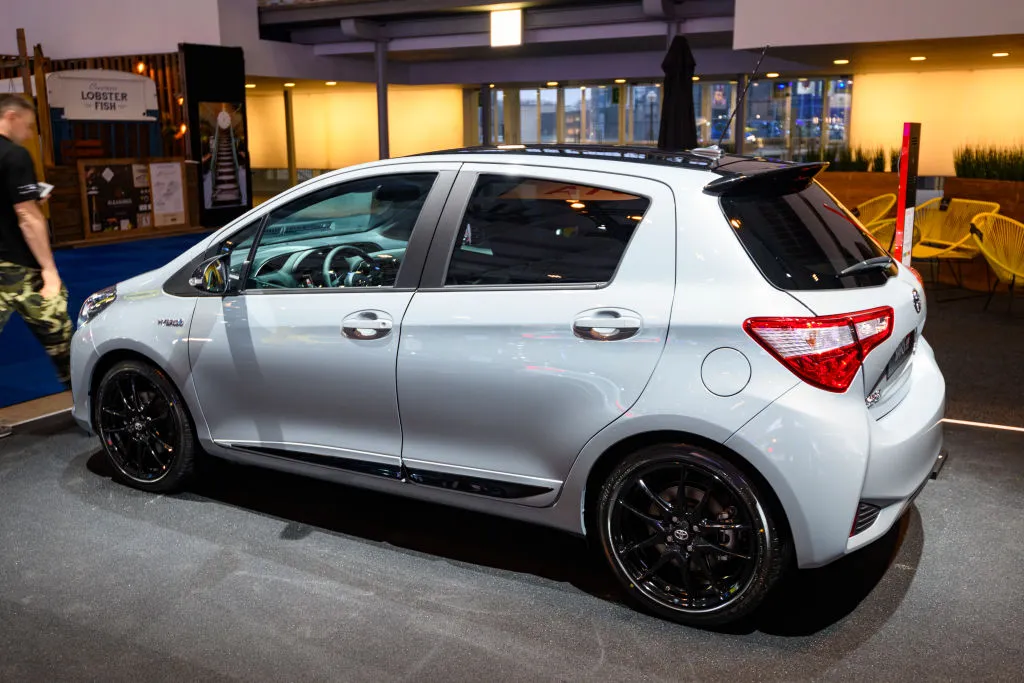
4. Toyota Yaris
The Toyota Yaris features a modestly sized speedometer with small numeric displays positioned within a conventional analog cluster. While functional, the compact size of the numbers requires drivers to focus more attentively, especially in bright daylight or dim lighting conditions.
Glances at speed can be slightly less efficient compared to vehicles with larger, more prominent displays, requiring more mental processing and occasional eye adjustment to ensure accurate reading. This is particularly relevant during highway driving or in high-traffic environments, where even minor delays in recognizing speed could affect judgment.
In terms of usability, the Yaris’s tiny speed numbers can challenge drivers who are accustomed to larger displays. During stop-and-go traffic or in urban environments with frequent speed changes, the need to focus more closely on the small digits can create minor cognitive strain.
While the design supports a simple and efficient interior, it subtly influences how drivers interact with the car, emphasizing attention to detail and active monitoring.
Psychologically, the small display may influence driving style by requiring a higher degree of engagement. Drivers become more conscious of speed fluctuations and may develop habits of checking the gauge more frequently.
While this can promote attentiveness, it also carries the risk of distraction if the driver spends excessive time focusing on the small numbers rather than on external traffic conditions. The Toyota Yaris demonstrates how small numeric displays can balance dashboard economy and aesthetics with practical limitations in visibility and convenience.
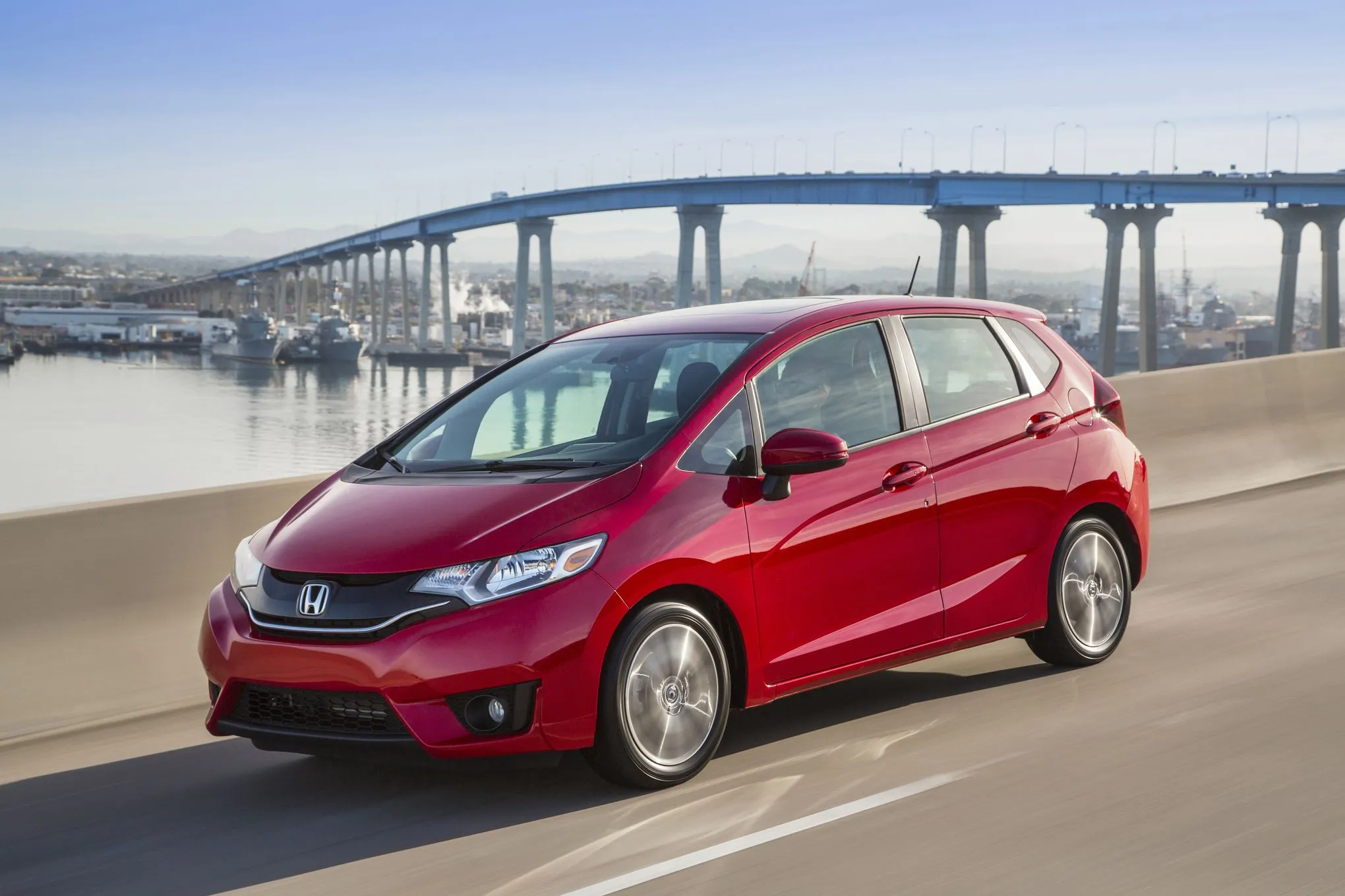
5. Honda Fit
The Honda Fit employs a small, compact speedometer display located within a conventional instrument cluster. The tiny numbers reflect the vehicle’s emphasis on efficiency, affordability, and interior simplicity.
While functional for most driving scenarios, the small numeric size can challenge visibility in certain conditions, such as bright sunlight, nighttime driving, or fast-moving traffic.
Drivers may need to glance more deliberately or reposition themselves slightly to accurately gauge speed, which introduces minor cognitive and ergonomic strain.
In practical usage, the small numbers highlight the trade-offs between design, space management, and usability.
In city driving or low-speed situations, the display is usually sufficient, but during highway driving or rapid acceleration, drivers must pay closer attention to maintain appropriate speeds.
This emphasizes the limitations of small numeric displays for providing instant feedback, particularly in scenarios requiring precise speed control.
Psychologically, the tiny speed numbers in the Honda Fit can have a dual effect. Some drivers appreciate the simplicity and uncluttered appearance, feeling a closer connection to the driving experience due to the need for attentive monitoring.
Others may experience mild discomfort or distraction when trying to read speed quickly, especially in unfamiliar conditions.
The Honda Fit demonstrates that small speed numbers can preserve aesthetic and spatial priorities while introducing minor ergonomic and visibility challenges for drivers.