If you’re tired of surprise bills at the dealer and want a car that keeps running with minimal fuss after the warranty expires, you’re in the right place. Buying a car isn’t just about how it drives on day one it’s about what it feels like to own on year four when the novelty wears off and the real costs start to show.
Low maintenance after four years means fewer trips to the mechanic, predictable service needs, and lower costs for parts and labor. That’s not just peace of mind it’s real money saved and a better ownership experience.
This article focuses on cars that tend to demand less attention and expense after about 48 months. I picked models that combine durable engineering, widely available parts, straightforward mechanical systems, and generally strong real-world reliability.
You’ll read why each car tends to be cheaper to keep running, what to watch for, and what routine care really looks like. I’ll avoid fluff and sales-speak just straight-up, practical info you can use whether you’re buying new, certified pre-owned, or deciding which lease to take.
I’ll also flag the small habits that keep ownership costs low: timely oil changes, smart tire choices, and not ignoring early warning signs. Cars that are easy on maintenance usually reward owners who do simple, consistent upkeep.
Expect clear suggestions about what maintenance usually costs and how often a typical owner sees service. No magic bullets here but if you want a car that behaves itself and doesn’t ask for drama after year four, these picks will make your life easier.
Why These 9 Cars Stay Cheap to Maintain After Four Years
Across different segments compact sedans, midsize family cars, compact SUVs certain traits make a vehicle cheaper and easier to own after four years. First, simple, proven engines with fewer high-tech failure points. Second, parts that are common and cheap because lots of cars use them.
Third, conservative electronics: fewer quirky software features means fewer mysterious error lights. Fourth, strong dealer and independent-shop support; the easier it is to find a mechanic who knows the car, the lower your labor bill.
The nine cars below were chosen because they match those traits: they use durable drivetrains, have good records for long-term reliability, and have owners reporting sensible service needs rather than expensive surprises. They also benefit from widespread parts availability and straightforward designs that independent shops can service without specialized tools.
For each car I’ll cover the reasons owners see low maintenance costs, common inexpensive repairs, and the routine items that keep the vehicle reliable beyond year four. I’ll also mention anything to avoid small quirks that could edge up maintenance costs if ignored.
This isn’t a ranking by performance or glam it’s about what keeps a car quiet in the shop and gentle on your wallet over time. If you care more about thrills than bills, cool but if you want commuter peace and predictable upkeep, these models deserve a hard look.
ALSO READ: 7 EVs That Sound Like Real Gas Engines While Driving
1. Toyota Corolla
The Corolla’s reputation for durability isn’t an accident. Its engine choices are conservative, its components are proven, and the overall design favors reliability over flash.
After four years, Corolla owners often report routine maintenance only: oil changes, brake pads, tires, and maybe a battery. The parts are abundant and inexpensive because Corollas are everywhere, which keeps replacement costs down.
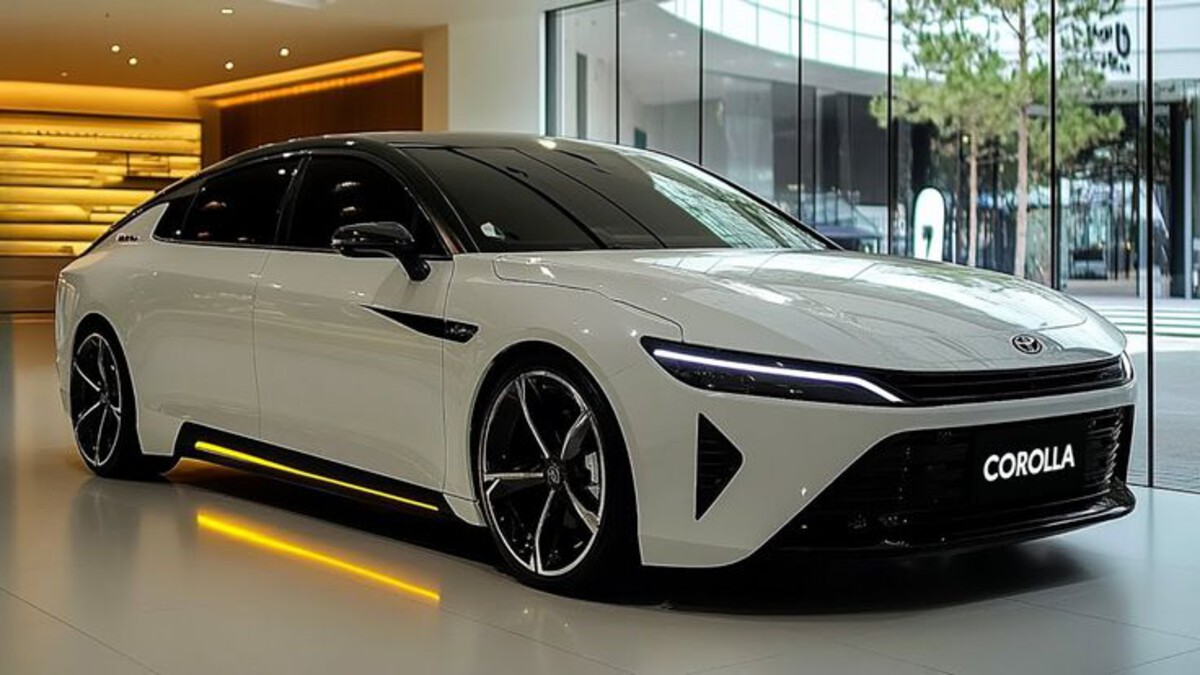
Mechanically, the Corolla typically avoids overly complicated variable systems that can bite you later. Transmissions are generally robust and don’t require exotic service, so independent shops handle repairs affordably.
Fuel-system issues are rare if you stick to recommended intervals. Electronics are basic compared to luxury cars, which means fewer sensor failures and strange warning lights that demand dealer diagnostics.
What to expect: scheduled items like timing-belt or chain checks (depending on engine), fluid changes, and brakes. If you live in a place with heavy stop-and-go traffic, brake and tire turnover will be the main recurring expense. Nothing about the Corolla tends to lead to surprise big-ticket repairs by year four.
How to keep costs low: follow the owner’s maintenance schedule, use standard oil grades, and let a trusted local shop handle most work. Avoid aftermarket modifications; performance tweaks can increase wear and void warranties.
Bottom line: the Corolla is built to be driven, not fussed over, and that’s why many owners see very low maintenance bills in years three through five.
2. Honda Civic
The Civic blends efficiency and durability in a compact package. Over the years, Honda has refined engines and transmissions to be long-lived without exotic parts or expensive servicing. After four years, many Civic owners report that the bulk of their expenses were planned maintenance: oil, filters, brakes, and occasional tires.
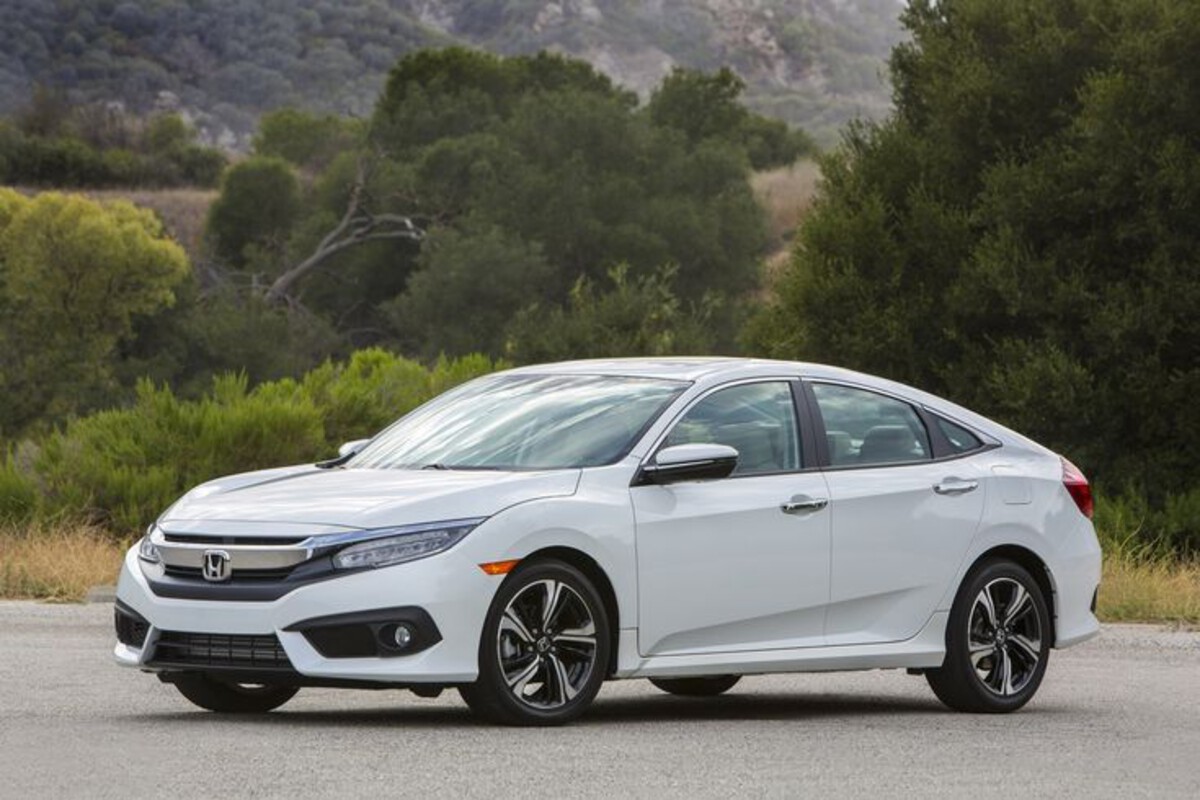
Honda’s design philosophy favors straightforward mechanical solutions. Transmissions, particularly in recent models, are resilient when serviced properly. The Civic’s frequent use as a commuter car means replacement parts are mass-produced and relatively cheap, which helps keep labor and parts bills low at independent garages.
Common small issues: sensors or minor electronic glitches occasionally crop up, especially in models with more tech features. Those are typically inexpensive to fix if handled early. The Civic’s engines, especially the naturally aspirated variants, are easy to maintain and forgiving if you follow service intervals.
To minimize repair costs: don’t skip oil changes, use recommended fluids, and address odd noises early. A well-kept Civic tends to avoid the kind of catastrophic failures that lead to large repair bills.
For buyers wanting a practical car that won’t be in the shop a lot after four years, the Civic is often a solid pick it balances fuel economy with a reputation for reliability and cheap parts availability.
3. Mazda3
Mazda has pushed styling and driving dynamics without sacrificing durability, and the Mazda3 is a prime example. It rides a sweet spot between fun and practical: engines are efficient but not overly complex, and the build quality is generally solid. Owners tend to face normal maintenance items rather than repeated mechanical issues after four years.
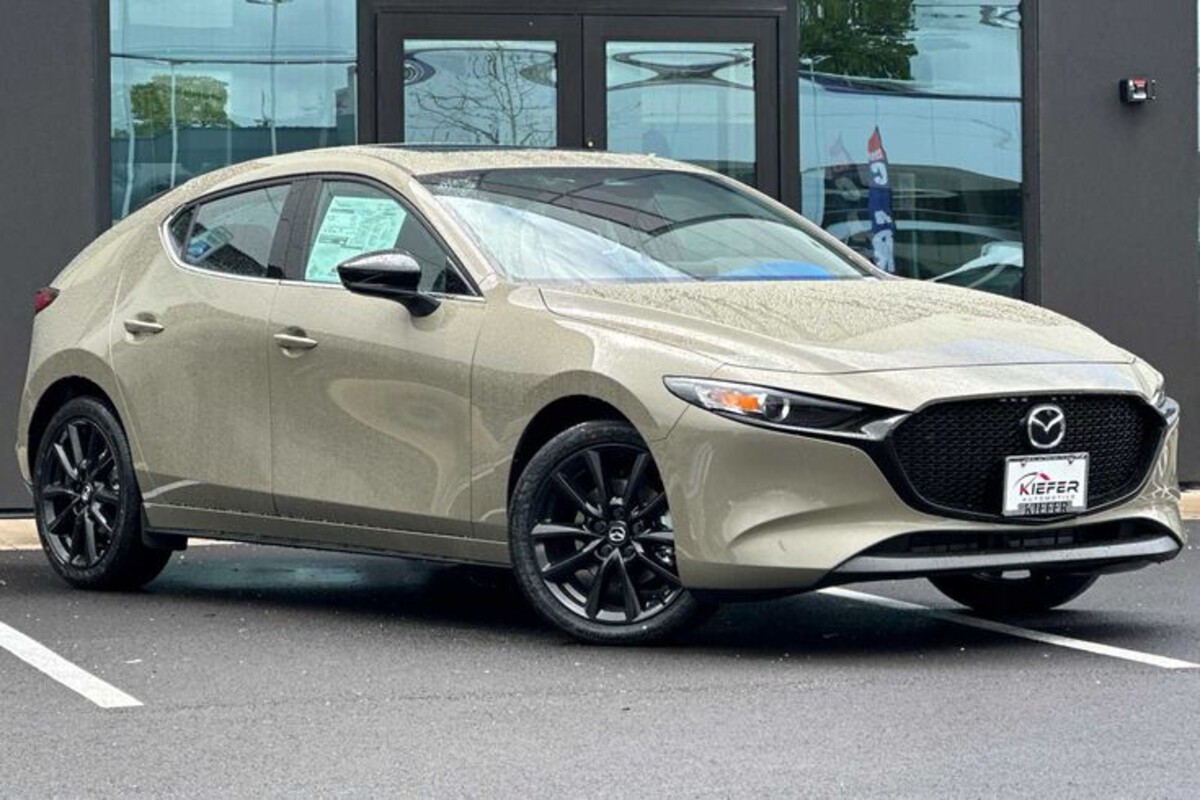
Mazda focuses on driver feel, but its engineering also emphasizes reliability. The Skyactiv engines are designed to be efficient and durable; they don’t hide expensive maintenance schedules behind fanciful tech. Parts availability is good, and many independent shops are familiar with Mazda service needs, which keeps labor reasonable.
What you’ll likely see: routine oil and filter changes, brake maintenance, and possibly suspension bushings or shocks if you drive aggressively or on poor roads. Tire wear can be higher for drivers who push the car’s handling limits, but that’s a use-and-abuse issue rather than a reliability fault.
Maintenance tips: stick to Mazda-approved fluids, and don’t ignore service reminders the car’s systems are simple enough that early attention prevents larger problems.
If you buy one with a higher trim level, be mindful that extra electronics (advanced infotainment, driver assists) can add small repair or calibration tasks; mechanically, though, the Mazda3 is lean and predictable. Overall, owners report friendly ownership costs and few surprises by the four-year mark.
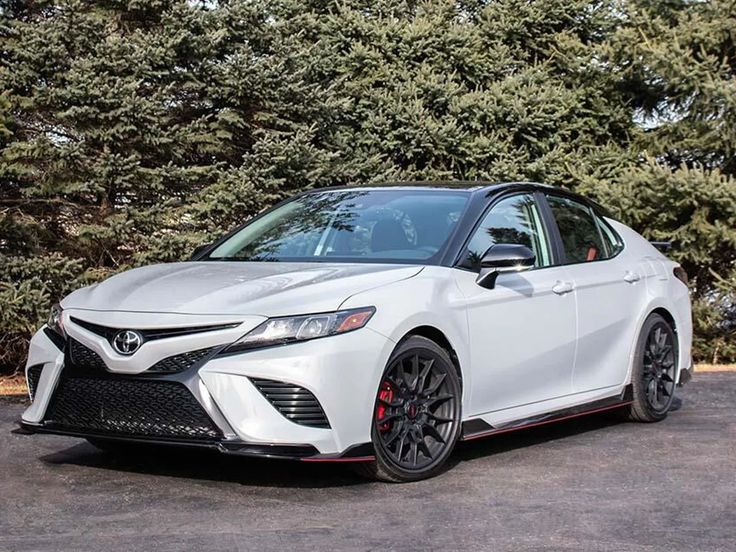
4. Toyota Camry
The Camry is the midsize car most people turn to for dependable, low-hassle ownership. Its engines are built for longevity and tend to tolerate regular use without drama. By year four, most Camry owners are still seeing mostly scheduled maintenance oil, brakes, tires, and routine checks rather than expensive mechanical failures.
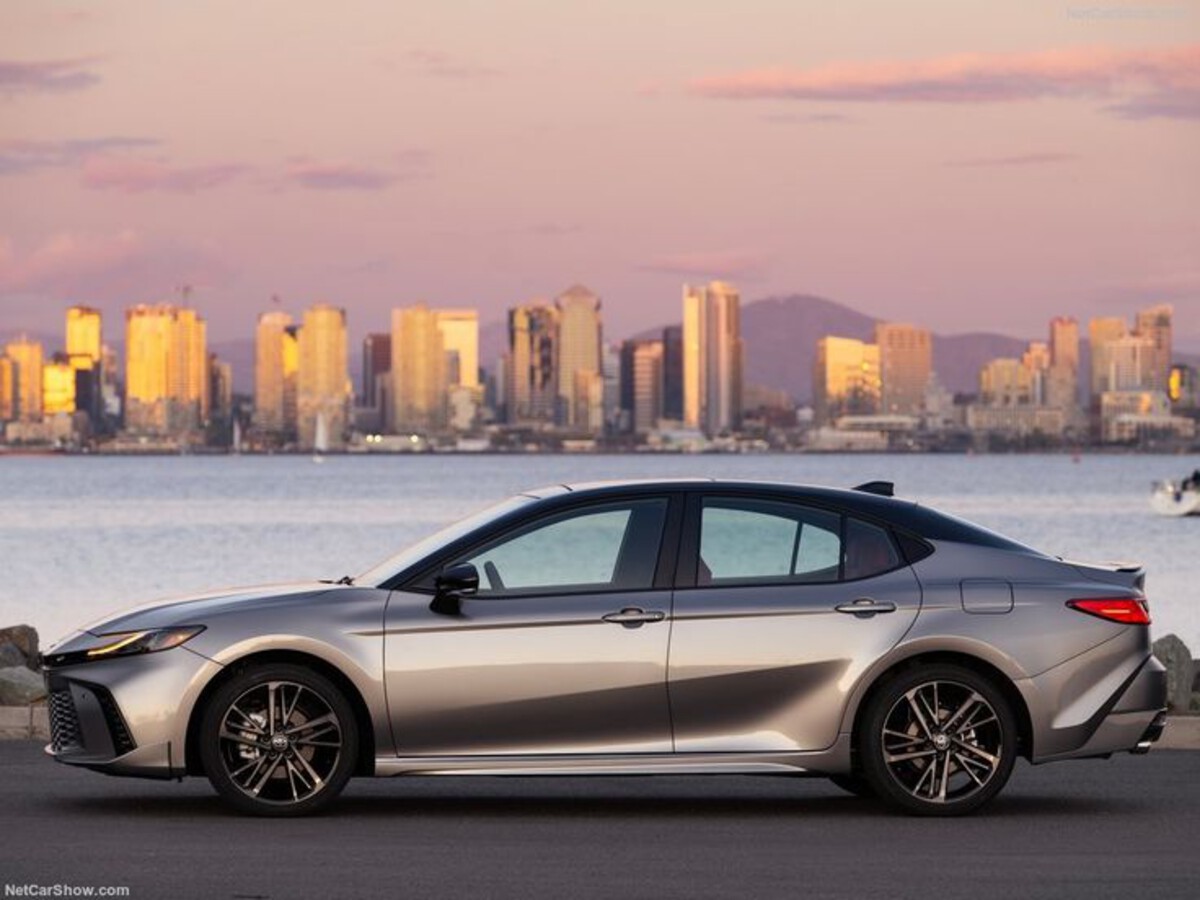
Toyota’s engineering choices for the Camry prioritize proven components. Transmissions and engines have long track records, and because Camrys are so common, parts are reasonably priced and widely stocked. This combination means repairs, when required, are straightforward and widely supported by both brand and independent service centers.
What to expect: predictable service intervals and generally low repair frequency. Some trim-dependent electronics may need software updates or minor fixes, but these rarely balloon into big bills.
If equipped with hybrid hardware, the Camry hybrid’s battery systems have historically held up well for typical ownership spans; hybrids do demand attention to software and battery health but rarely require replacement in that window.
How to keep costs down: avoid skipping scheduled maintenance, use recommended fluids, and let trusted shops handle wear items. The Camry rewards careful basic care with consistent reliability it’s a classic choice if your priority is low-maintenance daily driving without surprises.
ALSO READ: 10 Cars With the Most Maintenance After 4 Years
5. Lexus ES
Lexus is Toyota’s luxury arm, and the ES combines comfort with Toyota-grade reliability. The Lexus ES benefits from Toyota’s mechanical simplicity under the skin, but with higher-quality materials and dealer support. After four years, owners typically encounter routine maintenance rather than persistent mechanical headaches.
Because Lexus parts sometimes cost more than Toyota’s, labor and accessory items can be pricier at the dealer; however, the mechanical systems themselves are conservative and durable.

Many ES owners find that while scheduled service costs at the dealer are higher, the frequency of unscheduled repairs is low. Independent shops with luxury experience can often handle common services cost-effectively.
What to expect: excellent long-term drivetrain reliability, rare engine or transmission failures, and occasional luxury-specific items like HVAC actuator repairs or infotainment fixes depending on trim and options. Tires and brake wear follow normal patterns for a heavier, comfortable sedan.
To keep ownership costs reasonable: use dealer service early in warranty, then consider selective independent servicing for routine items after warranty expiry a specialty shop familiar with Lexus/Toyota systems can save you money. The ES is a good pick if you want a quiet, comfortable car with much lower maintenance drama than many other luxury brands.
6. Toyota Prius
The Prius made hybrid ownership mainstream, and its reputation for low running costs is well-earned. Prius drivetrains focus on efficiency and reliability; by four years, many owners report minimal maintenance beyond normal wear items. Hybrid systems in the Prius are designed for longevity, and hybrid components often outlast expectations when maintained correctly.
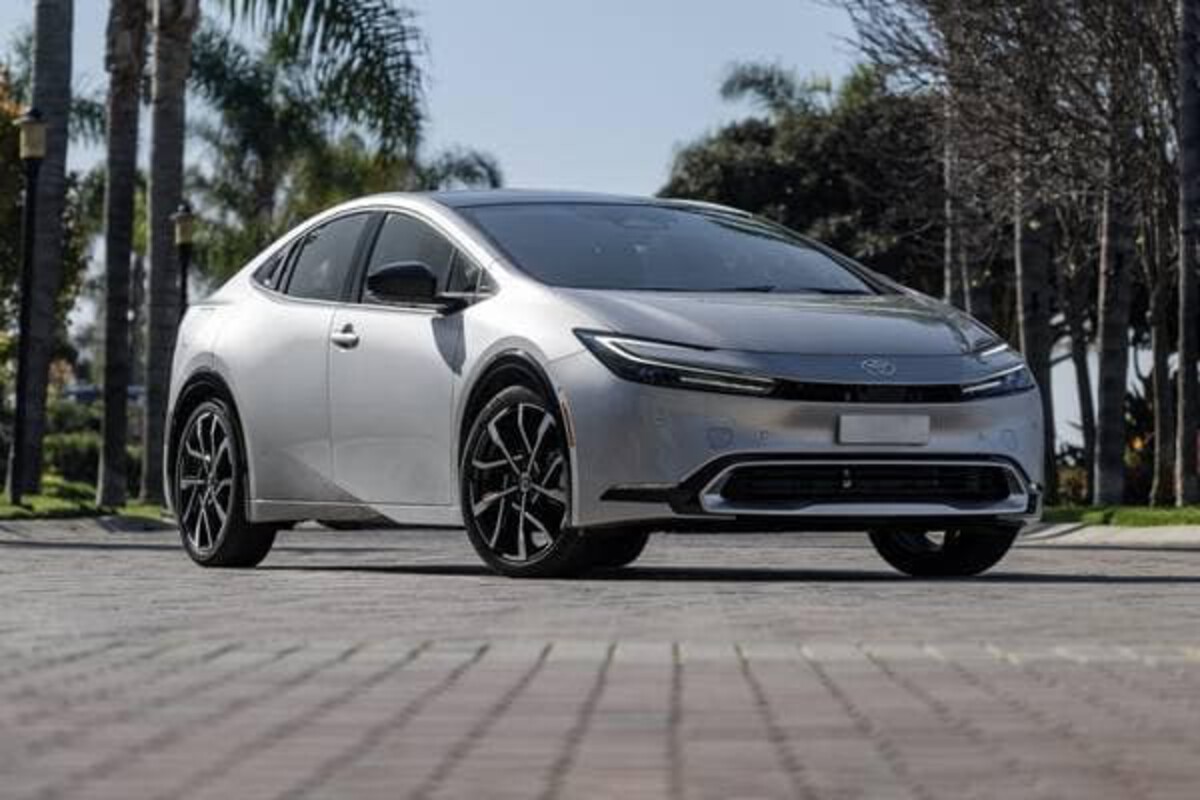
A major advantage: fuel economy reduces wear from heavy commuting, and regenerative braking typically reduces pad and rotor wear. Prius parts are common and many shops understand hybrid basics now, which keeps service affordable. Battery longevity is often a worry, but within a four-year window modern Prius batteries rarely fail; manufacturer warranties also provide a safety net for early ownership.
Typical costs: battery checkups, inverter coolant changes in some models, and usual oil/brake/tire work. The hybrid hardware does add some specialized service needs, but those are infrequent and usually less costly than a major engine repair in non-hybrids.
How to manage costs: follow hybrid-specific maintenance schedules, use shops experienced with hybrids for any battery or inverter concerns, and keep cooling systems clean. If low maintenance and low fuel bills are your priorities, the Prius is a strong, practical choice that rewards regular but light-touch care.
7. Honda CR-V
The CR-V is a top pick in compact SUVs for buyers who want utility without drama. Its mechanicals are largely shared with Honda’s dependable sedan lineup, and that translates into predictable maintenance. By year four, CR-V owners typically deal with routine wear-and-tear items brakes, tires, and fluids rather than recurring mechanical faults.
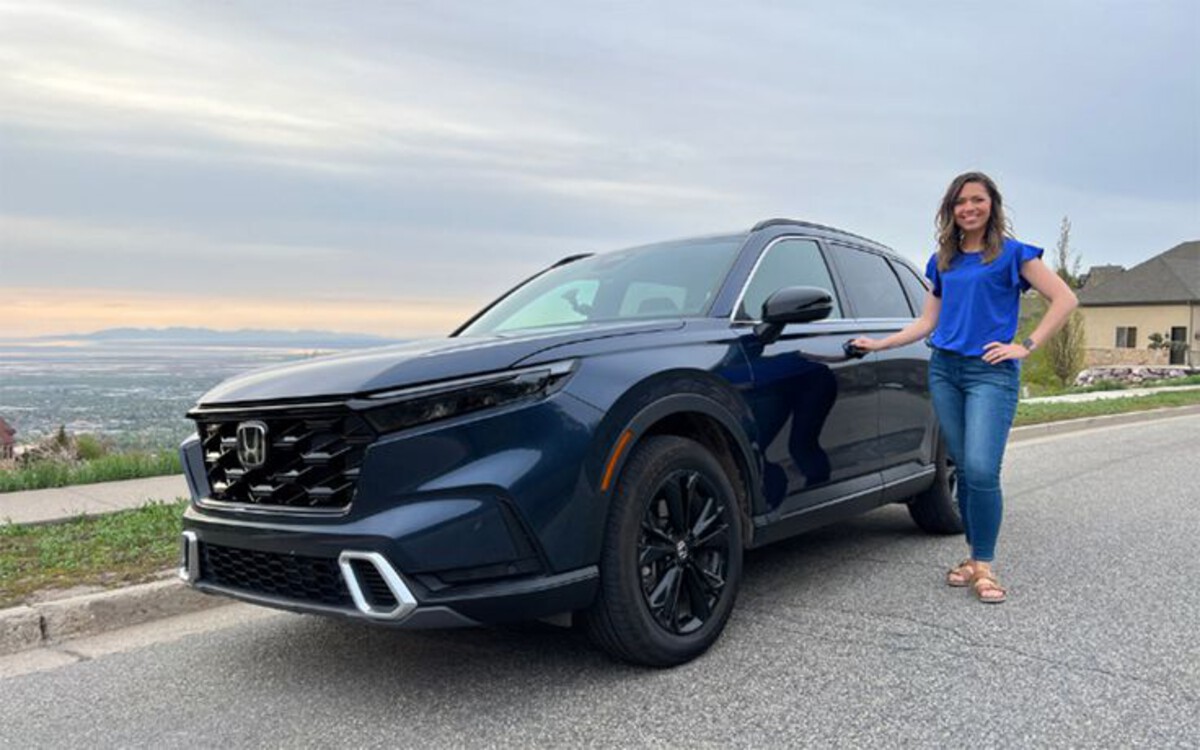
Honda builds the CR-V with simple, serviceable components. The engine and transmission options are generally robust when maintained, and many independent shops know the platform well. That familiarity means straightforward diagnostics and competitive labor rates for common repairs.
Possible issues: if you opt for turbocharged engines in some model years, be mindful of maintenance needs tied to turbo systems (air intake cleanliness, oil quality). But a naturally aspirated CR-V or a modestly driven turbo variant still tends to avoid large repair bills by year four.
Maintenance advice: stick to scheduled oil changes and inspections, watch for early signs of wear (vibrations, odd noises), and keep tires rotated to balance wear. The CR-V gives you SUV versatility with a maintenance profile closer to a compact car, making it a sensible choice if you want extra space without extra hassle.
8. Hyundai Elantra
Hyundai’s recent models have tightened up quality and reliability, and the Elantra is a budget-friendly compact with low ownership costs when maintained properly.
Hyundai offers generous warranties on new cars, which reduces owner exposure to unexpected bills in the early years; after four years, the car typically shows normal wear rather than chronic issues.

Mechanically, Elantras have straightforward engine and transmission options. Parts are plentiful and inexpensive, and many local shops can perform common services without needing dealer-only tooling. The brand’s push into better engineering has paid off in lower repair frequencies for routine systems.
What to watch for: tech-heavy trim levels may have more infotainment or driver-assist features that require calibration, but such fixes are usually minor. Routine items brakes, tires, fluids make up the bulk of owner costs.
How to minimize expenses: take advantage of the warranty for any early issues, then switch to reliable independent shops for basic maintenance once coverage ends. Keep to service intervals and avoid cheap aftermarket parts for critical systems. If you want a new car feel without expensive upkeep later, the Elantra often delivers strong value.
9. Kia Soul
The Kia Soul is quirky in shape but practical in ownership. Kia’s reliability has improved markedly, and the Soul benefits from simple, durable mechanical components and broad parts availability. After four years, owners generally report predictable maintenance items rather than major surprises.
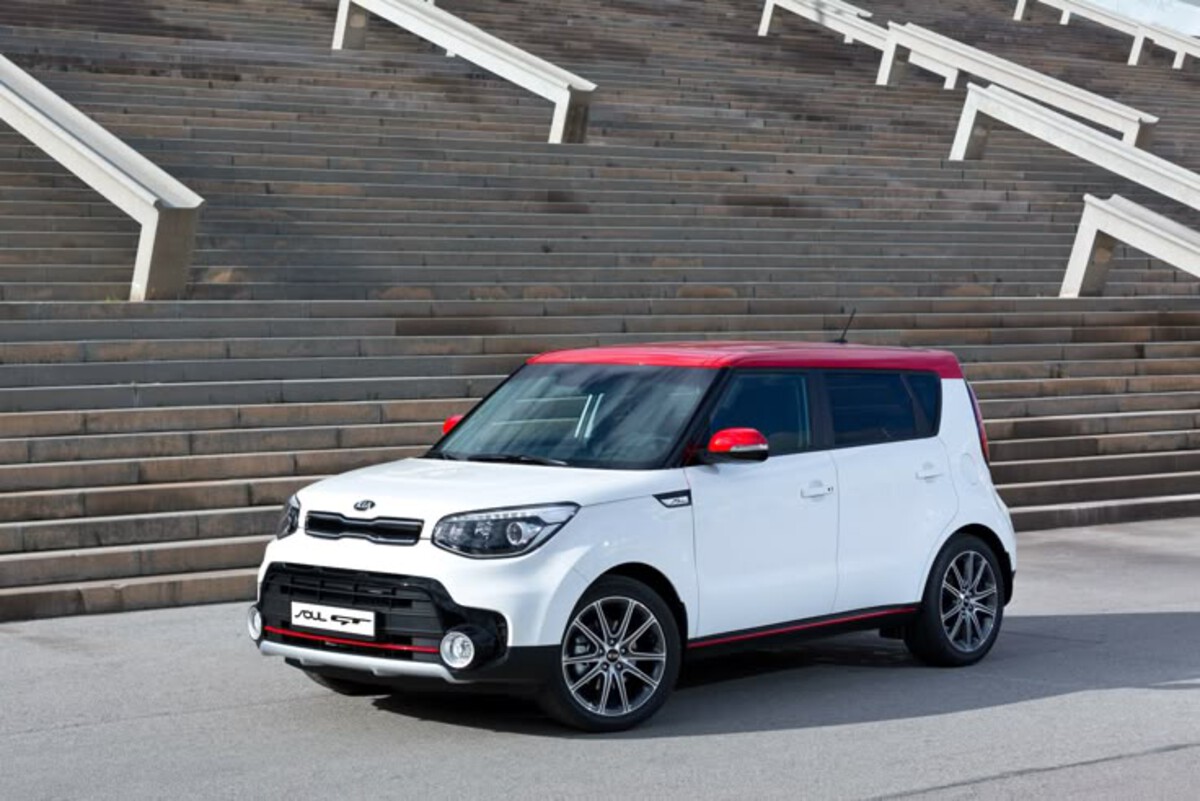
Kia’s long warranty policies historically give buyers confidence in the early years; past the warranty, the Soul’s straightforward engineering keeps service needs manageable. Replacement parts are common and affordable, and many shops are comfortable working on Kia platforms.
Common maintenance: standard oil changes, brake servicing, and occasional suspension or steering bushings if you drive rough roads. Electronics and infotainment can require attention in higher trims, but these are seldom catastrophic and often covered early on by warranty.
Tips for low-cost ownership: follow recommended service intervals and consider a trusted independent shop for routine items after warranty. Avoid heavy aftermarket mods the Soul is built for practical city and suburban driving, and owners who treat it that way usually enjoy low maintenance costs by year four.
If your priority is low hassle and predictable costs after year four, focus on cars with simple, proven mechanical systems, strong parts availability, and a history of reliability.
The models above share those traits: Toyota and Honda classics for durability, Mazda for a balanced feel with sensible engineering, Lexus for luxury backed by Toyota’s dependability, and modern Hyundai/Kia entries that pair improved quality with attractive warranty coverage.
Owning a low-maintenance car doesn’t mean spending anything; tires, brakes, fluids, and routine inspections are part of the deal. The difference is frequency and surprise: these picks tend to ask for regular, expected service rather than sudden, expensive repairs. To keep ownership costs down, follow the manufacturer’s maintenance schedule, use quality fluids and parts, and don’t ignore small warning signs.
Finally, shop smart: a thorough pre-purchase inspection and a look at the vehicle’s service history will reveal more than glossy ads. Choose a car that fits your driving habits, and you’ll get four-plus years of trouble-free ownership, and a lot less time in the repair shop.