
Driving on brick-paved streets doesn’t have to feel like enduring a relentless roller-coaster ride. Anyone who has navigated these uneven surfaces knows the jarring effect every bump can have, transmitting shocks directly through the seat and leaving passengers wondering how much longer their spine can take it.
Traditionally, small cars have earned poor reputations for ride comfort because manufacturers often prioritize cost efficiency and light weight over cushioning. Many buyers assume that choosing a compact vehicle automatically means accepting a harsh, uncomfortable experience as part of the trade-off.
In reality, this belief is outdated. Modern small cars demonstrate that thoughtful engineering can deliver remarkably smooth rides, even on the most irregular brick roads.
Advanced suspension setups, including precisely calibrated springs and intelligent dampers, work in harmony with the chassis to absorb bumps and vibrations without compromising control.
These systems prove that ride quality is not solely the domain of large, expensive vehicles. With the right tuning, a compact car can glide over rough surfaces, keeping passengers comfortable and composed throughout the journey.
Brick streets are particularly challenging because they combine multiple irregularities: uneven surfaces, gaps between bricks, and often deteriorating maintenance. A vehicle that performs well here must manage both small, high-frequency vibrations and larger, slower impacts simultaneously.
Its suspension must strike a delicate balance, soft enough to cushion shocks yet firm enough to prevent excessive body movement or loss of control. Achieving this requires precision engineering that considers not only individual components but also how they interact as a system.
Several small cars now master this balance, proving that compact size does not equal compromise. These vehicles offer ride comfort comparable to much larger sedans, keeping occupants relaxed even over rough or poorly maintained streets.
Whether going through urban neighborhoods or older city centers, these models transform the brick-street experience from a punishing ordeal into a controlled, smooth, and surprisingly pleasant drive.
Smart engineering, intelligent suspension design, and careful chassis tuning have redefined what small cars can offer, making them practical, efficient, and genuinely comfortable for daily use.
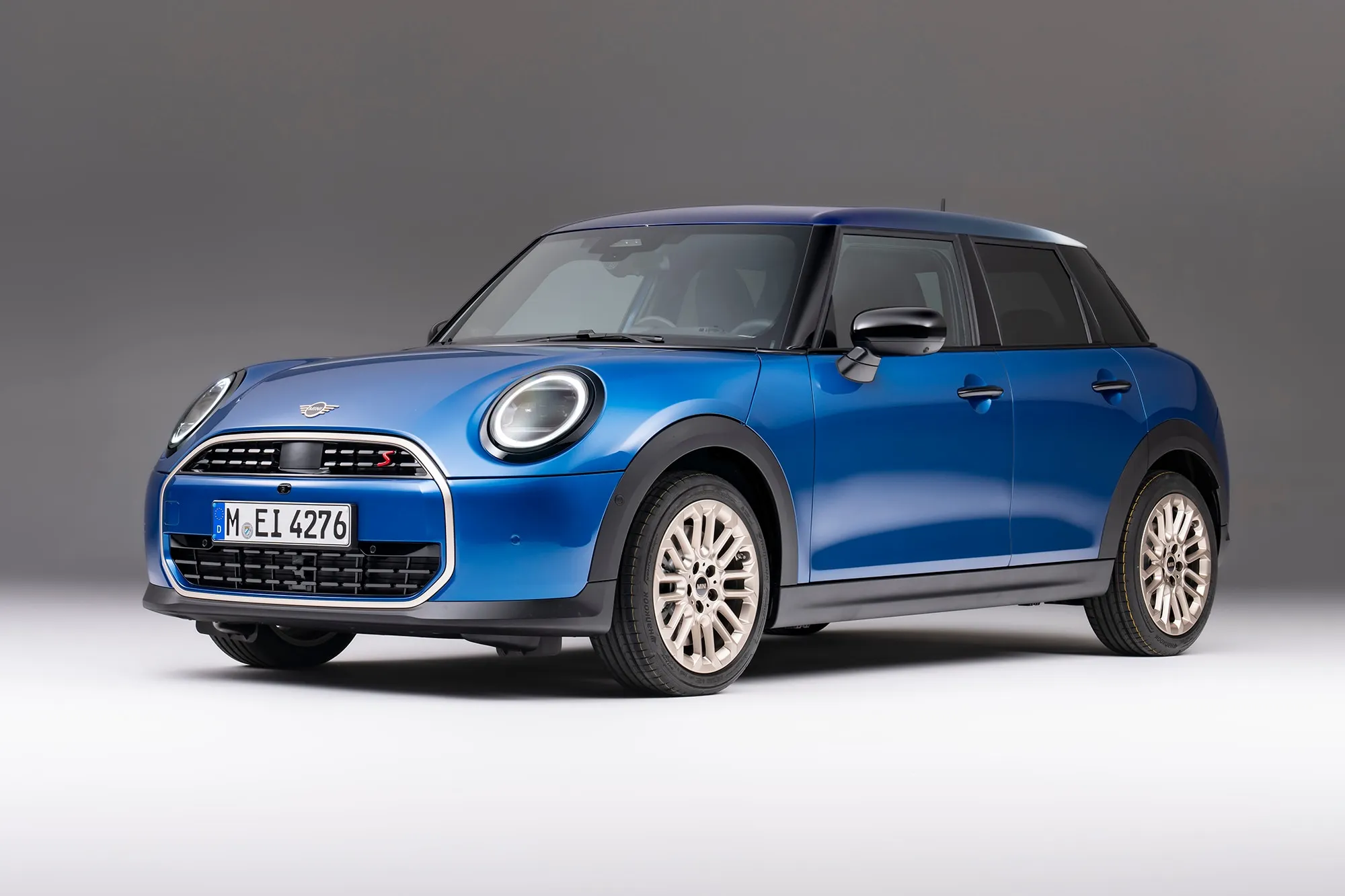
1. Mini Cooper S Hardtop 4-Door 2024
British engineering tradition meets modern comfort technology in the Mini Cooper S Hardtop 4-Door 2024, creating a small car that handles rough surfaces with surprising grace. You might expect a vehicle called Mini to deliver a miniature ride experience, harsh and unforgiving.
Reality proves quite different, as this Cooper absorbs brick street irregularities with composure that shames many larger vehicles. Suspension engineers spent considerable time tuning dampers specifically for urban environments where brick, cobblestone, and patched asphalt create challenging conditions.
Adaptive dampers come standard on this model, automatically adjusting firmness based on road conditions and driving inputs. When sensors detect rough surfaces like brick streets, dampers soften to absorb impacts before they reach the cabin.
This happens so quickly that you benefit from maximum comfort without experiencing the floaty, disconnected feeling that overly soft suspension creates. During smooth highway driving, dampers firm up to maintain control and reduce body motion. You get the best of both worlds: comfort when you need it and control when you want it.
The wheelbase length on the four-door Cooper provides better bump absorption than the two-door version. A longer distance between front and rear wheels allows suspension components more time to react and settle between impacts.
When front wheels hit a brick edge, the rear suspension has additional milliseconds to prepare, resulting in a smoother entire motion. This might seem like a minor detail, but it creates noticeable improvement in ride quality during daily driving on rough streets.
Run-flat tyres often create harsh rides in other vehicles, but Mini engineered these specially to maintain comfort. Reinforced sidewalls provide puncture protection without the stiffness that transmits every pebble into the cabin. Tyre pressure monitoring works continuously, alerting you if pressures drop below optimal levels that might compromise ride quality.
Proper inflation proves crucial for comfort on brick streets, and this system ensures you’re never driving on under-inflated tyres that amplify every bump. Alloy wheel designs also contribute, with sizes optimized to provide adequate tyre sidewall height for cushioning without looking disproportionate.
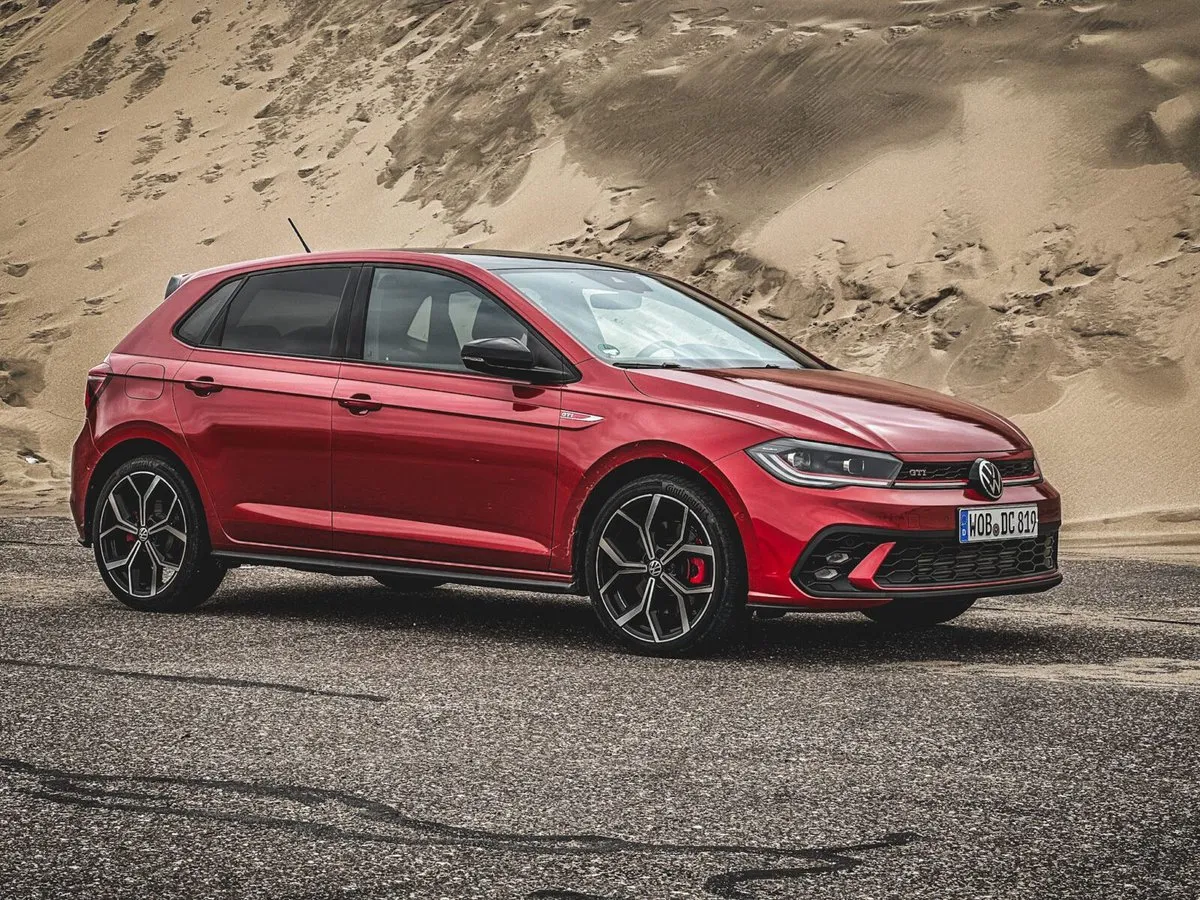
2. Volkswagen Polo GTI 2024
German attention to detail produces exceptional ride quality in the Volkswagen Polo GTI 2024, where sport credentials don’t compromise comfort on rough surfaces. This might surprise people who assume sporty cars always ride harshly.
Volkswagen engineered this Polo to deliver both engaging handling and comfortable daily driving, refusing to sacrifice one for the other. Suspension tuning reflects decades of experience building vehicles for European roads, many of which feature brick, cobblestone, and other challenging surfaces.
Multi-link rear suspension provides superior wheel control compared to the simpler torsion beam setups found in many small cars. Each rear wheel moves independently, allowing one side to absorb bumps without affecting the other.
When driving on brick streets with uneven surfaces or gaps between bricks, this independence prevents the hopping, skipping motion that creates uncomfortable rides. Wheels maintain better contact with road surfaces, improving both comfort and control during challenging conditions.
Volkswagen selected spring rates carefully to balance comfort and control. Springs are soft enough to absorb brick street irregularities yet firm enough to prevent excessive body roll during cornering. This balance proves difficult to achieve, requiring extensive testing and tuning.
Engineers drove prototype Polos on various rough surfaces, adjusting spring stiffness incrementally until finding the sweet spot. You benefit from their obsessive perfectionism every time you drive on less-than-perfect roads.
Body rigidity contributes enormously to ride quality, though many drivers don’t realize this connection. Flexible chassis allows suspension impacts to bend the entire body, creating creaks, rattles, and amplified vibrations. Volkswagen reinforced the Polo’s structure extensively, creating a rigid platform that isolates suspension movements from the passenger cabin.
When wheels hit bumps, the suspension absorbs motion without transmitting it through the body. You feel impacts as gentle movements rather than harsh jolts, maintaining comfort even on severely damaged brick streets. Sound-deadening materials throughout the floor and doors further isolate occupants from road noise and vibration.
Also Read: 8 New Compact Cars That Don’t Feel Tiny Inside
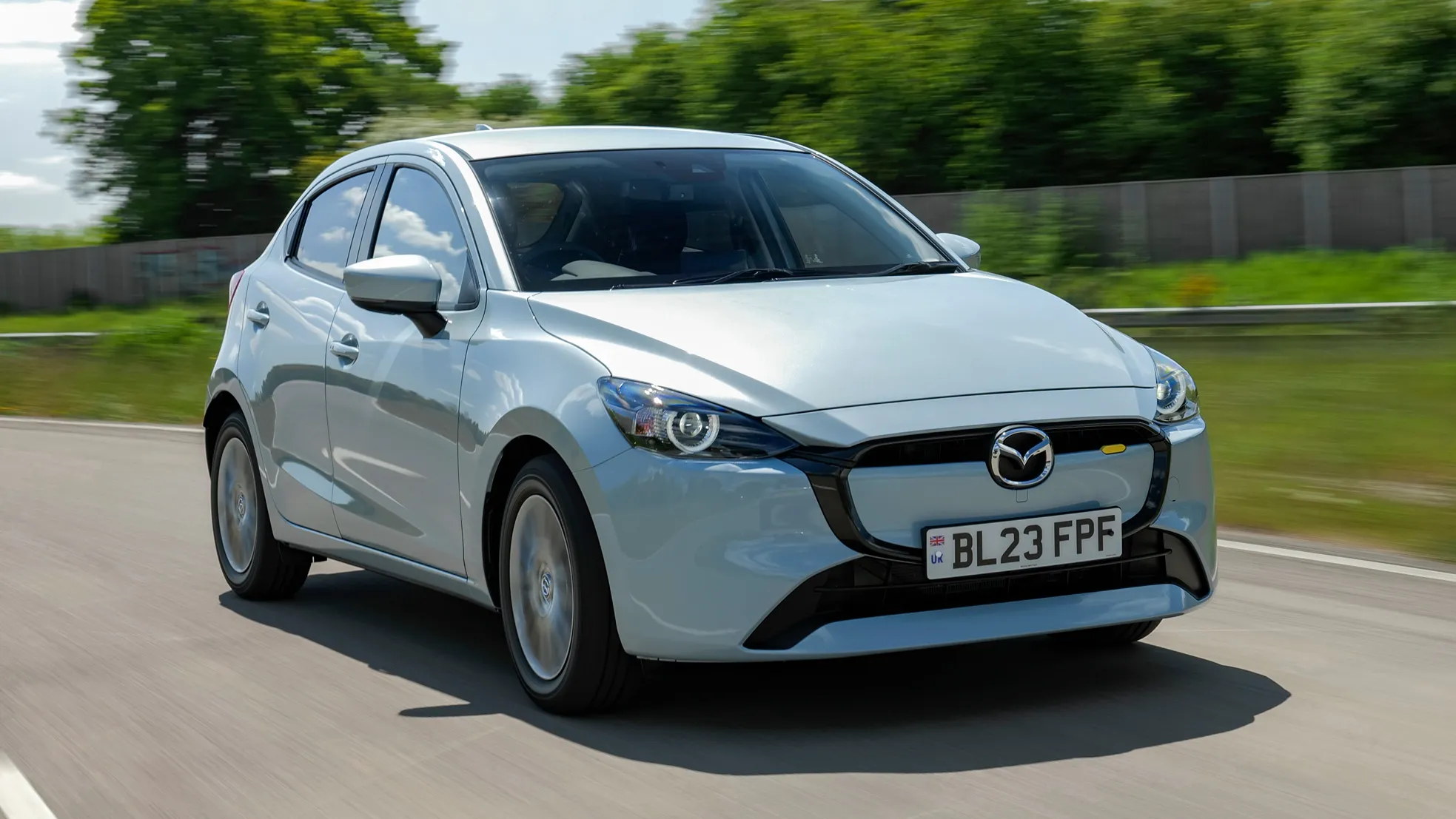
3. Mazda2 GT Sport 2024
Japanese engineering philosophy emphasizes balance in the Mazda2 GT Sport 2024, creating a small car that rides with maturity beyond its size. Mazda calls their design approach “Jinba Ittai,” meaning horse and rider as one.
This philosophy extends beyond just handling to include ride comfort, recognizing that true driving pleasure requires comfort alongside control. Engineers tuned every aspect of the suspension system to work harmoniously, creating a cohesive experience where no single element dominates.
Shock absorber valving receives particular attention in Mazda vehicles, with custom tuning for each market based on typical road conditions. Models sold in regions with many brick streets get softer initial damping that absorbs small, high-frequency vibrations from uneven surfaces.
Larger impacts trigger progressive damping that firms up gradually, preventing harsh bottoming while maintaining control. This sophisticated valving allows the Mazda2 to handle both gentle undulations and severe potholes effectively, adapting its response to match impact severity.
Tyre selection plays a crucial role in this car’s comfort performance. Mazda specifies 15-inch wheels with substantial tyre sidewalls, providing ample cushioning material between road and rim. Many manufacturers fit larger wheels with low-profile tyres to create a sportier appearance, but this compromises ride comfort substantially.
Mazda prioritized function over fashion, choosing wheel and tyre combinations that maximize comfort without looking dated or cheap. You benefit from their wisdom every time you encounter rough surfaces. Seat design and mounting contribute to comfort by providing a final layer of isolation between road and occupants.
Dense foam cushions absorb vibrations that make it through the suspension system, while careful mounting prevents seat frames from resonating at frequencies that amplify discomfort. Adjustable lumbar support allows you to position your spine optimally, reducing fatigue during extended drives on rough roads.
Even the steering wheel receives vibration damping, preventing harsh feedback from reaching your hands. These details might seem minor individually, but together they create a remarkably refined ride quality that makes brick streets far less punishing.
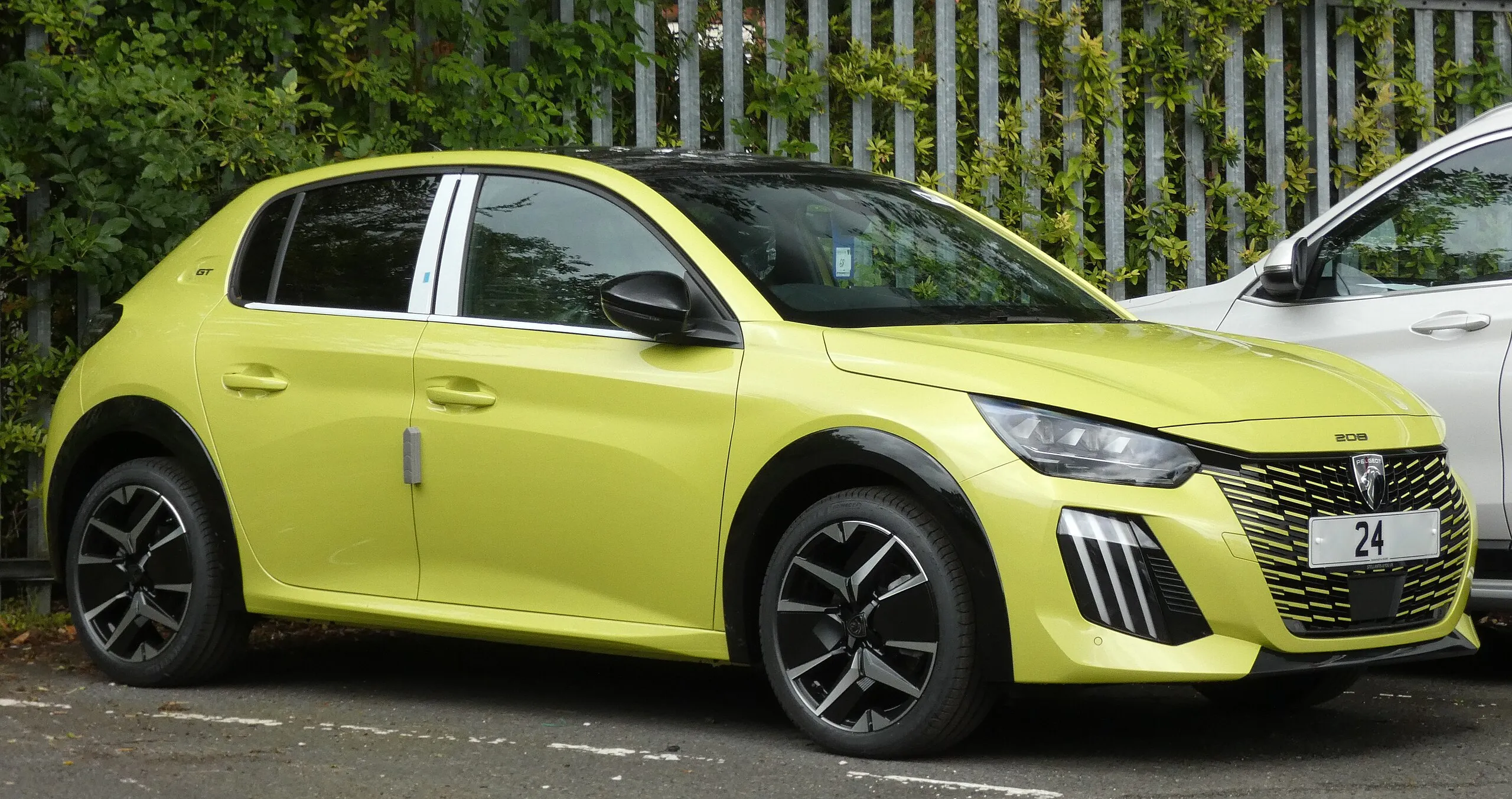
4. Peugeot 208 GT 2024
French manufacturers have always prioritized ride comfort, and the Peugeot 208 GT 2024 continues this proud tradition brilliantly. European cities feature countless brick and cobblestone streets, so French engineers possess extensive experience tuning suspension systems for these surfaces.
This expertise shows immediately when you drive a 208 over rough roads, as the car seems to float over irregularities that would rattle other small vehicles mercilessly. Suspension movements feel controlled yet compliant, absorbing impacts smoothly without creating the disconnected floating sensation of overly soft setups.
Peugeot employs what they call “Magic Carpet Ride” philosophy, aiming to isolate passengers from road imperfections as much as possible. Suspension geometry positions control arms and springs to maximize vertical wheel travel while minimizing horizontal movement that transmits harshness.
Bushings use sophisticated rubber compounds that flex in desired directions while remaining rigid in others, filtering vibrations before they reach the chassis. These carefully engineered components work together to create a suspension system that responds intelligently to different inputs.
Active suspension technology in higher trim levels takes comfort to another dimension. Sensors monitor road surfaces ahead using cameras, preparing suspension components for upcoming bumps before wheels reach them.
When the system detects brick streets or other rough surfaces, it adjusts damper settings preemptively, maximizing comfort. This predictive capability eliminates the reactive delay that even advanced adaptive systems exhibit. You benefit from optimal suspension settings for current conditions rather than settings adjusted based on what already happened.
Compact platform dimensions actually benefit ride quality in some ways, as shorter wheelbases create lighter vehicles with less mass to control. Lower weight allows softer springs that still prevent excessive body motion, while lighter unsprung weight helps wheels follow surface irregularities more accurately.
Peugeot optimized every component to minimize weight without sacrificing strength, creating a suspension system that responds quickly and accurately to changing road conditions.
Electronic stability control works subtly to maintain composure during rough-road driving, intervening only when necessary to prevent loss of control while allowing natural suspension movements that enhance comfort.
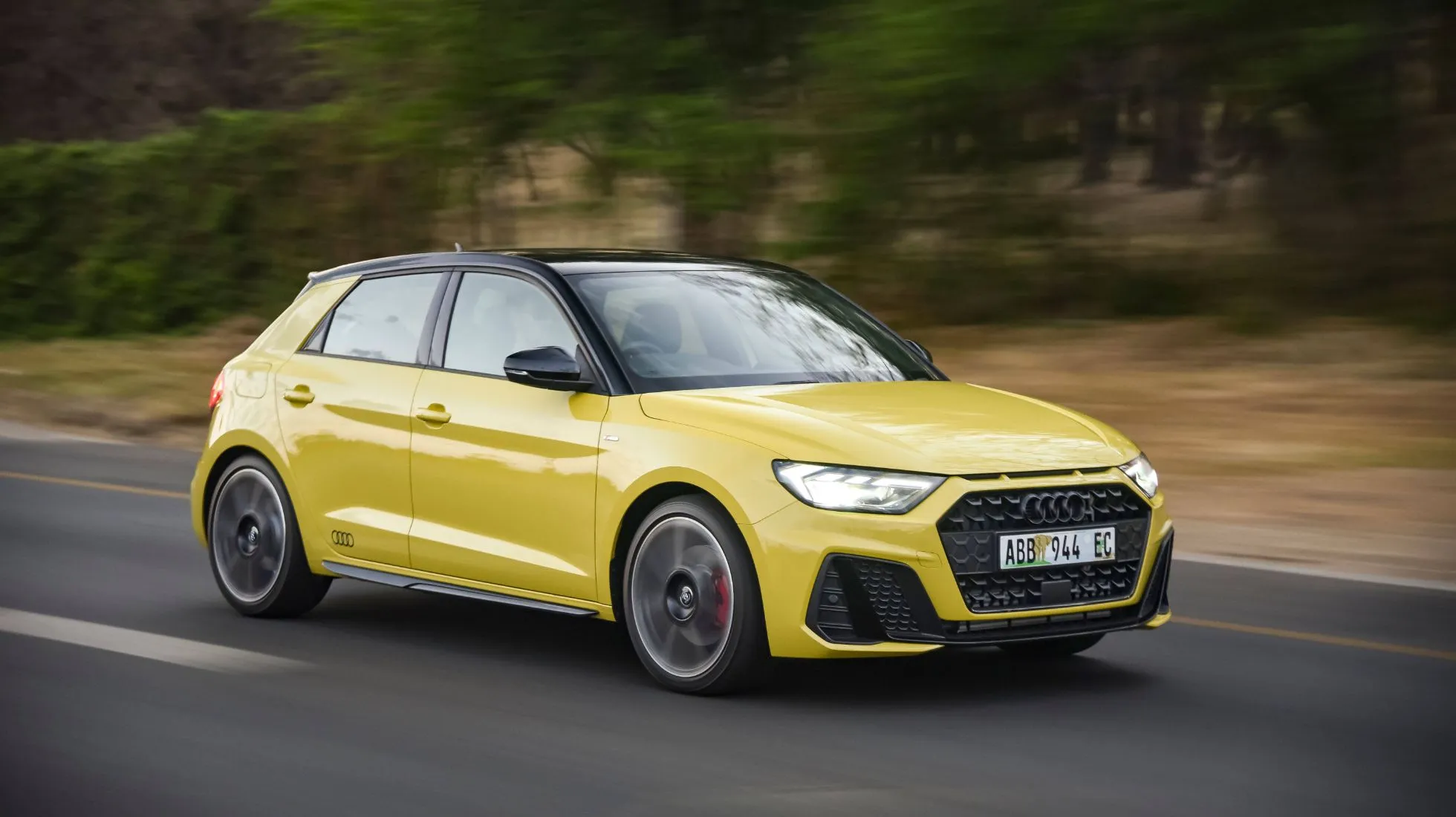
5. Audi A1 Sportback 40 TFSI S Line 2024
Premium German craftsmanship shows its worth when the Audi A1 Sportback 40 TFSI S Line 2024 encounters brick streets, gliding over surfaces that would punish lesser vehicles. Audi refuses to compromise comfort despite this model’s compact dimensions, applying the same engineering rigor used in their full-size luxury sedans.
Suspension components receive individual attention during development, with engineers testing countless spring rates, damper settings, and bushing compounds until achieving the perfect balance between comfort and control.
Four-link rear suspension architecture provides superior wheel control compared to simpler designs found in competing small cars. Each wheel can move independently through carefully controlled paths, absorbing bumps without transmitting unwanted motions to the chassis.
When one rear wheel drops into a gap between bricks, the other maintains its position and contact pressure, preventing the skipping sensation that creates discomfort. This sophisticated setup costs more to manufacture but delivers tangible benefits during daily driving on imperfect surfaces.
Audi selected damper suppliers based on their ability to meet strict comfort and performance targets. Progressive valving adjusts resistance based on suspension velocity, providing a soft initial response for small bumps while firming up during larger impacts.
This prevents both harsh ride and excessive body motion, creating a composed feeling regardless of road conditions. Dampers also feature temperature compensation that maintains consistent performance as they heat up during extended driving, ensuring comfort doesn’t degrade during long journeys on rough roads.
Body construction uses extensive sound deadening and vibration-damping materials that prevent noise and harshness from reaching passengers. Audi applies specialized coatings to body panels that reduce resonance, while acoustic glass in the windshield blocks external sounds.
Floor panels receive multiple layers of insulation that absorb vibrations before they enter the cabin. These efforts create a quiet, serene environment where you’re isolated from road roughness.
Even severe brick street impacts produce only muted sounds, maintaining the premium atmosphere Audi customers expect. Climate control systems operate quietly enough that road noise never forces you to increase fan speeds to hear airflow.
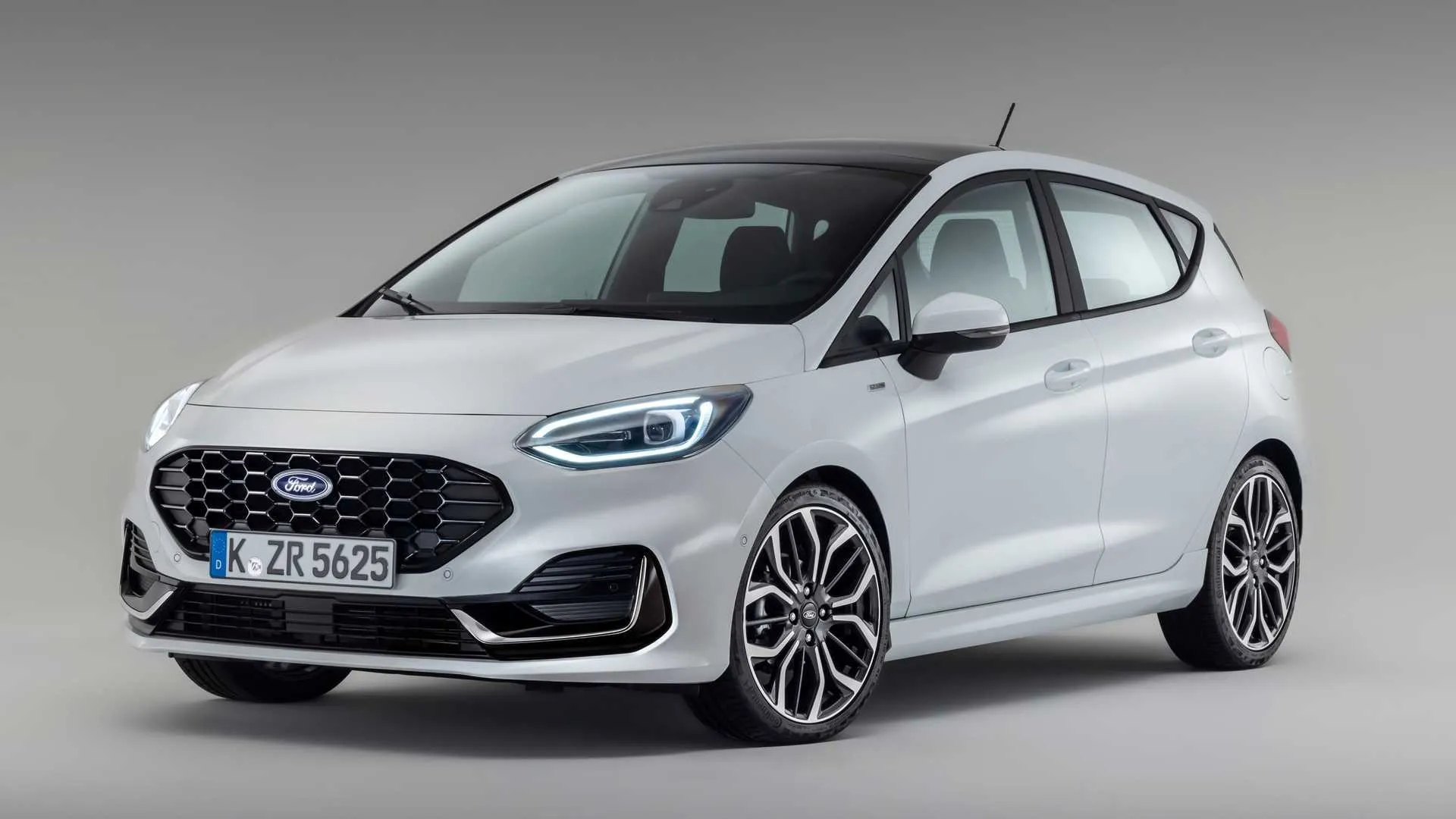
6. Ford Fiesta ST-Line X 2024
American engineering brings practical solutions to comfort challenges in the Ford Fiesta ST-Line X 2024, where clever design overcomes size limitations. Ford conducted extensive testing on various road surfaces during development, including dedicated brick street testing that revealed weaknesses in early prototypes.
Engineers addressed each issue systematically, refining suspension geometry and component specifications until achieving comfort targets. This methodical approach produces a small car that handles rough roads with confidence and composure.
Independent rear suspension distinguishes this Fiesta from budget competitors using simpler rear axle designs. Each rear wheel attaches to the chassis through separate control arms and springs, allowing independent vertical movement.
When driving over uneven brick surfaces, wheels can respond to their individual conditions rather than being forced to move together. This creates smoother ride quality and better traction, as wheels maintain more consistent contact with road surfaces. You notice the difference immediately when transitioning from smooth pavement to brick streets.
Ford programmed electronic power steering to filter out harsh feedback from rough surfaces while maintaining enough communication to keep you informed. Striking this balance proves challenging, as completely numb steering feels disconnected while unfiltered feedback becomes tiring during extended driving.
Engineers achieved a middle ground where major road features remain perceptible without transmitting every tiny irregularity. Your hands don’t vibrate constantly when driving on brick streets, yet you maintain awareness of traction and road conditions.
Tyre specifications reflect careful consideration of comfort versus performance priorities. Ford chose all-season tyres with moderate sidewall heights that provide cushioning without looking old-fashioned. Tyre compounds balance grip, longevity, and comfort, avoiding the rock-hard rubber that some manufacturers use to extend tread life at the expense of ride quality.
Proper tyre pressure becomes crucial for optimal comfort, so Ford included clear recommendations on door jamb stickers. Following these specifications ensures you experience the ride quality the engineers intended, maximizing comfort on brick streets and other challenging surfaces.
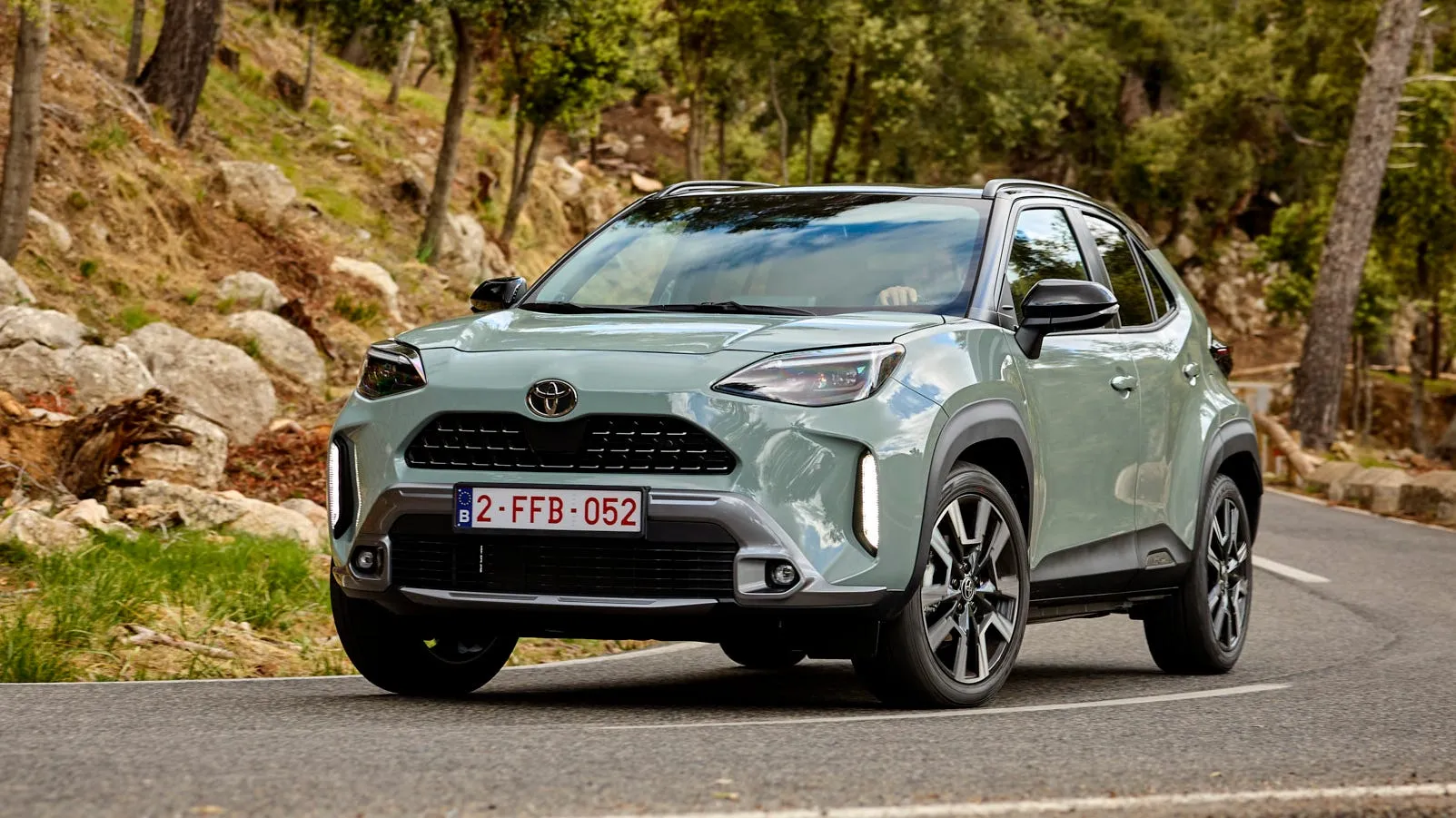
7. Toyota Yaris Cross Hybrid Premier 2024
Japanese hybrid engineering meets practical comfort design in the Toyota Yaris Cross Hybrid Premier 2024, creating a small crossover that absorbs brick street punishment admirably. Slightly taller ride height compared to conventional hatchbacks provides additional suspension travel, allowing wheels to move further vertically without bottoming out.
This extra travel proves valuable on brick streets where surface irregularities can be substantial. Suspension components can absorb larger bumps smoothly, maintaining cabin comfort even during severe impacts.
A hybrid powertrain configuration actually benefits ride quality through weight distribution effects. Heavy battery packs mount low in the chassis, lowering the centre of gravity and improving stability.
This positioning also adds mass that helps dampen vibrations, creating a more planted feeling during rough-road driving. You might expect hybrid components to add unwanted weight, but Toyota positioned everything strategically to enhance rather than compromise driving dynamics and comfort.
Electric motor assistance provides smooth power delivery that complements the refined ride quality. Transitions between electric and petrol power happen so seamlessly that you rarely notice them, maintaining the calm, composed atmosphere that makes dealing with rough roads less stressful.
Regenerative braking operates progressively, allowing smooth speed reductions without the jerky feeling that plagues some hybrid systems. This smoothness extends to every aspect of the driving experience, creating harmony between powertrain and chassis.
Toyota engineered this Yaris Cross specifically for urban environments where brick streets, speed bumps, and potholed roads create daily challenges. Suspension travel limits position themselves to prevent harsh bottoming even during combined impacts and cornering loads.
Underbody panels protect mechanical components from damage while also improving aerodynamics and reducing road noise. These protective measures allow the suspension to work optimally without worrying about scraping or impacts damaging vital parts.
You can drive confidently on rough surfaces knowing the vehicle was designed to handle such conditions routinely. Ground clearance provides additional peace of mind, allowing you to tackle severely deteriorated brick streets without worrying about scraping the underside.
Also Read: 8 Cars With Bright Cabin Lights vs 8 Dim Interiors
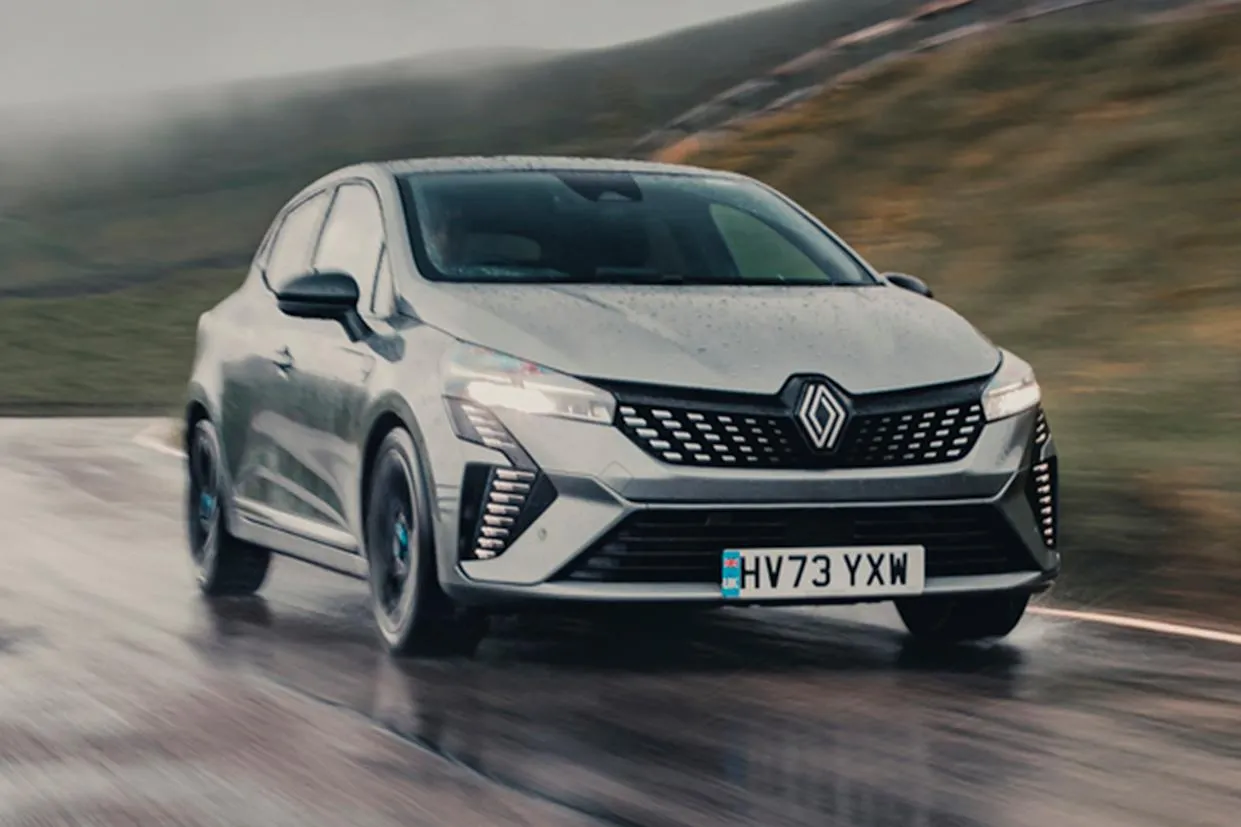
8. Renault Clio Intens E-Tech Hybrid 2024
The 2024 Renault Clio Intens E-Tech Hybrid showcases how French engineering blends advanced hybrid technology with the traditional focus on ride comfort, delivering a surprisingly refined experience for a compact car. Renault’s decades of experience designing vehicles for European cities where cobblestones, brick roads, and uneven surfaces are common are evident in every element of the Clio’s chassis.
Suspension tuning strikes a balance between softness and control, absorbing road irregularities without introducing the floating, unsteady feel typical of overly compliant setups. The result is a ride that cushions bumps while remaining poised during spirited driving.
The hybrid powertrain integrates a multi-mode automatic transmission that eliminates a conventional clutch, offering exceptionally smooth operation in stop-and-go urban conditions. Acceleration feels progressive and fluid, never abrupt or jarring, complementing the suspension’s refinement.
The synergy between drivetrain and chassis ensures that the vehicle glides over uneven streets rather than magnifying discomfort through poorly timed torque delivery. Renault equips the Clio with specially engineered dampers that adapt to different road inputs.
High-frequency vibrations from rough surfaces receive distinct treatment from larger, slower impacts like potholes. This intelligent damping system adjusts in real time, providing resistance tailored to each type of road disturbance, producing a ride quality more typical of luxury vehicles than a small hatchback.
Acoustic engineering further enhances comfort by reducing road noise inside the cabin. Sound-absorbing materials in wheel arches, floors, and doors, combined with acoustic windshield glass, limit intrusive sounds from cobblestones and brick streets. This creates a quiet interior where conversation remains effortless, and climate systems operate efficiently without competing with ambient noise.
The Clio proves that compact dimensions no longer require sacrificing comfort. Modern small cars demonstrate that with careful chassis tuning, intelligent damping, and thoughtful acoustic design, even vehicles designed for efficiency and city maneuverability can deliver a composed, comfortable ride.
Drivers can go through challenging urban surfaces with confidence, enjoying refinement, control, and reduced fatigue, making the Clio and similar models ideal choices for daily commuting on rough or uneven streets.
