
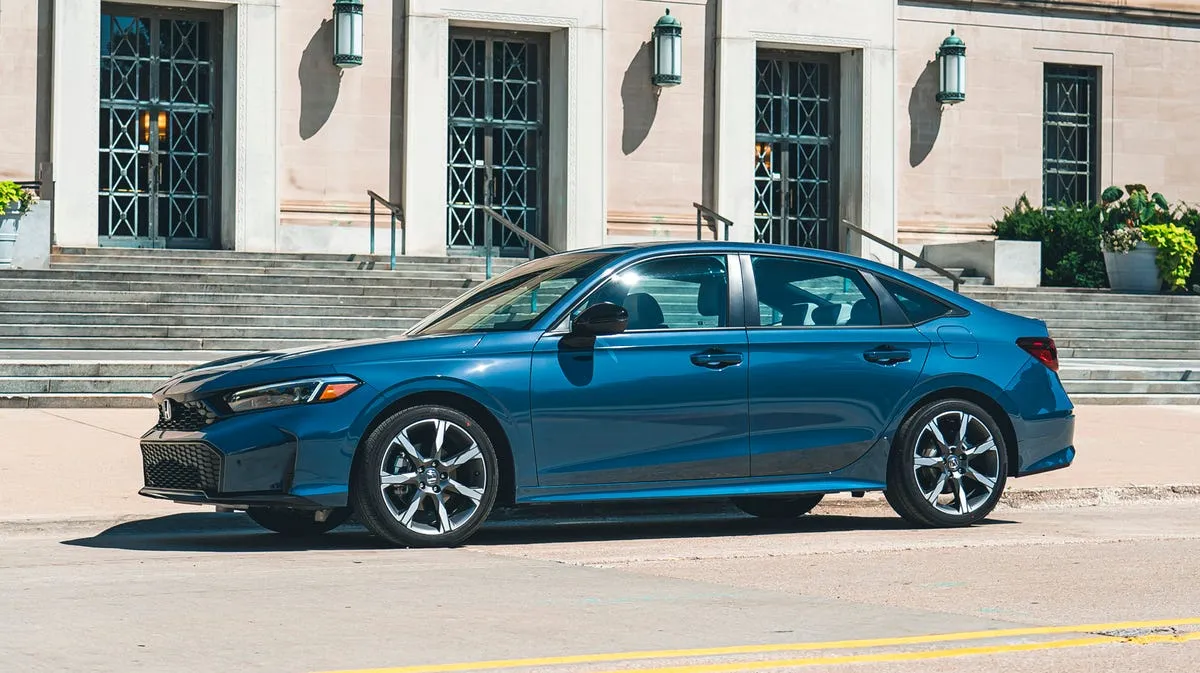
Have you tried parking a modern sedan lately and felt like you’re operating a tank with slit windows? You’re not alone in this frustration. Car designers have been raising window sills and thickening pillars for years, creating vehicles that look sleek in photos but turn everyday driving into a guessing game.
Blind spots have grown so large that you could hide entire vehicles in them. Backing out of parking spaces becomes an act of faith rather than skill. Changing lanes requires you to crane your neck, lean forward, and still wonder if someone’s lurking in that massive blind zone.
This trend toward bunker-like visibility happened gradually. Designers wanted swoopy rooflines and aggressive styling. Safety regulations demanded thicker pillars to protect occupants during rollovers. Higher beltlines supposedly made vehicles look more muscular and substantial.
But somewhere along the way, manufacturers forgot that drivers actually need to see where they’re going. You shouldn’t need a degree in spatial awareness just to reverse into a parking spot or merge onto the highway safely.
Some automakers resisted this trend better than others. They found ways to meet safety standards while maintaining reasonable visibility.
These manufacturers remember that confident driving comes from being able to see your surroundings clearly, not from relying entirely on cameras and sensors that fog up, get dirty, or malfunction at inconvenient moments.
This page celebrates ten sedans that still prioritize visibility. Each vehicle offers window lines you can actually see through, pillars that don’t block entire sections of road, and rear quarters you can check without feeling like you’re peering through mail slots. Let’s look at sedans where good design hasn’t sacrificed practical visibility.
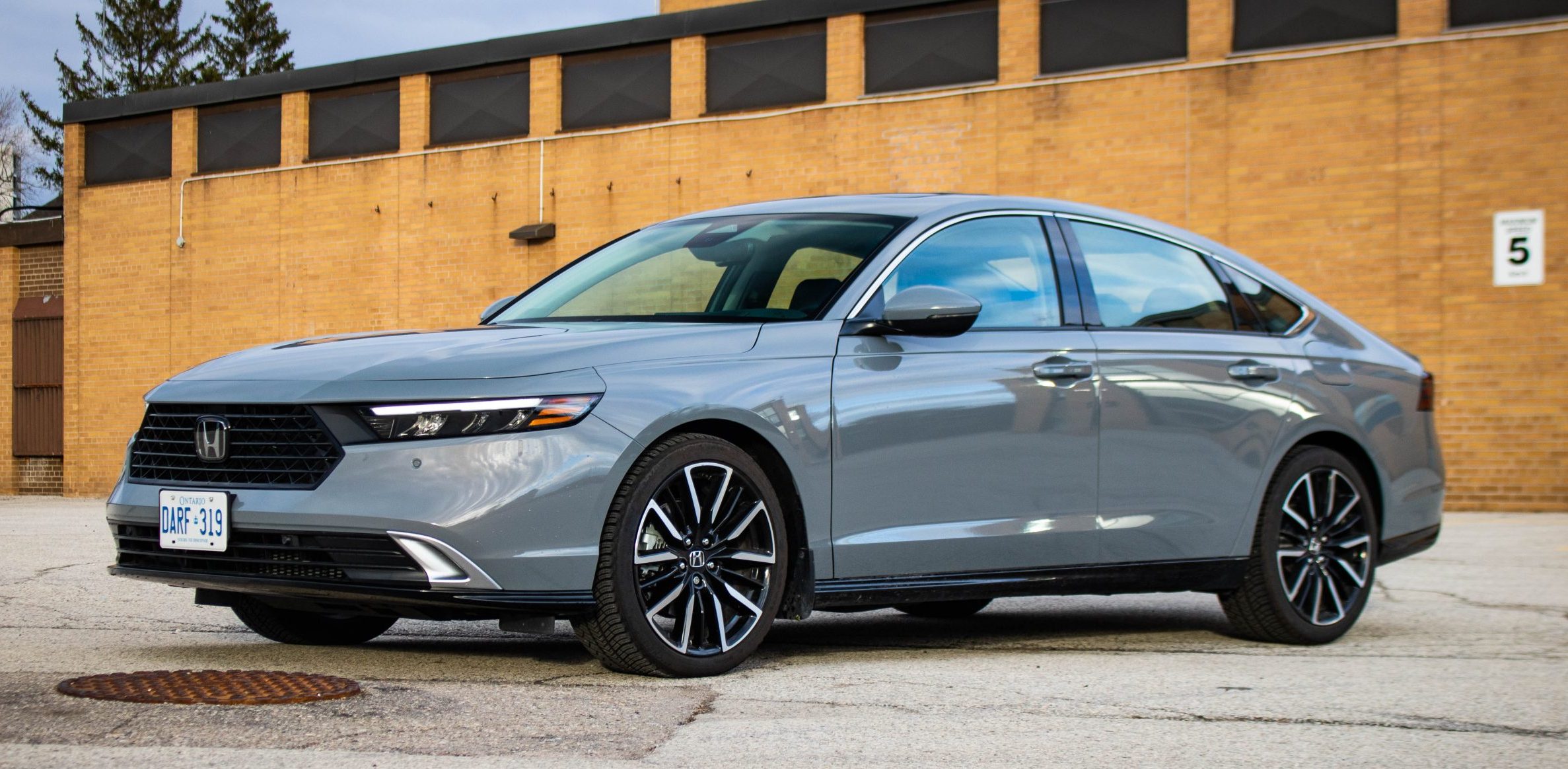
1. 2024 Honda Accord Sport
Sit in the driver’s seat of a 2024 Honda Accord Sport, and you’ll immediately notice how much glass surrounds you. Window sills sit low enough that you can rest your arm comfortably while still seeing the road surface beside the car.
This matters when you’re squeezing into tight parking spaces or judging distance from curbs. You can actually see where your front corners are without guessing or relying entirely on parking sensors that beep frantically but don’t tell you exactly how much space remains.
Forward visibility extends wide and far thanks to A-pillars that stay reasonably slim despite modern safety requirements. Honda engineered these pillars to provide structural strength without becoming vision-blocking telephone poles.
When you’re making left turns at busy intersections, you can actually see pedestrians and cyclists rather than having them disappear behind massive pillars at exactly the wrong moment. This simple ability to see what’s around you reduces stress and increases safety more than any electronic aid.
Side windows extend low enough that you get a proper view of adjacent lanes. Checking blind spots doesn’t require contortionist flexibility because the rear quarter windows actually show you what’s back there. Yes, blind spot monitoring systems help, but nothing beats turning your head and actually seeing the car that’s pacing you in the next lane.
Door mirrors mount in positions that don’t obstruct your view through the side windows, and they’re large enough to show useful information without being comically oversized. Rear visibility impresses for a modern sedan. The trunk lid doesn’t rise so high that it blocks half your rear window. The rear window itself provides a decent viewing area rather than being a tiny slot.
When you’re backing out of parking spaces, you can see approaching traffic and pedestrians without relying entirely on the backup camera. Speaking of which, Honda includes the camera and sensors as helpful aids rather than necessary crutches for terrible visibility.
Sport trim brings a turbocharged 1.5-liter engine making 192 horsepower, a continuously variable transmission, sport-tuned suspension, 19-inch wheels, dual-zone climate control, and an eight-inch touchscreen with wireless Apple CarPlay and Android Auto.
Honda Sensing safety suite includes adaptive cruise control, lane keeping assist, collision mitigation braking, and road departure mitigation. But you’ll appreciate the excellent visibility most because it makes every drive more confident and less stressful.
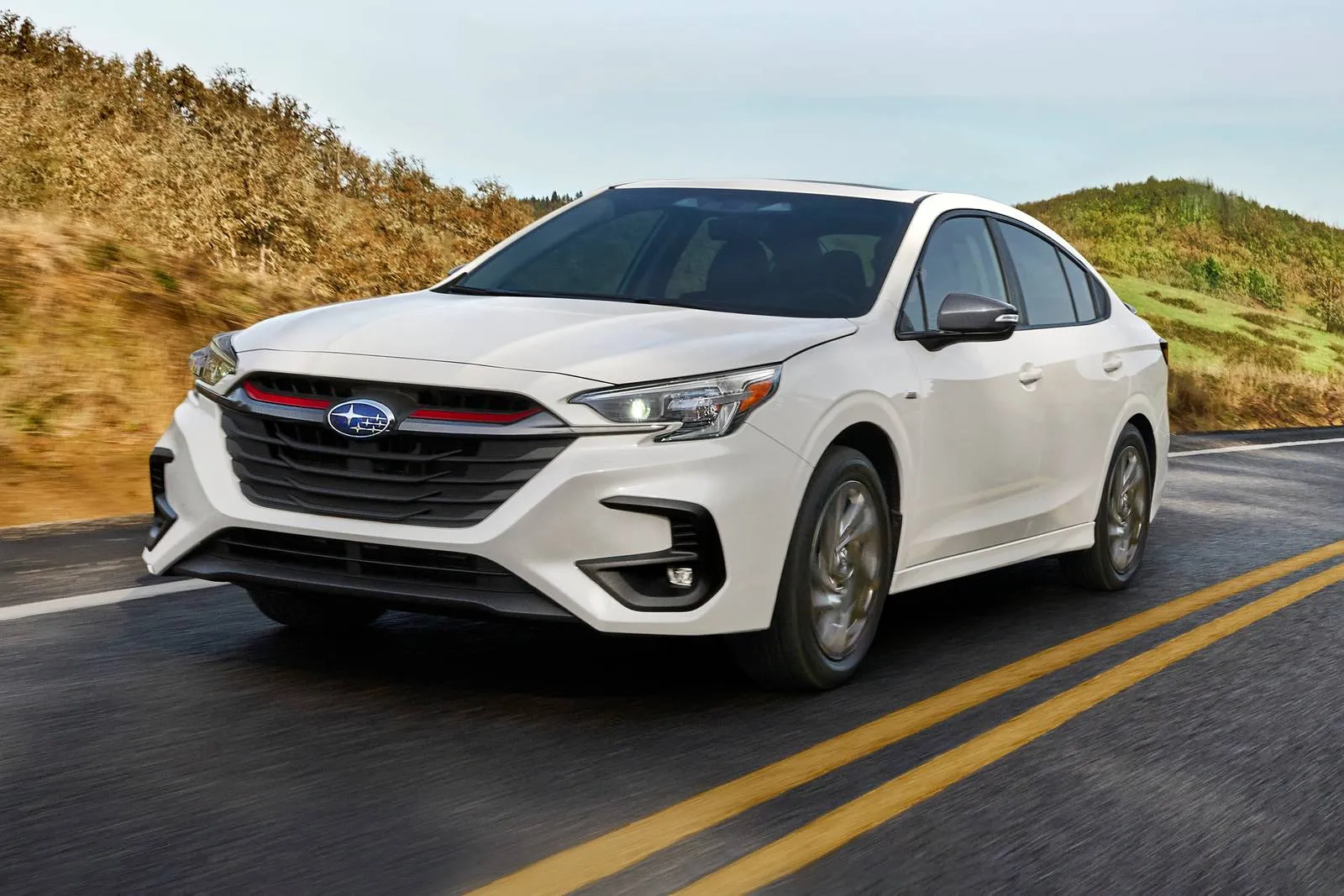
2. 2024 Subaru Legacy Premium
Subaru has long focused on practical, driver-friendly design rather than chasing fashion trends, and the 2024 Legacy Premium reflects this with a cabin that maximizes visibility in everyday driving. Large glass areas surround the interior, giving drivers clear sightlines in nearly every direction.
A-pillars are designed to remain slim enough to avoid blocking critical views. When making left-hand turns, crossing traffic, cyclists, and pedestrians remain visible, rather than disappearing behind thick structural elements.
Subaru has found a balance between structural safety and practical visibility, ensuring strong pillars without turning them into obstructive blind spots. Interior mirrors are positioned thoughtfully so they assist rather than interrupt your sightlines.
Side windows and door mirrors are sized and positioned for maximum utility. Minimal body sculpting reduces blind spots, and mirrors give clear views of lanes beside the vehicle without interfering with side visibility. At the rear, a wide window offers a generous view of what’s behind, while the trunk lid design avoids rising high enough to block vision.
Rear seat headrests fold down when extra clarity is needed, meaning you can rely on natural sight rather than cameras alone, though the backup camera and rear cross-traffic alert remain helpful safety aids.
The Premium trim brings a 2.5-liter flat-four engine producing 182 horsepower, paired with a continuously variable transmission and standard all-wheel drive for steady traction in varied conditions.
Inside, you get heated front seats, a power-adjustable driver seat, dual-zone climate control, Subaru Starlink infotainment with an 11.6-inch vertical touchscreen, Apple CarPlay, Android Auto, and Harman Kardon audio.
EyeSight driver assist adds adaptive cruise control, pre-collision braking, and lane-keeping support. Yet the feature that most improves everyday driving remains the clear, well-thought-out visibility throughout the cabin, making maneuvering easier and safer.
Also Read: 5 Sedans with Sunroofs That Behave vs. 5 Sedans with Squeak-and-Rattle Setups
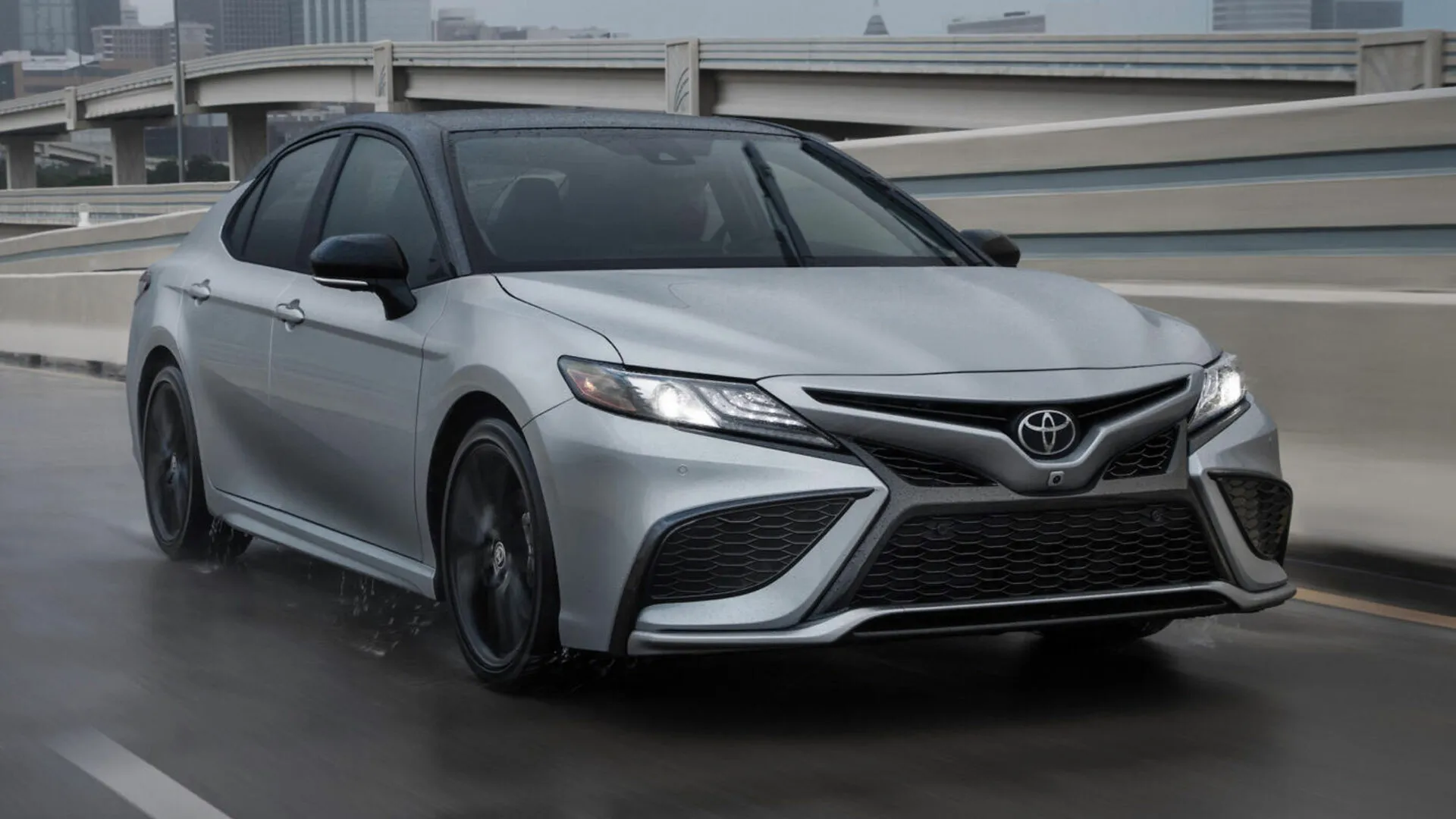
3. 2024 Toyota Camry XSE
Toyota designed the 2024 Camry XSE with visibility that reminds you how cars used to be before everyone decided bunker-like proportions looked sporty. Climb into the driver’s seat, and you’re surrounded by glass that actually lets you see your surroundings.
Beltline height stays reasonable, so you’re not perched behind a high sill that makes you feel like you’re driving from inside a bathtub. You can judge distances to adjacent vehicles, curbs, and obstacles without relying entirely on electronic aids.
Side windows proportion generously, giving you clear views of adjacent lanes and approaching traffic. Checking blind spots works the old-fashioned way through actually turning your head and seeing what’s there.
Door mirrors mount in sensible positions and provide useful views without strange distortions. Rear quarter windows serve their intended purpose of showing you what’s approaching from behind at angles rather than existing purely for styling.
The rear window glass extends large enough to give you proper visibility when backing up or checking traffic behind you. Backup camera helps, but you’re not completely dependent on it because you can see reasonably well through actual glass.
XSE trim brings aggressive styling with a 2.5-liter four-cylinder engine making 203 horsepower or an available 3.5-liter V6 producing 301 horsepower. Inside, you get SofTex synthetic leather seats, heated front seats, dual-zone climate control, a nine-inch touchscreen, wireless Apple CarPlay and Android Auto, and nine-speaker JBL audio.
Toyota Safety Sense 3.0 includes a pre-collision system with pedestrian detection, full-speed dynamic radar cruise control, lane departure alert with steering assist, lane tracing assist, road sign assist, and automatic high beams. Excellent visibility makes all these safety features even more effective.
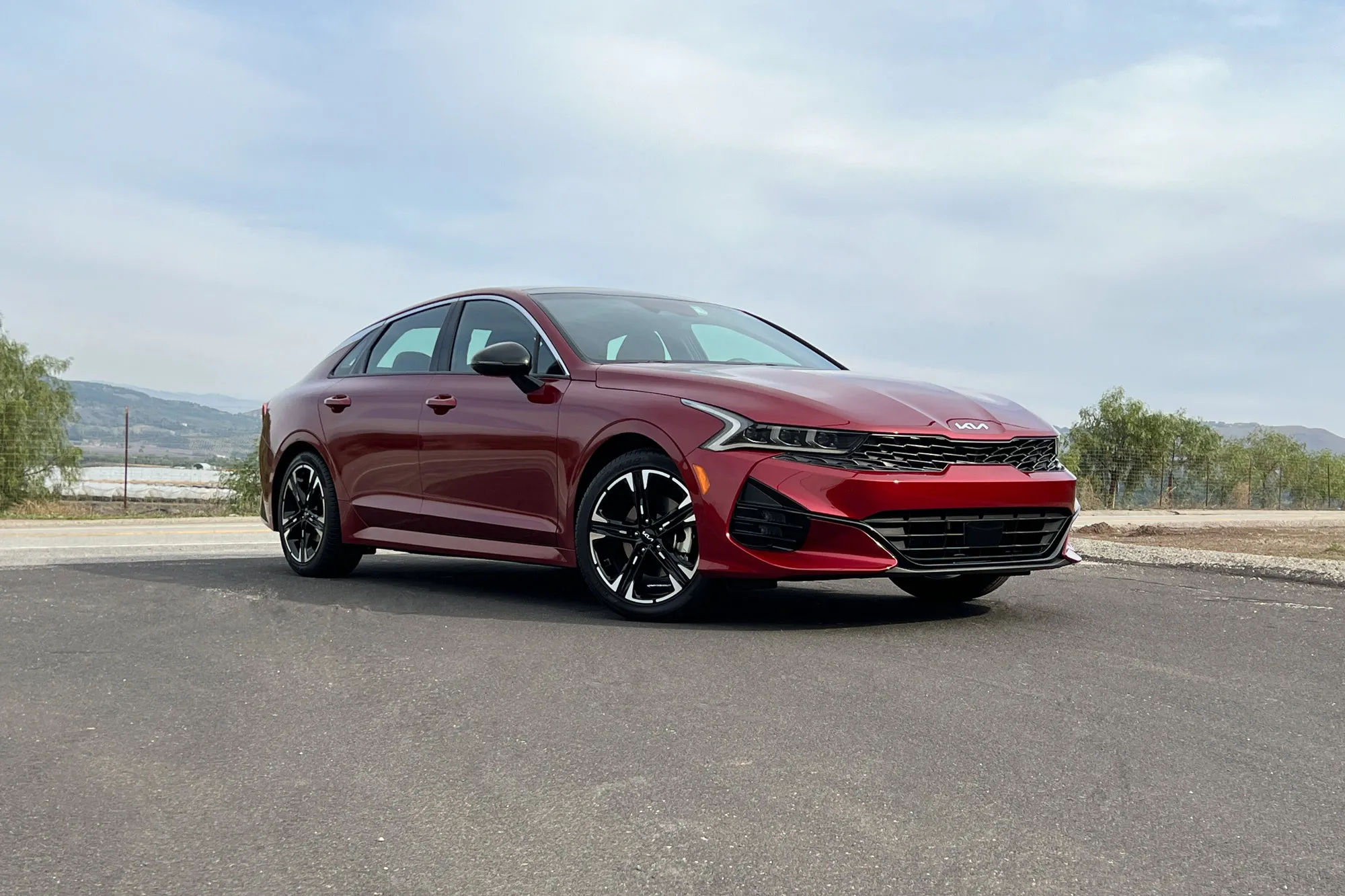
4. 2024 Kia K5 GT-Line
Kia transformed from a budget brand to a design-forward manufacturer, but they didn’t forget about visibility during this evolution. Take a seat in the 2024 K5 GT-Line, and you’ll appreciate how much you can actually see.
Despite swoopy styling that looks dynamic, Kia maintained reasonable window proportions and pillar sizes. You get style without sacrificing the practical ability to see where you’re going and what’s around you.
Window sills stay low enough that you can comfortably rest your elbow while maintaining full visibility of the road surface beside the car. This helps tremendously when parallel parking or squeezing through tight spaces.
You’re not guessing where your car ends because you can actually see the ground and judge distances accurately. Simple, practical visibility that makes every drive less stressful and more confident.
A-pillars maintain structural integrity for safety while avoiding telephone-pole dimensions that block your view. Kia engineers found ways to meet modern safety standards without creating massive blind spots.
During left turns or when pulling out from side streets, you can see crossing traffic without vehicles disappearing behind pillars at critical moments. This real-world visibility prevents accidents more effectively than beeping warnings after danger already exists.
Side and rear visibility benefit from well-designed greenhouse proportions. Side windows extend generously, and rear quarter windows actually provide useful views rather than being tiny styling elements.
When you check blind spots by turning your head, you can see what’s there instead of staring at upholstery and hoping your blind spot monitor caught everything. Rear window glass offers good visibility for a modern sedan, and the trunk lid doesn’t rise so absurdly high that it blocks half your view.
GT-Line trim includes a turbocharged 1.6-liter four-cylinder engine producing 180 horsepower, paired with an eight-speed automatic transmission.
You get sport-tuned suspension, 18-inch wheels, synthetic leather seats with suede inserts, heated front seats, dual-zone climate control, 12.3-inch digital instrument cluster, 10.25-inch touchscreen, wireless Apple CarPlay and Android Auto, and Bose premium audio with 12 speakers.
Highway driving assist combines adaptive cruise control with lane centering for relaxed highway cruising. Forward collision-avoidance assist, blind-spot collision-avoidance assist, rear cross-traffic collision-avoidance assist, and lane-keeping assist provide additional safety layers. But the strong visibility remains the foundation that makes everything else work better.
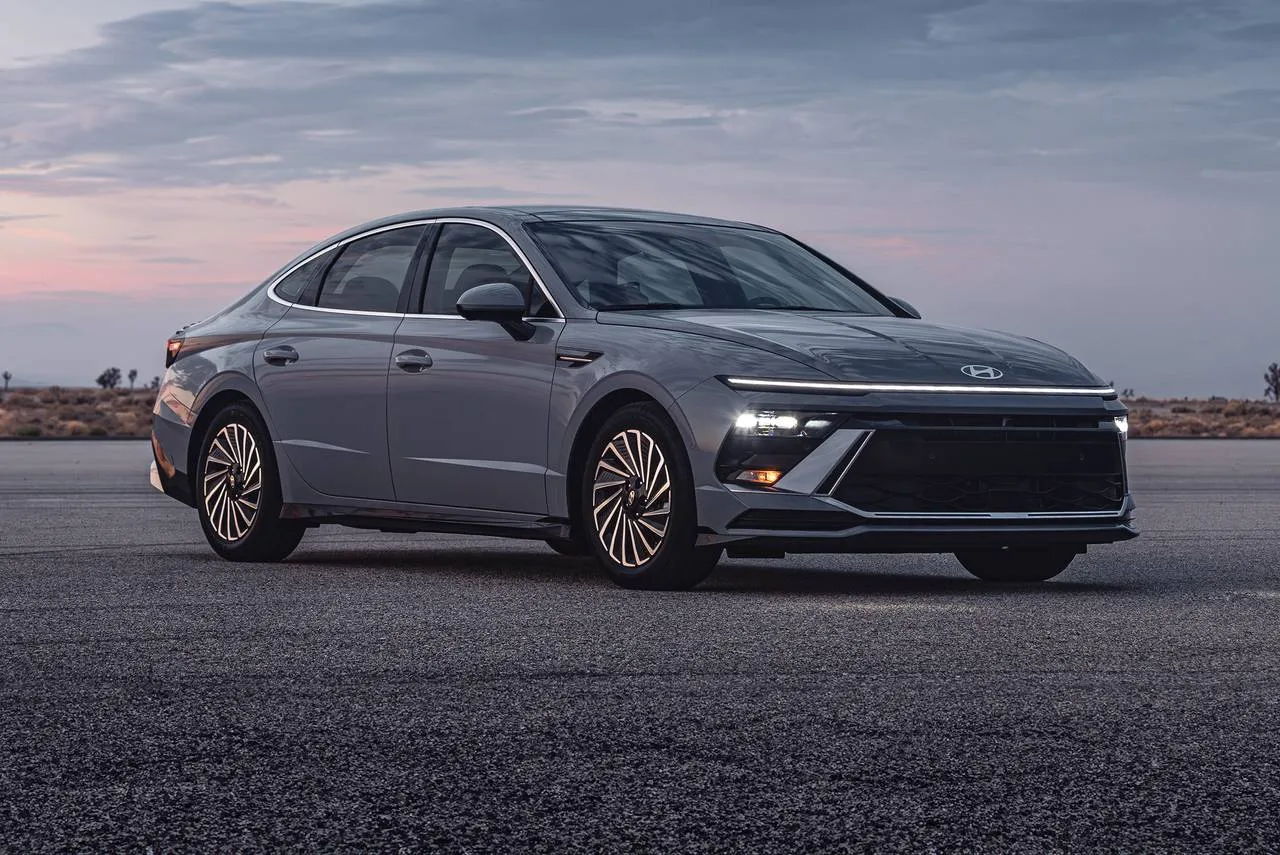
5. 2024 Hyundai Sonata SEL Plus
Hyundai’s sister company to Kia shares similar design philosophies, and the 2024 Sonata SEL Plus demonstrates its commitment to balancing style with visibility. Slide into the driver’s seat, and you’re greeted by a greenhouse that prioritizes seeing your surroundings.
Glass area extends generously, window sills stay at reasonable heights, and pillars maintain structural strength without becoming vision-blocking obstacles. You can actually see out of this sedan rather than relying entirely on cameras and sensors.
Forward visibility extends wide thanks to A-pillars that stay manageable in size. Hyundai found ways to engineer these pillars for safety without making them so thick that they create dangerous blind spots during turns.
You can see pedestrians crossing intersections, cyclists sharing the road, and traffic approaching from side streets without playing peek-a-boo with structural members that block your view at exactly the wrong moments.
Looking sideways reveals well-proportioned side windows that give clear views of adjacent lanes. Checking blind spots works through the traditional method of turning your head and actually seeing what’s there.
Door mirrors mount in positions that provide useful views without obstructing your forward visibility through side windows. Rear quarter windows contribute meaningfully to rearward visibility rather than existing purely as styling exercises.
SEL Plus trim brings a 2.5-liter four-cylinder engine making 191 horsepower, an eight-speed automatic transmission, and front-wheel drive. Inside, you’ll find cloth seats, heated front seats, a power driver seat, dual-zone climate control, a 10.25-inch touchscreen, wireless Apple CarPlay and Android Auto, and premium audio.
Hyundai SmartSense provides forward collision-avoidance assist, blind-spot collision-avoidance assist, rear cross-traffic collision-avoidance assist, lane keeping assist, lane following assist, driver attention warning, and high beam assist.
All these electronic aids work better when combined with genuinely good visibility that lets you see dangers before sensors detect them. Good sightlines remain the foundation of safe, confident driving.
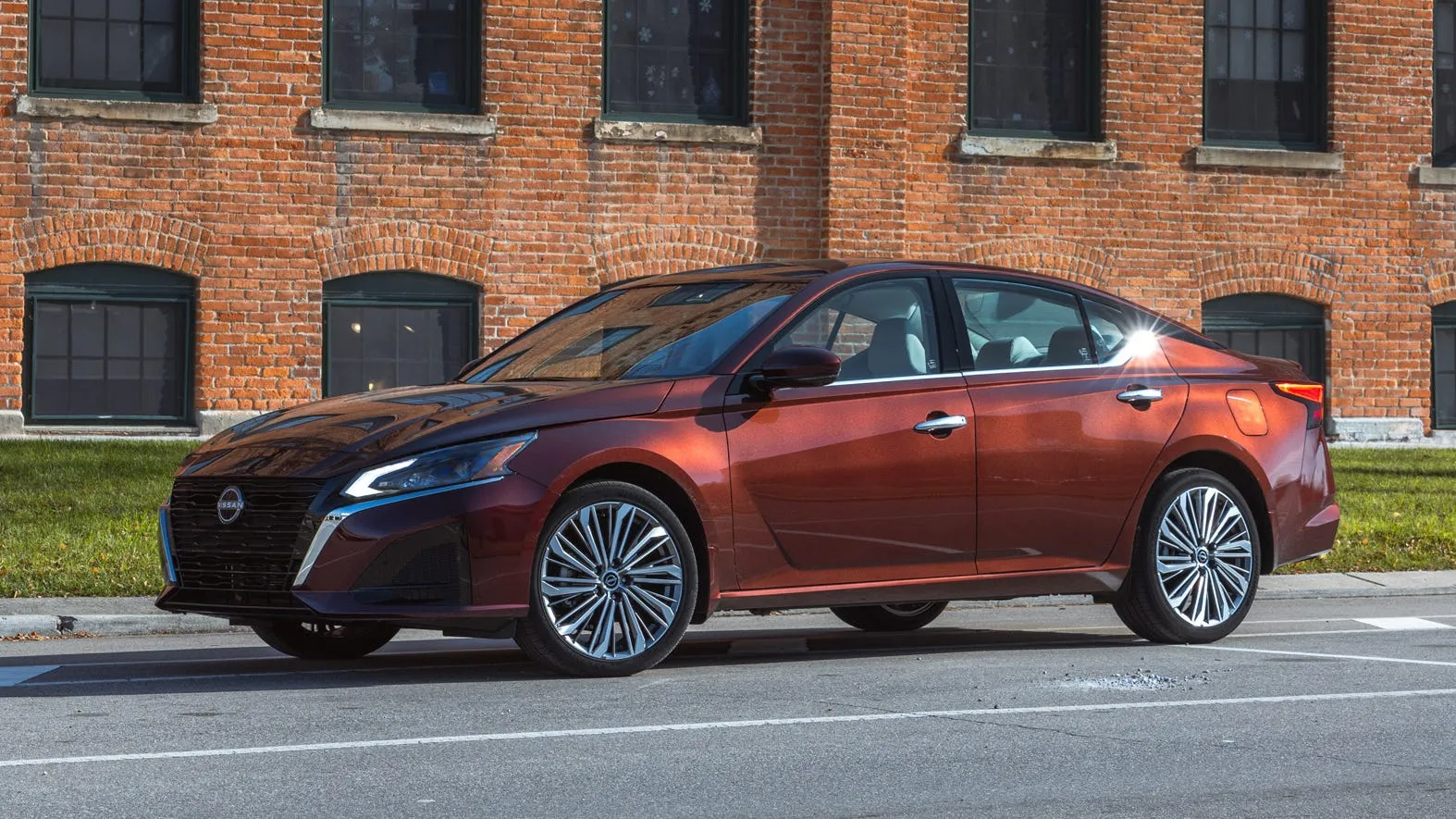
6. 2024 Nissan Altima SR
Nissan built a reputation on practical cars that work for regular people, and the 2024 Altima SR continues this tradition with visibility that actually makes sense. Drop into the driver’s seat, and you’ll notice immediately how much easier it is to see compared to many modern sedans.
Glass surrounds you generously, providing clear views in all directions without requiring you to stretch, lean, or guess where obstacles might be hiding. Beltline height stays reasonable rather than climbing ridiculously high in pursuit of some questionable styling trend.
You can see downward toward the road surface, which helps when judging distances to curbs, parking barriers, or adjacent vehicles. This simple ability to see where your car actually is makes parking less stressful and reduces the chances of scraping wheels on curbs or bumping into obstacles you couldn’t see.
A-pillars maintain sensible proportions that balance safety requirements with real-world visibility needs. During turns at intersections, pedestrians and cyclists don’t vanish behind structural members at the exact moment you need to see them most.
Nissan engineered these pillars to provide rollover protection without creating dangerous blind spots that hide entire vehicles. You can make decisions based on what you actually see rather than hoping nothing is lurking in blind zones.
Side glass extends generously along the doors, giving you clear views of traffic in adjacent lanes. Rear quarter windows contribute meaningfully to your ability to check blind spots rather than being tiny decorative elements.
When you turn your head to check before changing lanes, you can see what’s there instead of staring at upholstery and metal. Door mirrors provide good views and mount in positions that don’t obstruct your forward visibility.
Looking backward reveals a rear window that shows plenty of what’s behind you. Trunk design keeps the lid at a height that doesn’t block half your rear view. Rear seat headrests can fold down when you’re not carrying passengers, opening up even more visibility.
You’ll still use the backup camera because it’s helpful, but you’re not completely dependent on it because you can see reasonably well through the actual glass. SR trim includes a 2.5-liter four-cylinder engine producing 188 horsepower, a continuously variable transmission, and a sport-tuned suspension.
You get cloth sport seats with orange stitching, heated front seats, dual-zone climate control, an eight-inch touchscreen, Apple CarPlay, Android Auto, and Bose premium audio with eight speakers.
Nissan Safety Shield 360 provides automatic emergency braking with pedestrian detection, blind spot warning, rear cross-traffic alert, lane departure warning, automatic high beams, and rear automatic braking. Good visibility makes these safety systems more effective because you can see dangers developing and react appropriately.
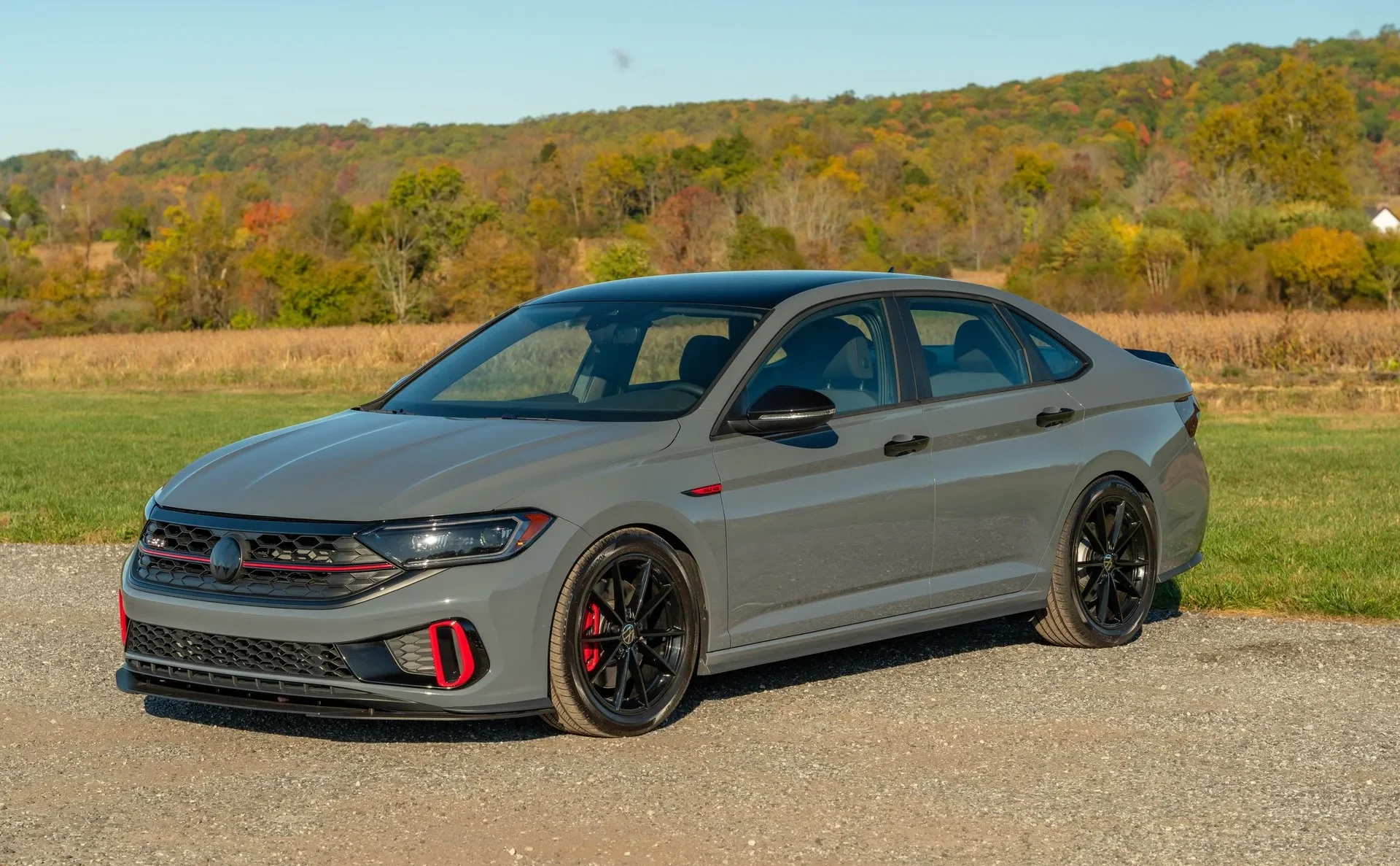
7. 2024 Volkswagen Jetta GLI
German engineering meets practical visibility in the 2024 Volkswagen Jetta GLI. Volkswagen remembers that sporty sedans still need to function as daily drivers, which means providing visibility that doesn’t turn every parking lot into an obstacle course.
Settle into the driver’s seat, and you’re surrounded by glass that lets you see your environment clearly. Window proportions stay generous despite styling that looks athletic and purposeful. Looking forward reveals A-pillars that stay reasonably slim while meeting safety standards.
VW engineers balanced structural strength with visibility requirements, creating pillars that protect occupants during accidents without blocking your view during normal driving. When you’re turning across traffic or pulling out from side streets, you can see approaching vehicles without having them disappear behind massive structural members at critical moments.
Rear visibility benefits from a decently sized rear window that shows following traffic and obstacles when backing up. The trunk lid stays at a reasonable height rather than rising so high that it cuts your view in half.
Rear seat headrests sit low when unoccupied, maintaining clear sightlines through the entire rear glass. Backup camera helps during tight maneuvers, but you’re not completely dependent on it because you can see adequately through actual glass.
GLI trim transforms the Jetta into a proper sport sedan with a turbocharged 2.0-liter four-cylinder producing 228 horsepower and 258 lb-ft of torque. Six-speed manual transmission provides engaging driving for enthusiasts, or you can choose a seven-speed dual-clutch automatic.
Sport suspension, limited-slip differential, upgraded brakes, and 18-inch wheels sharpen handling. Inside, you get sport seats upholstered in Clark plaid cloth, heated front seats, dual-zone climate control, a 10.25-inch digital cockpit, an 8-inch touchscreen, Apple CarPlay, Android Auto, and Beats audio with eight speakers.
8. 2024 Mazda6 Touring
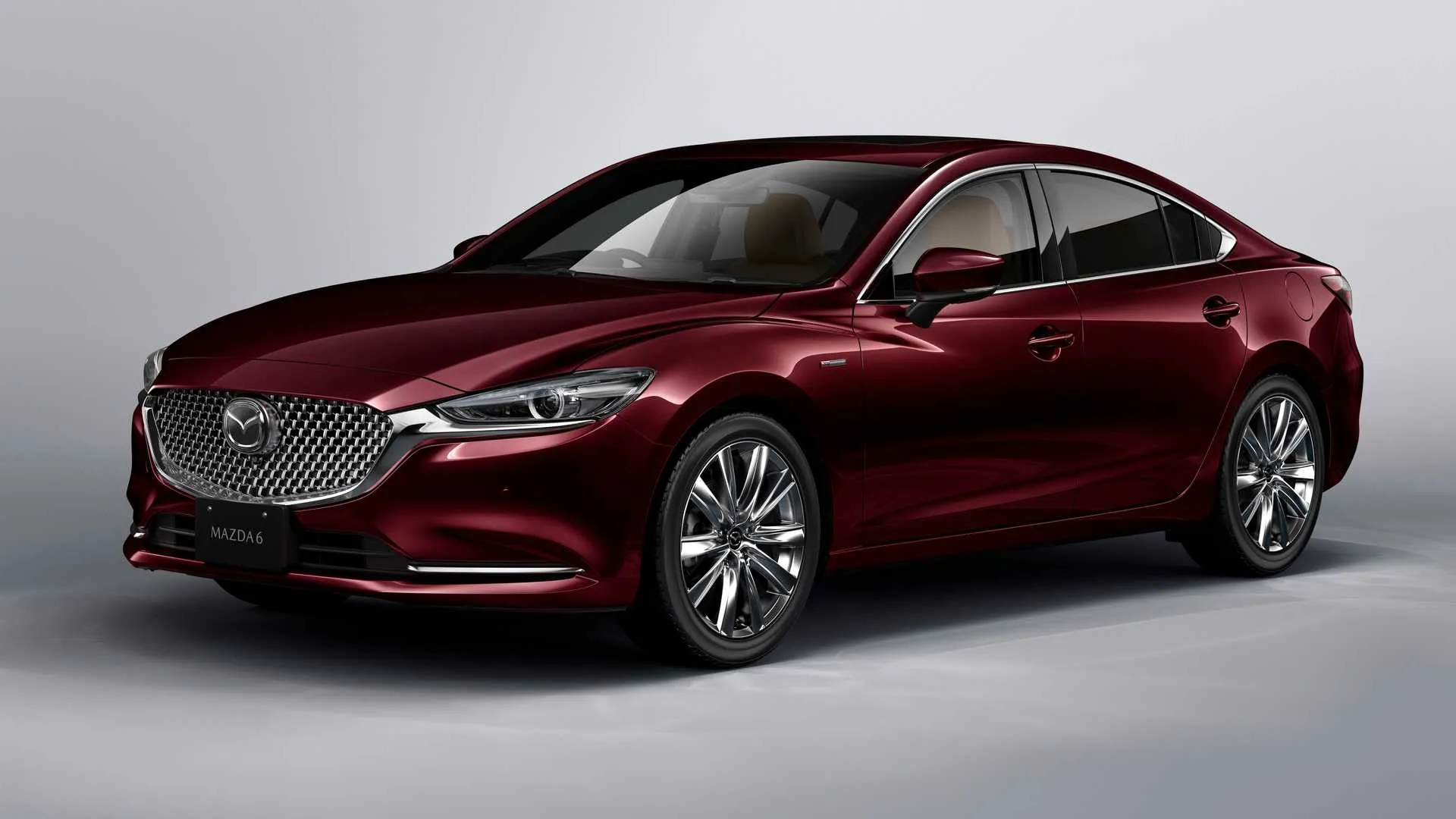
Mazda approaches sedan design with a focus on driver engagement, and the 2024 Mazda6 Touring proves you can have stylish proportions without sacrificing visibility. Sit behind the wheel, and you’ll appreciate how much glass surrounds you.
Window sills stay low, pillars maintain reasonable sizes, and the glass area extends generously. You can see your environment clearly, which makes every drive more confident and enjoyable.
A-pillars balance safety requirements with visibility needs effectively. Mazda engineered these structural members to protect occupants during rollovers without creating blind spots that swallow entire vehicles.
During left turns at busy intersections, you can see crossing traffic, pedestrians, and cyclists without having them disappear behind pillars at the worst possible moment. This basic ability to see dangers before they reach you provides real safety benefits that electronic warnings can’t match.
Side windows are proportioned generously along the doors, giving clear views of adjacent lanes and approaching traffic. When you check blind spots before changing lanes, you can actually see what’s there rather than guessing or relying entirely on warning lights in your mirrors.
Door mirrors mount in positions that provide useful information without obstructing your view through side windows. Rear quarter windows contribute meaningfully to rearward visibility.
You get leatherette seats, heated front seats, a power driver seat, dual-zone climate control, an 8-inch touchscreen, Apple CarPlay, Android Auto, and Bose audio with 11 speakers. I-Activsense safety features include adaptive cruise control, lane departure warning with lane keep assist, blind spot monitoring with rear cross-traffic alert, and automatic emergency braking.
Strong visibility makes these electronic aids more effective because you can see your surroundings and make informed decisions.
9. 2024 Acura TLX Technology Package
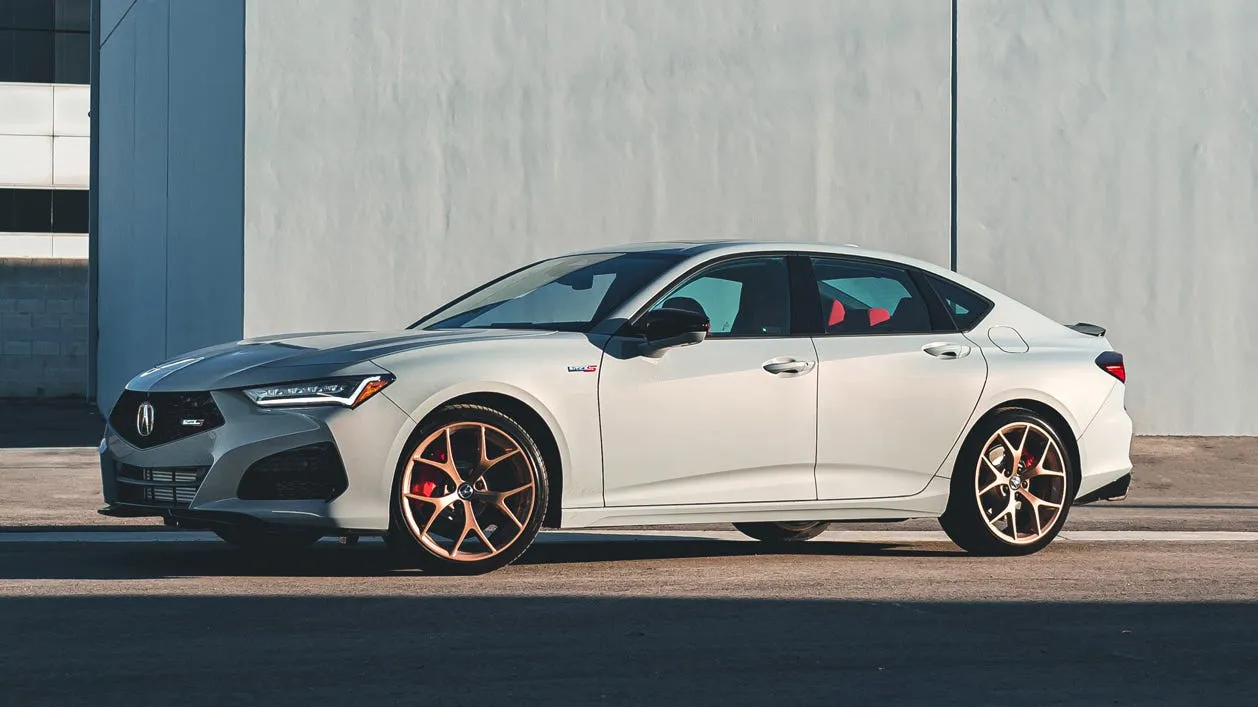
Acura positions itself as Honda’s upscale division, and the 2024 TLX Technology Package demonstrates its understanding that luxury includes practical visibility. Slip into the driver’s seat, and you’re greeted by a greenhouse that emphasizes seeing your surroundings clearly. Despite styling that looks sporty and upscale, Acura maintained window proportions and pillar sizes that prioritize real-world usability.
Looking sideways reveals well-proportioned side windows that give clear views of adjacent lanes. Checking blind spots works through the traditional method of turning your head and actually seeing what’s there.
Yes, blind spot monitoring helps, but nothing replaces the confidence of using your own eyes to verify that the lane is clear before merging. Door mirrors provide good views and mount in positions that don’t obstruct your visibility through side windows.
Glancing backward shows a rear window that offers decent visibility for a modern sport sedan. Trunk design keeps the lid from rising so high that it blocks half your view when backing up.
Rear seat headrests fold down when unoccupied, opening up even more visibility through the rear glass. Backup camera and parking sensors assist during tight maneuvers, but they supplement rather than replace your ability to see through actual glass.
Technology Package brings a turbocharged 2.0-liter four-cylinder engine producing 272 horsepower, a 10-speed automatic transmission, and Super Handling All-Wheel Drive that enhances handling dynamics.
Inside, you’ll find leather seats, heated and ventilated front seats, power front seats with driver memory, dual-zone climate control, a 10.2-inch touchscreen, wireless Apple CarPlay and Android Auto, ELS Studio audio with 17 speakers, and a head-up display.
AcuraWatch safety suite includes adaptive cruise control with low-speed follow, lane keeping assist, road departure mitigation, collision mitigation braking, and traffic sign recognition. Excellent visibility lets you enjoy the performance and luxury while maintaining full awareness of your surroundings.
Also Read: 5 Sedans with Comfy Armrests and Elbow Room vs. 5 That Are Sore-Elbow Specials
10. 2024 Chrysler 300 Touring L
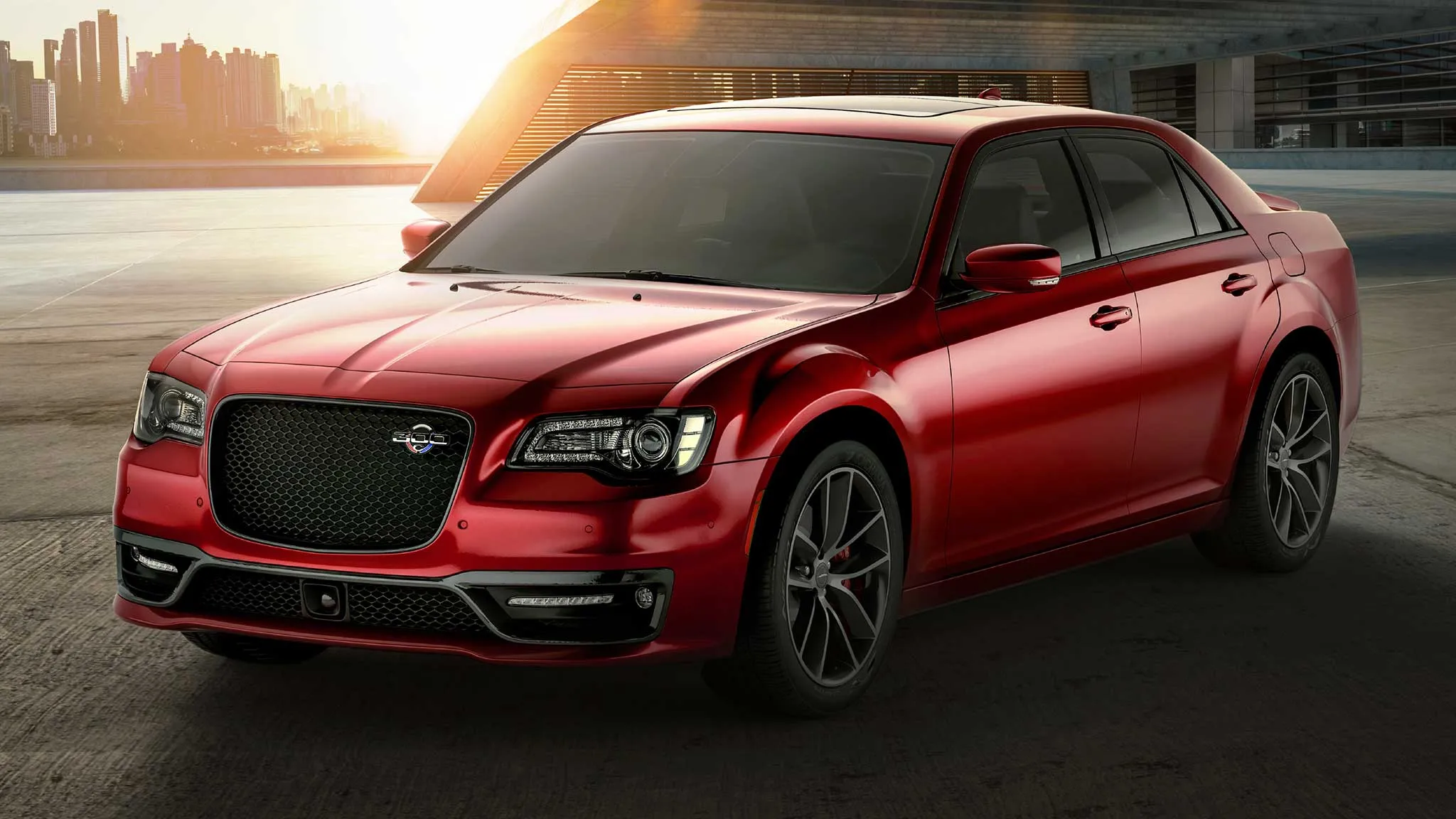
Chrysler builds big sedans the American way, and the 2024 300 Touring L includes visibility that reminds you how cars used to be before everyone decided bunker proportions looked tough.
Climb into this full-size sedan, and you’re surrounded by glass that actually lets you see out. Window sills stay at reasonable heights, pillars maintain manageable sizes, and the glass area extends generously around the cabin.
During left turns or when pulling out from side streets, you can see approaching traffic without entire vehicles disappearing into blind spots. This basic ability to see danger approaching provides real safety that electronic warnings can’t fully replace.
Side windows proportion generously, giving clear views of adjacent lanes and traffic approaching from angles. Checking blind spots happens through turning your head and seeing what’s actually there rather than relying entirely on warning lights.
Door mirrors mount in sensible positions and provide useful views of following traffic. Rear quarter windows contribute meaningfully to your rearward visibility rather than being tiny decorative elements.
Touring L trim includes a 3.6-liter V6 engine producing 292 horsepower, an eight-speed automatic transmission, and rear-wheel drive that provides engaging handling dynamics.
Inside, you’ll find leather seats, heated and ventilated front seats, a heated steering wheel, heated rear seats, dual-zone climate control, an 8.4-inch Uconnect touchscreen, Apple CarPlay, Android Auto, navigation, and premium audio.
Safety features include blind spot monitoring, rear cross-traffic alert, rear parking sensors, and a backup camera. This 300 proves that big sedans can provide excellent visibility while maintaining commanding road presence and comfortable accommodations for five adults.
