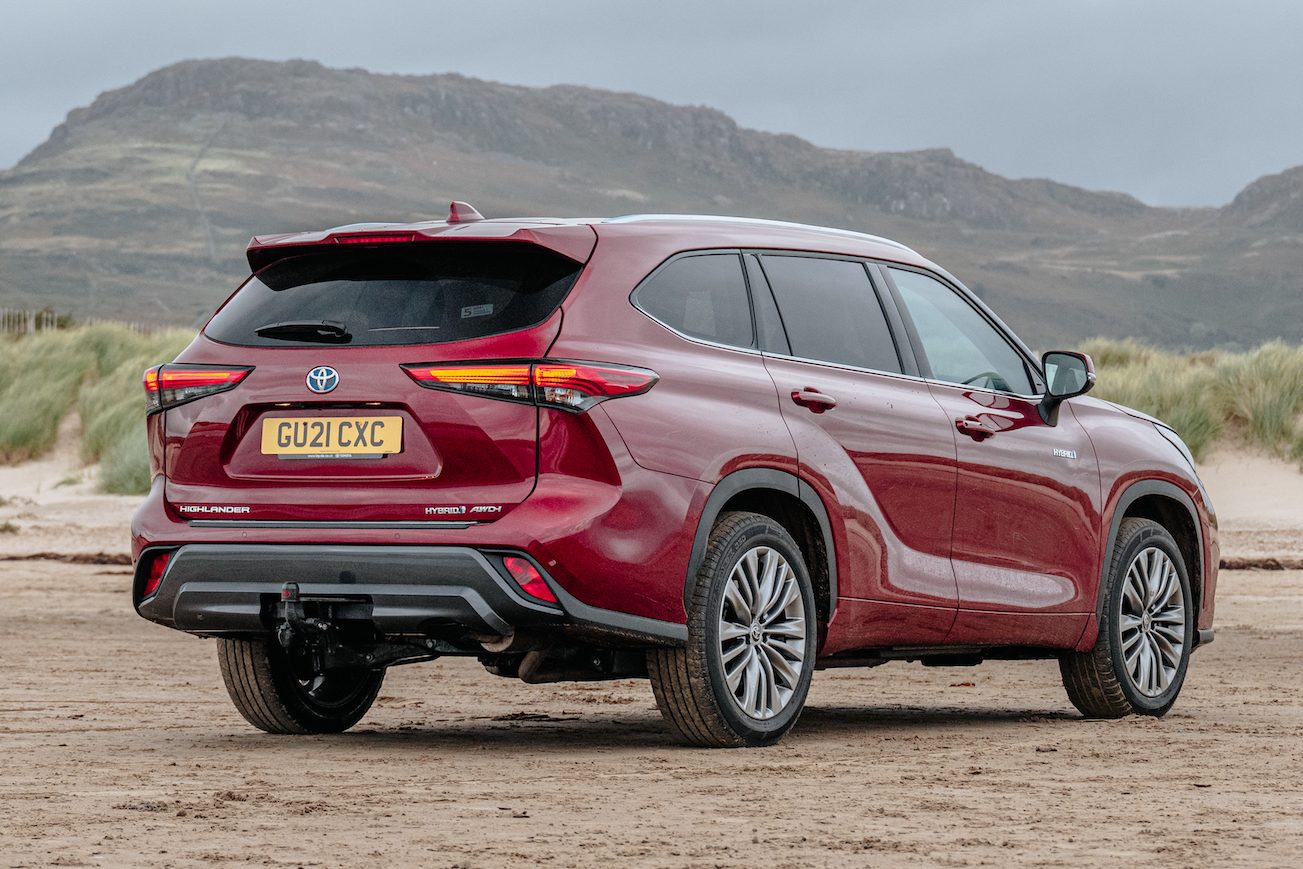
You know that weird moment when someone hands you the keys to a 100,000-mile SUV, and you think, “Wait, this still feels fresh?” That’s rare, but it happens. Some SUVs age like fine tech: tight steering, smooth suspension, cozy cabin, minimal creaks.
Others feel like they’ve been through a long relationship with potholes, cheap parts, and neglect: rattles, sagging seats, fuzzy electronics, and a drivetrain that moans more than it hums. If you care about long-term ownership resale value, repair bills, and not hating your commute picking the right model matters.
This piece isn’t a list of trophies or trend-chasing. It’s about which SUVs keep their vibe after serious miles, and which ones show wear and make you want to upgrade early. I grouped five that tend to feel new even with 100k on the clock, and five that often feel tired long before that mark.
The focus is on real-world ownership traits: build quality, drivetrain durability, interior longevity, electronics that keep working, and how the suspension and steering hold up. I’m not pronouncing any model immortal everything needs care but patterns repeat: certain brands and architectures just age better.
If you’re shopping used or want an SUV that won’t punish you at 80–120k, this guide will save you headaches. If you own one of the “tired early” models, don’t panic, many are fixable and still useful, but this will help you understand what to watch for and how to plan maintenance or trade timing.
Let’s cut through the shiny ads and get to what actually feels good after the miles add up.
Longevity isn’t magic. It’s engineering choices, materials, and the little details most buyers ignore at purchase. An SUV that still feels new at 100k likely has a few things in common: solid platform engineering (less flex, fewer squeaks), conservative suspension tuning (fewer fragile active parts), durable interior materials (real buttons, high-wear plastics that don’t peel), and a drivetrain designed to tolerate real-world stress.
Also, good serviceability matters. If basic maintenance is straightforward, owners are likelier to actually do it, which helps aging.
5 SUVs that feel new at 100k
By contrast, SUVs that feel tired early often push flashy innovations without the long-term test time. Complex electronics, cheap interior trim, soft seat foam, and overly soft suspension setups can all age fast.
Sometimes a model is tuned for a whispery showroom ride that turns into sloppy float after 50k miles. Other times, common weak points water intrusion, leaky sunroofs, tricky transmission issues show up and stick around.
Owner habits matter, of course: how the vehicle was cared for, climate, and driving conditions influence wear. But when we look across many owners and years, trends emerge. Some designs are inherently robust
1) Toyota Highlander
Toyota builds vehicles for predictable, long-term ownership and the Highlander is a textbook example. The platform focuses on durability over flash: suspension geometry is conservative, welds and fasteners are straightforward, and the cabin materials are chosen to resist fading and wear.
Seats in mainstream Highlander trims use foam that keeps its shape, and plastics around high-touch areas tend not to peel or crack. The result: a family-hauler that still feels tight and quiet at high mileage.
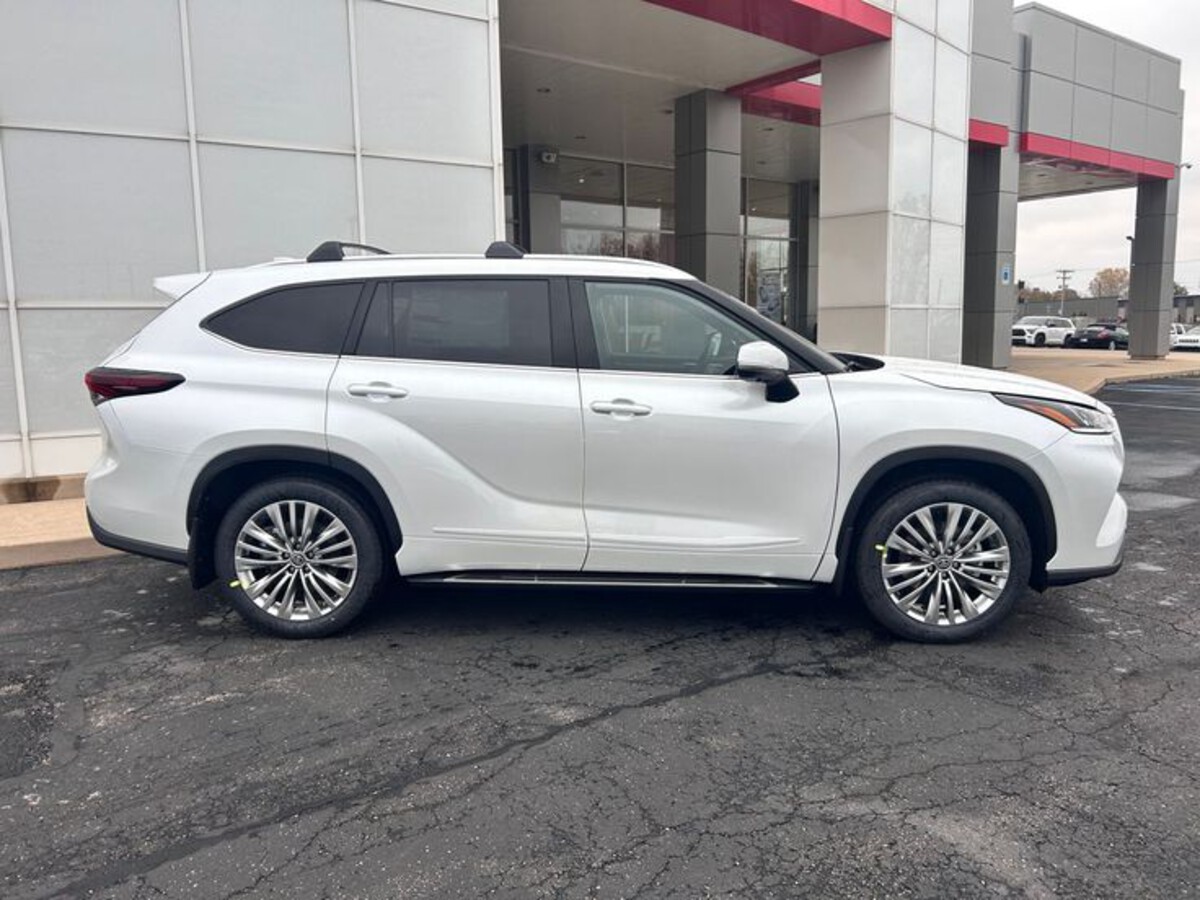
Powertrains are another big reason. Toyota’s V6 and hybrid setups for the Highlander have a history of robust operation when serviced properly.
Transmissions are typically well-matched and don’t exhibit the jittery behavior some rivals show at high miles. The electronics are feature-rich but not excessive; Toyota avoids overly complex, brittle systems in favor of proven modules. That pays off when mileage climbs.
There are caveats: earlier model years could have infotainment quirks, and owners in harsh climates should watch for corrosion and regular brake or suspension checks.
But overall, a Highlander with good service records will often feel composed and modern even past 100k miles. If you want a used SUV that behaves like a newer car without constant tinkering, this one’s a strong bet.
2) Lexus RX
Lexus takes Toyota’s reliability DNA and adds a layer of higher-grade materials and refinement. The RX cabin uses thicker, more resilient seat foam, better insulation, and trim that resists wear.
That difference matters when miles pile up: leather seats that don’t sag, soft-touch panels that don’t develop gaps, and suspension tuning that keeps the car feeling planted instead of floaty or loose.
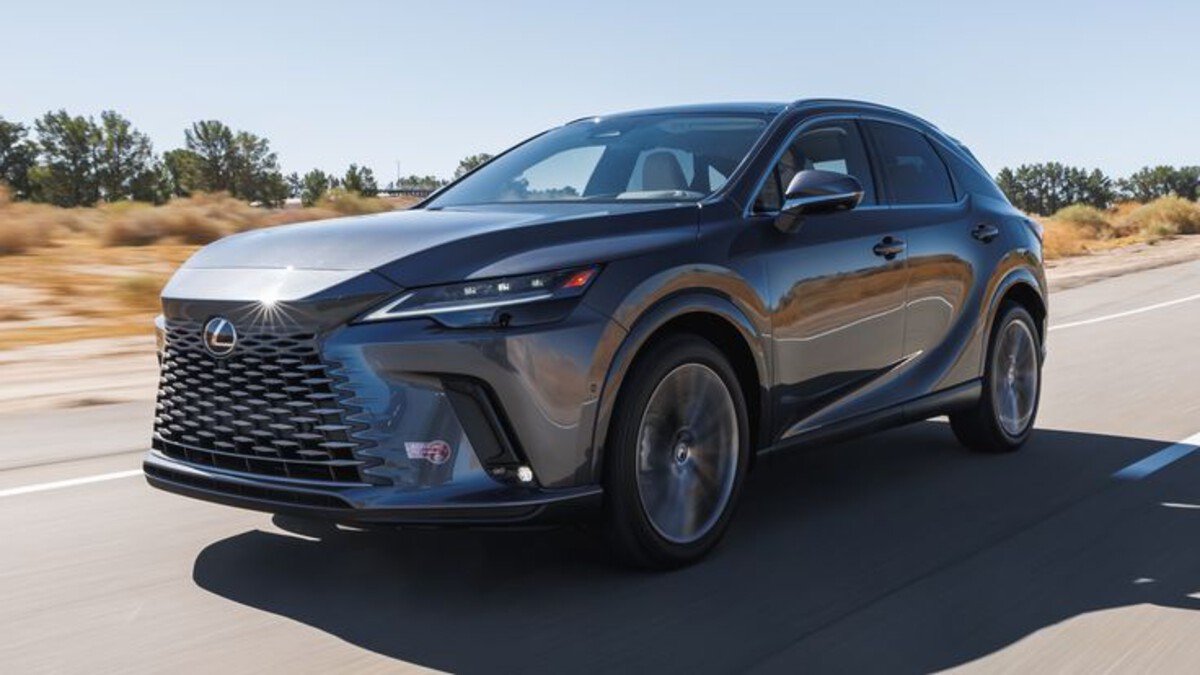
Mechanical robustness follows suit. The RX’s engines and transmissions are engineered for smooth, long-term operation.
Lexus also tends to over-engineer tolerances in some components small power assists and actuators use parts that tolerate wear better than bargain-bin alternatives. Electronics are well-integrated and generally escape the flaky behavior plaguing some competitors.
Service costs are higher than mainstream brands, but the trade-off is often fewer surprise repairs and a preserved “new car” feel.
If you’re buying used and want a premium interior that still impresses at 100k, the RX delivers. Watch for high-cost items like air suspension (if equipped) on older, heavily-optioned units, but the typical RX with standard suspension will keep that crisp Lexus vibe far longer than many peers.
3) Subaru Outback (or Forester)
Subaru’s reputation for ruggedness isn’t just marketing. Its vehicles, Especially the Outback and Forester are engineered for real-world use: off-road trips, winter roads, and heavy daily loads.
The chassis and body structure focus on torsional strength, which reduces panel flex and helps prevent annoying squeaks and rattles that make a car feel old. Interiors use practical, durable plastics and fabrics designed for mud, snow, and frequent cleaning.
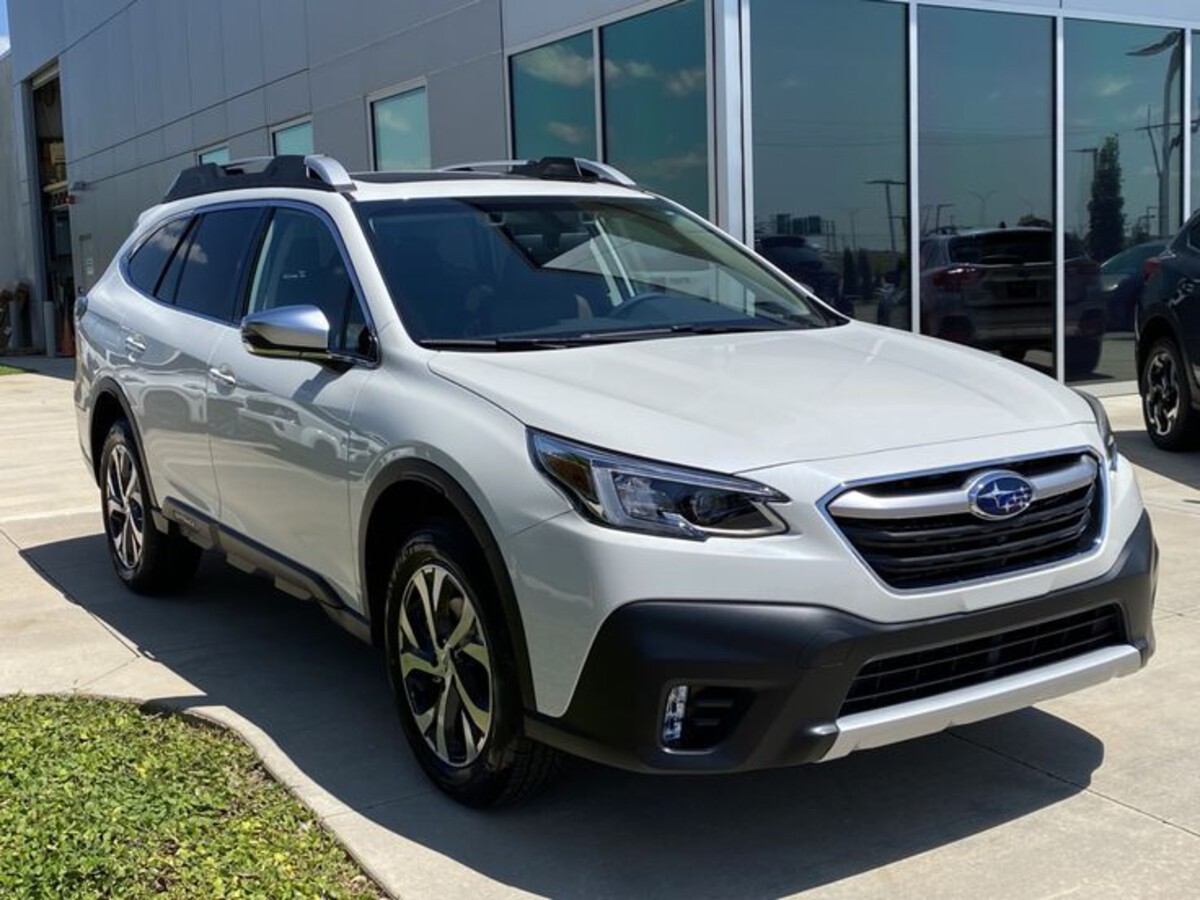
The boxer engine’s low center of gravity aids handling and reduces stress on engine mounts, which helps keep driveline feel consistent over the years. Subaru’s AWD system is robust and straightforward; it’s not the lightest or fanciest, but it gets the job done without a parade of complex parts that fail at midlife.
Known weak points like head gasket concerns on older engines or oil consumption in certain years exist, so pick carefully and check service history. Modern models have improved.
But in day-to-day ownership, an Outback or Forester that’s been maintained will often still ride and feel composed at 100k, plus the interior still tends to handle wear better than many rivals because Subaru designers expect real use.
4) Honda CR-V
Honda’s long-term reputation for engine and transmission durability shines in the CR-V. The platform is typically straightforward: good corrosion protection, predictable suspension geometry, and interior materials chosen to last through heavy use.
Seat foam holds shape, switches feel solid, and the steering often stays decently weighted, avoiding the vague or loose feel some competitors develop.
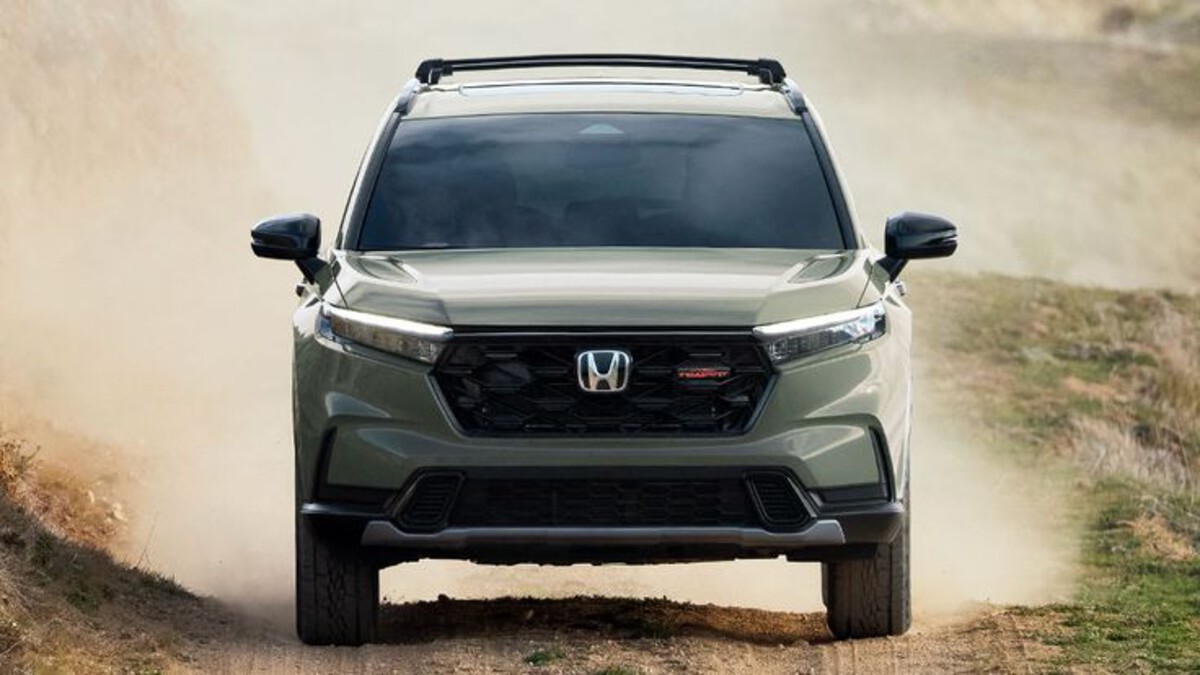
Honda shows restraint in introducing gimmicky systems; instead, they refine the basics. That makes maintenance easier and less likely to be skipped. When you combine that with engines that, when treated right, run for hundreds of thousands of miles, the result is an SUV that still feels tight and responsive at high mileage.
Be mindful of specific generation issues some CR-V model years had turbocharger or oil-related concerns but generally, a CR-V with a clean service record still feels pleasantly modern at 100k. If you want a fuss-free, cheap-to-own compact SUV that doesn’t start to feel old early, the CR-V is often a safe bet.
5) Ford Expedition (late-model V8s)
The full-size Expedition is less about finesse and more about heavy-duty competence. Built on body-on-frame or robust unibody designs, depending on era, the larger structure resists flex and keeps doors and panels aligned, which prevents the rattle-and-creak fatigue that makes some SUVs feel worn.
Seats in higher trims use resilient materials, and the suspension is tuned for load-carrying rather than plush show-room softness, which helps it avoid the sloppy feel some lighter SUVs get after years.
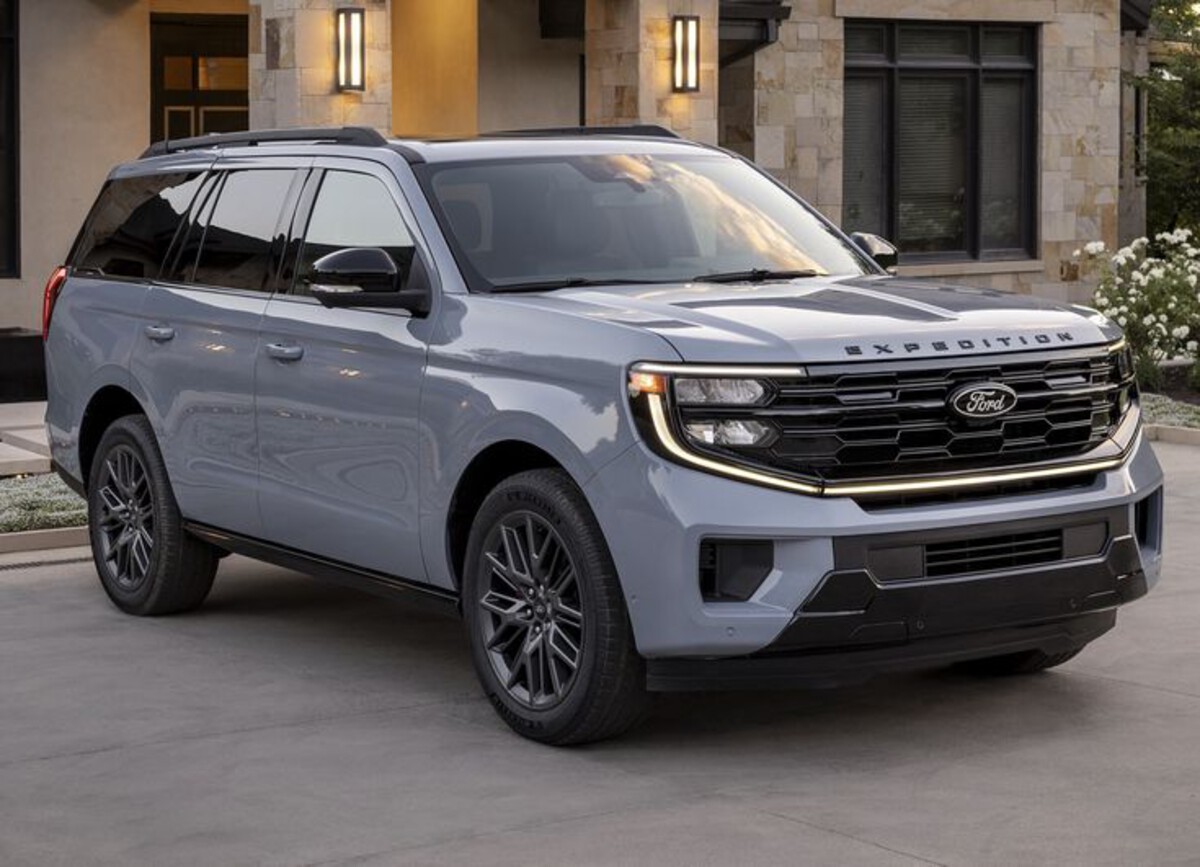
V8 powertrains in many Expeditions are durable when maintained: fewer small turbo parts to fail, simpler cooling and oil systems, and heavy-duty transmissions. Those choices translate to a drivetrain that still pulls cleanly and doesn’t introduce odd vibrations at high mileage.
Fuel economy is not the point here, but for buyers who tow, haul, or simply want an SUV that behaves like a big, stable truck even at 100k, the Expedition often checks that box.
Beware of neglected fleet units and watch for rust in older examples, but overall these trucks age into reliable, confidence-inspiring giants rather than listless mushy SUVs.
5 SUVs that feel tired early
Not every SUV is built to go the distance. While some stay tight, quiet, and confident well past the 100,000-mile mark, others start showing their age far sooner. Early wear can come from aging transmissions, fading suspension tuning, cheap interior materials, or just designs that weren’t engineered for the long haul.
In this list, we’re looking at five SUVs that tend to feel tired early, the ones that lose their crispness, refinement, or reliability long before you’d expect. If you’re shopping used, these are the models worth approaching with caution.
1) Some compact luxury crossovers (cheap-feeling after 50–70k)
Many entry-level luxury crossovers from certain brands prioritize style and tech over long-term durability. These cars often come loaded with delicate electronic modules, thin leatherette, and interior trim that looks great new but peels or gaps after years. They’re also frequently tuned for a whisper-soft ride that degrades into a vague, squishy feel after worn bushings and shock mounts settle.
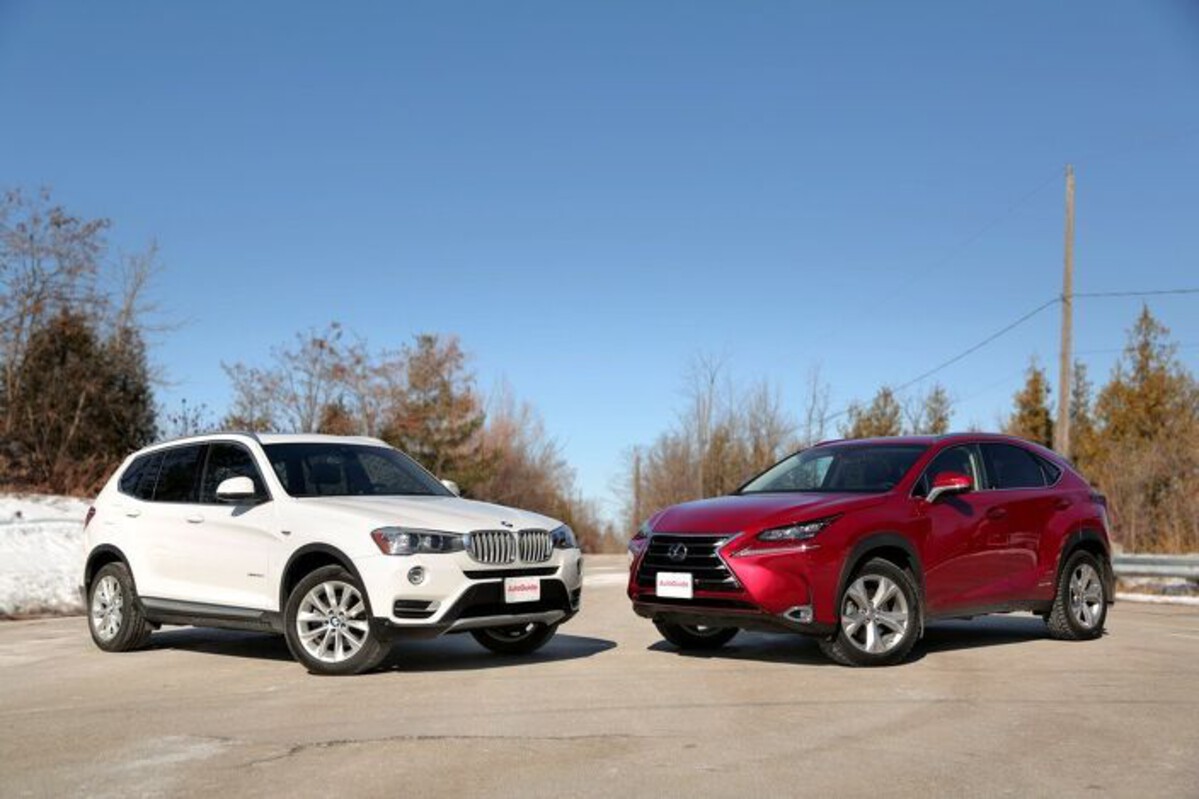
Infotainment systems in these segments sometimes age badly touchscreen responsiveness drops, software glitches creep in, and aftermarket updates vanish.
Replacement parts can be pricey and time-consuming. Even if mechanics and drivetrains are okay, a cabin that starts squeaking, plastics that loosen, and a steering feel that goes numb can make the whole car feel older than the odometer shows.
If you’re buying used in this segment, prioritize models with service records showing software updates, and inspect trim closely. Otherwise, expect that sleek new-car vibe to take a hit well before 100k.
2) Some small European SUVs (complex tech, expensive fixes)
European brands often deliver brilliant chassis dynamics and premium interiors until certain high-cost components age.
Air suspension modules, active steering systems, and high-strung electronics can start failing around middle age. When those systems go, the repair costs are high, and owners sometimes defer fixes, which accelerates the “tired” feeling: a sagging ride, balky systems, and a cabin that creaks.
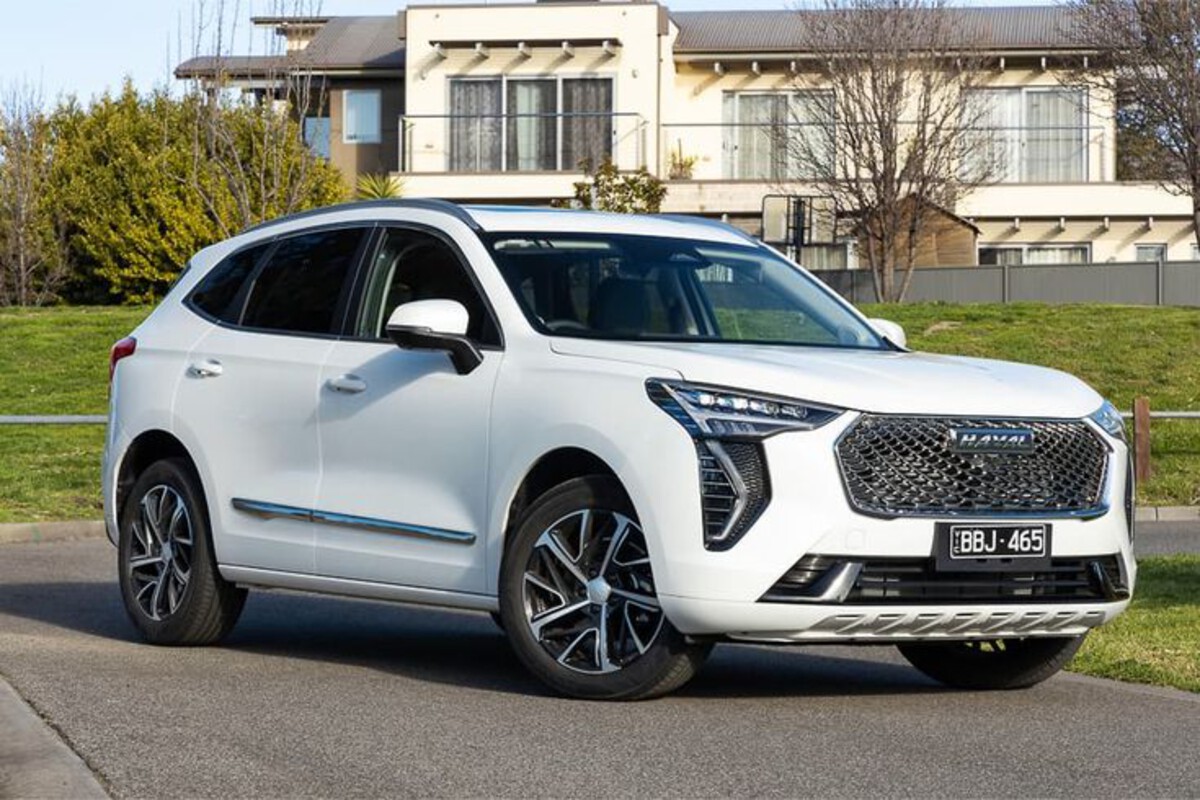
Additionally, some of these SUVs use softer interior materials or complex leather treatments that don’t hold up to daily abuse. Parts are expensive and not always straightforward to replace. The combination of pricier servicing and delicate components means owners often either pay up for repairs or live with a car that feels worn out prematurely.
If you love the dynamic handling of these SUVs, factor in a potentially higher maintenance bill and inspect suspension and electronics carefully on any used buy.
3) Early-generation electrified SUVs with teething electronics
The first waves of hybrid and EV crossovers were exciting, but some packed immature software and unproven control modules. Early electrified powertrains sometimes exhibited odd behavior after years: range management quirks, unpredictable HVAC interactions, or infotainment nodes that refuse to cooperate.
Battery packs usually last well, but peripheral systems (thermal management pumps, inverters, ancillary control modules) can start to misbehave and are expensive to diagnose and fix.
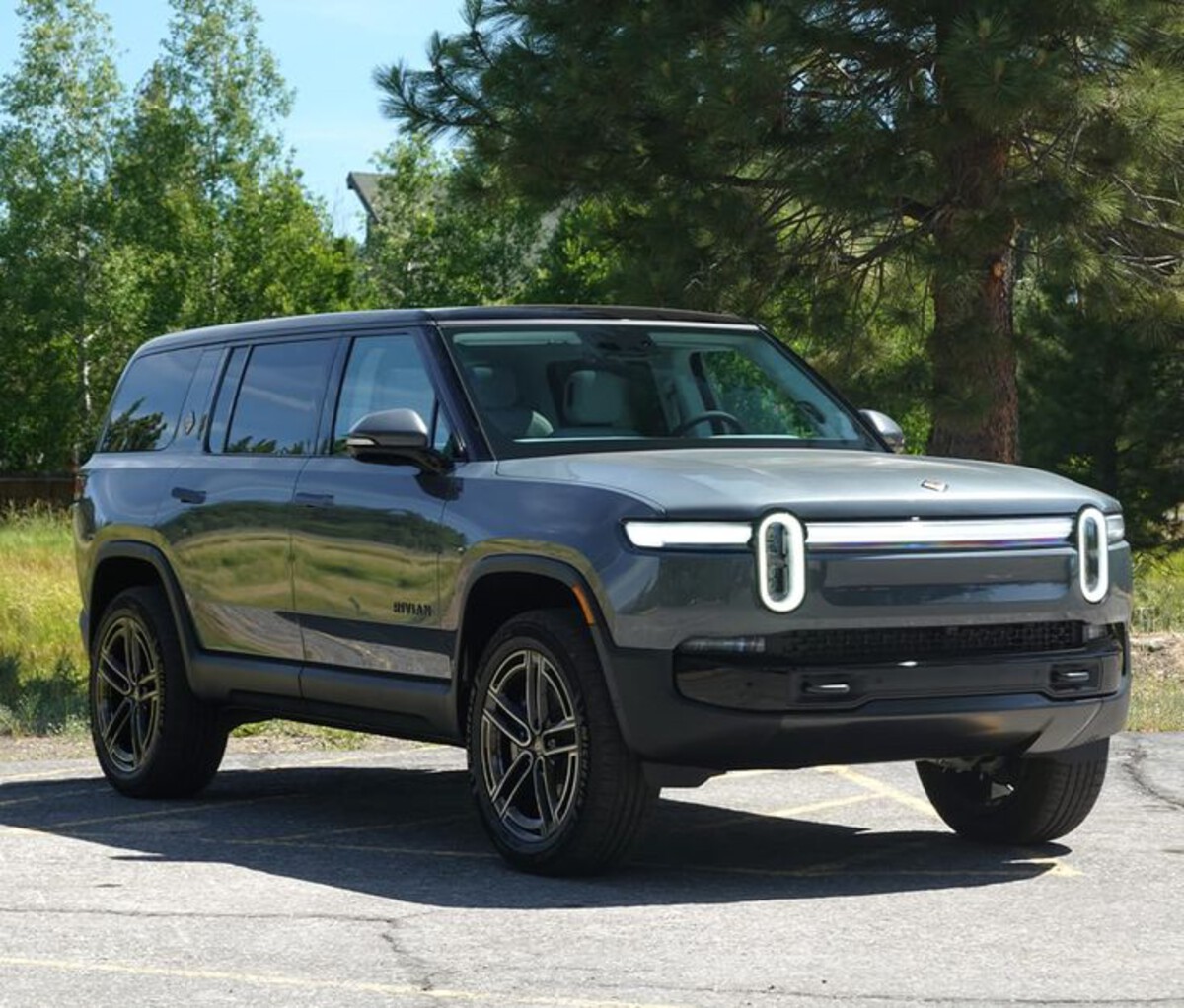
Riding experience can suffer too: regenerative braking calibration can wear odd, and suspension that’s tied to active control modules loses its edge when sensors or actuators degrade.
Because repair and replacement for specialized EV parts is often expensive and time-consuming, owners sometimes let issues persist and that’s how a car that felt futuristic at 30k starts to feel flaky and old by 60–80k.
If you’re buying an early electrified model, prioritize vehicles with documented software maintenance and battery health reports. Otherwise, the novelty can turn into annoyance faster than you want.
9) Budget-focused compact SUVs (cheap materials, quick wear)
Some manufacturers chase low price aggressively and it shows in choices that matter once miles add up: low-grade plastics, fragile seat foam, thin carpets, and trim that loosens.
The suspension might use cheaper bushings and light-duty shocks that wear out sooner. The result: rattles, sagging seats, and trim that looks and sounds cheap long before the car hits 100k.
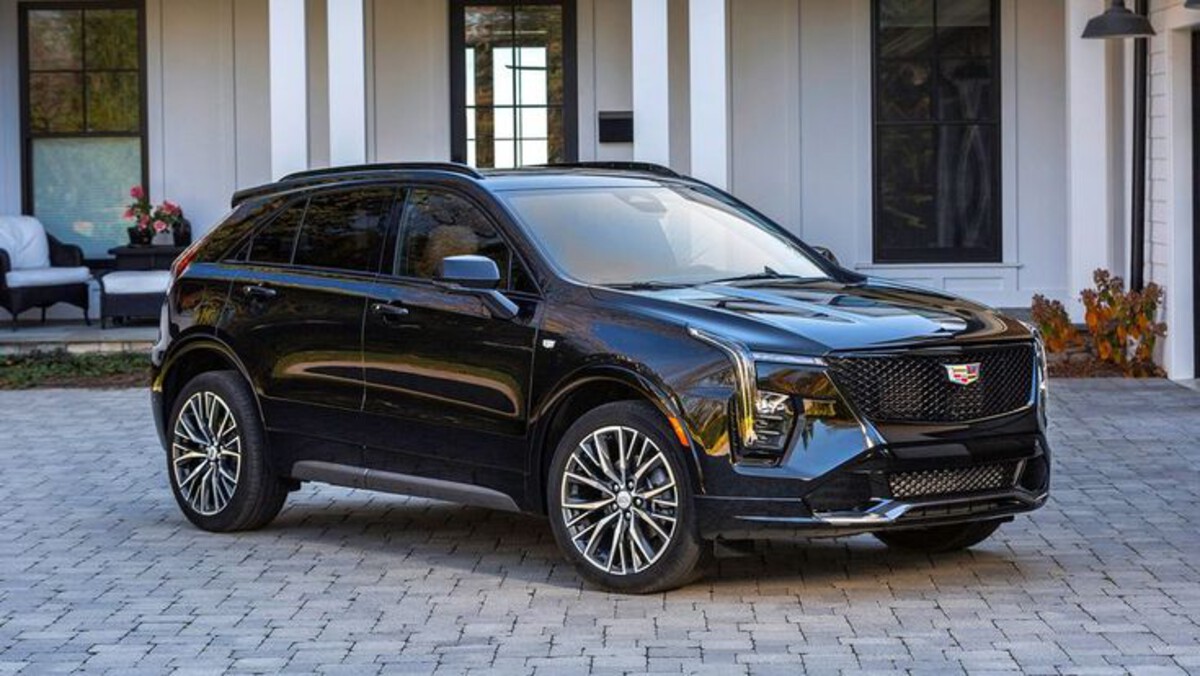
These SUVs can be brilliant value initially, but their low-cost construction becomes obvious in day-to-day life. Repairs are often inexpensive, but the frequency of small annoyances a sticky switch, a trim piece falling off, cracked interior panels makes the car feel older than it is. Resale value tanks accordingly.
If budget is the driver, expect to accept a faster path to a “tired” feel, or plan ahead for cosmetic and suspension refreshes a few years in.
10) SUVs with known midlife drivetrain issues (transmission or turbo problems)
Some SUVs across different brands developed a reputation for midlife mechanical problems: transmissions that start slipping after heavy use, turbos that fail or degrade with early oil change intervals, or timing-related components requiring expensive interventions.
When the drivetrain loses refinement, it’s a major factor in making a vehicle feel old. Gear hunting, rough shifts, lag, or unexpected vibrations transform any interior, no matter how nice, into an annoyance factory.
Owners who ignore early symptoms often make the problem worse and by the time repair is urgent, costs mount and the car’s perceived value plummets. The fix can return the car to normal, but you pay a premium for that reset.
If considering used SUVs, prioritize a transmission and powertrain inspection and insist on service records for major items. Avoid models with recurring issues unless you’re prepared to shoulder repair costs or can negotiate a lower price.
Miles don’t have to mean misery. Some SUVs are designed and built to keep their composure, comfort, and reliability well past 100k miles.
The difference between a vehicle that still feels new and one that feels tired early usually comes down to engineering simplicity, thoughtful material choices, and realistic luxury plus how the vehicle was cared for.
Brands that favor conservative, durable designs and robust parts tend to keep that new-car vibe longer. Conversely, models that push unproven tech, use fragile interior materials, or skimp on fundamental durability often show wear much earlier.
If you’re buying used or planning long-term ownership, prioritize service history, inspect high-wear areas, and think about likely repair costs down the road. A picky seat foam replacement or a suspension refresh can bring a tired SUV back to life, but it’s better to start with one that doesn’t demand that rescue.