

Sound and feel matter every time a vehicle door closes. That brief moment tells a driver whether they are surrounded by strong build quality or thin and hollow metal.
When a door shuts with a confident thud, it gives reassurance that solid engineering is protecting everyone inside.
The sense of quality is not just about luxury but about durability, alignment, and the way panels fit together. Many drivers care about this because a firm and sturdy closure suggests the vehicle can handle years of use without wearing down easily.
On the other hand, if a door shuts with a clang or a tinny noise, people notice. It may feel like the car lacks structure or that cost-cutting decisions were made where it should not matter.
Even if the rest of the car performs well, a poor door feel can diminish confidence. Families with kids, daily commuters, and people who value quiet comfort expect doors that signal strength and refinement, not rattles or echoes.
This full write-up highlights both sides of the topic. The first group includes vehicles praised for strong and satisfying door closure. They give a distinct impression of safety and substance the moment you enter.
Their structure supports comfort and keeps rattles away over time. The second group includes vehicles that still perform their job well but feel less inspiring when the doors close. Their noise and vibration suggest a lighter build that some buyers may find disappointing.
By presenting both strengths and weaknesses in how doors perform, buyers can better understand subtle but meaningful differences.
Every driver interacts with the doors more often than any other part of a car. That makes the feeling and sound of closing them a daily reminder of the quality they paid for.
Also Read: 5 Cars for San Jose EV-Friendly Life vs 5 That Are Costly to Own
5 Cars With Strong Door Feel
This section focuses on cars that provide confidence from the moment a door closes. A solid thud signals structure that has been reinforced and aligned with precision. Manufacturers who invest in robust hinges, dense insulation materials, and high-quality seals show they value user experience.
These vehicles provide a silent reminder of durability each time the doors are opened and shut. No distracting vibrations. No hollow echo. Just the right balance of weight and sound.
Drivers appreciate this because door quality influences comfort during long-term ownership. A strong closure blocks outside noise and helps make the cabin feel more peaceful.
It indicates that the metal panels fit tightly and that rubber seals are formed to last. This matters during highway travel, busy city driving, and rough-road conditions where poor build quality quickly becomes noticeable.
I am writing about these five models because they demonstrate attention to detail that benefits both practical use and emotional satisfaction. The feel and sound of the door are among the first clues a driver gets about craftsmanship.
When someone buys a vehicle that supports their family, work, or daily travel, they deserve a product that feels reassuring every time they enter. These vehicles provide that reassurance without needing any explanation or adjustment.
These choices cover different segments so readers can evaluate options whether they prefer a premium experience or strong value. What they share is a commitment to proper engineering where it counts. You can judge stability by how these vehicles behave on the road and also by how confidently they close before the journey even begins.
1. Audi Q5
The Audi Q5 is recognized for a firm and well-balanced door closure that gives drivers confidence. When you swing the rear or front door shut, the sound is solid and muted. It instantly communicates that insulation, frame strength, and structural alignment have been built carefully.
Many owners notice that even after years of use, the door still feels sturdy, indicating strong hinge design and seals that withstand constant operation.
The Q5 benefits from Audi’s focus on quiet cabins. High-density materials inside the door reduce road noise and eliminate most rattles. This creates a satisfying weight that feels neither too heavy nor flimsy.
The handle mechanism engages with precision, helping avoid the loose sensation found in lighter vehicles. Families with children also appreciate that the doors feel safe to close, adding a sense of protection.
Another important element is consistency. The front and rear doors have nearly identical closure quality. Some SUVs struggle to balance the lighter rear construction with the heavier front design, but Audi maintains uniformity. This makes the experience feel refined for everyone aboard, not only for the driver.
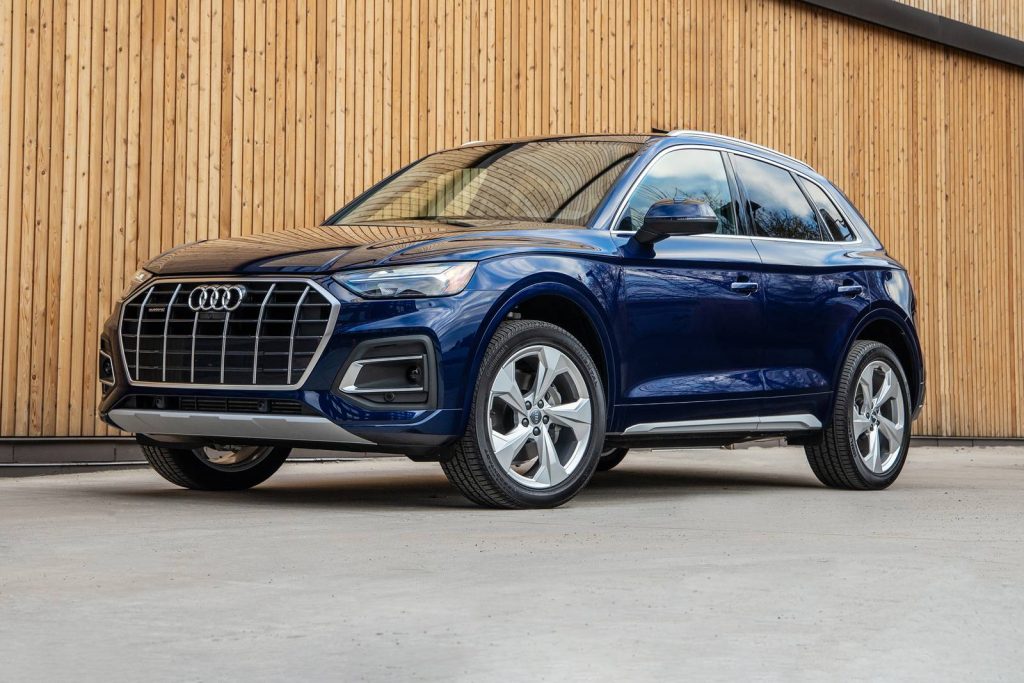
I am including the Q5 because it represents strength that drivers can hear and feel every day. Even without looking, the closure tells you the vehicle is engineered to handle long-term use.
That kind of reassurance is part of what buyers expect from a premium brand. The Q5 proves that careful design and well-chosen materials can create a door feel that supports comfort, safety, and pride in ownership.
2. Honda CR-V
Families consistently appreciate how stress-free the Honda CR-V is when loading and securing child seats. It offers wide rear-door openings that allow parents to stand comfortably while placing an infant carrier into position, instead of twisting awkwardly through a narrow space.
The rear bench is shaped to support a child seat base flatly, helping prevent unwanted tipping or sliding when tightening the straps. There are two lower LATCH anchors positioned in a way that avoids digging into the cushion, reducing installation effort even for beginners.
For families carrying multiple children, the CR-V remains one of the most flexible compact SUVs available. A rear-facing infant seat can be mounted behind either front seat without forcing the front passengers to compromise their legroom dramatically. Taller adults can still relax up front while a child naps comfortably behind them.
Honda also paid attention to parents who frequently switch between boosters and harnessed seats. The rear headrests are removable, and the flat seating surface supports booster seats securely without leaning outward. Cupholders and seat-back pockets keep snacks and toys close by, avoiding clutter on long trips.
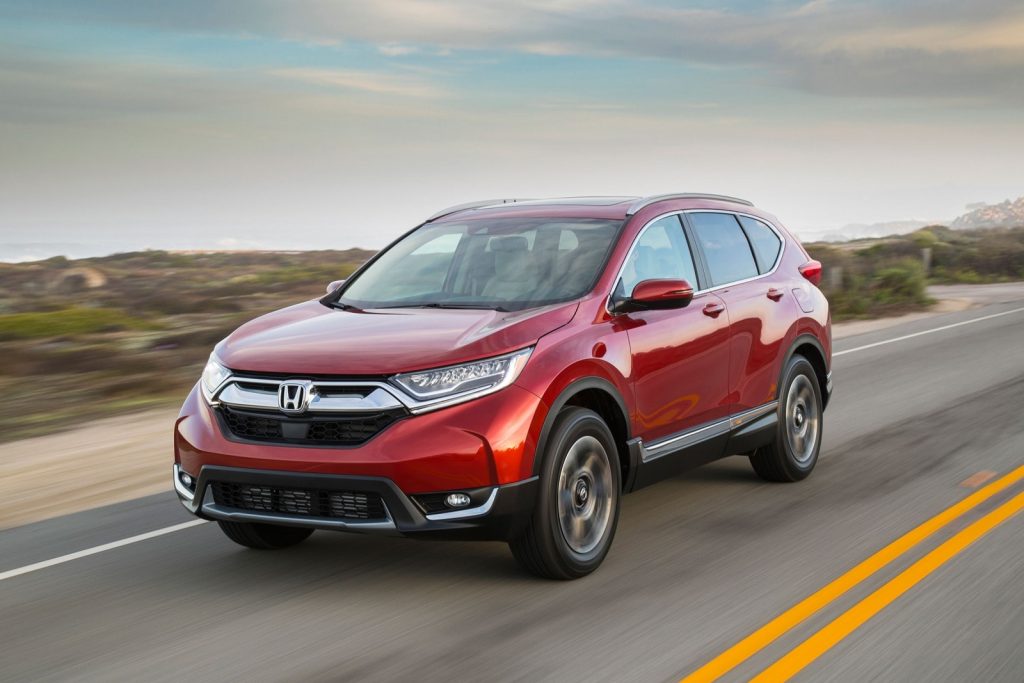
Ride comfort is quiet and composed, which helps prevent cranky passengers in the back. The power-operated tailgate eases stroller loading, and cargo space is strong for its class enough for diaper bags, groceries, and folding prams together.
The CR-V remains a smart pick for new parents and growing families because it balances space, installation simplicity, and everyday usability better than many rivals in its price bracket.
3. Subaru Forester
Subaru designed the Forester with generous cabin height, helping adults buckle in small children without suffering a sore back every day.
The tall door openings also make it simpler to place a rear-facing child seat inside without bumping the edges against the pillars. The upright stance leaves ample room for long-legged toddlers as they move into forward-facing positions.
Its LATCH system is highly user-friendly, with clearly visible anchors that require minimal digging beneath the upholstery.
The rear middle seat, while not LATCH-equipped, is wide enough to accommodate a car seat using the seat belt method, enabling three-across arrangements in some configurations something many compact SUVs struggle with.
Parents value Subaru’s excellent outward visibility because keeping an eye on surrounding traffic reduces stress when driving with precious cargo onboard. The Forester’s ride quality remains soft enough to prevent jostling infants awake on bumpy neighborhood streets.
AWD comes standard, which is ideal for families living in slippery-road climates or taking weekend trips where dirt tracks and uneven surfaces are common.
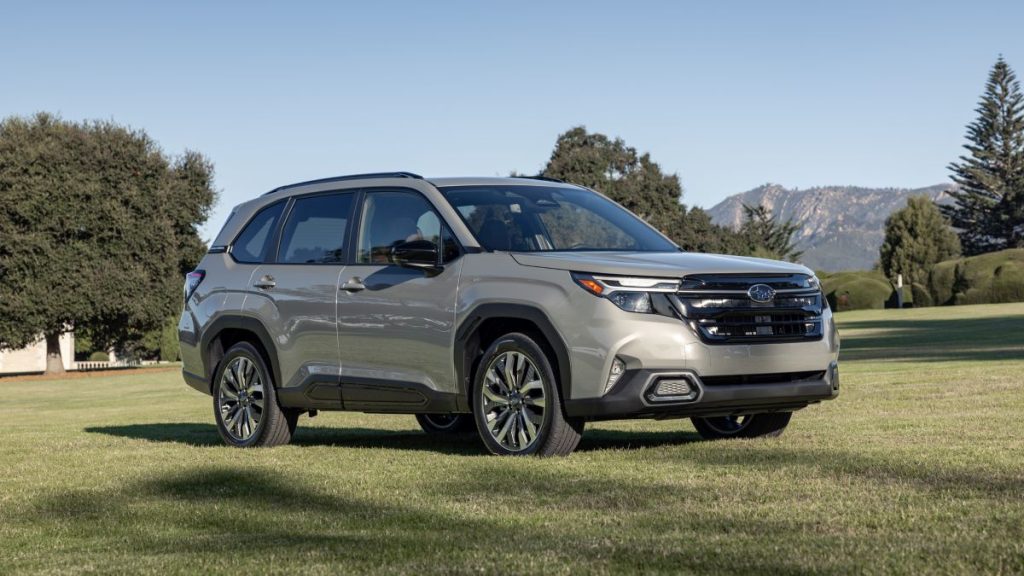
Storage is another strong point. Strollers fit without playing a game of puzzle-shapes in the trunk, and loading them is easier thanks to a low liftover height. Back-seat air vents, durable seat materials, and large windows ensure a comfortable experience for kids on long journeys.
If a family wants practicality, confidence in poor weather, and a comfortable space to handle daily routines with car seats, the Forester checks all the important boxes with little compromise.
4. Toyota Highlander
The Toyota Highlander suits parents who regularly need more than two car seats. With three rows available, the setup can vary depending on the size and age of the children.
The second-row seats provide firm, flat bases that make securing LATCH-compatible seats less of a struggle. The third row also includes tether anchors, giving caregivers more flexibility when transporting multiple forward-facing children.
Sliding second-row seats allow parents to shift space toward the front or rear as comfort requires. Even with a rear-facing infant carrier installed, the passenger ahead can still enjoy acceptable knee room. Families who use bulky convertible seats appreciate how they fit without forcing compromises to front seating positions.
Because families spend long hours running errands and attending activities, Toyota emphasized ride comfort and cabin quietness.
The calm environment helps reduce fatigue, especially when traveling with babies sensitive to noise. Climate-control vents in both rear rows ensure consistent airflow, so no child sits sweating while others stay cool.
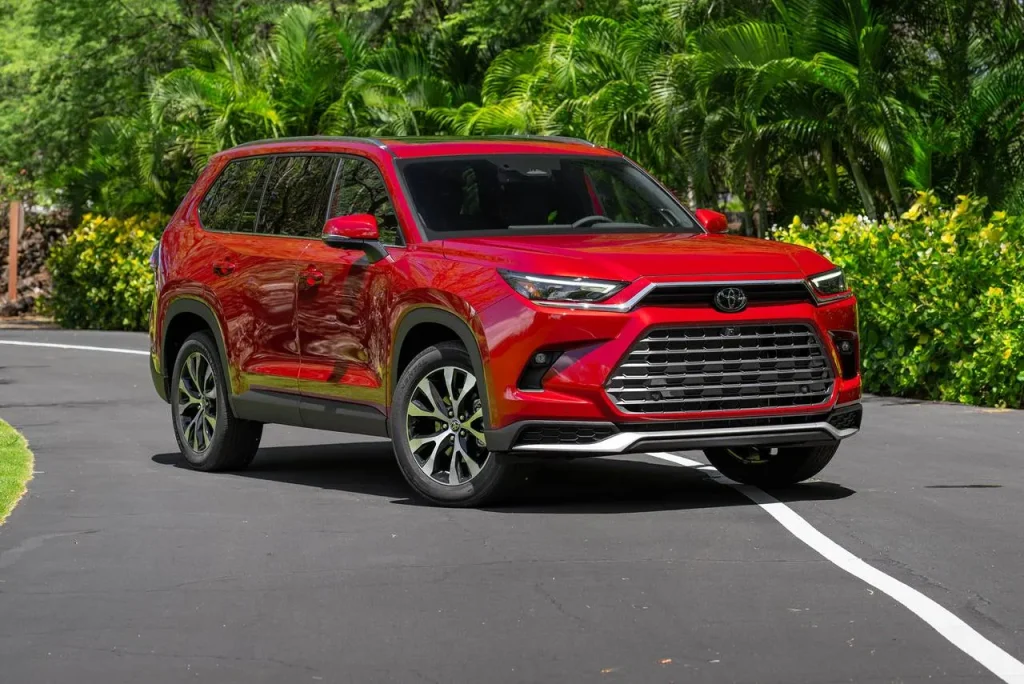
Cargo capacity remains usable even when the third row is raised enough space for everyday gear like diaper bags or compact strollers. When the third row folds flat, the Highlander becomes a road-trip-friendly SUV capable of swallowing sports equipment, groceries, or travel luggage without a struggle.
Parents also trust Toyota’s reputation for long-term dependability, ensuring that the Highlander stays part of the family for many years. It’s a reassuring choice for those planning to expand their family or drive car-seat-aged kids through multiple stages of growth.
5. Ford Explorer
Families who need strong towing and generous space often pick the Ford Explorer. While large enough to offer breathing room for everyone, the key benefit for parents is its well-designed second row.
The LATCH anchors are exposed and easy to access, which helps prevent knuckle-scraping during installation. The wide-swinging rear doors create a comfortable angle for parents entering with an infant seat in hand.
The Explorer shines when transporting three children at once. Forward-facing seats and boosters can occupy the outboard seating positions while the center still supports either a car seat or an adult riding in comfort.
The third row includes tether anchors, so older kids who no longer need a full car seat can sit safely further back, freeing up the middle row for rear-facing setups.
Ride quality remains stable even when fully loaded, so car seats stay secured without excessive shaking on uneven roads. Interior materials withstand spills, crumbs, and muddy shoes realities of family life.
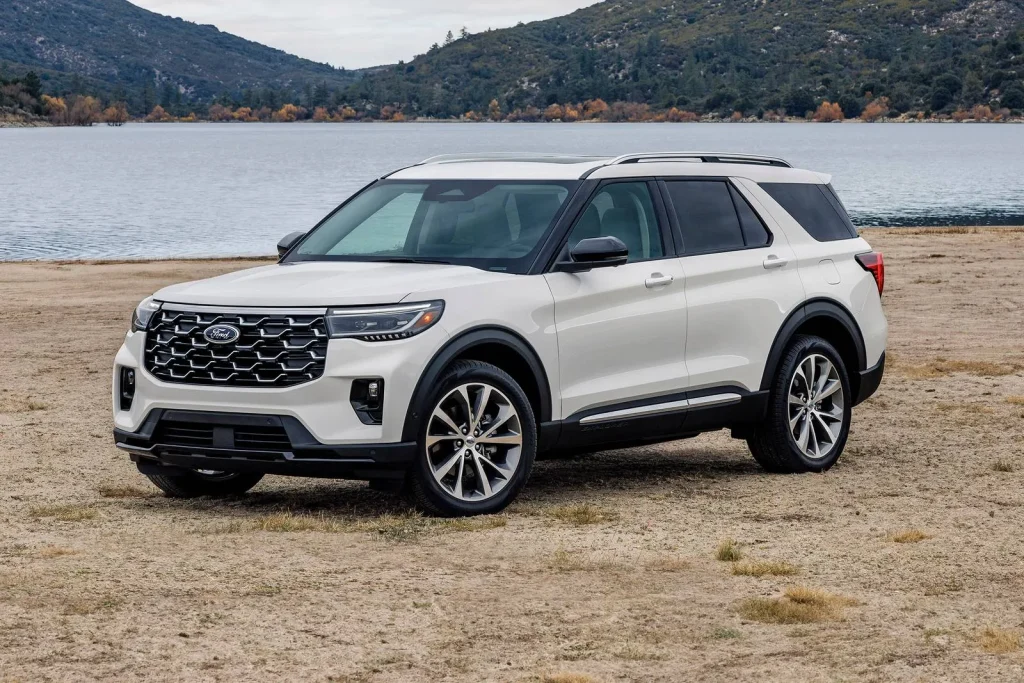
Trunk space stays strong with the third row down, easily fitting large strollers or sports equipment. Even when all seats are up, there is still enough room for shopping bags and daily cargo.
The Explorer also appeals to parents who prioritize power and confidence behind the wheel. Road trips with a packed car feel less strained, and the additional strength benefits towing small trailers or bicycles for weekend adventures.
With its combination of seating flexibility, space, and ease of installation, the Explorer adapts to families who lead busy, active lives.
5 That Shut With A Clang
Some vehicles look sturdy and dependable until the moment you shut the door. Instead of a firm, confident thud, the sound resembles thin metal echoing through the frame.
A door’s closing feel may seem like a minor detail, yet it strongly affects how owners perceive quality. When a car delivers an unpleasant clang or a hollow rattle, doubts appear instantly.
The vehicle might have strong safety ratings and modern technology, but the door can still create the impression that something is missing.
Daily usage amplifies this issue. Every school drop off, every grocery stop, every passenger entry presents the same contact point. A weak closing noise can make riders tug harder or double check the latch purely because the sound fails to inspire trust.
Families with children especially notice this. Parents want reassurance that a door is locked and sealed without needing to push repeatedly or listen for a second click.
Manufacturers sometimes prioritize weight savings for efficiency gains. Thinner materials and lighter structures help fuel economy or electric driving range. But the tradeoff can result in unwanted sound characteristics.
Cost-cutting in areas such as door insulation or inner panel thickness also contributes to these hollow sensations. Even premium trims may retain the same core structure, leaving a mismatch between price and perceived durability.
Consumers today are more aware of what good build quality feels like. Door sound has become a quick signal for strength, safety, and craftsmanship. When that reassurance is missing, owners begin questioning what other compromises might exist.
The five vehicles included in this section are not unsafe and not unreliable. They simply fall short in delivering the solid closing feel that many drivers expect from a family-size automobile or daily commuter. This section highlights those shortcomings so buyers know what to expect before making a decision.
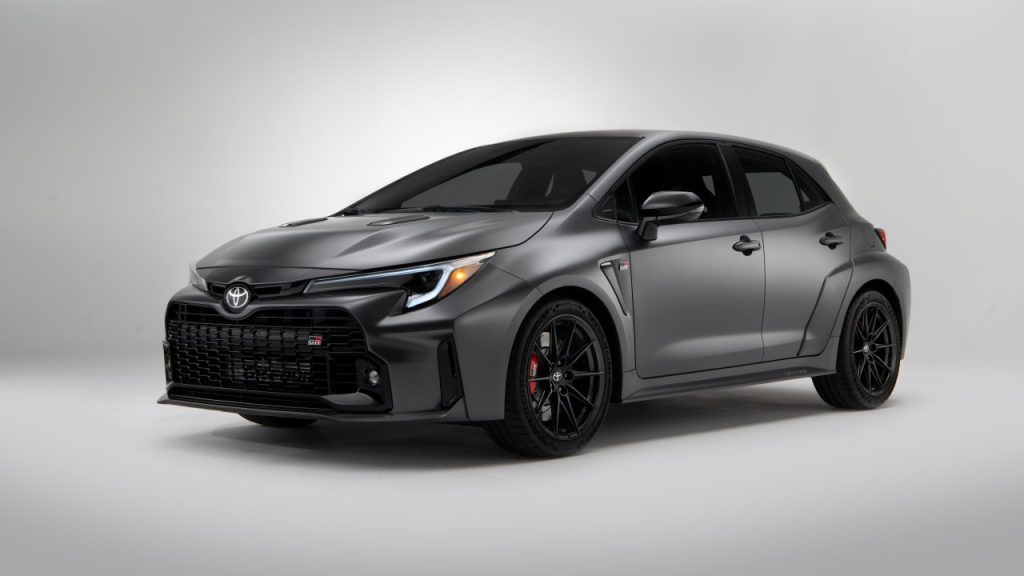
1. Toyota Corolla
The Toyota Corolla is widely respected for durability, reliability, and strong resale value. However, when judging door feel and sound, it does not quite deliver the sense of robust construction that many drivers expect.
When a door closes, the noise often has a sharp, tin-like quality rather than the deep, cushioned thud associated with thicker insulation and heavier inner structures. This becomes more noticeable in busy environments such as parking lots, where the contrast between vehicles can be easily heard.
The lighter door panels contribute to the fuel efficiency and cost effectiveness that Corolla owners love, yet the tradeoff affects perceived build quality.
During daily use, especially in older or base trim models, the door sometimes vibrates slightly upon closing, making drivers double check that the latch actually caught correctly.
This small uncertainty adds unnecessary repetition, as many people push the door again just to feel the seal more confidently.
Families or rideshare drivers with frequent passengers notice this even more. Kids may shut the door gently and think it is secure, when in fact it needs a firmer push. Adults unfamiliar with the vehicle occasionally express surprise at the sound, wondering whether the structure is thinner than expected.
Over time, this impression can influence how owners feel about the car’s craftsmanship, even though the Corolla remains one of the most mechanically dependable models available.
Road noise also connects to this issue. A door lacking additional insulation tends to allow more outside sound into the cabin. While not a direct safety concern, it affects comfort during longer drives.
The Corolla is a smart purchase for efficiency and value, but anyone who prioritizes a heavy and solid closing feel may find themselves wishing for a bit more mass and refinement in the doors.
2. Honda Fit
The Honda Fit is admired for its interior space, versatility, and efficient engineering. Yet when discussing door feel and acoustic reassurance, the Fit displays noticeable compromises. The lightweight structure that allows impressive fuel economy also results in a softer frame that does not produce the firm sound many drivers seek.
When closing any of the four doors, the noise tends to resemble sheet metal and carries a hollow resonance. This can surprise first-time passengers who expect something sturdier.
The rear doors especially highlight this characteristic because of their thinner material and large window area.
A quick close often leaves owners wanting to press again to ensure that the lock has fully engaged. On windy days, a passenger may need extra force to shut the door securely, creating a moment of uncertainty that would not exist in a heavier design.
Honda focuses on practicality and affordability in this model, but a more solid door structure would give drivers greater confidence.
The Fit’s door seals also allow a bit more road and traffic noise inside the cabin. When driving at highway speeds, conversations sometimes become less comfortable due to increased external sound entering through the edges.
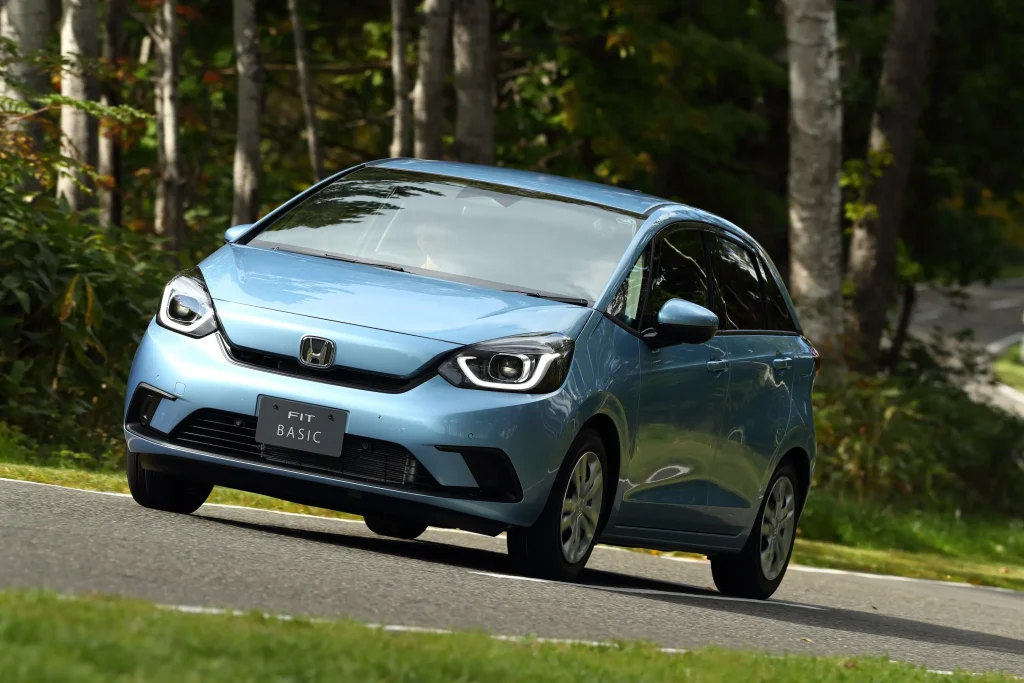
For city commuting, these drawbacks might be less noticeable. However, repeated daily use emphasizes the lightweight build. Long-term owners frequently mention that the door feel gives off an impression of fragility, even though the vehicle is structurally safe and performs well in reliability studies.
While the Fit earns high marks in packaging efficiency, the experience of shutting the door lacks the quality impression that many associate with long-lasting craftsmanship. This places the Honda Fit in this group, where practicality remains strong but door-closing confidence falls short of expectations.
3. Nissan Kicks
The Nissan Kicks offers modern styling and attractive pricing, making it a popular option for budget-focused families and first-time buyers. However, the moment someone shuts a door, the sound often tells a different story from the bold look.
The closing noise tends to be metallic and abrupt rather than full and muted. This creates a noticeable disconnect between the fresh exterior appearance and the thin sensation that comes through the structure.
The lighter weight contributes positively to fuel efficiency, but practicality suffers when materials feel less substantial. On rough roads, some door panels lightly vibrate, hinting at lower insulation levels inside the inner skins.
Passengers occasionally comment on the feel, especially during test drives, because it does not deliver the reassuring strength they expect in a compact SUV.
Daily usage highlights these concerns further. A parent assisting children into the back seat wants a door that shuts clearly and confidently on the first attempt.
The Kicks sometimes leaves adults second guessing due to its sharper acoustic tone. Riders may push harder than necessary, thinking the door needs extra force to latch fully, even though it technically did engage correctly.
Road noise entering through these thinner doors becomes more noticeable at speed. Urban drivers may overlook this during short commutes, but longer weekend trips can reveal the difference between a quiet cabin and a busy-sounding one. Nissan prioritizes affordability, and that strategy shows in how the doors feel and sound.
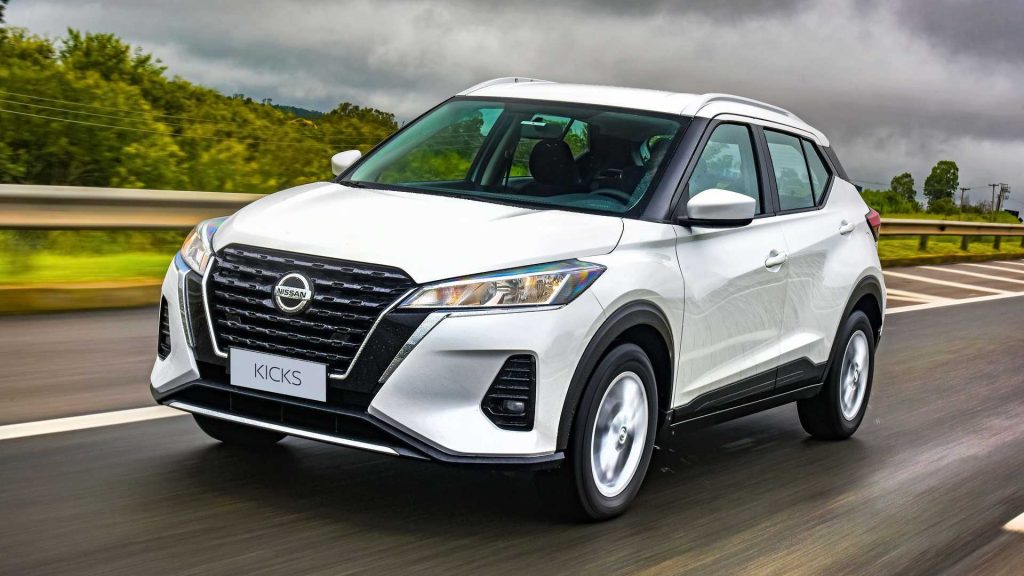
The Kicks is dependable transportation with clever interior space for its price. Yet this section focuses on tactile impressions, and the Kicks clearly misses the target for those who value a strong and confident closing feel.
Its place here reflects the gap between appealing design and the audio-physical experience delivered by the doors.
4. Kia Seltos
The Kia Seltos has earned popularity for its features, tech options, and bold attitude in a compact package. But when evaluating door quality by sound and tactile feedback, it leaves room for improvement.
The doors are noticeably lighter than those on more premium SUVs, and that shows every time they are closed. Instead of a deep, comforting thud, the noise leans toward a sharp and somewhat hollow clang.
This impression becomes more pronounced in lower trims where insulation levels are simpler. Passengers may think the door did not fully shut due to the tone it produces. Drivers often develop a habit of adding a second push, especially in the rear seating area. Even though the latch functions properly, confidence does not always follow.
The Seltos emphasizes sporty styling, but its thinner doors reveal cost-saving measures in construction. When comparing it side by side with stronger-feeling competitors, the difference becomes clear instantly.
Interior vibrations occur occasionally when closing the door quickly, suggesting that the panels could use additional structure for reinforcement.
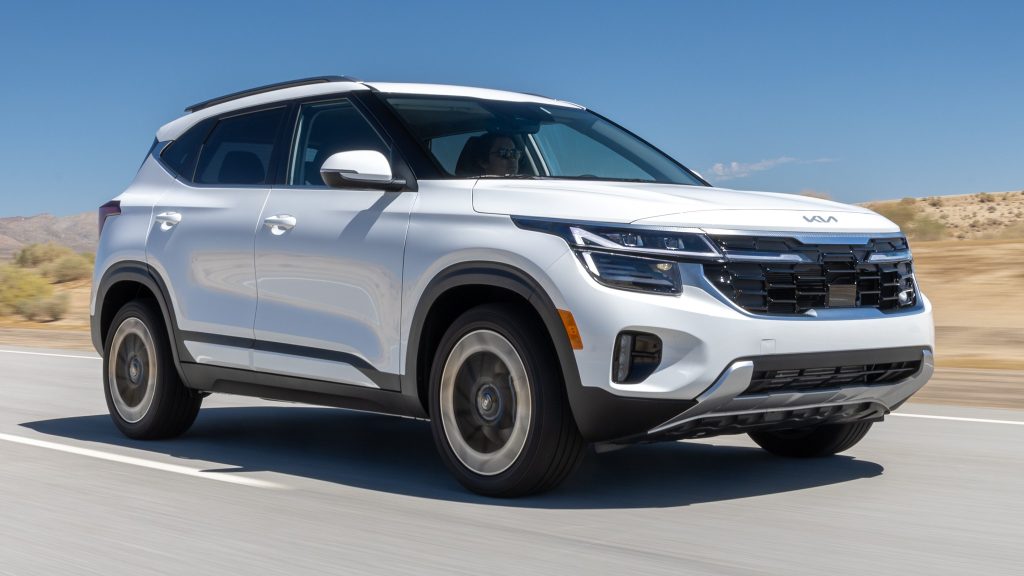
Noise control also plays a role. The Seltos allows more external commotion into the cabin, especially at highway speeds. Wind and road contact transmit more noticeably through the sides of the vehicle. This affects conversations and overall comfort on longer drives.
The benefits of lightweight doors are real, including ease of operation for children and improved efficiency. However, this section highlights vehicles that create a less satisfying perception of solid build.
The Seltos performs well in its price segment, yet the audible feedback from the doors does not support the tough and refined image that its exterior communicates. For drivers who judge quality with every close, this shortcoming easily stands out.
5. Mitsubishi Mirage
The Mitsubishi Mirage is intended to be an economical choice, offering basic transportation at a cost many buyers appreciate. However, affordability often requires significant compromises, and door construction is one of the clearest areas where those compromises show.
When a door is shut, the resulting sound is sharp and unmistakably hollow. The feel is similar to a lightweight appliance rather than a sturdy automobile.
The thin sheet metal and minimal insulation reduce weight and lower production costs, but they also create an impression that the Mirage lacks durability.
Even though the safety systems meet required standards, the experience of closing the door can make owners worry about longevity. A quick first push sometimes fails to create a satisfying latch sensation, leading passengers to try again out of caution.
Side impacts from wind in open parking areas reveal how light the doors truly are. The movement and flex can be felt easily, which reinforces the lightweight impression further. On the road, noise from passing vehicles enters the cabin more clearly than in competitors. This can make daily commutes feel louder and busier than necessary.
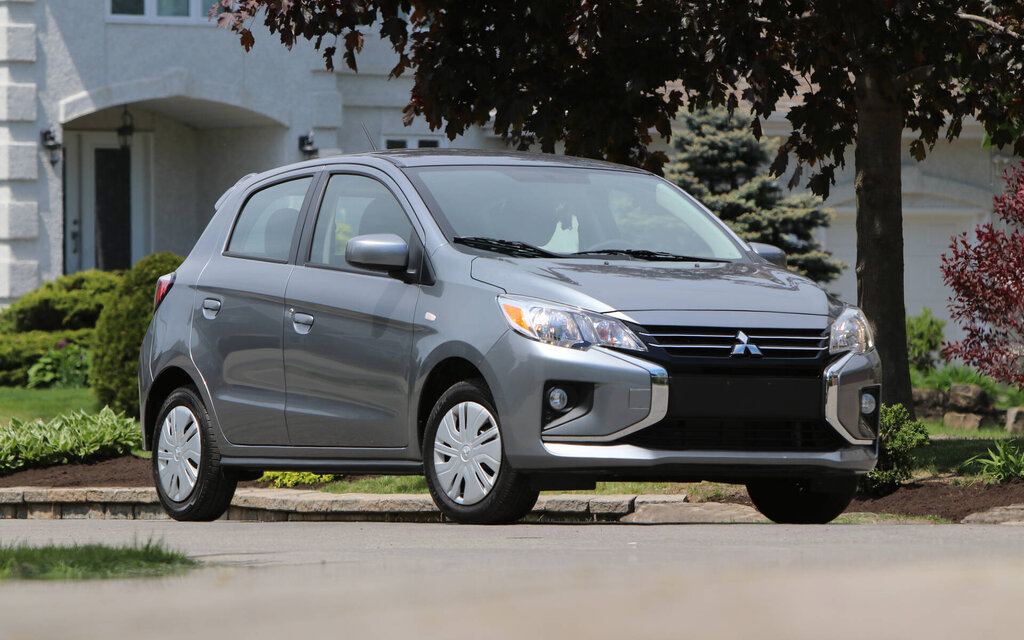
For buyers prioritizing fuel savings and affordability, these weaknesses may be acceptable. The Mirage achieves its price goals honestly, yet the tradeoff is an absence of that secure, reassuring feel when the doors close.
This group focuses purely on the experience of door operation, and in that area, the Mirage stands out as one of the most noticeably thin-sounding models in its class.
Despite these observations, the Mirage remains a functional and accessible transportation choice. Still, the door sound quality contributes heavily to the perception of craftsmanship, and that is why it firmly belongs on this list.
Also Read: 5 Cars Built for Chicago Winters vs 5 That Struggle in Snow
