

Keeping a vehicle clean is more than just appearance; it impacts long-term durability, resale value, and personal satisfaction. Some vehicles are designed in a way that makes exterior cleaning simple.
Smooth body panels, minimal seams, and well-integrated trim allow water to flow over the surface efficiently. These cars are forgiving when hosed down, requiring little effort to remove dirt, dust, or mud.
Busy owners, parents, and outdoor enthusiasts particularly benefit from vehicles that are easy to maintain, as they save time while ensuring a consistently clean exterior.
On the other hand, certain designs make washing challenging. Tight crevices, complex bodywork, layered trim, and recessed components trap dirt, mud, and debris. Removing these deposits can require special tools, brushes, or extra time, turning a quick wash into a tedious chore.
Vehicles with intricate designs or numerous small details often experience this problem. Owners may find it difficult to reach areas like wheel arches, behind mirrors, or narrow gaps along body panels.
The goal of this article is to highlight vehicles that excel in exterior maintenance and those that present more challenges. The first section focuses on five cars with smooth, accessible designs that allow owners to hose off dirt quickly and efficiently.
The second section examines five vehicles with tricky crevices that require additional effort to clean thoroughly. Understanding these differences helps buyers select vehicles that match their lifestyle and maintenance expectations, whether convenience or attention to detail is a priority.
Also Read: 5 Cars That Fit Philadelphia Parking vs 5 That Don’t
5 Cars Easy To Hose Off
Some vehicles are remarkably simple to clean, thanks to thoughtful exterior design. Smooth panels, minimal trim interruptions, and well-integrated wheel arches allow water and soap to flow freely across the surfaces.
For drivers who regularly encounter dirt, mud, or pollen, these cars save significant time and effort during routine washes. Hosing off these vehicles rarely requires specialized brushes or extensive detailing, making them ideal for busy families, daily commuters, and owners living in wet or dusty climates.
Factors that make a car easy to hose off include seamless body panels, straight lines without deep recesses, and a lack of excessive decorative features like intricate grilles, layered spoilers, or narrow gaps.
High-quality paint coatings that resist grime buildup also contribute to simpler cleaning. Even the underbody and wheel areas matter; well-designed flares and accessible wheel wells prevent mud accumulation in hard-to-reach spots.
Practicality is another consideration. Vehicles with accessible doors, liftgates, and hoods allow owners to rinse off interiors, engine bays, and trunk areas more effectively. Easy-to-clean surfaces are also less likely to accumulate water spots, salt residue, or grime that can damage the paint over time.
The following five models were selected because they combine aesthetic appeal with highly maintainable exteriors. Each one demonstrates how design choices can make washing a straightforward task rather than a complicated chore.
Their panels, trim, and surfaces allow owners to quickly hose off dirt, debris, or mud without needing advanced detailing tools. By highlighting these vehicles, owners can make informed decisions about which cars provide both style and low-maintenance practicality.
1. Mazda CX-30
The Mazda CX-30 blends compact dimensions with flowing, simple body panels that make it exceptionally easy to clean. The exterior design avoids excessive creases and unnecessary trim lines, allowing water and soap to slide across the paintwork effortlessly. Wheel arches are moderately sized and accessible, making mud removal from tires and rims straightforward.
High-quality paint with a smooth finish reduces the adhesion of dirt, while the sloping hood and roofline facilitate natural runoff during rinsing.
The rear liftgate is wide and unobstructed, enabling thorough cleaning without awkward angles. Even detailed areas like mirrors and door handles are positioned for easy access, minimizing the need for brushes or special tools.

Owners of the CX-30 often report that a quick hose down removes the majority of road grime, pollen, or mud accumulated during daily use. The vehicle’s compact size makes it manageable in smaller driveways or apartment spaces, enhancing the ease of washing.
Its combination of design simplicity, accessible panels, and durable paint ensures that cleaning remains quick and efficient, even for drivers without detailing experience.
2. Toyota Corolla Cross
The Toyota Corolla Cross combines practicality with a smooth, accessible exterior that simplifies cleaning. Its panels are broad and gently contoured, avoiding deep grooves or intricate trim lines that trap dirt. This makes it easy to hose off dust, mud, or pollen accumulated from daily driving or light off-road use.
Wheel arches are moderately sized and offer enough clearance for water to reach tire walls and inner fenders. Even with muddy or wet conditions, the Corolla Cross allows quick rinsing without requiring special brushes. Door handles, mirrors, and rear liftgate surfaces are positioned for straightforward access, enabling efficient cleaning without awkward angles.
The paint finish is durable and smooth, preventing dirt from clinging excessively. Rainwater naturally flows off the roof and hood, reducing the buildup of grime between washes. The rear liftgate is wide and accessible, making it easy to hose down the lower portion of the bumper and tail area.

Owners appreciate how much time can be saved during routine maintenance. A simple rinse removes the majority of accumulated dirt, and the smooth exterior minimizes streaks or residue.
For families, commuters, and drivers who frequently navigate urban or rural roads, the Corolla Cross demonstrates how thoughtful exterior design can make vehicle cleaning efficient, practical, and less frustrating.
3. Hyundai Kona
The Hyundai Kona features compact dimensions and a simple, smooth exterior that allows quick washing with minimal effort.
Body panels are mostly flat with gentle curves, limiting crevices that would otherwise trap dirt or mud. This design choice ensures that hosing off the vehicle removes debris effectively without requiring specialized detailing tools.
Wheel arches are accessible, and the moderately raised ride height allows water to reach the inner fenders, helping to wash away mud and grime.
Door handles, mirrors, and rear liftgate are positioned to facilitate easy rinsing, while trim elements are integrated neatly to prevent water from collecting in hard-to-reach spaces.
The Kona’s paint finish is smooth and resilient, resisting stubborn dirt and allowing most dust or pollen to be washed away easily. Even in rainy or dusty conditions, water runs off naturally, reducing spots and residue. Cleaning the lower bumper and rocker panels is simple, making post-commute or post-adventure washes quick and efficient.

Owners benefit from the combination of compact size, accessible design, and smooth panels, which reduces the overall time spent maintaining the vehicle’s exterior.
For daily urban use or occasional off-road excursions, the Hyundai Kona proves that well-considered design details can make vehicle cleaning a simple, stress-free task.
4. Honda HR-V
The Honda HR-V is a compact crossover that emphasizes practicality and ease of maintenance. Its exterior design features broad, smooth panels and minimalistic trim, making it easy to hose off accumulated dust, dirt, or light mud.
The flowing surfaces prevent grime from collecting in recessed areas, ensuring that cleaning can be performed quickly and efficiently.
Wheel arches are sized to allow access for rinsing and scrubbing, while side mirrors, door handles, and the rear hatch are positioned for straightforward cleaning. Even tight areas around the liftgate and bumper remain accessible, reducing the need for extra detailing tools or brushes.
The paint is resilient, shedding water and mud efficiently. Rainwater naturally drains from the roof and hood, helping to keep surfaces cleaner for longer. The HR-V’s roofline and tail design prevent stubborn puddles from forming, allowing routine washes to restore the exterior’s appearance with minimal effort.

Owners frequently praise the HR-V for how easy it is to maintain its clean look. Whether driving in the city, suburbs, or light off-road conditions, the vehicle allows fast, effective washing.
The combination of smooth panels, accessible design, and durable finish ensures that keeping the HR-V looking presentable is both practical and convenient for daily use.
5. Kia Seltos
The Kia Seltos is a versatile compact SUV that pairs modern styling with an exterior designed for easy maintenance. Its broad, smooth body panels reduce the number of tight gaps where dirt and debris can accumulate, allowing water to flow freely during washing. This makes hosing off mud, dust, or pollen quick and efficient.
Wheel arches are reasonably sized and accessible, enabling thorough cleaning of tires and inner fenders without difficulty. Door handles, side mirrors, and the rear liftgate are positioned to facilitate simple rinsing, while trim elements are integrated to prevent water from pooling in hard-to-reach areas.
The paint finish is smooth and durable, helping dirt slide off and reducing residue buildup. Even in wet or dusty conditions, water naturally runs off the roof, hood, and bumper, making it easier to maintain a clean appearance between washes. Cleaning lower panels and rocker areas is straightforward, with minimal scrubbing required.

Owners value the combination of design simplicity, accessible surfaces, and high-quality finish, which reduces the time and effort needed for routine exterior cleaning.
For families, daily commuters, and outdoor enthusiasts, the Kia Seltos demonstrates how thoughtful exterior design can make keeping a vehicle presentable fast, practical, and stress-free.
5 Tricky Crevices
Not all vehicles are easy to clean. Certain designs feature tight crevices, intricate trim, and layered panels that trap dirt, mud, and debris. These hard-to-reach areas make routine washing more time-consuming, requiring brushes, specialized tools, or detailed effort to prevent buildup.
Mud and grime can accumulate in wheel arches, behind mirrors, around spoilers, or along seams, increasing the risk of corrosion and making the car look neglected if not properly maintained.
Vehicles with complex styling, aggressive body lines, or layered exterior elements often experience this problem. While these designs may be visually appealing or aerodynamic, they create hidden corners that are difficult to reach with a standard hose or sponge.
Even simple rainwater or road dust can lodge in these areas, leaving streaks or residue that standard cleaning cannot remove.
Owners who drive in muddy, sandy, or snowy environments are particularly affected. Tight crevices near the wheels or bumper areas can hold debris that requires careful attention, while narrow gaps around mirrors, grilles, or roof rails often demand small brushes or pressure washers.
These vehicles require a more detailed approach to cleaning to maintain appearance and prevent damage over time.
The following five cars are examples of vehicles that pose challenges due to their design. Each one demonstrates how small details, aggressive styling, or layered panels can make cleaning more difficult.
Understanding which vehicles are tricky to maintain can help buyers anticipate extra effort, select appropriate cleaning tools, and develop a consistent washing routine to keep their vehicle looking its best.
1. Jeep Wrangler
The Jeep Wrangler is a legendary off-road vehicle known for its ruggedness and versatility. However, its exterior design creates numerous tight crevices that make cleaning a challenge.
The removable doors, exposed hinges, flat panels, and angular body lines contribute to areas where dirt, mud, and debris accumulate. These spots are not easy to reach with a simple hose, requiring detailing brushes or pressure washers to ensure thorough cleaning.
The wheel arches are particularly problematic, as mud and sand often cling to the inner surfaces after off-road adventures. The front grille, with its vertical slots, captures dust and small debris, while the hood and fender seams create narrow channels that retain grime.
Even the rear tailgate, especially with the spare tire mounted externally, forms additional nooks that trap dirt, making the washing process more time-consuming.
Exposed hinges and door edges also collect road dust and mud, particularly during rainy or snowy conditions. While surface hosing removes loose dirt, deeper cleaning is needed to maintain the vehicle’s appearance and prevent corrosion over time. Owners quickly realize that a simple rinse does not address the Wrangler’s numerous hidden crevices.
Despite these challenges, the Wrangler’s design prioritizes off-road performance, durability, and utility. Its rugged styling is intentional, and the presence of tight spaces is part of its functional construction.
Drivers who value adventure and utility understand that regular maintenance requires more effort, but the payoff is a vehicle capable of tackling tough terrains while maintaining its iconic look.

Recognizing where grime tends to accumulate allows Wrangler owners to adopt a consistent cleaning routine. Using brushes, pressure washers, and attention to detail ensures that the vehicle remains visually appealing and structurally sound.
The Wrangler demonstrates that utility-focused design can demand extra care, and meticulous cleaning is part of owning such a versatile off-road machine.
2. Land Rover Defender
The Land Rover Defender’s aggressive styling includes numerous panels, trim pieces, and functional accessories that create multiple tight crevices. Its boxy, layered exterior is a hallmark of the vehicle, providing off-road capability and durability.
However, these features make cleaning the Defender a detailed task. Recessed fender extensions, roof rails, and complex front and rear bumper designs capture dirt, water, and mud, especially after off-road excursions.
Wheel arches and side steps are particularly challenging. Mud accumulates behind the arches and along running boards, where a simple hose cannot reach effectively. Specialized brushes or pressure washers are often necessary to remove debris completely.
Even the front grille, with its multi-layered slats, traps dust and grime that need careful attention. Headlight recesses and hood seams add to the difficulty, as water may not flow freely, leaving residue and potential corrosion if neglected.
Roof rails and spare tire mounts form additional crevices. Rainwater, dirt, or mud can settle in these areas, requiring manual rinsing and brushing to maintain cleanliness. While the Defender’s exterior design is visually appealing and highly functional for off-road use, these tight spots extend the time required for thorough cleaning.

Owners report that routine maintenance is more labor-intensive than with smoother vehicles. However, understanding the locations of these tricky crevices allows for effective cleaning and prevents long-term buildup that could affect both appearance and structural integrity.
The Defender illustrates the trade-off between bold design and ease of maintenance, highlighting that detailed care is essential to preserving its iconic aesthetic and off-road readiness.
3. Ford Bronco
The Ford Bronco is designed for rugged performance and off-road adventures, but its angular bodywork, exposed hinges, and removable components result in several tight crevices that complicate cleaning.
Wheel arches, layered bumpers, and fender flares create spaces where mud, sand, and debris can accumulate after off-road excursions. These areas are difficult to access with a standard hose and often require brushes or pressure washers.
The front grille is another challenge, featuring vertical and horizontal slats that capture dust and dirt. Recessed headlight areas and hood seams hold grime after rain or muddy trips, requiring careful cleaning to maintain the vehicle’s appearance.
Tailgate areas, especially with rear-mounted spare tires, form narrow spaces where debris collects. Even roof rails and hardtop seams create pockets that demand manual attention.
Bronco owners often find that routine washing removes surface dirt but does not fully address grime lodged in crevices. Neglecting these areas can result in stubborn buildup, which may lead to corrosion or wear over time. Cleaning requires a methodical approach, including the use of detailing brushes and targeted rinsing.

Despite the extra maintenance, the Bronco’s rugged styling and off-road functionality are highly valued by owners. Its exposed design elements are intentional, reflecting a focus on adventure and utility.
Awareness of the vehicle’s tricky areas ensures that cleaning can be thorough, preserving both the aesthetic and functional integrity. The Bronco demonstrates that vehicles built for performance often require additional care to maintain their distinctive look.
4. Jeep Gladiator
The Jeep Gladiator shares many design traits with the Wrangler but adds a pickup bed, increasing the number of tricky crevices.
The tailgate hinges, bed rails, wheel wells, and exposed suspension components easily trap mud, sand, and debris, making routine hosing insufficient for a complete clean. Manual effort with brushes or pressure washers is typically required.
Cab corners, door hinges, and panel seams also collect dirt, particularly after off-road excursions or during rainy conditions.
The front grille has recessed slats that catch grime, while layered bumper designs and fog light recesses create additional hard-to-reach areas. Roof seams and hardtop sections increase the number of small crevices where dirt accumulates.
Gladiator owners frequently note that cleaning the vehicle requires patience and time. Surface rinsing removes visible mud, but hidden crevices demand focused attention to prevent buildup that could affect both appearance and long-term maintenance.
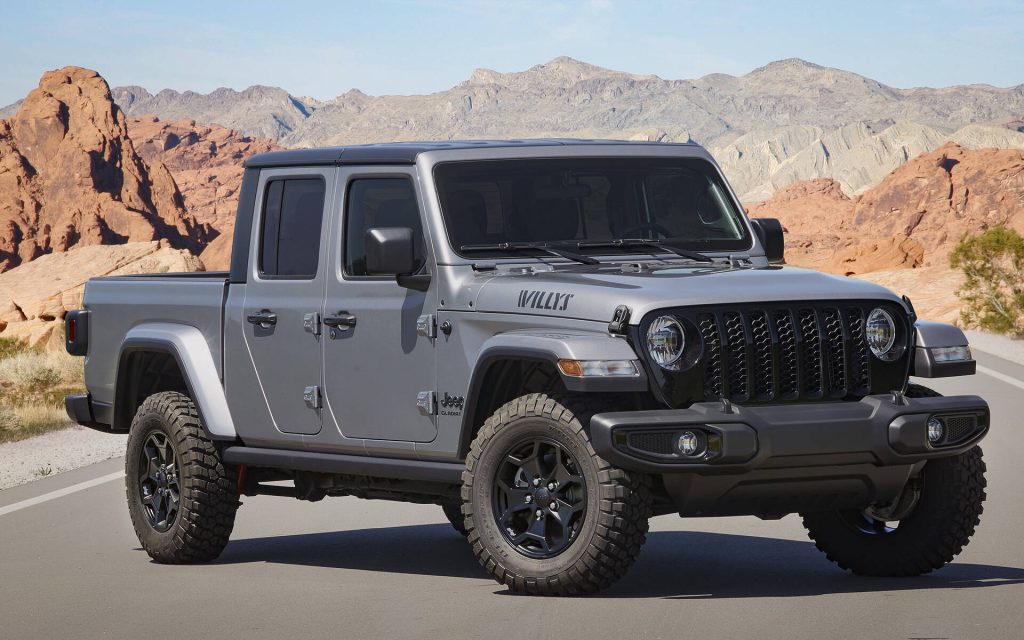
These areas are particularly vulnerable to corrosion if neglected, highlighting the importance of thorough washing routines.
While the Gladiator offers exceptional versatility and off-road capability, its exterior design introduces a maintenance challenge.
Knowing where debris tends to lodge allows owners to clean more efficiently and maintain the vehicle’s appearance. The Gladiator demonstrates how functional, rugged design often comes with the trade-off of increased detailing effort.
5. Mercedes-Benz G-Class
The Mercedes-Benz G-Class combines luxury styling with a boxy, angular exterior, resulting in multiple narrow crevices that make cleaning labor-intensive.
Wide fender flares, layered bumpers, squared-off edges, and exposed door hinges create pockets where dirt, mud, and water accumulate. Standard hosing often removes surface debris but cannot reach these tight areas effectively.
Wheel arches and running boards retain mud, while side mirror bases, grille slats, and headlight recesses trap dust and grime. The rear spare tire, tailgate hinge, and roof rails add additional areas that require careful attention. Rainwater or road dust can settle in these areas, leaving residue or streaks if not cleaned properly.
Owners of the G-Class report that maintaining its pristine appearance requires regular, detailed cleaning with brushes, pressure washers, and careful attention to the narrow crevices. The design prioritizes rugged luxury, off-road capability, and aesthetic presence, which inevitably increases maintenance demands.

While the G-Class is visually striking and highly functional, its multiple crevices require owners to invest time in proper cleaning. Understanding where dirt accumulates ensures thorough maintenance, preserving both the iconic look and structural integrity.
The G-Class exemplifies how luxury and rugged design features can complicate routine vehicle cleaning, emphasizing the importance of dedicated care.
Cleaning a vehicle is often considered a simple task, but for many models, exterior design can make it significantly more challenging.
The five vehicles highlighted in this section the Jeep Wrangler, Land Rover Defender, Ford Bronco, Jeep Gladiator, and Mercedes-Benz G-Class share a common trait: tight crevices, complex panel layouts, and layered trim that trap dirt, mud, and debris.
While these features are often integral to each vehicle’s ruggedness, styling, or functionality, they also create areas that require additional effort and attention during routine washing.
The Jeep Wrangler, for instance, is designed for extreme off-road capability. Its removable doors, exposed hinges, angular panels, and pronounced wheel arches create multiple spaces where dirt and mud accumulate.
Even a quick rinse fails to remove all the grime, as channels along the hood, fender seams, and tailgate pockets retain debris. Proper cleaning often requires detailing brushes or pressure washing to reach hidden spots and prevent buildup.
Despite these challenges, Wrangler owners accept the trade-off because the vehicle’s off-road performance and durability outweigh the extra maintenance.
Similarly, the Land Rover Defender features a boxy, layered exterior with fender extensions, roof rails, and complex bumpers. While these elements enhance off-road functionality and style, they create narrow gaps and recesses that trap dirt and water.
Wheel arches, side steps, grille slats, and headlight recesses are particularly difficult to access, requiring careful manual cleaning. Regular attention to these areas is necessary to avoid long-term residue buildup, staining, or corrosion, emphasizing the need for consistent maintenance routines.
The Ford Bronco incorporates angular bodywork, removable doors, and layered bumpers, which result in multiple hard-to-reach spaces. Recessed grille slats, hood seams, and tailgate areas collect debris that a standard hose cannot remove.
The exposed design maximizes off-road capability and rugged aesthetics but introduces additional cleaning effort. Owners must use detailing tools and strategic rinsing to ensure grime does not accumulate in these hidden crevices.
The Jeep Gladiator adds another layer of complexity with its pickup bed. Tailgate hinges, bed rails, exposed suspension components, and inner wheel wells accumulate dirt that cannot be removed by surface washing alone.
Cab corners, door hinges, grille slats, and layered bumpers all create small pockets where grime settles. Effective cleaning requires dedicated effort, highlighting the trade-off between the Gladiator’s versatility and its maintenance demands.
Finally, the Mercedes-Benz G-Class, a luxury off-roader, combines boxy styling with exposed hinges, squared edges, wide fender flares, and layered bumpers. These design choices create multiple narrow crevices where dirt, dust, and mud collect.
Wheel arches, running boards, grille slats, and roof rails retain grime that standard washing cannot address. Owners of the G-Class must devote time and care to clean these areas thoroughly, preserving both the vehicle’s aesthetic and its structural integrity.
Collectively, these five vehicles illustrate that rugged styling, functional components, and luxury details often come at the cost of increased cleaning effort. While surface rinsing removes obvious dirt, true maintenance requires attention to hidden spaces, specialized tools, and consistent care.
Understanding where grime tends to accumulate allows owners to adopt effective washing routines, preventing long-term damage, corrosion, or aesthetic decline. For these vehicles, the trade-off is clear: superior off-road capability, bold design, and unique styling require a commitment to detailed upkeep.
Owners who invest the time to clean these tricky crevices are rewarded with vehicles that maintain their appearance, durability, and performance despite the challenges posed by their complex exteriors.
Also Read: 5 Cars for Fresno Budget Buyers vs 5 That Hide Problems
