
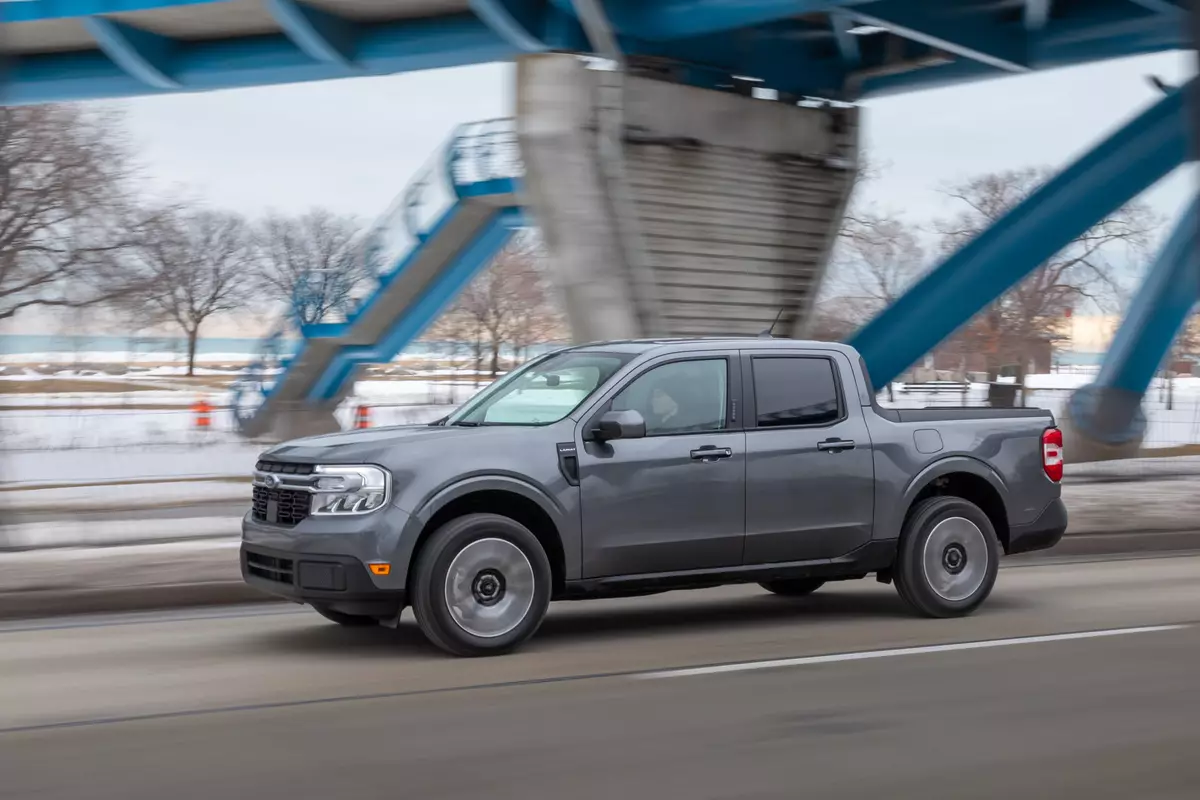
Recreational vehicle owners value freedom, and that freedom expands when a smaller car can travel along as a companion.
Many drivers want the ability to park their large motorhome at a campsite, then use a compact vehicle for errands, scenic roadways, or exploring towns where an RV would be too large.
However, the ability to tow a car behind an RV varies dramatically depending on the RV’s drivetrain and the transmission’s design. Some models are set up for reliable flat towing which allows all four wheels to remain on the ground while the RV pulls the vehicle along.
Others may only be towable if placed on a dolly that lifts the driven axle off the road. Some models require a full trailer which can quickly remove the simple, spontaneous spirit that RV travel represents.
The topic matters because RV owners face costly errors if the wrong car is chosen. Some transmissions can overheat and wear down permanently when pulled behind an RV unless specific procedures are followed.
Understanding which vehicles allow simple towing avoids frustrations, complex add-ons, and expensive damage. On the positive side, smart choices eliminate setup stress and keep adventures enjoyable.
This comparison sets out to show which vehicles have earned a reputation for simple towing and which ones prove more frustrating for RV owners. As interest in mobile lifestyles continues, more families are interested in vehicles that work well with motorhomes.
Awareness of the right pairings keeps travel smooth and prevents problems that show up miles away from a repair shop. Each model in this article is included because its real-world towing reputation affects RV owners who want clarity rather than confusion.
With this guidance, RV owners will feel confident about vehicles that match the lifestyle they are building around road travel.
Also Read: 5 Crossovers That Glide Over Speed Bumps vs. 5 That Thump Hard
5 Cars Easy To Tow Behind RVs
Simplicity stands out as one of the biggest advantages for RV owners when they choose a flat-tow friendly car.
A vehicle that connects directly to a tow bar without any complicated restrictions can save time during travel and reduce the stress that comes when technical procedures interrupt the fun.
Many of these vehicles also allow for quick detachment once the destination is reached, making them useful for everything from grocery runs to visits to scenic viewpoints.
The ideal flat-tow car has a drivetrain able to rotate safely while the RV pulls it, preventing internal wear. These choices are known for being compatible with a motorhome lifestyle without requiring expensive conversions.
The purpose of this section is to show vehicles that work well behind many RVs. These are models commonly chosen by owners who appreciate reliable towing. They are also selected due to their manageable weight which keeps demands on the RV lower.
Every vehicle mentioned here has built trust among travelers who spend long periods on highways where breakdown services can be limited.
RV enthusiasts often share guidance about which models deliver convenience and which ones lead to regrets. The vehicles chosen provide confidence, and that confidence becomes essential when far from home.
Each vehicle in this section offers key qualities that result in trouble-free towing: supportive gearing or a transmission that can remain safely neutral during movement, aftermarket compatibility with common tow bar equipment, and durability for repeated long-distance hauling.
The selection is balanced across different sizes and uses, giving options to families, couples, and solo travelers. Some prioritize toughness on rugged roads, while others offer small size that makes life simple once the RV arrives.
All earn recognition because they reduce complication and encourage more time spent enjoying travel rather than working around limitations.
1. Jeep Wrangler
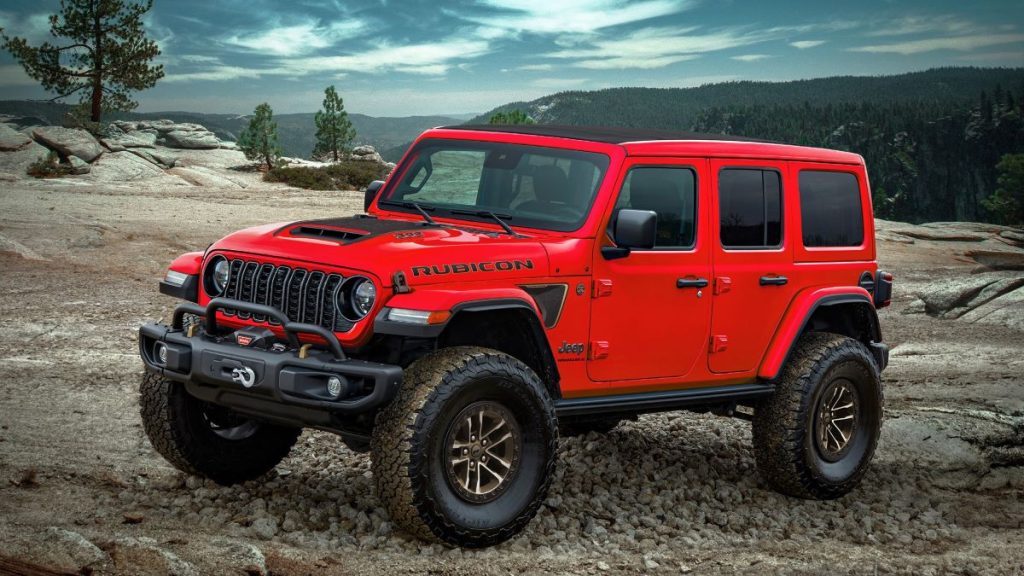
The Jeep Wrangler is one of the most popular vehicles chosen by RV travelers because its drivetrain supports flat towing without fear of damaging the transmission. This ability comes from its true four-wheel-drive system that includes a neutral position in the transfer case.
When placed correctly, the wheels spin freely without forcing internal components to move. That design makes this model one of the most trusted vehicles to connect to a tow bar. Many RV owners appreciate how the Wrangler brings excitement once they reach their destination. It can take travelers where an RV cannot, including dirt roads, rocky trails, and steep terrain.
One reason this vehicle fits this list is reliability. Community discussions among RV enthusiasts repeatedly mention extremely positive experiences towing Wranglers for thousands of miles. Installation of required tow hardware is easy because accessory manufacturers fully support this model.
Braking systems that synchronize with the motorhome are also affordable due to broad compatibility. The Wrangler has become a preferred selection because the process is well documented and tuning the setup is straightforward.
This vehicle also adds lifestyle value. RV travelers commonly seek nature-focused destinations, and the Wrangler allows drivers to climb hills or travel down rough national park paths without hesitation.
Its removable roof sections and doors let passengers enjoy open air environments during side trips. Fuel economy is not its strongest characteristic, but the convenience of towing means most miles come from the RV instead of the Jeep engine.
Drivers who want a dependable vehicle that enhances adventure appreciate how the Wrangler combines towing friendliness with versatility.
Choosing a Wrangler means fewer headaches and more time appreciating experiences that motorhomes make possible. It stands as a top example of a car designed in a way that supports both travel and fun with no confusing methods required.
2. Ford Maverick Hybrid
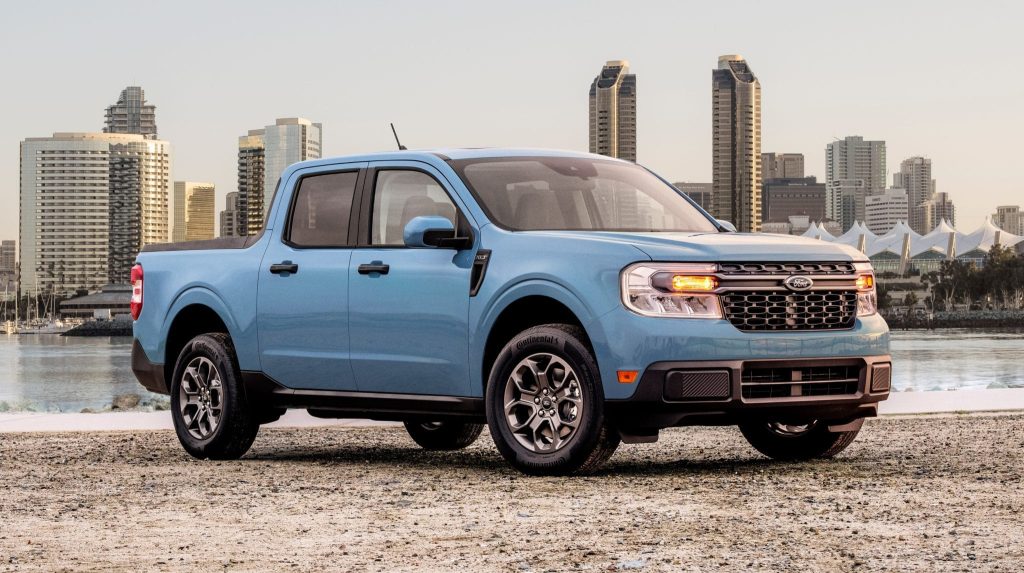
The Ford Maverick Hybrid earned inclusion because it is lightweight and approved for flat towing under specific conditions that are easy to follow. RV owners appreciate the practicality the Maverick provides, as it offers the cargo capacity of a pickup truck in a compact size.
That size matters because it keeps stress off the RV when traveling long distances. Many owners travel with bicycles, outdoor gear, or cargo boxes, and the Maverick bed supplies room for items that might clutter the RV interior.
Hybrid technology can sometimes cause towing complications in modern vehicles, but Ford engineered the Maverick Hybrid with a transmission able to handle rolling movement when placed correctly.
Ford also offers guidance for RV owners, including procedures that prevent internal components from warming up. With proper setup, the motorhome handles the heavy work, and the Maverick remains ready for driving around destinations.
Another reason the Maverick Hybrid fits this topic is cost-effectiveness. A number of RV owners buy vehicles specifically for towing, and some larger towable SUVs and trucks exceed budgets.
The Maverick provides affordability while maintaining strong utility. It gives families flexibility without choosing a larger pickup that would weigh significantly more for the RV to pull.
Ford offers widely available towing equipment, making this model convenient for installation. Replacement parts and service access are found almost everywhere, which reassures owners who travel through remote areas.
Once detached from the RV, the Maverick becomes extremely useful for errands or short scenic drives. Its efficiency keeps fuel costs reasonable during these trips.
The Maverick Hybrid stands out because it balances capability, price, fuel economy, and towing friendliness. Those benefits make it a practical choice that supports both travel convenience and daily utility once the campsite becomes home for a while.
3. Mini Cooper Hardtop
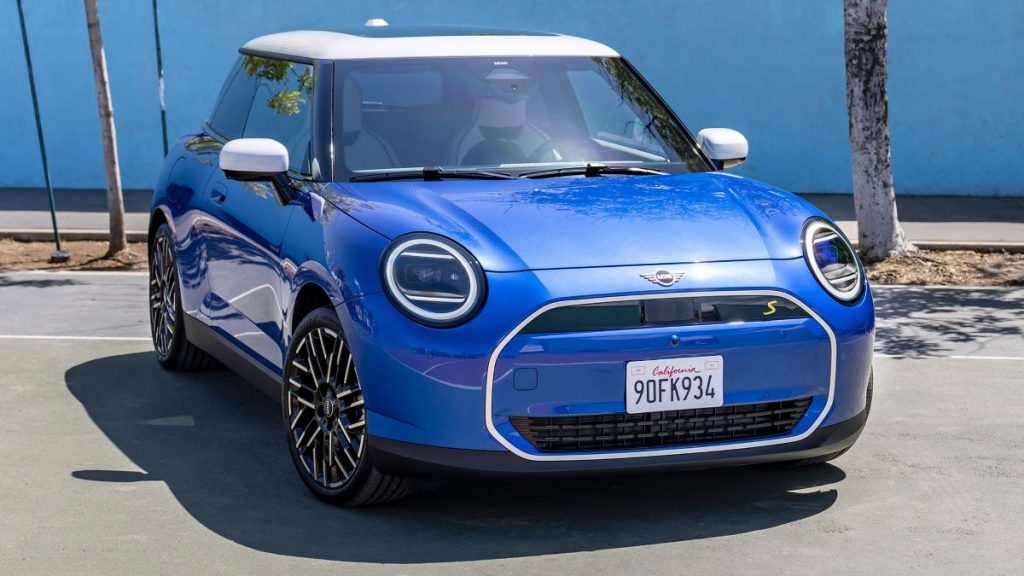
The Mini Cooper Hardtop is commonly praised by RV owners who want a towable car that adds fun. Its small size makes it ideal for maneuvering cities or narrow attraction areas where an RV would be challenging to park.
Weight is a major advantage, since the Mini Cooper places little strain on the RV. Many models come with manual transmissions, and that feature alone makes flat towing simple because the gears stay disengaged while rolling.
This car is included because it complements the travel experience with enjoyable driving when the RV is parked. Many travelers choose destinations where winding roads provide beautiful scenery.
The Cooper responds with a sporty feel and supportive handling. Its design becomes a benefit during side trips that reward precise and nimble movement. For couples or single travelers, seating and storage are more than enough.
RV owners often mention satisfaction with how quickly they can attach or remove the Mini from a tow bar. Accessories and installation support are widely available. Because the Mini is popular worldwide, service networks and parts availability remain strong even when traveling far from major cities. Confidence increases when the risk of tow-related problems is low.
The compact nature of the Mini Cooper also helps when staying in campgrounds where space is limited. Parking becomes simpler, and the car fits easily beside the RV. The lightweight build lowers fuel usage on short trips and decreases wear on the RV’s engine during towing. Though the cargo area is small, most travelers use the RV for supplies anyway.
Calling the Mini Cooper Hardtop a good match for RV towing highlights the charm it brings to exploration. It contributes joy to daily travel without adding towing complexities. The result is a straightforward solution that enhances mobility and adventure with a playful personality at every stop.
4. Honda Fit
The Honda Fit is known for delivering surprising space within a compact car, making it practical once separated from the RV. Manual transmission versions are especially tow friendly, and the Fit remains popular among RV owners looking for reliability.
Honda built this vehicle with a durable drivetrain, which helps prevent issues during long distance towing. The Fit stands out because it brings value to everyday use as well as recreational travel.
One key benefit is fuel efficiency. When visiting local shops or taking sightseeing excursions away from the RV, the Fit consumes very little fuel. This advantage saves money during extended trips.
The interior design with Honda’s Magic Seat system gives options to fold seats flat or create additional height for luggage. Even bulky items like camping gear or foldable bikes can fit comfortably. That usefulness means families do not need a larger car to serve basic needs once they reach a campground.
Tow bar hardware and base plates are easy to find for this model. The installation process usually goes smoothly because equipment manufacturers fully support it. Many RV owners appreciate that the Fit rarely surprises them with mechanical concerns. Known dependability helps reduce worry when far from main service centers.
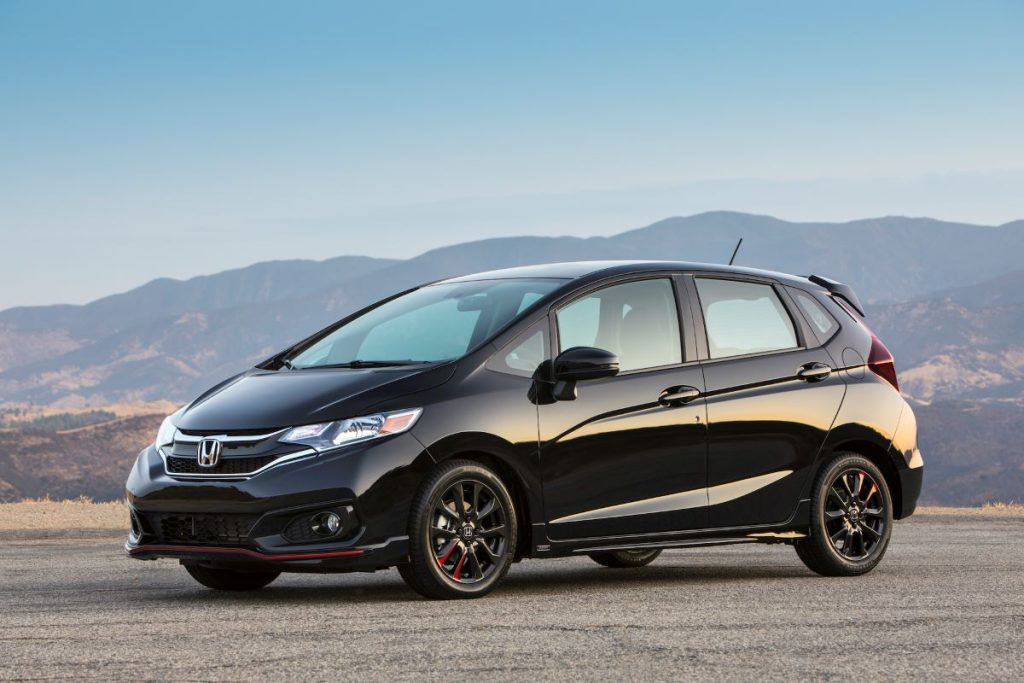
This vehicle also maintains high resale value, which is an important factor for those who may upgrade later. Safety technology and smooth handling provide comfort for everyday drives. The small size means campsite maneuvering is stress free, and it fits easily behind even modestly powerful motorhomes.
By including the Honda Fit in this list, attention goes to a model that combines dependability and practical towing ability without demanding a large budget. Families and travelers benefit from a car that is easy to manage in every way. The Fit delivers simplicity, affordability, and trustworthiness that match the RV lifestyle perfectly.
5. Subaru Crosstrek
The Subaru Crosstrek earns appreciation among RV travelers because all-wheel drive is standard and well suited to a variety of destinations. Certain configurations allow flat towing when supported by recommended procedures, especially with manual transmission versions.
This ability makes the Crosstrek a strong partner for travel, providing security on paved roads and capability on rougher paths near campsites and scenic areas.
The Crosstrek is included because it enhances travel beyond the reach of the RV. Many drive into national forests or mountainous regions where traction matters.
Its ground clearance supports this purpose and helps travelers reach locations that a smaller commuter car might struggle with. The Crosstrek also offers good fuel efficiency for a vehicle that can manage so many road conditions.
Interior comfort is another strong point. When driving from the campsite to attractions, passengers remain relaxed thanks to supportive seating and smart layout.
The model supplies enough cargo space for items that do not fit easily inside the RV or need to be transported frequently. Even though it offers versatility, weight remains reasonable, and that helps when the RV pulls it for long periods.
Aftermarket towing parts are easy to acquire because the Crosstrek has become popular in towing discussions among RV owners.
The process of setting up the vehicle for towing is well documented. Peace of mind is important on long journeys, and this car has a reputation for long-term durability and consistent performance.
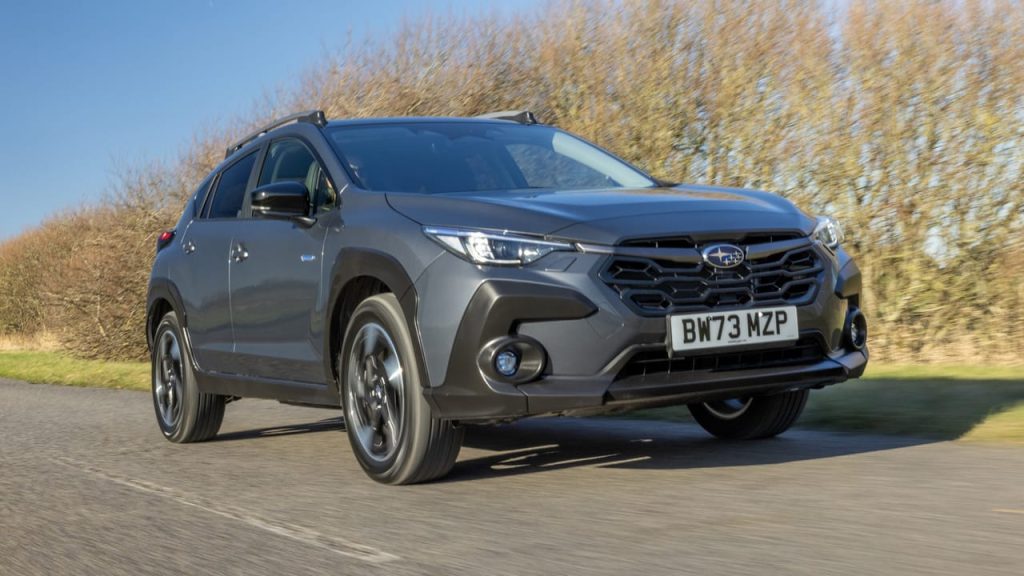
Choosing the Crosstrek means selecting a car that respects the spirit of adventure without restricting destinations. The model supports exploration of uneven ground once the RV is parked.
Owners can count on having a vehicle ready for outdoor activity while still being convenient and efficient in towns or suburban areas. Its useful balance puts it among the best options for RV travelers.
5 Cars With Complicated Setups
Not all modern vehicles cooperate smoothly with towing behind an RV. Many contain advanced drivetrains that depend on constant lubrication through internal pumps powered by their own engines.
When a vehicle moves without its engine running, gears or electric motors may spin incorrectly, causing heat buildup and long-term damage. A number of popular SUV and crossover models come with these challenges.
They require towing methods that are more troublesome than a simple tow bar. Some must ride on a dolly to prevent drivetrain stress. Others only remain safe when placed entirely on a trailer, which adds weight, cost, and complexity that many RV owners would rather avoid.
The purpose of this section is not to criticize the vehicles but to make RV buyers aware of technical limitations that influence real travel decisions. Manufacturers build vehicles for everyday driving, and towing behind an RV is a specialized need.
When a traveler reaches an attraction or campground, they want quick access to the car that accompanies them. Methods that involve unloading a trailer or dealing with equipment for every hookup reduce convenience. They take valuable time away from enjoying the destination.
Problems can arise when assumptions are made about a vehicle’s towing compatibility. Some owners have learned through costly repairs that certain modern drivetrains are not built to roll while powered off.
Even with accessories designed to help, complications may continue to appear. Cars placed in this list require additional attention or equipment that make them less supportive of the carefree travel goals many RV owners prefer.
This section aims to help avoid mismatches between RVs and cars. Awareness keeps people from discovering towing complications once already far from home. The best RV experience comes from choosing a companion car that fits the travel mindset, not one that introduces constant worry or extra procedures.
1. Tesla Model Y
The Tesla Model Y offers advanced technology, strong driving range, and instant torque. Those strengths contribute to everyday driving but introduce substantial hurdles for towing behind an RV.
Electric vehicles rely on complex electric motors connected directly to the driven wheels. When those wheels turn without the vehicle powered on, components inside the drivetrain can operate without proper lubrication. This risk is why Tesla advises against flat towing. Motorhomes cannot safely pull a Model Y without lift support.
Dolly towing does not help in this case because both axles are connected to electric drive systems. The only safe method is placing the Model Y entirely onto a trailer that lifts all four wheels off the ground.
While trailers are available, they increase weight by a significant amount. Many RV owners must reconsider their towing capability because the total trailer plus vehicle load becomes quite heavy. Weight concerns influence braking distances, fuel use, and stability during crosswinds.
Another complication comes from the Model Y’s regenerative braking system and technology sensors. Rolling movement without power can confuse system monitoring and lead to fault warnings. People who travel long distances do not want unexpected alerts or the need for equipment resets after towing.
Charging needs also affect travel planning. RV drivers who take remote routes or boondocking trips sometimes lack access to charging stations.
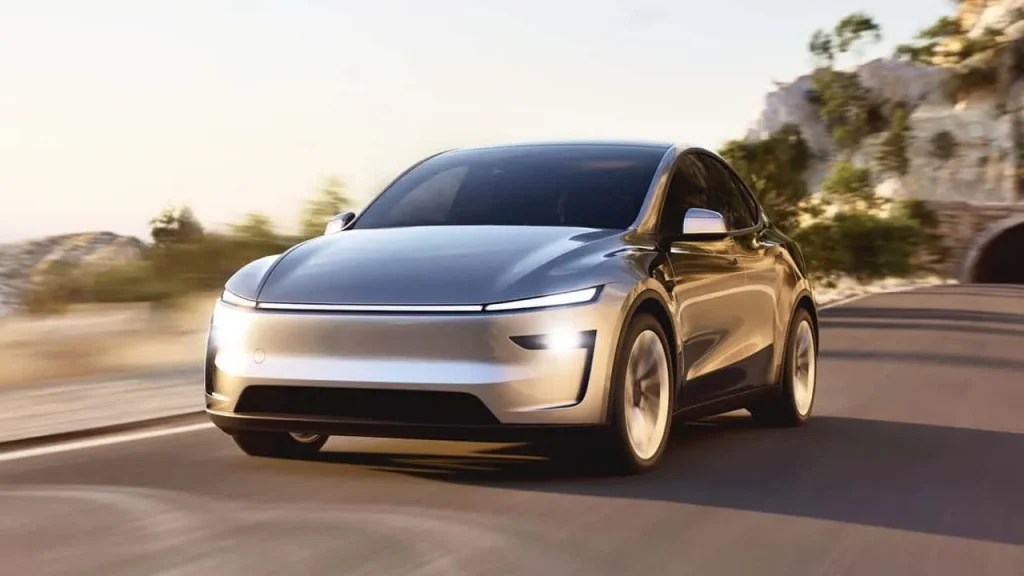
Having a vehicle that needs a stable power source in locations that may be miles from resources adds stress. For these reasons, the Model Y is not a supportive travel companion for towing behind an RV even though it excels as a daily driver.
Those who select vehicles specifically for RV travel want convenience and confidence. The Model Y demands careful planning, additional equipment, and concern about potential drivetrain harm. These complications remove the spontaneous nature that RV adventures promise.
2. BMW X5
The BMW X5 delivers luxury comfort and refined performance, but its drivetrain is not suited for simple towing behind an RV. BMW designed the transmission to operate only while fluid pumps are running.
When the engine remains off and the wheels rotate, the internal lubrication cannot circulate, which risks overheating and damage.
The X5 lacks a safe method to place its system in a neutral position that disconnects drivetrain rotation from the wheels. This limitation places it on the list of vehicles requiring careful transport arrangements.
RV owners who still want to bring an X5 must rely on a full trailer. Dolly towing also fails because most versions power multiple wheels.
The weight of the X5 plus the trailer creates serious demands on the RV’s towing capacity. Many motorhomes cannot support such a load without upgrades. Because weight affects handling, drivers may feel less stable when dealing with wind or tight highways.
The X5 includes expensive sensors and suspension components that need protection from unusual movement. Even tiny errors during the towing process can lead to costly repairs.
Service centers for precision European parts may not be near popular travel regions, creating further inconvenience during extended road trips. These risks add anxiety to adventures that should remain comfortable and worry free.
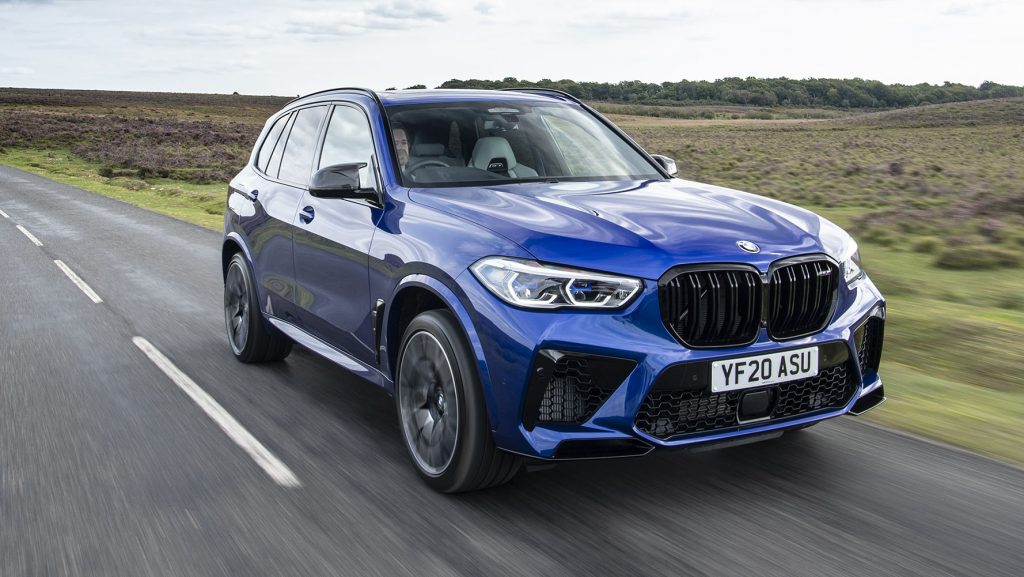
Luxury buyers expect advanced features, and the X5 provides them beautifully on regular roads. However, the complexity attached to its drivetrain reduces flexibility for RV pairings.
While excellent at long drives once powered, it constraints how easily it can reach remote areas where the RV parks. Owners who value ease of towing often look for lighter models with drivetrains specifically designed to handle rolling motion.
The X5 remains impressive but not a friend to the backup travel style that RV enthusiasts enjoy. Its engineering priorities simply differ from those needed for flat towing convenience.
3. Mercedes GLC
The Mercedes GLC offers upscale style and strong comfort, yet shares many of the same towing limitations the BMW X5 faces. The modern automatic transmissions used in the GLC rely on internal lubrication that only works correctly when powered by the engine.
With the vehicle turned off, allowing its wheels to rotate under RV power can cause internal friction leading to damage. Because of this, flat towing is not supported on common configurations of this model.
Even dolly towing remains problematic. Many versions of the GLC come with all-wheel drive systems that engage multiple wheels. Lifting only one axle leaves components spinning incorrectly.
A full trailer becomes the only safe solution, introducing extra steps every time the vehicle must be hitched or released.
This makes campground arrival more labor intensive than necessary. When traveling daily, every additional minute spent preparing equipment removes enjoyment from the trip.
Weight adds further challenge. The GLC weighs more than many towable compact SUVs, and attaching it to a trailer pushes the total load higher than many motorhomes prefer.
RV owners who value smooth driving conditions recognize the impact of every additional pound. Safety also becomes a concern because emergency stopping distances and turn control change when a heavy load follows behind.
The GLC shines when used as a luxurious independent transportation option. It gives passengers quietness and refinement that creates pleasant urban and highway experiences.
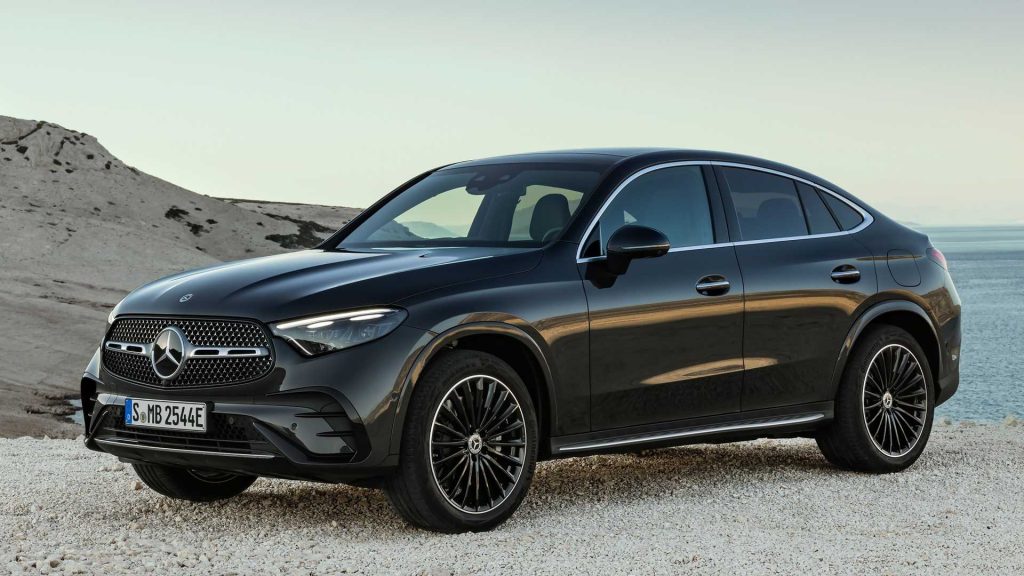
However, its engineering goals do not match the requirements of an RV companion vehicle. If a traveler wants the convenience of flat towing or quick hookups, this model introduces obstacles.
Those who plan their adventures around freedom typically choose a car that simplifies movement. The GLC demands planning, equipment, and caution, turning an easy task into one that constantly needs attention. This puts it on the complicated side of RV towing choices.
4. Toyota Prius
The Toyota Prius is known for astonishing fuel savings during everyday commutes, but its hybrid system creates towing barriers when paired with RVs. Inside its design, electric motors and the internal combustion engine share responsibilities during movement.
The complex planetary gearset used in this vehicle does not allow the wheels to turn freely when the car is powered off. Rolling the Prius without proper lubrication can damage critical components. Toyota states that the Prius should not be flat towed, as the risk of harm is too great.
Some RV owners consider using a dolly for towing, but that does not solve the challenges fully. The driven wheels must be lifted off the road, yet the structure of the hybrid system means procedural steps are still necessary. Even with attention to detail, mechanical stress may remain. This makes the Prius a questionable partner for long towing miles.
A full trailer becomes the reliable solution. Trailer towing introduces additional cost, storage complications, and added weight that many RVs struggle to manage. Setting up and securing a trailer requires time that travelers might rather spend relaxing.
A Prius used on an everyday basis remains an excellent city commuter, but it does not blend smoothly into the towing lifestyle that many RV enthusiasts embrace.
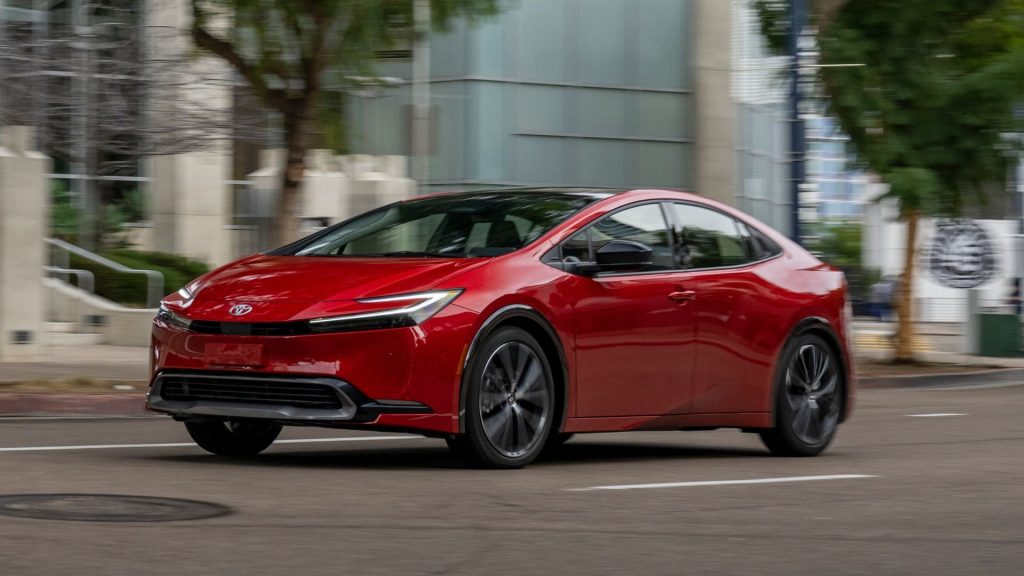
The Prius remains popular among those who appreciate environmentally friendly technology. However, long RV trips often include destinations without convenient charging or fuel stations oriented toward hybrid systems. RV travelers prefer confidence knowing their extra vehicle can remain mechanically safe in every condition.
By placing the Prius in this section, the focus centers on preventing expensive repairs and avoiding unsuitable towing techniques. This hybrid can serve wonderfully when driven independently but introduces concerns that conflict with stress-free travel paired with an RV.
5. Nissan Pathfinder
The Nissan Pathfinder brings family capabilities with three rows of seating and a strong presence on road trips. Yet these qualities do not translate into simple towing behind an RV. Most Pathfinder models come with continuously variable transmissions.
CVTs depend on belt-driven mechanics that require constant lubrication and controlled tension, only maintained when the engine runs. If the wheels rotate while powered off, internal components may wear rapidly, leading to significant transmission repairs.
Flat towing is not recommended by Nissan for common production years. The vehicle does not offer a transfer unit capable of fully disconnecting the drive wheels. Therefore, attaching the Pathfinder directly to an RV risks breakdowns far from service facilities.
RV drivers who want to bring this SUV with them must use either a dolly or full trailer. Dolly towing only works when the front wheels lift off the road and even then demands cautious handling.
The weight of the Pathfinder challenges RVs that do not come with strong towing ratings. Trailer systems add even more bulk. These added demands reduce fuel efficiency for the RV while placing strain on braking systems during steep descents or quick stops. This takes away from smooth travel and can raise safety concerns.
Families appreciate the Pathfinder once they arrive at destinations, since seating room and practicality make errands easy.
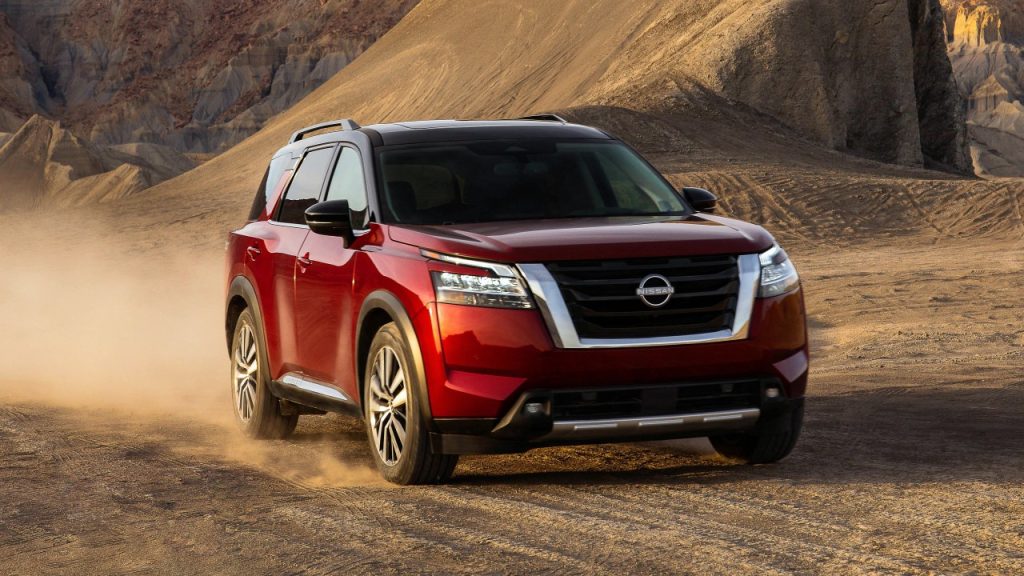
That convenience is overshadowed by towing complications that increase workload and require careful planning. Many owners want a vehicle that can detach quickly when the campground gate appears ahead.
By listing the Pathfinder here, attention helps RV users avoid frustration. Its drivetrain serves family life well but does not meet expectations for easy RV towing. Travelers deserve a vehicle that encourages freedom instead of adding heavy equipment and maintenance concerns along the road.
Also Read: 5 Sedans With Knee Banger Back Seat Vs 5 Alternatives
