
When it comes to family transportation, few things are as important as a peaceful cabin environment, especially for passengers in the back seats.
Road noise the constant drone of tires meeting pavement, wind buffeting the vehicle, and vibrations from the suspension can transform a pleasant road trip into an exhausting ordeal.
For parents with young children trying to nap, professionals taking conference calls, or anyone who simply values tranquility during their commute, a quiet crossover isn’t just a luxury; it’s a necessity.
Modern crossovers have evolved significantly in their ability to isolate passengers from the chaos of the outside world. Through advanced acoustic engineering, strategic sound-deadening materials, and sophisticated chassis designs, today’s best crossovers create serene sanctuaries on wheels.
These vehicles employ multiple layers of defense against noise intrusion, including acoustic glass, foam-filled body pillars, active noise cancellation systems, and precisely tuned suspension components that minimize road imperfections from telegraphing into the cabin.
The challenge of keeping the back row quiet is particularly demanding. Third-row seats sit closer to the rear axle and tire wells, where road noise naturally concentrates.
Additionally, the distance from the engine and front-mounted sound insulation means rear passengers are more exposed to noise entering from below and behind the vehicle.
Manufacturers that excel in this area have invested heavily in underbody treatments, enhanced rear wheel well insulation, and thick carpeting with multiple underlayers specifically designed to protect those in the way-back.
This comprehensive guide examines nine crossovers that have mastered the art of acoustic refinement, with particular attention to how well they protect rear-seat passengers from road noise.
We’ve considered vehicles across various price points and size categories, from compact luxury models to full-size family haulers.
Each vehicle on this list has earned its place through a combination of superior engineering, quality materials, and real-world performance that keeps conversations clear and nerves calm, even on rough pavement at highway speeds.
Whether you’re shopping for a premium luxury crossover or seeking the quietest option in the mainstream market, these nine vehicles represent the pinnacle of cabin tranquility.
1. Audi Q7
The Audi Q7 stands as a benchmark for acoustic refinement in the three-row crossover segment, delivering library-like quietness that extends all the way to the third row.
Audi’s obsessive attention to detail in noise suppression begins with the vehicle’s architecture and extends through every surface, seal, and component.
The result is a crossover that makes highway cruising feel like gliding through a sensory deprivation chamber in the best possible way.
At the heart of the Q7’s impressive noise control is Audi’s use of acoustic laminated glass throughout the cabin, not just on the windshield. This double-paned glass with a sound-dampening layer sandwiched between effectively blocks high-frequency wind noise and external sounds.
The doors themselves are engineered with multiple seals and substantial sound-deadening materials that create an almost vault-like solidity when closed.
Body cavities are filled with expanding foam that hardens to block potential noise transmission paths, while the floor pan features extensive underbody panels that smooth airflow and prevent road noise from entering the cabin.
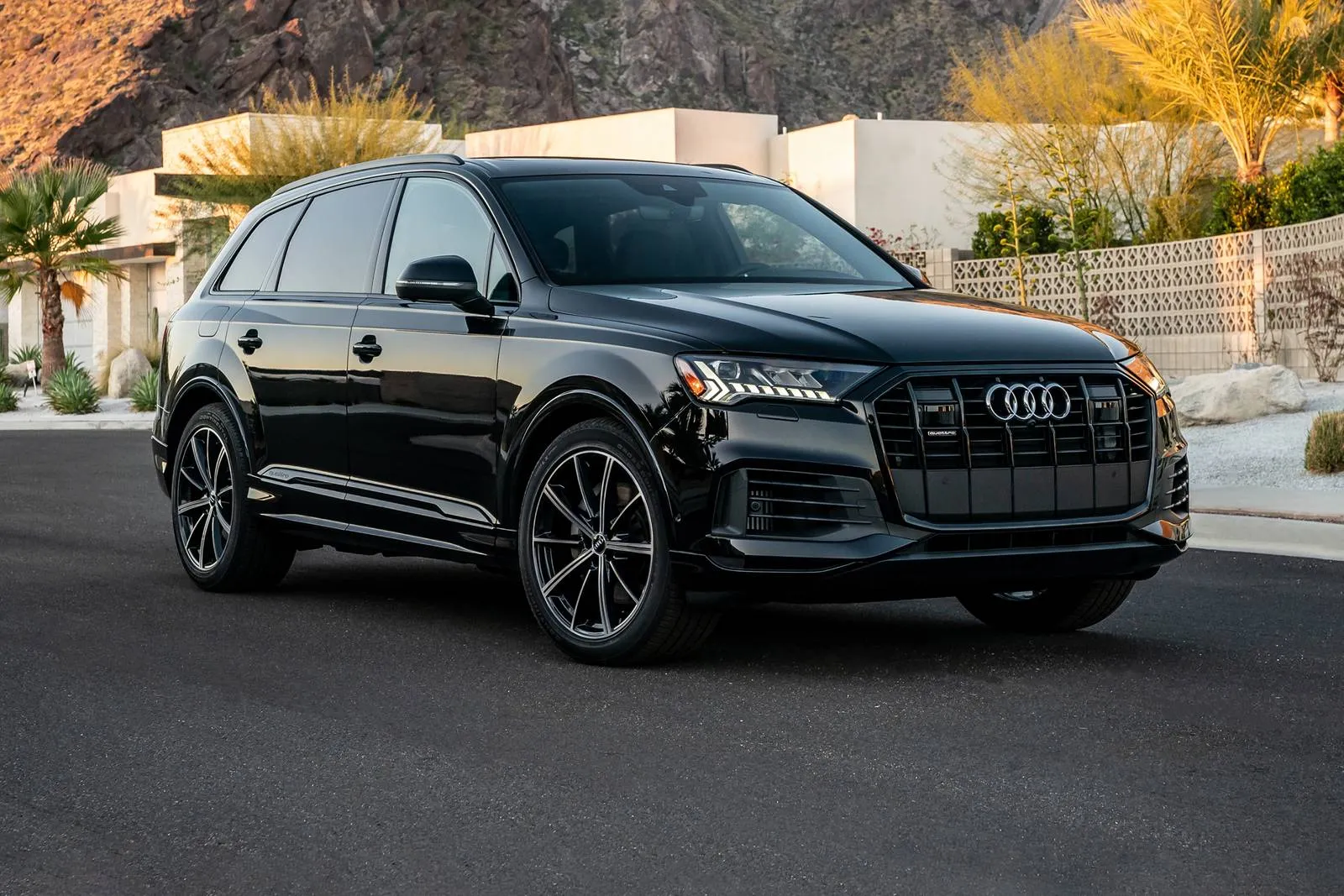
The Q7’s suspension system plays a crucial role in maintaining quietness for rear passengers. The available adaptive air suspension doesn’t just improve ride comfort it actively minimizes the transmission of road irregularities that would otherwise create noise.
The system continuously adjusts damping rates to isolate the cabin from pavement imperfections, preventing the jolts and thuds that typically plague third-row passengers in lesser vehicles. Even on coarse concrete highways or rough asphalt, the Q7’s rear seats remain remarkably composed.
Inside, Audi has strategically placed additional sound absorption materials in the headliner, door panels, and cargo area. The rear wheel wells receive special attention with thick insulation that prevents tire roar from invading the third row.
The result is measurable: independent testing has recorded interior sound levels in the Q7 at just 66 decibels at 70 mph, quieter than many luxury sedans.
For families, this means children can actually sleep in the third row during long trips, and adults can hold normal conversations without raising their voices.
The Q7 proves that three-row practicality doesn’t require compromising on the serene, sophisticated atmosphere Audi customers expect.
2. Lexus RX
Lexus built its reputation on delivering serene cabin environments, and the RX crossover exemplifies this core competency with exceptional noise insulation that protects all passengers, including those in the optional third row of the RX L model.
The Japanese luxury brand’s approach to quietness is methodical and comprehensive, treating noise suppression as a holistic challenge rather than simply adding more insulation. This philosophy results in a crossover where external noise seems to simply vanish the moment you close the doors.
The RX employs what Lexus calls “noise reduction optimization,” which involves computer modeling of every potential noise path and systematically addressing each one.
This begins with the structure itself high-strength steel members in key locations reduce flex and vibration that would otherwise transmit noise.
The body-on-frame-like rigidity of the RX’s platform provides a solid foundation that prevents the drumming and resonance common in less rigid structures.
Lexus engineers then layer sound-deadening materials strategically rather than simply adding mass everywhere, focusing on areas where noise intrusion is most problematic.
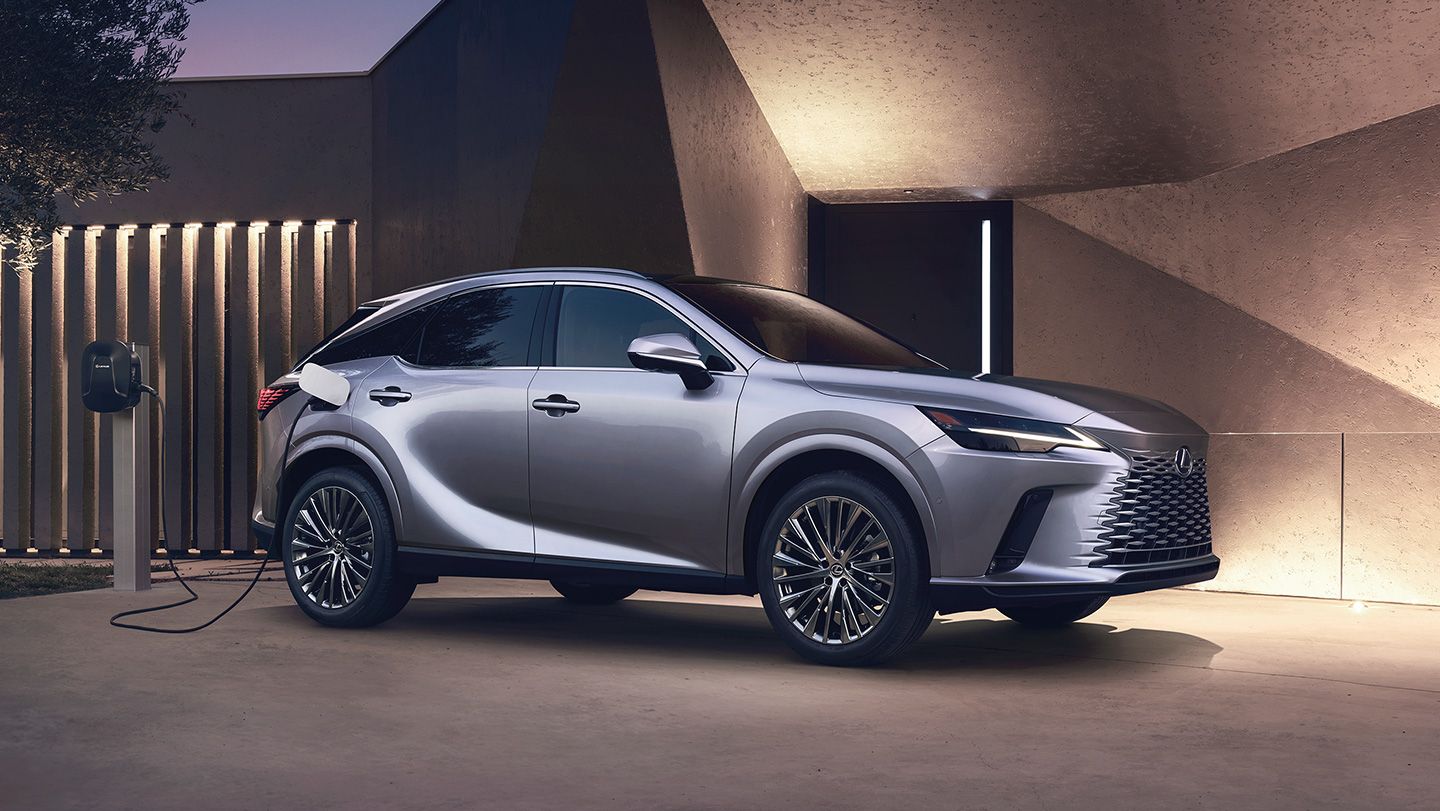
For rear passengers specifically, the RX benefits from Lexus’s attention to the rear wheel wells and cargo floor. Thick, multi-layer insulation in these areas creates a barrier against tire noise, while the rear suspension mounting points include isolation bushings that prevent vibrations from entering the cabin structure.
The result is that even passengers in the third row of the RX L experience a remarkably quiet environment, with none of the harsh tire roar or suspension noise that typically affects rear-most seats.
The RX’s powertrains contribute to the quiet experience as well. Both the turbocharged four-cylinder and hybrid variants are exceptionally refined, with sound-absorbing materials in the engine bay preventing mechanical noise from intruding.
The hybrid model is particularly impressive, operating in electric mode frequently and nearly silently in city driving. At highway speeds, wind noise is virtually absent thanks to carefully sculpted mirror designs and door seals that maintain their effectiveness even after years of use a hallmark of Lexus quality.
Owners consistently report that their RX remains as quiet after 100,000 miles as it was when new, a testament to the durability of Lexus’s noise-suppression engineering.
For families seeking both legendary reliability and a peaceful environment for rear-seat passengers, the RX delivers both without compromise.
3. BMW X7
The BMW X7 represents the German automaker’s most ambitious effort to combine sporty handling with uncompromising luxury and exceptional cabin quietness.
While BMW is traditionally known for driving dynamics, the X7 proves that athletic handling and a whisper-quiet cabin aren’t mutually exclusive.
This full-size luxury crossover employs cutting-edge technology and premium materials to create an environment where road noise is virtually eliminated, even for third-row passengers who often feel every bump and hear every pebble.
BMW’s approach with the X7 includes extensive use of acoustic glass not just in the windshield but also in the front side windows and even available for the rear.
This laminated glass dramatically reduces high-frequency noise from wind and traffic. The doors are engineered with triple weather seals that not only keep out water and drafts but also create an airtight barrier against sound.
When you close an X7’s door, the solid thunk is accompanied by a noticeable drop in ambient noise, similar to entering a luxury hotel suite.
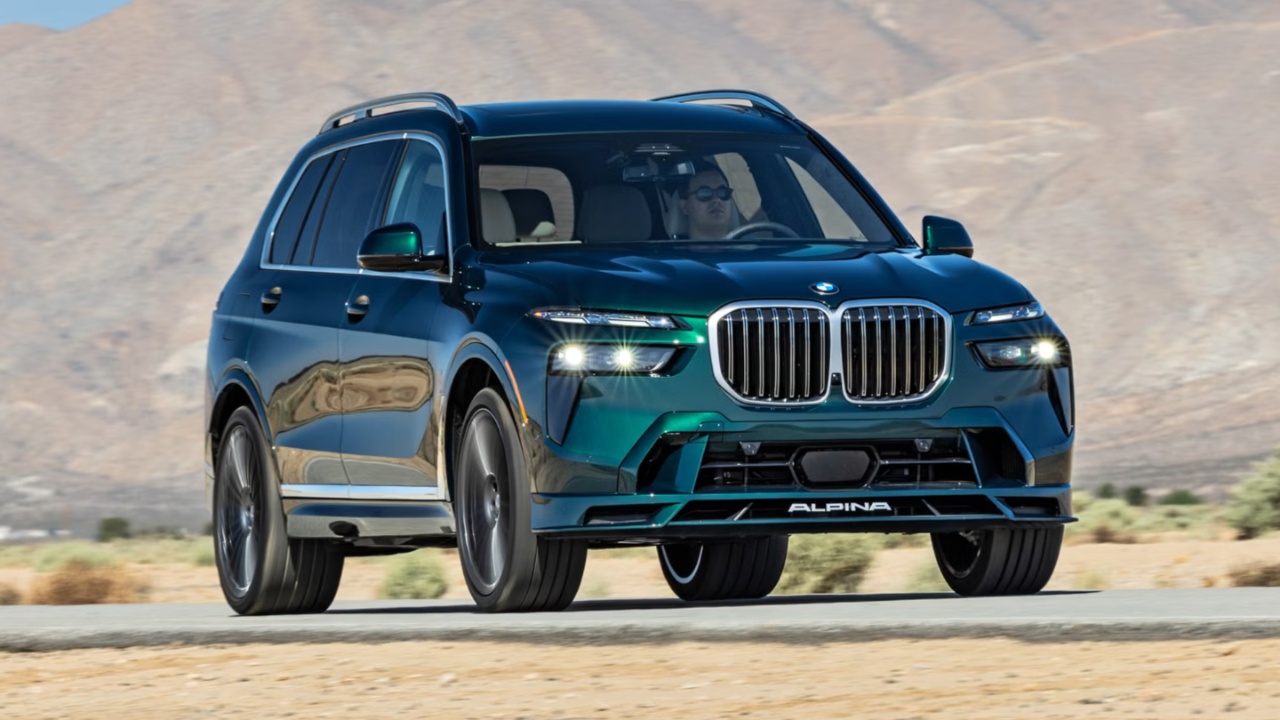
The X7’s body structure incorporates aluminum and high-strength steel in a carefully orchestrated combination that minimizes weight while maximizing rigidity. This rigidity prevents the flexing and vibration that creates secondary noise inside the cabin.
BMW fills strategic body cavities with sound-absorbing foam that expands during manufacturing to fill gaps where noise might otherwise intrude. The floor pan features multiple layers of insulation and acoustic matting, with extra attention paid to areas beneath the second and third rows.
Perhaps most impressively, the X7 offers an available Executive Drive Pro suspension system that uses road-preview cameras and GPS data to adjust damping before the wheels even encounter irregularities.
This predictive system minimizes the jolts and thuds that create noise in the cabin. For rear passengers, this means approaching a pothole doesn’t result in a jarring bang instead, the suspension absorbs the impact so smoothly that occupants barely notice.
Combined with active noise cancellation that uses the audio system to broadcast sound waves that cancel unwanted frequencies, the X7 creates an almost eerie silence at highway speeds.
Third-row passengers can enjoy conversations at normal speaking volumes even at 80 mph, and children sleeping in the back remain undisturbed even on less-than-perfect roads. The X7 demonstrates that BMW’s engineering excellence extends far beyond handling dynamics.
4. Genesis GV80
The Genesis GV80 has rapidly established itself as a legitimate competitor to established luxury brands, and nowhere is this more evident than in its exceptional cabin quietness.
Hyundai’s luxury division applied everything learned from decades of studying premium competitors, then added innovations of its own to create a crossover that rivals and in some cases exceeds vehicles costing significantly more. For buyers seeking a quiet cabin without the luxury brand premium, the GV80 represents an exceptional value proposition.
Genesis engineers approached noise suppression with the mindset that a luxury vehicle should feel like a sanctuary from the outside world. The GV80’s structure uses substantial amounts of high-strength steel and strategic bracing that creates a remarkably rigid foundation.
This rigidity prevents the body from acting as a sounding board for vibrations. The company then applied extensive sound-deadening materials throughout, with particular attention to the floor, firewall, and wheel wells.
The rear cargo area receives multi-layer acoustic treatments that prevent noise from entering through the tailgate area, a common weak point in lesser crossovers.
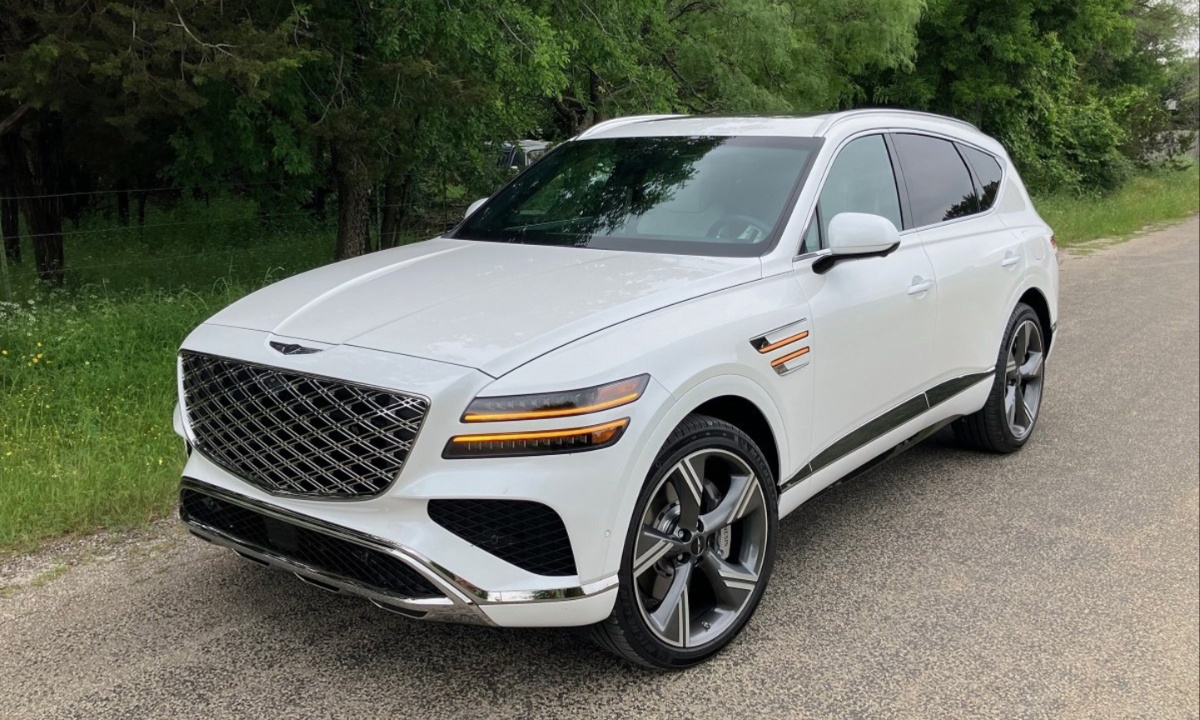
The GV80’s attention to detail extends to components most manufacturers overlook. Weather sealing around doors and windows uses premium materials that maintain their sealing properties across temperature extremes. The available acoustic glass package includes laminated glass for the windshield and front doors, dramatically reducing wind rush and external noise.
Even the side mirrors are aerodynamically optimized to minimize turbulence that would otherwise create wind noise at highway speeds.
Genesis also employed active noise cancellation technology that works through the premium audio system, using microphones to detect unwanted frequencies and broadcasting inverse sound waves to cancel them out.
For rear-seat passengers, the GV80 delivers an experience comparable to much more expensive vehicles. The second-row seats sit in a particularly quiet zone, benefiting from distance from both the engine and rear axle.
Third-row passengers in the GV80’s generous rear seats enjoy better noise isolation than in many competitors, thanks to extensive insulation in the rear quarter panels and wheel wells.
Road testers have measured interior noise levels in the GV80 at around 67 decibels at 70 mph quieter than some vehicles costing twice as much.
Genesis has also tuned the suspension to absorb impacts with a refinement that prevents harsh noises from entering the cabin. The result is a crossover that allows rear passengers to enjoy music, podcasts, or conversation at low volumes without straining to hear over road noise.
For families who prioritize quietness but balk at six-figure luxury SUV prices, the GV80 offers a compelling alternative that compromises nothing in acoustic refinement.
Also Read: 5 Hybrids That Save Money Fast vs. 5 That Take Too Long to Pay Off
5. Lincoln Aviator
Lincoln’s renaissance in recent years has been characterized by an unwavering focus on creating serene, luxurious environments, and the Aviator crossover represents the pinnacle of this philosophy.
This three-row luxury vehicle makes quietness a central feature of the ownership experience, treating noise suppression as a core element of American luxury rather than an engineering afterthought.
The Aviator’s cabin achieves a level of tranquility that rivals dedicated luxury sedans, creating a rolling sanctuary that protects all passengers from the outside world.
The Aviator’s quietness begins with Lincoln’s attention to wind noise, which often becomes the dominant sound source at highway speeds.
The crossover’s exterior design was refined in wind tunnels specifically to minimize turbulence around mirrors, windows, and roof rails.
Flush-mounted glass and carefully contoured body surfaces direct air smoothly over the vehicle, while acoustic seals around every opening prevent infiltration.
The available panoramic moonroof uses laminated glass that doesn’t sacrifice quietness for the open feeling customers desire. Even with the large glass area overhead, the Aviator remains remarkably quiet.
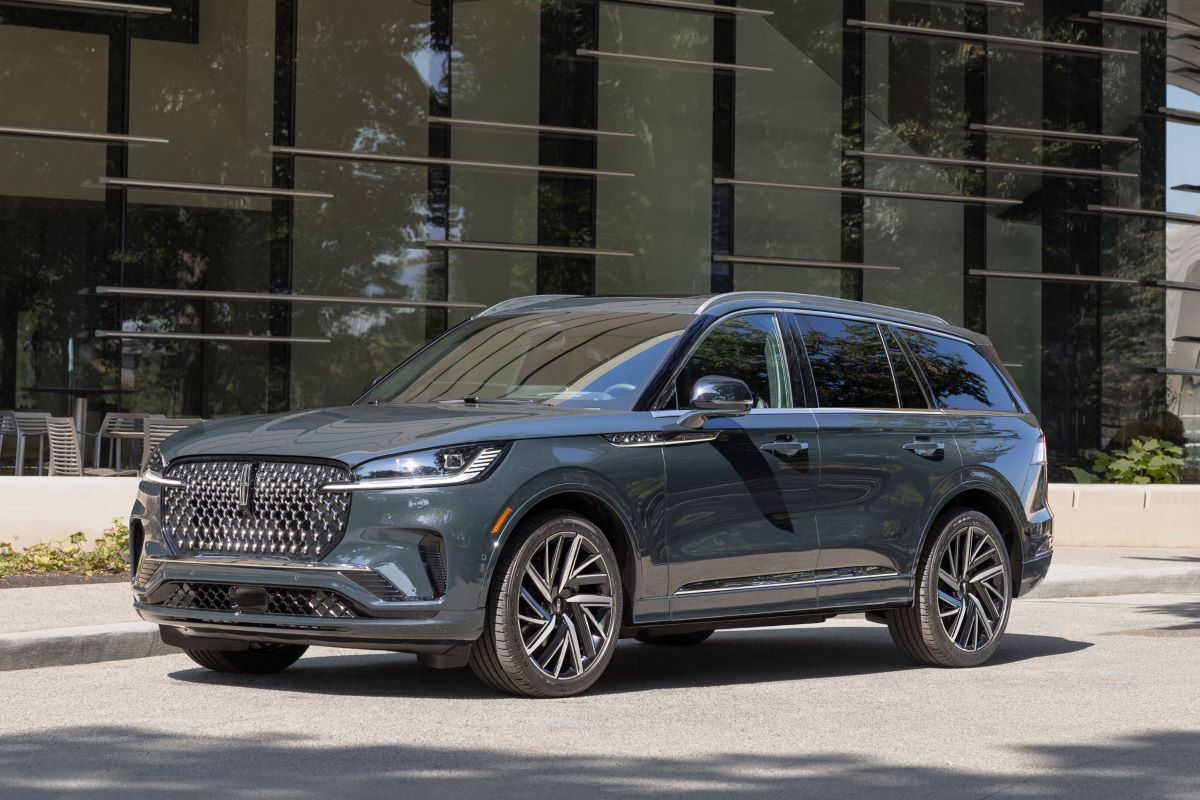
Lincoln refers to its comprehensive noise-suppression strategy as creating a “sanctuary” for occupants. This involves using over 20 unique sound-absorbing and sound-blocking materials throughout the vehicle.
The firewall uses multiple layers of acoustic barriers that prevent engine and road noise from entering the cabin. Underbody panels create a smooth surface that reduces turbulence-generated noise from the vehicle’s underside.
The Aviator’s doors incorporate thick foam cores and multiple seals that create an almost airtight barrier when closed. When you enter an Aviator and close the door, the outside world genuinely feels like it disappears.
For third-row passengers specifically, Lincoln has engineered the Aviator with extra insulation in the rear cargo area and wheel wells. The rear suspension uses isolated mounting points that prevent vibrations from transferring into the passenger compartment.
Lincoln’s available adaptive suspension with road-preview technology further enhances the experience by adjusting damping to minimize impacts before they can create noise.
The Aviator also offers an exceptional Revel Ultima audio system that doubles as an active noise cancellation system, using 28 speakers and sophisticated signal processing to eliminate unwanted frequencies.
Rear passengers benefit enormously from this technology, as the system specifically targets the low-frequency road drone that typically affects rear seats.
Independent measurements show the Aviator achieves interior sound levels as low as 65 decibels at highway speeds, placing it among the quietest vehicles in any category. For American luxury buyers who prioritize peacefulness, the Aviator delivers an experience worthy of its premium positioning.
6. Mazda CX-90
Mazda’s evolution from value brand to premium contender is exemplified by the CX-90, a three-row crossover that delivers noise isolation rivaling vehicles costing significantly more.
While positioned below traditional luxury brands in price, the CX-90 demonstrates that Mazda’s commitment to premium craftsmanship extends to acoustic engineering.
This crossover proves that exceptional quietness isn’t exclusively the domain of luxury badges, offering families an accessible option that doesn’t compromise on serenity for rear-seat passengers.
The CX-90 benefits from Mazda’s “Jinba Ittai” philosophy the idea of horse and rider as one which emphasizes creating a harmonious connection between vehicle and driver.
While this concept traditionally focuses on handling, Mazda recognizes that eliminating unwanted noise is essential to this harmony.
The CX-90’s body structure uses Mazda’s Skyactiv-Vehicle Architecture, which incorporates high-tensile steel in strategic locations to create exceptional rigidity without excessive weight. This rigid structure prevents flexing that would otherwise transmit vibrations and create noise inside the cabin.
Mazda applied sound-deadening materials throughout the CX-90 with a precision that maximizes effectiveness while controlling costs. The floor pan features multiple layers of acoustic matting, with additional attention paid to the transmission tunnel and rear cargo floor.
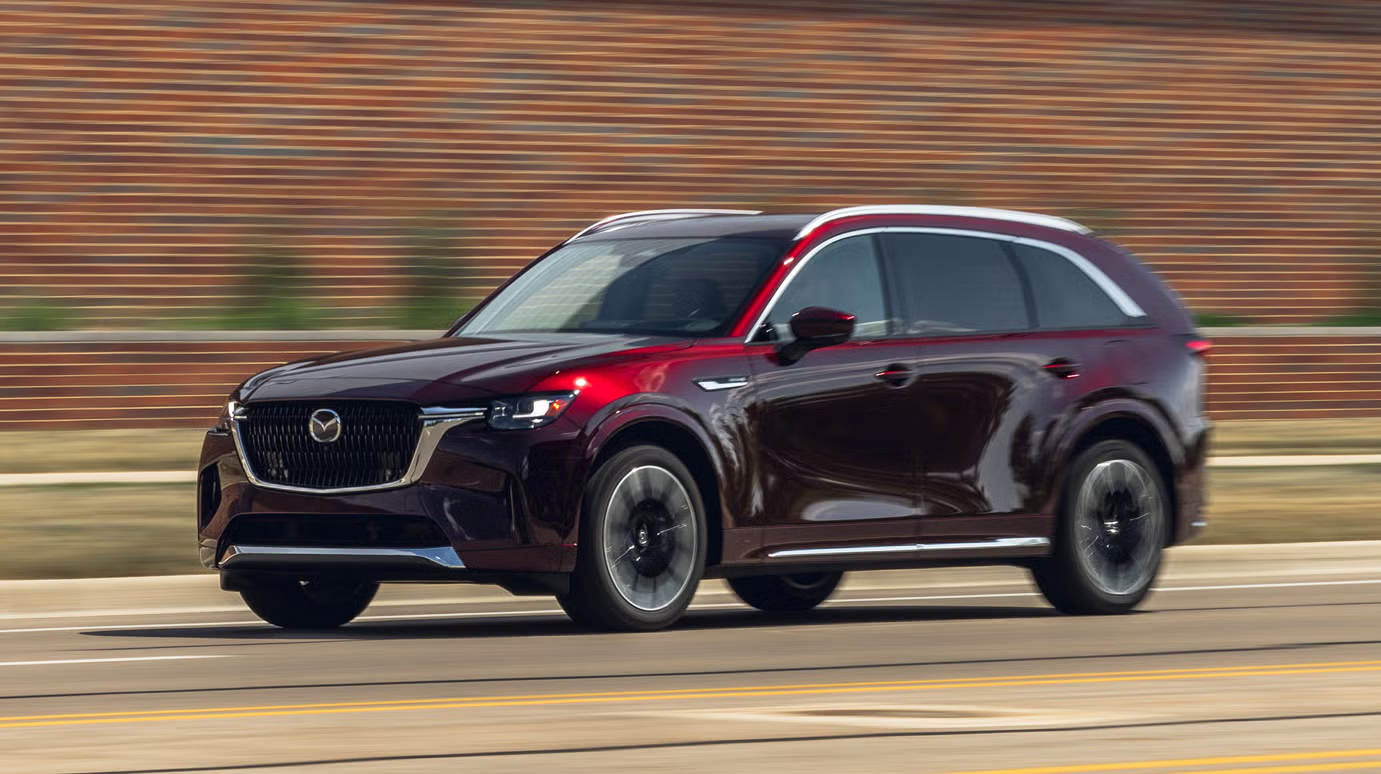
Wheel wells receive substantial insulation that blocks tire roar, while the engine bay includes acoustic barriers that prevent mechanical noise from intruding.
Mazda also engineered the doors with cavity-filling foam and quality seals that maintain effectiveness across temperature ranges and years of use. The attention to detail extends to the available acoustic glass, which significantly reduces wind and external noise at highway speeds.
The CX-90’s powertrains contribute to the quiet experience through refined engineering and careful tuning. The available turbocharged inline-six engine is exceptionally smooth, with balanced design that minimizes vibration.
The plug-in hybrid variant operates frequently in electric mode, offering near-silent propulsion in city driving. Both powertrains are mounted with sophisticated isolation that prevents vibrations from reaching the cabin structure.
For rear passengers, the CX-90 provides a surprisingly quiet environment that belies its mainstream pricing. The third row sits in a well-insulated position, benefiting from Mazda’s attention to the rear quarters and cargo area.
While wind noise is slightly more noticeable than in six-figure luxury vehicles, road noise remains impressively controlled even on coarse pavement. Measurements show interior sound levels around 68-69 decibels at highway speeds competitive with many premium vehicles.
The CX-90 represents exceptional value for families who want a quiet cabin experience without stretching into luxury pricing, proving that Mazda’s premium aspirations are backed by genuine engineering substance.
7. Acura MDX
The Acura MDX has long been a favorite among families seeking reliability, quality, and refinement without the premium pricing of European luxury brands.
Honda’s luxury division has consistently prioritized cabin quietness as a key differentiator, and the latest-generation MDX takes this commitment to new heights.
This three-row crossover delivers a remarkably serene experience that extends genuinely to the third row, making it an excellent choice for families who regularly use all three rows for passengers rather than just occasional seating.
Acura’s approach to quietness in the MDX is characteristically thorough and engineering-focused. The crossover rides on Honda’s Global Light Truck Platform, which provides exceptional rigidity through strategic use of high-strength steel and aluminum.
This rigid foundation prevents the flexing and vibration that creates secondary noise in the cabin. Acura then builds upon this foundation with extensive sound-deadening materials applied throughout the structure.
The MDX uses acoustic glass in the windshield and front doors as standard equipment, not an expensive option, making this noise-fighting technology accessible to more buyers.
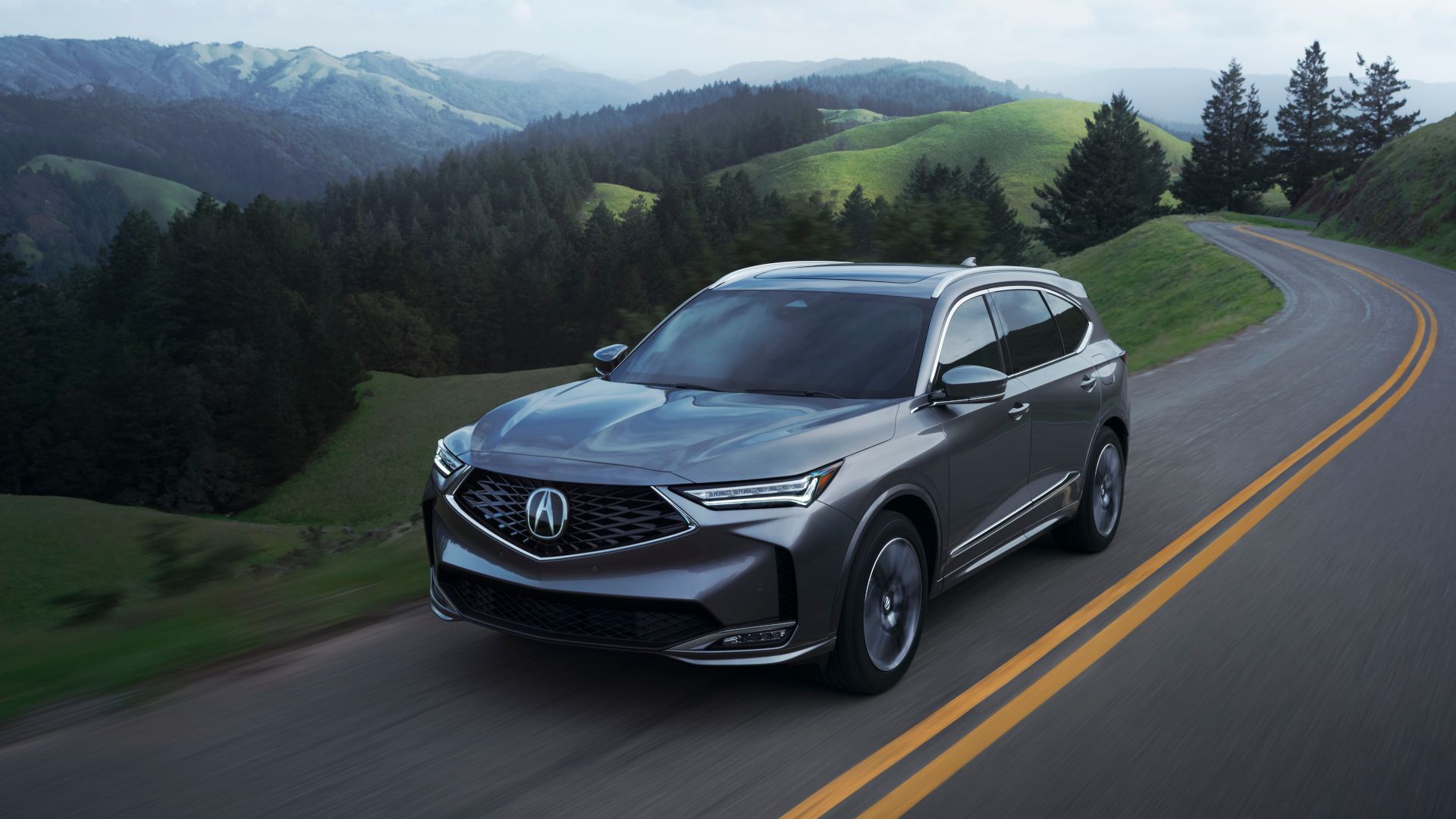
The MDX’s body features foam-filled A-pillars and body cavities that block potential noise transmission paths. The firewall includes multiple acoustic barriers that prevent engine noise from entering the cabin, while underbody panels create a smooth surface that minimizes aerodynamic noise from the vehicle’s underside.
Acura pays particular attention to the rear cargo area and wheel wells, which are critical for protecting third-row passengers. Multi-layer insulation in these areas creates an effective barrier against tire roar and road noise that would otherwise intrude on rear passengers.
For rear passengers, the MDX provides a consistently peaceful environment. Children can nap in the third row without being disturbed by road noise, and adults can conduct phone calls from the back seats without competing against wind roar or tire drone.
Interior sound measurements show the MDX achieving approximately 67 decibels at 70 mph, placing it among the quietest in its competitive set.
With Acura’s reputation for long-term reliability, buyers can expect the MDX to maintain this quietness for years and hundreds of thousands of miles, making it an excellent long-term value proposition for families who prioritize both quality and tranquility.
8. Volvo XC90
The Volvo XC90 exemplifies the Swedish brand’s philosophy that luxury should be understated, functional, and deeply human-centered. Quietness is an essential element of the Volvo experience, reflecting Scandinavian values of calm and harmony.
This three-row crossover delivers exceptional noise isolation that creates a peaceful sanctuary for all passengers, with particular attention paid to ensuring that even third-row occupants enjoy a serene environment.
The XC90’s approach to quietness is holistic and sophisticated, treating acoustic refinement as integral to safety and wellbeing rather than simply a luxury feature.
Volvo’s engineers employed advanced computer modeling to identify every potential noise path in the XC90, then systematically addressed each one with appropriate materials and design solutions.
The body structure uses Volvo’s Scalable Product Architecture (SPA), which incorporates substantial amounts of high-strength steel and boron steel in strategic locations. This creates exceptional rigidity that prevents the resonance and vibration that would otherwise transmit noise into the cabin.
The platform’s inherent strength also allows Volvo to use acoustic glass throughout the vehicle without compromising structural integrity the XC90 offers laminated glass in all side windows as standard on higher trims, a feature many competitors offer only as an expensive option.
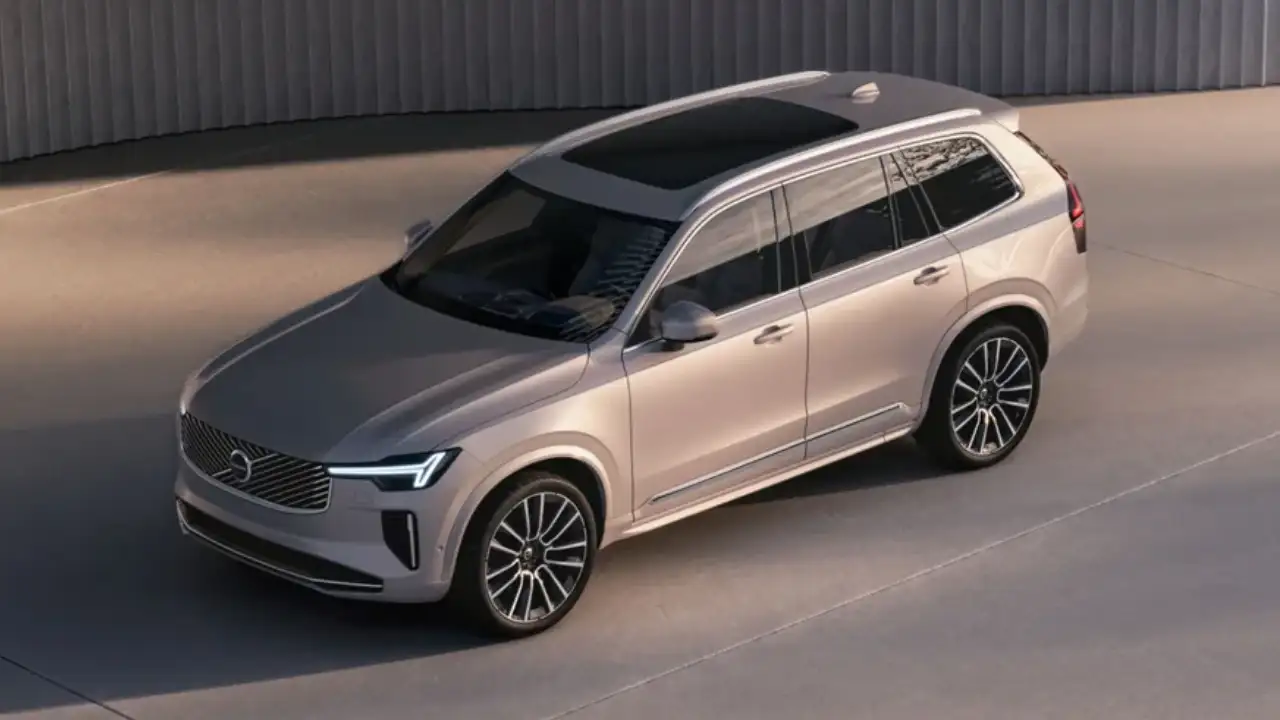
The XC90’s doors are engineered with Volvo’s characteristic attention to quality and durability. Multiple seals create an effective barrier against both water and sound, while foam-filled door cavities absorb vibrations that would otherwise create noise.
When you close an XC90’s door, the solid, vault-like sound communicates the quality beneath the surface. Volvo fills body cavities throughout the vehicle with expanding foam that hardens to block noise transmission, paying particular attention to the A-pillars, B-pillars, and areas around the wheel wells.
The floor pan features multiple layers of sound-deadening materials, with additional insulation in the transmission tunnel and rear cargo floor.
Volvo’s mild-hybrid and plug-in hybrid powertrains add another dimension to the quiet experience, operating frequently in electric mode with near-silent propulsion.
Even the conventional turbocharged and supercharged four-cylinder engine is remarkably refined, with sound-absorbing materials in the engine bay preventing mechanical noise from intruding.
Sound measurements show the XC90 achieving interior noise levels around 66-67 decibels at highway speeds, among the best in class.
For families who value Scandinavian design, legendary safety, and a peaceful cabin environment, the XC90 delivers all three without compromise.
9. Mercedes-Benz GLE
The Mercedes-Benz GLE represents the German luxury brand’s comprehensive understanding of what discerning customers expect from a premium crossover, and exceptional quietness is non-negotiable in that equation.
This mid-size luxury crossover, available in both two-row and three-row configurations, delivers the library-quiet cabin environment that has been a Mercedes hallmark for decades.
The GLE demonstrates that traditional luxury values refinement, quality, attention to detail remain relevant even as the automotive world shifts toward electrification and technology-focused features. Mercedes approaches quietness in the GLE as an essential component of the brand’s identity.
The engineering begins with the vehicle’s structure, which uses a combination of steel and aluminum in a carefully orchestrated configuration that maximizes rigidity while controlling weight. This rigid structure prevents the flexing that would transmit vibrations and create noise.
Mercedes then layers multiple sound-deadening strategies, creating redundancy that ensures quietness even if one barrier proves less effective than designed. The result is a vehicle that remains impressively quiet across varied conditions, from smooth highways to rough urban streets.
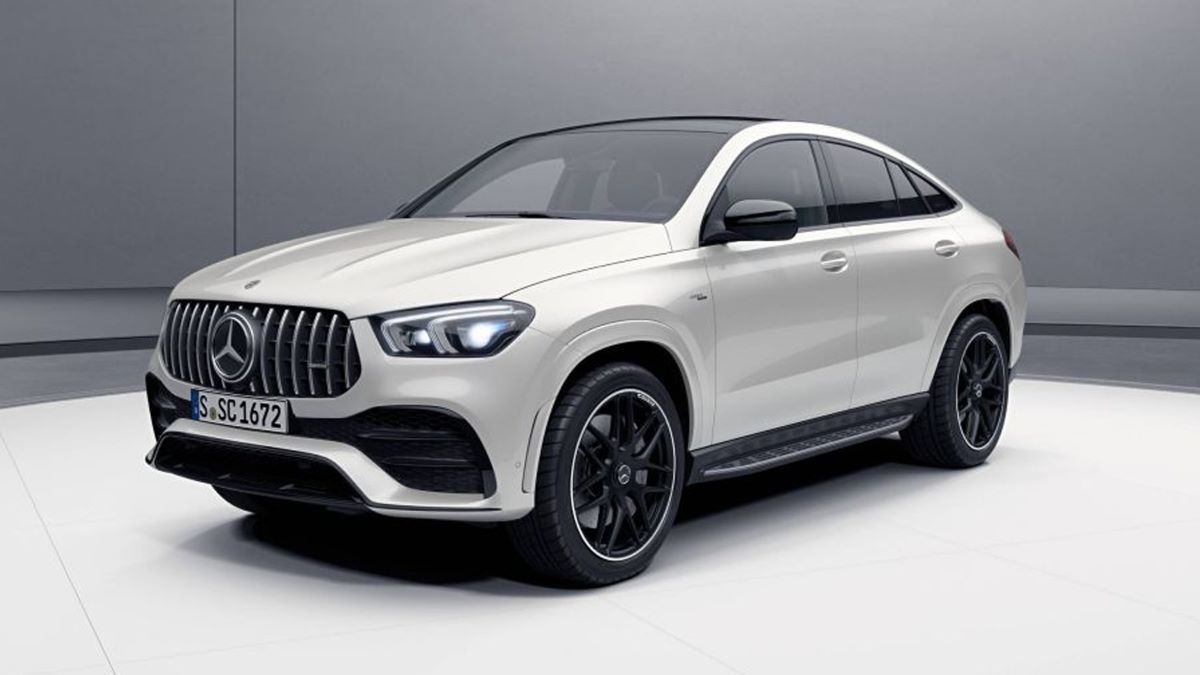
The GLE’s body features acoustic insulation that Mercedes has refined through decades of luxury vehicle development. Foam fills strategic cavities in the body structure, while the firewall uses multiple layers of acoustic barriers that prevent engine noise from entering the cabin.
The floor pan includes substantial sound-deadening matting, with particular attention paid to areas beneath the second and third rows where passengers are most sensitive to road noise.
Wheel wells receive multi-layer insulation that effectively blocks tire roar, while underbody panels create smooth aerodynamic surfaces that minimize turbulence-generated noise.
Mercedes offers acoustic glass as standard on many trim levels, and this laminated glass dramatically reduces wind noise and external sound intrusion.
The GLE’s powertrains contribute to the quiet experience through refined engineering both the turbocharged six-cylinder and V8 engines are exceptionally smooth, with sophisticated isolation that prevents vibrations from reaching the cabin.
The available plug-in hybrid model offers frequent electric propulsion with near-silent operation. Interior sound measurements consistently show the GLE achieving levels around 65-66 decibels at highway speeds, placing it among the very quietest vehicles regardless of category.
For buyers who expect nothing less than the best and want a three-row crossover that delivers genuine Mercedes refinement for all passengers, the GLE remains a benchmark that few competitors can match.
Also Read: 5 SUVs With Real Third-row Room vs 5 Kid-only Back Rows
