
In an era where automotive dashboards are increasingly dominated by complex digital displays, touch screens, and information overload, there’s something refreshingly practical about sedans that prioritize straightforward, easy-to-read gauges.
For many drivers, especially those who value functionality over flashy technology, a clean instrument cluster that delivers essential information at a glance isn’t just a preference, it’s a safety feature.
Simple, clear gauges allow drivers to monitor speed, fuel levels, engine temperature, and other critical metrics without taking their eyes off the road for more than a split second.
This intuitive design philosophy recognizes that driving requires focus, and the dashboard should support rather than distract from that primary task.
Traditional analog gauges with large numerals, high contrast displays, and logical layouts have proven their worth over decades of automotive design. The sedans featured in this list strike an excellent balance between modern amenities and user-friendly instrumentation.
Whether through well-designed analog clusters, thoughtfully executed digital displays, or hybrid combinations of both, these vehicles demonstrate that technological advancement doesn’t have to come at the expense of clarity.
From budget-friendly compact sedans to premium luxury models, manufacturers across various price points have recognized that some drivers simply want their gauges to be readable, reliable, and free from unnecessary complexity.
For commuters, new drivers, older motorists, or anyone who appreciates straightforward design, these ten sedans offer instrument panels that prioritize legibility and ease of use above all else.
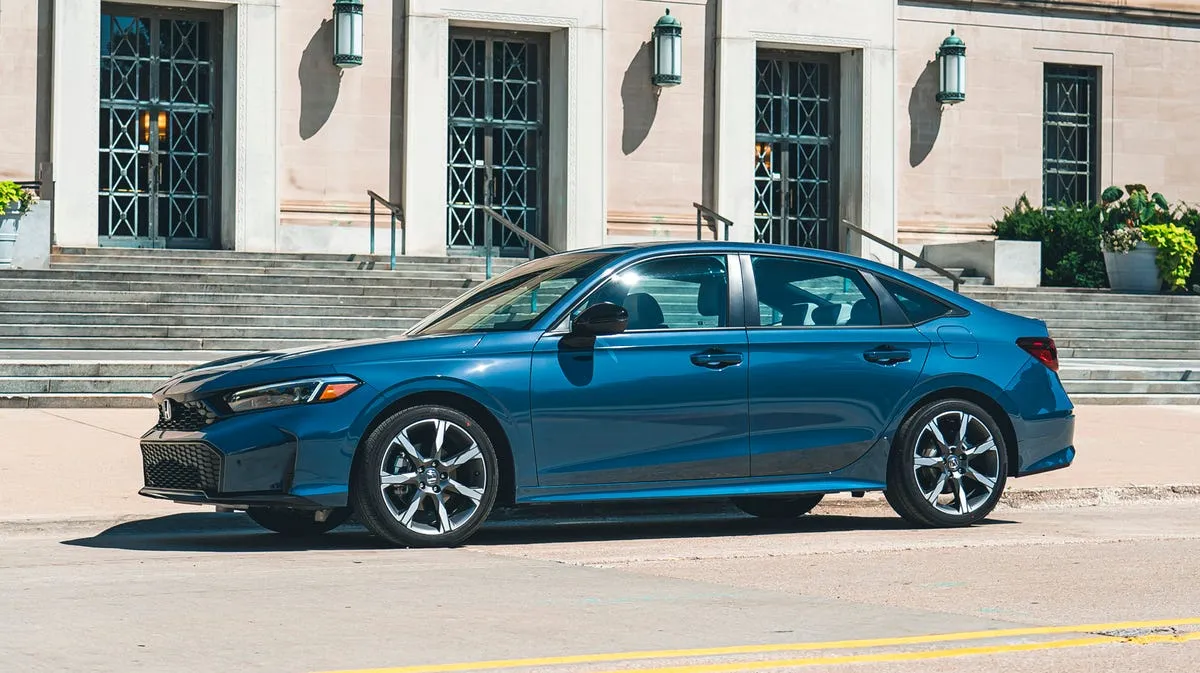
1. Honda Civic
The Honda Civic has long been celebrated for its driver-focused design philosophy, and its gauge cluster exemplifies this commitment to clarity.
The current generation Civic features a beautifully simple instrument panel that manages to incorporate modern digital elements while maintaining exceptional readability.
The primary speedometer takes center stage with large, crisp numerals against a high-contrast background, ensuring that speed monitoring requires minimal eye movement or mental processing.
What sets the Civic’s gauge design apart is Honda’s understanding of information hierarchy. The most critical driving data speed, fuel level, and gear position, occupy prominent positions where they can be absorbed almost instantaneously.
Secondary information like trip computer data, navigation prompts, and vehicle settings appears on a smaller digital display that doesn’t compete for attention with essential gauges. This layered approach means drivers aren’t bombarded with information when they glance down from the road.
The Civic’s instrumentation also excels in various lighting conditions. Whether driving in bright sunlight or at night, the gauges remain perfectly legible thanks to well-calibrated backlighting and anti-glare treatments.
The white-on-black color scheme in most trim levels provides maximum contrast, while the optional digital instrument cluster in higher trims maintains the same commitment to clarity through customizable displays that drivers can configure to their preferences.
Honda engineers have also paid attention to the physical placement of gauges. Positioned directly in the driver’s line of sight and angled appropriately, the Civic’s instrument panel minimizes the need for eye refocusing.
The gauge hood is designed to prevent reflections and glare from the windshield or side windows, a small detail that significantly improves real-world usability.
For drivers transitioning from older vehicles or those who find overly complex digital dashboards overwhelming, the Civic offers a perfect middle ground.
It incorporates useful modern features like digital fuel economy displays and maintenance reminders without sacrificing the intuitive nature of traditional gauges. The result is an instrument panel that drivers of all ages and experience levels can use confidently from day one.
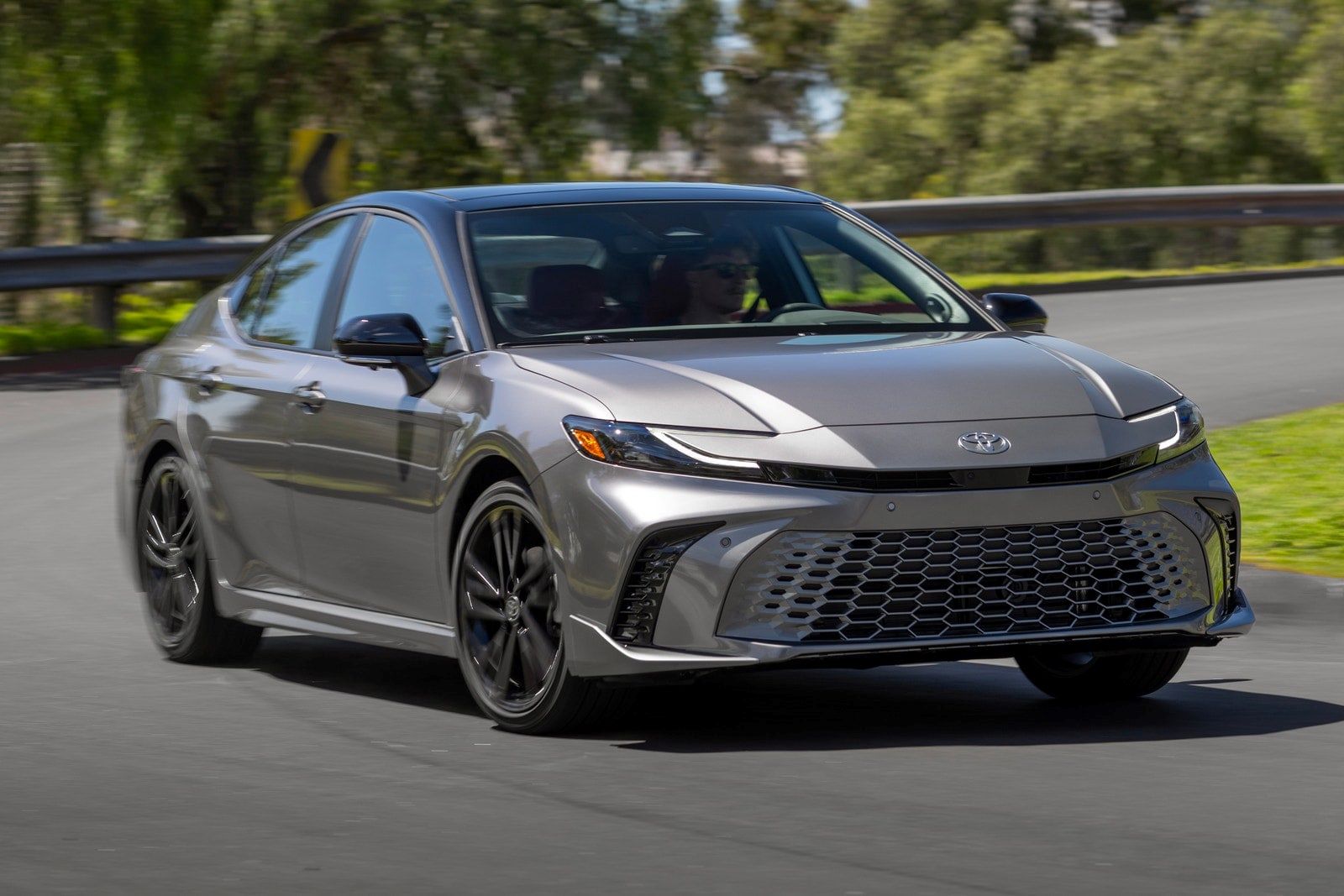
2. Toyota Camry
The Toyota Camry’s reputation for reliability extends to its dashboard design, where simplicity and functionality reign supreme. Toyota’s engineers have crafted an instrument cluster that embodies the “less is more” philosophy, presenting drivers with exactly the information they need without unnecessary embellishment or distraction.
The standard gauge setup features a prominent analog speedometer flanked by a fuel gauge and temperature indicator, creating a symmetrical layout that the human eye naturally finds easy to parse.
One of the Camry’s standout features is the exceptional size of its primary gauges. The speedometer needle and numbers are generously proportioned, allowing drivers to quickly assess their speed even in peripheral vision.
This design consideration is particularly valuable during highway driving or in situations requiring rapid glances between the road and instruments. The tick marks are clearly delineated with larger indicators at major intervals, further enhancing quick readability.
Toyota has also incorporated a practical multi-information display positioned centrally within the gauge cluster. This screen provides trip data, fuel economy information, and vehicle alerts, with clear typography and a logical menu structure.
Unlike some competitors who bury important functions deep within touchscreen menus, the Camry allows drivers to access and cycle through this information using simple steering wheel controls, keeping hands on the wheel and eyes closer to the road.
The gauge illumination deserves special mention for its thoughtful execution. The Camry employs a soft white backlighting that provides excellent visibility without creating eye strain during night driving.
The brightness automatically adjusts based on ambient light conditions, but manual override is always available through easily accessible controls.
This attention to lighting dynamics means the gauges remain optimally visible whether going through a sunny afternoon or a dark rural highway.
Another practical aspect of the Camry’s gauge design is its durability and consistency. The analog components are built to maintain accuracy and smooth operation over hundreds of thousands of miles, aligning perfectly with Toyota’s reliability standards.
Owners appreciate that the straightforward design means fewer potential electronic failures compared to fully digital systems, and if service is ever needed, repairs are typically straightforward and affordable.
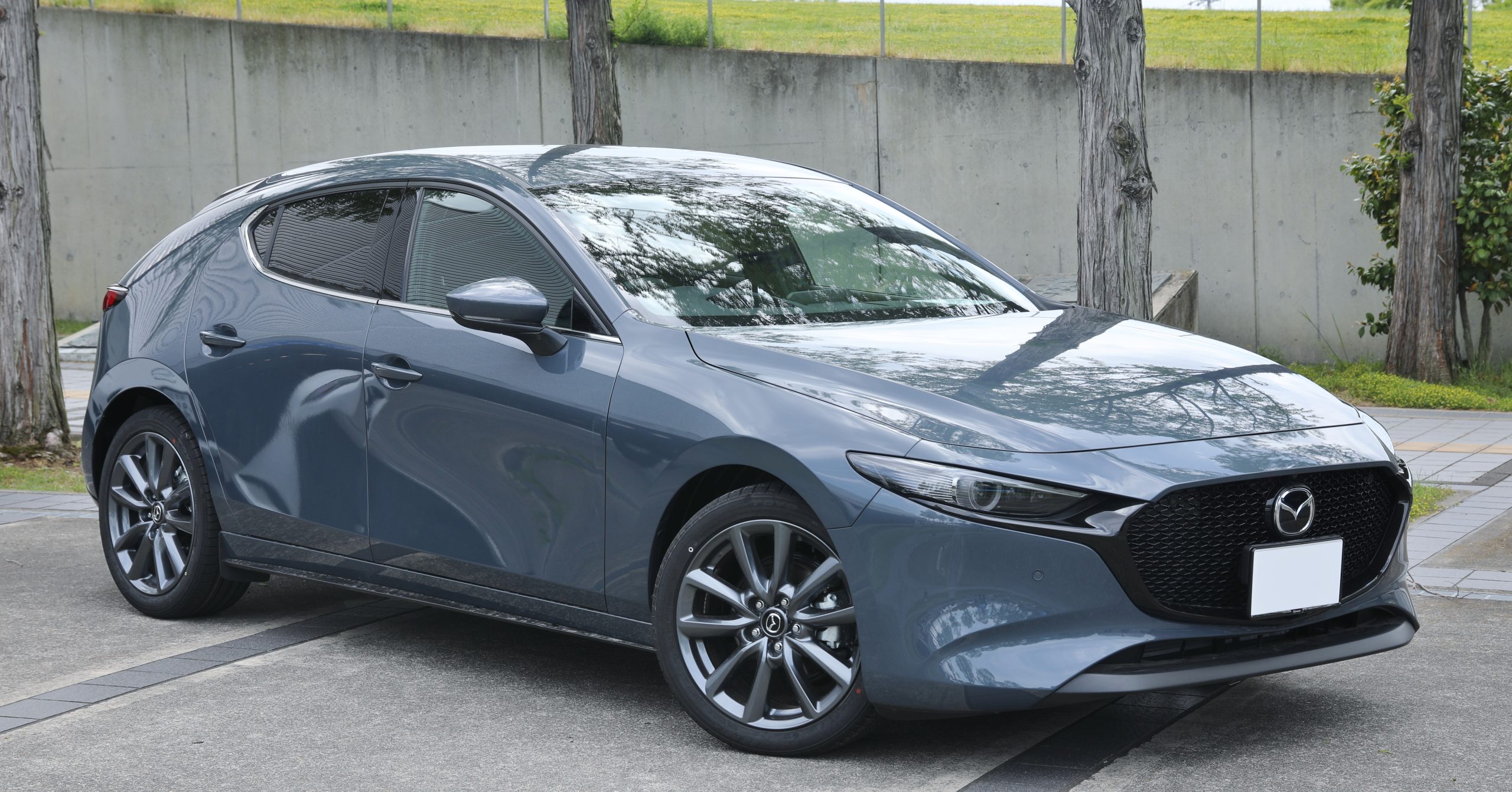
3. Mazda3
Mazda’s approach to gauge design in the Mazda3 reflects the brand’s philosophy of “Jinba Ittai” the unity between car and driver. The instrument cluster is crafted to provide information seamlessly, almost as an extension of the driver’s senses rather than as a separate system requiring conscious attention.
This is achieved through exceptionally clean visual design, logical information grouping, and an almost artistic attention to detail that sets the Mazda3 apart from many competitors.
The Mazda3’s gauge cluster features beautifully rendered analog-style gauges that combine traditional reliability with modern precision.
The speedometer uses a sweeping needle that moves with satisfying smoothness, providing continuous feedback about velocity changes.
The gauge faces feature carefully chosen fonts and scaling that optimize readability numbers are large enough to read instantly, but not so oversized that they appear cartoonish or waste space.
The minimalist design extends to the gauge surroundings, which are free from unnecessary decorative elements that might distract or confuse.
Central to the cluster is a configurable digital display that Mazda has executed with remarkable restraint. Rather than overwhelming drivers with every possible data point, the system presents information in digestible chunks, prioritizing relevance.
The display’s resolution is excellent, with sharp text rendering that remains crisp from any viewing angle. Color coding is used judiciously warnings appear in appropriate alert colors while standard information maintains a consistent, easy-on-the-eyes appearance.
Mazda’s attention to ergonomics shines through in the physical positioning and angle of the gauge cluster. The company’s human-machine interface research shows in how naturally the eyes travel from road to gauges and back.
The hood over the instruments is precisely shaped to eliminate reflections while maintaining good visibility for drivers of varying heights. This level of detail might go unnoticed consciously, but it contributes significantly to reduced driver fatigue during long journeys.
The Mazda3 also offers different display modes that cater to varying driver preferences and conditions. A simplified mode reduces displayed information to absolute essentials for maximum concentration, while a detailed mode provides comprehensive trip computer data for those who want it.
This flexibility acknowledges that different driving situations call for different information priorities, giving drivers control over their cockpit environment.
4. Subaru Legacy
The Subaru Legacy takes a practical, no-nonsense approach to gauge design that appeals strongly to drivers who value substance over style.
Subaru’s engineering philosophy prioritizes functionality and all-weather reliability, characteristics that extend naturally to the Legacy’s instrument panel.
The gauges are designed to be completely readable in all conditions, from bright mountain sunlight to heavy rain or snow, reflecting Subaru’s understanding that its vehicles often operate in challenging environments.
The Legacy’s standard instrument cluster features large, clearly marked analog gauges with excellent contrast ratios. The speedometer occupies the left primary position with bold numerals and a thick needle that’s easy to track.
The tachometer balances the layout on the right, while centrally positioned digital displays provide fuel economy, range, and vehicle status information.
This traditional three-element layout has proven itself over decades because it works; the human eye can efficiently process information presented in this configuration without confusion.
One particularly thoughtful feature is the Legacy’s use of color in its gauge presentation. While many manufacturers opt for decorative multicolor schemes, Subaru has chosen a more purposeful approach.

Standard operating information appears in white or subtle blue tones that are easy on the eyes during extended driving. Warning indicators use distinctive amber or red coloring that immediately captures attention without causing alarm for routine notifications.
This intelligent color hierarchy helps drivers quickly distinguish between “information” and “action required” messages. The digital components of the Legacy’s instrument panel are equally well-conceived.
Text is rendered in clear, sans-serif fonts at sizes that remain readable even for drivers with less-than-perfect vision. Menus are shallow and intuitive, typically requiring no more than two or three button presses to access any function.
Subaru has wisely avoided the temptation to create elaborate sub-menus or complex customization options that can confuse users instead, the system offers straightforward choices presented in plain language.
Subaru’s commitment to practicality extends to gauge visibility in various seating positions and lighting conditions. The Legacy’s instrument cluster is positioned to remain visible whether the driver is tall or short, has the seat far forward or reclined back.
Anti-glare coatings and carefully calibrated backlight brightness ensure that sun glare, headlight reflection, or darkness never compromise gauge readability.
For drivers who frequently share their vehicle with others or who prioritize reliability above all else, the Legacy’s gauge cluster delivers exactly what’s needed without pretense.
Also Read: 5 SUVs With Real Third-row Room vs 5 Kid-only Back Rows
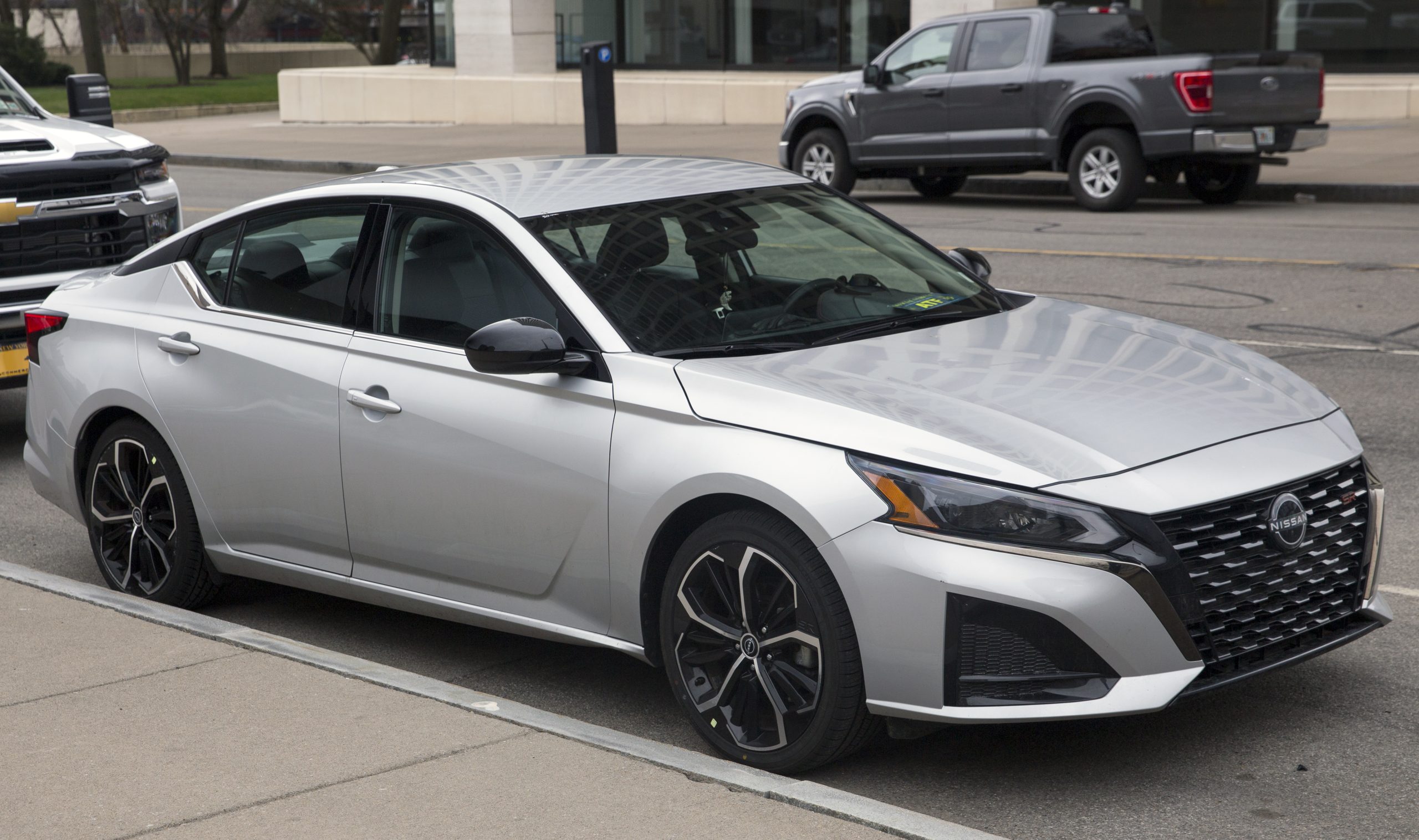
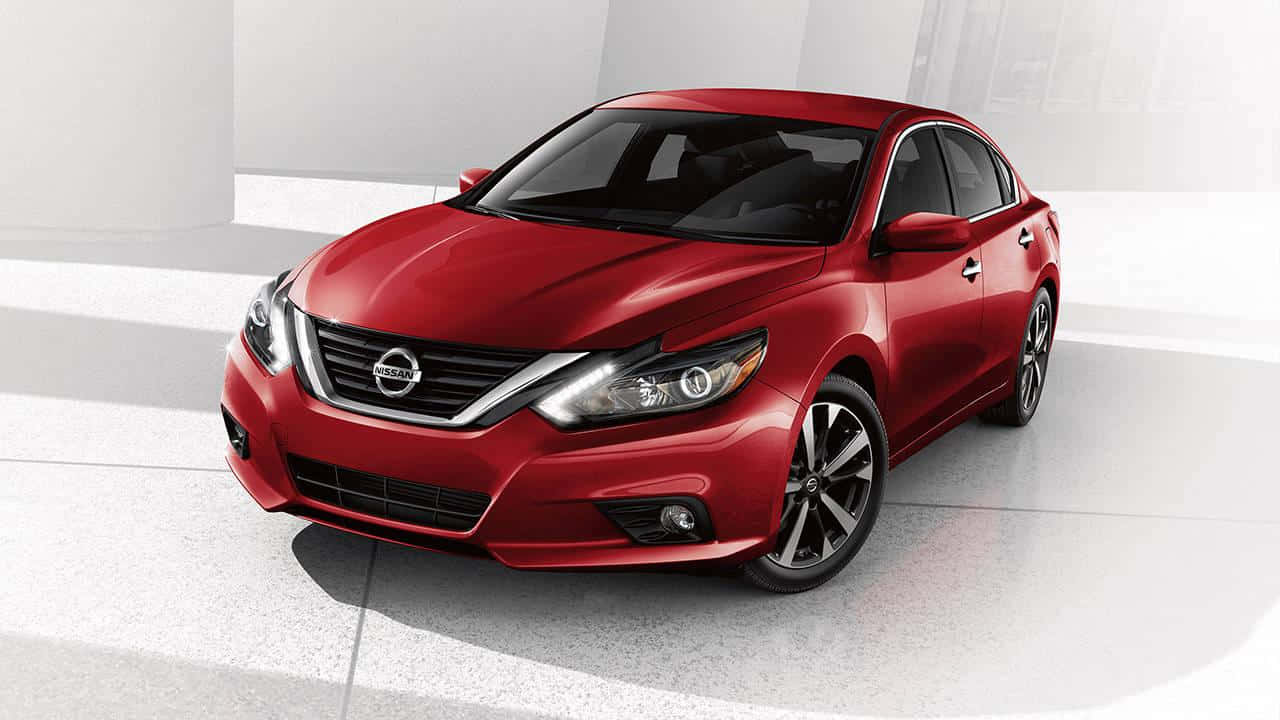
5. Nissan Altima
The Nissan Altima’s gauge cluster represents a successful evolution from traditional analog designs into the digital age without sacrificing the clarity that made classic instrumentation so effective.
Nissan has managed to incorporate modern technology while maintaining the immediate readability that drivers expect from their instrument panels.
The result is a dashboard that feels contemporary yet remains instantly familiar and accessible to anyone who has driven a car before. At the heart of the Altima’s instrument design is a commitment to clean presentation.
The primary gauges use high-resolution displays that mimic analog dials with remarkable fidelity, complete with smoothly sweeping needles and graduated markings.
However, these digital representations offer advantages over purely mechanical gauges they can reconfigure themselves for different driving modes, display additional information overlays, and maintain perfect accuracy regardless of temperature or vehicle age.
The Altima’s central information display is particularly well-executed, offering a wealth of data without creating clutter. Trip information, fuel economy metrics, navigation instructions, and vehicle settings are all accessible through an intuitive interface controlled via steering wheel buttons.
The menu structure is logical and shallow, meaning drivers spend minimal time going through options to find what they need. Text size is generous, and contrast is excellent, ensuring readability even in challenging lighting conditions.
Nissan has also paid careful attention to the gauge cluster’s response to different driving situations. When the vehicle is started, a brief animation confirms all systems are functioning before settling into standard display mode.
During normal driving, the gauges provide steady, consistent information. If a warning condition arises, the relevant gauge or display area highlights appropriately without causing unnecessary alarm. This graduated response system helps drivers distinguish between routine notifications and genuinely urgent warnings.
The physical design of the Altima’s gauge housing contributes significantly to its usability. The instrument panel sits behind a carefully contoured hood that blocks overhead glare while maintaining visibility from all normal seating positions.
The gauges are angled slightly toward the driver rather than being perfectly vertical, reducing the eye’s accommodation effort when shifting focus from the distant road to the nearby instruments.
These ergonomic details might seem minor individually, but collectively they reduce driver fatigue and improve safety during extended trips.
The Altima proves that modern digital instrumentation can retain all the benefits of traditional analog gauges while adding useful new capabilities.
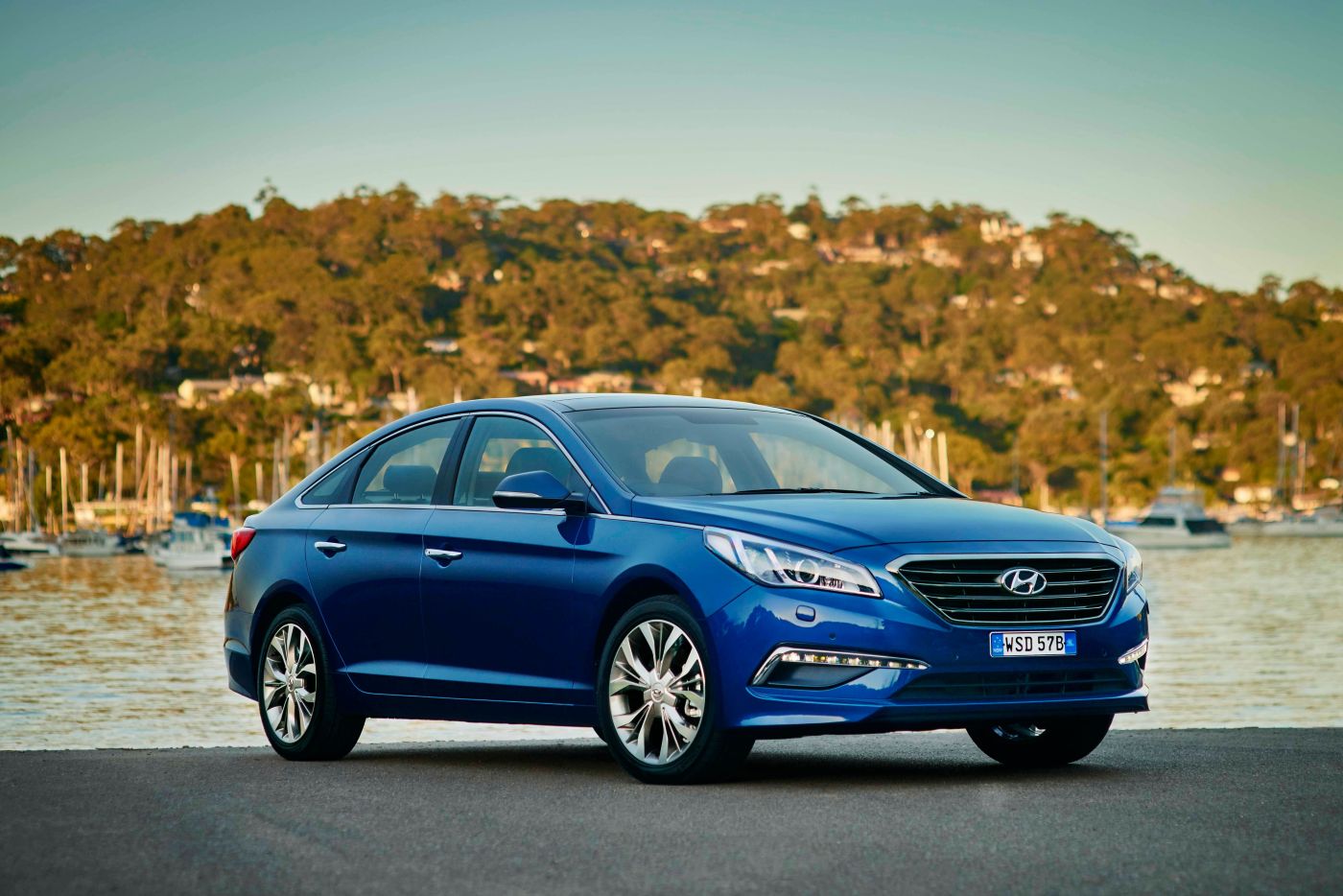
6. Hyundai Sonata
Hyundai’s transformation from budget manufacturer to serious competitor in the mainstream sedan market is reflected beautifully in the Sonata’s instrument cluster design.
The current generation Sonata features gauges that balance modern aesthetics with functional clarity, proving that stylish design and easy readability aren’t mutually exclusive.
Hyundai’s designers have created an instrument panel that looks premium and contemporary while remaining immediately understandable to drivers of all experience levels.
The Sonata’s gauge cluster varies by trim level, with base models featuring traditional analog gauges and higher trims sporting fully digital displays. Remarkably, both approaches maintain excellent clarity.
The analog setup uses high-contrast gauge faces with crisp white markings on dark backgrounds, while the digital version employs sharp graphics with customizable layouts.
Regardless of which system equips a particular Sonata, the commitment to readability remains consistent large numerals, logical information placement, and minimal visual clutter.
One standout feature of the Sonata’s digital instrument cluster is its configurability without complexity. Drivers can choose between different display themes and layouts to suit their preferences or specific driving situations.
A “minimal” mode reduces displayed information to essentials, perfect for highway cruising when distractions should be minimal. A “detailed” mode provides comprehensive trip computer data for those who want to monitor fuel economy or range closely.
Unlike some systems that require diving into confusing menus, the Sonata’s display modes are accessed quickly through steering wheel controls.
Hyundai has also excelled in creating appropriate visual hierarchy within the gauge cluster. The speedometer always occupies the most prominent position, with size and placement ensuring it captures attention first during any glance downward.
Secondary information fuel level, coolant temperature, trip data is positioned logically around the periphery where it’s available when needed but never competes with primary driving data.
Warning lights and indicators use distinctive colors and positions that make them immediately noticeable without being distracting during normal operation.
The Sonata’s instrumentation also demonstrates Hyundai’s attention to real-world driving conditions. Brightness adjustment is smooth and responsive, with both automatic and manual control options.
The gauges remain perfectly visible in direct sunlight without washout, and nighttime backlighting is gentle on the eyes while maintaining excellent legibility.
Hyundai has even considered how the gauges interact with the vehicle’s other lighting dashboard illumination coordinates with ambient interior lighting and exterior lighting conditions for a cohesive, comfortable environment that reduces eye strain during long drives.
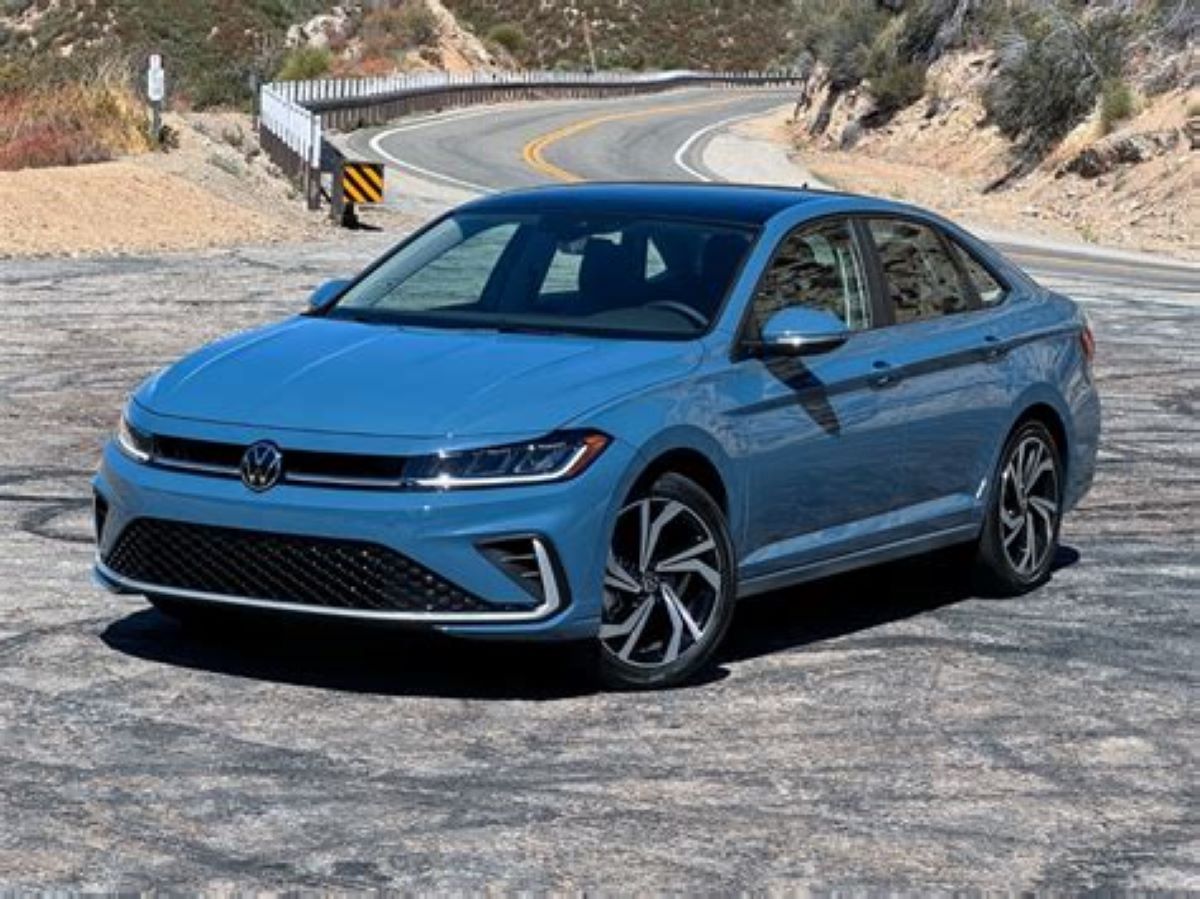
7. Volkswagen Jetta
The Volkswagen Jetta embodies German engineering’s reputation for precision and clarity in its instrument cluster design. VW’s approach prioritizes functional elegance every element serves a clear purpose, and nothing unnecessary clutters the driver’s view.
The result is a dashboard that feels sophisticated and well-organized, providing information efficiently while maintaining the clean aesthetic that has become a Volkswagen hallmark.
The Jetta’s standard instrument cluster features crisp analog gauges with excellent typography and logical layout. The speedometer and tachometer use clear numbering with appropriate scaling the intervals between marked speeds and engine revolutions are chosen to provide useful information without creating visual chaos.
The needle design is particularly well-considered, with high-contrast coloring and appropriate thickness that makes precise reading easy while remaining visible in peripheral vision during focused road watching.
Between the main gauges sits a multifunction display that VW has executed with characteristic attention to detail. This screen provides access to trip computers, vehicle settings, navigation information, and various driver assistance features using a remarkably intuitive menu system.
The display uses crisp fonts rendered at sizes appropriate for quick scanning, and the contrast between text and background is optimized for readability in all lighting conditions.
Menu navigation is handled through simple controls on the steering wheel, allowing drivers to access information without removing their hands from the wheel.
Higher trim Jetta models offer Volkswagen’s Digital Cockpit, a fully digital instrument cluster that deserves recognition for maintaining clarity despite its advanced capabilities.
Unlike some digital displays that prioritize visual pizzazz over function, VW’s system presents information with German directness. The default view mimics traditional analog gauges for familiarity, but drivers can customize the display to emphasize navigation mapping, trip data, or driver assistance information depending on their needs.
Throughout all these configurations, the system maintains excellent legibility and logical information hierarchy. The Jetta’s instrument cluster also benefits from VW’s extensive human factors research.
The positioning places gauges directly in the driver’s natural downward sightline, minimizing the eye travel distance from road to instruments.
The angle of the display surface reduces parallax and ensures consistent readability regardless of the driver’s height or seating position.
The gauge hood is precisely shaped to block overhead light while maintaining visibility, and anti-reflective coatings prevent glare from side windows or the windshield.
These details reflect Volkswagen’s methodical approach to creating a driving environment that works harmoniously with human capabilities and limitations.
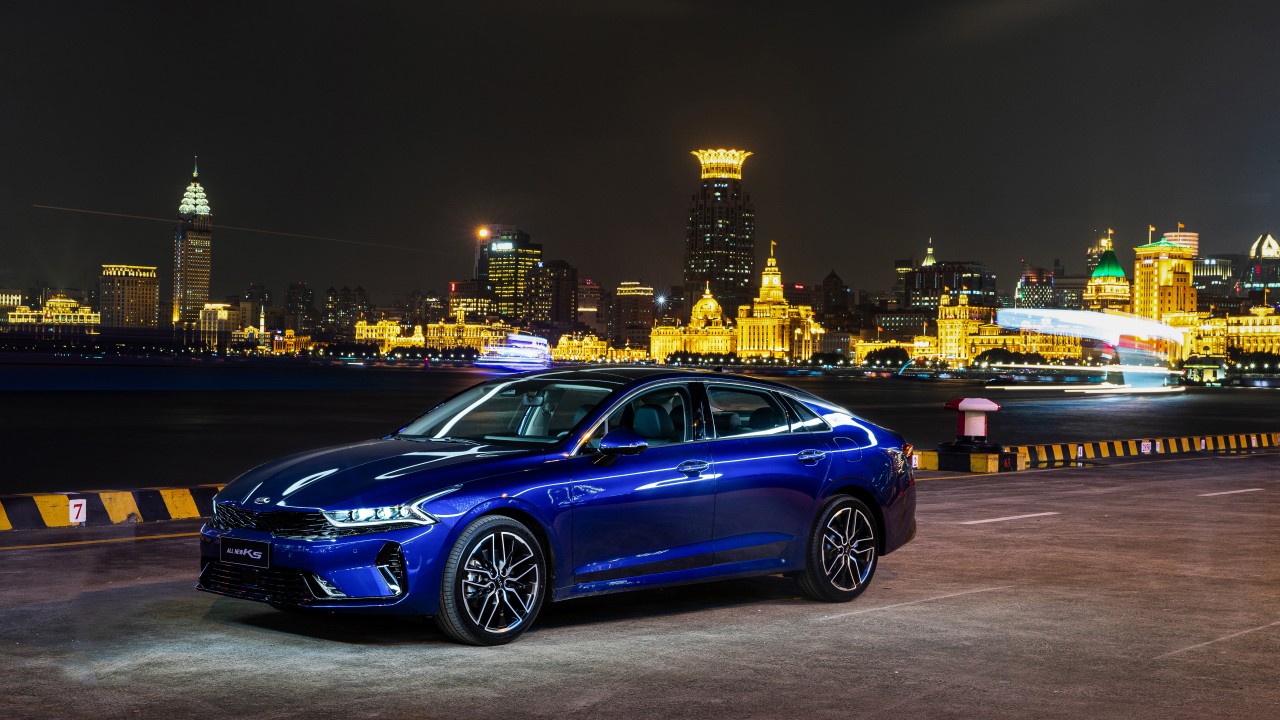
8. Kia K5
Kia’s remarkable ascent in the automotive world is perhaps nowhere more evident than in the K5’s sophisticated yet approachable instrument cluster.
The K5 manages to feel decidedly upscale while maintaining the straightforward usability that makes great gauge design timeless. Kia’s designers have successfully walked the tightrope between modern digital capabilities and classic readability, creating an instrument panel that impresses without intimidating.
The K5 offers different instrument cluster configurations across its trim range, but all share a commitment to clarity and functionality.
Base models feature traditional analog-style speedometer and tachometer with a central digital display, while premium trims sport a fully digital instrument panel.
Both approaches work exceptionally well, demonstrating that good gauge design is about principles rather than technology. The analog version uses large, clearly marked dials with excellent contrast, while the digital version employs high-resolution graphics that remain crisp and readable from any angle.
What distinguishes the K5’s instrument design is its intelligent use of color and contrast. Rather than overwhelming drivers with rainbow displays, Kia uses color purposefully.
Standard operating information appears in white or subtle blue tones that are easy on the eyes during extended viewing. Navigation prompts might use green or blue highlighting to indicate routes.
Warnings and alerts use appropriate amber or red coloring that immediately signals the need for driver attention. This measured approach to color prevents desensitization when red appears, drivers know something genuinely requires attention.
The K5’s digital display (available in higher trims) offers impressive configurability that never becomes confusing. Drivers can choose between different visual themes and layouts, emphasizing different information depending on driving conditions or personal preference.
A map view can enlarge navigation information for unfamiliar routes. A performance view can emphasize the tachometer and gear position for spirited driving.
A minimal view reduces everything to a speedometer and essentials for maximum concentration. Switching between these views requires only a simple steering wheel button press, and each view maintains the same excellent legibility.
Kia has also demonstrated attention to how the instrument cluster integrates with the K5’s cabin design. The gauges coordinate visually with the center touchscreen and other interior elements, creating a cohesive environment rather than a collection of disparate systems.
The ambient lighting system can subtly illuminate the gauge area’s surroundings to reduce eye strain when moving between bright gauges and darker cabin areas at night. These thoughtful touches raise the K5’s instrument cluster from merely functional to genuinely pleasant to use day after day.
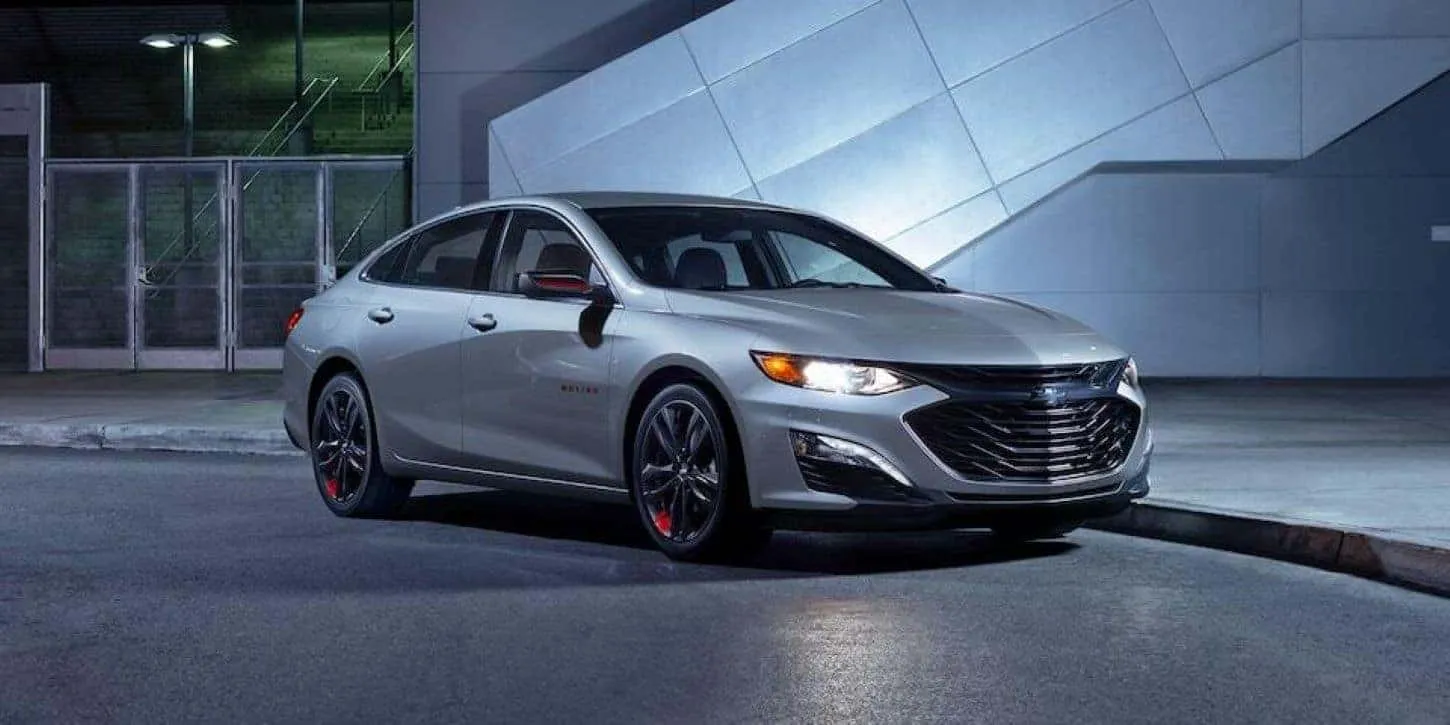
9. Chevrolet Malibu
The Chevrolet Malibu’s instrument cluster represents American straightforwardness at its finest clear, functional, and refreshingly uncomplicated.
Chevrolet’s designers have created a dashboard that gets straight to the point, providing drivers with exactly the information they need without attempting to dazzle with unnecessary technological flourishes.
For drivers who appreciate honesty and directness in their vehicle’s interface, the Malibu delivers exactly what’s promised. The Malibu’s standard gauge cluster features a prominent analog speedometer and tachometer with generously sized numerals and bold tick marks.
The speedometer is positioned directly ahead of the driver in the left-side primary position, where American drivers expect to find it based on decades of convention.
The numbers are scaled appropriately with larger figures marking significant intervals, making it easy to estimate speed with a quick glance. The needle is thick and highly visible, with sufficient contrast against the gauge face to track even in peripheral vision.
Central to the Malibu’s instrument panel is a practical information display that Chevrolet has wisely kept simple and functional. This screen provides trip data, fuel economy information, gear position, and vehicle status messages using clear, sans-serif fonts rendered at generous sizes.
The menu system is shallow and intuitive; most functions are accessible within one or two button presses from the main display. Chevrolet has avoided creating elaborate customization options or complex sub-menus that might confuse drivers, instead focusing on presenting core information efficiently.
One area where the Malibu particularly excels is gauge visibility across varying conditions. The instrument cluster uses excellent backlighting that provides consistent illumination without creating hotspots or glare.
Whether driving through bright desert sunshine or going through the dark country roads, the gauges maintain perfect readability. The brightness adjusts automatically based on ambient light, but manual override is simple and immediate for drivers who prefer specific settings.
There are no hidden features requiring manual consultation, no complex configurations to master, just straightforward gauges that clearly communicate vehicle status and allow drivers to focus on the road where their attention belongs.
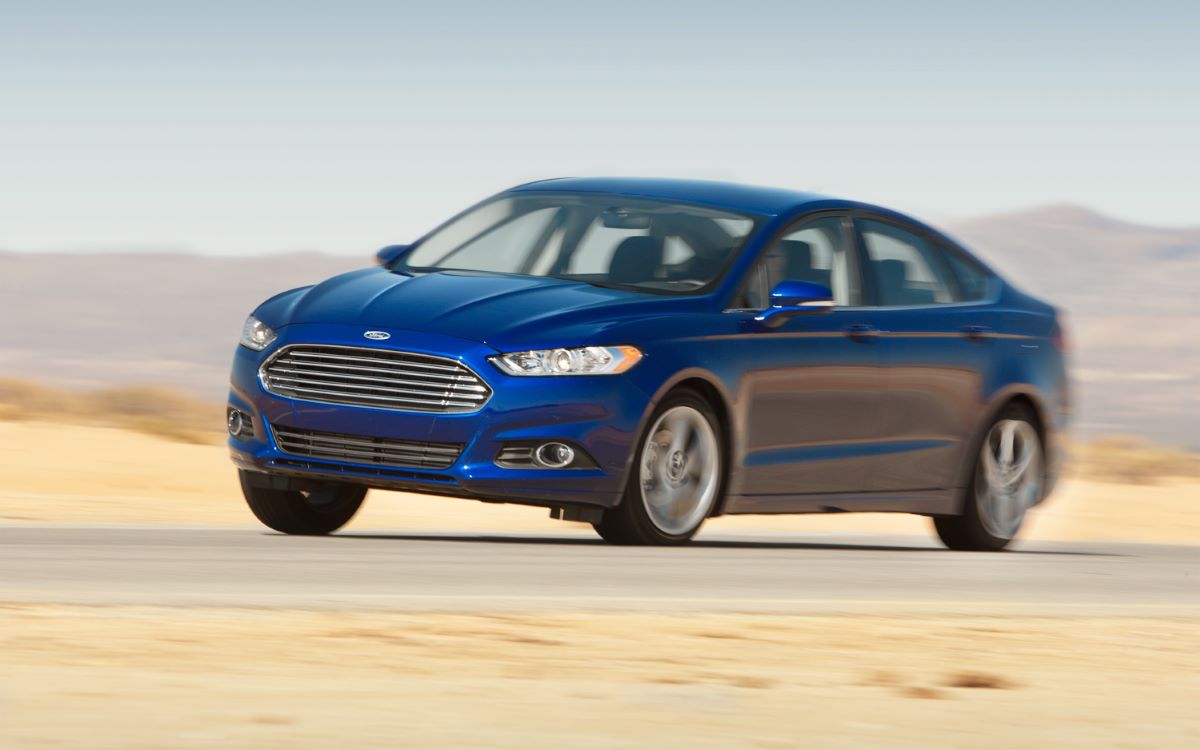
10. Ford Fusion
The Ford Fusion rounds out this list with an instrument cluster that perfectly embodies Ford’s “Built Tough, Built Smart” philosophy applied to passenger sedan design.
The Fusion’s gauges strike an excellent balance between traditional analog clarity and modern digital capability, creating a dashboard that serves both technophiles and technology skeptics equally well.
Ford’s longstanding experience building vehicles for American drivers shows through in every aspect of the Fusion’s instrument panel design.
The Fusion’s standard instrument cluster features classic analog-style speedometer and tachometer presented with exceptional clarity.
Ford uses high-contrast gauge faces, typically with white markings on black or deep blue backgrounds, that provide maximum visibility in all lighting conditions.
The numerals are sized appropriately for quick reading, and the gauge markings use logical intervals that make speed and engine RPM estimation intuitive.
The needles are designed with careful attention to visibility, using bright colors and sufficient weight to stand out clearly against the gauge faces.
Between the primary gauges, the Fusion features Ford’s well-regarded SmartGauge information display. This configurable screen can present a variety of information including trip data, fuel economy metrics with coaching features, turn-by-turn navigation, and vehicle health information.
What makes SmartGauge particularly effective is its flexibility without confusion drivers can choose between different display modes ranging from minimal to comprehensive, and Ford has designed each mode with the same attention to clarity and readability.
The graphics are crisp, colors are well-chosen for contrast and meaning, and information density is appropriate for quick scanning. Ford has also equipped the Fusion with thoughtful driver-assistance information integration.
When features like adaptive cruise control, lane-keeping assist, or blind-spot monitoring are active, the gauge cluster provides clear, unobtrusive status indicators.
These appear in logical positions where they’re visible but don’t compete with primary driving information. Warning or alert messages use appropriate sizing, color, and positioning to capture attention when necessary while avoiding unnecessary alarms for routine notifications.
The Fusion proves that well-designed instrument clusters don’t need to be revolutionary sometimes thoughtful execution of proven principles creates the best results.
Also Read: 9 Crossovers That Keep Road Noise Away From the Back Row
