
The electric vehicle revolution is here, but not all EVs are created equal when it comes to power consumption. While range anxiety often dominates EV discussions, there’s another crucial factor that deserves attention: charging efficiency.
Some electric vehicles are like energy-sipping minimalists, while others gulp electricity like there’s no tomorrow. For homeowners worried about their electric bills or those with limited charging capacity at home, choosing an efficient EV can make all the difference between a manageable monthly expense and sticker shock.
Energy efficiency in EVs is measured in miles per kilowatt-hour, similar to how gas vehicles use miles per gallon. The most efficient electric vehicles can travel over four miles on just one kilowatt-hour of electricity, while less efficient models might barely manage one mile per kilowatt-hour.
This dramatic difference means that choosing an efficient EV could reduce your charging costs by nearly a third compared to less efficient alternatives.
Beyond saving money, efficient EVs also reduce strain on your home electrical system and the broader power grid, making them environmentally friendlier from multiple angles.
The benefits extend beyond your wallet and the environment. More efficient EVs typically charge faster relative to their range because they need less total energy to travel the same distance.
They’re also ideal for apartment dwellers or those without access to high-powered home charging equipment, as even a standard 120-volt outlet can provide meaningful charging overnight.
Whether you’re concerned about operating costs, charging infrastructure limitations, or simply want to maximize the green credentials of your electric vehicle, efficiency matters.
In this comprehensive guide, we’ll explore seven electric vehicles that stand out for their remarkable energy efficiency. These aren’t just economical, they’re also practical, comfortable, and packed with features that make them compelling choices for everyday driving.
From affordable compact cars to luxury sedans, these EVs prove that you don’t have to compromise on style, performance, or comfort to achieve excellent energy efficiency. Let’s see the details of each model and discover which efficient EV might be the perfect match for your needs and lifestyle.
1. Hyundai Ioniq 6
The Hyundai Ioniq 6 stands as the undisputed efficiency champion among mass-market electric vehicles, achieving an extraordinary rating that rivals even luxury EVs costing three times as much.
With its rear-wheel-drive Long Range variant equipped with 18-inch wheels, the Ioniq 6 achieves an EPA-rated efficiency of 140 MPGe combined, translating to an impressive 4.2 miles per kilowatt-hour.
This means you can travel over four miles on the same amount of electricity that would barely illuminate a 100-watt light bulb for ten hours.
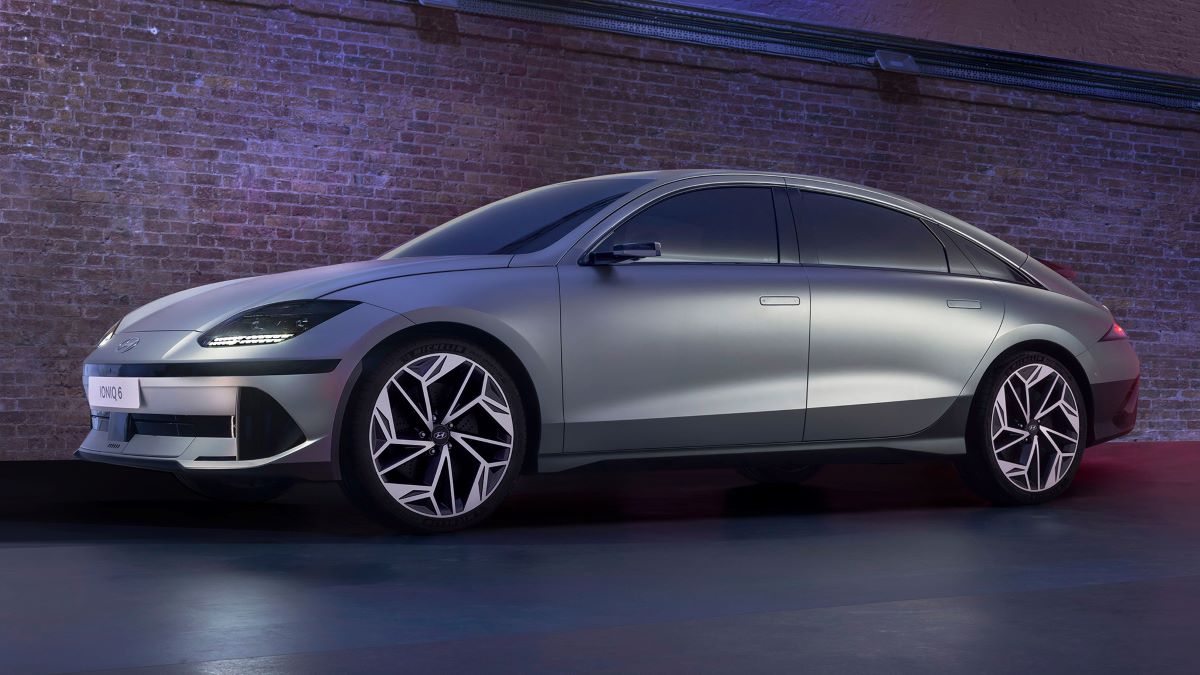
The secret to this remarkable achievement lies in the vehicle’s stunning aerodynamic design and advanced powertrain technology. The Ioniq 6’s swoopy, streamlined silhouette isn’t just for show; it’s the result of meticulous engineering to minimize drag and maximize efficiency.
With a drag coefficient that rivals some of the world’s most aerodynamic vehicles, every curve and contour has been optimized to slip through the air with minimal resistance.
The rear-wheel-drive configuration with a single motor further enhances efficiency compared to dual-motor all-wheel-drive variants, which require additional energy to power both axles.
The vehicle’s 77.4-kilowatt-hour battery pack, combined with a high-voltage architecture operating at 697 volts nominal, allows for more efficient power delivery and reduced energy losses during charging and driving.
Inside, the Ioniq 6 doesn’t sacrifice comfort or technology for efficiency. The cabin features a modern, minimalist design with dual 12-inch displays for the digital instrument cluster and infotainment system.
Standard features include advanced driver assistance systems, heated front seats, and a comprehensive suite of safety technologies. While the sloping roofline does reduce rear headroom somewhat compared to the boxier Ioniq 5, the trade-off delivers the exceptional aerodynamics that make this vehicle so efficient.
Starting at approximately $42,000, the Ioniq 6 represents remarkable value, though it currently doesn’t qualify for federal EV tax credits due to battery sourcing requirements.
For drivers prioritizing efficiency without compromising on range, features, or driving dynamics, the Hyundai Ioniq 6 sets the standard that others aspire to match.
2. Lucid Air Pure
The Lucid Air Pure shatters the myth that luxury electric sedans must be energy hogs. This California-built marvel achieves an EPA rating of 137 MPGe combined when equipped with 19-inch wheels, translating to approximately 4.1 miles per kilowatt-hour making it one of the most efficient vehicles on the road regardless of powertrain type.
What makes this achievement even more impressive is that the Lucid Air is a full-size luxury sedan that doesn’t sacrifice performance, comfort, or premium features to achieve its remarkable efficiency.
With a starting price around $71,000, it represents the pinnacle of what’s possible when cutting-edge engineering meets no-compromise luxury.
The foundation of the Lucid Air’s efficiency lies in its revolutionary 900-volt electrical architecture, one of the highest voltage systems in any production vehicle.
This advanced platform allows for reduced electrical losses during both driving and charging, while also enabling incredibly fast charging speeds.
The Air Pure can add approximately 200 miles of range in just 15 minutes when connected to a DC fast charger, making long-distance travel genuinely practical.
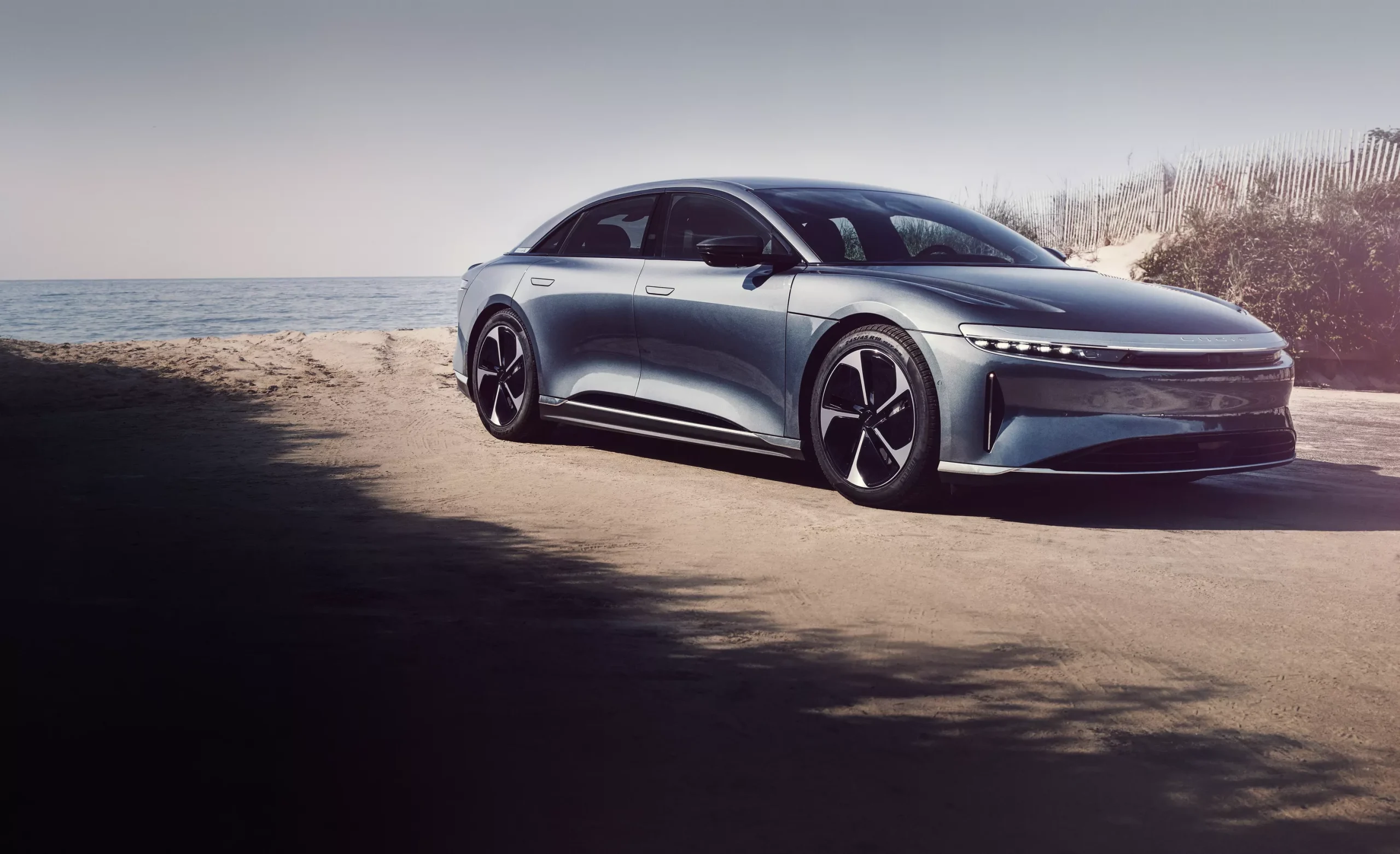
The vehicle’s aerodynamics are equally impressive, with a drag coefficient of just 0.197 when fitted with 19-inch wheels lower than nearly any other production car.
Every surface has been carefully sculpted to minimize wind resistance while maintaining the elegant proportions expected of a luxury sedan.
Inside, the Lucid Air Pure offers a spacious, meticulously crafted cabin that rivals traditional luxury sedans from established premium brands.
The interior features high-quality materials, including sustainable options, along with an innovative Glass Cockpit that integrates a 34-inch curved display spanning the dashboard.
The driving position is commanding yet comfortable, and rear-seat passengers enjoy exceptional legroom thanks to the efficient packaging enabled by the electric powertrain.
Standard features include a premium audio system, advanced driver assistance technologies, and over-the-air software updates that continuously improve the vehicle’s capabilities.
For buyers seeking the absolute best combination of luxury, performance, and efficiency, the Lucid Air Pure demonstrates that you truly can have it all without compromise or guilt about energy consumption.
3. Tesla Model 3 Long Range RWD
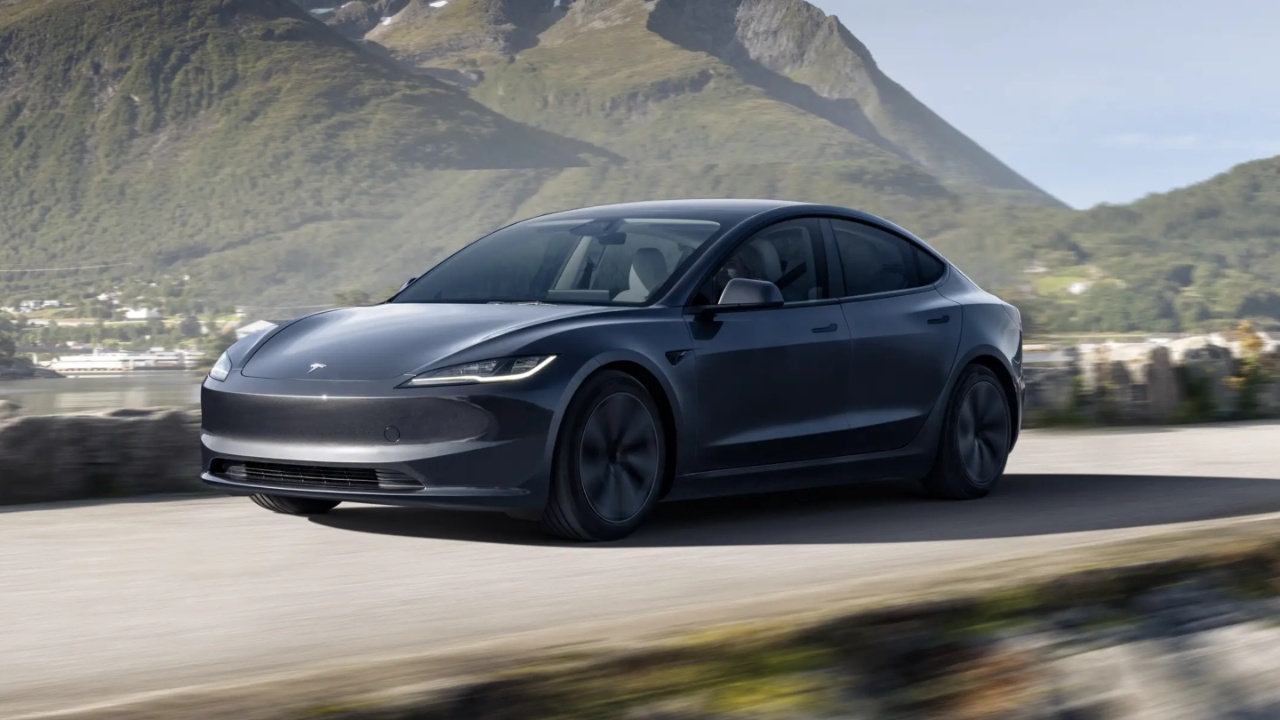
Tesla’s Model 3 Long Range with rear-wheel drive has long been synonymous with EV efficiency, and the latest iteration continues that legacy with an EPA rating of 132 MPGe combined, equivalent to approximately 3.9 miles per kilowatt-hour.
Starting at $43,880, the Model 3 represents one of the most accessible ways to own an efficient, long-range electric vehicle with proven reliability and an extensive charging infrastructure.
While other vehicles now match or slightly exceed its efficiency numbers, the Model 3’s combination of efficiency, performance, range, and technology package makes it a compelling choice for drivers making the transition to electric mobility.
The Model 3’s efficiency stems from years of iterative improvements to its drivetrain, battery chemistry, and vehicle design. Tesla’s proprietary permanent magnet reluctance motor is remarkably compact and efficient, converting electrical energy to motion with minimal losses.
The company’s advanced heat pump system for cabin climate control significantly reduces energy consumption in cold weather compared to traditional resistive heating, helping maintain efficiency year-round.
The vehicle’s relatively low weight for an EV, achieved through extensive use of aluminum and careful engineering, also contributes to reduced energy consumption.
With an EPA-estimated range of approximately 363 miles, the Model 3 Long Range RWD offers genuine long-distance capability while sipping rather than gulping electricity.
The 2024 refresh brought subtle but meaningful improvements to the Model 3, including a smoother ride quality, improved interior materials, and updated exterior styling.
The minimalist interior, dominated by a 15.4-inch central touchscreen, continues to polarize opinions some appreciate the clean, uncluttered design while others miss traditional controls.
The vehicle’s performance remains impressive, with the rear-wheel-drive model accelerating from zero to 60 mph in approximately 5.8 seconds.
Standard features include Tesla’s advanced Autopilot driver assistance system, a premium audio system, and heated seats front and rear.
While some may find more traditional luxury in competitors, the Model 3’s blend of efficiency, technology, performance, and charging infrastructure creates a package that’s difficult to match.
For drivers who value proven technology, extensive charging options, and strong efficiency, the Model 3 remains a benchmark choice in the electric sedan segment.
4. Nissan Leaf
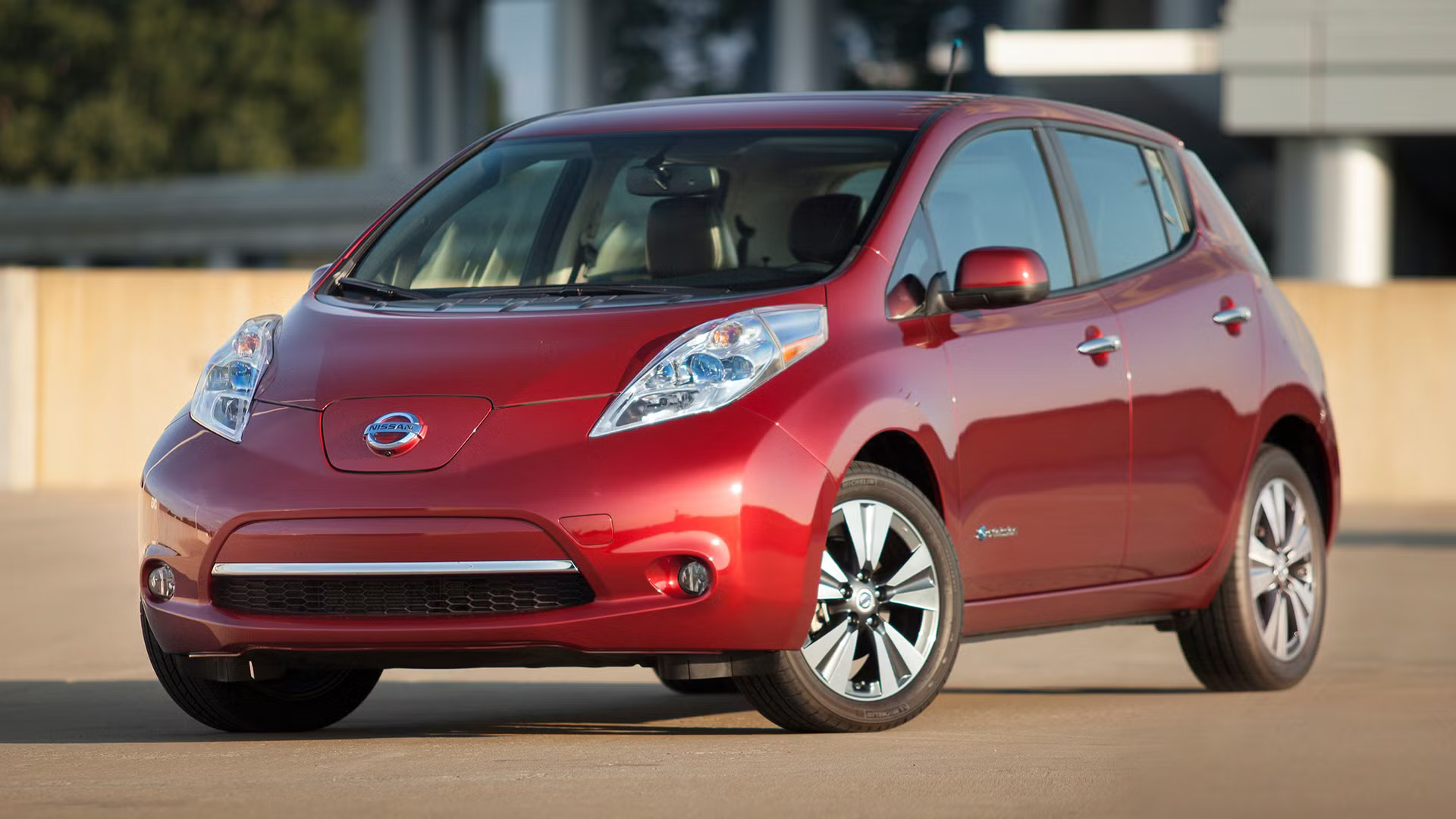
The Nissan Leaf holds a special place in EV history as the world’s first mass-produced electric vehicle, debuting in 2010 and proving that mainstream electric mobility was viable and practical.
More than a decade later, the 2025 Leaf remains relevant primarily because it holds the title as the most affordable new electric vehicle available in the United States, with a starting price under $30,000.
While it may not match the range or cutting-edge technology of newer competitors, the Leaf offers genuine efficiency and practicality at a price point that makes EV ownership accessible to budget-conscious buyers who might otherwise be priced out of the electric vehicle market.
The base Leaf S with its 40-kilowatt-hour battery pack achieves an EPA rating of approximately 123 MPGe combined, translating to about 3.5 miles per kilowatt-hour.
While this doesn’t match the efficiency of more aerodynamic vehicles like the Ioniq 6 or Lucid Air, it’s still quite respectable and significantly better than many larger EVs.
The Leaf S offers 149 miles of EPA-estimated range, which is admittedly modest by today’s standards but perfectly adequate for the vast majority of daily commuting needs.
For those requiring more range, the SV Plus trim with a larger 60-kilowatt-hour battery extends the range to 212 miles while maintaining solid efficiency at 109 MPGe combined.
Both versions use a front-wheel-drive configuration with a single electric motor, keeping complexity and energy consumption relatively low.
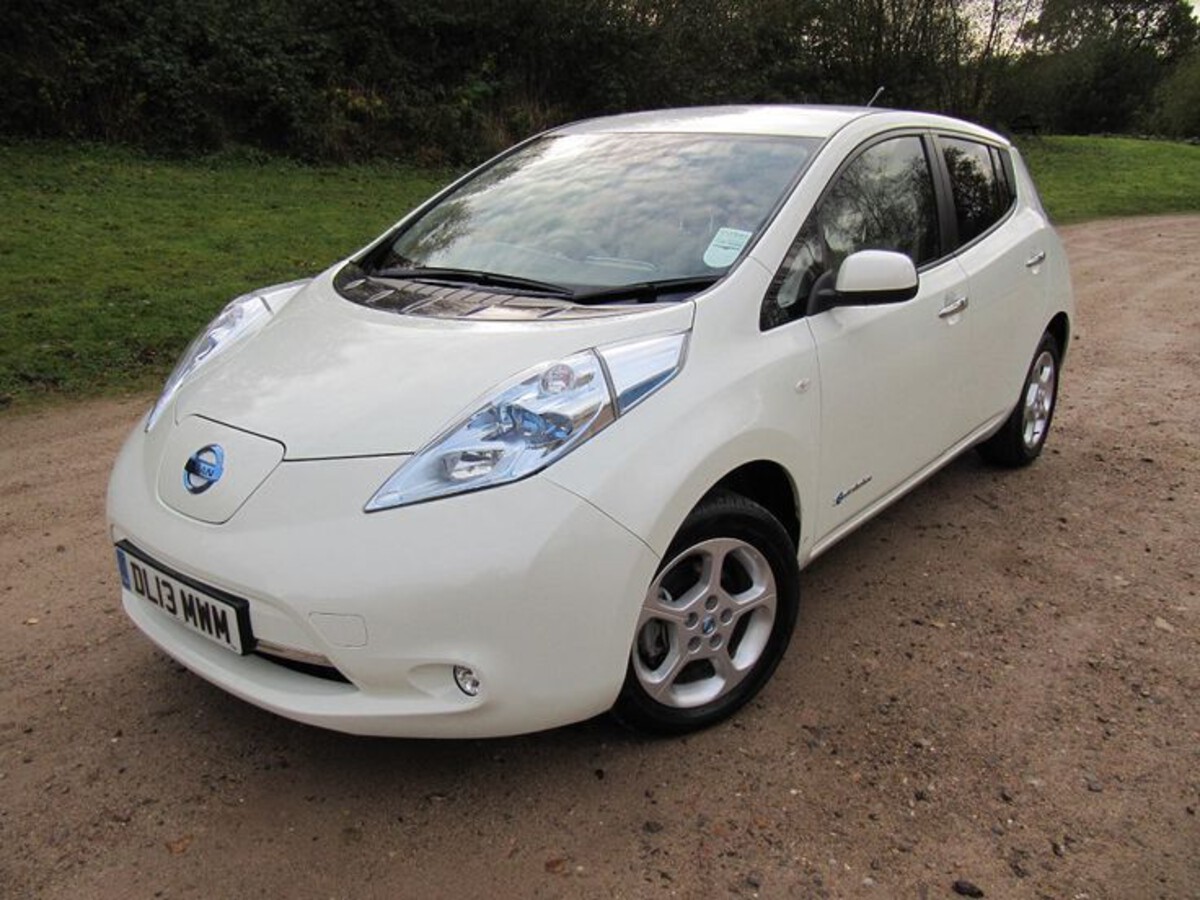
One consideration for prospective Leaf buyers is the vehicle’s use of CHAdeMO fast-charging technology rather than the more common CCS standard in North America.
While CHAdeMO chargers are less prevalent than CCS options, they’re still available at many public charging locations, particularly in areas with established EV infrastructure.
The Leaf can charge from empty to 80 percent in approximately 40 to 60 minutes on a CHAdeMO DC fast charger, depending on the battery size.
For home charging on a 240-volt Level 2 charger, expect approximately 7.5 to 11.5 hours for a full charge, depending on the battery pack. This makes overnight home charging the most practical approach for most Leaf owners.
The Leaf’s interior is straightforward and functional, with materials that reflect its budget-conscious pricing but remain durable and practical. The cabin offers comfortable seating for five passengers with adequate cargo space in its hatchback configuration.
Standard safety features include forward collision warning with automatic emergency braking, blind-spot monitoring, and rear cross-traffic alert a comprehensive package for a vehicle at this price point.
The infotainment system is less sophisticated than what you’ll find in more expensive EVs, but it includes the essentials like smartphone integration and navigation.
For 2024 and later models sold after March 6, 2024, the Leaf qualifies for a $3,750 federal tax credit, which can be applied at the point of purchase, bringing the effective price well below $30,000.
For budget-conscious buyers who primarily drive shorter distances and want to minimize their environmental impact without breaking the bank, the Nissan Leaf represents the most accessible path to EV ownership while still delivering reasonable efficiency and practicality.
Also Read: 5 Used EVs That Are Safe Bets in 2025 vs. 5 to Think Twice About
5. BMW i4 eDrive40
The BMW i4 eDrive40 represents the German automaker’s successful fusion of traditional BMW driving dynamics with electric efficiency, creating a premium sedan that doesn’t apologize for being electric but doesn’t shout about it either.
With an EPA rating of up to 113 MPGe combined, equivalent to approximately 3.8 miles per kilowatt-hour, the i4 eDrive40 may not top the pure efficiency charts, but it offers a compelling balance of efficiency, performance, luxury, and that intangible BMW driving character.
Starting at approximately $58,000, the i4 eDrive40 targets buyers who want electric efficiency without sacrificing the refined road manners and premium features that traditional luxury sedan buyers expect.
The i4’s efficiency comes from its carefully optimized single-motor, rear-wheel-drive powertrain that produces 335 horsepower, plenty for spirited driving while maintaining reasonable energy consumption.
The 83.9-kilowatt-hour battery pack, shared with all i4 variants, provides an EPA-estimated range of up to 318 miles when equipped with the standard 18-inch wheels.
Opt for larger 19-inch wheels, and the range drops to approximately 301 miles, illustrating how wheel and tire choices impact both efficiency and range.
The vehicle supports DC fast charging at rates up to 200 kilowatts, allowing for 10 to 90 percent charging in approximately 38 minutes under optimal conditions. For home charging on a Level 2 charger, expect a full charge in less than 8 hours, making overnight replenishment straightforward.
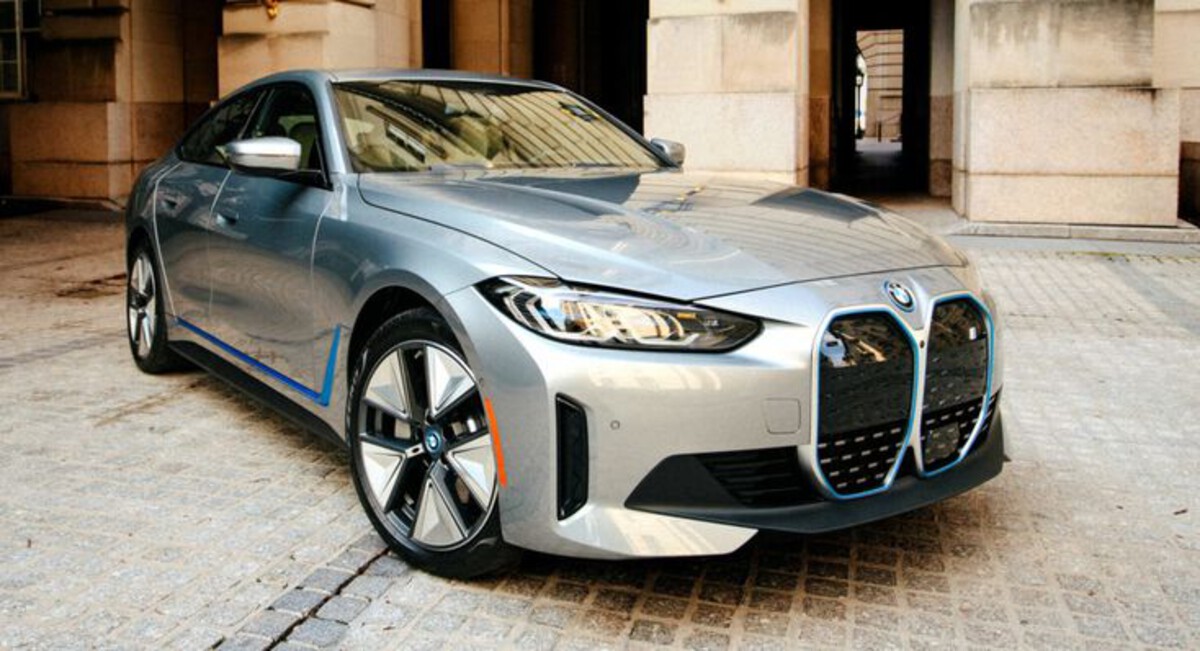
What distinguishes the i4 from many competitors is its driving dynamics. BMW’s engineers have tuned the suspension, steering, and powertrain calibrations to deliver the engaging, confidence-inspiring driving experience the brand is known for.
The low center of gravity provided by the floor-mounted battery pack enhances handling precision, while the instant torque delivery of the electric motor provides satisfying acceleration.
The steering offers more feedback than many EVs, and the chassis strikes an excellent balance between comfort and sportiness. While some enthusiasts may miss the sonorous exhaust note of BMW’s inline-six engines, the i4’s refinement and silence at highway speeds create a serene, luxurious environment for long-distance cruising.
The i4’s interior showcases BMW’s latest design language, featuring a curved display that integrates a 12.3-inch digital instrument cluster with a 14.9-inch central touchscreen running the company’s iDrive 8.5 operating system.
The interface can be controlled via touch, voice commands, or BMW’s traditional iDrive controller, offering flexibility for different preferences. Interior materials are high-quality, with a mix of sustainable and premium options depending on trim level.
The i4 offers seating for five with generous front-seat space, though rear-seat headroom is somewhat limited due to the sloping roofline a compromise made for aerodynamics and styling.
Cargo capacity is adequate at approximately 17 cubic feet, though the sedan configuration means you can’t fold seats flat like in a hatchback.
Standard features include heated seats, a premium Harman Kardon audio system, advanced driver assistance technologies, and BMW’s comprehensive suite of connected services.
For drivers who want EV efficiency packaged in a vehicle that drives like a traditional BMW sport sedan, the i4 eDrive40 delivers a refined, engaging experience that feels familiar yet forward-looking.
6. Kia Niro EV
The Kia Niro EV distinguishes itself in the crowded electric crossover segment through its unique combination of quirky styling, practical packaging, and solid efficiency credentials.
With an EPA rating of approximately 113 MPGe combined, equivalent to about 3.4 miles per kilowatt-hour, the Niro EV may not lead the efficiency charts, but it offers a well-rounded package that prioritizes livability, features, and value.
Starting at approximately $40,000, the Niro EV targets buyers who want the versatility of a crossover shape, EV efficiency, and a comprehensive feature set without stretching to luxury price points. Its distinctive two-tone exterior design ensures you won’t be mistaken for just another anonymous crossover on the road.
The Niro EV’s efficiency comes from its single-motor, front-wheel-drive powertrain producing 201 horsepower and 188 pound-feet of torque enough for spirited acceleration while maintaining reasonable energy consumption.
The liquid-cooled 64.8-kilowatt-hour lithium-ion battery pack delivers an EPA-estimated range of 253 miles, which strikes a practical balance between battery size, vehicle weight, and usable range for most driving scenarios.
DC fast charging capability means the Niro EV can restore approximately 80 percent charge in about 45 minutes, adding over 200 miles of range. This makes it viable for occasional longer trips beyond typical daily driving.
For home charging on a 240-volt Level 2 setup, expect approximately 7 to 10 hours for a complete charge, depending on the charger’s output and the battery’s initial state.
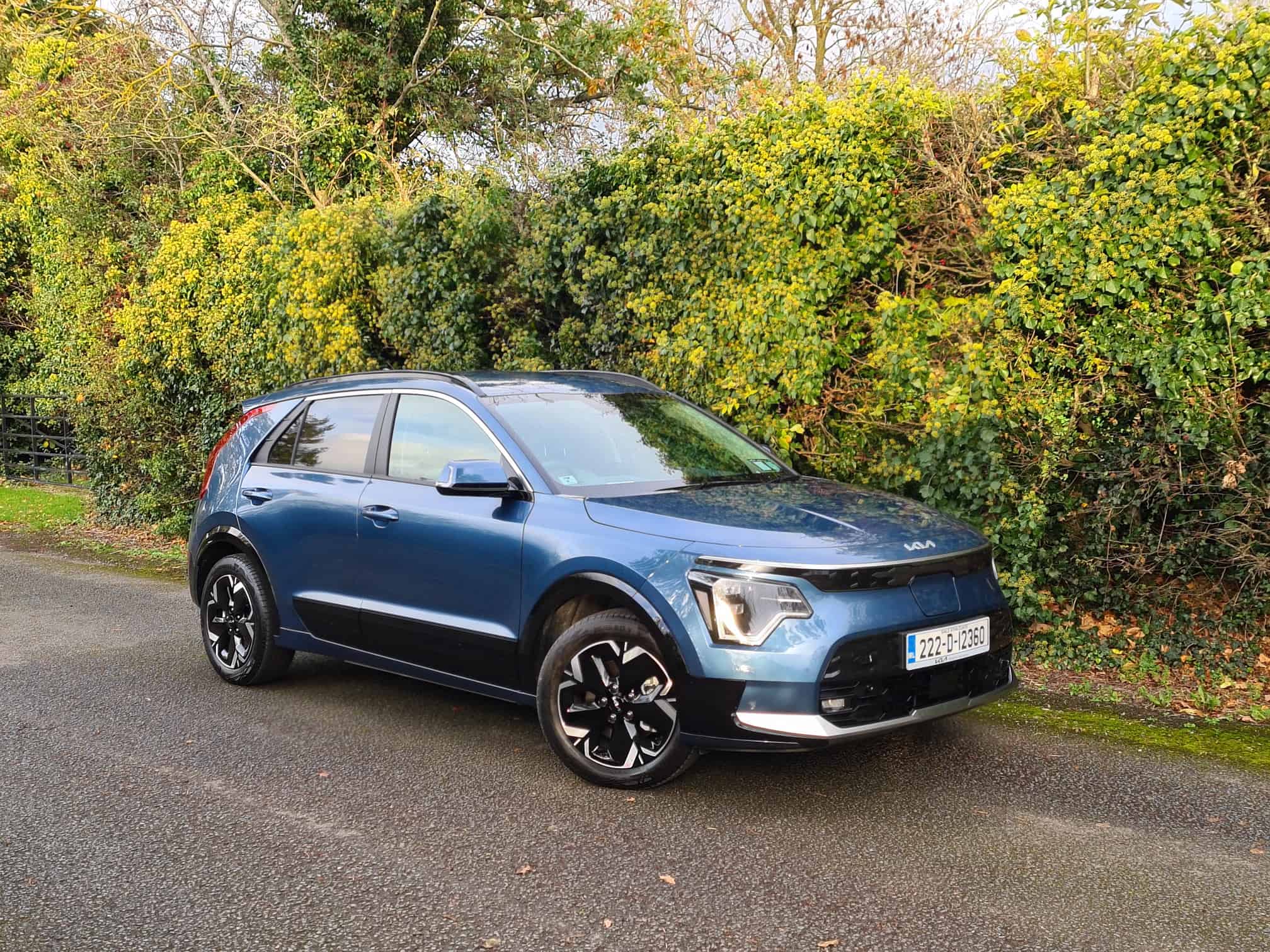
Inside, the Niro EV offers a contemporary, eco-conscious design that incorporates recycled and sustainable materials throughout the cabin.
The two-spoke steering wheel design is distinctive, while the center console hosts a rotary shift selector that frees up space for storage.
The 10.3-inch digital instrument cluster pairs with a similarly sized infotainment touchscreen to create a tech-forward atmosphere without feeling overwhelming.
Kia has equipped the Niro EV with generous small-item storage throughout the cabin, including large door pockets and thoughtfully placed cubby holes.
The crossover body style provides good headroom and visibility, while the raised seating position appeals to buyers accustomed to SUV-style ergonomics.
Rear-seat space is adequate for adults on shorter trips, and the cargo area provides approximately 18 cubic feet behind the rear seats.
The Niro EV comes standard with Kia’s comprehensive suite of driver assistance technologies, including forward collision avoidance, blind-spot monitoring, rear cross-traffic alert, and lane-keeping assist.
Available premium features include a Harman Kardon sound system, heated and ventilated front seats, and a head-up display. While the Niro EV doesn’t currently qualify for the federal tax credit, many Kia dealers offer lease incentives that can make the effective monthly cost quite competitive.
Kia’s warranty package remains one of the industry’s best, including a 5-year/60,000-mile basic warranty and a 10-year/100,000-mile battery warranty, providing peace of mind for long-term ownership.
For buyers seeking a practical, efficient electric crossover with distinctive styling and a strong feature set at a reasonable price, the Kia Niro EV delivers exactly what many mainstream EV shoppers are looking for without pretension or compromise in daily usability.
7. Chevrolet Equinox EV
The Chevrolet Equinox EV represents General Motors’ ambitious push to make electric vehicles accessible to mainstream American buyers who want crossover practicality without premium pricing.
With a starting price under $35,000 for the front-wheel-drive LT trim, the Equinox EV is one of the most affordable electric SUVs on the market while simultaneously offering one of the longest ranges in its segment.
The base front-wheel-drive model achieves an EPA-estimated 319 miles of range and approximately 126 MPGe combined, translating to about 3.6 miles per kilowatt-hour.
This impressive combination of affordability, range, and reasonable efficiency makes the Equinox EV a compelling option for buyers who might have considered EVs financially out of reach.
The Equinox EV’s efficiency comes from its carefully engineered single-motor, front-wheel-drive powertrain that produces adequate power for daily driving while prioritizing energy conservation.
The vehicle utilizes GM’s Ultium battery platform, which promises improved energy density and faster charging compared to previous-generation GM electric vehicles.
Chevrolet claims the Equinox EV’s 150-kilowatt charging capability can add approximately 77 miles of range in just 10 minutes when connected to a DC fast charger, making quick top-ups practical during longer trips.
For complete charging sessions, expect approximately 30 minutes to reach 80 percent capacity from a low state of charge. Home charging on a 240-volt Level 2 charger will replenish the battery overnight, typically in 8 to 10 hours depending on the battery’s initial state.
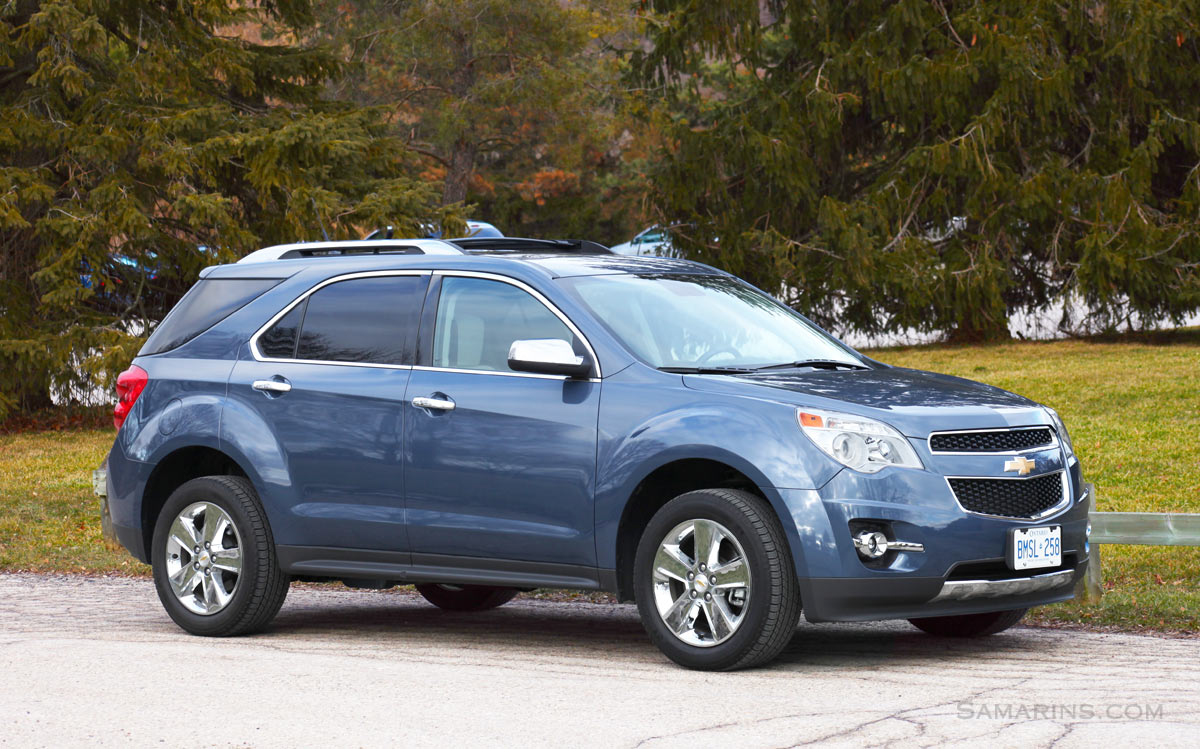
Inside, the Equinox EV offers a surprisingly upscale cabin given its affordable price point. The well-equipped base LT trim includes a massive 17.7-inch touchscreen for infotainment, an 11-inch digital driver display, and a comprehensive suite of safety technologies.
The interior materials feel durable and thoughtfully arranged, with good visibility all around thanks to the crossover body style. Front-seat occupants enjoy generous space, while rear-seat passengers get adequate legroom for adults.
The cargo area provides approximately 57 cubic feet with the rear seats folded, making the Equinox EV genuinely practical for family hauling duties. GM has also included thoughtful touches like ample USB ports and storage cubbies throughout the cabin.
One consideration for prospective Equinox EV buyers is its charging speed relative to some competitors. While 150 kilowatts is adequate, it’s not class-leading, and real-world charging sessions may take slightly longer than with vehicles that support higher charging rates.
However, for the vast majority of buyers who will primarily charge at home, this is a minor consideration. The Equinox EV qualifies for federal tax credits up to $7,500, depending on income limits and other factors, which can bring the effective purchase price well below $30,000 for qualifying buyers, making it one of the most affordable new vehicles of any type on the market.
Chevrolet also offers a lease option that can further reduce monthly costs. Standard features include Super Cruise hands-free driving capability on compatible highways, a feature typically reserved for much more expensive vehicles.
For budget-conscious buyers who want maximum range, reasonable efficiency, and crossover practicality without compromising on features or technology, the Chevrolet Equinox EV represents exceptional value and a genuine breakthrough in making EVs accessible to mainstream American families.
Also Read: 5 Hybrids That Save Money Fast vs. 5 That Take Too Long to Pay Off
