For years, car shoppers in the United States have been stuck between two extremes: vehicles with overly complex touch interfaces trying to mimic smartphones, and older models that rely on traditional knobs and buttons for nearly everything.
As screens have grown larger and menus more layered, many drivers have discovered a simple truth sometimes a physical control is just better.
When you’re driving at 70 mph on an interstate, you don’t want to poke at a screen to change the temperature or adjust the volume. You want a dial you can feel, a button you can hit without thinking, and controls that don’t require digging through three submenus.
The good news? Some automakers understand this. Even in 2025, several brands continue offering real buttons and traditional volume knobs for the sake of usability, safety, and comfort.
These vehicles range from budget-friendly compact SUVs to luxury sedans, but they all share a common design philosophy: keep important features tactile, intuitive, and accessible.
Below is a carefully selected list of 10 cars that still deliver simple volume knobs and real physical buttons, along with why they stand out in today’s touchscreen-heavy era.
1. 2025 Subaru Forester
The redesigned Forester continues Subaru’s commitment to user-friendly controls. While it uses a large touchscreen for navigation and apps, Subaru smartly keeps the most frequently used features volume, tuning, temperature, and fan speed on physical knobs or buttons.
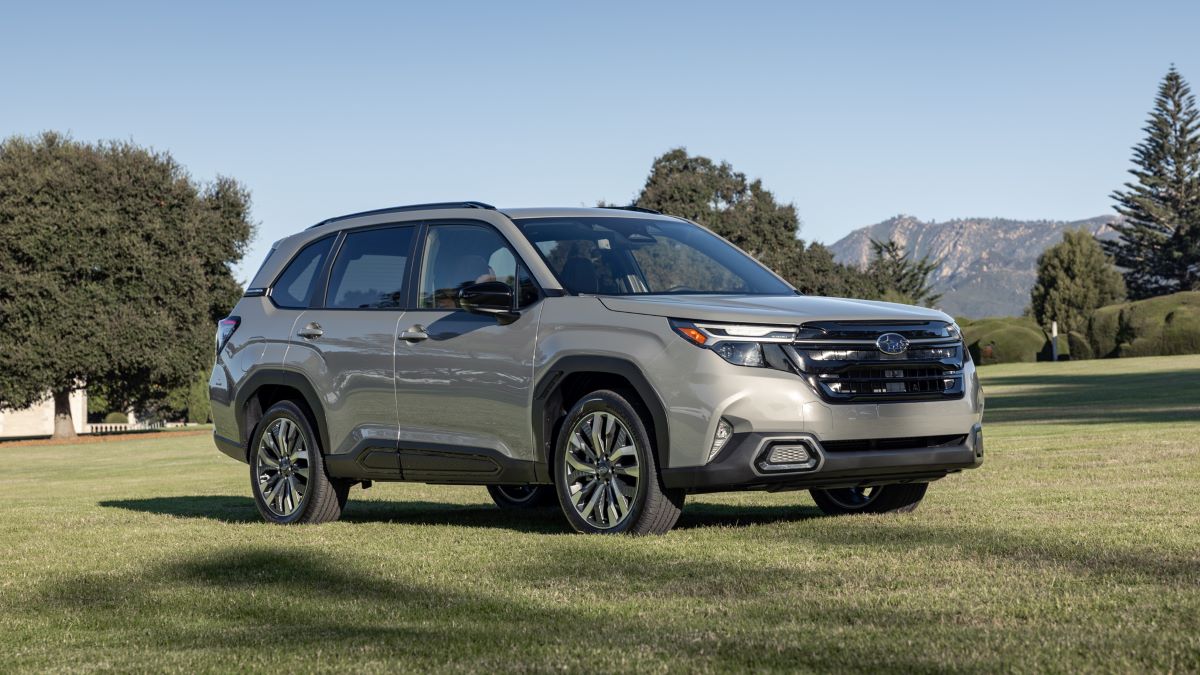
Drivers appreciate that they can adjust the climate without looking away from the road, a feature often praised in owner reviews.
Subaru understands that its core customers tend to be practical and outdoorsy, and they prefer simple, durable interior ergonomics over trend-chasing digital interfaces.
The compact Forester SUV arrives completely redesigned for 2025, and on paper at least, it’s a significant overhaul. Now in its sixth generation, this two-row, five-passenger Forester provides increased passenger room and a quieter ride compared with the outgoing model.
Its styling has been updated, yet it remains instantly identifiable as a Forester, sticking to the familiar formula that has helped it remain a long-running favorite.
Every version still uses a flat-four engine, all-wheel drive, a continuously variable transmission, and the kind of extra ground clearance that makes moderate off-road adventures easy to manage.
And like many rivals, the Forester’s manageable footprint makes it simple to park in tight urban spots and far less cumbersome than larger three-row SUVs such as Subaru’s own Ascent. Even though the 2025 Forester improves in several meaningful areas, it still lacks the one upgrade we value most: genuine driving enjoyment.
Beneath the hood sits a 2.5-liter flat-four engine paired with a continuously variable transmission and all-wheel drive. Output remains a modest 180 horsepower and 178 pound-feet of torque. Subaru says a hybrid powertrain will arrive next year.
Despite using a dual-pinion electronic power steering setup similar to the one found in the WRX sports sedan, the Forester doesn’t offer nearly the same level of driving fun. Steering feel is faint, and the suspension prioritizes comfort above all else.
Push the Forester into a corner at speed and you’ll notice a bit of wiggle from the rear, which can feel slightly unsettling until the vehicle regains its composure. But if you prefer a gentler driving style and want a cushy ride, the Forester delivers exactly that.
Also Read: Top 10 Used Manual-Transmission Cars Still Worth the Hunt
2. 2025 Toyota Camry
Toyota’s latest Camry redesign incorporates a bigger infotainment display, but the brand refused to ditch old-school controls.
The sedan includes a classic round volume knob placed next to hard shortcut buttons for Home, Audio, and Map an excellent balance of familiar feel and modern tech.
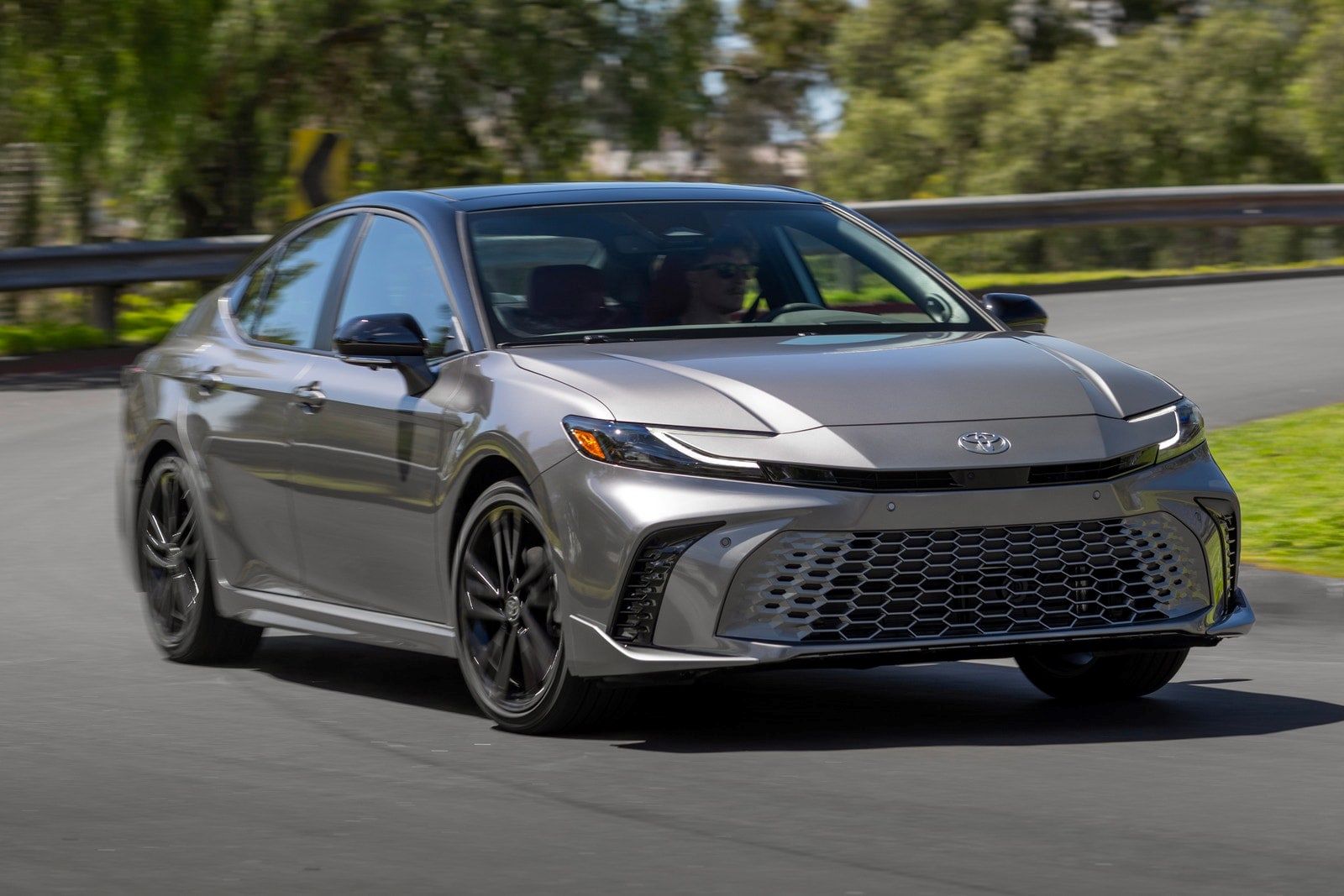
Toyota also keeps a full row of climate-control buttons beneath the screen, ensuring you never have to swipe through a digital panel just to alter cabin temperature.
For buyers who prioritize reliability, predictability, and comfort, the Camry’s control layout continues to be one of the best in the midsize sedan segment.
3. 2025 Honda CR-V
Honda has learned from past mistakes. After early attempts at screen-only audio controls frustrated owners, the brand returned to physical knobs and the CR-V benefits immensely.
The latest model features a prominent volume dial and easy-to-press climate buttons that work even with gloves.
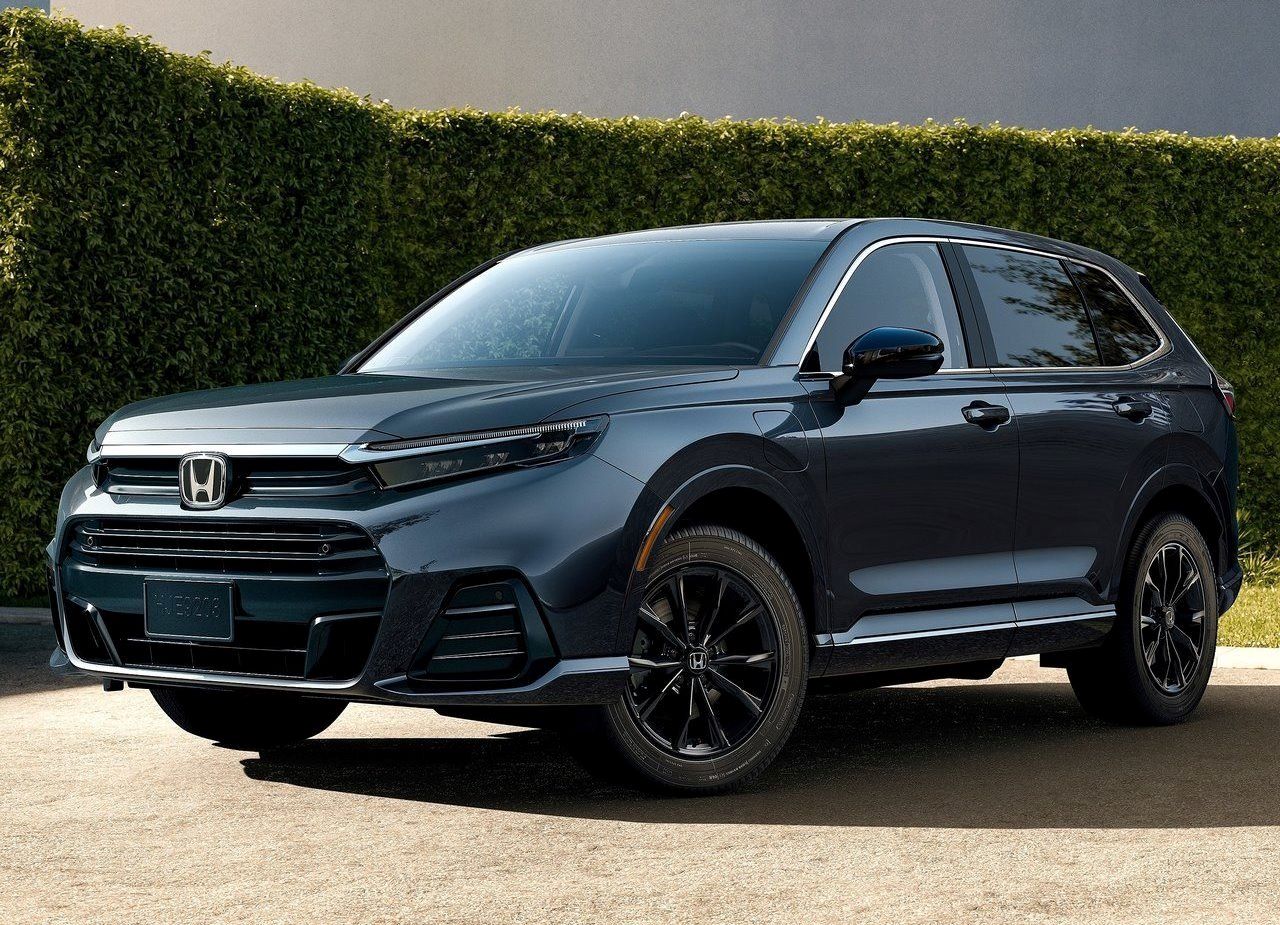
This practical setup is a major reason US shoppers consistently place the CR-V near the top of compact SUV rankings. Honda’s interiors feel modern without trying too hard, and the return to tactile simplicity reinforces that philosophy.
The CR-V isn’t built for track duty, but it feels more responsive and composed than many other small SUVs. In our testing, the hybrid Sport Touring model went from 0 to 60 mph in 8.0 seconds. That’s standard for the segment, and you can expect the regular 1.5-liter engine to post a similar time.
The brakes perform reliably in emergency scenarios and make it easy to bring the vehicle to a smooth stop. We also appreciate the hybrid powertrain’s refined behavior and its simulated gear shifts during everyday driving, though tackling long mountain climbs may require a heavier foot.
Through corners, the CR-V remains steady and predictable. The steering feels responsive and provides enough feedback to keep you informed about road conditions. Ride comfort is one of this SUV’s standout qualities.
The CR-V shows strong overall construction for its price bracket. The absence of squeaks or rattles suggests solid build quality, and it maintains a smooth, quiet demeanor on the road. While the cabin does feature a noticeable amount of hard plastic, Honda mostly disguises it with soft-touch materials and some well-executed design touches.
You will spend a bit more on a CR-V than on several competitors, so those seeking a budget-friendly SUV may find better deals elsewhere.
Given the sturdy build, we consider the pricing reasonable, though not exactly compelling. Warranty coverage is average for the segment, as some rivals offer more robust corrosion protection, more generous roadside assistance, or complimentary maintenance.
Visibility has its highs and lows, large front windows, a less-than-ideal rear view, and helpful parking cameras—and although the driver assistance features perform effectively, competing models provide a broader suite of technologies.
4. 2025 Mazda CX-50
The CX-50 is one of the rare crossovers that combines upscale design with ergonomics that favor the driver. Mazda rejects big tablet-like screens for a smaller, well-positioned display controlled by a rotary dial and physical backup buttons.
Even the audio system still has a traditional volume knob mounted on the center console for easy reach. This driver-centric approach is inspired by Mazda’s “hands on the wheel, eyes on the road” mantra, prioritizing minimal distraction.
For shoppers wary of the screen-first trend but wanting a modern interior, the CX-50 is an ideal middle ground. Mazda has long been recognized for building cars with excellent handling, and the 2025 CX-50 shows that those standout driving dynamics translate seamlessly into the SUV world.
Its nimble chassis, communicative steering, and lively optional 256-hp turbocharged four-cylinder bring a level of driving excitement that’s uncommon in the compact crossover segment.
Every CX-50 features standard all-wheel drive, and even if you opt for the base 187-hp non-turbo four-cylinder, you’ll still experience the engaging character Mazda is known for.
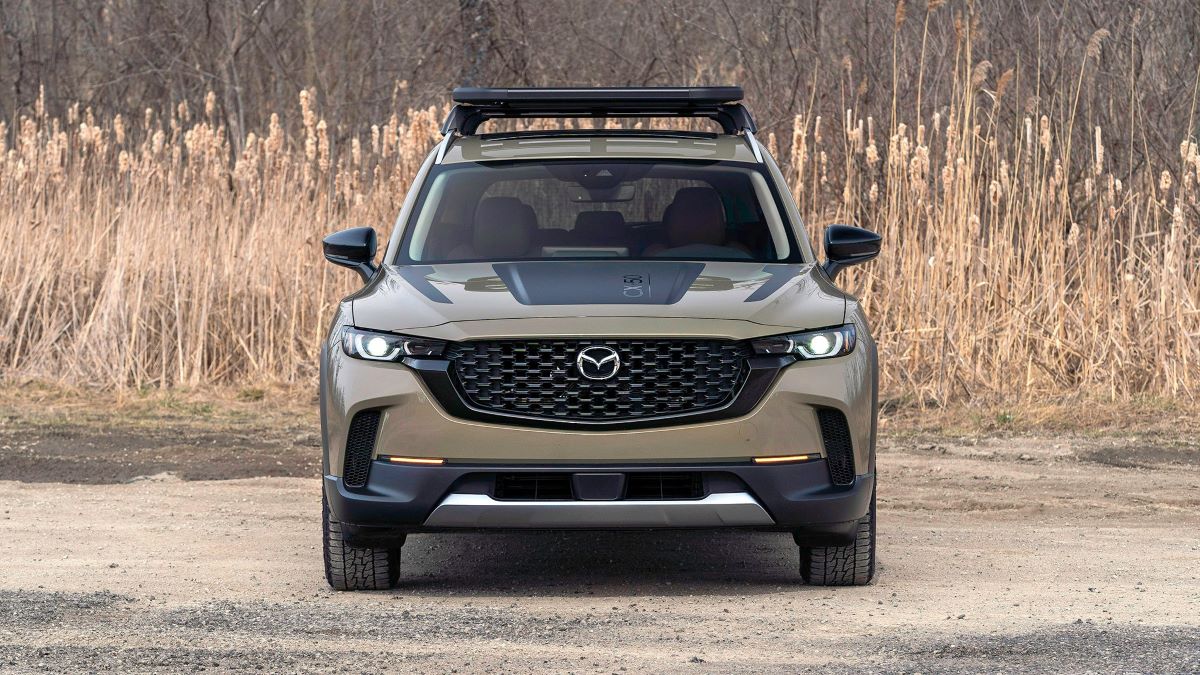
Adding to its appeal, the CX-50 features an upscale cabin that rivals similarly sized luxury-brand SUVs, delivering a sense of refinement that’s evident the moment you settle into the driver’s seat.
This blend of characteristics makes the CX-50 one of our top SUV picks, and it’s a model we often recommend alongside strong competitors like the Honda CR-V and Volkswagen Tiguan.
Every version is powered by a 2.5-liter four-cylinder, but the turbocharged variant, with its 256 horsepower, is the one worth choosing; the base non-turbo engine produces 187 horsepower.
A six-speed automatic transmission and all-wheel drive come standard, and Mazda has tuned the CX-50 for sharp, responsive handling. It continues the brand’s legacy of crafting vehicles that are genuinely enjoyable to drive.
During our test drive, we specifically praised the CX-50 for its enjoyable driving dynamics and precise steering while still delivering a comfortable ride. Mazda also offers a CX-50 Hybrid, which uses a powertrain sourced from the Toyota RAV4 Hybrid, though we cover that version in a separate review.
Also Read: Top 12 Utility Cars That Make Chores Simple and Fast
5. 2025 Ford Bronco
The Bronco is built for adventure and off-road use, so Ford sensibly equips it with chunky physical controls designed to be used with muddy fingers or gloves.
You get a proper volume knob, rubberized climate buttons, and even old-school toggle switches for locking differentials and off-road modes.
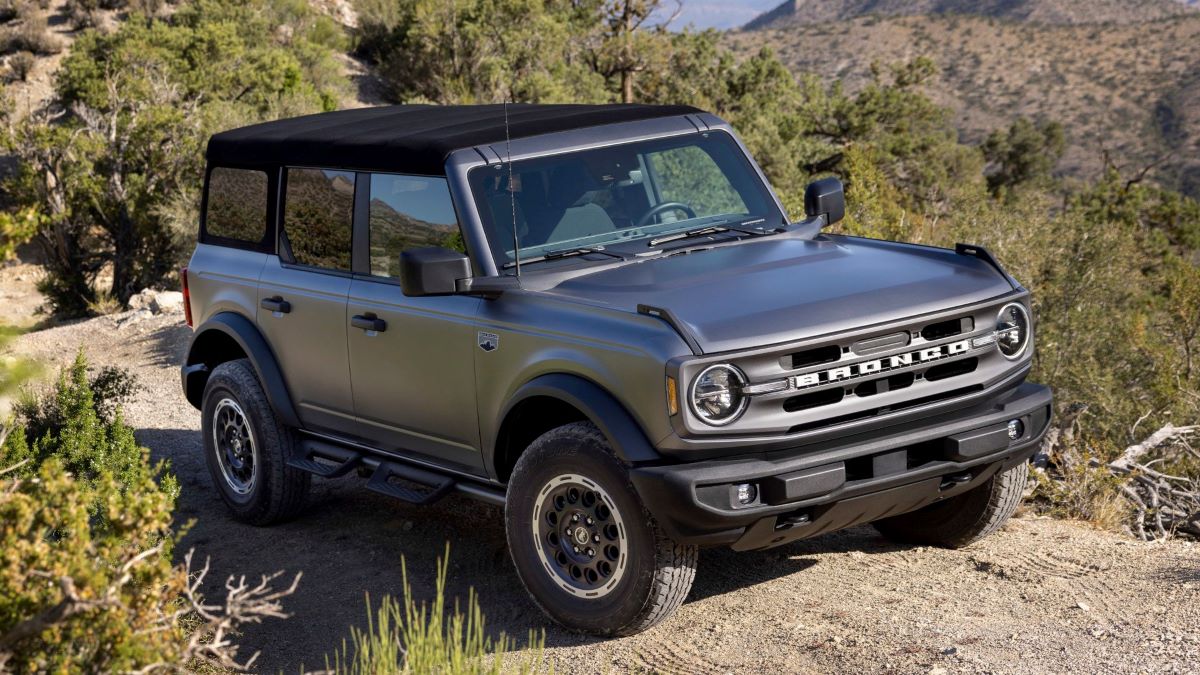
Ford knows that Bronco drivers aren’t interested in digging through touchscreen settings while bouncing on a trail.
Everything you need is mechanical, durable, and extremely easy to use. In a market overwhelmed by glossy touch panels, the Bronco’s utilitarian cabin is refreshingly straightforward.
6. 2025 Jeep Grand Cherokee
Jeep’s latest Grand Cherokee blends luxury with usability, keeping traditional controls within reach instead of burying them behind menus.
The volume knob sits directly below the infotainment display, along with tactile climate buttons that allow rapid adjustments without hunting around.
Jeep also includes a dedicated physical tuning knob something that has disappeared from many competitors. The result is an SUV that feels premium without sacrificing the ease of use that long-time Jeep owners expect.
The standard V6 provides solid power for city driving, but with many rivals offering similar muscle, its overall performance lands squarely in the average range. In our testing, it reached 0–60 mph in roughly 8 seconds, which aligns with other five-passenger midsize SUVs such as the Toyota 4Runner and Honda Passport.
The optional 4xe plug-in hybrid setup delivers noticeably quicker acceleration. On the plus side, the brakes inspire confidence with smooth, controlled stopping power, and we appreciate the steering for its light yet precise feel.
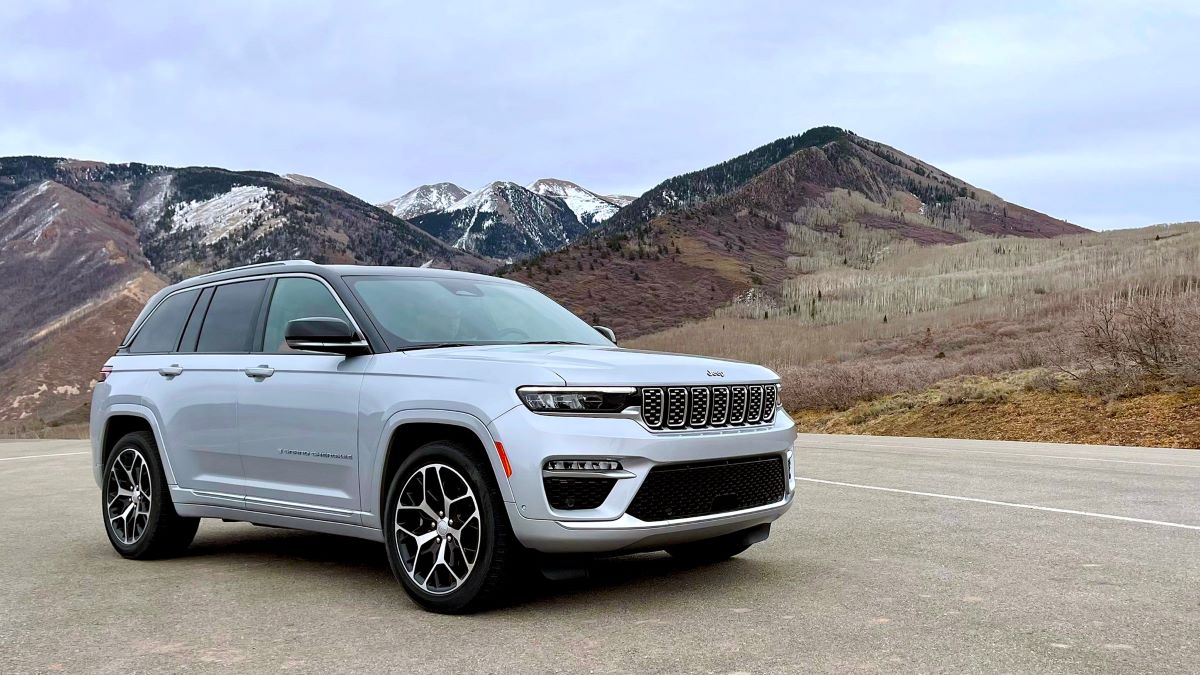
The Grand Cherokee isn’t especially athletic. It’s not unwieldy, but its limits in terms of grip and driver engagement fall below the class norm. As a counterbalance, the Grand Cherokee surpasses most midsize crossover SUVs when it comes to off-road capability.
Base Grand Cherokee models come in at competitive prices, undercutting both the 4Runner and Passport, though the Jeep’s equipment list at this level is fairly sparse.
At the opposite end, fully loaded trims offer upscale amenities that are uncommon in this category. With a broad range of trims and available two- or four-wheel drive, there’s likely a configuration that suits most shoppers.
However, the Jeep falls a bit short in overall build quality; some switchgear feels cheap, and the materials inside don’t seem as durable or refined as you might expect in the higher-priced versions.
Jeep’s warranty coverage is typical for the segment, with three years/36,000 miles of basic protection and five years/60,000 miles for the powertrain and roadside assistance.
7. 2025 Hyundai Tucson
Hyundai is known for experimenting with fully digital interiors, but the Tucson stands out as an exception. Even with its bold design and upmarket cabin materials, it retains a physical volume knob and conventional buttons for climate control.
These controls are laid out logically, making the Tucson an approachable choice for families or first-time buyers who might be overwhelmed by touch-intensive systems like those found in some Hyundai Electric models.
The Tucson gets points for being future-forward without forgetting practicality. The Tucson’s striking exterior styling gets a slightly sharper edge with its 2025 update.
Hyundai has also revised the cabin, adding more digital screen space, increasing the number of physical buttons, and redesigning the center console.
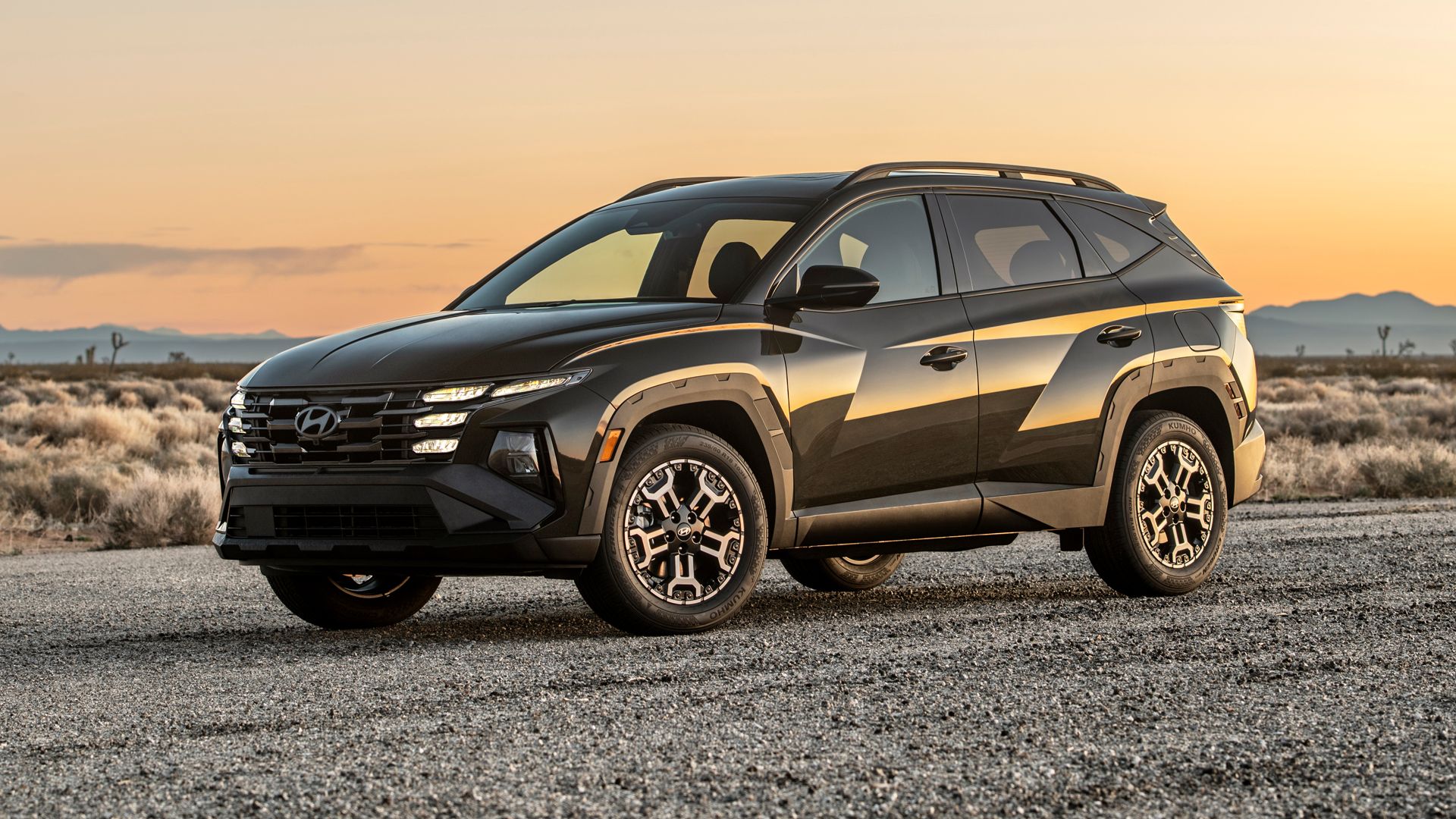
We had criticized the previous Tucson for its overly sensitive touch controls, so we’re eager to try out the improved knobs and switchgear on the refreshed version. Hyundai is promising infotainment upgrades, including quicker processing and the long-awaited addition of wireless Android Auto and Apple CarPlay as standard across all trims.
We’re hoping the SUV’s strong value-per-feature reputation remains intact after the refresh. Even with the increase in tech and convenience equipment, it appears Hyundai didn’t spend much effort refining the driving dynamics this time. As a result, the gas version will likely still feel underpowered, and its ride quality may continue to be on the firmer side.
The Tucson’s engines remain unchanged for 2025. For the gas-powered model, that means the familiar 2.5-liter naturally aspirated inline-four paired with an eight-speed automatic transmission is the only available setup, neither of which we’re particularly enthusiastic about.
Output remains at 187 hp and 178 lb-ft of torque. Front-wheel drive stays standard, with all-wheel drive available as an option.
The gas Tucson continues to trail the hybrids in both speed and efficiency. Our test team recorded a 0–60 mph time of 9.3 seconds in a 2022 Tucson Limited AWD. That’s 1.5 seconds slower than the hybrid version and more than 2 seconds behind the Plug-in Hybrid Limited AWD.
8. 2025 Kia Telluride
The Telluride remains one of the most popular 3-row SUVs in America, and its interior is a big reason why. Kia avoided the temptation of going full touchscreen, giving the Telluride a clean and functional setup.
You get a prominent volume knob, clear climate buttons, and even physical toggles for heated and ventilated seats.
US buyers love the Telluride for its no-nonsense approach to family comfort, and the presence of real buttons reinforces that reputation. This SUV proves that keeping things simple doesn’t mean sacrificing a premium feel.
Among three-row midsize SUVs, it has held its top position since arriving in 2020, securing a spot on our 10Best Trucks list for the sixth year in a row.
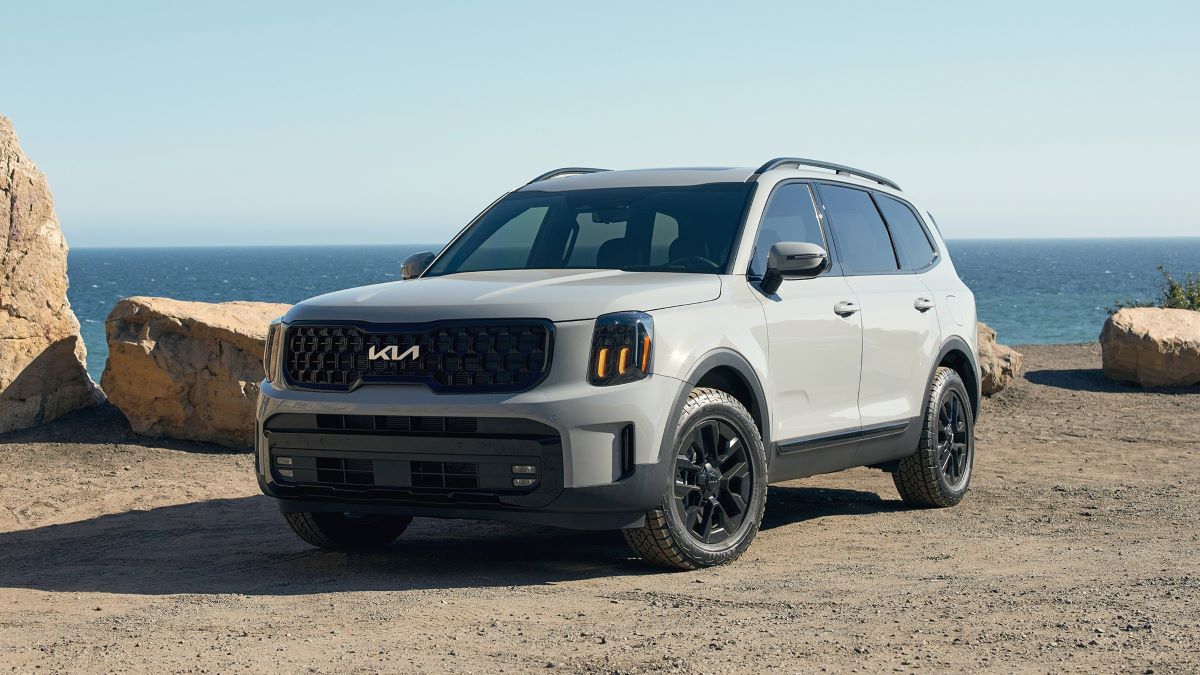
That’s an uncommon accomplishment, especially as newer rivals continue to emerge. It not only meets expectations for passenger room but surpasses them by offering adult-sized seating in all three rows.
Interior quality also goes above and beyond, with materials and overall design comparable to what you’d find in some entry-level luxury SUVs. Planning a family adventure? The X-Pro versions are equipped to handle moderate off-road conditions.
Every Telluride is powered by a naturally aspirated V-6 producing 291 horsepower and 262 pound-feet of torque. This engine works with an eight-speed automatic transmission that sends power to the front wheels, though all-wheel drive is available across all trims.
The Telluride rides on the firmer side, and rough pavement can occasionally unsettle the big three-row SUV. A self-leveling rear air suspension is also offered.
The brakes perform exceptionally well, and the steering feels precise with a satisfying amount of weight. For off-road outings, the Telluride provides up to 8.4 inches of ground clearance.
9. 2025 Lexus GX
While many luxury brands are moving toward screen-dominant cockpits, the redesigned Lexus GX sticks with intuitive, rugged controls.
The volume knob is large, knurled, and positioned for quick use not hidden or replaced by a haptic slider. Lexus also includes physical buttons for climate zones, seat functions, and drive modes.
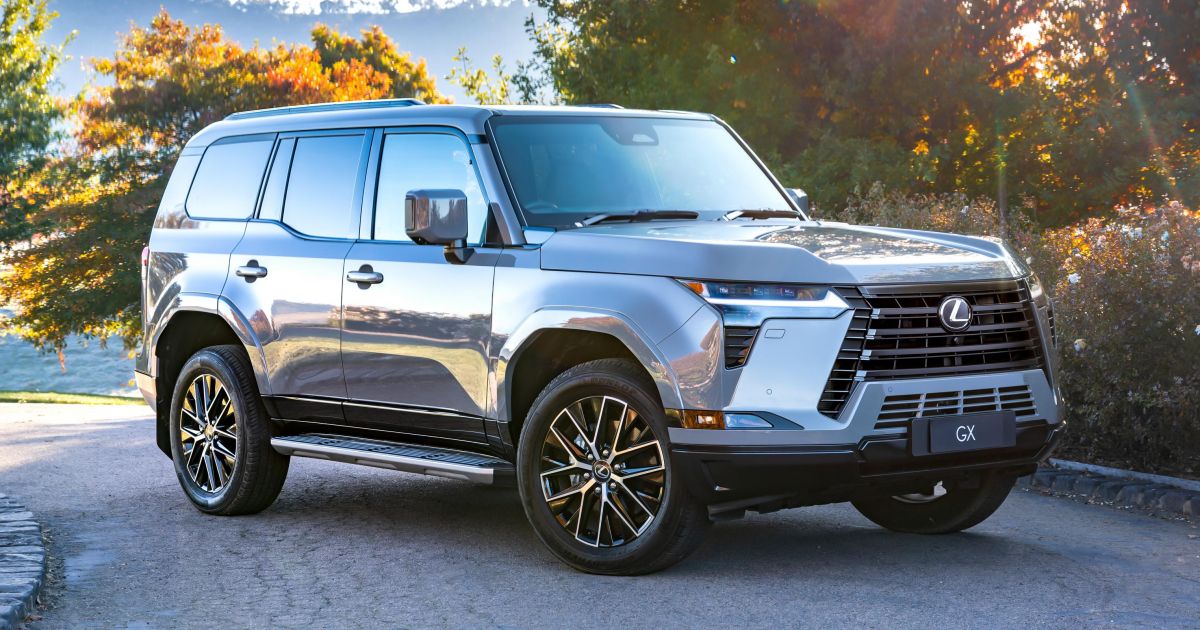
The GX is built for both luxury cruising and off-road exploration, and its control layout reflects those dual missions. It’s one of the few luxury vehicles that still prioritizes tactile feedback over touch-sensitive gimmicks.
A twin-turbocharged 3.4-liter V-6 engine comes standard in the GX550. With 349 horsepower, this boosted V-6 produces more power than the previous generation GX’s V-8 and even surpasses the Land Cruiser’s turbocharged four-cylinder hybrid.
A 10-speed automatic transmission is also standard, and all models include four-wheel drive. The Overtrail and Overtrail+ trims are loaded with additional off-road features compared with other trims, including 18-inch wheels wrapped in 33-inch All-Terrain tires, an aluminum skid plate, an adaptive suspension system with increased wheel articulation, a crawl-control function, and selectable drive modes for various terrains.
On the road, the GX550 delivers plenty of performance and feels lively off the line. On the highway, however, we noticed a noticeable amount of hood flutter. The ride is relatively firm, particularly when equipped with the optional larger wheels.
Steering is sharp, but the handling reflects what you’d expect from a tall, boxy SUV, meaning there is significant body roll. The Lexus Overtrail excels off-road, with excellent outward visibility that proves especially useful when maneuvering through tight trails.
10. 2025 Volkswagen Golf GTI
Volkswagen has reversed course after criticism of its touch-slider-heavy interiors. The refreshed Golf GTI now features a real physical volume knob and a return to simpler button-based climate controls correcting one of the most widely disliked interior designs in recent years.
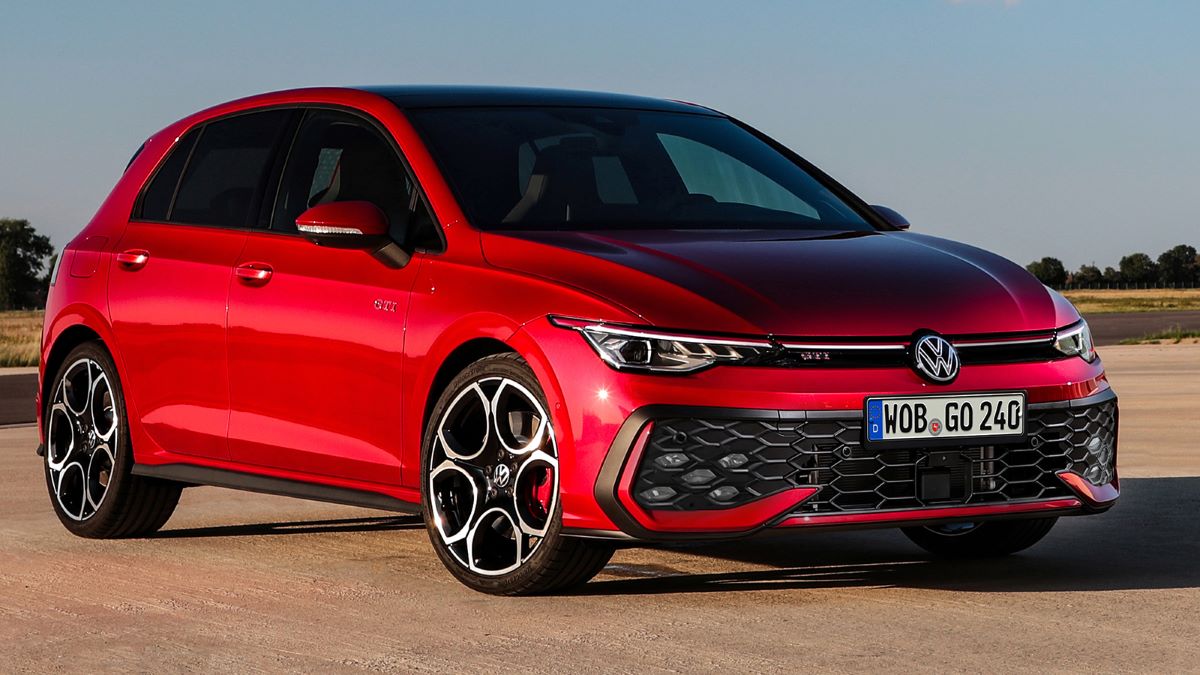
VW listened to the US and European markets and brought back the controls drivers missed most. Our test GTI accelerated from 0 to 60 mph in 6.1 seconds. Volkswagen no longer offers the GTI with a manual transmission, but fortunately, the dual-clutch automatic is among the best available.
It shifts both quickly and smoothly, and if you like, you can still enjoy changing gears with the paddle shifters. In city driving, the GTI feels lively, with sufficient low-end torque to navigate traffic easily.
Overall, this is one of the best-handling front-wheel-drive cars on the market. The tires provide plenty of grip, making cornering effortless, while the suspension remains comfortable for everyday driving. This is truly one of the most comfortable hatchbacks you can buy.
The GTI’s suite of advanced driver aids is equally impressive. Adaptive cruise control operates smoothly, maintaining a close following distance in traffic and holding speed on inclines and declines. Blind-spot monitoring, lane-keeping assistance, and other systems perform as well as we expect from a car in this price range.
The Volkswagen GTI is priced above basic hatchbacks but remains below top-tier models like the Honda Civic Type R or VW’s own Golf R. Overall, we believe it offers good value.
The cabin looks and feels premium, and like the Honda, the GTI has always been among the priciest vehicles in its segment while generally feeling a step above most competitors. Build quality on our test GTI was solid.
Volkswagen provides a four-year/50,000-mile basic and powertrain warranty, which is standard for the class. Its three-year/36,000-mile roadside assistance coverage is better than most, as is scheduled maintenance for two years/24,000 miles.
The GTI’s blend of performance, usability, and practicality makes it a standout entry for buyers who want modern technology but refuse to compromise on ergonomics.