For millions of Americans, the daily commute isn’t just a drive it’s an emotional experience. Congestion, unpredictable lane closures, construction delays, and crowded urban interchanges can turn even short trips into exhausting slogs.
That’s why some cars seem to melt away stress the moment you slide behind the wheel, while others seem engineered to amplify every annoyance.
Comfort, cabin noise, visibility, throttle tuning, seat design, and driver-assistance performance all matter far more in real-world commuting than horsepower or cornering grip.
This list breaks down five commuter-friendly vehicles that genuinely help reduce stress and five that can unintentionally make gridlock feel worse.
These aren’t judgments on the overall quality of the cars many are excellent in other contexts. Instead, the focus here is strictly on day-to-day traffic behavior and how each vehicle affects your mental load behind the wheel.
Commuters That Fight Traffic Stress
Rush hour doesn’t have to feel like a battle. For many commuters, traffic is more than just an inconvenience, it’s a source of daily stress that can leave you drained before you even reach the office.
But some vehicles make the grind a little easier, offering comfort, composure, and features that help you stay relaxed behind the wheel. In this guide, we spotlight the commuters that fight traffic stress, from smooth-riding sedans to well-mannered compact SUVs, so you can navigate your daily drive with confidence and a lot less tension.
1. Toyota Camry Hybrid
If you had to design a car specifically for stressful commutes, the Toyota Camry Hybrid would be the blueprint. Traffic is where hybrids shine, and the Camry’s electric torque glides the car forward smoothly without lurching or hunting for gears.
Brake feel is one of the most natural among mainstream hybrids, making stop-and-go transitions almost invisible.
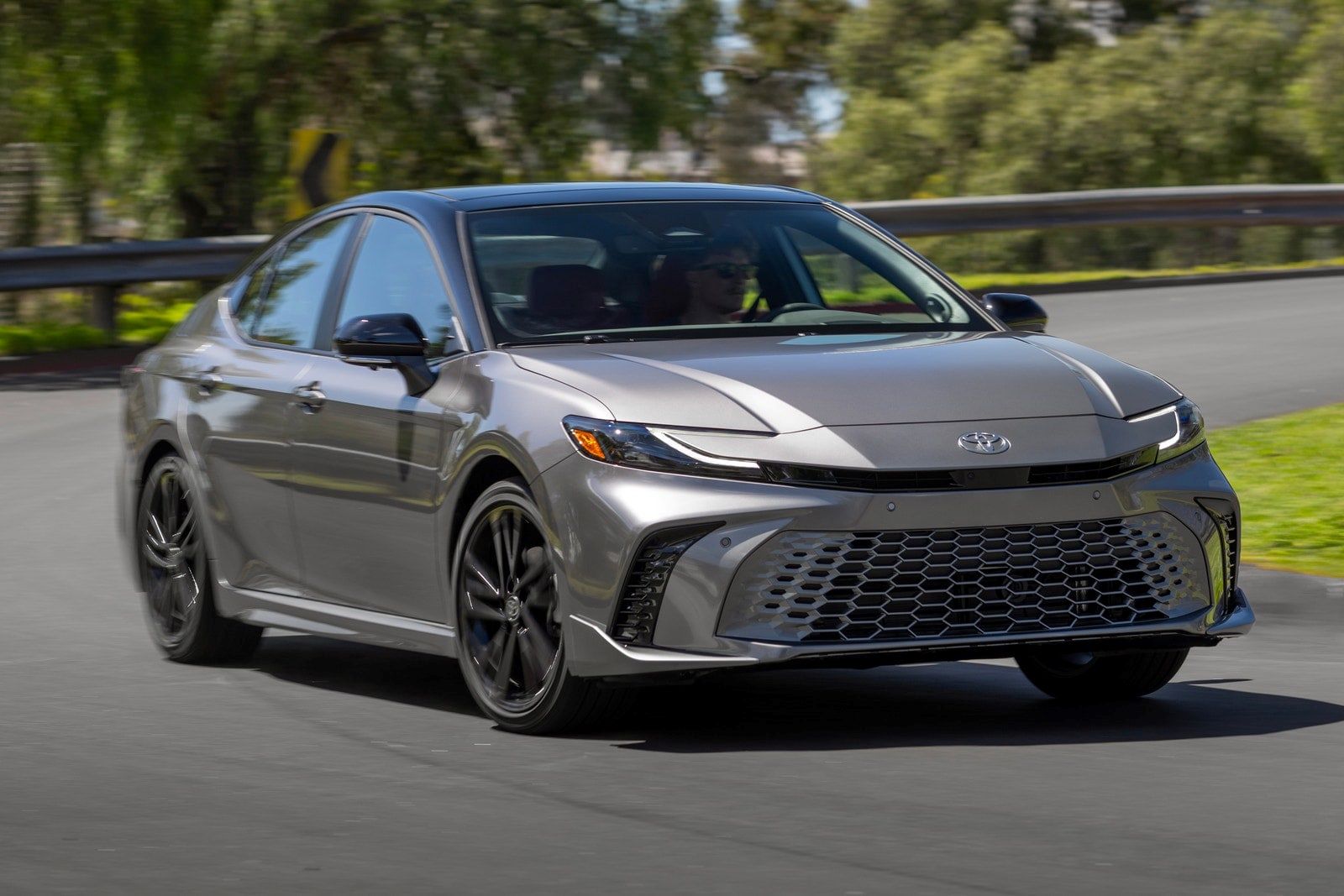
The cabin stays quiet even at highway speeds, and Toyota’s seats continue to be among the most consistently comfortable in the segment.
The Camry’s standard adaptive cruise and lane-keeping are conservative but extremely predictable a trait that reduces surprises and helps drivers relax. Reliability is another stress-reliever: when a car starts every day without drama, the whole commute feels lighter.
Also Read: Top 10 Cars That Keep the Cabin Warm Fast on Cold Mornings
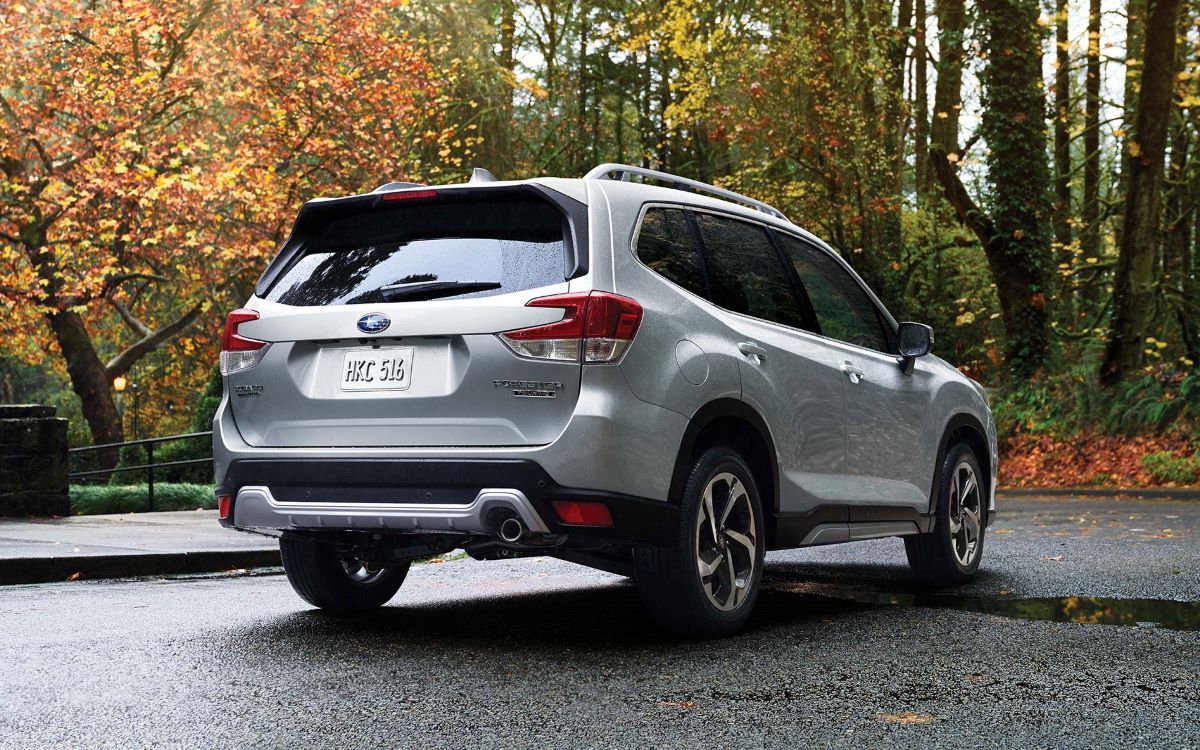
2. Subaru Forester
For commuters who deal with weather or visibility challenges, the Subaru Forester excels. Its tall windows, upright windshield, and thin pillars create some of the best outward visibility of any SUV in the U.S. market.
That alone cuts commute tension by making lane changes easier, tight merges less frantic, and stop-and-go moments more predictable.
The Forester’s soft suspension tuning absorbs potholes and expansion joints with calm composure, while Subaru’s EyeSight suite has become one of the most refined driver-assist systems in this price range.
It doesn’t jerk the wheel or panic-brake, and it rarely misreads lane lines two common traits in lesser systems that often increase stress instead of reducing it.
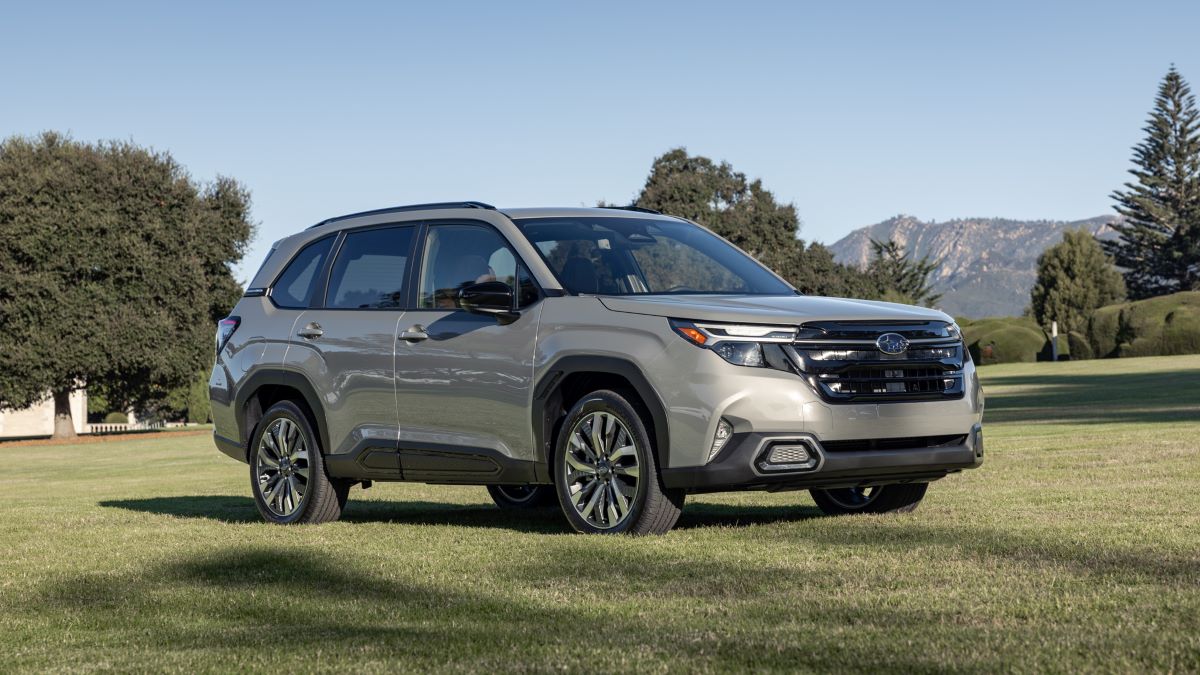
Despite carrying the Sport name, the Forester trim we tested didn’t live up to it. Every Forester is powered by a modest 180-horsepower 2.5-liter four-cylinder engine. Even under our test driver’s heaviest foot, the Forester took 9.2 seconds to reach 60 mph and couldn’t manage more than 85 mph in the quarter mile.
Multiple editors noted the drivetrain’s sluggish acceleration and slow responses in city driving, making freeway merges in Los Angeles more stressful than necessary. SUVs don’t need to be fast, but the Forester consistently feels too slow.
The ride quality also falls short, it feels busy, pitches noticeably, and comes across as unsophisticated. The driver-assistance systems leave much to be desired as well; adaptive cruise control is slow to regain speed, and the lane-centering system doesn’t always perform as promised.
Handling and braking are better, with decent grip and strong emergency stopping power, but they remain only average.
If your route includes unpaved roads, the Forester does have an edge over most rivals, though other compact SUVs are increasingly matching Subaru’s off-road capability.
3. Honda Accord
The Accord has always been a commuter hero, but the latest generation takes refinement to a new level. Its cabin insulation is impressive for a non-luxury sedan, especially when moving at low speeds surrounded by buses and delivery vans.
Honda’s seat ergonomics are unusually good, with long thigh support and lumbar tuning that prevents fatigue on long highway slogs.
More importantly, the Accord responds to inputs with a smooth, fluid motion. The steering is light but precise, and the powertrain (whether turbo or hybrid) avoids the kind of jerkiness that can turn slow traffic into a headache.
It’s a car that simply does what you want it to do, when you want it to do it. The Accord’s LX and SE trims are equipped with a turbocharged 1.5-liter four-cylinder engine producing 192 horsepower, sending power to the front wheels via a CVT.
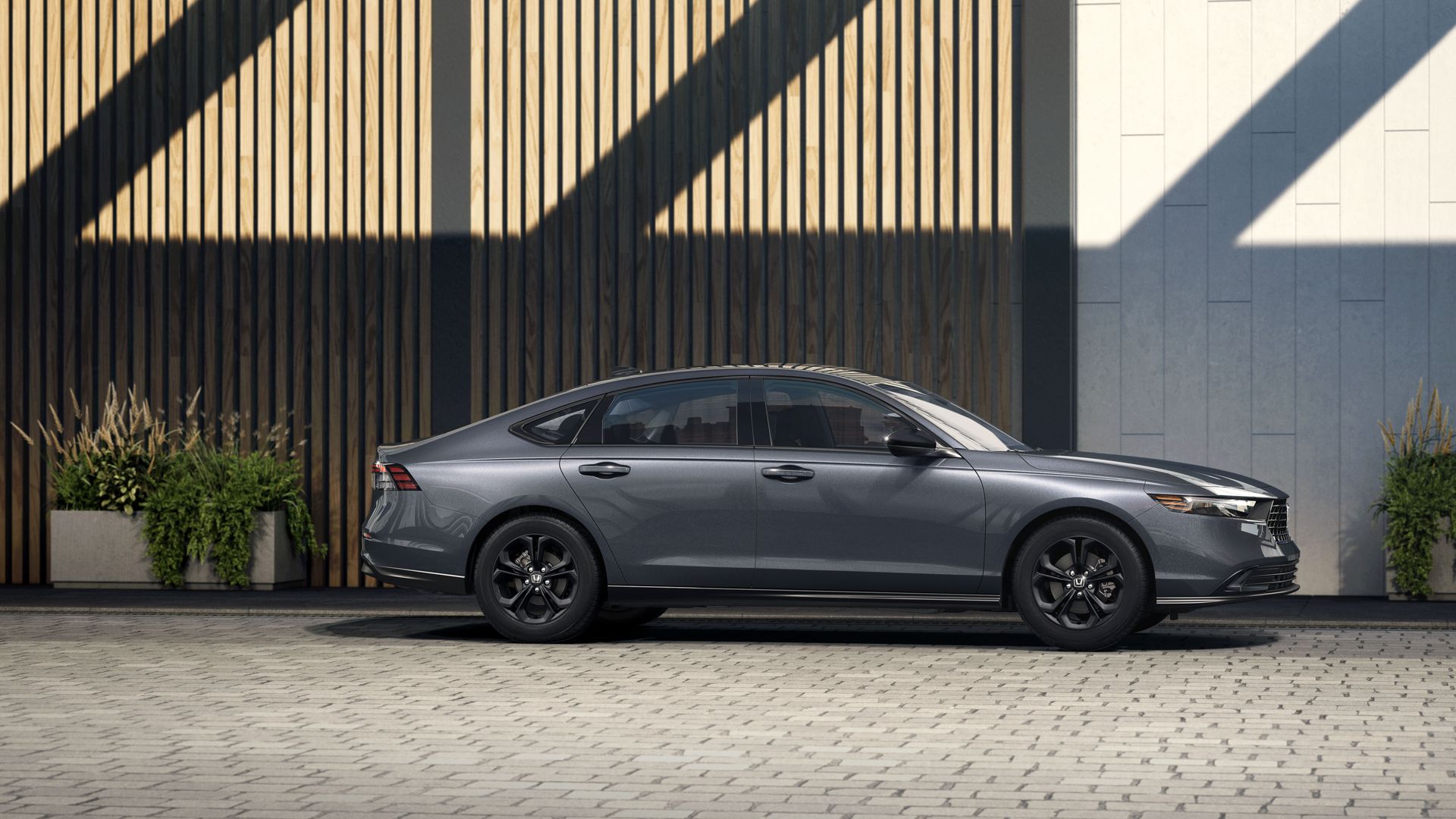
As with previous generations, all-wheel drive is not available. The hybrid powertrain plays a more prominent role in the lineup. It pairs a 2.0-liter four-cylinder with two electric motors for a combined 204 horsepower and is the only option for the Sport, EX-L, Sport-L, and Touring trims.
The Accord delivers a smooth, quiet, and composed driving experience, remaining as refined and enjoyable as ever. Its handling inspires confidence, with precise steering, well-controlled body motions, and a compliant ride, a combination that drivers will appreciate just as much as our editors do.
4. Hyundai Tucson Hybrid
The Tucson Hybrid is one of the best-kept secrets in stress-free commuting. Unlike some hybrids that drone loudly under acceleration, the Tucson’s hybrid system is exceptionally quiet and pairs beautifully with its transmission.
The ride quality is plush, road noise is low, and the seats have a slightly softer cushion than those in many competitors.
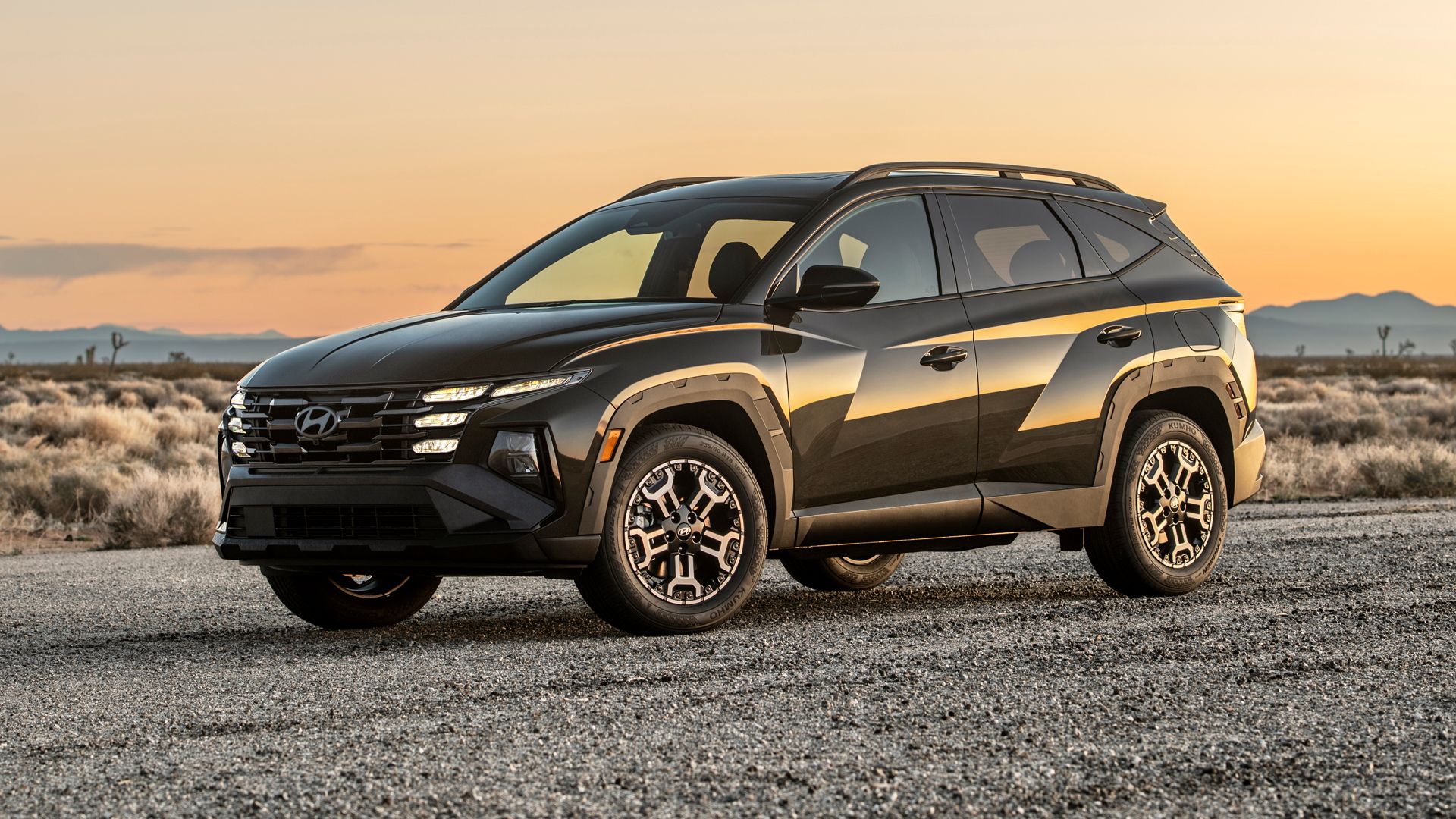
Hyundai’s Highway Driving Assist is another highlight. It’s not as aggressive or twitchy as some semi-autonomous systems, and its gentle lane centering and smooth adaptive cruise operation reduce the “fight” between human and machine. In gridlock, its predictable slow-speed control is a relief.
Also Read: Top 10 Used Manual-Transmission Cars Still Worth the Hunt
5. Lexus ES 350
If your commute feels like punishment, the Lexus ES 350 feels like the antidote. This is one of the quietest sedans you can buy without entering the $70,000 luxury tier.
The suspension glides over battered pavement, the cabin is whisper-silent even next to big rigs, and the seats feel more like lounge chairs than automotive thrones.
The smoothness of the V6 is a major factor no gear-hunting, no grumbling, no turbo lag, just clean forward motion.
Add in Lexus’ gold-standard reliability reputation and one of the least fussy driver-assistance systems in luxury, and the ES becomes a stress-reduction tool as much as a transportation one.
Acceleration in the ES is strong and smooth, though it doesn’t make the car the fastest in its segment. The steering feels well-weighted, adding to the ES 350’s calm and composed demeanor through corners. While the tires don’t provide maximum grip, the ES handles far better than many would expect from a sedan that prioritizes luxury.
In everyday city driving, the ES is a delight. Its smooth acceleration combined with seamless gear shifts creates the sensation of effortless motion. Even in stop-and-go traffic, the ES seems to glide along. Picture it as your leather-lined sanctuary, carrying you home after a long, meeting-packed day.
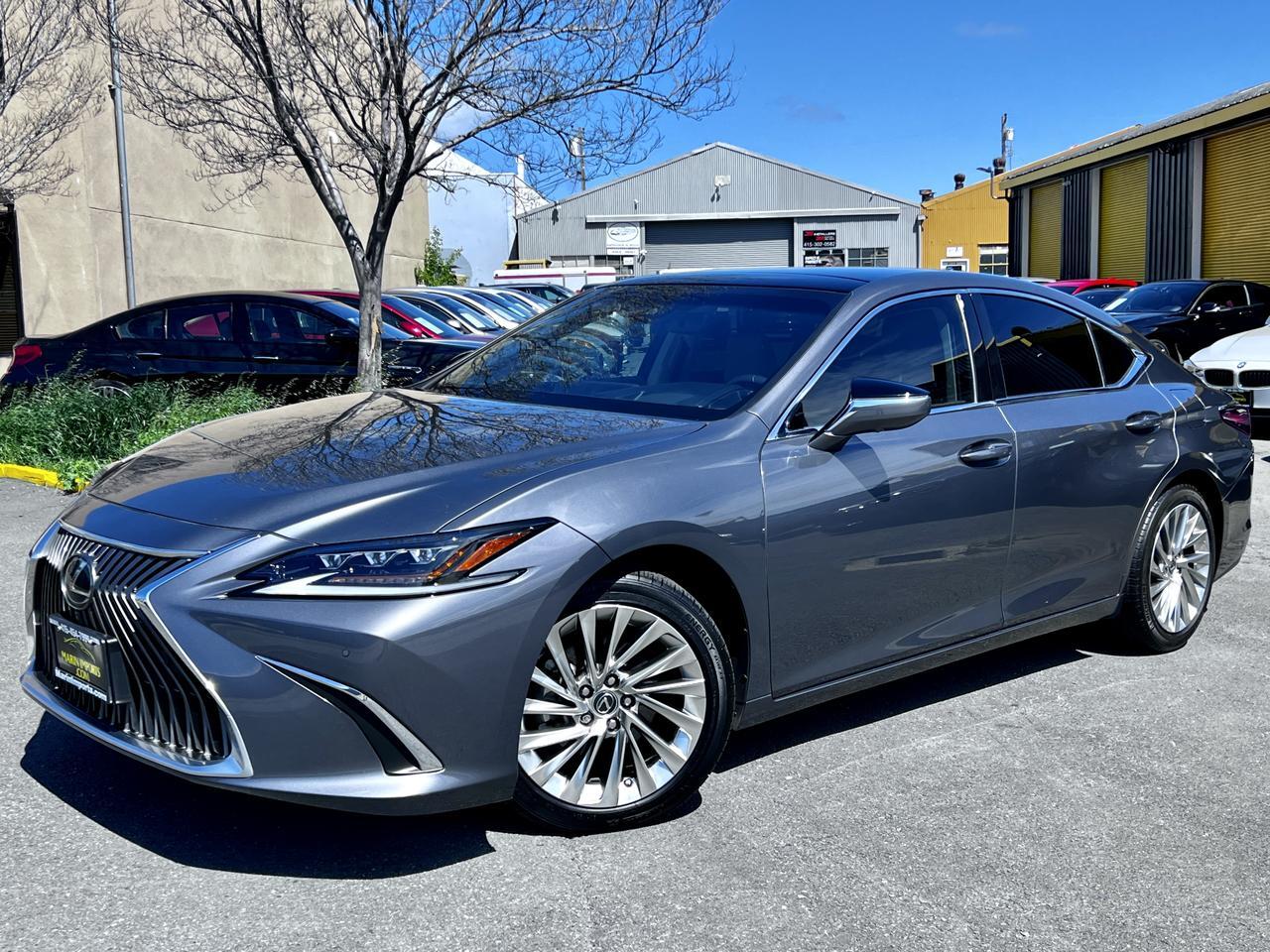
While the ES may lack some of the newest advanced driver assistance features, those it does include, like lane keeping assistance, blind-spot detection, and adaptive cruise control, perform admirably and make daily driving less stressful.
For a relatively modest investment, the ES offers a compelling luxury experience. Its premium interior materials and thoughtful design make the cockpit a welcoming environment. The upholstery is both soft and substantial, and the cabin reflects Lexus’ meticulous attention to detail: tight panel gaps, damped button action, and intricate stitching.
Lexus’ pricing reflects the high quality of materials, space, and comfort. Some competitors may have slightly lower starting prices, but few match the refinement on offer here.
Commuters That Make Traffic Stress Worse
Some cars seem to turn every stop-and-go commute into a test of patience. From stiff suspensions that jolt over every crack in the road to sluggish engines that leave you struggling to merge, certain vehicles only amplify traffic stress.
In this guide, we highlight the commuters that make rush-hour driving worse, helping you avoid the cars that turn a daily grind into a daily headache.
1. Jeep Wrangler
The Wrangler is an icon, but it simply isn’t engineered for gridlock. The upright aerodynamics create constant wind noise, while the short wheelbase makes it bob and hop over imperfect pavement.
Steering requires more correction than typical crossovers, which increases arm and shoulder fatigue in heavy traffic.
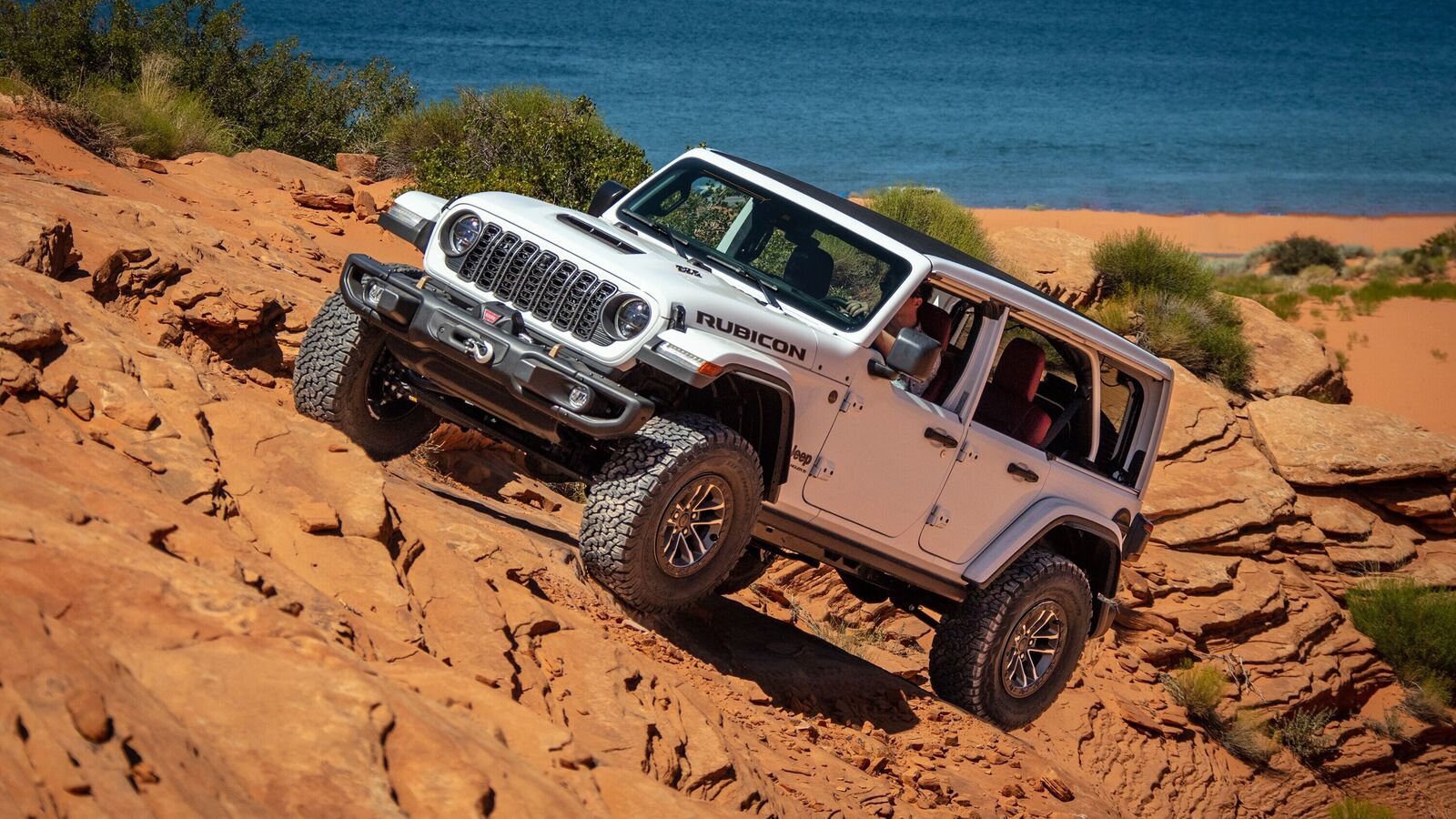
Add in the occasional jitter from the solid axles and the general lack of insulation, and the Wrangler turns long commutes into something far more draining than necessary. It’s fantastic for trails but not for toll-plaza bottlenecks.
2. Ford Bronco (Non-Raptor Models)
Like the Wrangler, the Bronco leans heavily into off-road personality, and that ruggedness becomes a drawback in daily commute settings.
The ride can feel busy, especially at lower speeds where potholes and cracks are most noticeable. The boxy shape produces more wind noise than suburb-friendly crossovers, and the cabin simply doesn’t isolate sound the way commuters expect.
Its steering is lighter than the Wrangler’s but still imprecise at times, requiring constant correction something that grows tiring when you’re inching along at 12 mph for 40 minutes.
Available with two or four doors, soft tops or hardtops, and removable doors and roof panels, the 2025 Ford Bronco SUV remains one of the best ways to enjoy the outdoors.
The standard powertrain is a 300-hp turbocharged four-cylinder, while an optional 330-hp twin-turbo V-6 is also available; in the high-performance Bronco Raptor model, the blown six produces a robust 418 horsepower, though we review that particular model separately.
Both engines can be paired with a 10-speed automatic transmission, while the four-cylinder also offers a seven-speed manual. Base trims are already capable on trails, but higher-end versions add even more off-road equipment for serious adventure seekers.
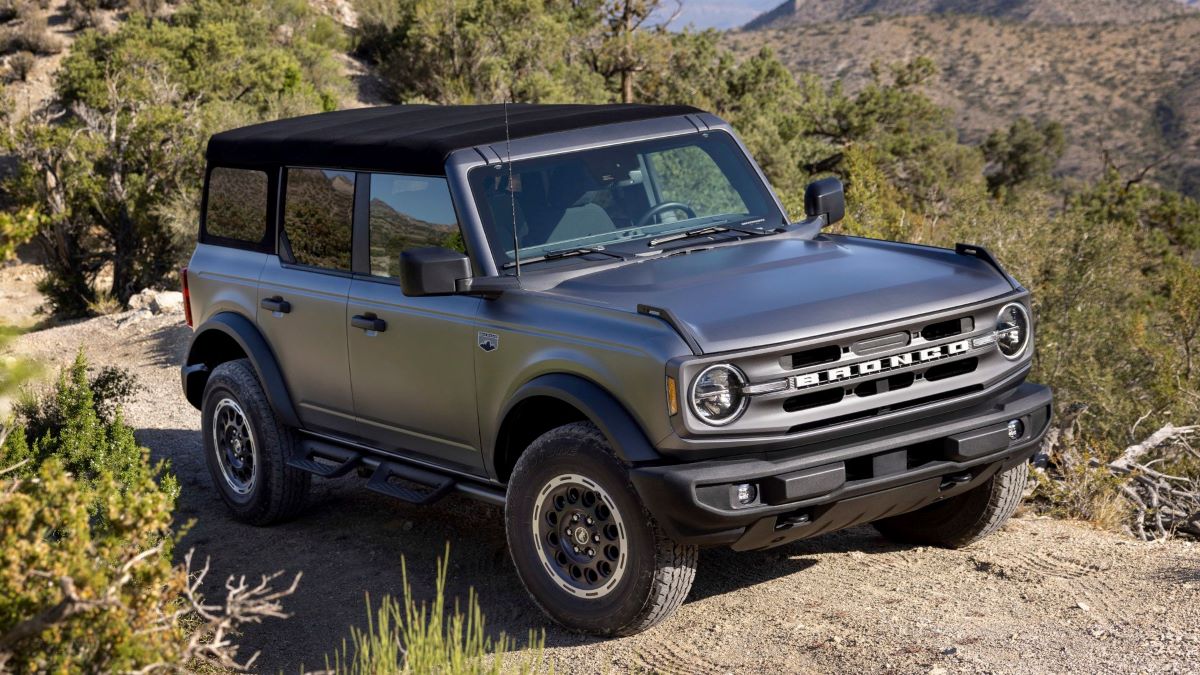
Notable options include 35-inch mud-terrain tires, bead lock-capable wheels, electronic locking differentials at both axles, and a sway-bar-disconnect feature.
The Bronco doesn’t offer a traditional V8. Instead, buyers can choose between a 300-hp turbocharged 2.3-liter four-cylinder or a 330-hp twin-turbo 2.7-liter V-6. Both engines pair with a 10-speed automatic, while the seven-speed manual is exclusive to the four-cylinder.
Neither powertrain delivers a particularly thrilling exhaust note. All Broncos feature conventional off-road-style four-wheel drive (manually engaged) and an independent front suspension that’s more sophisticated than the Wrangler’s solid front axle.
Additional options include 35-inch mud-terrain tires, bead lock-capable wheels, electronic locking differentials front and rear, and a sway-bar-disconnect feature.
In our initial drive, the Bronco impressed with surprisingly refined on-road manners. Its steering feels more precise than the Wrangler’s, and overall handling is superior.
That said, models equipped with the largest tires and softest, off-road-focused suspension show noticeable brake dive, and its body-on-frame construction is evident. Even so, the Bronco proves it’s more than just an off-road specialist, it can handle challenging terrain with confidence.
3. Toyota 4Runner
Beloved for its durability, the Toyota 4Runner is built like a rolling monument to the old-school SUV philosophy. Unfortunately, that also means a truck-like ride, slow steering response, and a powertrain that feels strained in modern traffic.
The five-speed automatic sometimes shifts abruptly or holds gears too long, which makes creeping along in congestion feel choppy.
Cabin noise is another factor. The 4Runner simply isn’t designed to isolate the outside world the way crossovers like the Highlander or CR-V do. In a long daily commute, that lack of refinement adds up quickly.
The 4Runner’s gasoline powertrain gets the job done, delivering enough power to move the SUV effortlessly around town and onto the highway. It’s slightly slower than the hybrid variant, our testing showed 0 to 60 mph in 8.2 seconds compared with 7.7 seconds for the hybrid, but you likely won’t feel like you’re missing out on much.
What’s more disappointing is the 4Runner’s ride quality and handling, even for a vehicle built with off-road capability in mind. Body roll is constant, and the rear suspension is busy and fidgety. Even on smooth roads, the SUV feels restless, never fully settling in for a comfortable cruise.
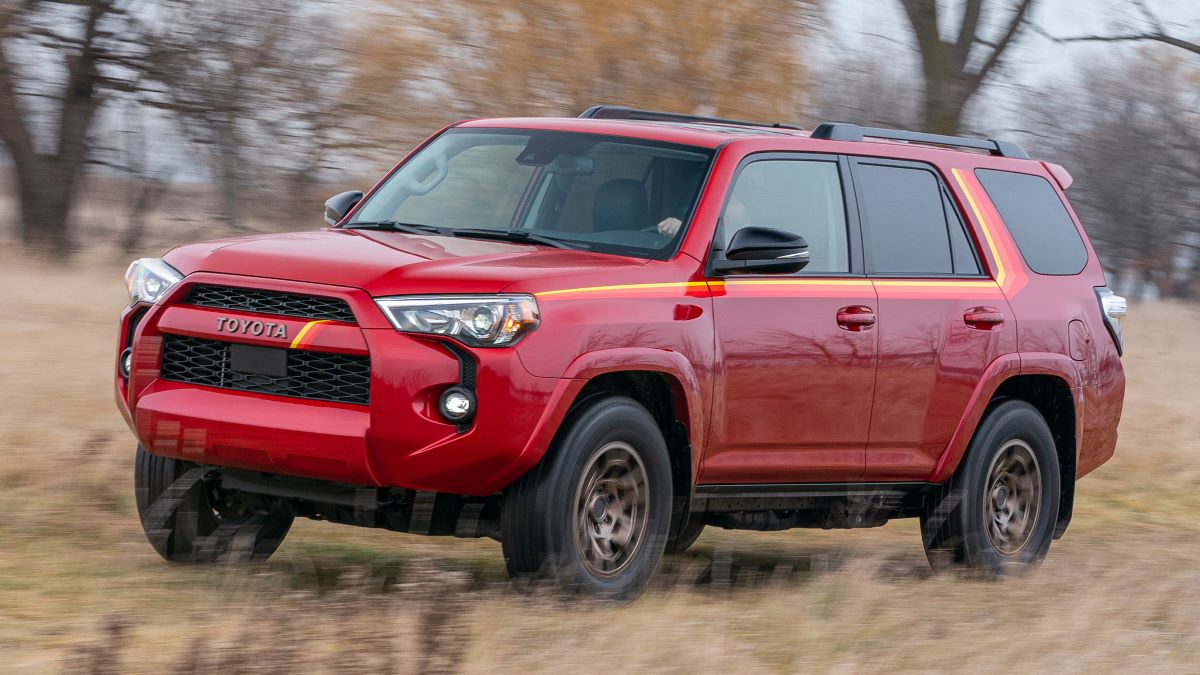
Steering also demands more input than expected to execute simple maneuvers, though at least it remains light to the touch. It’s more comfortable than the Ford Bronco and Jeep Wrangler, but still falls behind the Honda Passport.
On the plus side, we appreciate the suite of standard safety features and how well they operate. Every 4Runner comes equipped with adaptive cruise control, lane keeping assistance, and blind-spot warning.
Whether the new 4Runner represents good value largely depends on the trim you choose. Pricing ranges from reasonably affordable on the lower end to surprisingly high at the top.
It’s not just the TRD Pro and Trailhunter trims, which can climb into the high $60,000s, even our Limited test vehicle without the hybrid powertrain topped $60,000. Build quality is solid, however, and even after off-road use, the interior showed no unexpected squeaks or rattles.
4. Chevrolet Camaro (Last Generation)
A fantastic performance car, yes but a stressful commuter, absolutely. The biggest issue is visibility. The small side windows, high beltline, and thick pillars make lane changes demanding and merging difficult.
In traffic, where drivers rely heavily on peripheral awareness, this layout creates constant vigilance fatigue.
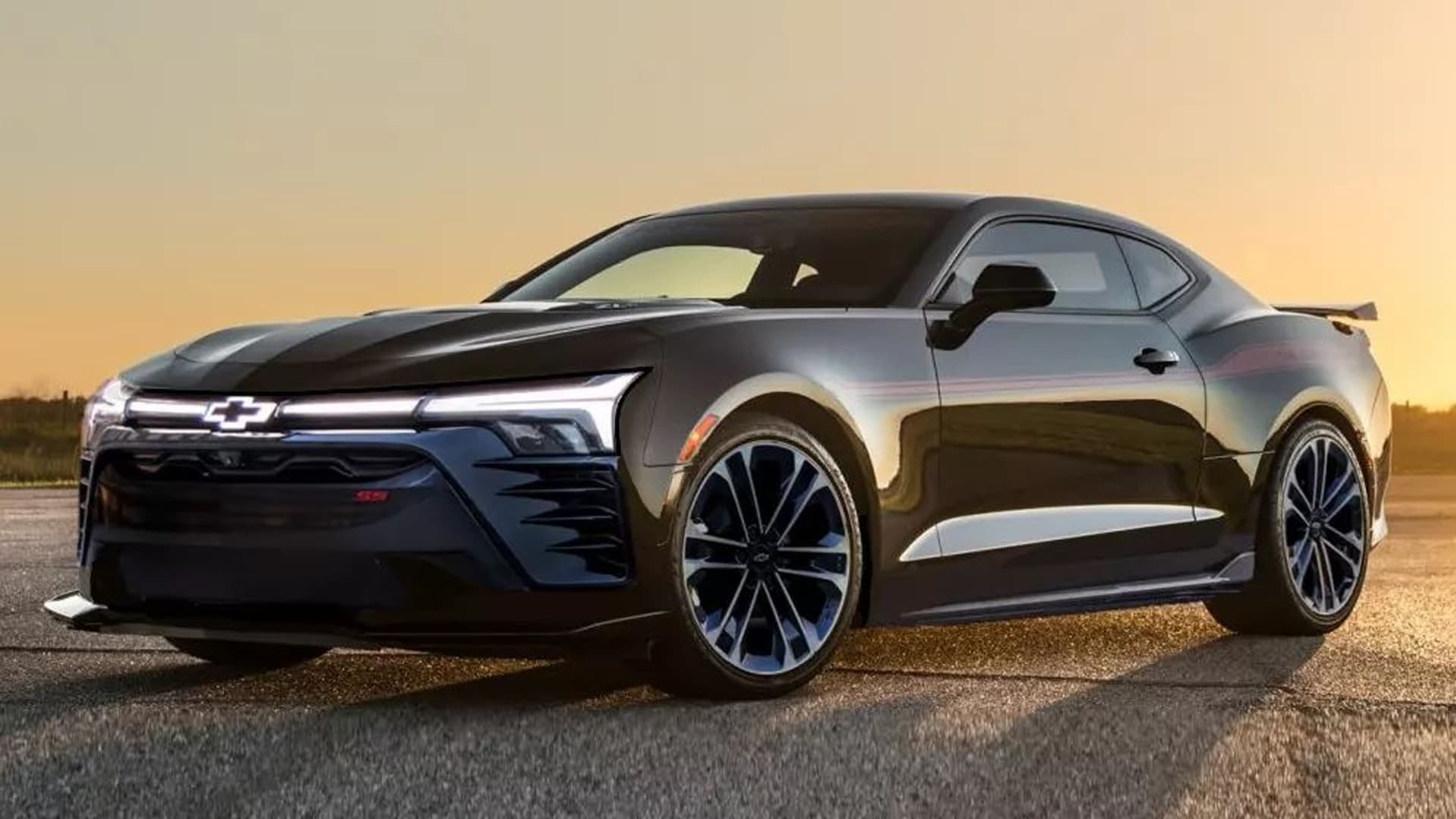
The stiff suspension also transmits every imperfection in the roadway, and the low seating position makes it harder to anticipate brake-light waves ahead. It’s excellent on canyon roads, but in bumper-to-bumper traffic, it can feel claustrophobic and tense.
After more than eight years of the current sixth-generation Camaro, Chevrolet is preparing something new. While we impatiently await details on the next iteration, the current version of this beloved muscle car still commands attention.
Every 2024 Camaro comes with rear-wheel drive and is available in two body styles: coupe and soft-top convertible. Powertrain options include a 335-hp V-6 and a heart-pounding 455-hp V-8.
Camaro’s rivals have taken different paths, Ford has introduced a new Mustang, and Dodge has effectively retired its cherished Challenger. Chevrolet has confirmed the Camaro will return eventually, likely in some electrified form. In the meantime, we’ll happily revel in the thunderous wake of its pushrod V-8.
The base engine is a 335-hp V-6, paired with either a six-speed manual or a 10-speed automatic. This spirited six-cylinder delivers a distinct and searing soundtrack, but true performance is unlocked with the optional small-block V-8, which produces 455 horsepower and 455 pound-feet of torque.
Its robust low-end torque, linear power delivery, and chest-compressing acceleration are amplified by the optional dual-mode exhaust, which growls sharply at startup and roars during wide-open-throttle blasts.
Like the V-6, the V-8 can also be paired with a six-speed manual to preserve the enthusiast experience, or with a 10-speed automatic.
The Camaro’s remarkable chassis creates an unparalleled car-and-driver connection, among pony cars. Its solid structure promotes precise handling and a high-quality feel. The ride is well-balanced, firm enough to remain agile on twisty roads, yet compliant enough to absorb rough surfaces without complaint.
5. Ram 1500 TRX
As thrilling as the TRX is, its sheer size makes commuting stressful. Navigating downtown ramps, tight parking garages, or lane-splitting delivery vans is an anxious experience due to the truck’s width and height.
The aggressive tires add road noise, and the supercharged V8 delivers a spectacular soundtrack but not one that helps soothe the mind at 7 a.m. after a late night.
The ride is impressively controlled for a truck this extreme, yet compared to everyday commuter vehicles, it’s still firm and attention-demanding. The TRX excels at desert blasts, not creeping through suburban arterials.
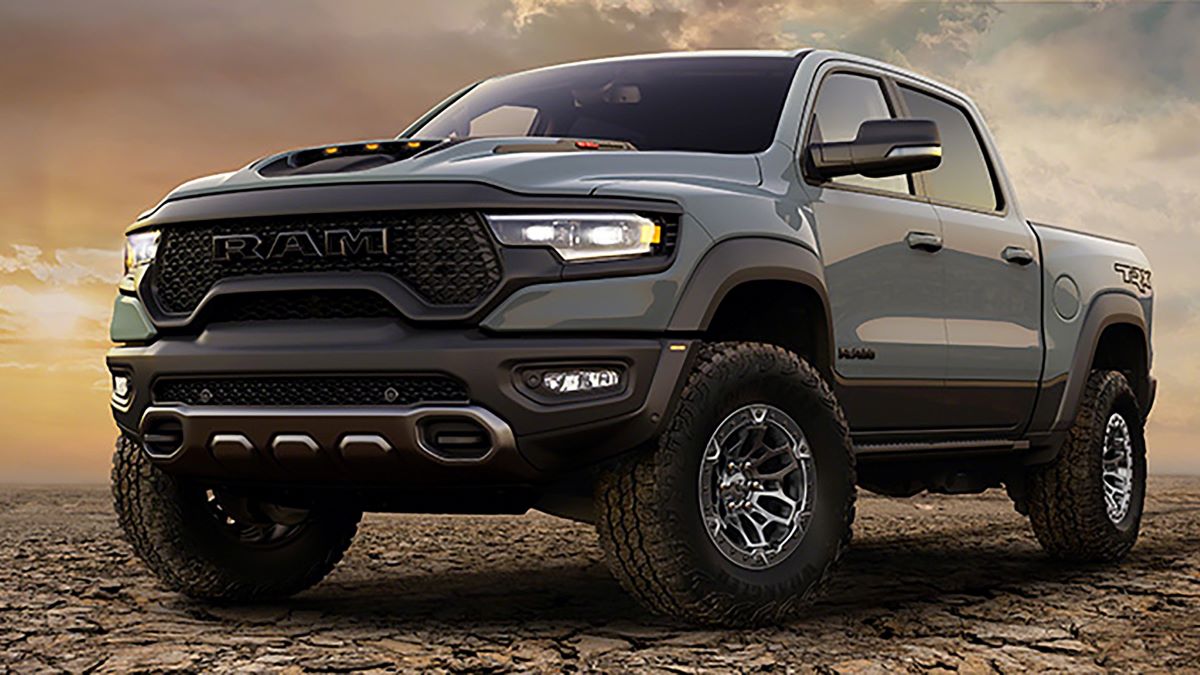
A stress-reducing commuter isn’t just about comfort or technology it’s about how well a car supports you when you’re mentally drained, physically confined, and dealing with the unpredictable rhythm of real-world American traffic.
A beast-like snarl echoes over the crest of a muddy ORV trail, but this isn’t an ordinary wild animal or a rogue hog. It’s the ferociously quick 702-hp Ram 1500 TRX.
Beneath the hood, a supercharged 6.2-liter V-8 gulps fuel like it’s drinking from a garden hose. An eight-speed automatic transmission manages gear changes, while the truck’s four-wheel-drive system carries this enormous off-road predator through even the toughest terrain.
The TRX has just two rivals to worry about: the 700-hp Ford F-150 Raptor R and the fastest truck we’ve ever tested, the all-electric Rivian R1T. Unfortunately, Ram announced 2024 as the final year for the mighty TRX.
Though this marks the end of the TRX, a twin-turbo V-6–powered successor, dubbed the RHO, is expected to arrive as a 2025 model-year pickup.
Nestled between the TRX’s bulging fenders and beneath its scooped hood is a supercharged Hemi 6.2-liter V-8. Better known as the Hellcat engine, this version produces 702 horsepower and 650 pound-feet of torque, sent to all four wheels through an eight-speed automatic transmission.
In our testing, the TRX rocketed to 60 mph in just 3.7 seconds and completed the quarter-mile in 12.3 seconds at 110 mph, making it the quickest pickup we’ve ever tested.
Despite its hefty curb weight and enormous footprint, the Hellcat-powered Ram is surprisingly refined and manageable on paved roads. And, of course, its supercharged V-8 is ready to unleash thrilling sounds from the exhaust.
The TRX is equally at home off-road, ready to tackle mud, rocks, and sand. It features a reinforced steel frame and a beefed-up suspension with over 13 inches of travel. The truck rides on massive 35-inch all-terrain tires mounted on 18-inch wheels, contributing to 11.8 inches of ground clearance.
Ram claims the half-ton Hellcat can ford up to 32 inches of water. Every TRX is equipped with extensive underbody protection, Bilstein remote-reservoir dampers, an electronic-locking rear differential, and enormous 15.0-inch front brakes, making it one of the most capable and fearsome trucks on, or off the road.
The best commuter cars minimize input, isolate the cabin, respond predictably, and maintain a smooth, soothing demeanor. The worst commuters aren’t bad vehicles; they’re just built for different missions.
Choosing the right car for your drive to work can dramatically change your mood, energy, and even productivity. A calm commute means starting and ending your day on a better note something every driver deserves.