
Winter driving in the United States can be a major challenge, especially for those living in snow-prone states like Michigan, Minnesota, New York, or Colorado. Snow, ice, and slush can turn even a short commute into a stressful ordeal.
Choosing the right car for these conditions is more than a matter of convenience it’s a critical safety consideration.
All-wheel drive (AWD), ground clearance, traction control, and winter tire compatibility all play essential roles in ensuring a vehicle can handle harsh winter roads.
Conversely, some vehicles that perform admirably in dry conditions can struggle when confronted with snow and slush, making them poor choices for drivers in northern climates.
Here, we break down five winter-ready cars built to tackle snow and ice, and five that tend to struggle in slushy, slippery conditions.
Winter-Ready Cars For Snow States
Winter driving can be a challenge, especially in snow-prone states where icy roads, heavy snowfall, and frigid temperatures are a regular part of life. Having a car that can handle slippery conditions, provide reliable traction, and keep you warm and comfortable isn’t just a convenience, it’s a safety essential.
From all-wheel-drive crossovers to rugged SUVs and capable sedans, some vehicles are built to thrive when winter weather strikes. In this guide, we take a close look at the best winter-ready cars for snow states, highlighting models that combine performance, safety, and comfort to help you navigate the cold months with confidence.
1. Subaru Outback
The Subaru Outback has long been a favorite in snow-heavy states, and for good reason. Its standard Symmetrical All-Wheel Drive system ensures consistent traction, while its moderate ground clearance allows it to glide over snow without getting bogged down.
The Outback also features advanced stability and traction control systems, which are invaluable in slippery conditions.
With its practical wagon-like cargo space and comfortable interior, it’s not just capable in winter it’s versatile year-round. For snow-state drivers, the Outback is almost a no-brainer.
The Outback has long embodied the Subaru spirit, combining a rugged, station-wagon-on-stilts appearance with SUV-level capability. With its 2026 redesign, however, the Outback loses a bit of the unique charm that made it appealing to drivers who wanted something different from a traditional SUV.
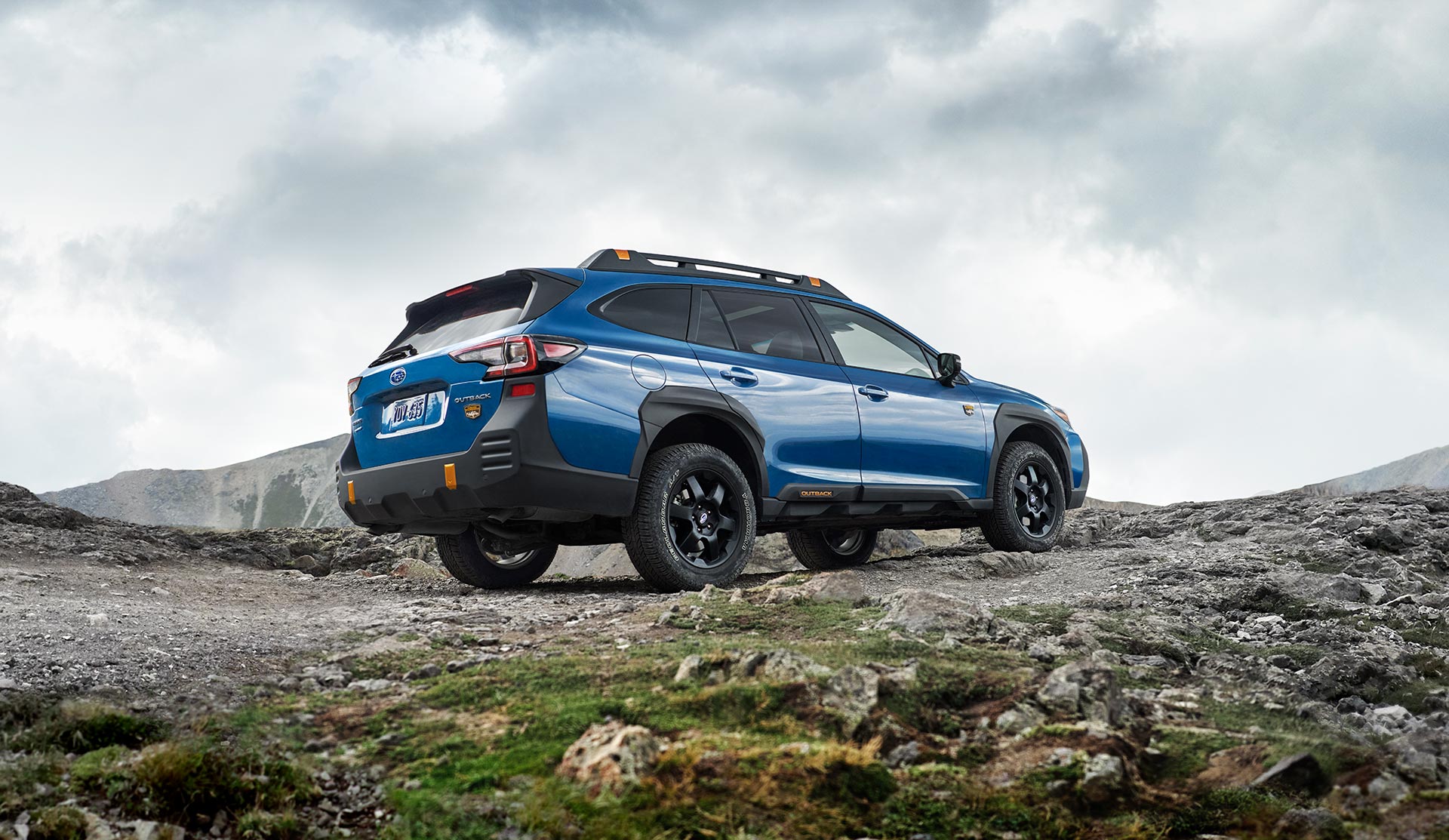
The new model features a taller, boxier body that aligns it more closely with two-row midsize competitors like the Honda Passport, Toyota 4Runner, and Volkswagen Atlas Cross Sport.
This updated shape results in more interior space, and the cabin itself receives a thorough refresh, including a new infotainment system and physical buttons and knobs for climate control. The Outback remains a strong choice in its segment, though it trades some of its quirky personality for a more conventional design.
The 2026 Subaru Outback is a five-passenger midsize SUV offered in six trims: Premium, Limited, Limited XT, Wilderness, Touring, and Touring XT. The Premium, Limited, and Touring trims are powered by a 2.5-liter four-cylinder engine producing 180 horsepower and 178 lb-ft of torque.
Meanwhile, the Limited XT, Touring XT, and Wilderness trims receive a turbocharged 2.5-liter four-cylinder that delivers 260 hp and 277 lb-ft of torque. All Outback models feature Subaru’s all-wheel-drive system paired with a continuously variable transmission (CVT) that can adjust torque between the front and rear axles.
Also Read: Top 10 Used Manual-Transmission Cars Still Worth the Hunt
2. Toyota 4Runner
For those who need rugged capability, the Toyota 4Runner remains one of the best SUVs for winter conditions. Its body-on-frame construction, high ground clearance, and part-time 4WD system make it capable of tackling deep snow and ice-covered roads alike.
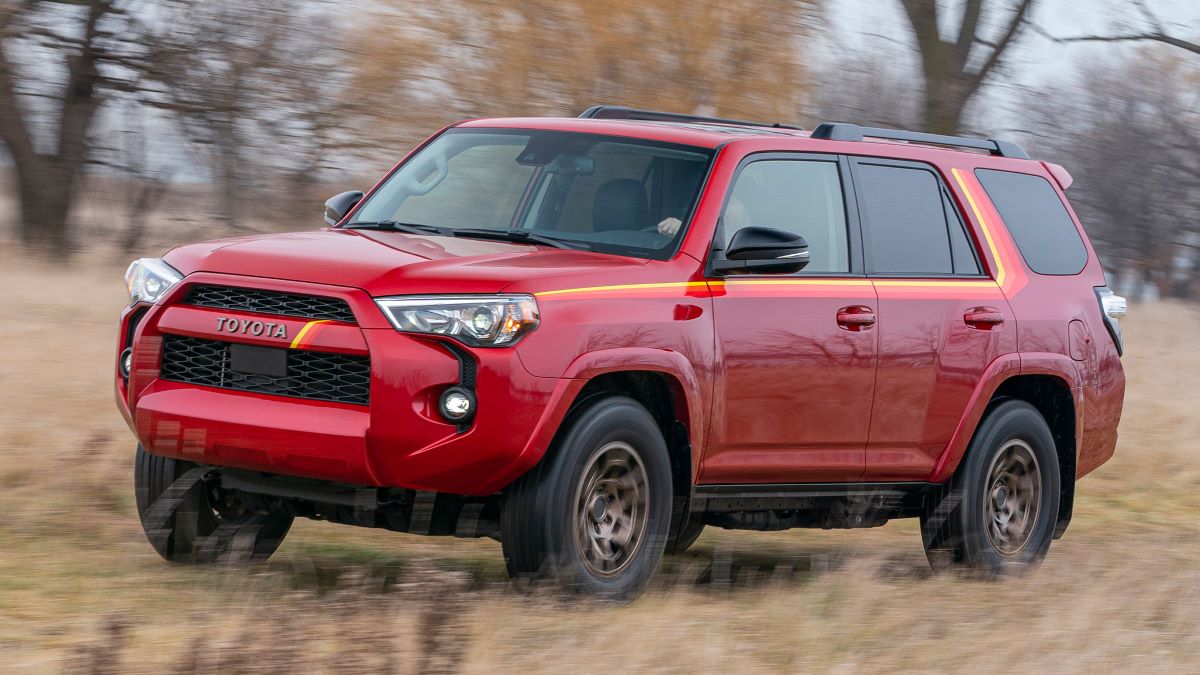
Unlike many soft-road SUVs, the 4Runner feels stable in challenging terrain and can handle not just city streets but rural drives and mountain passes. While its fuel economy isn’t stellar, its reliability and off-road prowess make it a top choice for harsh winters.
The new hybrid i-Force Max 4Runner starts at $53,440, which undercuts the current $56,450 starting price of the hybrid-only Land Cruiser’s entry-level 1958 trim. Both SUVs share the same platform and available hybrid powertrain, so the choice often comes down to the 4Runner’s optional third row versus the Land Cruiser’s two-row-only, boxier, heritage-inspired design.
When it comes to off-roading, few Toyotas capture the average buyer’s imagination like the Tacoma and the 4Runner. While early hints about the 2025 4Runner appeared following the launch of the all-new Tacoma, a complete picture only emerged with the official debut of this sixth-generation 4Runner.
From the standard SR5 to the overland-ready Trailhunter, here are the trims you’ll be able to choose from when the 2025 4Runner arrives at dealerships.
Like the fourth-generation Tacoma, the 2025 Toyota 4Runner is completely redesigned from the ground up. It rides on the TNGA-F platform and uses a boxed ladder frame with a multi-link coil live rear axle, while the front suspension retains a double-wishbone independent setup.
This design allows the new 4Runner to tow up to 6,000 pounds when equipped with the 2.4-liter turbocharged I-4 engine, which produces 278 hp and 317 lb-ft of torque.
A second option is the i-Force Max hybrid, which pairs the turbocharged engine with a 48-hp electric motor placed between the engine and transmission, boosting output to 326 hp and 465 lb-ft of torque.
3. Jeep Grand Cherokee
The Jeep Grand Cherokee blends luxury with serious winter capability. Available with a Quadra-Trac or Quadra-Drive AWD system, the Grand Cherokee adapts to varying road conditions, including heavy snow and slush.
Its traction control and multiple driving modes allow drivers to optimize performance for slippery roads. In addition, the vehicle’s size and stability make it easier to navigate snow-packed highways, providing both safety and comfort for winter travelers.
The 2023 Grand Cherokee hits the essentials while staying true to Jeep’s signature identity. The five-passenger version of Jeep’s redesigned midsize SUV debuted last year, and it made an immediate impression.
Both available powertrains deliver smooth acceleration. Weighing a few hundred pounds less than the Grand Cherokee L, this version is slightly quicker and more agile. We even called this generation “the best on-road Grand Cherokee to date,” crediting in part the Alfa Romeo engineers who helped shape the new architecture.
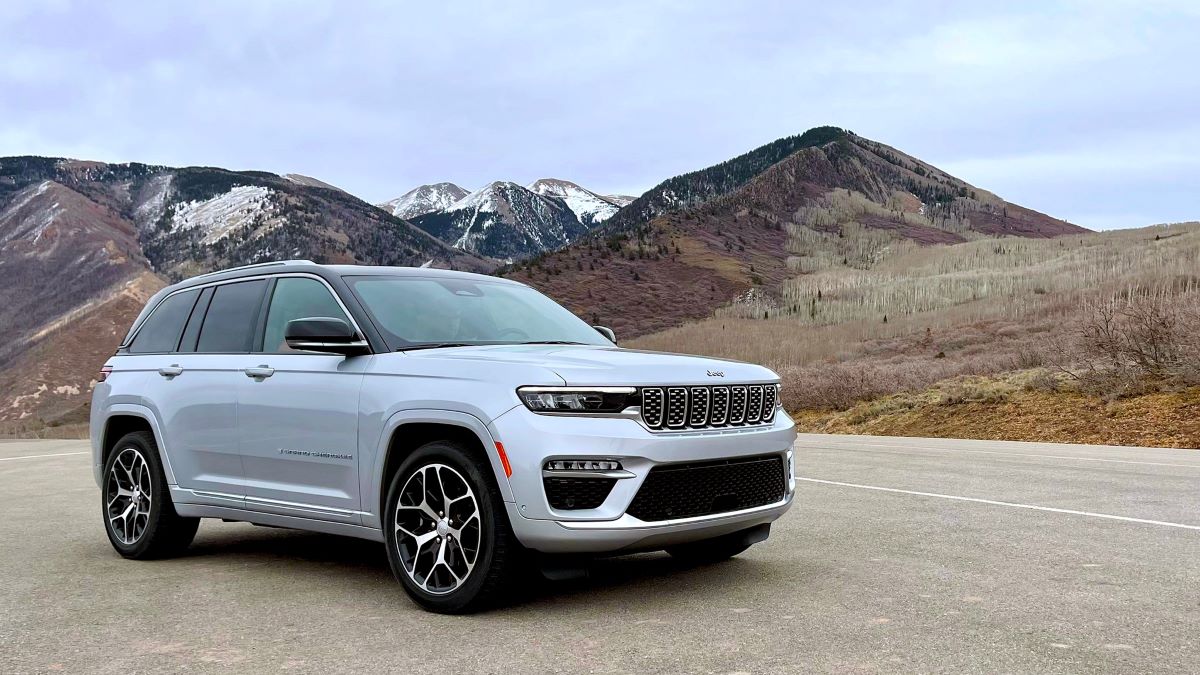
Jeep enthusiasts needn’t worry, the Grand Cherokee remains a capable off-roader. While access to the Trailhawk trim is limited this year, even base models can handle more rugged terrain than most competitors. Inside, the cabin impresses with fit and finish. The cockpit layout is cohesive, and tech features are competitive within the segment.
There are a few drawbacks. Interior space isn’t exceptional, though the Cherokee L provides an alternative for those needing more room. Price is higher than many rivals, and all-wheel drive isn’t standard, which can affect the overall value proposition.
Still, these issues are unlikely to deter buyers. The Grand Cherokee continues to offer a unique blend of comfort and off-road capability.
The 2023 Grand Cherokee comes with two engine options, both paired with an eight-speed automatic transmission.
The base 3.6-liter V-6 produces 293 hp and 260 lb-ft of torque, a solid figure for this class. Rear-wheel drive is standard, with a basic all-wheel-drive system available. Fuel economy starts at 19/26 mpg city/highway.
Higher trims, Overland, Summit, and Summit Reserve, can be equipped with a 5.7-liter V-8 that delivers 357 hp and 390 lb-ft of torque. This engine comes exclusively with one of Jeep’s capable 4WD systems, though fuel economy drops to 14/22 mpg. The V-8 is also the best choice for towing, offering a maximum capacity of 7,200 pounds.
Also Read: 9 New Cars With Best Child Seat Access and LATCH Positions
4. Audi Q5
The Audi Q5 proves that winter-ready cars don’t have to sacrifice refinement. Its Quattro AWD system delivers excellent grip in snow and slush, while its precise steering and balanced chassis make it easy to drive even when conditions are dicey.
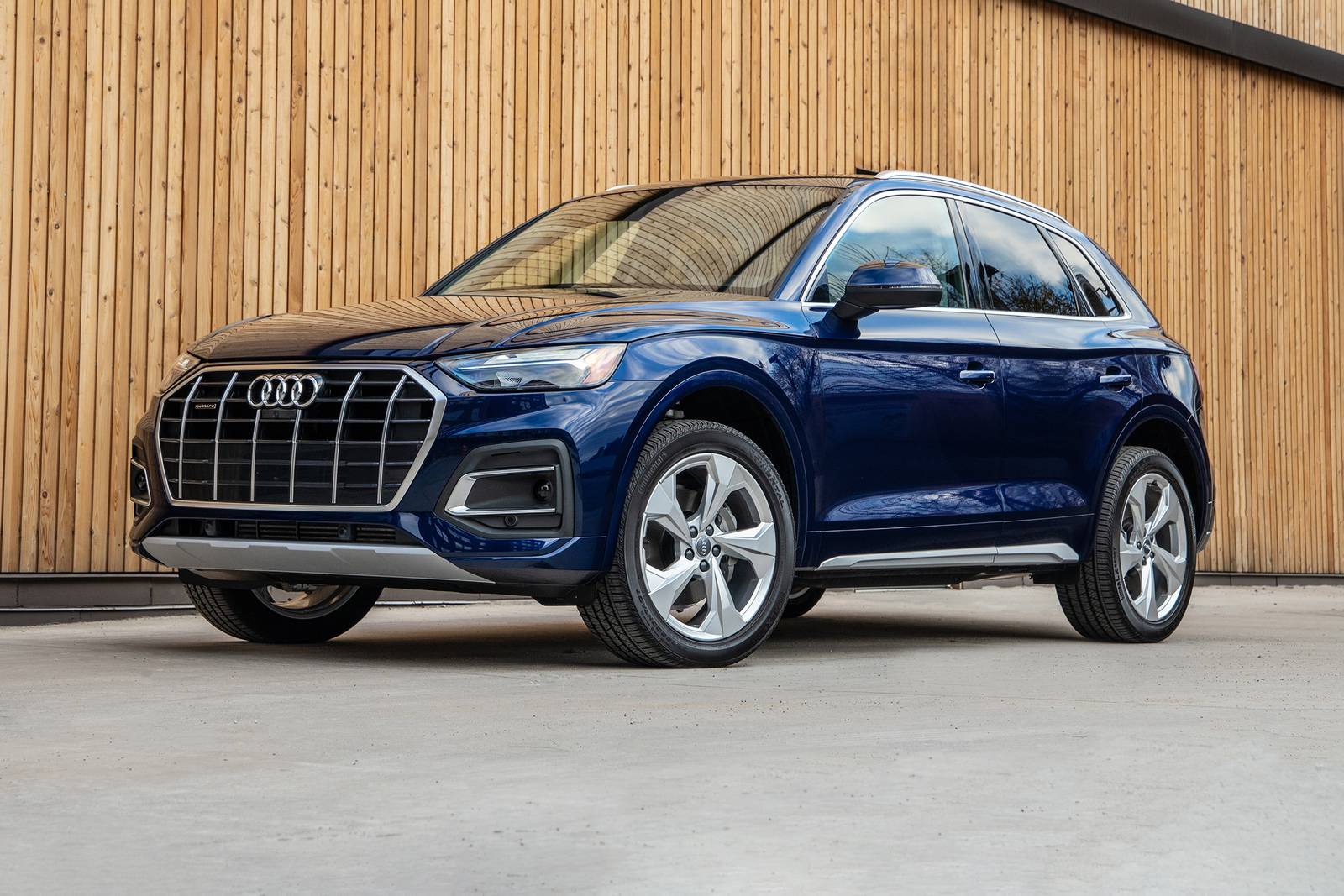
Snow tires are still recommended for optimal performance, but the Q5’s intelligent drivetrain ensures it remains predictable and confident in winter driving scenarios. It’s a top pick for those who want a luxury SUV that doesn’t compromise on snow capability.
5. Ford F-150 4×4
Pickup trucks like the Ford F-150 equipped with 4×4 capabilities are not just for hauling they’re winter warriors as well.
The F-150’s high ground clearance, selectable four-wheel drive, and torque-heavy engines make it ideal for deep snow or icy roads.
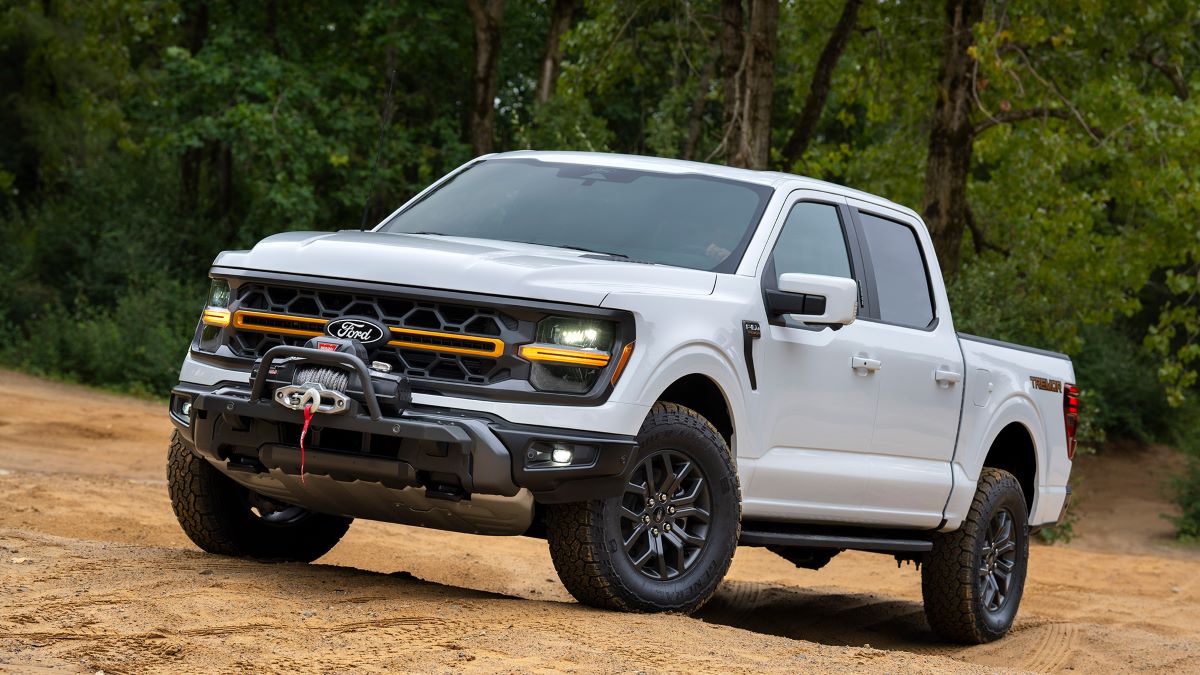
Its modern traction control systems complement the mechanical 4×4, reducing the likelihood of getting stuck. For snow states with long commutes or rural drives, a 4×4 F-150 can be a dependable year-round companion.
Blasting over dunes at high speeds demands a special kind of truck, and the Ford F-150 Raptor makes it look effortless. Built on the same platform as the bestselling F-150 full-size pickup, the Raptor has been beefed up and honed for extreme performance.
A wider stance, prominent fender flares, massive 35-inch all-terrain tires, and a menacing front end give it a commanding presence, while a standard 450-hp twin-turbo 3.5-liter V-6 provides plenty of muscle. For even more firepower, the Raptor R boasts a 720-hp supercharged V-8 that turns heads and deafen rivals.
With optional Fox Dual Live Valve dampers and long-travel suspension, the Raptor practically invites you to launch it off the nearest dirt mound.
Yet when it’s not tearing up ORV trails and is asked to handle everyday driving, it surprisingly tempers its wild persona, cruising down the Interstate with a smoothness that contrasts its aggressive character.
Currently, the turbocharged six-cylinder Ram 1500 RHO is the only truck capable of matching the Raptor both on and off road, though the return of the supercharged V-8 Ram TRX could soon change that.
Cars That Struggle in Slush
Not every vehicle is equipped to handle the mess winter can bring. Slushy roads, icy patches, and deep snow expose the weaknesses in some cars, from underpowered engines to inadequate traction systems. In this section, we highlight models that tend to struggle in slippery conditions, helping you avoid surprises when the weather turns nasty.
1. Honda Civic
The Honda Civic is a reliable and fuel-efficient compact car, but its low ground clearance and front-wheel-drive-only configuration on most trims make it a poor performer in heavy snow or slushy conditions.
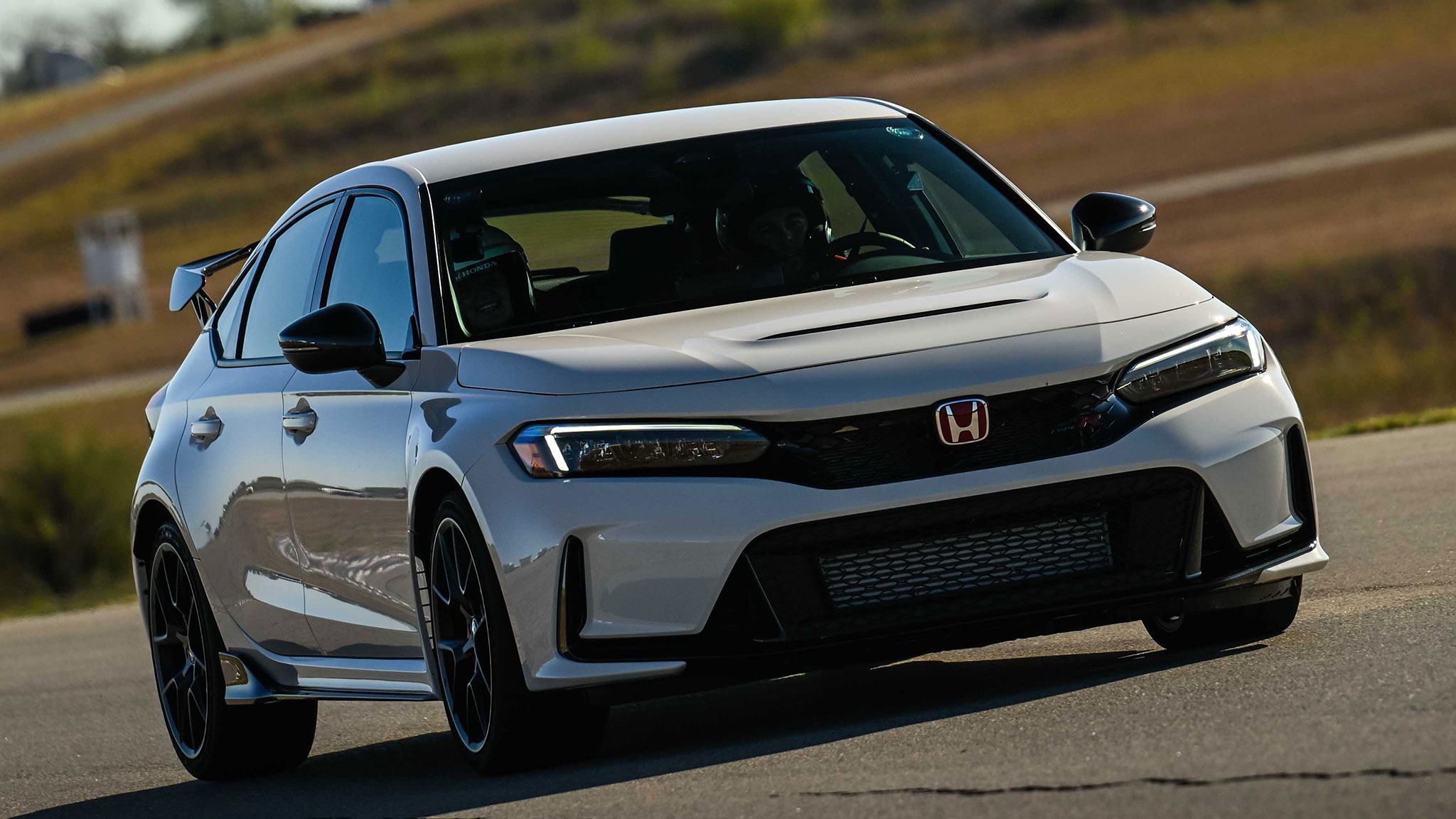
While Civics can handle light winter roads with proper snow tires, the combination of low weight and minimal traction control can make deep snow or slippery streets a challenge.
For snow-heavy states, drivers may find themselves stuck more often than not without careful planning.
The Honda Civic has long been a favorite among our staff, thanks to its effortless blend of practicality, value, and driving enjoyment. The 2025 Civic receives subtle styling updates to keep its look fresh and adds a hybrid variant, helping it earn a spot on our 10Best list once again.
In the Civic Hybrid, a 2.0-liter four-cylinder paired with two electric motors produces a combined 200 horsepower, achieving up to 49 mpg combined.
Nonhybrid models now rely solely on a 150-hp 2.0-liter four-cylinder, which may lack excitement but still delivers impressive fuel efficiency. Both sedan and hatchback body styles are available, and the Civic offers agile handling and a well-balanced ride regardless of the version you choose.
Lower-trim nonhybrid models come with a comprehensive suite of standard driver-assistance features. To access upgraded infotainment and more premium equipment, you’ll need to step up to the Hybrid Sport or Hybrid Sport Touring trims.
2. Mazda MX-5 Miata
Sports cars like the Mazda MX-5 Miata shine on sunny, dry roads, but snow and slush are a different story entirely. Its rear-wheel-drive layout, low clearance, and light weight make it prone to sliding and loss of control in winter conditions.
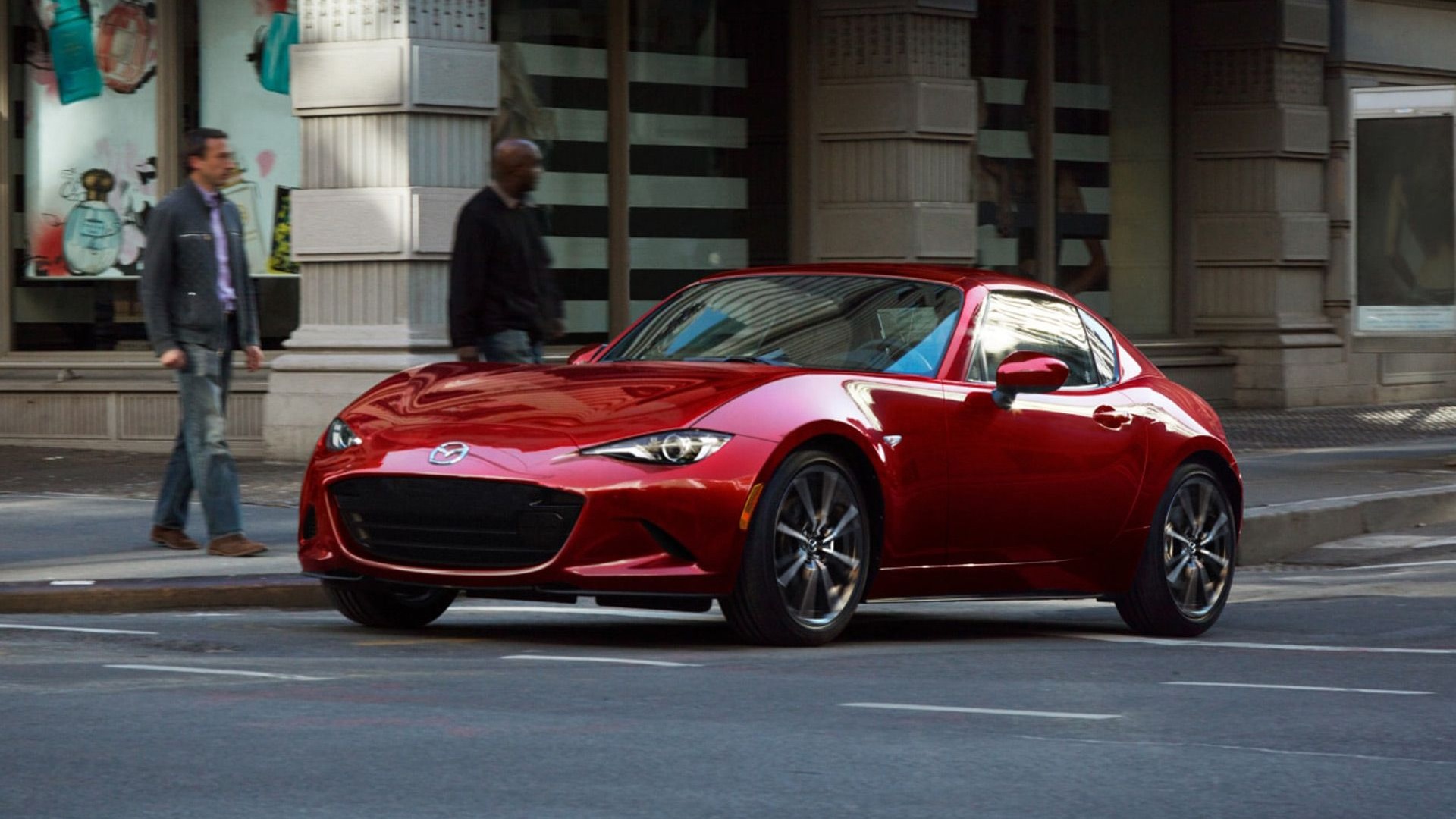
Even with winter tires, the Miata is best reserved for seasonal driving in areas with mild winters. In snow states, it’s generally considered more of a hobby vehicle than a practical daily driver.
The Mazda Miata’s engine revs eagerly and delivers lively, spirited acceleration. Its high-revving personality is perfectly complemented by the direct, easy-to-shift manual transmission, encouraging drivers to explore its full potential.
Even the optional automatic impresses, with quick shifts and sporty programming. In our testing, the soft-top Miata reached 60 mph in just 5.7 seconds, while the slightly heavier hardtop RF model managed 5.8 seconds.
Miatas ride firmly, with some bounce over closely spaced bumps. The mid-level Club trim, with its firmer shocks and springs, provides the stiffest ride in the lineup, though no Miata ever feels harsh.
Handling is sharp and responsive, with light, tactile steering that reacts immediately and communicates precisely what the front tires are doing. Put simply, the Miata is a pure driving thrill.
For 2022, Mazda has removed the six-speed automatic from most MX-5 Miata trims, leaving it only on the top-level Grand Touring trim, where it is a $500 option on the convertible and $550 on the RF.
We’re fine with that, choosing an automatic in a Miata feels almost sacrilegious. Mazda has also added Kinematic Posture Control, which applies subtle brake pressure to the inner rear wheel during cornering to reduce body roll and improve stability.
New for this year are the Platinum Quartz Metallic exterior color and the richly colored Terracotta Nappa leather upholstery, available exclusively on the Grand Touring trim. Selecting the Club trim on the Miata RF automatically adds the Brembo BBS Recaro package, which includes Brembo brakes, BBS wheels, and Recaro seats.
3. Chevrolet Camaro
The Chevrolet Camaro faces similar challenges to other muscle cars: low clearance, rear-wheel drive, and high power output. While thrilling on dry roads, the Camaro struggles to maintain traction on icy or slushy streets.
Drivers in snow-heavy regions often need to rely on alternative transportation during peak winter months unless they install dedicated winter tires and adopt extreme caution.
In 2018, Chevrolet unveiled a facelift for the sixth-generation Camaro, introducing aesthetic updates inspired by earlier pony car models.
The Camaro made its debut in 1966 as a 1967 model and, over six generations, became an icon alongside the Ford Mustang and Dodge Challenger. With the right engine, it was a legitimate muscle car capable of outrunning many rivals on the drag strip.
The sixth generation arrived in 2015 as a 2016 model, initially enjoying strong sales. However, as buyers increasingly shifted toward EVs and fuel-efficient vehicles, sales declined. In response, Chevrolet refreshed the Camaro for the 2019 model year, updating both its styling and interior features.
The redesigned front fascia immediately distinguished the 2019 model from its pre-facelift sibling. A taller upper grille placed the bow-tie badge front and center, while the bumper was either body-colored or black depending on trim.
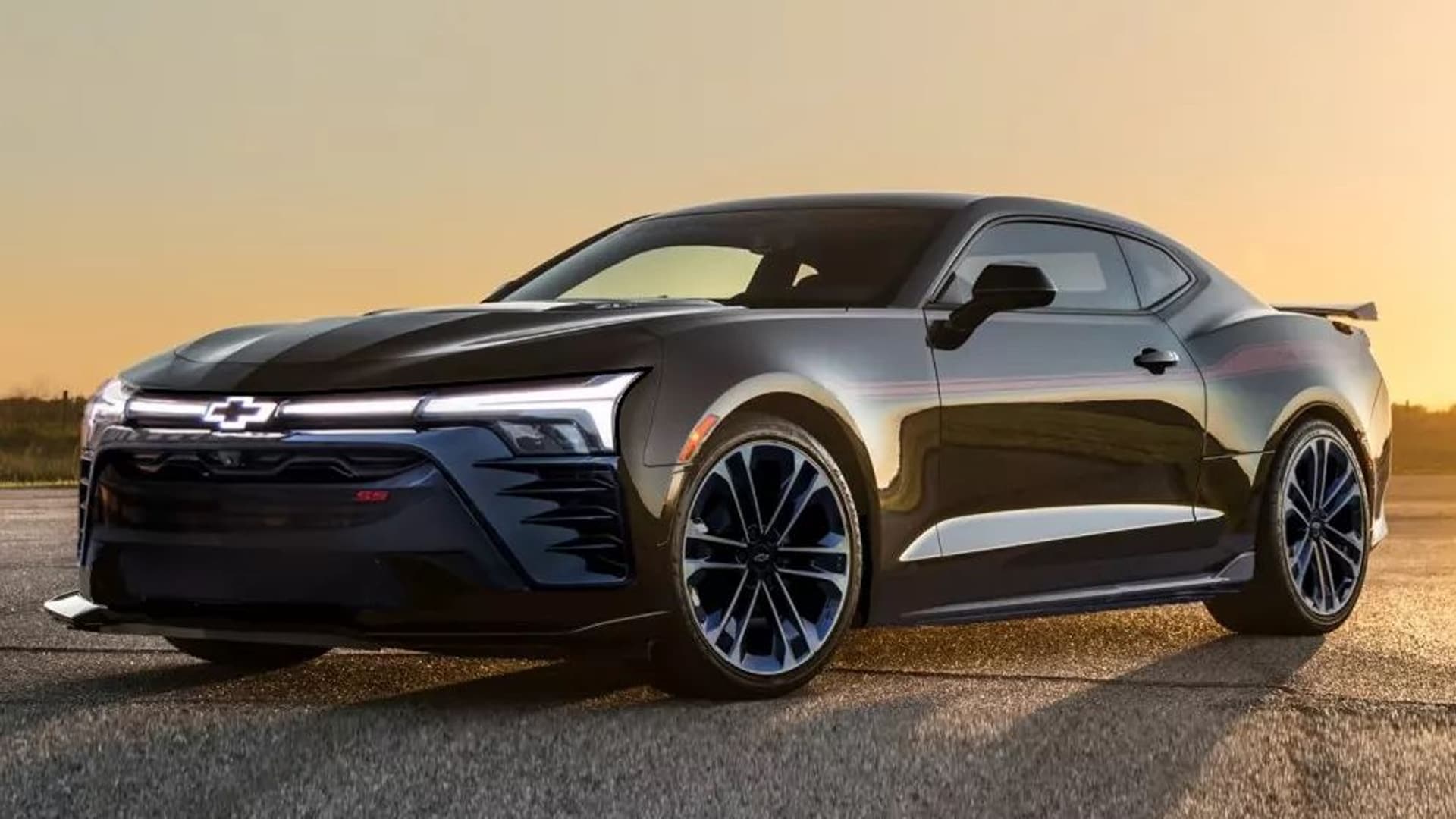
Lower on the apron, an additional air intake was flanked by a pair of narrow vertical scoops. Customers could also opt for a hood with a power dome, giving the Camaro a more aggressive stance.
The car’s profile was less easy to modify. Slightly revised front fenders bore a red, white, and blue badge, while 18-inch alloy wheels were standard on the base trim, with 20-inch wheels available from the LS Coupe upward.
Because the door panels were difficult to alter during a facelift, the 2019 Camaro retained its sculpted doors, leading to the enlarged rear quarter panels with classic coke-bottle styling.
At the rear, new taillights paid homage to the 1968 Camaro, featuring chiseled LED dual lamps with red surrounds and clear centers. Starting with the 1LT trim, customers could opt for a dual-mode performance exhaust with quad outlets, while all other trims, except the ZL1, came with dual stainless-steel exhausts with polished tips.
Inside, the Camaro received updates designed to enhance the driver experience. LS, 1LT, and 2LT trims featured a standard seven-inch touchscreen with Apple CarPlay and Android Auto, while the 3LT and above received an eight-inch touch-sensitive display.
Front bucket seats were offered in two cloth options with bolstered areas, and the rear bench accommodated two passengers. Leather upholstery was available across five trim levels, while the ZL1 came standard with Recaro high-bolstered bucket seats.
Under the hood, the Camaro retained a similar range of engines: a two-liter inline-four, a V6, and a V8. All came standard with a six-speed manual transmission, though an eight-speed automatic was optional on the inline-four and V6 versions. The 1SS, 2SS, and ZL1 trims could be equipped with a ten-speed automatic for those seeking less driver involvement.
4. Toyota Prius
While the Toyota Prius excels in fuel economy, it isn’t optimized for winter conditions. Most Prius models are front-wheel drive and sit low to the ground, which limits traction in deep snow.
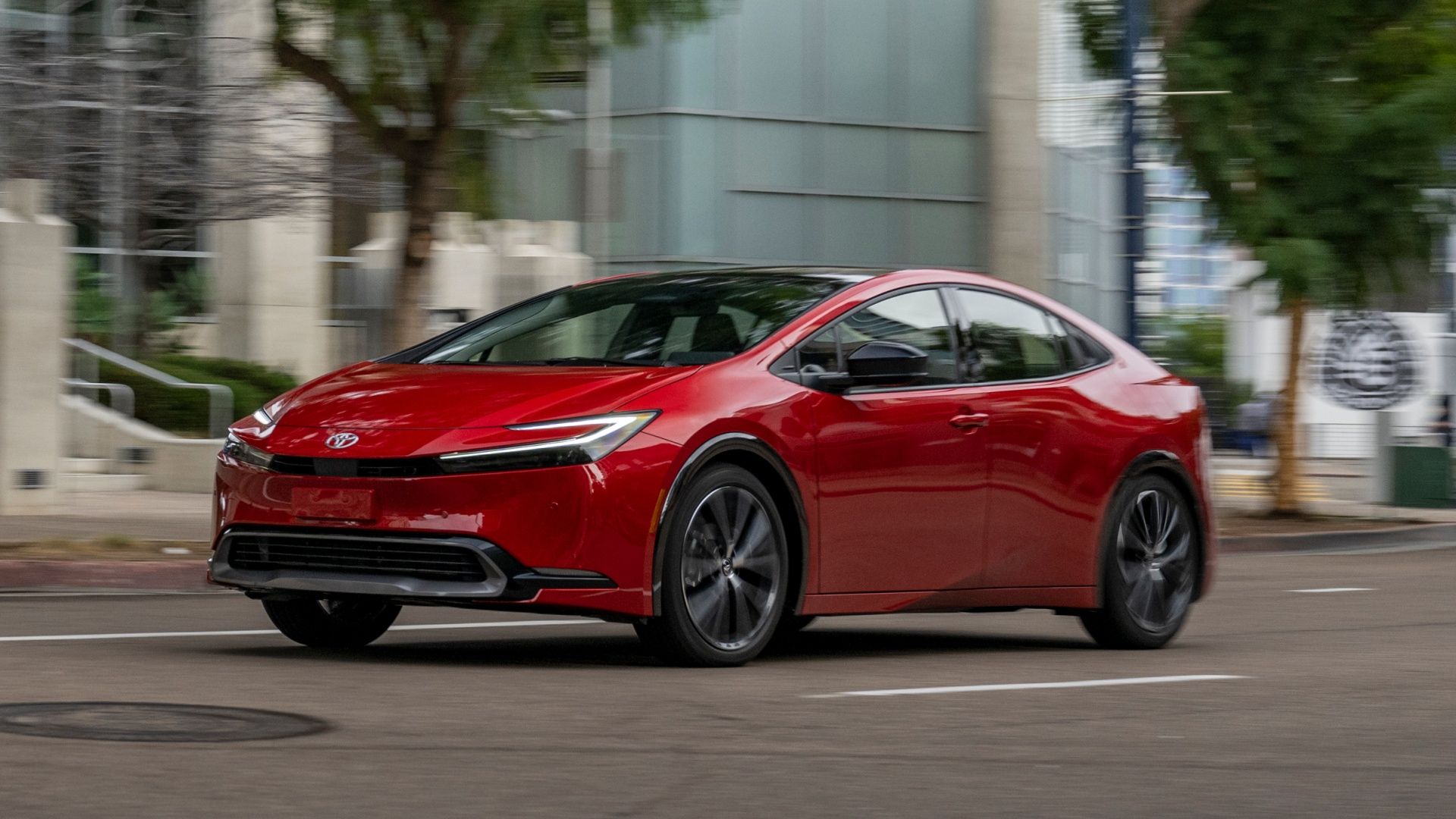
Snow tires can help, but heavy snow, icy inclines, or slushy roads will often reveal the Prius’s limitations. In snow-prone states, the Prius is better suited as a secondary or city car rather than a primary winter vehicle.
5. Ford Mustang
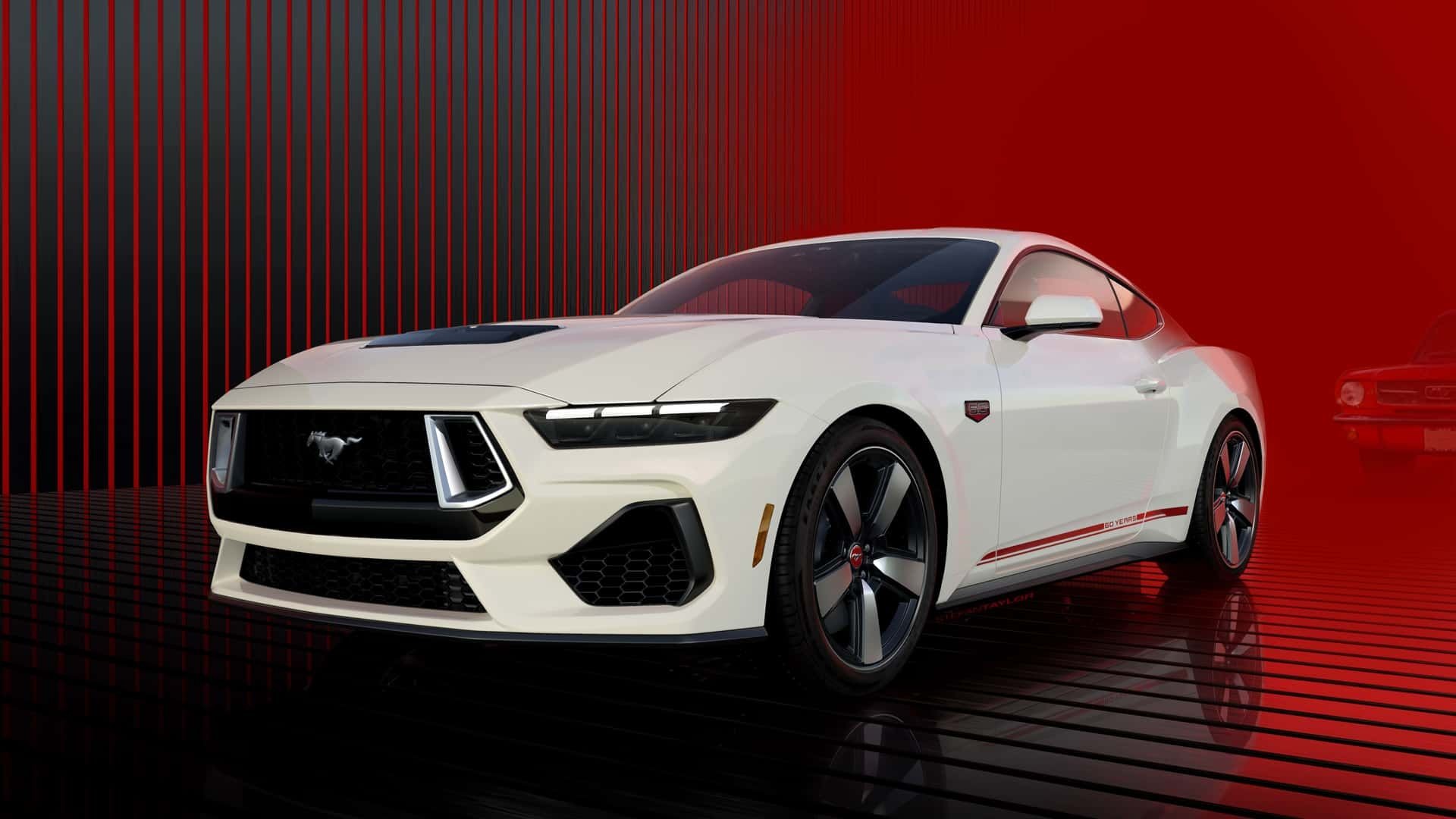
Much like the Camaro, the Ford Mustang is a classic sports car built for performance, not winter endurance. Its rear-wheel-drive layout, aggressive power delivery, and low ride height make it particularly vulnerable to sliding in snowy or slushy conditions.
Snow tires can improve traction somewhat, but even then, the Mustang’s design inherently makes it less capable in winter than SUVs, trucks, or AWD crossovers.
Choosing the right car for winter driving in snow-heavy US states isn’t just about luxury or horsepower it’s about safety, reliability, and predictability when the roads are slick and treacherous.
Now in its sophomore year, the seventh-generation 2025 Mustang continues the legacy it began in the 1960s: offering a distinctly American take on the sporty coupe experience.
Variety remains central to its appeal, with the 2025 Mustang available in power levels ranging from a 315-hp turbocharged four-cylinder to a 480-hp 5.0-liter V-8, not to mention the more aggressive 500-hp Mustang Dark Horse.
The V-8 and Dark Horse trims can be optioned with a six-speed manual in place of the standard 10-speed automatic, while the turbo four-cylinder is automatic-only.
Both the classic fastback coupe and soft-top convertible return for 2025, and the Mustang continues its tradition of special editions. The latest is the 60th Anniversary Edition, limited to 1,965 units in honor of the year the Mustang was introduced, though it originally went on sale in April 1964 as a 1965 model.
The Mustang remains a symbol of carefree, sporty driving, offering stylish transportation for two—or three or four, if passengers are willing to squeeze into the vestigial rear seats.
With the Chevy Camaro out of production and the Dodge Challenger moving toward inline-six or electric powertrains, the Mustang stands as the last domestic pony car still offering a V-8.
Vehicles like the Subaru Outback, Toyota 4Runner, Jeep Grand Cherokee, Audi Q5, and Ford F-150 combine traction, clearance, and intelligent drive systems to help drivers navigate snow and slush with confidence.
On the other hand, sports cars, low-riding compacts, and hybrids such as the Honda Civic, Mazda MX-5 Miata, Chevrolet Camaro, Toyota Prius, and Ford Mustang may struggle in winter conditions, potentially creating safety risks.
For Americans living in northern climates or areas prone to heavy snow, investing in a winter-ready vehicle can make the difference between a stressful commute and a safe, confident drive.